
 USD
USD GBP
GBP
 EUR
EUR
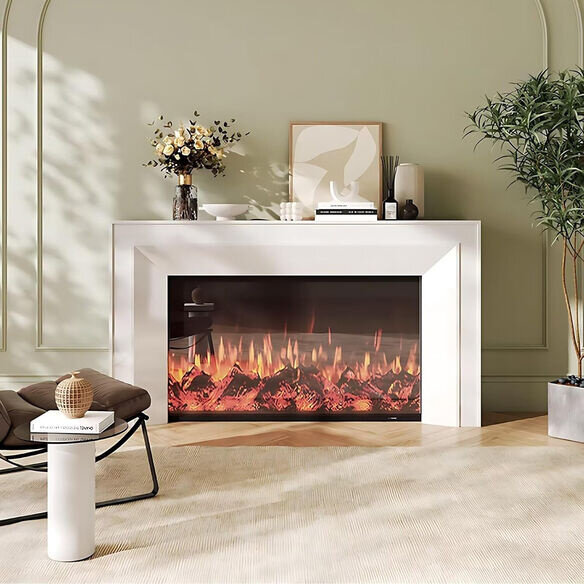


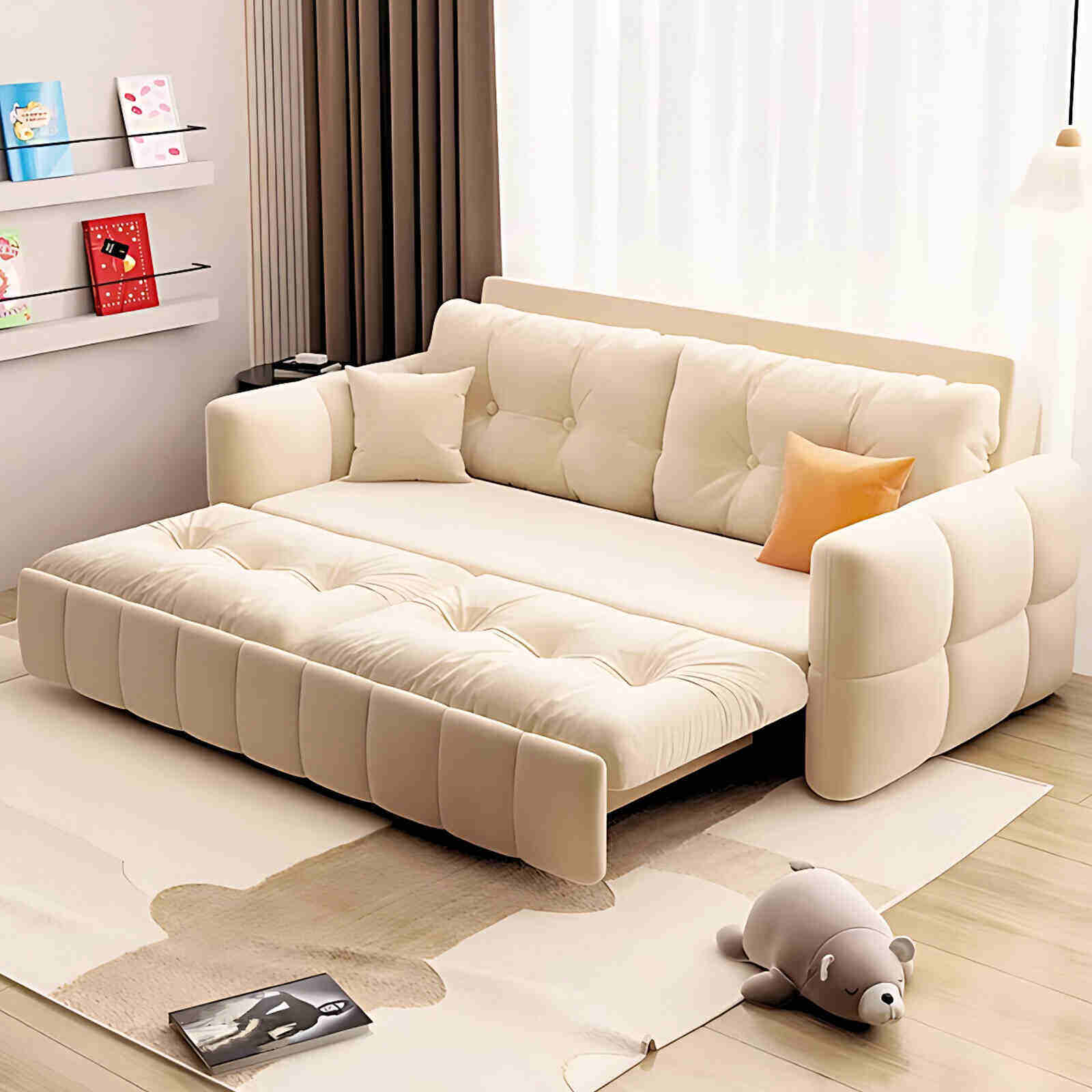
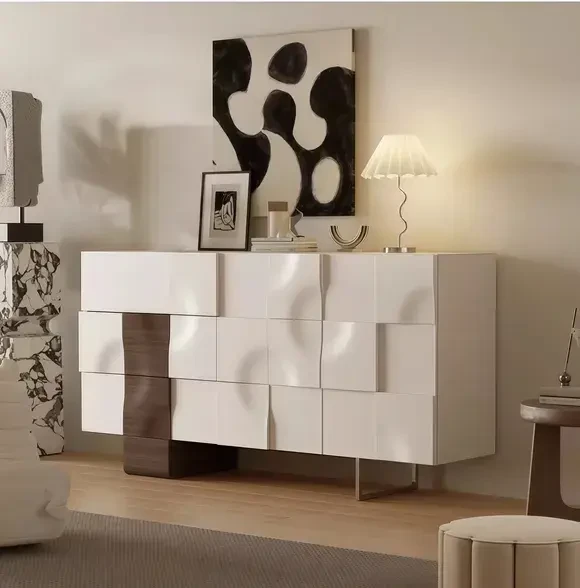

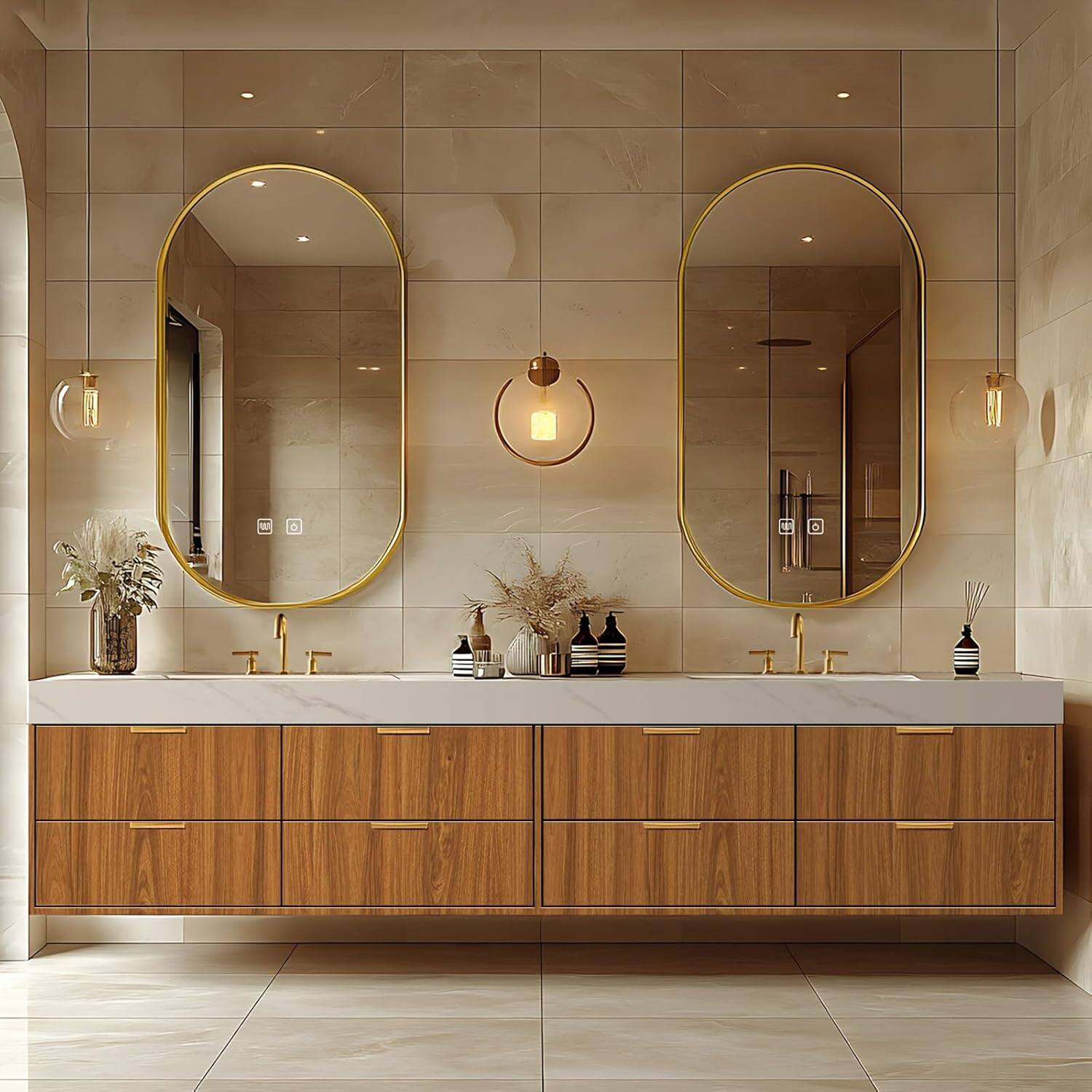




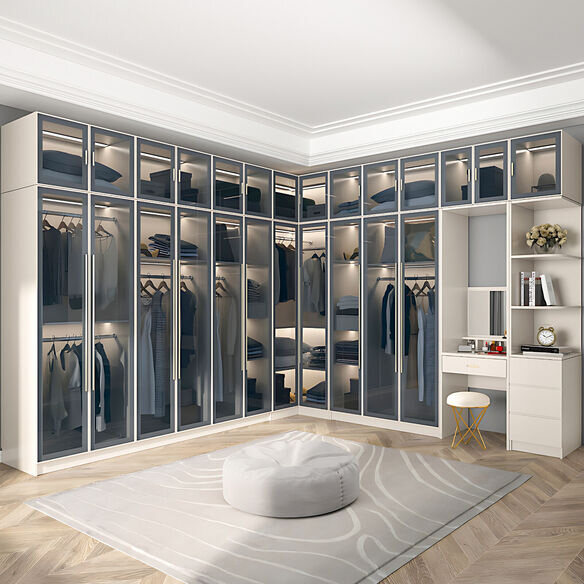
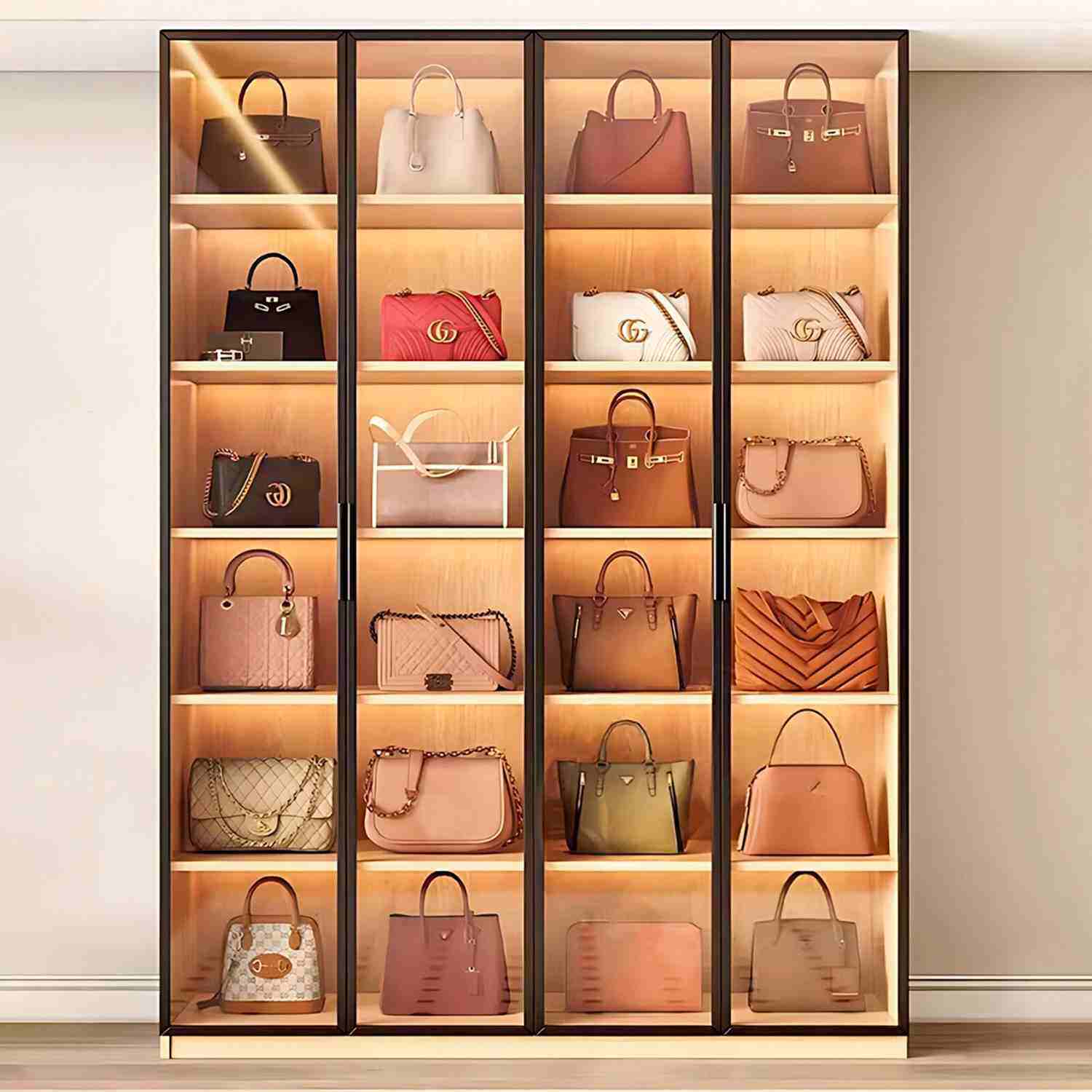

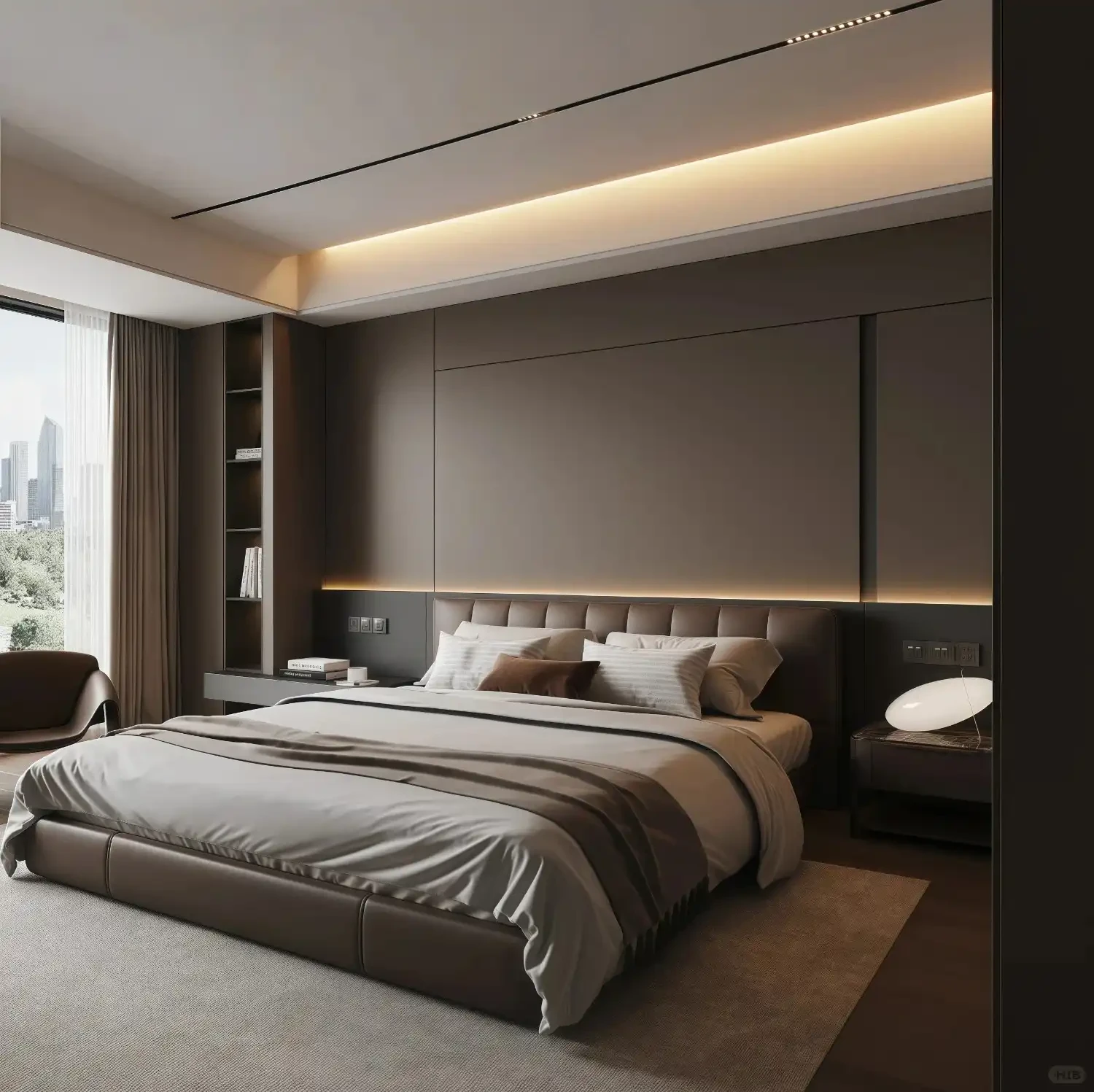

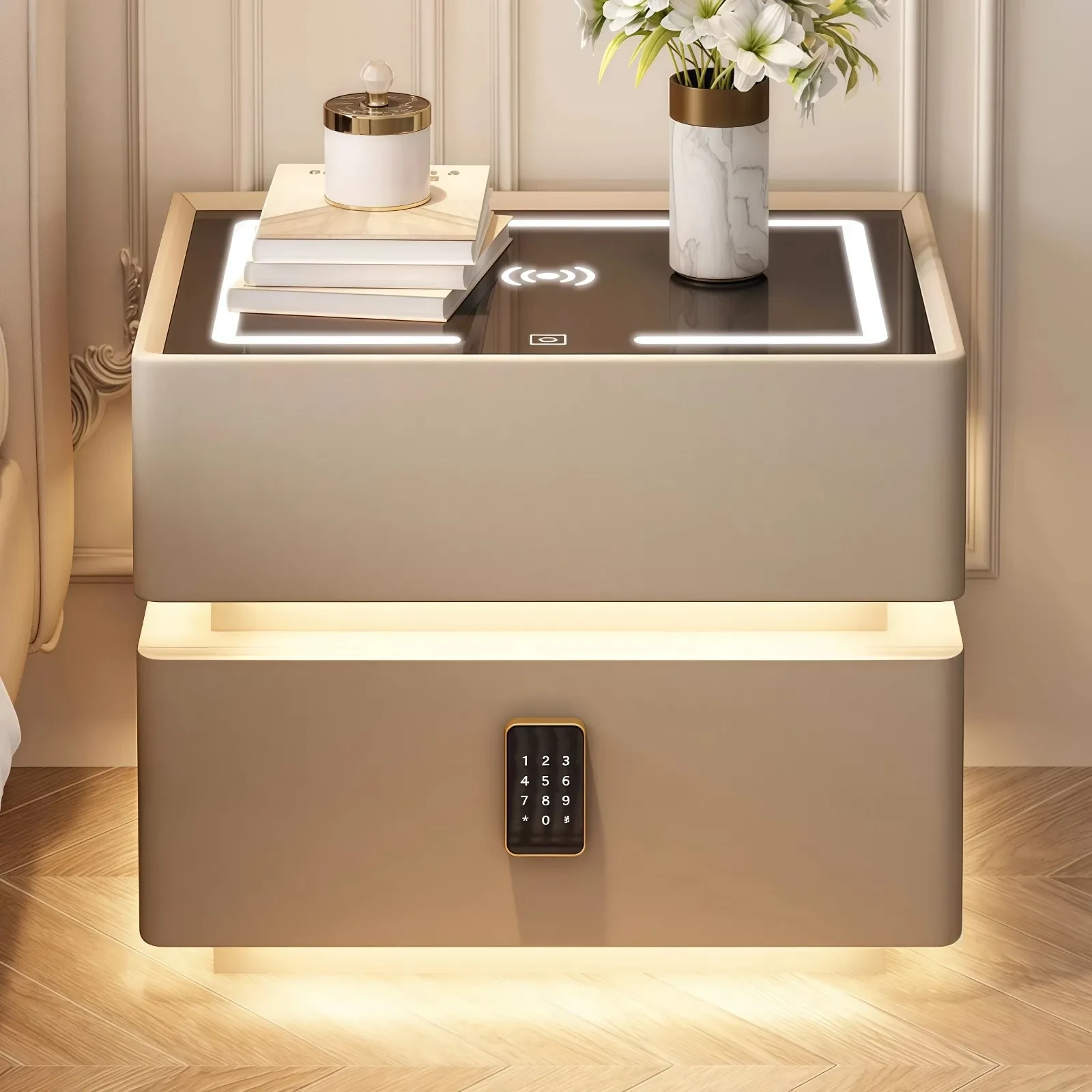
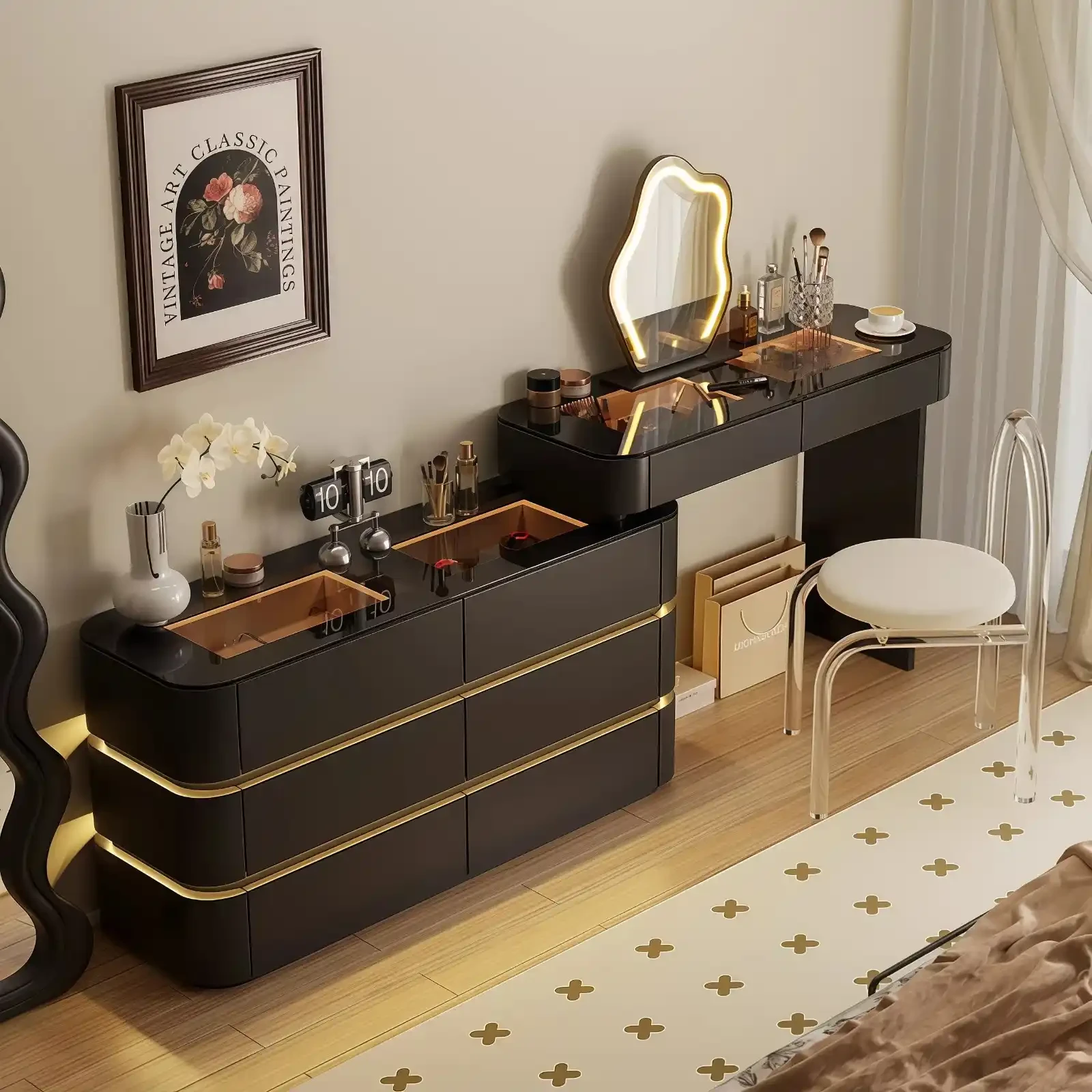
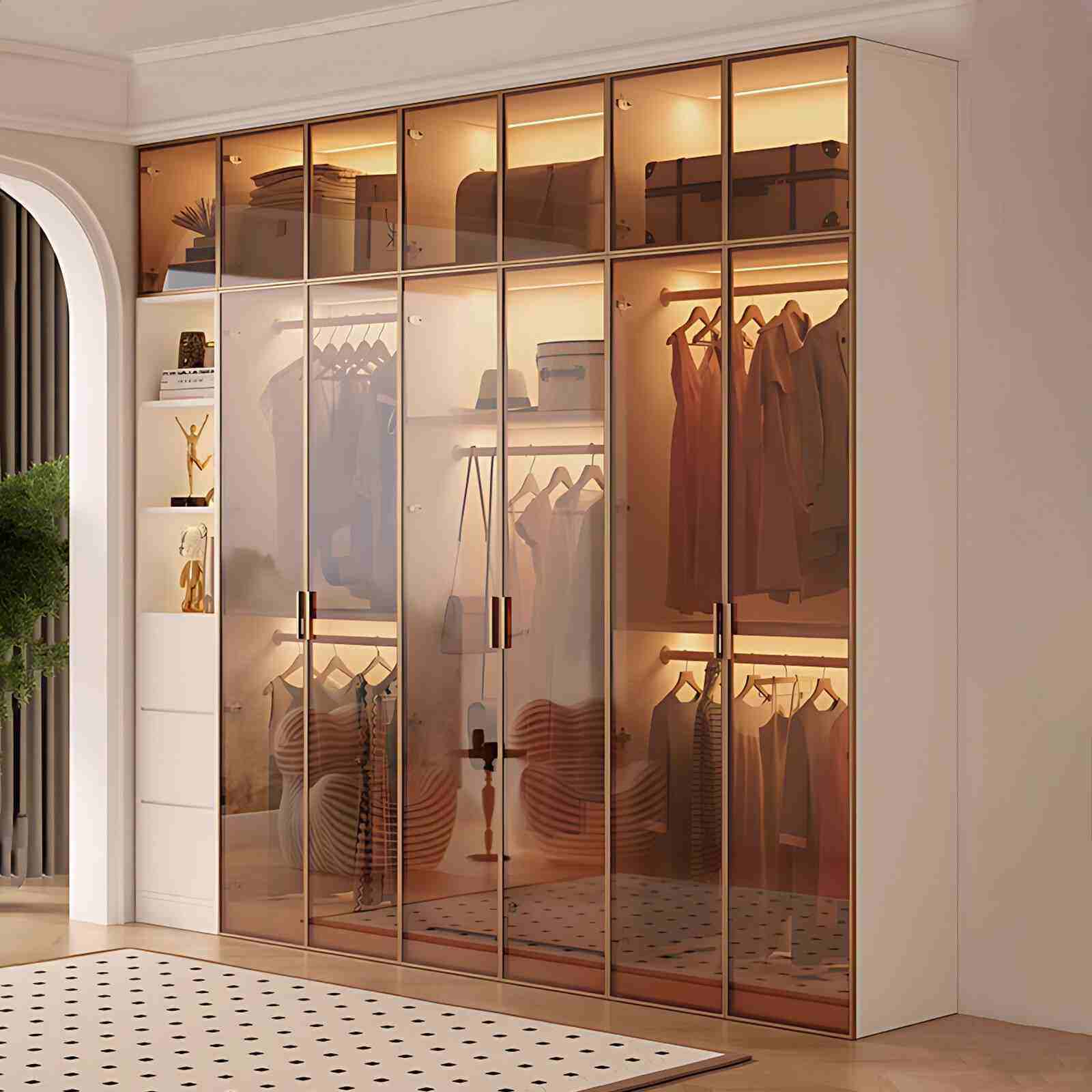
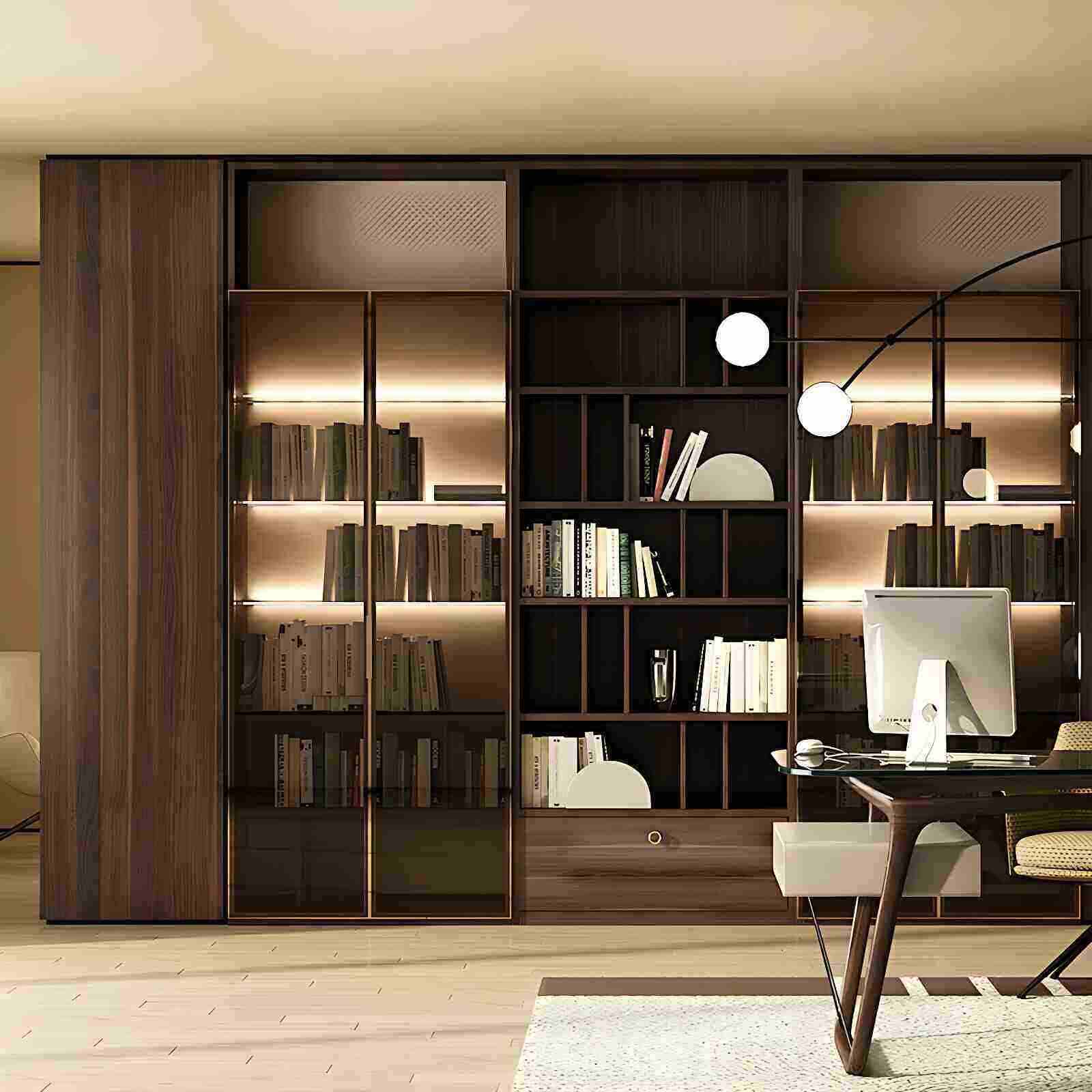

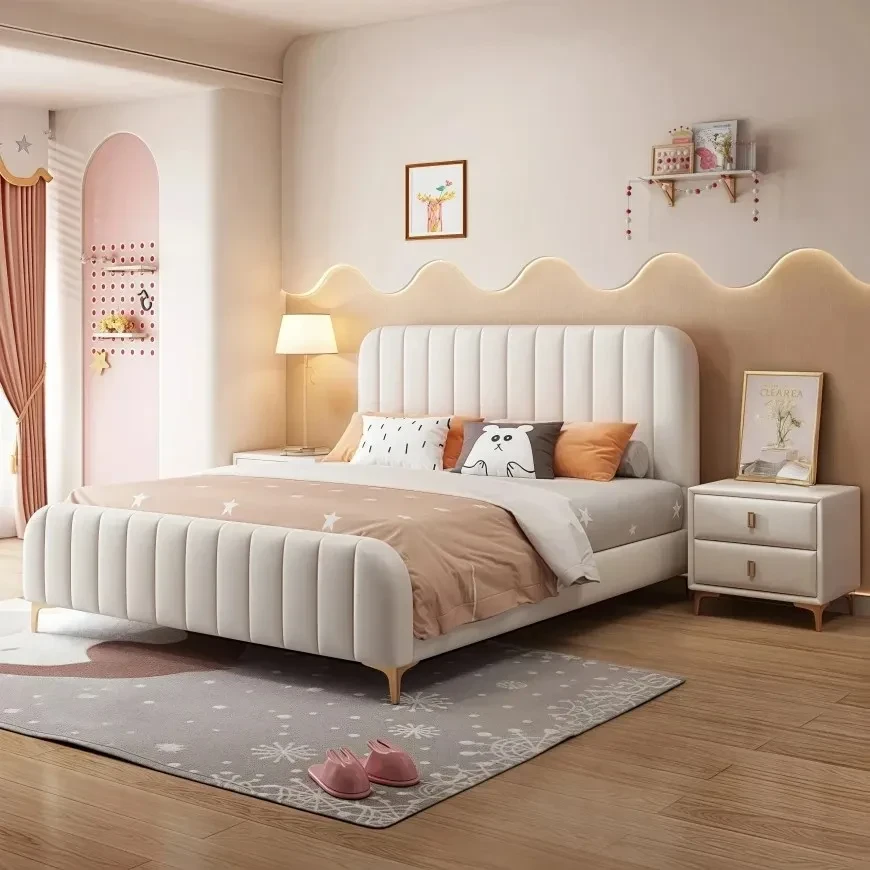
Currently, when sales staff in the custom furniture industry explain the environmental friendliness of their products, some claim their boards meet the Japanese F4 star environmental standard, some say they meet the European E1 environmental standard, and some even claim they meet the E0 environmental standard. Each store claims its own is the most environmentally friendly! So today, we'll compare these three levels of environmentally friendly boards!
On June 5, 2004, the World Health Organization issued Announcement No. 153, declaring formaldehyde a Group 1 carcinogen. Formaldehyde is a highly toxic substance, ranking second on my country's list of priority controlled toxic chemicals. A survey conducted by the Chinese Center for Disease Control and Prevention in October 2005 showed that the formaldehyde exceedance rate in Chinese homes after renovations was as high as 60%.
According to relevant experts, the term "E0" has been used as one of the standards for formaldehyde emission limits in my country since 1997 or 1998, although the standards have varied. Cao Zhongrong, a researcher at the Wood Research Institute of the Chinese Academy of Forestry and one of the drafters of my country's national standard for plywood, explained that the E0 grade was officially included in the national standard for plywood, GB/T9846.1-9846.8-2004, promulgated in 2004, primarily indicating the limit for formaldehyde emission.
It is understood that this standard is mainly based on Japan's mature environmental protection standards. The Japanese standard has four levels, with the most stringent F4 star not being adopted in my country's standard for measuring formaldehyde emissions from plywood. Only the F3, F2, and F1 stars from the Japanese standard are adopted, corresponding to the Chinese standards E0, E1, and E2 respectively. That is, E2≤5.0mg/L, E1≤1.5mg/L, and E0≤0.5mg/L. E1 and E0 grades are standards for the free formaldehyde content of plywood, with E1 grade free formaldehyde content ≤9mg/100g and E0 grade formaldehyde content ≤4mg/100g (another calculation standard: E1 grade ≤1.5mg/L, E0 ≤0.5mg/L).
E0, E1, and E2 all refer to environmental standards for formaldehyde emission limits. The E1 and E2 standards originated in Germany and were established by "EGGER," later becoming European standards. Many domestic companies claiming to meet the E0 standard do not actually exist; the highest European standards are E1 and E2. E0 is the most stringent environmental standard, equivalent to European E1 and E2, and is based on the content of formaldehyde and other harmful substances in the wood-based panels.
E0 is simply a formaldehyde emission level, not an environmental protection rating. There is only a Chinese national standard for E0; Europe, America, and Japan do not have an E0 standard. In fact, Japan's F4 star formaldehyde emission level is 0.12-0.3 mg/L, but some domestically produced boards already have formaldehyde emissions below this level. Some brands even show "not detected" when testing formaldehyde emissions, thus their environmental protection rating exceeds F4 star.