
 USD
USD GBP
GBP
 EUR
EUR



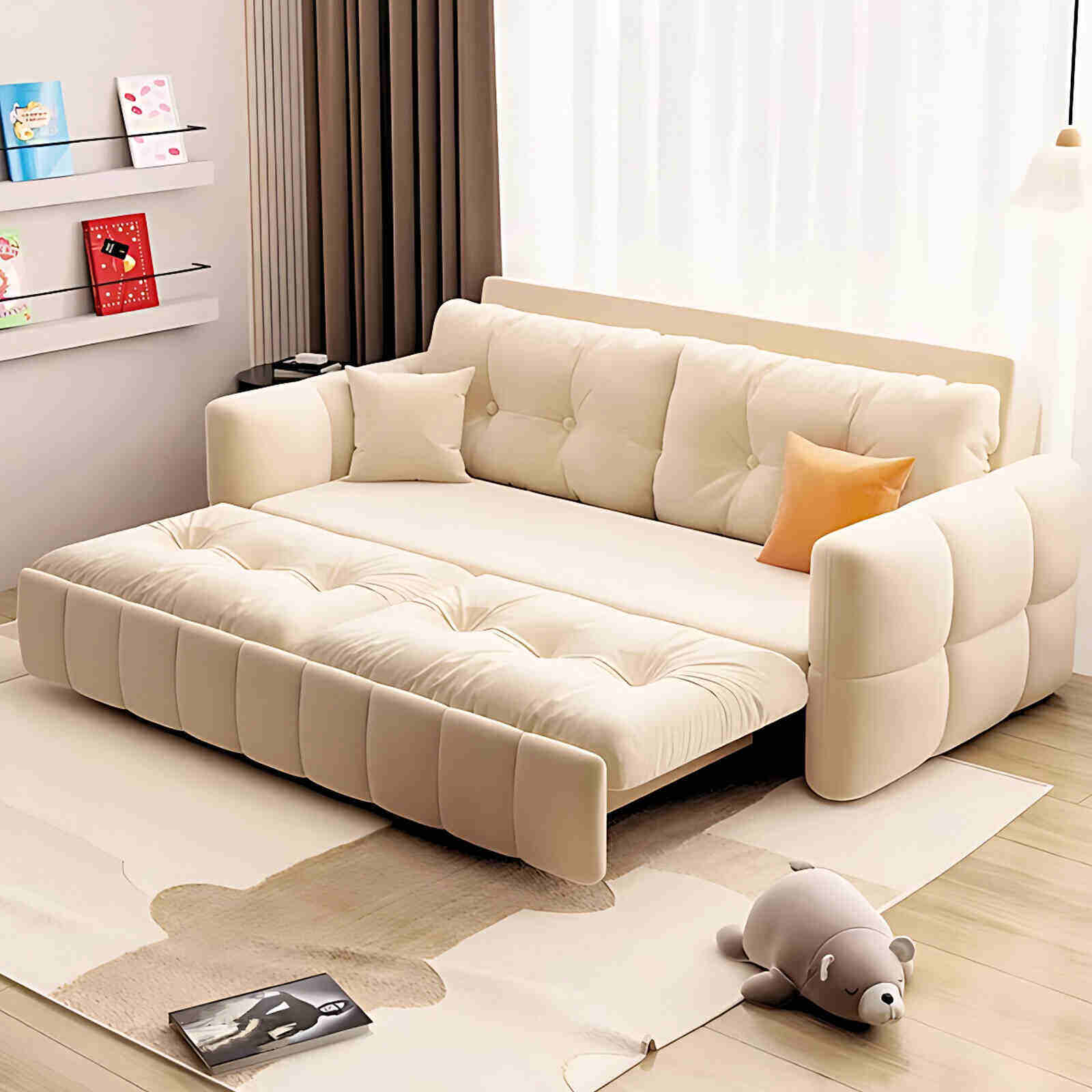
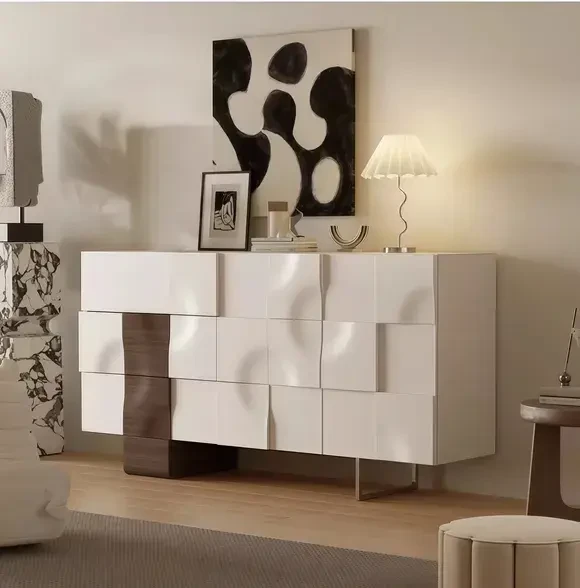

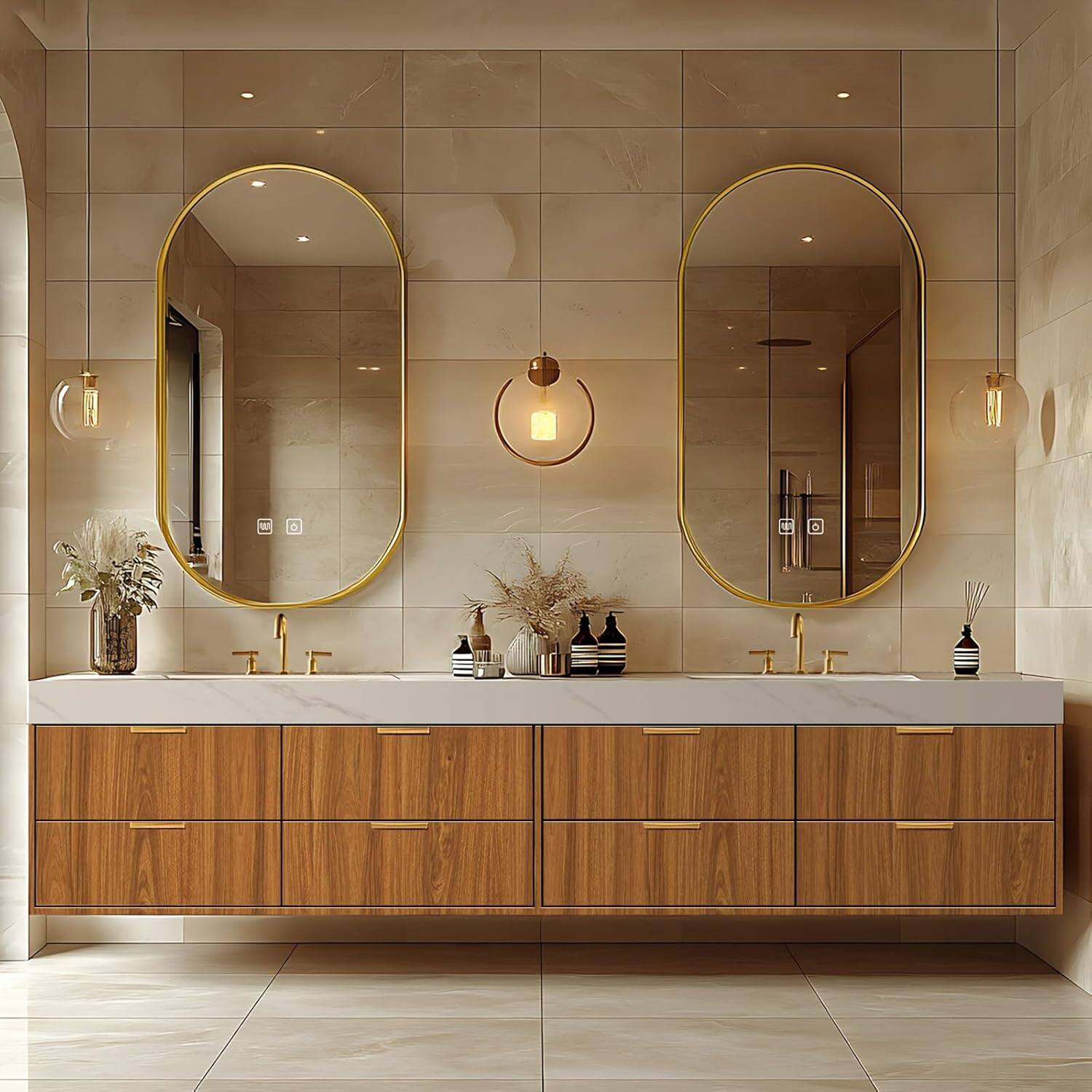

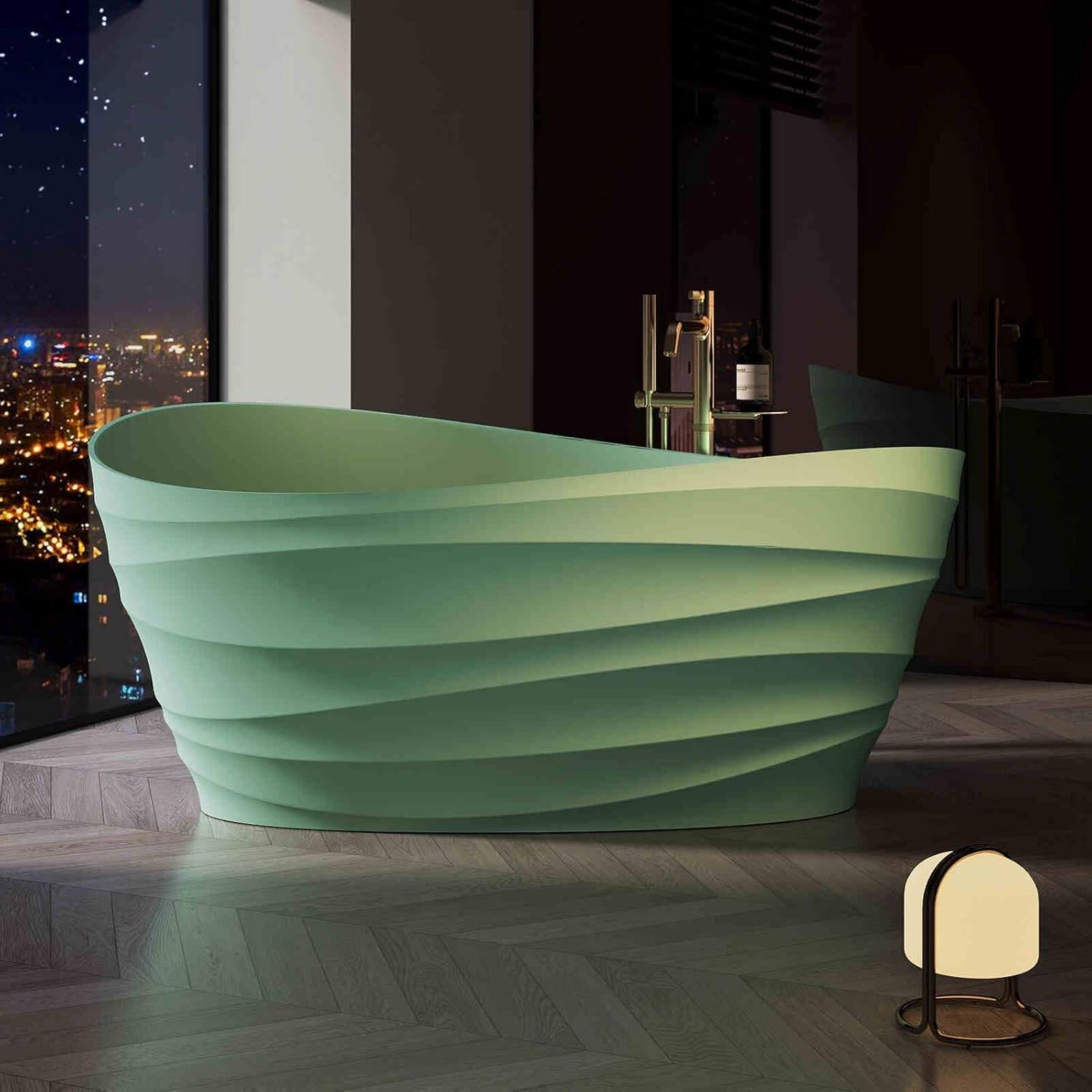




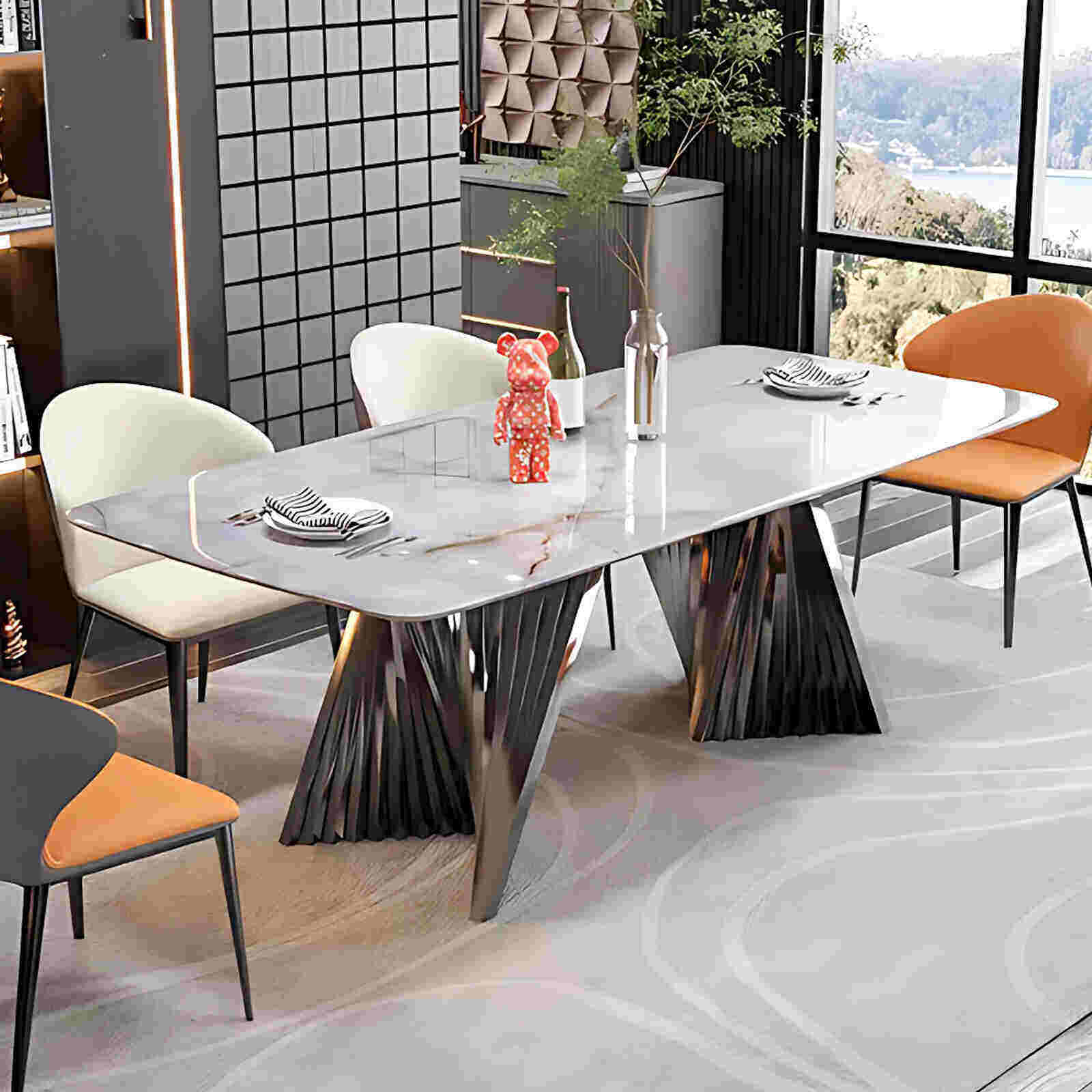

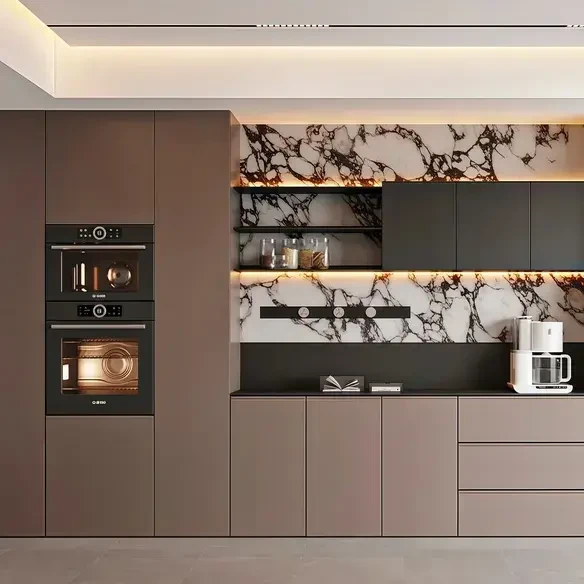
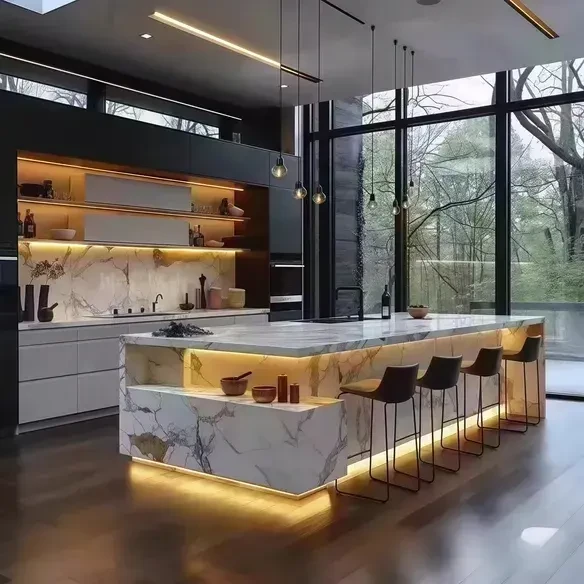




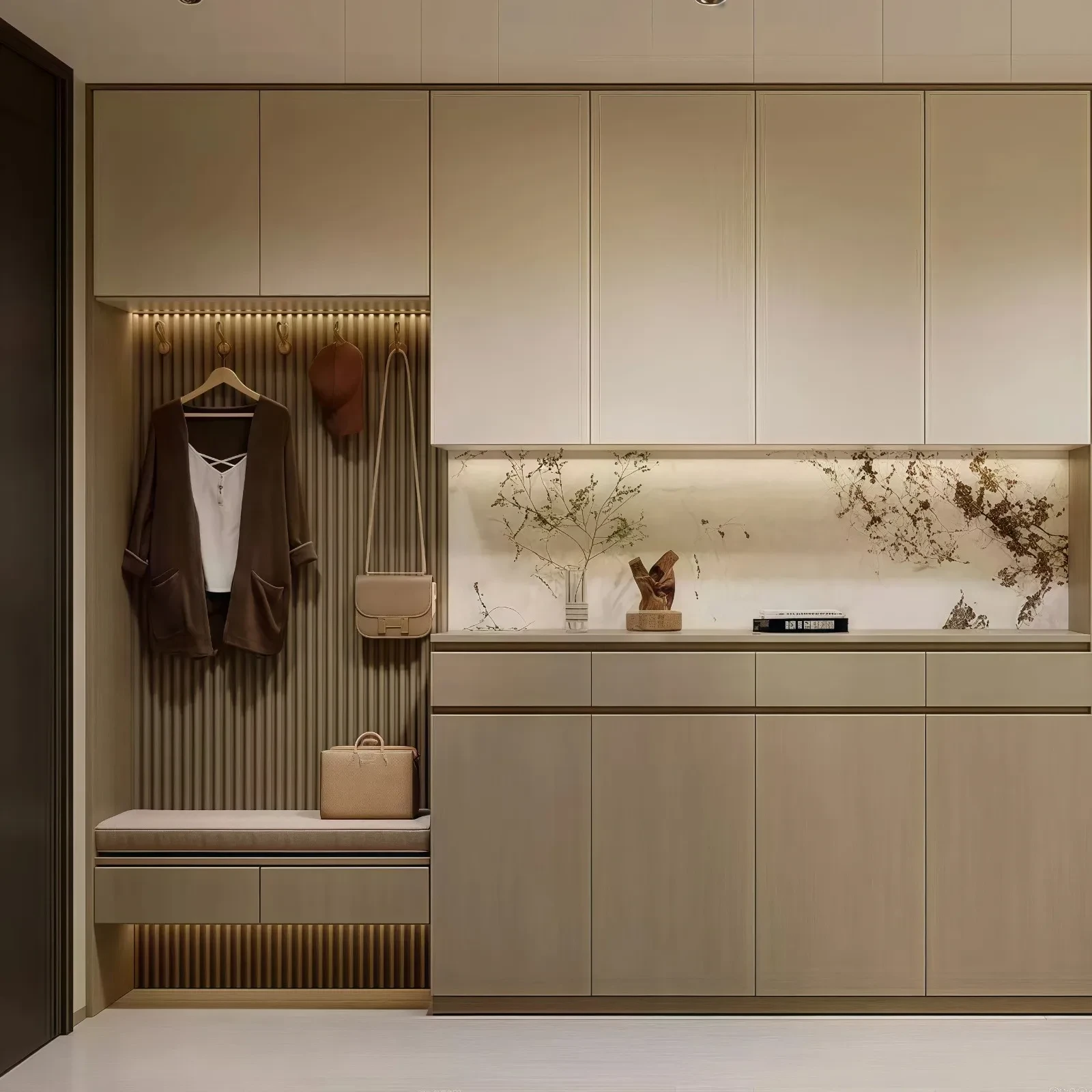


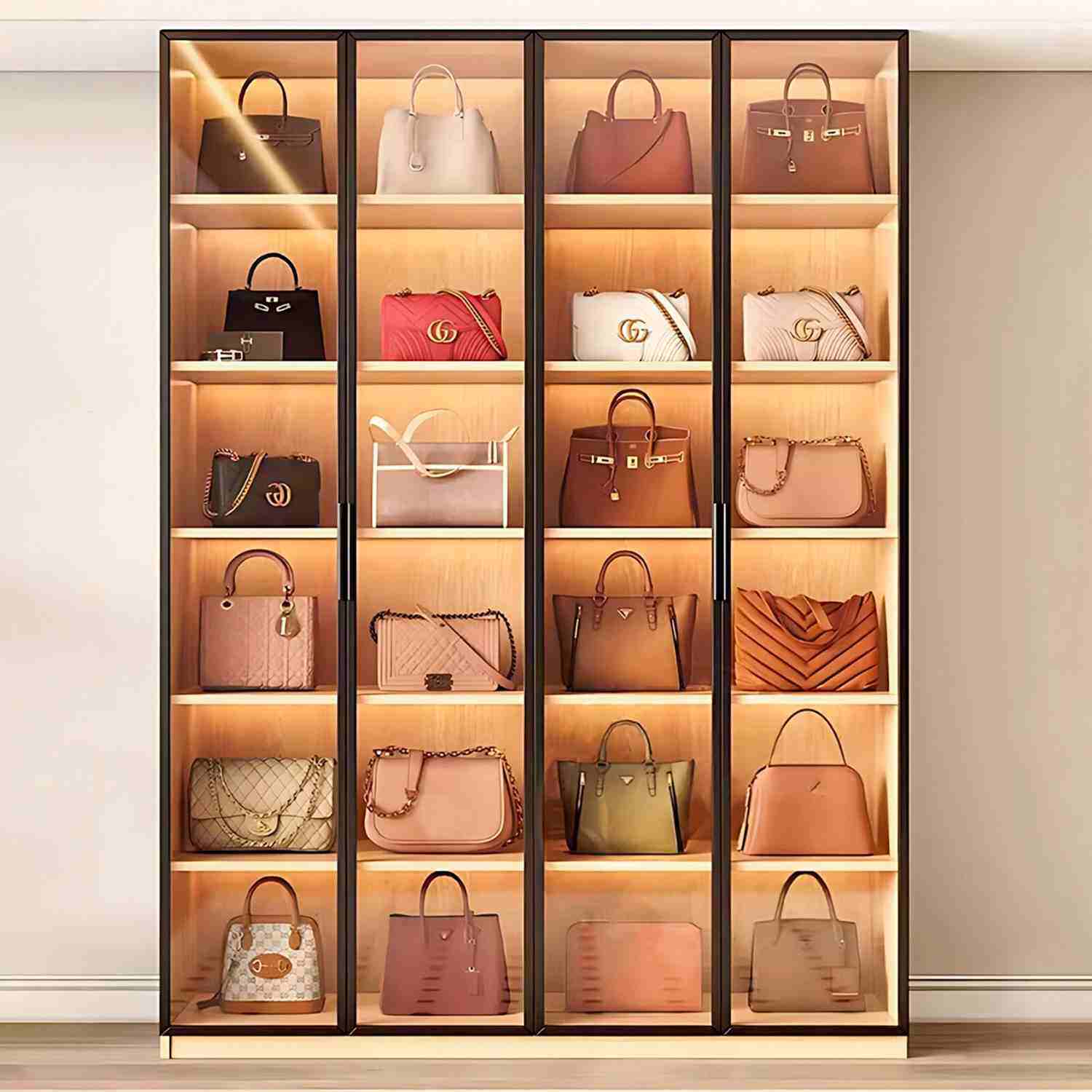

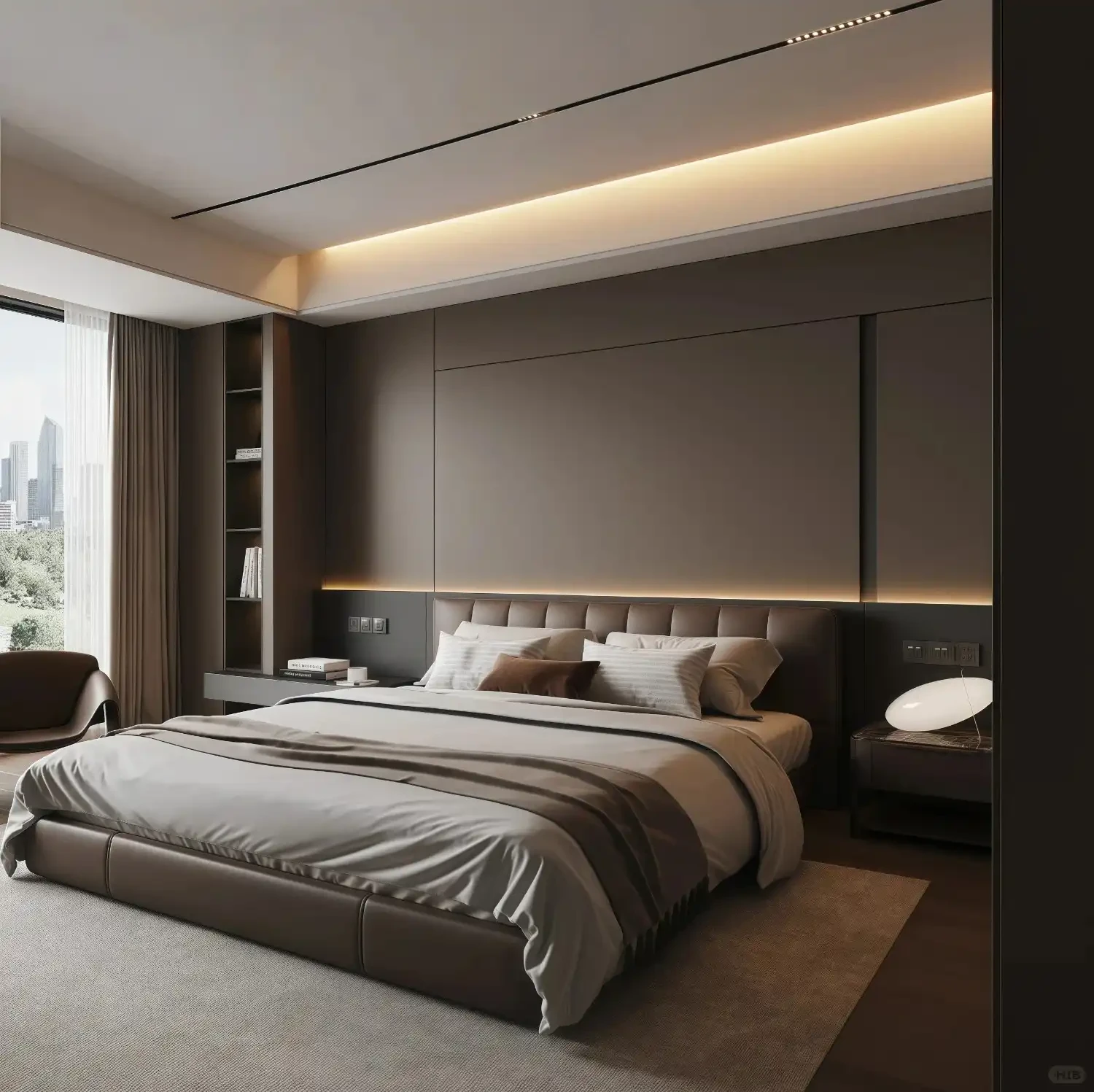




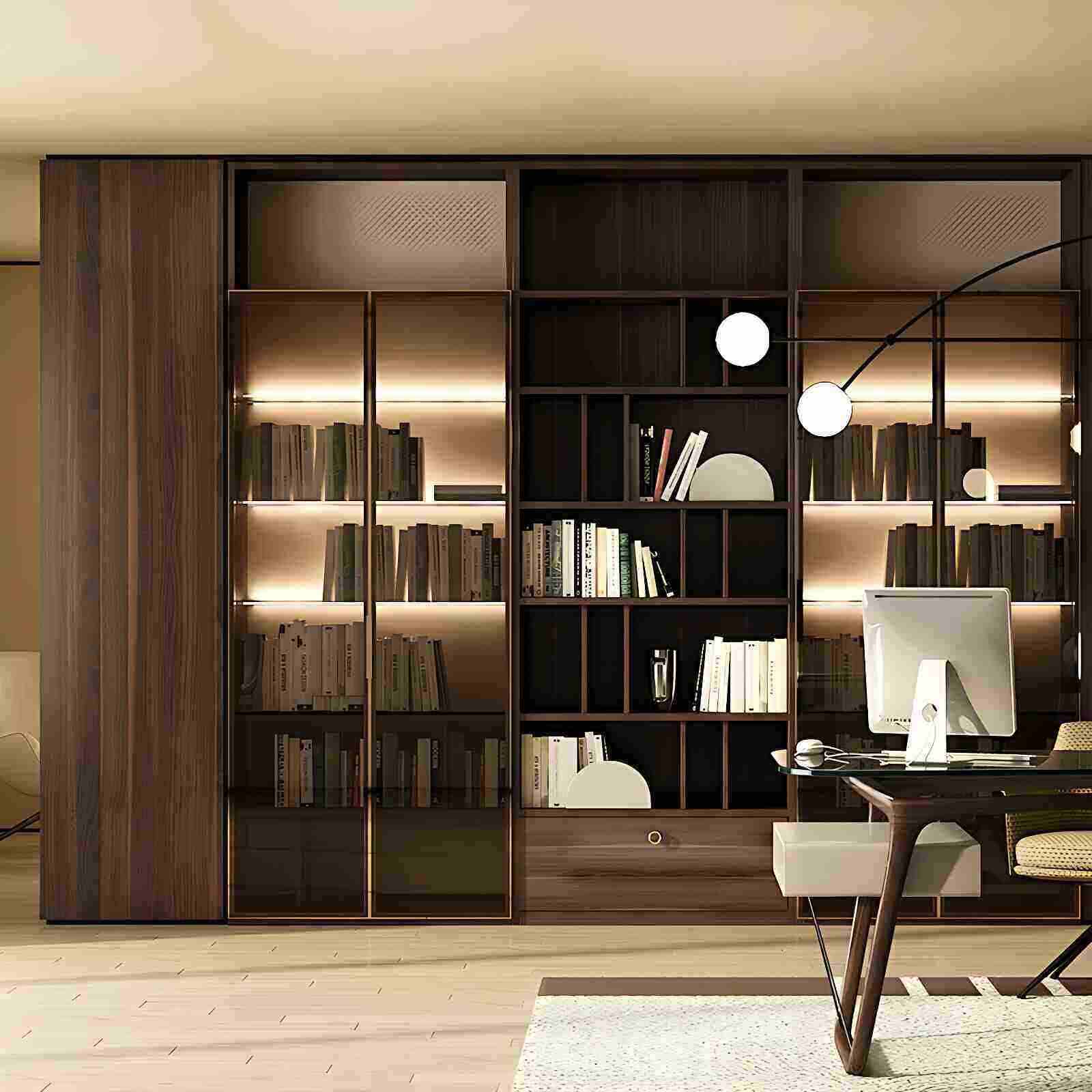

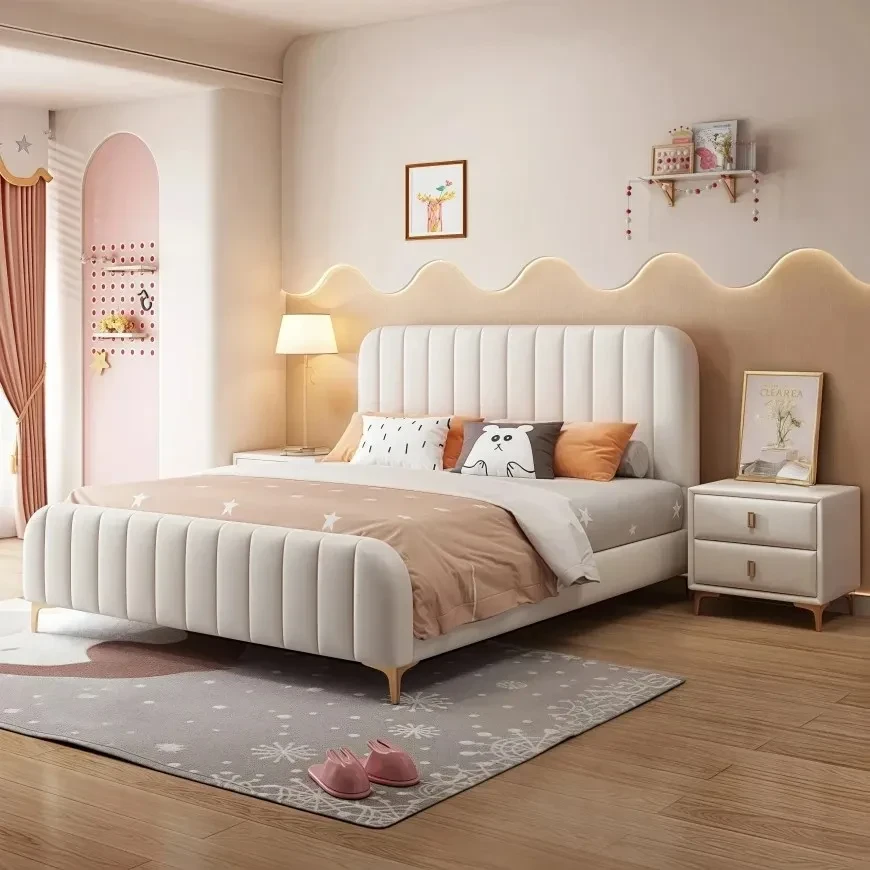


Wood veneer is an excellent decorative material, and stained wood veneer, in particular, has gained market favor due to its boundless creativity. Luban Garden has previously introduced the manufacturing process of stained wood veneer. In this issue, we invited Mr. Mao Zhouqiang, who has many years of experience in production management, to share some insights and experiences from the perspective of the practical application of stained wood veneer.
What is dyed wood veneer?
Dyed wood veneer is a new type of material that uses high-tech processing techniques to dye and treat defects in natural wood veneer, resulting in a beautiful and exquisite product. It retains the texture of natural wood veneer while also compensating for some of its defects.
Dyed wood veneer can change the color without altering the natural wood grain. At the same time, the variety of colors enriches designers' color imagination, enhances the use value of the wood veneer itself, and adds a lot of color to the living environment.
▲Color variations and knots in natural wood veneer
The staining highlights the wood's texture and its three-dimensional features, such as shadows, pebbles, and eyes, showcasing its natural characteristics.
▲The shadow, pomegranate, and eye of wood
The greatest value of wood staining lies in its boundless creative potential. In the ever-changing trends year after year, and in the simple yet endlessly creative interpretations of nature, it can create a rich variety of usable colors and hues.
▲The boundless creativity of stained wood veneer
How is wood veneer dyed?
Wood veneer dyeing processes include diffusion method, depressurized diffusion method, pressurized injection method, and depressurized and pressurized injection method.
The specific operation of these methods will not be elaborated in this article. Interested readers can click on the link below for reference.
Veneer staining: An effective way to increase the added value of fast-growing broadleaf timber.
Regardless of the method used, the essence of wood veneer staining is the reshaping of its color. The first step of "reshaping" is to "bleach" the wood veneer, which usually involves bleaching with hydrogen peroxide.
Then, acid dyes are used to prepare the dyes required by the design. By controlling the temperature, pressure, and time, the dyes are allowed to fully penetrate into the interior of the wood veneer.
Finally, a series of operations are carried out, including soaping, color fixing, air drying, oven drying, leveling, cutting, quality inspection, measurement and labeling, packaging and shipping.
▲Partial illustration of the wood veneer staining process
How can stained wood veneer be used properly?
Dyed wood veneer has many advantages, but for most furniture companies, the main challenge is how to apply it scientifically and reasonably.
Next, we will discuss the issues that need attention in the practical application of stained wood veneer from aspects such as design requirements, raw material requirements, woodworking requirements, gluing and pressing requirements, and paint requirements.