
 USD
USD GBP
GBP
 EUR
EUR
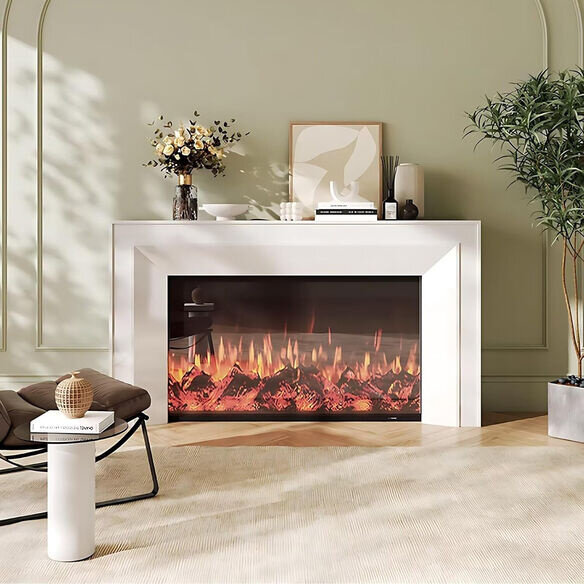
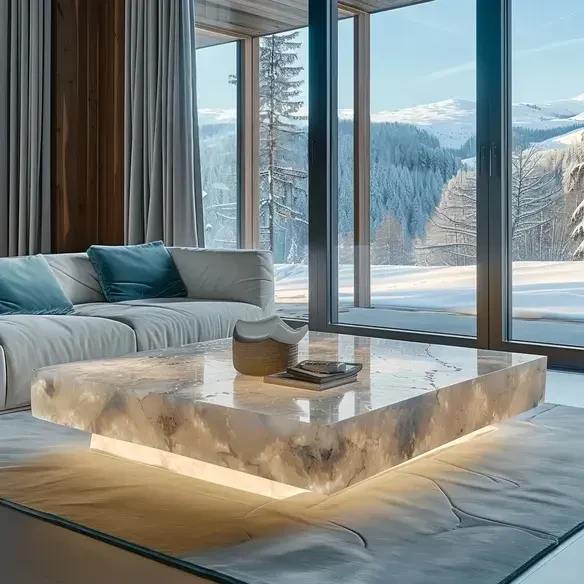
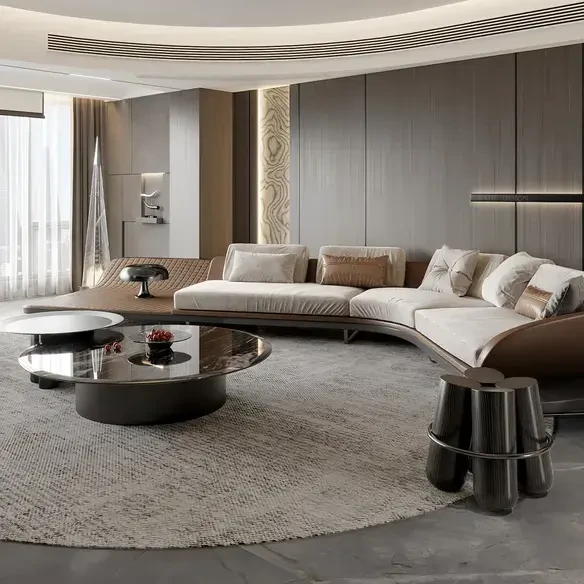
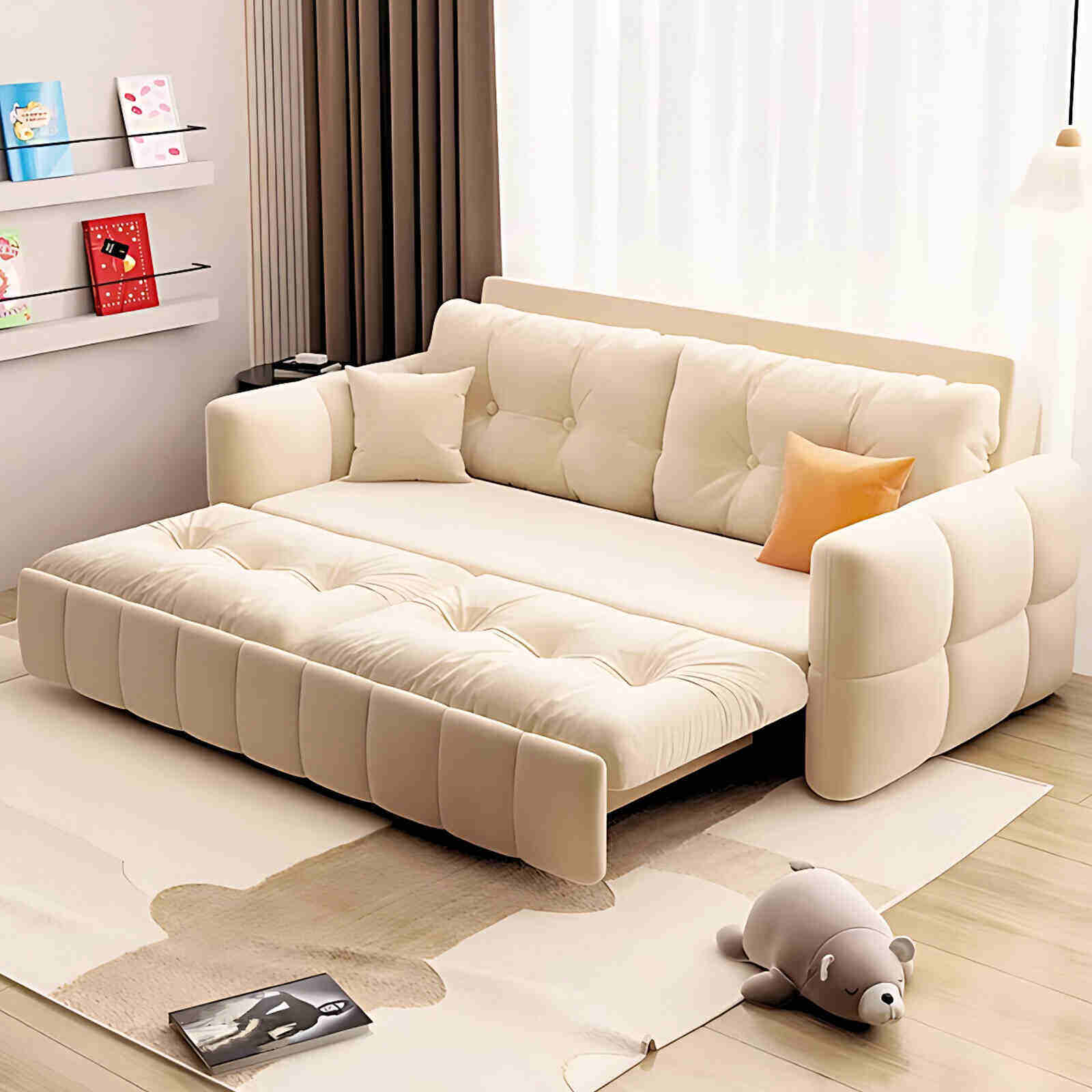
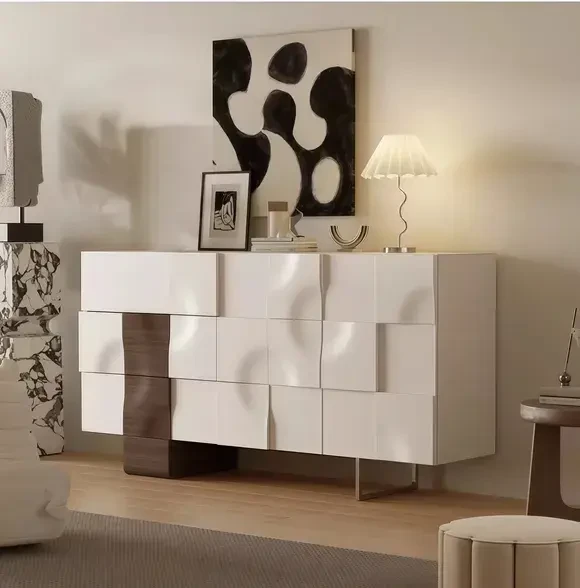
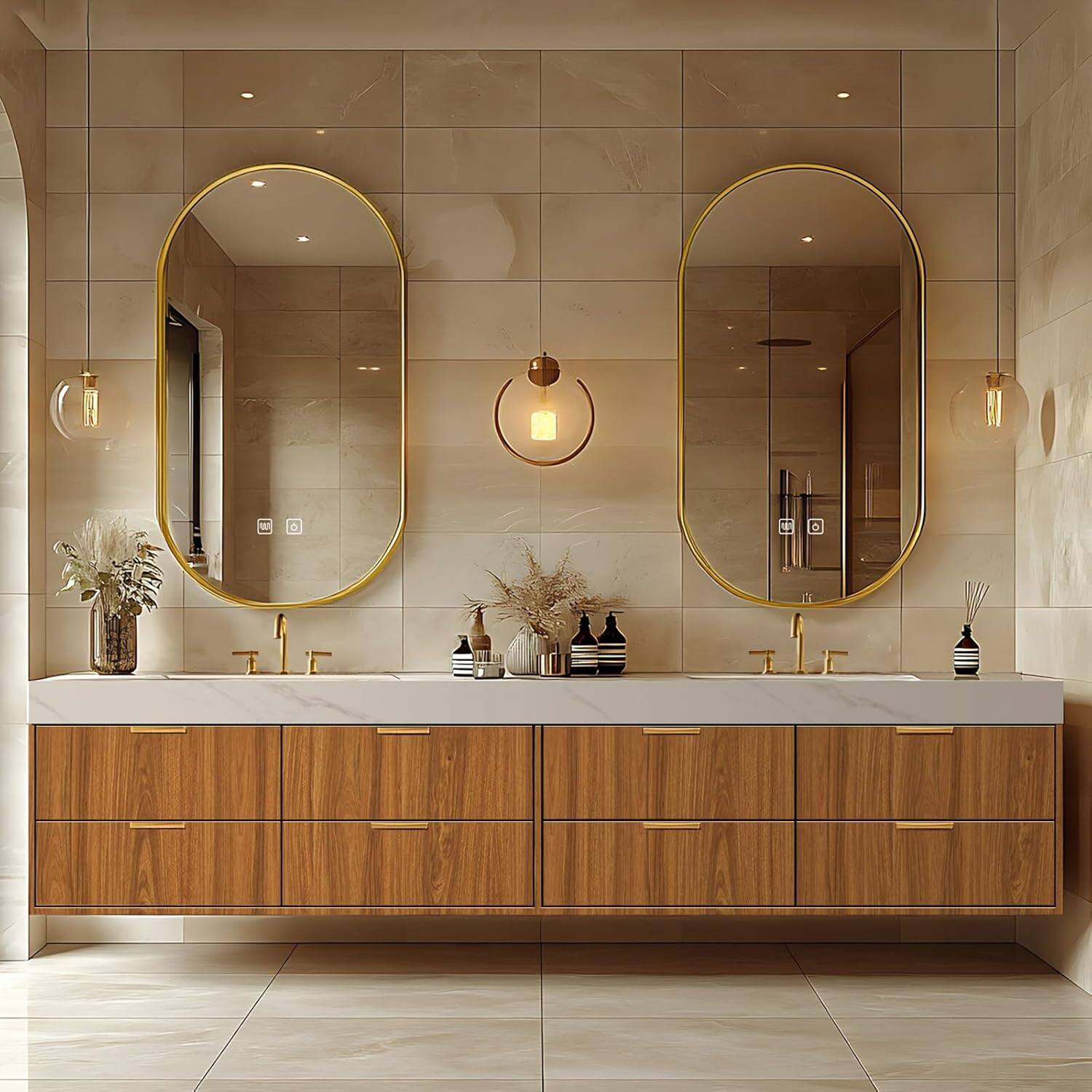




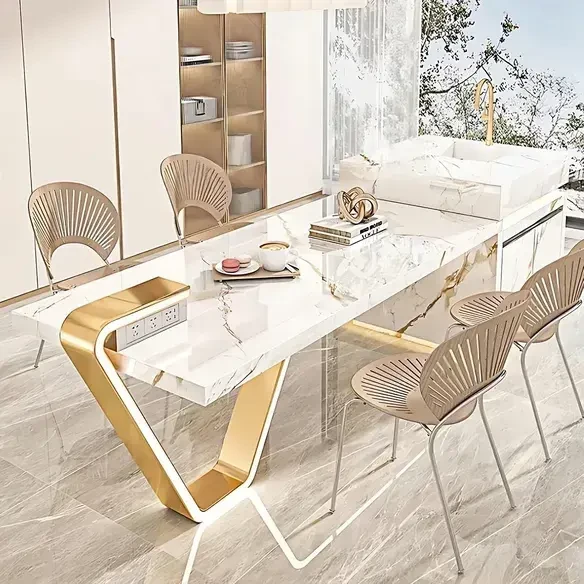
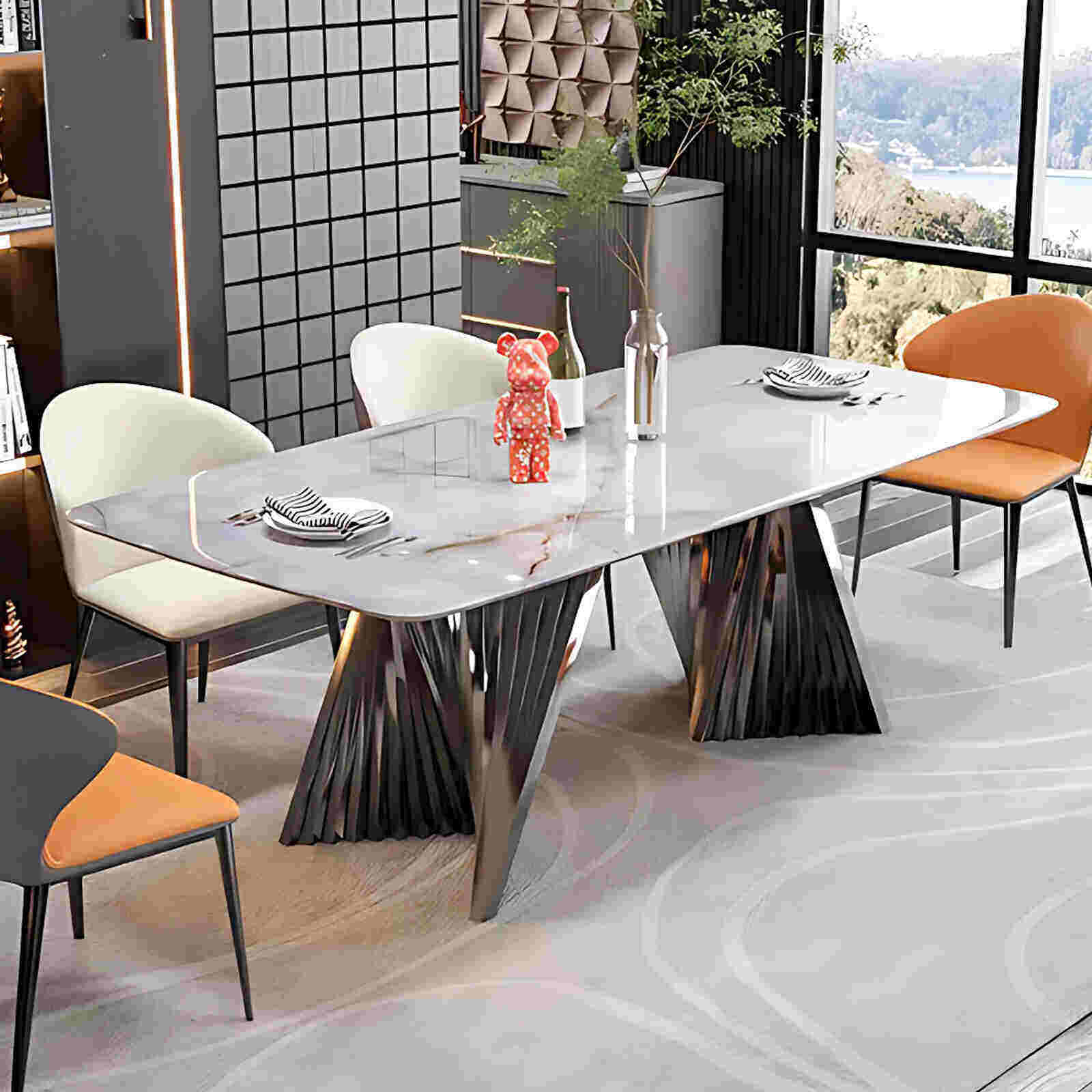
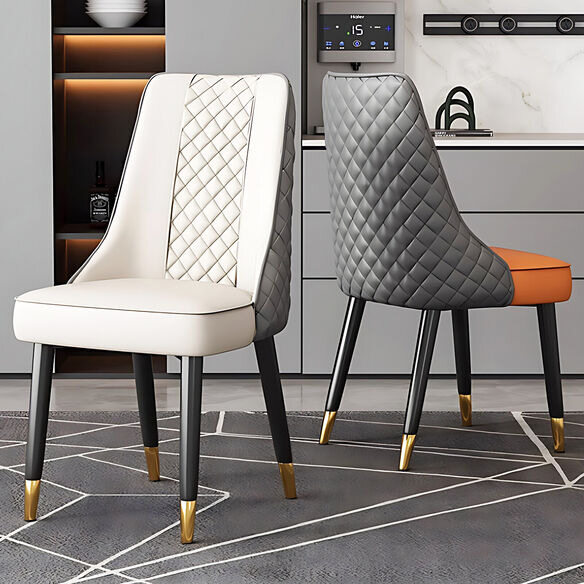

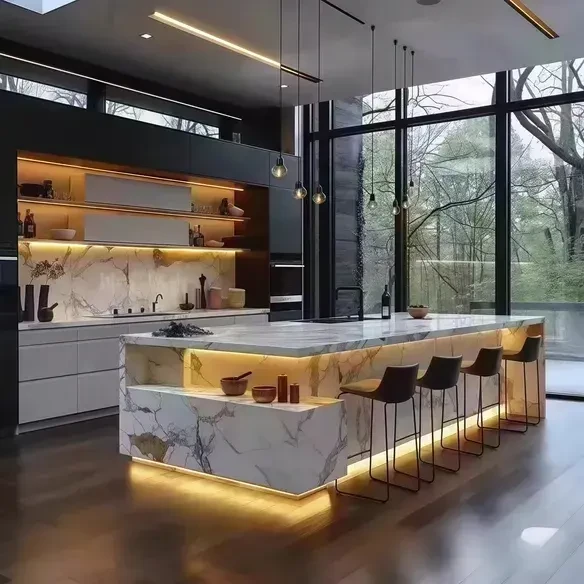
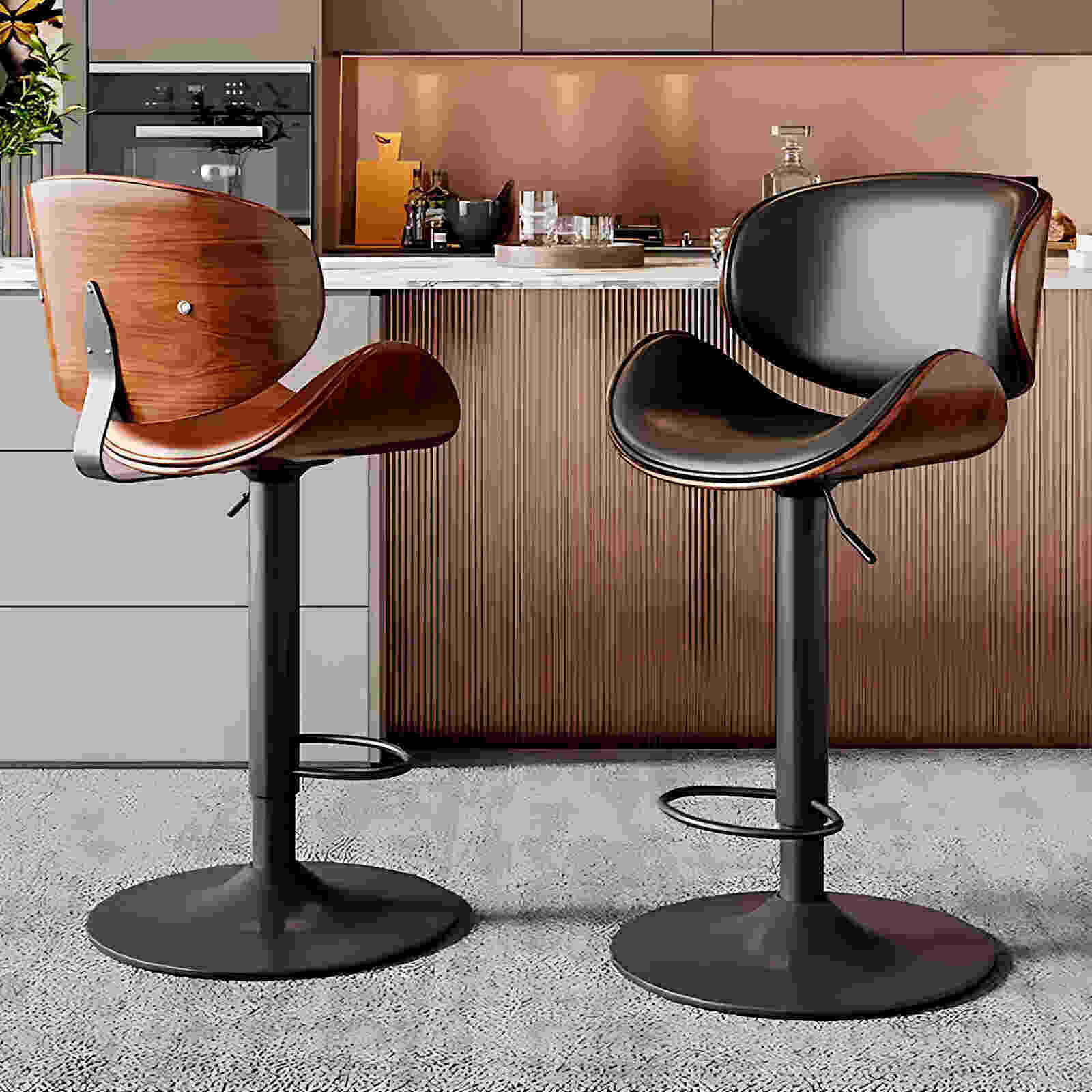



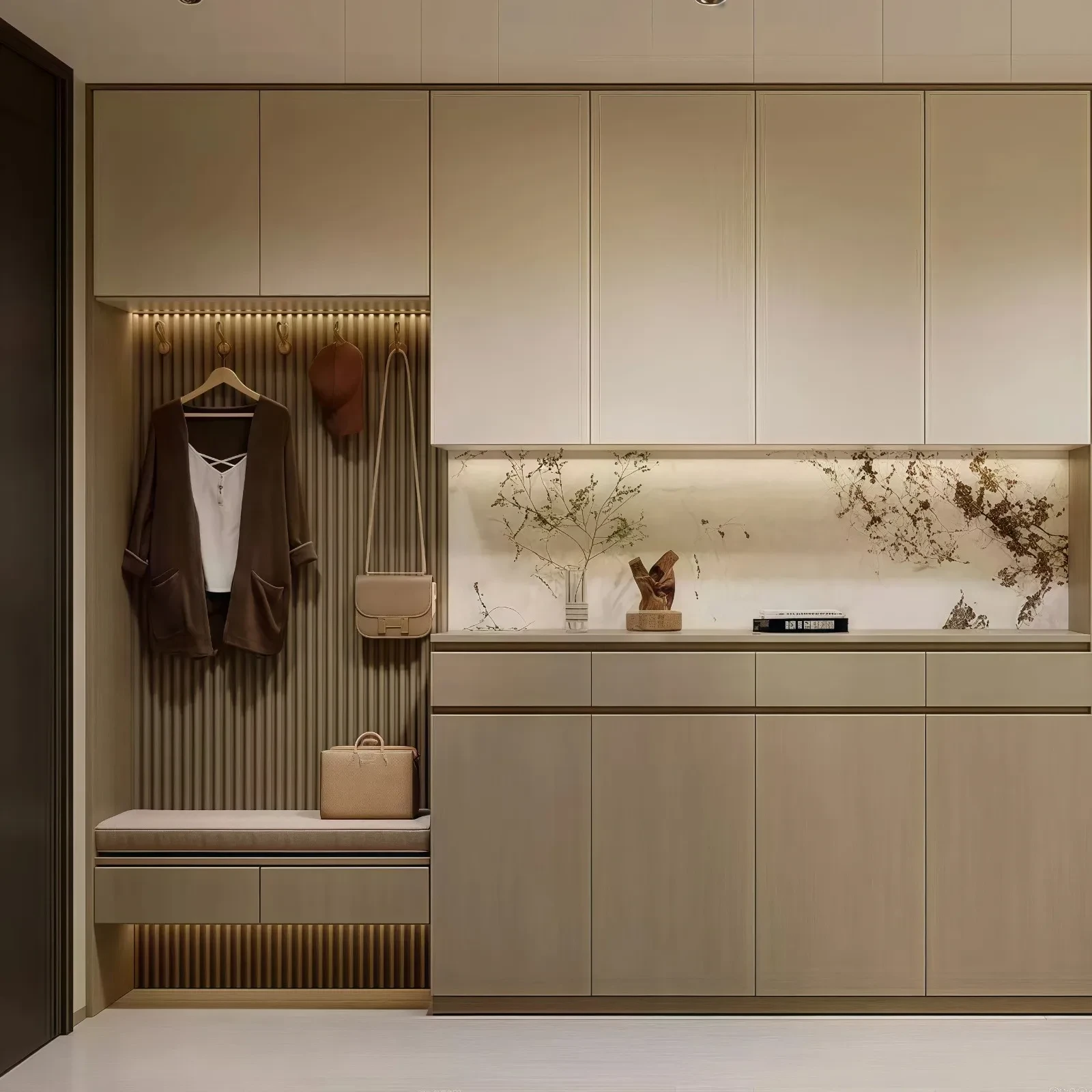





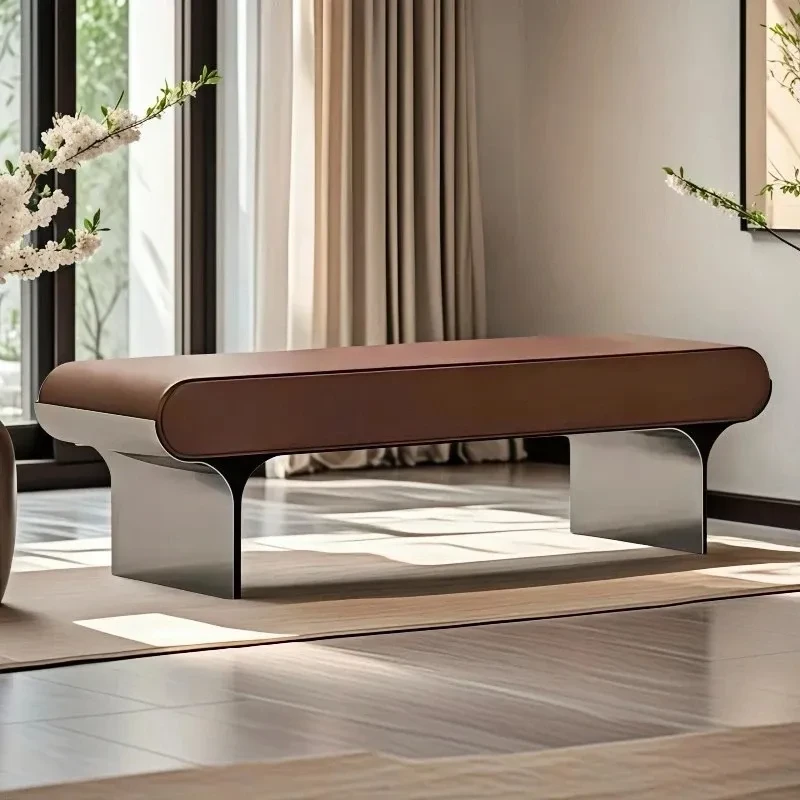

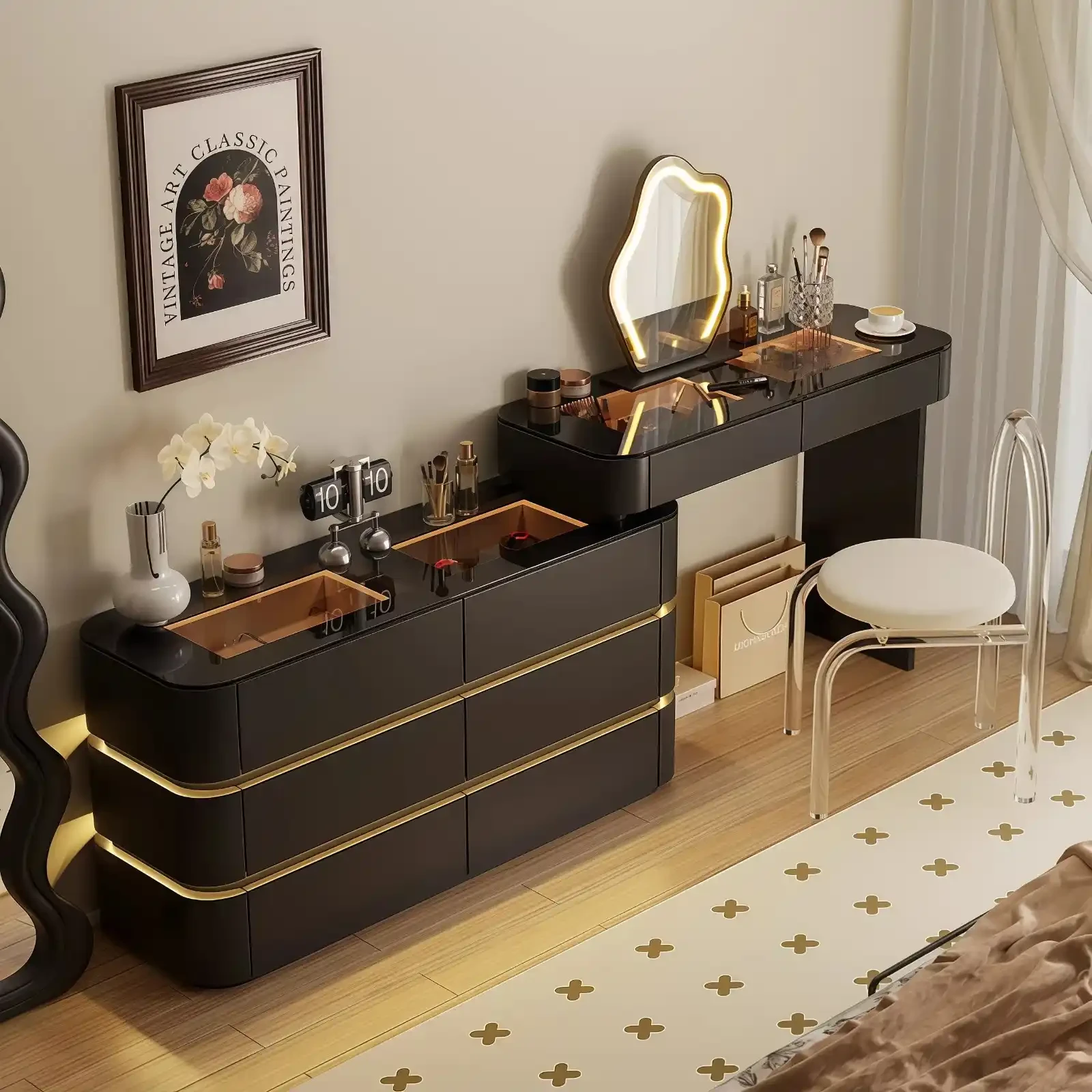

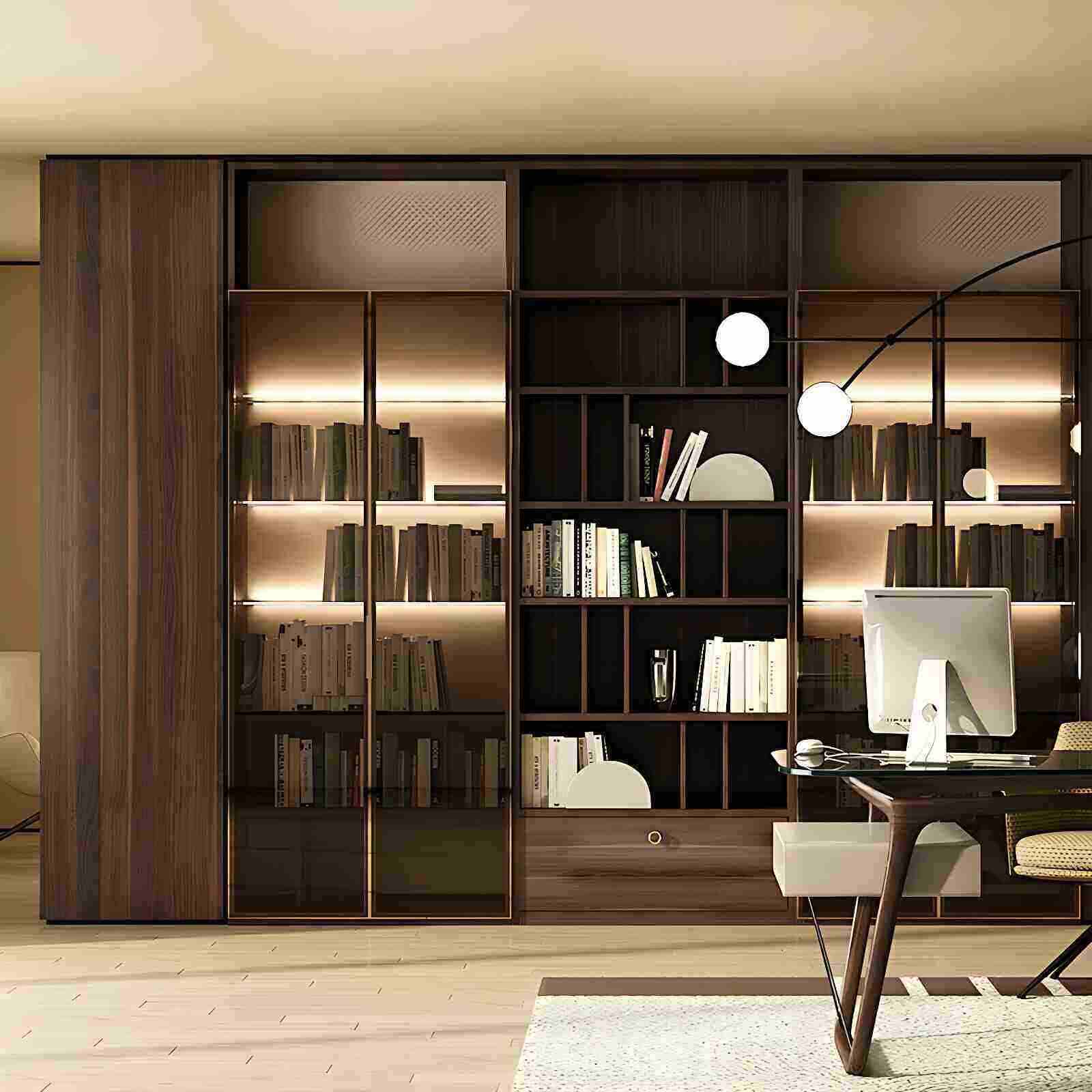

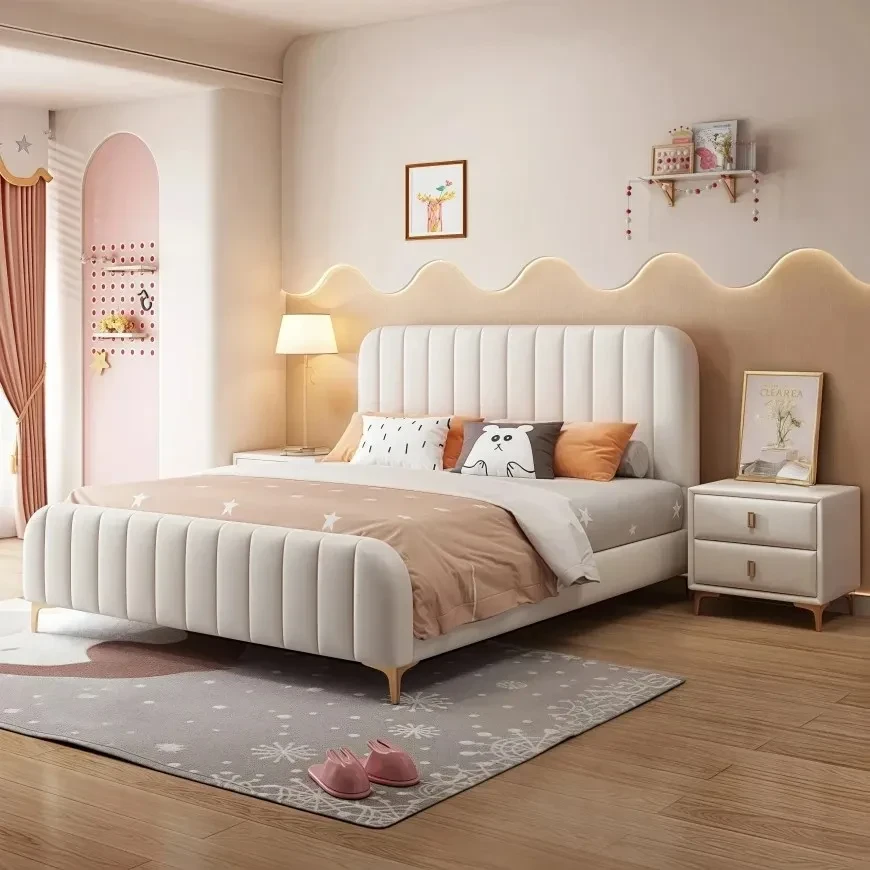


Wood, as a long-established primary material for construction and flooring, possesses an excellent quality of harmony with the environment and plays a significant role in improving indoor microclimates. Spaces decorated with wooden materials create a sense of comfort and warmth, not only improving work efficiency and enjoyment of life, but more importantly, enhancing the quality of life and creating a more livable indoor microenvironment.
Visual characteristics of wood
Wood not only possesses excellent properties such as being lightweight, having a high strength-to-weight ratio, low thermal conductivity, and poor electrical conductivity, but it also has a soft reflection of light, giving it beautiful natural grain and pleasing colors, making it a primary material for interior decoration.
The color of wood
The different colors of wood are caused by the varying osmotic pressure of pigments within the cells. Wood with high brightness and saturation evokes a sense of lightness, luxury, cleanliness, elegance, and comfort; conversely, wood with low brightness and saturation gives a feeling of depth, stability, and simplicity; while warm tones such as red, yellow, and orange convey a sense of warmth. Therefore, when decorating, people can choose their preferred wood color and variety based on their own tastes and cultural habits.
Wood grain patterns and knots
Wood grain is a naturally occurring pattern, exhibiting different patterns due to inherent variations and different cutting surfaces. People have a natural affinity for wood grain. On radial sections, it displays a wispy, serpentine pattern, while on tangential sections, it presents a parabolic pattern, with patterns that do not intersect, running parallel and gently sloping, giving a smooth, orderly, and relaxed feeling. Furthermore, the cyclical changes in wood grain patterns in different parts of the wood subtly correspond to the rhythms of the human body's biological clock. It can be said that wood grain is a beautiful pattern bestowed upon humanity by nature, unmatched by other industrial materials.
As the cambium layer in the lateral branches or dormant buds of a tree gradually separates from the cambium layer of the trunk, knots are formed. While some knots cause instability in the wood, they can also create unique artistic effects. They add naturally curved and distinctive textures to the wood, making it more attractive.
Wood grain absorbs ultraviolet rays and reflects infrared rays.
Ultraviolet and infrared rays are invisible to the naked eye, but their effects on the human body cannot be ignored. Strong ultraviolet radiation can cause snow blindness; human skin is more sensitive to ultraviolet radiation than the eyes. The visual harmony that wood provides is not only due to its soft reflective properties, but more importantly, because wood can absorb ultraviolet rays from sunlight, reducing their harmful effects on the human body; at the same time, wood can reflect infrared rays, which is also one of the direct reasons why wood evokes a sense of warmth.
Tactile properties of wood
The tactile properties of wood are closely related to its tissue structure, especially its surface structure. Different tree species have different tactile properties. For example, the renowned Ming Dynasty furniture was only waxed and not lacquered, precisely to preserve the unique texture of the wood.
The warm and cool feel of wood surfaces
The warm and cool feel of wood perfectly matches the needs of human activity, providing a sense of warmth. This tactile harmony is a major reason why people love using wooden furniture to decorate their living environments.
The roughness and hardness of the wood surface are due to its unique tubular structure composed of cells, giving it a certain degree of roughness. Even after planing and sanding, the surface of wood is not completely smooth. Therefore, walking on wooden floors provides a stable walking experience, which is related to the friction between the foot and the wood surface.
Different types of wood have varying degrees of hardness. Generally, most coniferous trees are less hard than broad-leaved trees, and the hardness also varies greatly depending on the cross-section of the wood. When using wood, different environments should be chosen based on the type of wood. For example, tabletops made of harder wood will reduce scratches and dents, but very hard floors will reduce comfort.
Wood harmonizes human hearing
When sound waves strike the surface of wood, some are reflected, some are absorbed by the wood's own vibrations, and some are transmitted. 90% of the sound waves are reflected, primarily soft, low-to-mid-frequency sound waves, while the harsh, high-frequency sound waves are absorbed. Therefore, the proper use of wood in our living spaces can create a sense of auditory harmony.
Temperature regulation properties of wood
Relative temperature plays a crucial role in human living environments. It significantly impacts human metabolism through the skin, influences the survival time of planktonic bacteria, and is closely related to the spread of viral diseases such as influenza. Studies indicate that a relative temperature of 45%-60% is ideal for human living environments, and wood also plays a role in regulating indoor temperature.
Wood moisture regulation principle
Wood's moisture-regulating function is one of its unique characteristics. When the ambient temperature changes, the wood itself can absorb or release moisture to achieve a balanced moisture content, directly mitigating the temperature changes in the indoor space and thus regulating the indoor temperature.
The relationship between high-temperature effect and thickness of wood
The thicker the wood, the smaller the fluctuation in its equilibrium moisture content. Experimental results show that 3mm thick wood can only regulate temperature changes for one day, 5.2mm for three days, 9.5mm for ten days, 16.4mm for one month, and 57.3mm for one year. To maintain a stable indoor temperature over a long period, the thickness of the wood used in interior decoration materials can be appropriately increased.
Wood smell and indoor environment
In my country, camphor wood and sandalwood have been used since ancient times to make clothing chests and other items, for their antibacterial and insect-repellent properties. Recently, people have discovered that the scent of some woods also has the effect of killing mites, deodorizing, and improving environmental comfort.
Reduce the number of mites
The number of dust mites in indoor dust has been increasing year by year, easily causing allergic symptoms such as bronchial asthma. Japanese research has shown that certain wood-based materials can reduce the number of dust mites. In an experiment, households troubled by dust mites replaced all their flooring with solid wood flooring; compared to before the renovation, the number of dust mites decreased dramatically afterward.
Deodorizing effect
Most wood scents are refreshing, bringing a sense of joy and comfort. Furthermore, wood scents have deodorizing properties, eliminating unpleasant odors. Wood essential oils are effective at eliminating the harmful odors from pollutants such as ammonia, sulfur dioxide, and nitrogen dioxide.
Health and conditioning functions
Some types of wood have physiological and health benefits. For example, active ingredients like pine and camphor can have a stimulating effect; some woods can lower blood pressure, while others have analgesic, vasodilatory, diuretic, and expectorant properties. Sleeping with the scent of wood containing α-terpinene can help you recover from fatigue sooner. Compared to wood without fragrance, the presence of a low concentration of fragrance increases blood flow to the fingertips, decreases pulse rate, stabilizes mood, and reduces stress-induced sweating.
Utilization of wood odor
Developed countries like Japan have begun producing and selling aromatic building materials. These materials inhibit the growth of mites and mold, and repel cockroaches, creating a comfortable environment that makes people feel as if they are in a forest, with a pleasant and refreshing fragrance. Fabrics and microcapsules incorporating forest-scented fibers are also under development. Indoor air freshener products are also emerging in large numbers.