
 USD
USD GBP
GBP
 EUR
EUR
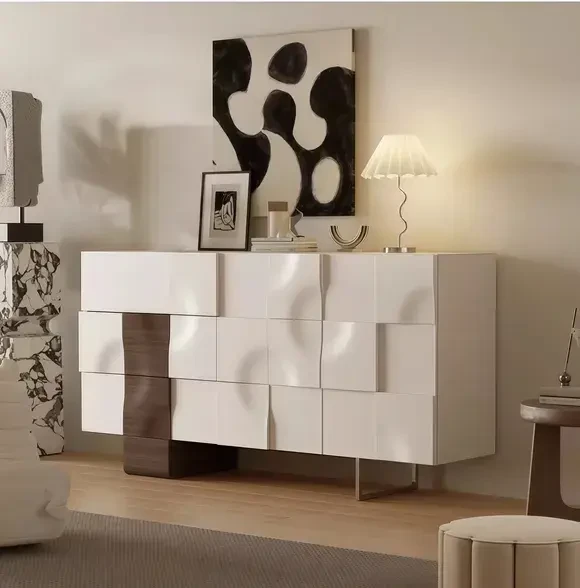
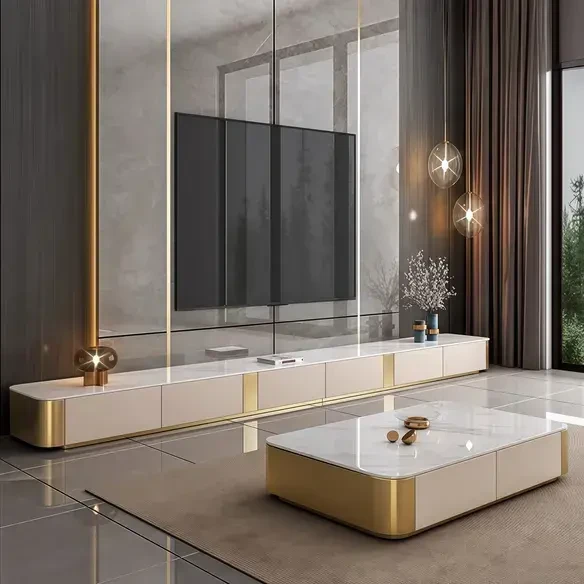
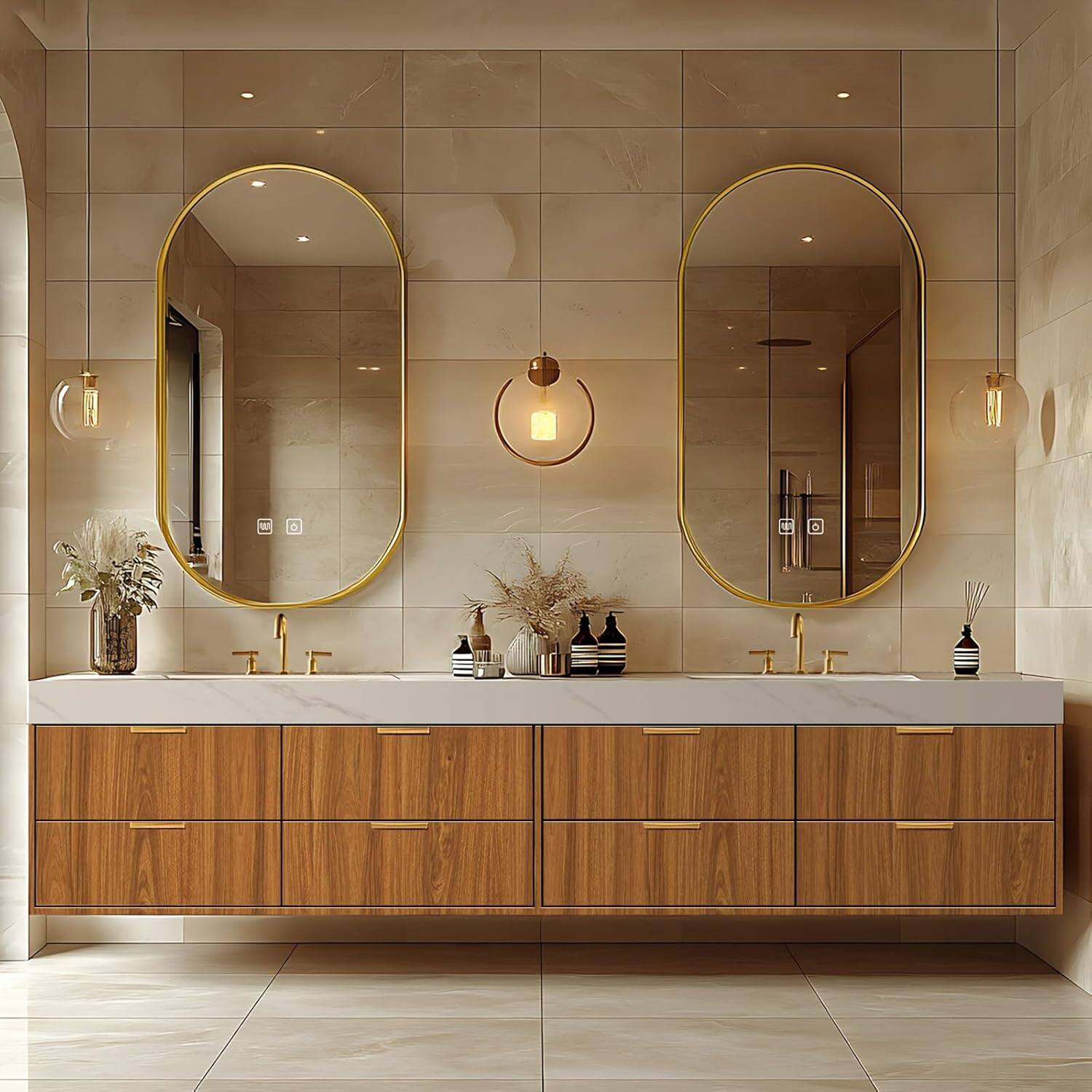
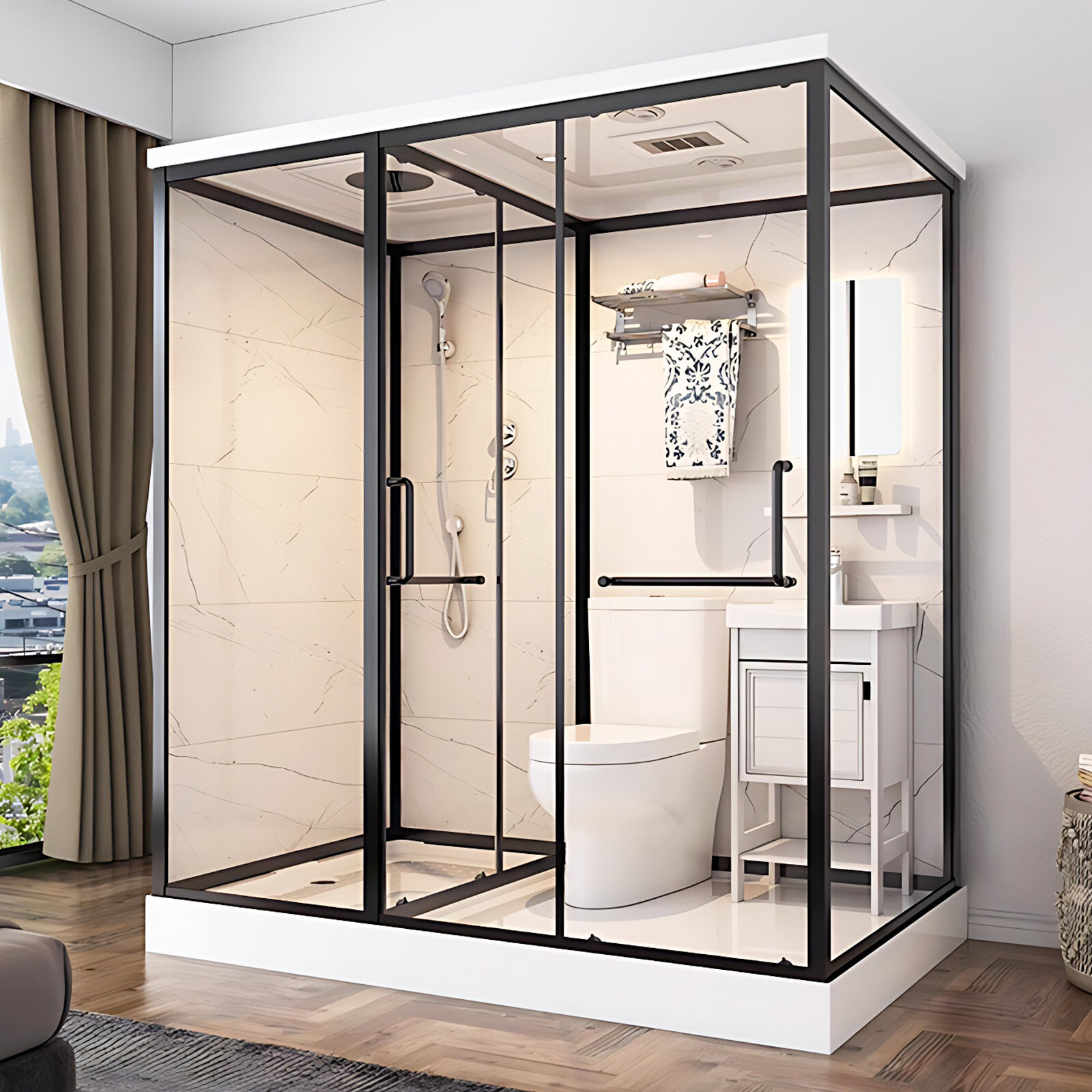
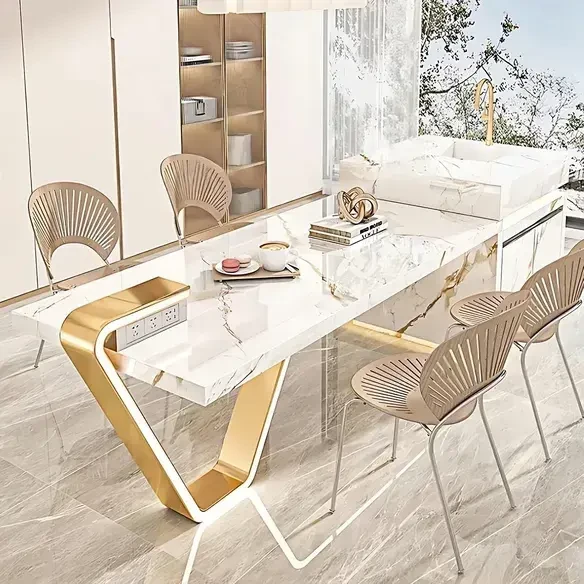
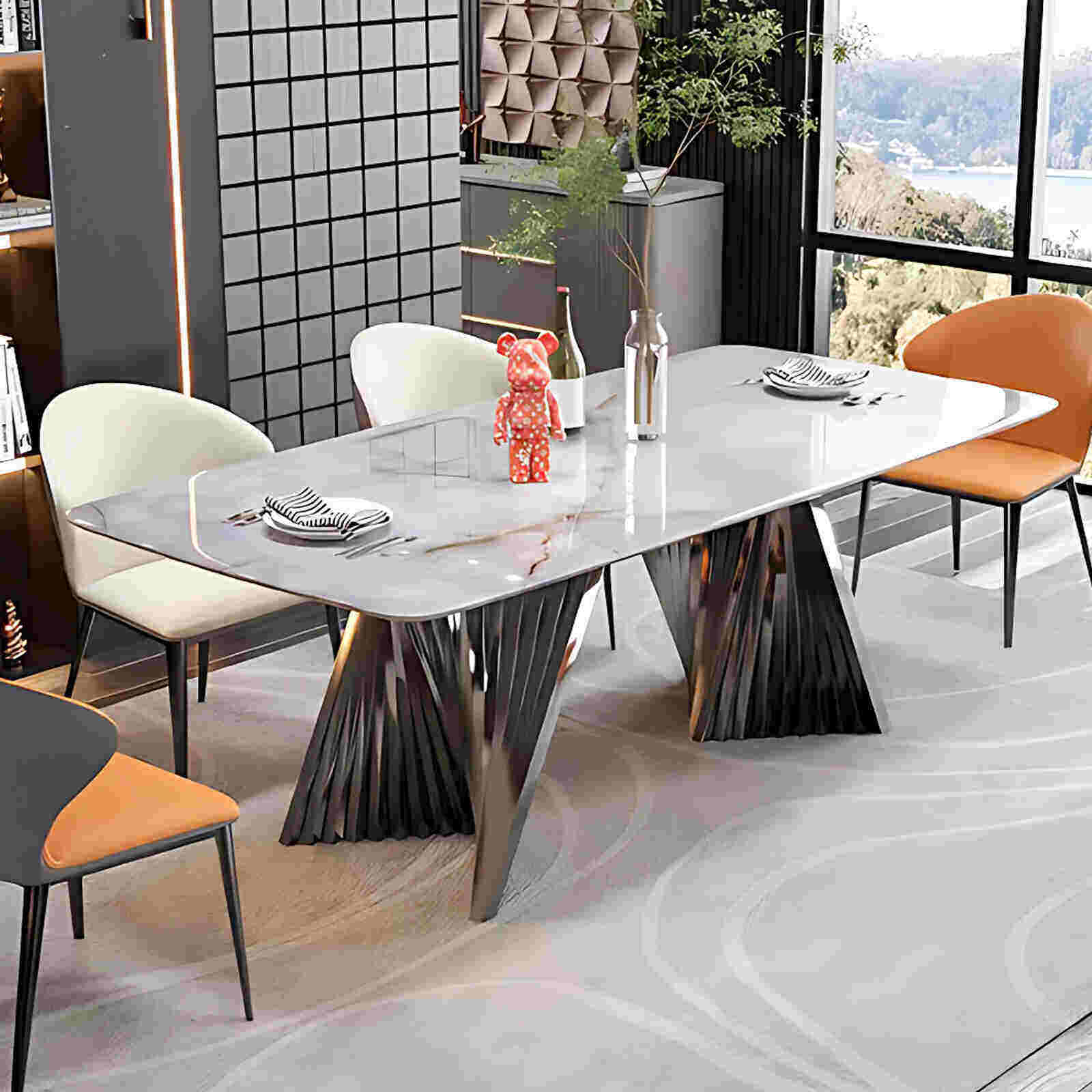
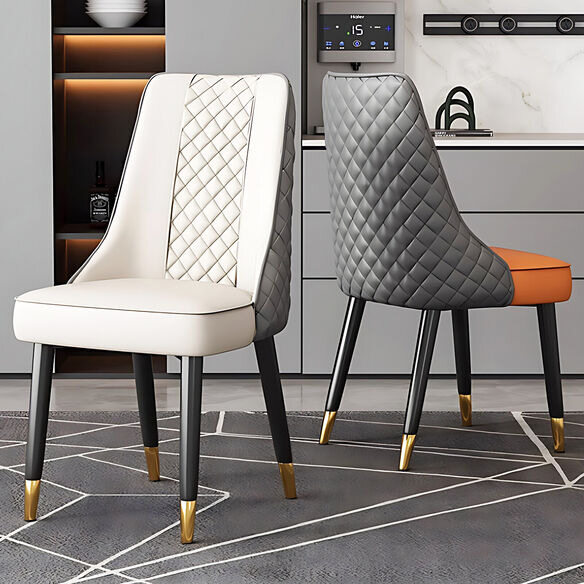
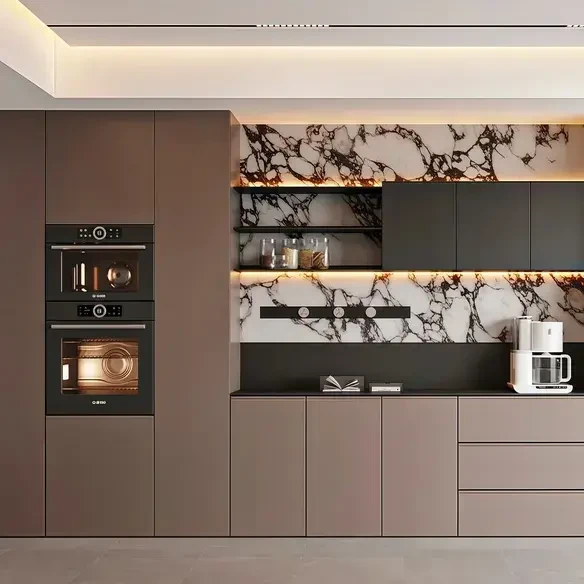
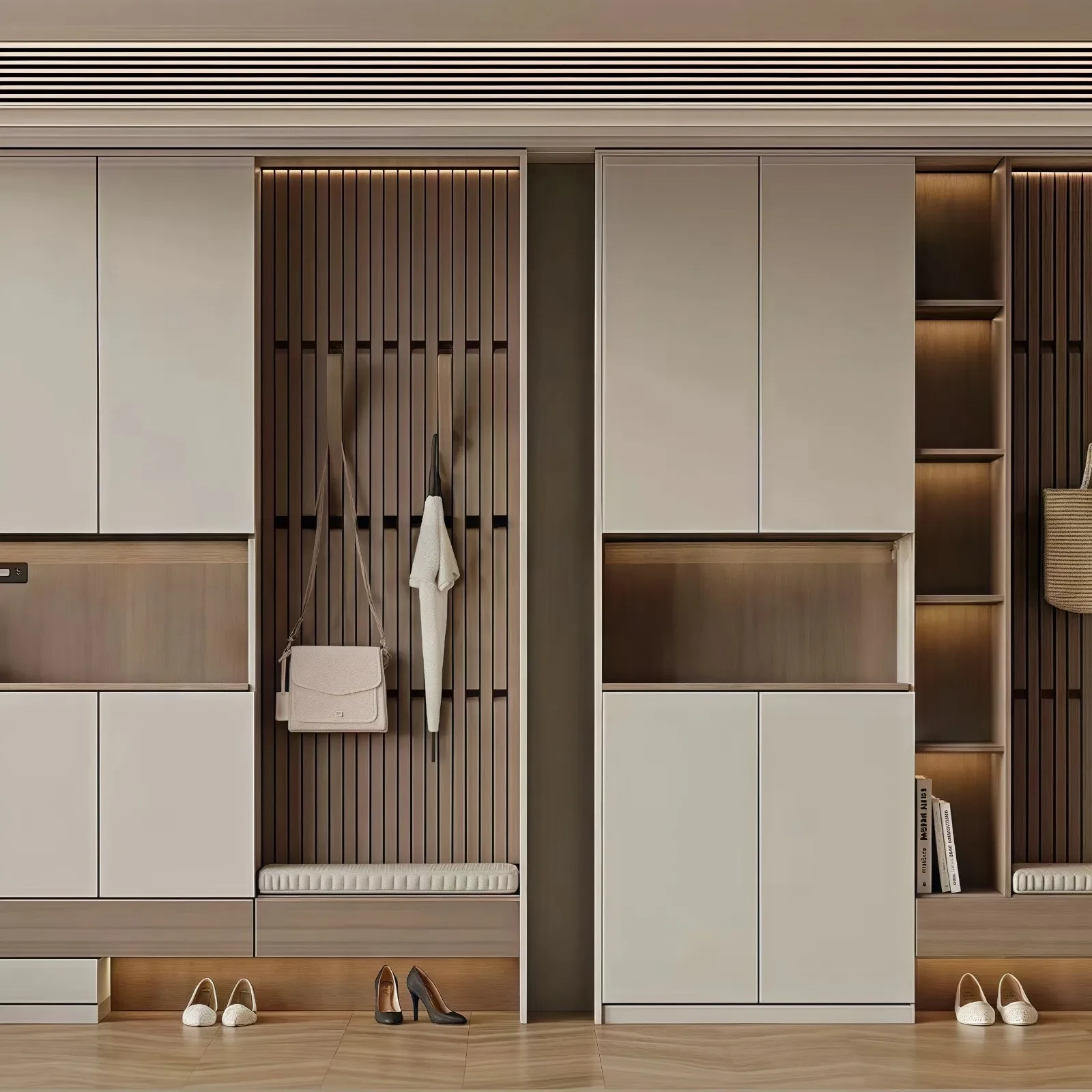
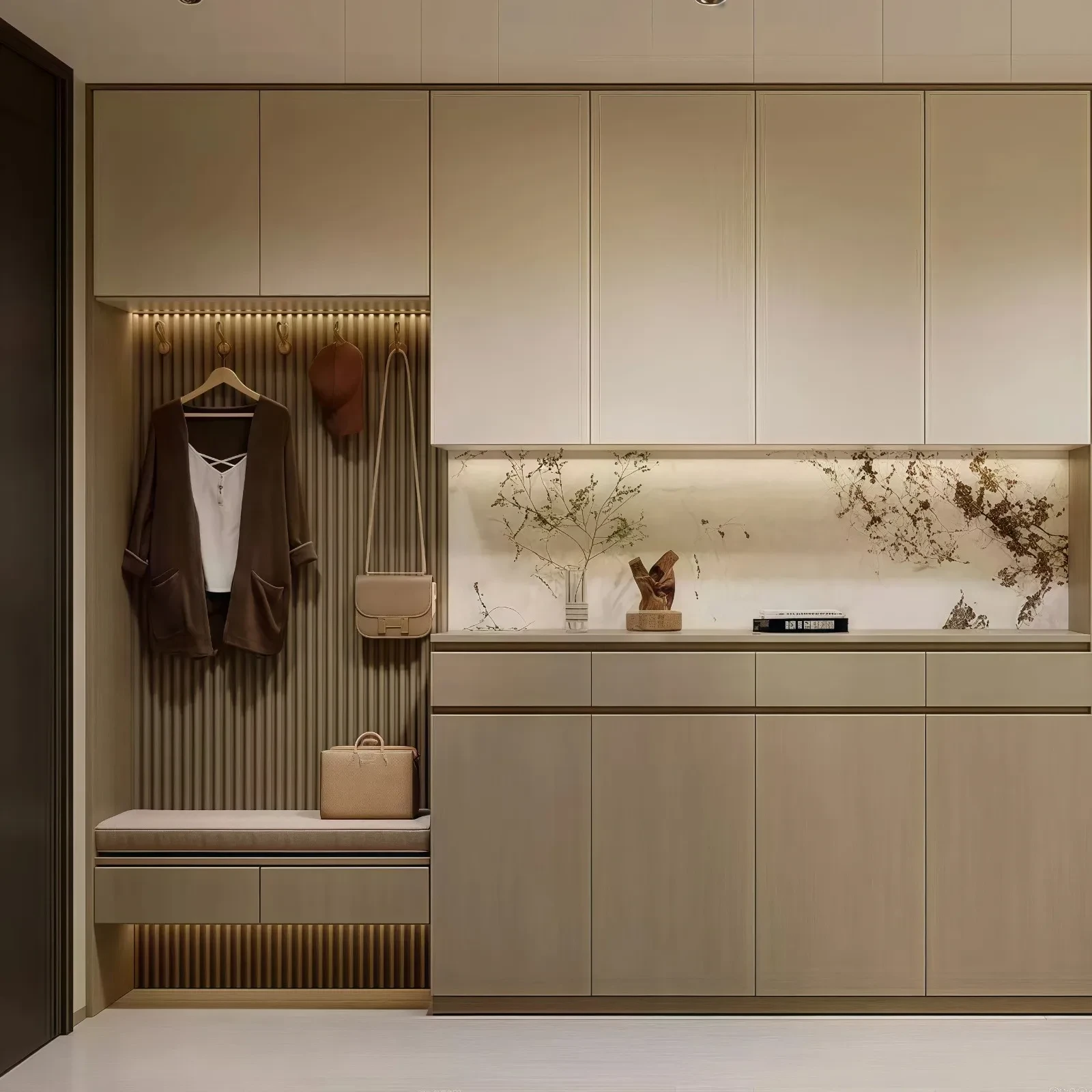
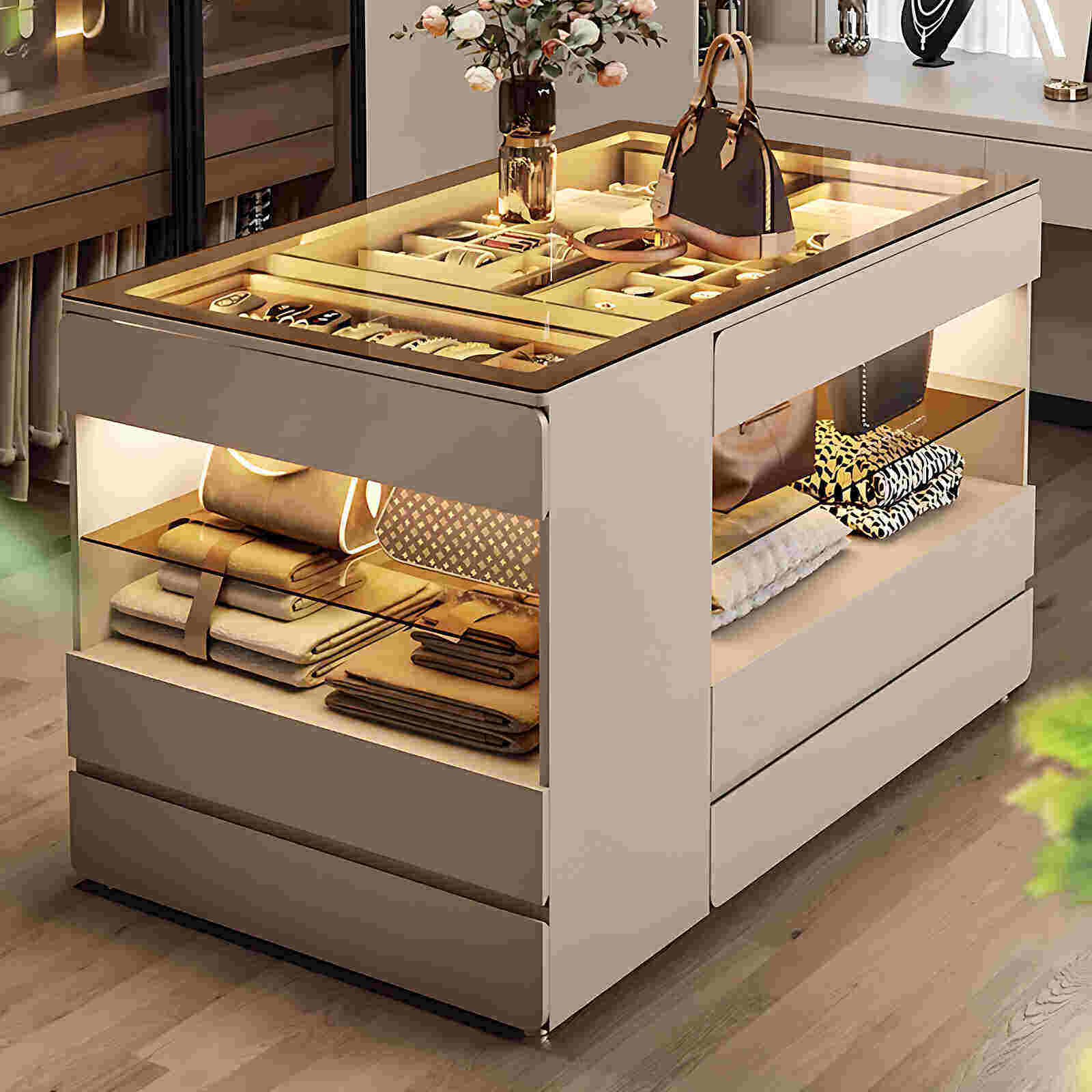
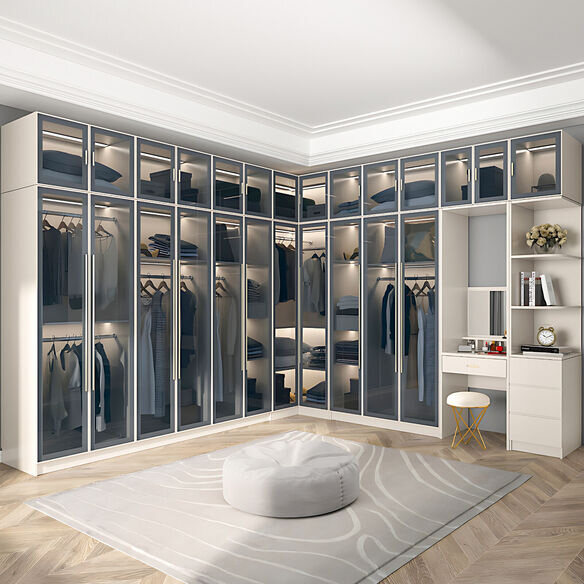
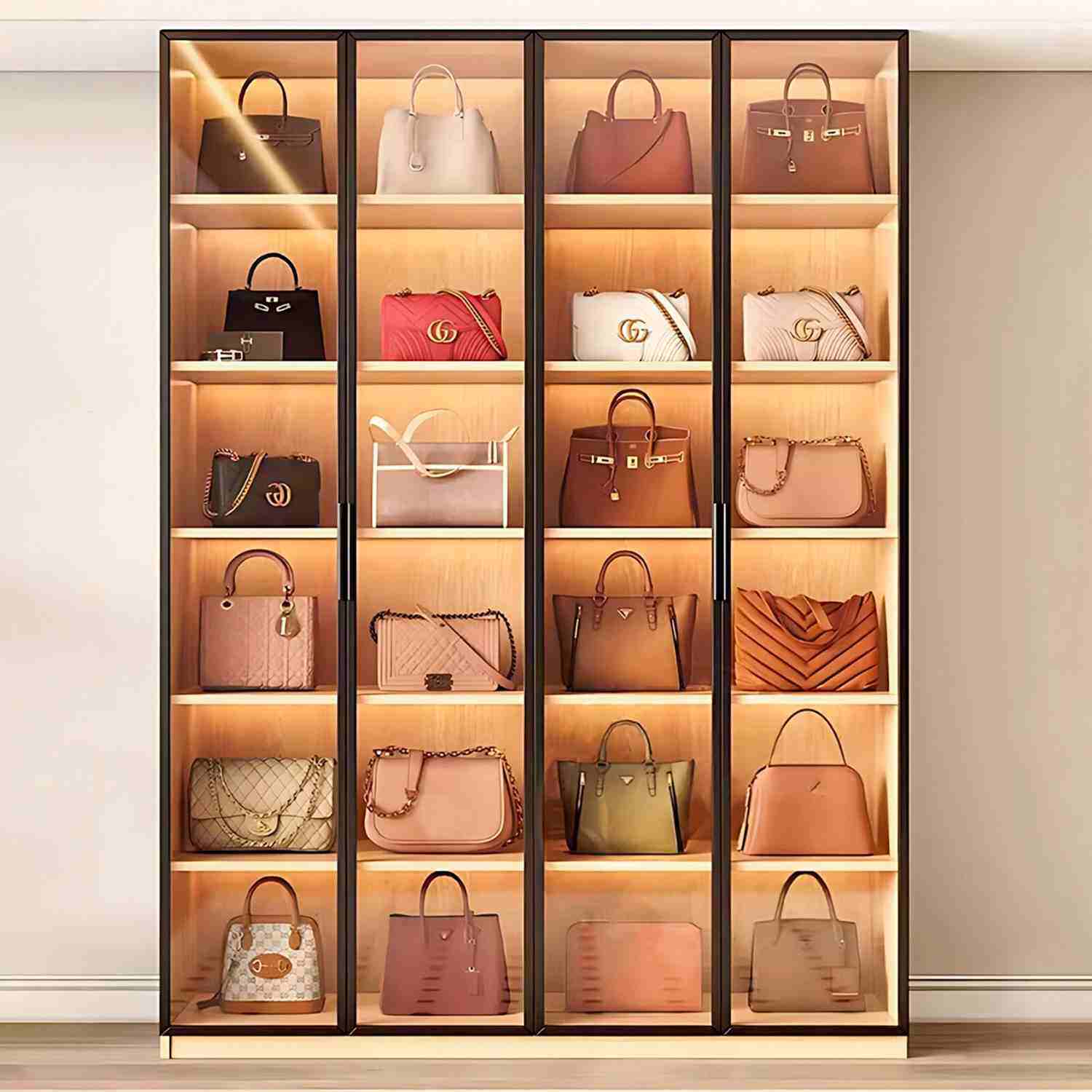
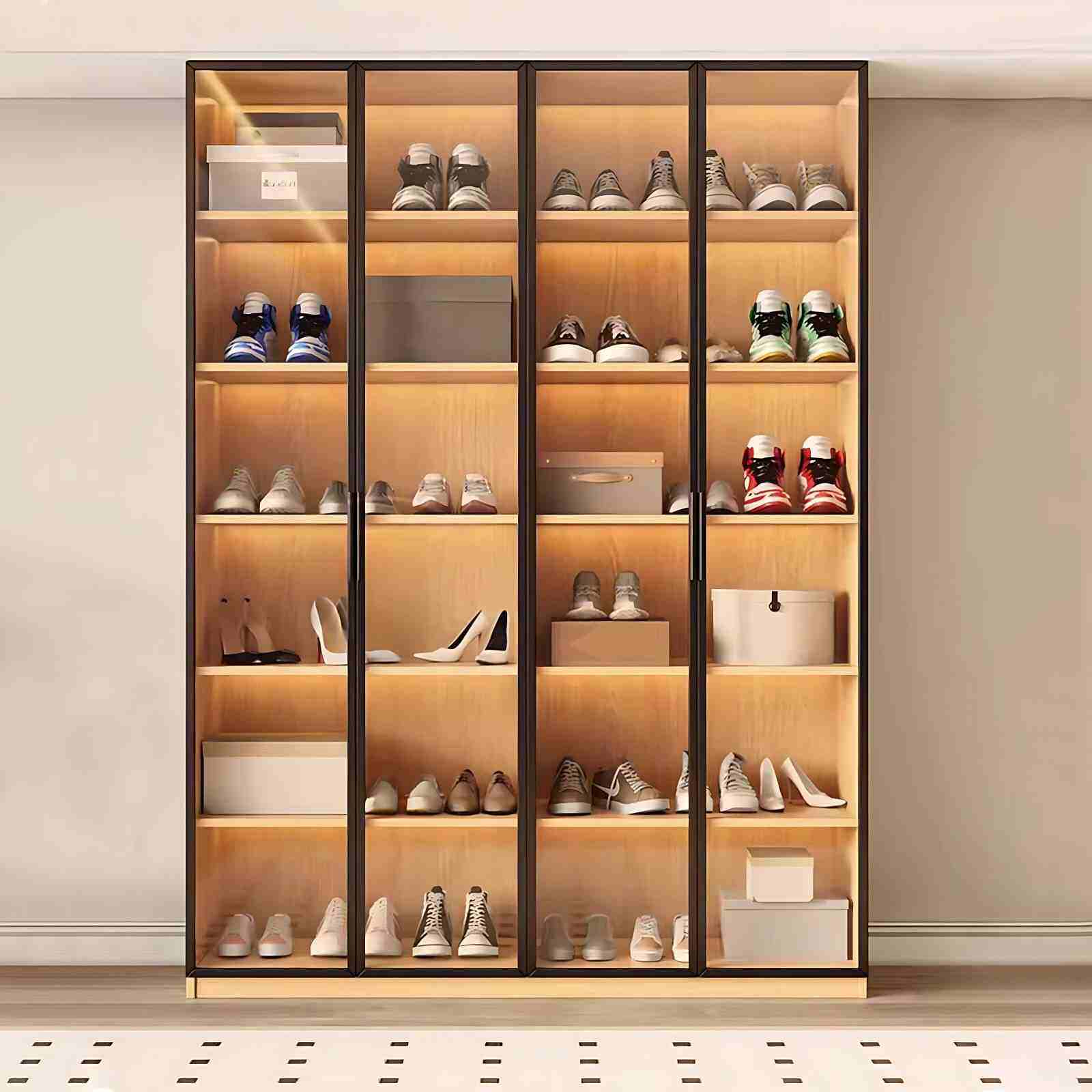
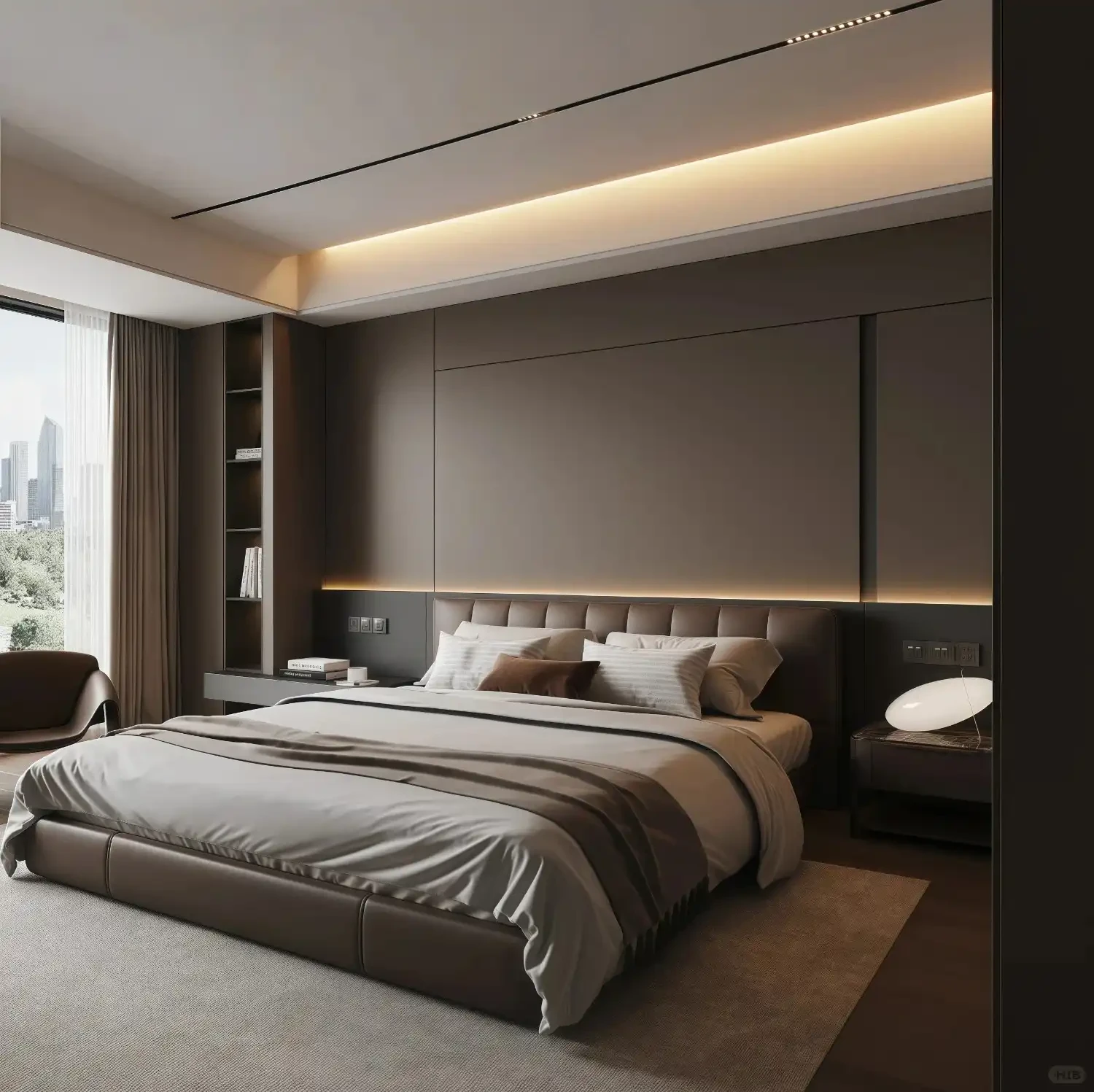
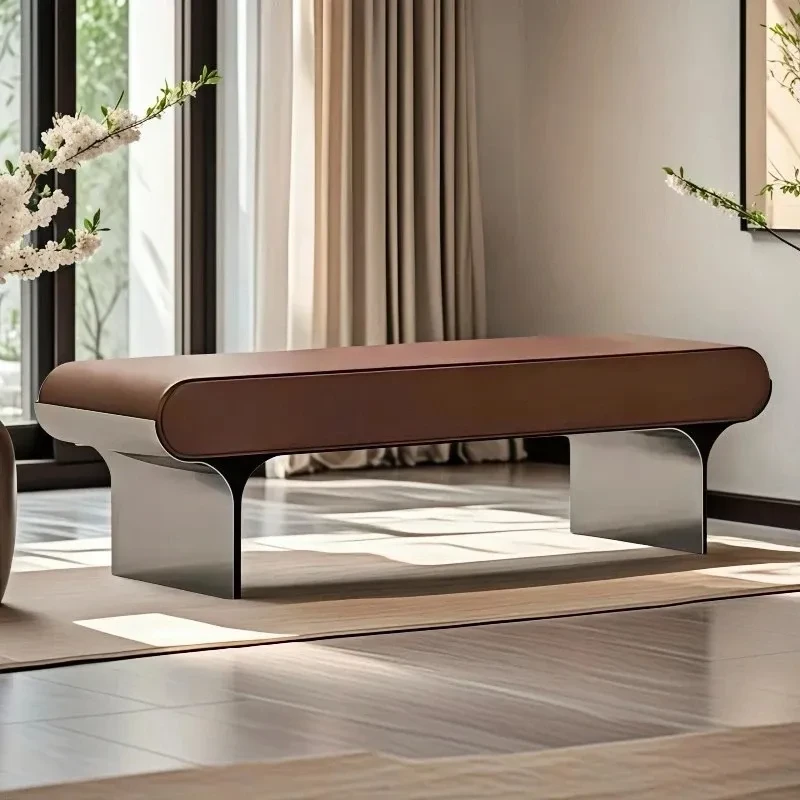
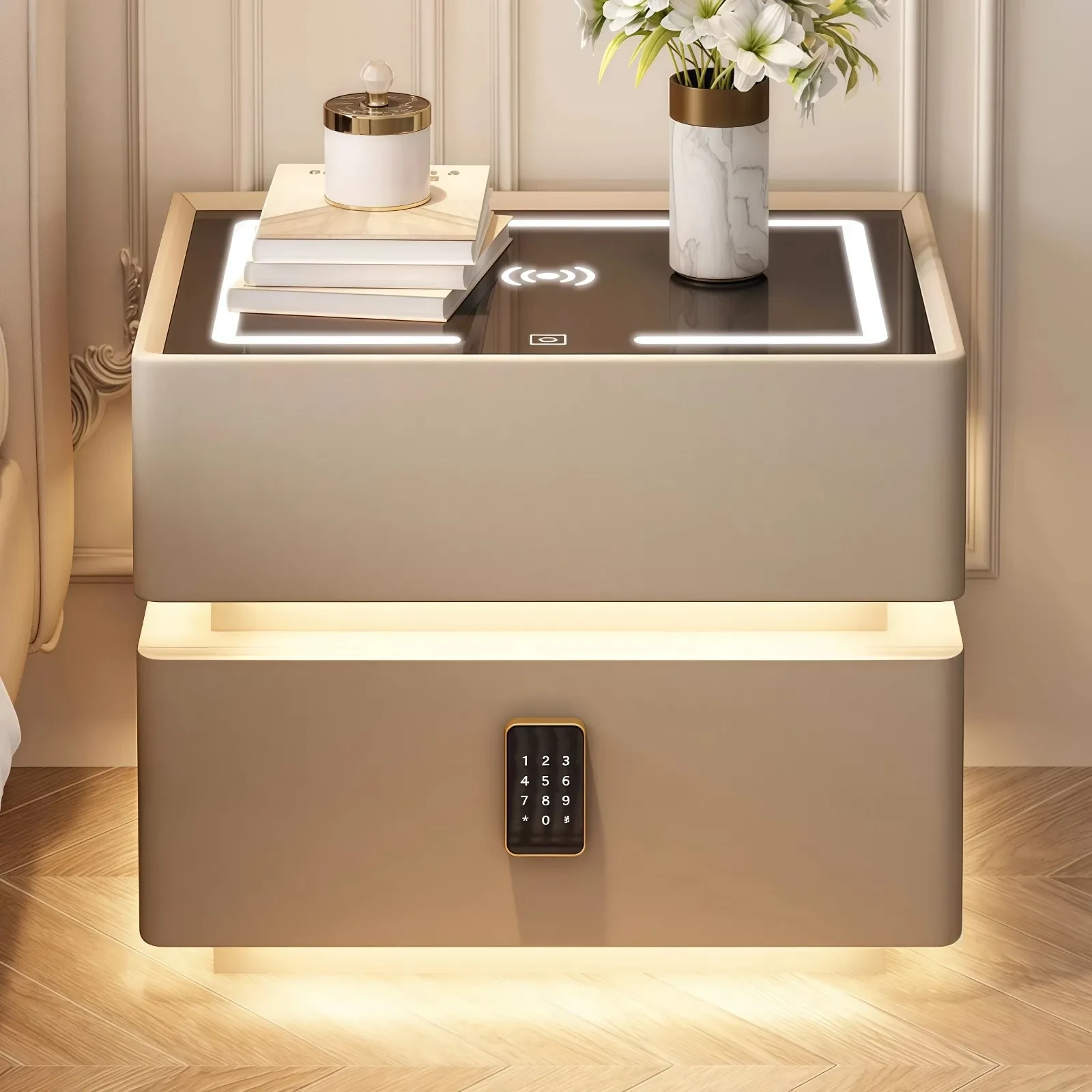
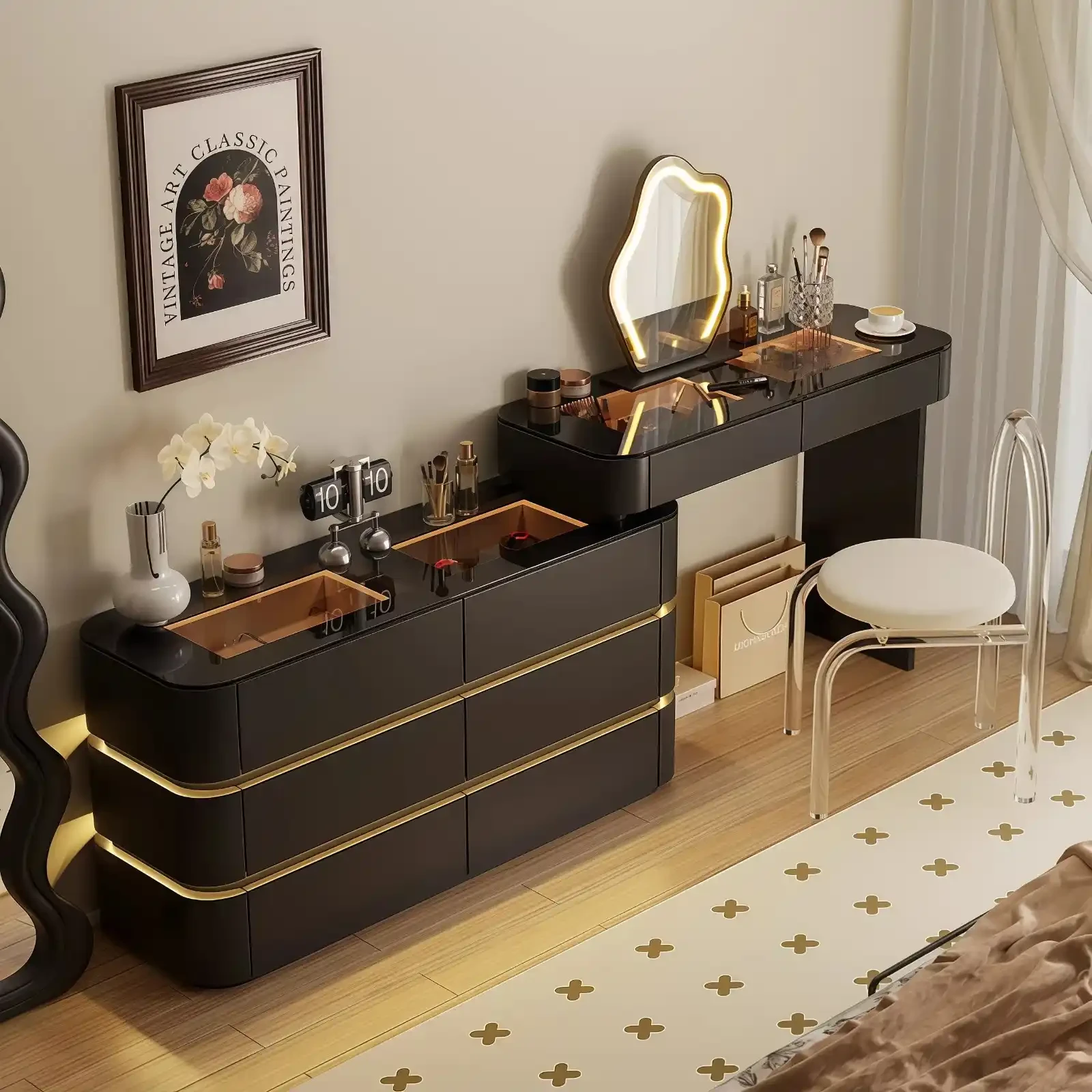
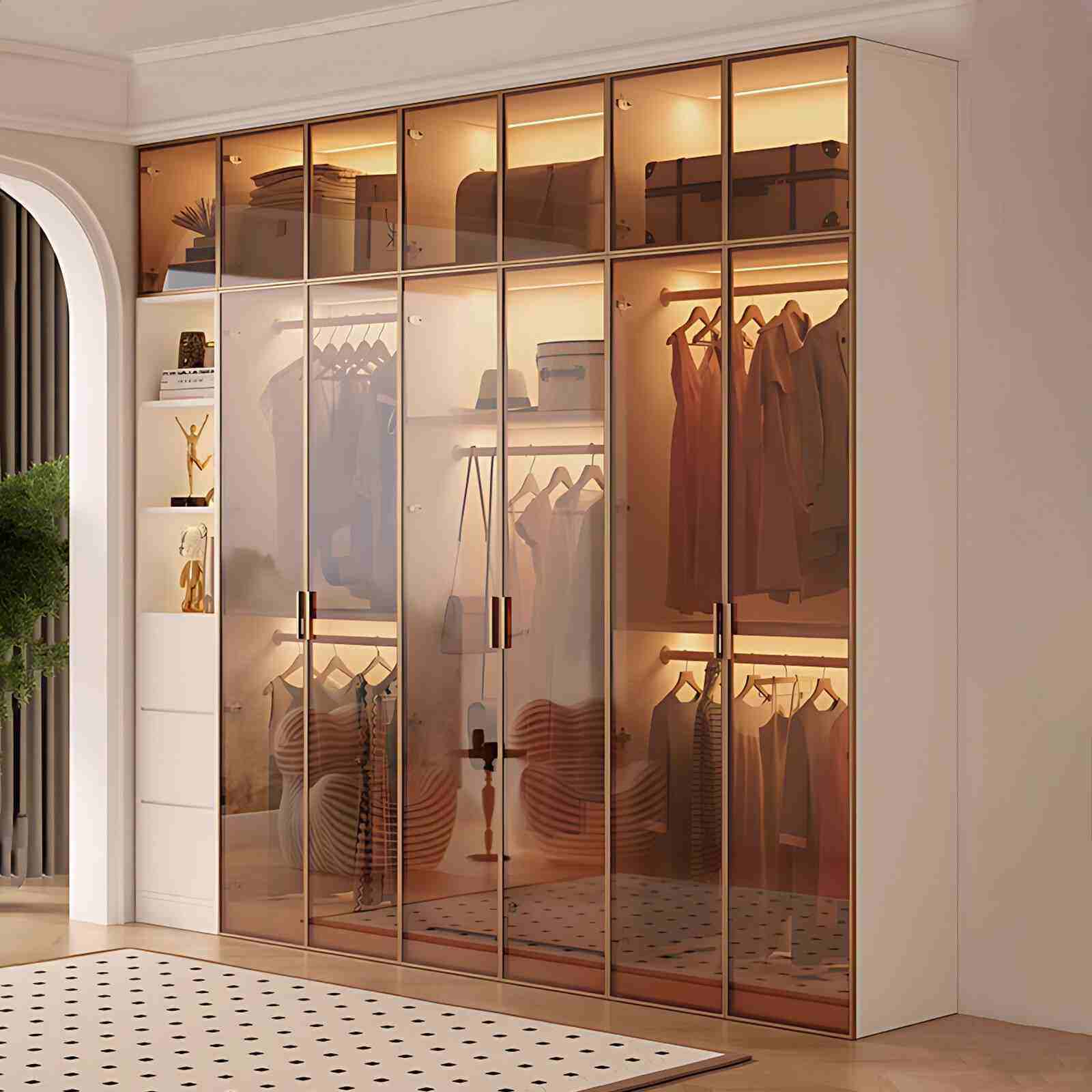
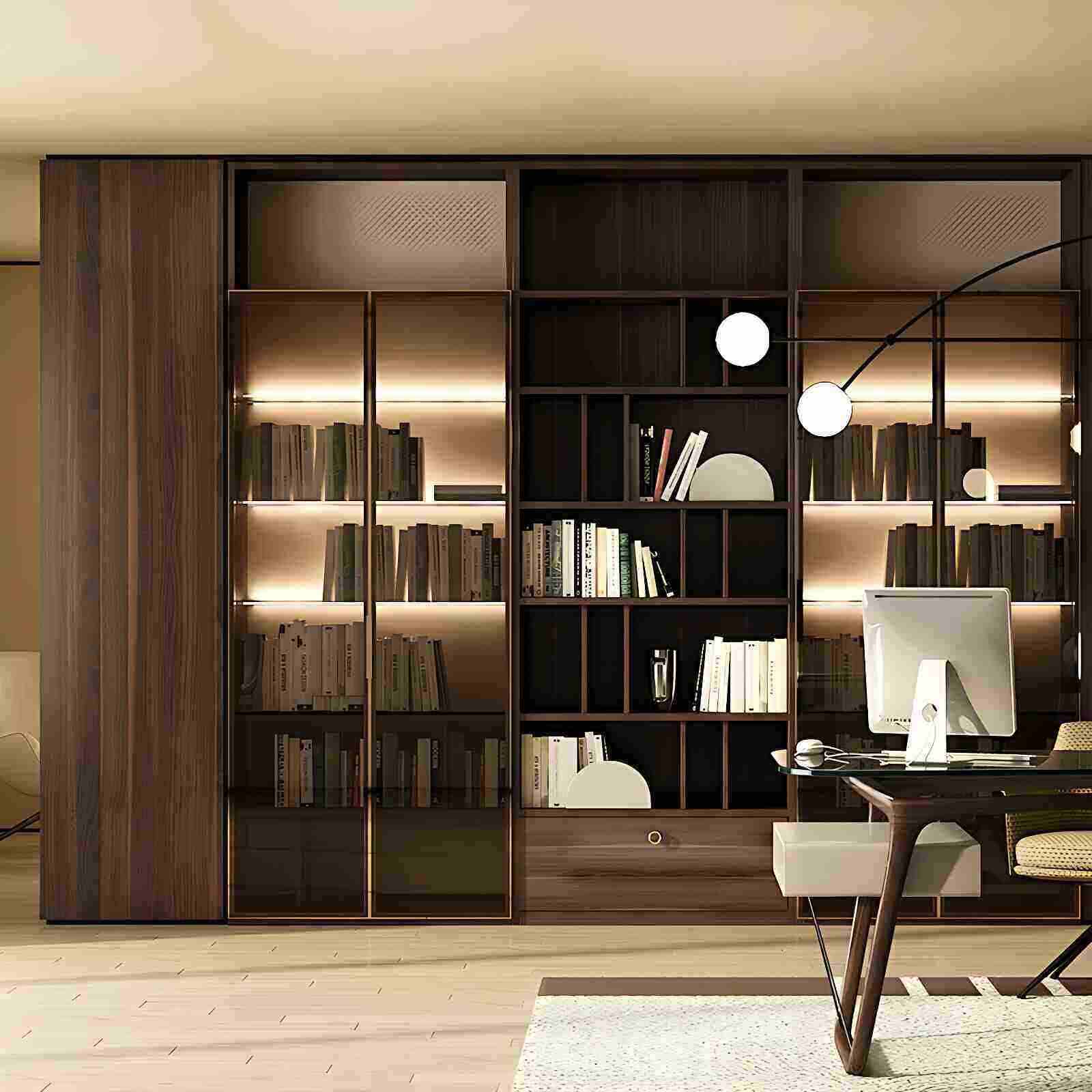
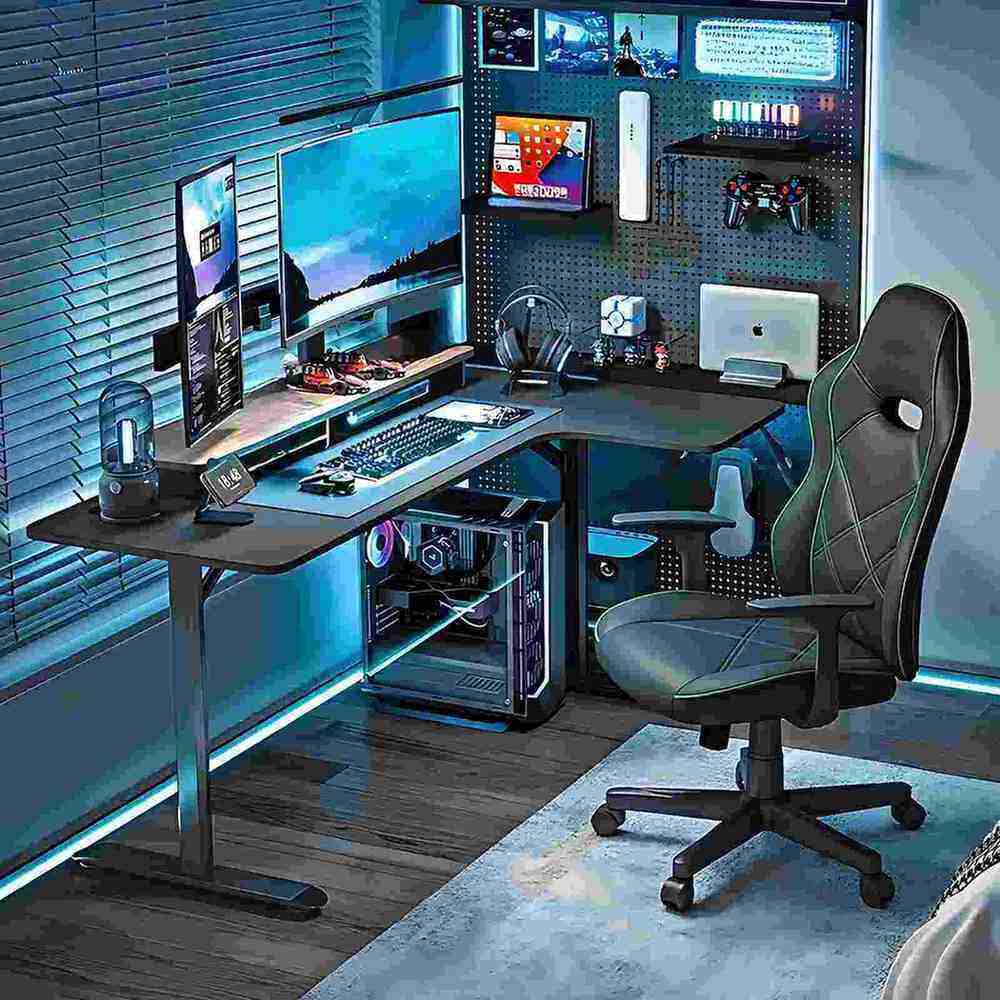
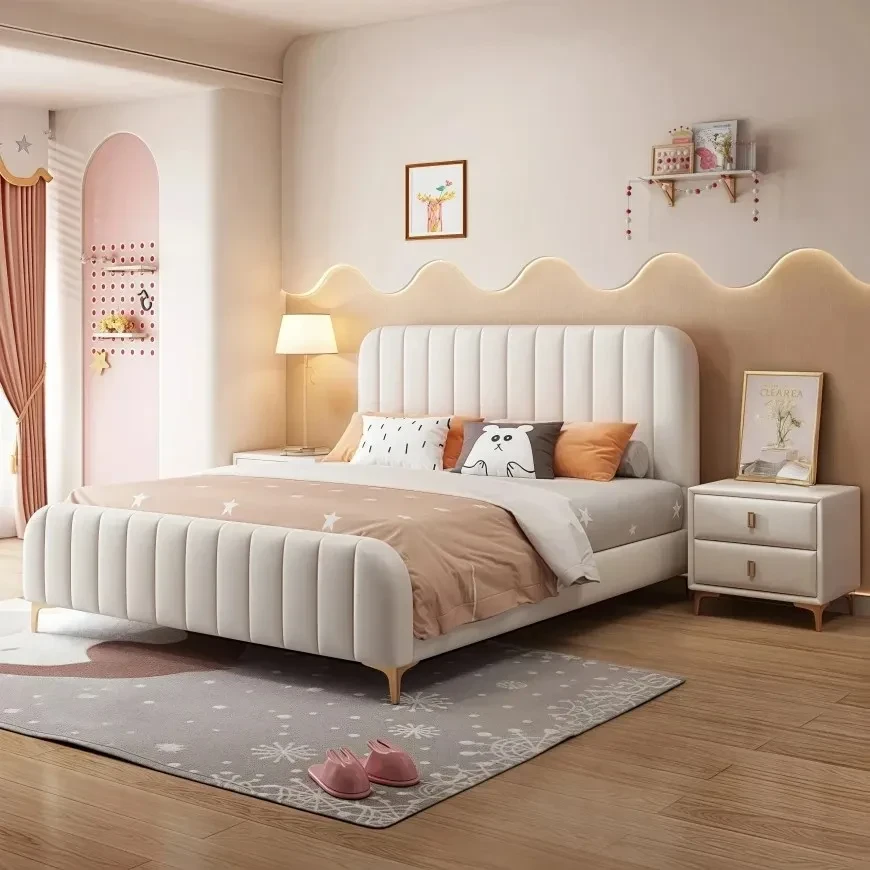
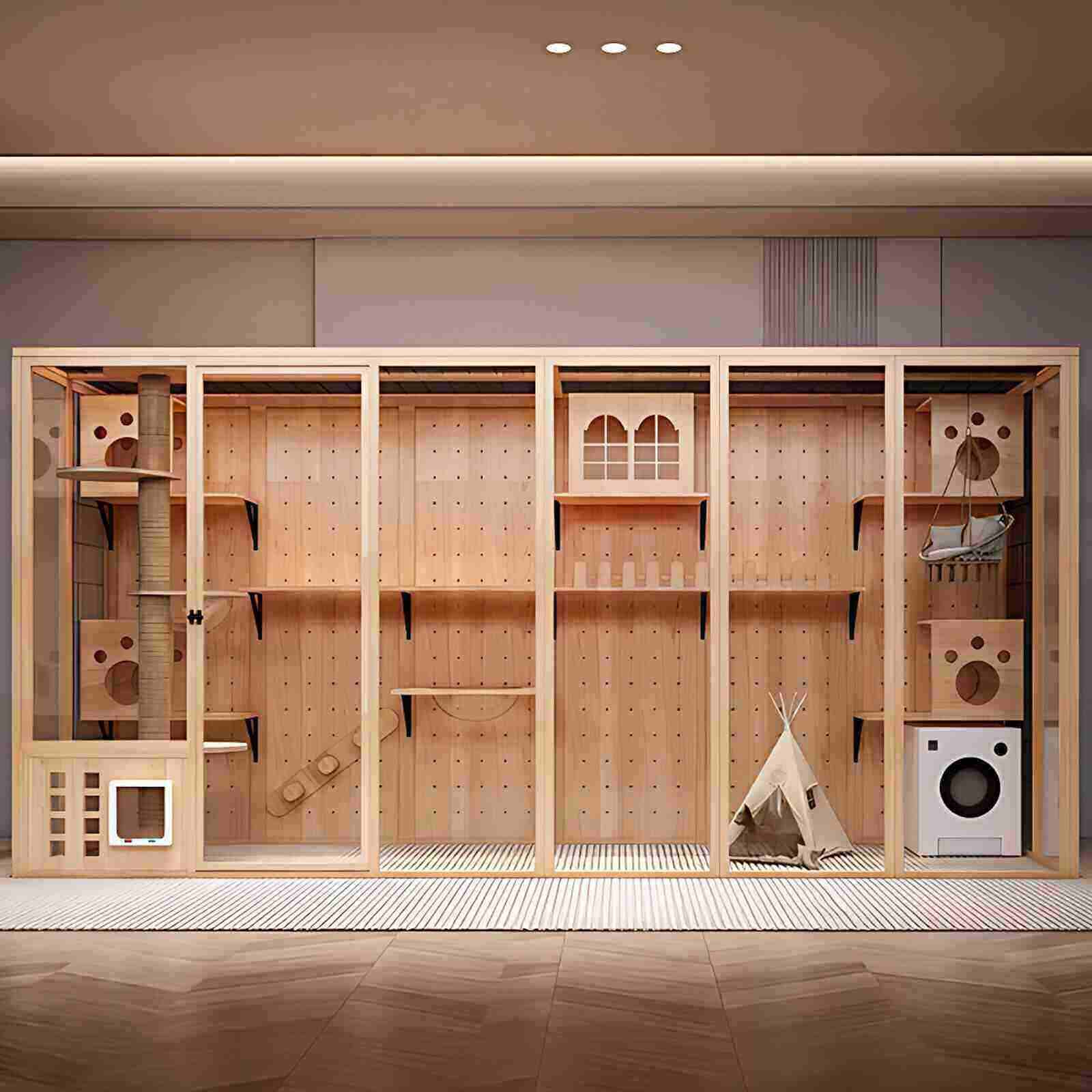
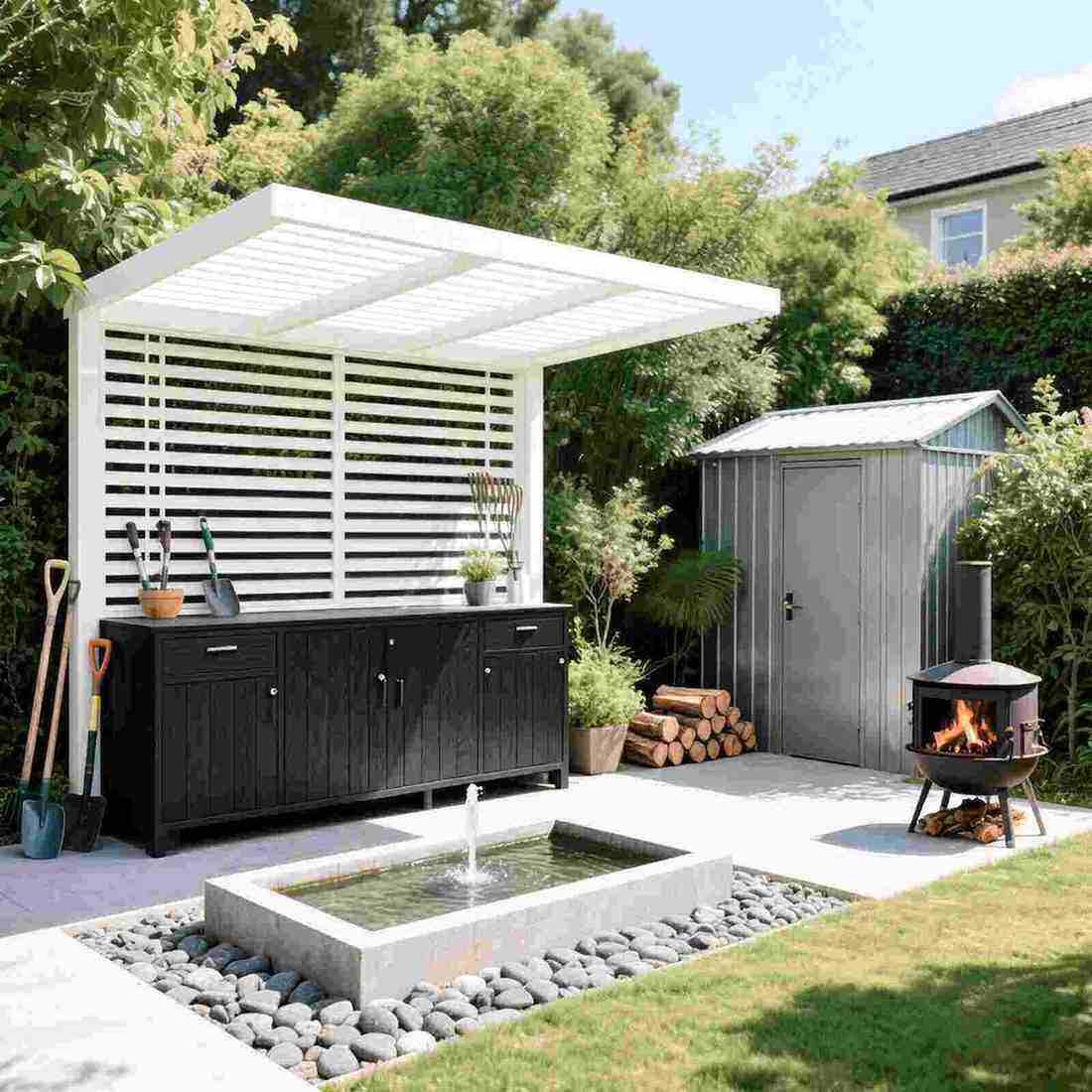
In this era that advocates thrift, just as we encourage finishing our meals, we should also pay attention to the rational use of wood-based panels in home decoration to save money! So how can we save on wood-based panels when making panel furniture?
Component specifications
The specifications of engineered wood panels are basically in imperial sizes (such as 4 feet × 8 feet, or 1220mm × 2440mm). Panel furniture is made from engineered wood panels. Therefore, if we set the specifications of the components to be 392, 595, 195, etc., which are suitable for the specifications of the raw materials, we will improve the utilization rate of the panels and reduce waste.
In addition, after ensuring that the component specifications meet the raw material specifications, we also need to consider whether the dimensions can be reduced further. For example, for a drawer side panel, we set its width to 1150mm, while the width of the raw material board is generally 1220mm. This dimension is very beneficial for improving the yield.
Component thickness
There are many customs in furniture production, some good and some bad. For example, furniture made in the north tends to be heavy and heavy, often using thick and large boards, which can be disadvantageous in some cases in terms of material utilization. For instance, we often use 16mm or 18mm thick boards for drawer side panels; however, many manufacturers in the south have already widely used 12mm thick boards in high-end furniture.
Practice has proven that this size has withstood the test in terms of both design and strength. By extension, small shelves, partitions, and even side panels and top panels (such as bedside tables) can all be made of 12mm thin boards.
Component structure
Many components, such as side panels and partitions, require thicker boards for aesthetic purposes. In such cases, thin boards cannot be used to save materials. However, we can use a veneer structure, also known as a "hollow structure," which involves making a wooden frame and then covering it with plywood. This approach saves materials and reduces the weight of the components.
This approach has become quite mature and is widely adopted. However, it is not suitable for some weight-bearing components, such as the tabletop of an office desk.
Furniture Structure
Furniture needs a stable structure, commonly referred to as "sturdiness." Some furniture can still meet the requirement of sturdiness even after omitting certain parts. Examining many commonly used products from the past, we can find many components that can be omitted; these savings are often significant yet frequently overlooked. Furthermore, breaking free from conventional frameworks and designing more novel, unique, and structurally simple products can achieve twice the result with half the effort.
Production Arrangement
As furniture is produced, there are often many leftover raw materials that cannot be fully utilized. At this time, we should design some products that are suitable for the size of these raw materials and make some small furniture. Often, because these pieces of furniture have a strong sense of spontaneity and creativity, they are very popular.
outdated raw materials
Old materials with outdated colors and patterns shouldn't be stored away for long periods. They can be fully utilized in areas of furniture that aren't exposed to light, such as the baseboard or shelves in cabinets. There's no need to insist on matching the color and pattern of the outer fabric. This method, which doesn't affect the appearance or usability, has proven to be quite popular.
Environmental protection is the greatest way to save money.
When renovating your home, save money where you can, and pay attention to the important things!
Did you know that prioritizing environmental protection in home renovation is actually the greatest asset for each of us?
Healthy life and green living are our core values. Our Red A brand dares to promise to use only environmentally friendly base materials and surface materials. Every piece of base material and surface material is carefully selected, ensuring absolute quality and environmental friendliness.
The OSB+ series is a secondary processing product of imported OSB. The OSB board uses formaldehyde-free PMDI for bonding, achieving zero formaldehyde release, making it healthy and environmentally friendly! In addition to many wood products that meet national environmental protection standards, we have also launched formaldehyde-free technical wood veneer, which is transparent and crack-free when sorted under strong light!
Because of professionalism, we excel; because of excellence, we achieve outstanding results!
Red A boards have always prioritized health and environmental protection, successfully establishing the banner of "formaldehyde-free and healthy living" for the Chinese decoration industry. They have also made more people aware of the importance of the quality of the decoration environment, thereby providing everyone with the highest quality products and creating a healthy and beautiful green world!
Source: Some content is from the internet.