
 USD
USD GBP
GBP
 EUR
EUR
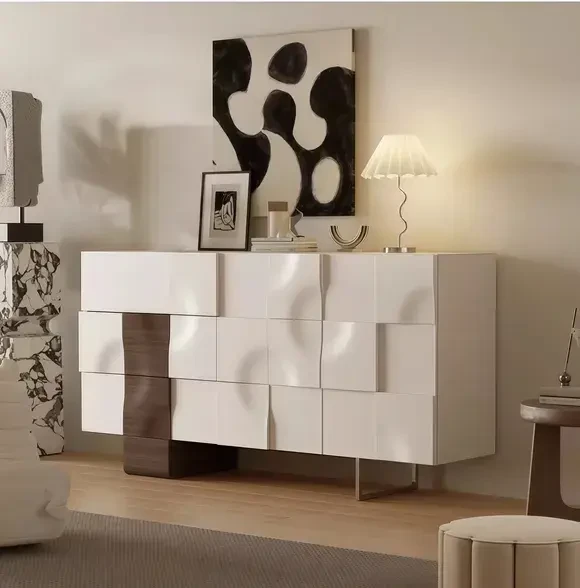
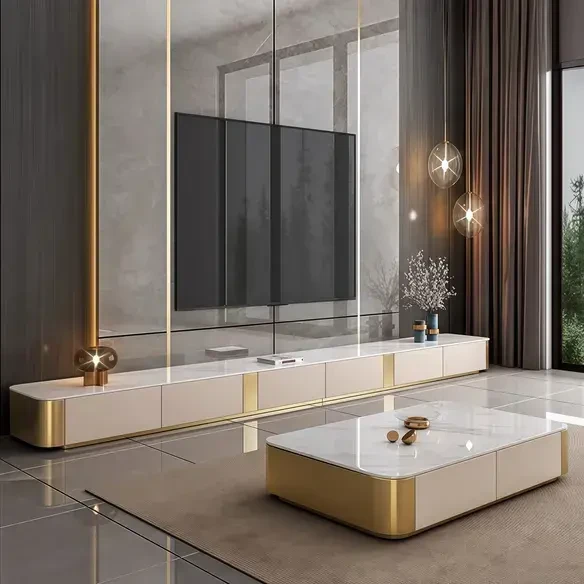
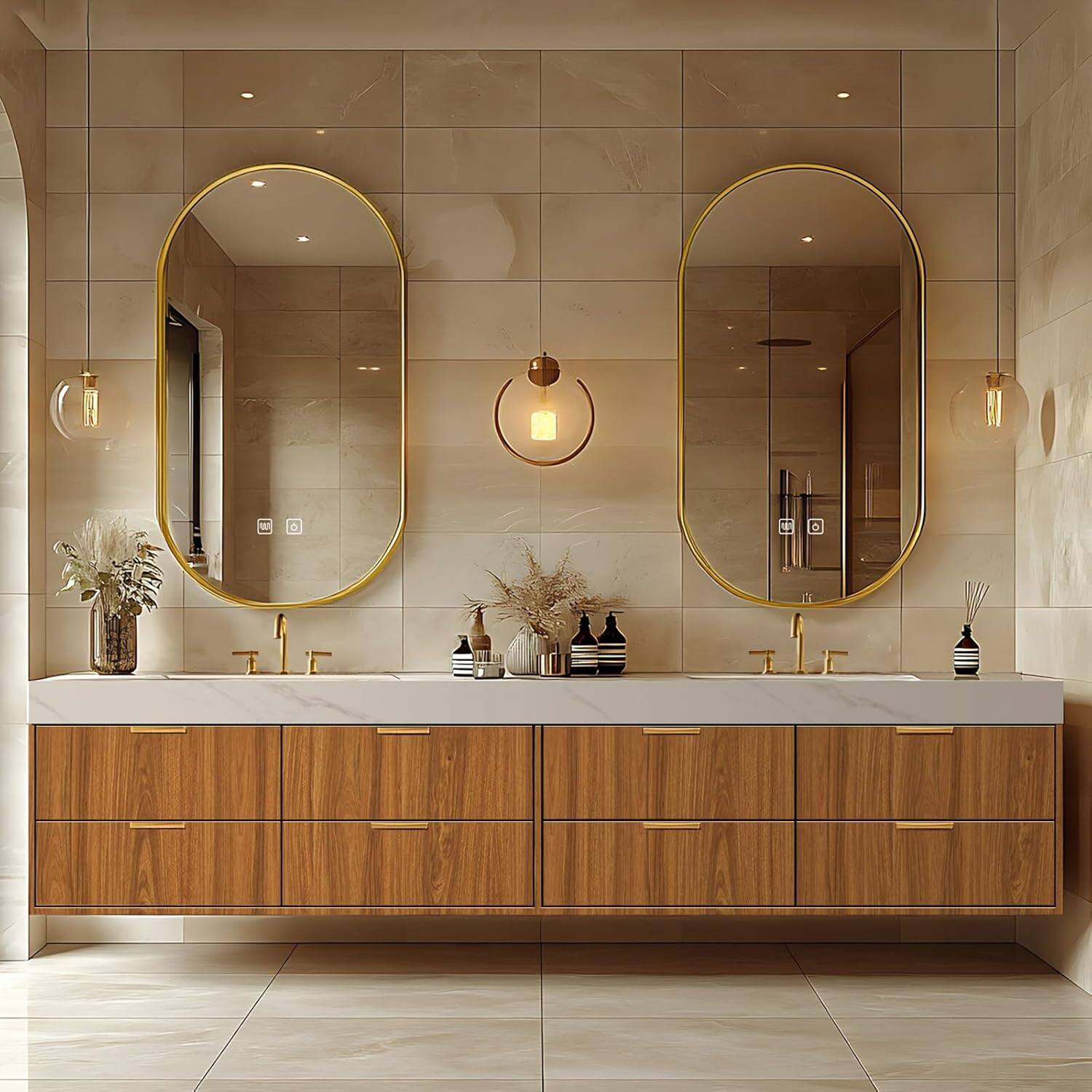
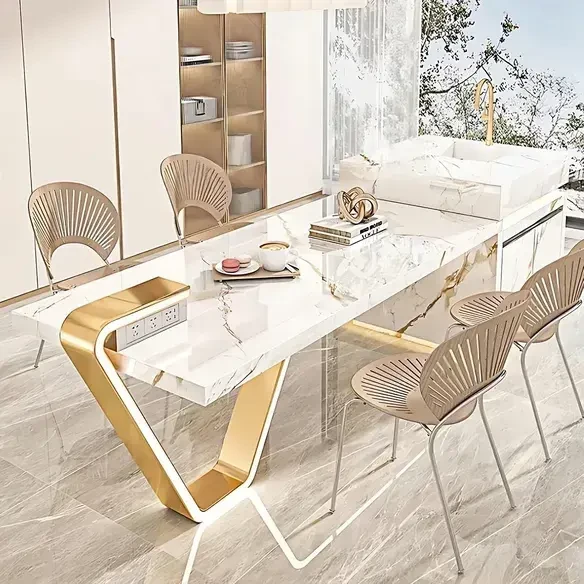
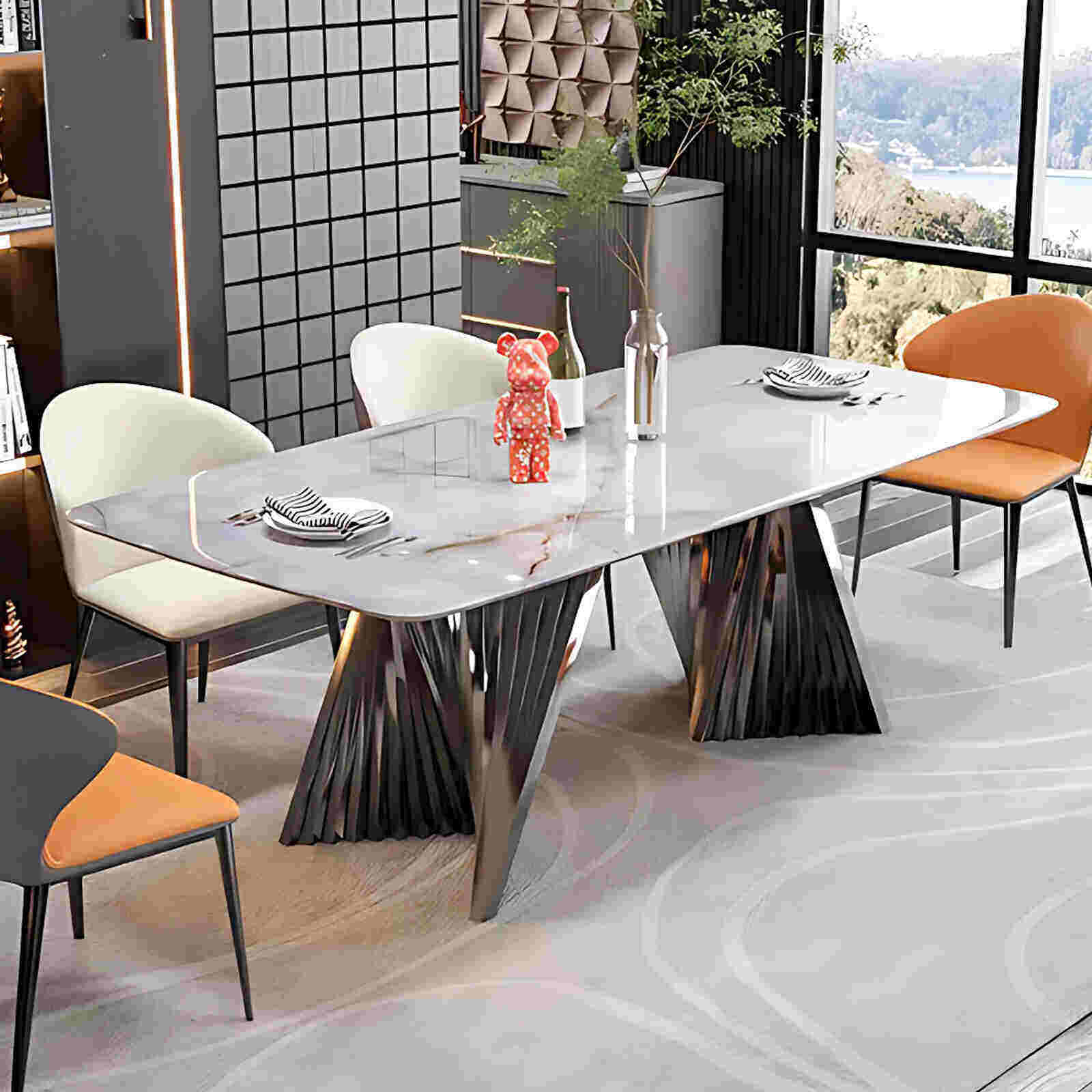
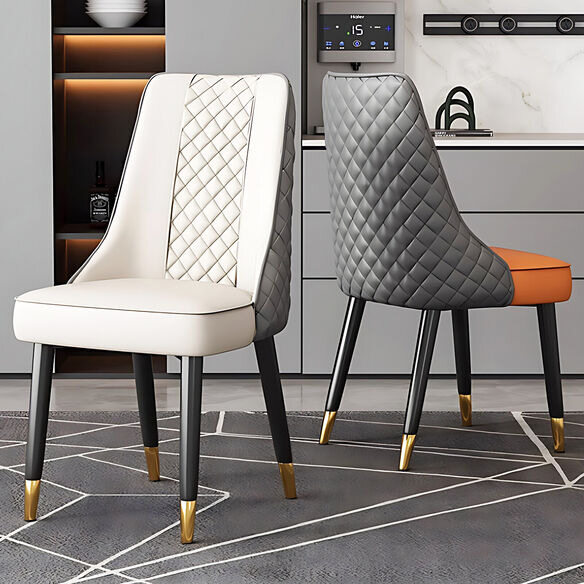
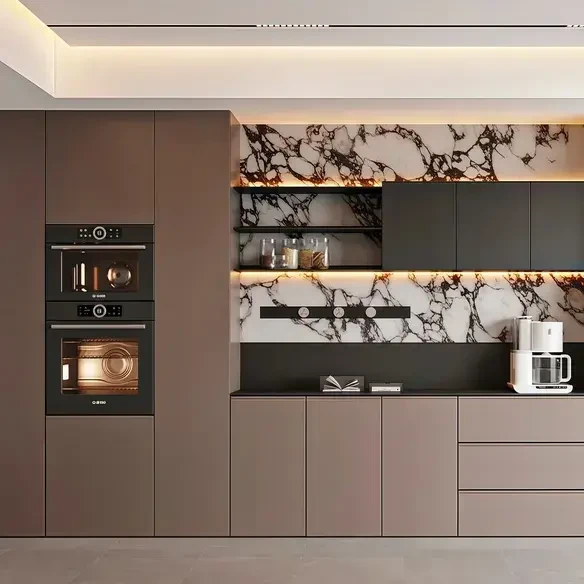
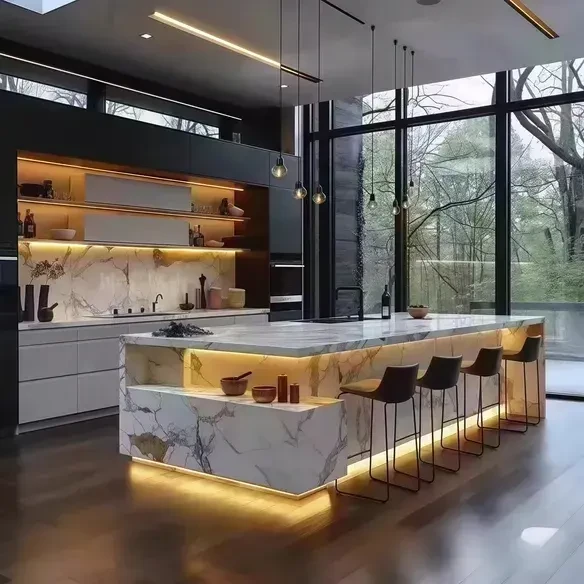
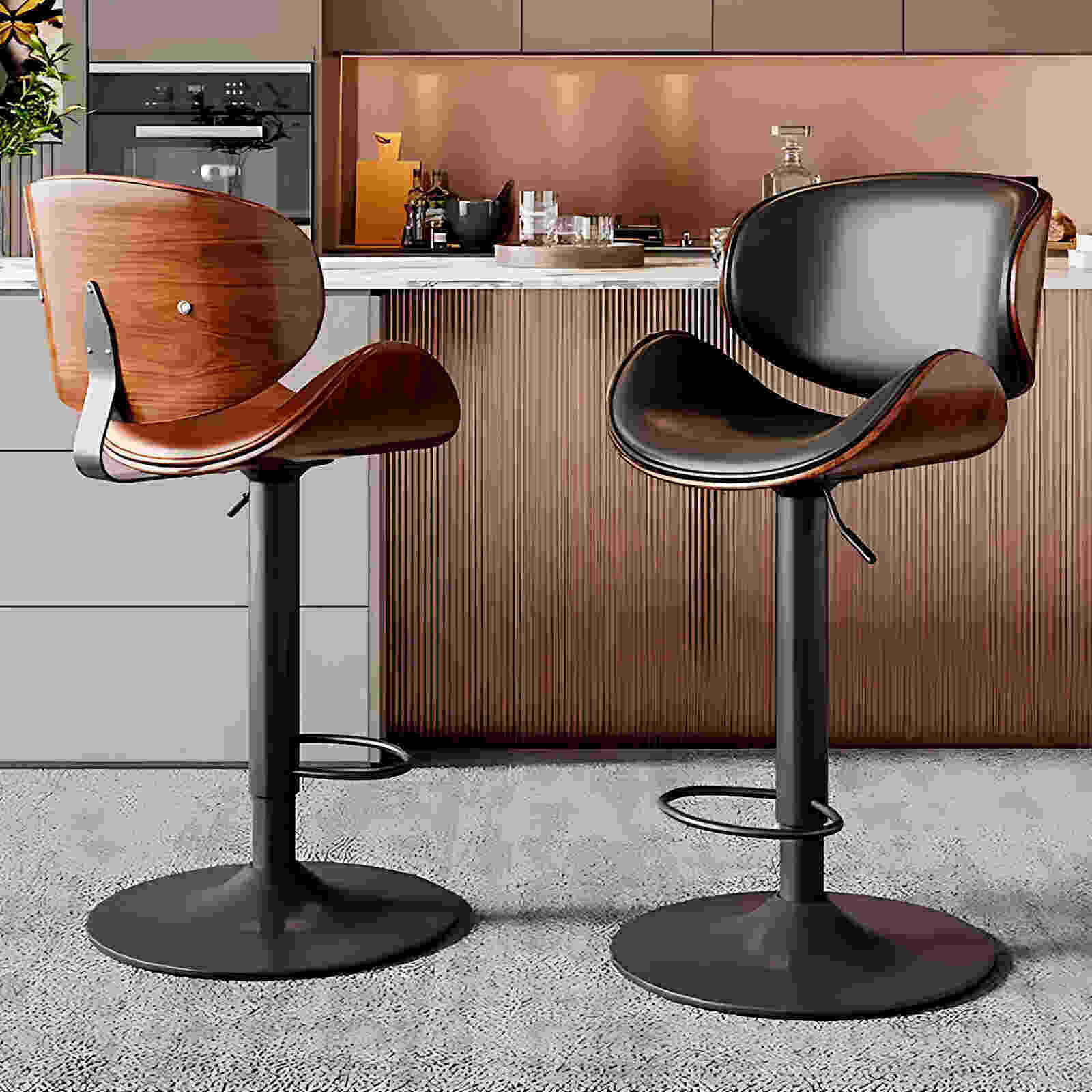
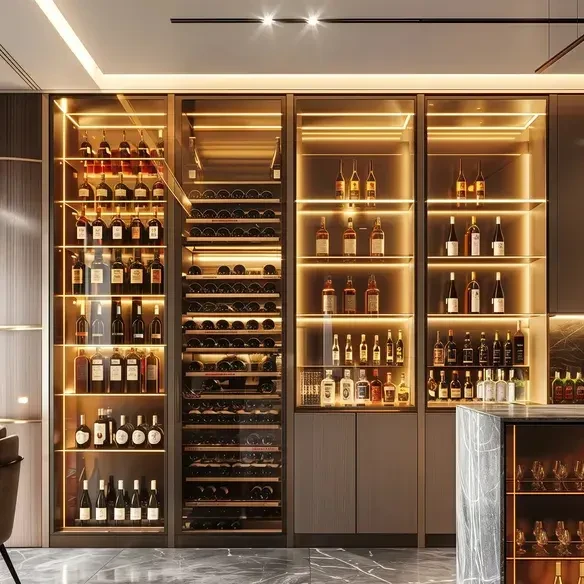
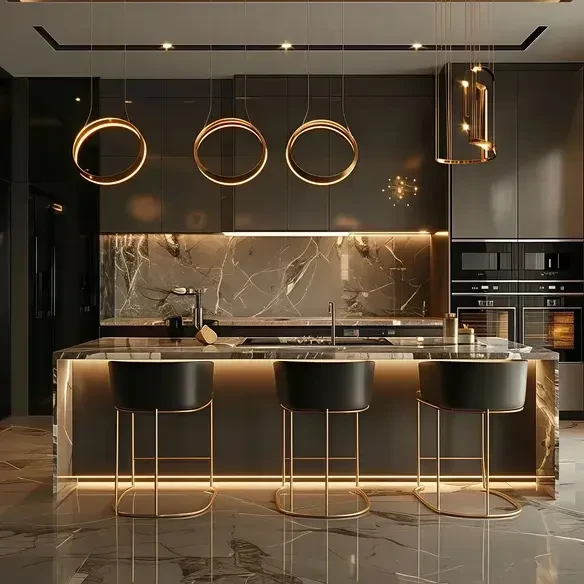
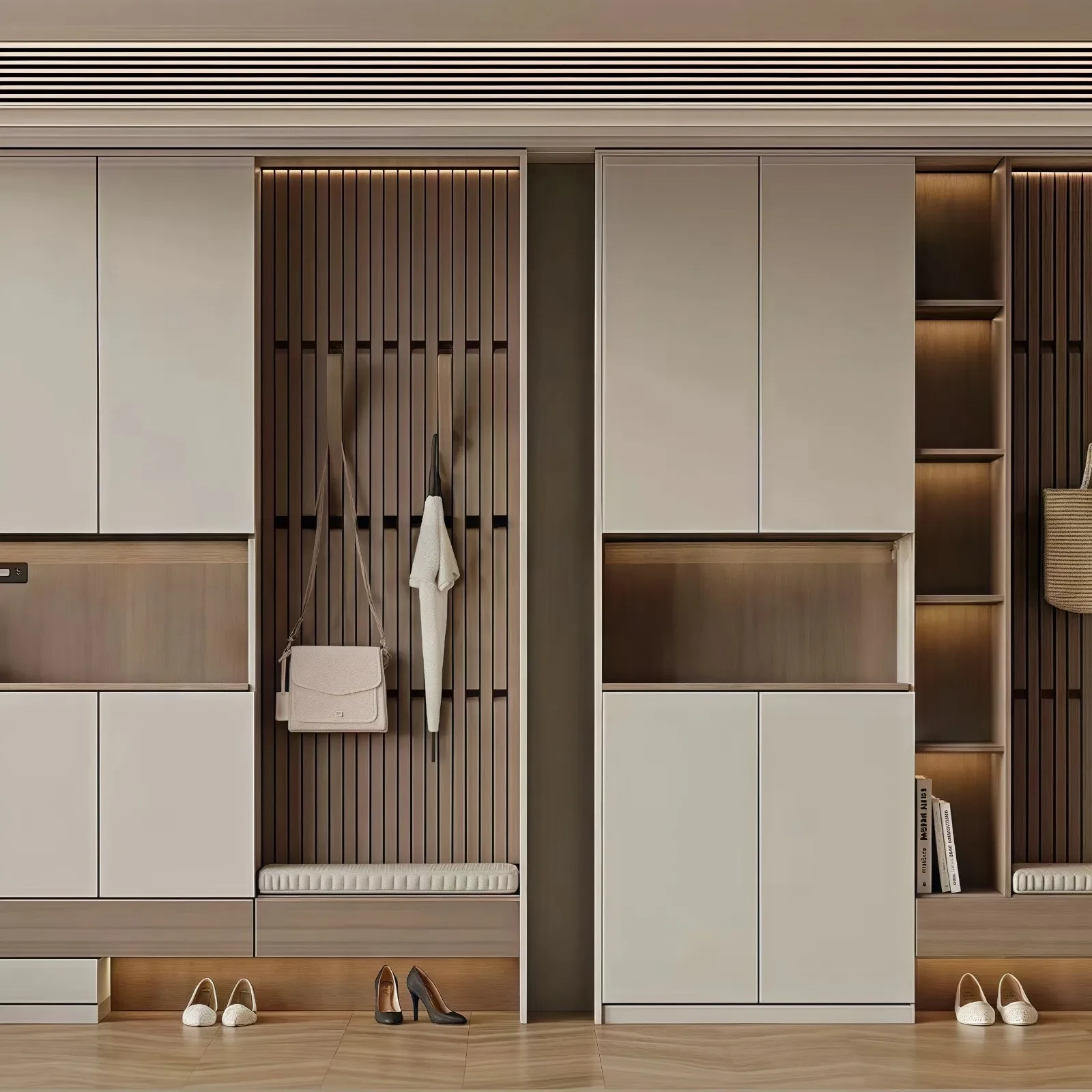
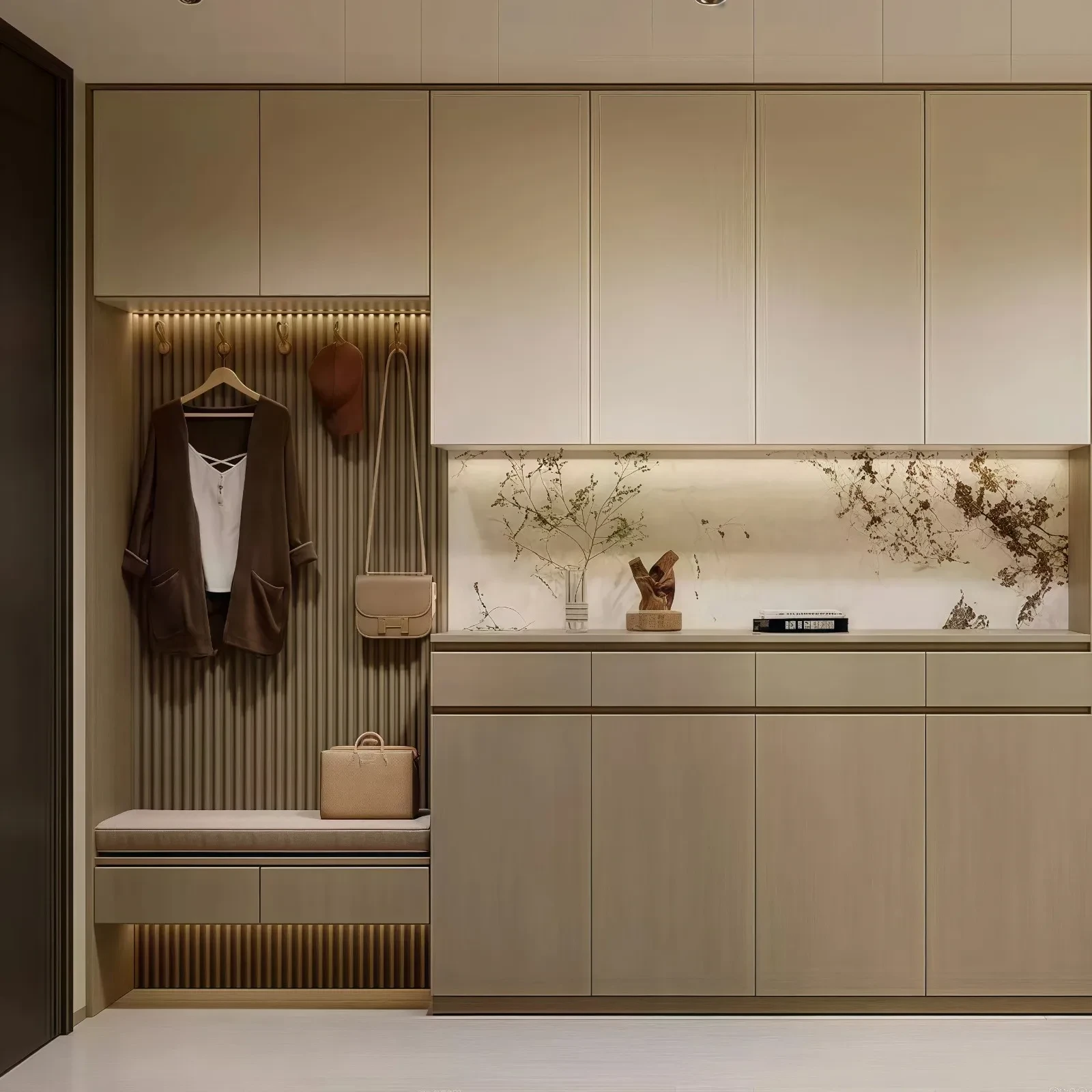
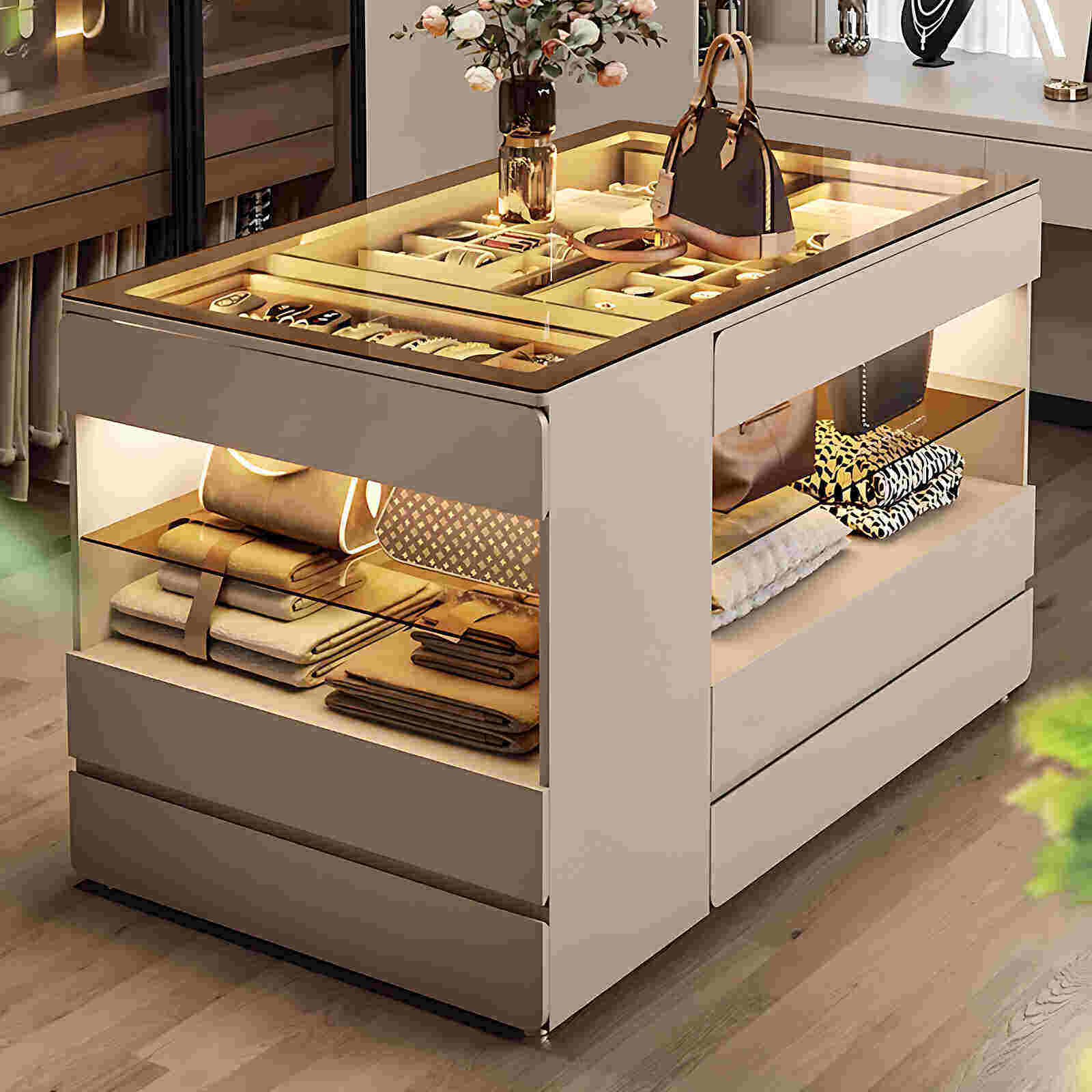
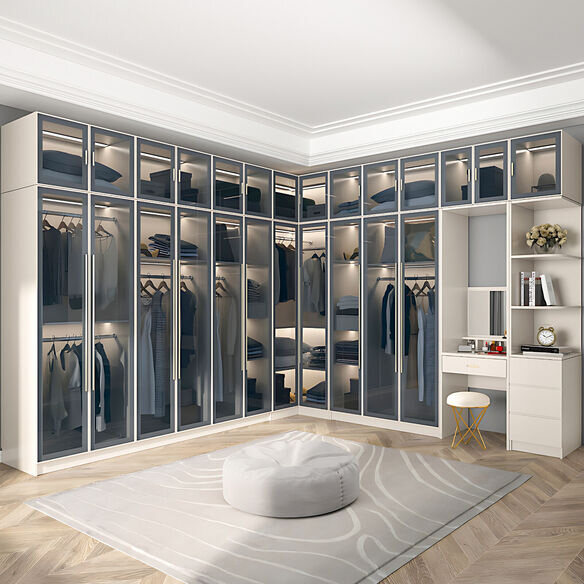
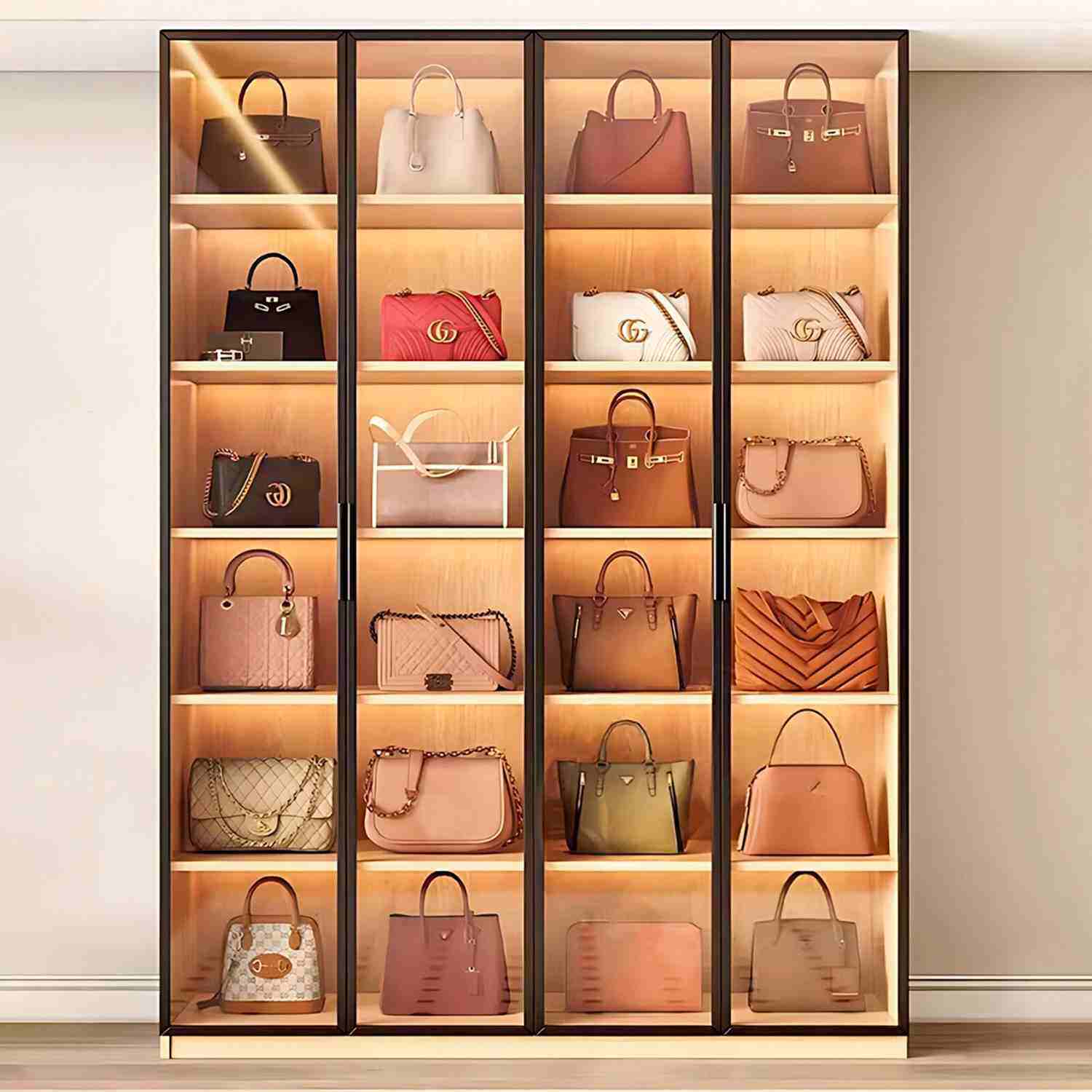
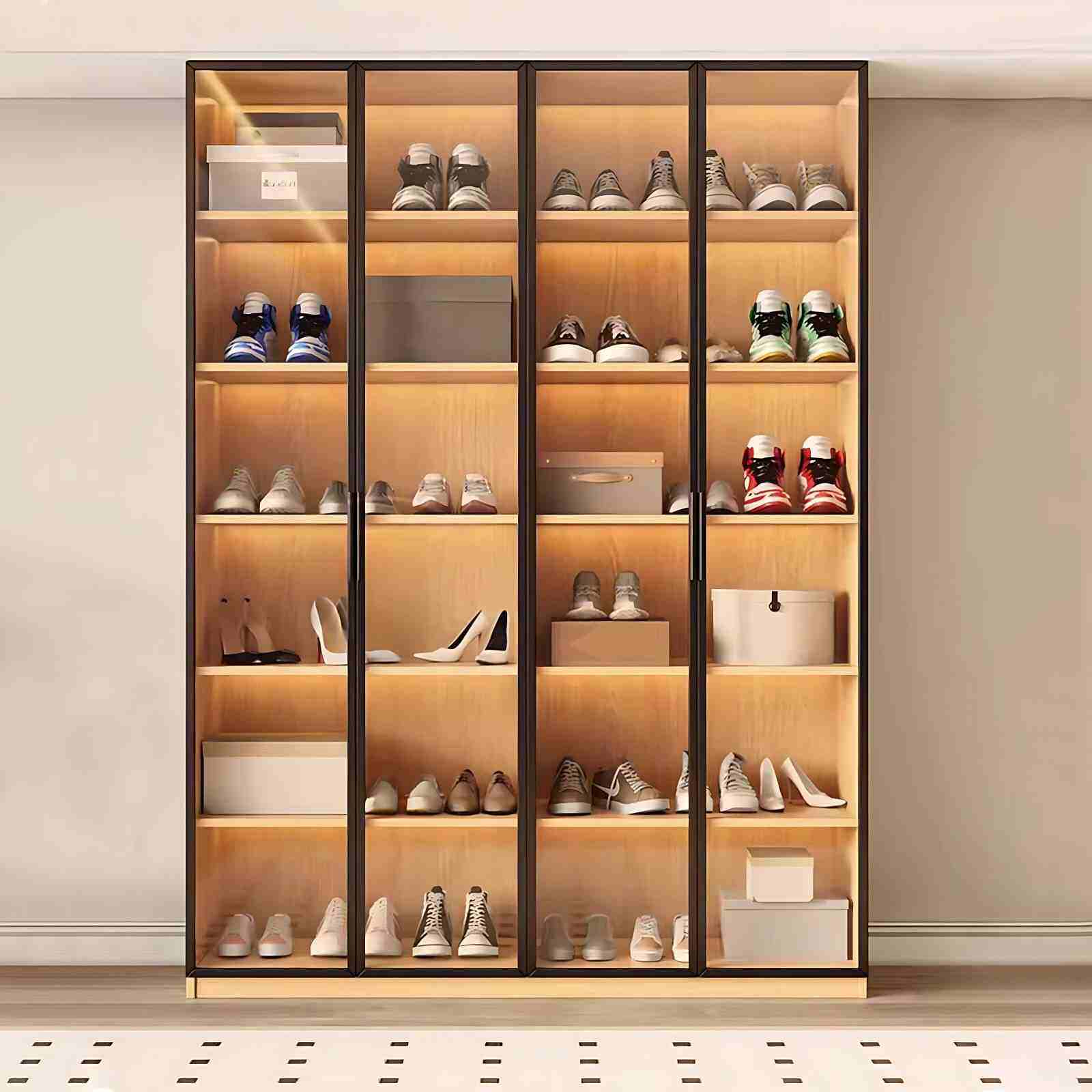
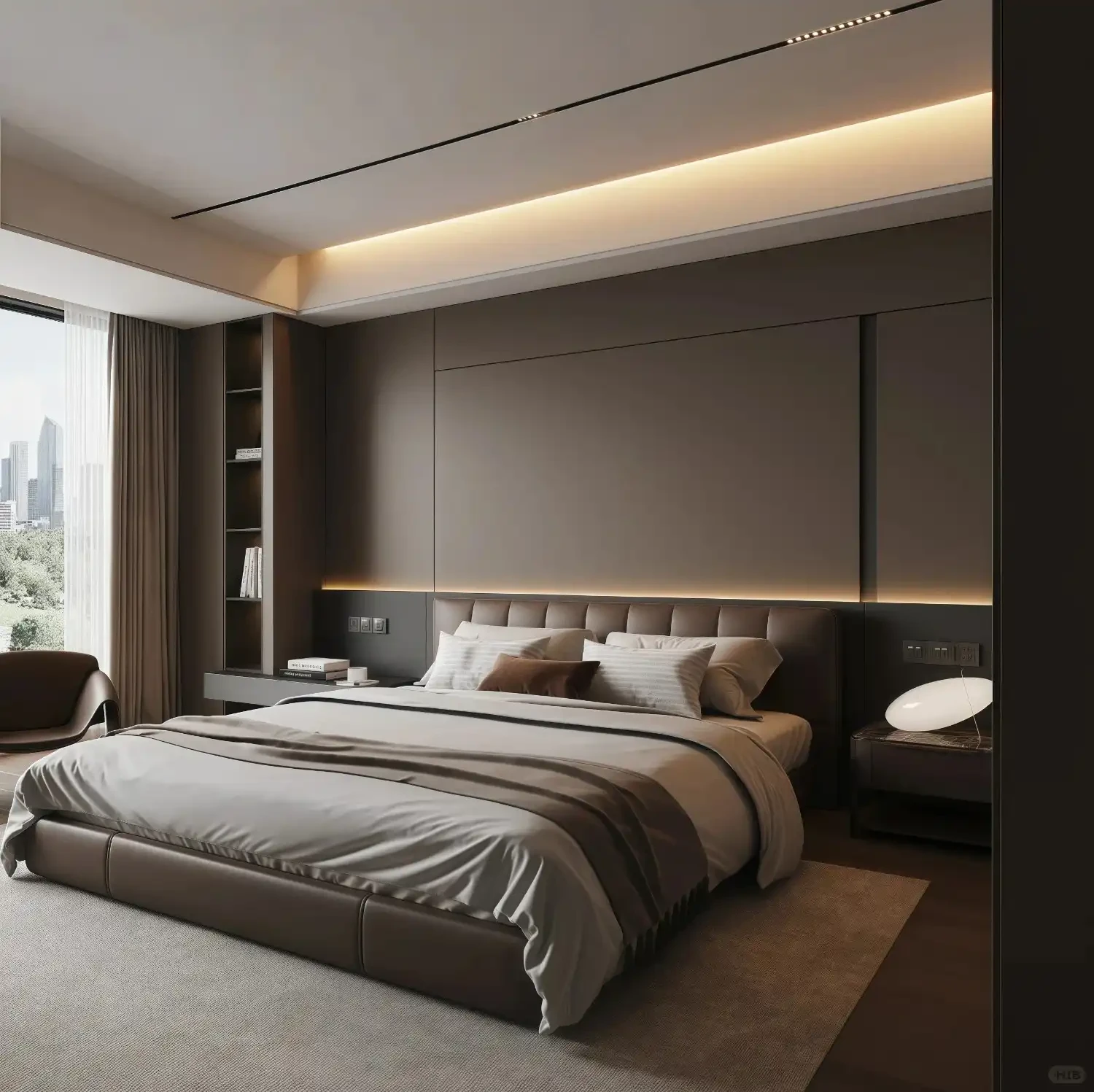
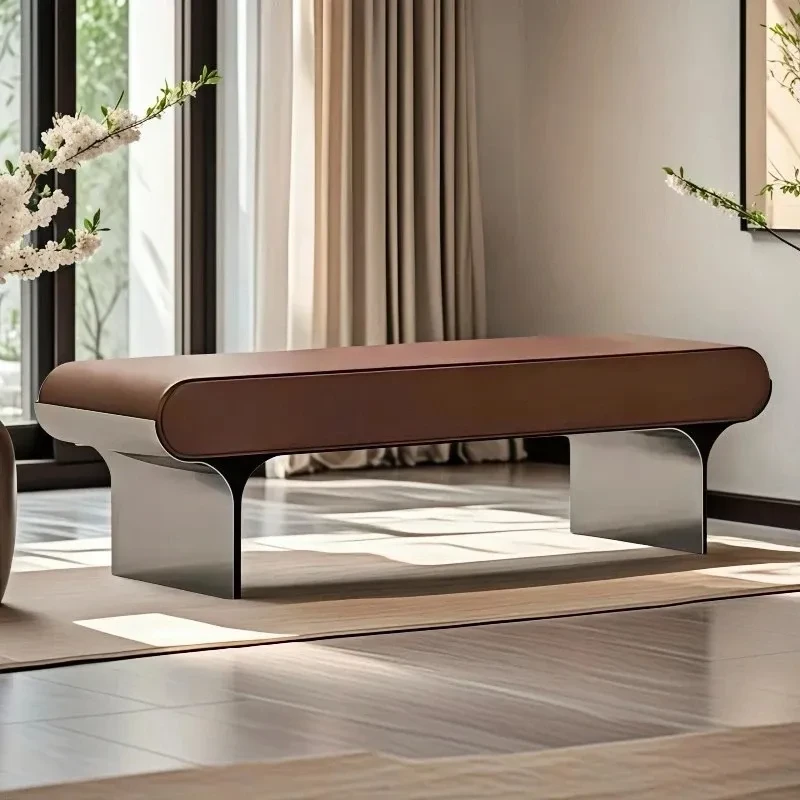
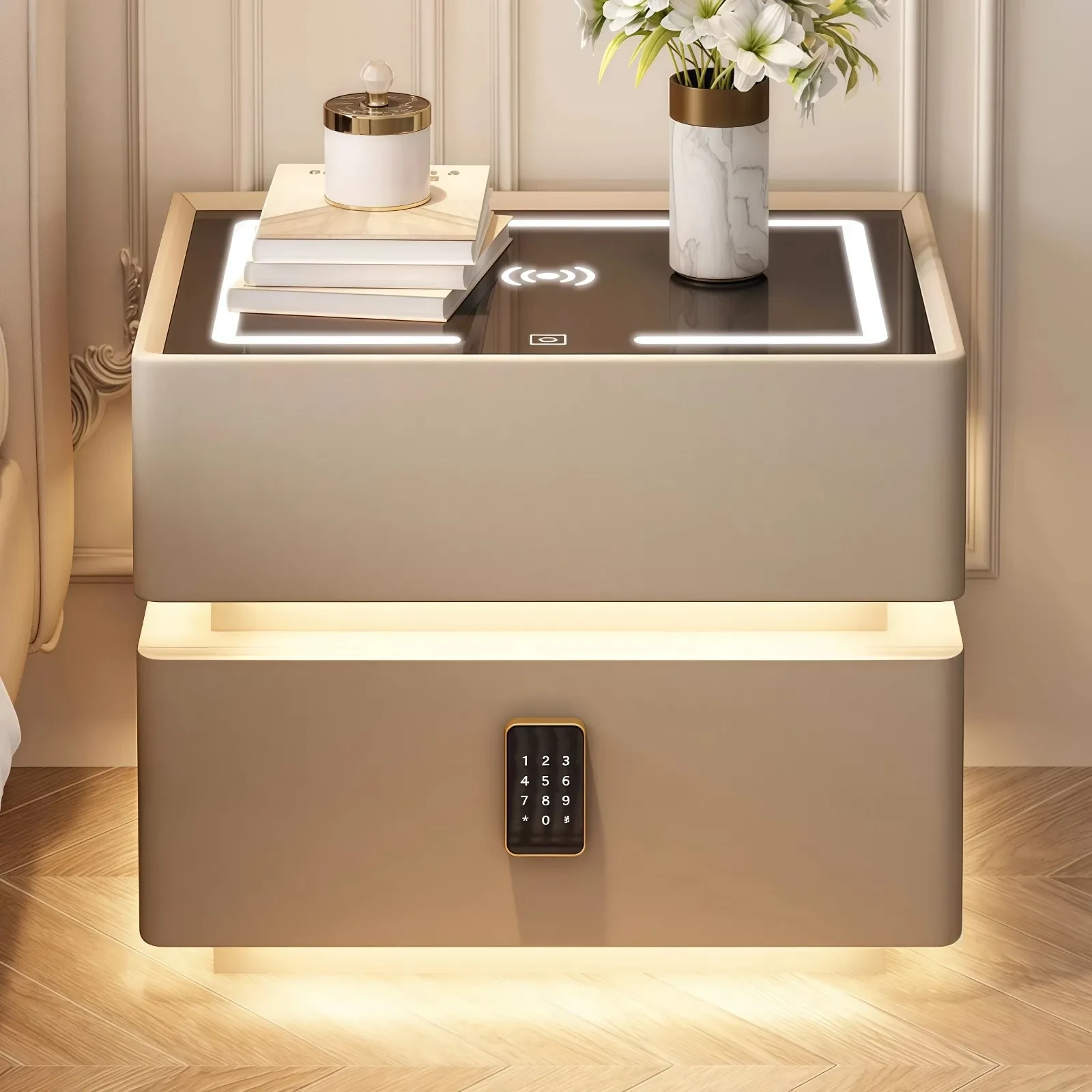
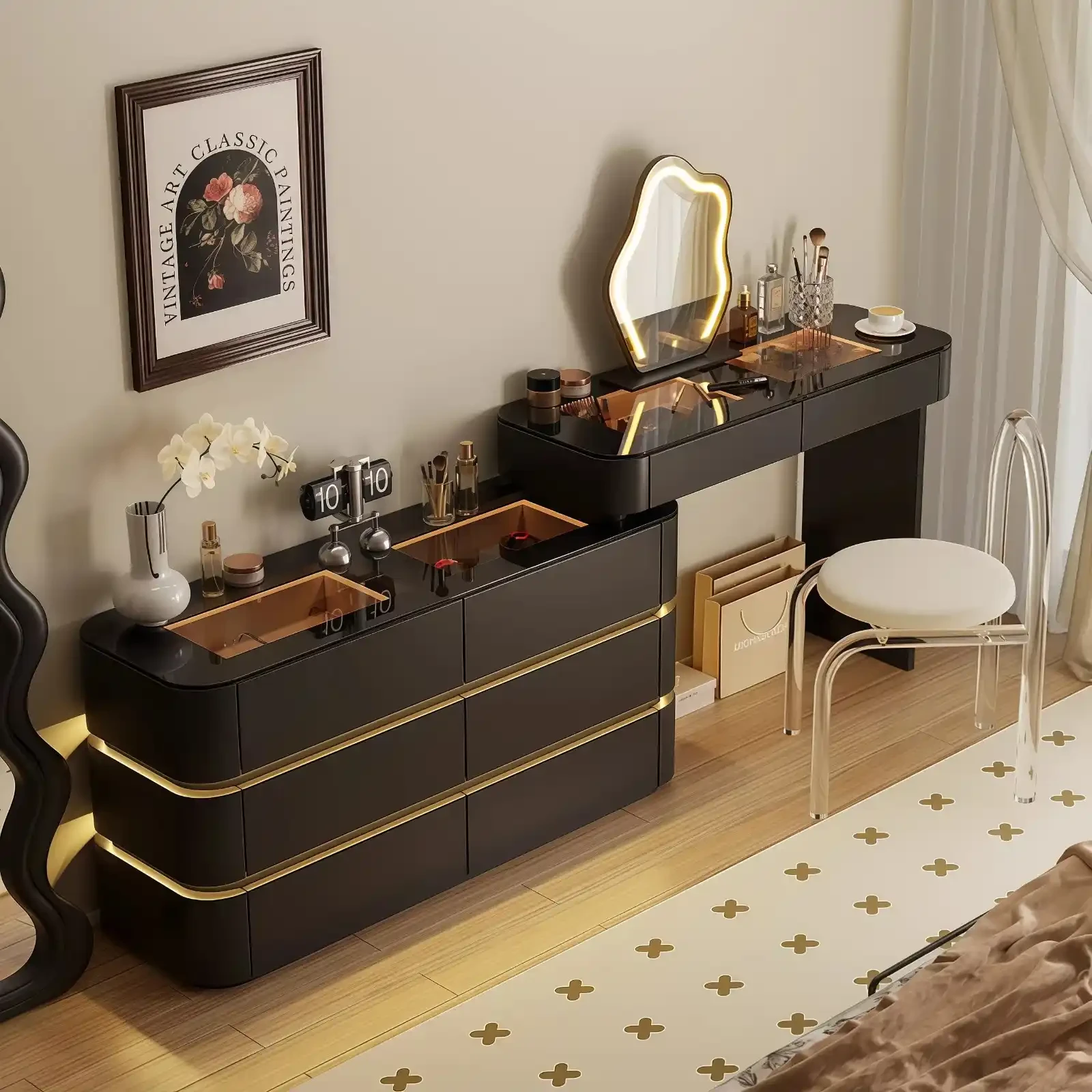
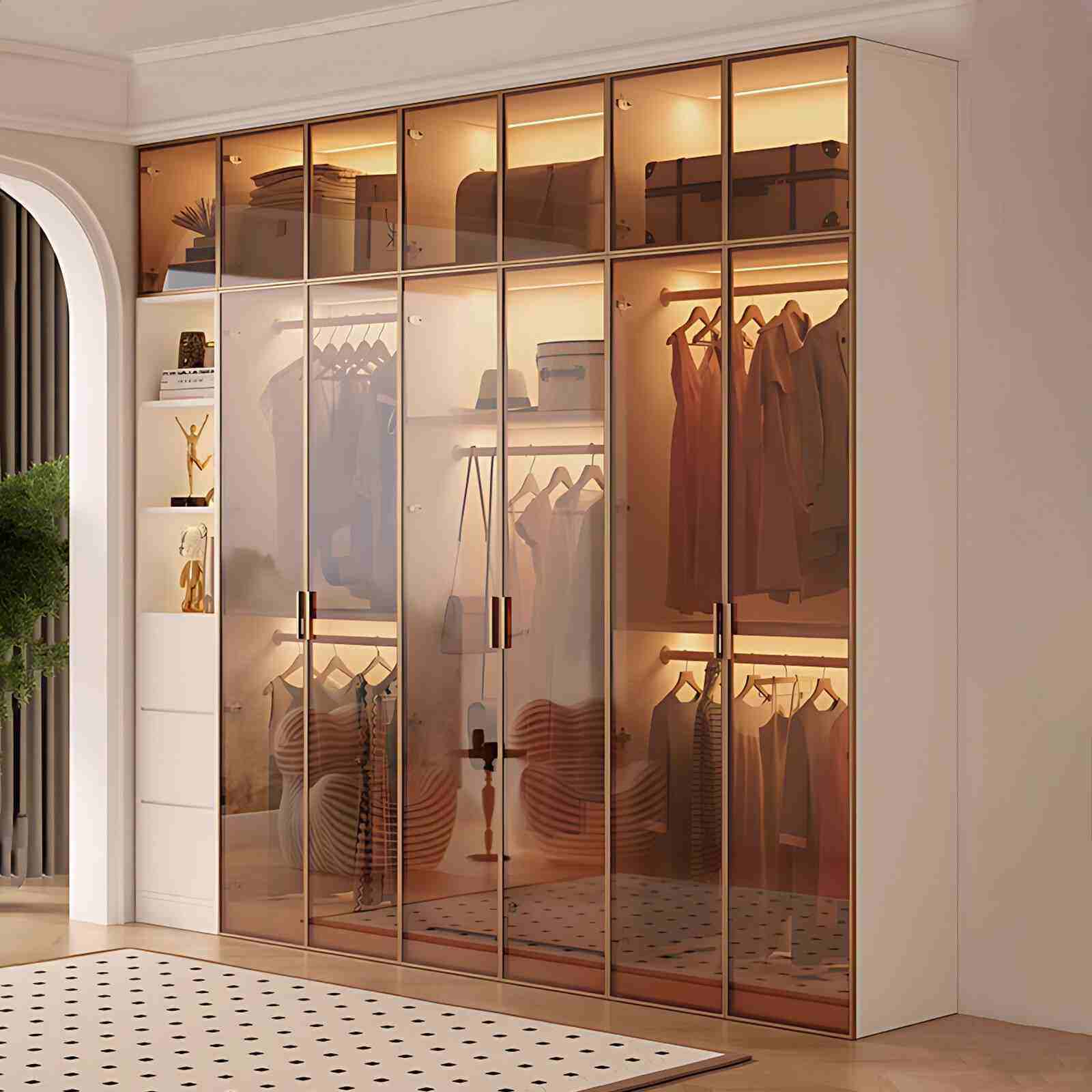
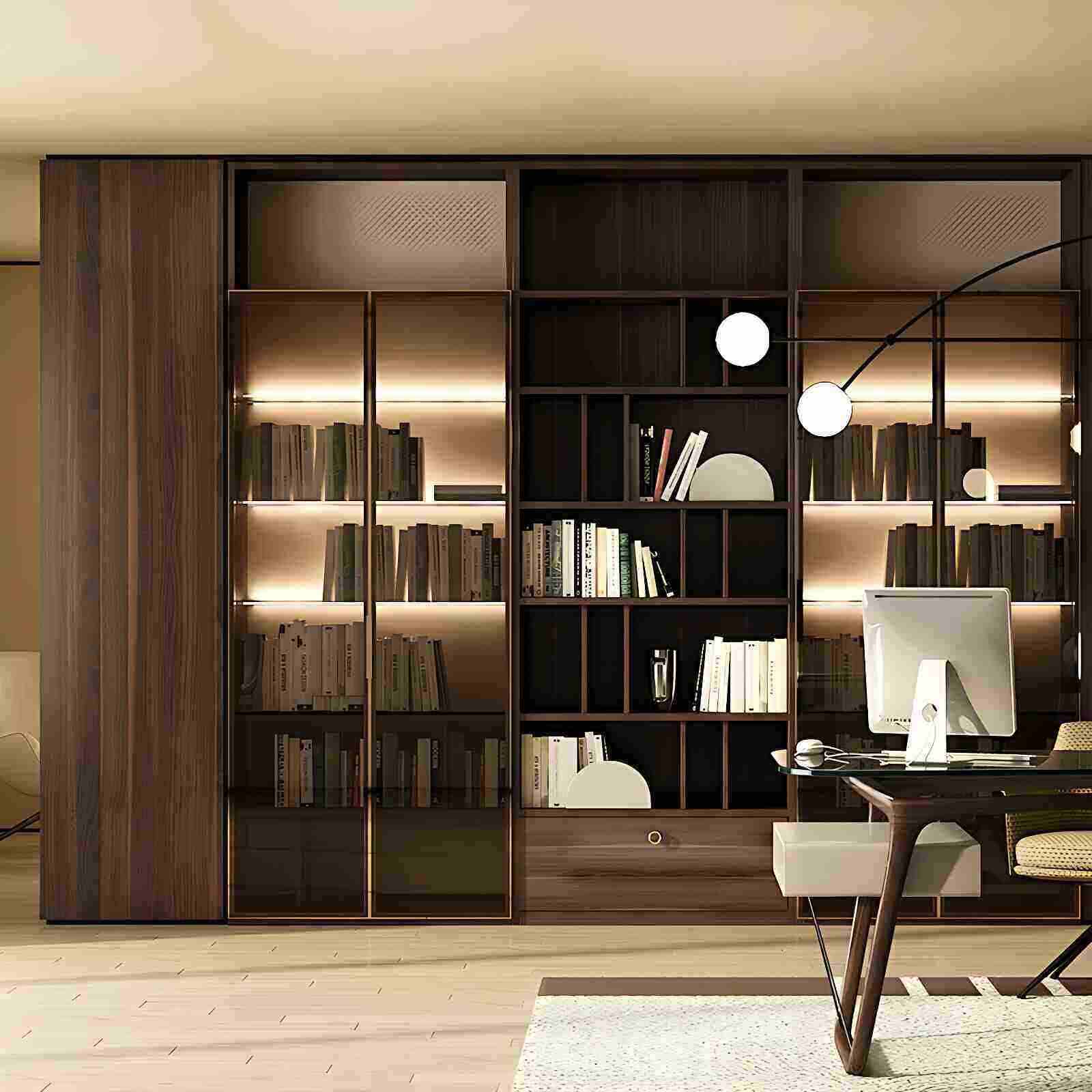

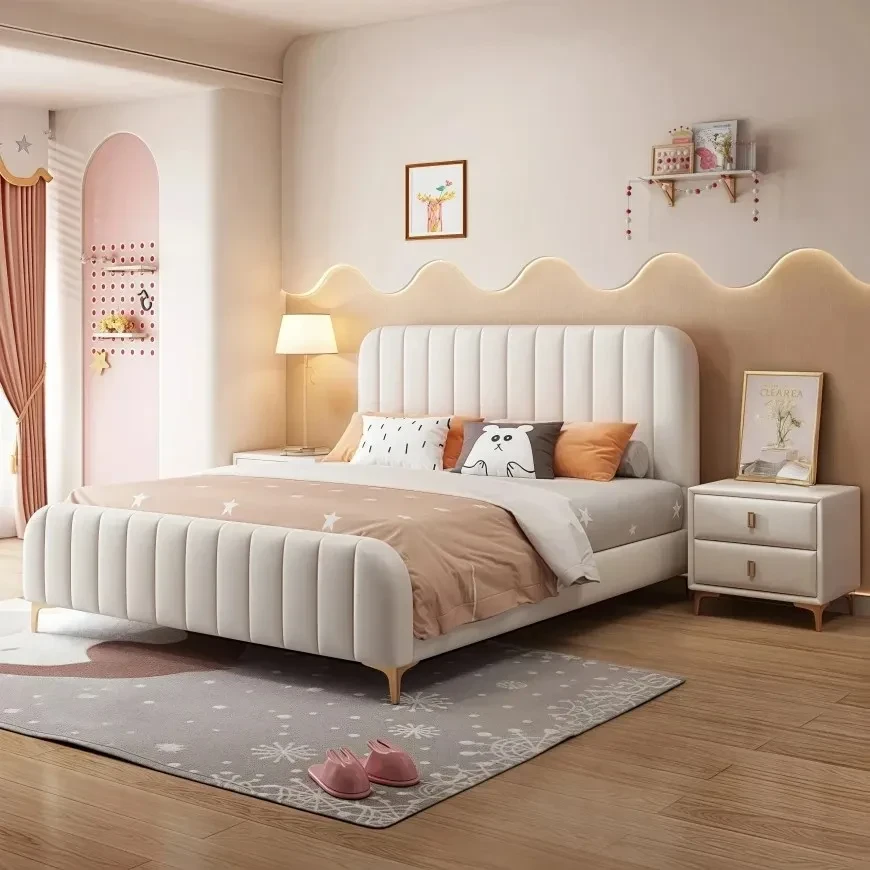
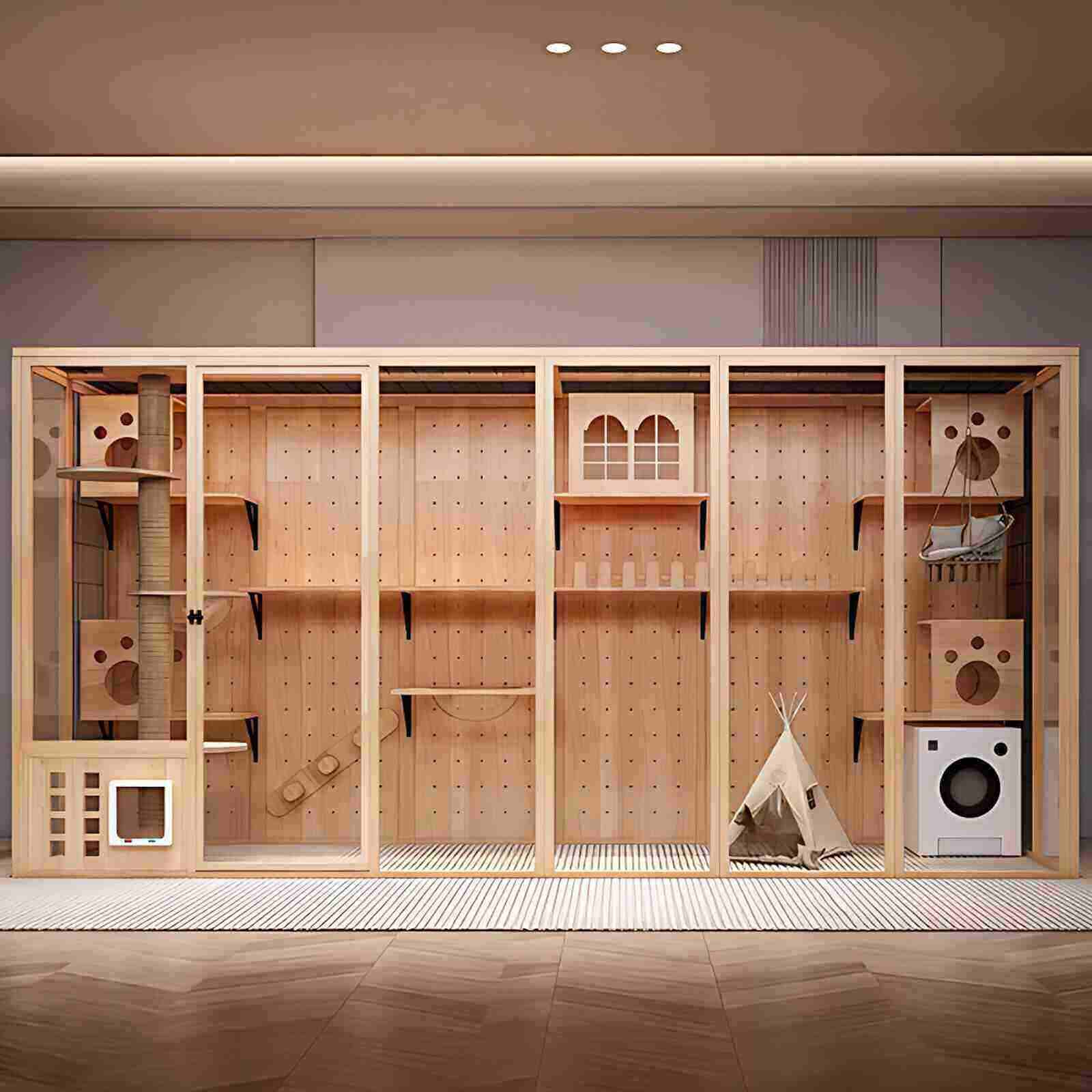
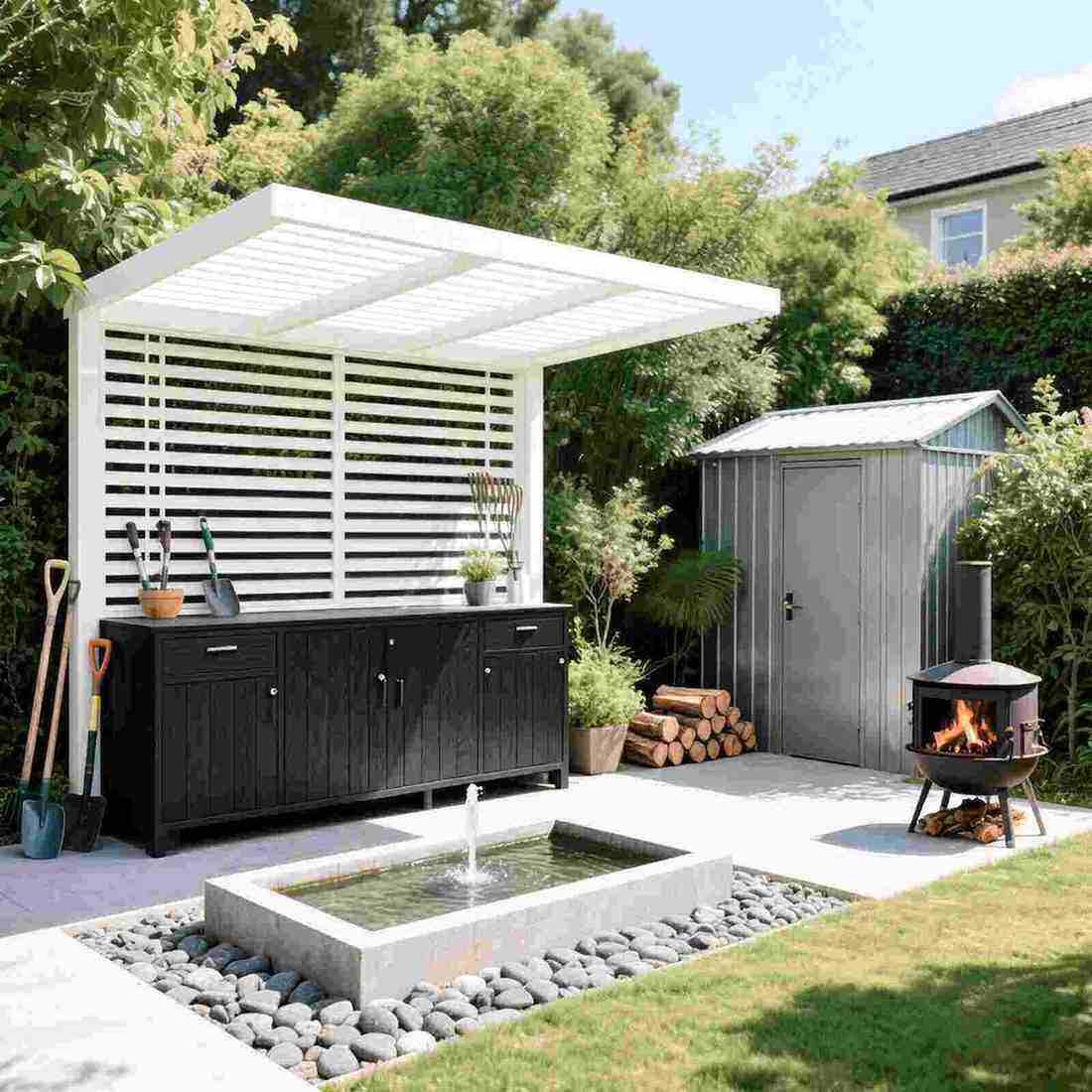
In simple terms, the general manufacturing process of eco-boards is as follows: First, decorative papers of different colors and textures are processed and pressed to form decorative panels. These panels are then laid on the surface of particleboard, MDF, plywood, blockboard, solid wood core, or other substrates, and are manufactured through multiple processes. So, what are the differences between the colors and substrates of eco-boards, and how should one choose them?
Ecological board colors:
Eco-friendly boards, also known as melamine boards, are processed differently from traditional plywood since they don't require paint. Let's first look at the differences between the surfaces of eco-friendly boards and plywood.
Ecological board surface
▼
Plywood surface
▼
Obviously, since eco-friendly boards do not require painting, they effectively avoid the problems caused by inconsistent painting skills, and the appearance of eco-friendly boards is more perfect than that of painted boards.
The difference between the facing paper of ecological boards:
Eco-friendly board veneer is made from paper of different colors and textures through processing. However, there are different types of paper. Surface paper can be divided into "ink-coated paper" and "pigmented paper." Ink-coated paper has bright, rich colors, more like natural wood, resulting in a more prominent and noticeable effect. It also has good stain and scratch resistance, as well as excellent colorfastness. Pigmented paper, on the other hand, is much inferior, with significant differences between the two sides. Therefore, although both are paper, they are of different qualities. The high-quality ink-coated paper used in Huangguoshu board is superior.
Since it's paper, it can be printed on. Theoretically, all sorts of patterns and designs can be printed on it; the only limit is your imagination. Therefore, compared to other types of boards, eco-boards offer a wider variety of styles and are more fashionable and aesthetically pleasing.
Eco-friendly decorative panels made from decorative paper through multiple processes not only effectively solve the problem of uneven paint application on the panels, but also avoid some formaldehyde pollution caused by the use of paint. At the same time, they also make the panels more durable, with properties such as corrosion resistance, scratch resistance, and fire resistance.
Differences between the substrates of eco-boards:
Although they are both eco-friendly boards, the paper, substrate, processing technology, and glue used are different, which is why there is a big price difference between them.
MDF, particleboard, blockboard, finger-jointed board, and plywood can all be used to make eco-friendly boards, but the physical properties and environmental protection indicators of eco-friendly boards made from different core materials are absolutely different.
(Particleboard)
▼
(Plywood)
▼
(Finger joint board)
▼
Among them, the finger joint board not only has stable performance
Furthermore, due to the use of finger-jointing technology
Replace some of the glue
Therefore, it is a relatively excellent substrate.
finger joint board
It can also be from
Made of any kind of solid wood
For example, trees in Malacca
Fir, Poplar
There are other types of pine and paulownia wood.
Mixed wood core boards, etc.
Malacca timber: Malacca lumber originates from Malacca trees, and there is a distinction between domestically produced and imported core timber. Imported core timber is mainly produced in Indonesia, while domestically produced core timber comes from Fujian, Hainan, and other places. It's not that foreign things are superior, but rather that China has fewer trees.
Poplar: Poplar is generally divided into southern poplar, Shandong poplar, and northeastern maple. Among them, the northeastern maple has a longer growth cycle and has withstood harsh climatic conditions, resulting in relatively dense and hard wood.
Chinese cedar: Chinese cedar is a high-quality furniture material with a natural wood fragrance and various beneficial effects on the human body. The cedrol contained in Chinese cedar can kill bacteria in the air and inhibit human pathogens. Cedarrol has an inhibitory effect on various skin inflammations. The released cedrol has health benefits such as relieving fatigue and stress. More and more ordinary consumers are recognizing the benefits of Chinese cedar.
Others include
Pine, paulownia, miscellaneous wood, etc.
It is generally believed that
Among them, cedar is the best.
Simple methods for identifying various materials:
1. Examine the cross-section: Pine and cedar have clear growth rings, poplar has coarser fibers, and Malacca is a fast-growing tree species with loose wood, unclear growth rings, and slightly finer fibers than poplar.
2. Scratch test on cross-section: Malacca wood is the softest and most likely to leave a clear scratch; cedar wood has moderate hardness and the scratch is not obvious; poplar wood has the highest density and the hardest material, and the scratch is the slightest under the same force.