
 USD
USD GBP
GBP
 EUR
EUR







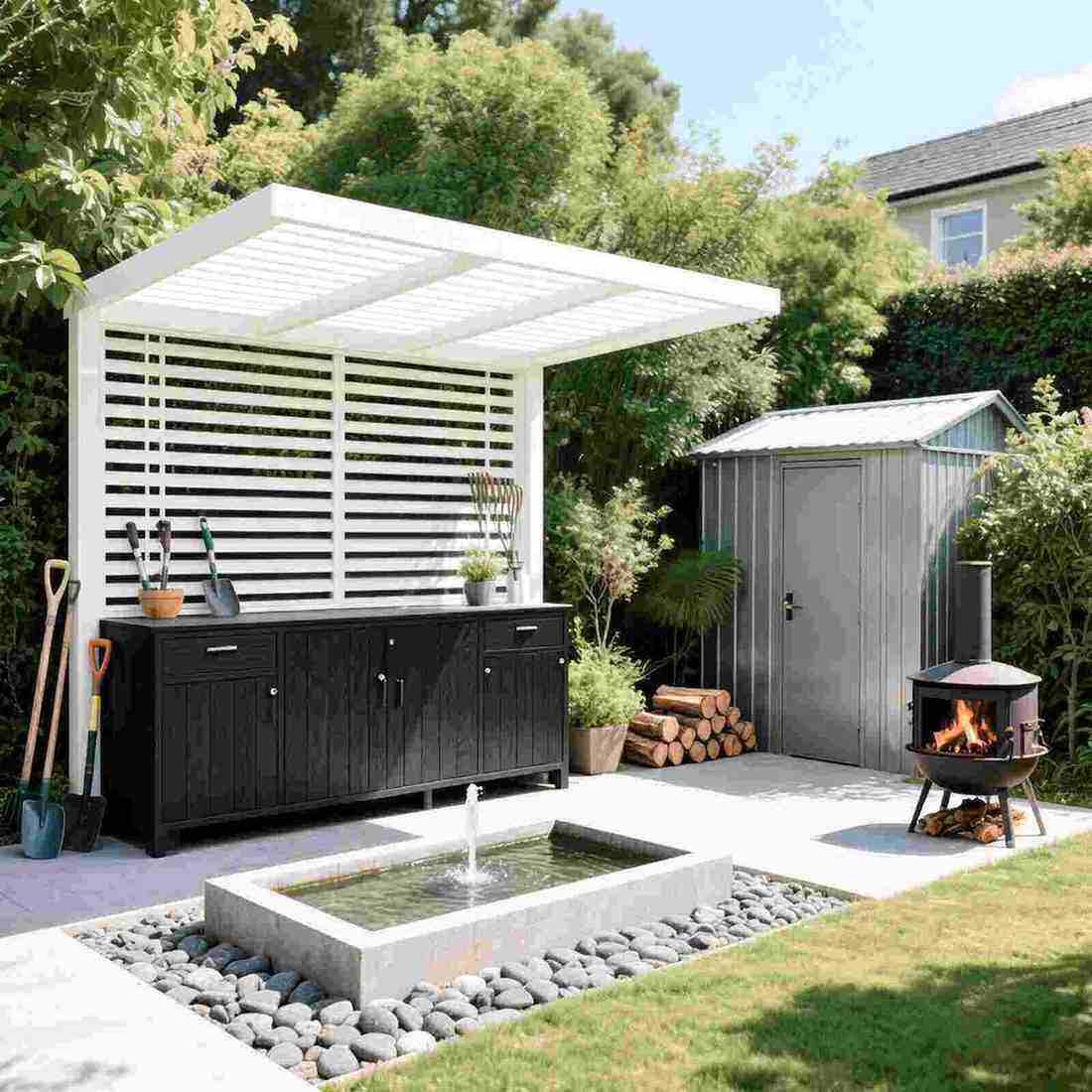
What are the sizes and specifications of eco-friendly boards?
The most common sizes of eco-friendly boards on the market are as follows: 1220mm x 2440mm.
1000mm x 2000mm, 1300mm x 2000mm, 1500mm x 3000mm
One type, known as the 48-foot size, is the most commonly used board size specification.
Regarding the selection of the size and specifications of ecological boards,
It's best to choose based on your own actual needs.
How to identify eco-friendly boards?
1. Check the flatness: In a slightly dimly lit area, look at the longer side of the eco-board at a 45-degree angle.
Is it uneven?
Check if the three seams and sanding marks on the surface are obvious.
If so, it indicates poor quality.
2. Surface paper: can be divided into ink paper and color paste paper, namely imported paper and domestic paper.
The ink-coated paper boasts vibrant colors, resembling a natural wood finish.
Those with a high melamine content are less prone to fading, and therefore more expensive.
The paper with colored pulp is of slightly lower quality; it is more than 10 yuan cheaper than imported paper on both sides.
Testing method: Stack two eco-friendly boards, stagger them, and expose them to the sun for several hours. Then check if there is a color difference on the bottom board.
3. Check if the decorative paper is firmly attached to the wood: This depends on the woodworking process.
When sawing, there will be chipping at the edges, which will increase the processing difficulty and affect the appearance.
Testing method: Apply strong adhesive to a small area per square decimeter and pull firmly.
See if the paper comes off easily. Or try to pry it off with your finger along the cross-section.
Could you please remove the topmost piece of paper?
4. Check the surface for dry or wet patterns: If the surface of the board has shiny, dotted, or lumpy spots, or looks like carbonization,
Over time, the surface may turn black or develop a paint-like fading appearance; these are all signs of wet and dry staining.
These all reflect the factory's level of mastery of the processes.
It doesn't feel very smooth to the touch; it has a cottony feel.
The surface of the board looks like it's covered with a layer of fog.
It feels like metal to the touch and is of very good quality.
Test method: Apply shoe polish, lipstick, or oil pen to the surface of the board, wait a few minutes and see if it can be completely wiped off.
5. The degree of deformation of the ecological board also reflects the manufacturer's process capability: Generally speaking, it is normal for the top two sheets of each package to be slightly deformed before they are made into finished products.
If the finished product deforms, it is considered a quality issue.