
 USD
USD GBP
GBP
 EUR
EUR
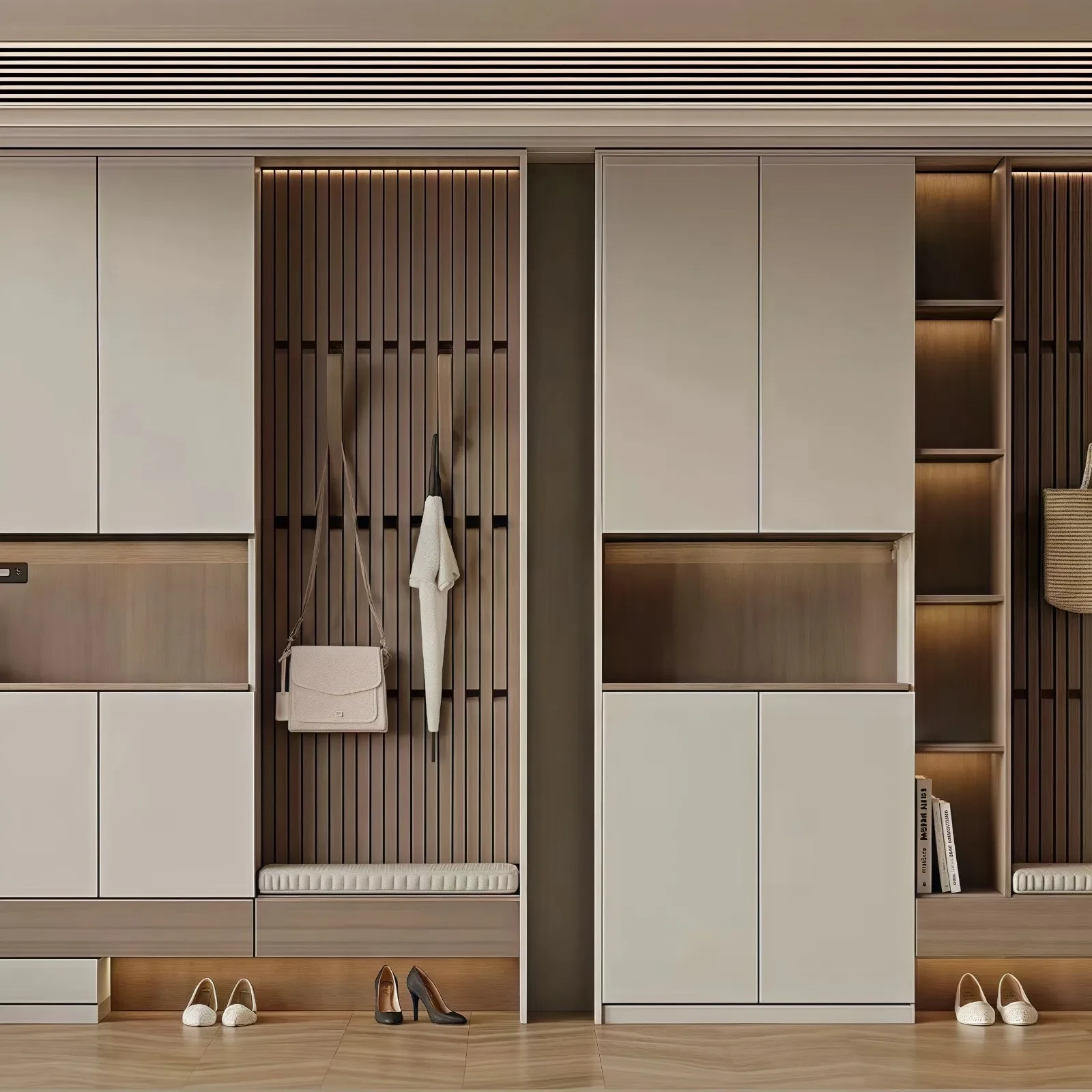
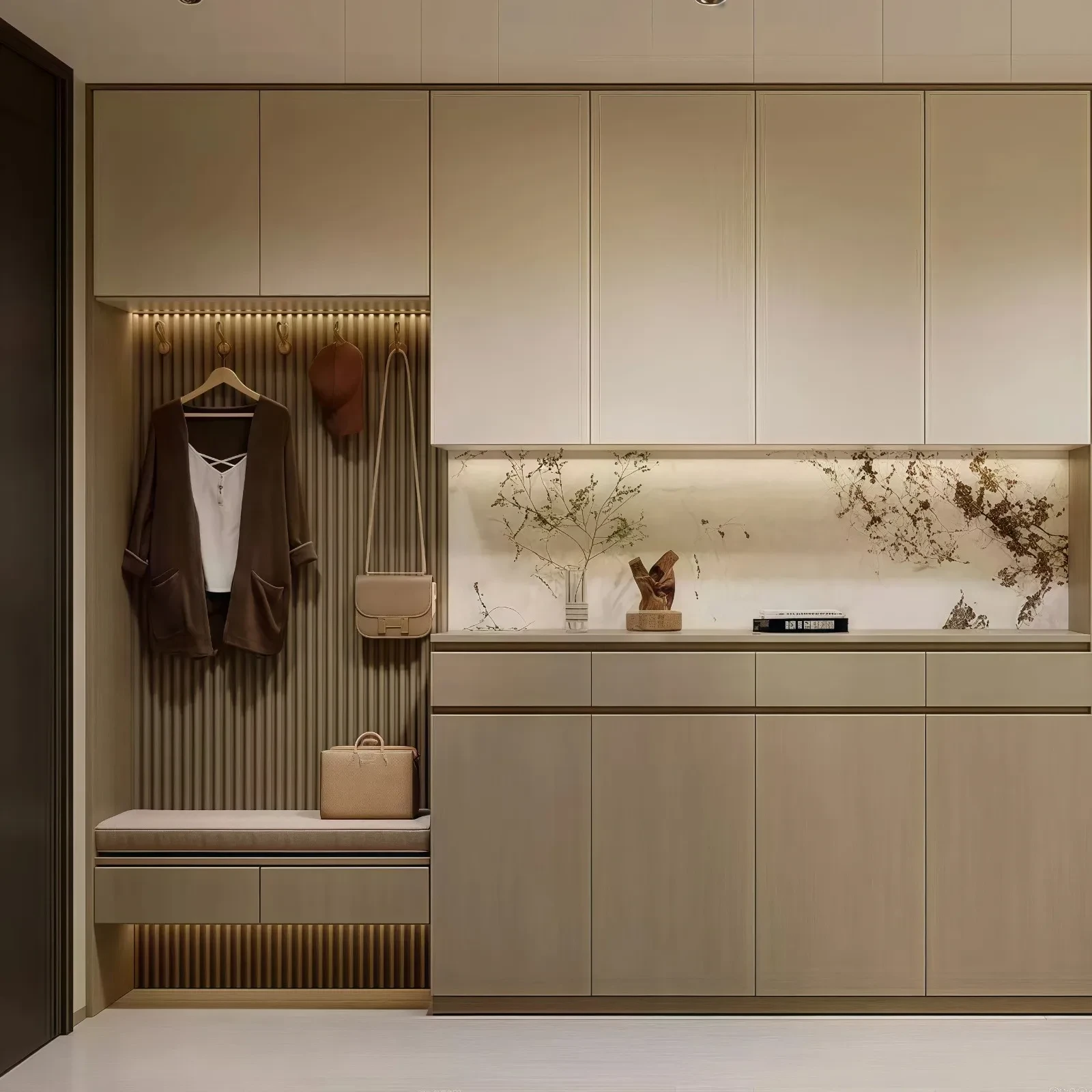
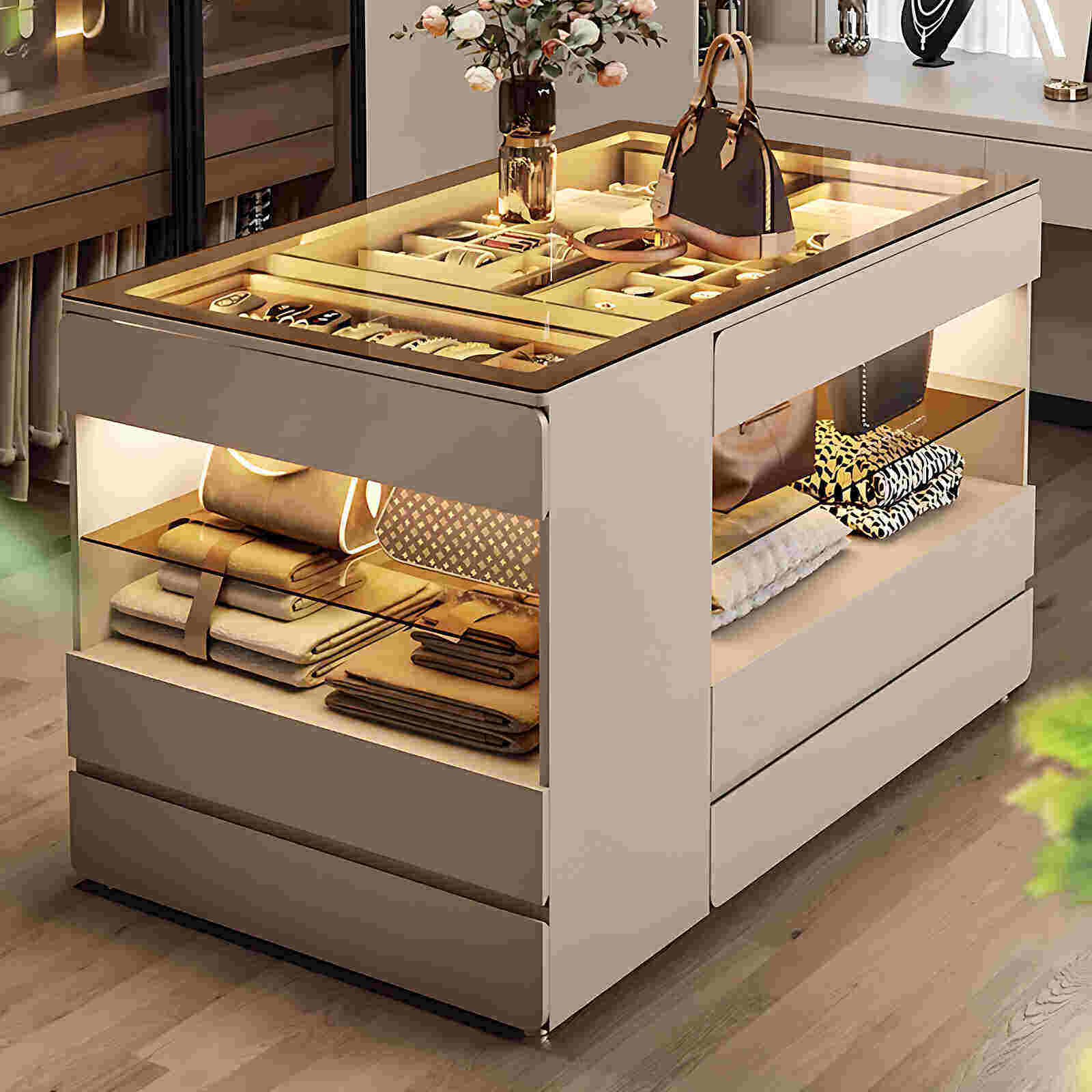
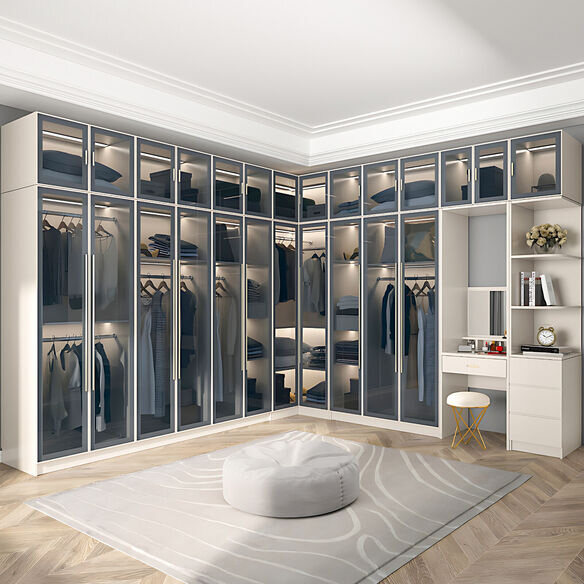
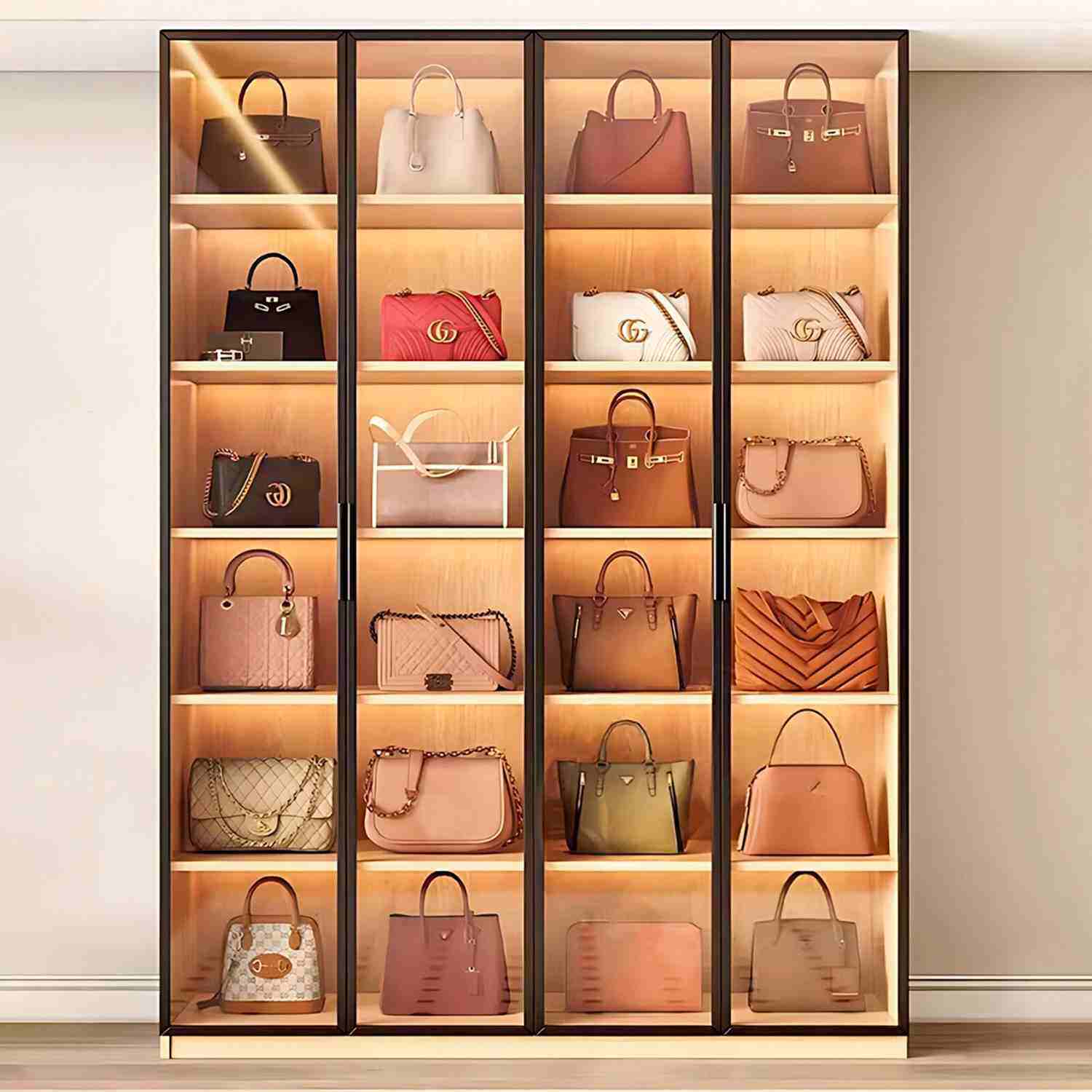
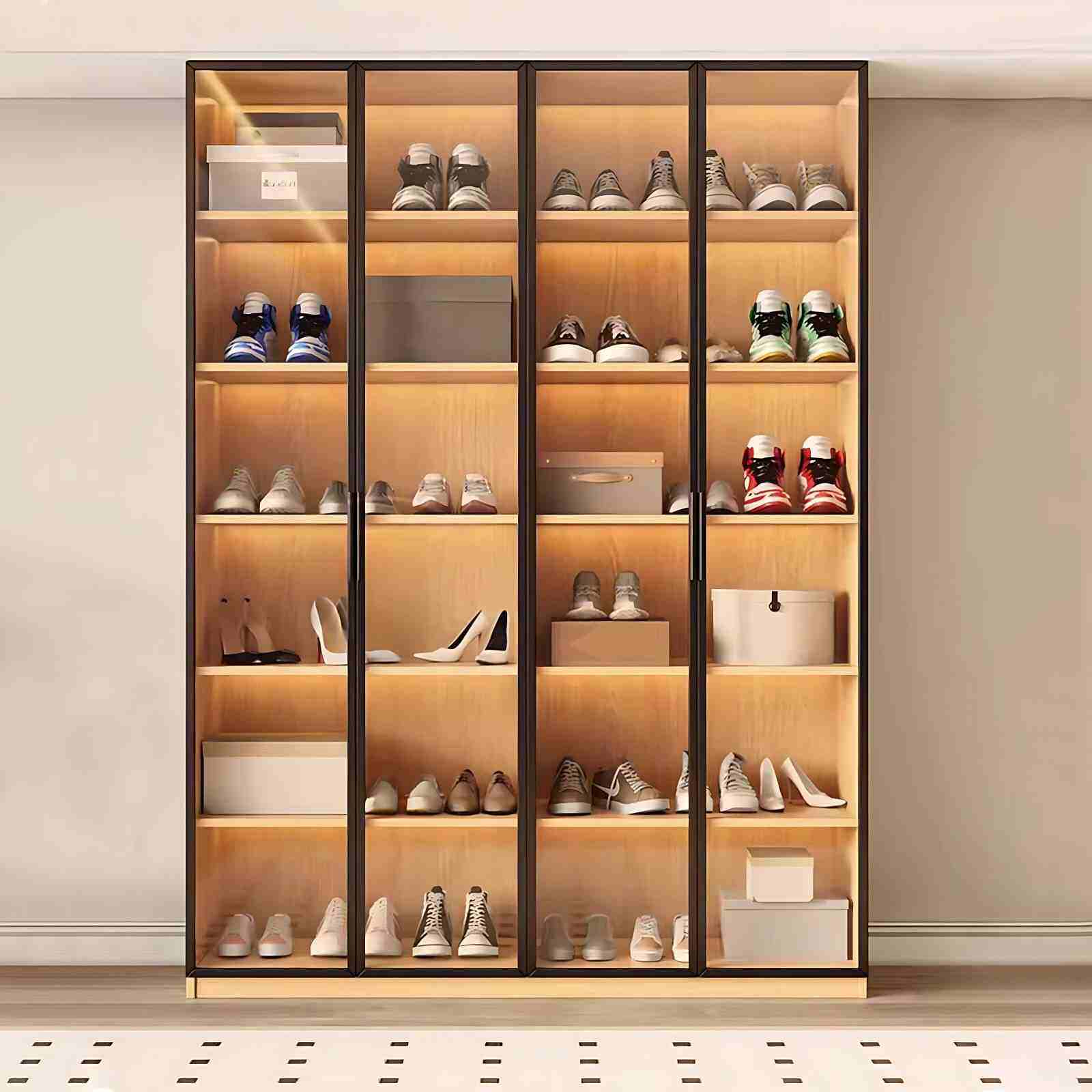
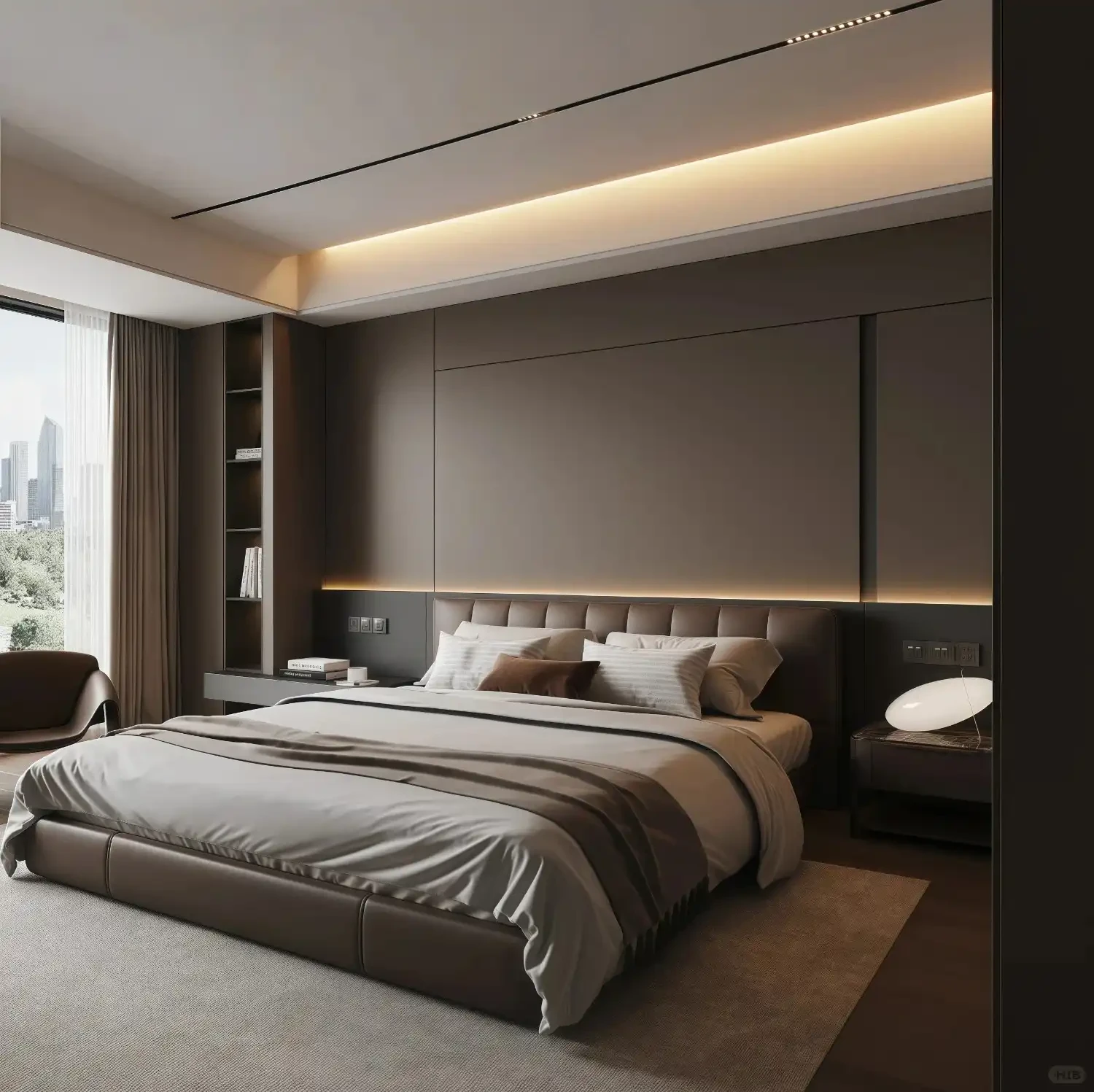
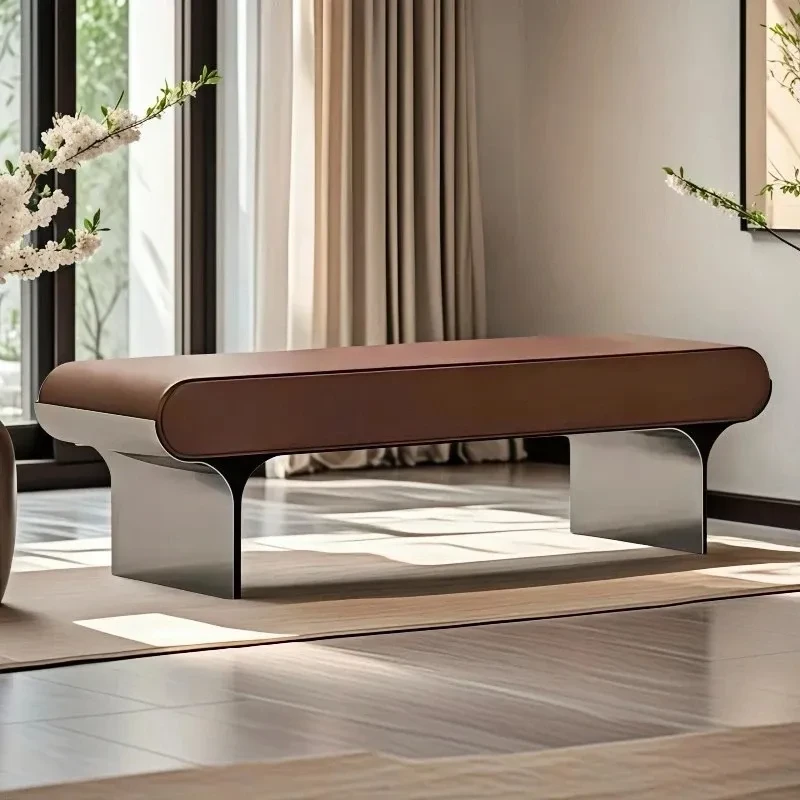
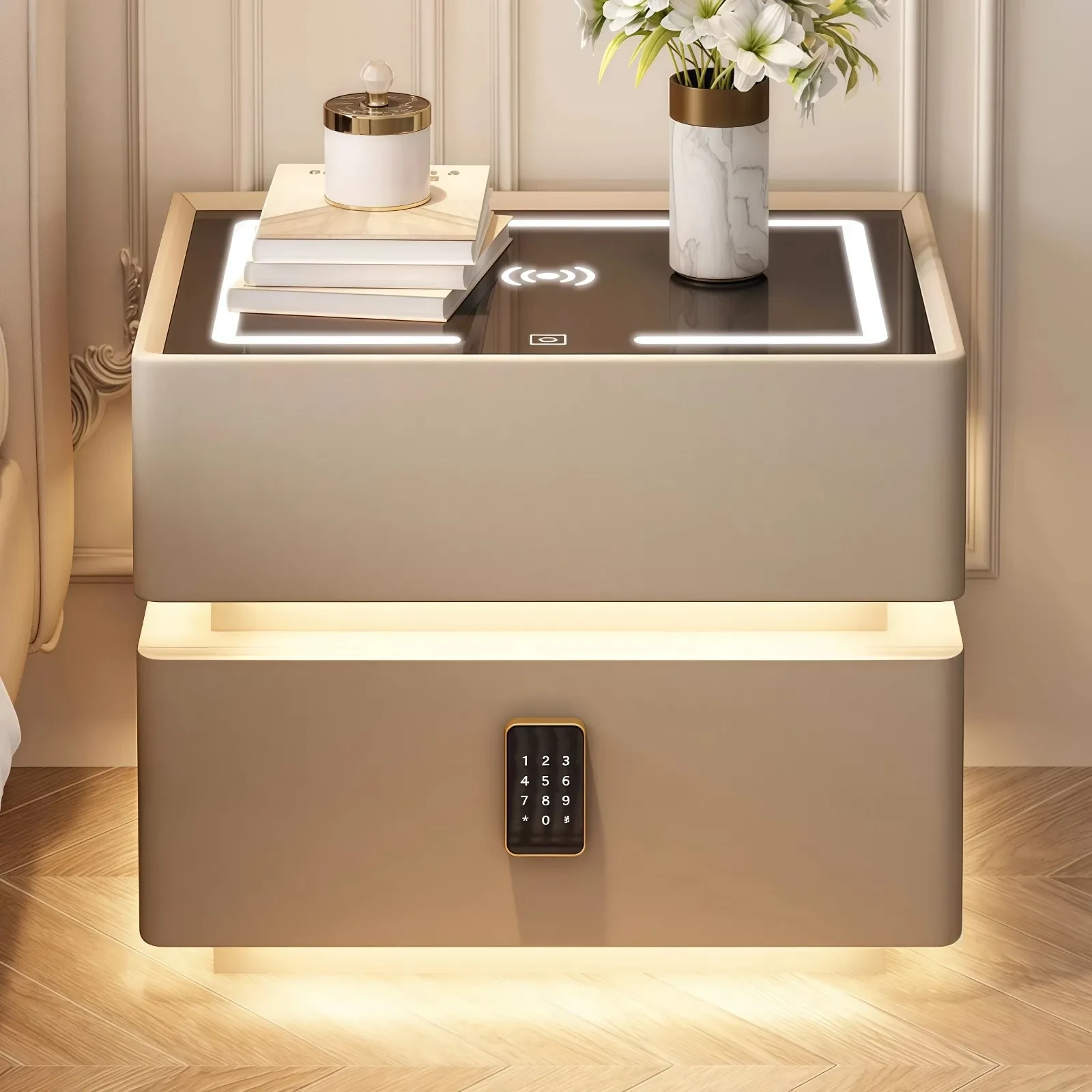
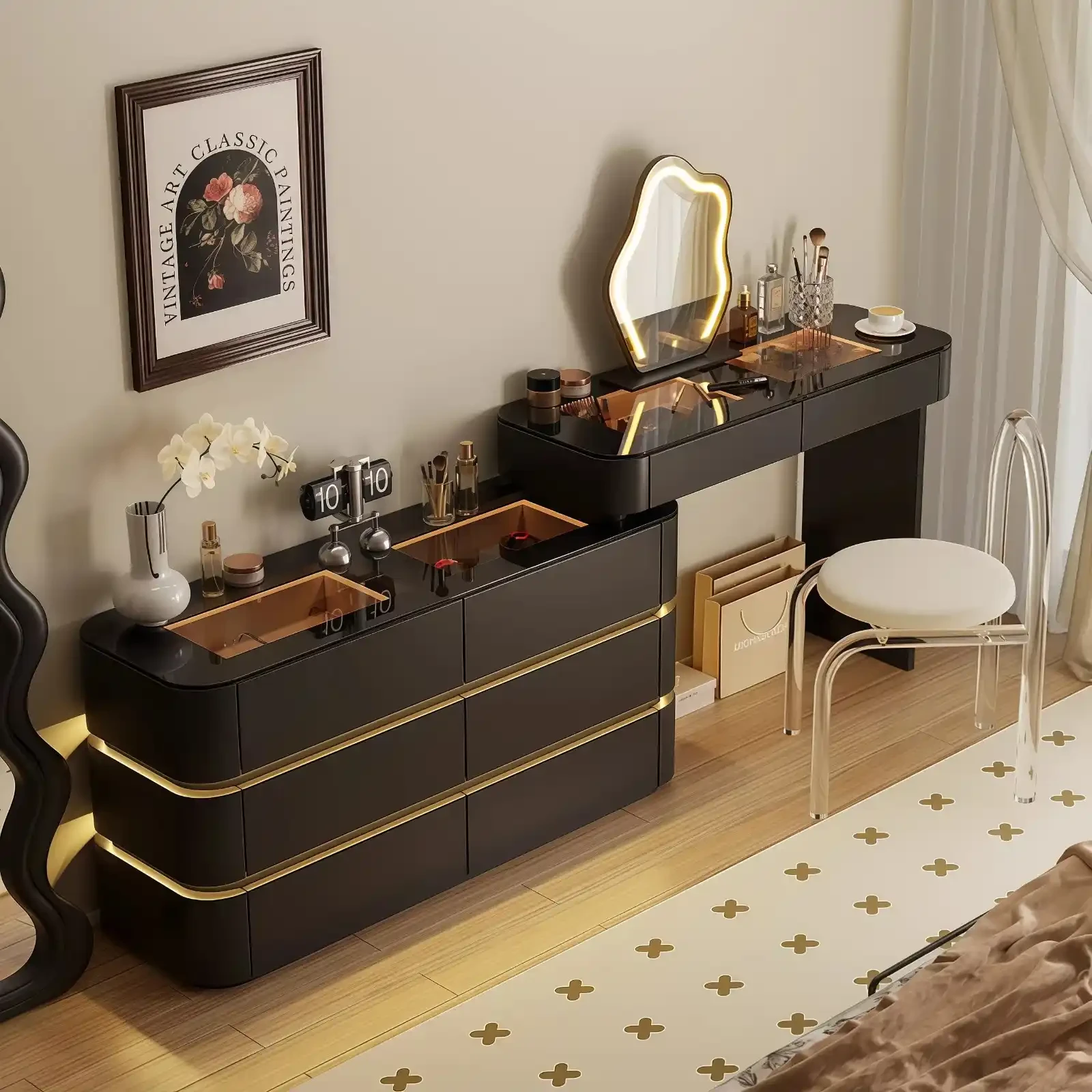
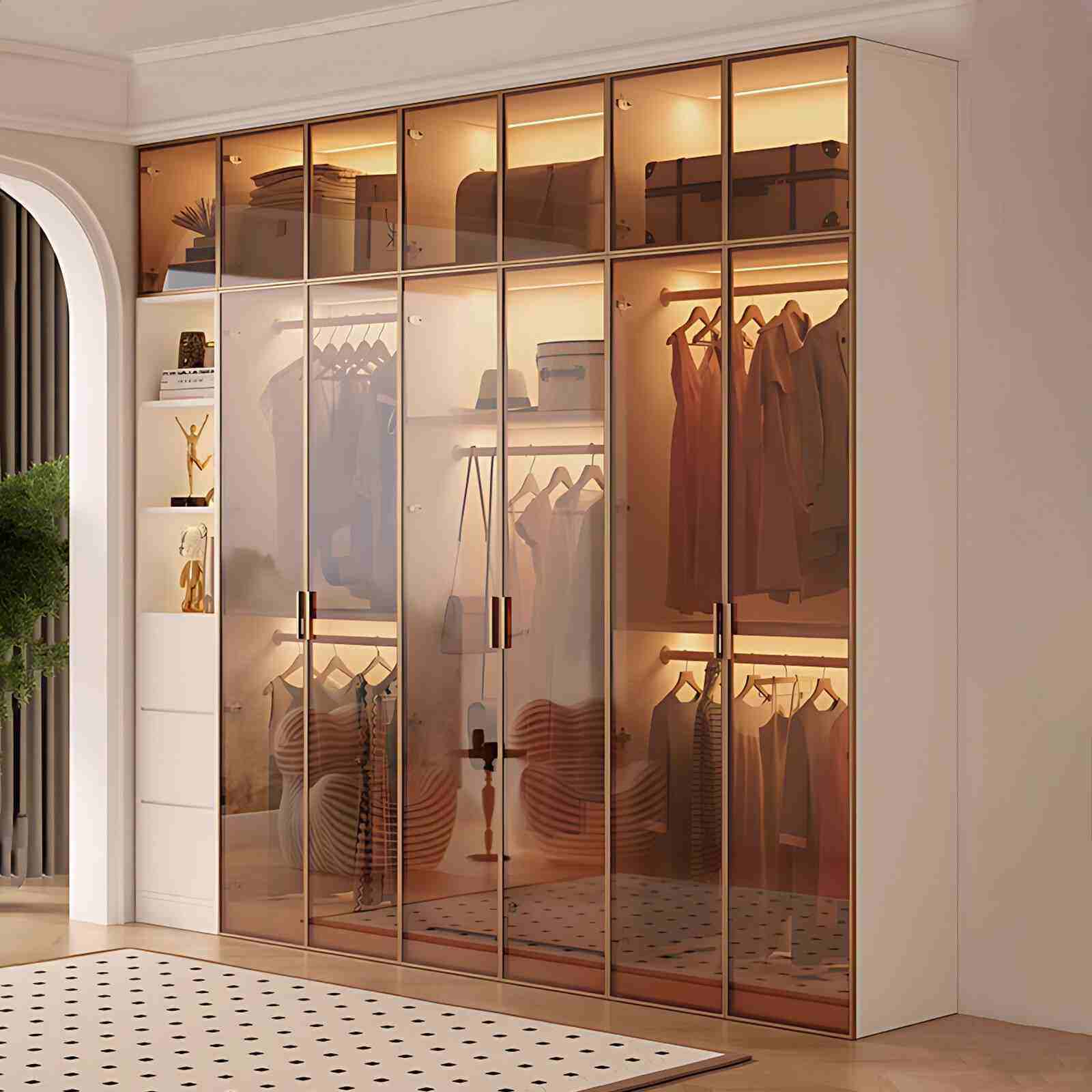
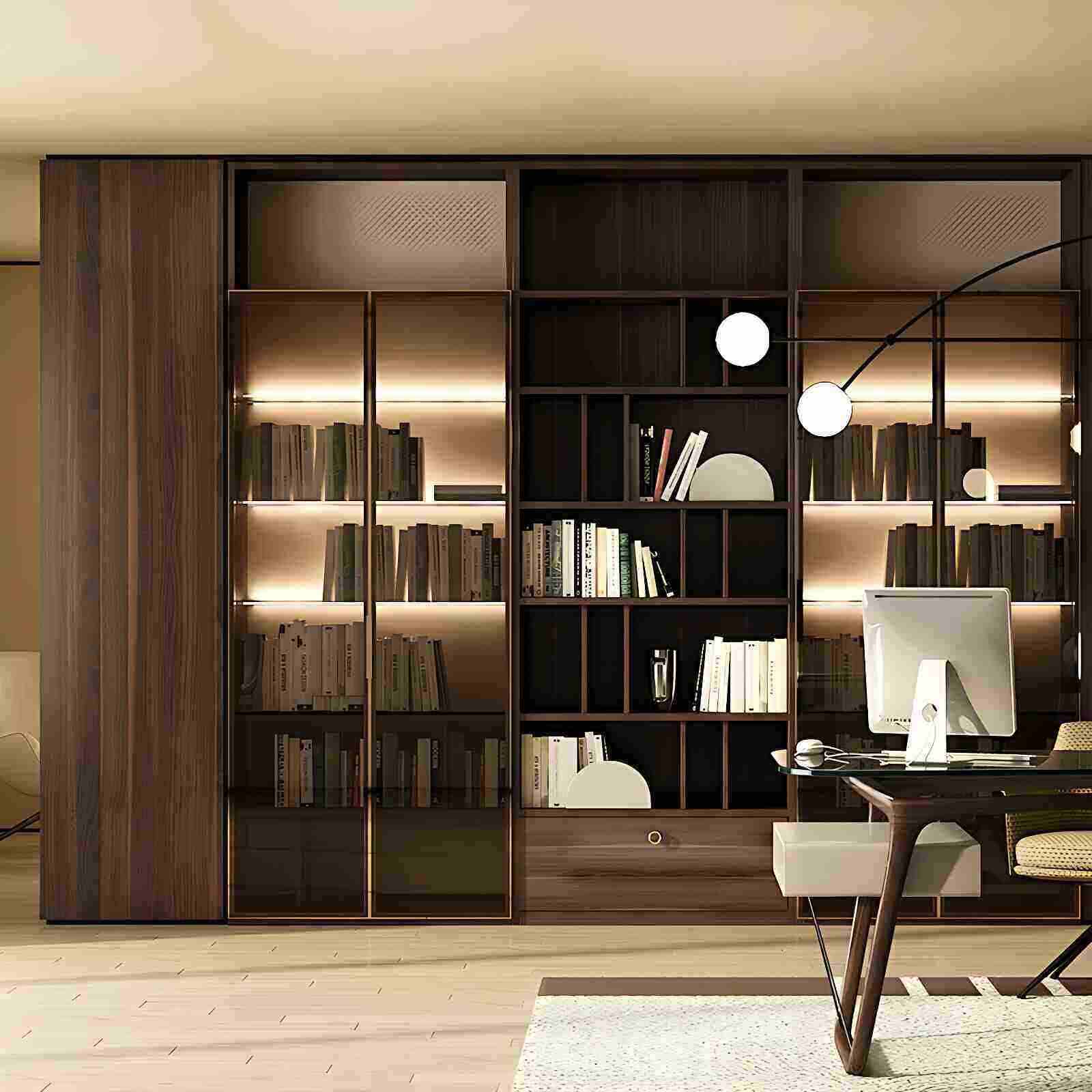
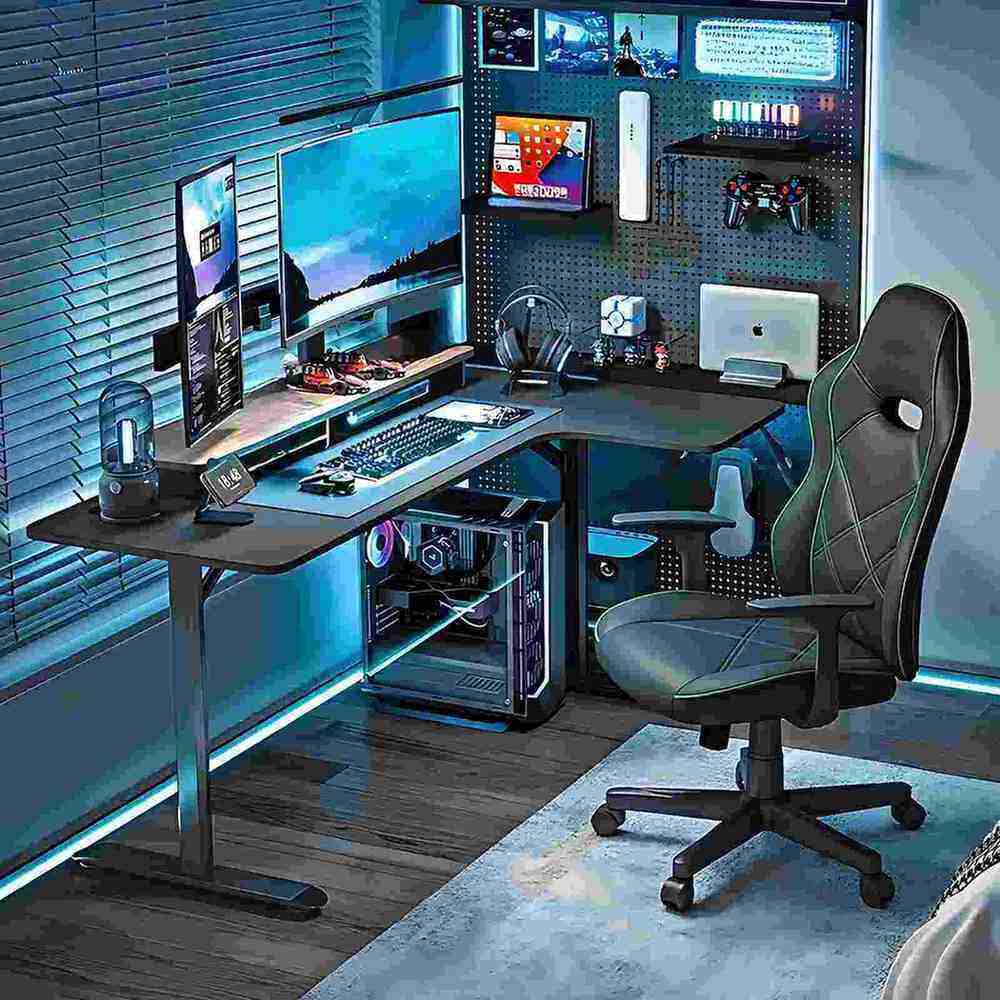
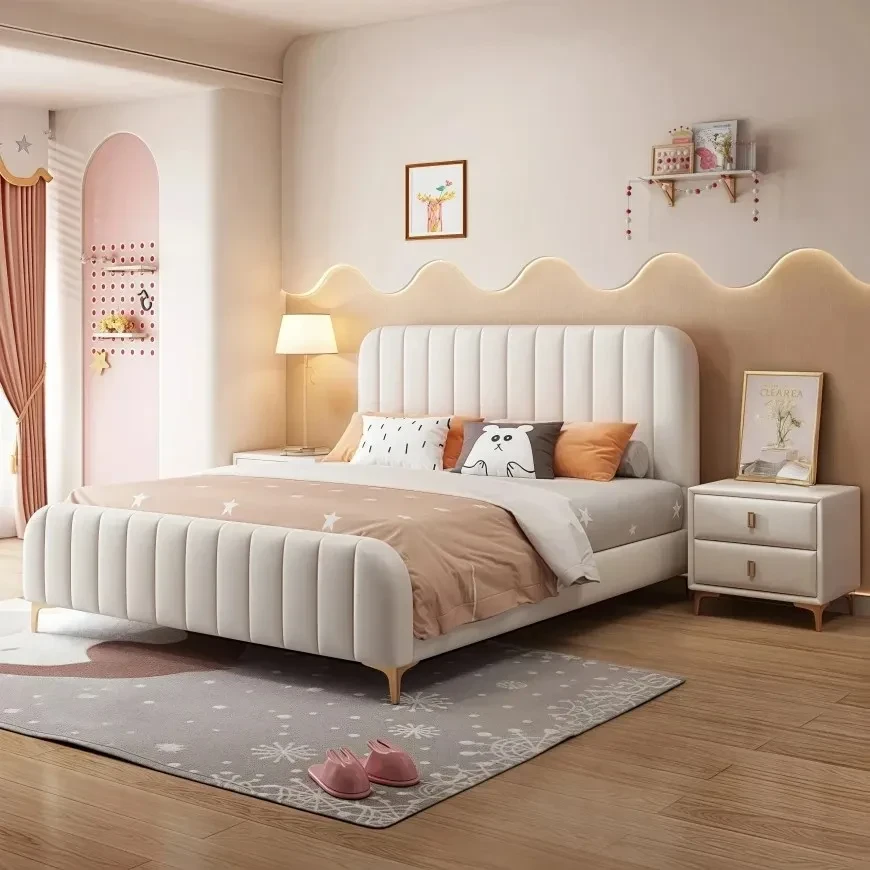
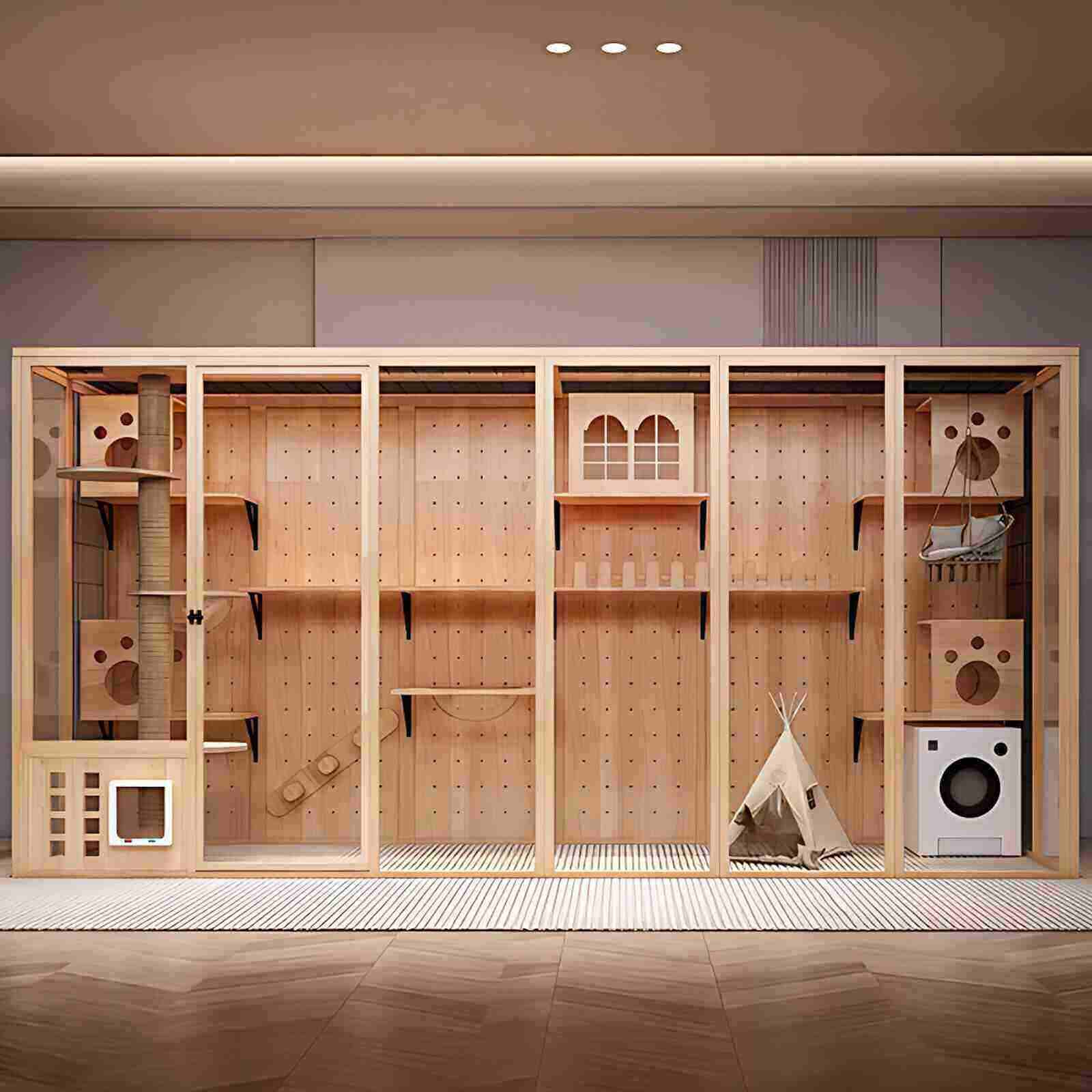
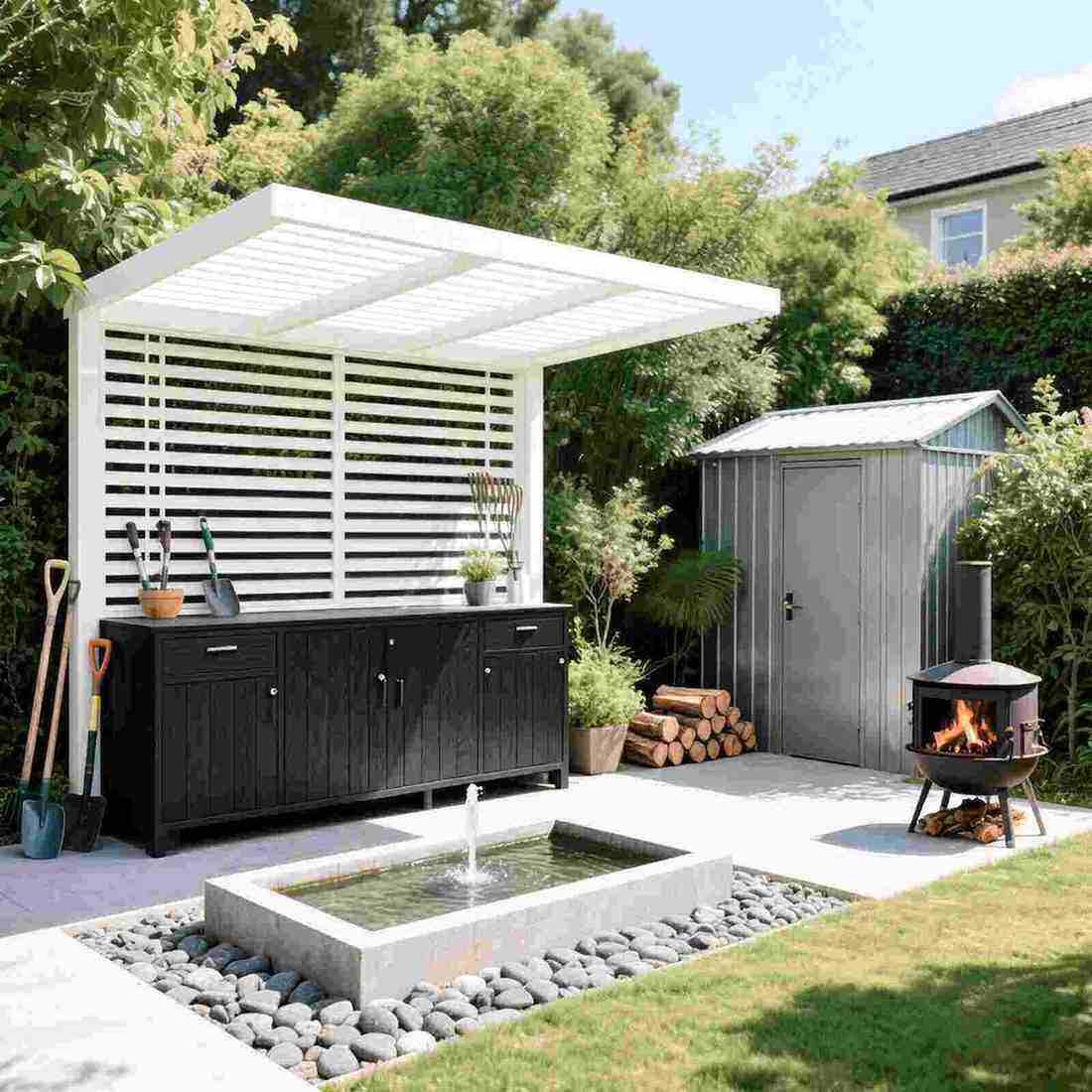
There are many interpretations of "good." Some people call someone a "good person," while others might not say the same. Therefore, defining whether a person is good or bad is extremely difficult. The same applies to a product; opinions vary widely, with positive reviews, negative reviews, and neutral reviews. Because "good" is quite subjective, it's difficult to establish a standard based on individual judgment.
On the official WeChat account of TBB (TuBaoBao), we often get asked, "Are TBB's boards good?" and "Are TBB's accessories as good as TBB's boards?" By my standards, TBB's boards and accessories are good because they are environmentally friendly and have brand assurance. However, when I say this, the commenter replies, "You guarantee that?" I can't guarantee that, because while my standards approve of TBB products, consumers have their own standards, and mine may not align with theirs.
In fact, we are all consumers, and we have all compared prices from different vendors. First, we have a standard in mind for the products we want to buy. When we visit the market with this standard in mind and find that there are no products that meet the standard, we redefine the product and come up with a new standard. With this standard in mind, we compare prices from different vendors and can roughly distinguish between them before finally making a purchase.
Consumers complained that TBB's boards were too expensive, but investigations revealed that they ultimately chose TBB anyway. Only they themselves know why.
Next, I'll share my thoughts on the boards and accessories used by TBB (Tube Baby)! This is for reference only.
TBB boards are characterized by their complete range, health and environmental friendliness, and ample supply.
A wide variety: How many types of boards does TBB offer? Boards are classified by material into solid wood boards and engineered wood boards. Currently, apart from high-end furniture which uses solid wood boards, engineered wood boards are more commonly used. Common engineered wood boards include: blockboard, engineered wood board, plywood, eco-board, veneer board, MDF, particleboard, etc., as well as TBB's recently popular spruce-in-place board.
The characteristics of plywood: Plywood has good nail holding power, high strength, is hard, sound-absorbing, heat-insulating and has a low moisture content, between 10% and 30%, is easy to process and has the widest range of uses.
Features of Eco-friendly Paint-Free Boards: Eco-friendly paint-free boards have a natural texture, clear wood grain that rivals that of solid wood, and a color-consistent surface. They are washable, wear-resistant, moisture-proof, corrosion-resistant, acid-proof, alkali-proof, dust-free, easy to install (easy to saw and cut), and require no painting, saving on labor and paint costs after installation. They also avoid the unhealthy odors and carcinogenic substances that paint can produce. They can be used in walk-in closets, wardrobes, floor coverings, ceilings, closets, bookcases, tables, chairs, shoe cabinets, bathroom vanities, wine cabinets, and other home furnishings.
Plywood's characteristics: Plywood has a large surface area, so it has a strong covering capacity and is widely used in many fields. It can be cut, bent, stamped, and welded at will to make various products and structures. It is flexible and convenient to use and occupies an extremely important position in automobile, aviation, shipbuilding and tractor manufacturing.
Features of OSB (Oriented Strand Board): TBB OSB is a new generation of environmentally friendly product developed through a two-year collaboration between TBB, NORBORD (Canada), and the Alberta Institute of Technology and Innovation. It meets green building requirements. Made from high-quality Canadian aspen, it is processed using specialized equipment, including slicing, degreasing, drying, gluing, oriented strand board (OSB), and hot pressing. Formaldehyde-free isocyanate adhesives are used in the processing, resulting in environmental performance comparable to natural wood. It is now widely used in decoration, furniture, and packaging.
When buying building materials for home renovation, you often hear terms like 3mm, 7mm, 9mm, 12mm, 15mm, and 18mm. Actually, "li" is a unit; 1 li = 1 millimeter, which is the thickness of a sheet of board. The standard dimensions of a board are generally 2440mm in length and 1220mm in width.
3mm board: mainly used as a substrate for veneer panels.
5mm, 7mm, and 9mm plywood: can be used as the base or back panel of furniture.
12mm, 15mm, and 18mm plywood: can be used directly for making furniture, etc.
Healthy and environmentally friendly: First of all, the environmental protection of boards is graded. The environmental protection grades of TBB boards are generally divided into E1 grade, E0 grade and formaldehyde-free grade.
E1 grade: Formaldehyde emission ≤1.5mg/L;
E0 grade: Formaldehyde emission ≤ 0.5 mg/L;
Formaldehyde-free grade: Formaldehyde emission < 0.30 mg/L
In 2015, TBB successfully launched its 360° formaldehyde removal series of products. These products can remove formaldehyde for a long time, not only controlling formaldehyde release at the source, but also absorbing and decomposing free formaldehyde in the air, so that indoor decoration can completely say goodbye to formaldehyde pollution.
Ample Supply: TBB owns three large forest farms in China: Derong Forest Farm in Jiangsu Province, Luye Forest Farm in Dexing, Jiangxi Province, and Guangze Forest Farm in Fujian Province. The company has also specially appointed Academician Zhang Qisheng, a member of the Chinese Academy of Engineering, doctoral supervisor at Nanjing Forestry University, and president of Zhejiang Forestry College, as an advisor, and Professor Pan Huixin of Nanjing Forestry University as a long-term consultant for the production technology department. Relying on the scientific research and technology of higher education institutions, the company has introduced two leading poplar varieties, 72 and 351, with a first-phase planting area of 12,322 mu (approximately 888 hectares) and over 400,000 poplar trees. This not only supports TBB's large sales volume of plywood but also helps protect the ecological environment from damage.