
 USD
USD GBP
GBP
 EUR
EUR





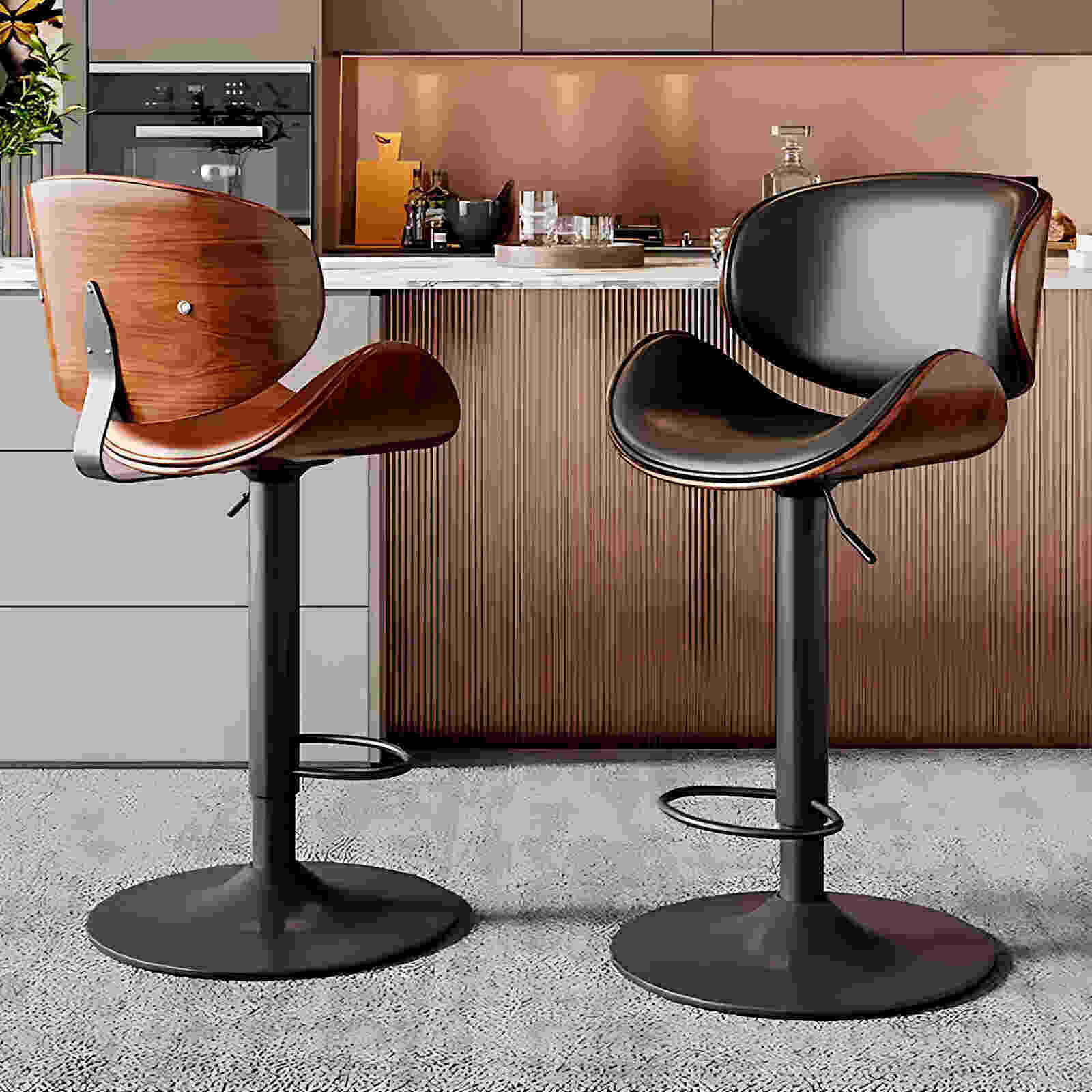



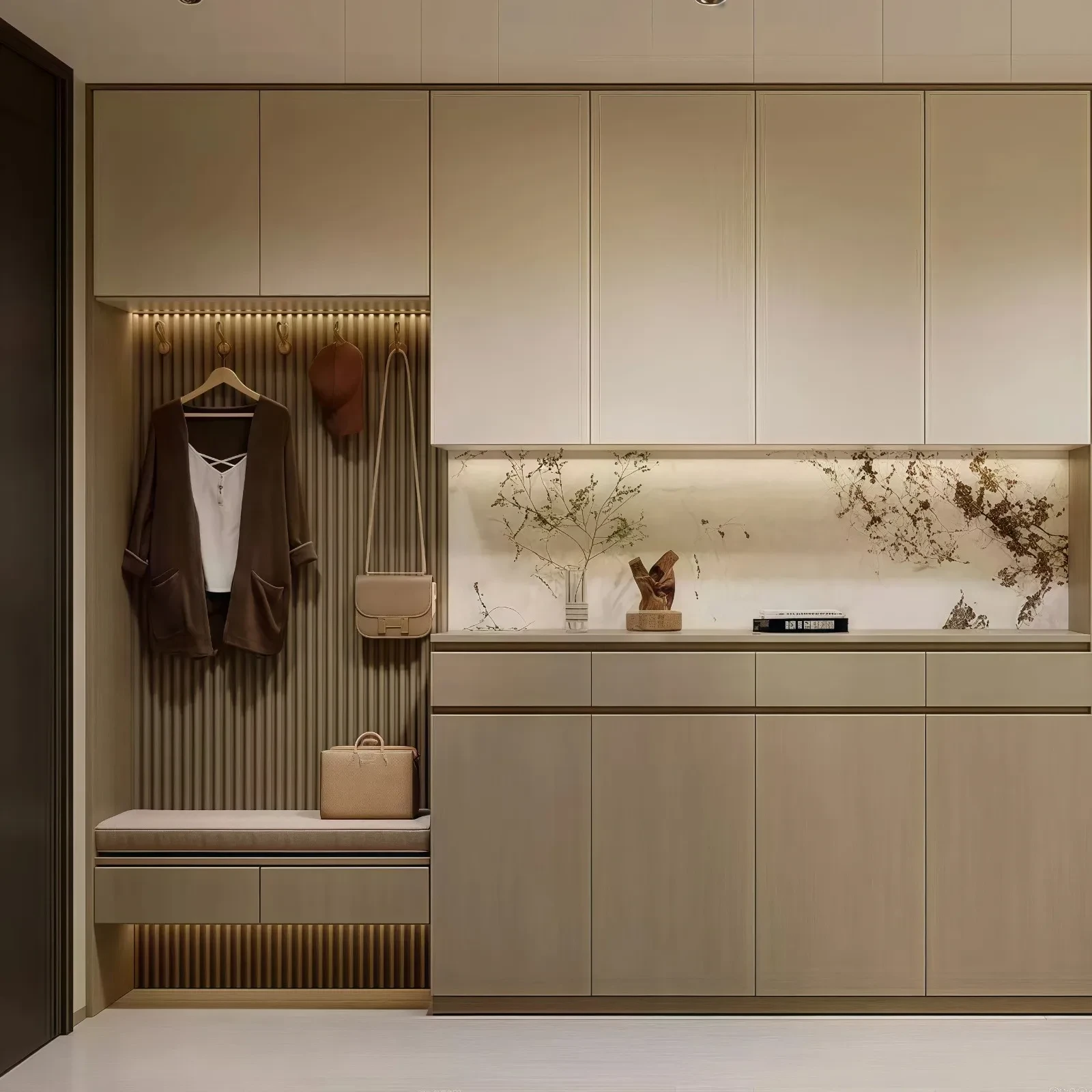
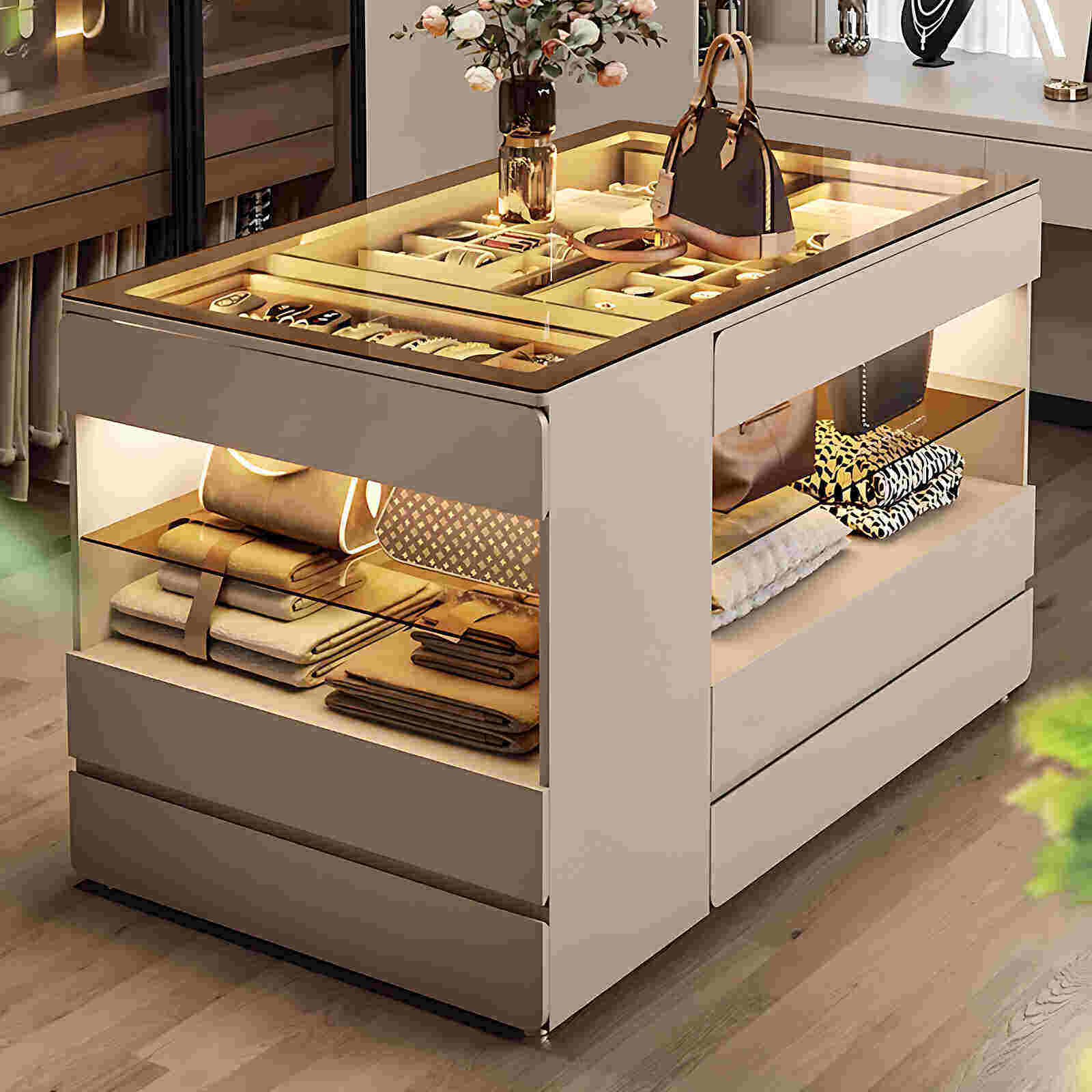
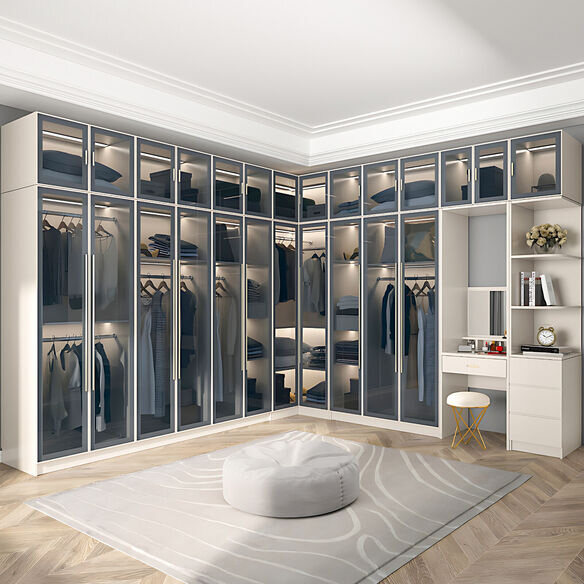
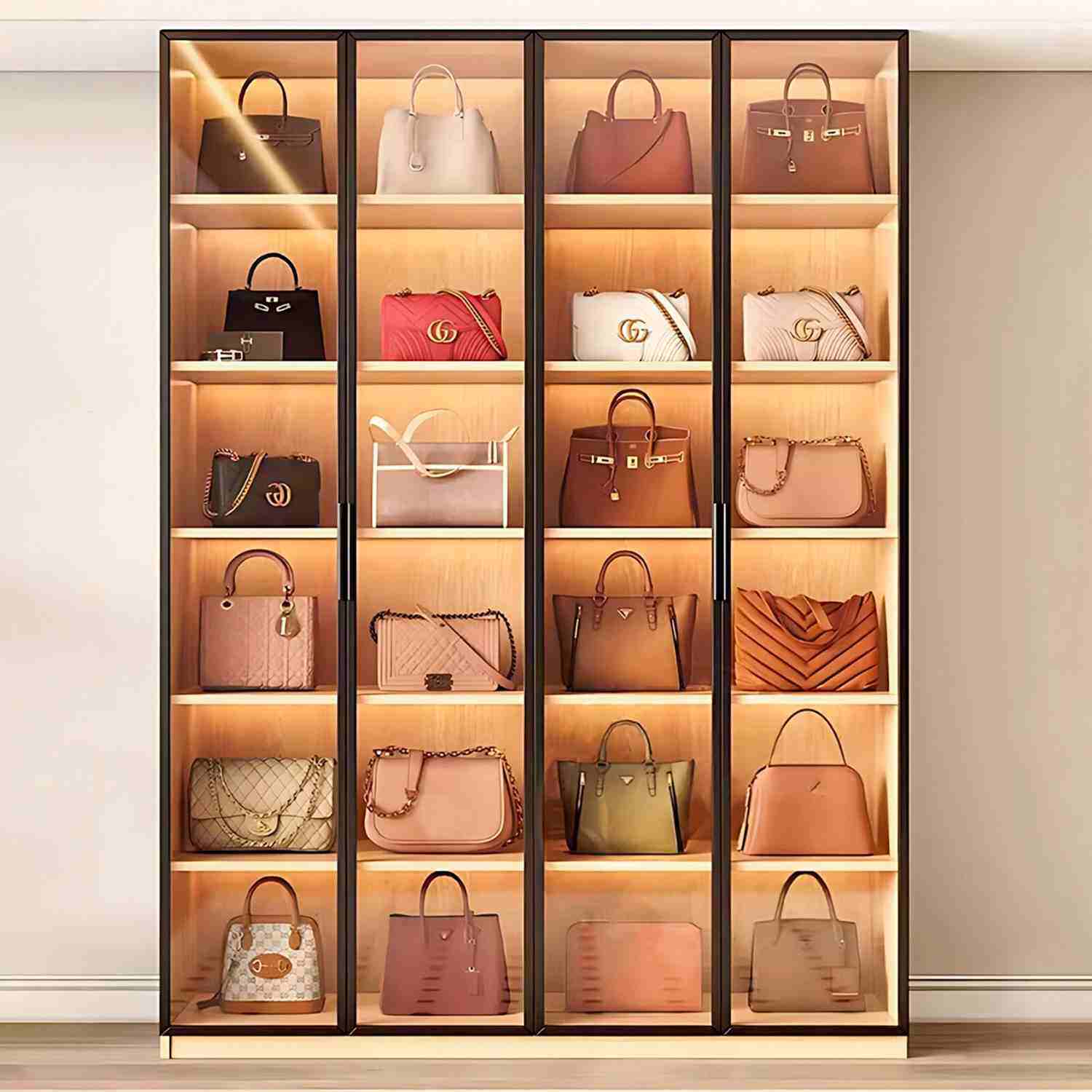

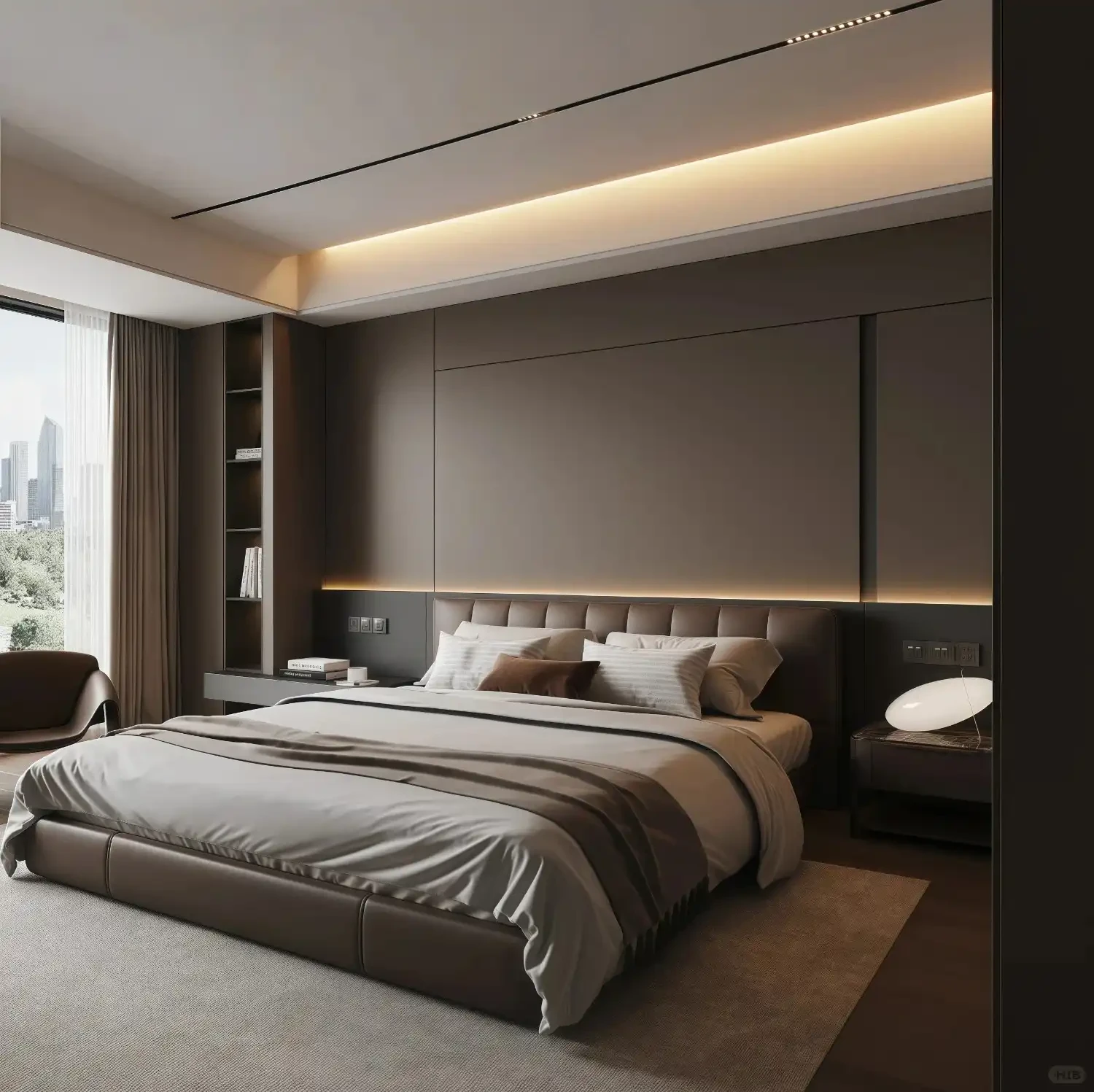



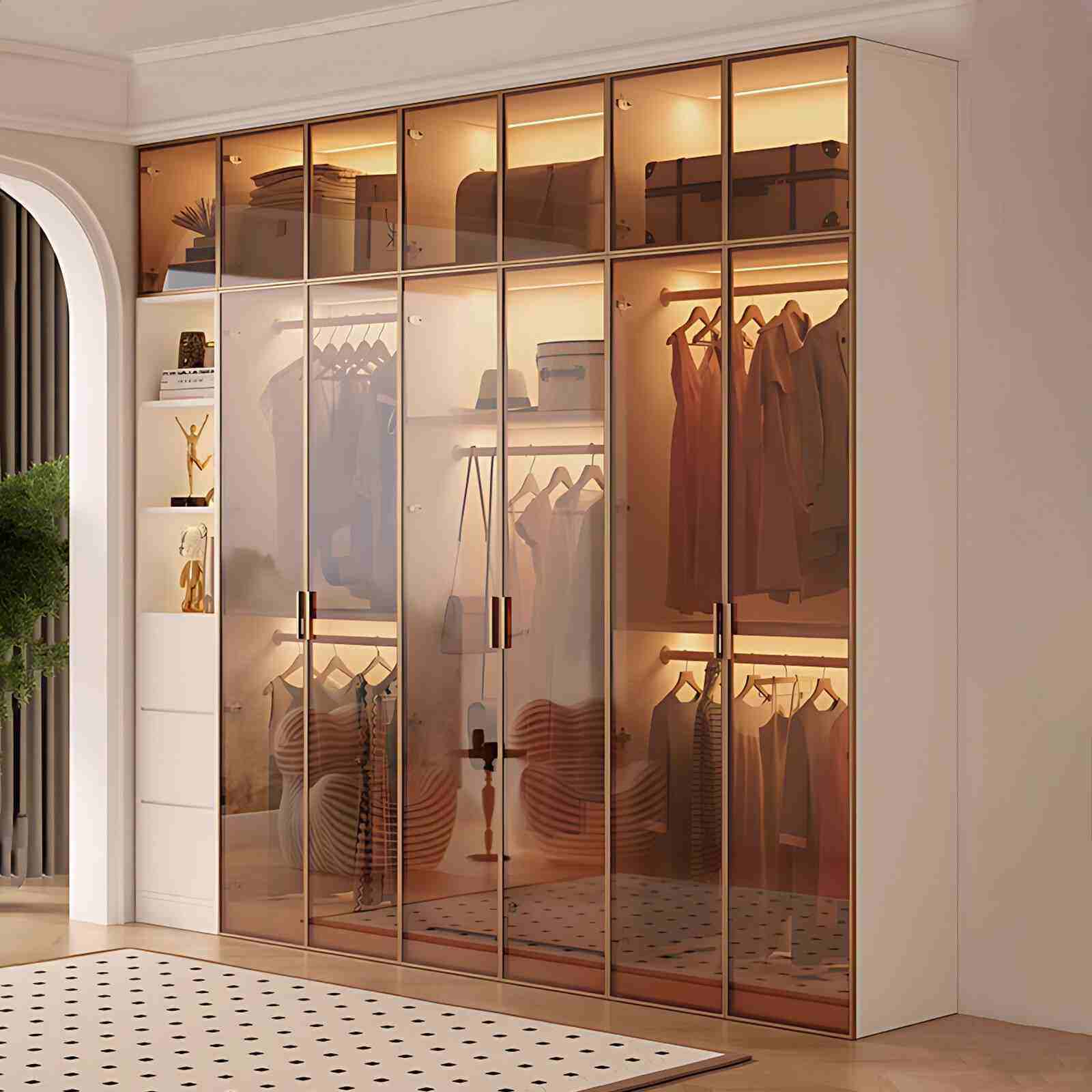
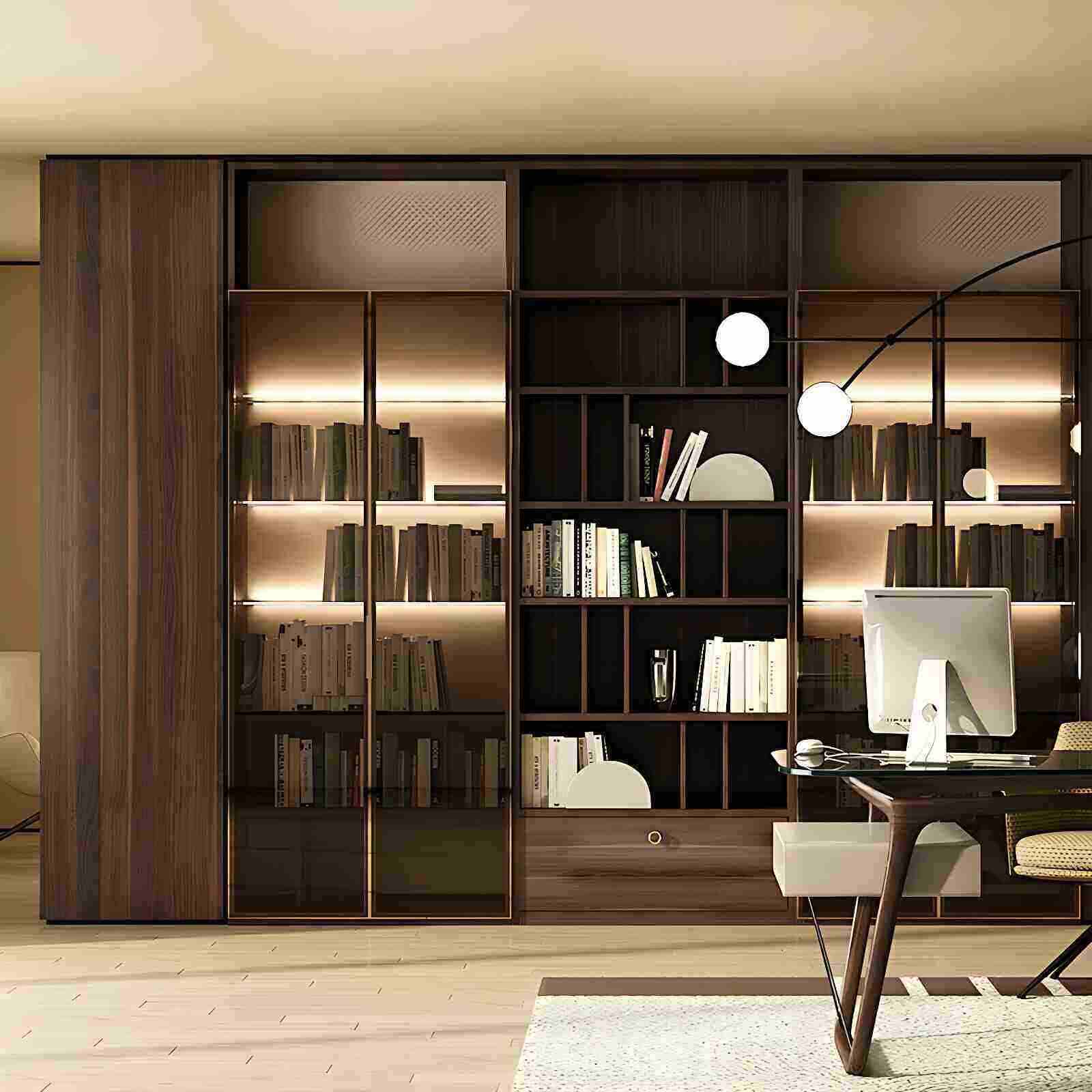

Plywood, also known as veneer, is a three- or multi-layer (usually an odd number of layers) sheet material made by cutting logs, rotary cutting or slicing them along the annual rings into large thin sheets (veneers), and then drying, splicing, gluing, hot pressing and bonding them together according to the principle of symmetry.
Plywood Specifications
The main paper size (width × length) is 1220mm × 2440mm.
According to customer requirements, the following sizes can also be manufactured: 915mm×1830mm, 915mm×2135mm, 1220mm×1830mm, 220mm×2440mm
The thickness specifications are mainly: 2.7mm, 3.0mm, 4mm, 5mm, 9mm, 12mm, 15mm, 18mm, etc. (incrementing by 1mm after 8mm).
Three-layer plywood is typically 2.7-4mm thick.
The 5-layer thickness is 5-12mm;
7-9 layer plywood is 9-18mm thick;
11-layer plywood is 12-30mm thick, etc.
Plywood Applications
2.7/3.0mm: In decoration, this is mainly applied to plywood for processes such as mixed paint. It requires a flat surface and good adhesion.
5.0/9.0mm: can be used as the base or back panel of furniture. 9mm can also be used as the base board for door and window frames, as well as baseboards and some decorative shapes.
12/15/18mm: Can be used directly for making furniture, etc.
Four-Step Selection Rule
First, examine the board surface for defects, the quality of its appearance, and the internal structure.
Second touch: Feel the flatness and smoothness of the board surface, and check for any unevenness;
Thirdly, smell it: whether there is a pungent or irritating odor, to intuitively feel whether it is environmentally friendly;
Fourthly, listen to the sound: tap different locations to see if the sound is even.
There are many things to consider when purchasing building materials, and plywood is no exception. Each material has its own criteria for quality control, but once you understand these criteria, choosing the right materials isn't difficult.