
 USD
USD GBP
GBP
 EUR
EUR
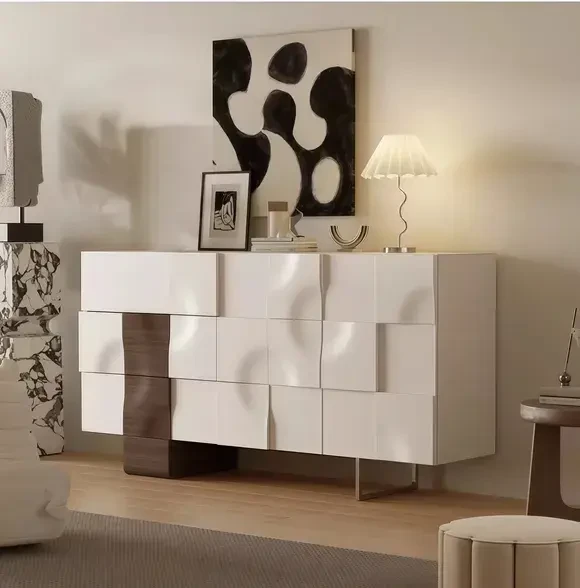
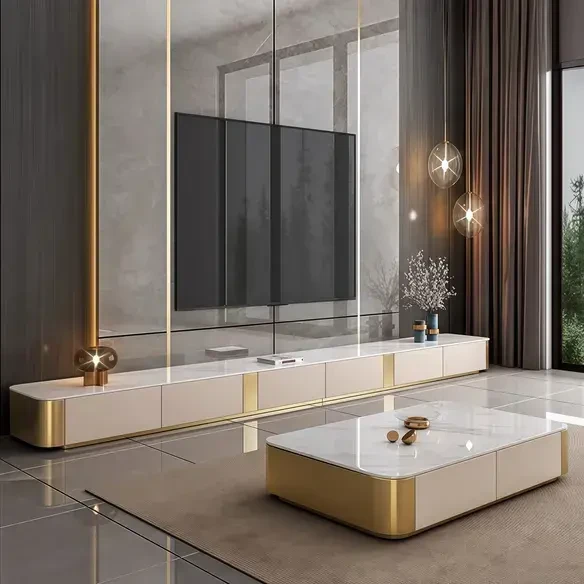
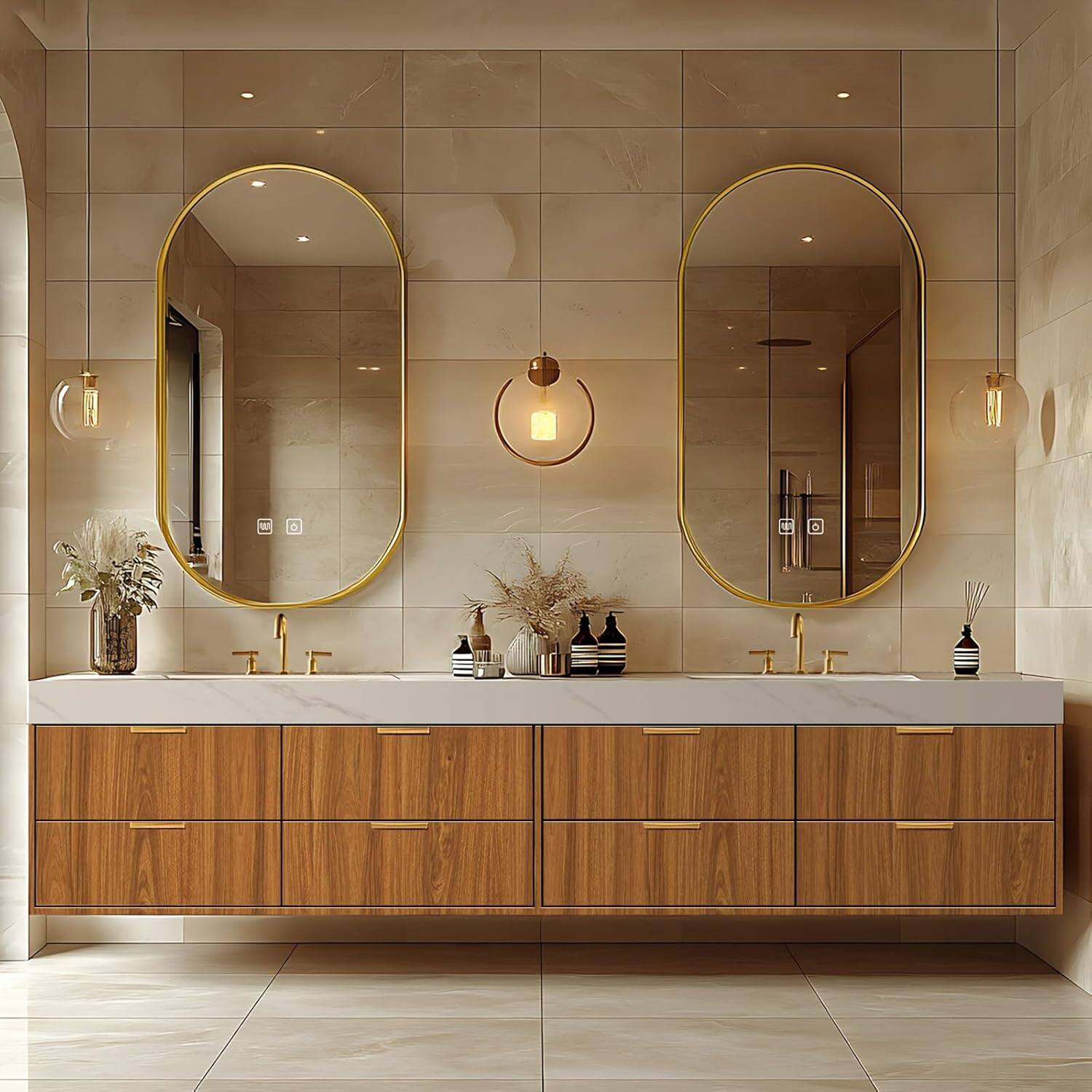
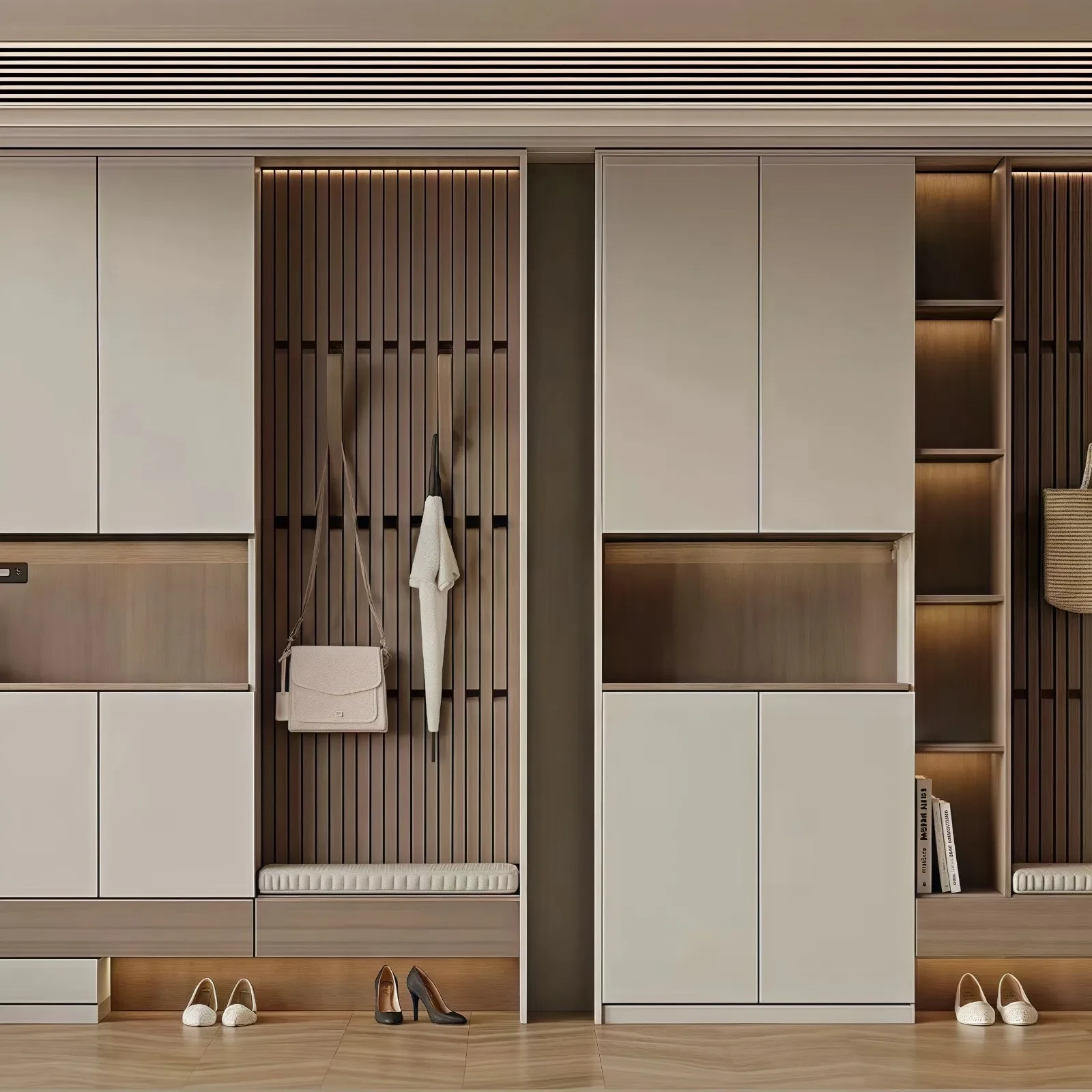
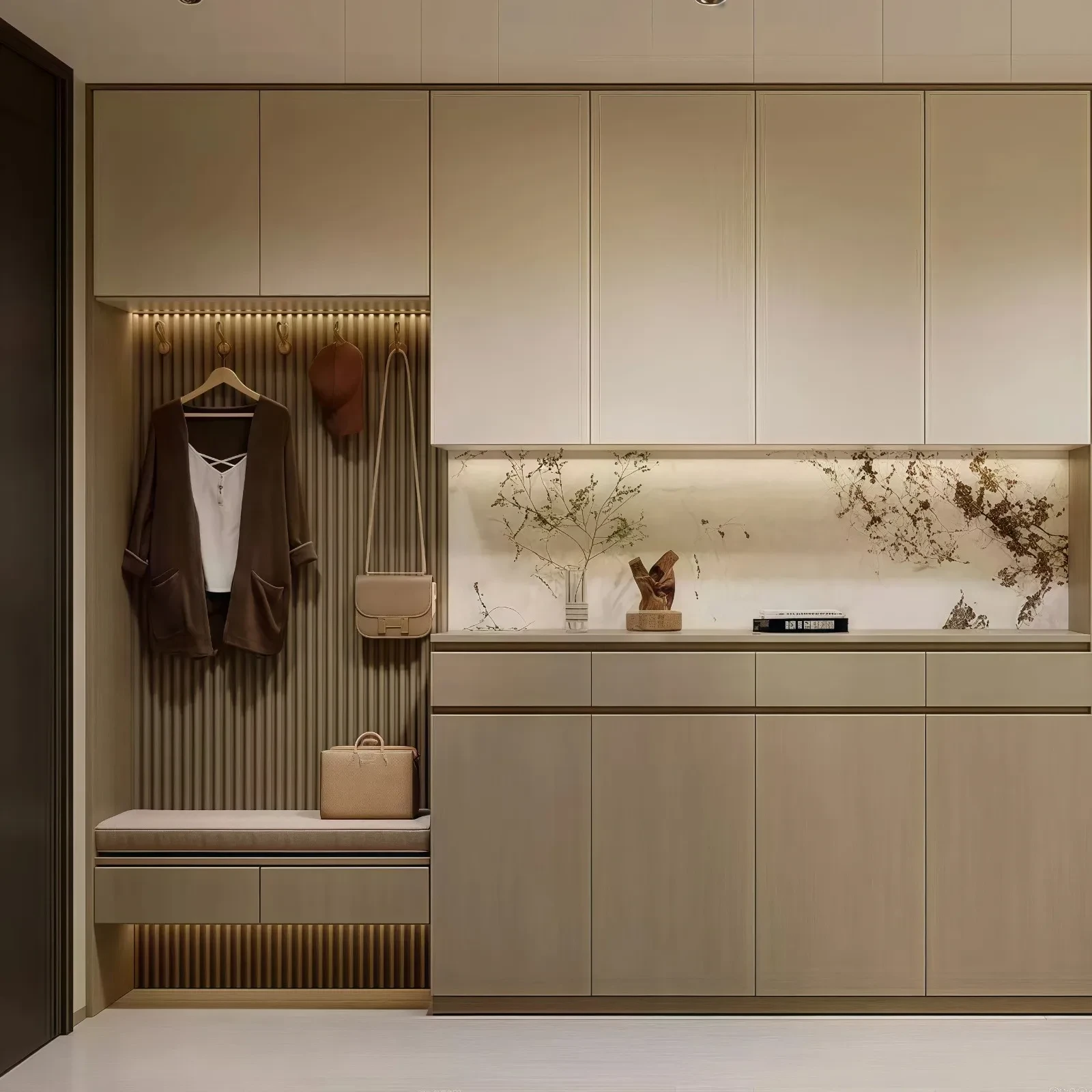
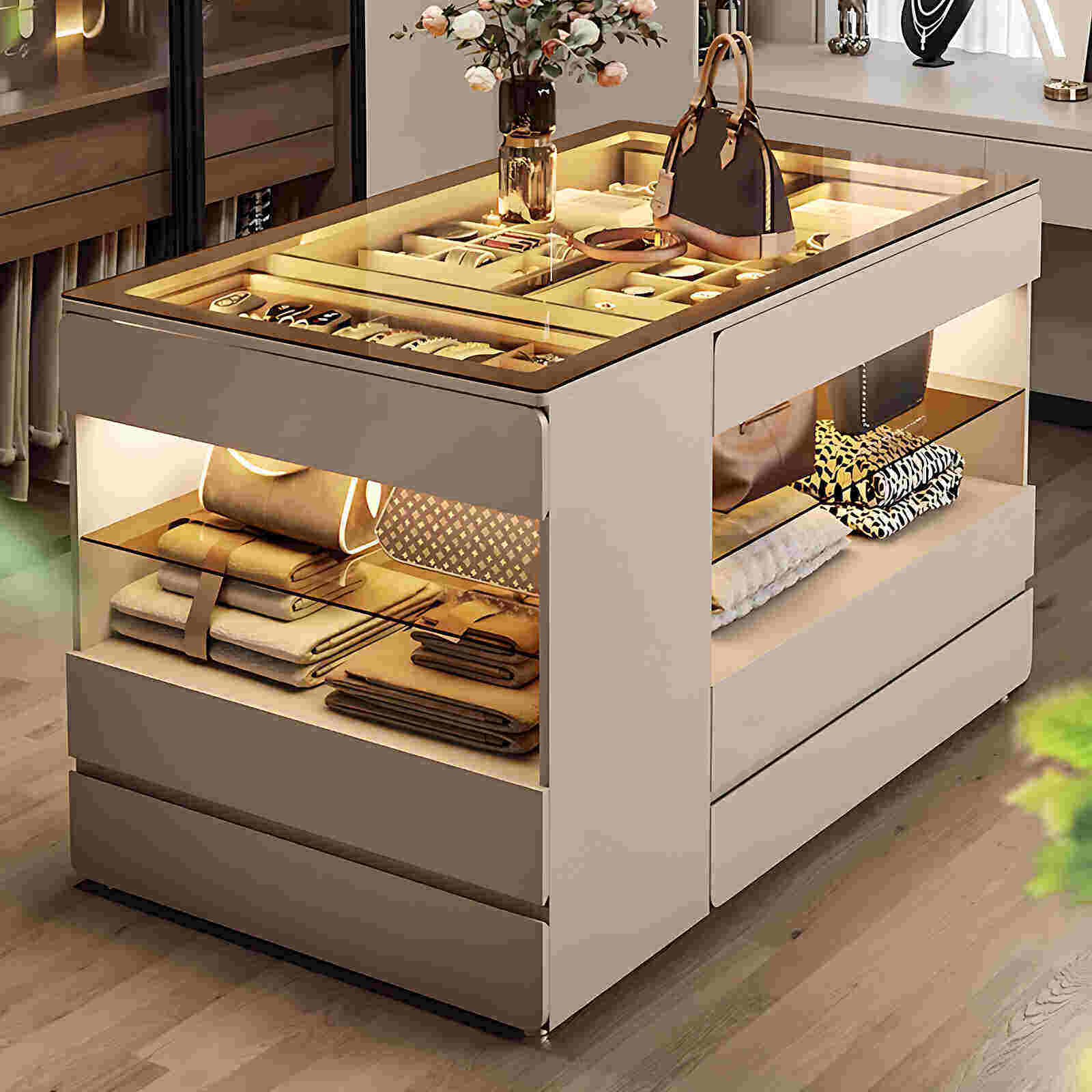
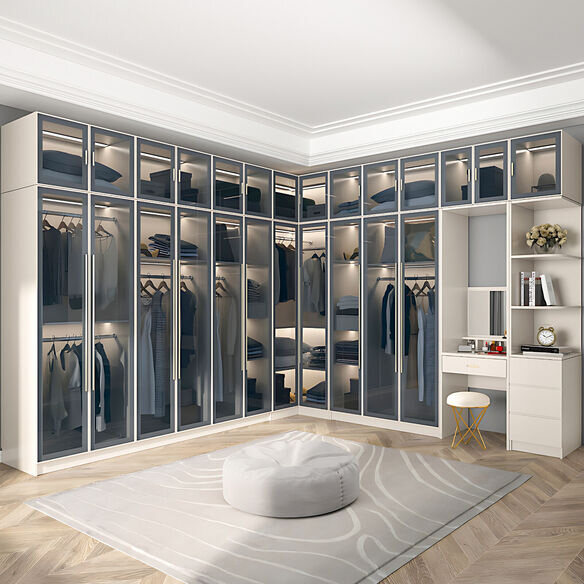
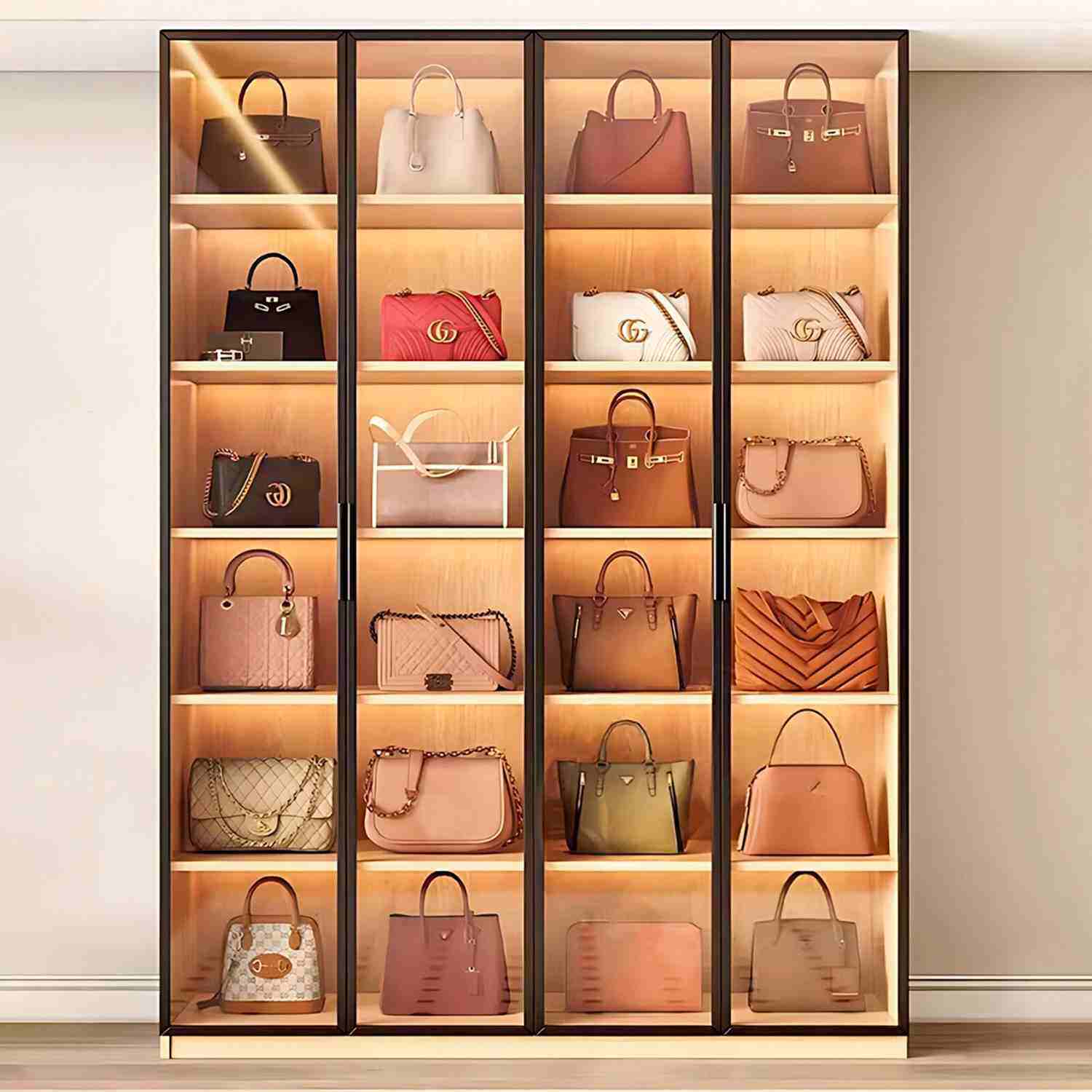
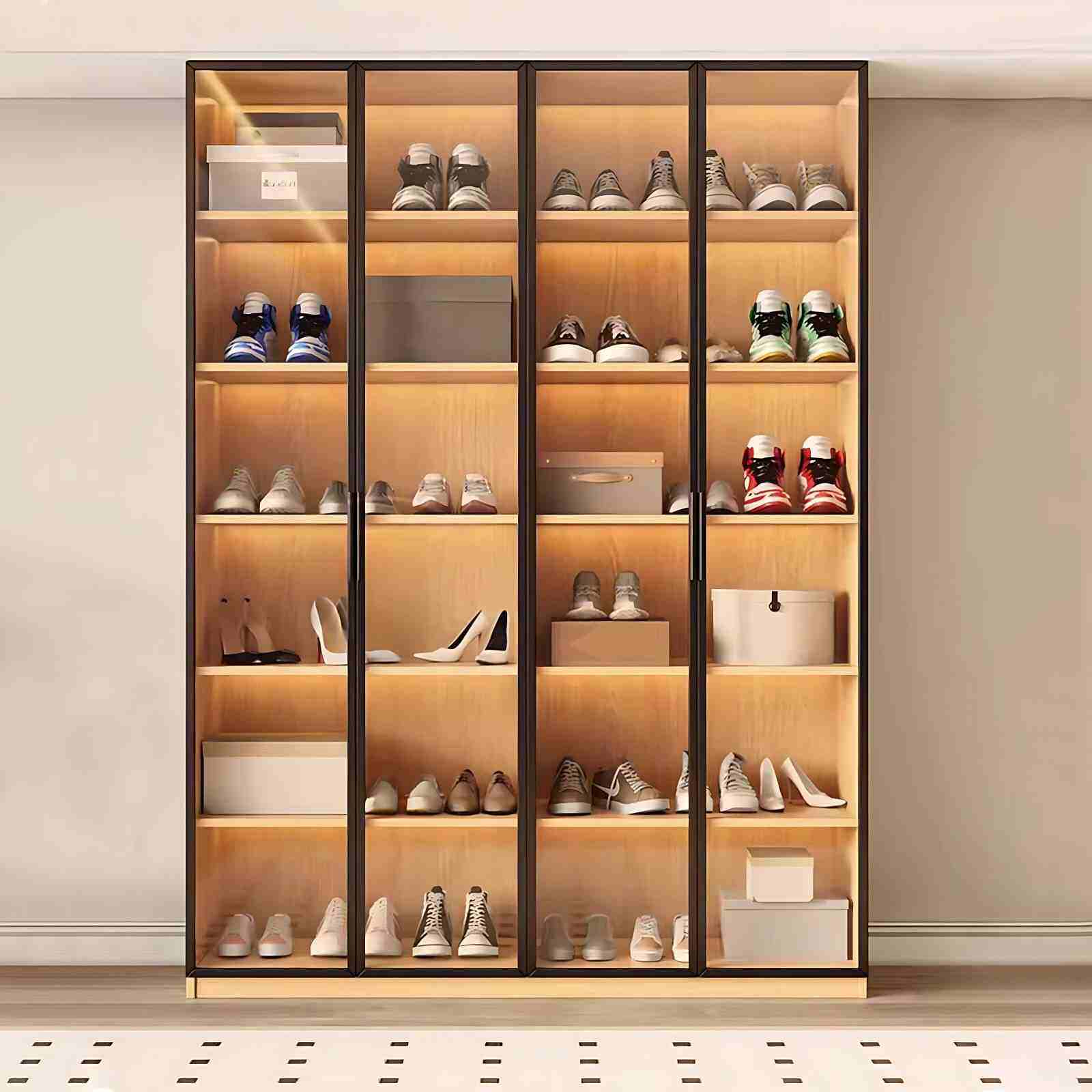
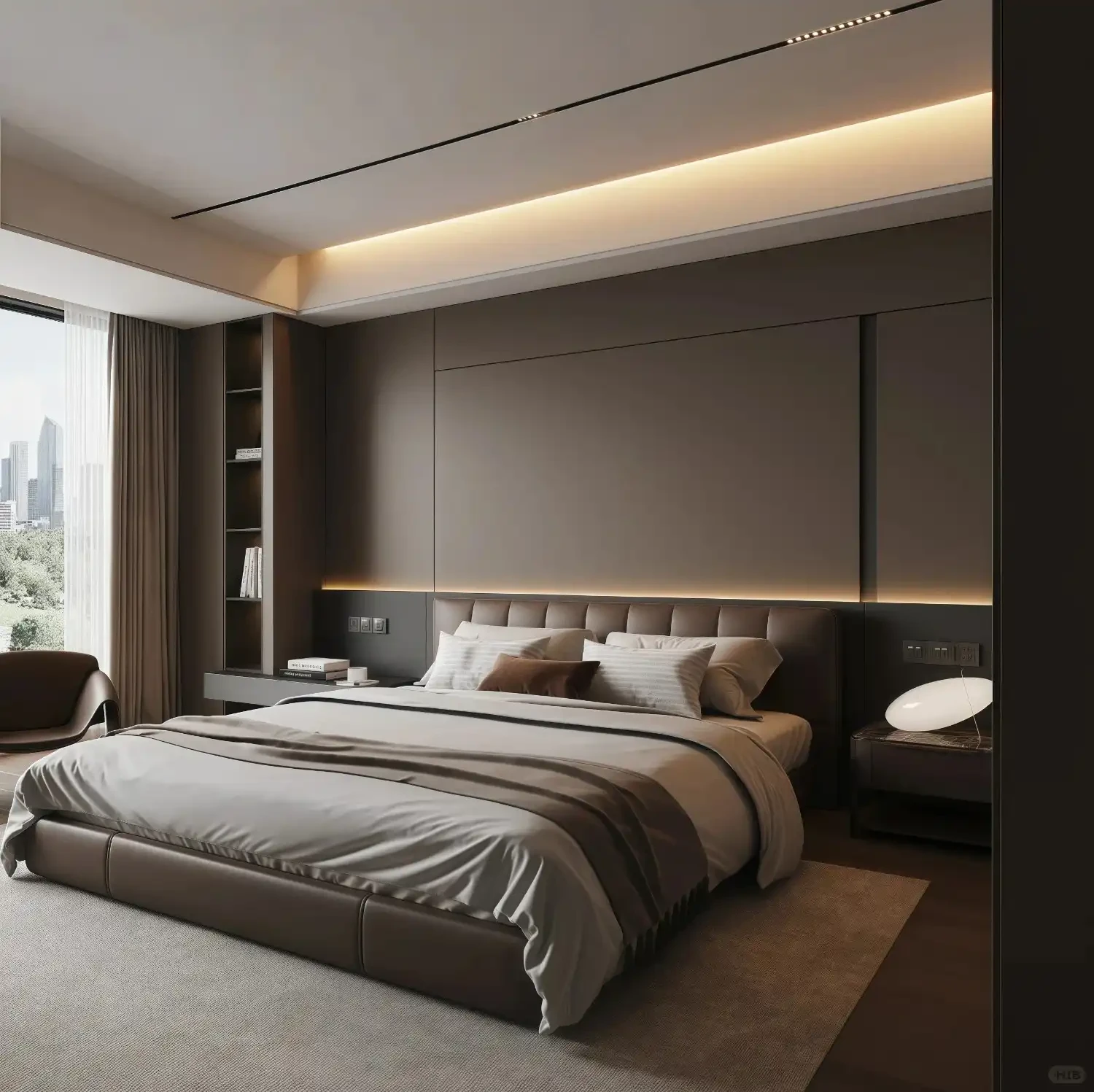
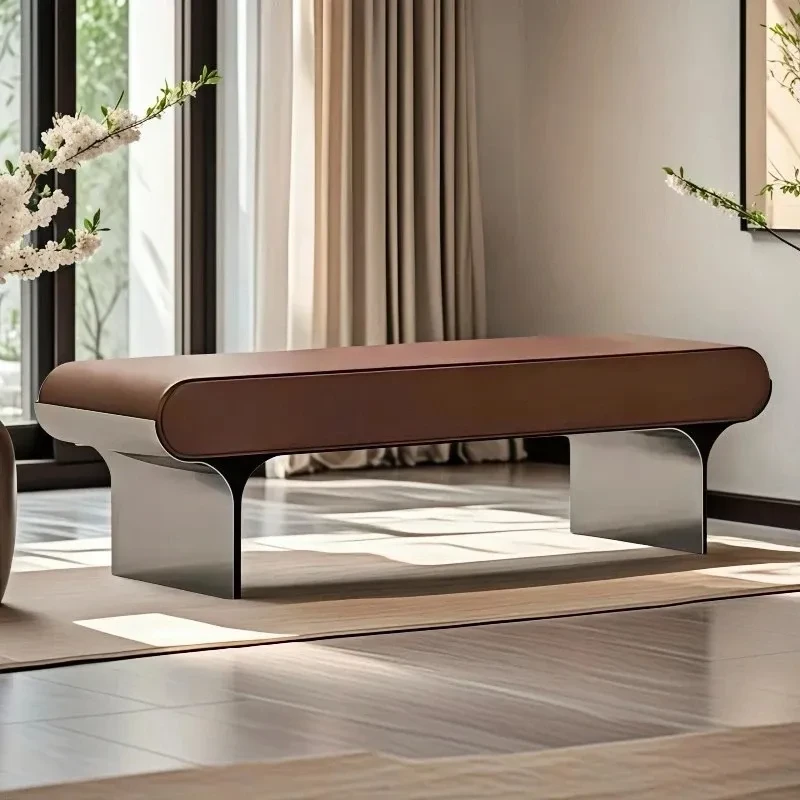
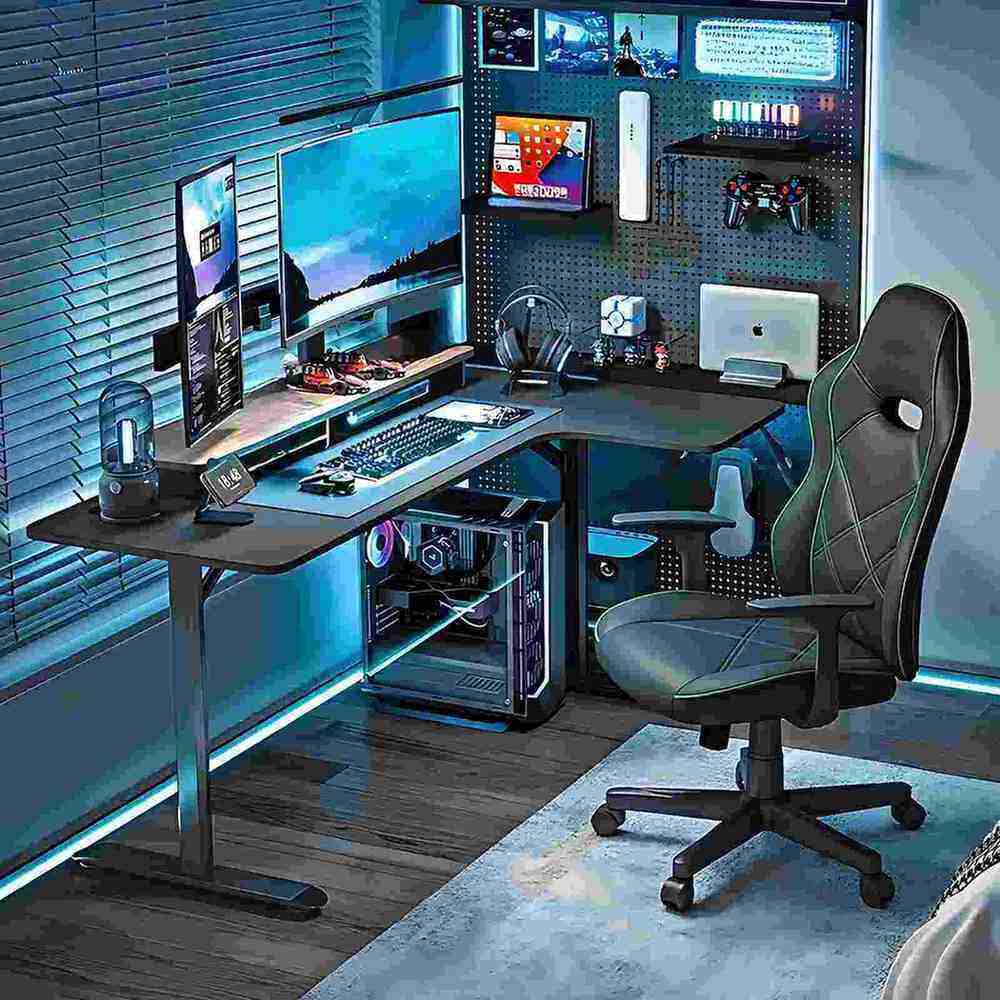
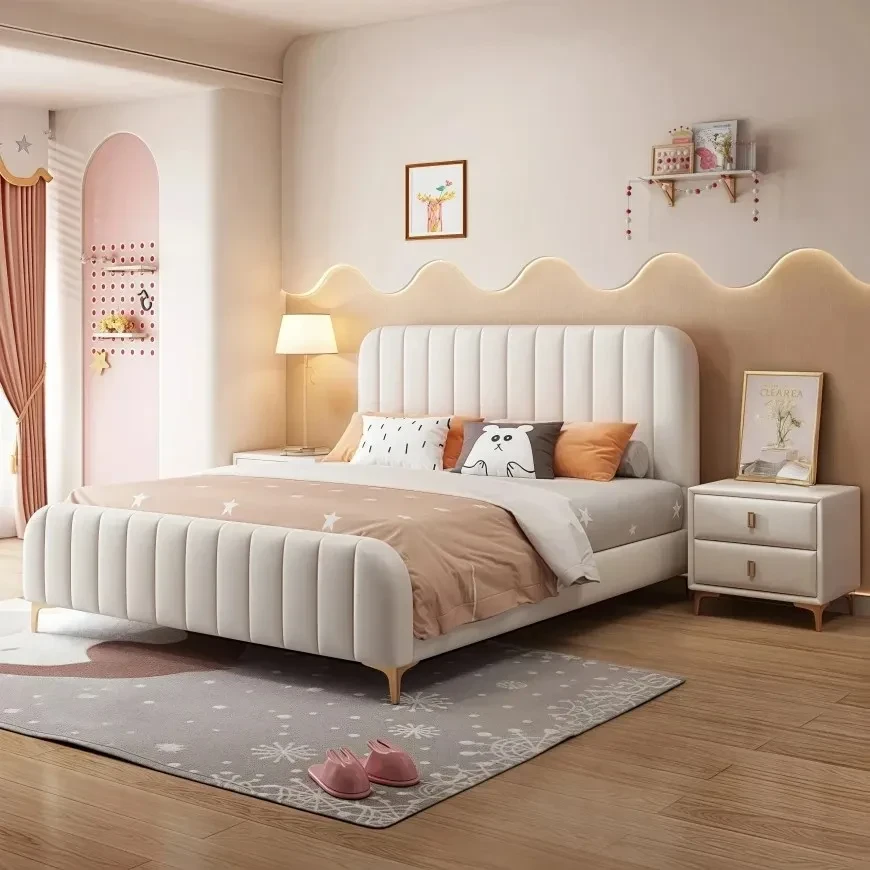
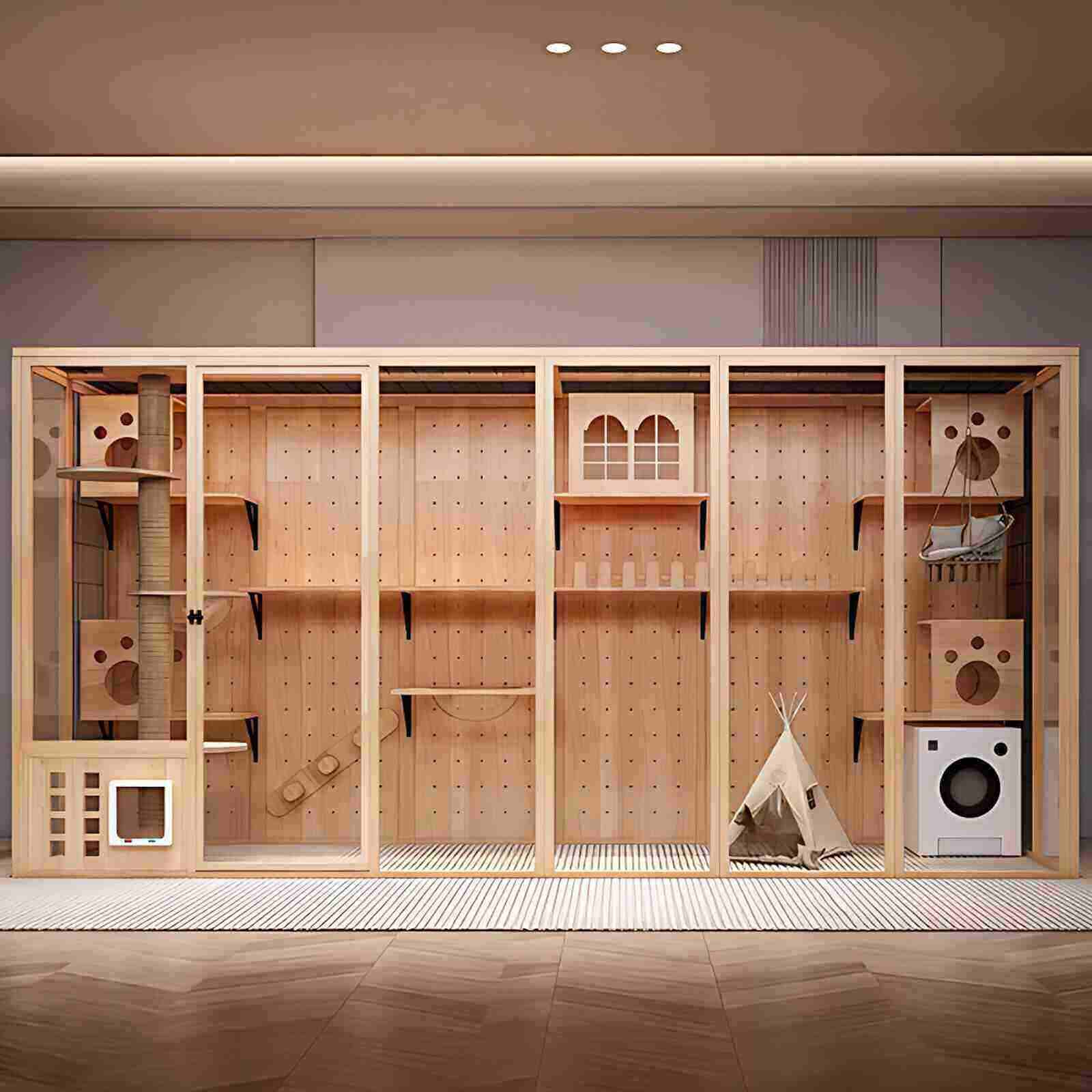
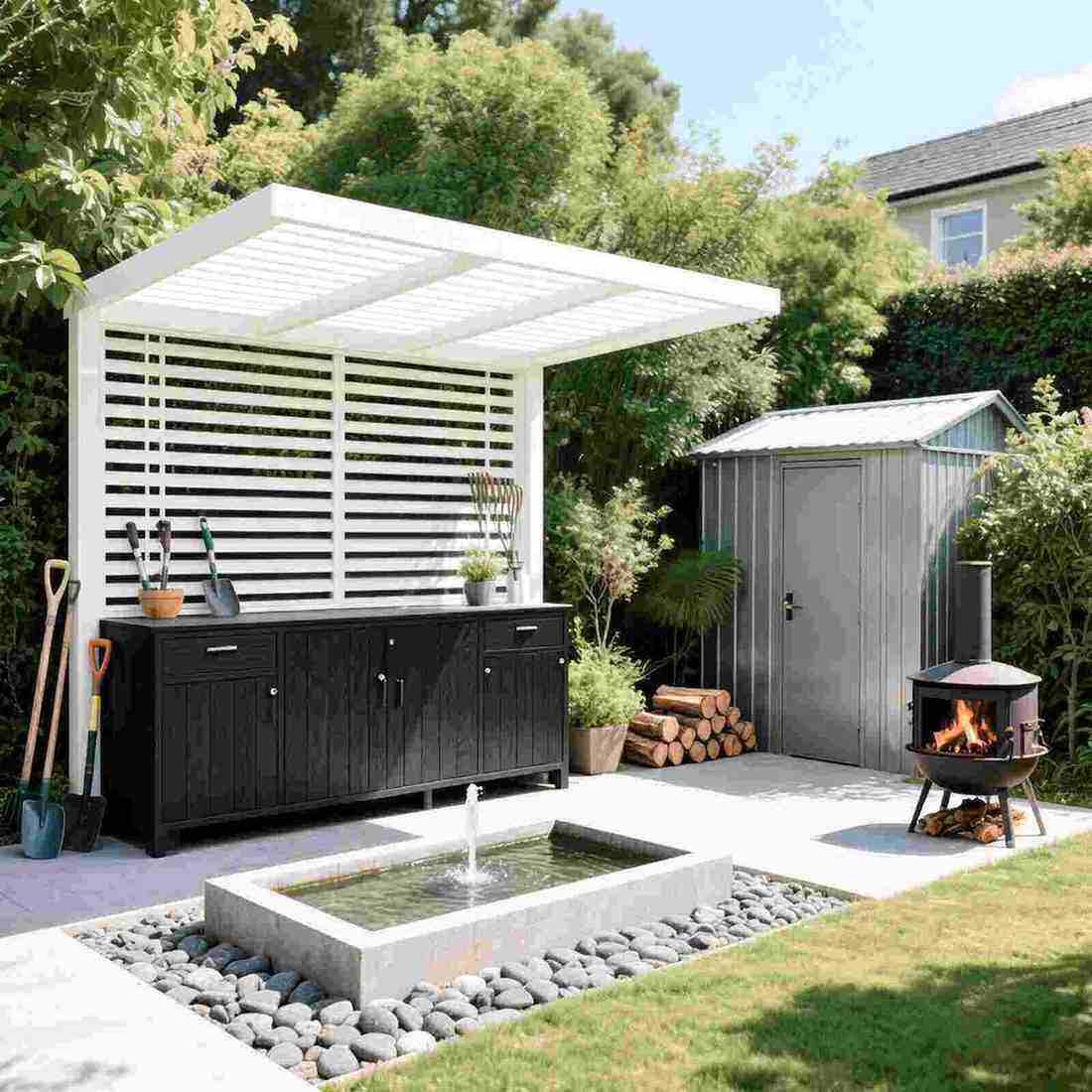
I. Definition of Integrated Board
Engineered wood, also known as non-structural engineered wood, is a material made by gluing together boards, small square timbers, etc., with their fibers generally parallel in direction, in terms of length, width, and thickness, for non-load-bearing purposes. It is mainly used in furniture production, interior decoration, and other non-load-bearing applications.
II. Specifications and Dimensions of Integrated Boards
The main dimensions of the paper are (width × length).
Commonly used size: 1220mm × 2440mm
Based on customer requirements, the following sizes can be manufactured: 915mm×1830mm, 915mm×2135mm, 1220mm×1830mm, 220mm×2440mm.
Thickness: 12mm-18mm
III. Product Quality Grade
The appearance quality is divided into two grades: superior grade and first grade, with superior grade being superior to first grade.
IV. Physicochemical Properties
Moisture content: should be between 8.0% and 15.0%;
Impregnation peeling: When finger-joint bonding is used between non-structural engineered wood materials, the average peeling rate should be below 10%. When using two specimens, each specimen should meet the above requirements, and the average peeling rate is the average of the peeling rates of the two specimens; when using a single specimen, the peeling rate of that specimen is the average peeling rate.
Surface crack resistance: No cracks were found on the surface of the specimens for non-structural laminated composites;
Formaldehyde emission:
V. Methods for Selecting Integrated Circuit Boards
1. Inspect the board surface: High-quality engineered wood has clear wood grain, beautiful and natural texture. The board surface is flat and smooth, without obvious patching, sanding marks, pressure marks, obvious color difference, or stains;
2. Check the joints between the strips: check for delamination, separation, excessive cracks, wormholes, bark inclusions, resin ducts, rot, etc.
3. Check the thickness: Is it the correct size? Is the thickness consistent at both ends and in the middle?
VI. Packaging, Transportation and Storage
Packaging: Laminated timber products are classified by grade, type, and specification. When necessary, they are bundled and packaged with waterproof materials according to tree species and intended use.
Transportation: During transportation, it should be protected from rain and moisture, and damage and contamination should be prevented during loading and unloading.
Storage: When storing products, reasonable gaps should be maintained between engineered wood, and they should be separated by flat wooden strips and stacked neatly to prevent the engineered wood from twisting and deforming. They should be protected from moisture, sunlight, fire and deformation.
VII. Precautions for using integrated boards
When using engineered wood panels in interior decoration, they cannot be used as structural materials, nor can they be used to make suspended doors or cabinet doors, or for large-area structures exceeding 2 meters in length. If large-area use is absolutely necessary, they must be made up of several smaller engineered wood panels joined together to minimize deformation.