
 USD
USD GBP
GBP
 EUR
EUR
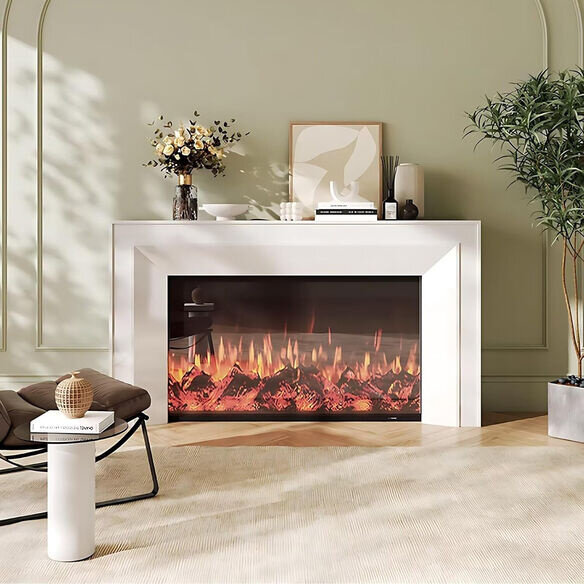
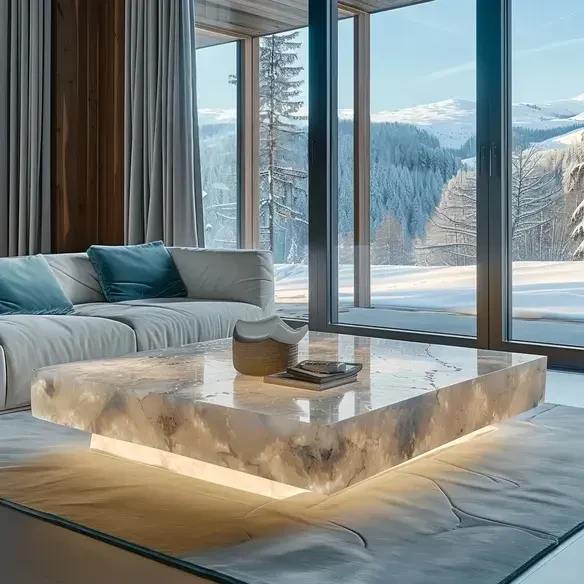
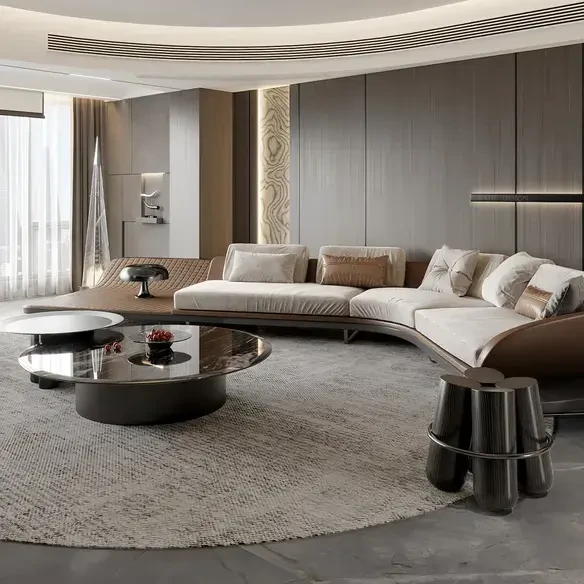
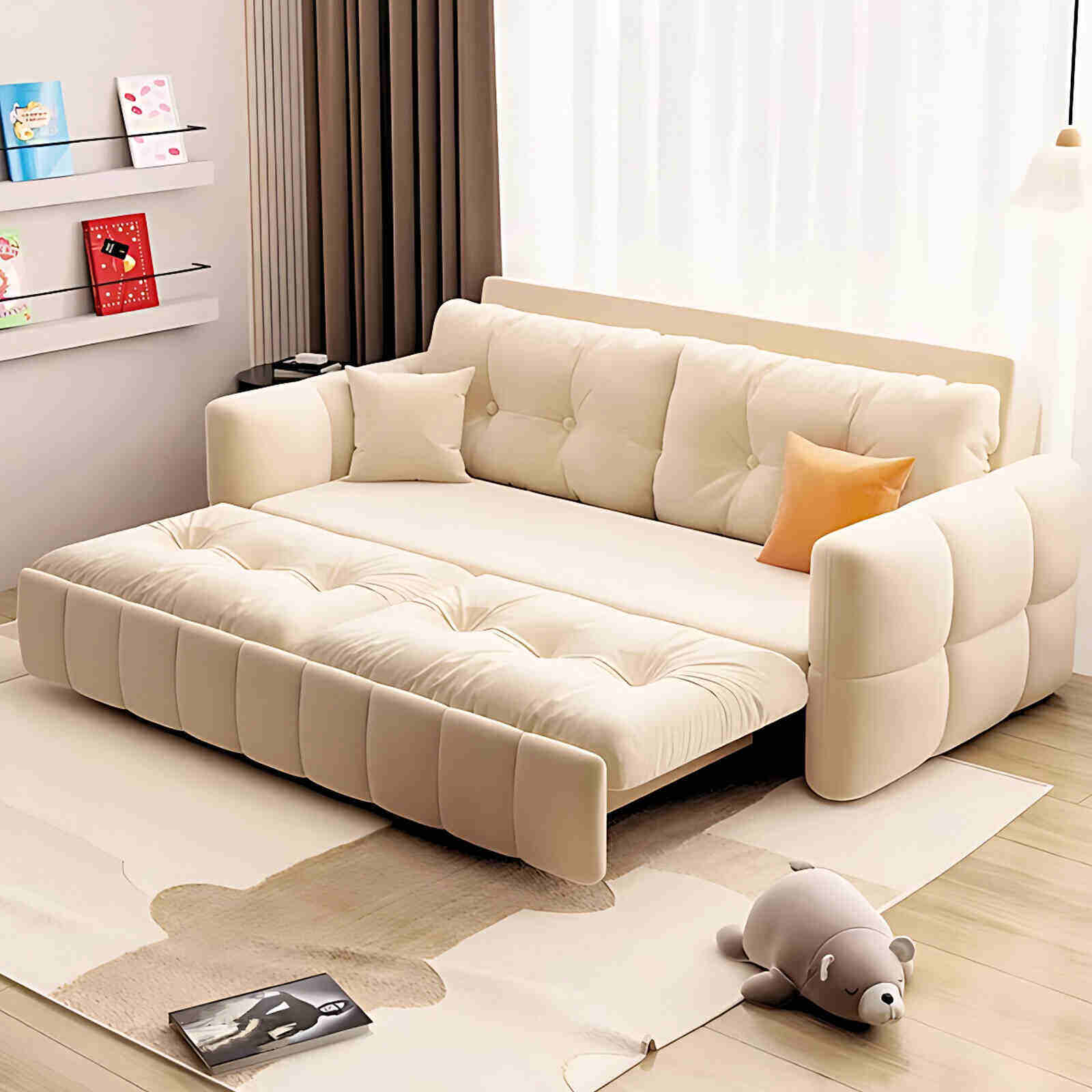
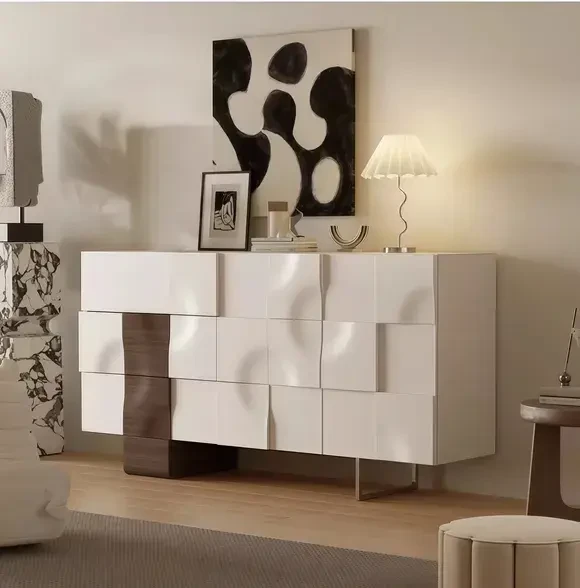
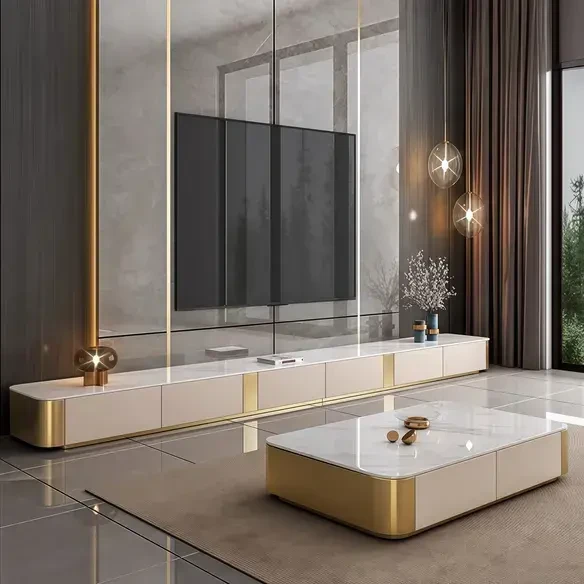
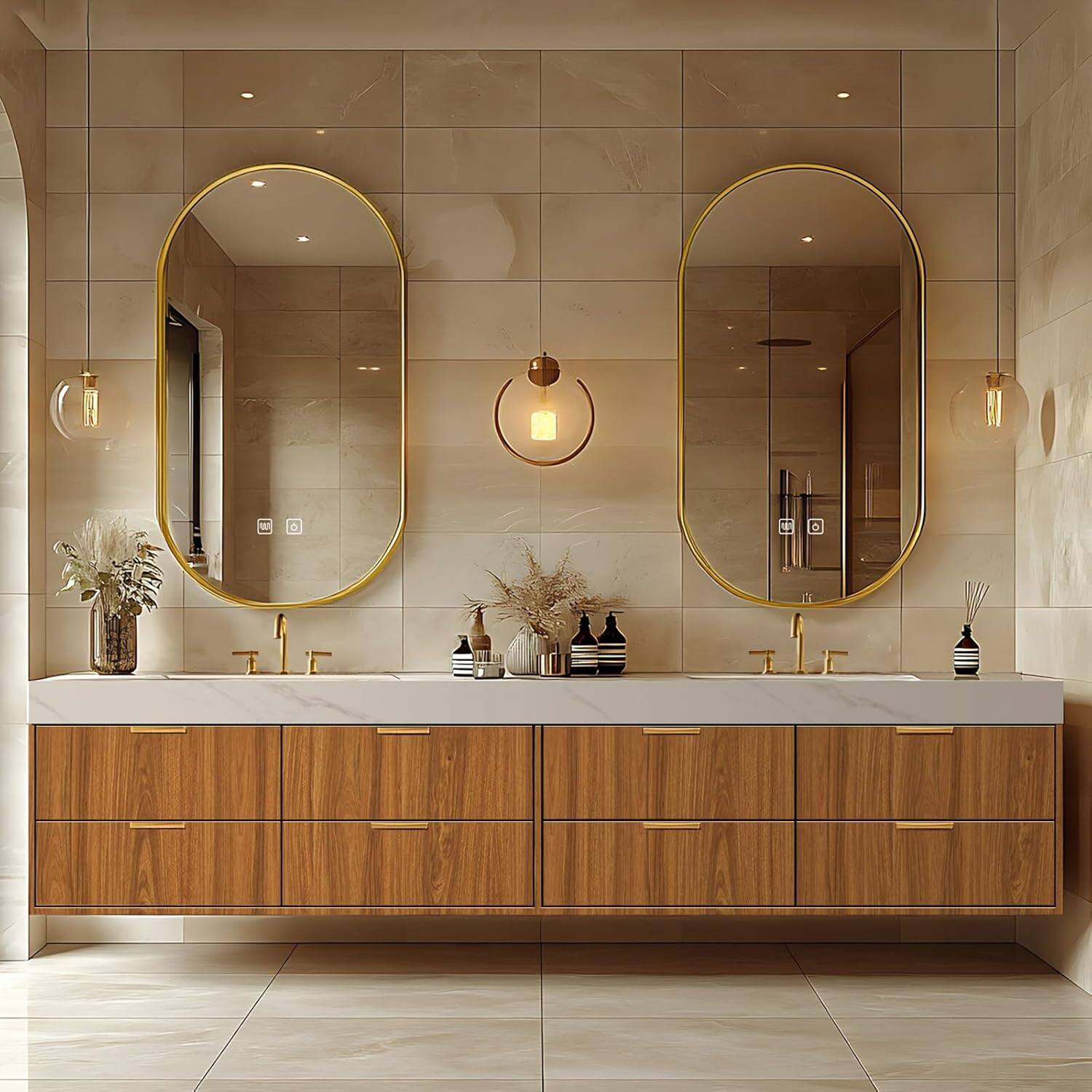
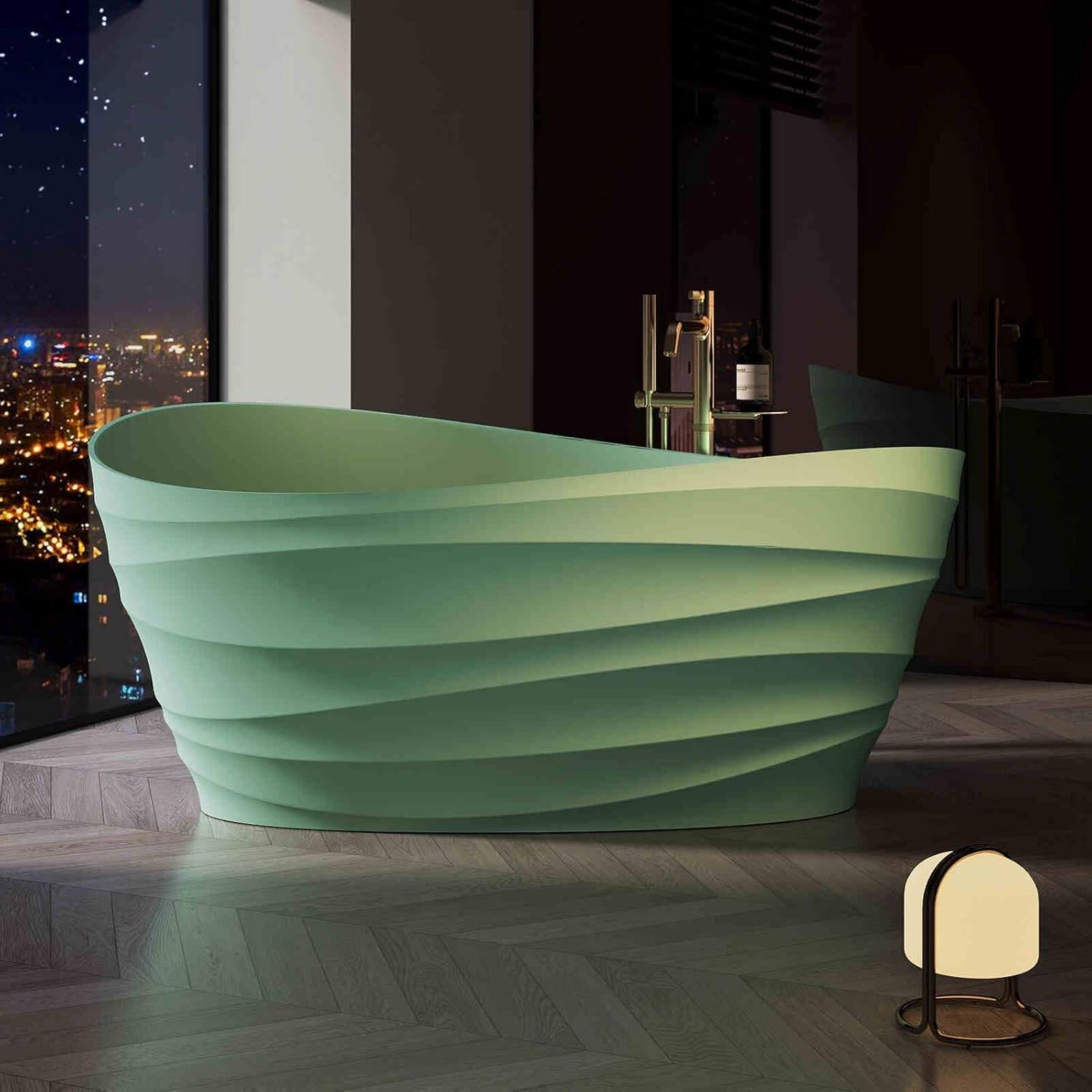
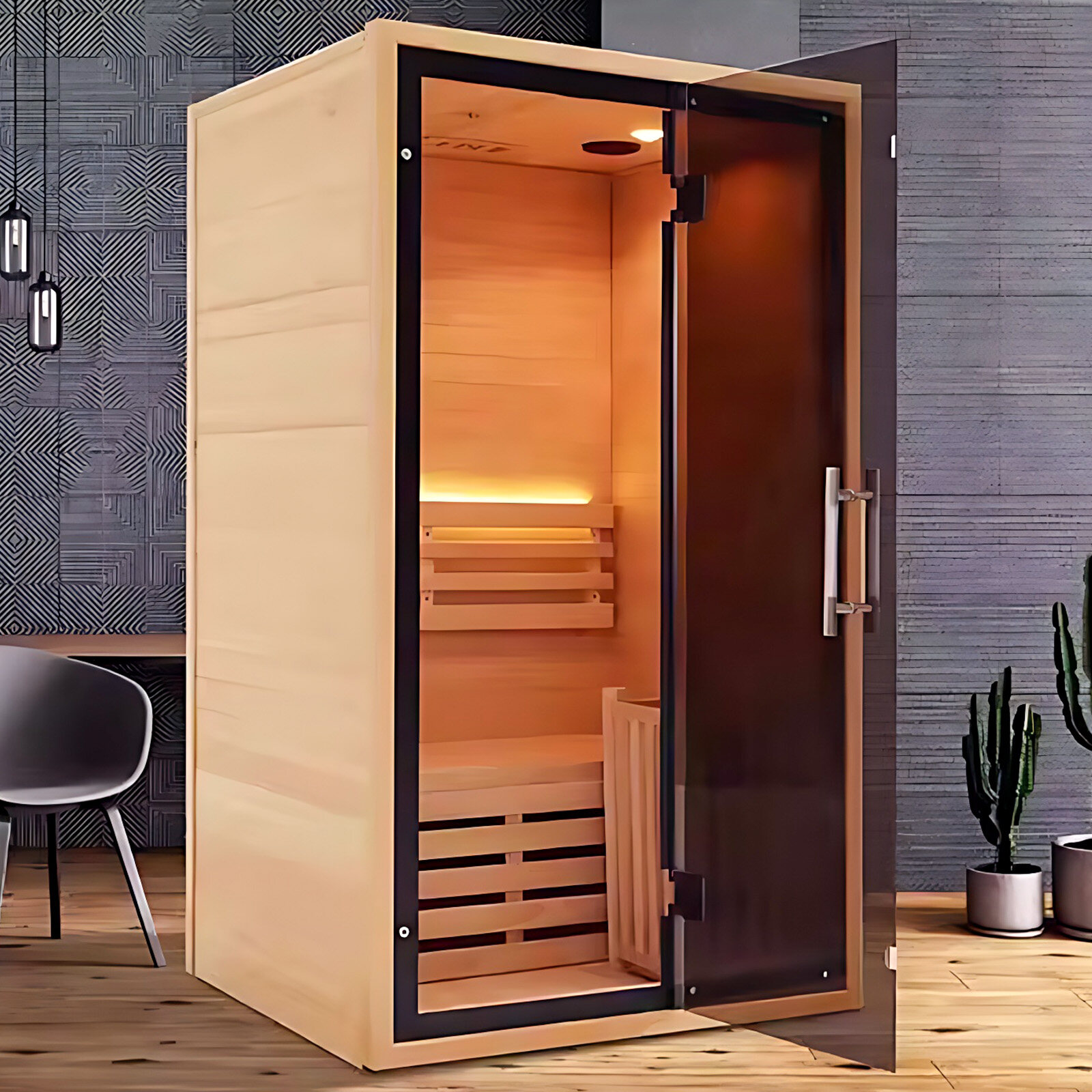
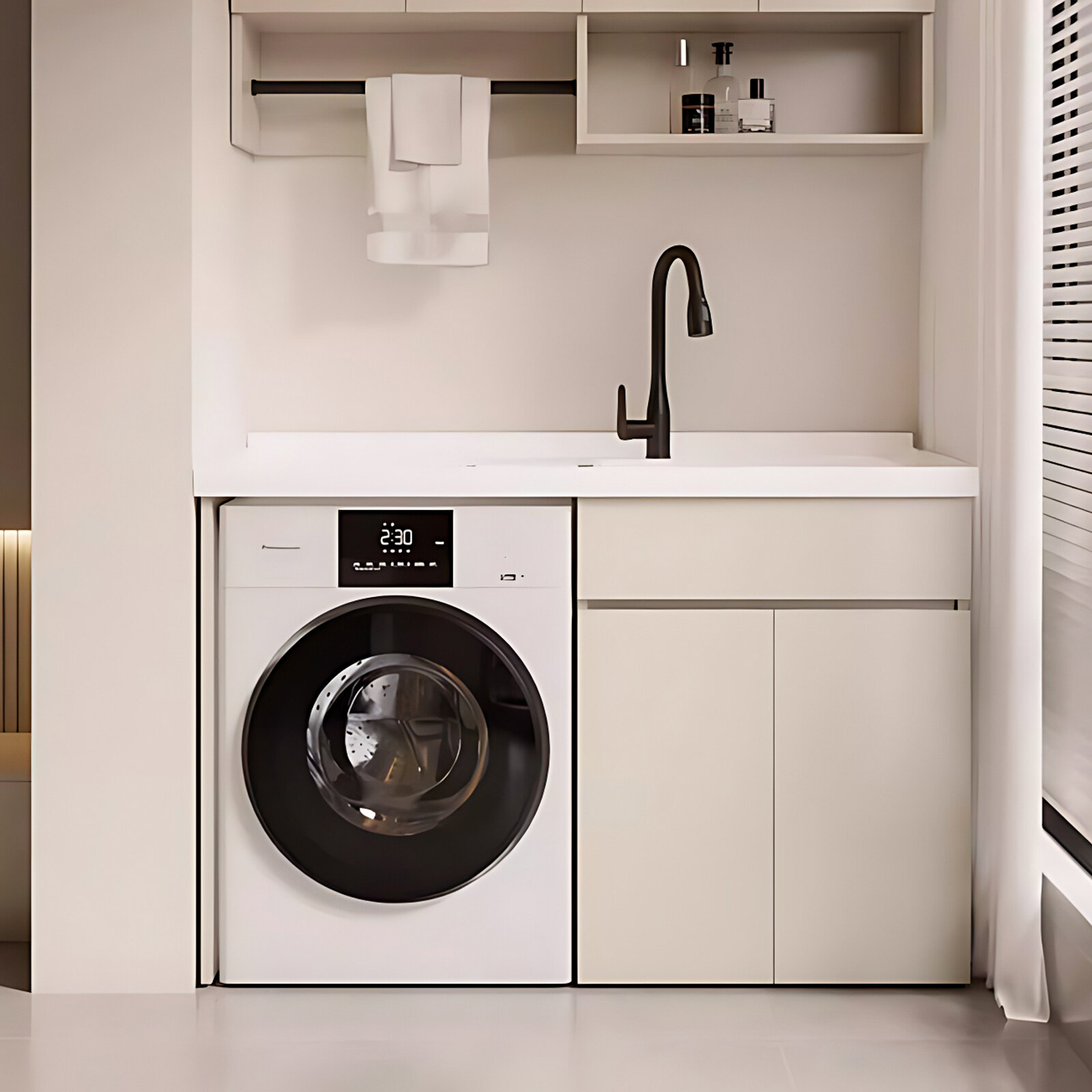
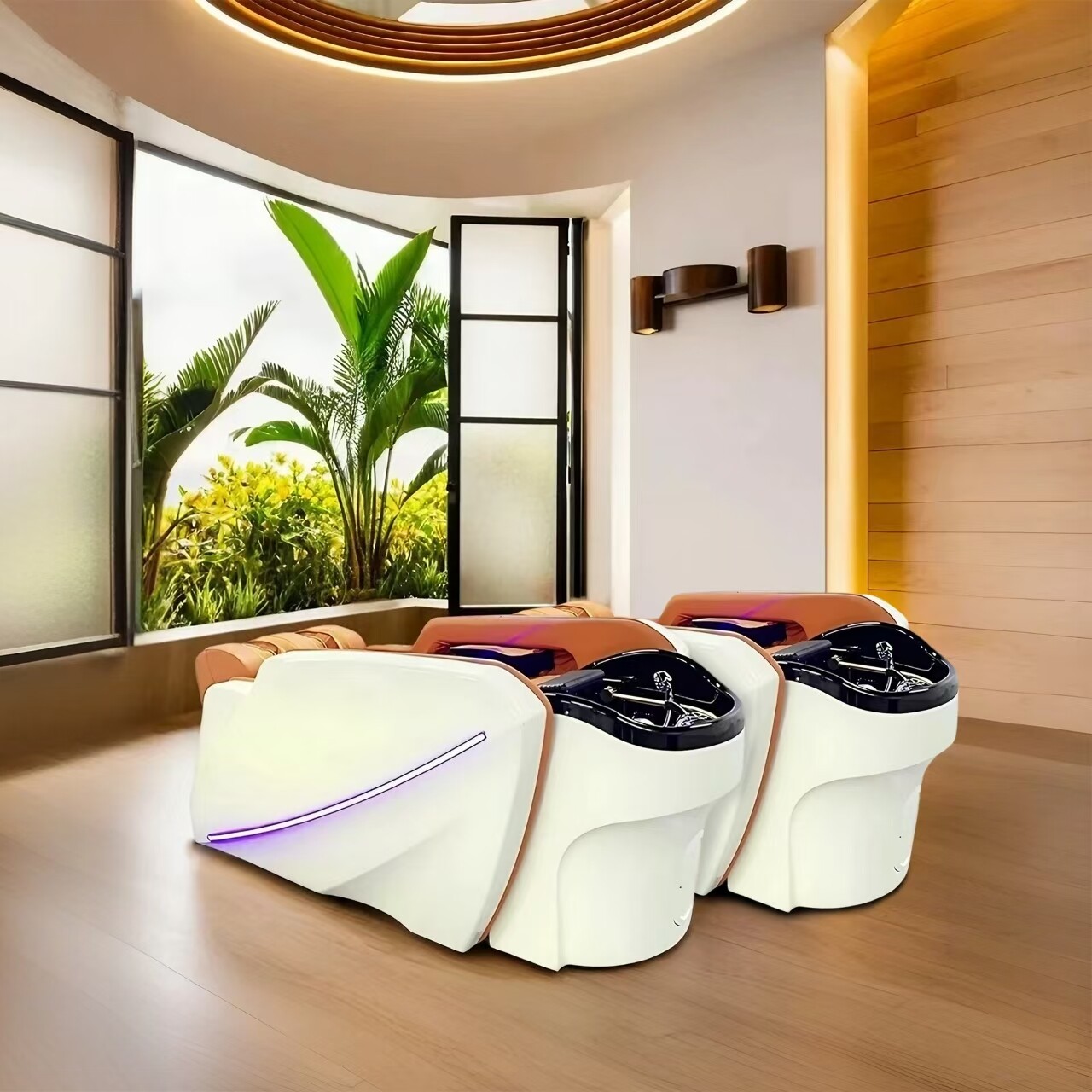
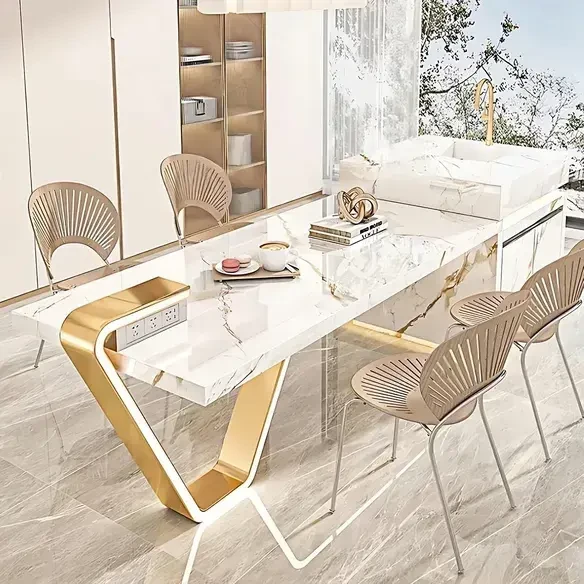
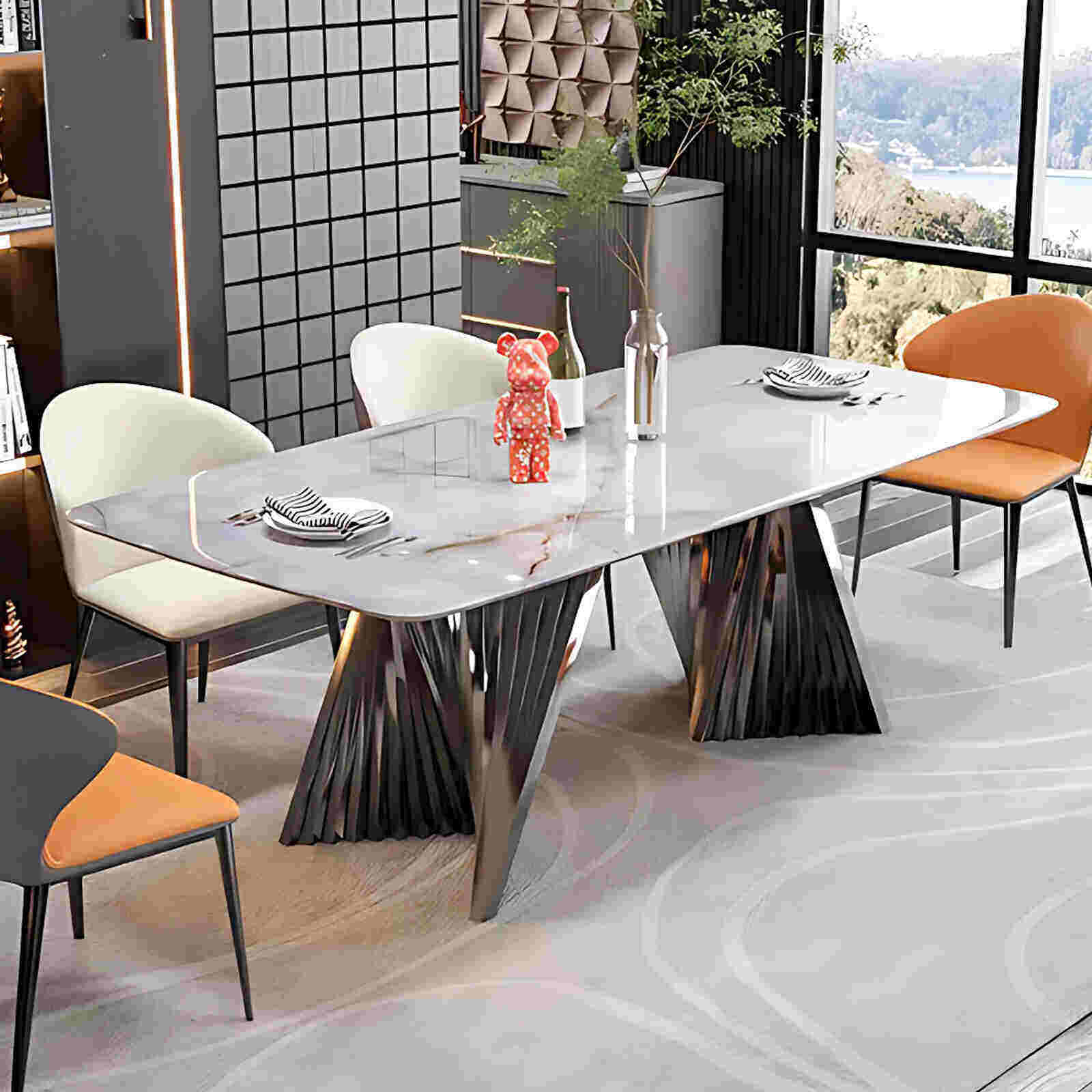
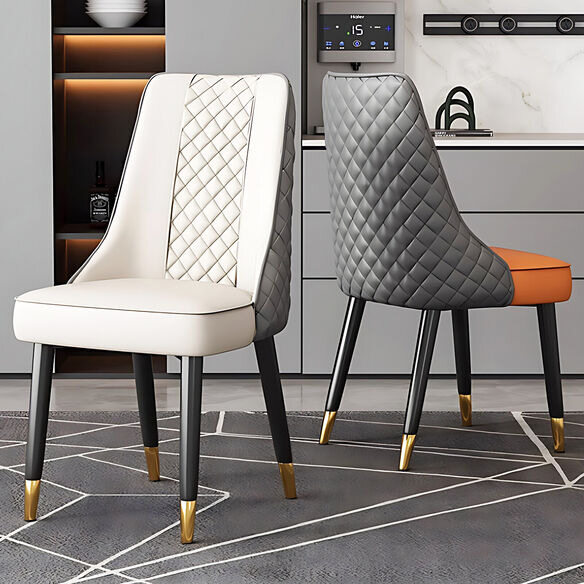
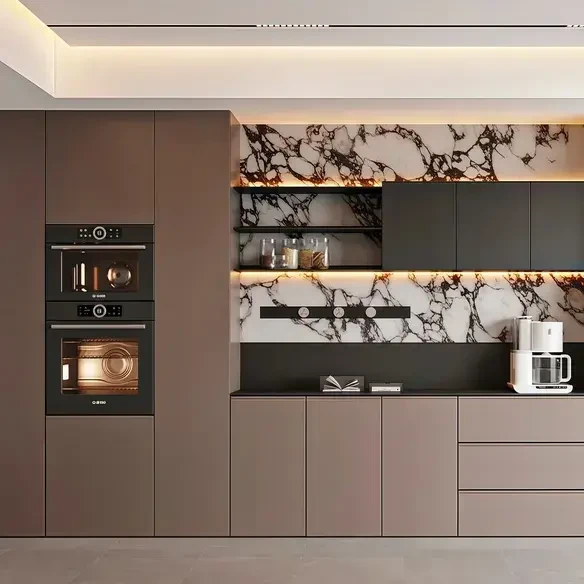
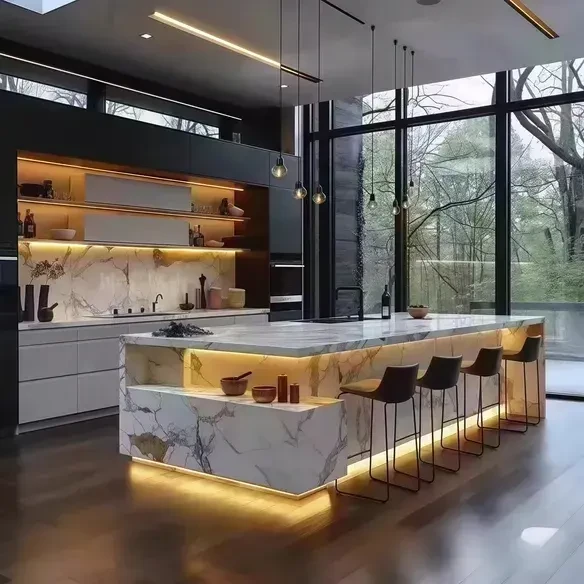
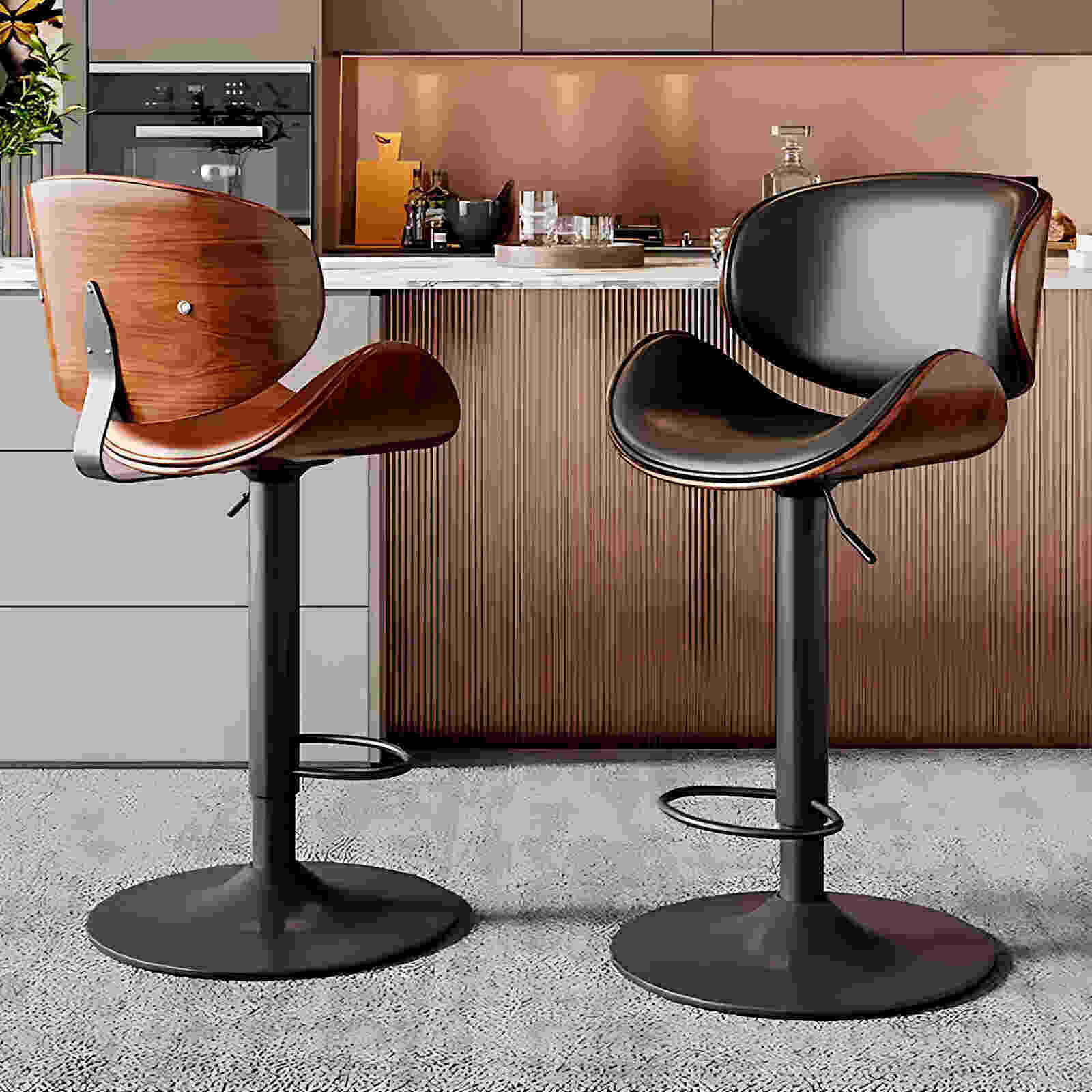
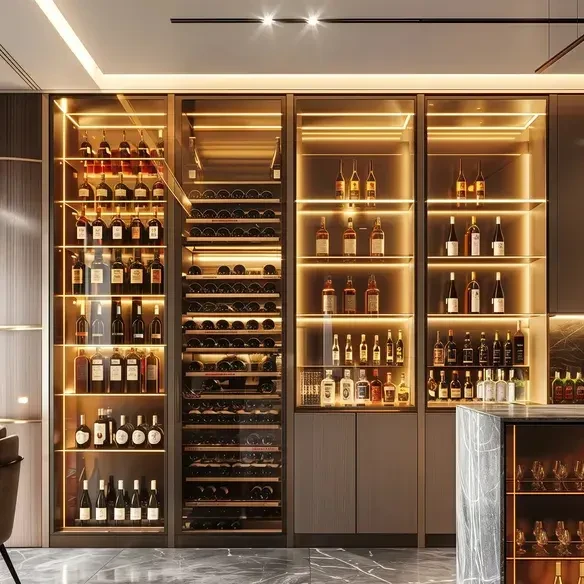
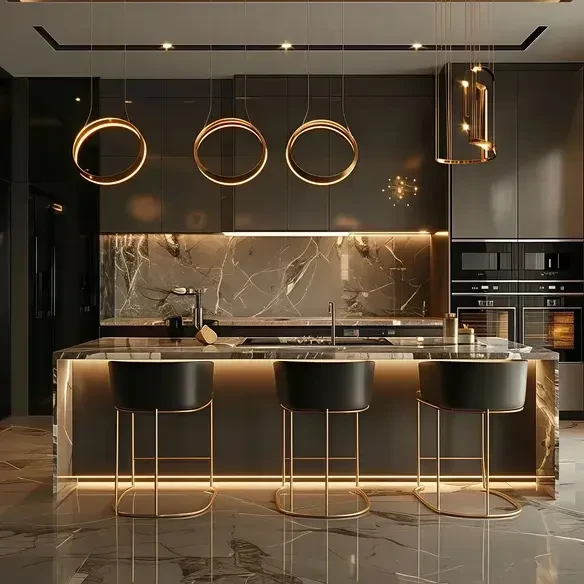
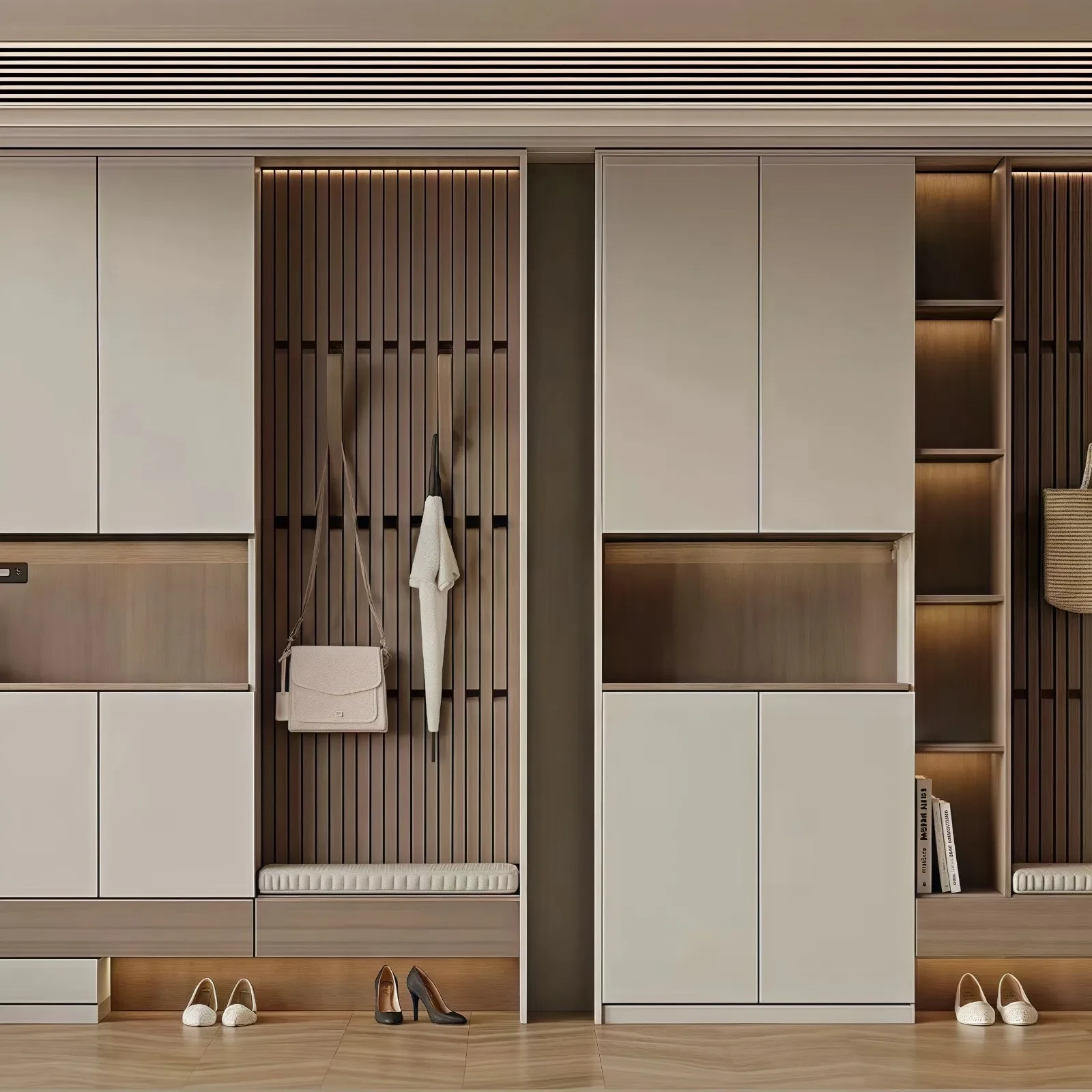
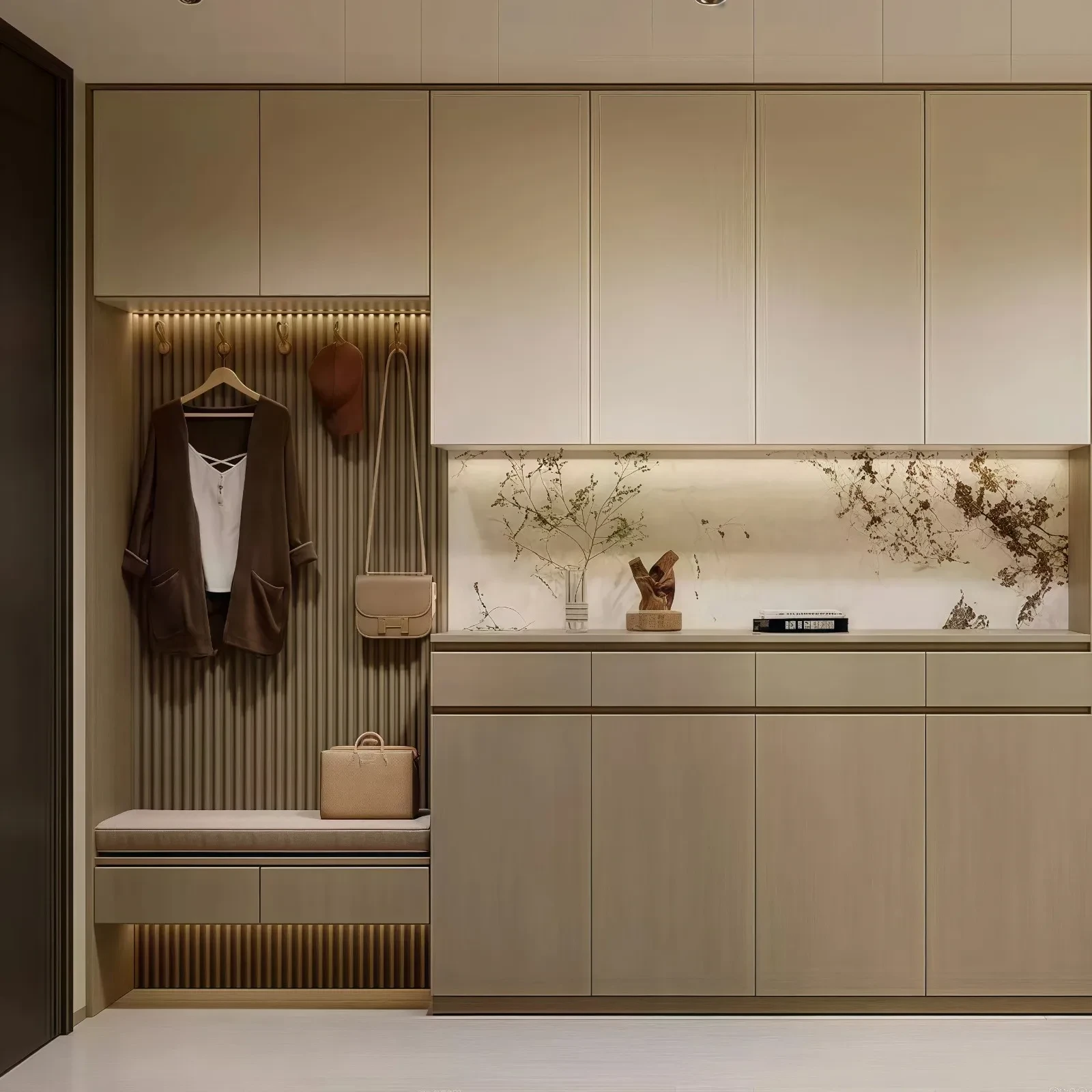
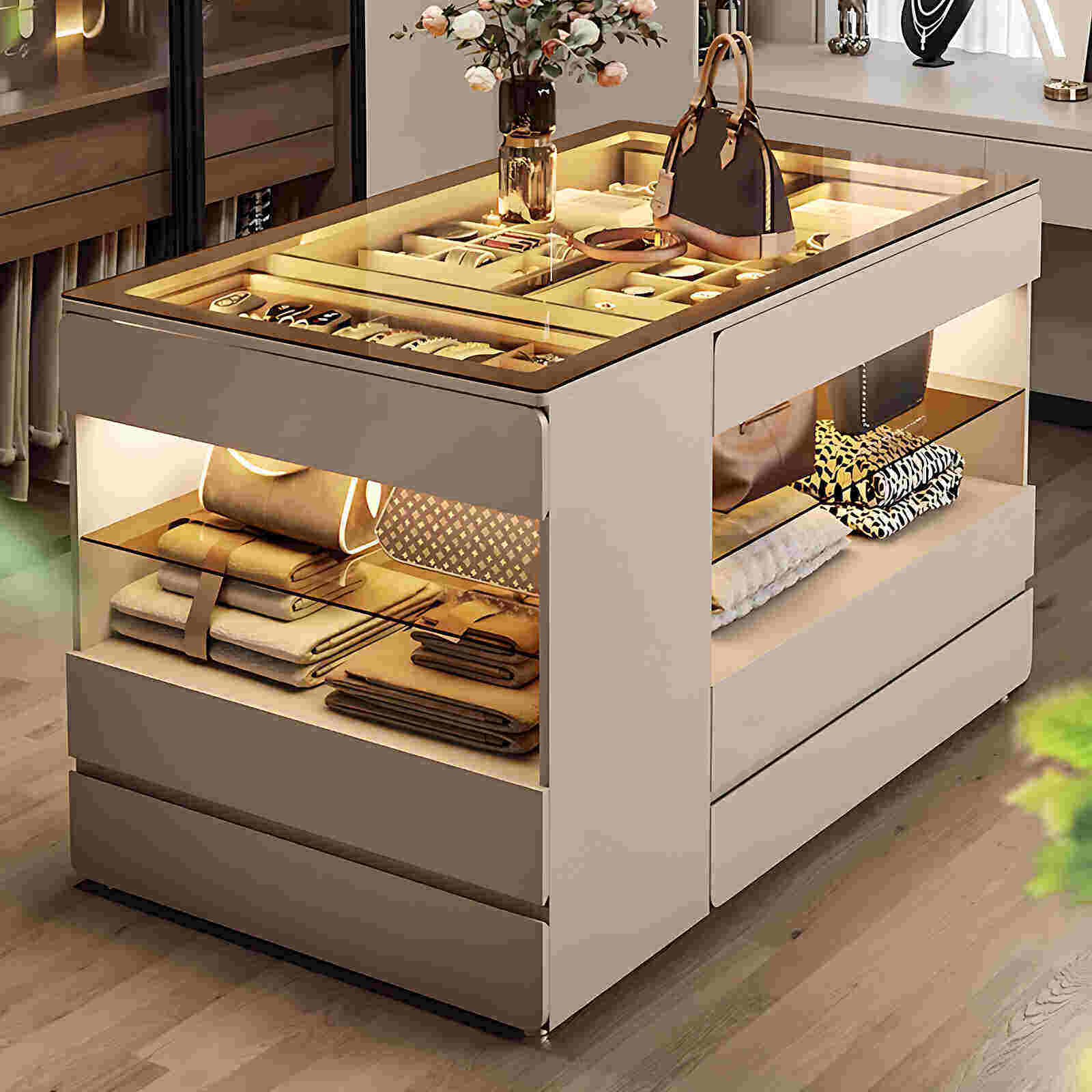
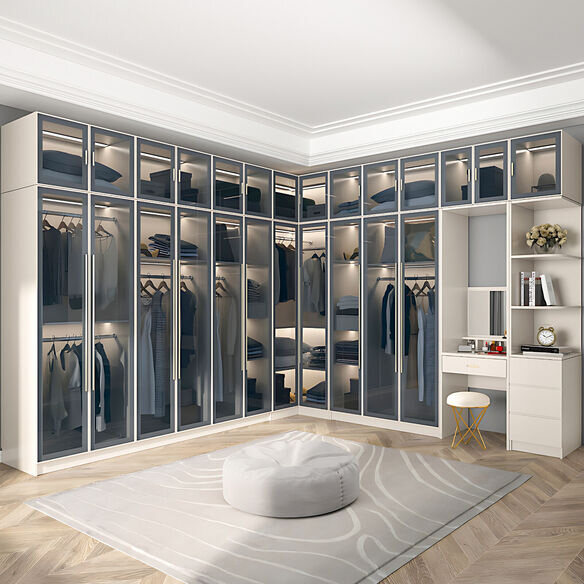
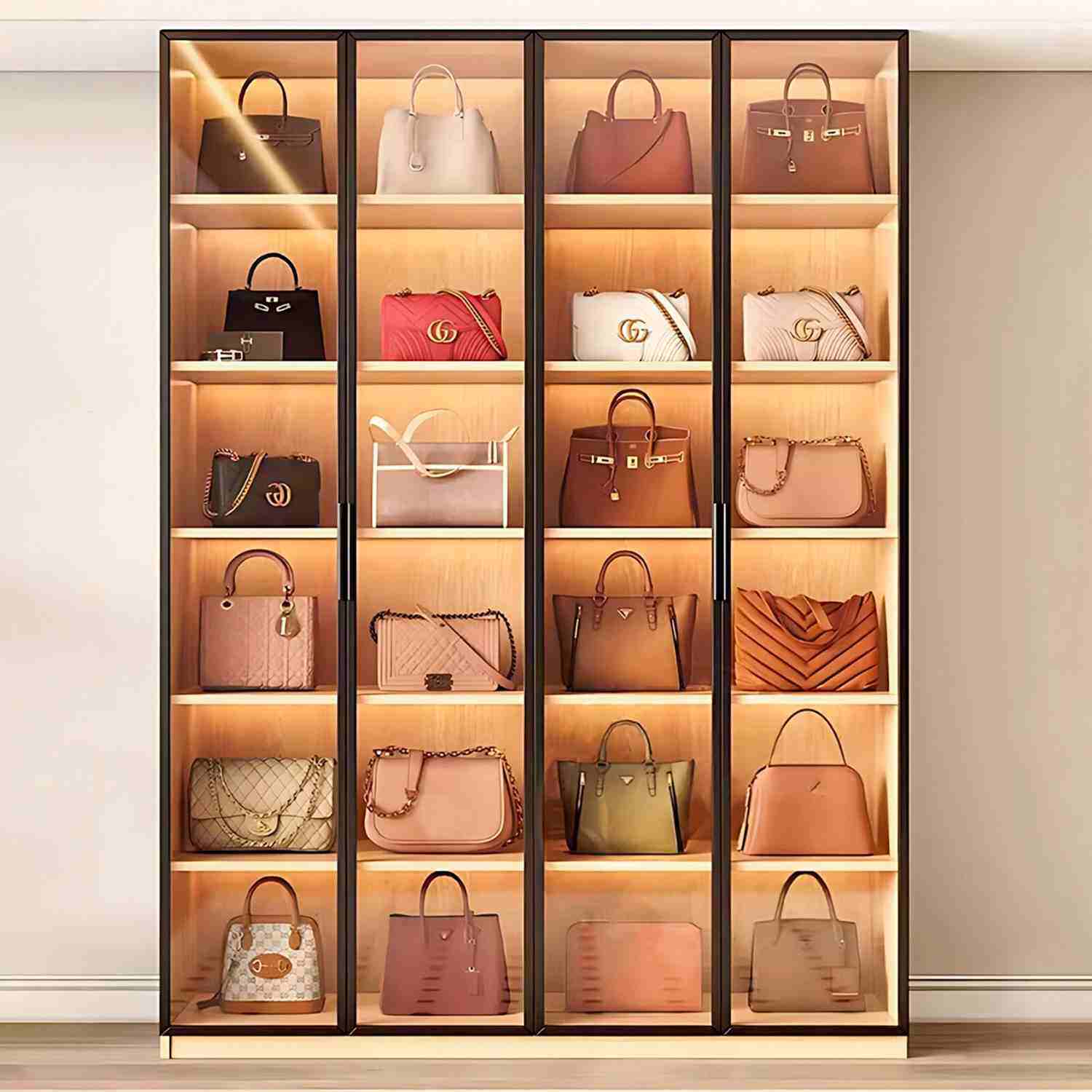
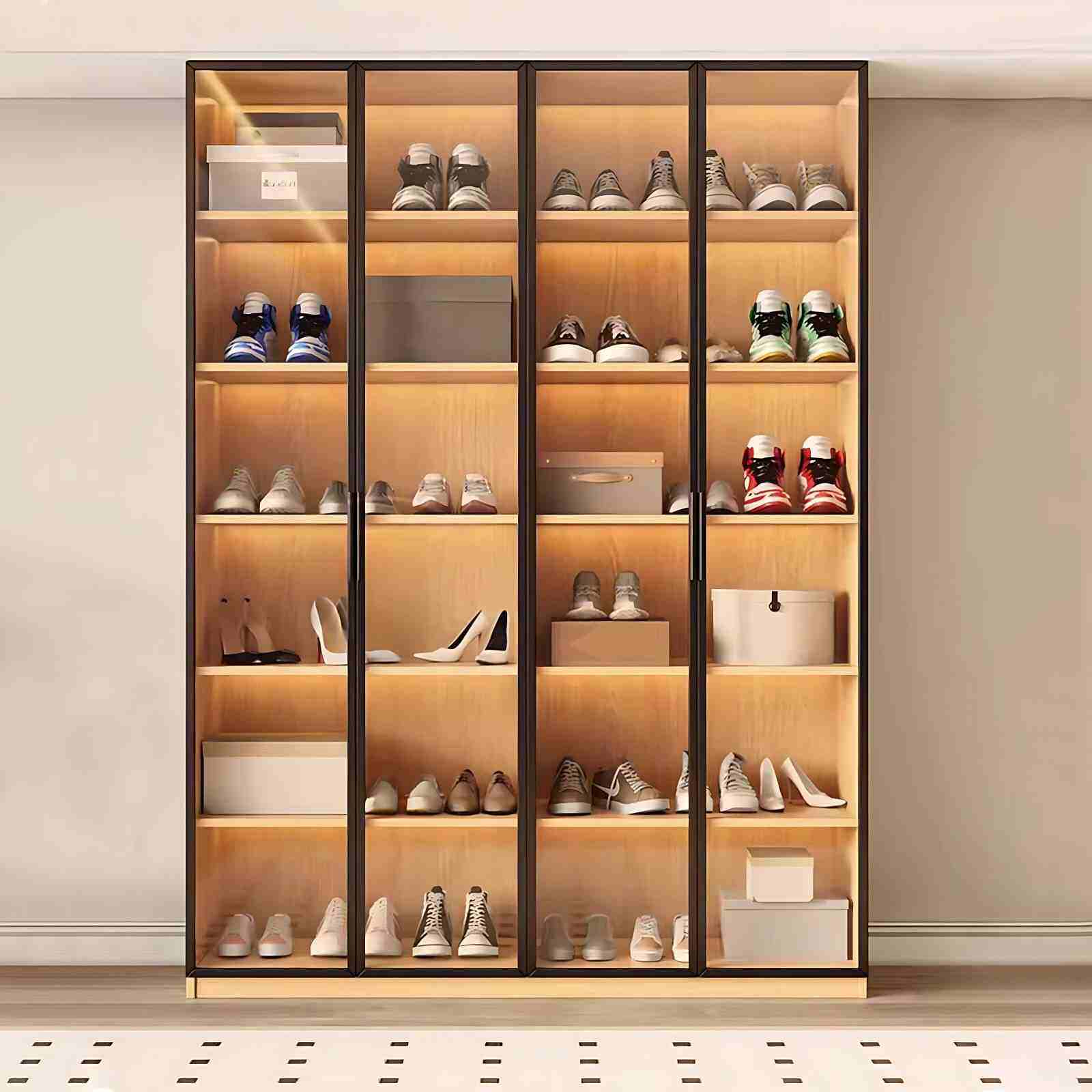
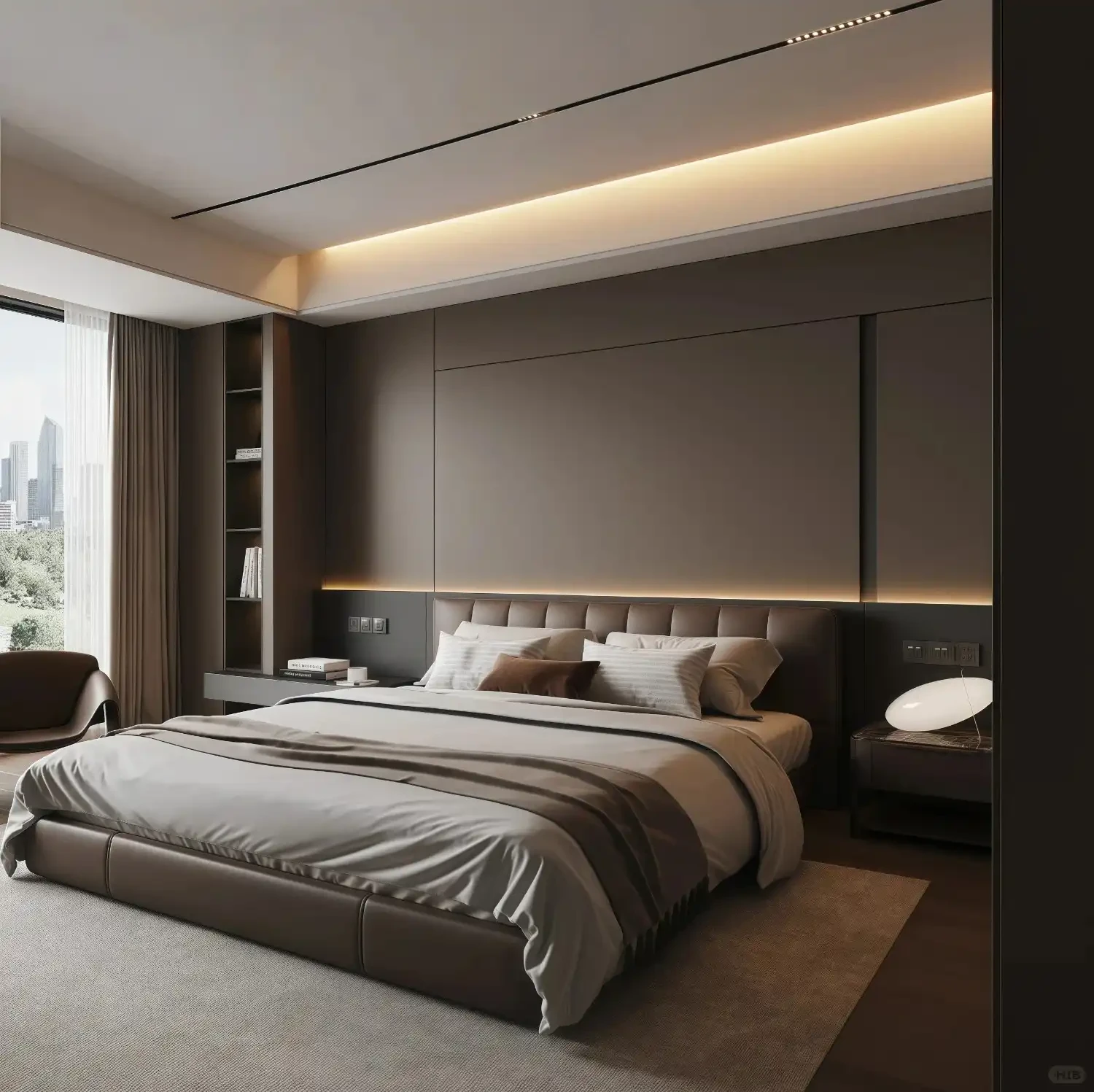
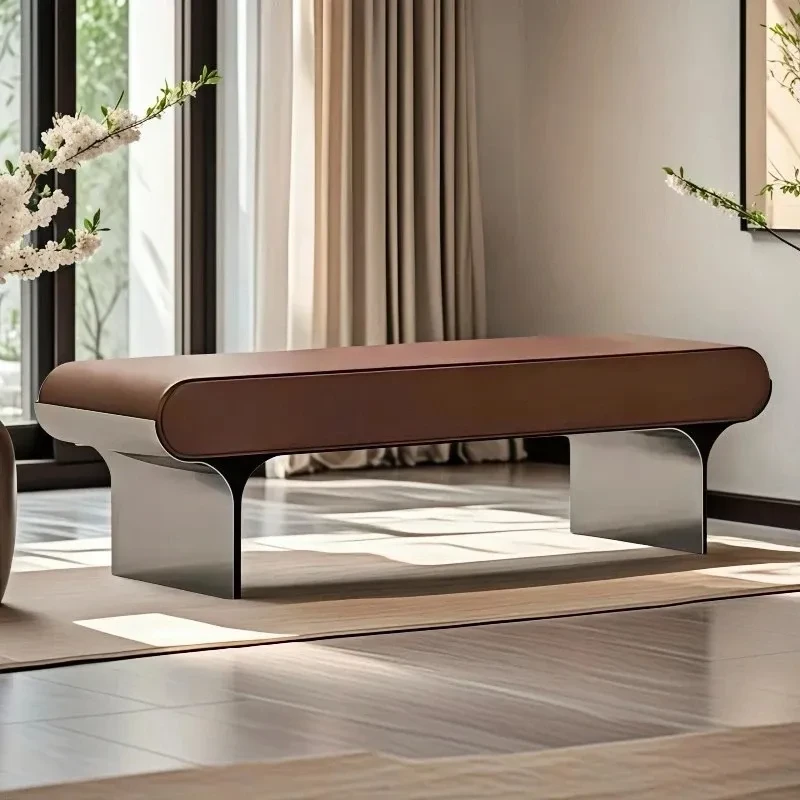
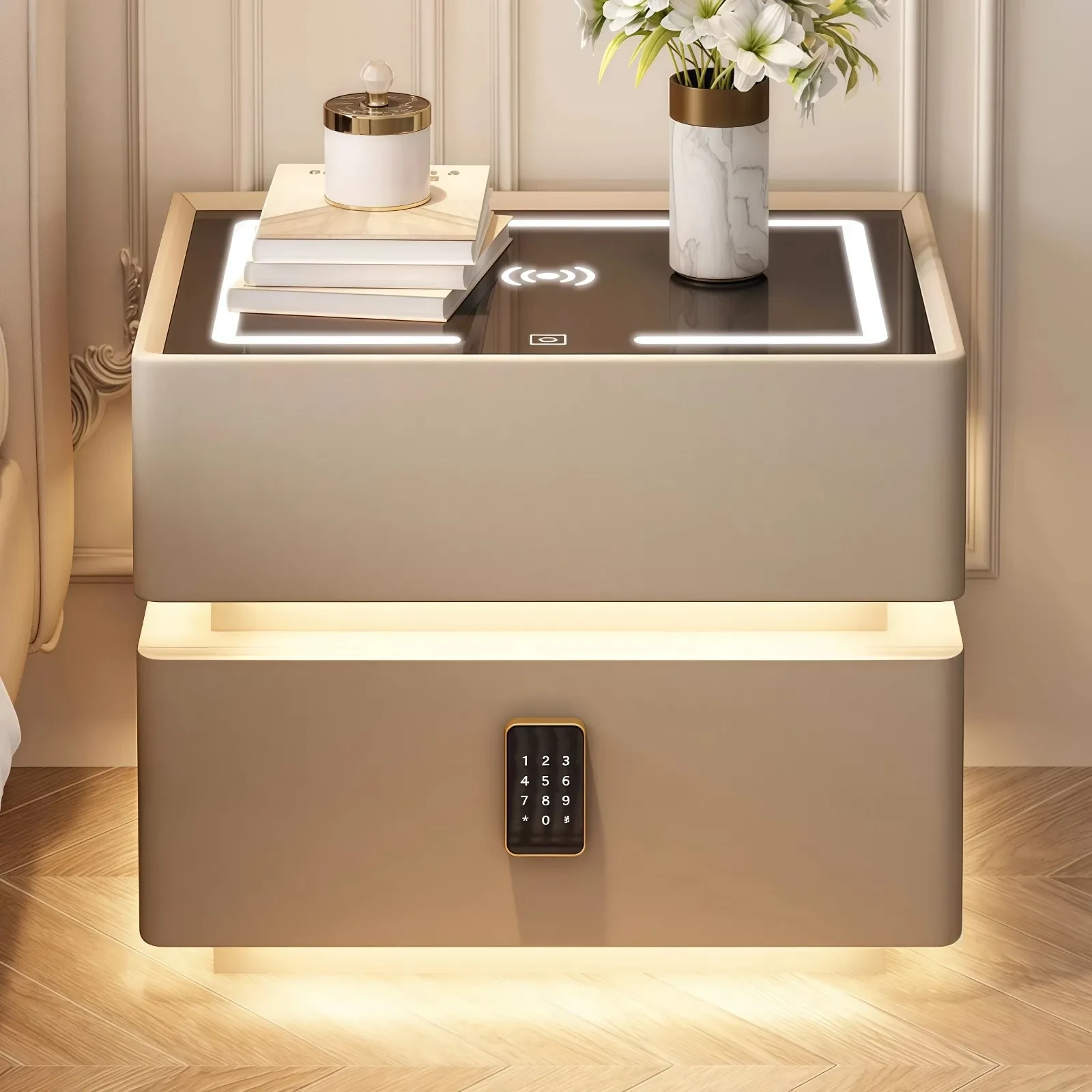
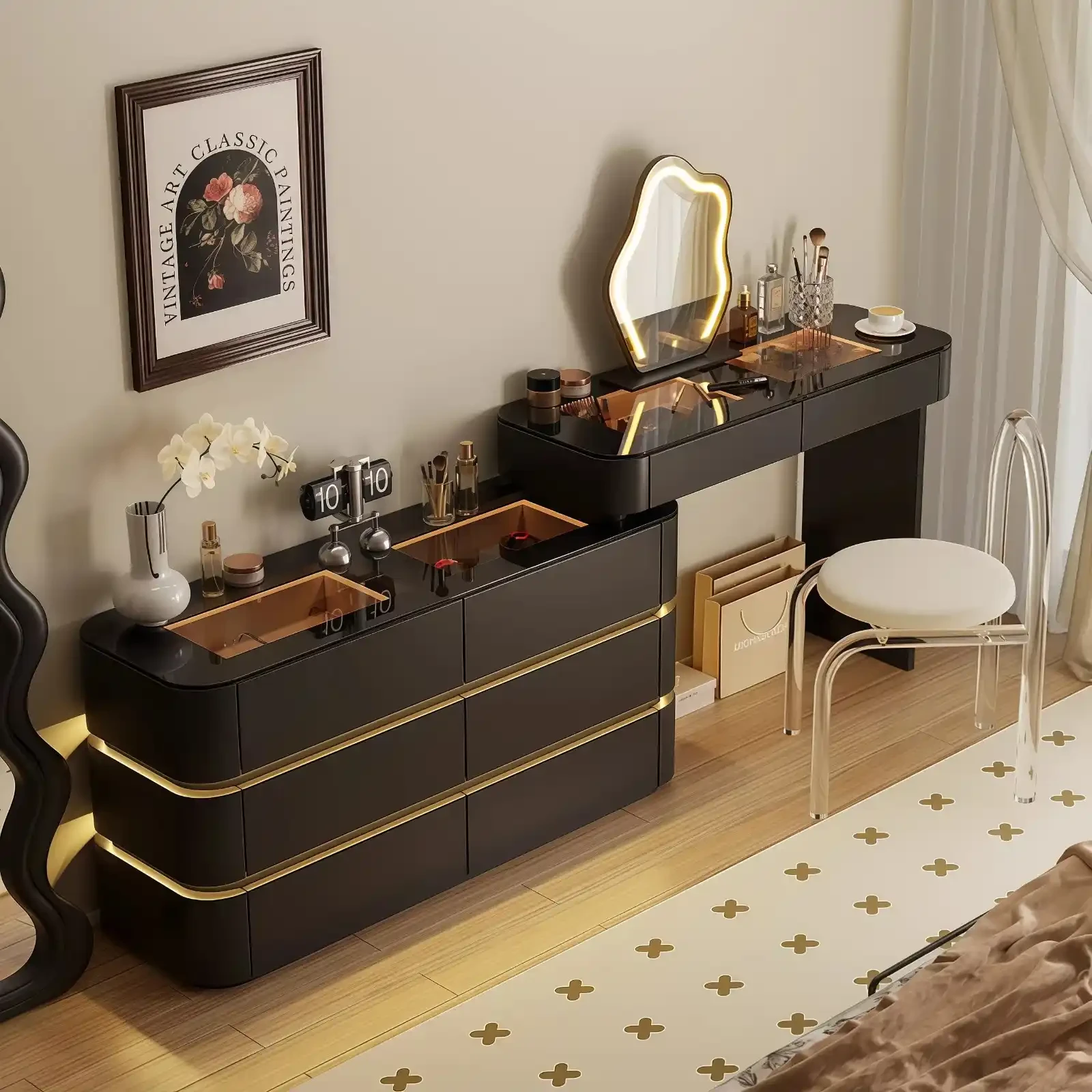
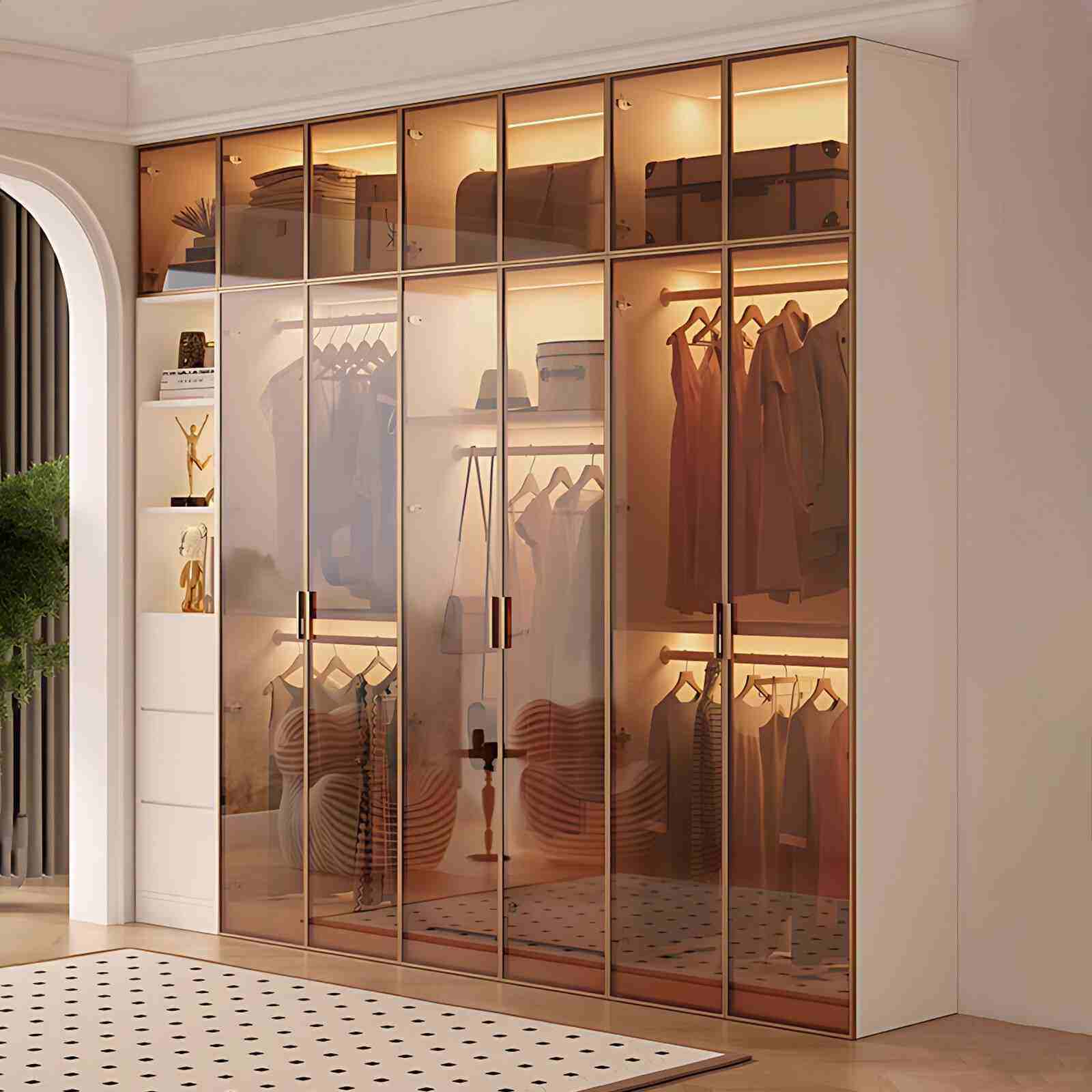
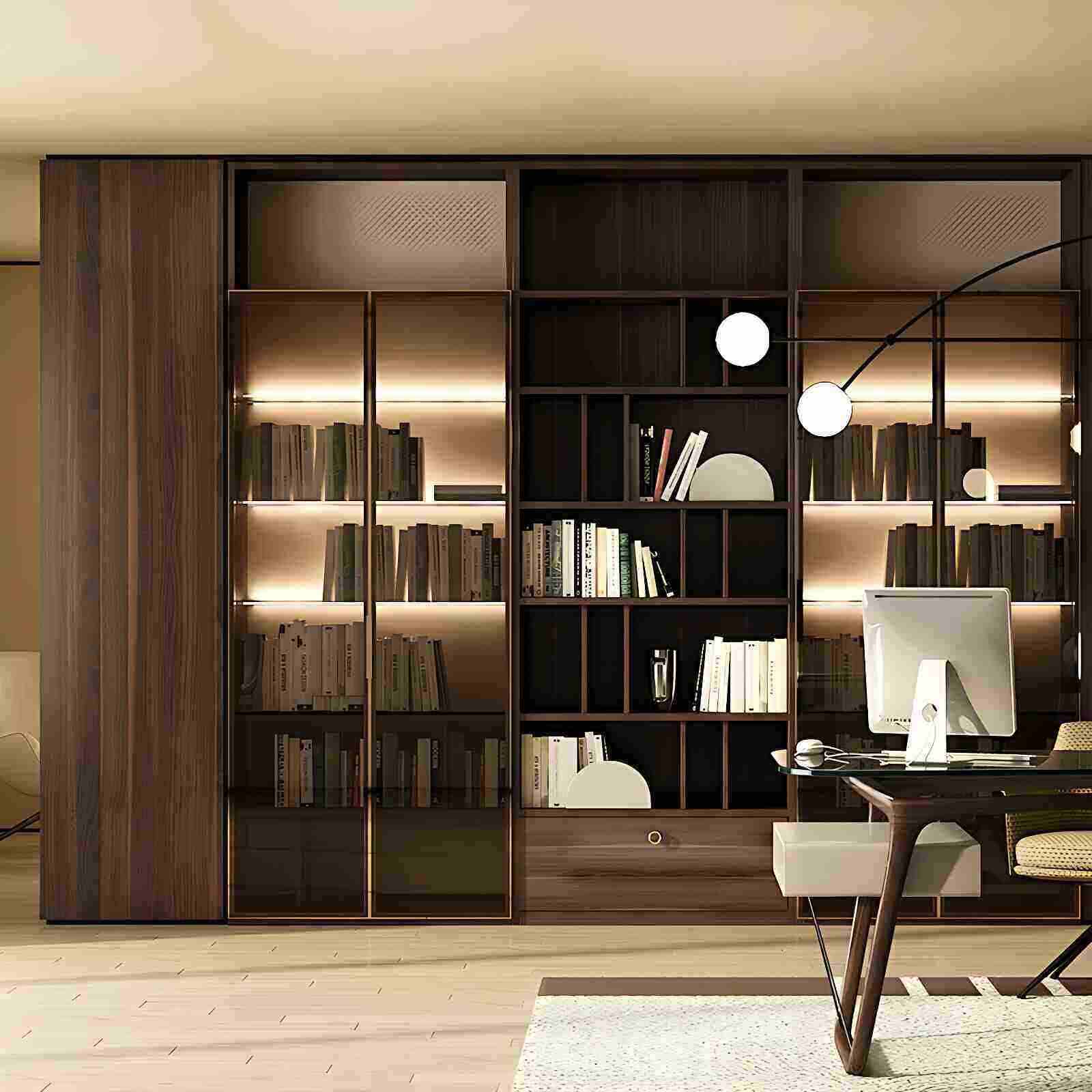
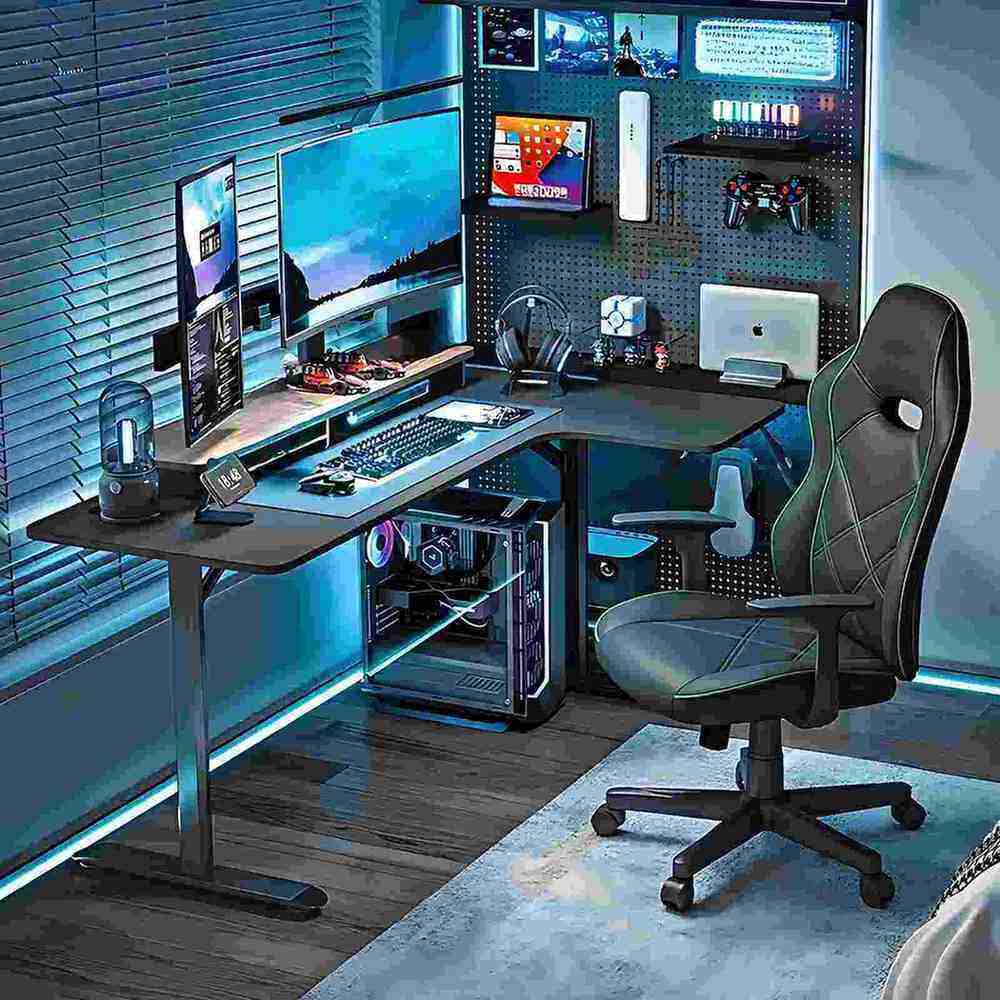
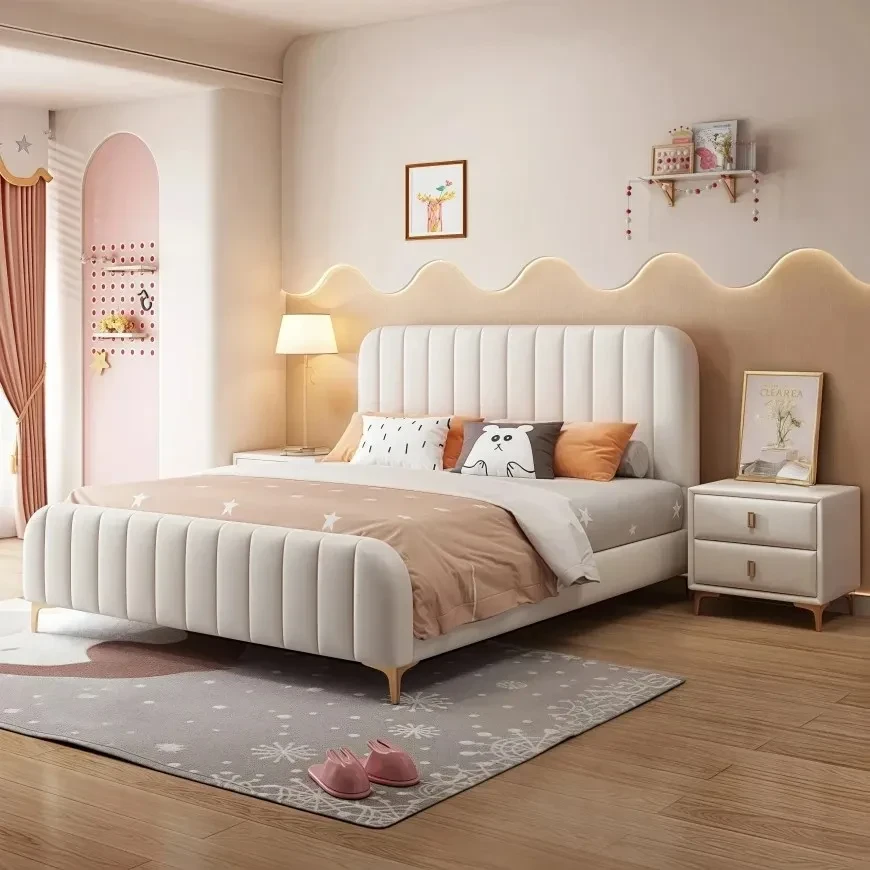
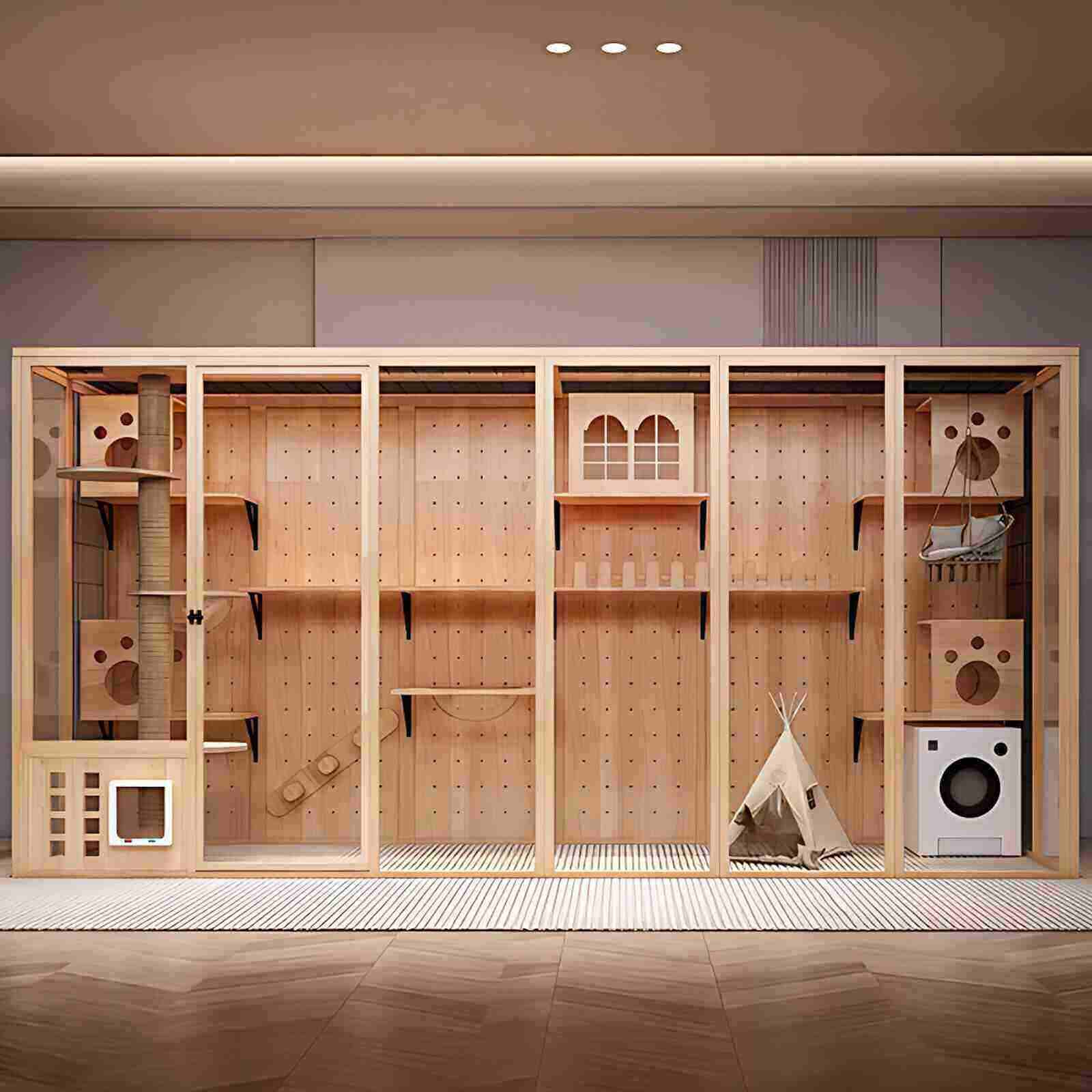
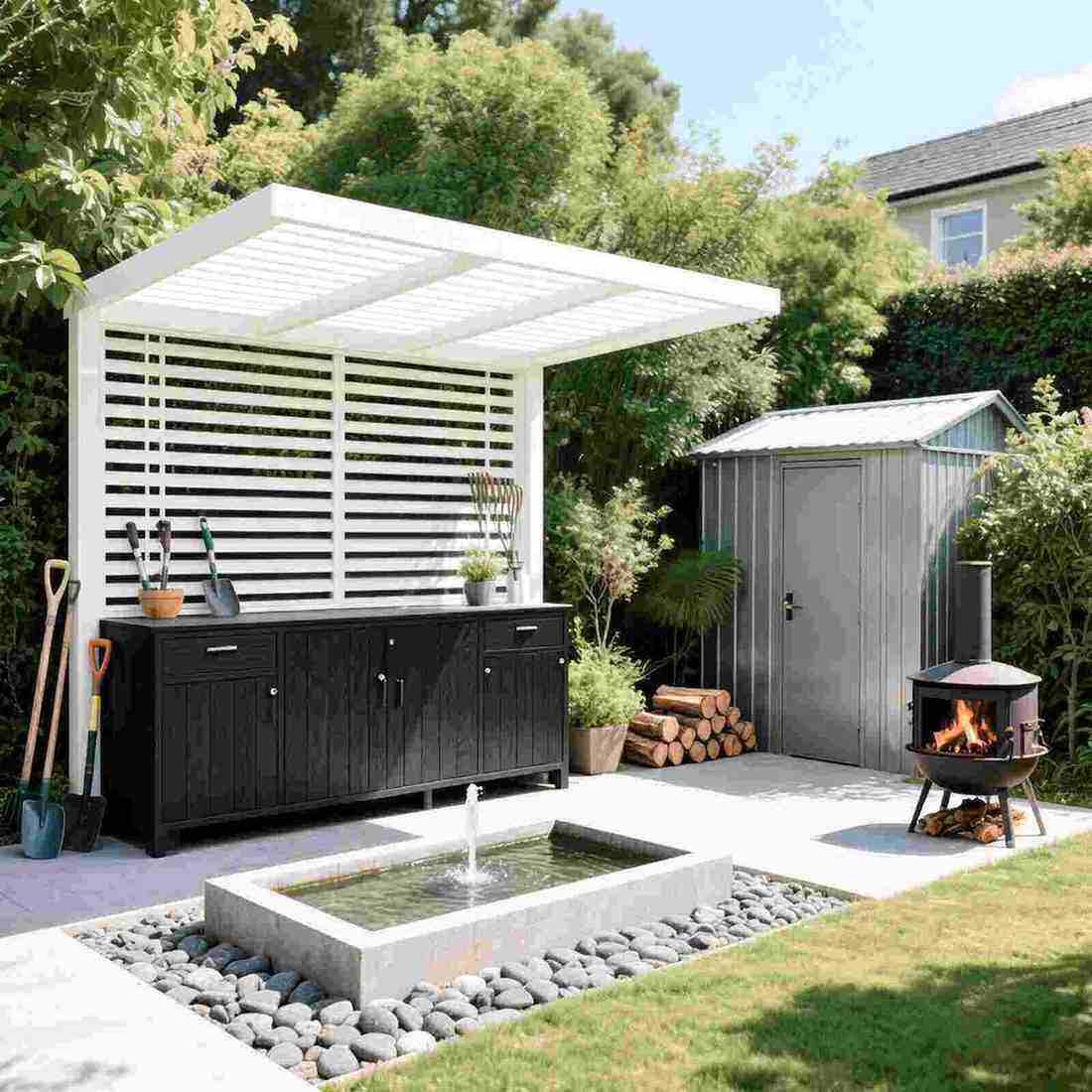
The materials used for wooden furniture include various softwoods or hardwoods used in furniture making, solid wood, solid wood splicing or veneer, as well as various artificial boards, raw materials and finished products. Suitable board materials for furniture are available in various specifications such as 15/19/21/25/32/38/45/50/55 mm.
Wooden furniture is divided into solid wood furniture and composite wood furniture.
solid wood furniture
Rosewood furniture: Rosewood is also a type of solid wood, but it has become a category in the industry due to the special nature of its material selection and craftsmanship.
Cork solid wood furniture: Common wood species include: Canadian hemlock, European spruce, Canadian red cedar, Russian larch, etc.
Advantages: Inexpensive, natural and environmentally friendly, not easily deformed, clear texture, good thermal conductivity;
Common hardwood furniture materials include cherry, oak, beech, elm, and birch. Elm and beech are particularly popular, hence the saying "elm in the north, beech in the south." Hardwoods also include rubberwood, which is relatively lightweight but still quite hard. The main advantages and disadvantages of this type of furniture are as follows:
1. Rubberwood
Advantages: Smooth surface, good adhesive and paint properties, good toughness and not easy to crack, easy to maintain;
Disadvantages: The wood is relatively loose, contains a lot of sugar, has a sour smell that is difficult to remove, and is prone to insect infestation;
2. Birch
Advantages: Easy to process, good adhesive and paint properties, straight texture;
Disadvantages: Poor fiber shear strength, prone to shaving, relatively poor abrasion resistance; easily absorbs moisture and deforms in damp places;
3. Elm wood
Advantages: Tough and flexible, can be carved, and has a grain pattern similar to chicken wing wood;
Disadvantages: There is a clear distinction between heartwood and sapwood, and color difference;
4. Beechwood
Advantages: Heavy and sturdy, with soft and glossy colors; can be bent under steam.
Disadvantages: Poor drying control can easily lead to cracking and deformation;
5. Ash
Advantages: The wood has a clear texture and appears bright and lustrous after applying a clear varnish. It is suitable for making modern minimalist style furniture and can also imitate precious wood species.
Disadvantages: It shrinks and warps considerably, and there are color variations, so it is not very suitable for making completely solid wood furniture;
6. Oak
Advantages: Distinctive mountain-shaped pattern, solid texture, good tactile feel, suitable for making European-style furniture;
Disadvantages: Requires high workmanship; otherwise, it is prone to deformation and shrinkage.
7. Black walnuts
Advantages: Deep and elegant color, long-lasting paint staining, corrosion resistant, and not easily deformed;
Disadvantages: High price, poor toughness;
Panel furniture
Panel furniture is furniture made primarily of engineered wood (including plywood, blockboard, particleboard, MDF, etc.), with only a few parts made of solid wood, and the surface covered with various decorative materials.
Advantages: Relatively stable performance; easy to manufacture furniture that requires bending and deformation; metal hardware connects the panels, making disassembly and transportation convenient; high degree of mechanization and fast production speed; easy to achieve diversified and fashionable designs; relatively inexpensive.
Disadvantages: It is more likely to be environmentally unfriendly; its lifespan is shorter than that of finely crafted solid wood furniture; and its overall sturdiness is lower than that of solid wood furniture.