
 USD
USD GBP
GBP
 EUR
EUR

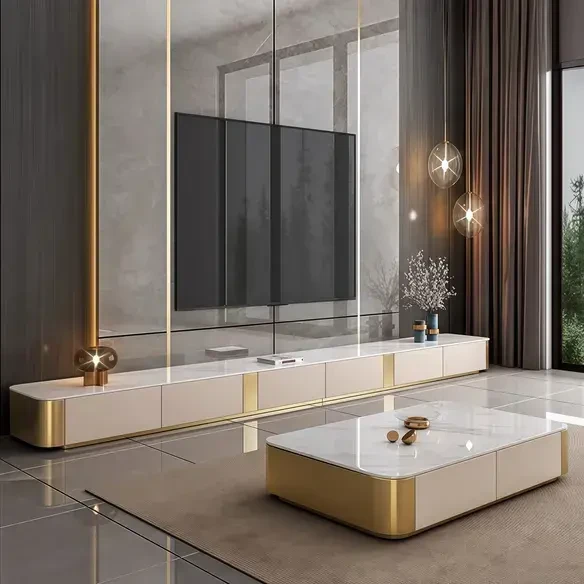
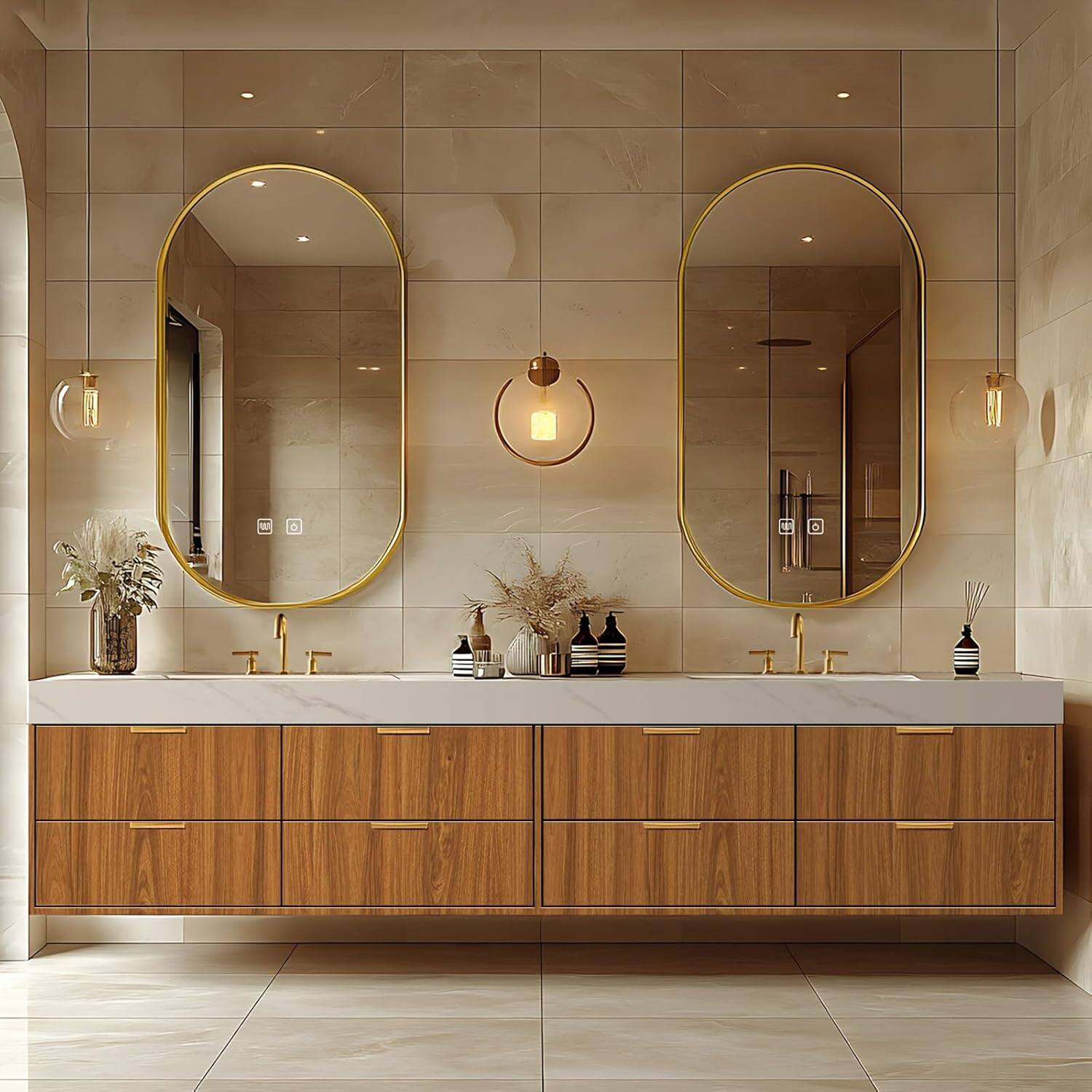
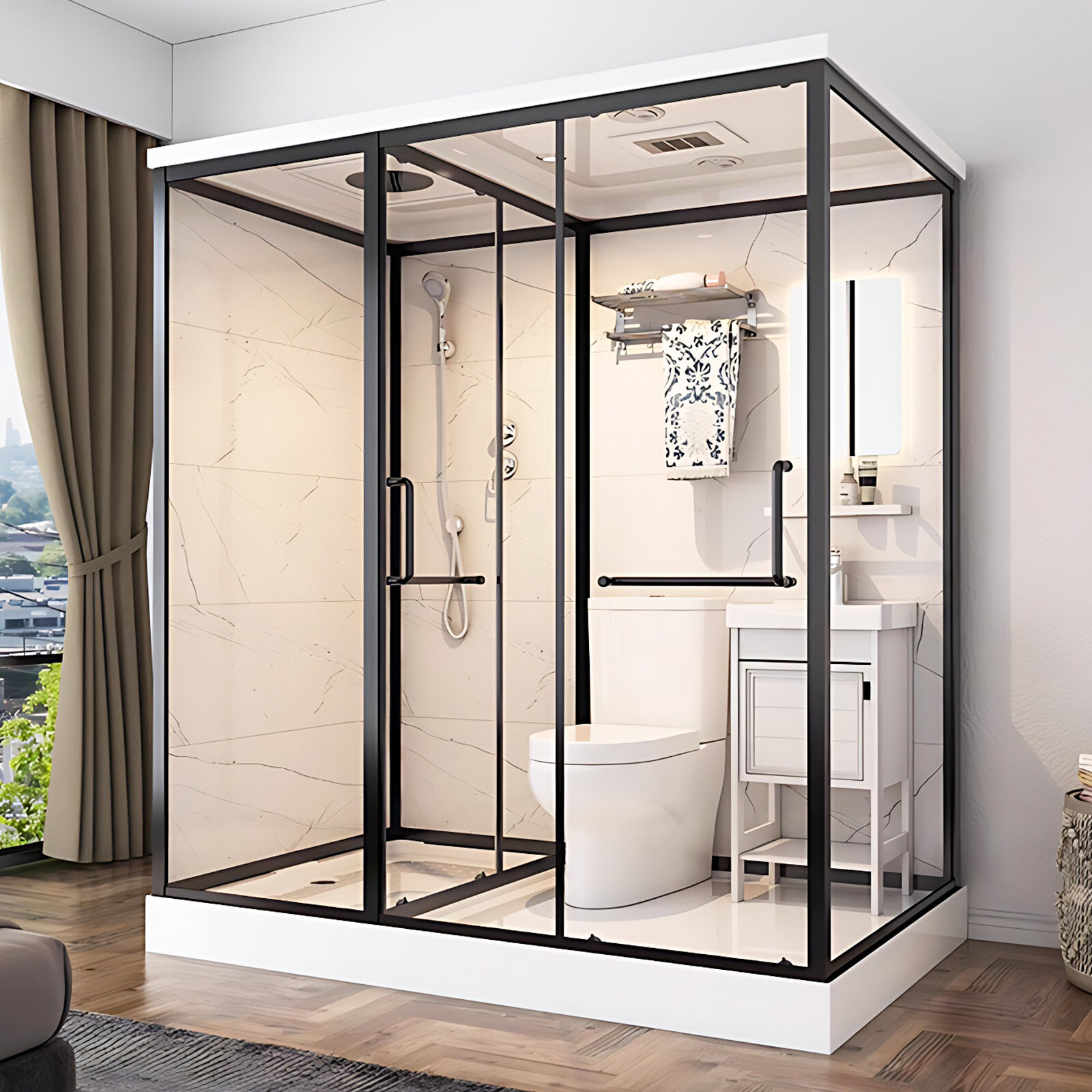
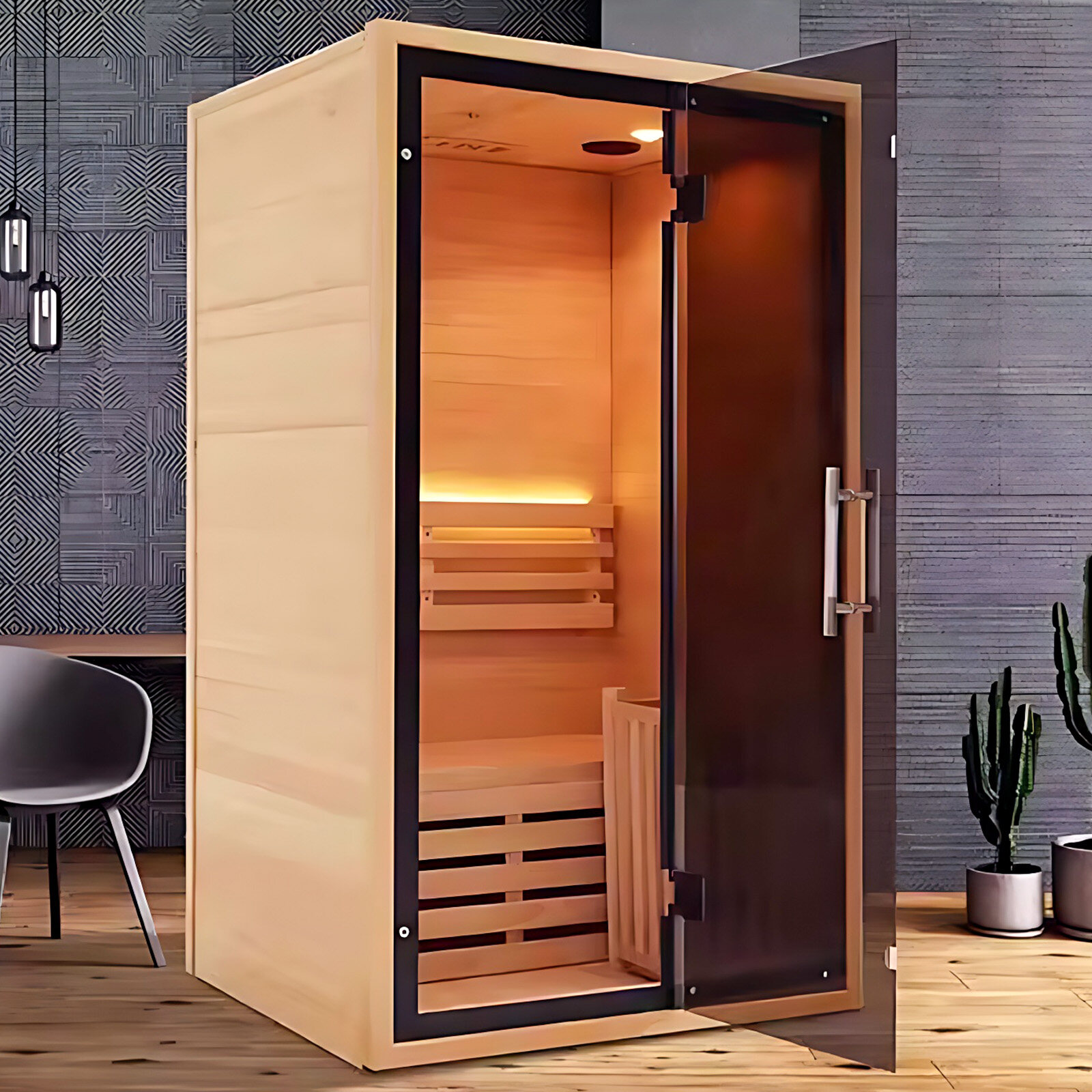
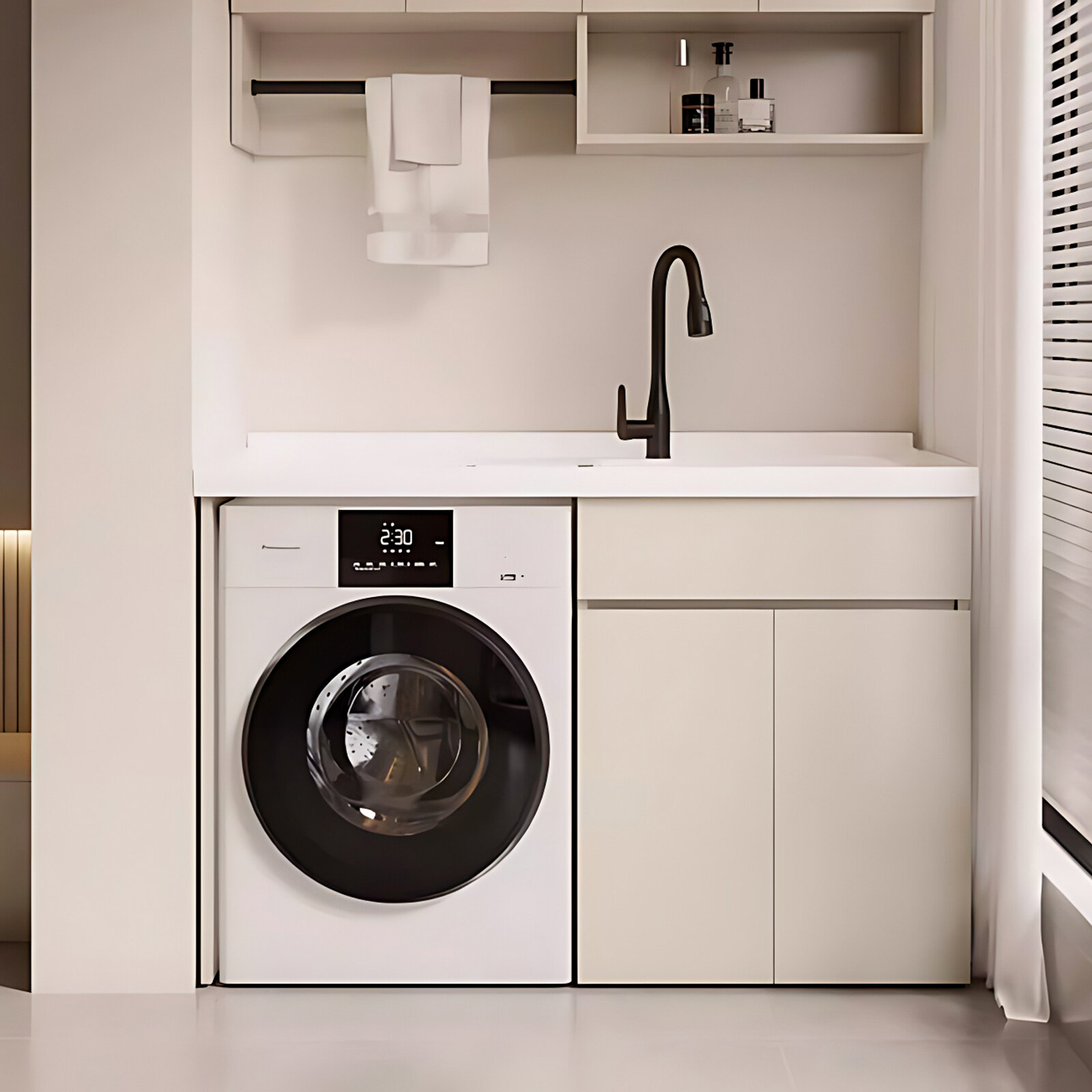
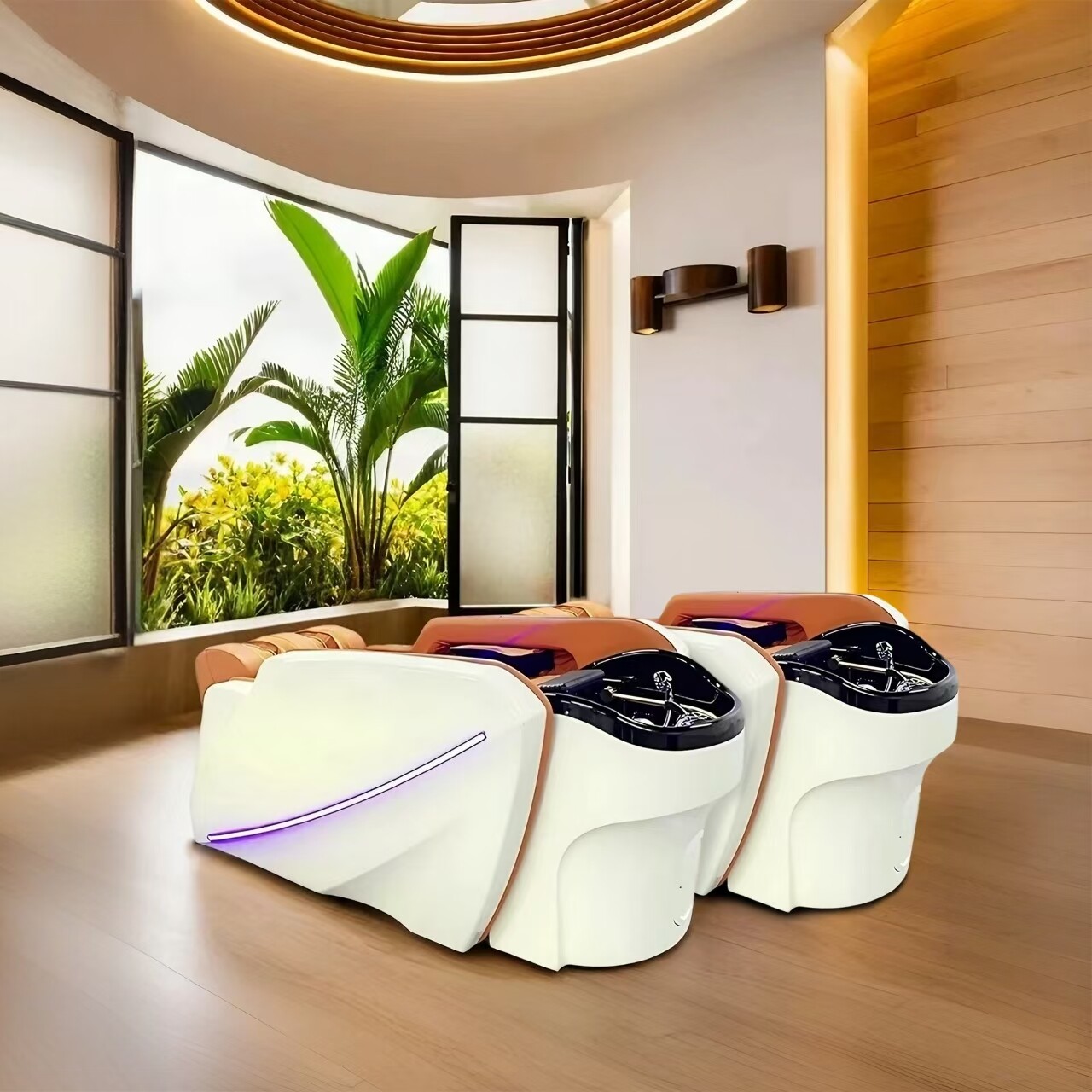
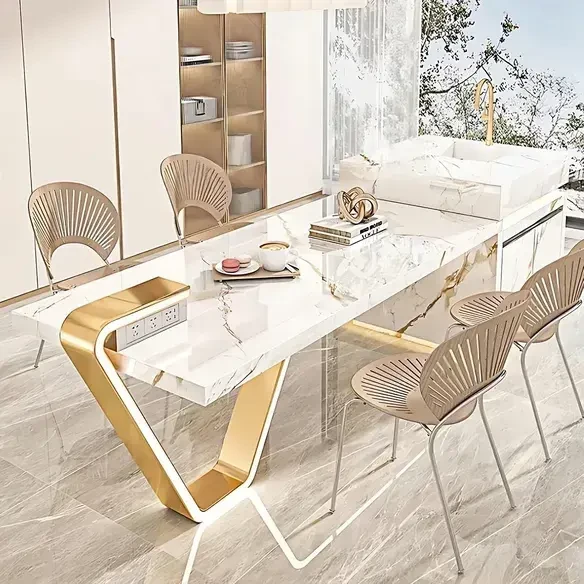
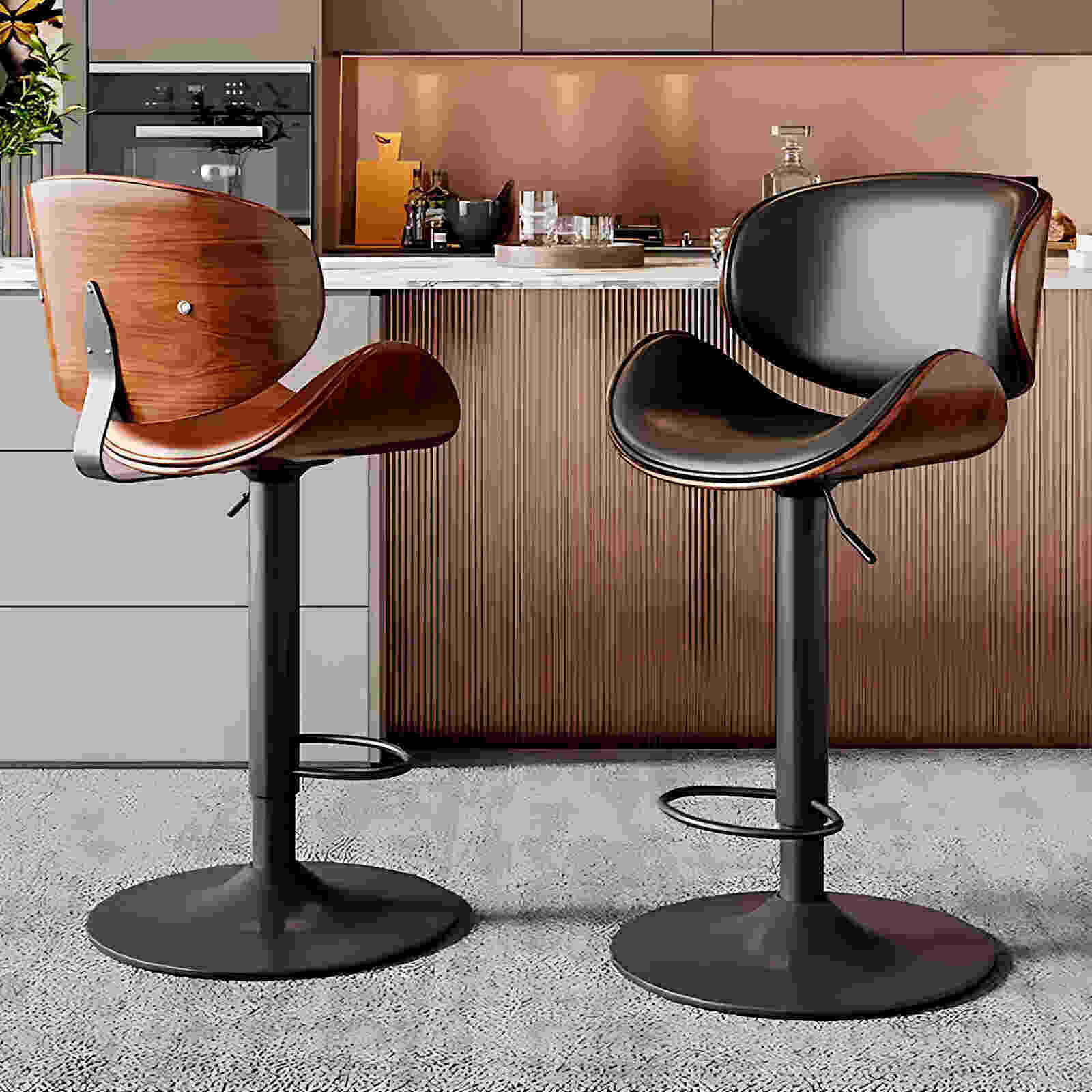
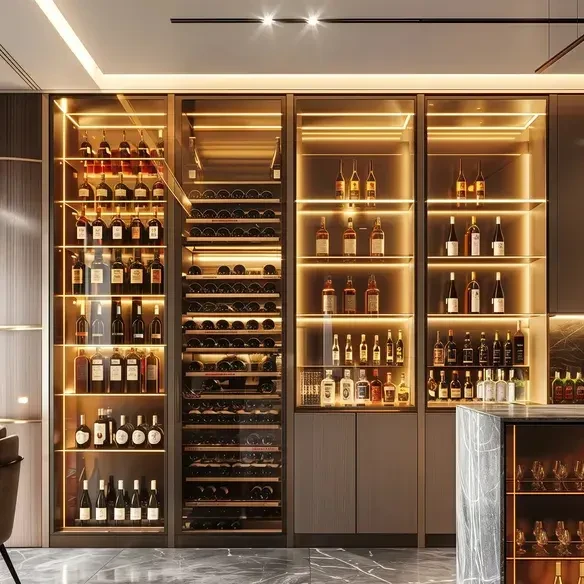


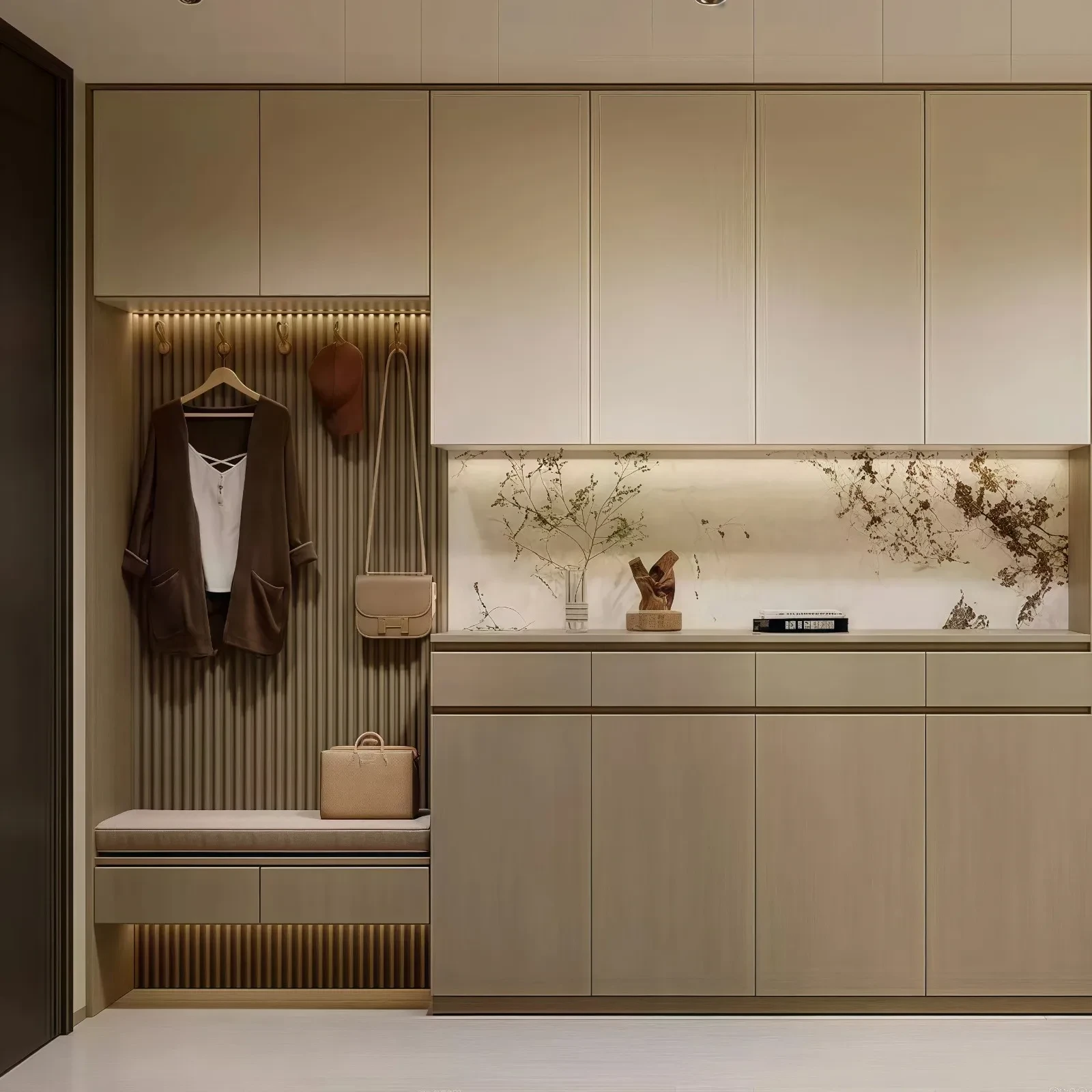
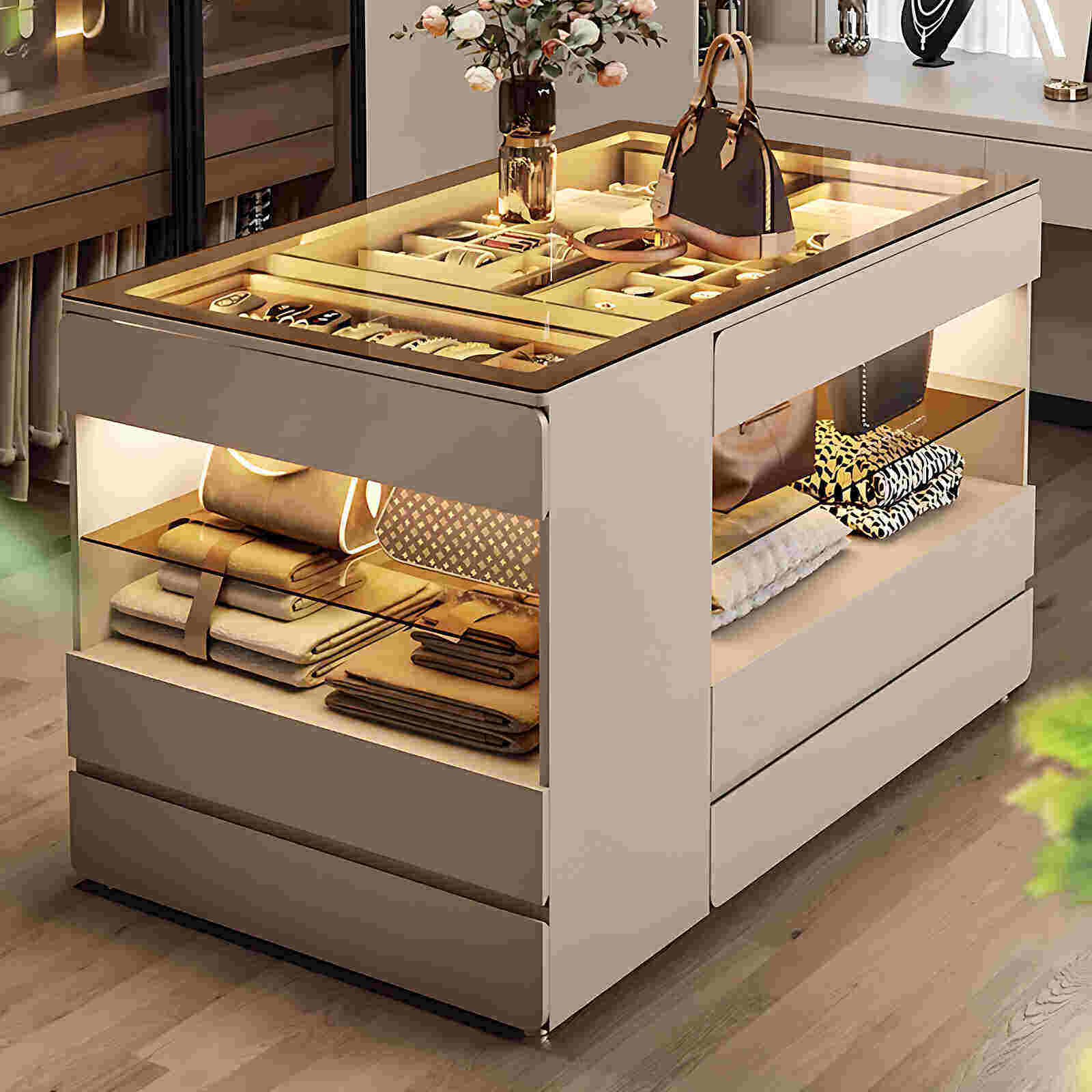
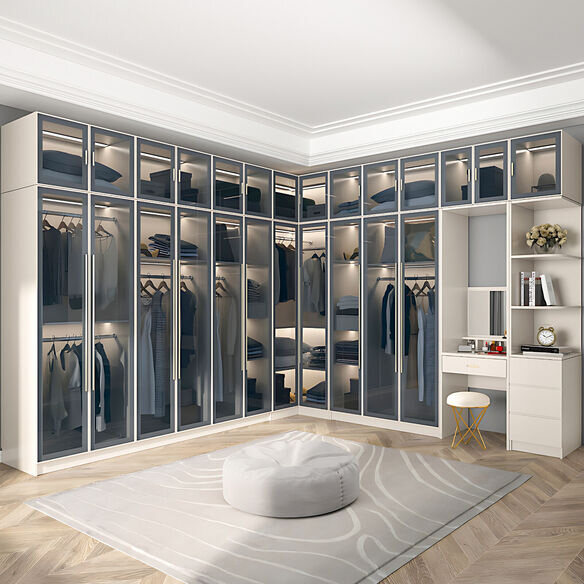


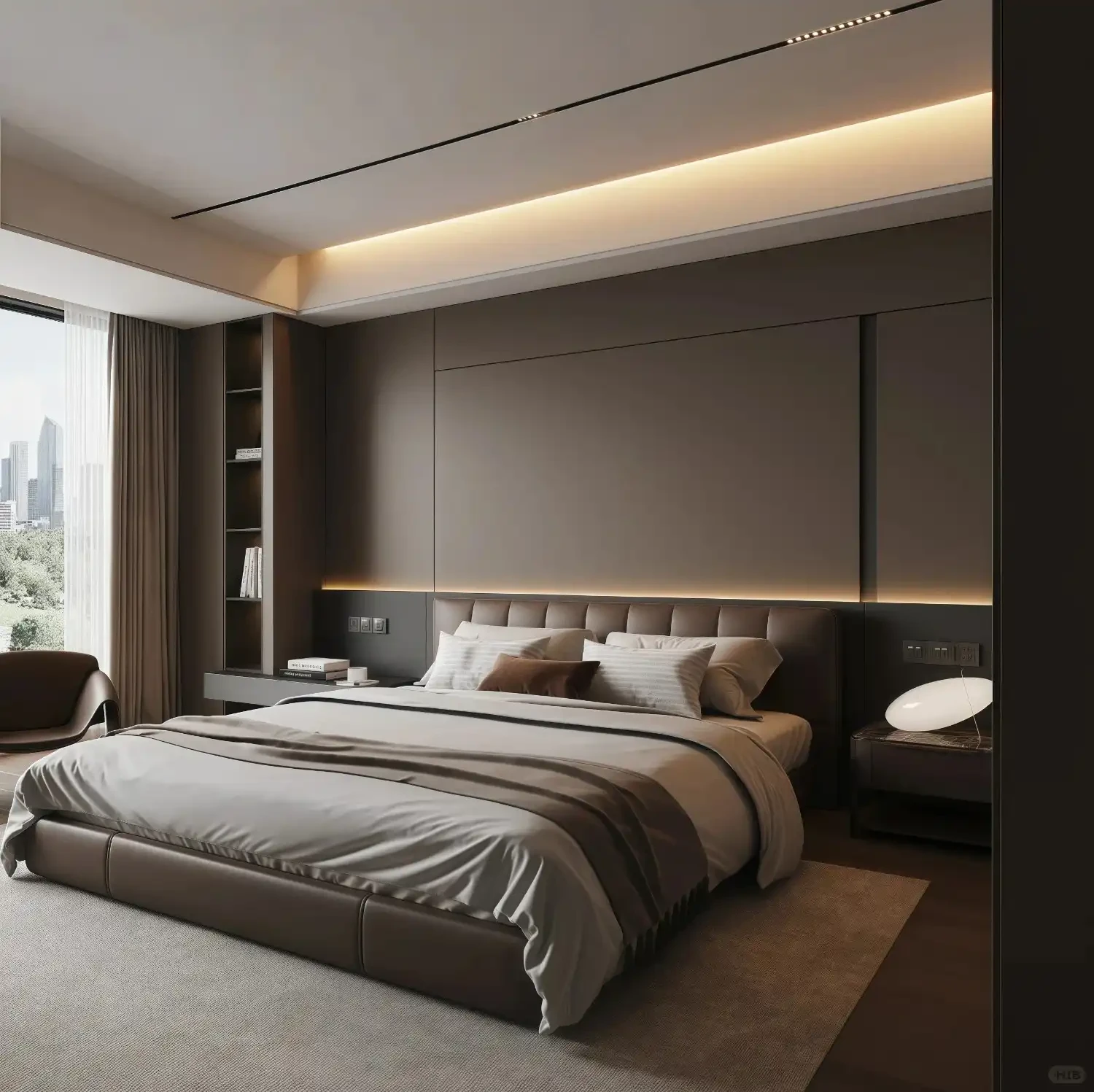
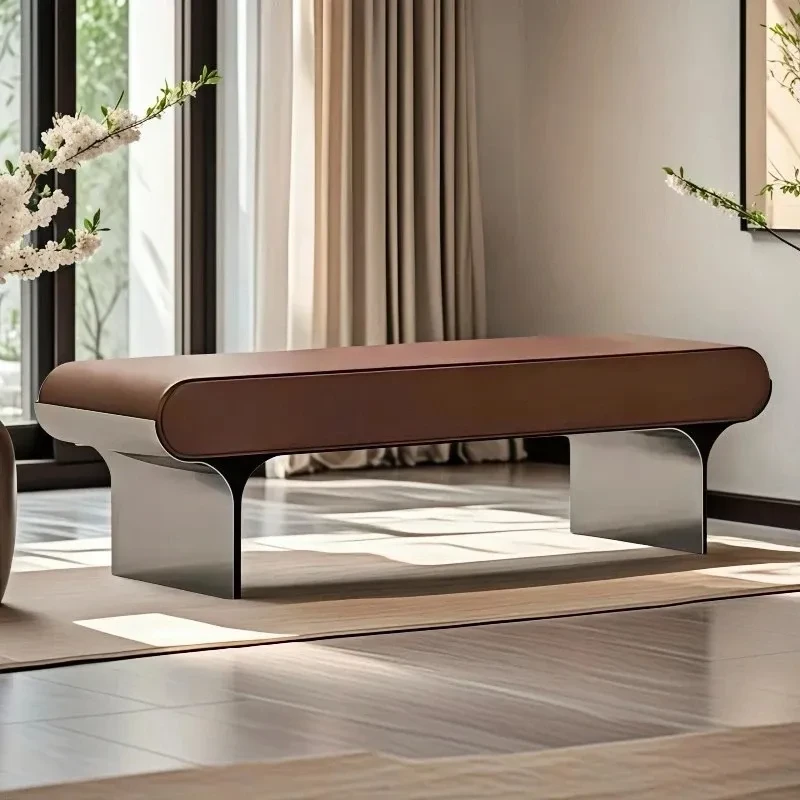
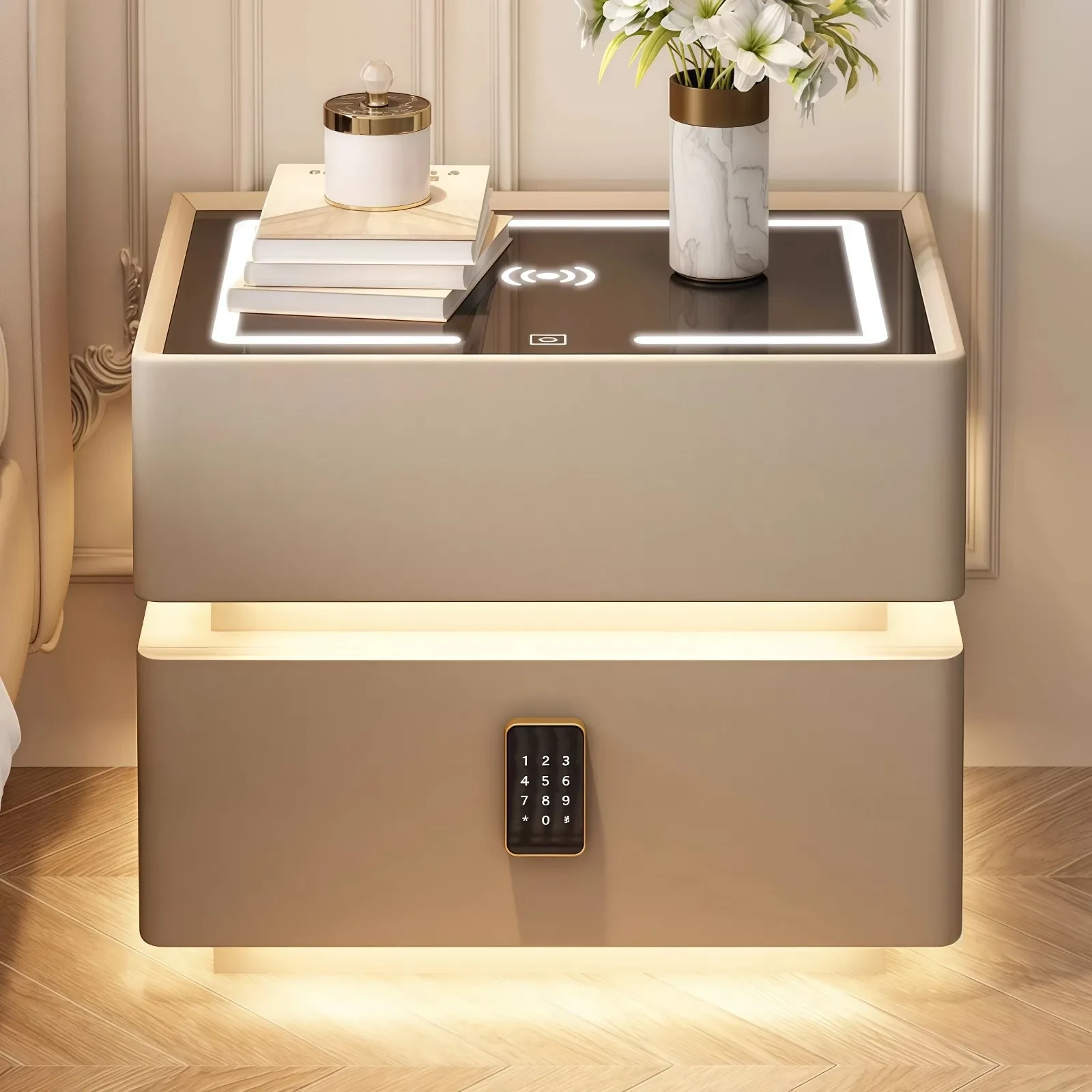
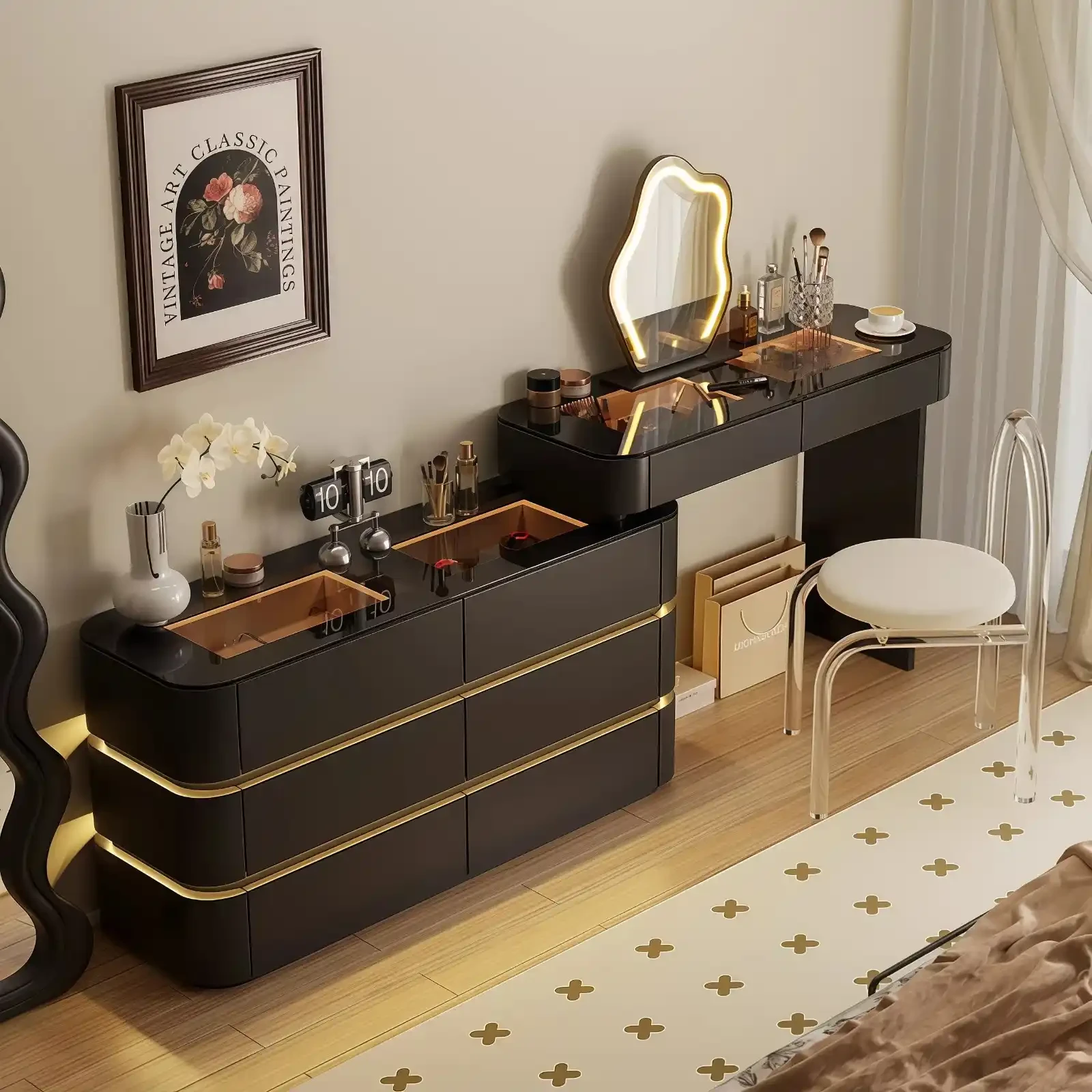
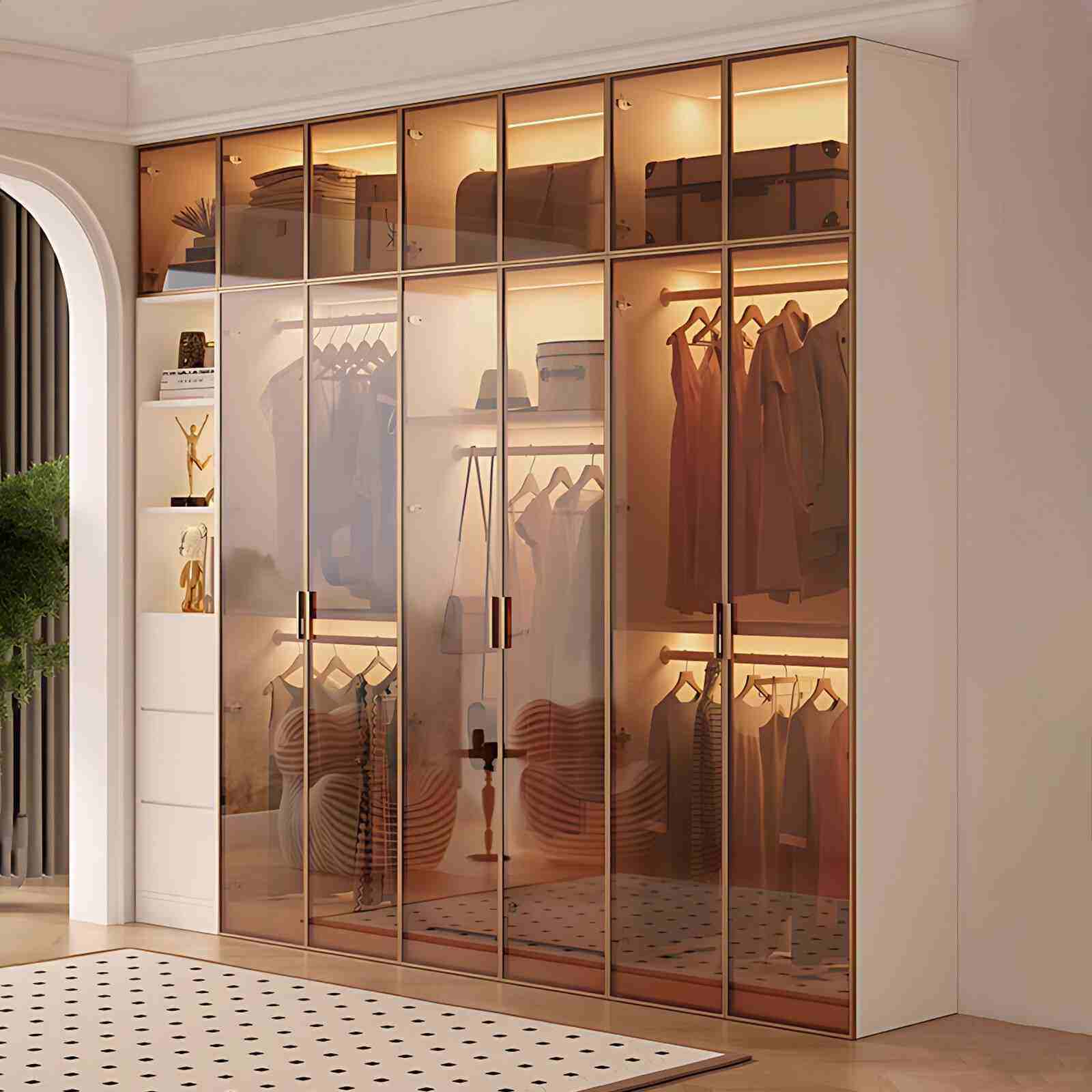
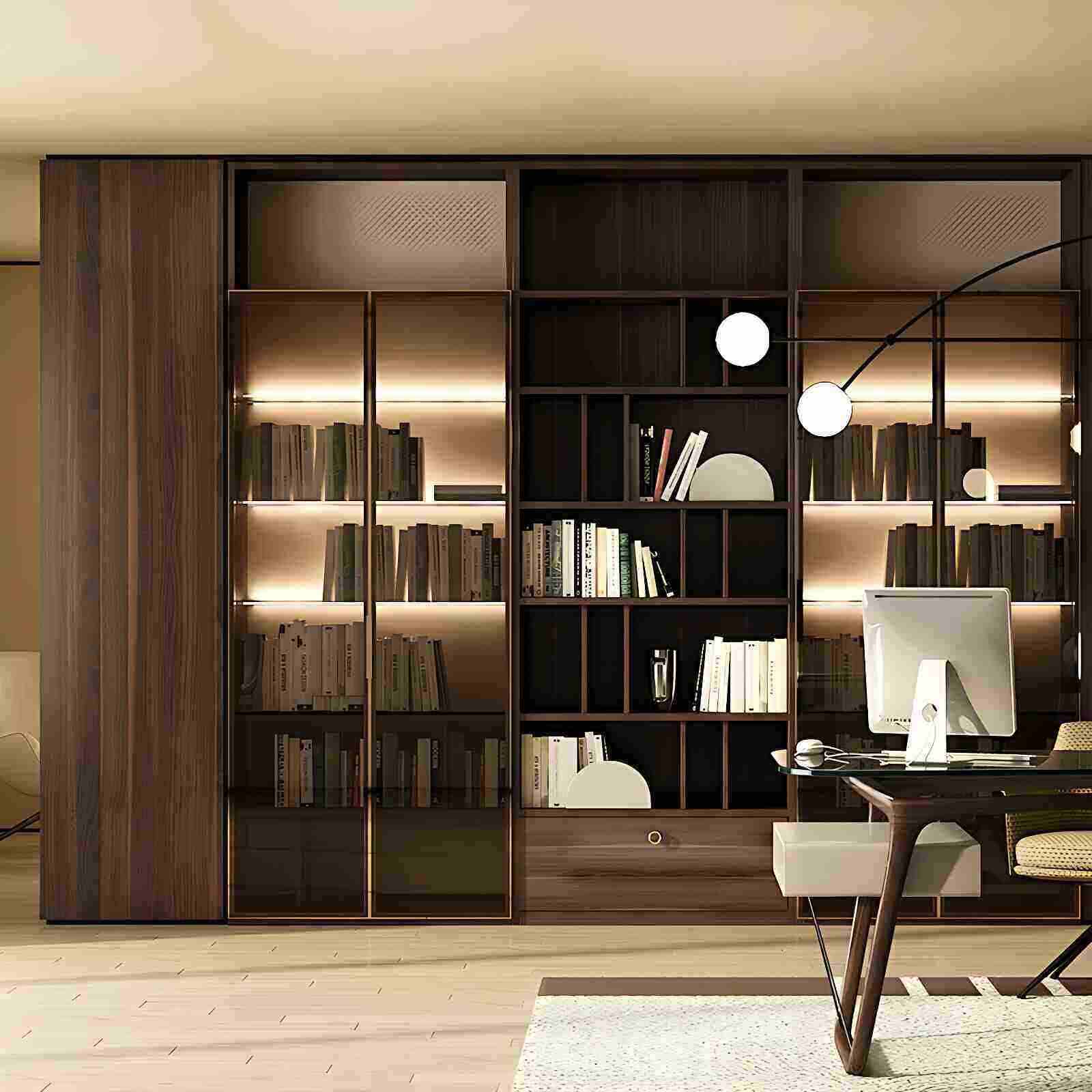

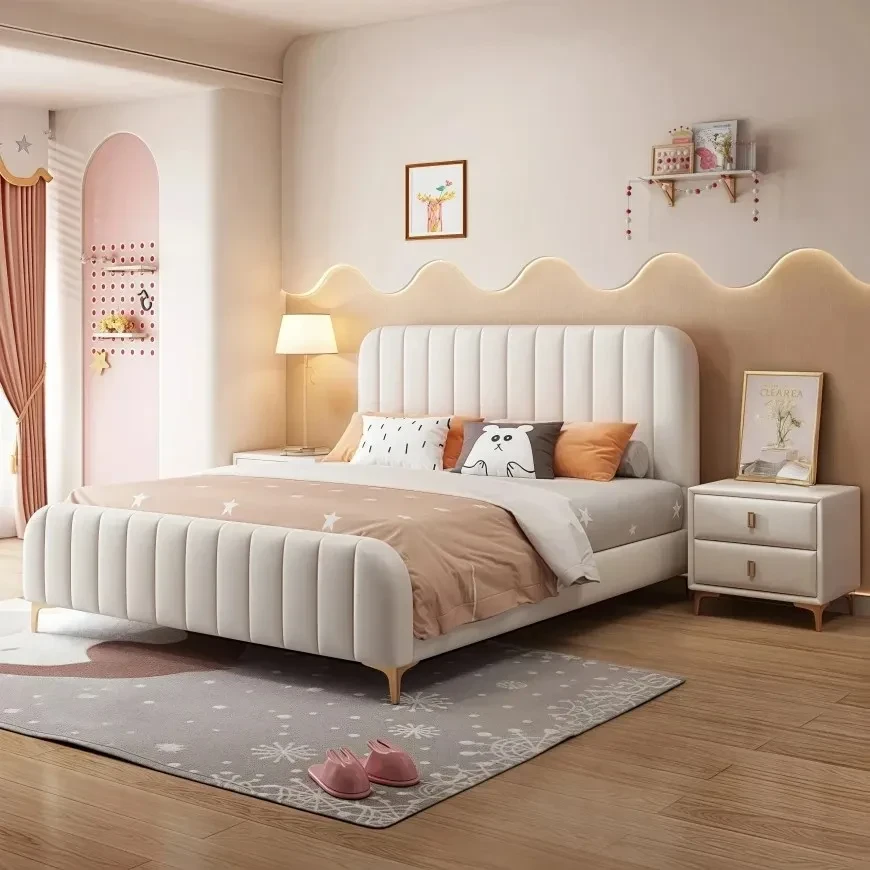
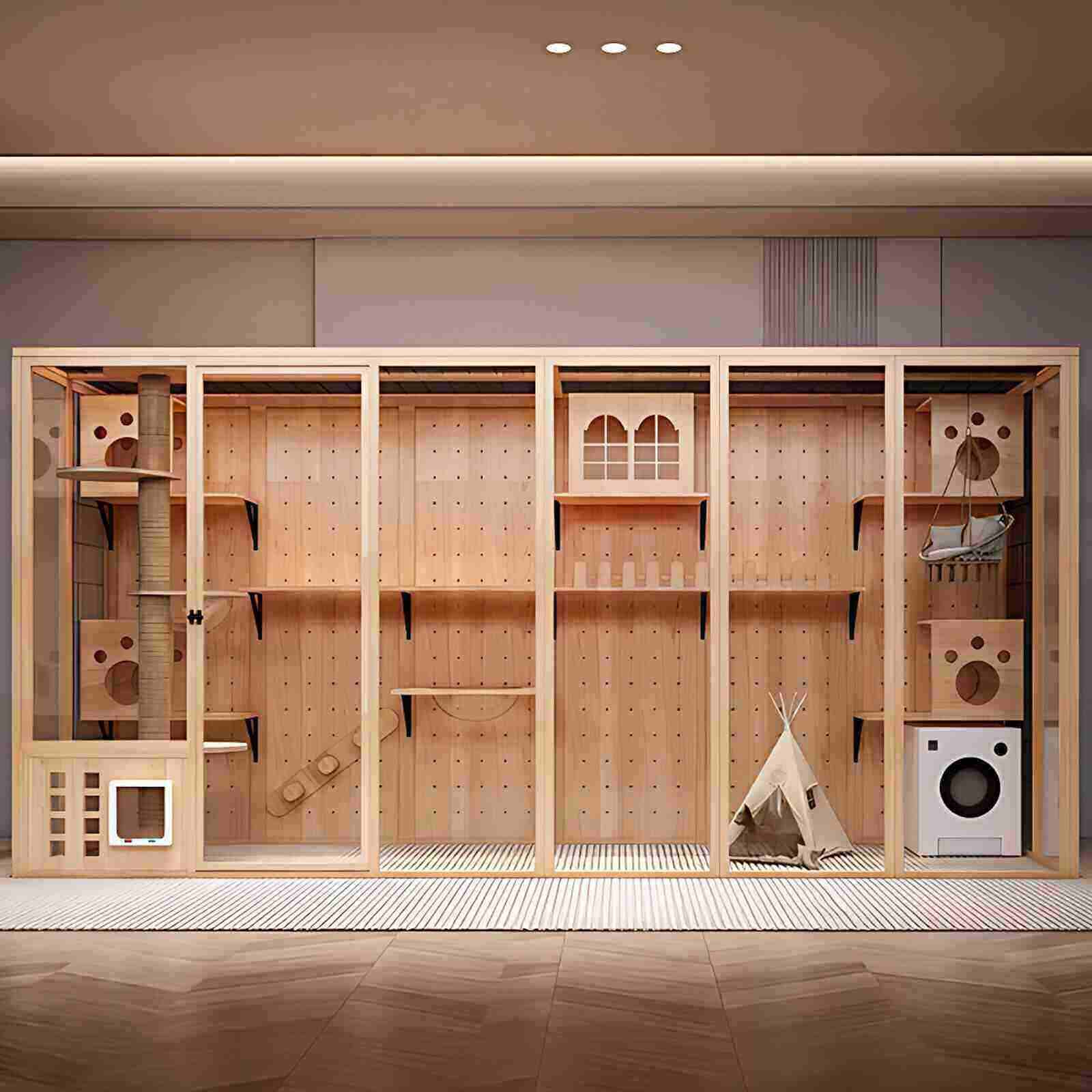
Formaldehyde exceeding the standard is one of the biggest factors affecting health in home life. Furniture boards, as one of the most controversial materials in home furnishings, are often considered an important indicator of indoor health.
Choosing furniture boards is not simply about choosing the type of board:
Furniture boards come in many varieties: particleboard, chipboard, plywood, blockboard, etc. (This classification is based on manufacturing process.)
The most basic classification of furniture boards is based on the manufacturing process, and this premise mainly determines the physical properties of the boards, such as nail holding power and torsional strength.
Therefore, when choosing environmentally friendly furniture boards, one cannot categorize them based on the type of board.
The two main factors that determine the environmental friendliness of wood panels are: wood and adhesives.
Formaldehyde is a colorless gas with a pungent odor. Generally, naturally grown wood contains trace amounts of formaldehyde. The formaldehyde content varies among different types of trees. Therefore, in the production of wood-based panels, it is essential to select wood based not only on its physical properties but also on its formaldehyde content (which is relatively small and often overlooked by many manufacturers).
The adhesive used in wood-based panels is a major factor determining their environmental friendliness. This explains the market claims that "where there's adhesive, there's formaldehyde" and "the more adhesive used, the more polluting," because the evolution of adhesives has gone through a process of: environmental protection - pollution - and then back to environmental protection. Most consumers only understand the middle stage.
In the previous article, the history of adhesives was presented, from the earliest bone glue to the later trialdehyde glue, and so on.
In the current field of wood-based panel adhesives, there is already an environmentally friendly protein adhesive that is formaldehyde-free and benzene-free. The application of such a formaldehyde-free adhesive in the production of wood-based panels will completely overturn people's idea that "if there is adhesive, there is formaldehyde".
Does using a large amount of glue necessarily mean it's not environmentally friendly? Is particleboard more polluting than plywood? Not necessarily. When using formaldehyde-free glue, all types of boards can meet healthy and environmentally friendly standards. (Formaldehyde-free glue neutralizes some of the formaldehyde naturally present in the wood during use.)
Undeniably, in the early stages of the market, the research and development costs and material costs of formaldehyde-free adhesives led to higher product prices compared to commonly used urea-formaldehyde adhesives. (This is one of the reasons why many wood-based panels still exceed formaldehyde standards.)
Solving the environmental problems of furniture boards is the most important task for the home furnishing industry at present. Every year, the harm and losses caused by excessive formaldehyde levels are enormous nationwide. In the past two years alone, thousands of companies across the country have been shut down due to the production of polluting boards.
We are leading the way in environmentally friendly wood-based panels. We welcome all wood-based panel manufacturers to use formaldehyde-free adhesives, adding a touch of green to the furniture panel industry and enhancing the health of our homes.