
 USD
USD GBP
GBP
 EUR
EUR
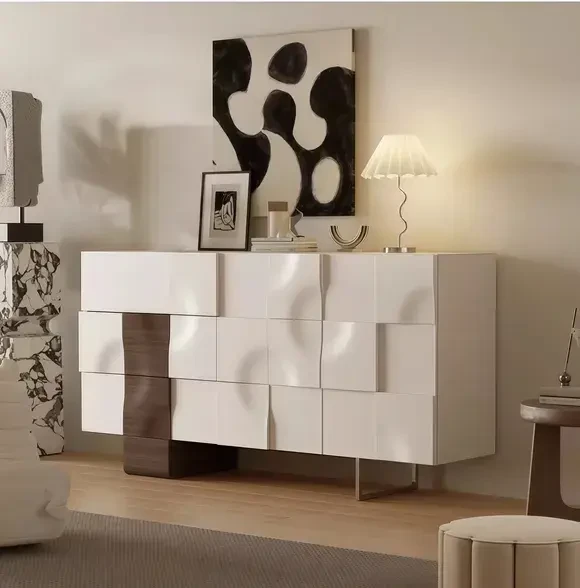
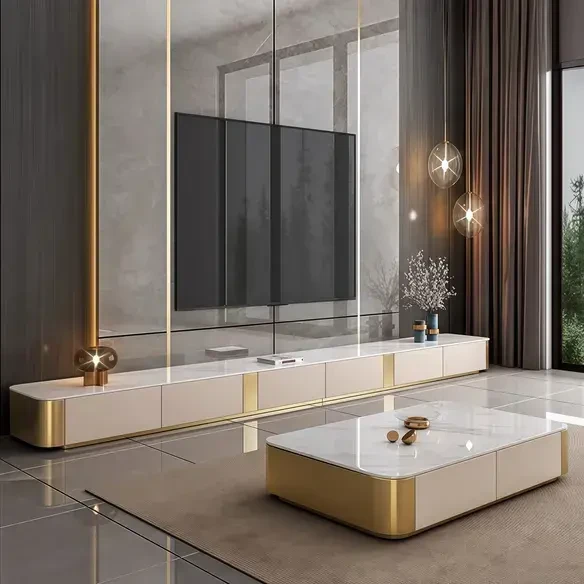
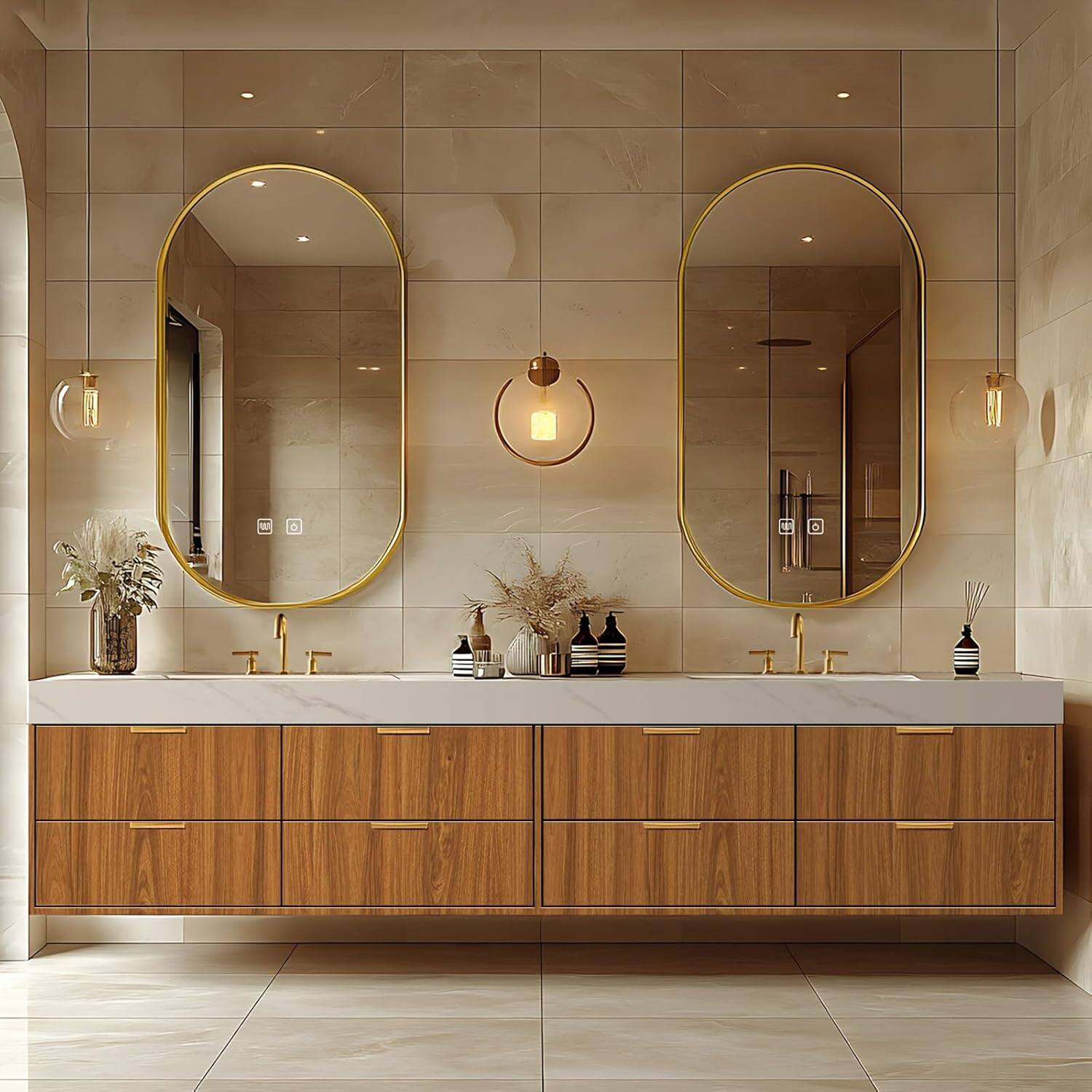
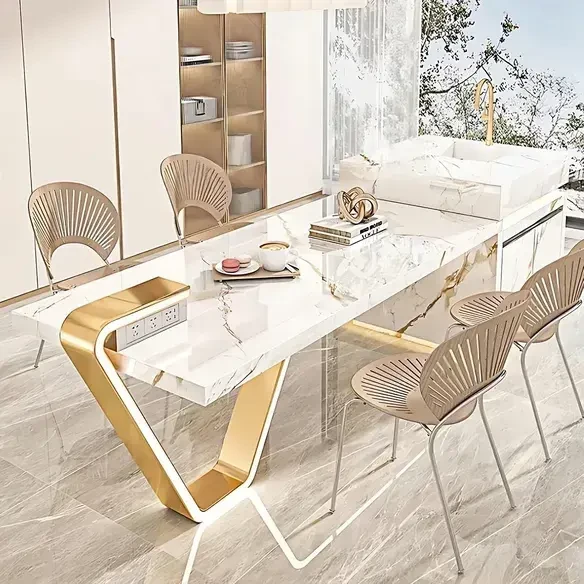
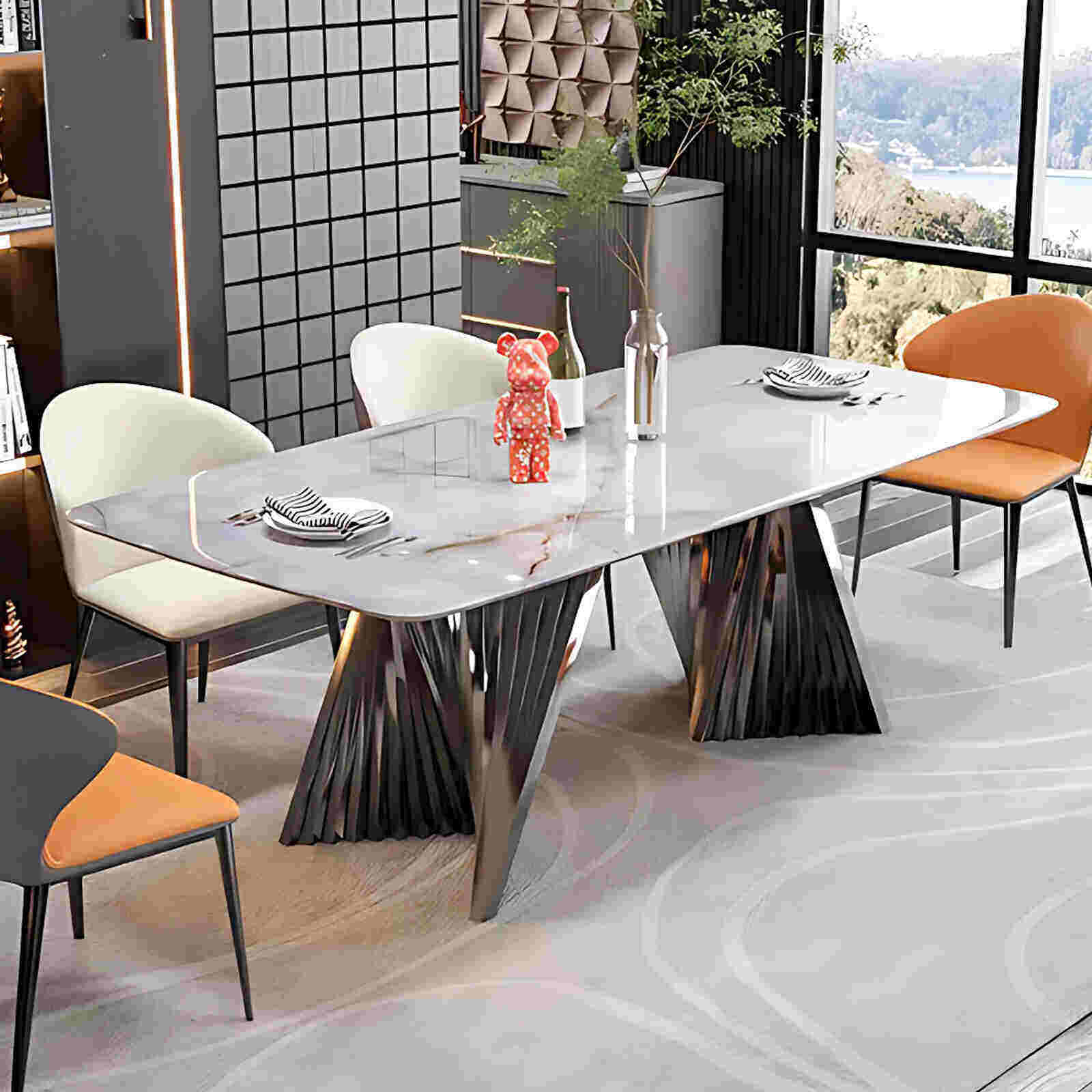
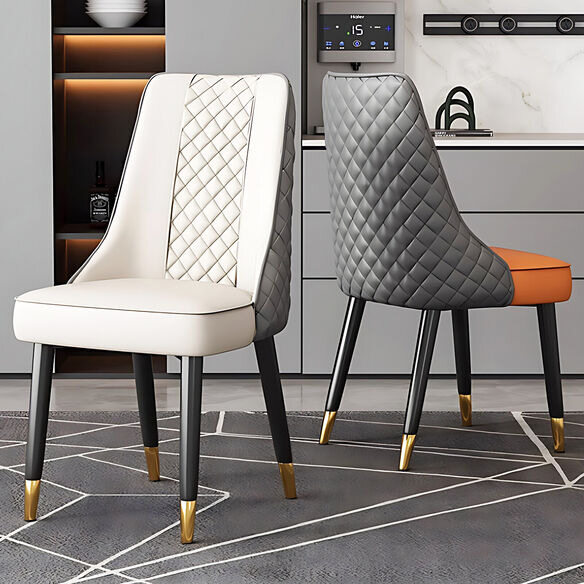
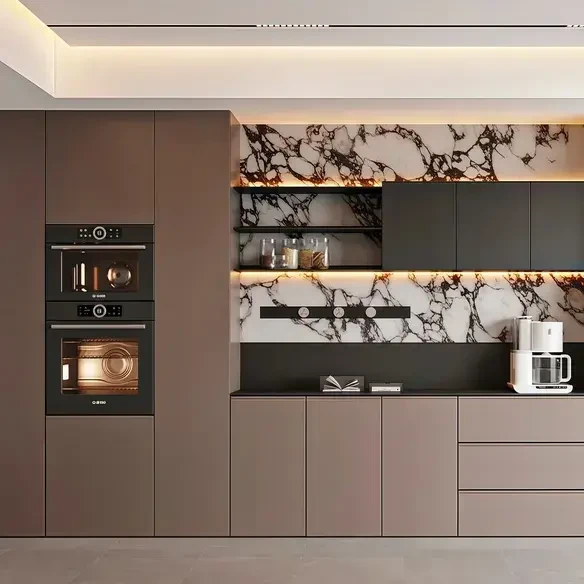
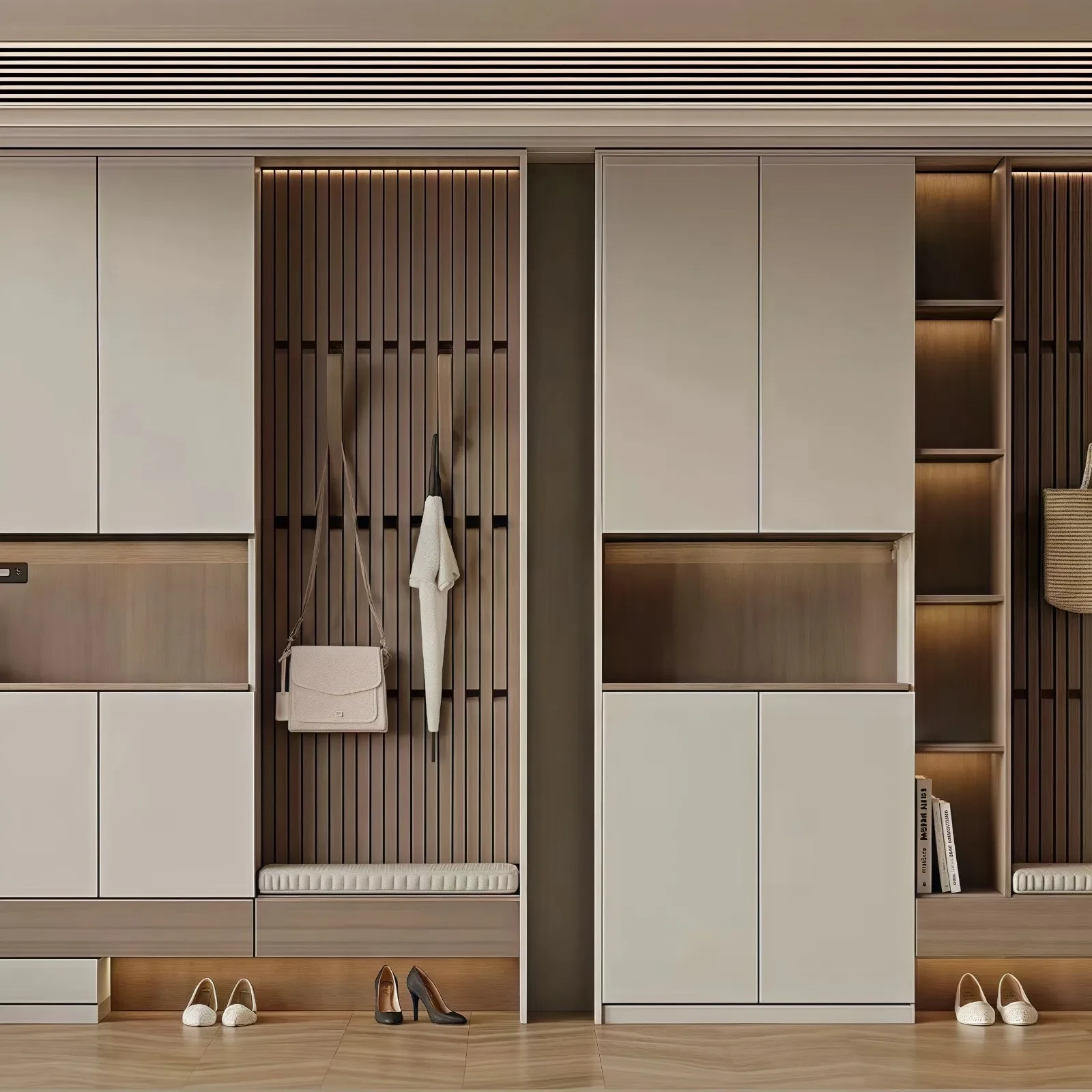
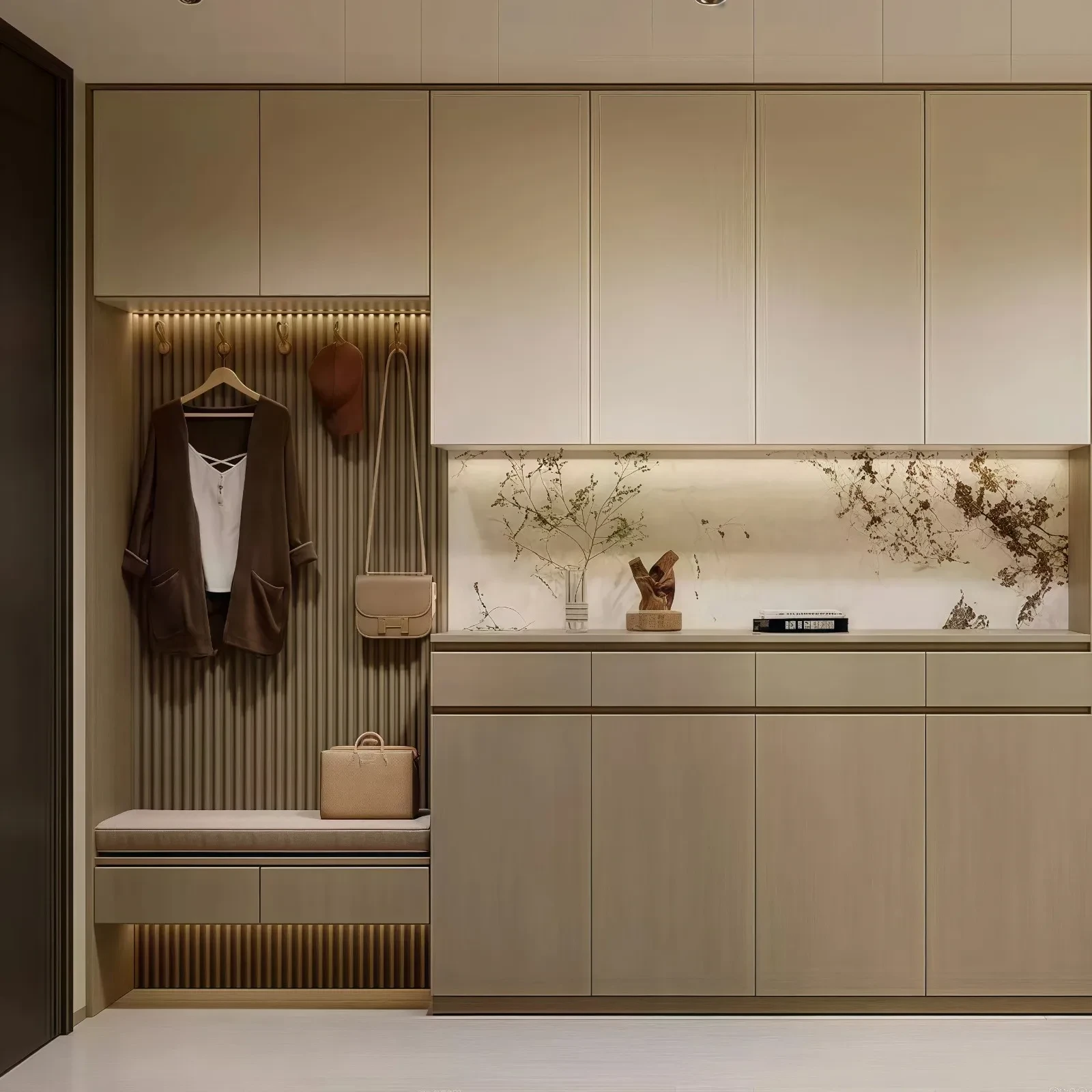
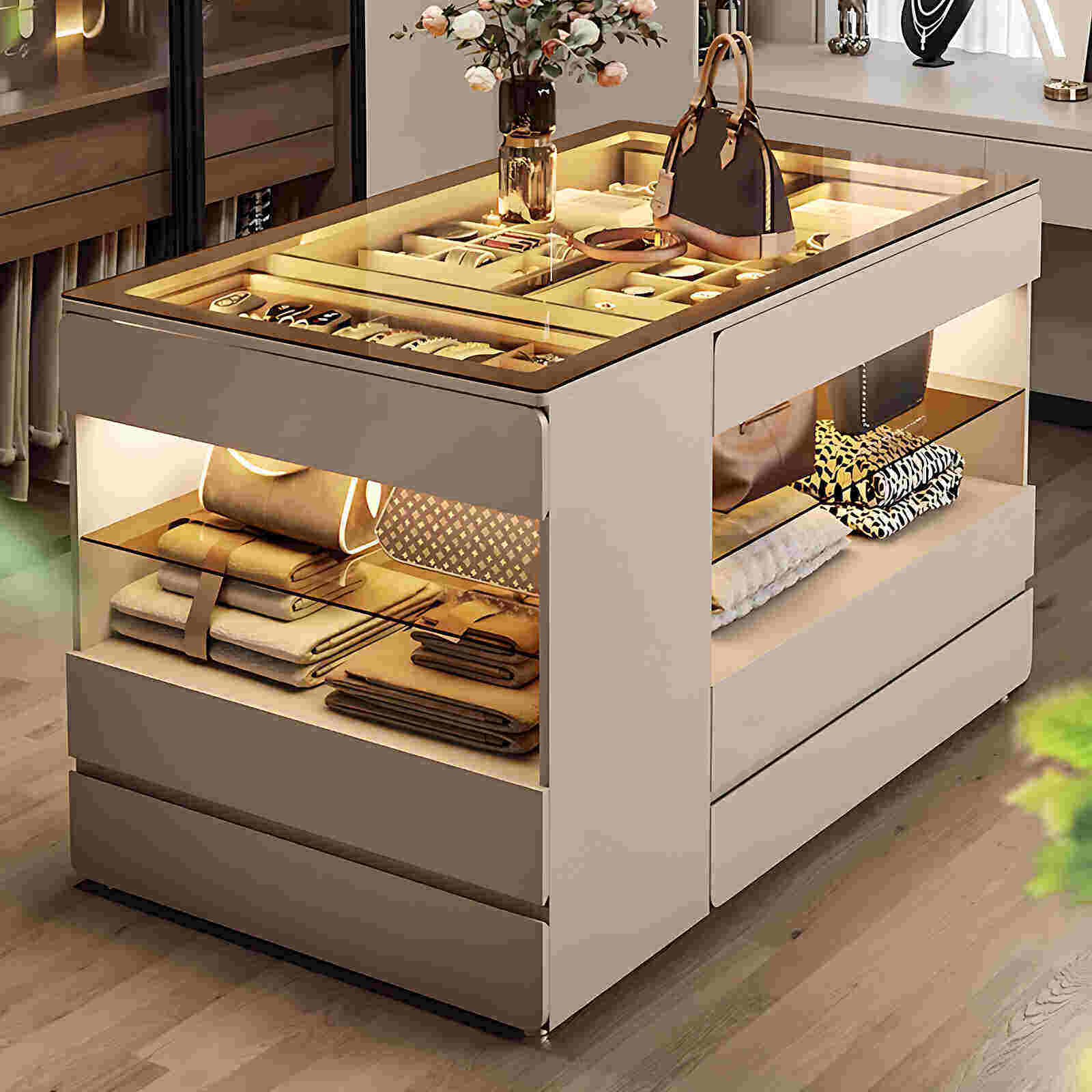
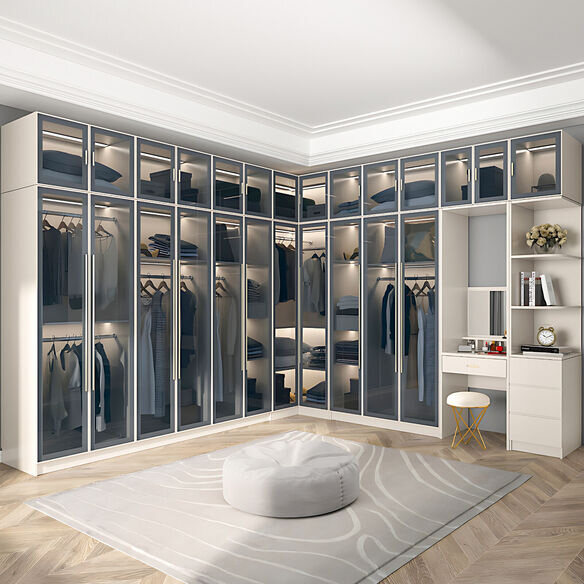
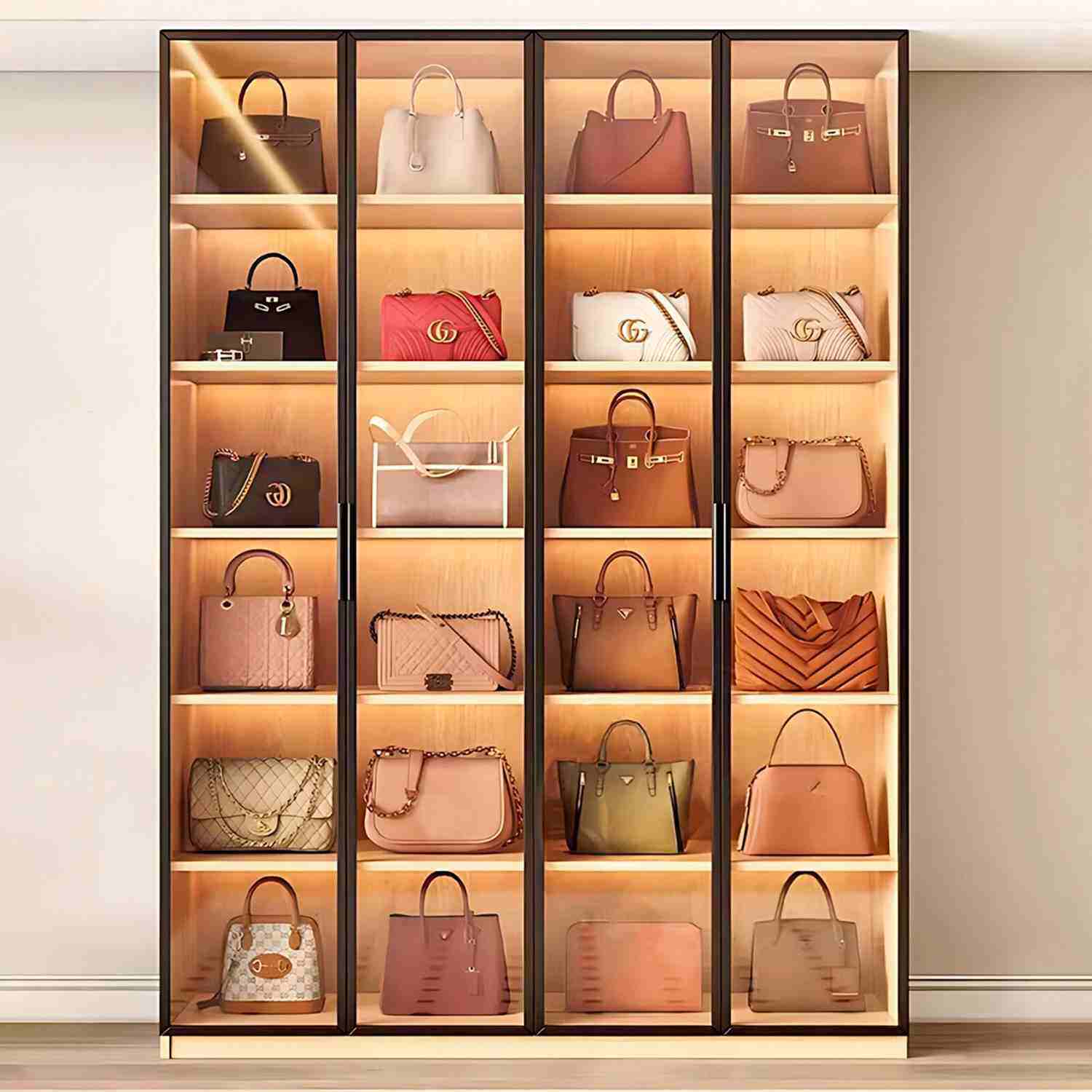
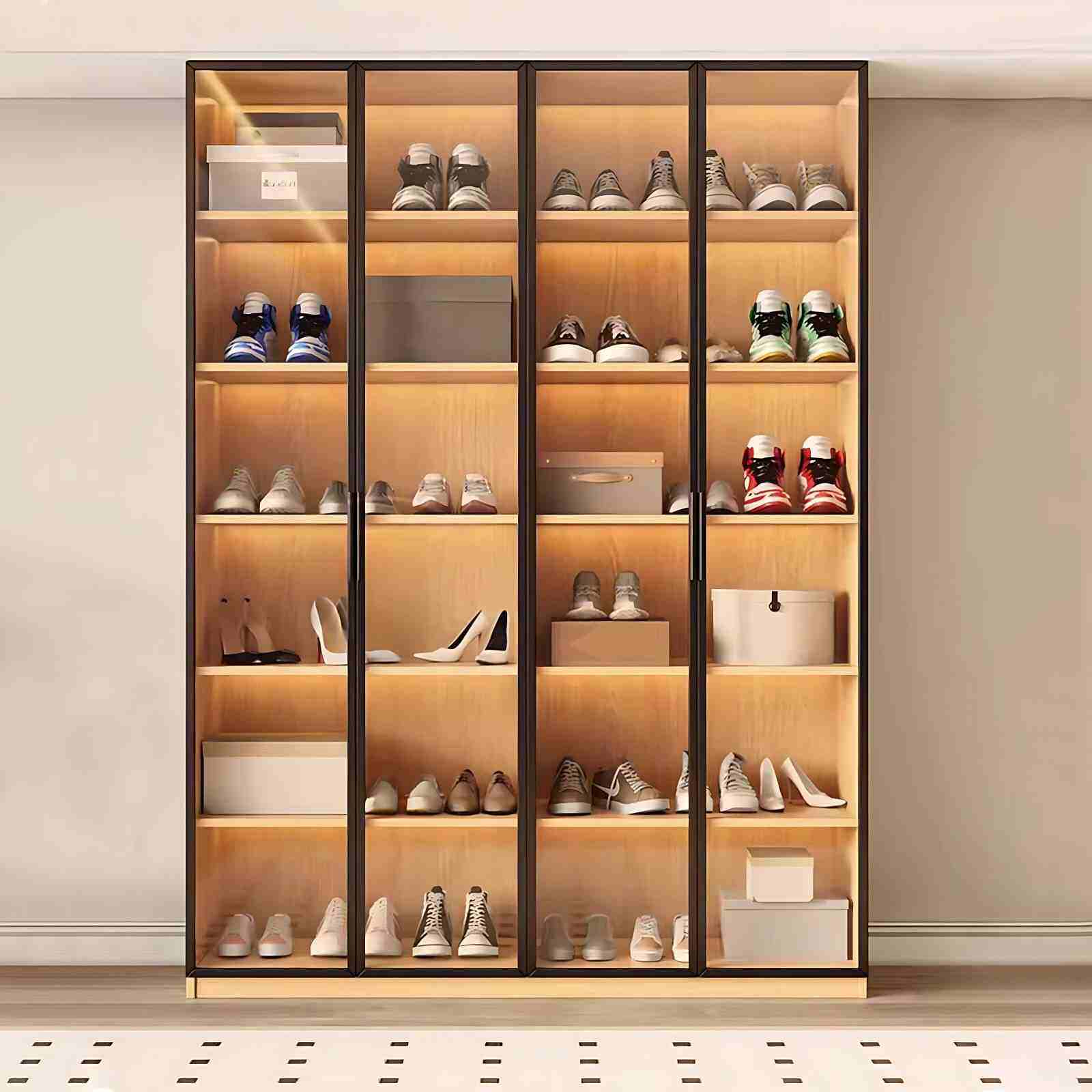
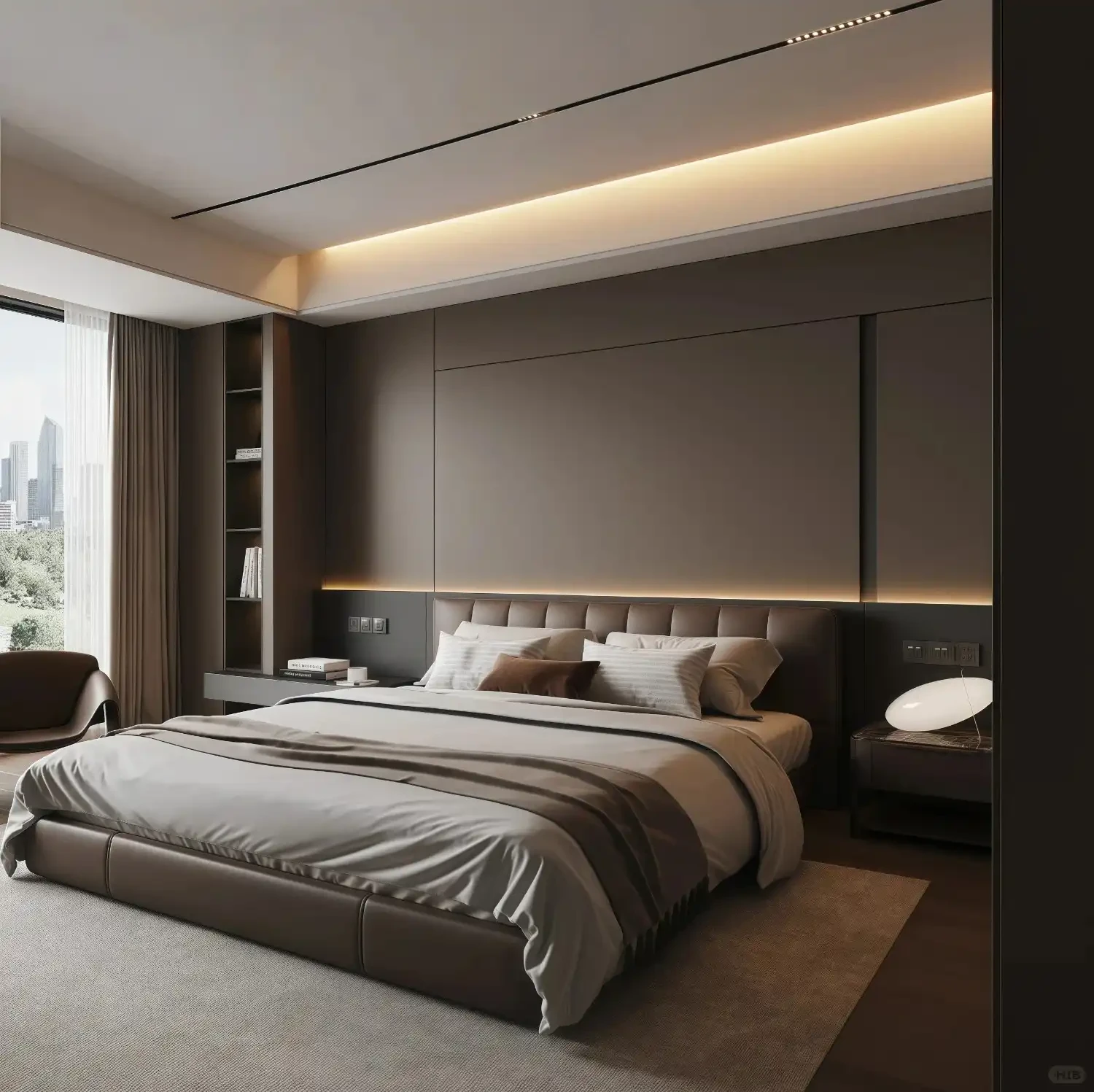
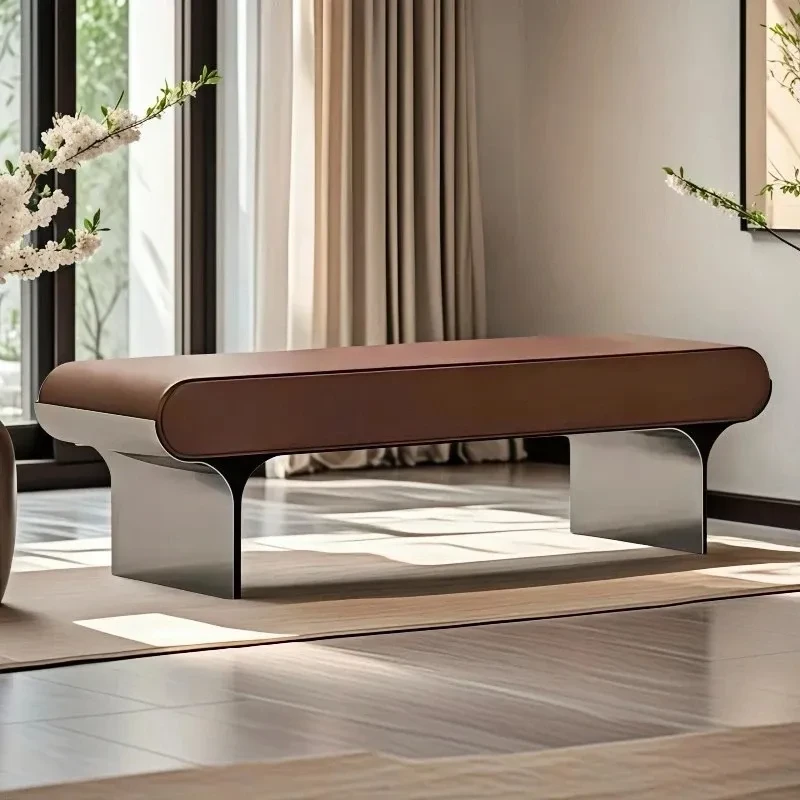
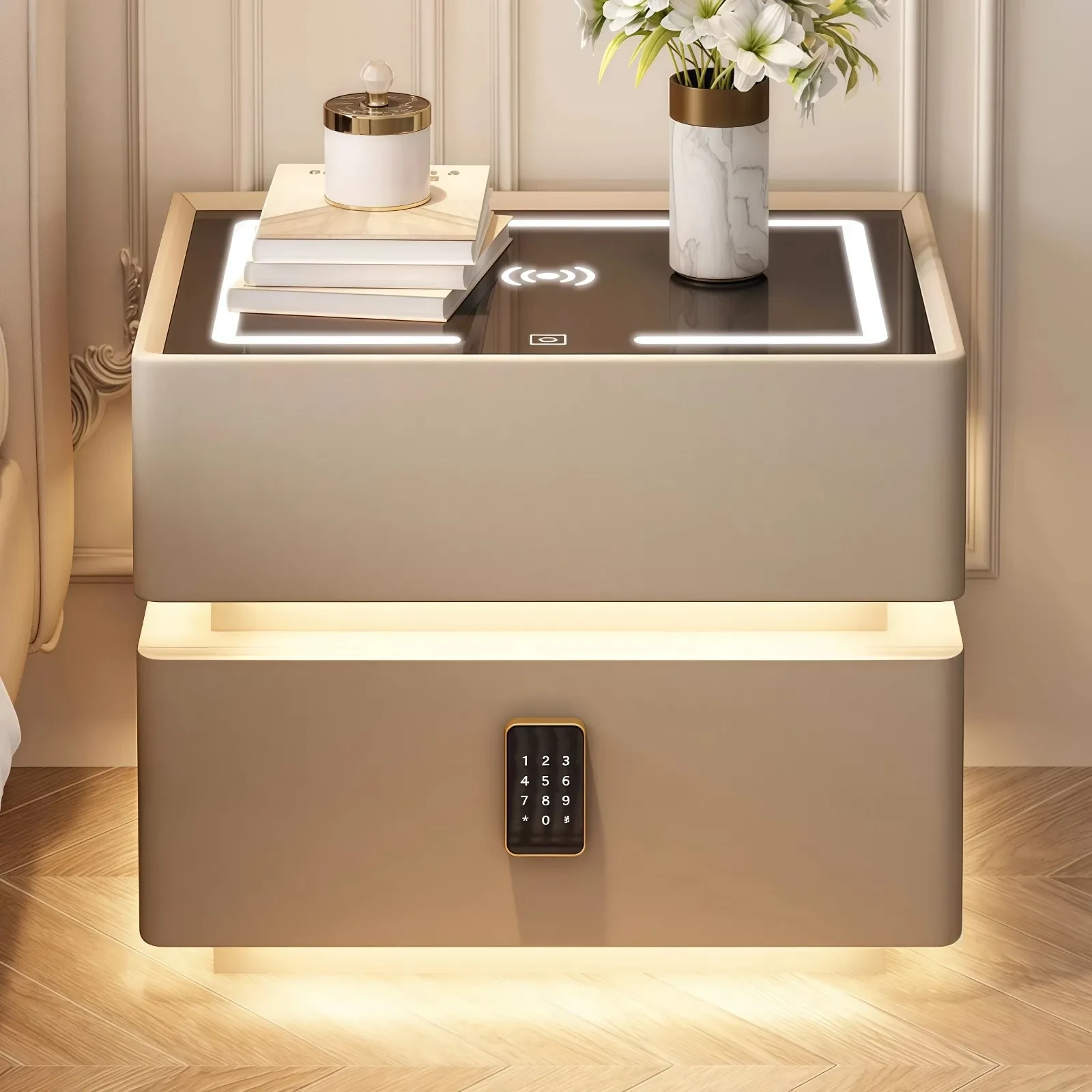
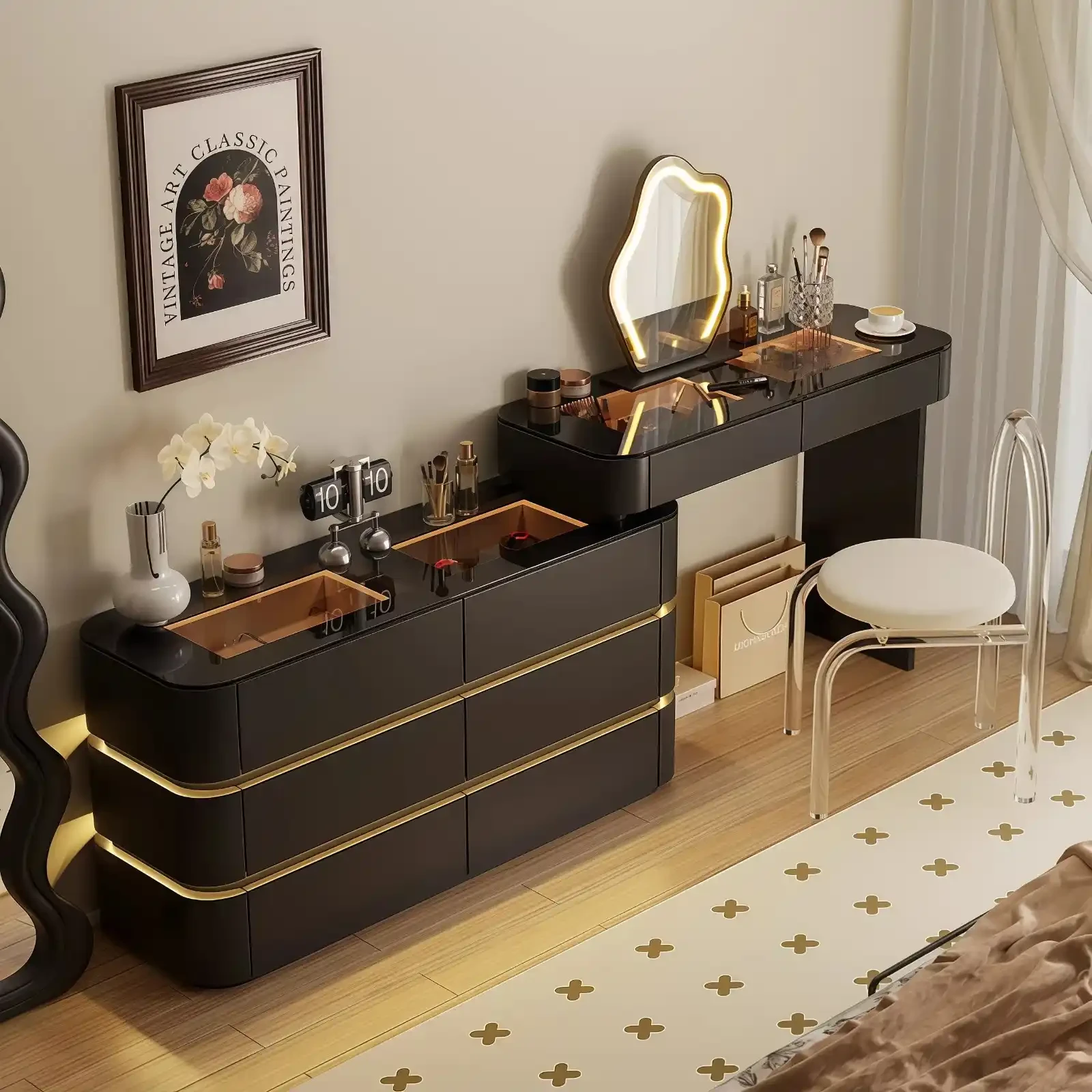
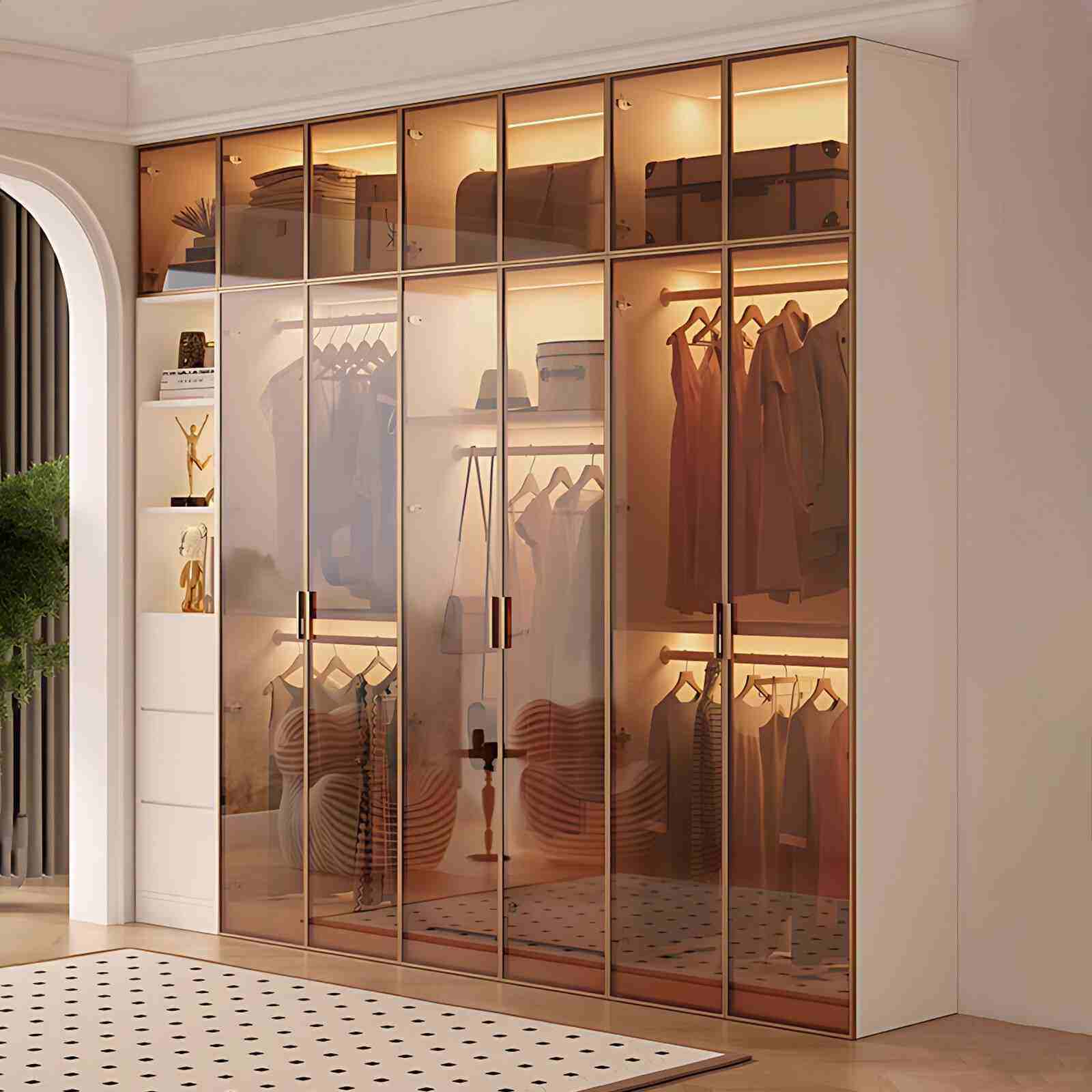
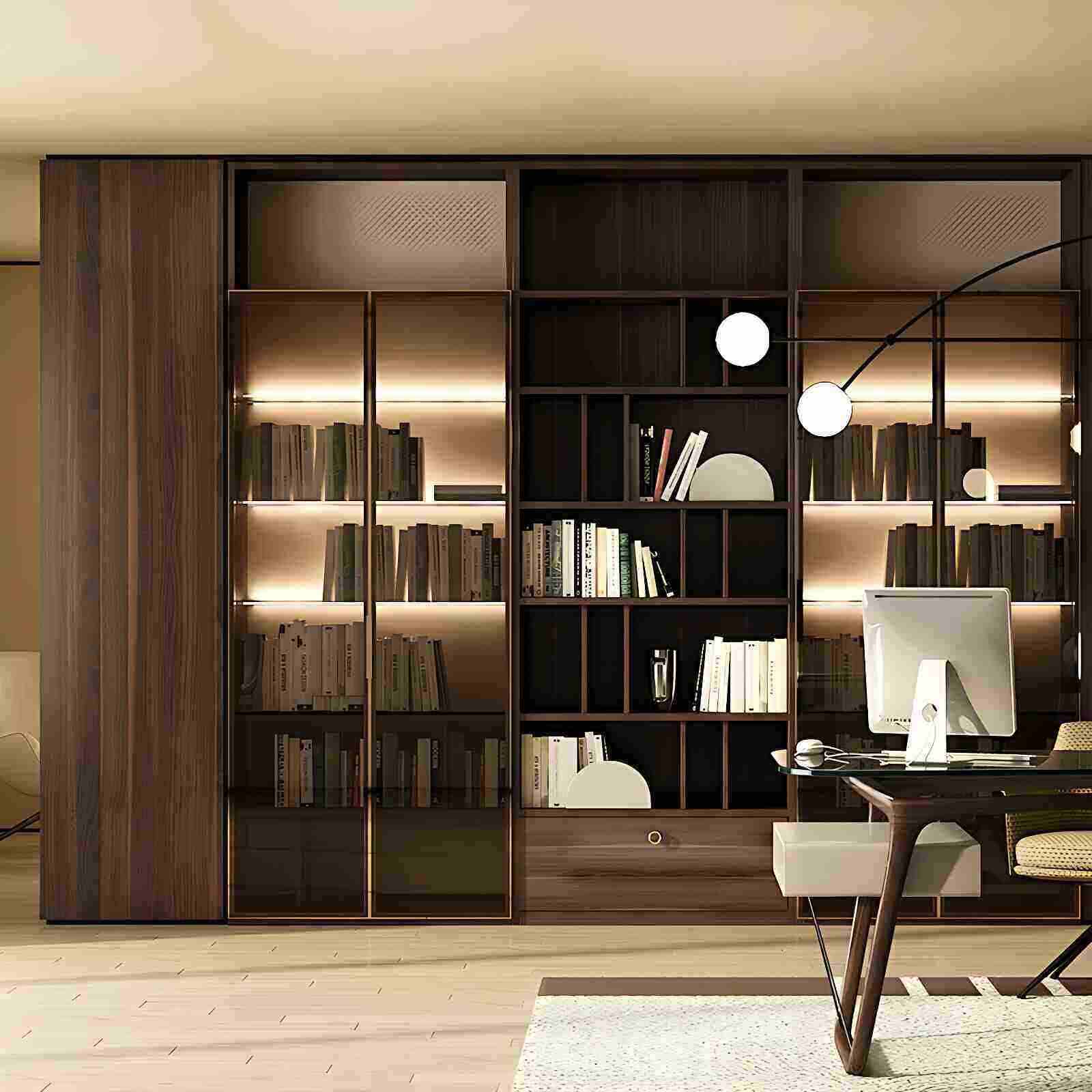
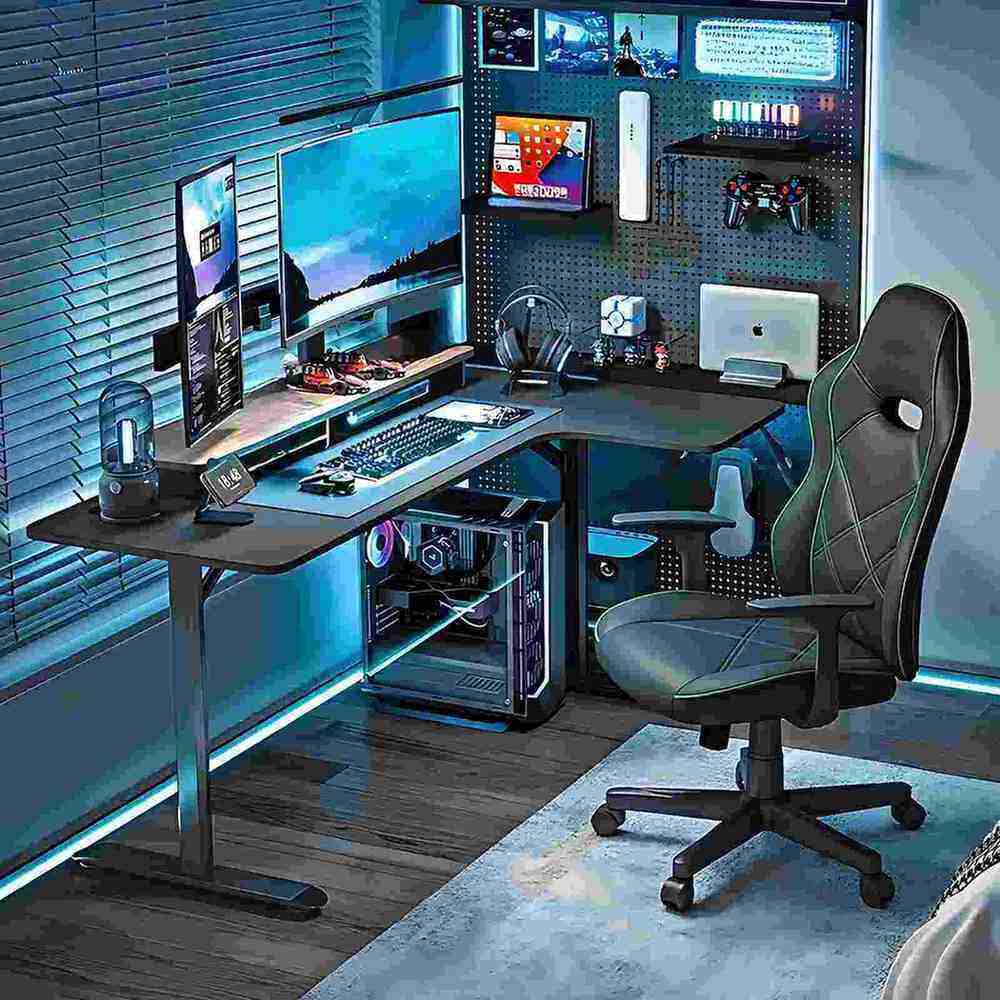
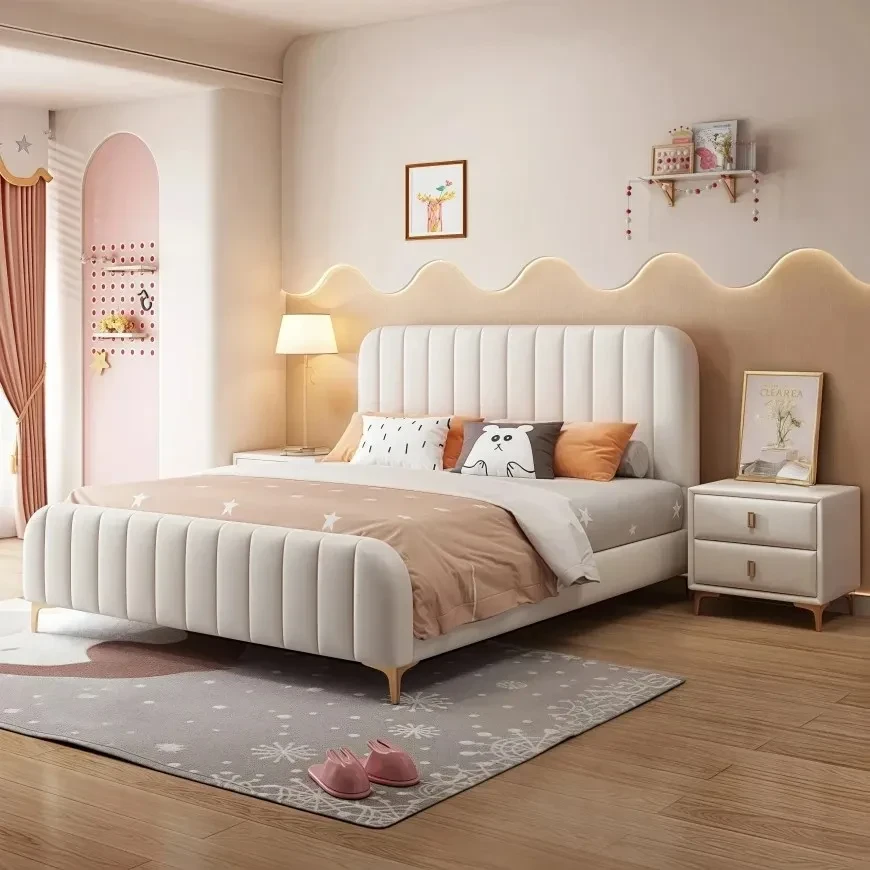
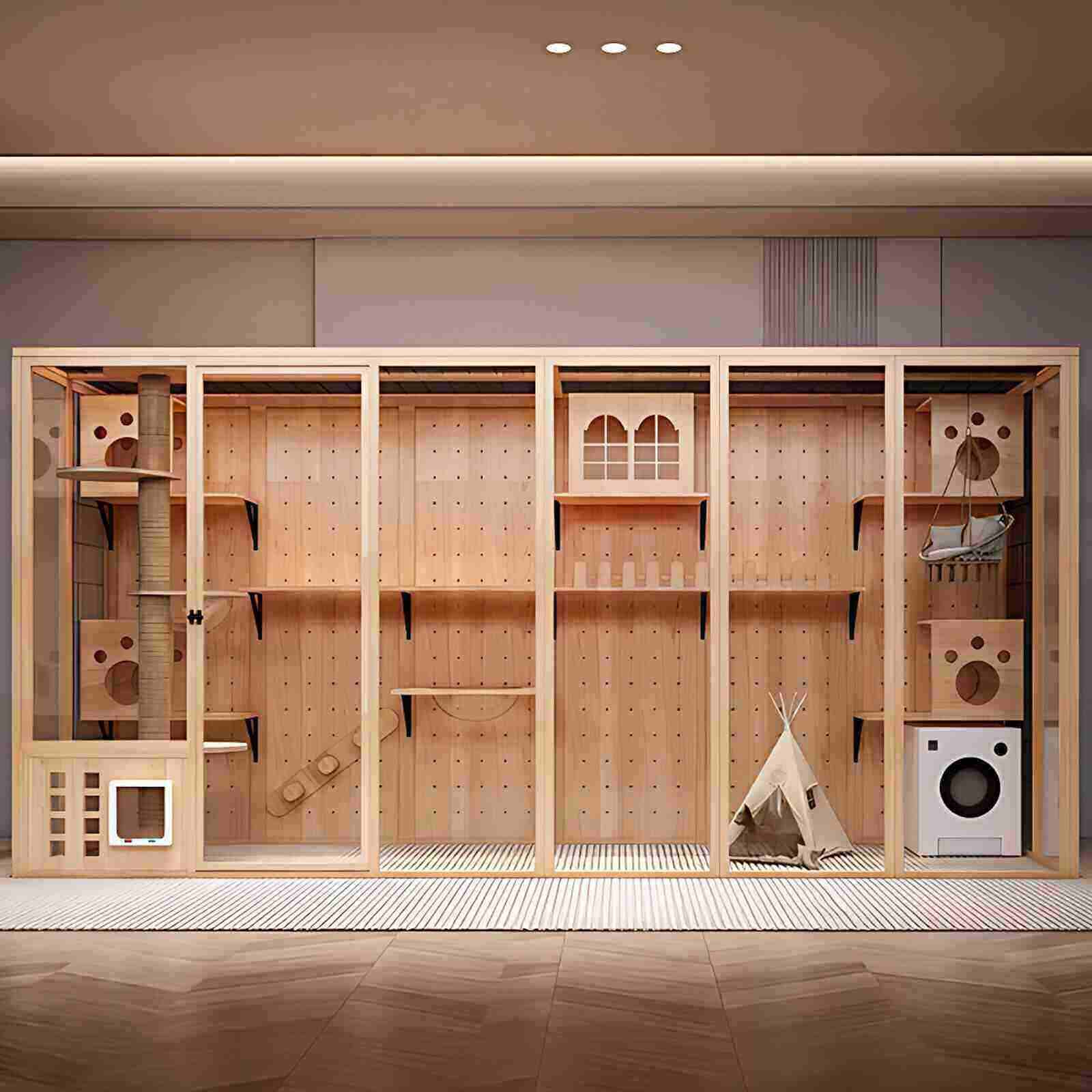
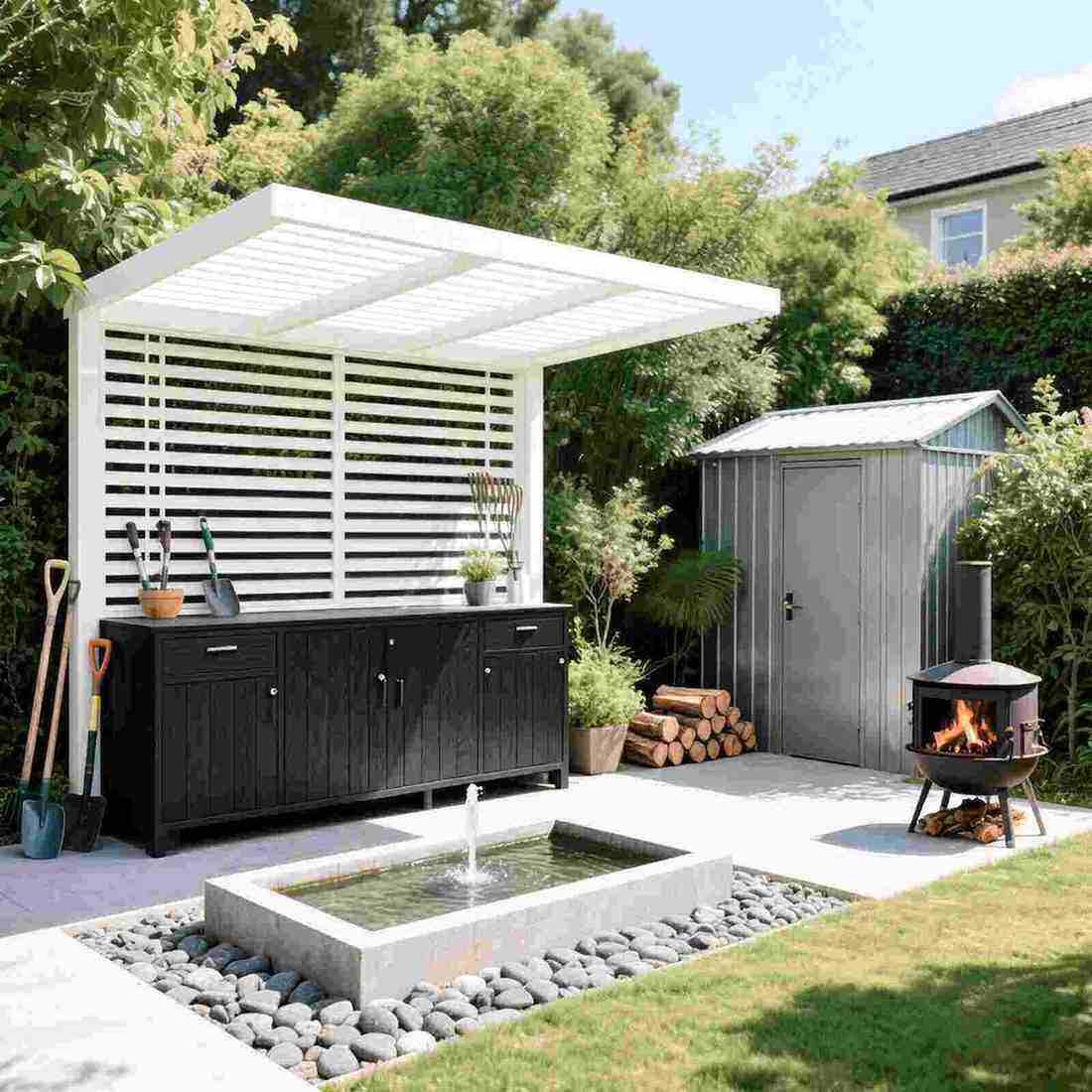
Which of the four common types of wood panels is more suitable for making panel furniture?
Panel furniture is becoming increasingly popular, and there are many different types available. Some people like to buy panel furniture to customize their homes according to their preferences. So, which types of engineered wood panels are best suited for making panel furniture? Particleboard is a type of chipboard. It is produced by applying a large amount of glue and pressure to raw materials such as wood chips and small fragments. Because its cross-section resembles a honeycomb, it is called particleboard.
Particleboard was one of the most common and inexpensive wood-based panels used in early furniture manufacturing. Adding a certain amount of moisture-resistant agent to the particleboard creates what is commonly known as moisture-resistant particleboard. Particleboard has a certain market share in China, often used for low-quality furniture and outdoor packaging. Due to manufacturing processes and raw material factors, the quality of particleboard varies greatly, and it is easy for it to contain a large amount of impurities. Advantages of particleboard: The surface can be used for veneer, stress distribution is relatively even, and the cost is low. Disadvantages of particleboard: It uses a lot of glue, resulting in relatively low environmental friendliness; processing requires sophisticated equipment, otherwise edge chipping may occur. Blockboard, also known as core board, is a type of board made by arranging wood strips and then gluing a core layer of veneer together. It can be used to make cabinets, and when melamine veneer is applied, it is called eco-board.
Advantages of plywood: good nail-holding power, high strength, wide range of uses, low requirements for processing equipment, and low glue consumption. Disadvantages of plywood: the core material is easily skimped on, and the stress distribution is uneven in both horizontal and vertical directions. Medium-density fiberboard (MDF) is a type of board made from wood and plant fibers. Due to varying internal fiber densities, MDF is available in high, medium, and low density grades and can be used for furniture and door panels.
MDF (Medium-density Fiberboard) Advantages: Suitable for shaping, good toughness and not easily broken. MDF Disadvantages: Poor moisture resistance, weak nail-holding power, high glue usage and low environmental protection index. Multi-layer Board: Multi-layer board is a type of board made of solid wood veneer, with adjacent layers arranged horizontally and vertically, and manufactured through multiple processes such as sanding and hot pressing. It can be used to make various furniture, decorations, and engineering projects.
Advantages of multi-layer board (also known as "multi-layer board"): low glue usage, high environmental protection index; solid wood raw materials; standard dimensions and stable structure; good physical properties and strong nail holding power; not easy to crack and high surface flatness; easy to process and shape.