
 USD
USD GBP
GBP
 EUR
EUR
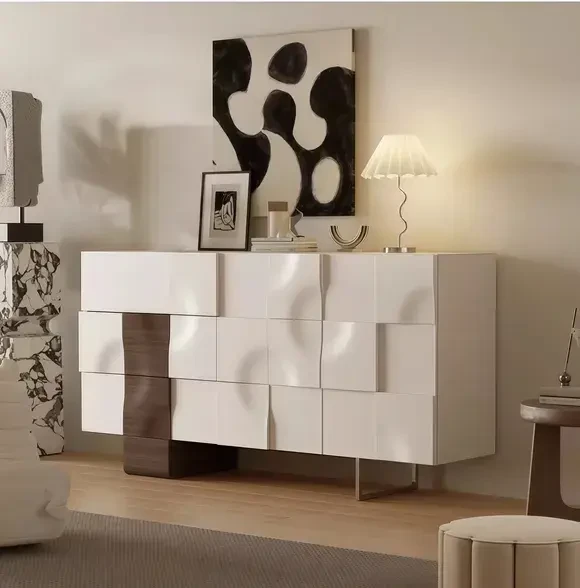
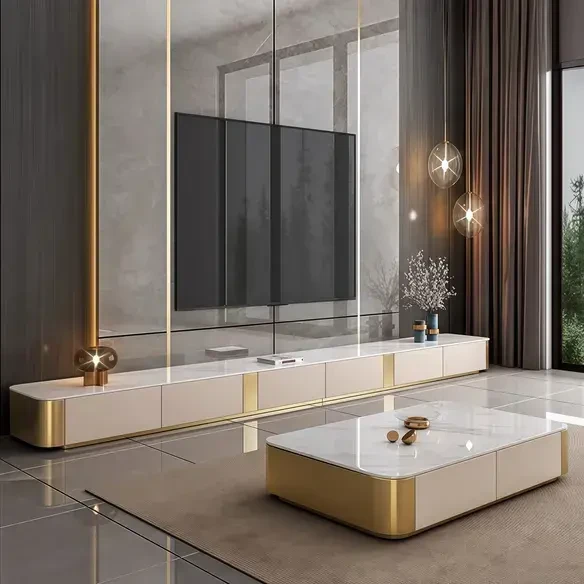
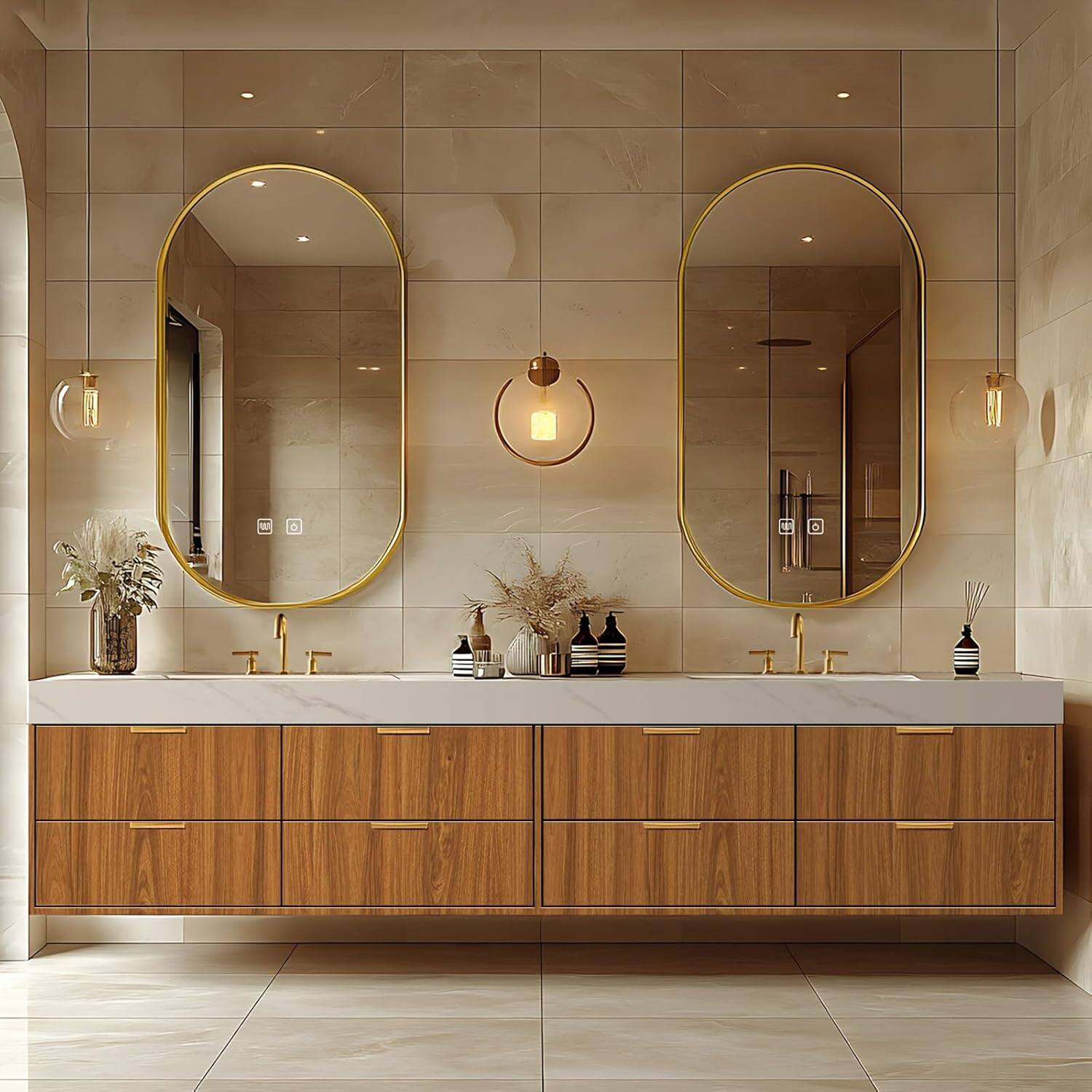
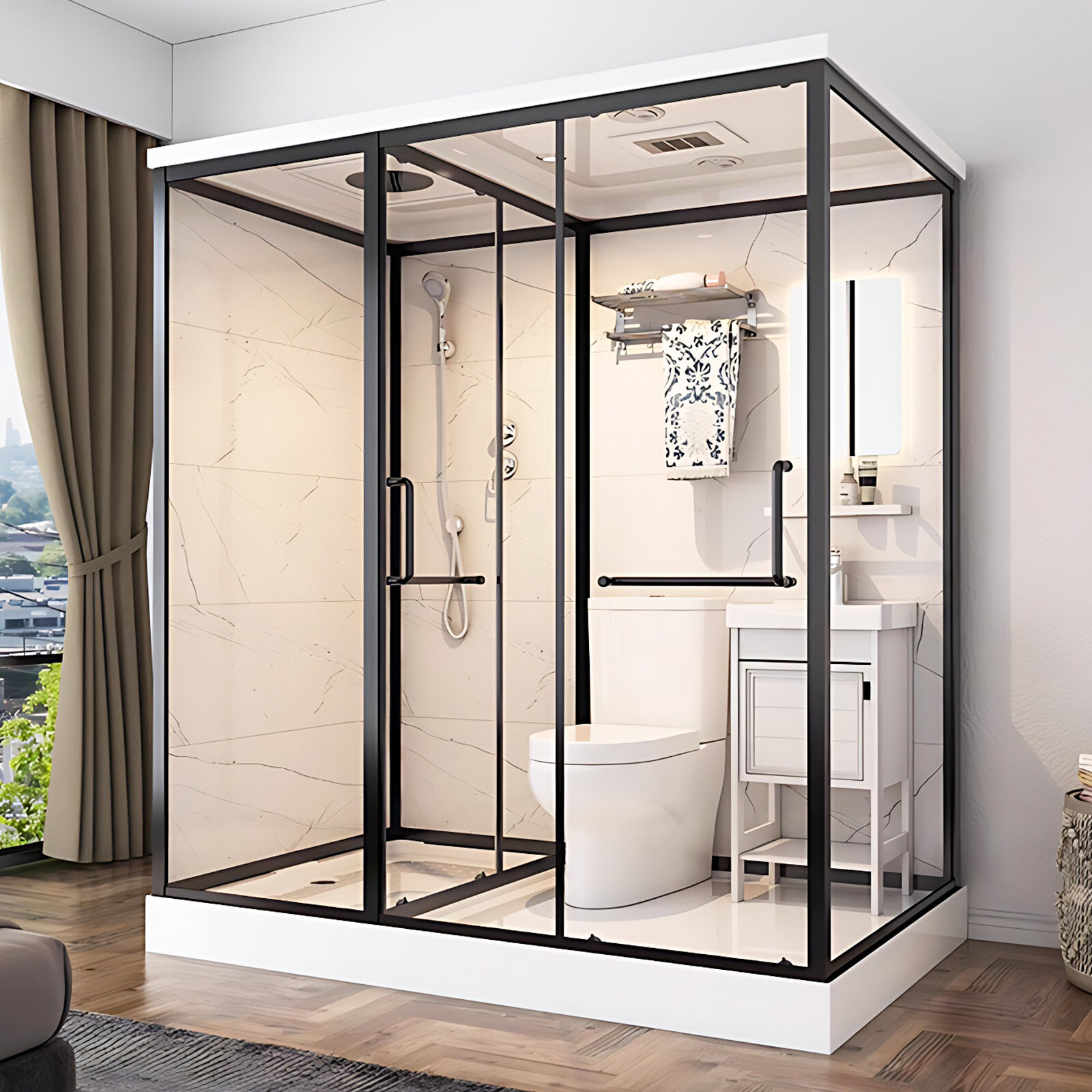
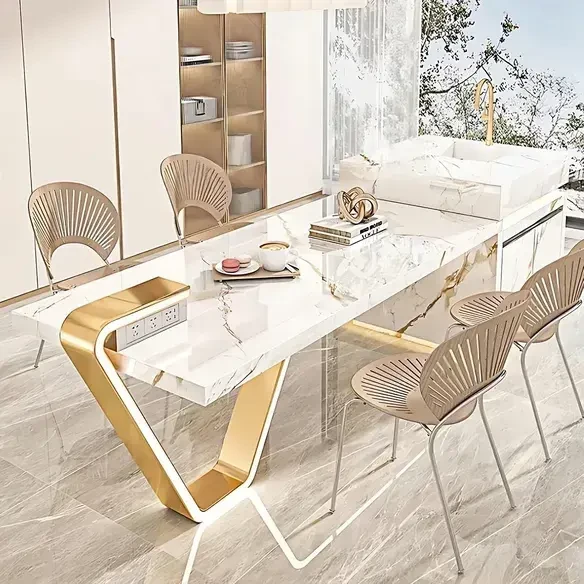
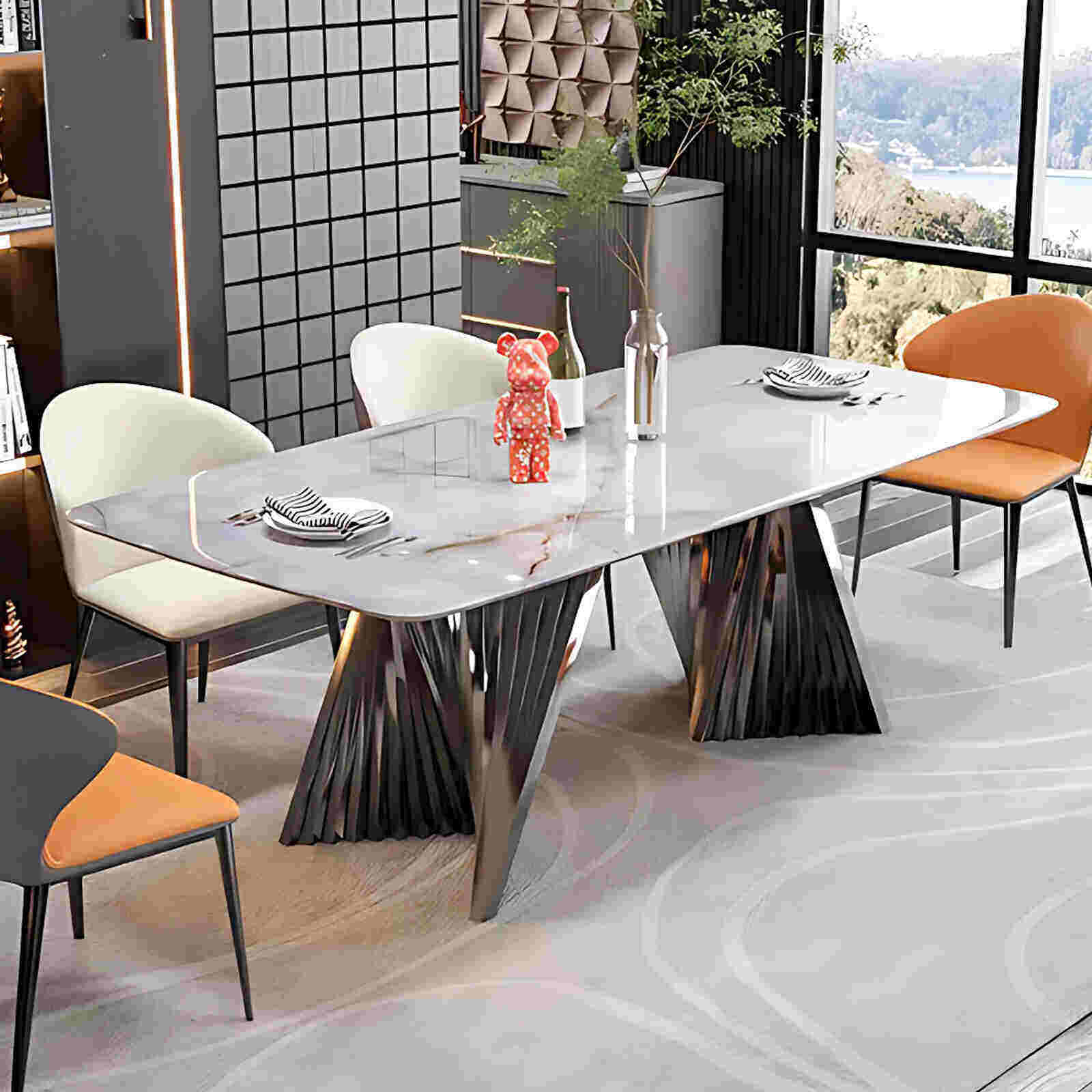
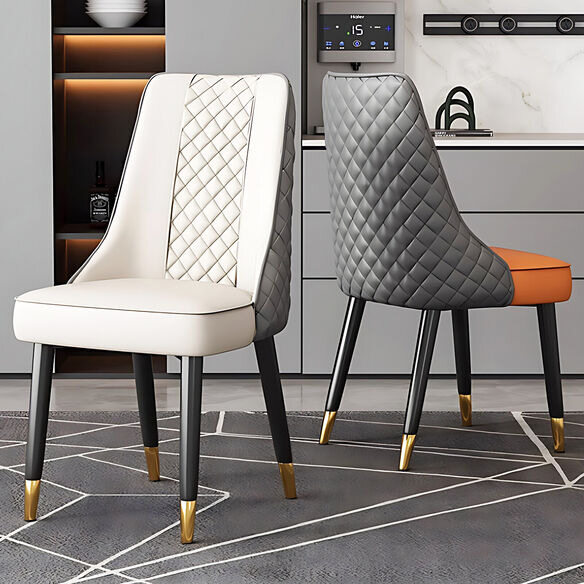
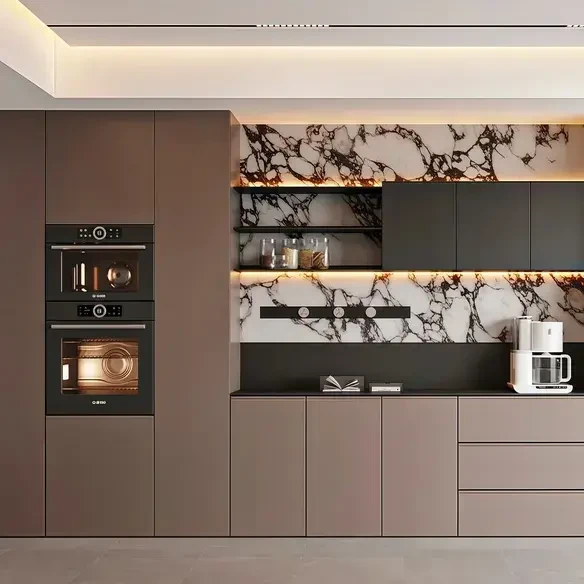
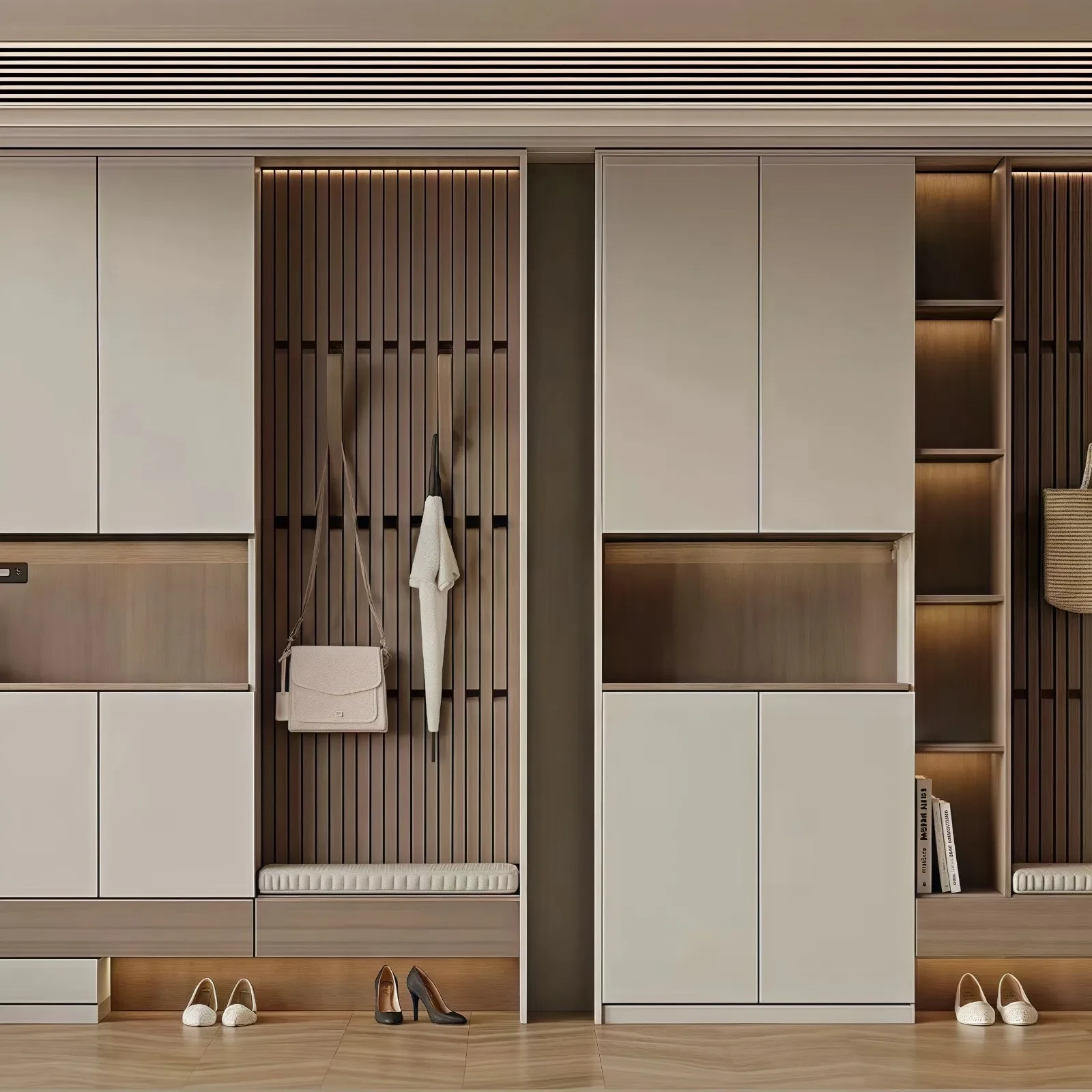
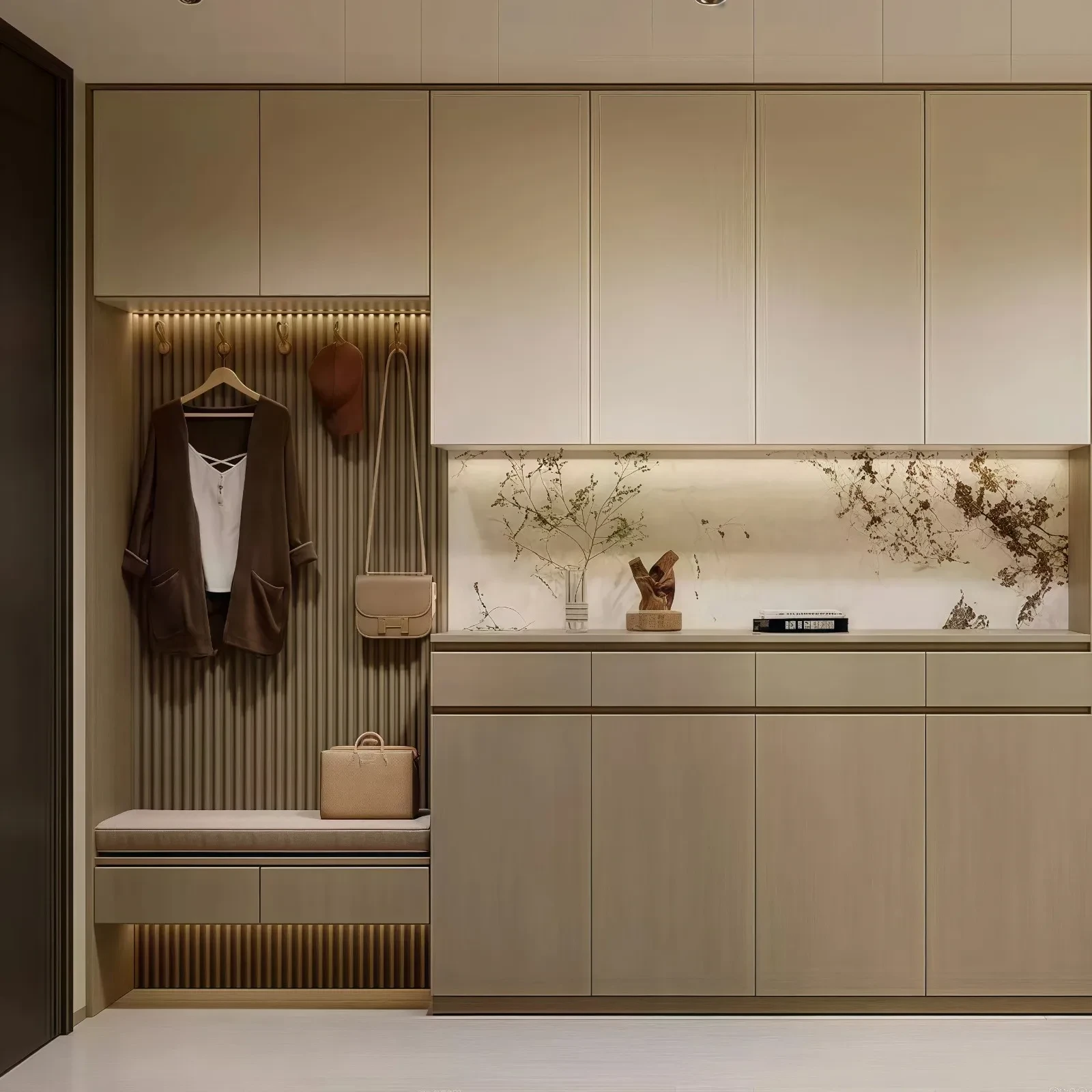
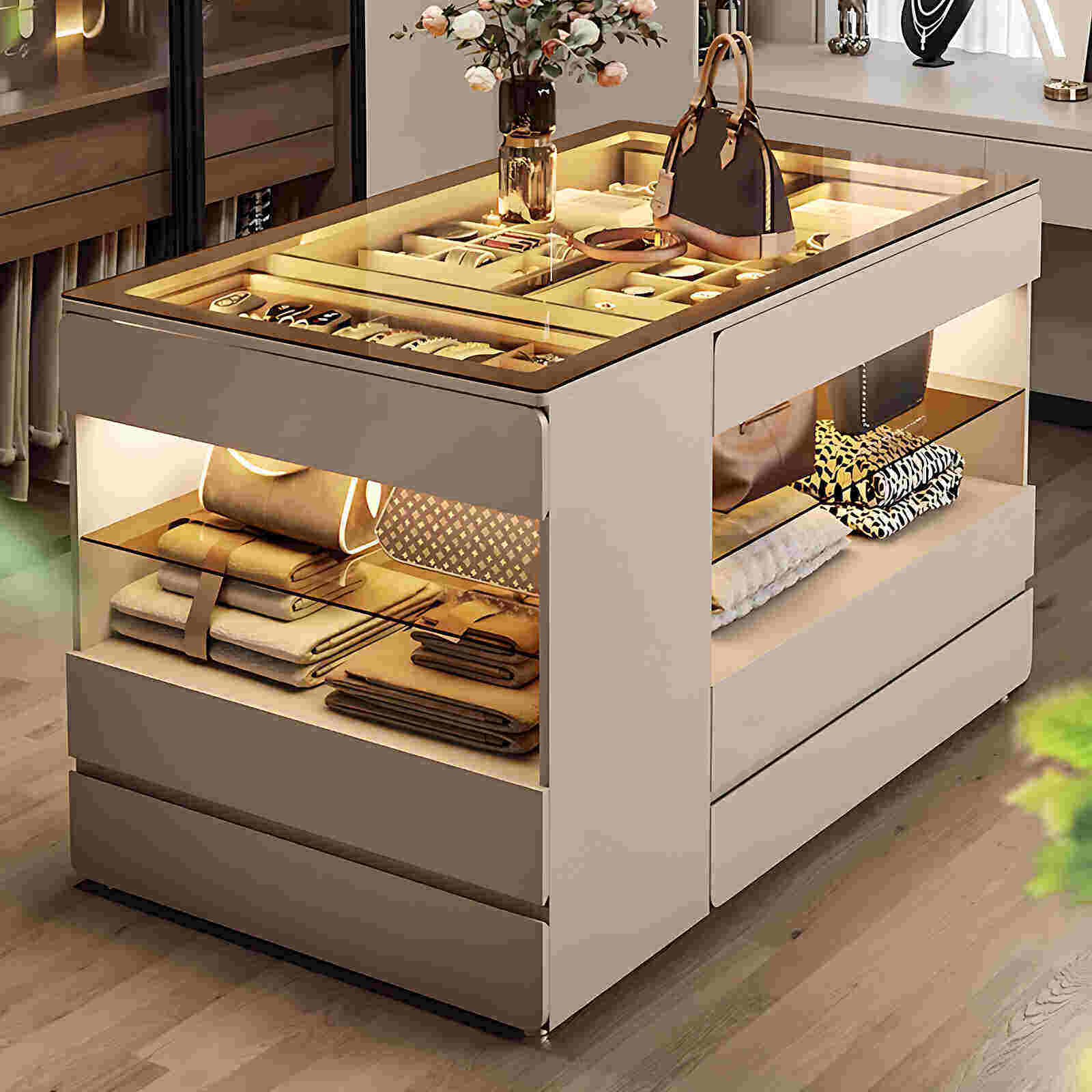
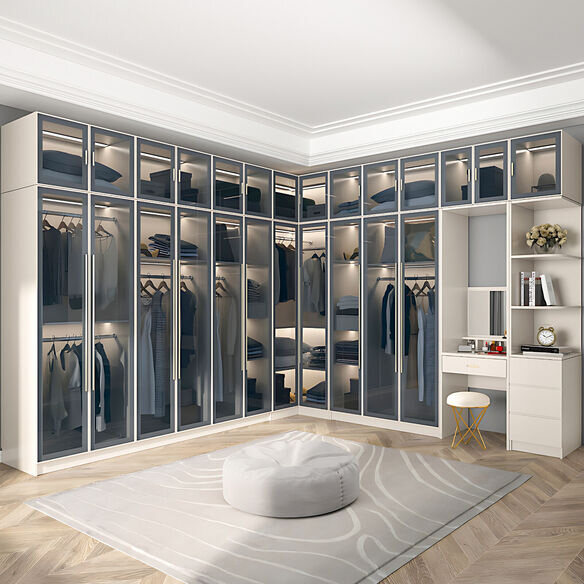
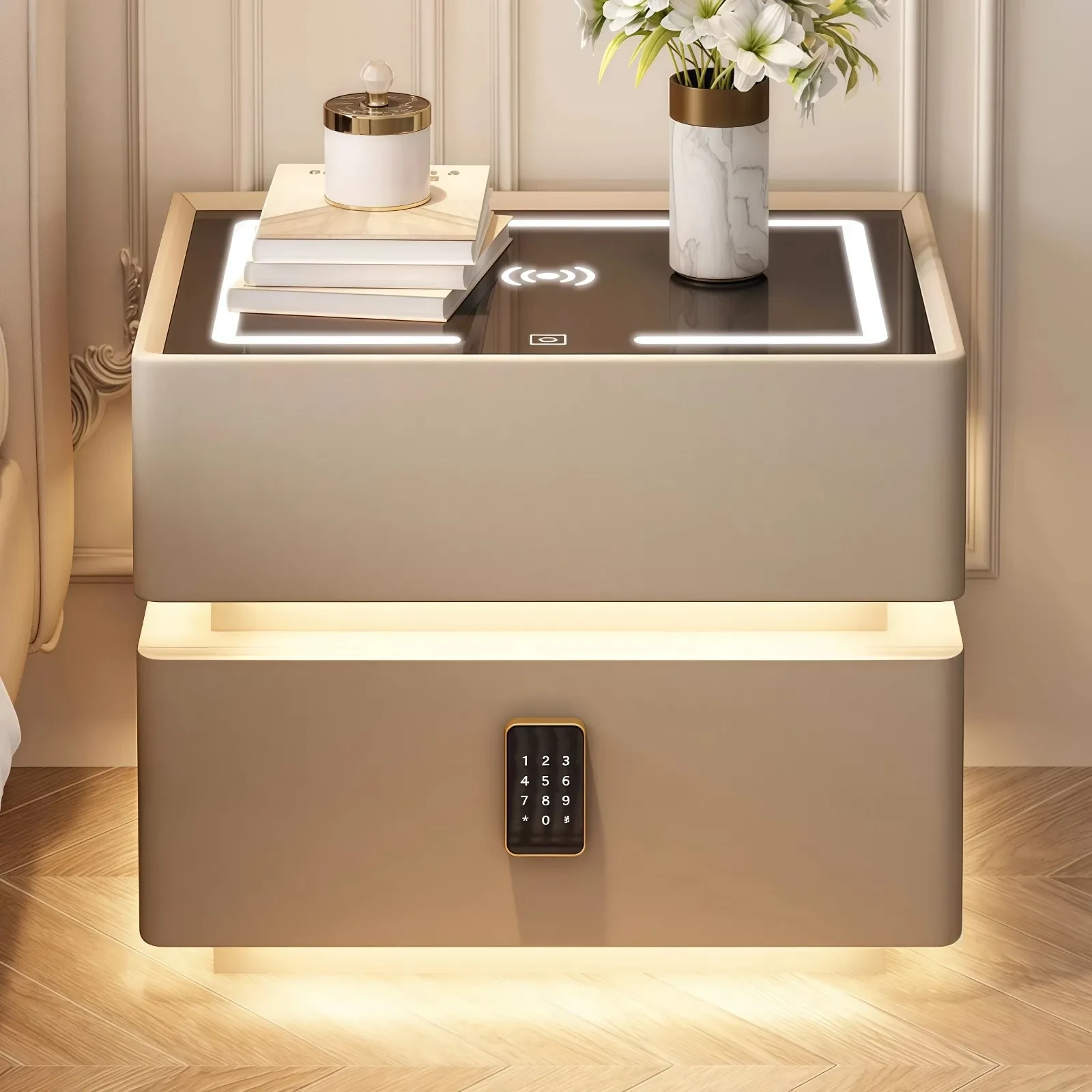
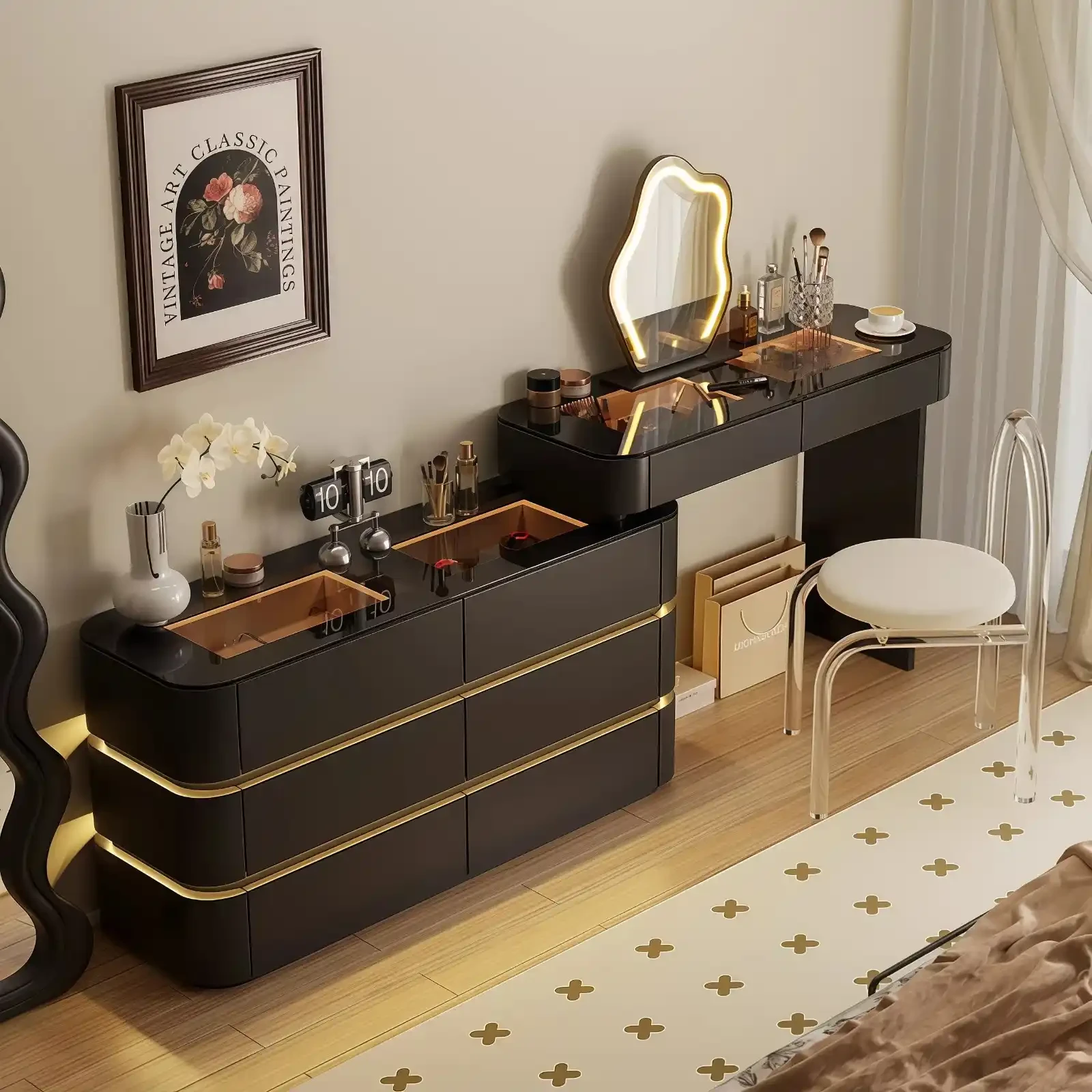
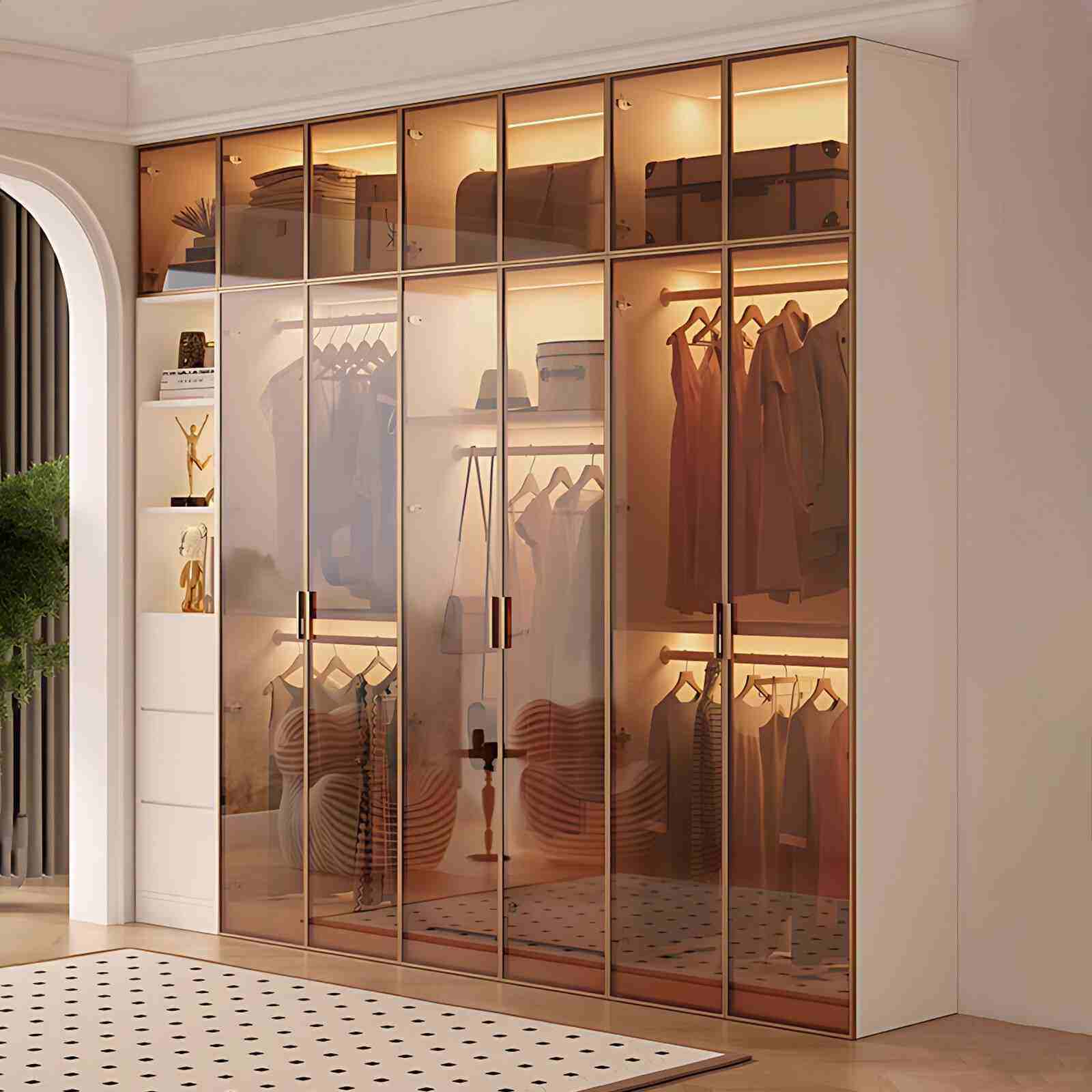
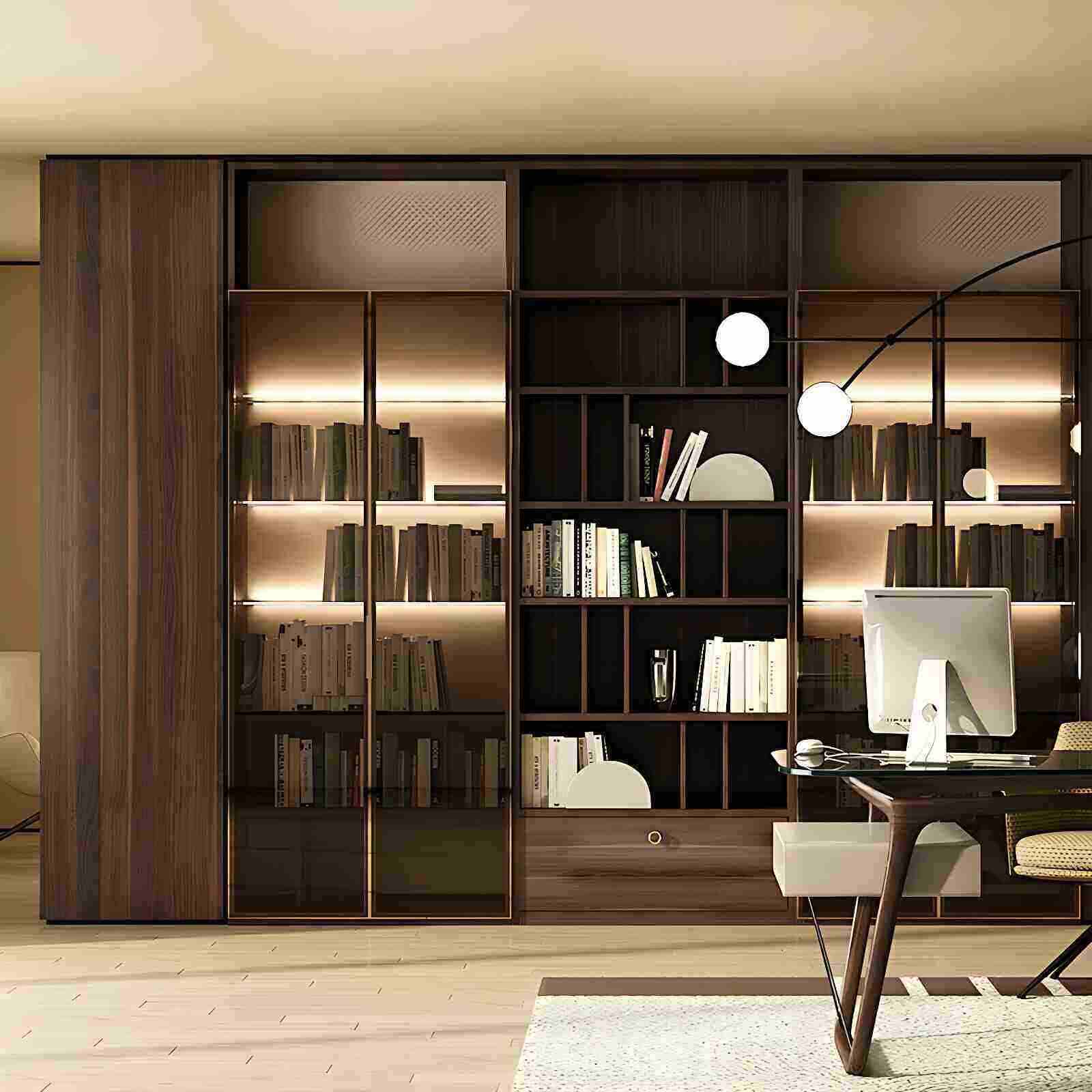
Plywood: Generally used to make door frames and window frames.
Blockboard, also known as core board, is a type of wood profile made by using logs as the core and applying a veneer. Blockboard is characterized by its uniform specifications, strong workability, resistance to deformation, and ability to be bonded with other materials. It is an essential wood product for wall and ceiling decoration in home renovation and is widely used.
What is the processing technology of plywood?
Handmade plywood is made by manually inserting wood strips into the interlayer. This type of plywood has poor nail-holding power, large gaps, and is not suitable for sawing. It can generally only be used whole in small areas of home decoration, such as the underlayment of solid wood flooring. Machine-made plywood is of far superior quality to handmade plywood. Plywood produced by large brand companies is dense in texture and has strong nail-holding power of the interlayer wood species. It can be used for various furniture, doors, windows, and other fine woodwork decoration.
How do the environmental performances of different types of boards compare?
Blockboard is classified into two environmental protection grades: E0 and E1. If the blockboard emits a pleasant wood scent, it indicates low formaldehyde release; otherwise, it exceeds the standard. Environmental indicators: Blockboard is made of adhesives, and the main component of the adhesive is formaldehyde, whose content must be below 0.5 mg/L.
If a 1.8mm thick plywood board is indeed 1.8mm thick, it can basically be considered a good board. Most boards on the domestic market do not meet the thickness standard. Slightly better 1.8mm boards are 1.7mm thick, while inferior ones are only 1.6mm or even less.