
 USD
USD GBP
GBP
 EUR
EUR
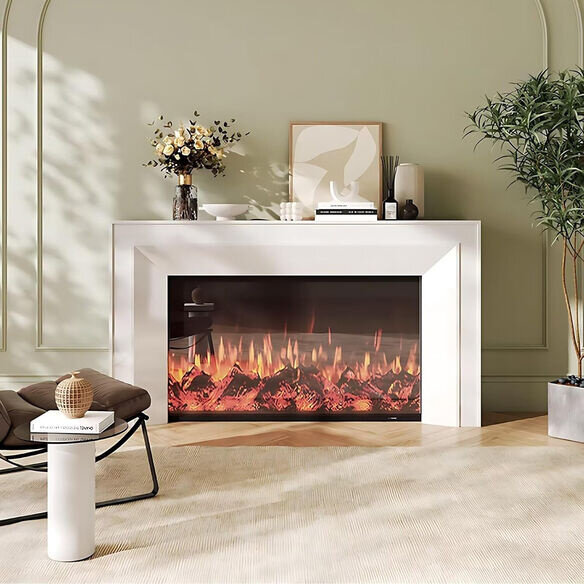
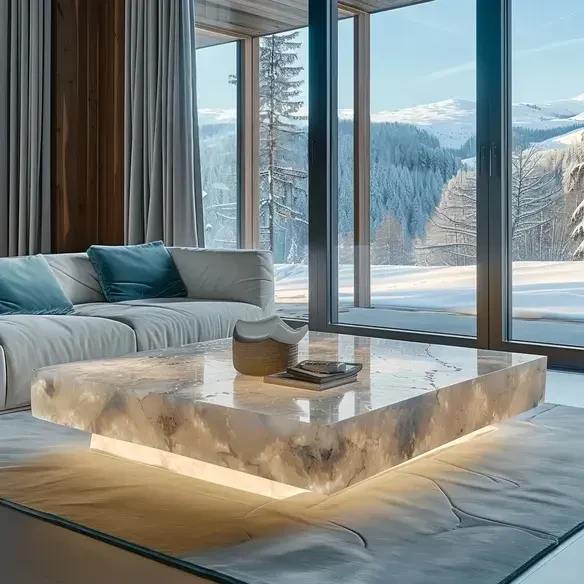
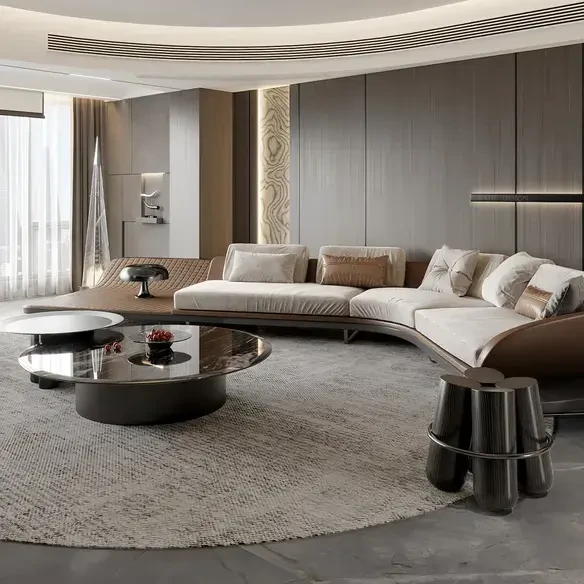
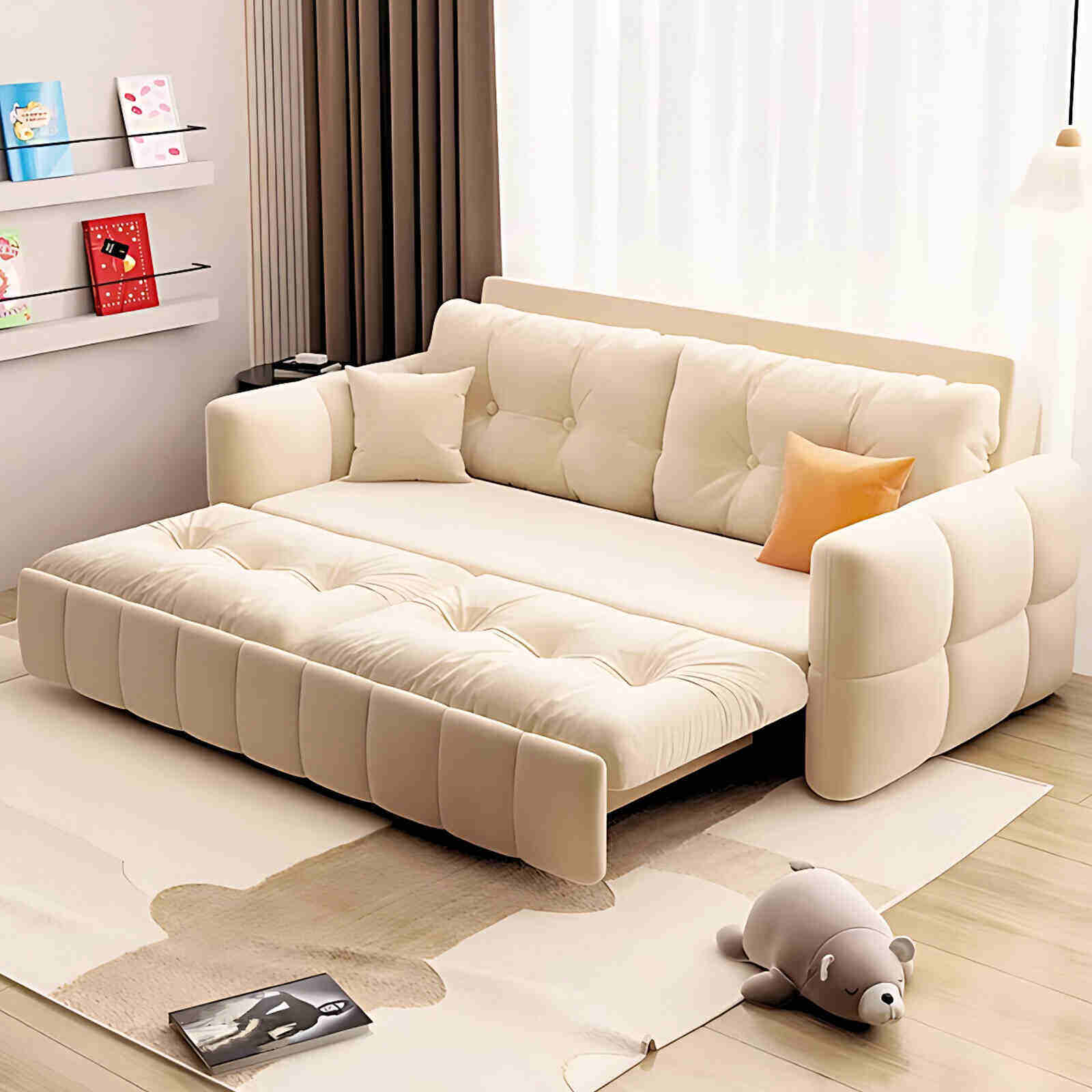
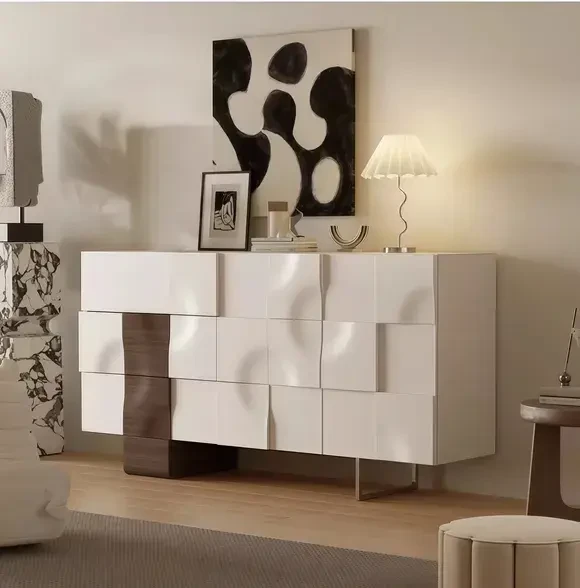
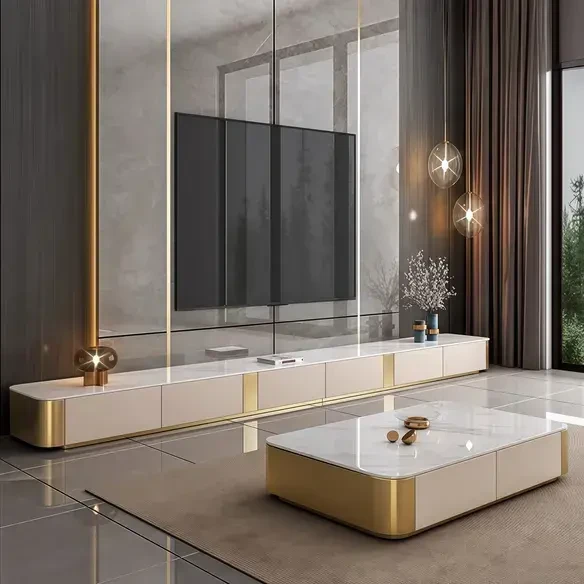
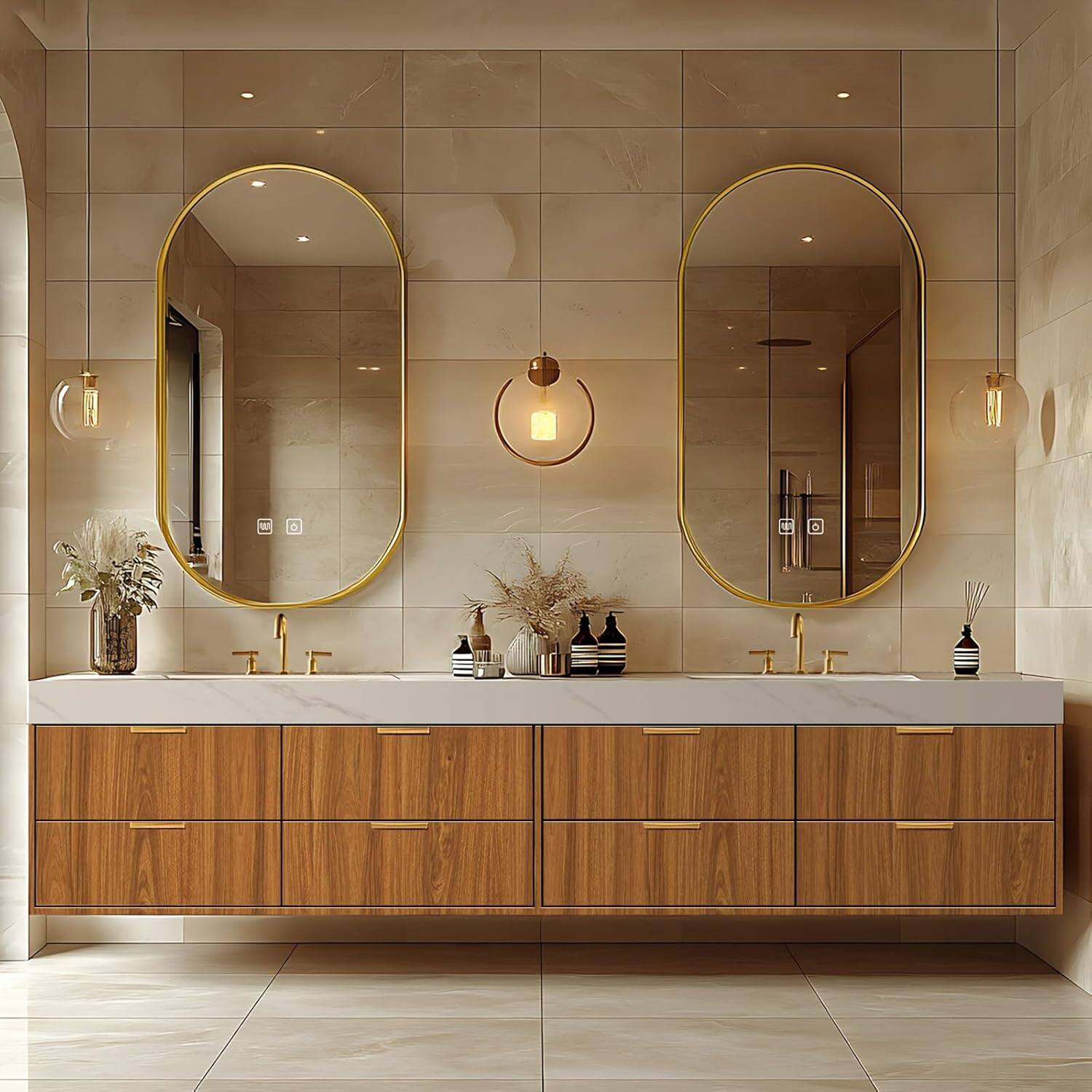
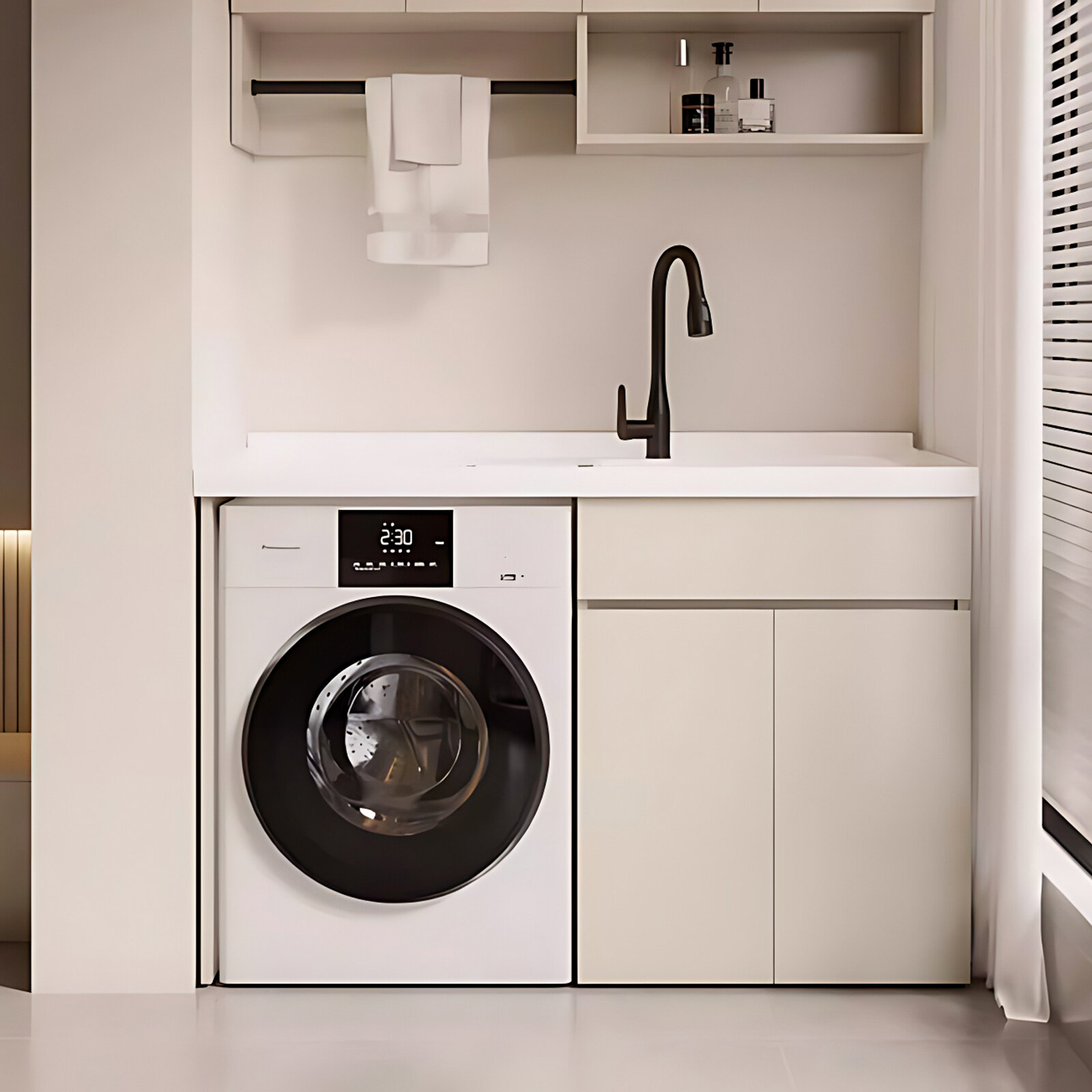
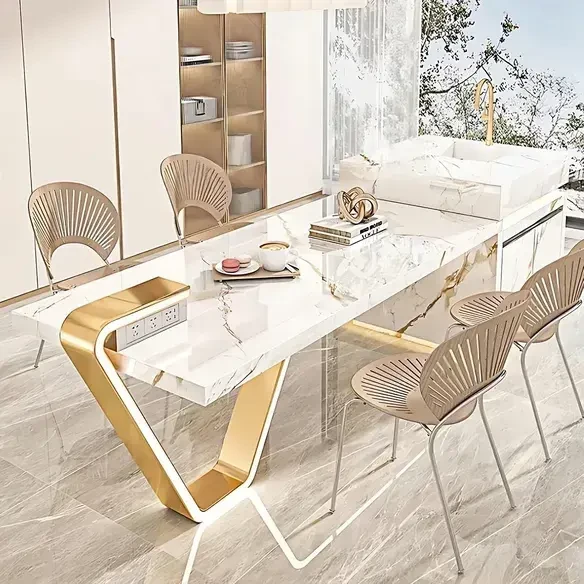
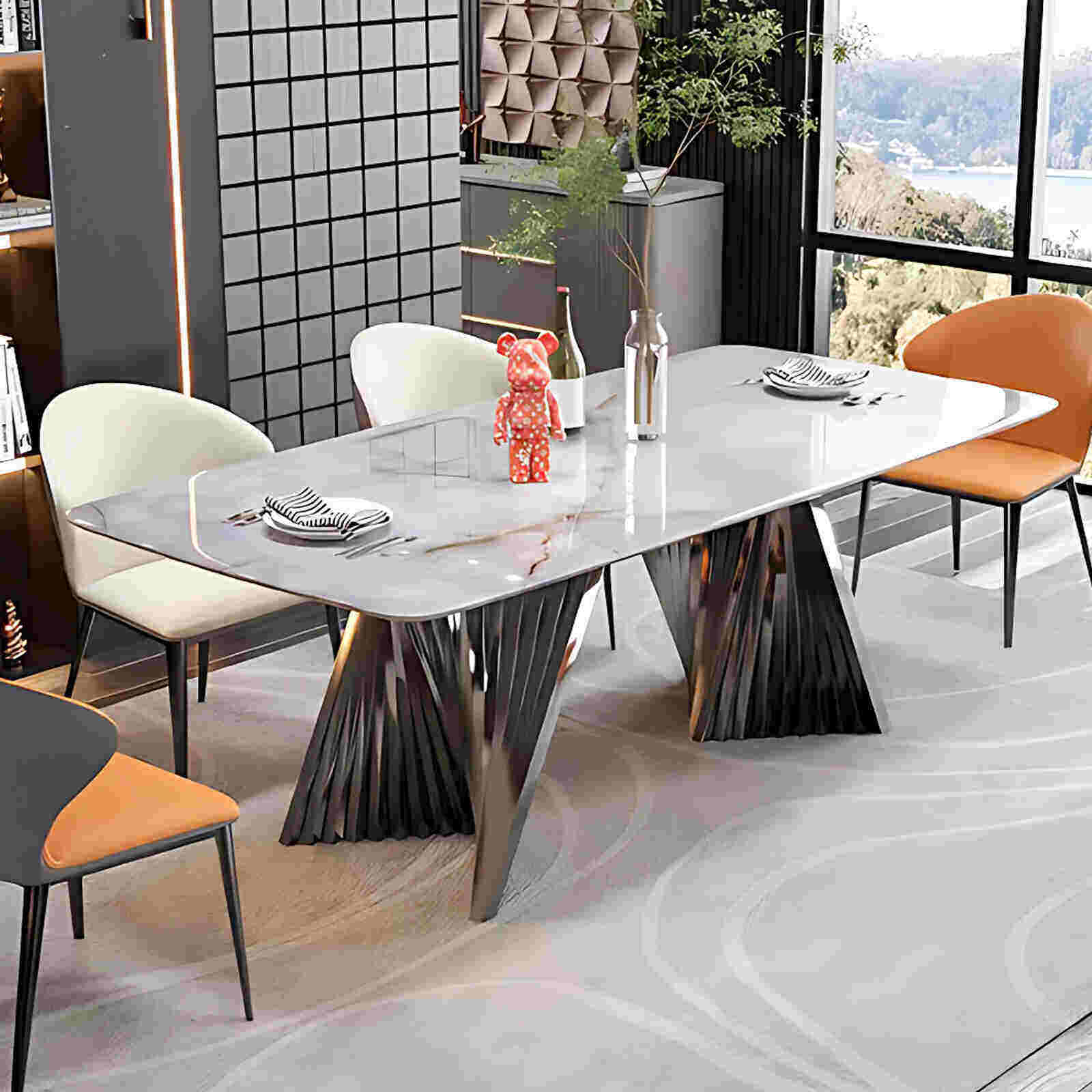
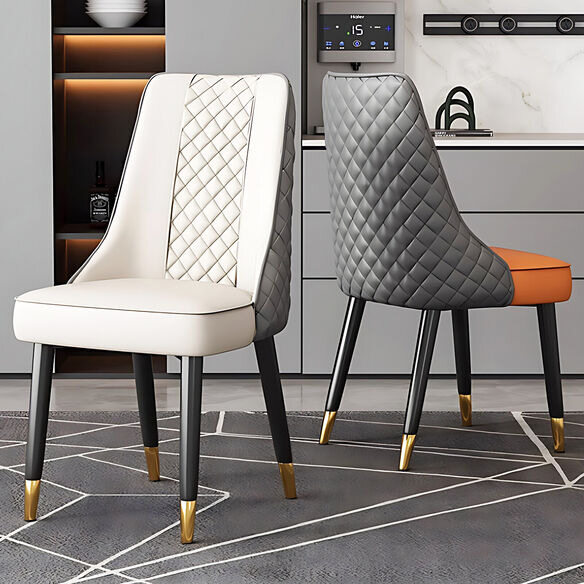
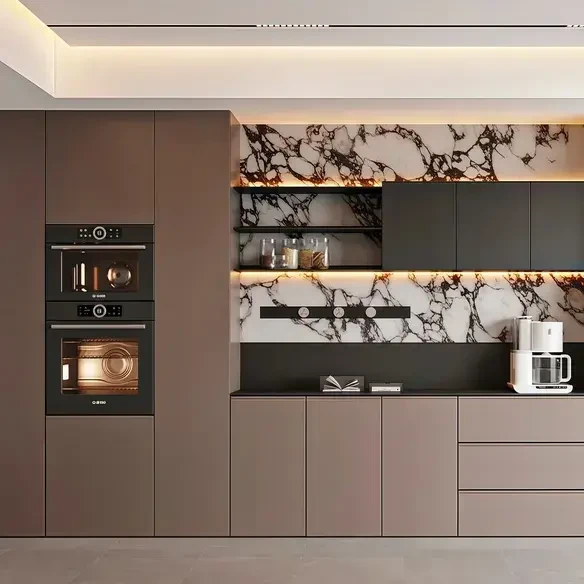
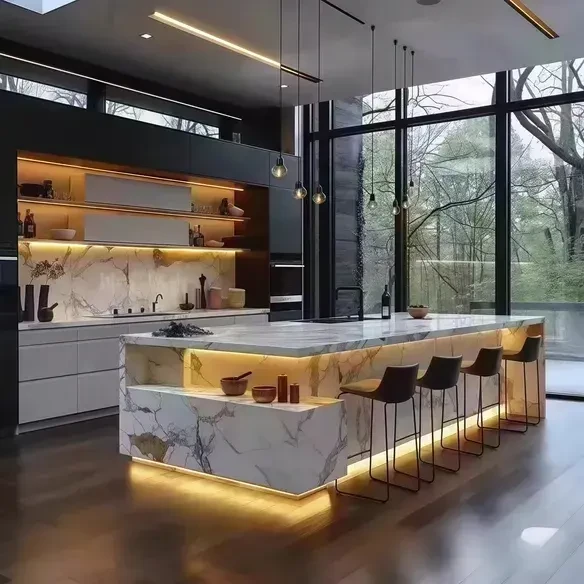
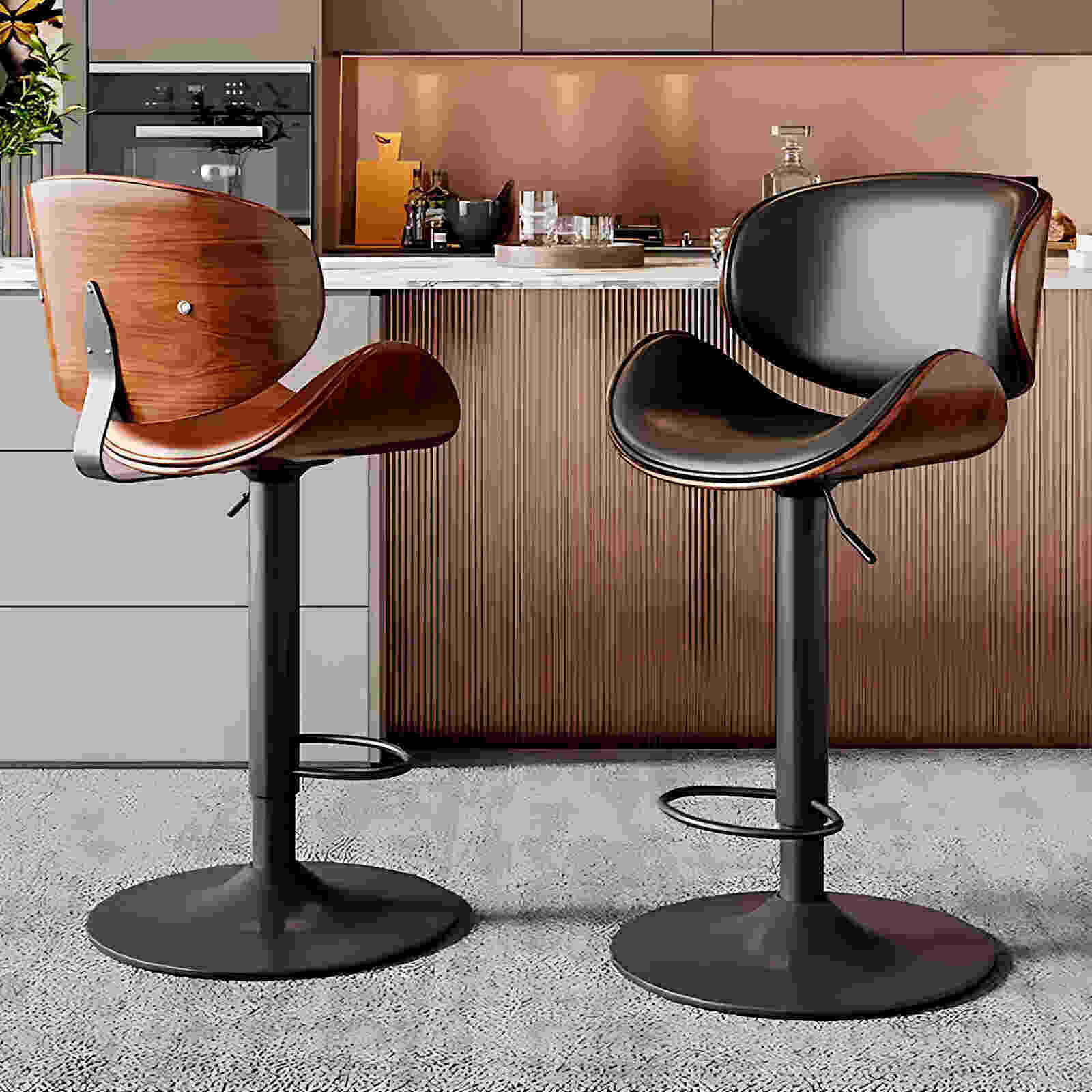
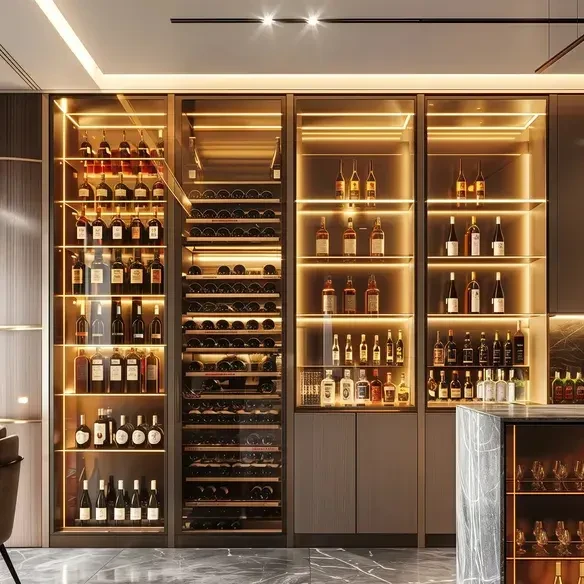
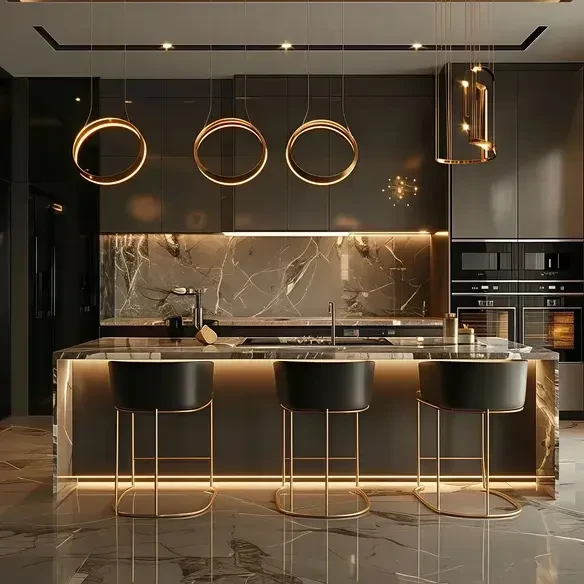
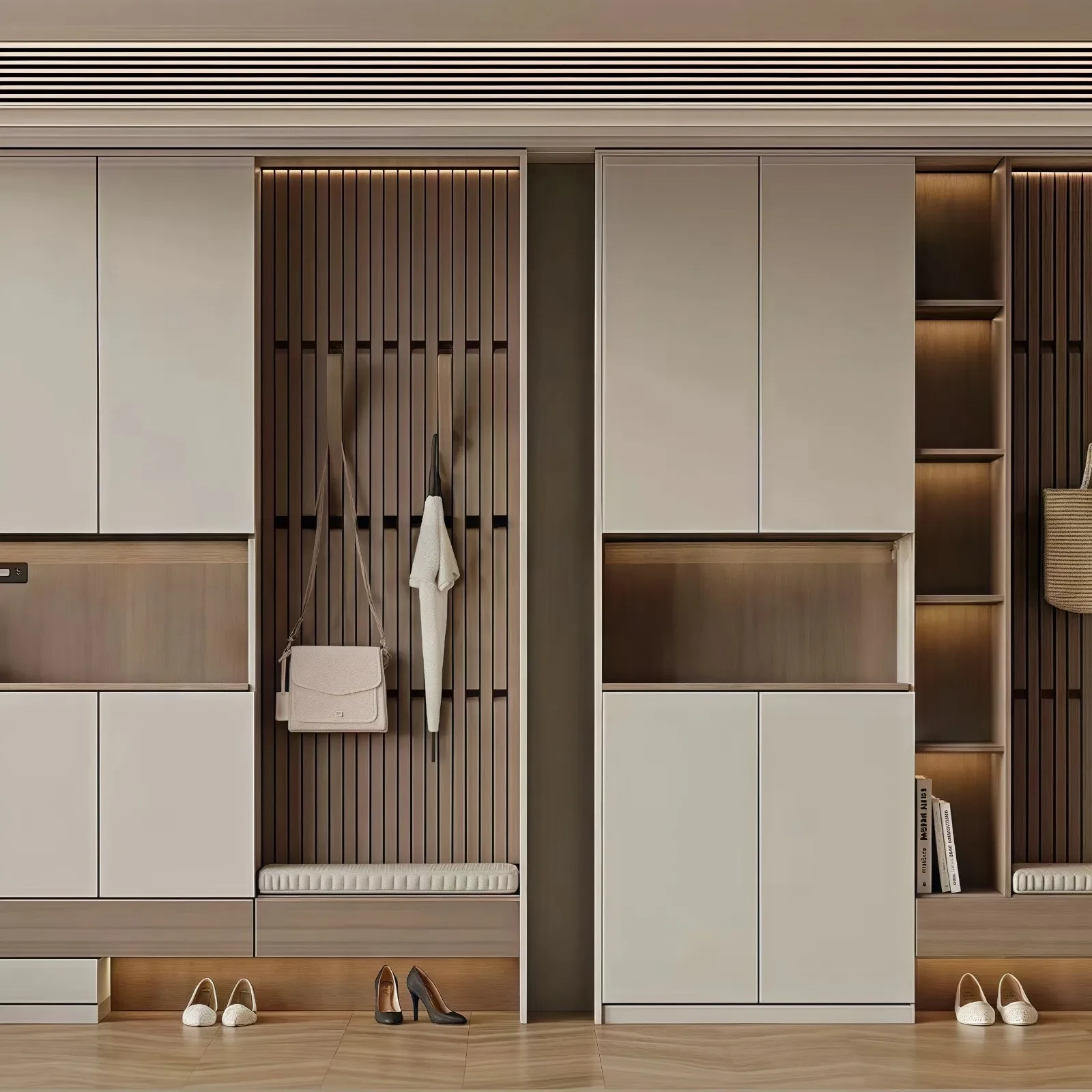
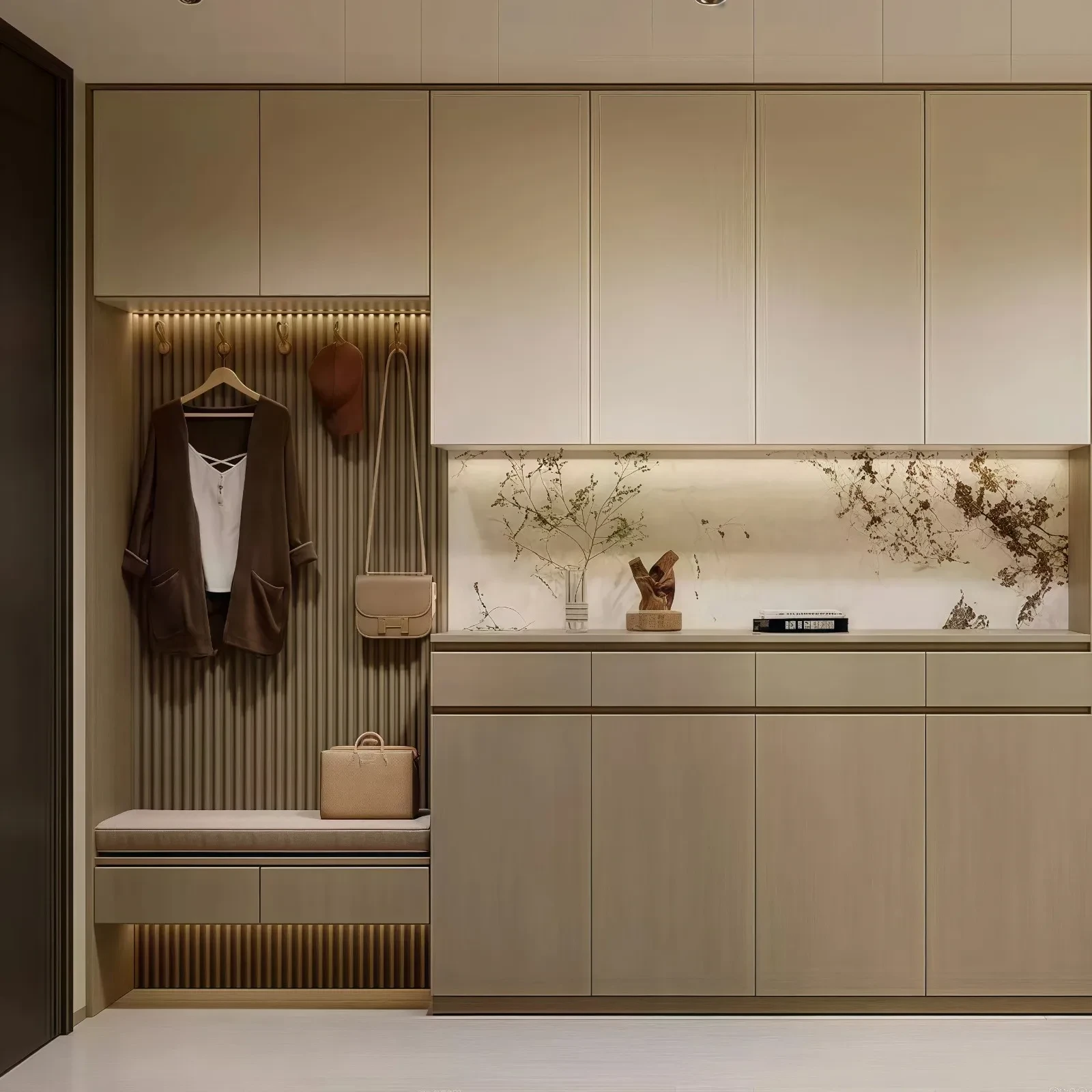
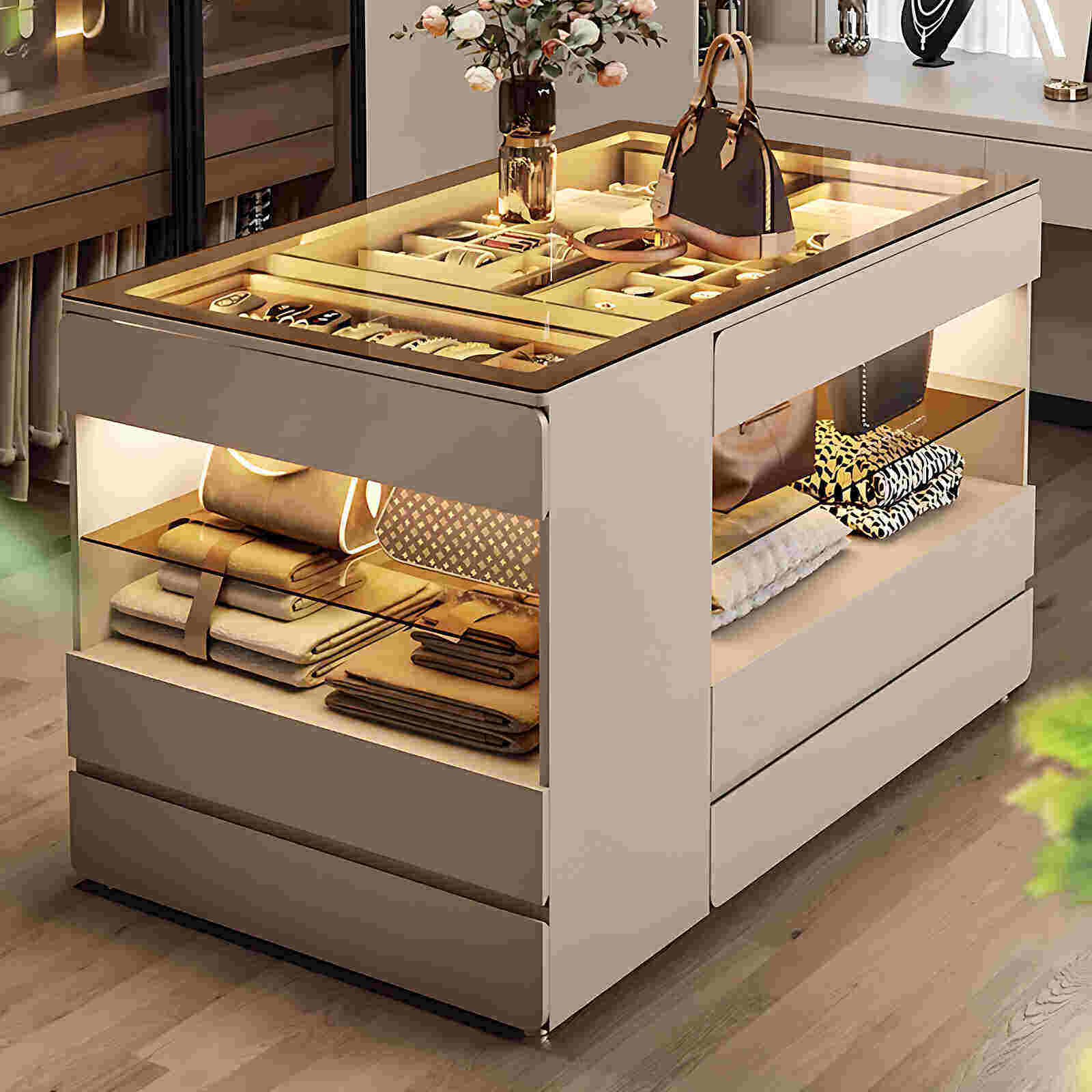
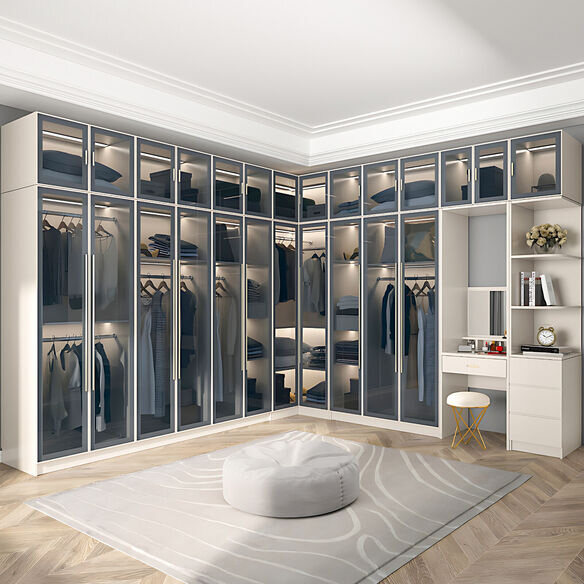
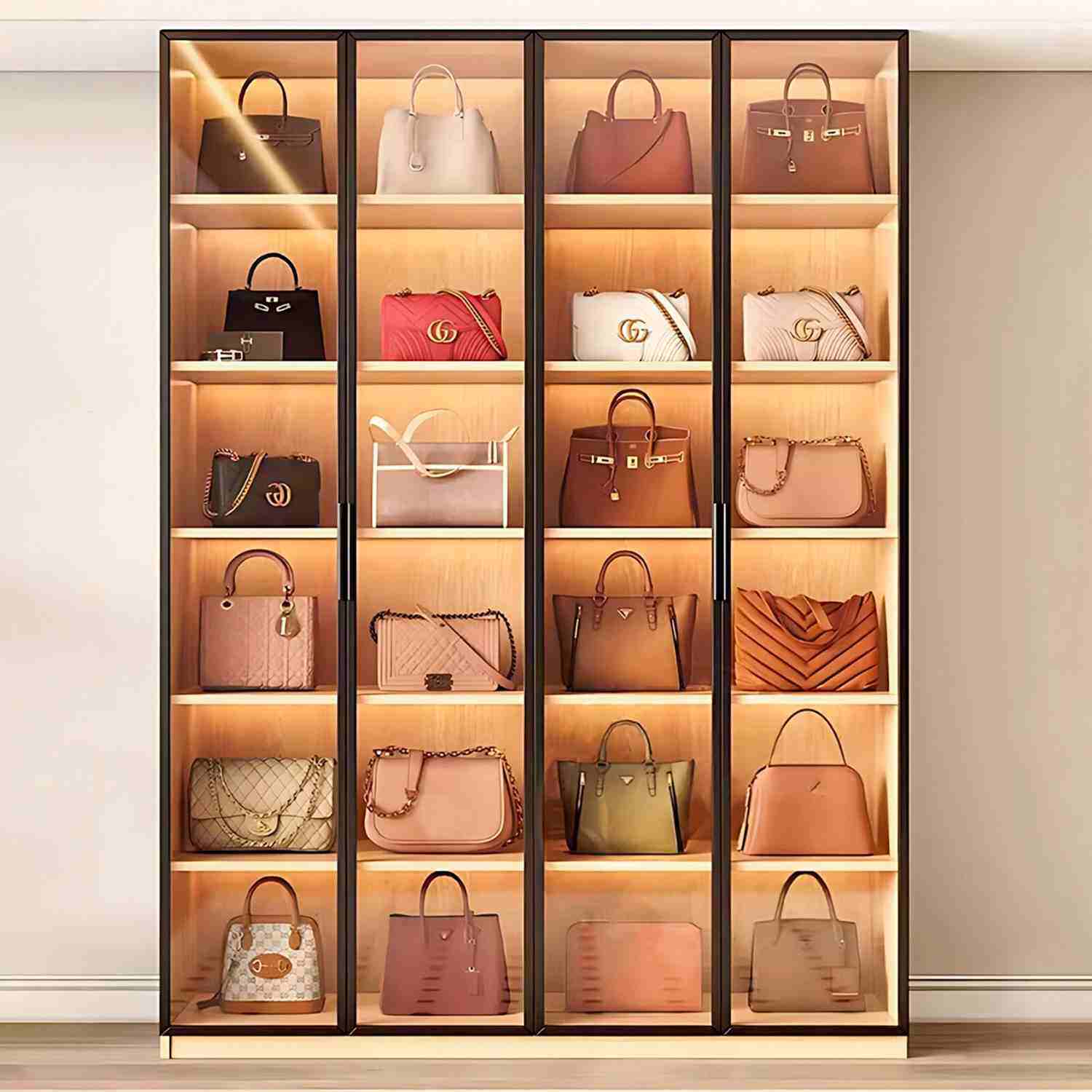
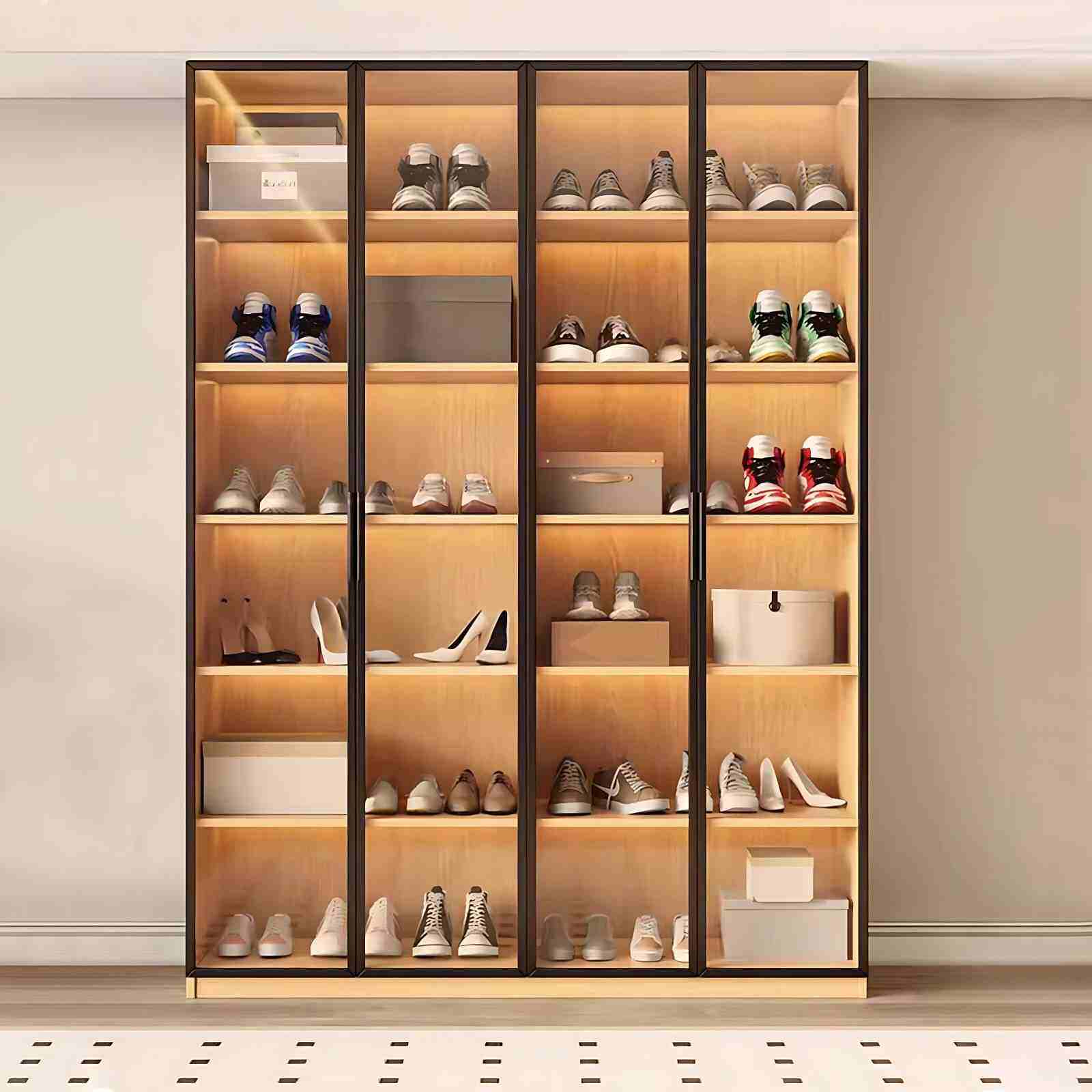
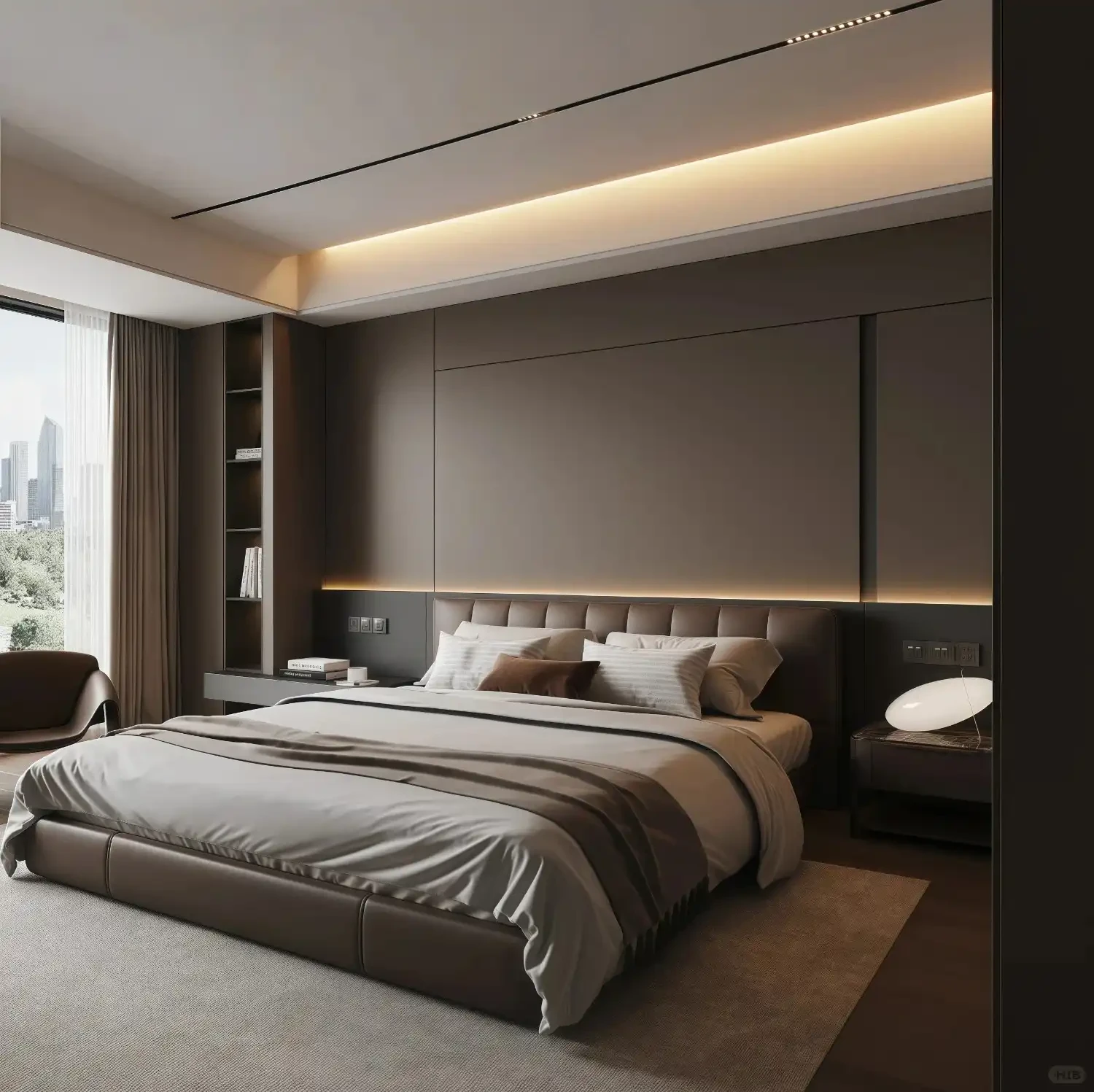
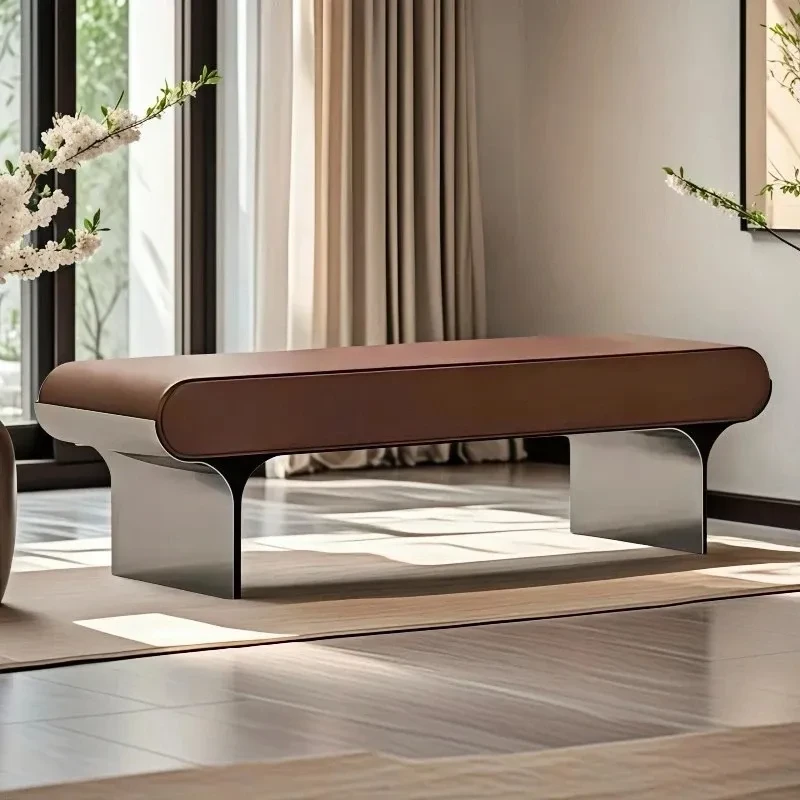
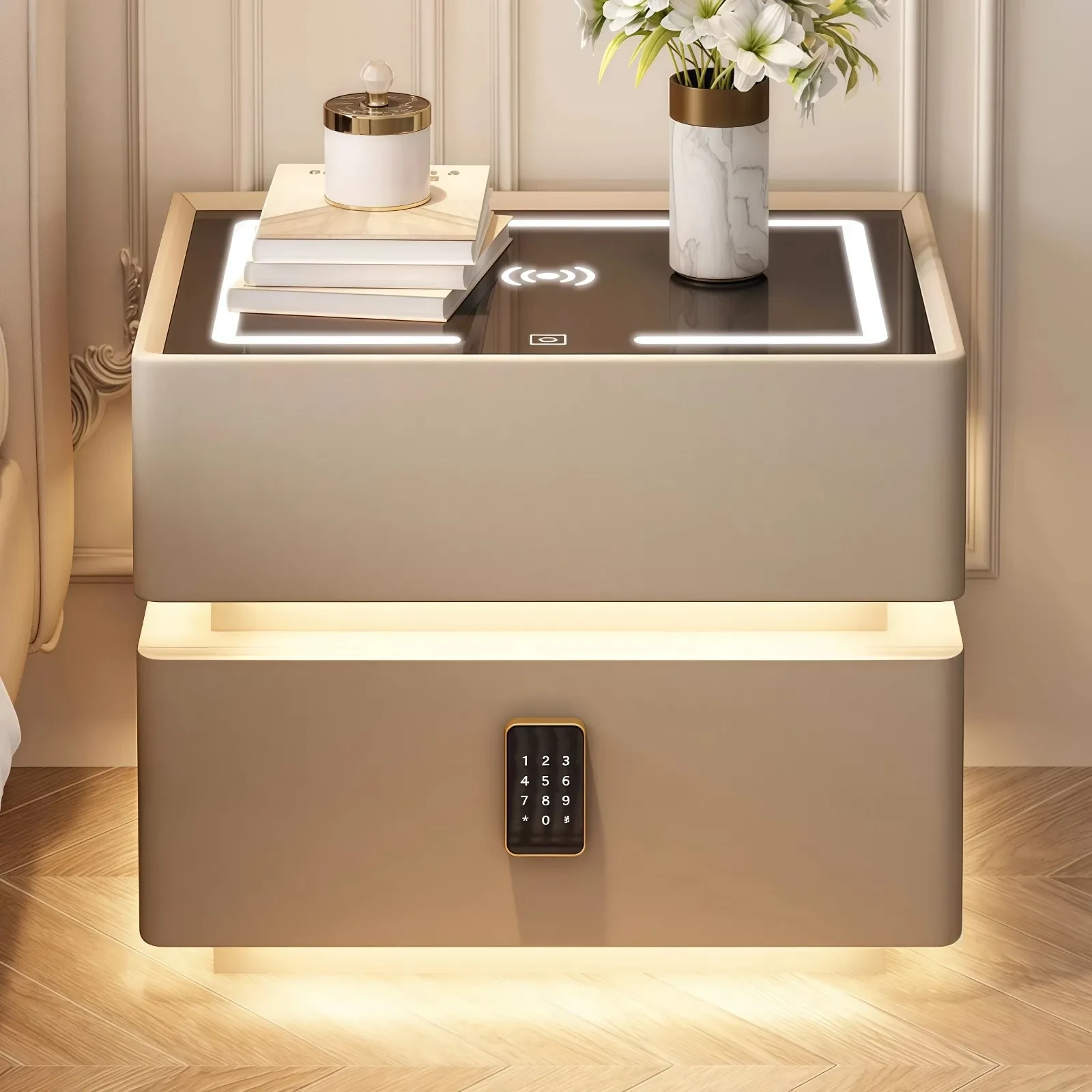
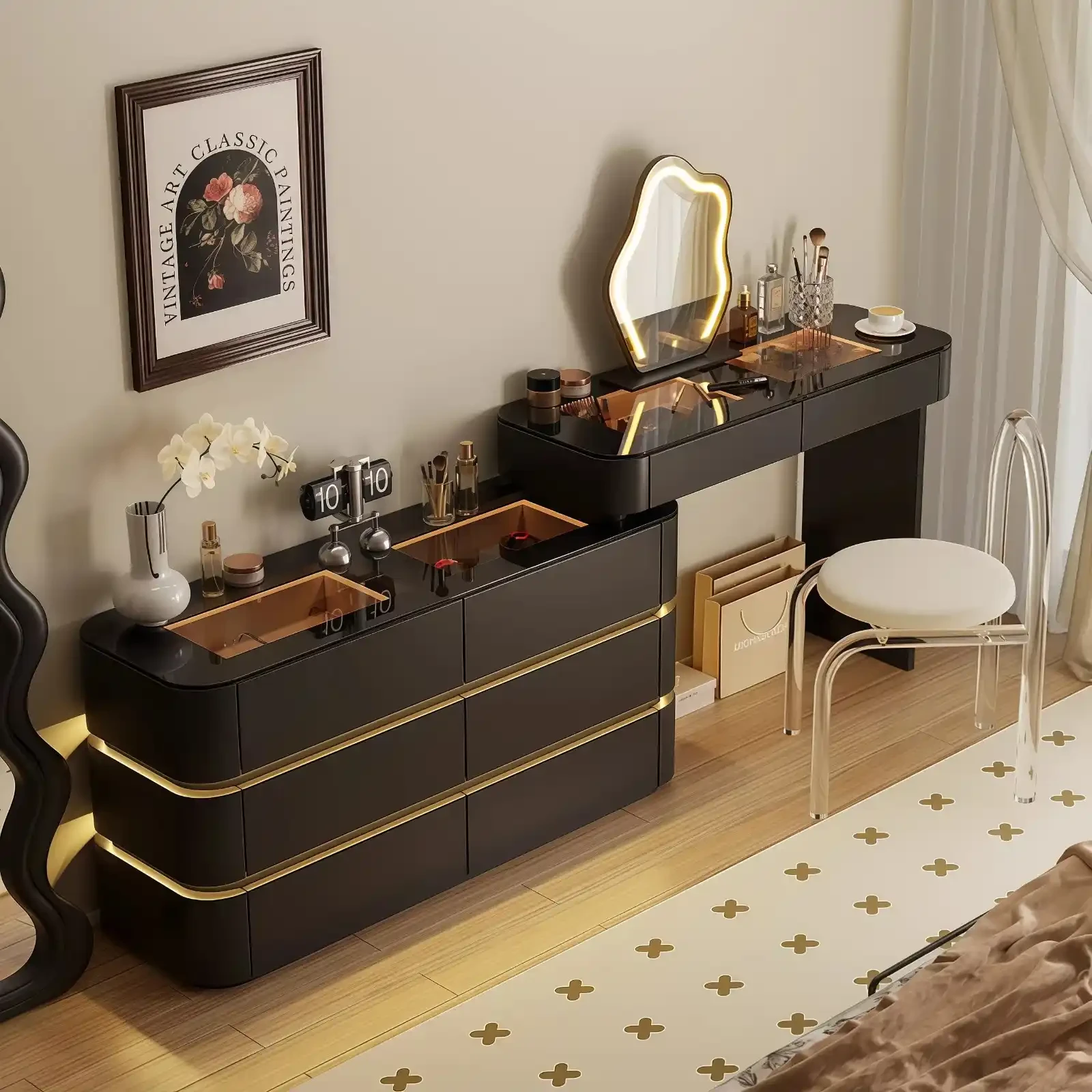
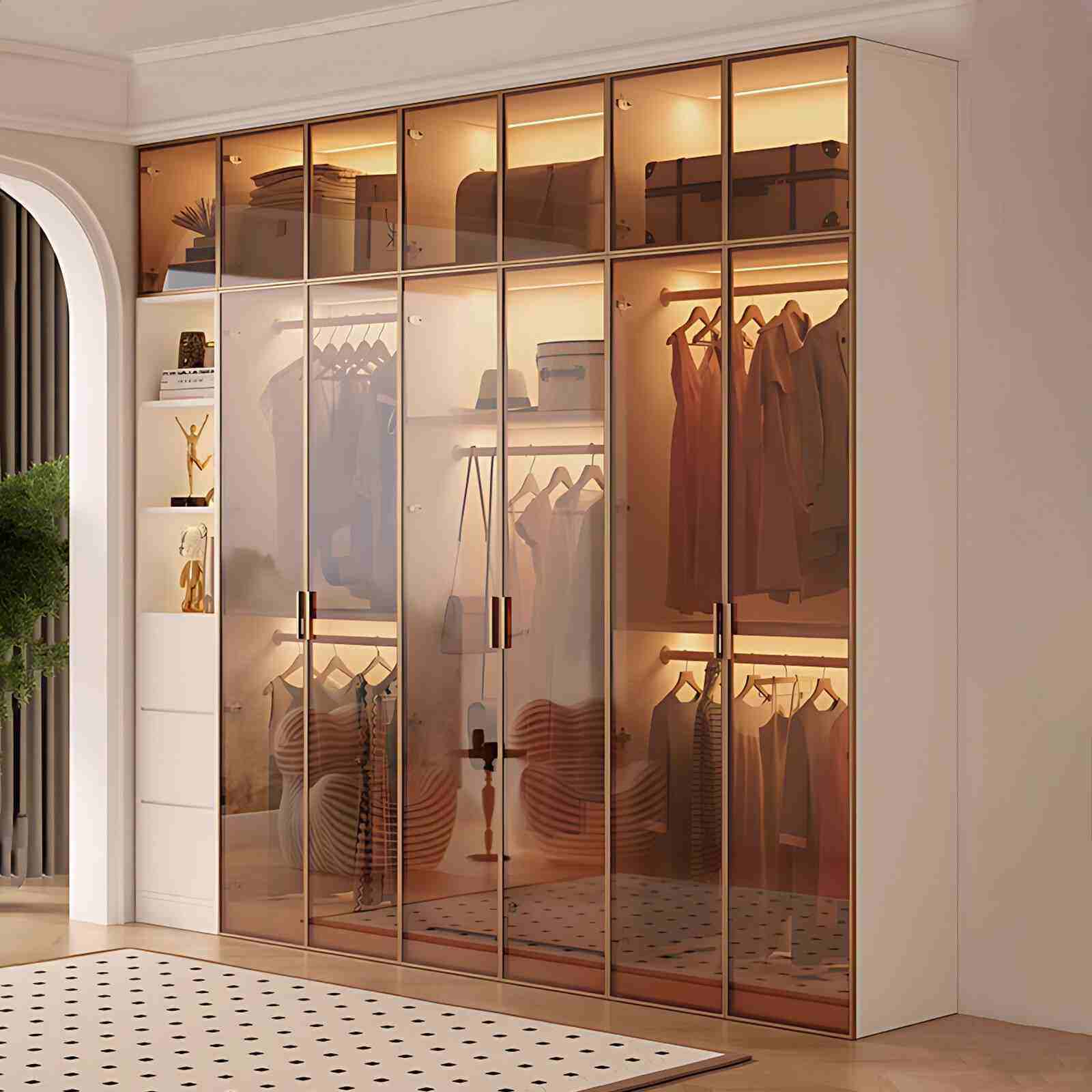
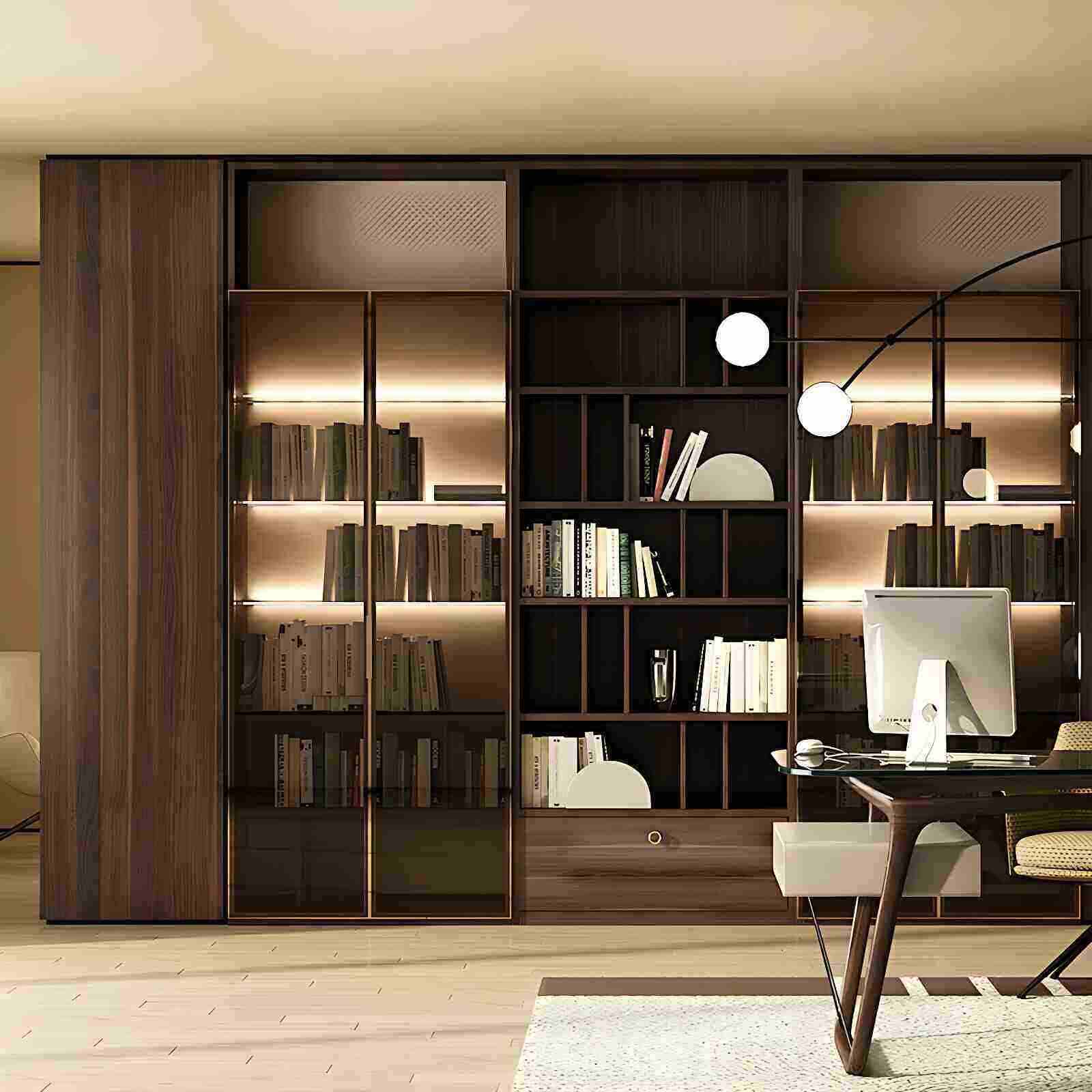
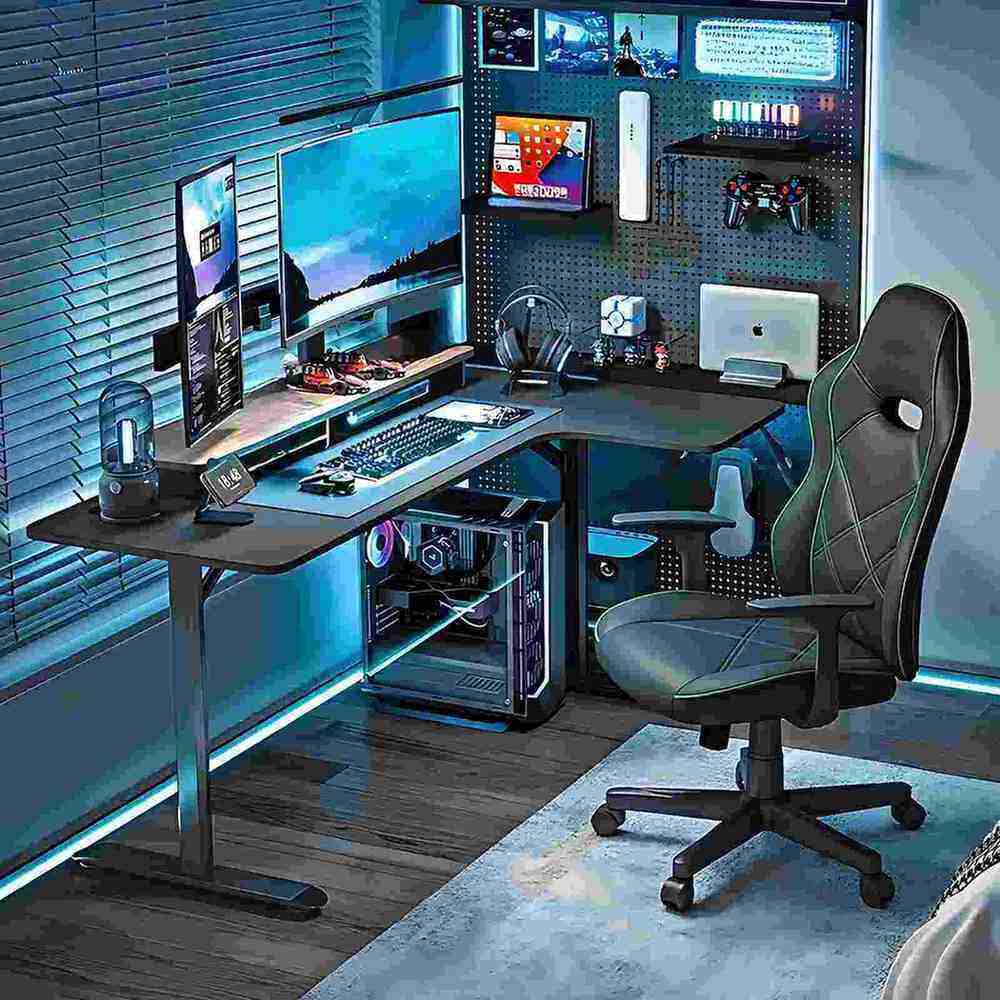
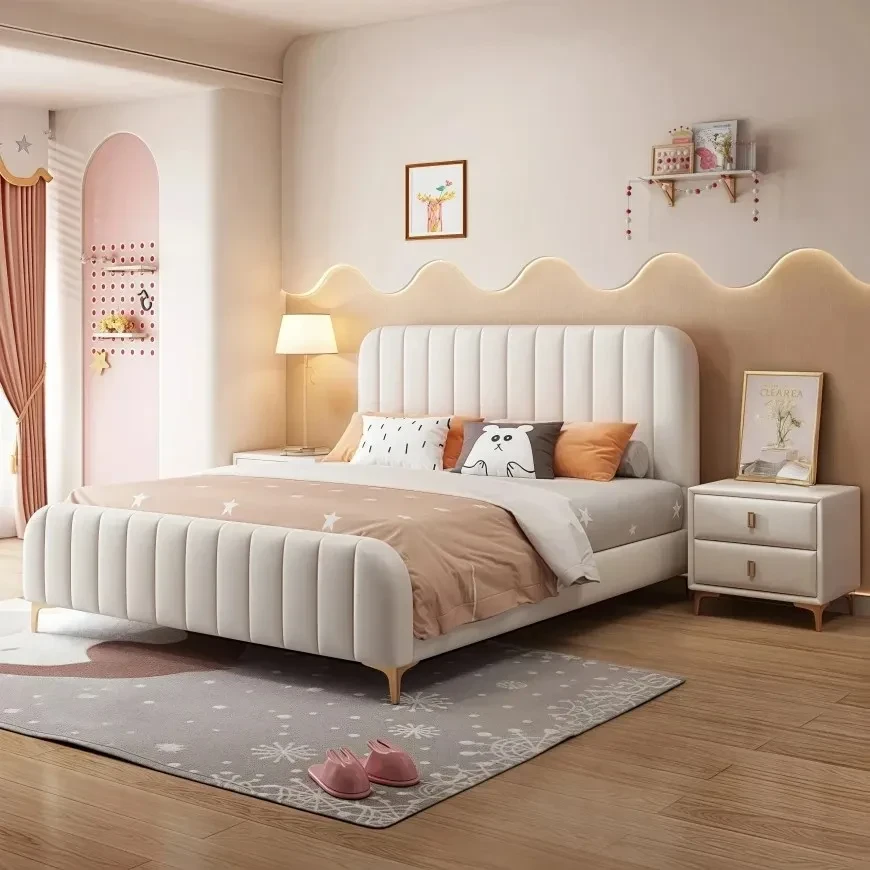
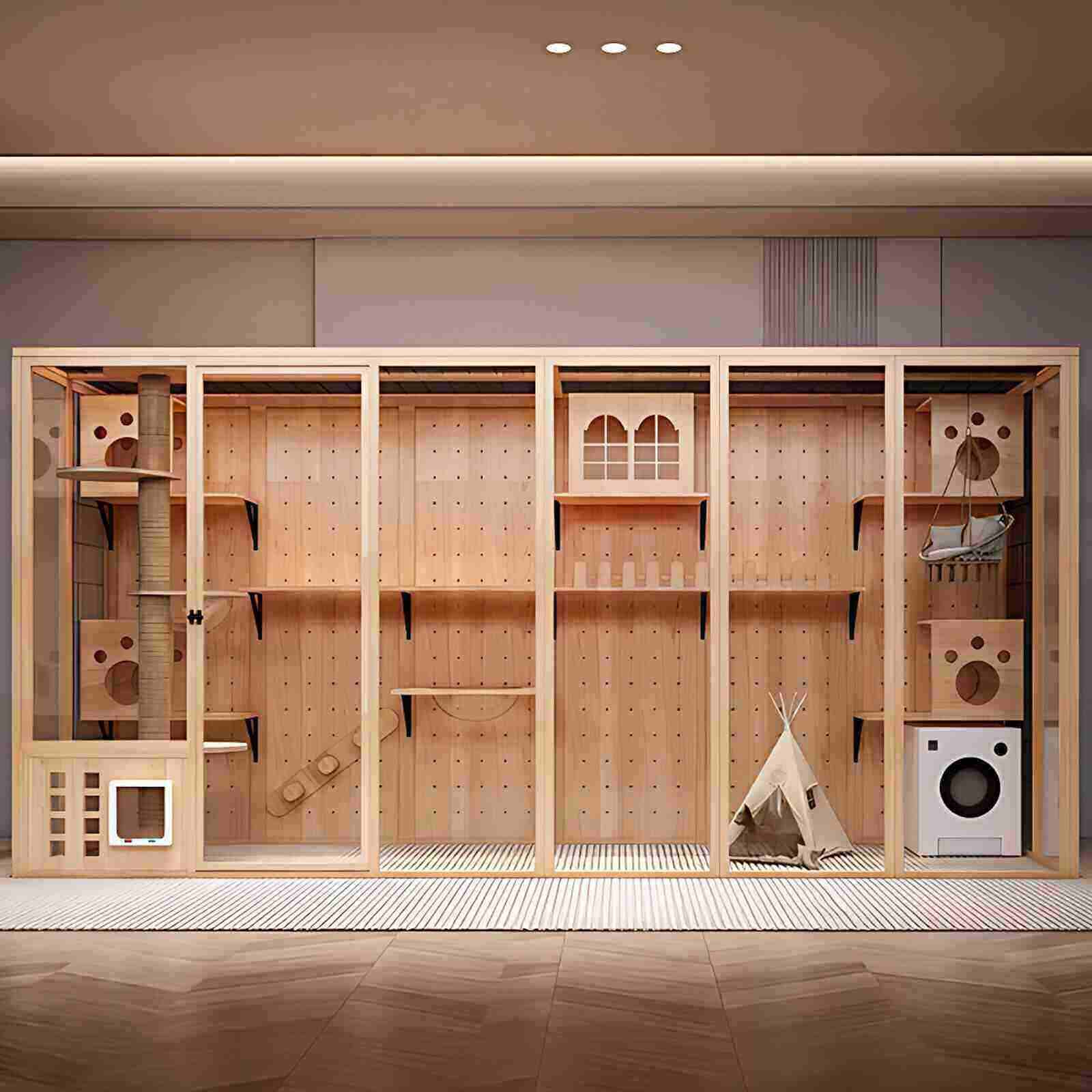
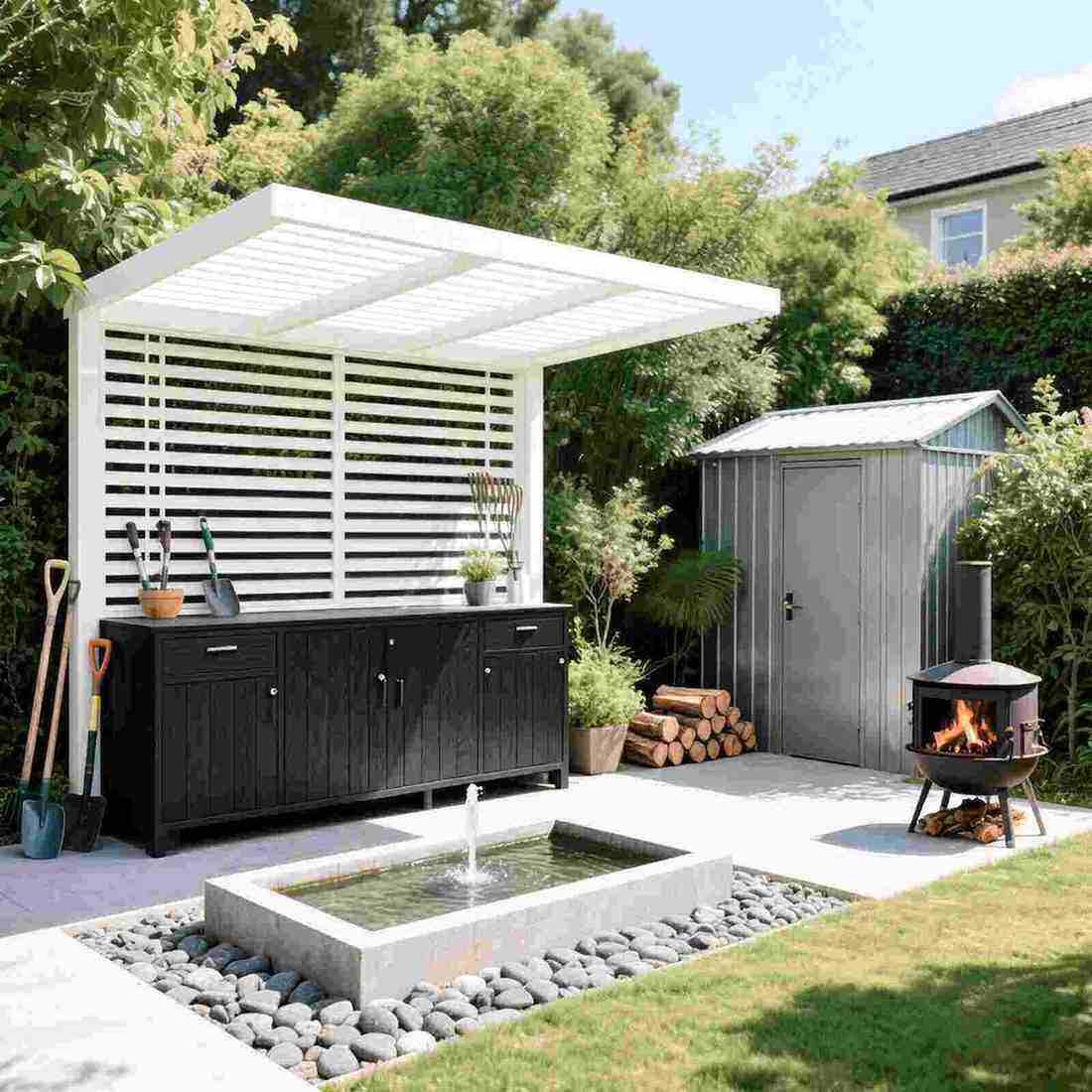
Especially when it comes to large items like interior cabinetry, meticulous attention is crucial. Currently, various styles of panel furniture have become the mainstream in the furniture industry, sharing the market equally with solid wood furniture. So, can eco-friendly panels be used for cabinetry, and what are their advantages?
In fact, when using eco-friendly boards to make kitchen cabinets, two aspects need to be met: first, practicality, and second, health.
1. Practicality: The melamine film paper on the surface of the eco-board is different from ordinary white paper. It is paper with certain colors or textures. These colors or textures are arbitrary. Consumers can choose whichever color they want. Therefore, the eco-board has a good decorative function and can meet the individual needs of different consumers.
In addition, eco-boards have no color difference on the surface, a uniform and stable structure, and are not prone to deformation. They also have good moisture-proof, corrosion-proof, acid-proof, and alkali-proof properties. Furthermore, eco-boards are more economical than solid wood boards, making them a high-value option for consumers with moderate budgets.
2. Health: This point must be mentioned. Nowadays, people are afraid of harmful substances such as benzene and formaldehyde when decorating. Because the surface of the eco-board already has a layer of adhesive paper, it does not need to be painted, thus avoiding the impact of paint on indoor air.
As for formaldehyde, although the adhesive used in eco-friendly boards will release a certain amount of formaldehyde, as long as the formaldehyde content is controlled within a certain concentration, it will not cause harm to the human body. Most eco-friendly boards on the market have reached the national standard E1 level, which allows them to be used directly indoors, so consumers can use them with confidence.