
 USD
USD GBP
GBP
 EUR
EUR





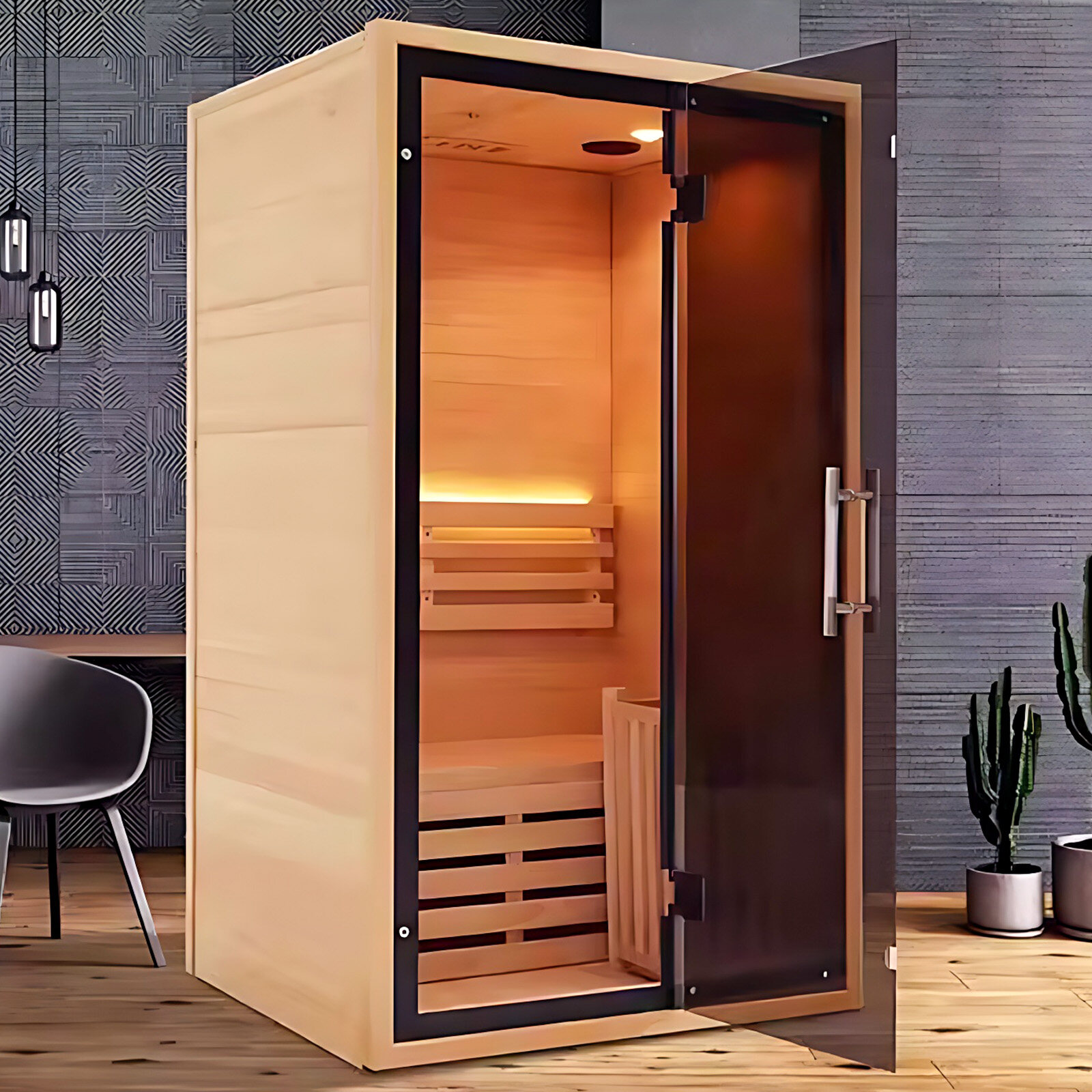

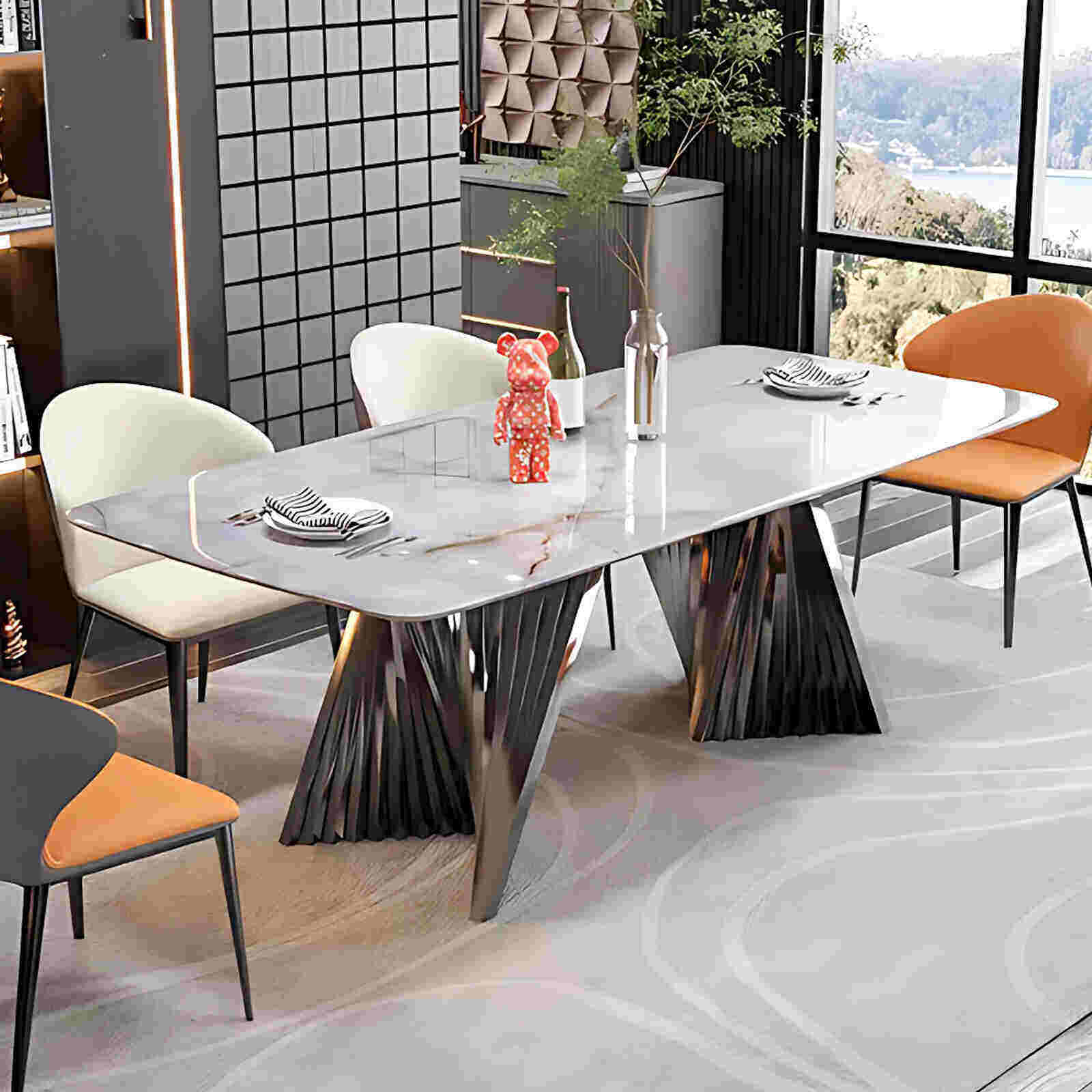
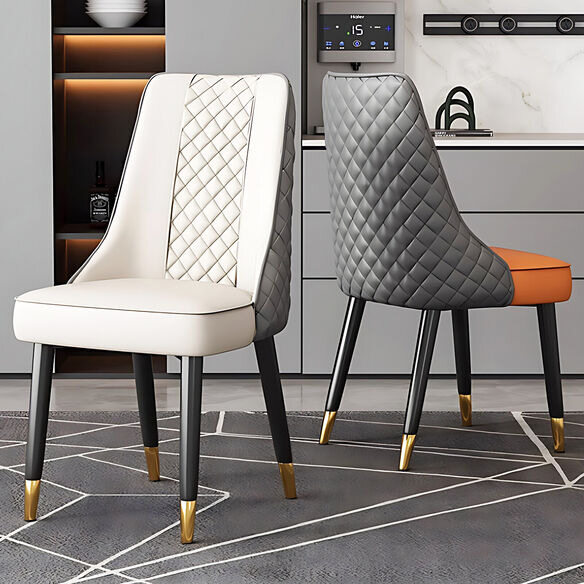


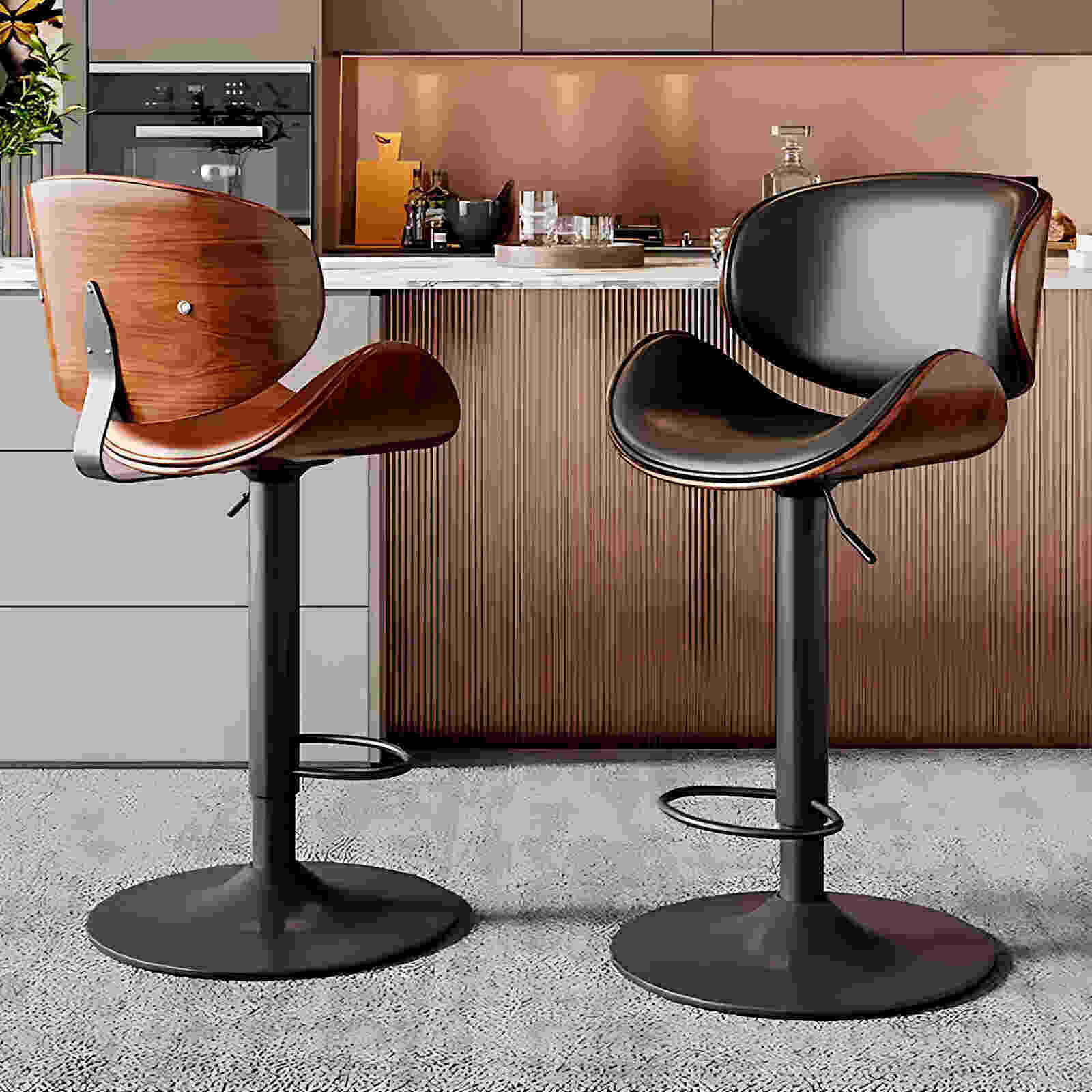



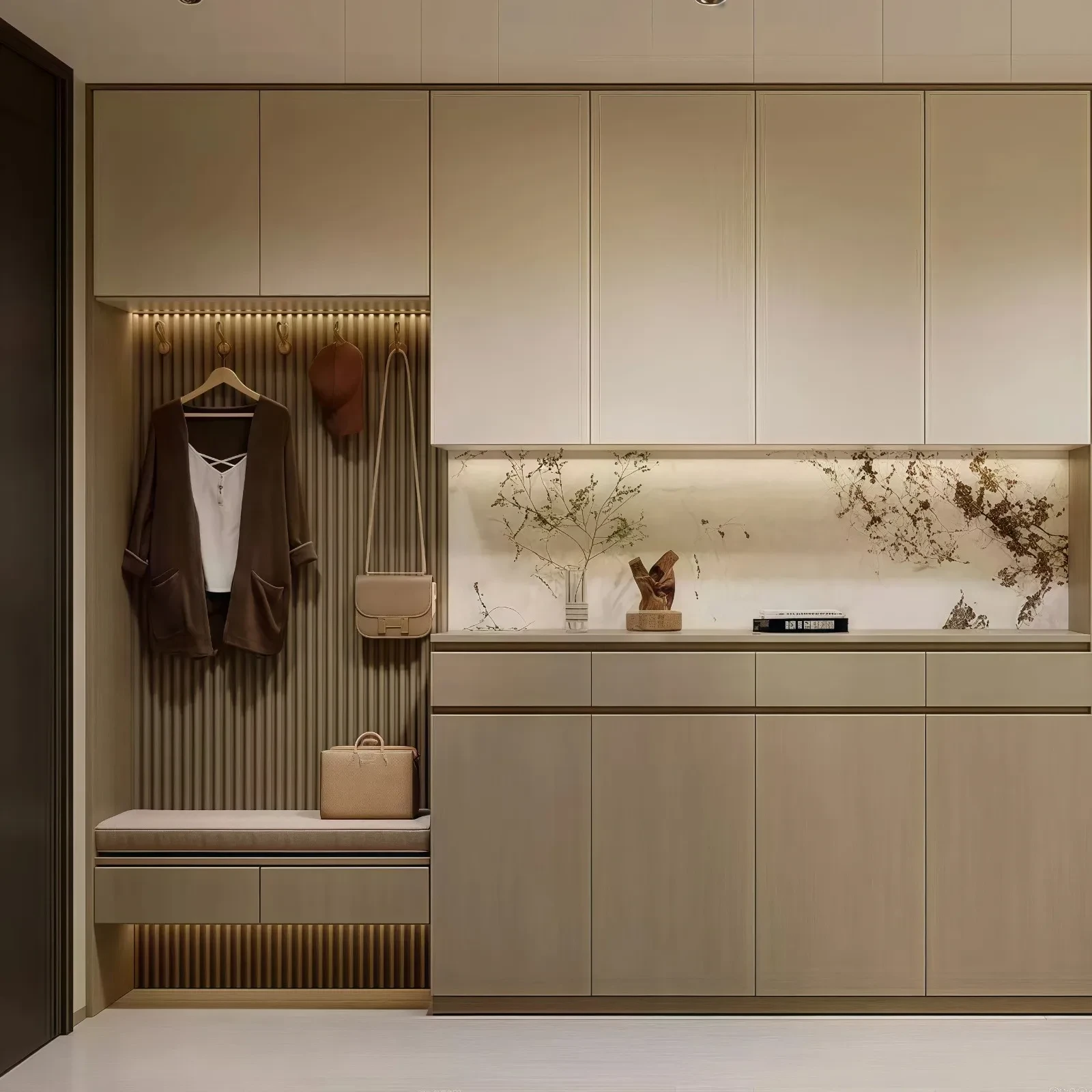


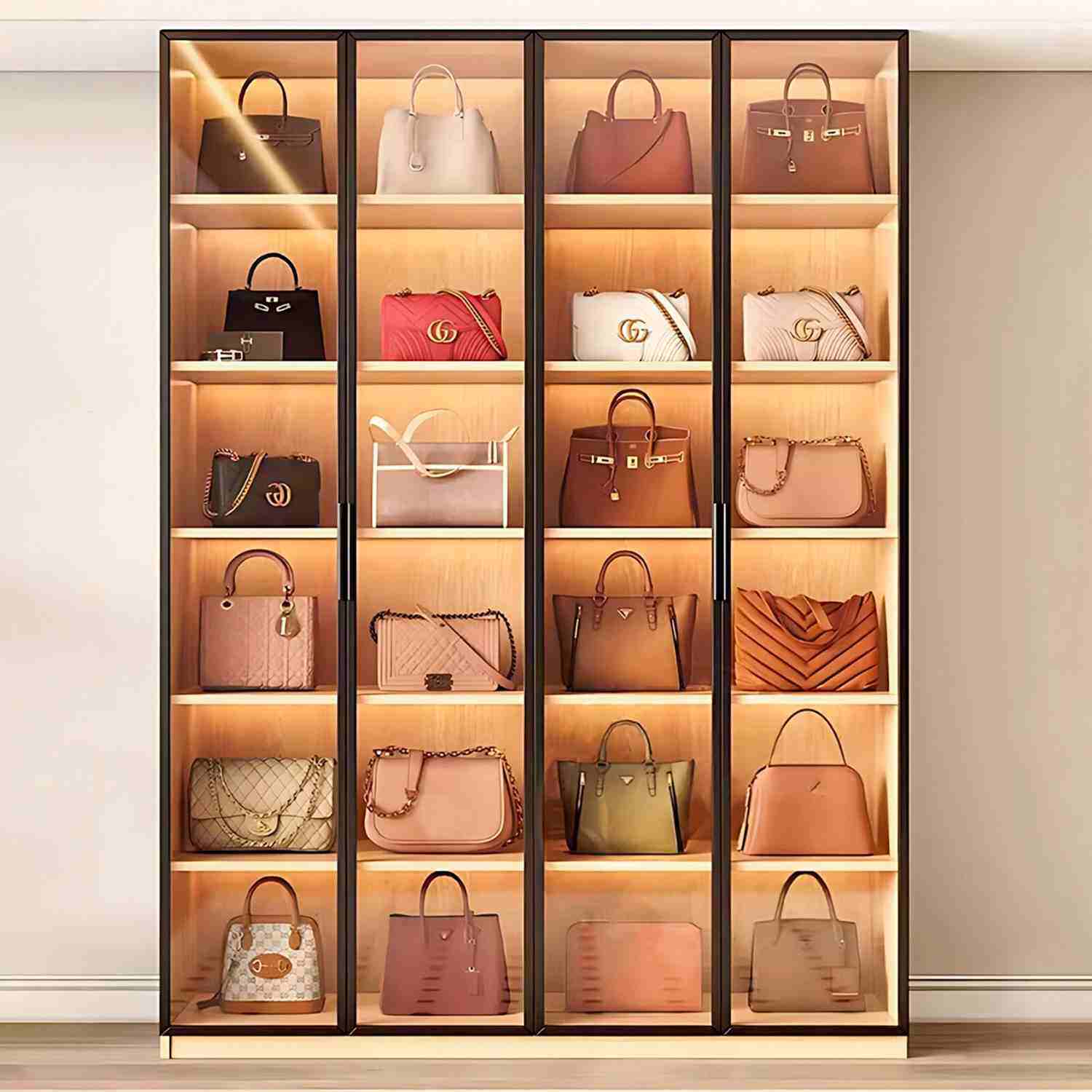


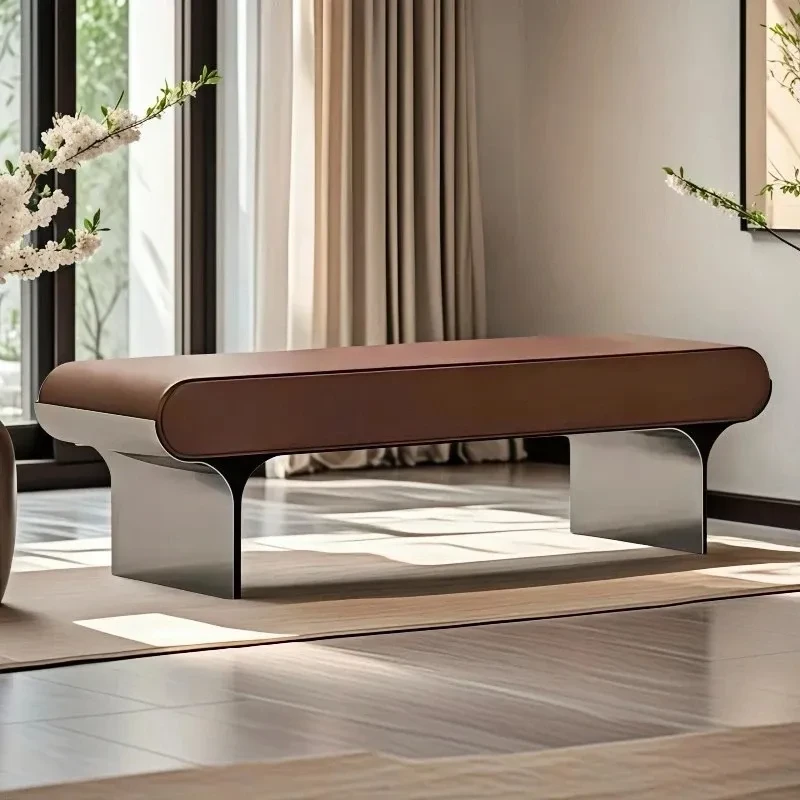



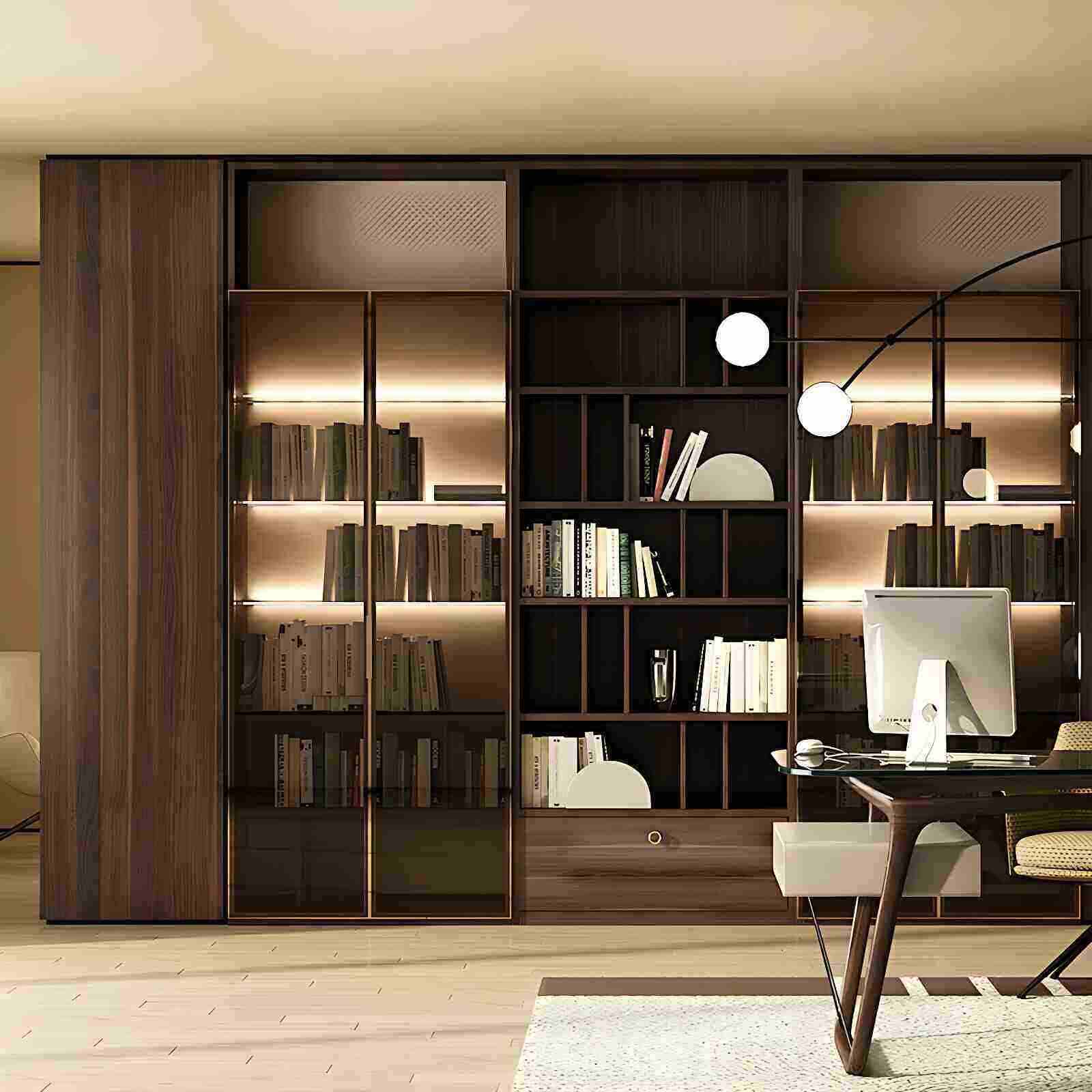

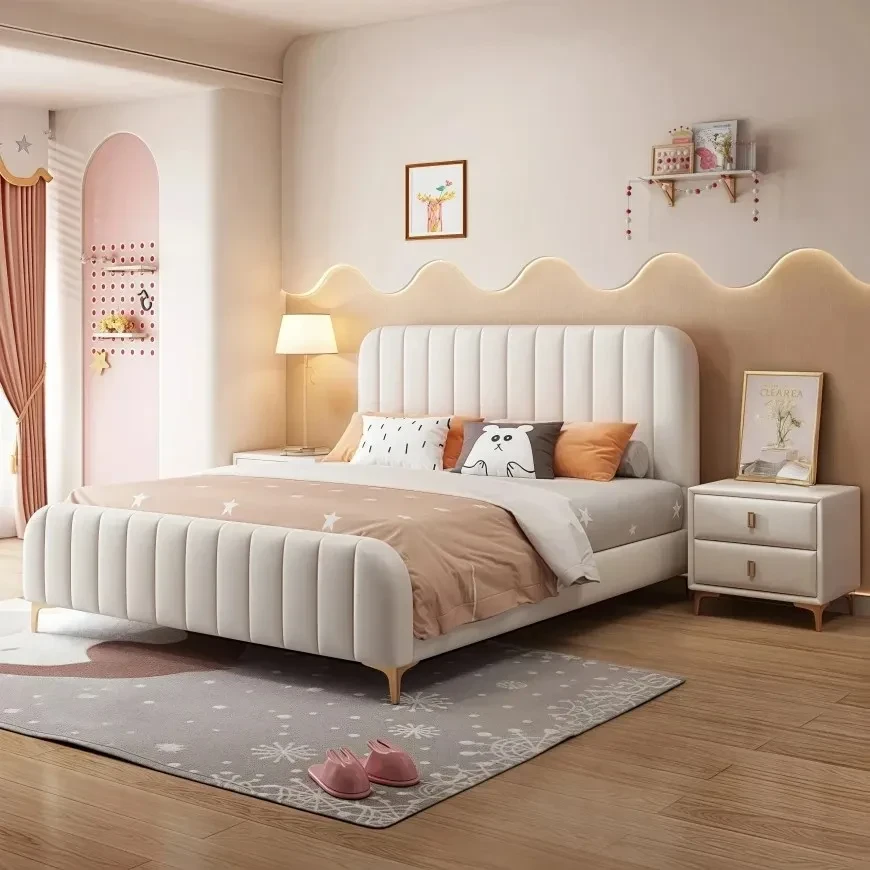
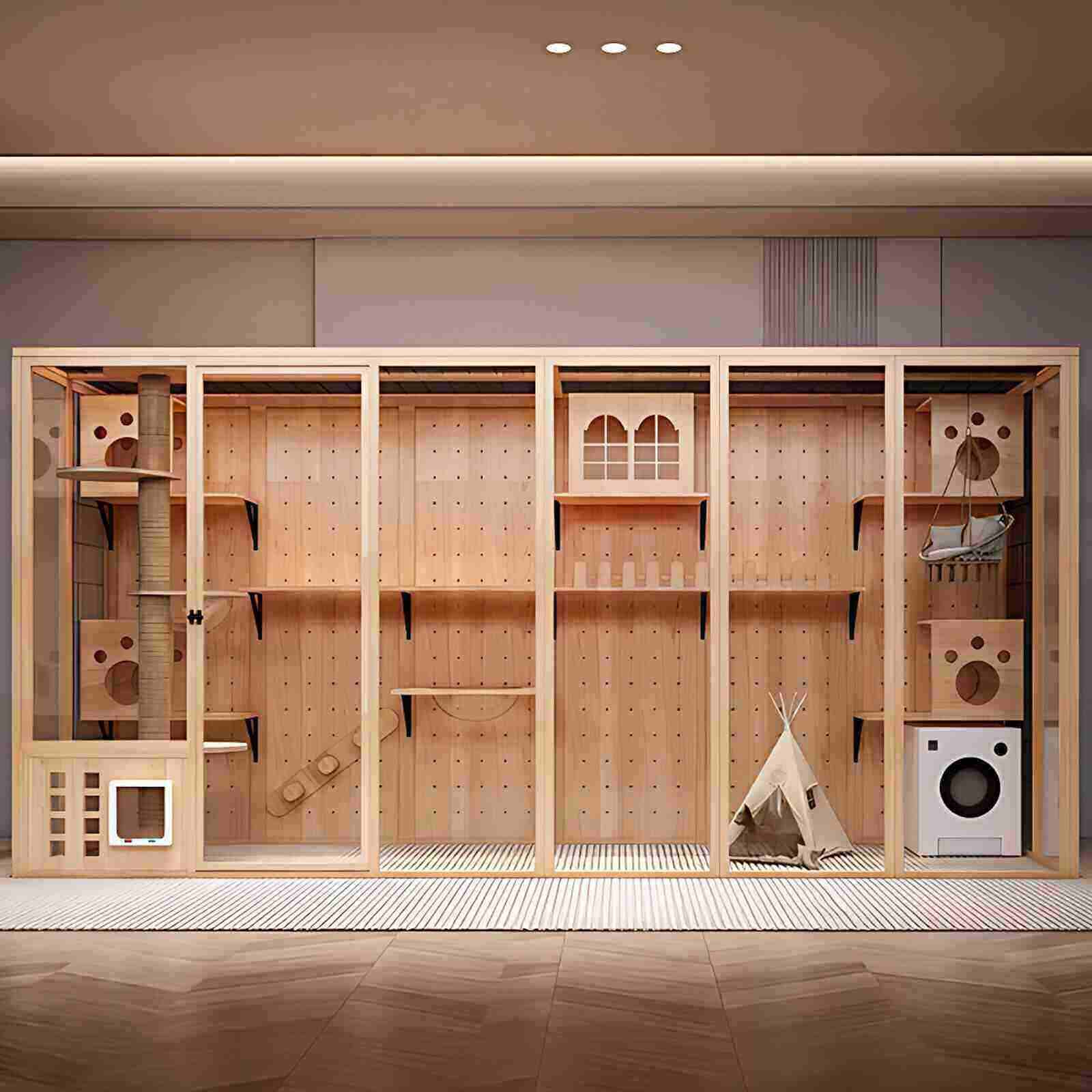
Currently, a large number of furniture pieces made of rubberwood have appeared on the market.
In terms of price, rubberwood furniture is completely incomparable to oak furniture. So, is rubberwood really that much worse than oak?
Historically, rubberwood is sawn timber produced from rubber trees after they have stopped producing latex. In the late 1970s, the industry developed drugs and processing techniques to prevent insect and fungal damage to rubberwood, which were first commercially applied on a large scale in Malaysia. After undergoing preservative and drying treatments, the boards, with their elegant color, beautiful grain, fine structure, and good processing performance, were favored by Japanese businesses that value the decorative effect of wooden structures, and were subsequently imported in large quantities into the Japanese furniture manufacturing industry and residential decoration.
Most of the rubberwood used by domestic furniture companies is imported from abroad. It undergoes strict inspection and quarantine by customs, ensuring its safety, hygiene, and quality. Consumers can rest assured when purchasing high-quality rubberwood furniture from these companies. The claim that rubberwood furniture easily causes skin allergies and is unsuitable for people with weak constitutions or allergies is a misconception.
From a physical performance perspective, rubberwood is not significantly different from oak.
Compared to renowned and precious woods such as green nanmu, camphor, yellow laurel, linden, lauan, and laminar, rubberwood's physical and mechanical properties are not inferior, and it is even more similar to oak, which has a similar color and texture. Like other wood materials, it is classified as a lignocellulosic material. Looking at the following key performance data, rubberwood's density is not significantly lower than oak's, but rather very similar: the air-dry density of domestic rubberwood is 0.61 g/cm³, while imported rubberwood can reach 0.65 g/cm³; while oak's air-dry density is 0.66–0.77 g/cm³, and both belong to the deciduous wood (i.e., hardwood) category. Rubberwood's end-face hardness is 5492 N, while oak's end-face hardness is 6510–10000 N; rubberwood's bending strength is 91.8 MPa, while oak's bending strength is 88.1–118 MPa.
Rubberwood has slightly lower bending strength than oak, but both belong to Class III according to physical and mechanical classification standards. Therefore, rubberwood is less prone to bending and deformation than oak. The harder the wood, the more prone it is to cracking. Oak is hard and heavy, making it difficult to completely remove moisture. Furniture made from oak that hasn't been properly dried may begin to warp or shrink and crack after a year or two. Rubberwood's hardness differs significantly from oak's, therefore oak is more prone to cracking than rubberwood.
The price of oak furniture is much higher than that of rubberwood furniture in the market, which is largely due to consumer psychology.