
 USD
USD GBP
GBP
 EUR
EUR









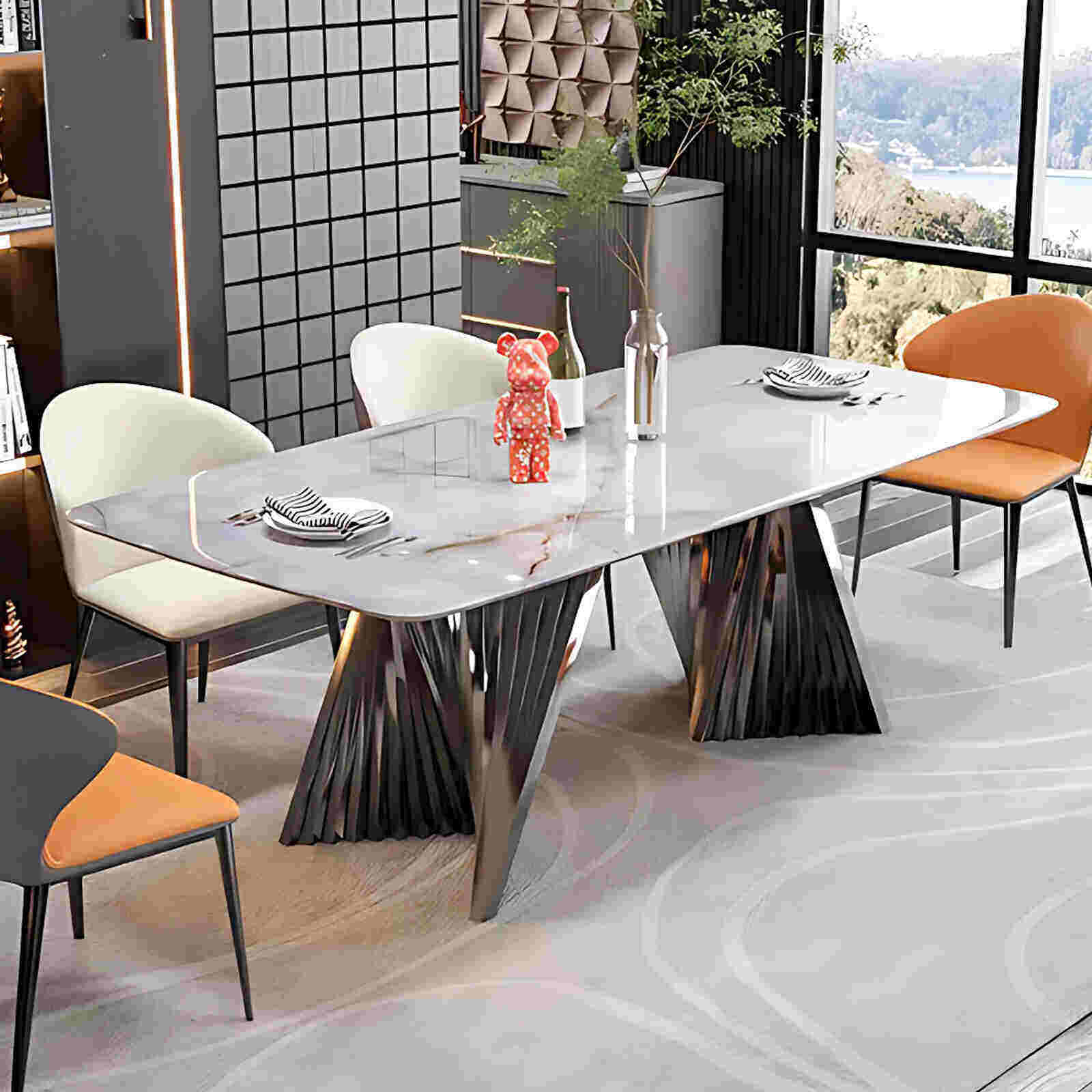
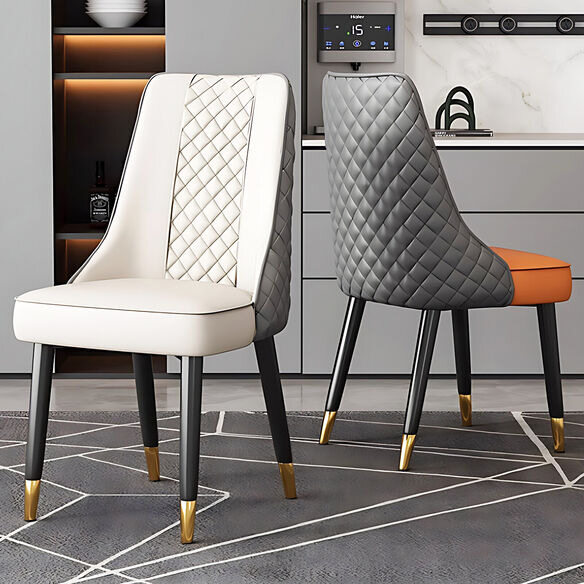


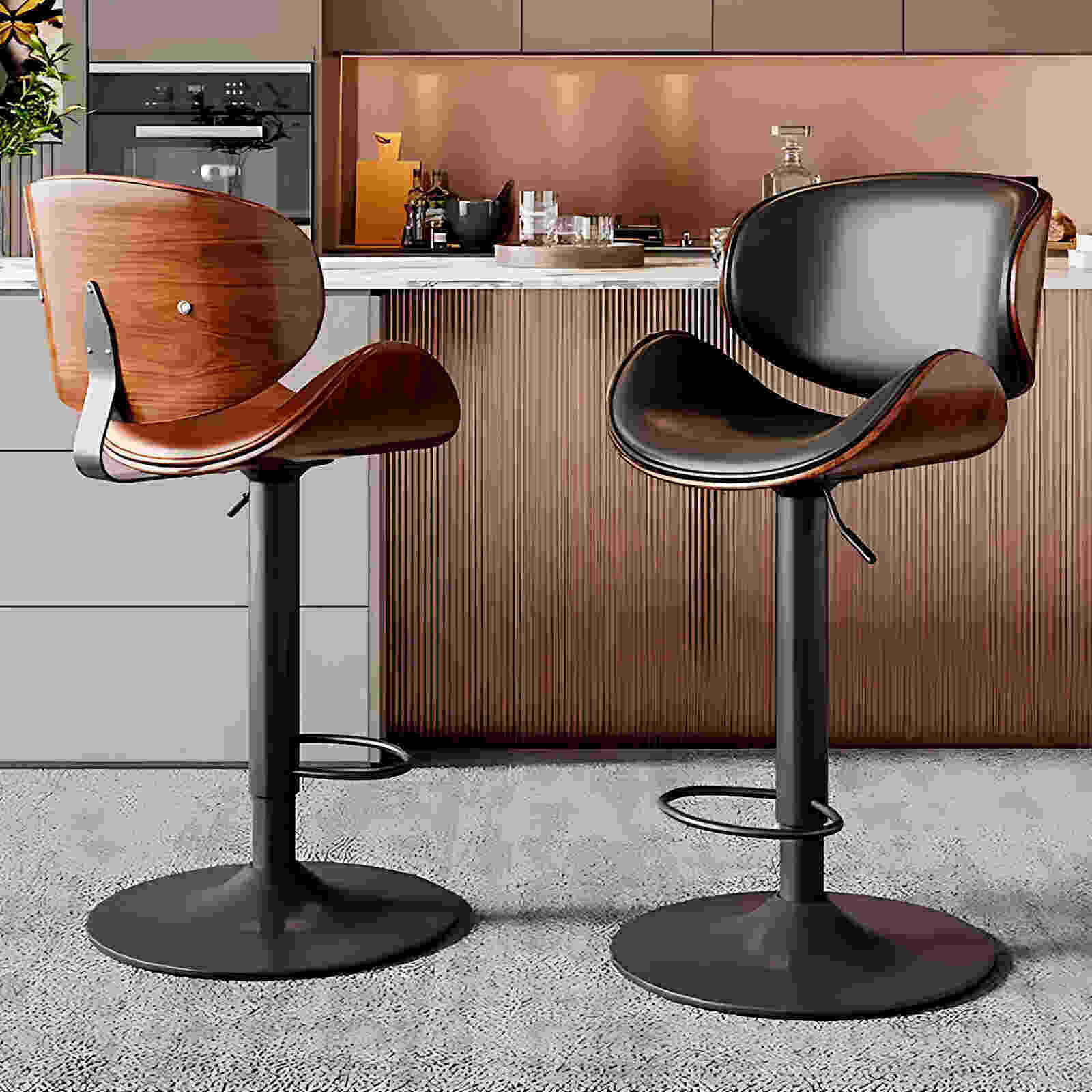



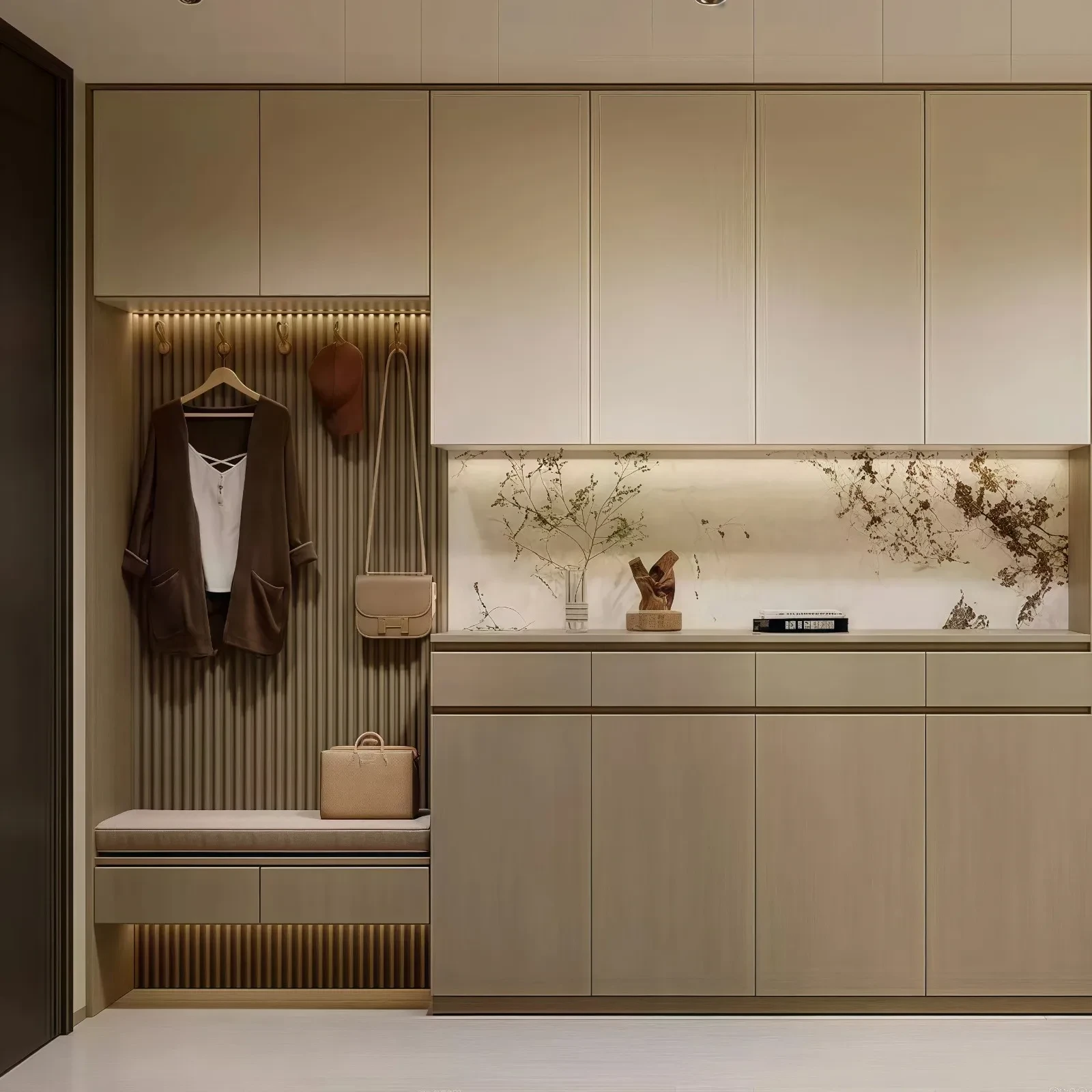
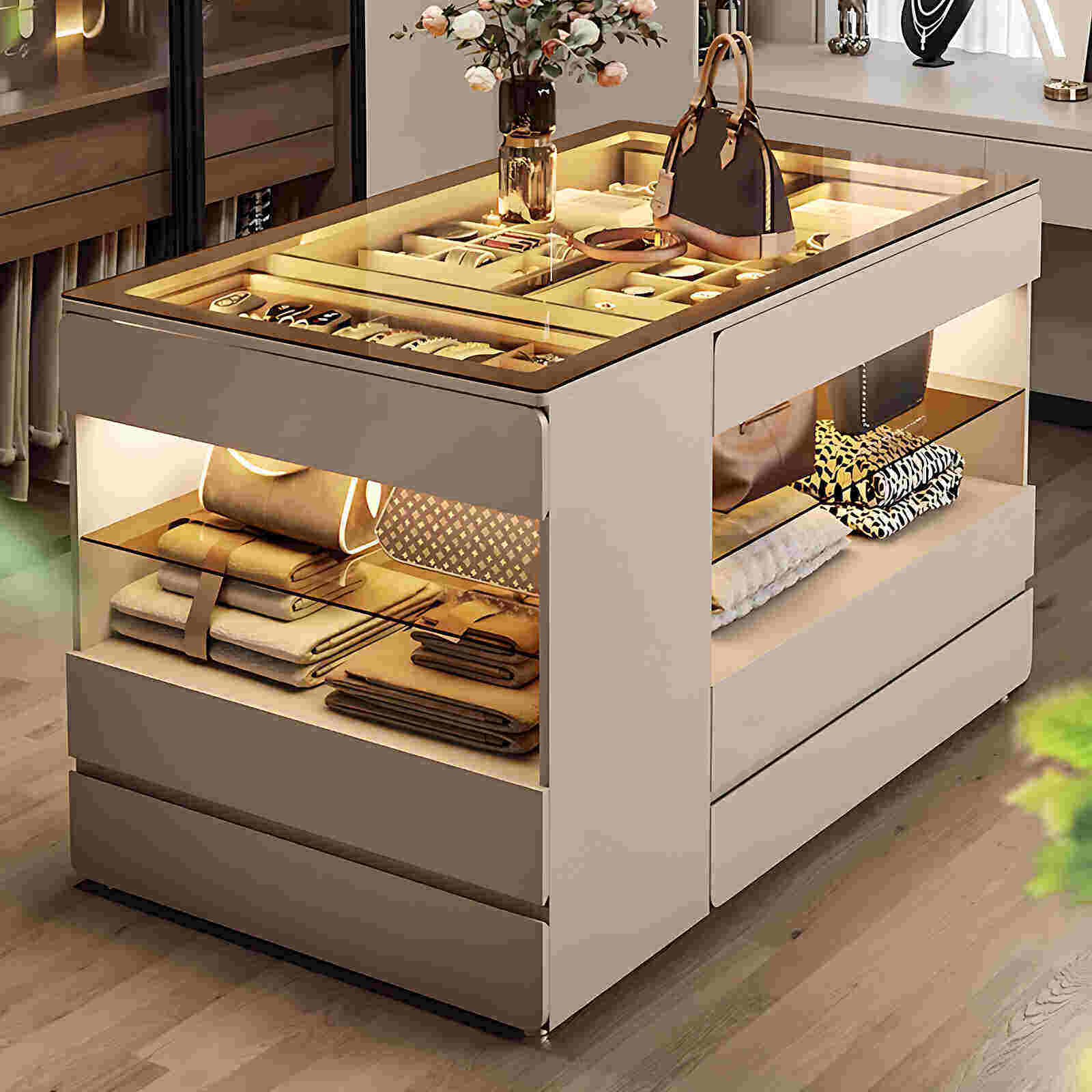

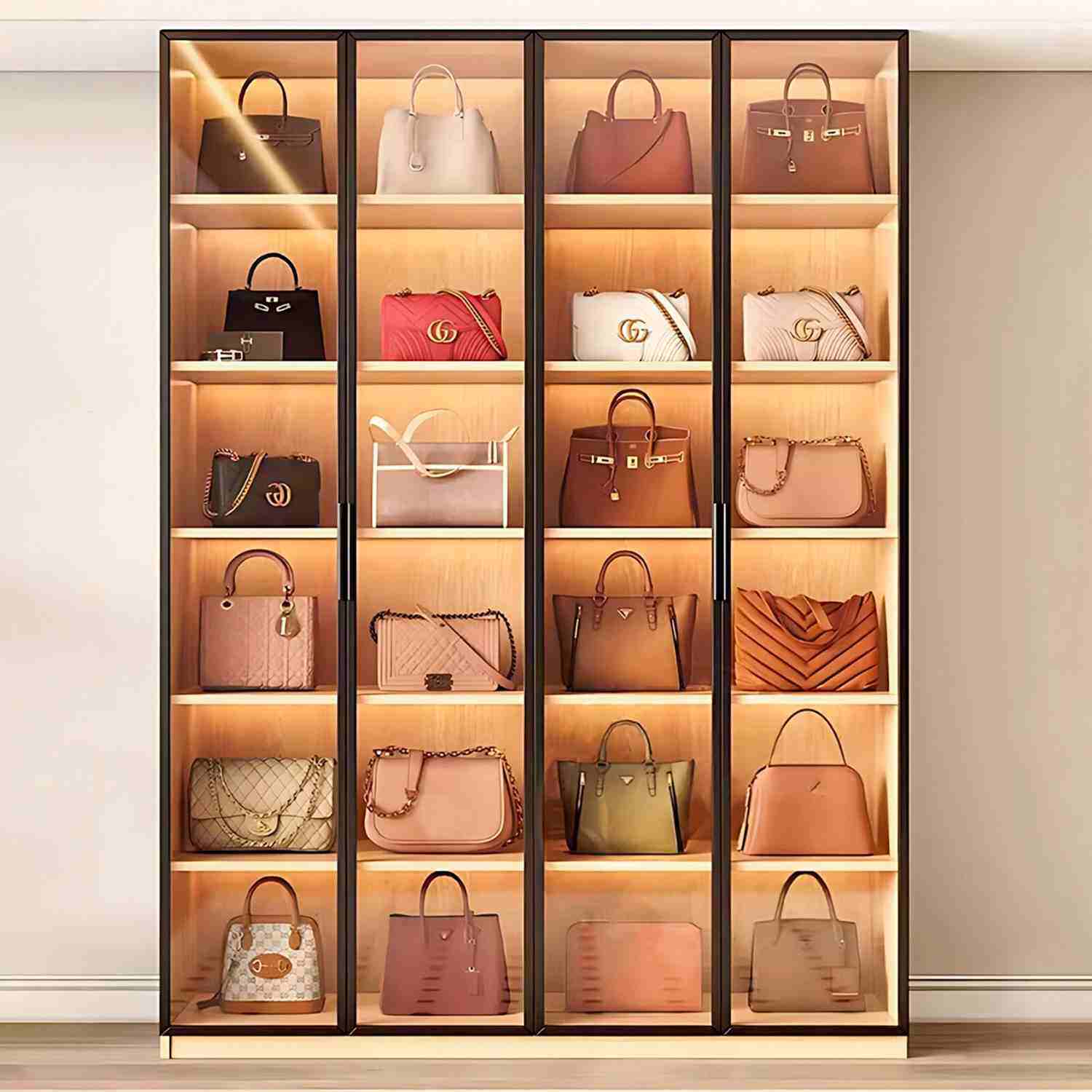


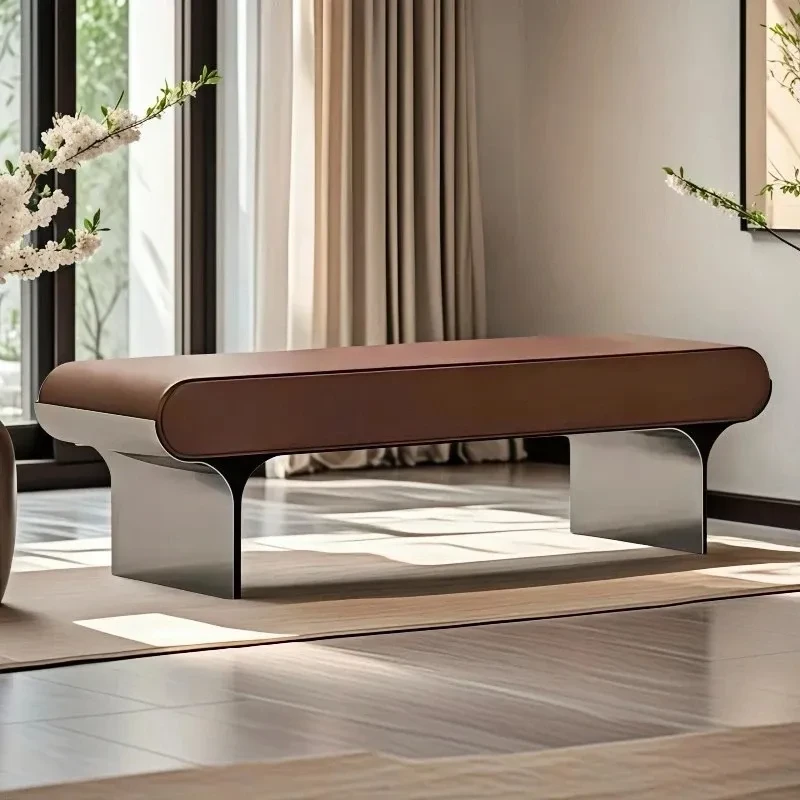



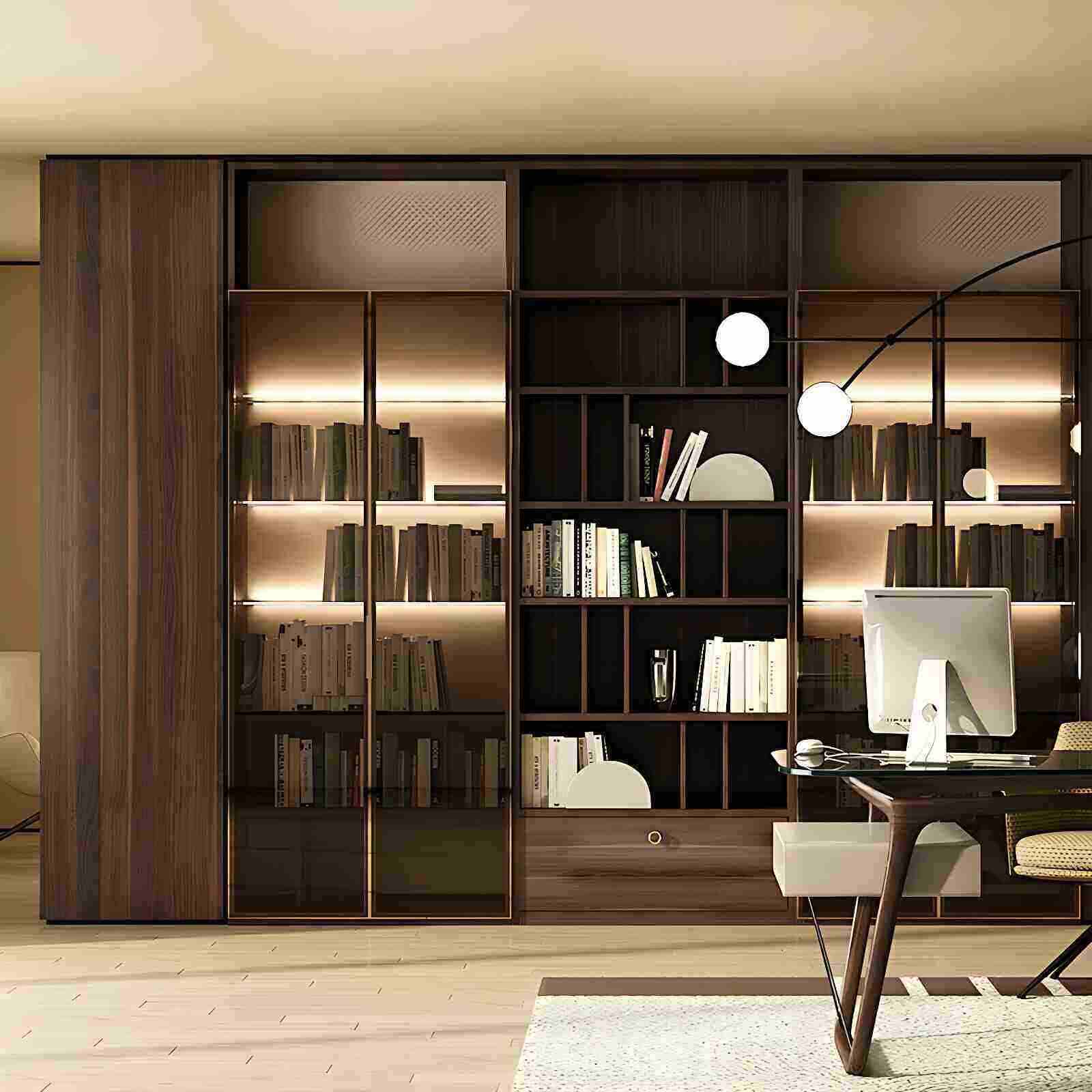

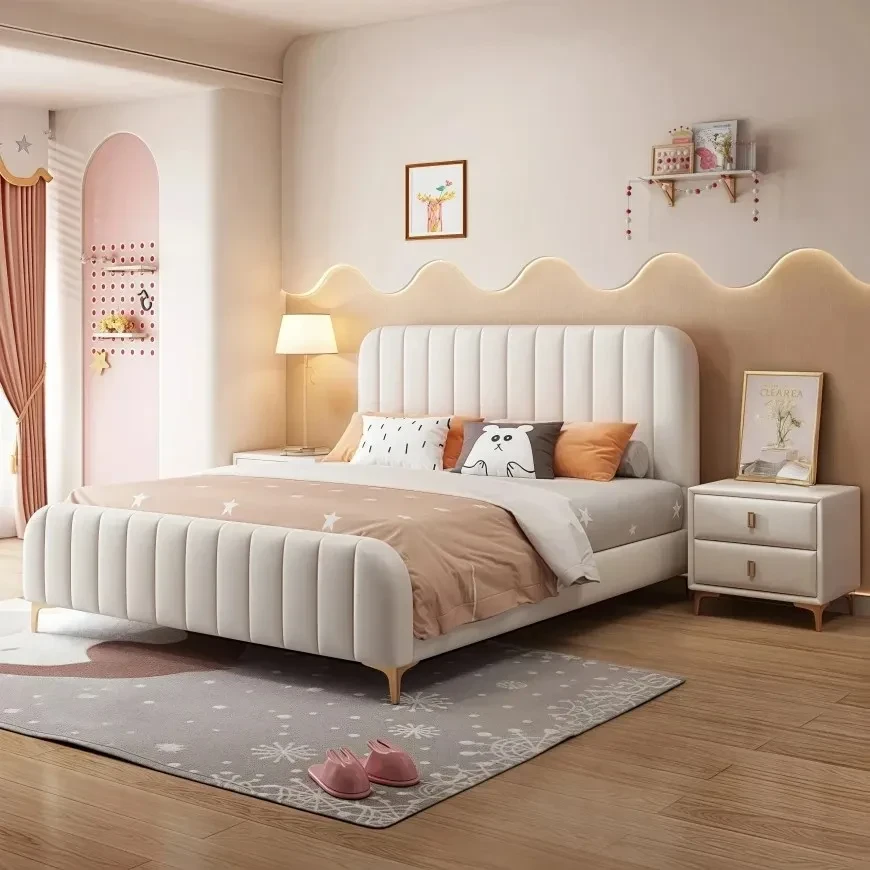
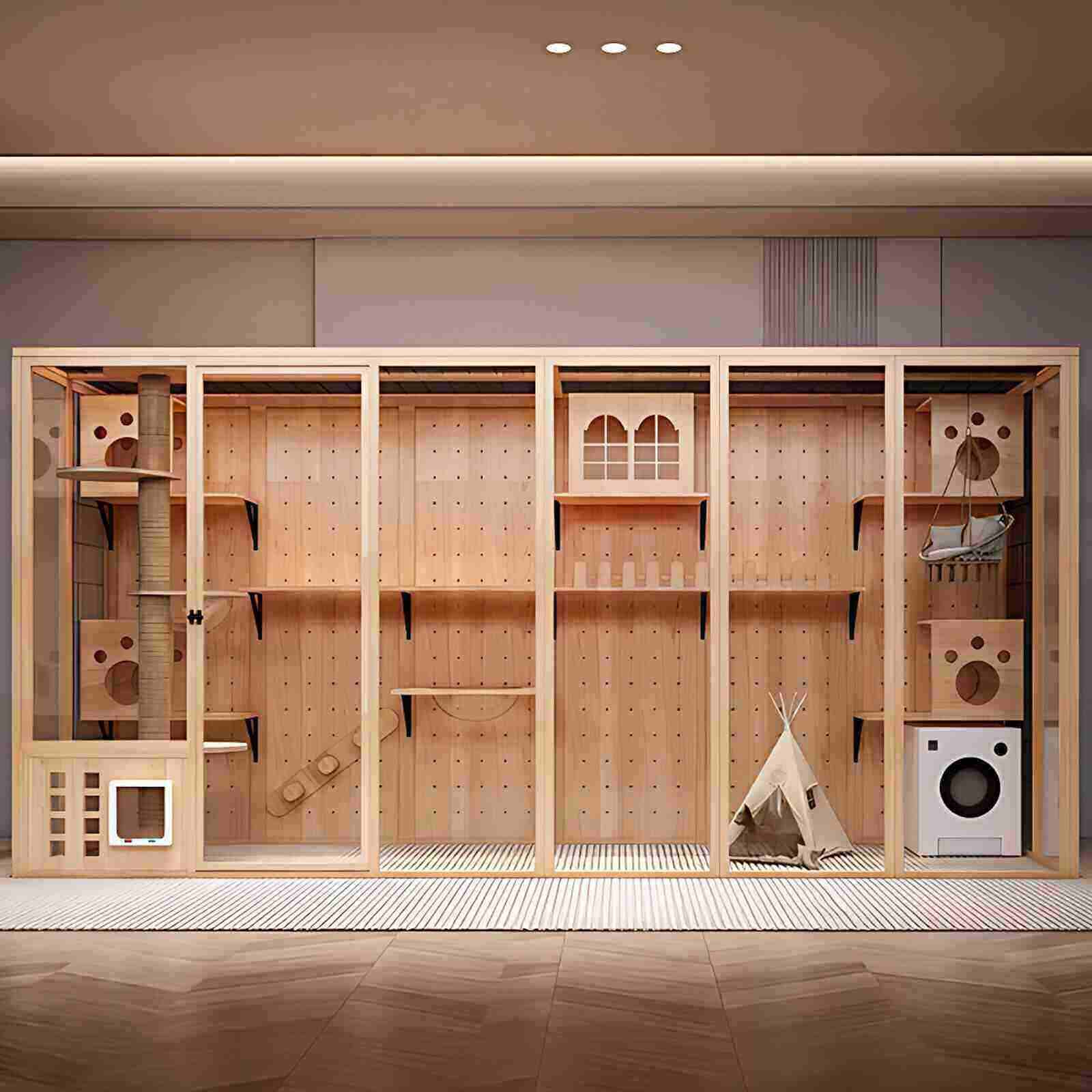

Nowadays, people often confuse oak and rubberwood when buying furniture. Below, the editors of the top ten wood panel brands will analyze the differences and characteristics of oak and rubberwood.
I. What is rubberwood?
Rubberwood is a plant that produces rubber latex. It is the trunk of the rubber tree, a subtropical species. After the rubber tree matures, it is tapped annually. A semi-circular incision is made horizontally and slightly downwards on the trunk; the sap that flows out is raw rubber, the raw material for manufacturing rubber. As the tree ages, its trunk can be used to make furniture.
II. What is oak?
Oak belongs to the genus Quercus, family Fagaceae. Its heartwood is yellowish-brown to reddish-brown, with distinct growth rings that are slightly wavy. It dries slowly. The color, texture, characteristics, and properties of red oak vary depending on its origin. Southern red oak grows faster than northern red oak. It is usually sold separately according to its origin and whether it is from the south or north. Southern oak is redder in color and has color variations, making it suitable for darker-colored products. Northern oak is lighter red or whiter in color and has a more uniform color, making it suitable for lighter-colored products.
III. Differences between oak and rubberwood
Although oak and rubberwood differ by only one word, they are quite different when used as boards.
First, oak has a distinct and beautiful wood grain, with clear annual rings visible on the wood, giving it a realistic feel close to nature.
Secondly, oak's natural color is a pale yellowish-brown with a slight bluish tint. Compared to rubberwood, its color is deeper. Oak is also relatively easy to stain and has high colorfastness.
Secondly, oak has relatively large knots; these bold, unrefined knots are suitable for crafting rustic or vintage-style flooring. Furthermore, it takes a relatively long time to mature and has a high density. The growing environment of oak trees contributes to its stable properties and exceptionally dense and solid texture. Oak itself is strong and rot-resistant, and its stable characteristics and distinctive grain make it widely applicable for furniture making and other crafts.
Rubberwood is light yellowish-brown in color, with a uniform wood structure and a delicate feel. Secondly, rubberwood has a smooth cut surface, is easy to glue, and has good paint finish. It has relatively few and small knots, and its overall color is warm and soft, giving it a gentle feel. Thirdly, although rubberwood is light in color, it is not easily stained. Some rubberwood is painted on the surface for aesthetic purposes, covering the original growth rings and making the grain less clear.
IV. Avoiding Common Furniture Buying Misconceptions and Correctly Understanding Rubberwood
With the continuous development of the furniture industry, more and more types of wood are being used to make furniture to meet different decorative effects and consumer levels. However, due to people's generally limited knowledge of wood and the lack of standardization in wood names, some merchants are vague about the wood used in their furniture, giving people the illusion of high quality at low prices.
Consumers often discover they've been scammed only after purchasing the furniture, leading many to vent their frustration by disparaging the wood used in their purchased furniture online. Some merchants, in an effort to enhance the competitiveness of their products, relentlessly denigrate other furniture woods on online platforms, especially those easily confused with their own, resulting in a chaotic market.
There have been numerous incidents of counterfeit oak furniture appearing on the market. Occasionally, when encountering somewhat knowledgeable customers, salespeople will cover it up by saying, "Oak is short for rubberwood," causing consumers to purchase furniture that does not match their actual needs, leading to a phenomenon of fake oak furniture on the market. In fact, oak and rubberwood are two completely different types of wood.
V. Advantages and disadvantages of rubberwood furniture
advantage
1. Rubberwood has a short growth cycle, generally taking ten years to mature. The wood is widely available, so rubberwood furniture is not expensive.
2. Rubberwood furniture is not prone to cracking in dry northern regions and is easy to maintain.
3. Rubberwood has strong plasticity in the furniture making process, making it suitable for making furniture products with soft curves.
4. Rubberwood has a good solid wood texture, and rubberwood furniture made from it has beautiful grain and uniform texture.
5. Rubberwood has a light color, is easy to stain, can accept all types of stains and coatings, easily matches the color tone of other woods, and has good paint coating performance.
6. Rubberwood has good wear resistance, and furniture tabletops and other items made from it are durable.
shortcoming
1. Rubberwood has an odor and is prone to discoloration, decay, and insect infestation due to its high sugar content.
2. Rubberwood is not easy to dry and is prone to bending and deformation. Wood is easy to process, but boards are prone to deformation during processing.
3. Rubberwood is a tropical tree species, and it is one of the inferior tree species in terms of hardness, material, texture, and performance.
VI. Advantages and disadvantages of oak furniture
advantage
1. It has a distinctive mountain-shaped wood grain and a pleasant tactile feel.
2. It has excellent toughness and can be processed into various curved shapes as needed, which is quite aesthetically pleasing.
3. It is made of solid material, and the finished product is sturdy and has a long service life. It is used in the production of many traditional door and window lattice designs.
4. It is of a higher grade and is suitable for making European-style furniture and Chinese classical furniture. It has a solid feel and the dignified and stable feel of mahogany furniture, but the price is lower than that of mahogany furniture.
5. Oak has a dense texture and many tyloses in its pores, making it less prone to water absorption, corrosion resistant, and strong. It is used in Europe and America to store red wine.
shortcoming
1. High-quality tree species are relatively scarce, and most are currently imported from Russia and the United States, with some also imported from Turkey, Austria, Germany, and Canada. Many other regions in Europe and the Americas also produce them, but import volumes are extremely small.
2. Imported oak lumber typically undergoes rigorous drying processes abroad, resulting in excellent stability. Some manufacturers also import logs directly from overseas and process and dry them themselves. Currently, many professional oak furniture manufacturers in China produce oak furniture with high stability. However, because oak is hard and dense, it is difficult to completely remove moisture. Furniture made without proper drying may begin to warp, shrink, or crack after a year or two.
3. The phenomenon of substituting rubberwood for oak is widespread in the market. If customers lack professional knowledge, it will directly affect their interests.