
 USD
USD GBP
GBP
 EUR
EUR
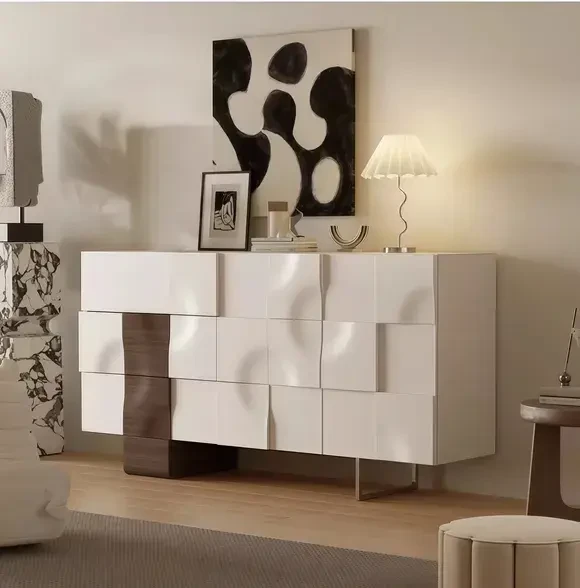
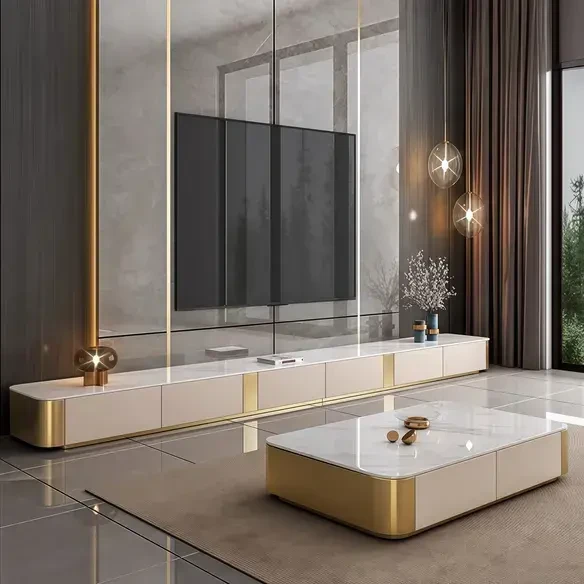






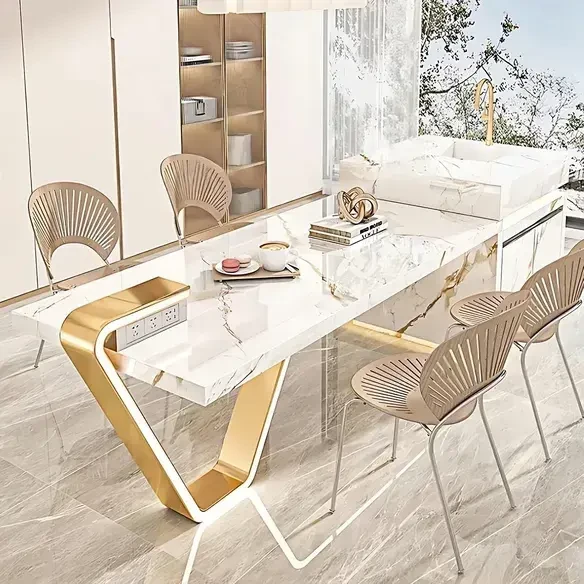
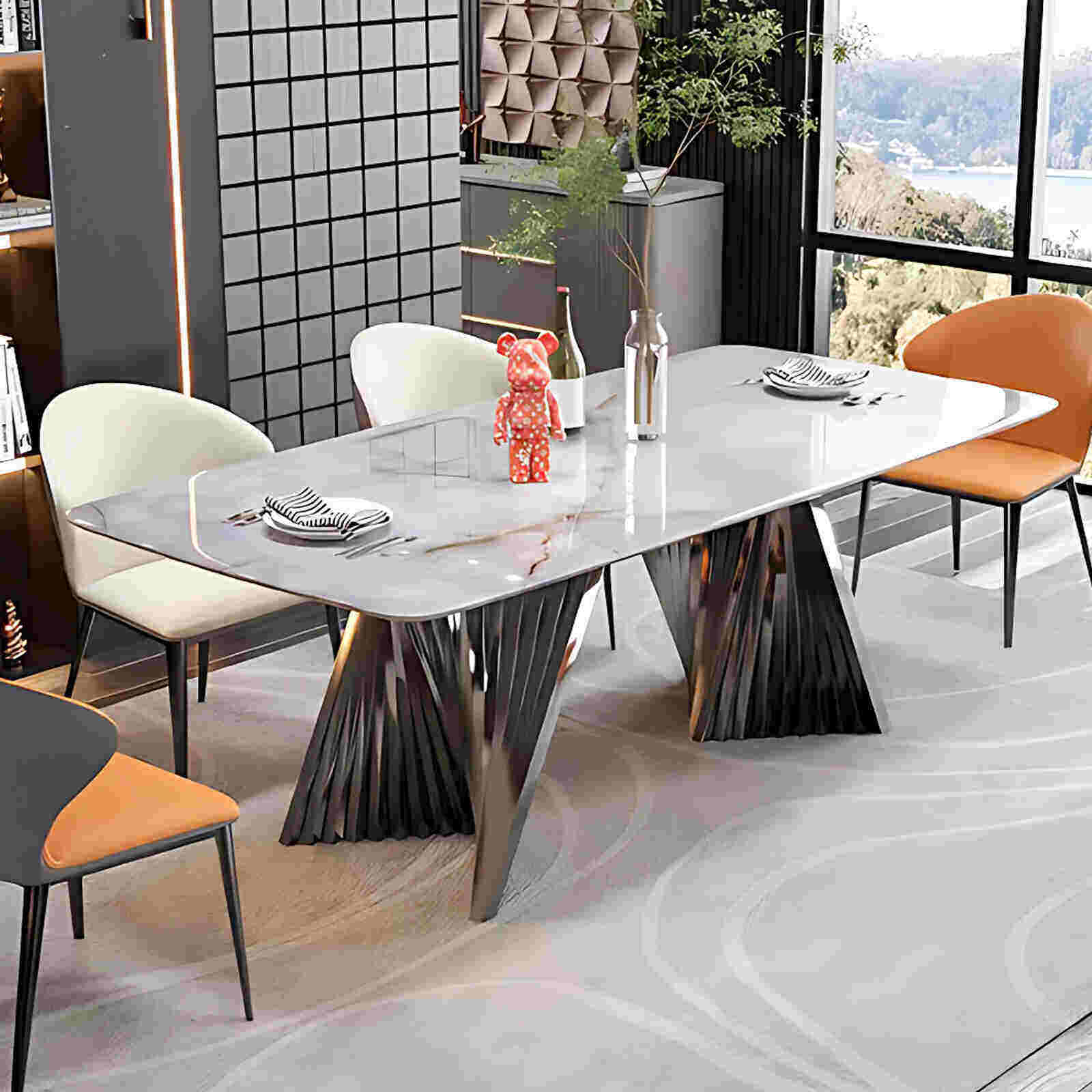

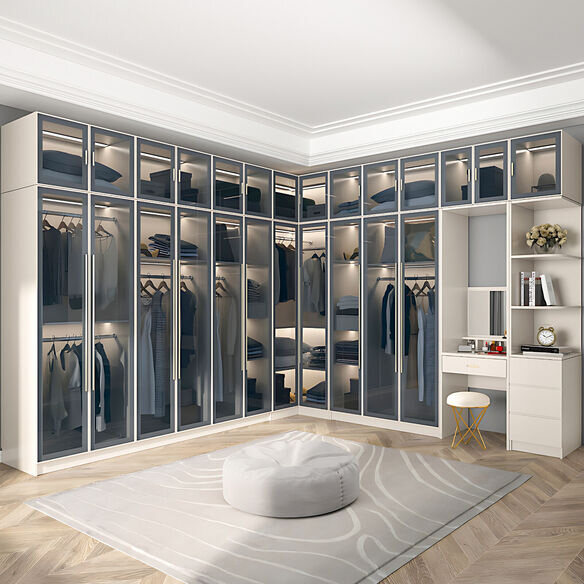

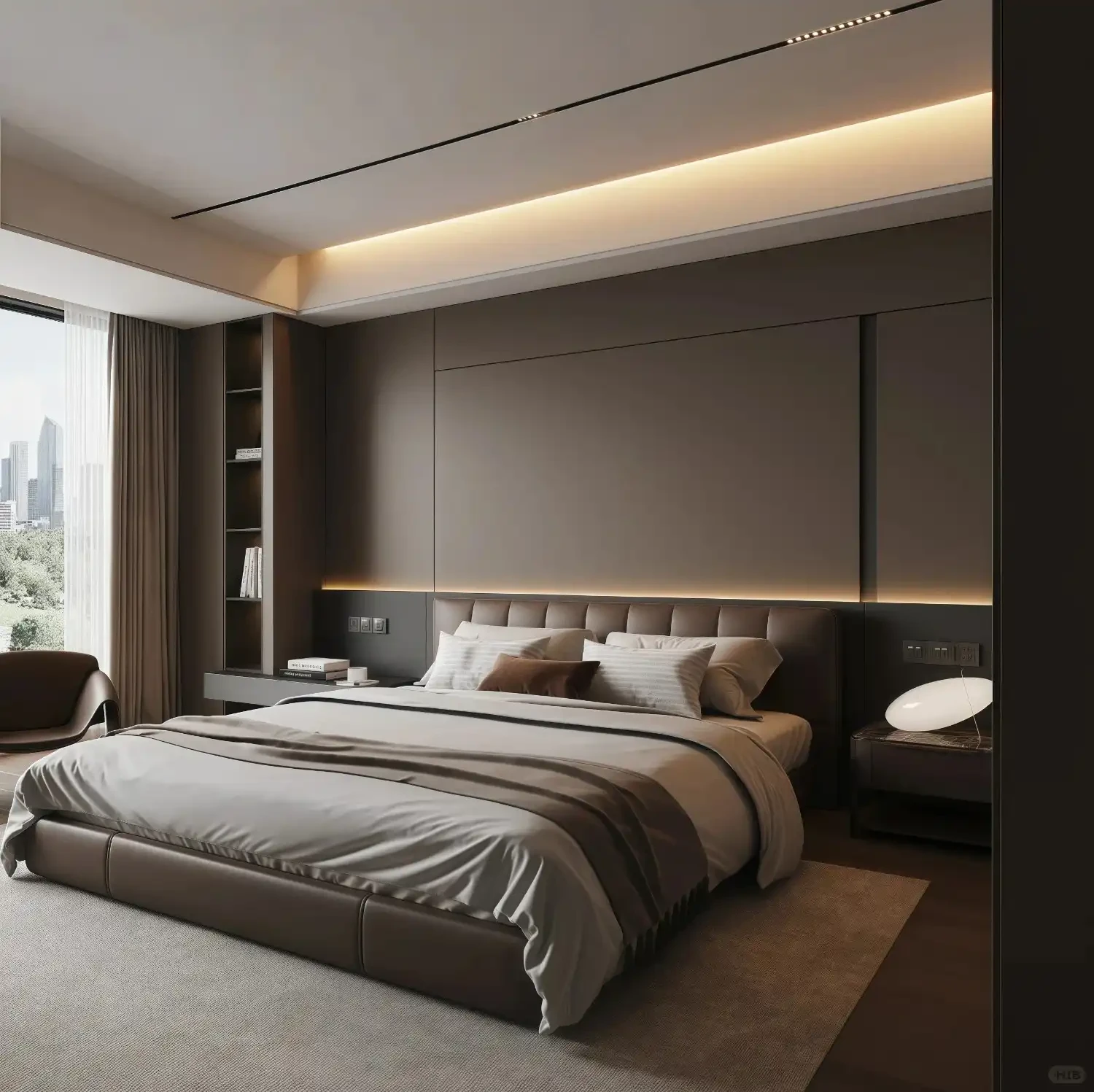


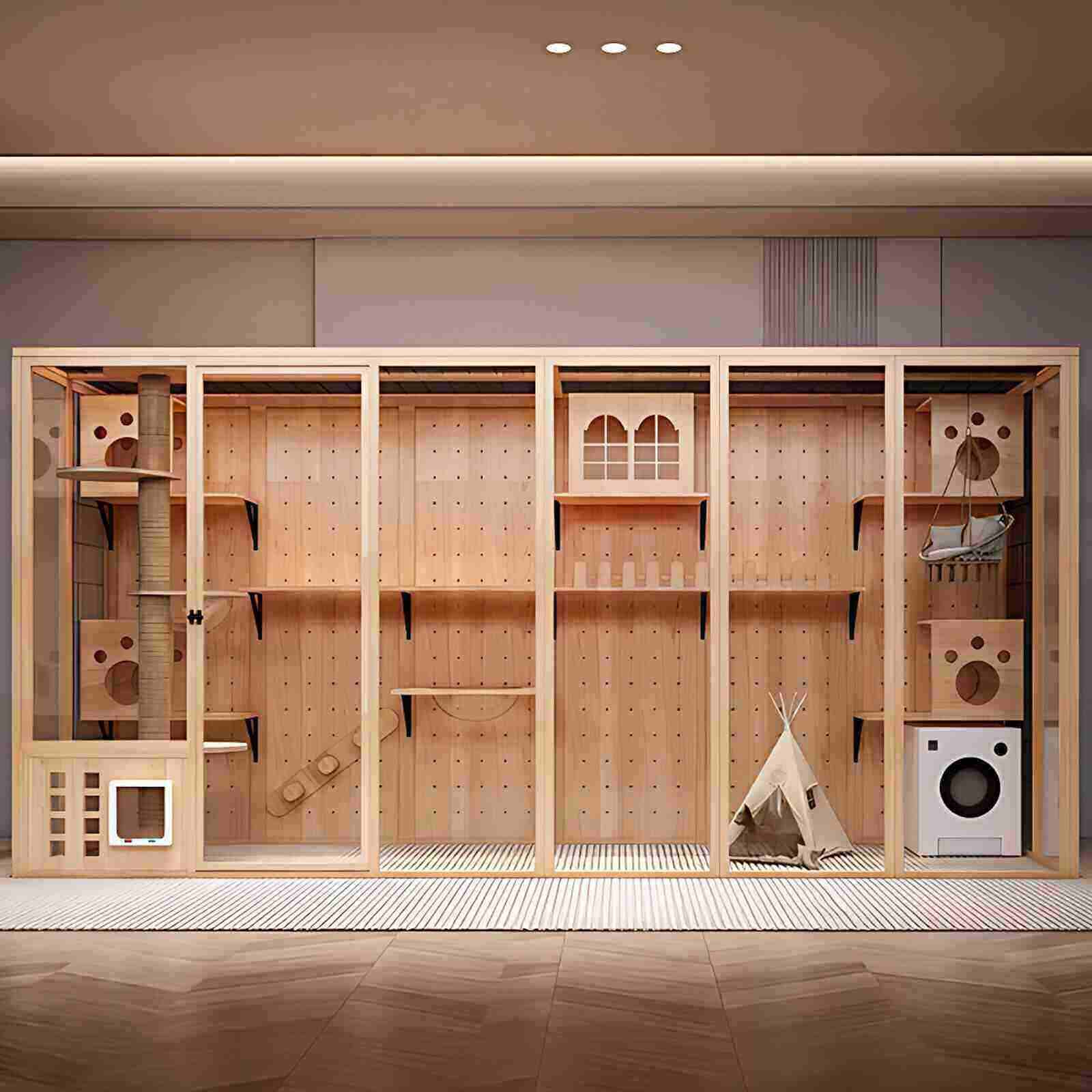

Wood is widely used in our daily lives. Due to its unique properties, wood has a very long service life and a comfortable feel, which can well meet our needs. Today, the top ten board brands will introduce poplar wood and its advantages and disadvantages, so that friends who are interested in poplar wood can learn more.
Poplar wood introduction
Poplar, also known as "small-leaved poplar," often has a satin-like sheen, hence the name "satin poplar." It is frequently used as an auxiliary material in elm furniture and as the core material in lacquered furniture, especially in antique pieces. It is a commonly used timber in northern my country, prized for its fine, soft texture, stable properties, and readily available and inexpensive price. A fast-growing and high-yielding species, it is widely adaptable, has a long growing season, and rapid production. It is extensively cultivated in both southern and northern my country, resulting in relatively abundant poplar resources. This is not the same as the Soviet poplar, large-leaved poplar, or desert poplar introduced in the middle of this century. Poplar often has a slightly unpleasant odor and is lighter and softer than birch. Birch, on the other hand, has a faint fragrance and often exhibits very fine, dark brown water lines. These are the differences between the two. Due to its loose fiber structure and relatively poor quality, poplar's applications are somewhat limited. Currently, it is mainly used as the core board for engineered wood flooring, construction formwork, baseboard, short-cycle industrial raw material, or as a roadside and riverbank greening species.
Advantages of poplar wood
1. Boxwood is tough, has high mechanical strength, and is highly resistant to corrosion; its hardness and strength are moderate, making it suitable for carving, and it can be used for both openwork and relief carving.
2. The heartwood and sapwood of boxwood are clearly distinguishable. The sapwood is dark yellow, while the heartwood is dark purplish-gray.
3. Boxwood has clear and distinct grain, a smooth planed surface, and beautiful patterns on the tangential surface, resembling the grain of boxwood. After shaping, carving, polishing, and lacquering, the wood can be used to create exquisite lacquerware.
4. Chinese boxwood furniture is mainly in the Ming style, characterized by simple shapes, smooth lines, and an elegant and generous style. Ming-style furniture is moderately decorated, balancing simplicity and complexity, with appropriate local embellishments.
Poplar wood disadvantages
1. Boxwood is divided into new and old. New boxwood furniture is prone to warping, insect infestation, and severe shrinkage. Old boxwood has the disadvantages of having old wormholes, cracks, and mortise holes in some places.
2. Boxwood furniture that has been strictly dried in a drying room is not prone to cracking. However, boxwood is not easy to dry. Currently, many boxwood boards on the market are not properly dried due to cost or equipment issues. Therefore, the boxwood furniture made from this wood is prone to cracking and deformation.
The above is an introduction to the advantages and disadvantages of poplar wood. If you already know about poplar wood, you can choose to purchase it based on your actual needs. If you don't know about poplar wood, you can take this opportunity to learn more and consider whether to purchase it. I hope the knowledge about the advantages and disadvantages of poplar wood brought to you by the editor can help you improve your quality of life.