
 USD
USD GBP
GBP
 EUR
EUR



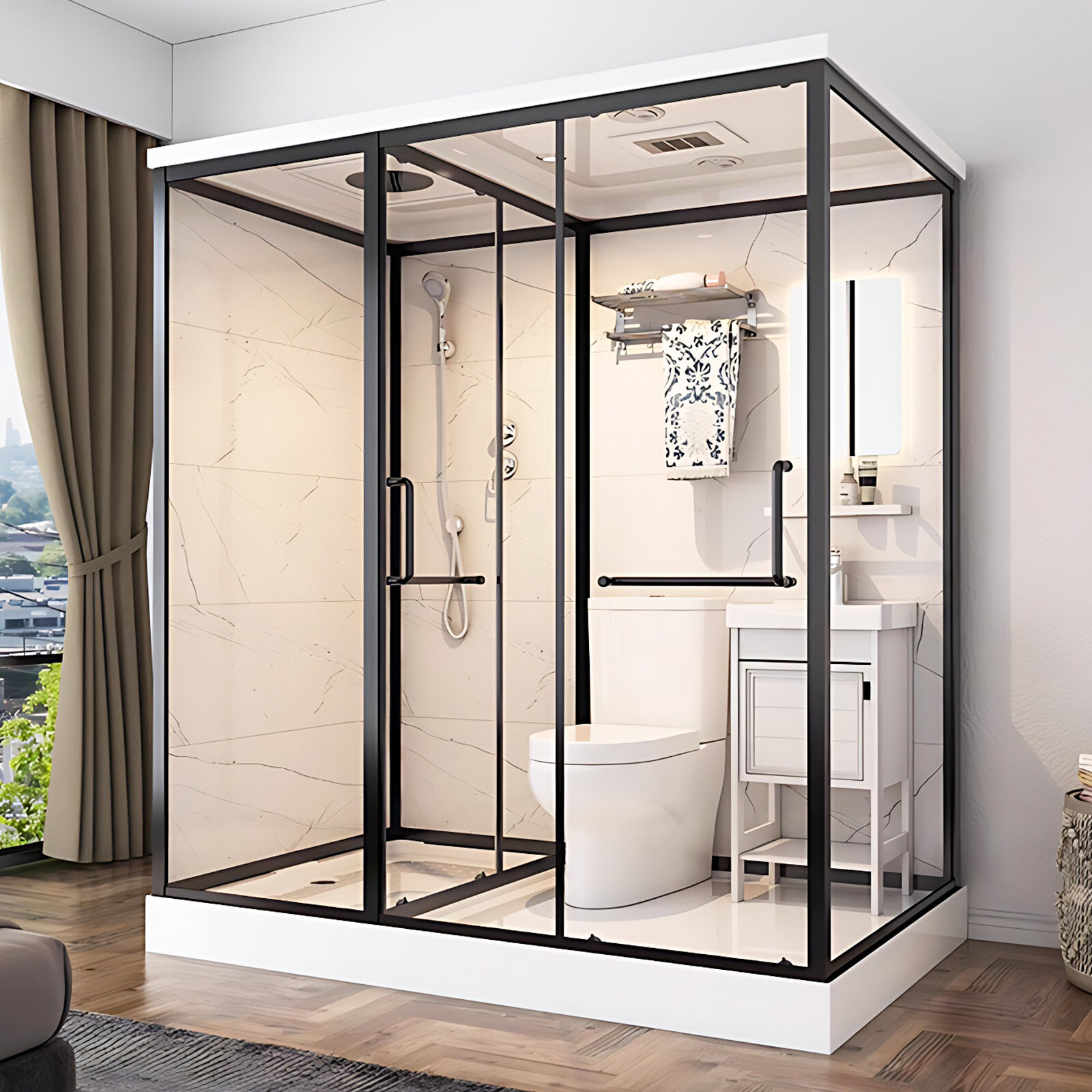
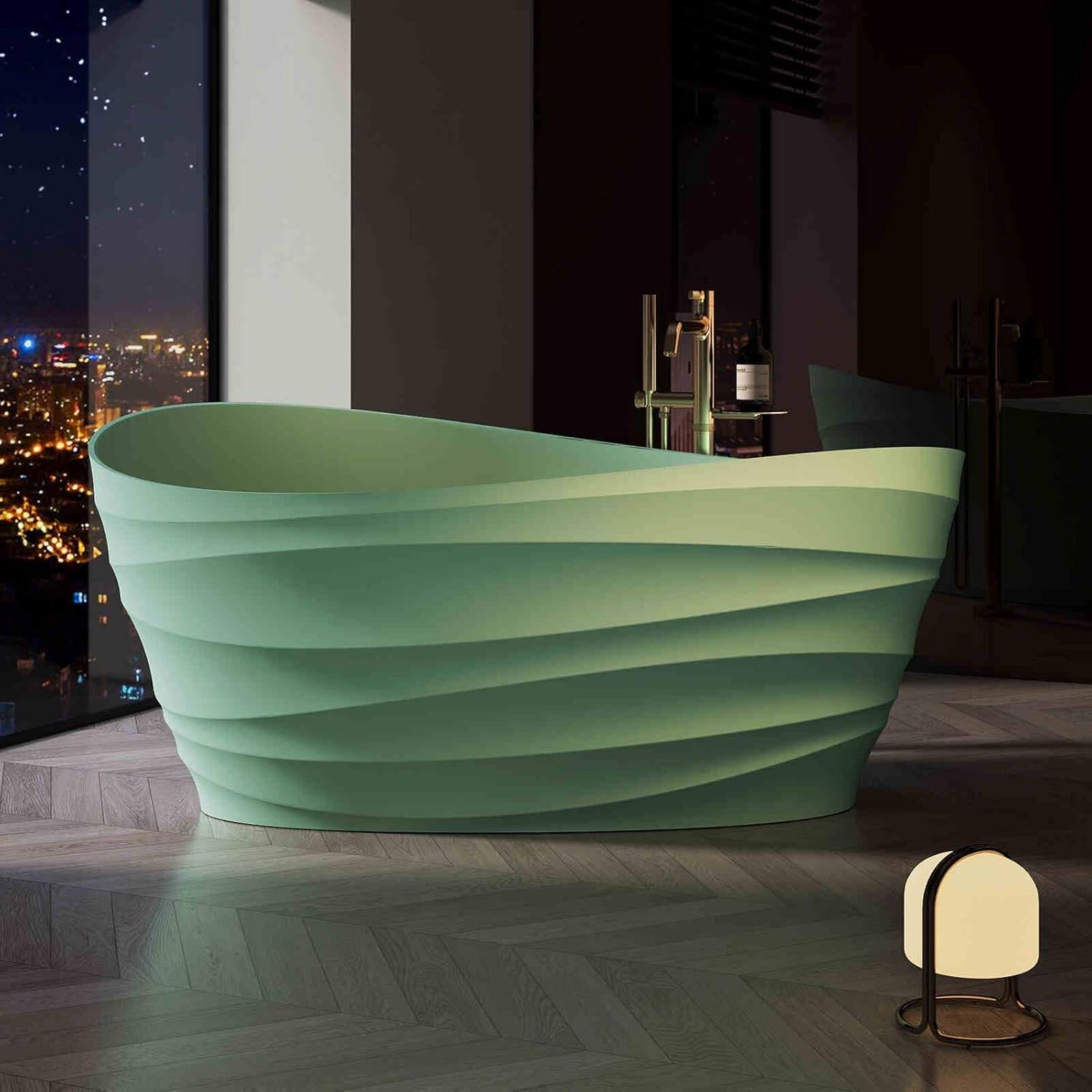
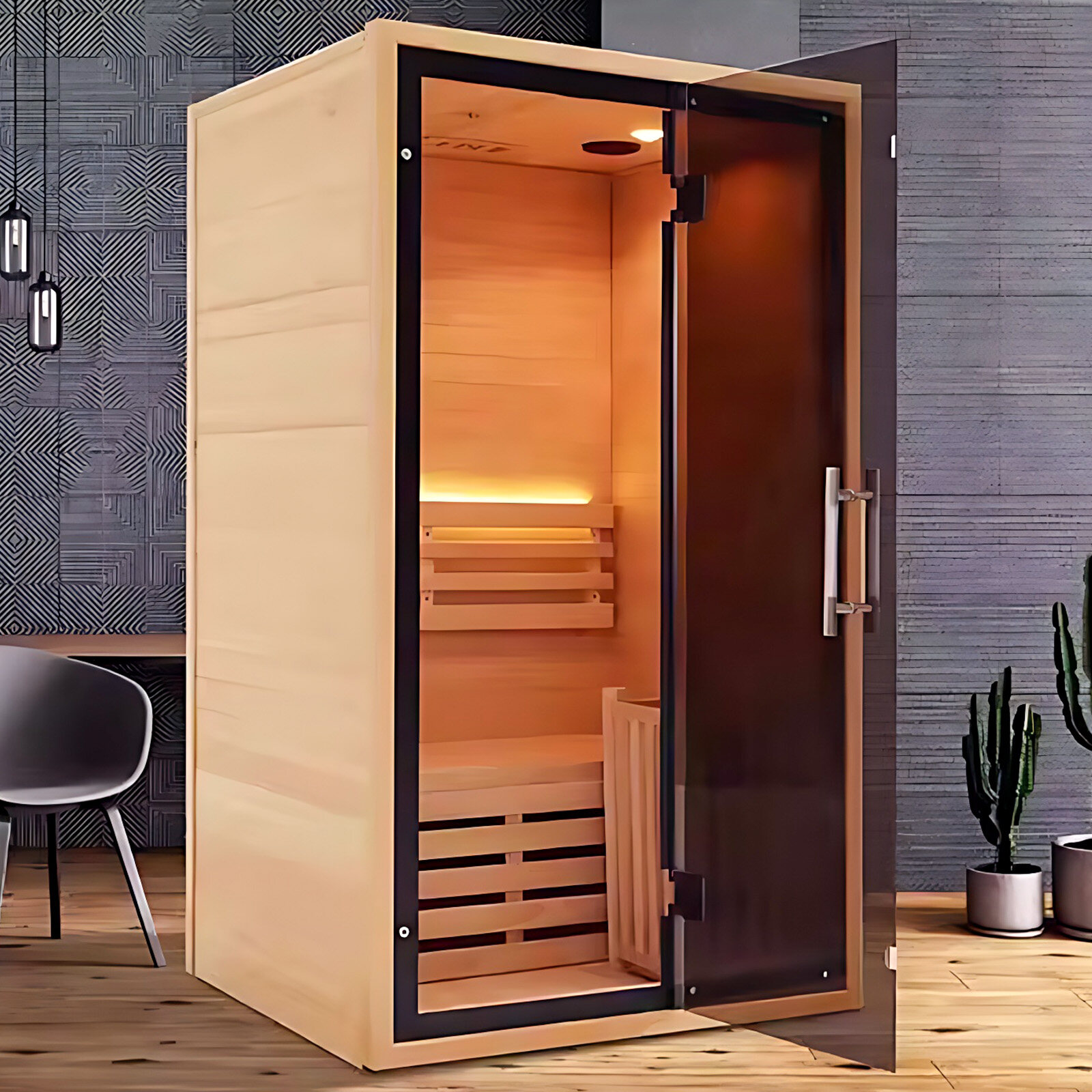
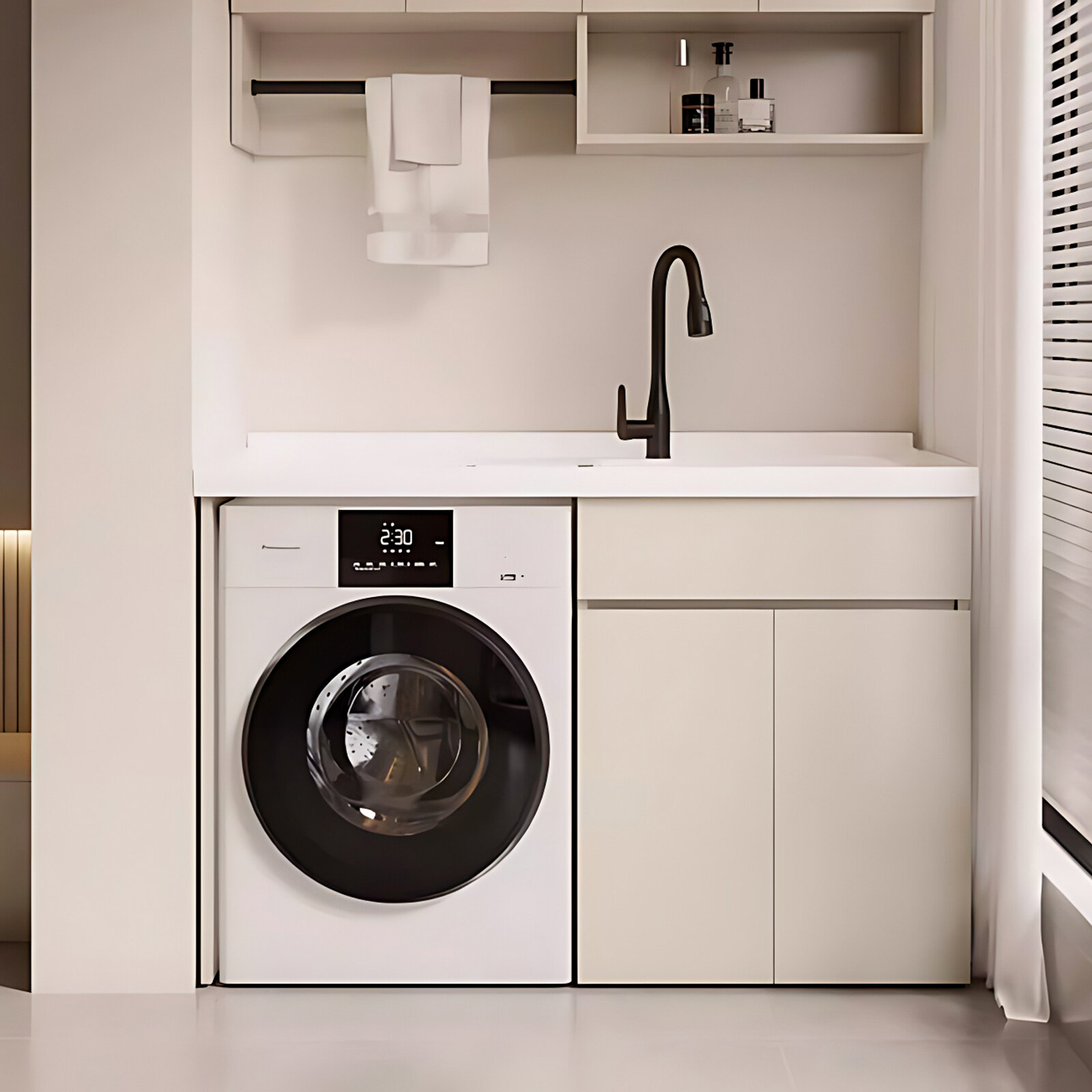





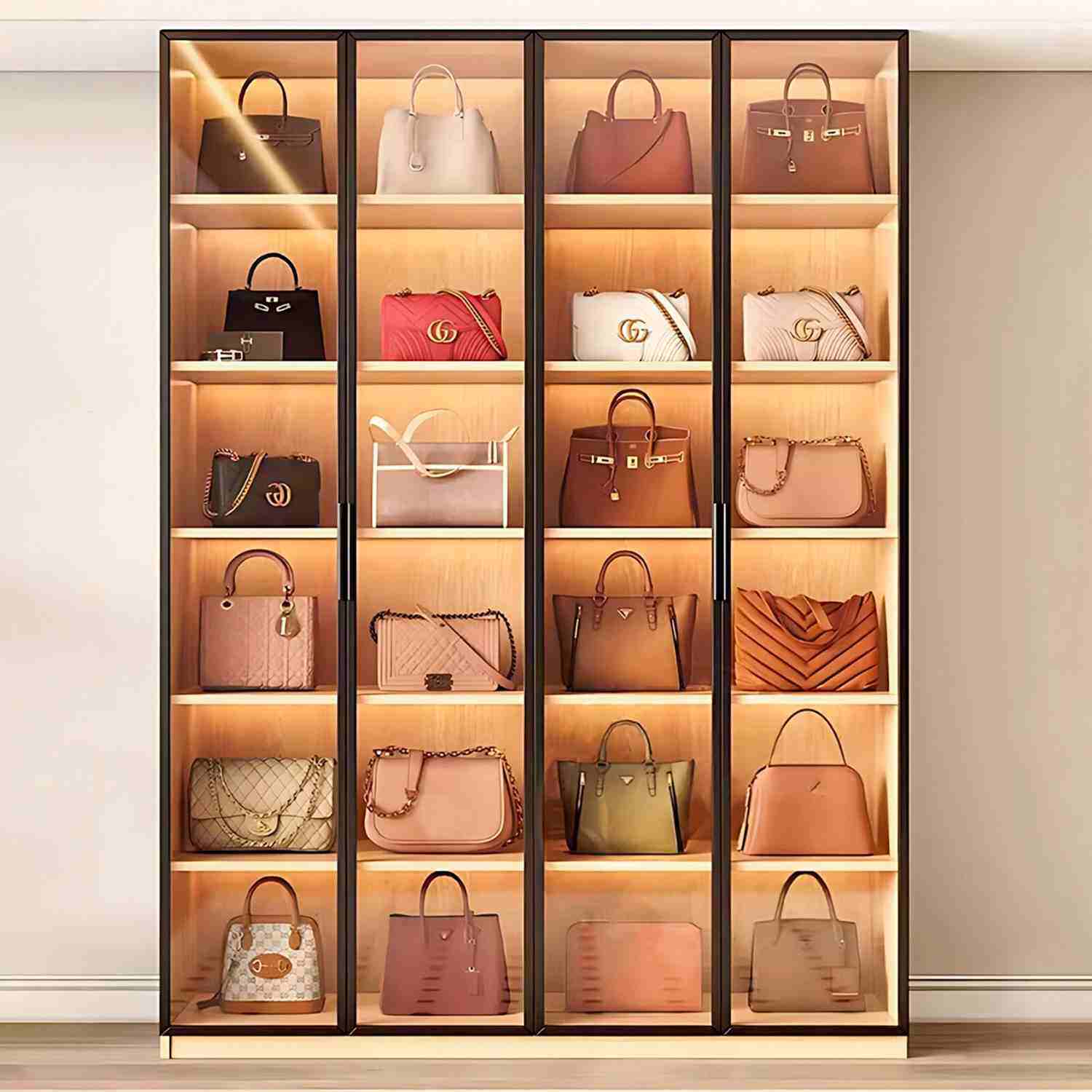
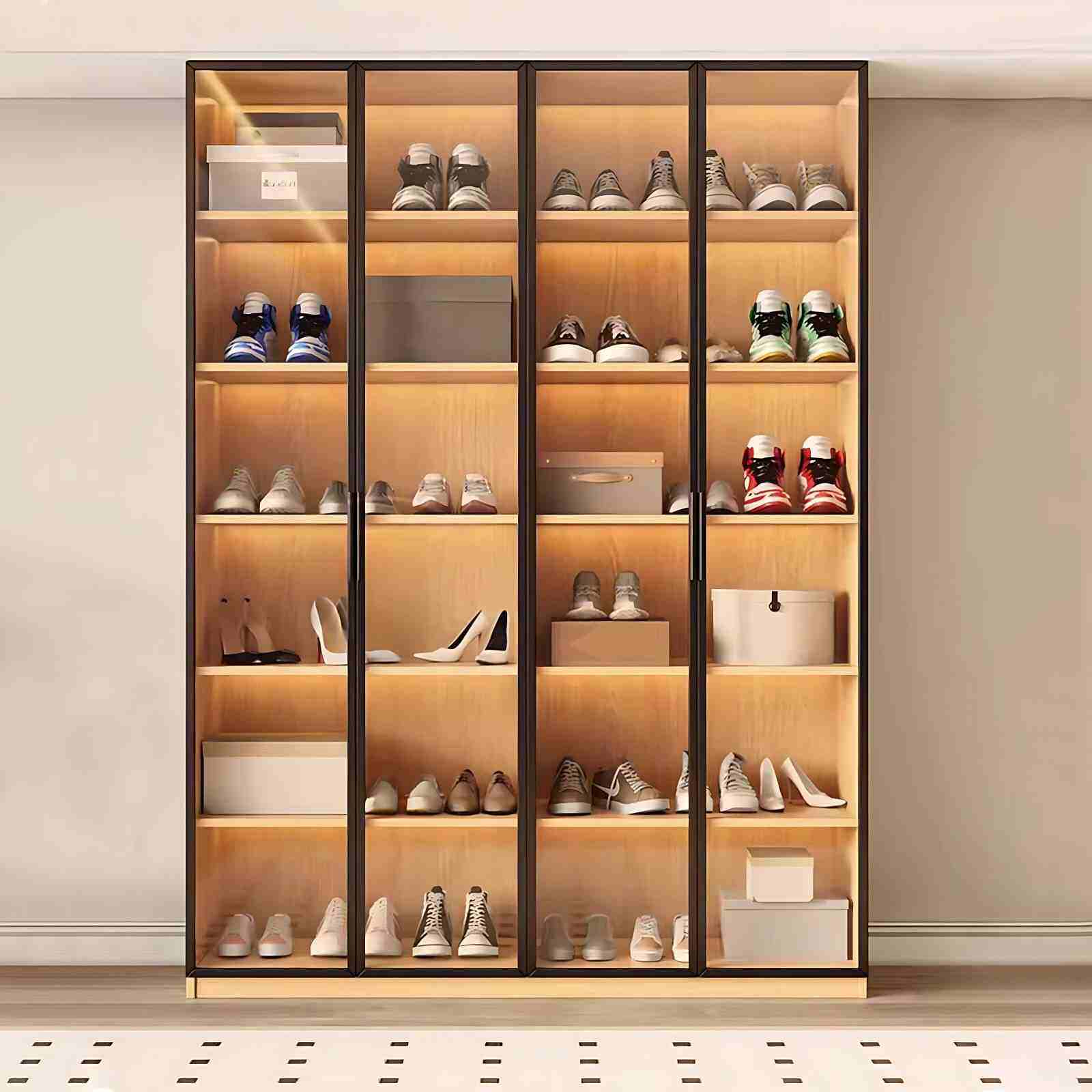
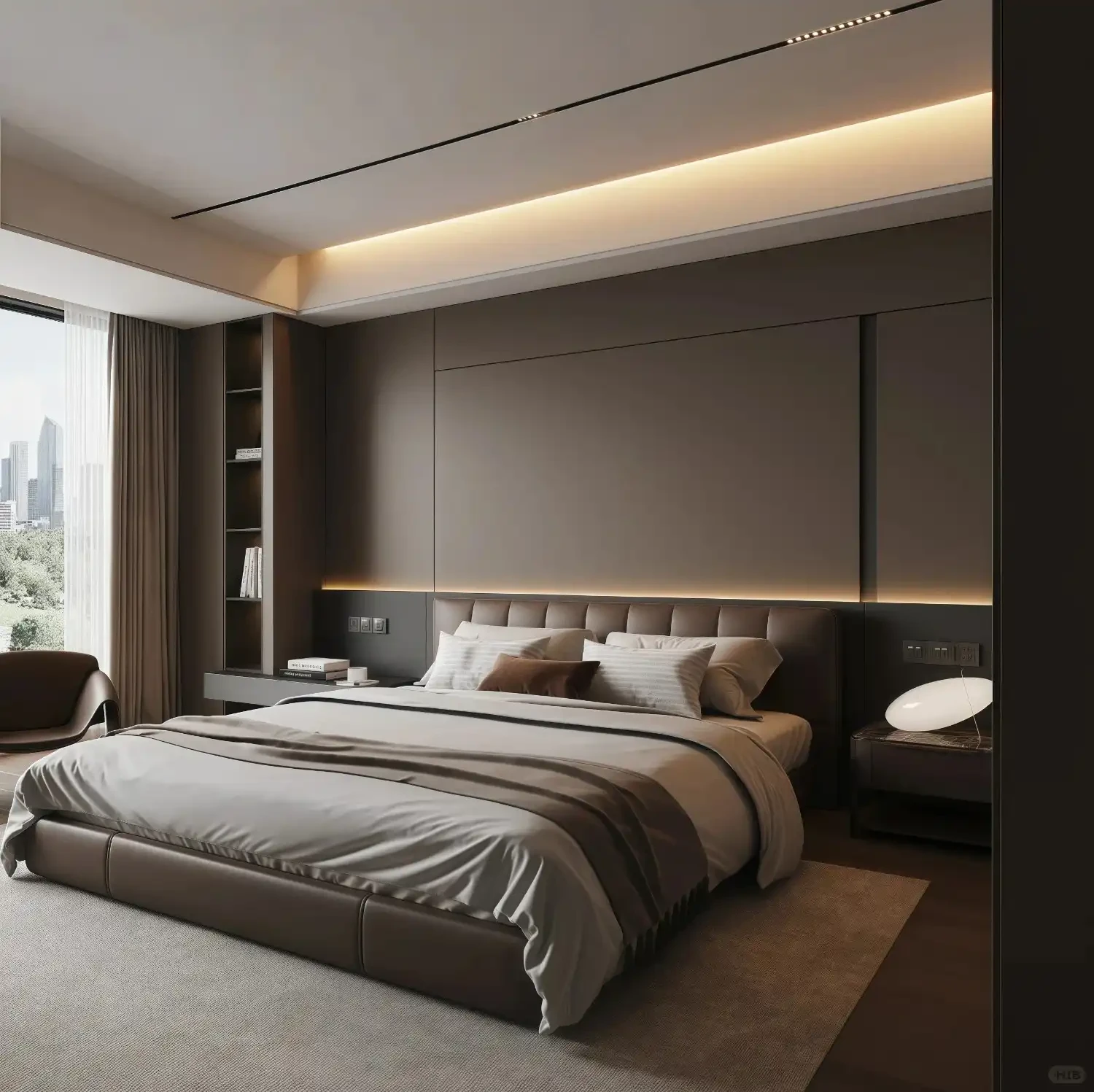

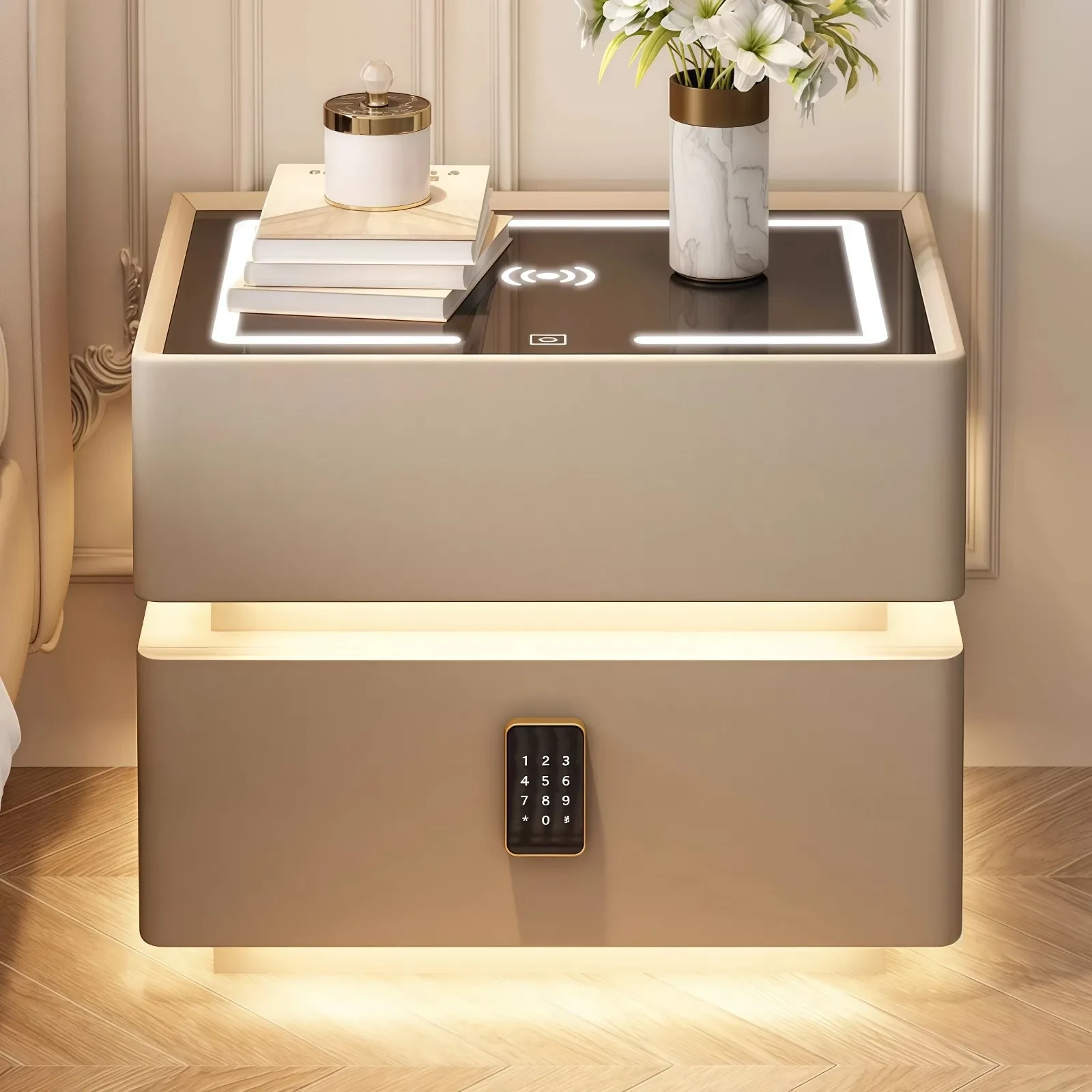



Knowledge changes destiny. To ensure you enjoy your rights during the consumption process, you must learn about these common issues related to wood-based panels!
In daily life, the following problems often occur with wood-based panels: bubbling, odor, glue seepage, uneven surface, delamination, warping, deformation, cracking, mold, discoloration, etc.
At this point, we'll provide a professional explanation for these phenomena.
An unusual odor from wood-based panels may be due to formaldehyde or inherent wood properties. When engineered wood panels are made with formaldehyde-based adhesives such as urea-formaldehyde resin, the continuous release of formaldehyde gas during manufacturing, storage, and use is called formaldehyde release. If you encounter a strong, pungent odor, you should be aware that formaldehyde levels may be exceeding safe limits.
The company is committed to the research and development of environmentally friendly materials, with environmental protection levels ranging from E1 to E0 and even formaldehyde-free. When choosing one of the top ten brands of environmentally friendly boards, choosing TBB is always the right choice.
Besides odor, wood-based panels often exhibit warping and bubbling, which are mostly caused by their moisture content. Therefore, it's important to remember that heavier panels are not necessarily better; avoid blindly purchasing "heavyweight" products.
When you encounter bubbling or delamination, you should pay attention, as this is caused by insufficient adhesive strength. Peeling, on the other hand, is "immersion peeling," which is determined by observing whether and to what extent the adhesive layer peels off after the specimen has been immersed and dried. It reflects the ability of the engineered wood to resist peeling deformation or the degree of peeling caused by the stress of the adhesive layer due to moisture expansion and shrinkage, and is also an indicator for evaluating the bonding performance of each adhesive layer in a product.
There are many examples of breakage in life. When it happens to a person, it's a fracture; when it happens to an object, it's a break. But these can all be figuratively described as a lack of flexibility. The same applies to the breakage of sheet metal, except that it has a specific term: "transverse static bending strength." As the name suggests, the greater the strength, the stronger the sheet metal.
This is a compilation of commonly used information about wood-based panels. Hopefully, this will help you understand these properties when purchasing panels. "Buying wood-based panels can be difficult, but it can also be easy," it all depends on how you choose to buy them. Finally, here's a lazy way: buy directly from a local specialty store-it saves time and effort.