
 USD
USD GBP
GBP
 EUR
EUR
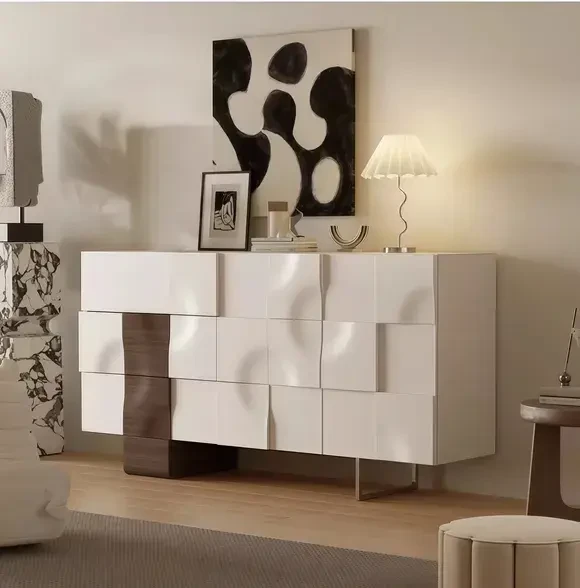
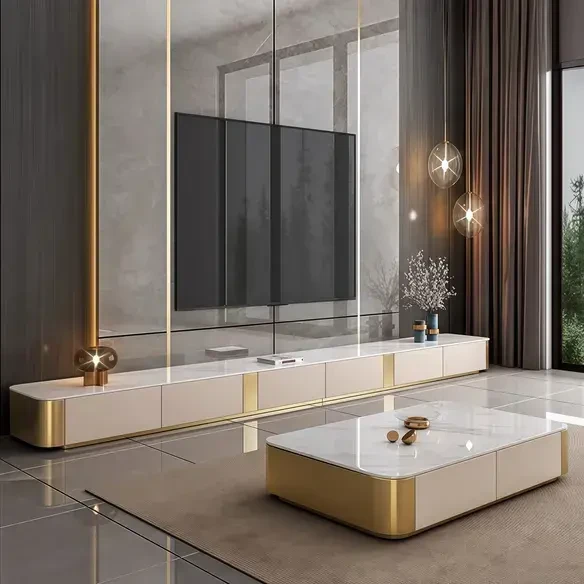
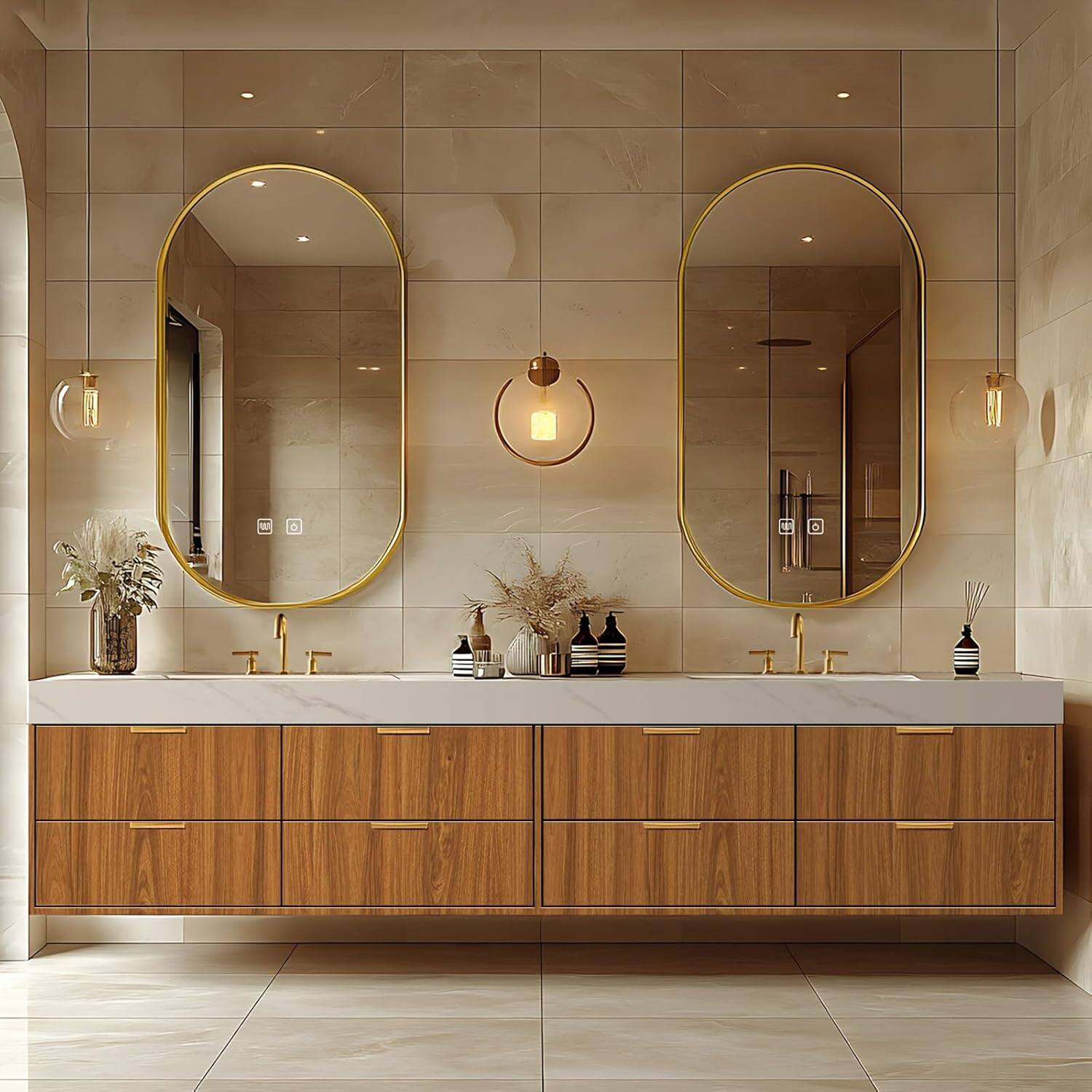
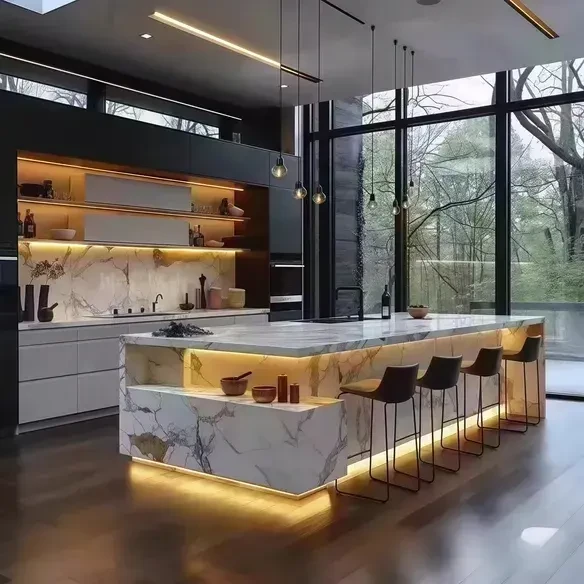
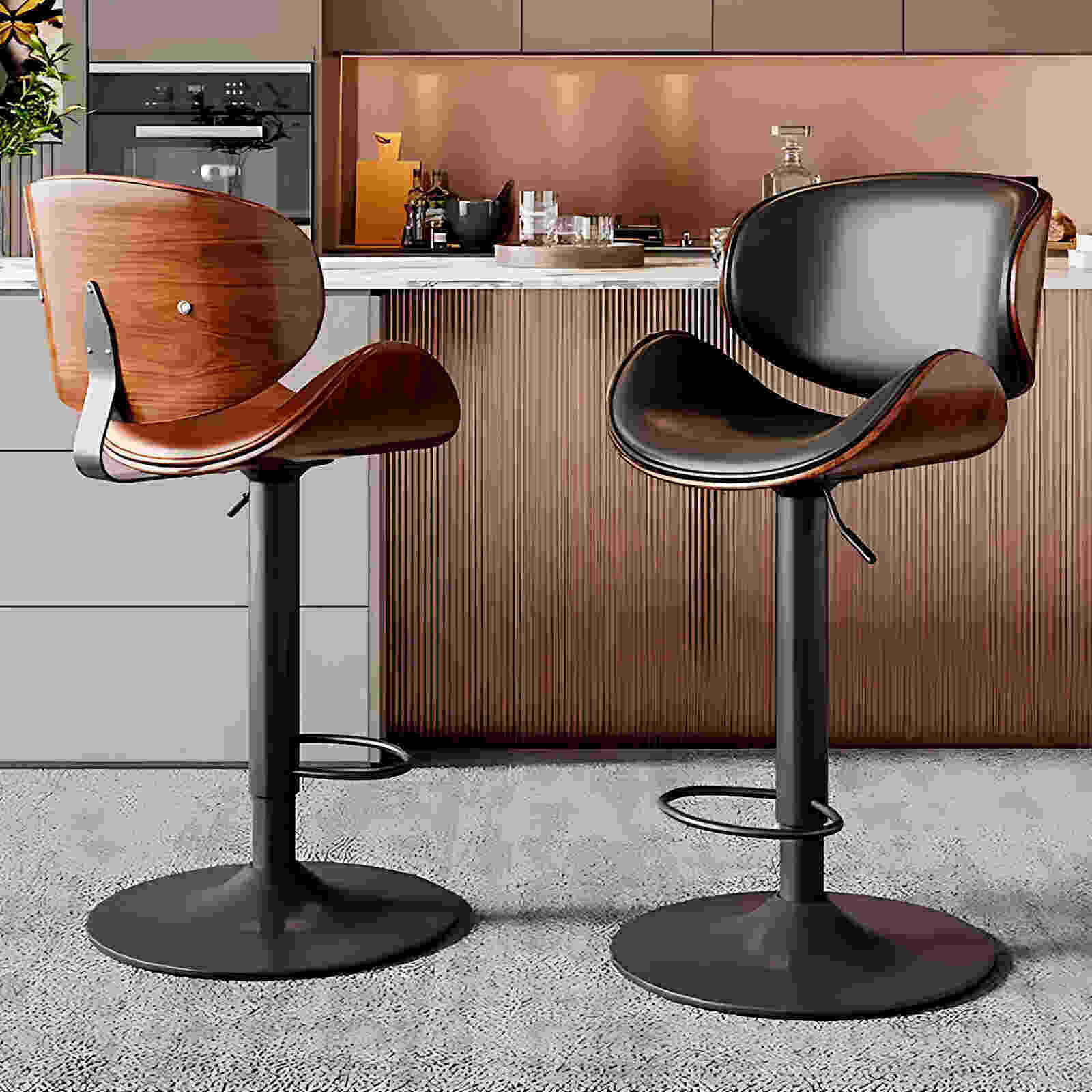
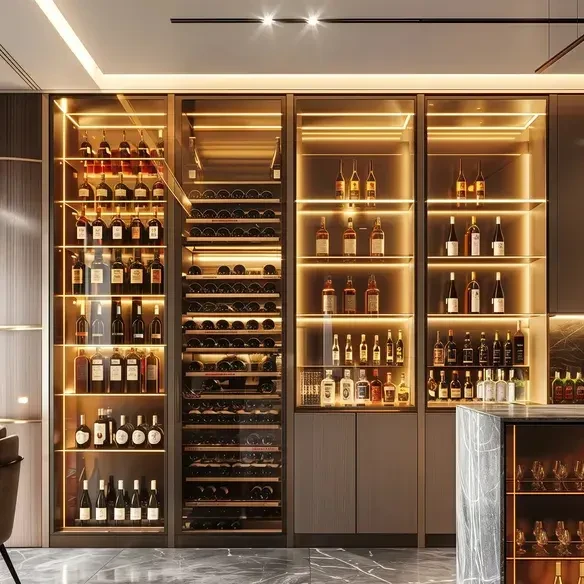
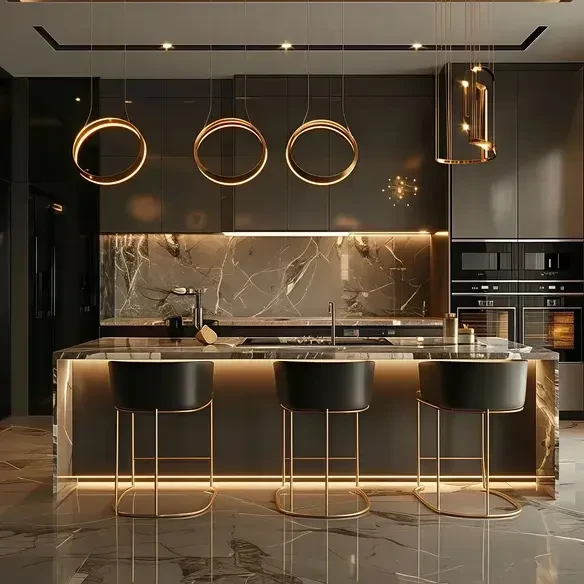
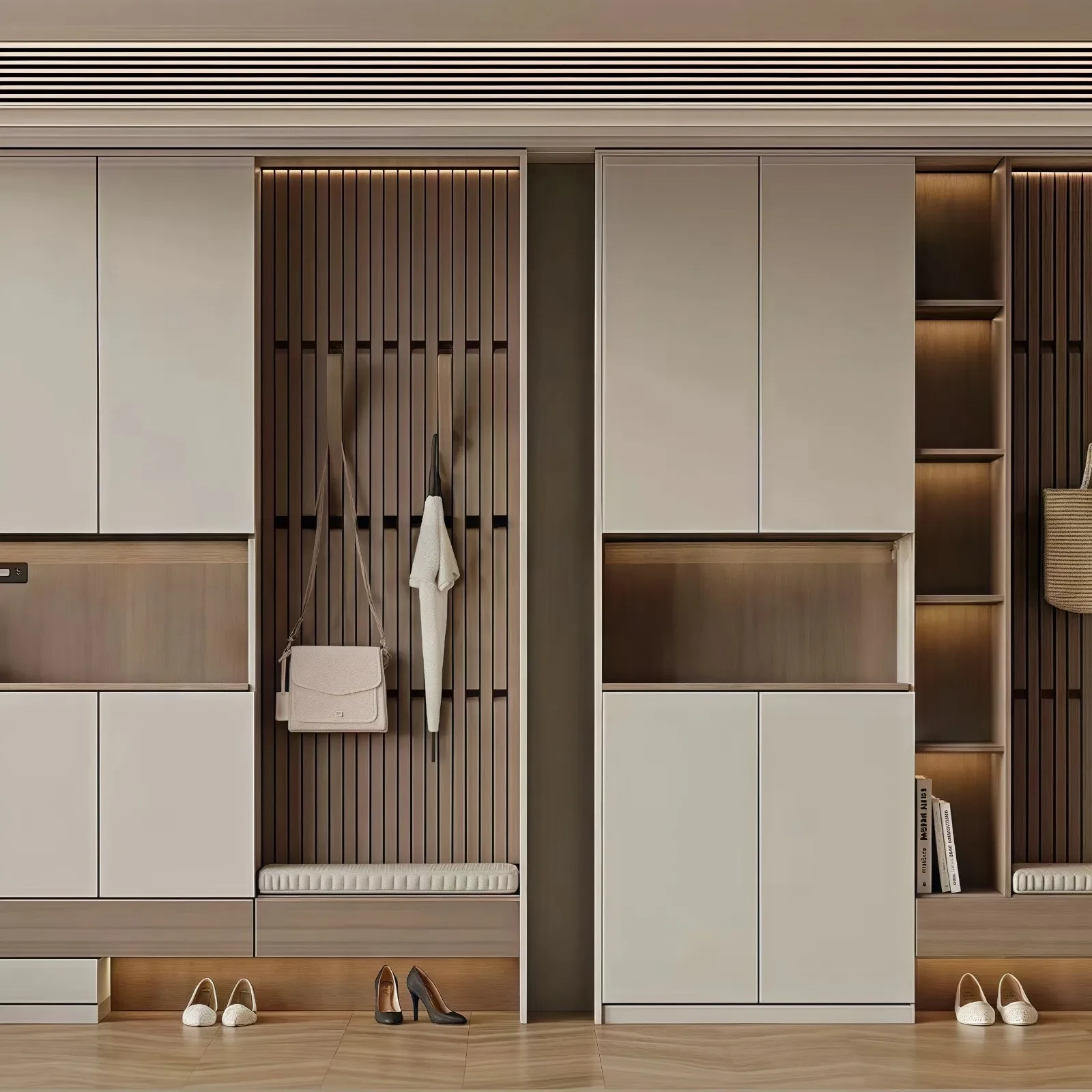
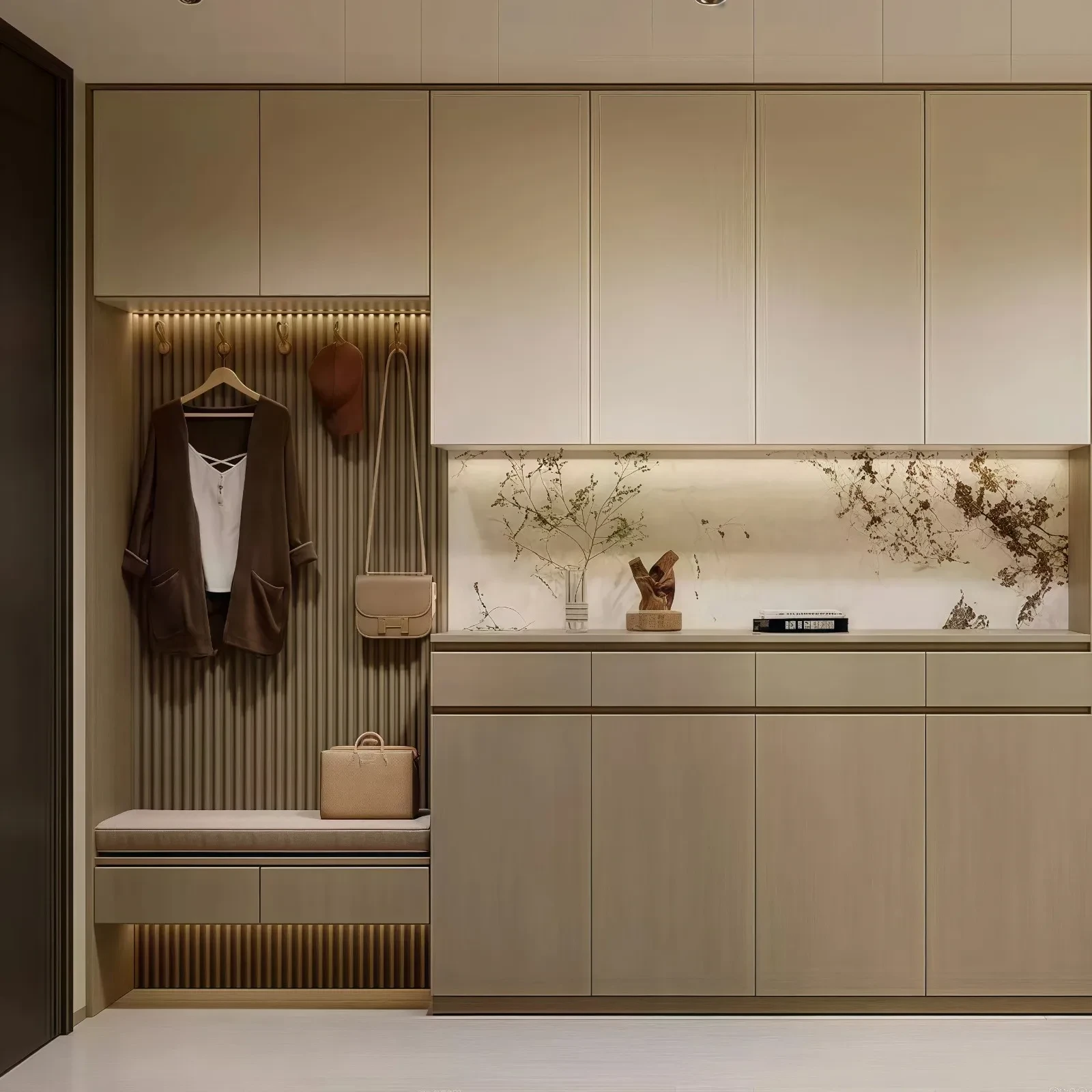
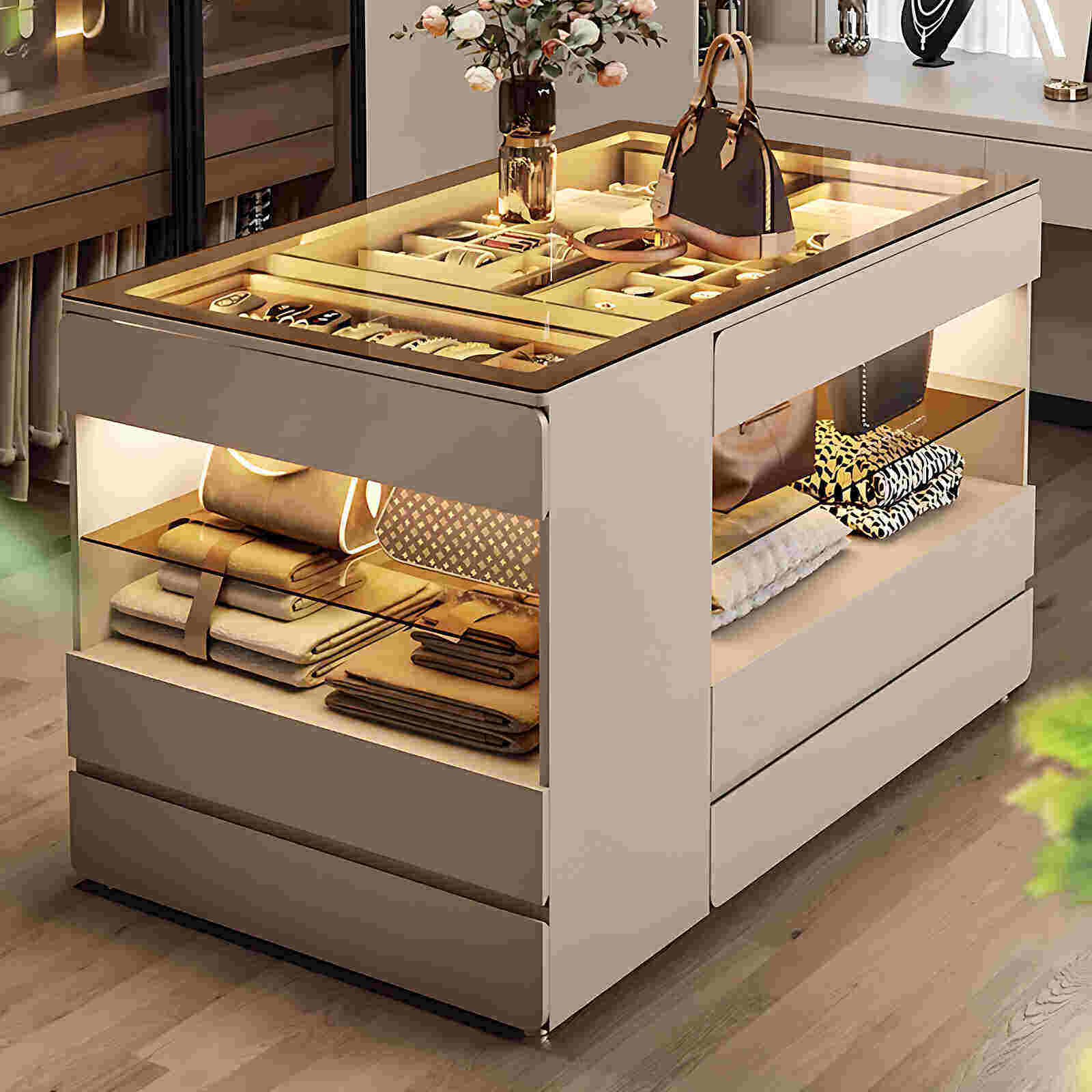
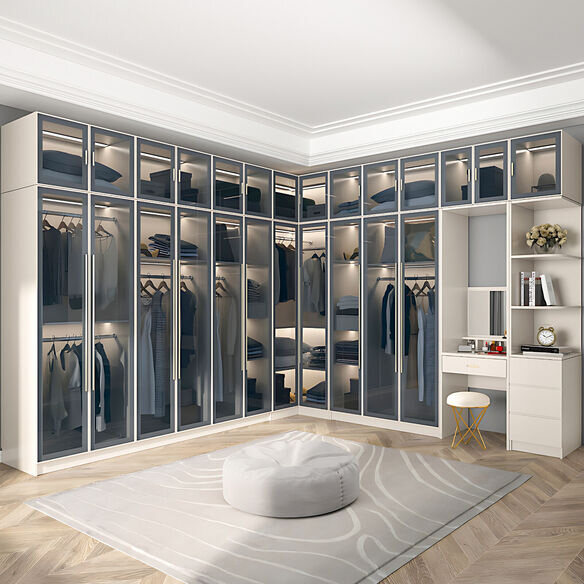
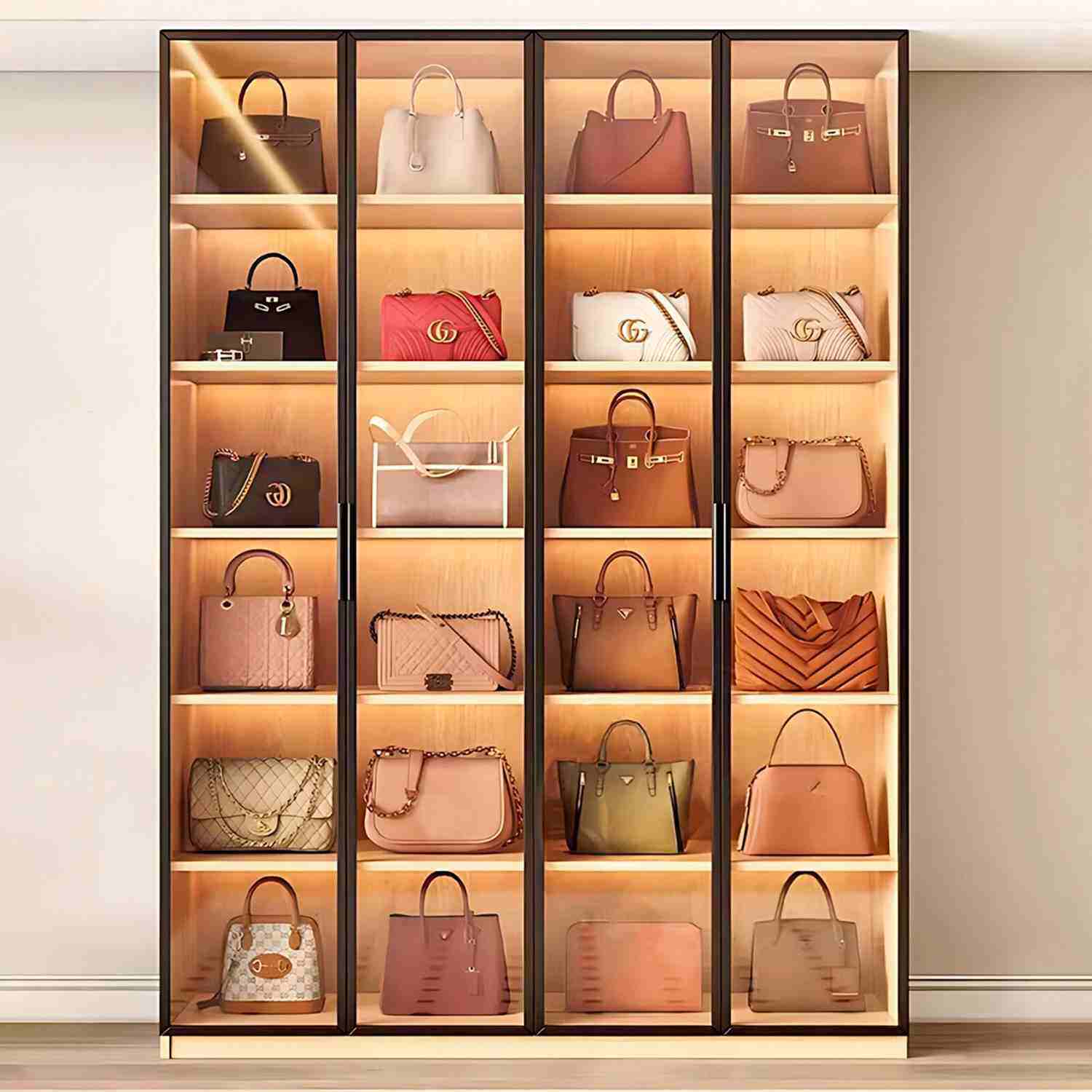
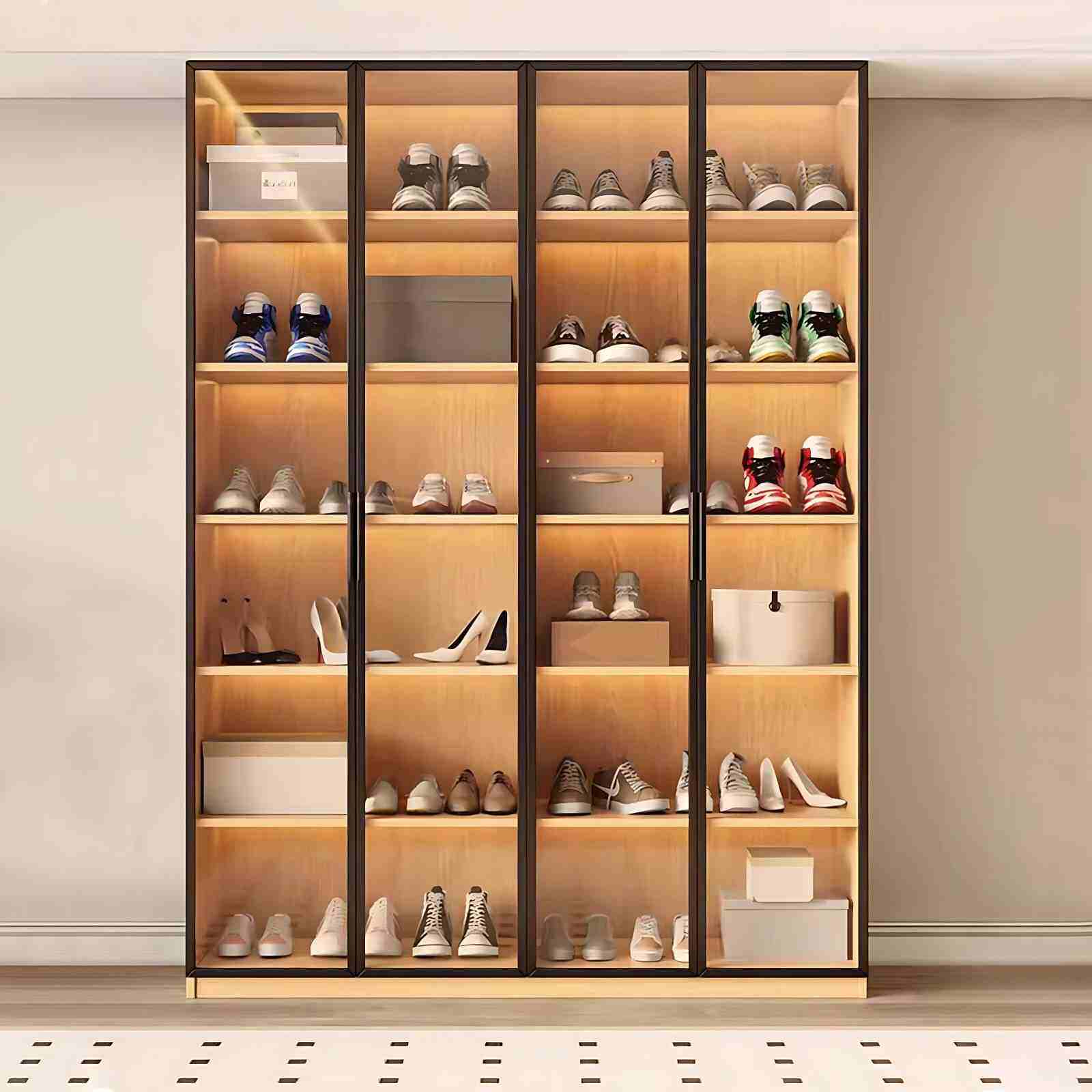
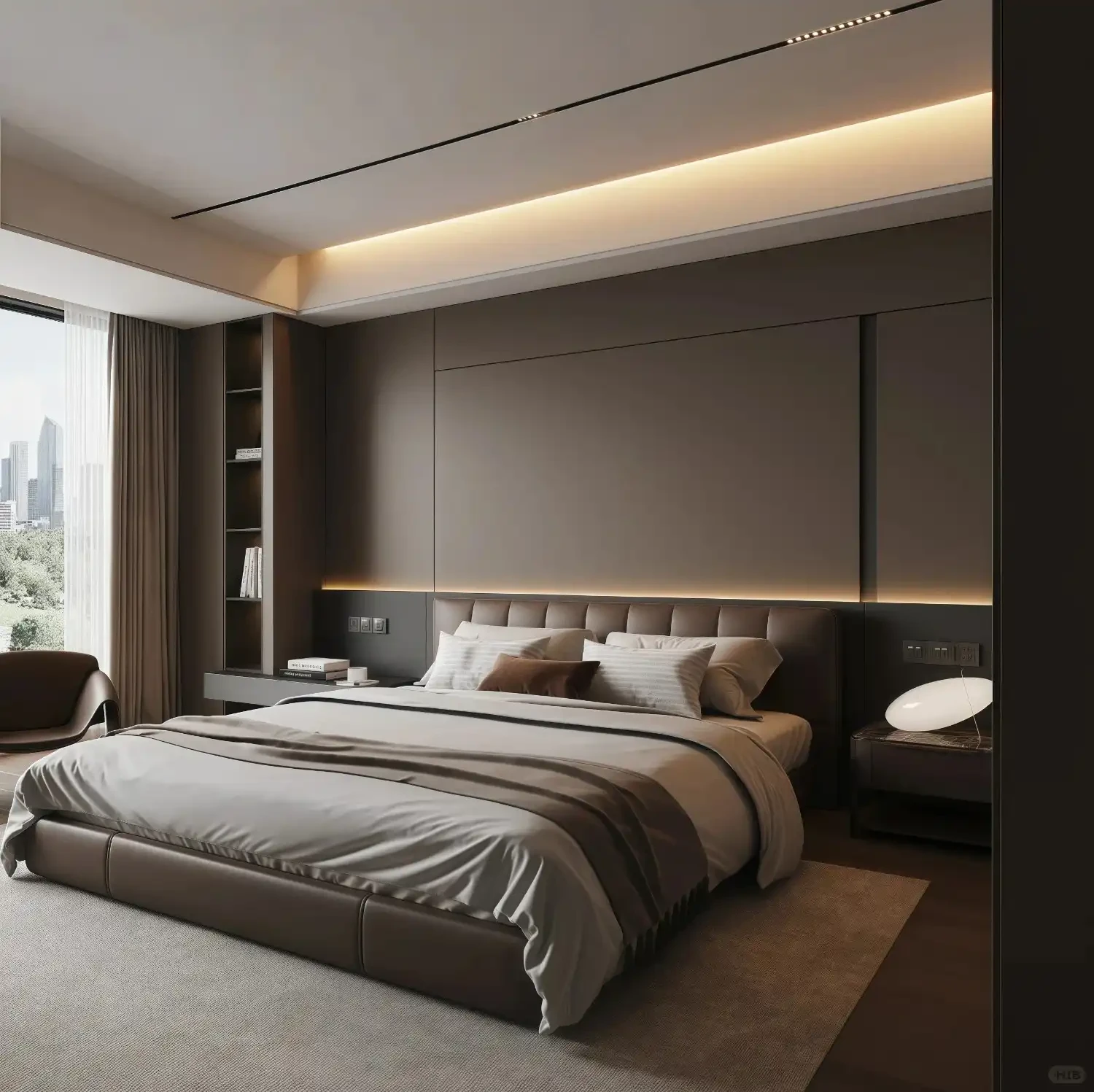
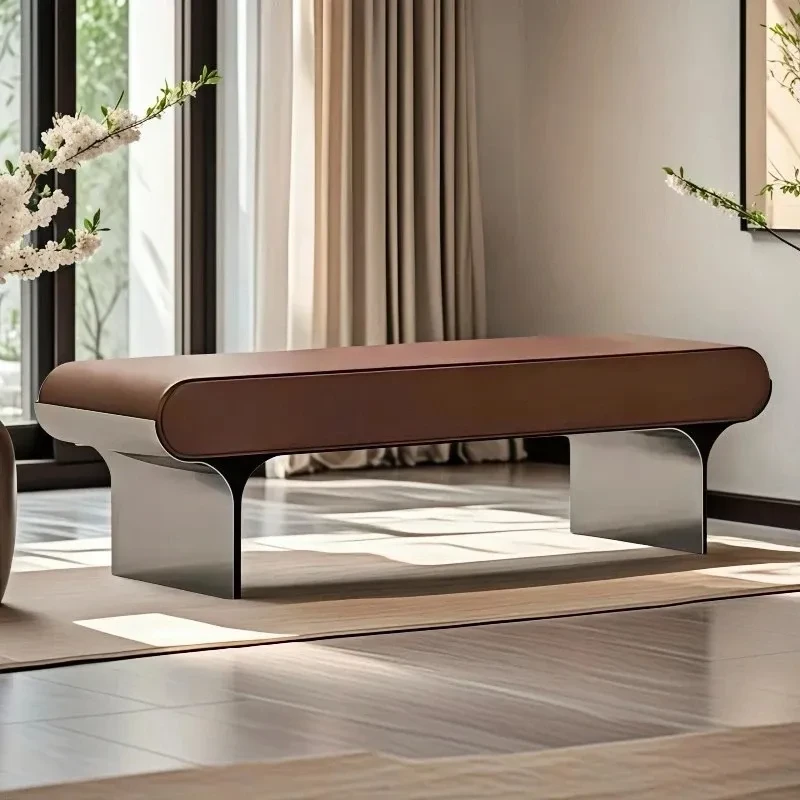
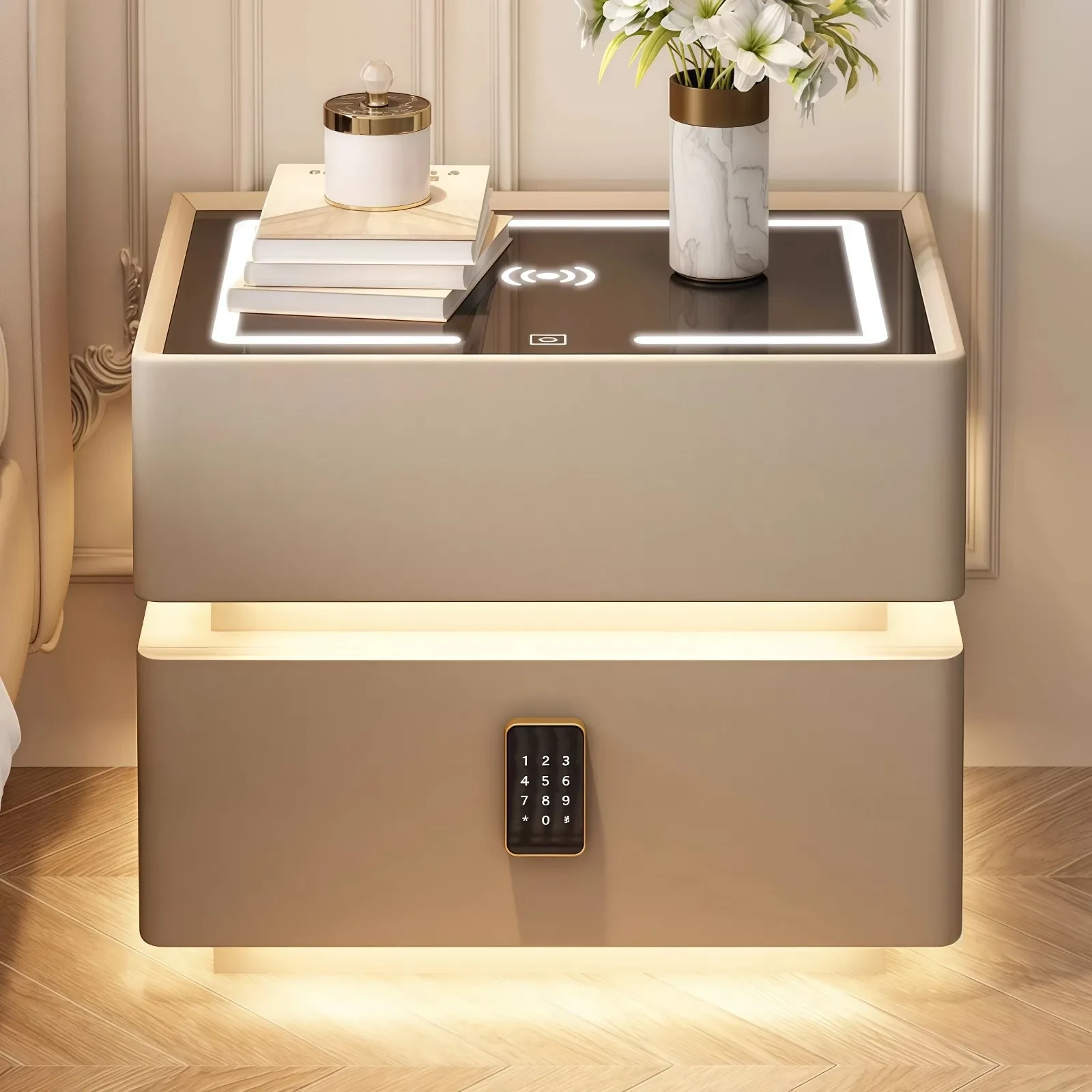
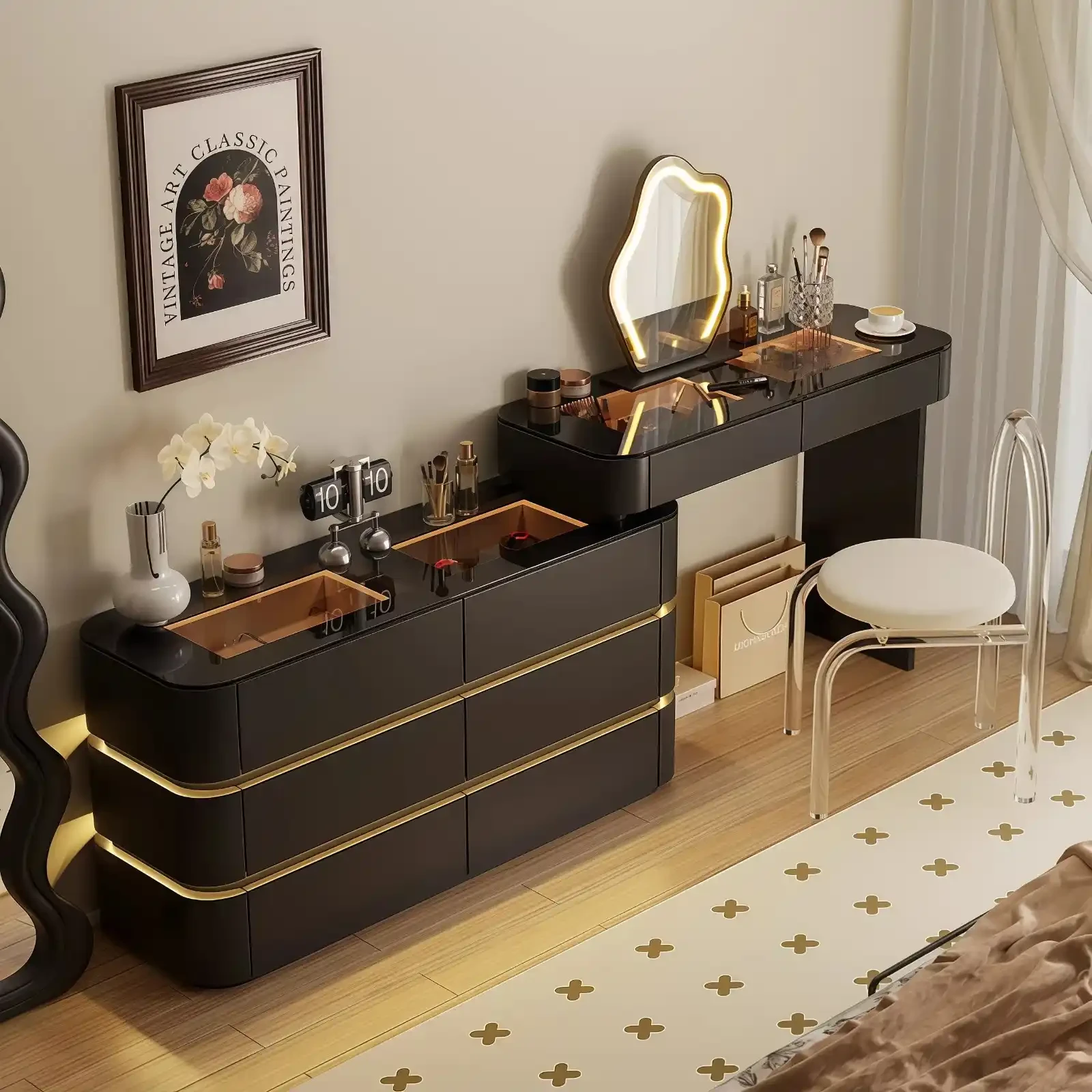
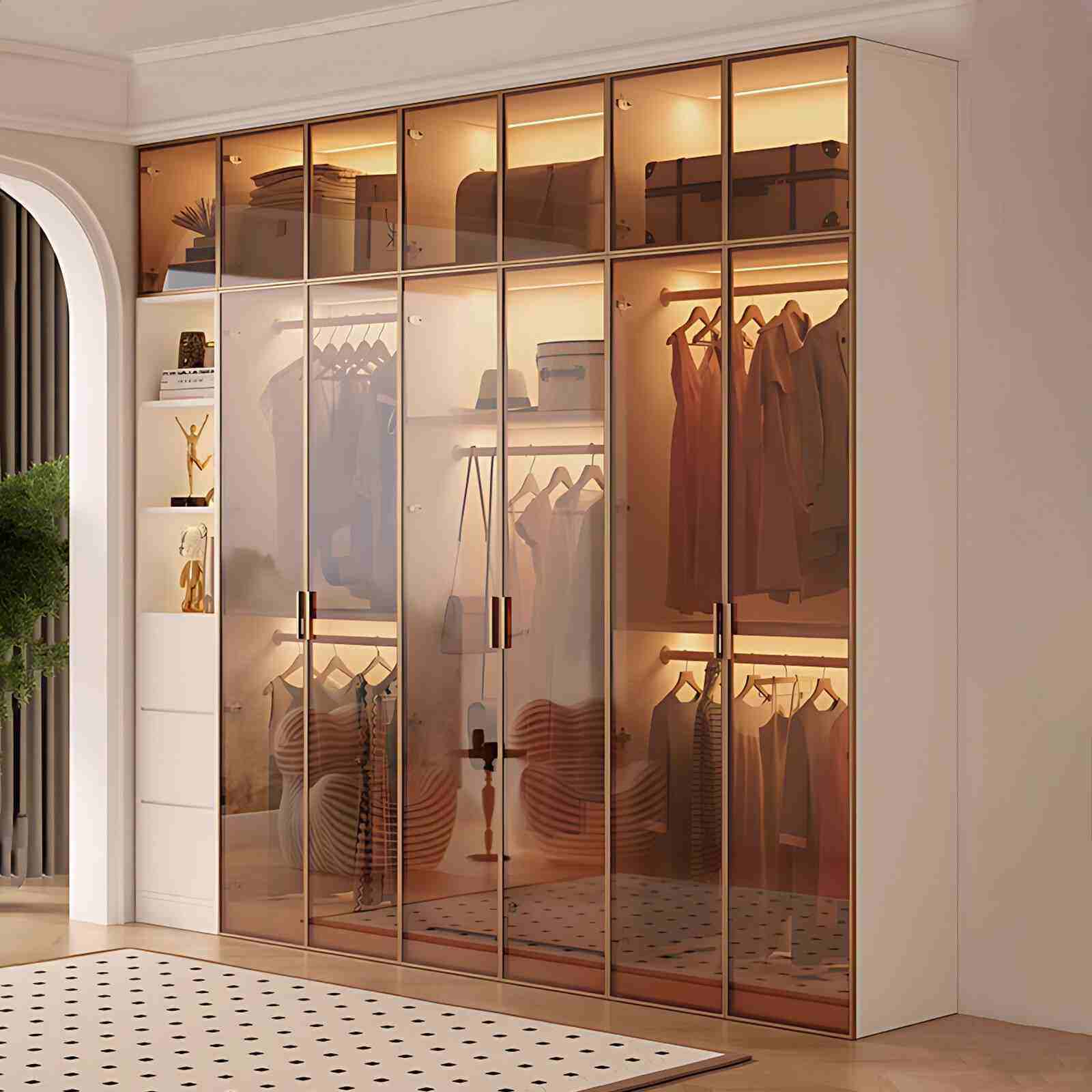
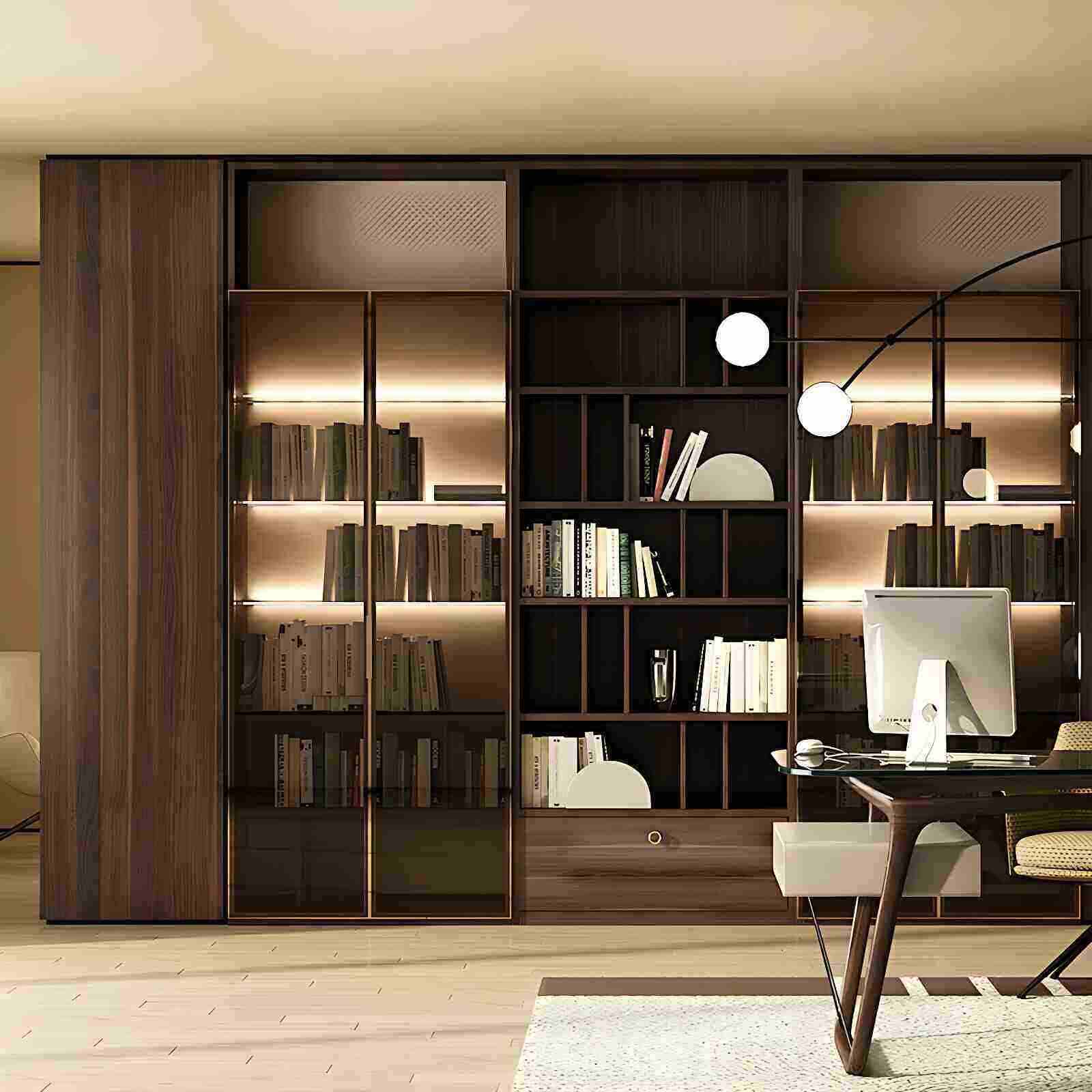
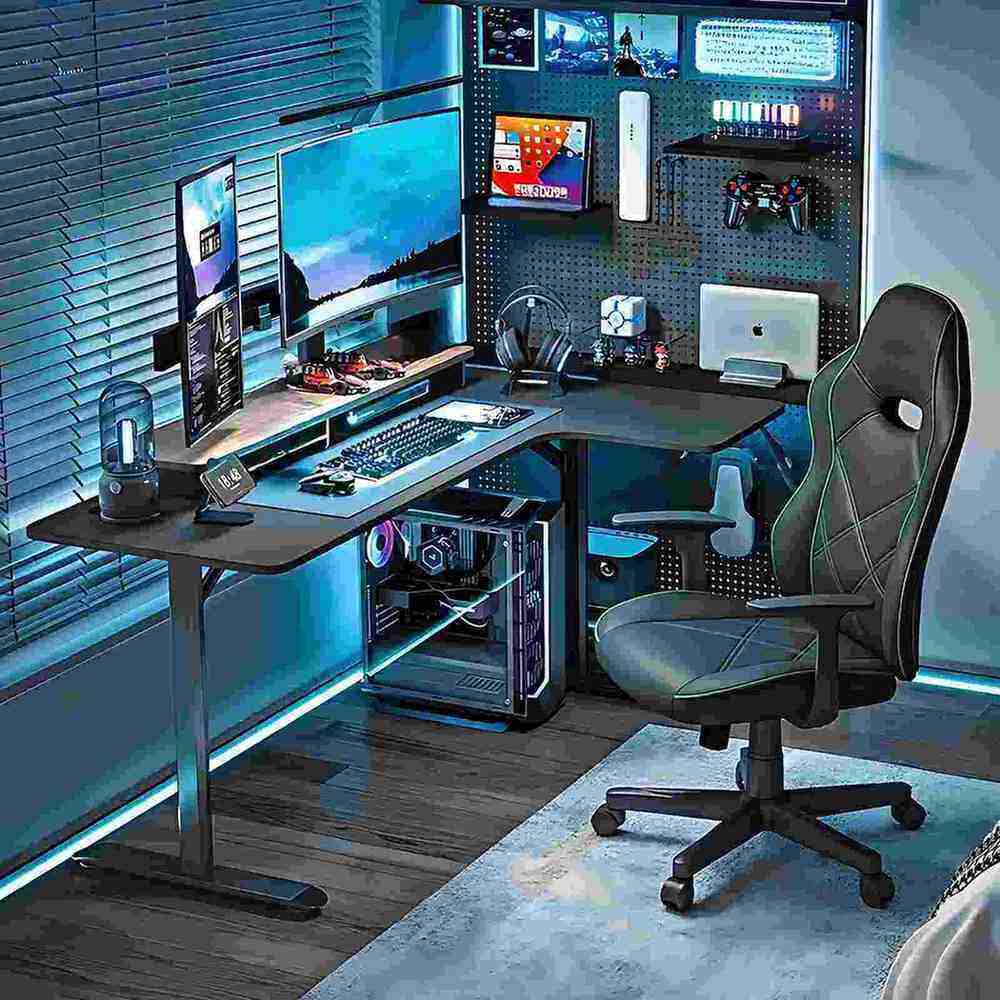
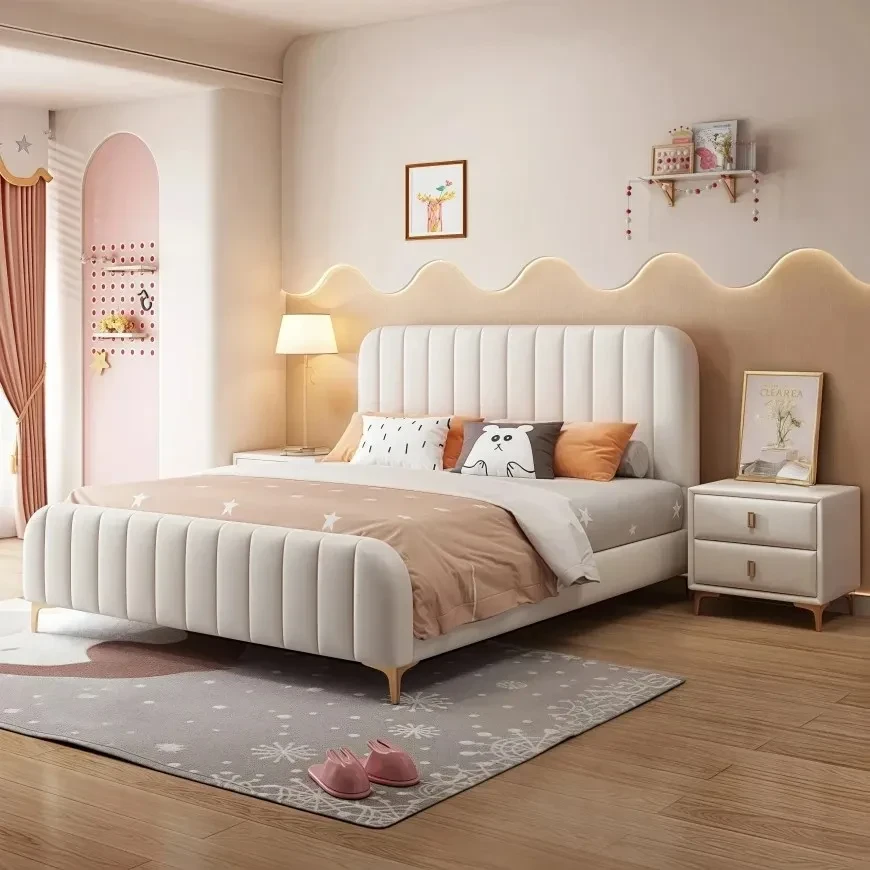
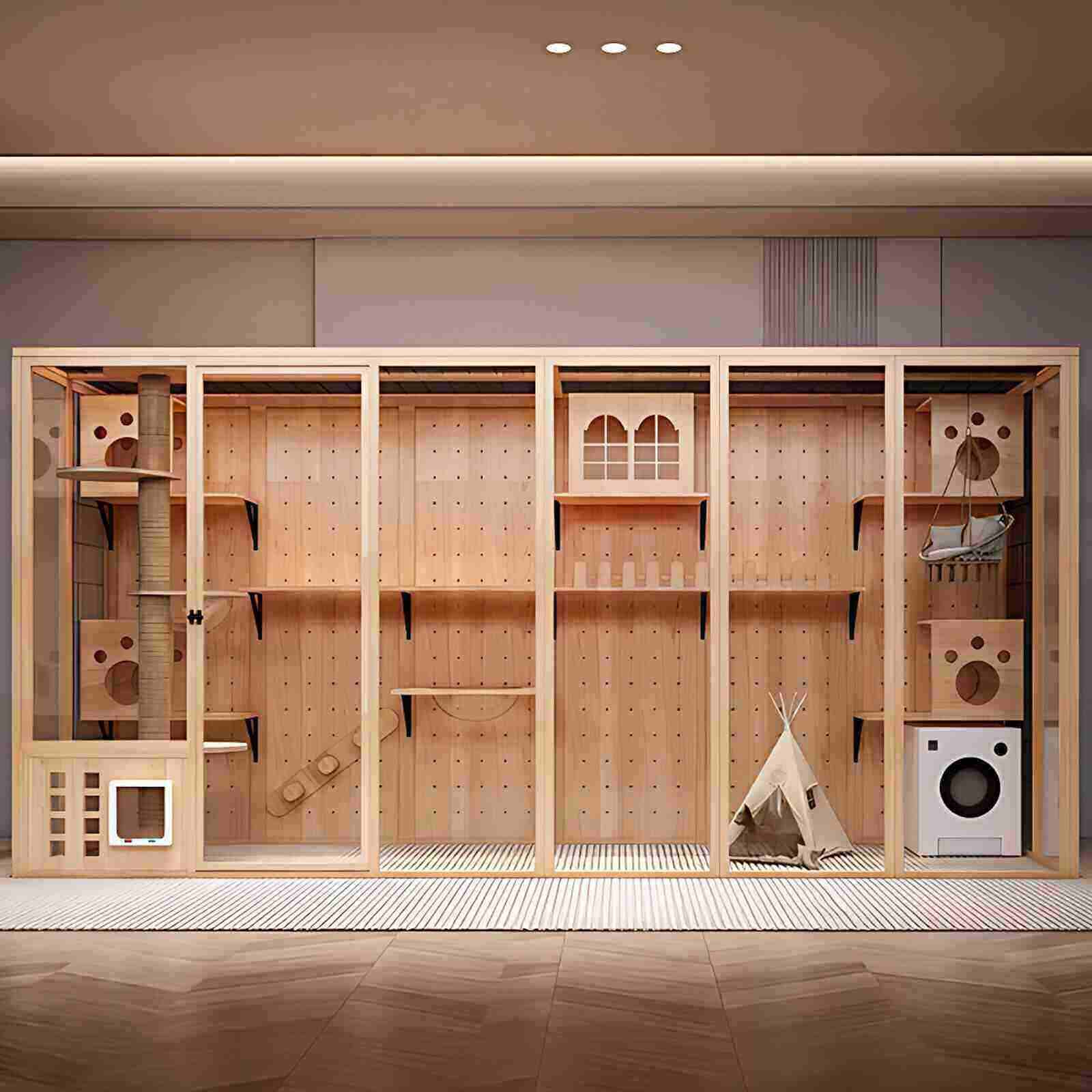
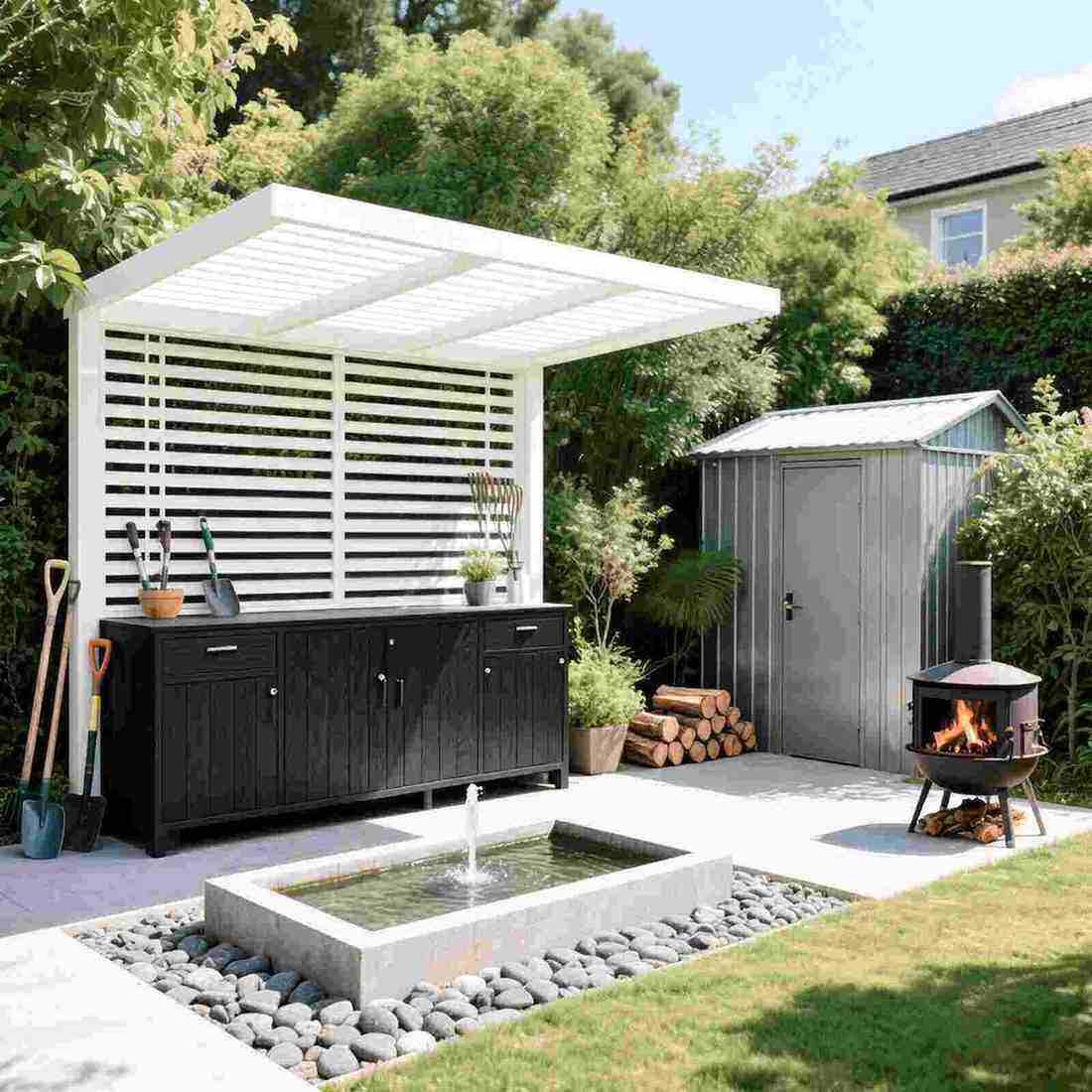
In the 1950s, plywood was the material of choice for design masters such as Arne Jacobsen, Charles, and Ray Eames. Today, after decades of evolution and development, plywood, as one of the commonly used materials in home decoration and one of the three major types of engineered wood products, continues to play an important role in the building materials and home furnishing industry.
So what kind of board is plywood? What kind of development has it undergone in my country? Below, Xiaozhou will answer these questions one by one and explore the bumpy "life" of plywood together.
Definition of plywood
The ups and downs of the engineered wood industry
Plywood, also known as multi-layer board, is a sheet material made by rotary cutting logs into veneers or slicing timber into thin sheets, and then gluing them together with adhesives. It typically uses an odd number of veneer layers, with the grain direction of adjacent veneers perpendicular to each other. Common types of plywood include three-ply and five-ply, which improve timber utilization and are a major way to conserve wood. It is used in aircraft, ships, trains, automobiles, construction, and packaging. The standard size is 1220×2440mm, and thicknesses are generally 3/5/9/12/15/18mm. The main tree species used include beech, camphor, willow, poplar, and eucalyptus.
The origin of plywood
The ups and downs of the engineered wood industry
Plywood is the oldest traditional product in the engineered wood industry, with its use dating back 3,500 years. At that time, craftsmen used hand saws to cut precious wood species into small veneers for the manufacture of high-end furniture for kings and royalty. Through continuous development, Germany officially began producing plywood in 1850.
Plywood in China
The ups and downs of the engineered wood industry
China's plywood industry began in the 1920s and can be broadly divided into three stages:
01. Old China
From the 1920s onwards, foreign businesses successively established small plywood factories in China, importing equipment from Germany and using Northeast linden wood as the main material and blood glue as the adhesive. By 1949, the total national plywood production was approximately 16,900 m³.
02. After the founding of the People's Republic of China
After the founding of the People's Republic of China, in order to adapt to the needs of national economic recovery and development, the People's Government successively merged and reorganized small plywood factories, and at the same time established a number of comprehensive timber processing enterprises.
In May 1958, the "Great Leap Forward" swept across the country, which to some extent promoted the development of China's plywood industry, but it subsequently stagnated.
03. After the Reform and Opening Up
In the 1990s, as China's economic system transitioned from a planned economy to a market economy, many of the original key state-owned plywood enterprises faced declining economic benefits or even losses, and their output gradually decreased. Entering the 21st century, the number of plywood enterprises in China surged to over 6,000, and in 2007, output reached 35.6156 million m³, making China the world's largest plywood producer.
Recommended Products
Millennium Boat Multi-layer Board
Qiannianzhou multi-layer boards are made of high-quality wood, consisting of three or more layers of veneer or thin boards bonded together under high temperature and pressure with wood glue. This process greatly improves and enhances the physical and mechanical properties of the wood, giving the boards stable structural performance. They are less prone to delamination, have good nail-holding power, are sturdy and easy to process, and meet the company's E0 environmental protection standard. The natural and authentic wood texture and feel make them a quality choice for creating custom furniture.
Founded at the end of the 20th century, the Group (formerly Hangzhou Huahai Wood Industry Co., Ltd.) has, under the leadership of Chairman Lu Tonghua, remained true to its original aspirations, overcoming numerous obstacles to become a century-old enterprise in China's building materials and home furnishing industry. Over the past 21 years of vigorous development, the Group has taken "Creating Healthy Homes and Leading a Quality Life" as its mission, adhering to the brand concept of "Green and Healthy Home." It focuses on six dimensions related to "home": green supply, green design, green intelligent manufacturing, green products, green services, and green public welfare. Advocating and popularizing "zero-formaldehyde living," the Group provides a complete set of green and healthy home solutions, starting from raw materials, and promoting the healthy development of China's building materials and home furnishing industry!