
 USD
USD GBP
GBP
 EUR
EUR
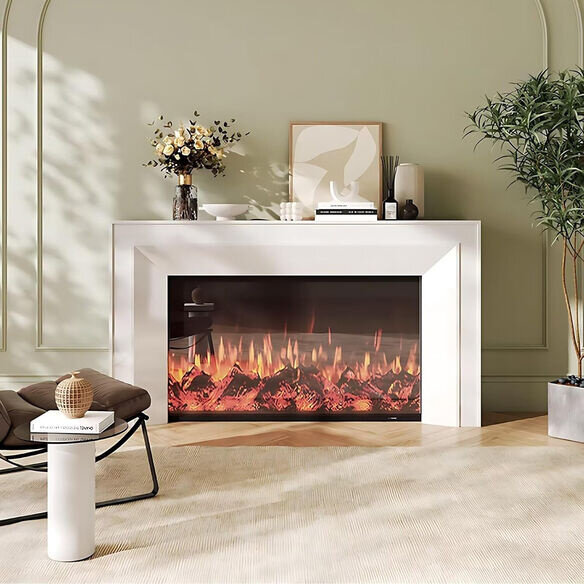
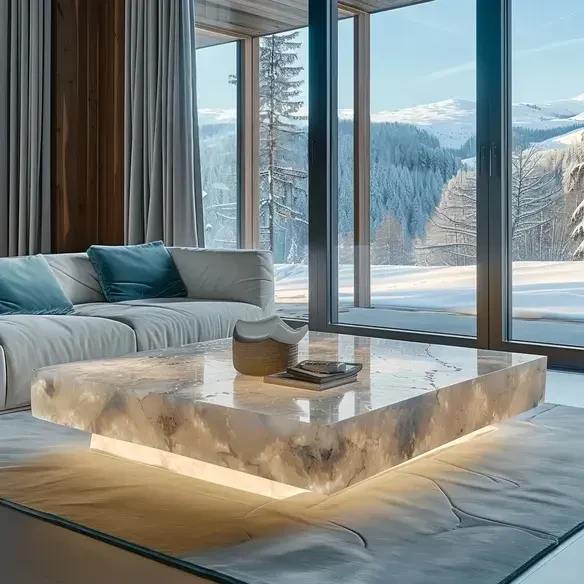
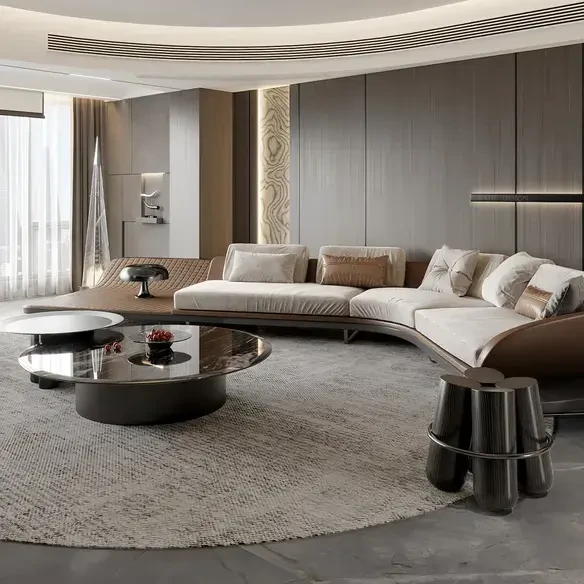
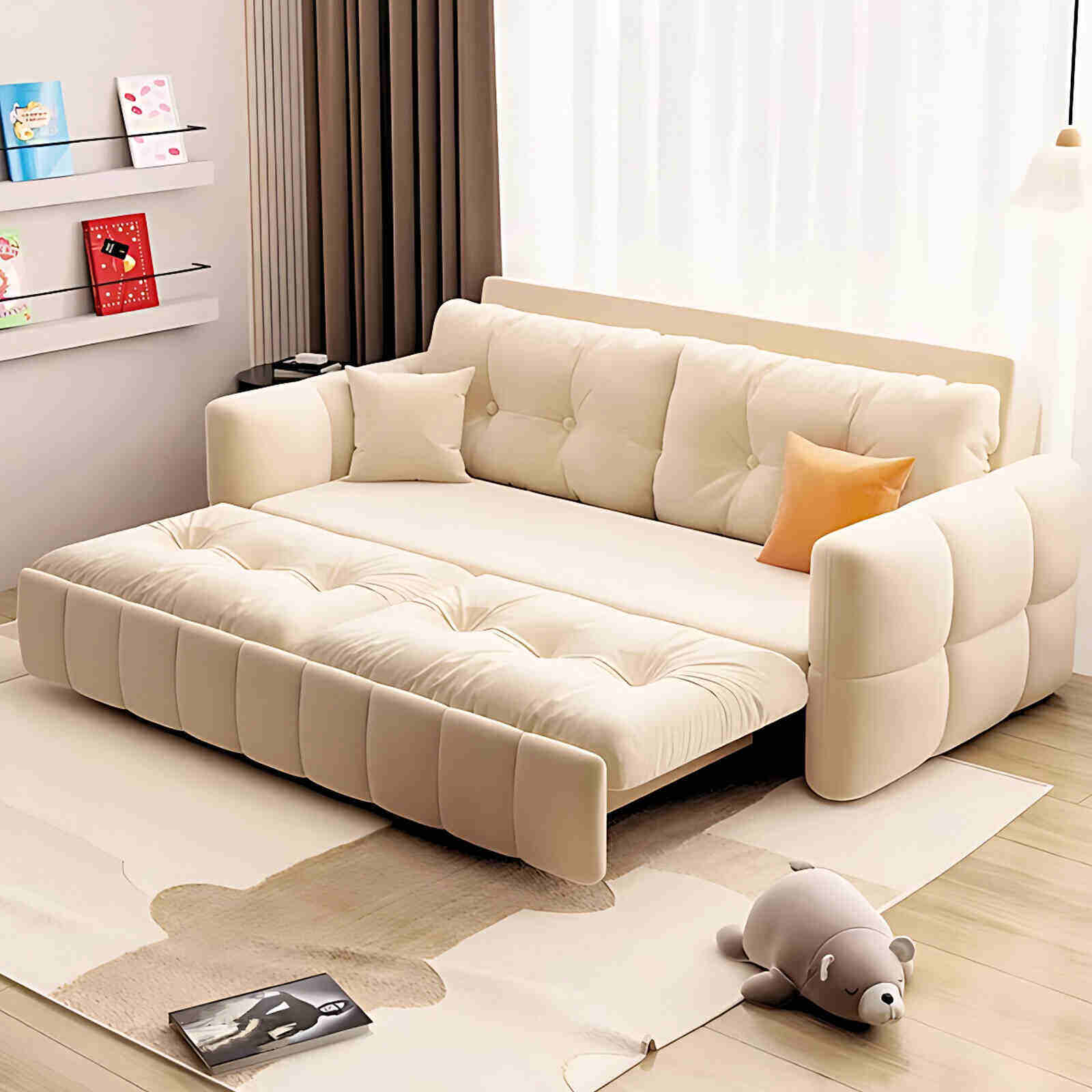
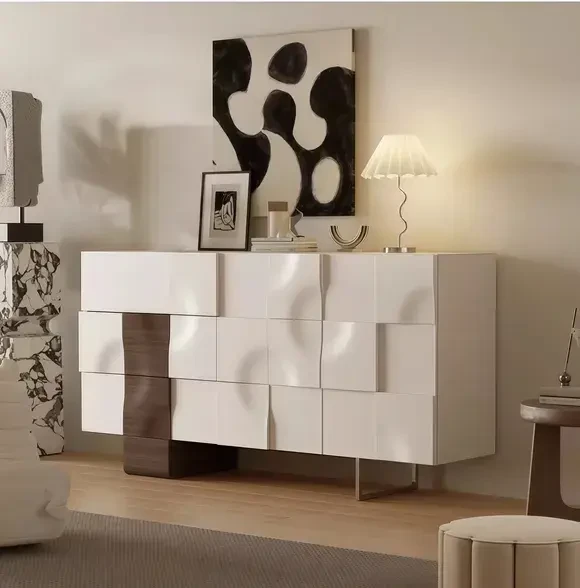
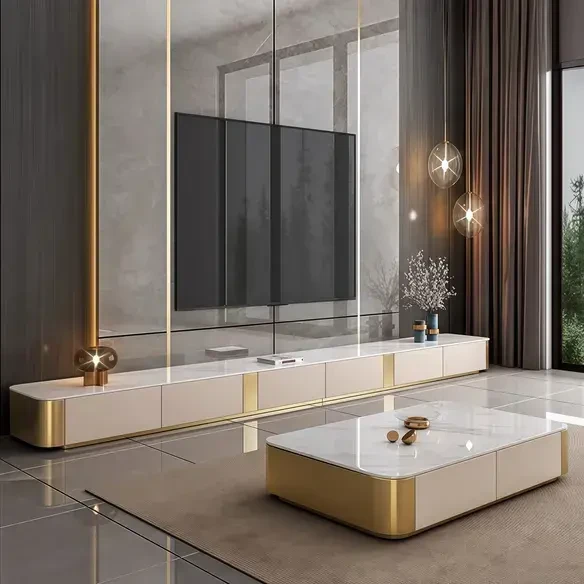
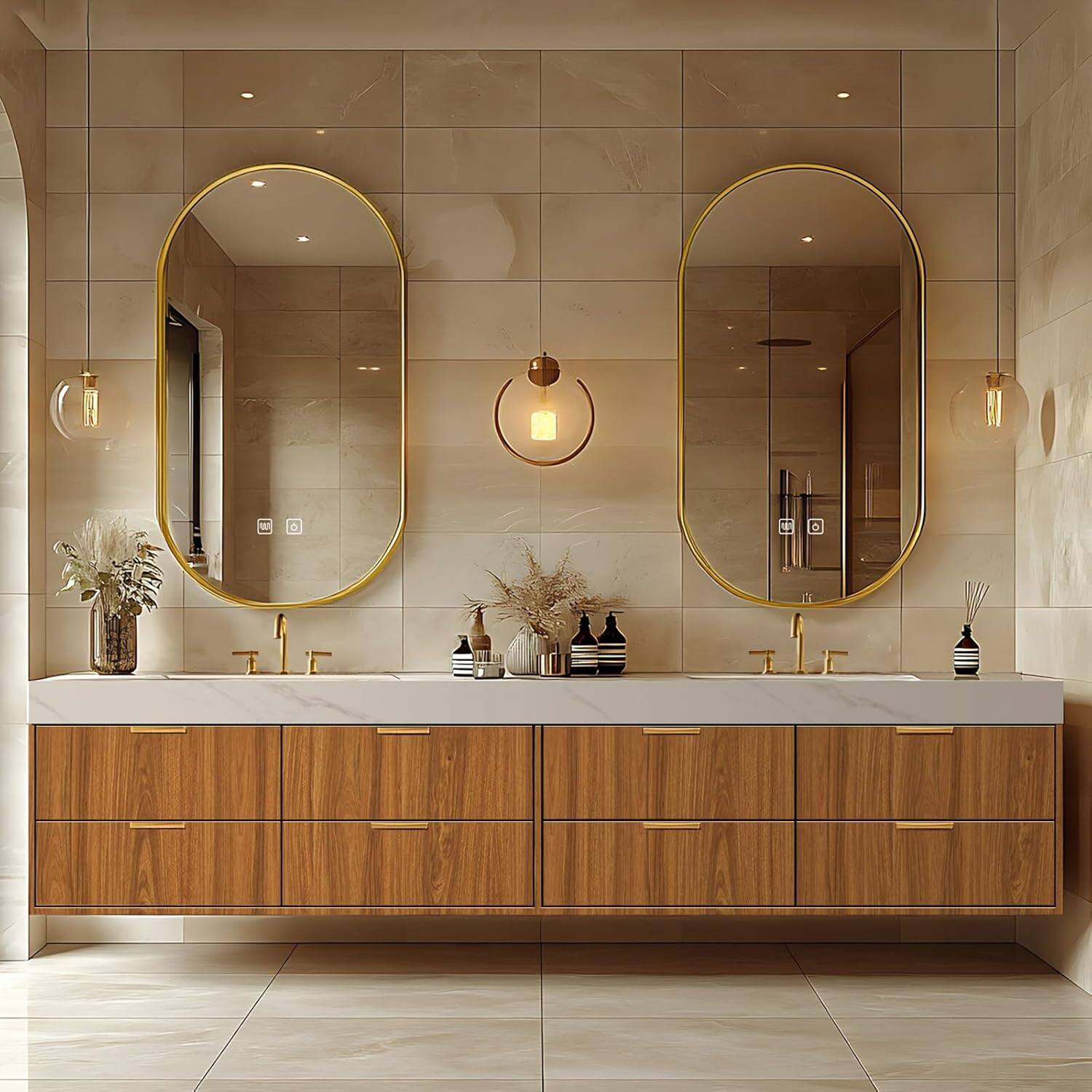
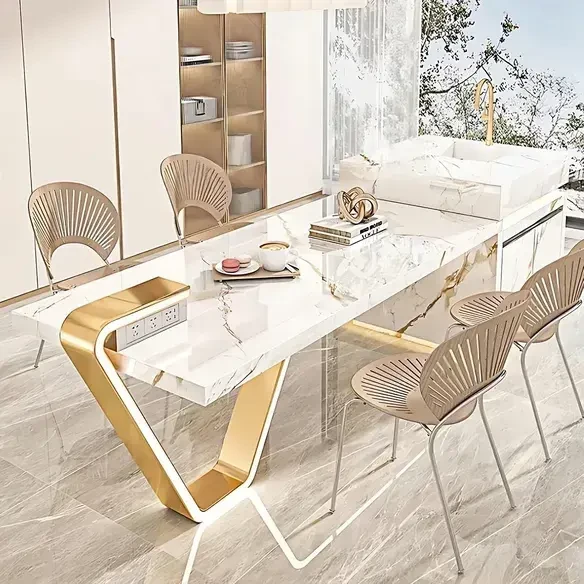
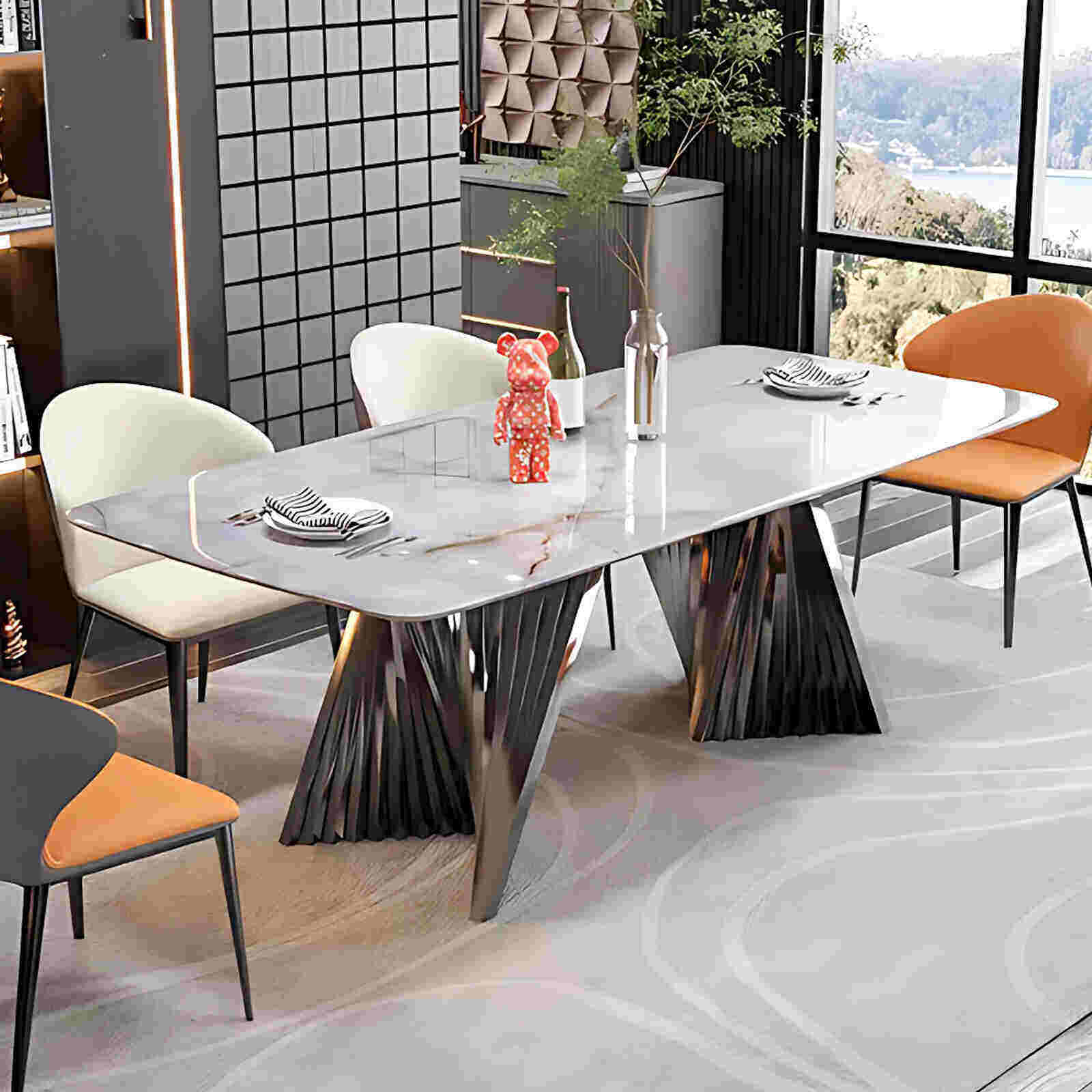
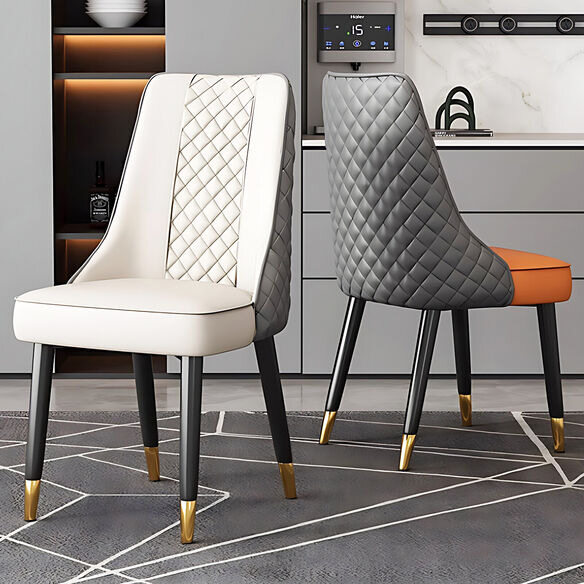
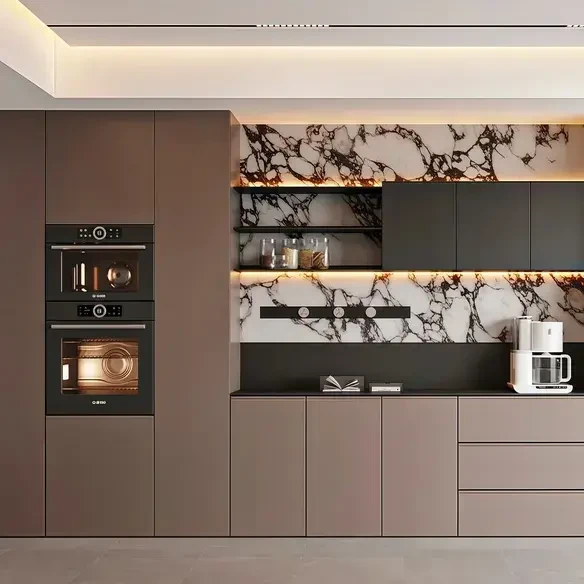
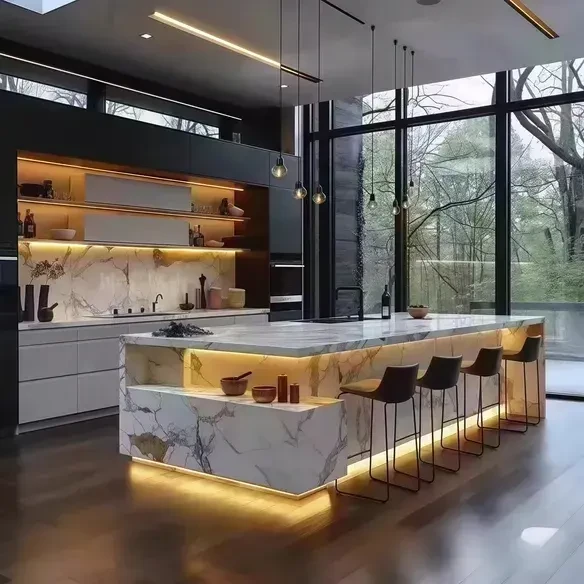
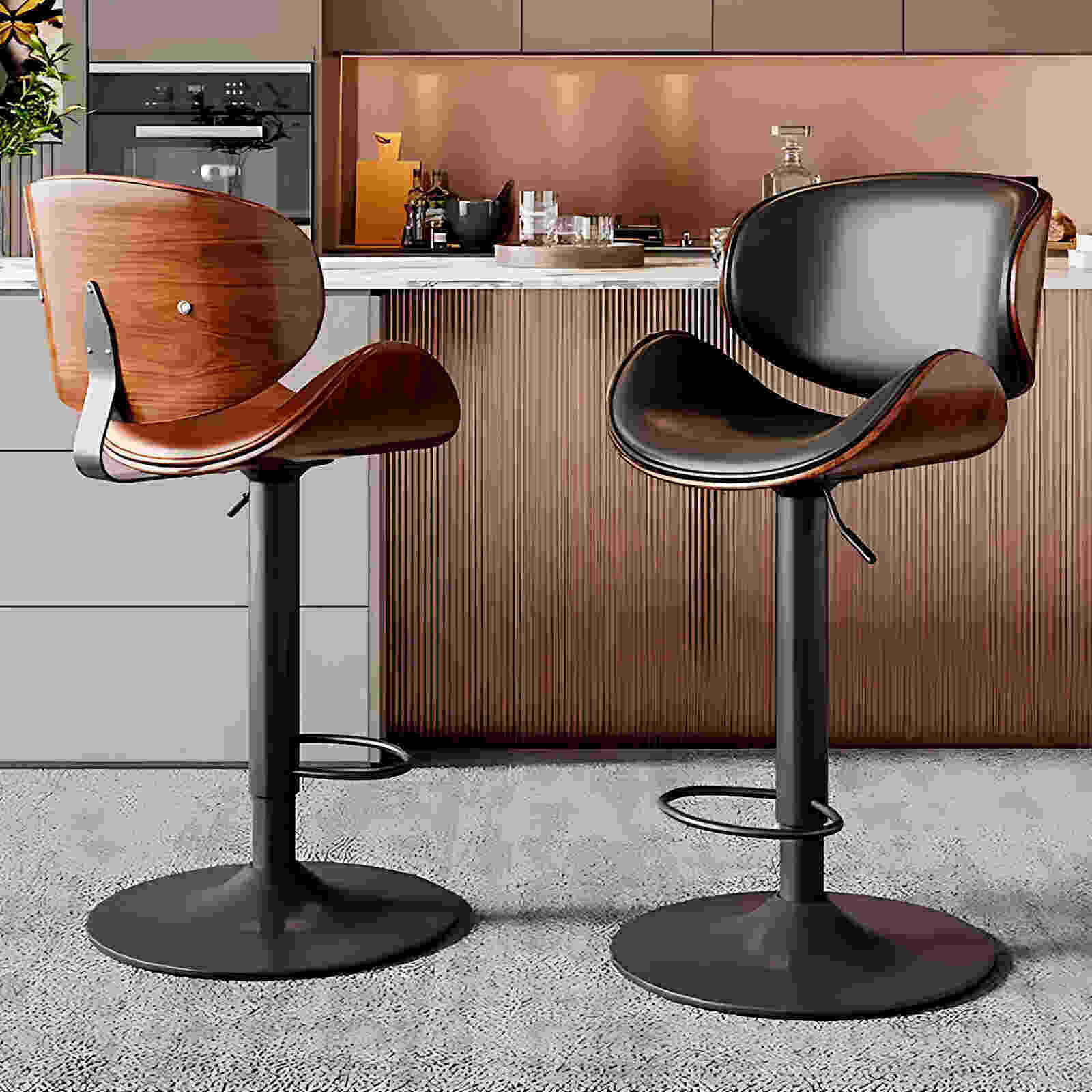
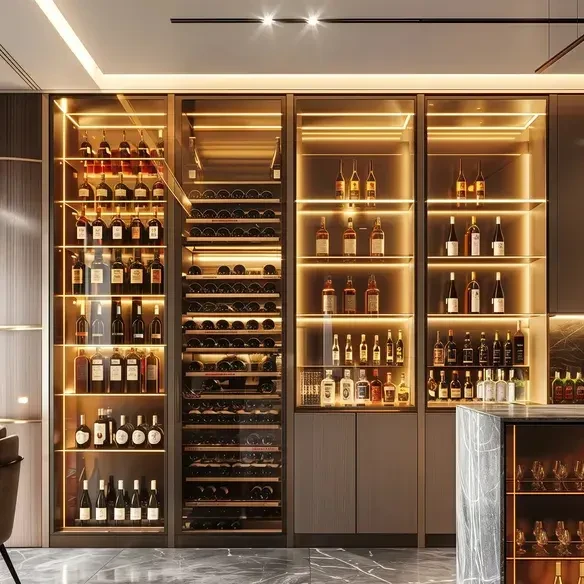
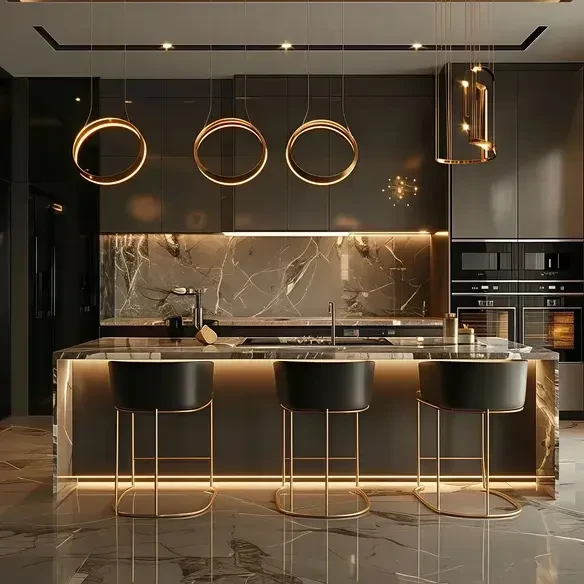
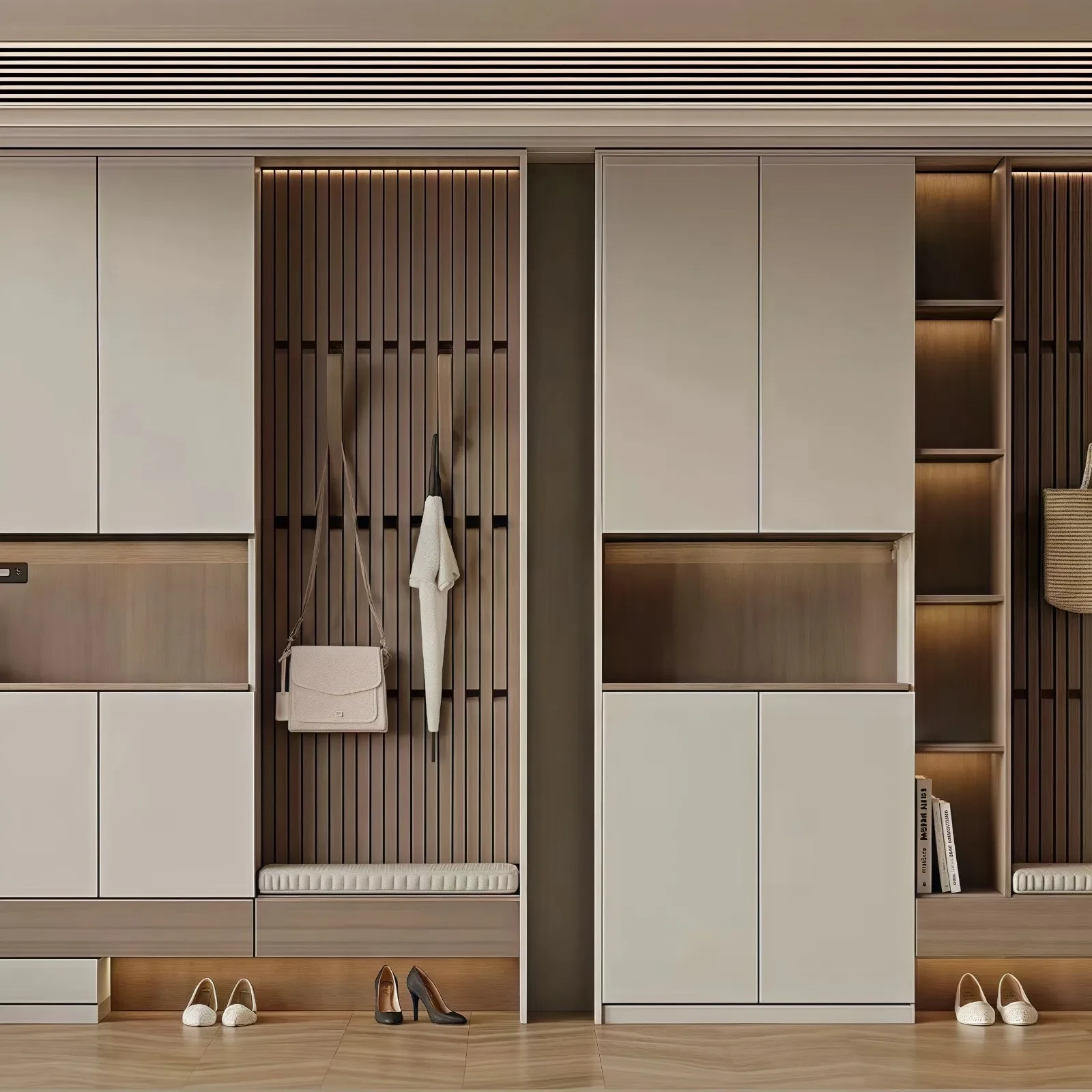
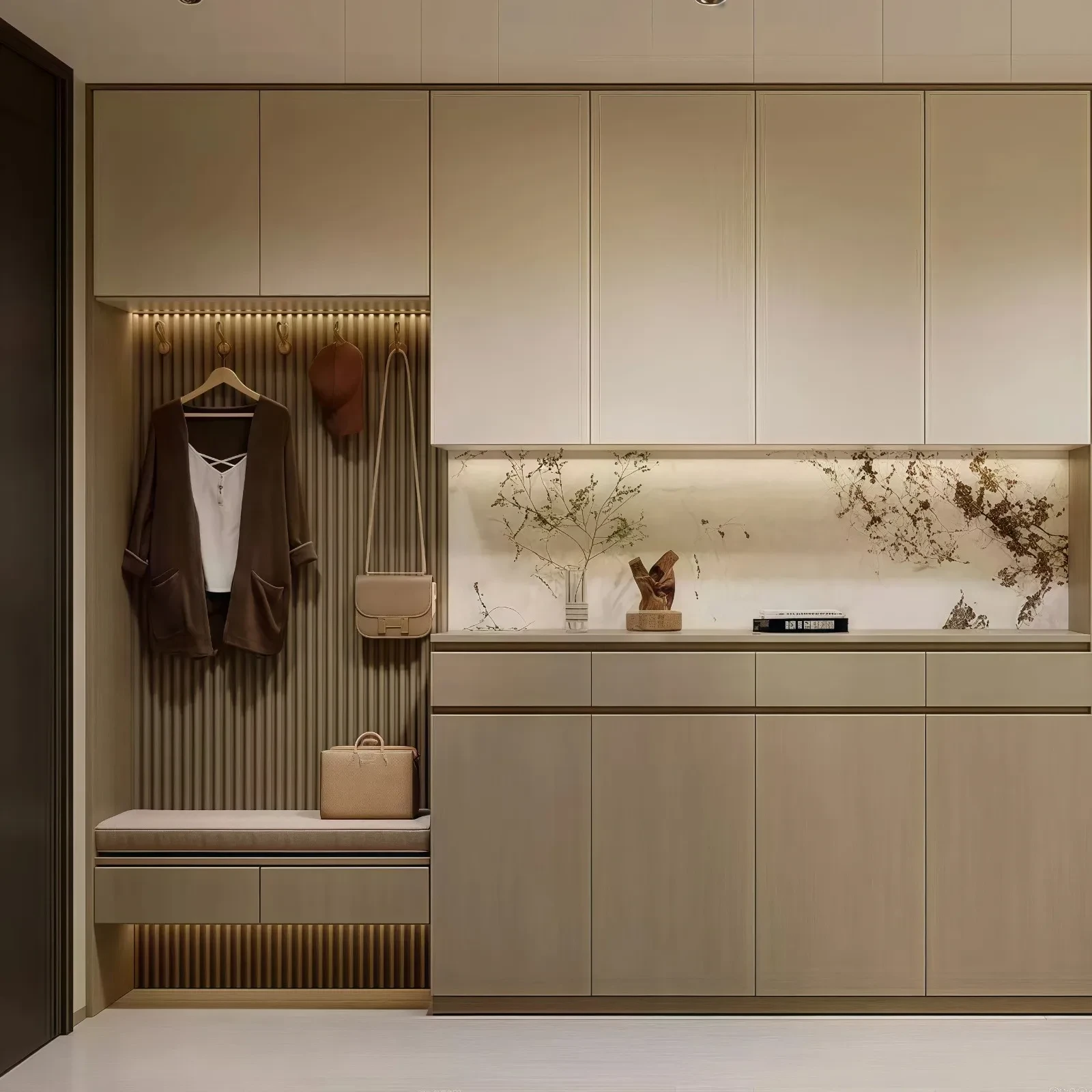
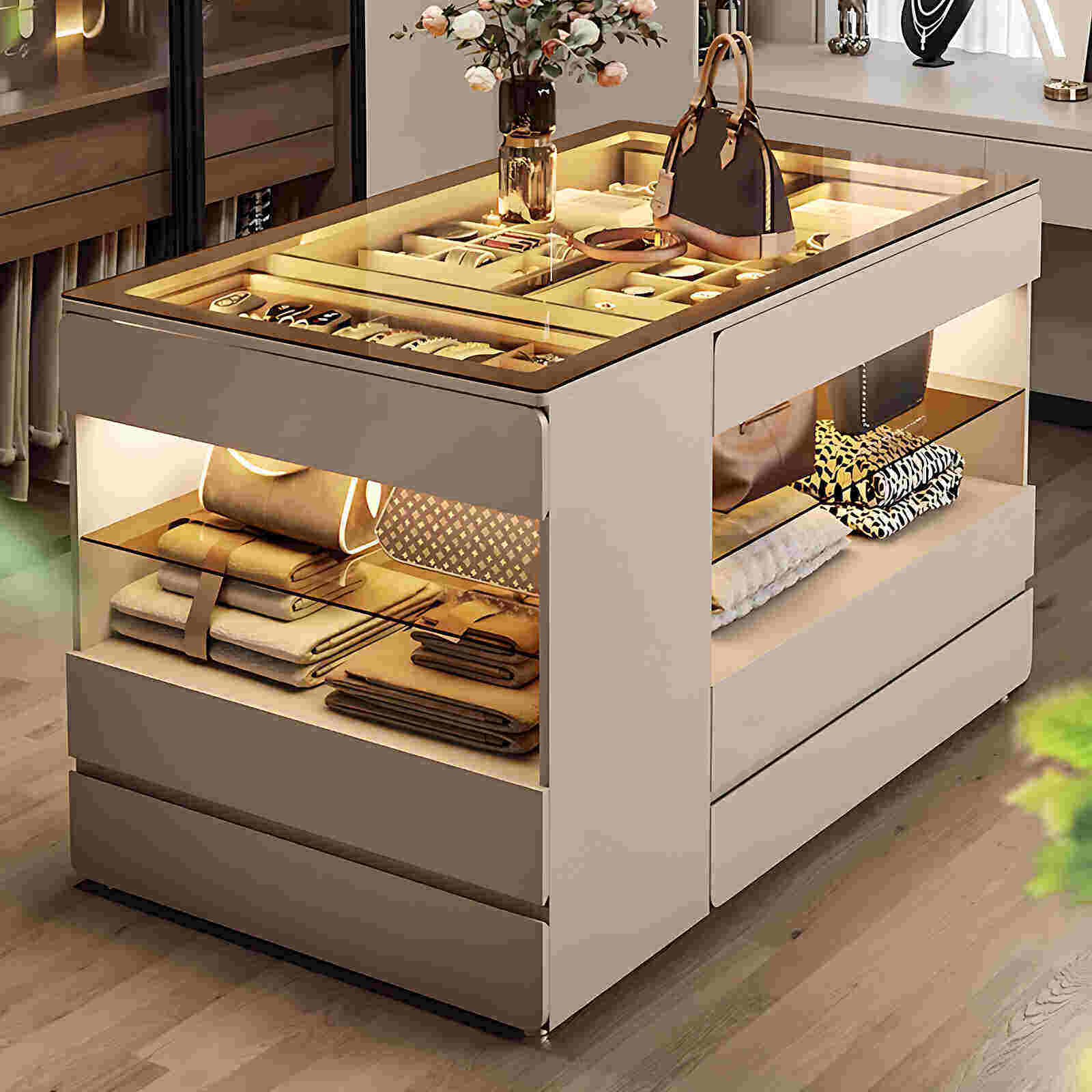
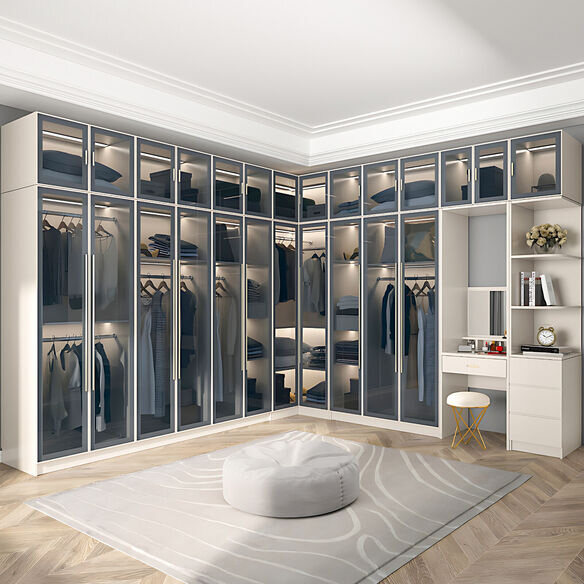
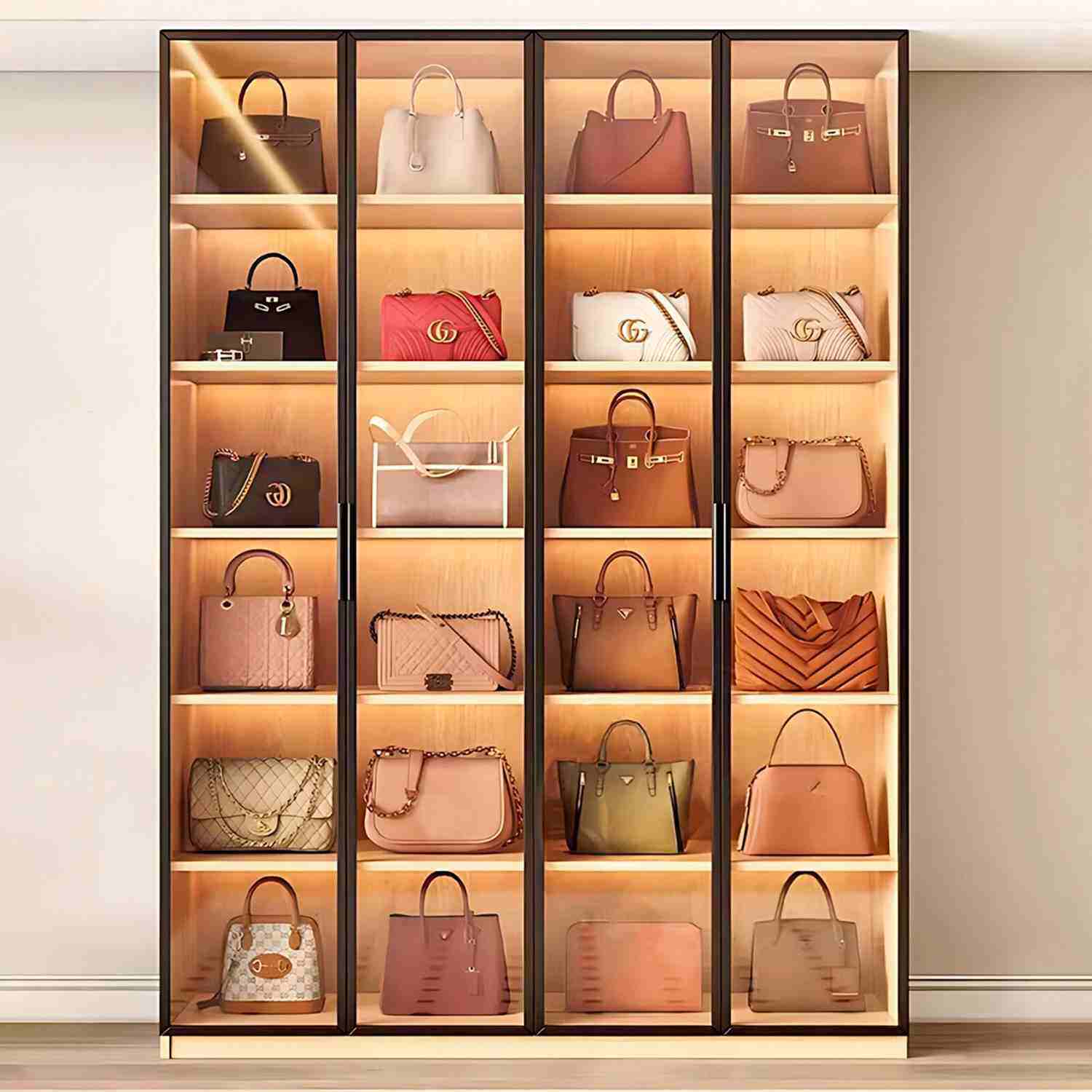
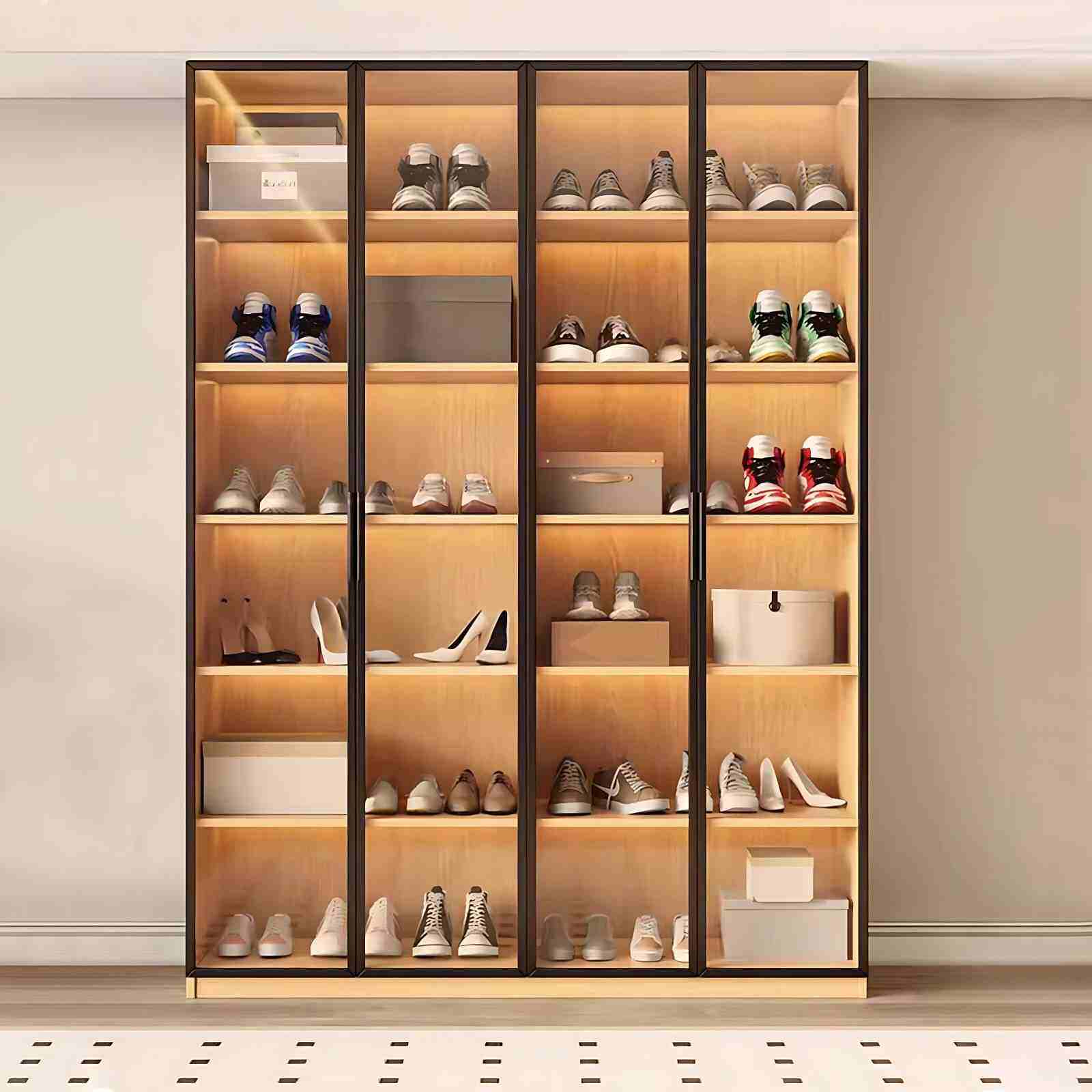
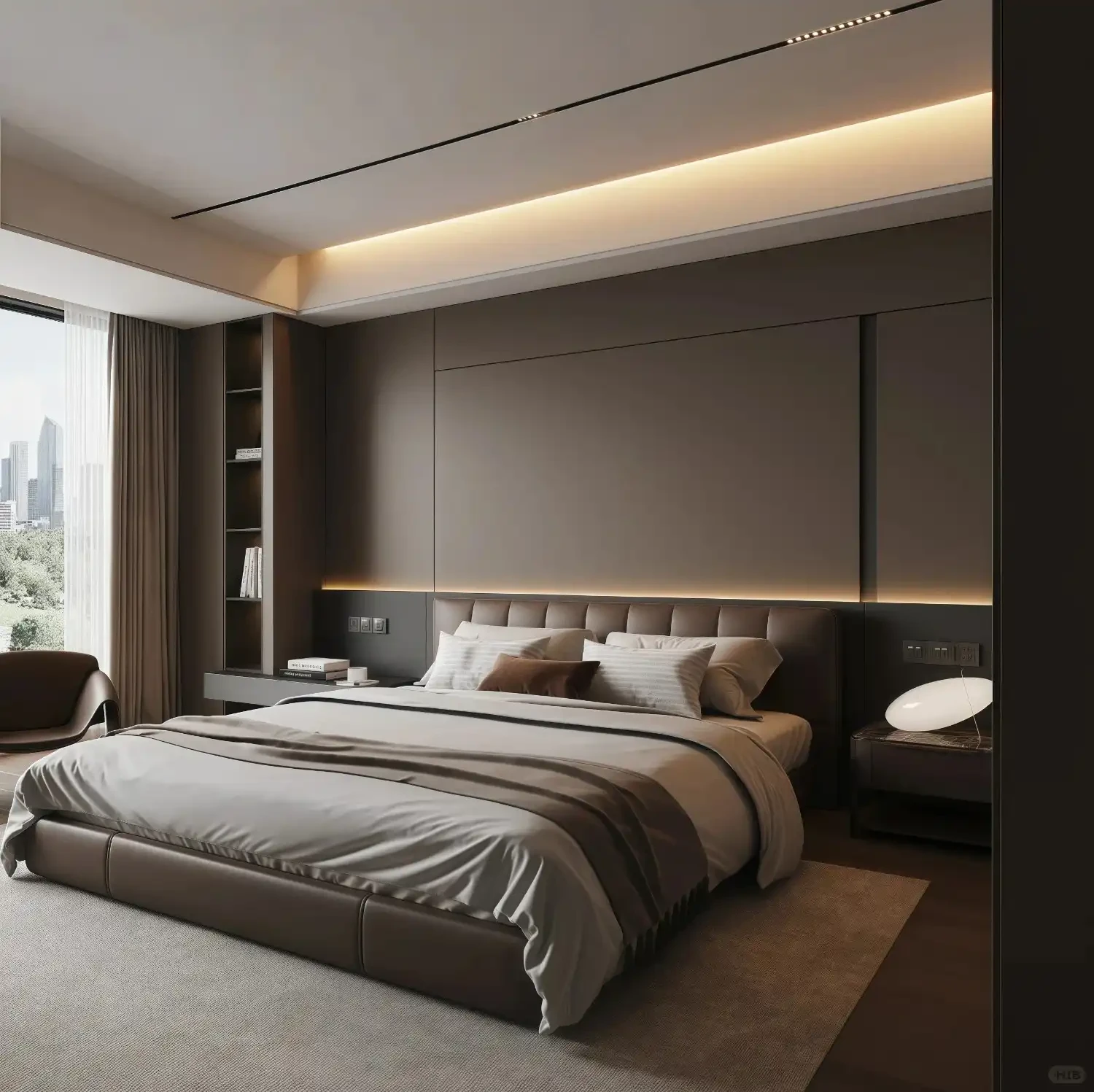
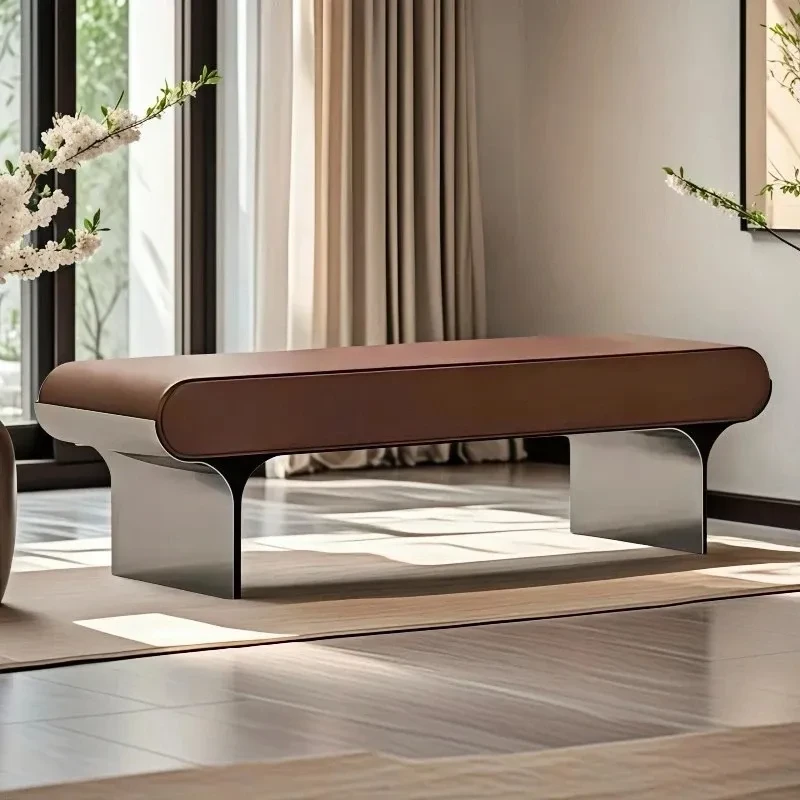
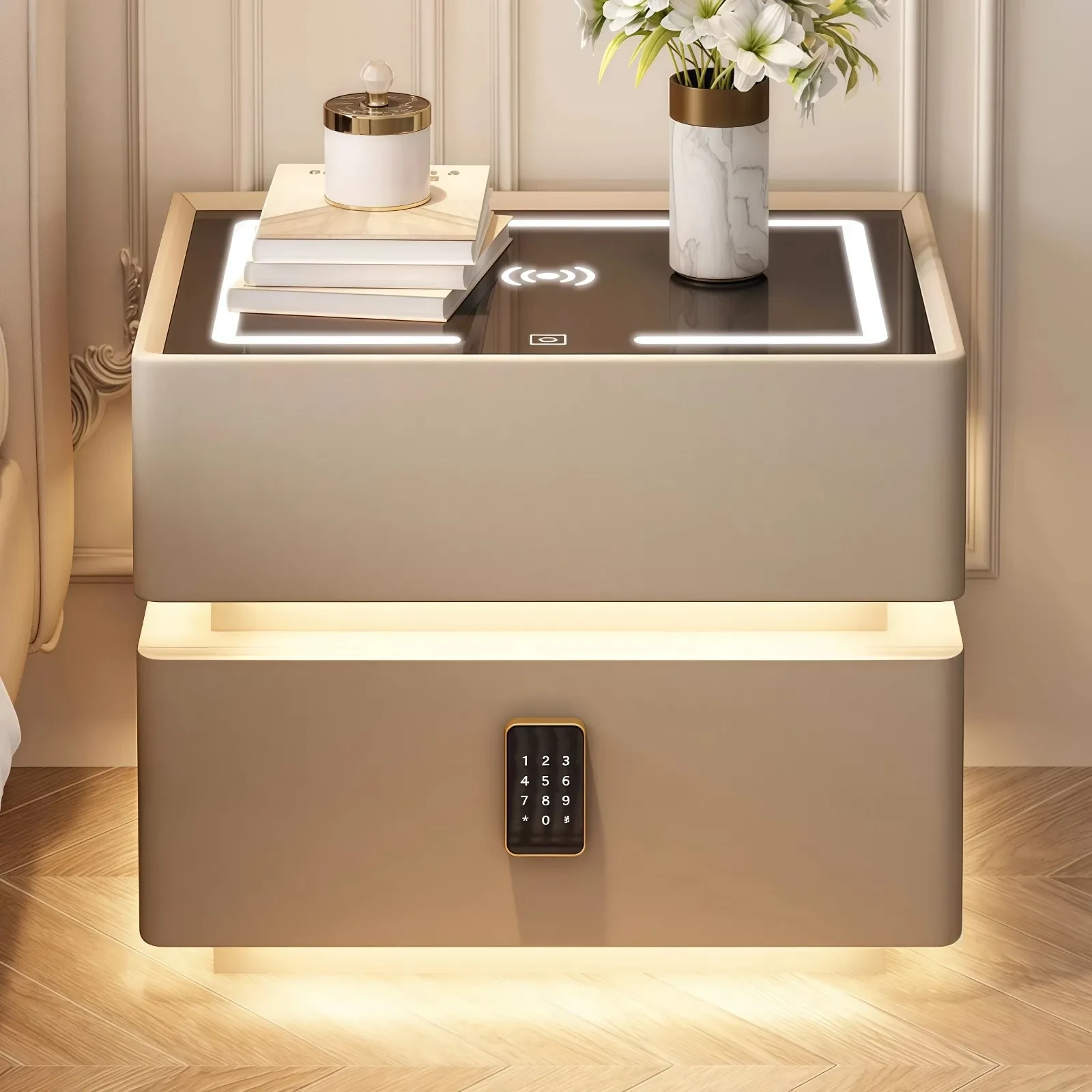
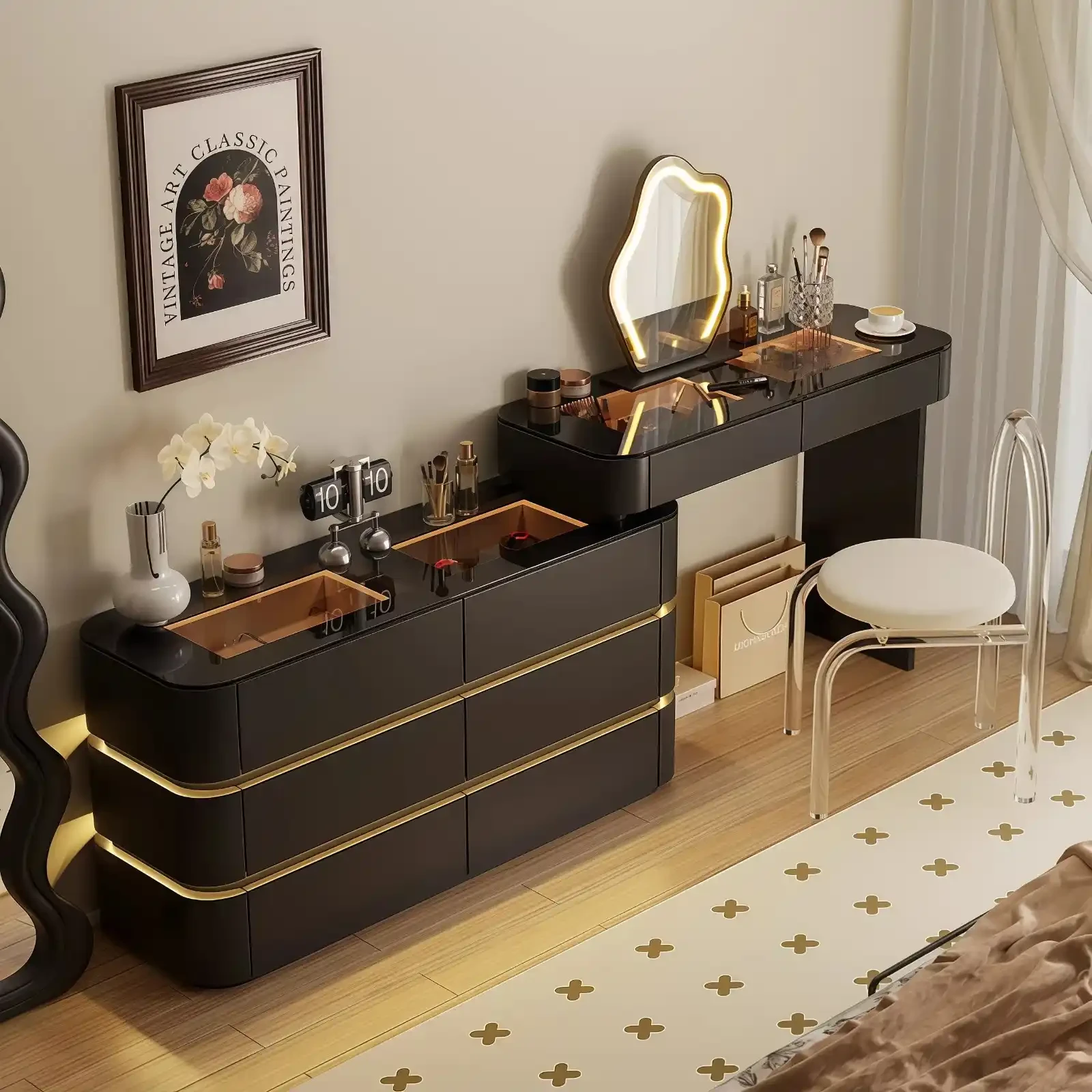
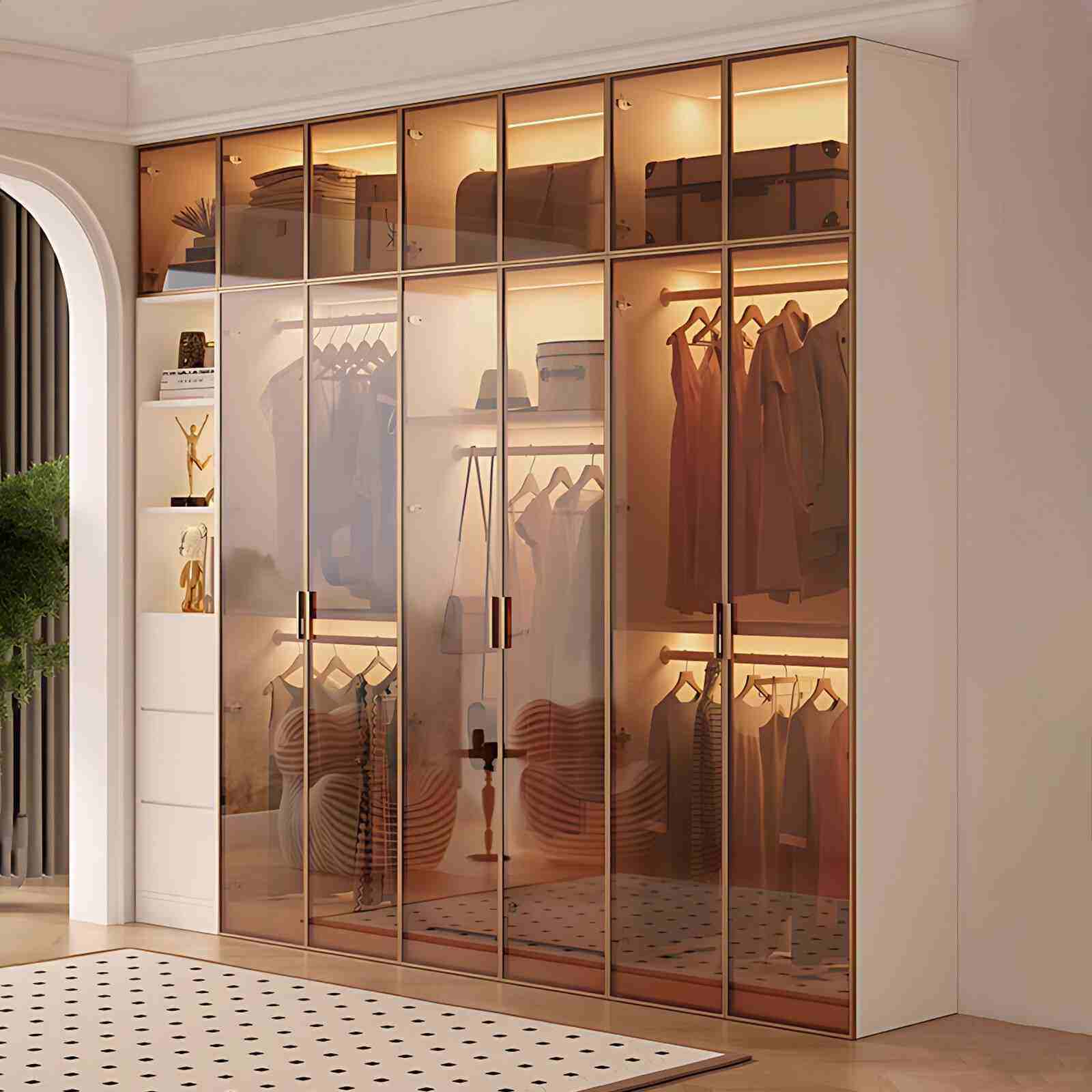
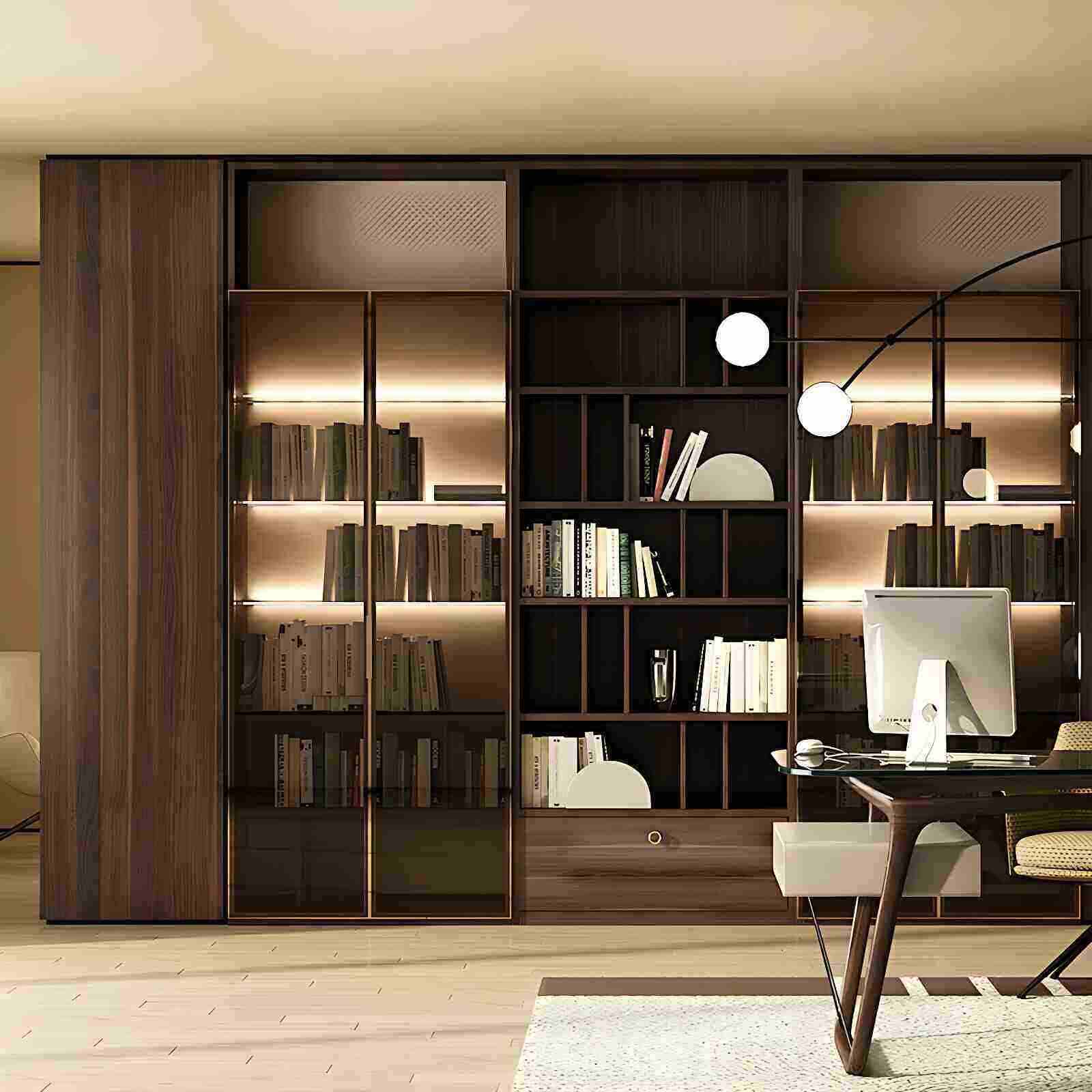
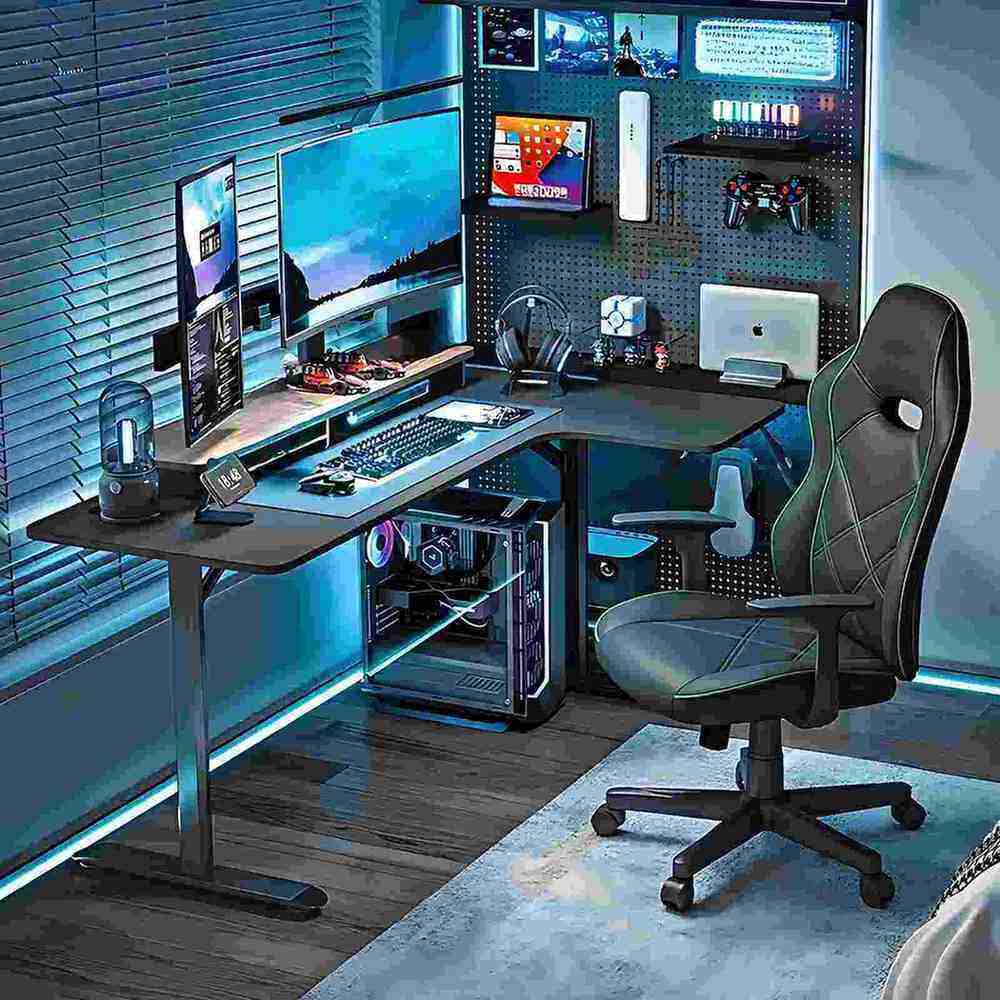
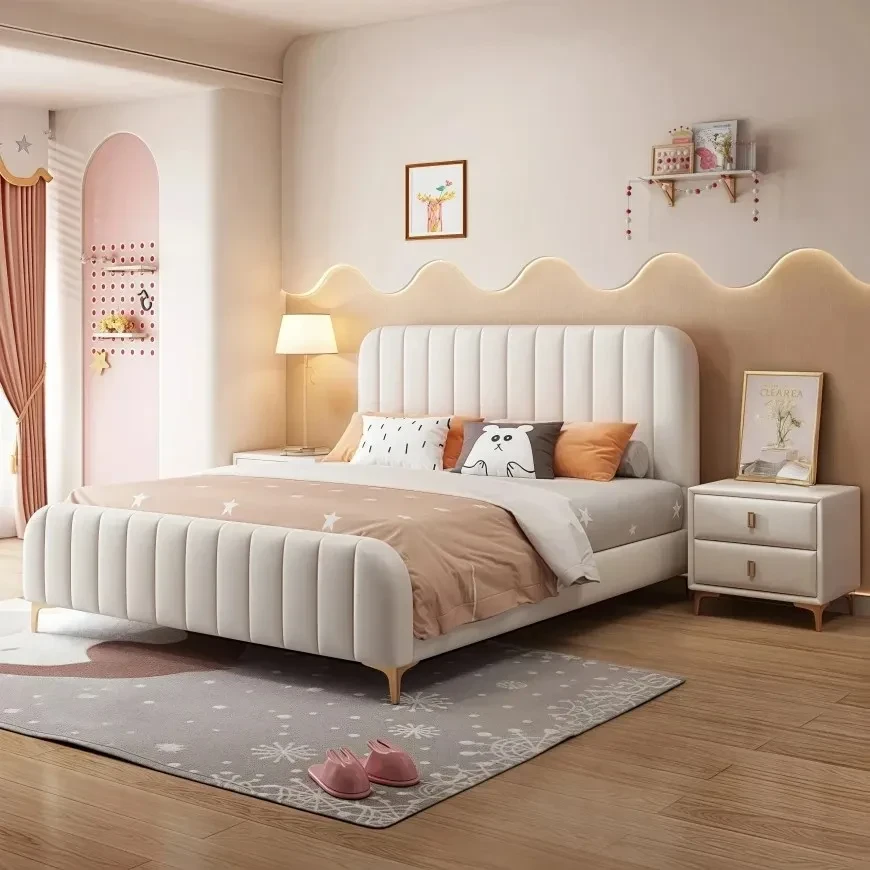
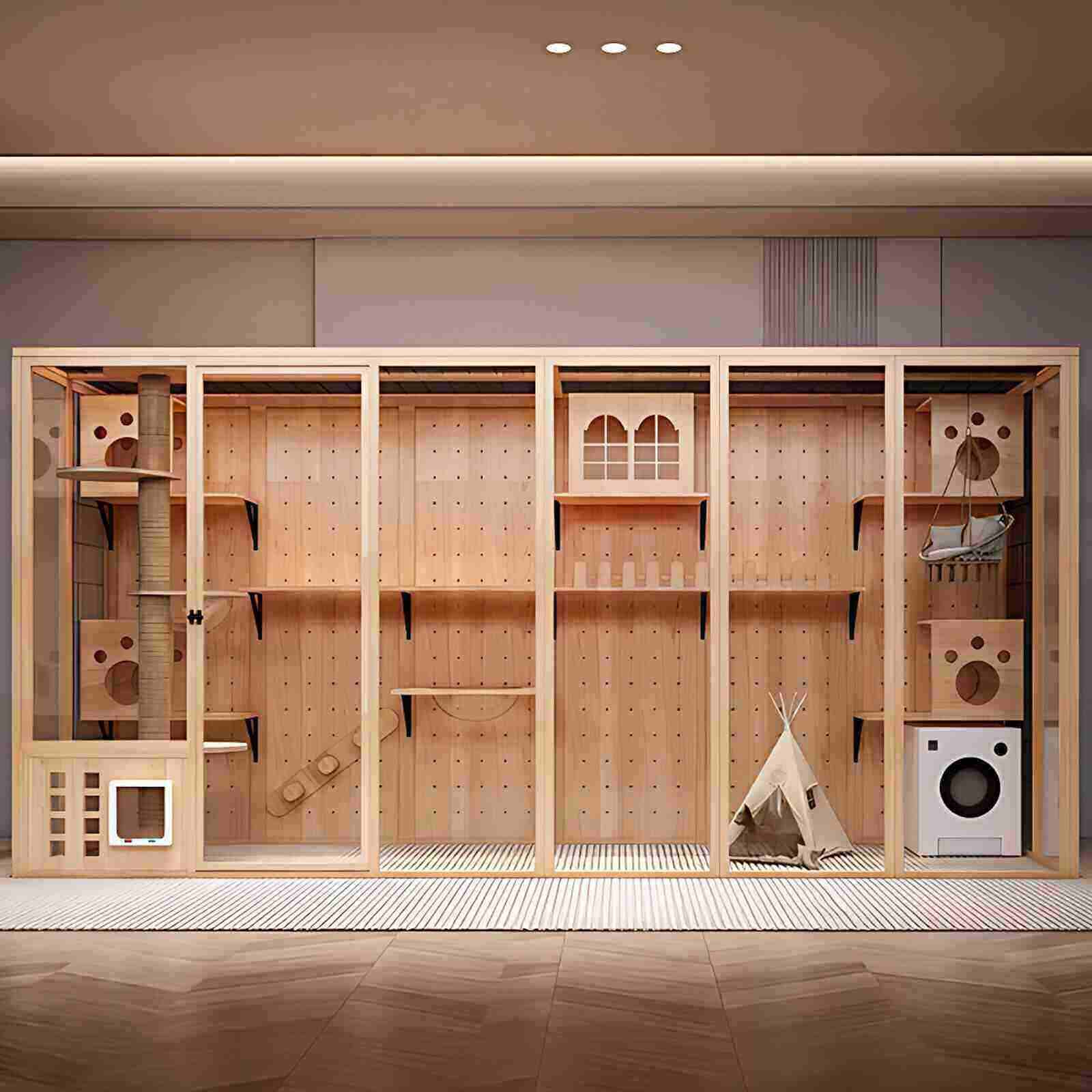
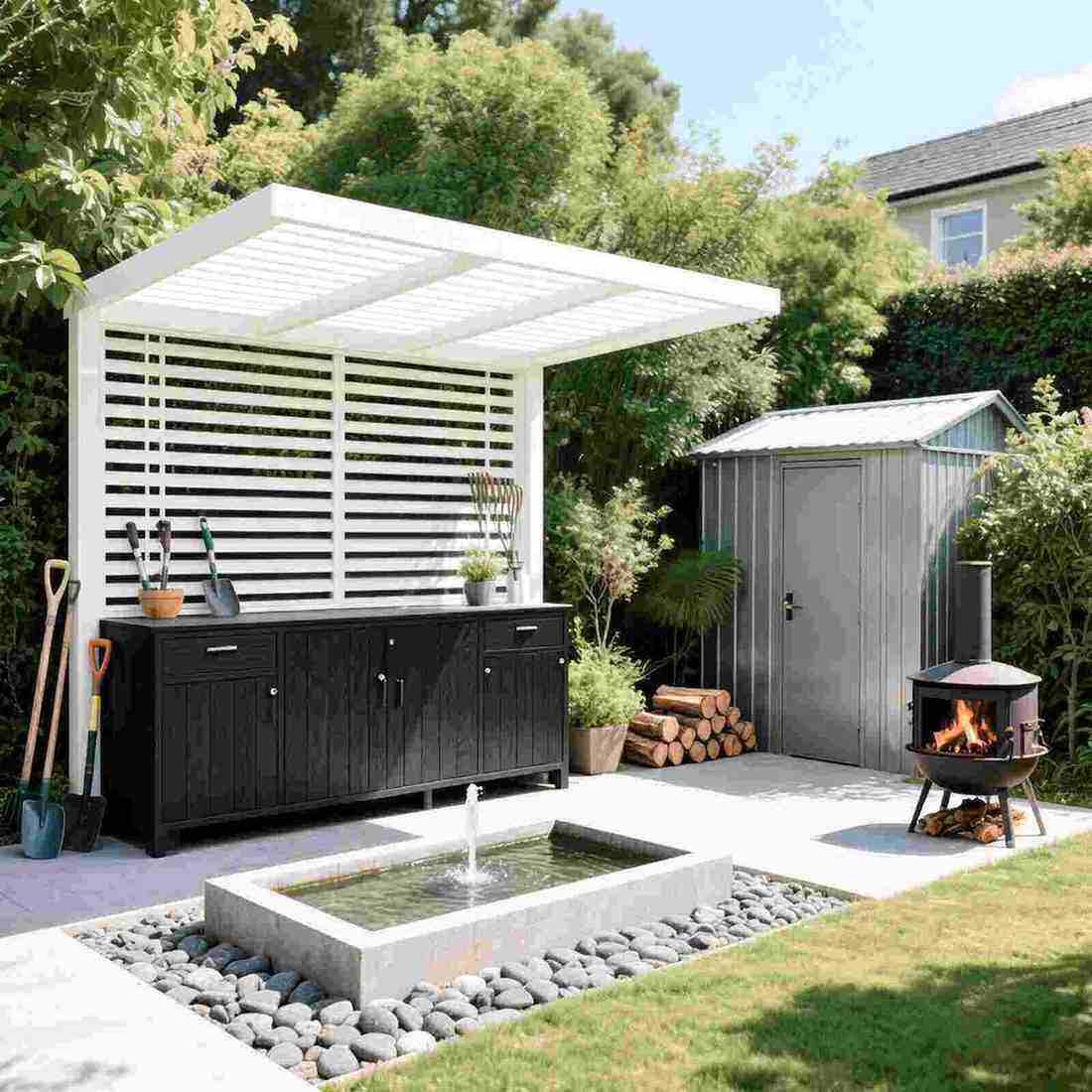
Consumer demand is a barometer for furniture manufacturers. In the past, the focus was simply on sturdiness, and every household would hire carpenters to make furniture by hand. Later, as aesthetics improved, ready-made furniture with various veneers and shapes became available. In recent years, with the pursuit of safety and individuality, the proportion of customized furniture has been increasing, and the selection of materials has become more and more discerning.
Today's consumers demand a combination of all of the above: stability and durability, aesthetic appeal, safety, and environmental friendliness. Solid wood customization is undoubtedly a good choice.
Does solid wood custom-made furniture always mean it's all solid wood?
The definition of solid wood customization in the industry is quite diverse. It is not only custom furniture made entirely of solid wood that can be called solid wood customization, especially cabinet furniture, where there is a wide variety of materials to choose from.
Solid wood cabinet furniture can be structurally divided into "cabinet doors" and "cabinet body," and the materials used for the two are often different. As the "face" of the furniture, the "cabinet doors" can be made entirely of solid wood or have a core board veneer.
It is worth noting that the "cabinet body," which is the "body" of solid wood cabinet furniture, has many considerations when it comes to material selection. You can use paint-free eco-board or solid wood splicing board that requires painting.
Regardless of the material chosen for the cabinet, the stability, environmental friendliness, ease of processing, and reasonable cost are all important considerations.
Eco-friendly boards and solid wood panels each have their own advantages and disadvantages.
Eco-friendly boards and solid wood panels are common materials for solid wood cabinets. They stand out from other materials because of their advantages in making solid wood cabinets, but there are still some areas that can be improved.
Melamine-faced plywood
In a broad sense, eco-board is equivalent to melamine decorative board, while in a narrow sense, eco-board refers only to melamine decorative board (veneered plywood) with spliced solid wood as the core material. The latter is more commonly found in solid wood cabinet materials.
The emergence of eco-friendly boards benefited from the rise of the impregnated paper industry in Europe. Melamine board veneer is made by placing veneer paper of different colors and textures into melamine resin adhesive, and then laying it on the board after it has dried to a certain degree of curing. It has the characteristics of fire resistance, wear resistance, water resistance, high hardness, good heat resistance, and easy cleaning.
Although the veneer plywood used for solid wood cabinets is spliced solid wood, it is mostly made of small strips and scraps pieced together. A single large board may consist of more than ten small pieces along its length, which can easily cause the middle to collapse as it grows longer, resulting in low board stability. In addition, due to the large number of wood strips and the large amount of glue used, there is a common problem with formaldehyde emission exceeding the standard in panel furniture.
rubberwood splicing
Solid wood panels are mostly made of rubberwood, with a painted surface. Natural wood has low formaldehyde emissions, making it safer and more environmentally friendly.
Rubberwood panels are known for their good toughness, uniform texture, easy maintenance, good wear resistance, and durability. Rubberwood boasts a beautiful grain; an open-pore finish preserves the original wood color and texture, making it easy to carve and stain. Furniture made from rubberwood is aesthetically pleasing and suitable for Scandinavian, modern minimalist, and American minimalist styles. When finished with a closed-pore finish, rubberwood achieves almost the same effect as red oak. With the same decorative effect, rubberwood offers a significant price advantage, making it arguably the king of cost-effectiveness among solid woods.
However, solid wood furniture suffers from long delivery cycles and inefficient painting processes. In today's market demand for rapid delivery, rubberwood plywood is struggling to keep up. Poor moisture control in rubberwood plywood can lead to warping and deformation, affecting its usability. Furthermore, rubberwood plywood wardrobes are relatively expensive compared to other materials, belonging to the high-end custom category.
For mid-range users, they also want to use environmentally friendly furniture materials, but they cannot afford the high cost of custom-made solid wood furniture. Therefore, the market urgently needs an affordable alternative to rubberwood, while avoiding the formaldehyde release problem of eco-boards. Is there a material that can achieve a comprehensive performance advantage in terms of stability, environmental friendliness, processability, and price? After visiting many places and conducting market research, we discovered a material defined as "new solid wood," which we believe can add another option to the future solid wood cabinet materials.
"New solid wood" that combines the advantages of both
"New solid wood," through structural innovation and adhesive selection, simultaneously meets the demands for stability, environmental friendliness, and rapid delivery, attracting the attention of many companies. So, what exactly is new about "new solid wood"?
Structural innovation
In terms of structure, "new solid wood" is made of two front and back panels, two inner lining panels, and a core panel in the middle, which are stacked together in a longitudinal and transverse manner, as shown in the figure below.
▲Schematic diagram of the "new solid wood" structure
This method of "odd-numbered layer central symmetrical arrangement" and "longitudinal and transverse stacking and gluing" helps to improve the stability of the board. The inner lining board made of spliced eucalyptus wood is used as a leveling structure to improve the flatness of the "new solid wood" surface. The surface is finished with wood veneer, melamine paper, PP film and other finishes. It does not require painting when in use. The production efficiency of solid wood cabinets is higher and meets the needs of fast delivery.
Adhesive selection
In terms of adhesive selection, "New Solid Wood" uses MDI glue, which is widely recognized in the industry, to effectively prevent the release of formaldehyde from the source.
Furthermore, unlike plywood, which is made of many small pieces of wood spliced together, the core of "new solid wood" is made of 4.5 cm wide strips of wood spliced horizontally. Along the length of the board, only two strips are finger-jointed. This reduces the amount of wood used and the amount of glue applied is also significantly reduced. The reduced amount of glue and the absence of formaldehyde in the adhesive allow "new solid wood" to meet Japan's F**** environmental standards.
"New solid wood" is more stable than rubberwood but cheaper, making it a good alternative. The formaldehyde-free MDI glue further distinguishes "new solid wood" from materials made with ordinary urea-formaldehyde glue. Stable performance, rich finishes, safety and environmental friendliness, ease of processing, and high cost-effectiveness are all advantages of "new solid wood."