
 USD
USD GBP
GBP
 EUR
EUR
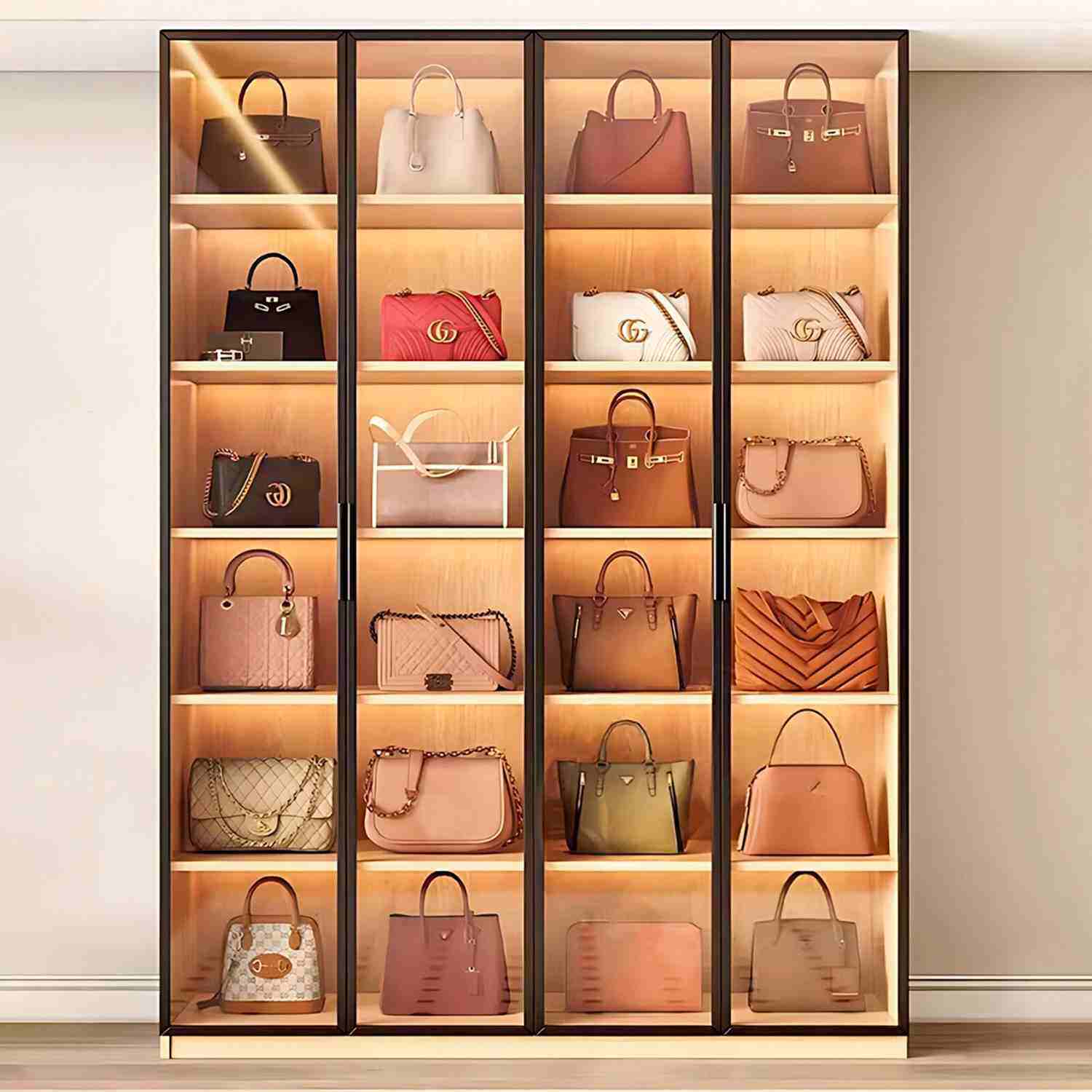
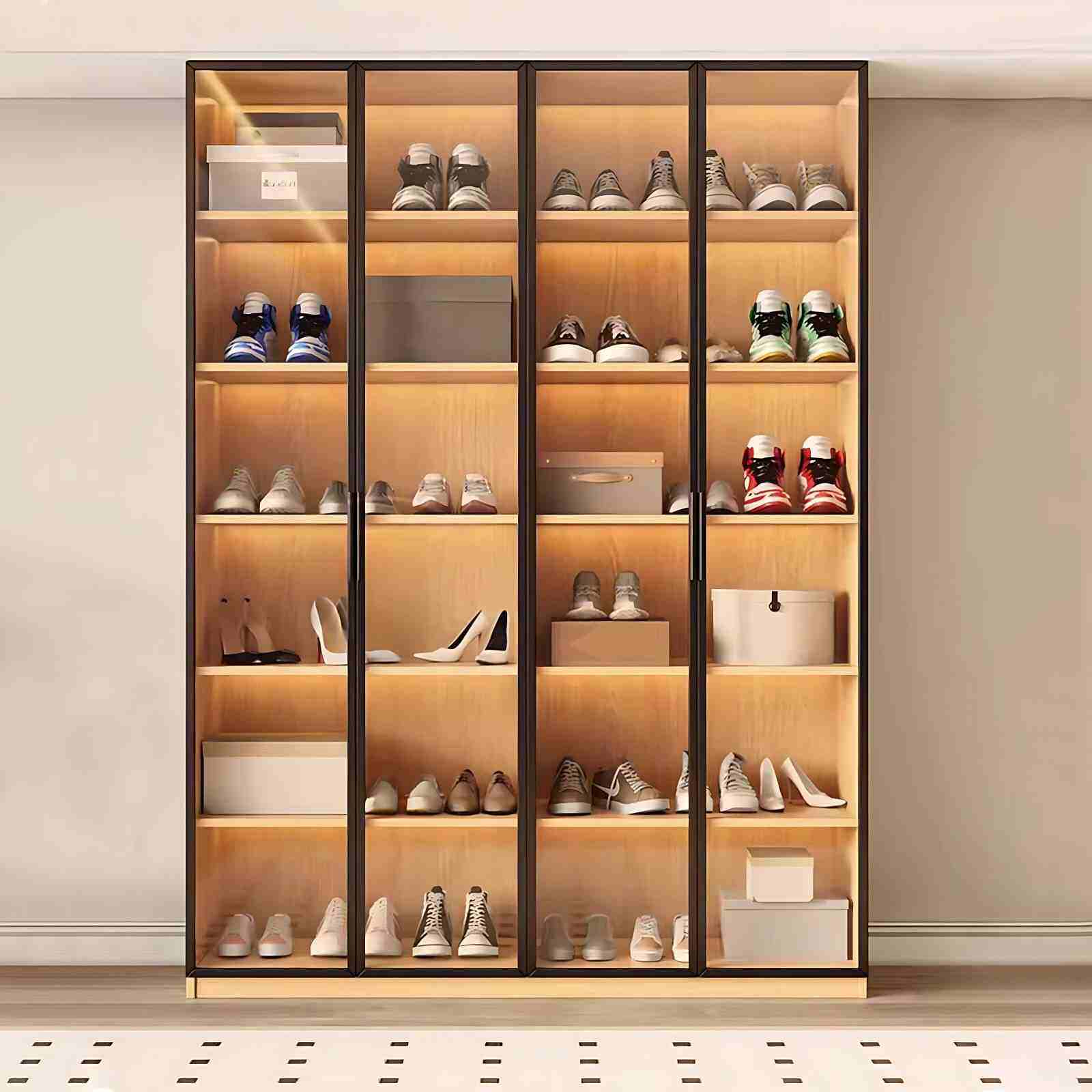
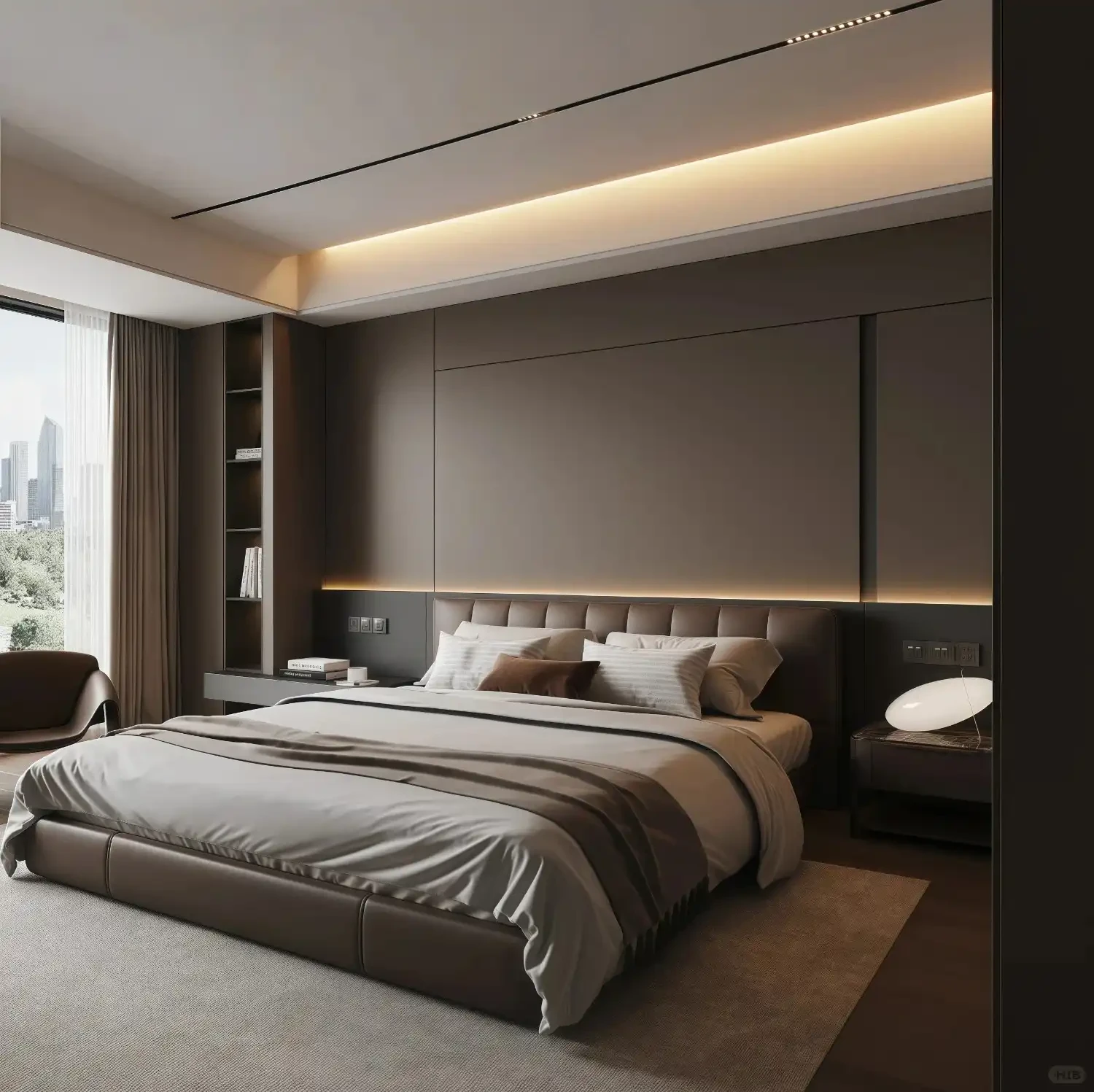
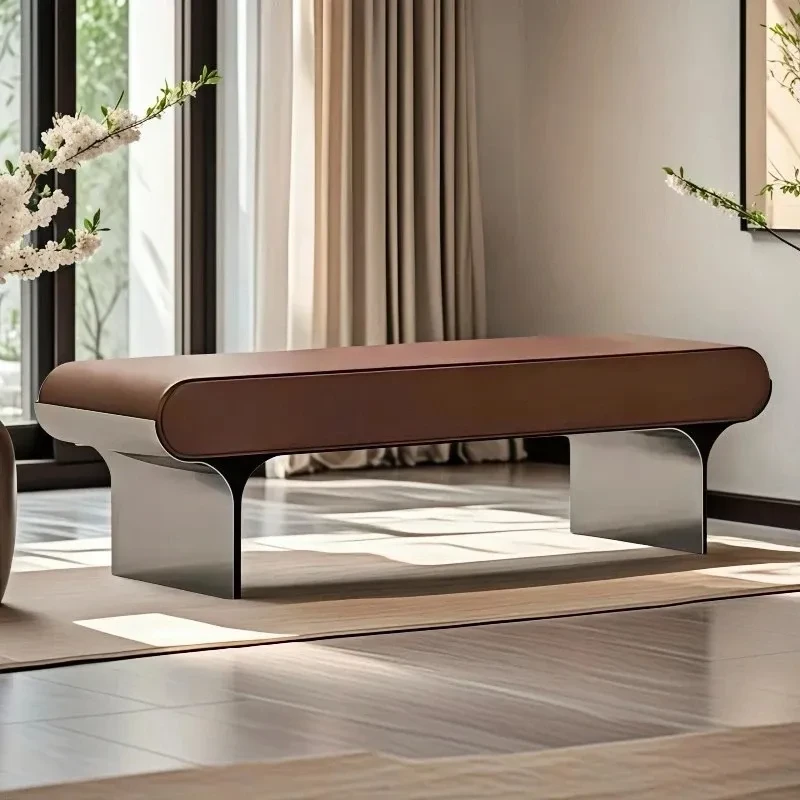
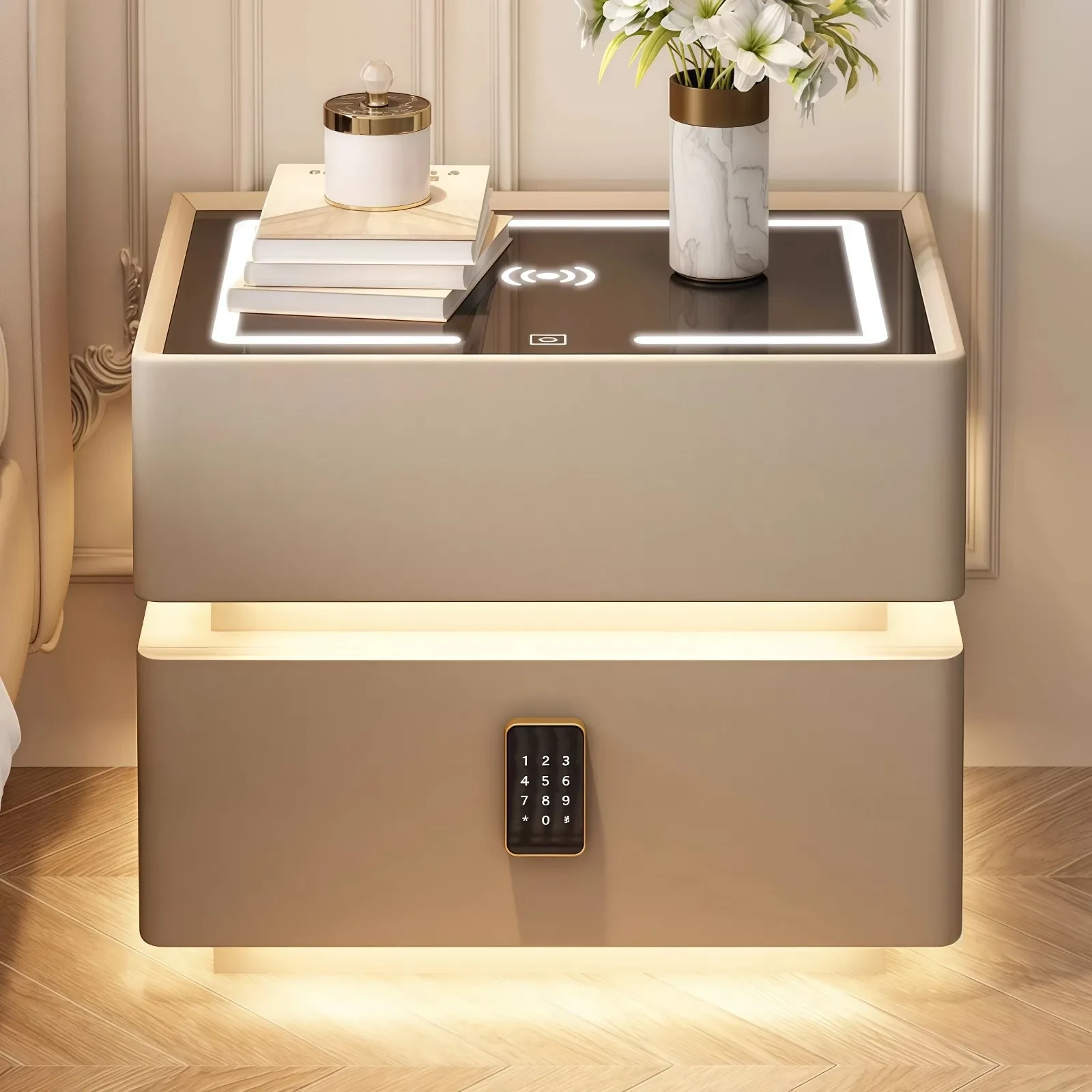
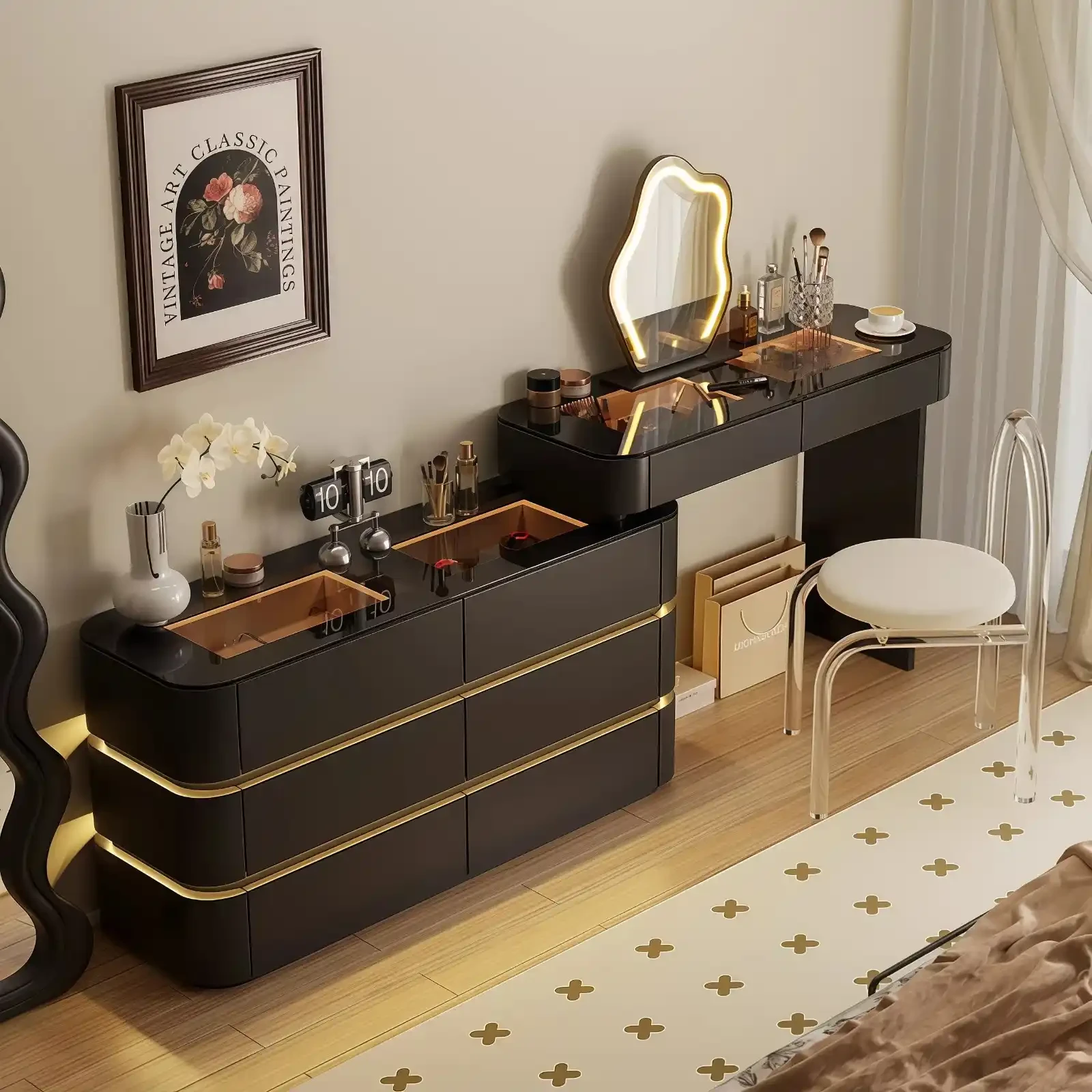
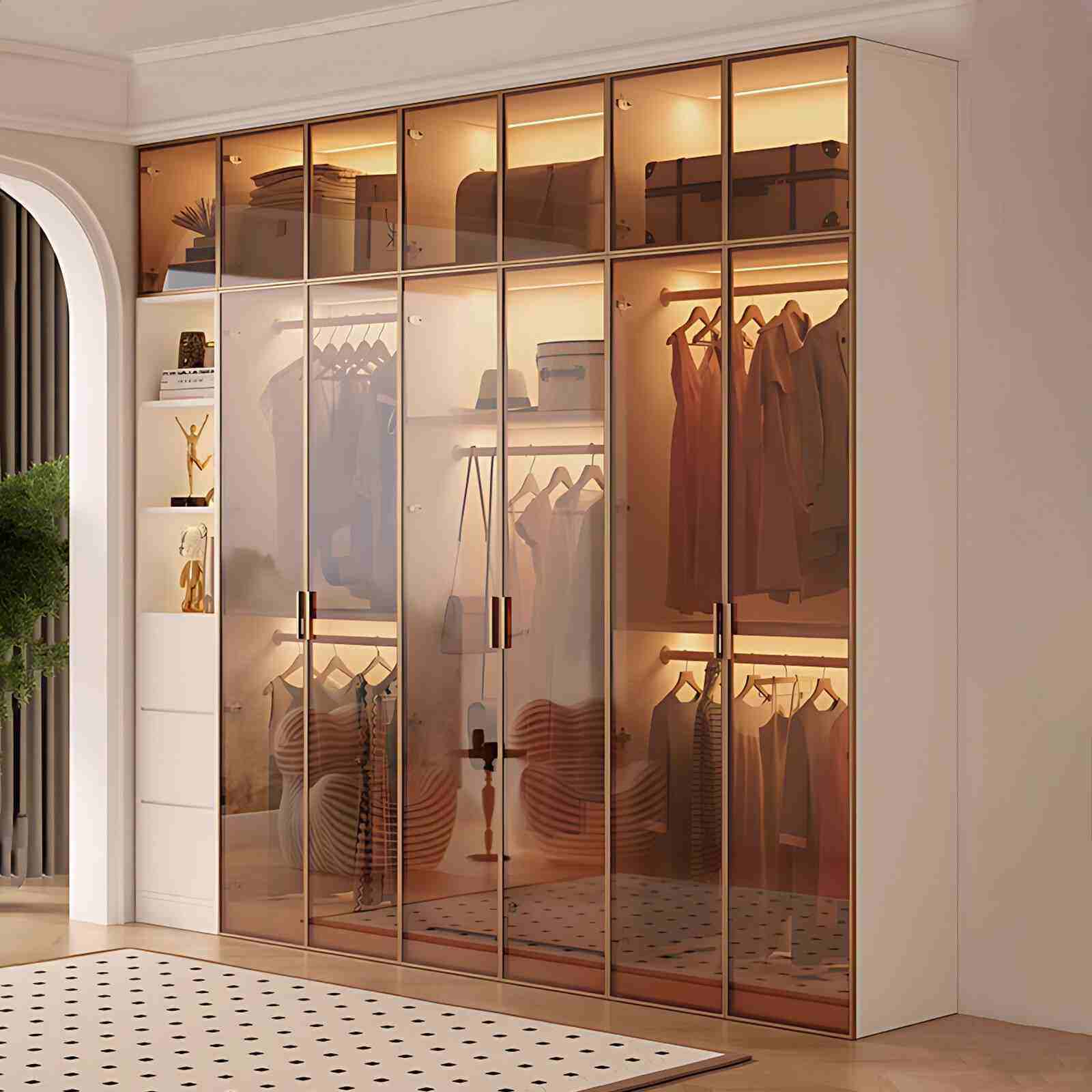
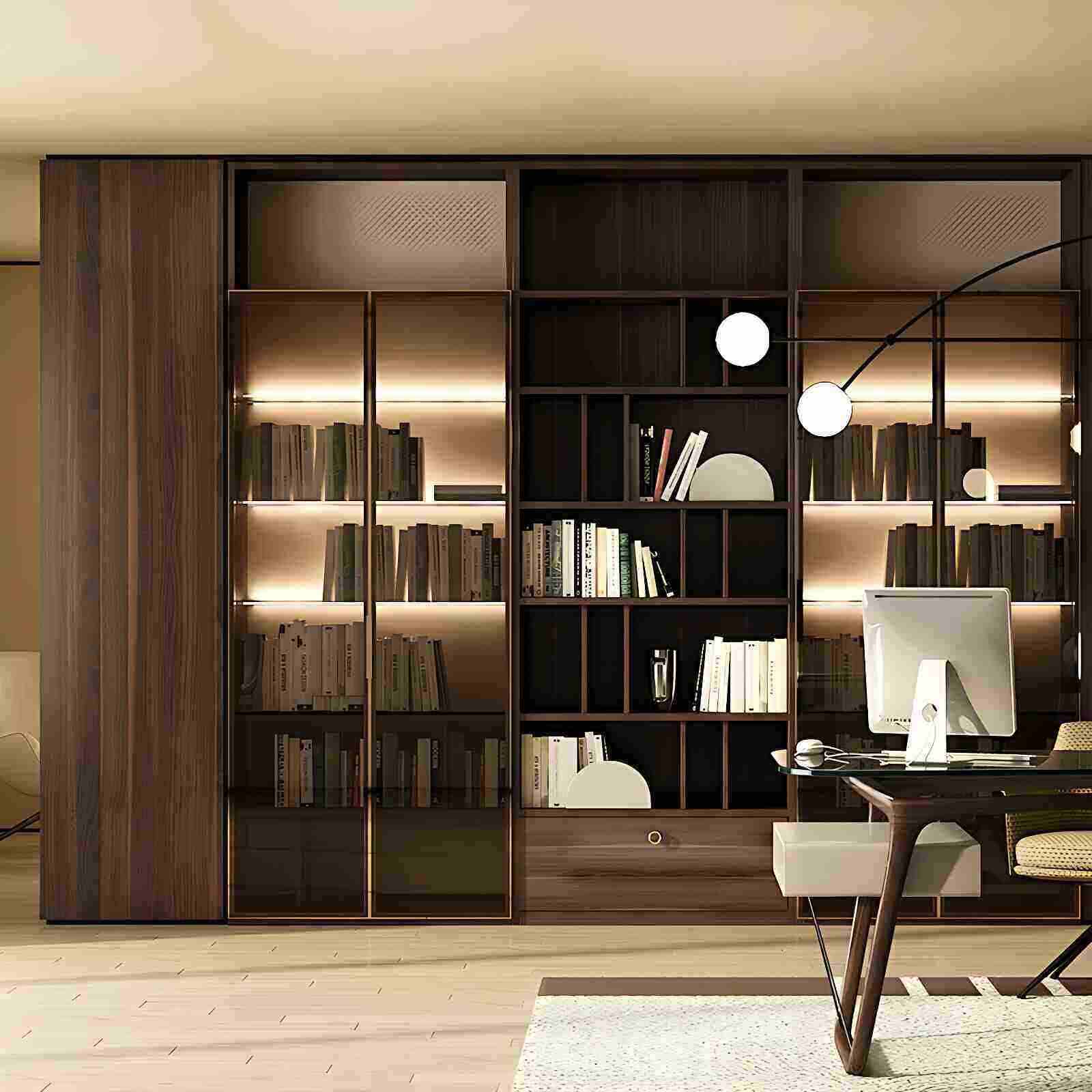
I. Technical Overview
Currently, my country's annual output of engineered wood products has reached 311.01 million cubic meters, of which 60% to 70% is used for building interior decoration and furniture manufacturing. However, the urea-formaldehyde resin adhesive mainly used in the production of engineered wood products releases a large amount of formaldehyde during use, affecting and harming human health. Therefore, there is an urgent market demand for environmentally friendly engineered wood products that do not release free formaldehyde.
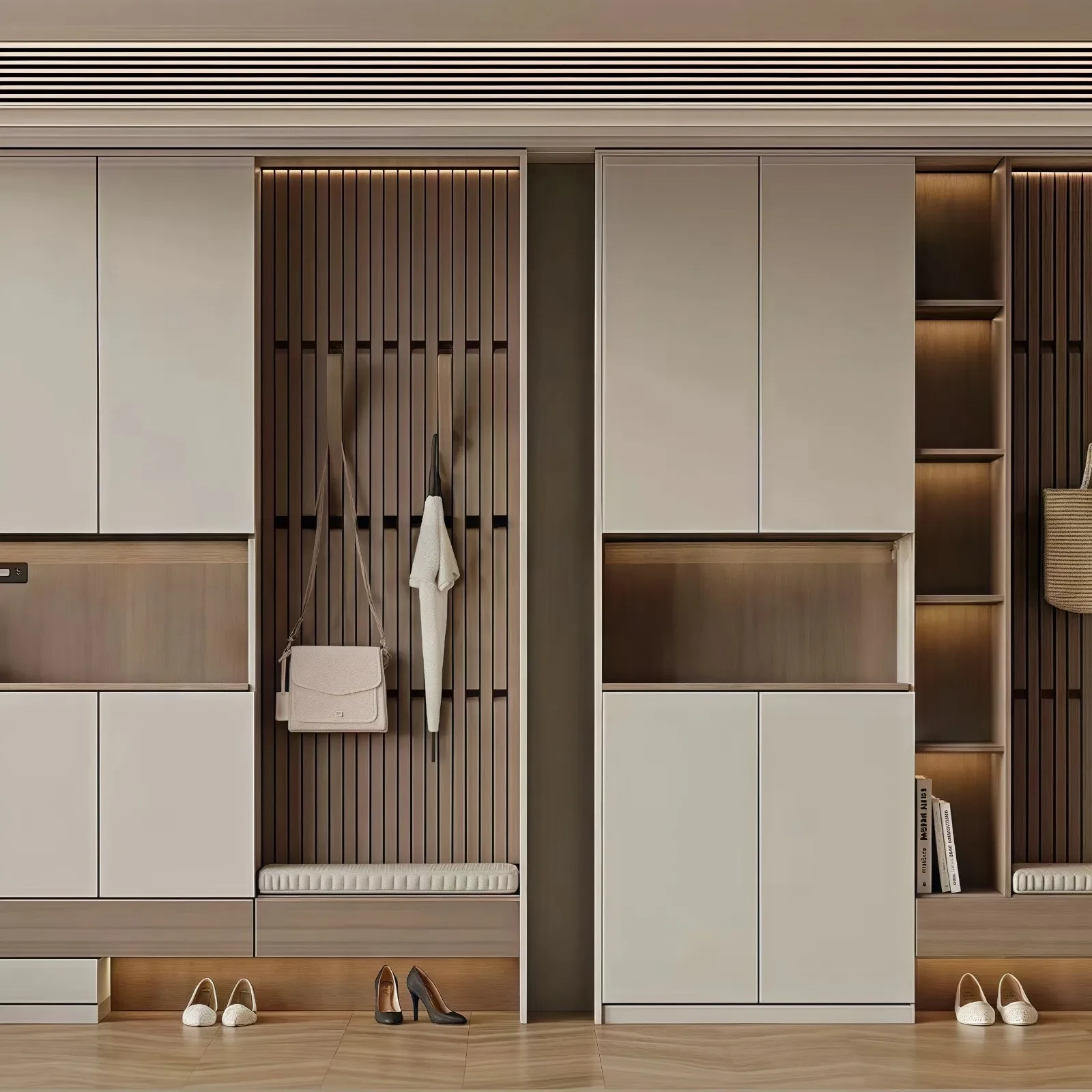
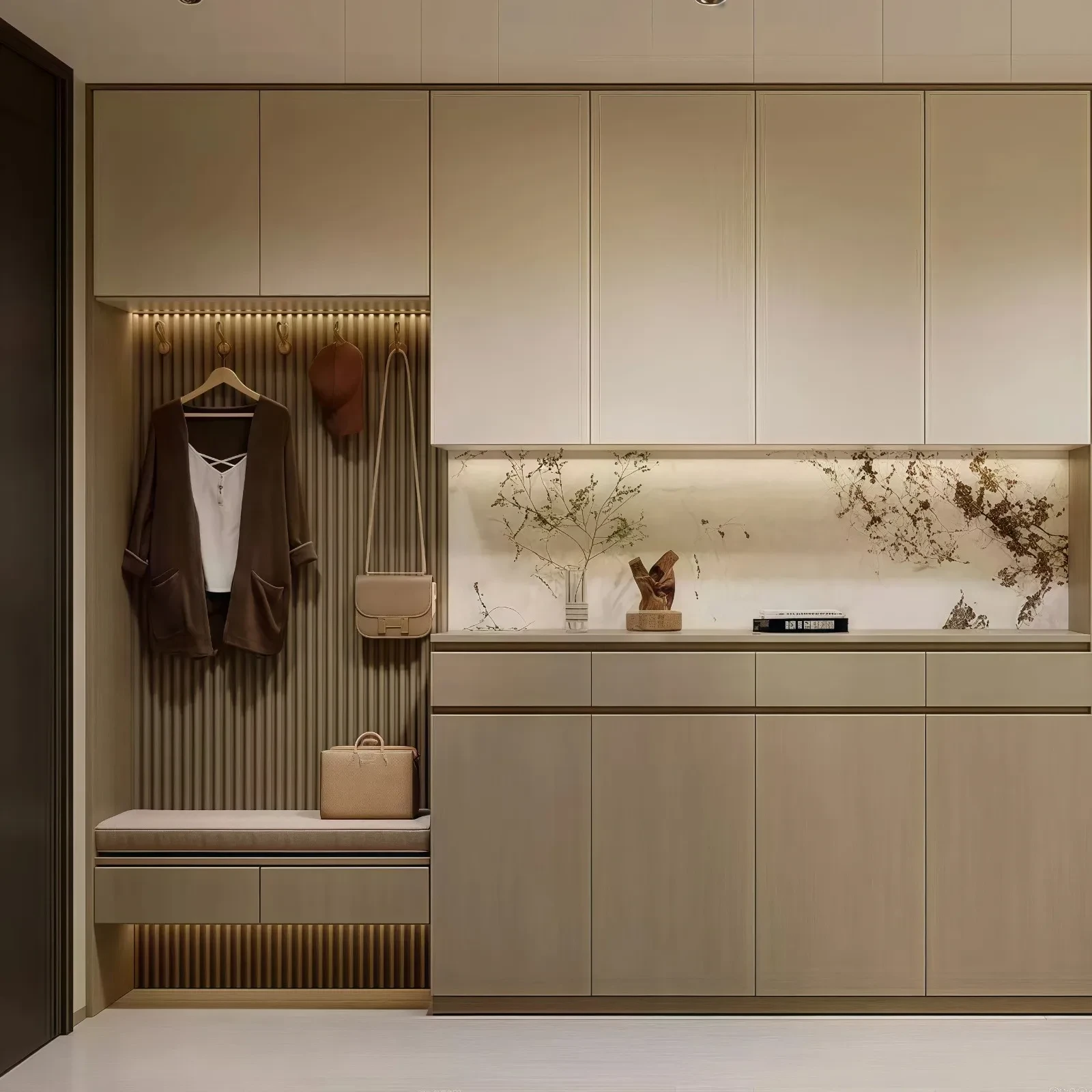
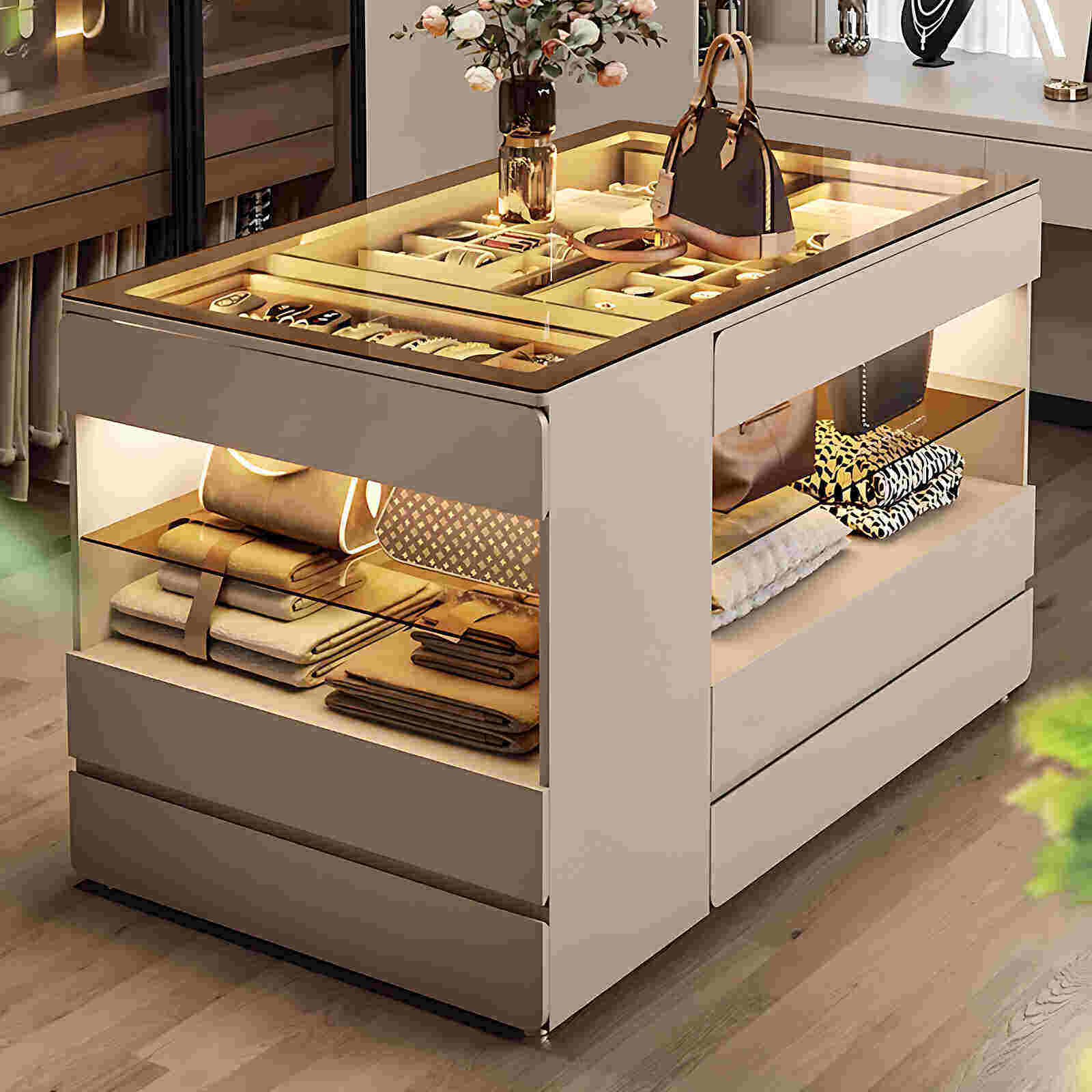
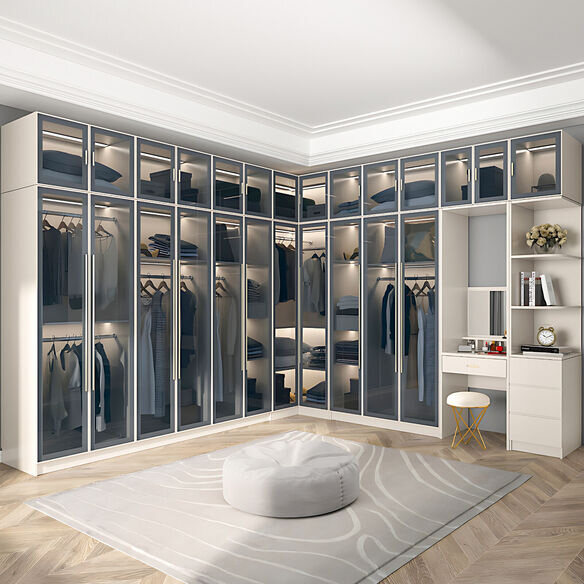
With the support of the Ministry of Science and Technology's "13th Five-Year Plan" key R&D project "Value-Added Processing Technology for Wood-Based Materials and Products," the Wood Industry Research Institute of the Chinese Academy of Forestry, led by Chief Expert Researcher Yu Wenji, has successfully developed a multi-component composite formaldehyde-free water-resistant adhesive and ultra-thick veneer rotary cutting and stress degradation technology after years of research and experimentation. Currently, this technology has matured after multiple pilot and production trials and has been transferred to other companies. This technology utilizes ultra-thick veneer (6-10mm) rotary cutting and stress degradation technology to produce boards that fully meet the US CARB standard system certification. It also reduces the amount of adhesive used by about 30%, significantly improving production efficiency. This is a new type of green and environmentally friendly decorative material with lower formaldehyde emissions, superior bonding performance, and a strong solid wood feel compared to traditional plywood.
II. Technical Characteristics This technology uses fast-growing timber as raw material and mainly employs four technologies: ultra-thick veneer rotary cutting, ultra-thick veneer stress degradation, formaldehyde-free adhesive application, and thick-core solid wood composite board structural design. It features reduced heat pressing energy consumption, saw kerf loss, and adhesive application during production, as well as improved timber utilization. It is suitable for interior decoration, flooring, furniture, and other fields. Specifically, the ultra-thick veneer rotary cutting and stress degradation technology and equipment can achieve veneer thicknesses of 6-10mm. The degraded veneer surface is smooth and warp-free, reducing drying energy consumption. The formaldehyde-free adhesive application technology, using a spray applicator, can reduce the amount of formaldehyde-free adhesive applied to 10-80g/㎡, significantly reducing adhesive costs.
III. Market Prospects The performance indicators of boards produced using this technology meet or exceed those of modified urea-formaldehyde resin, and the process is relatively simple, with the hot-pressing process being easy to master. Furthermore, this technology not only features high raw material utilization, high production efficiency, and energy saving, but also produces products with clean production, no formaldehyde release, and strong water resistance. It can be widely used in interior decoration, wall panels, ceilings, decorative panels, furniture, and other fields, possessing broad market prospects. IV. Cooperation Methods and Contact Information
Cooperation methods: technology transfer, technology development, technology services
Contact Person: Zhang Ya Hui
Phone/WeChat: 13488771534
Email address: zhangyh0206@163.com