
 USD
USD GBP
GBP
 EUR
EUR
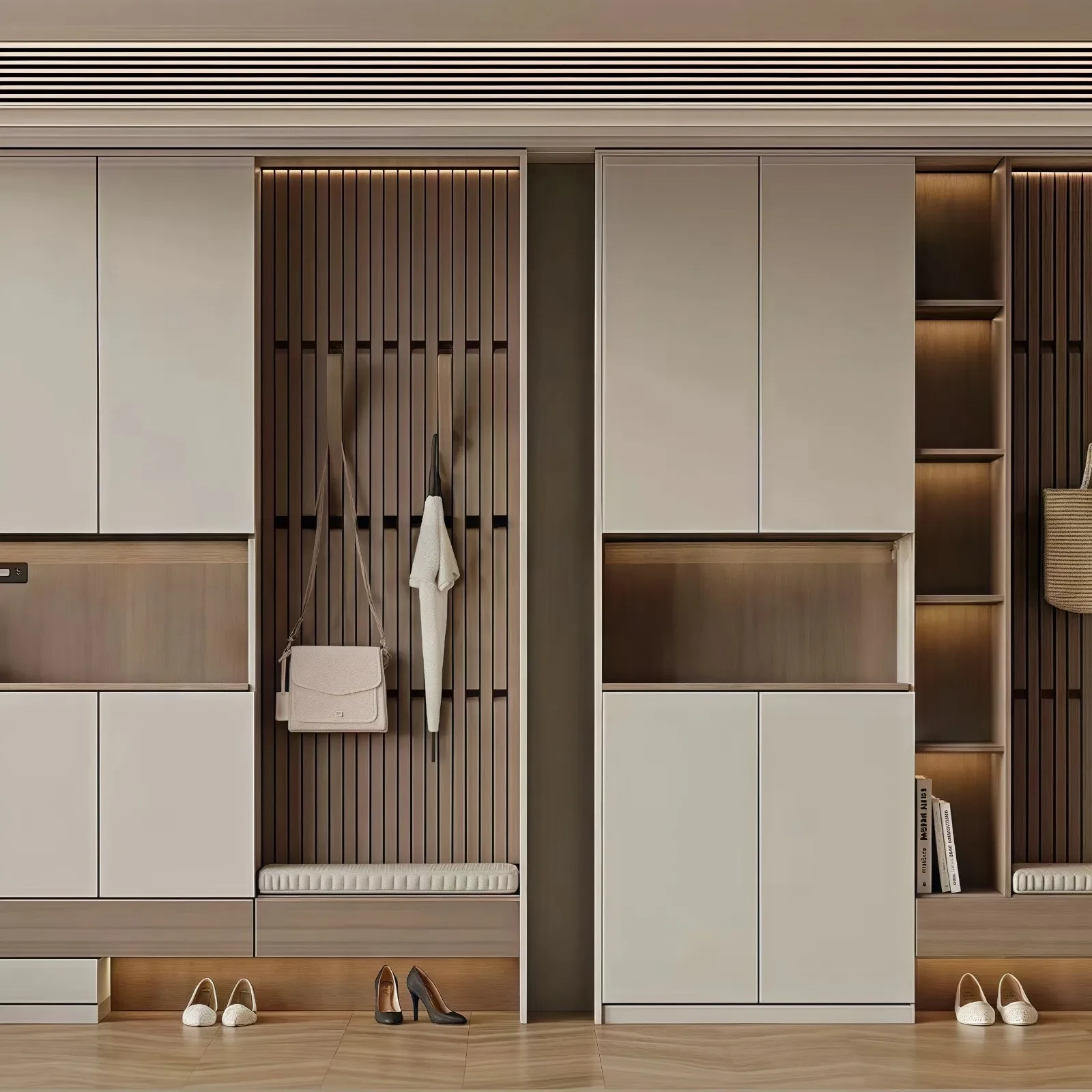
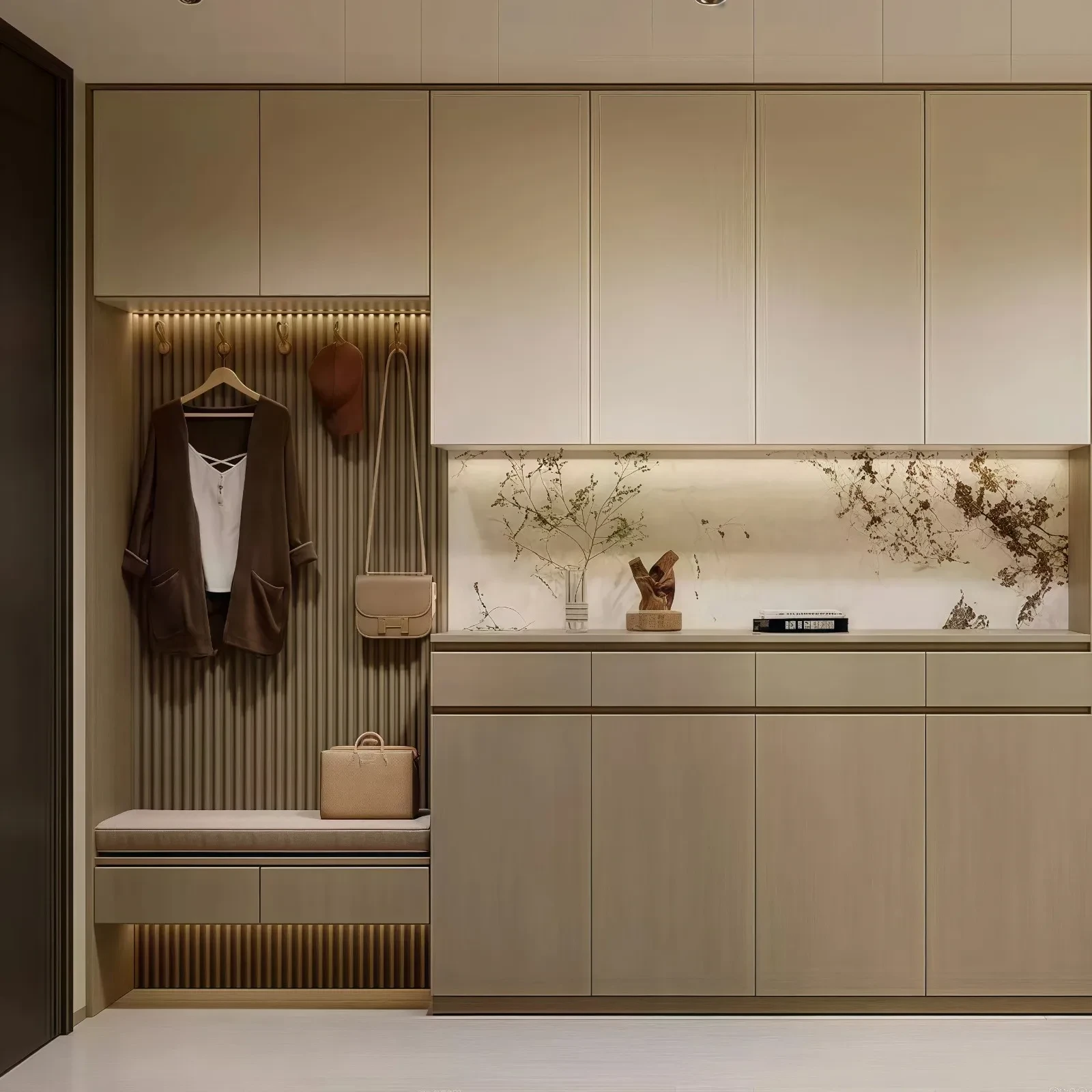
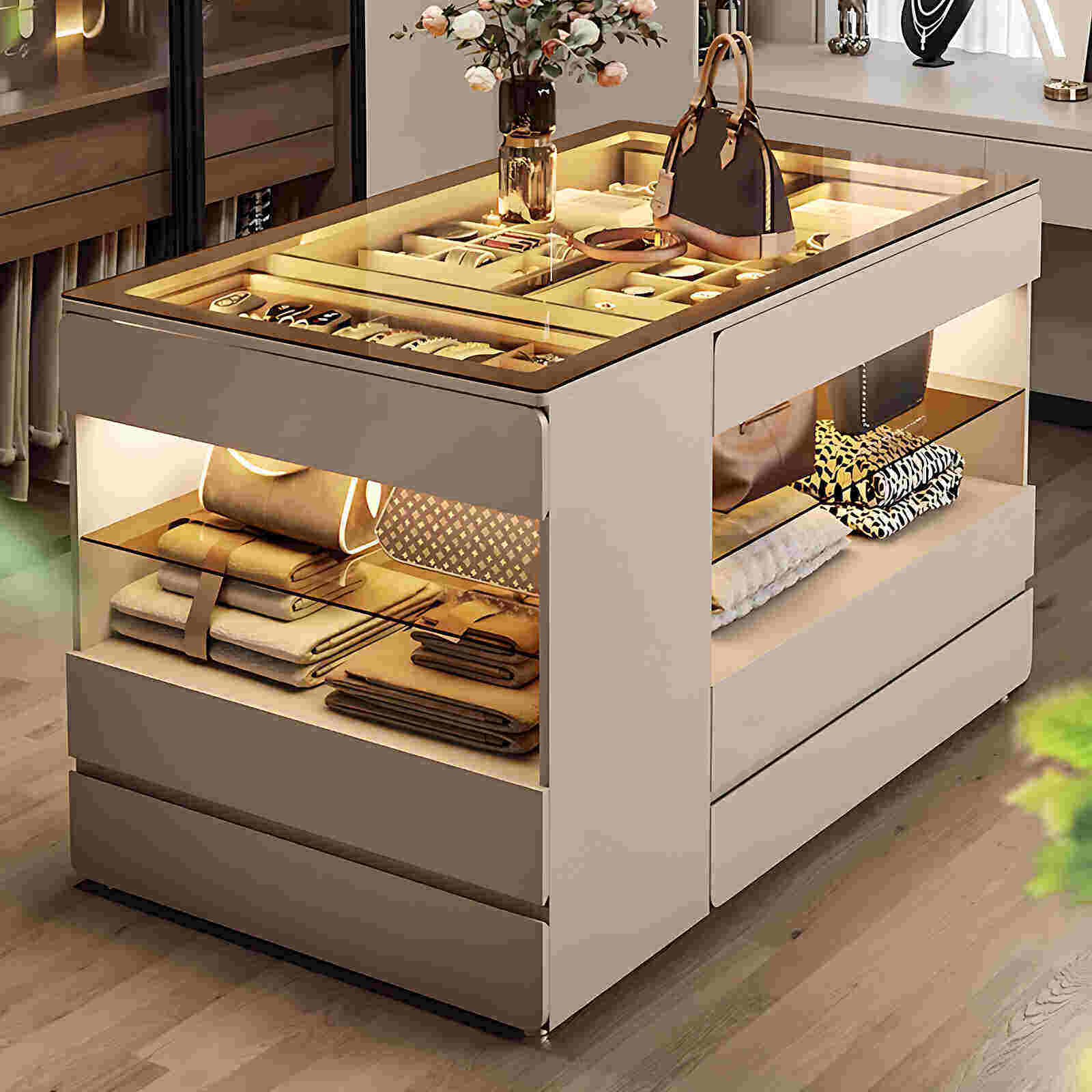
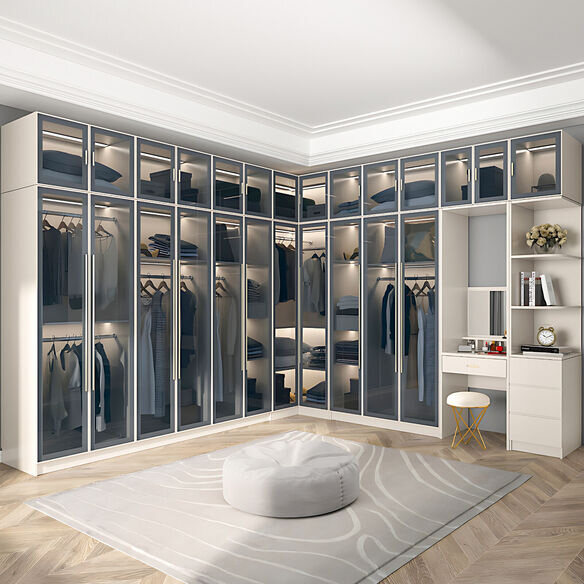
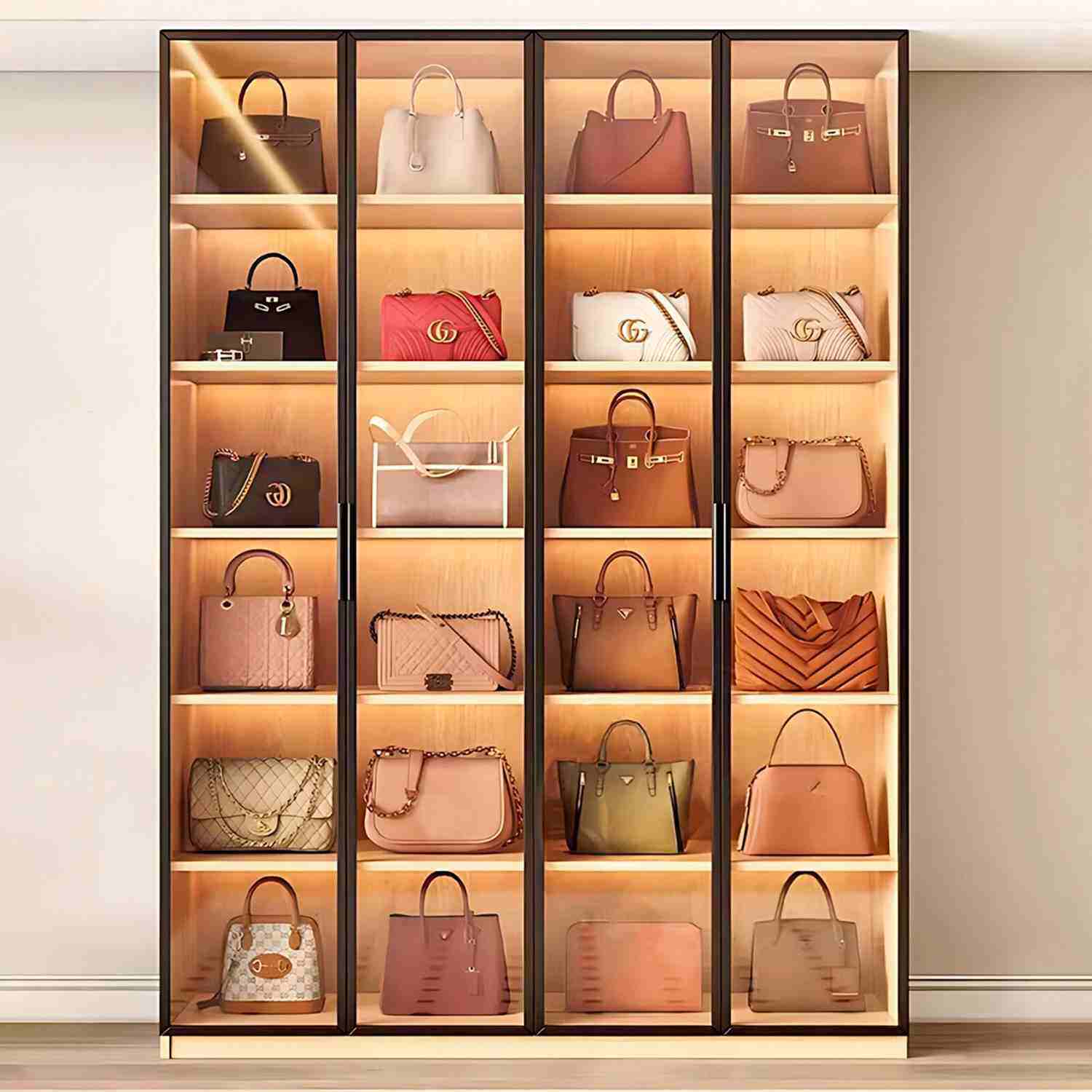
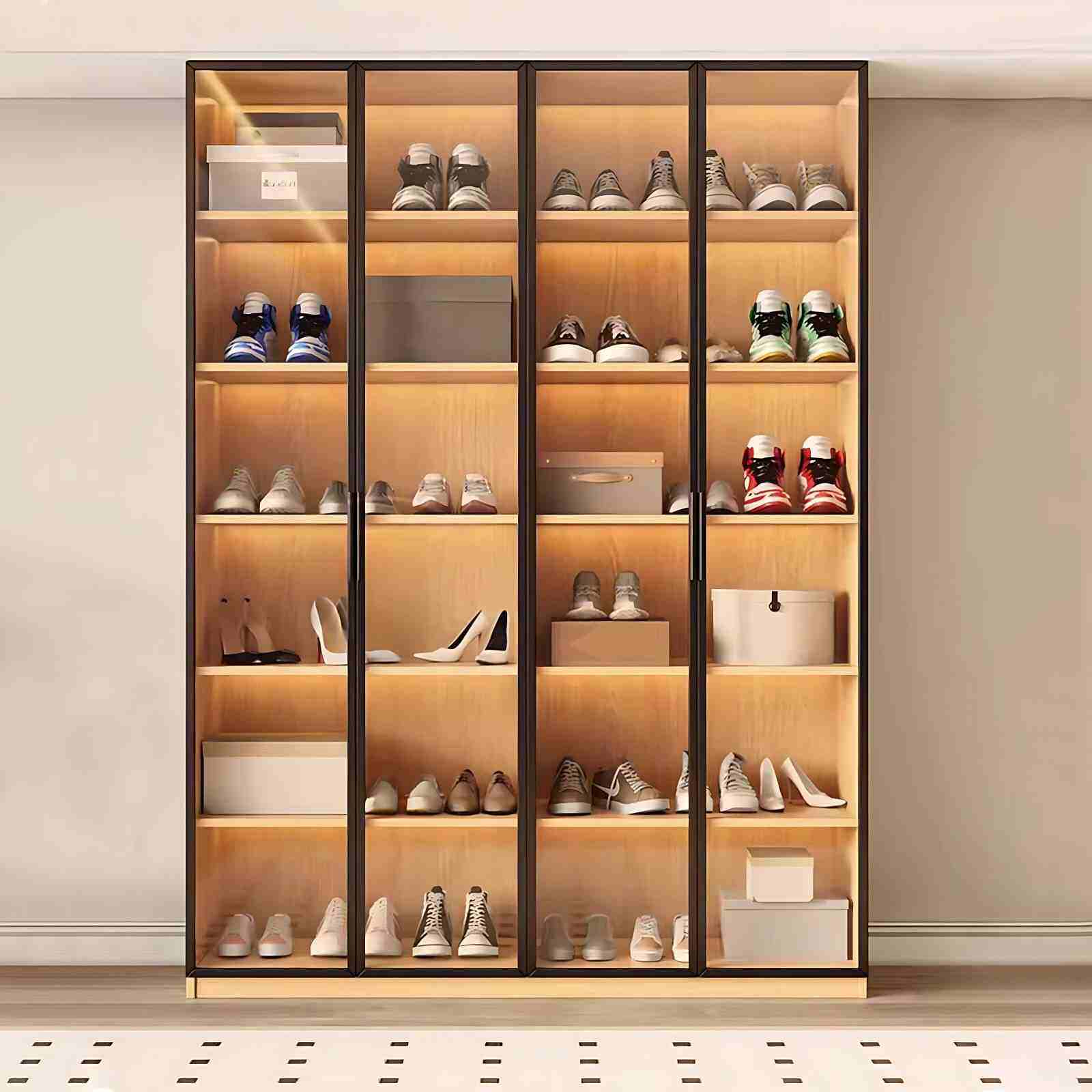
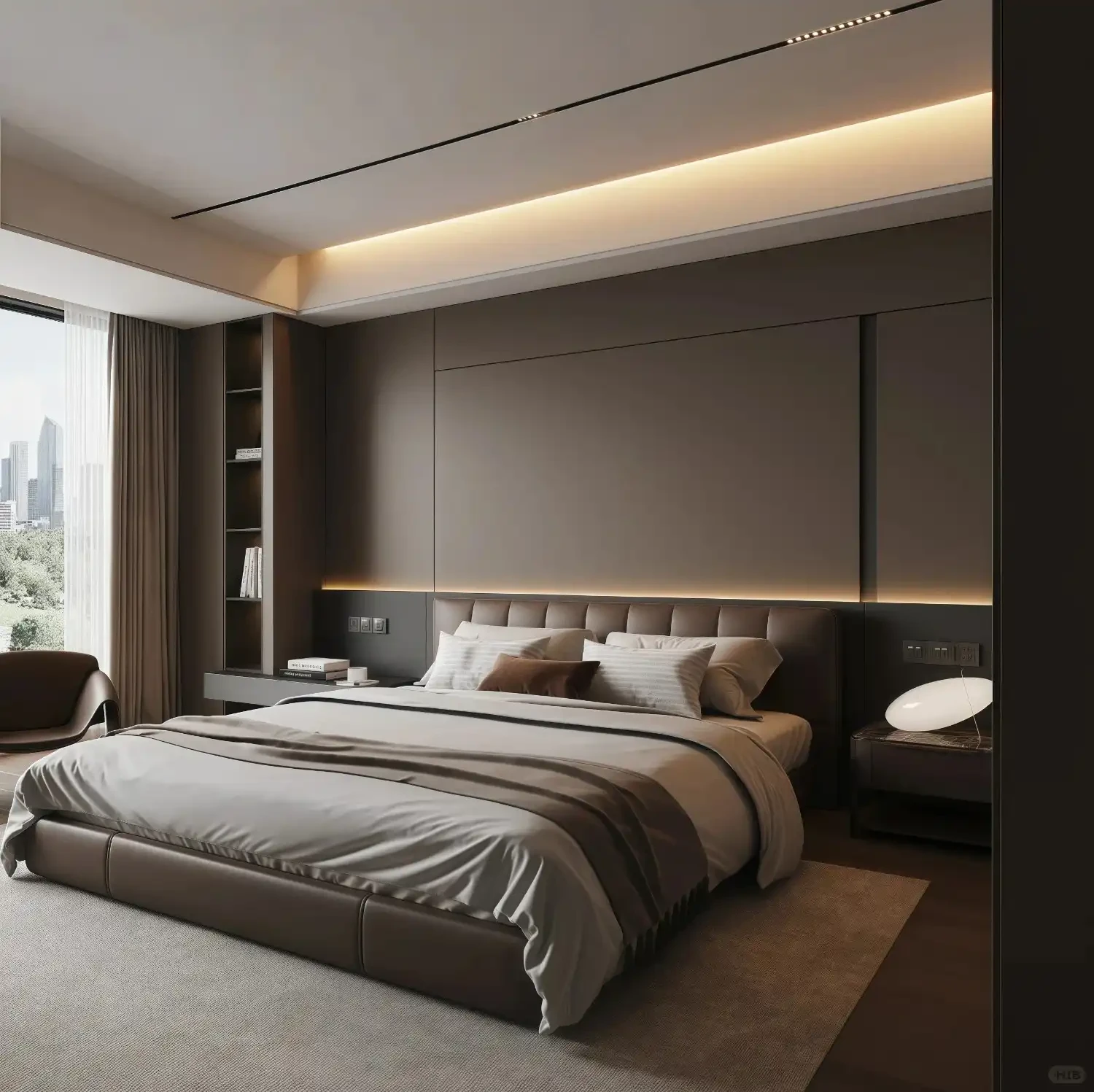
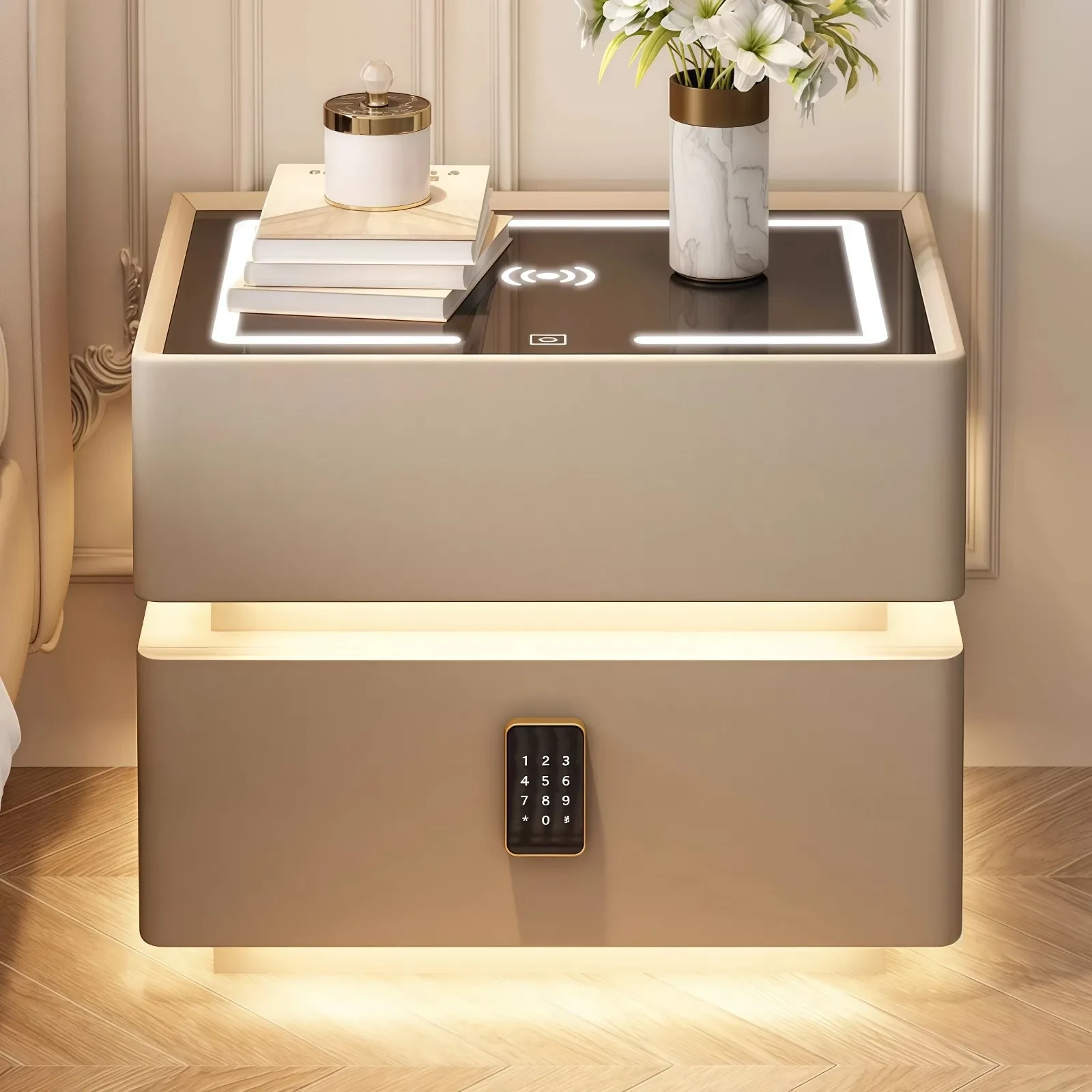
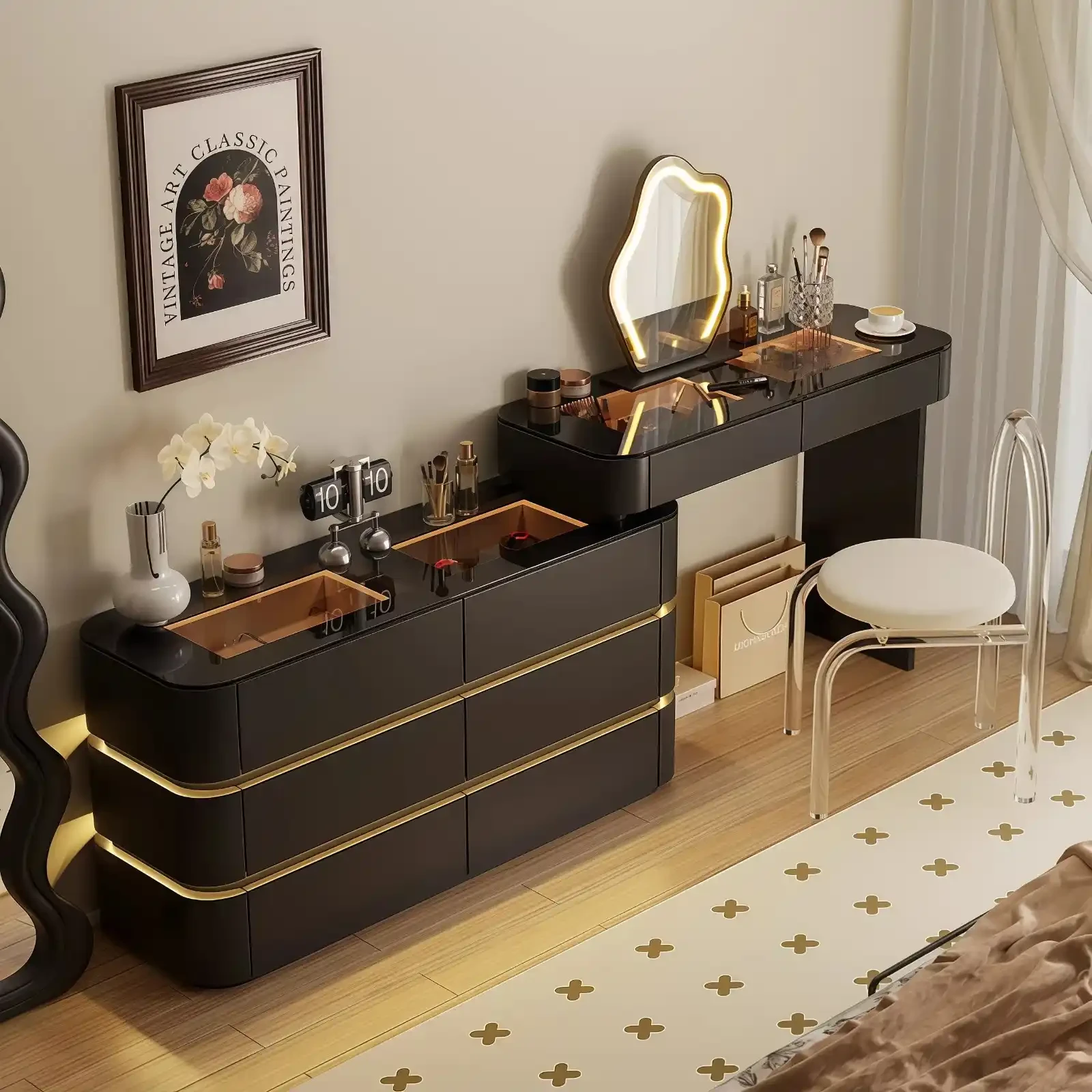
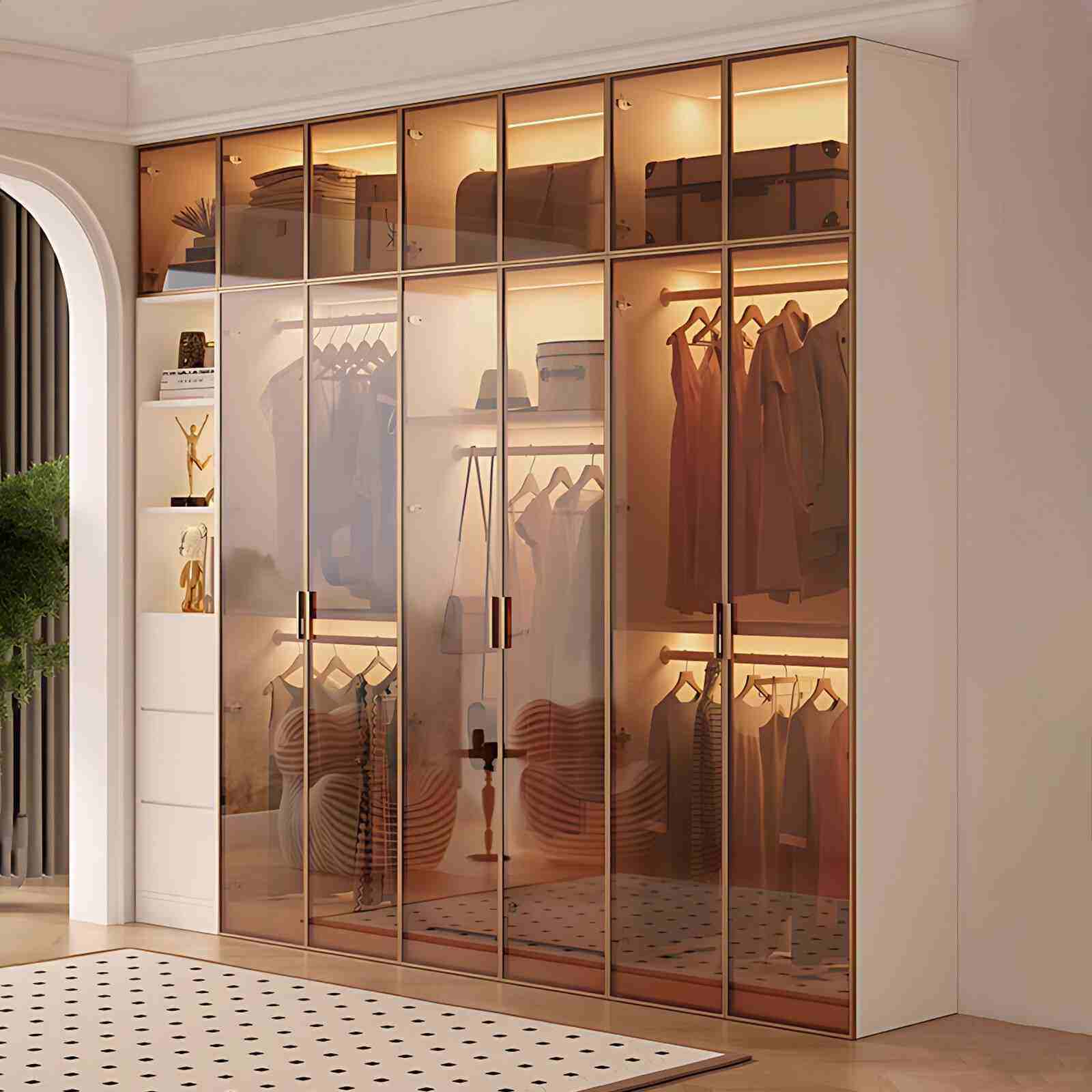
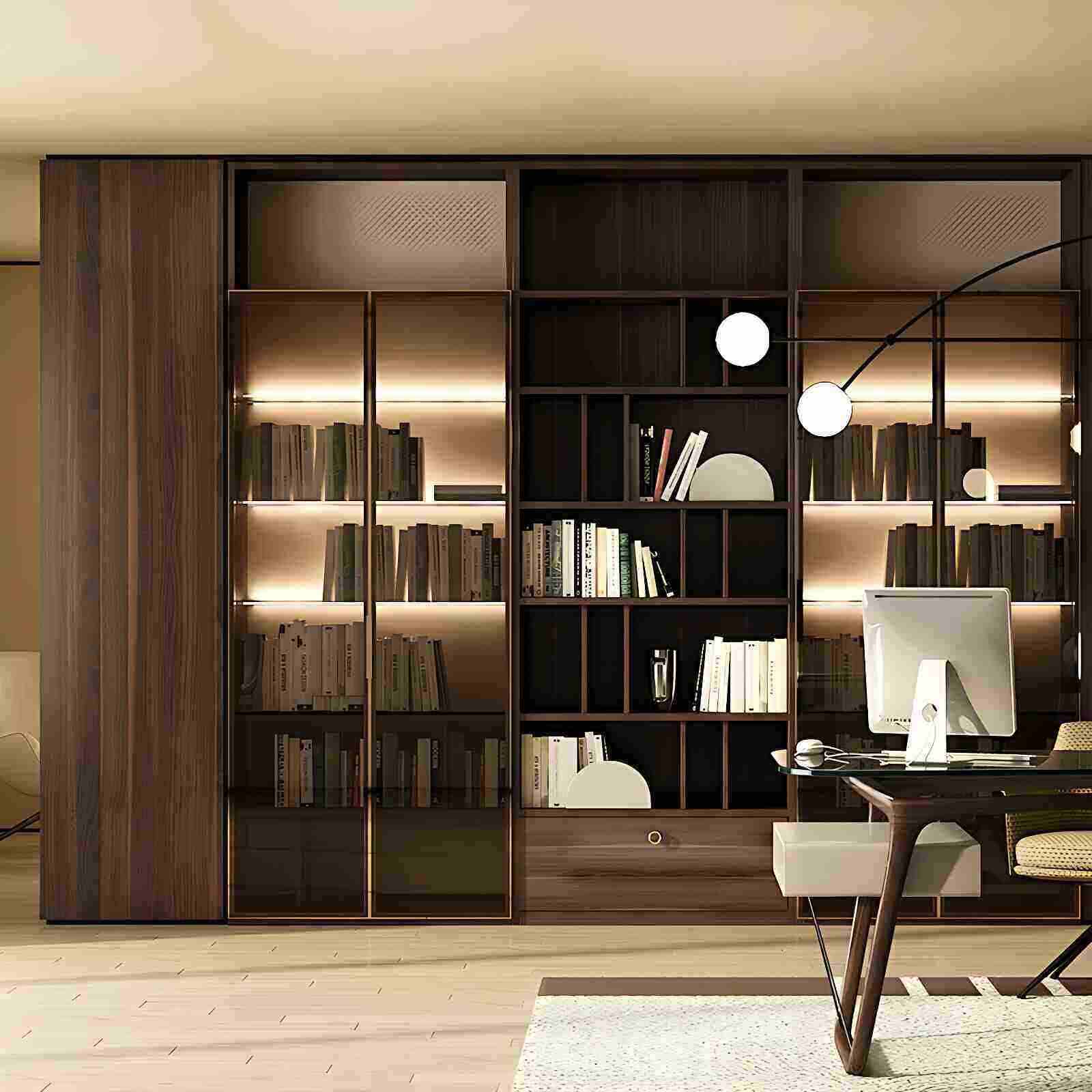
The material is the core of a wardrobe. When choosing a wardrobe, people often struggle with the following questions: Which type of material is durable? Which type is environmentally friendly? Is it possible to have both durability and environmental friendliness?
Currently, the most common cabinet materials on the market are particleboard and eco-board. Many big custom furniture brands choose particleboard, but in the eyes of carpenters, particleboard is just "wood scraps," and they prefer eco-board.
Are particleboards really inferior to eco-friendly boards? Today, we'll analyze the differences between the two types of boards to give you a clearer understanding.
What are particleboard and eco-board?
Particleboard: also known as chipboard, is a type of engineered wood product made by breaking wood or other wood scraps into small pieces, applying adhesives, and then bonding them together under heat and pressure.
Ecological board: also called paint-free board, the core of the board is mostly plywood, and the veneer on both sides is melamine panel.
Particleboard vs. Eco-board
Environmental performance
Particleboard uses a lot of glue for bonding during processing, resulting in slightly poorer environmental performance.
Ecological boards do not require painting during manufacturing, and the amount of glue used in the entire process is also less, making them more environmentally friendly than particleboard.
Particleboard is an industry encouraged by the state. The production technology of particleboard in China is now quite mature. As long as the particleboard is produced by a regular manufacturer, the environmental protection index can reach E1 level, so there is no need to worry about environmental issues.
Whether a board is environmentally friendly depends heavily on the edge banding process and the quality of the adhesive used. Incomplete or cracked edge banding, or the use of inferior adhesives, will release formaldehyde. Therefore, eco-friendly boards are not necessarily more environmentally friendly than particleboard; multiple factors must be considered.
Moisture-proof performance
Ecological boards are made from whole pieces of wood. They have a relatively high density, and water vapor penetrates them more slowly, so they have relatively good moisture resistance.
Particleboard is made of various wood chips, and there are gaps between the chips. Moisture can easily penetrate into the board, causing it to mold and warp. Therefore, it is essential to keep the indoor air dry when purchasing particleboard.
hardness
Hardness mainly refers to nail-holding power and the degree of cracking and deformation, which are related to the lifespan of the wardrobe.
Particleboard has good hardness and rarely cracks or deforms after processing, while ecological board is not hard enough, is prone to deformation under excessive force, and has poor nail-holding power.
Therefore, in terms of hardness, particleboard has an advantage over eco-board.
Processing performance
Solid wood particleboard has a cross-shaped arrangement of particles with relatively precise dimensions and a dense interior, allowing for mechanized processing such as sawing, planing, nailing, and drilling, making it suitable for manufacturing customized products.
Ecological boards are not dense inside, making them suitable for on-site construction.
Why don't carpenters use particleboard when building cabinets on-site?
Solid wood particleboard requires high-quality processing equipment. The edges will chip as soon as the carpenter makes a cut, and the board will be ruined. Moreover, machine edge sealing is required, which makes the construction process quite difficult.
Eco-friendly boards can be used for both manual and mechanical woodworking, and edge banding can also be done by the workers themselves, making them convenient to operate. Therefore, woodworkers prefer eco-friendly boards for on-site production.
Decorative properties
Particleboard has high hardness, making it difficult to create curved or shaped designs, and its decorative properties are not very good, so it is generally used for cabinet bodies.
Eco-friendly boards are not prone to discoloration or peeling, and can be processed into various styles and textures with strong decorative properties, making them more decorative than particleboard.
Production costs
Particleboard can be mass-produced by machinery, and under the same environmental protection standards, the cost of particleboard is lower than that of eco-board.
In other words, both particleboard and eco-board must meet the E1 environmental standard. Particleboard is cheaper and its overall performance is not bad, which is one of the reasons why many big brands choose particleboard.
Of course, I still have to remind you that not all particleboard is good. You must choose particleboard from well-known brands and be sure to distinguish between genuine and fake products (there are many fakes). Particleboard from small factories and fake particleboard are of very poor quality.
In general, particleboard's overall performance is not inferior to that of eco-board. However, because particleboard requires more sophisticated processing equipment, it is more suitable for factory customization; while eco-board is simple to process and suitable for on-site woodworking. There is no essential difference between the two, and you can choose for yourself.