
 USD
USD GBP
GBP
 EUR
EUR






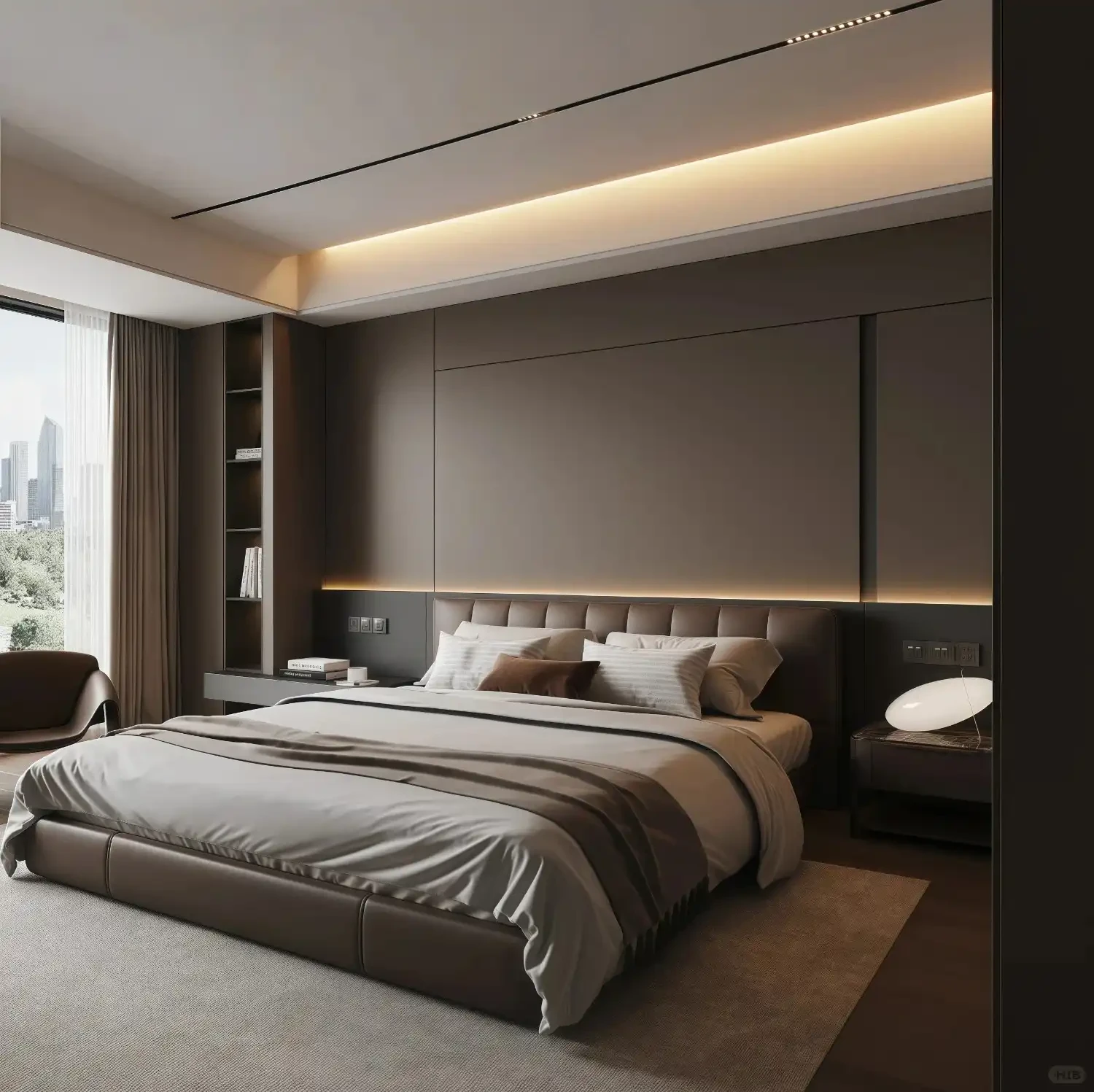
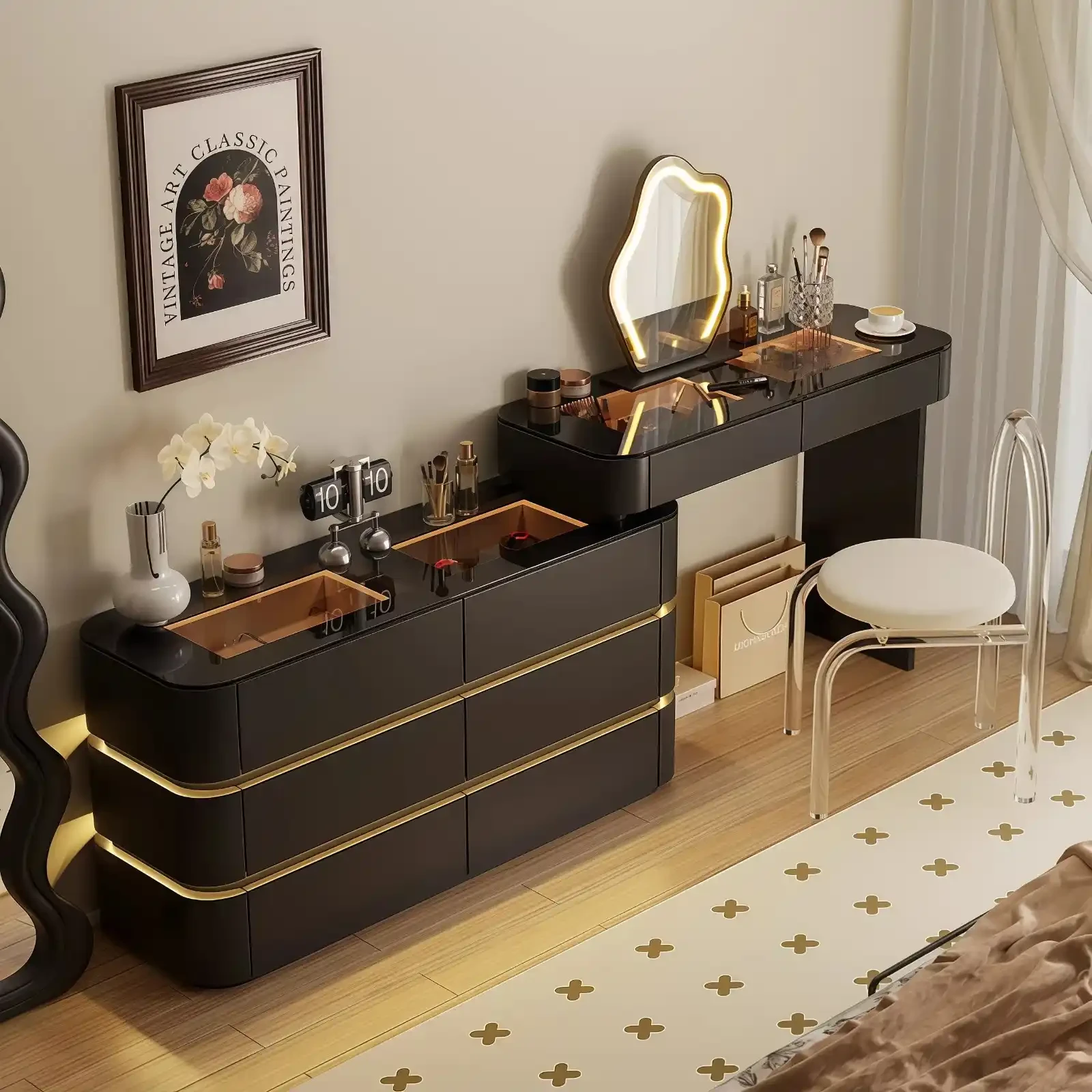

With rising fashion and aesthetic standards, unconventional herringbone and chevron flooring have become increasingly popular among consumers. However, due to the unique characteristics of these two types of flooring, many consumers are confused about the difference between "herringbone" and "chevron" patterns. So, how exactly can one distinguish between "herringbone" and "chevron" flooring?
Different morphological structures
Herringbone parquet is named for its floor pattern resembling the Chinese character "人" (ren, meaning person), while fishbone parquet is named for its floor pattern resembling the scales of a fish skeleton. Upon close observation, one can see that the two types of parquet flooring have obvious differences in structural form.
Different splicing methods
Herringbone flooring is a rectangular unit. The two adjacent floorboards need to be joined by their long and short sides. This involves cutting the front edge at a 45-degree angle and installing the first floorboard, then using the small end of the reverse edge to join the front edge groove at a 90-degree angle.
Herringbone patterns are not ordinary rectangles, but diamond-shaped units. The installation and splicing method is more complicated because each piece of flooring needs to be cut at 45 degrees or 60 degrees on both sides, and then spliced in a "V" shape, with the seams and tips aligned.
Different spatial effects
The herringbone pattern resembles the Chinese character "人" (person). The two floorboards on the left and right sides need to be staggered and joined together, with the long and short sides connected. This arrangement gives the space a strong sense of three-dimensionality.
Herringbone parquet flooring, as its name suggests, resembles a nimble, swimming fish, giving the floor a visually extended effect and imbuing the space with dynamism.
Besides the differences mentioned above, the "human-shaped" and "fishbone" spellings also have some similarities.
Breaking with convention, fashionable and individualistic
Both the "herringbone" and "snakehead" patterns break away from traditional and conventional patterns, showcasing unique innovation by fashionably combining the colors and textures of the flooring, giving the space a distinctive character and a unique charm.
High loss rate and high price
Herringbone and chevron parquet flooring require different levels of cutting before installation compared to regular flooring, resulting in greater material waste and higher installation skill requirements. Therefore, both types are relatively more expensive, with chevron parquet being the most expensive.
After seeing these, can you now easily distinguish between the "human-shaped" and "fishbone" spellings?