
 USD
USD GBP
GBP
 EUR
EUR






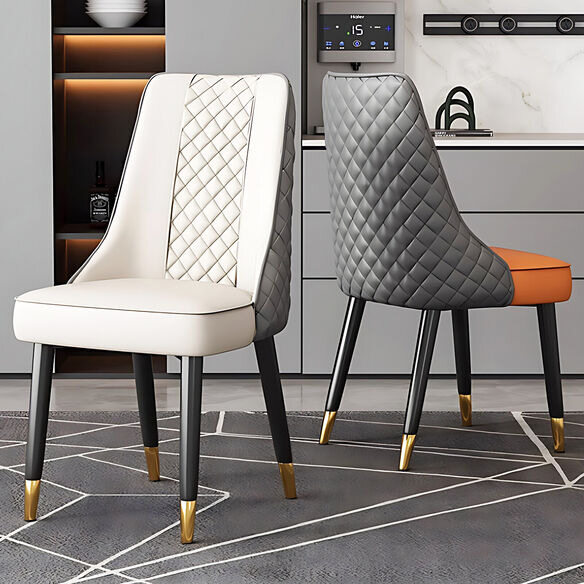
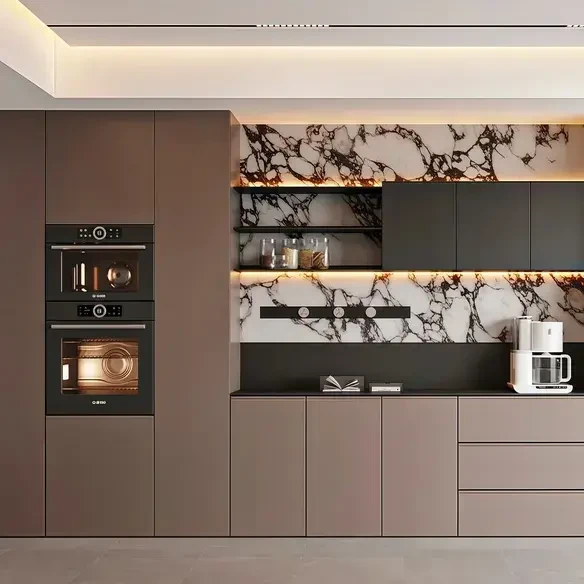
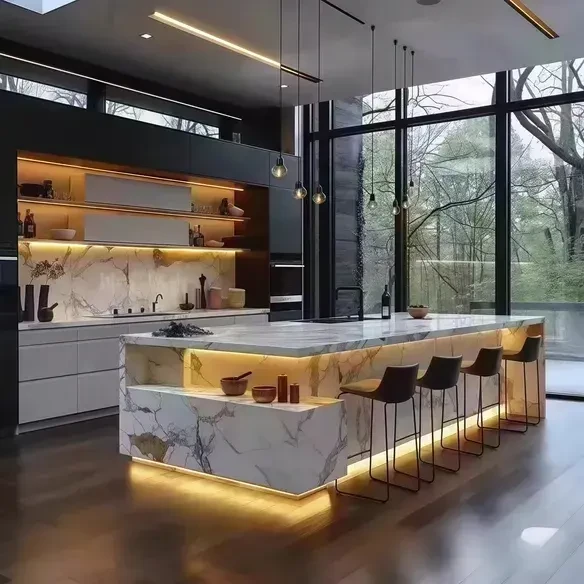
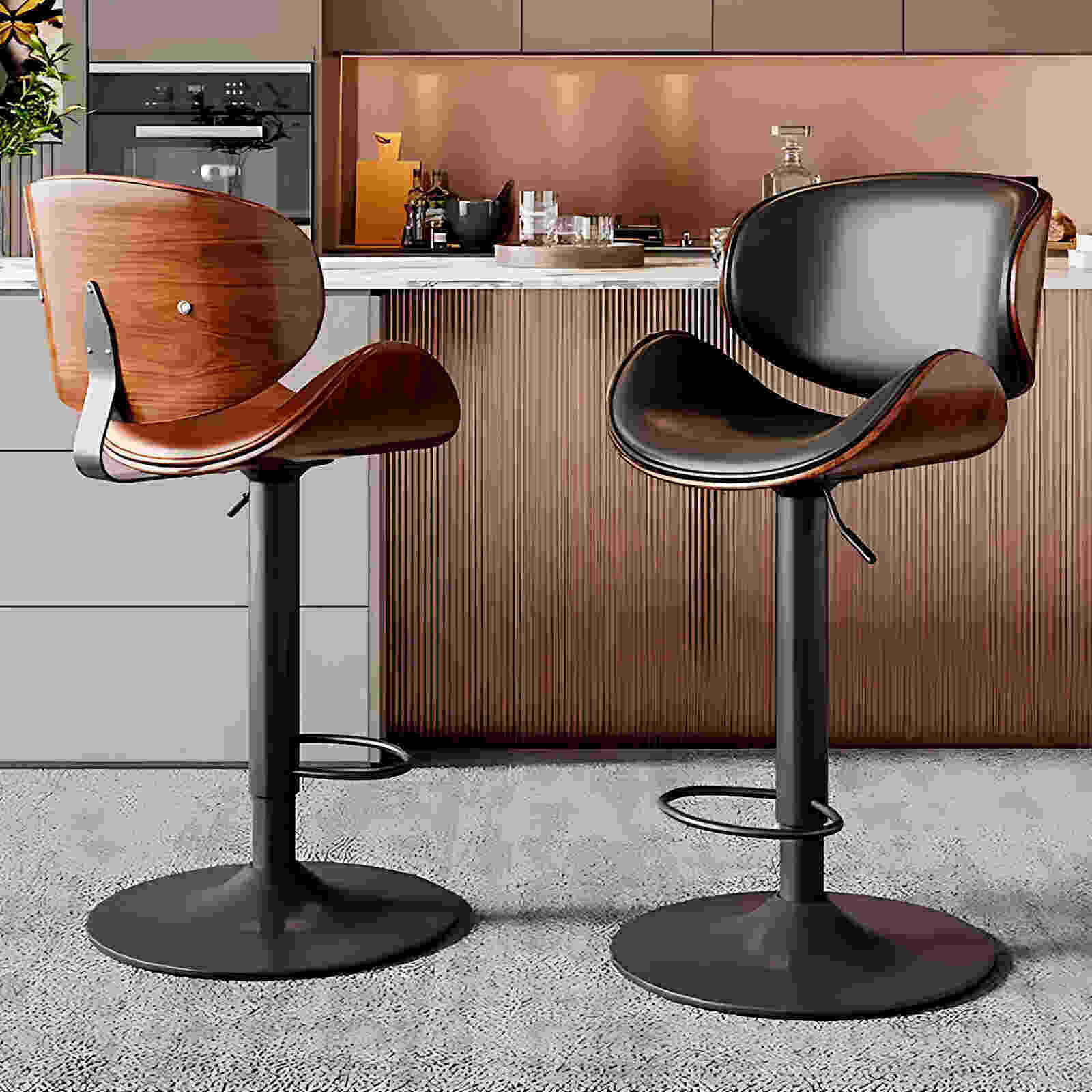
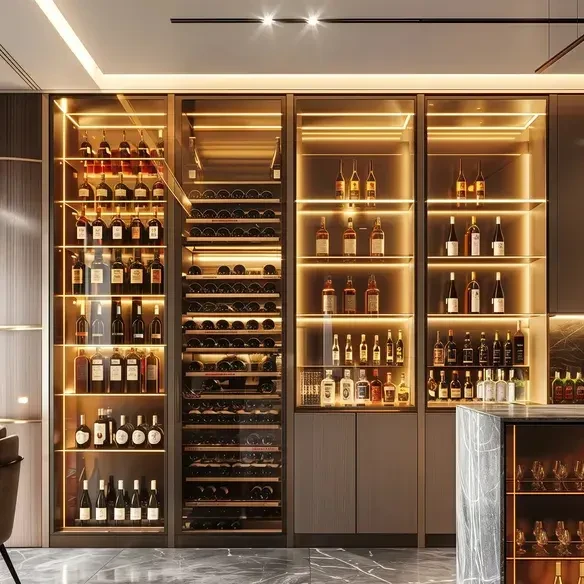


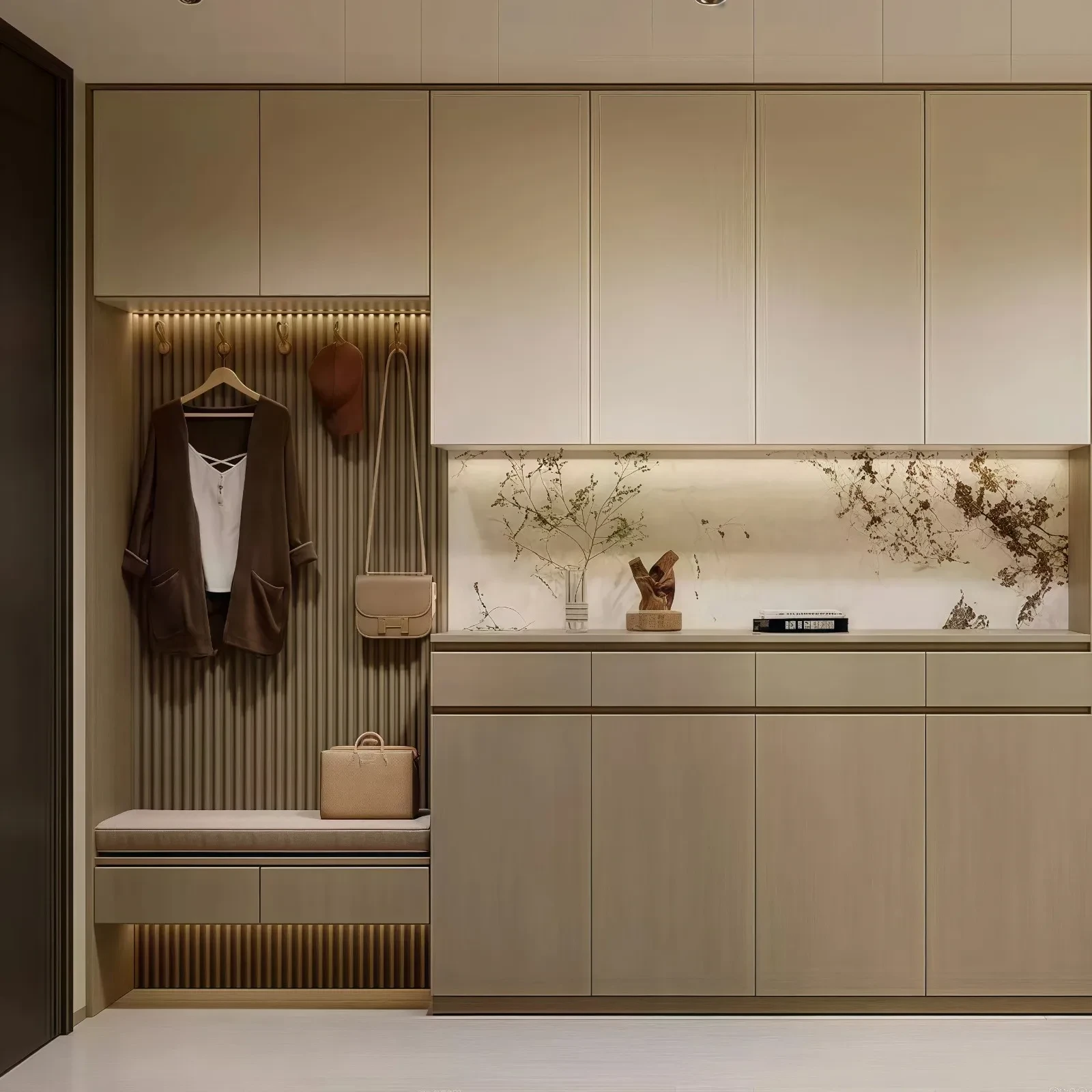

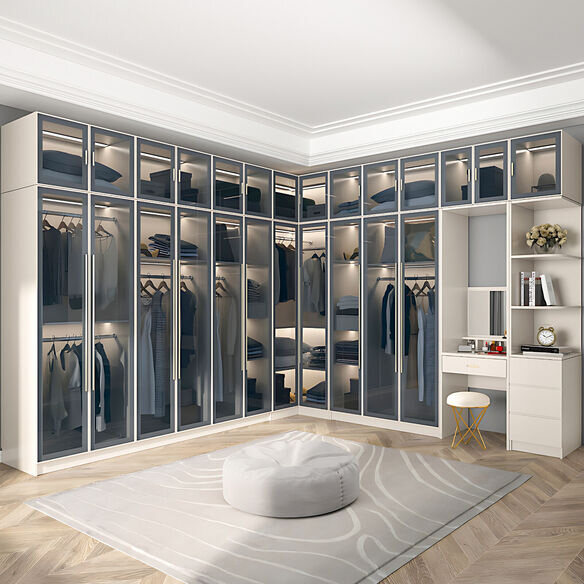




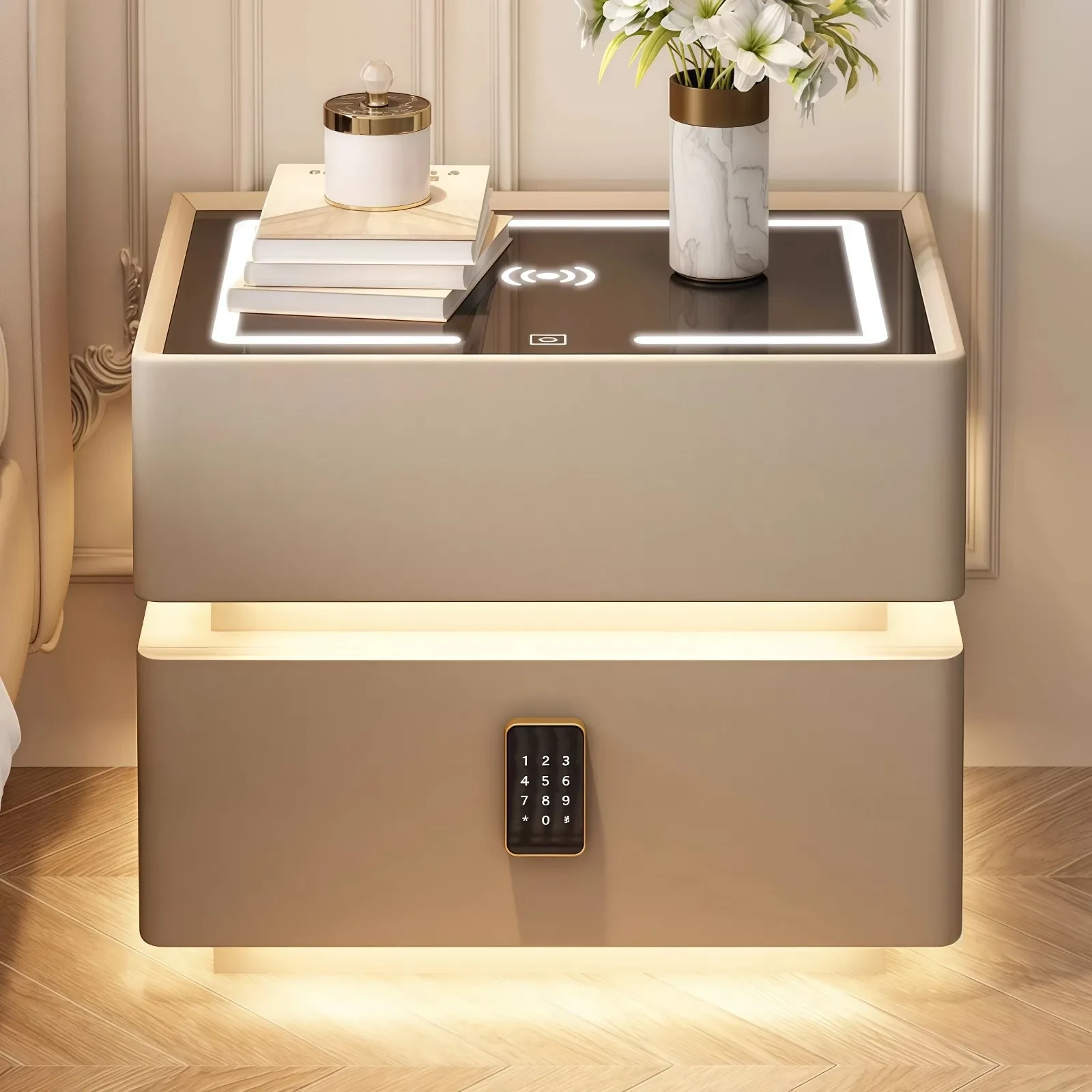




As the saying goes, "no formaldehyde, no board," because the production of engineered wood products inevitably involves the use of large amounts of adhesives. Traditional engineered wood products almost exclusively use adhesives such as urea-formaldehyde resin, phenol-formaldehyde resin, and melamine-formaldehyde resin-the "three-formaldehyde resins." Boards produced with these adhesives will continuously release formaldehyde for decades, polluting indoor air and harming human health. With increasing emphasis on home decoration safety, consumers are increasingly choosing environmentally friendly formaldehyde-free boards when selecting furniture materials. The production of formaldehyde-free boards relies heavily on the research and development of formaldehyde-free adhesives.
Are formaldehyde-free adhesives ready for market?
In the article "Types and Current Applications of Formaldehyde-Free Adhesives for Wood-based Panels!", Luban Garden provided a detailed introduction to the commonly used formaldehyde-free adhesives for wood-based panels. Among them, the core technology of the relatively mature MDI adhesive has been mastered, but the relevant patents are held by a few companies. Researchers have devoted more energy to the research of other formaldehyde-free adhesives.
The development of formaldehyde-free adhesives using biomass materials such as modified starch, soybean protein, and lignin has great potential. The development of formaldehyde-free biomass adhesive technology is in line with the national theme of comprehensive development and utilization of agricultural and forestry biomass. Its core technology is the research and development of modifiers.
The complex structure and composition of biomass raw materials pose significant challenges to molecular modification. Existing methods for preparing biomass adhesives, such as soybean glue and starch glue, suffer from problems such as high viscosity, short pot life, poor water resistance, and long hot-pressing time. In particular, the water-resistant bonding strength cannot meet the requirements for industrial applications, which greatly limits their application in the wood industry.
As research progresses, more and more stable and high-performing modifiers are entering mature production stages, and the production of formaldehyde-free biomass adhesives can also enter the mass production process. A water-based polymer developed by the Wood Industry Research Institute of the Chinese Academy of Forestry, which does not contain harmful components such as aldehydes and benzene compounds, can be used as a special modifier for soybean protein. The wood-based panels produced using this polymer meet national standards for both physical properties and formaldehyde emission levels.
How effective are formaldehyde-free biomass adhesives?
The Chem-soy type formaldehyde-free biomass adhesive for engineered wood products developed by the Wood Industry Research Institute of the Chinese Academy of Forestry has improved the physical and chemical properties of engineered wood products by addressing the problems of poor water resistance and low bonding strength in products prepared by existing methods.
Technological improvements to solve existing problems
◆ Soybean meal protein directional grafting technology improves the pre-compression and sizing performance of soybean gum.
◆ The synergistic cross-linking enhancement technology solves the technical problems of high viscosity, low bonding strength and poor water resistance of traditional soybean adhesive.
◆ The green modification technology of soybean meal protein enables the release of no harmful gases during the production and use of adhesives.
Evaluation of main performance of adhesives
Formaldehyde-free biomass adhesives are mainly used in the production of veneer products, such as plywood, blockboard, and various thin wood veneers. The main performance indicators for adhesives include viscosity, solids content, pot life, and bond strength.
◆ Viscosity
Plywood production involves processes such as gluing, cold pressing, trimming, and hot pressing, thus requiring high initial tack from the adhesive. Water-soluble polymers, acting as modifiers, react with soybean protein molecules to form an interpenetrating network adhesive system, giving the adhesive excellent initial tack and pre-pressing properties. This allows for cold pressing of 5-layer, 10 mm thick plywood in under 40 minutes in summer and no more than 2 hours in winter, achieving cold pressing performance comparable to, or even better than, aldehyde-based adhesives. Chem-soy type formaldehyde-free biomass adhesives have a viscosity of up to 26,000 mPa·s, similar to the viscosity of aldehyde-based adhesives after mixing, and can be directly used for veneer gluing.
◆ Solid content
For veneers with high moisture content, the solid content of the adhesive cannot be too low, otherwise defects such as blistering will occur. Traditional soybean adhesive has a solid content of 35% to 39%, while Chem-soy type adhesives can have a solid content of up to 42% depending on the process requirements, ensuring product quality and improving the yield of the boards.
◆ Applicable period
Most formaldehyde-free adhesives are prone to drying out due to water loss in the adhesive layer after veneer application, resulting in poor bonding performance. Chem-soy type adhesives contain water-retaining molecular chain segments in their structure, which improves the aging time of the boards after veneer application and assembly, and solves the technical bottleneck that cold pressing must be performed within 1 hour after application to ensure the molding effect.
◆ Class II water-resistant adhesive strength
The bonding strength of plywood is related to the amount of adhesive applied and the hot-pressing time. Experiments have shown that bonding strength increases with increasing adhesive application amount, and with increasing hot-pressing time, it initially increases significantly and then tends to increase slowly. By selecting appropriate adhesive application amount and hot-pressing time, plywood produced using Chem-soy type adhesive can achieve a Class II water-resistant bonding strength of 0.94~1.18 MPa, and will not delaminate after boiling in water for more than 4 hours.
Application prospects of formaldehyde-free biomass adhesives
Developing formaldehyde-free biomass adhesives is a crucial pathway for the transformation and upgrading of wood-based panels towards "formaldehyde-free" products, aligning with the national sustainable development direction. As a relatively new technology, formaldehyde-free biomass adhesives are still unfamiliar to many and their usage remains a challenge. Proper application is essential to maximizing performance; only with this understanding can formaldehyde-free biomass adhesives find wide application in the wood industry.
Optimized process parameters
After multiple experiments, researchers determined the appropriate process parameters for the practical application of formaldehyde-free biomass adhesives.
◆ Preparation of formaldehyde-free plywood using Chem-soy type adhesives
The adhesive application rate is 360 g/m², the hot pressing temperature is 120 ℃, the hot pressing time is 66 s/mm, the cold pressing time is 40 min, and the hot pressing pressure is 0.9 MPa.
◆ Preparation of formaldehyde-free plywood using Chem-soy type adhesives
The amount of adhesive applied includes 190 g/m² for poplar core board (single side) + 180 g/m² for mahogany veneer (single side), cold pressing time 40 min, hot pressing temperature 120 ℃, hot pressing time 39 s/mm, and hot pressing pressure 0.8 MPa.
Wide range of application scenarios
Chem-soy type adhesives are easy to use and can be mixed at room temperature. They are suitable for the production of formaldehyde-free plywood, laminated veneer lumber (LVL), blockboard, engineered wood flooring substrates, and other engineered wood products, as well as for veneer applications on particleboard, fiberboard, plywood, and blockboard. They have a very wide range of applications.
"Formaldehyde-free" is a hot topic in the home furnishing industry right now and will receive more and more attention in the future. Formaldehyde-free adhesives are the foundation of formaldehyde-free boards. Formaldehyde-free adhesives are produced using starch, soybeans and other natural ingredients, taking them from agriculture and forestry, and returning nature to the home!