
 USD
USD GBP
GBP
 EUR
EUR



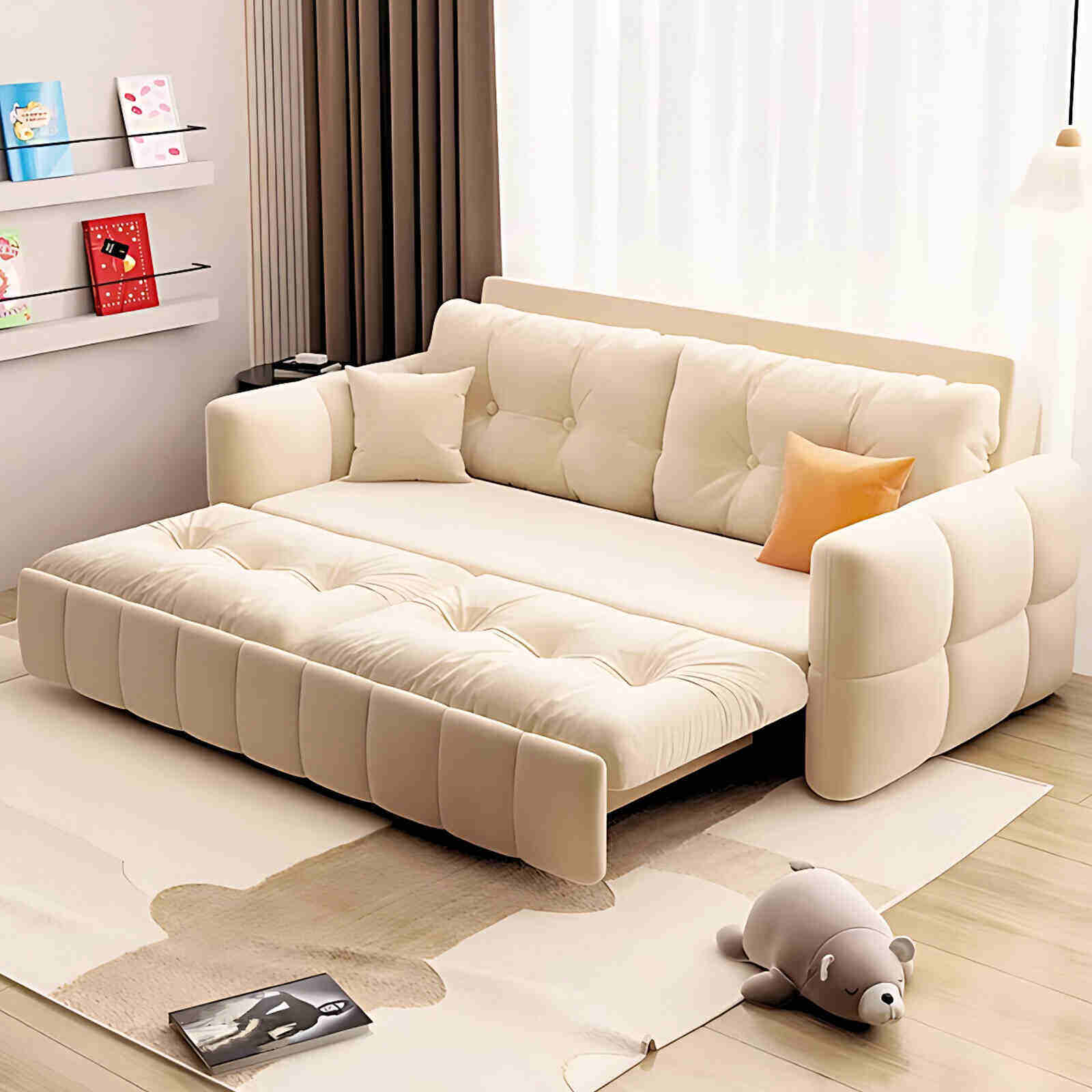
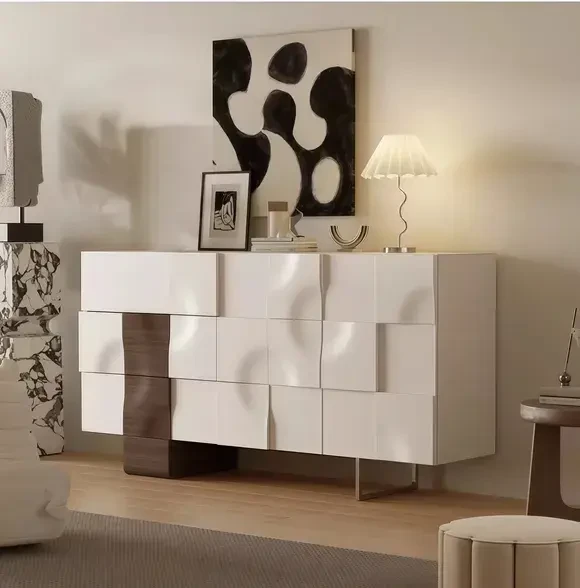

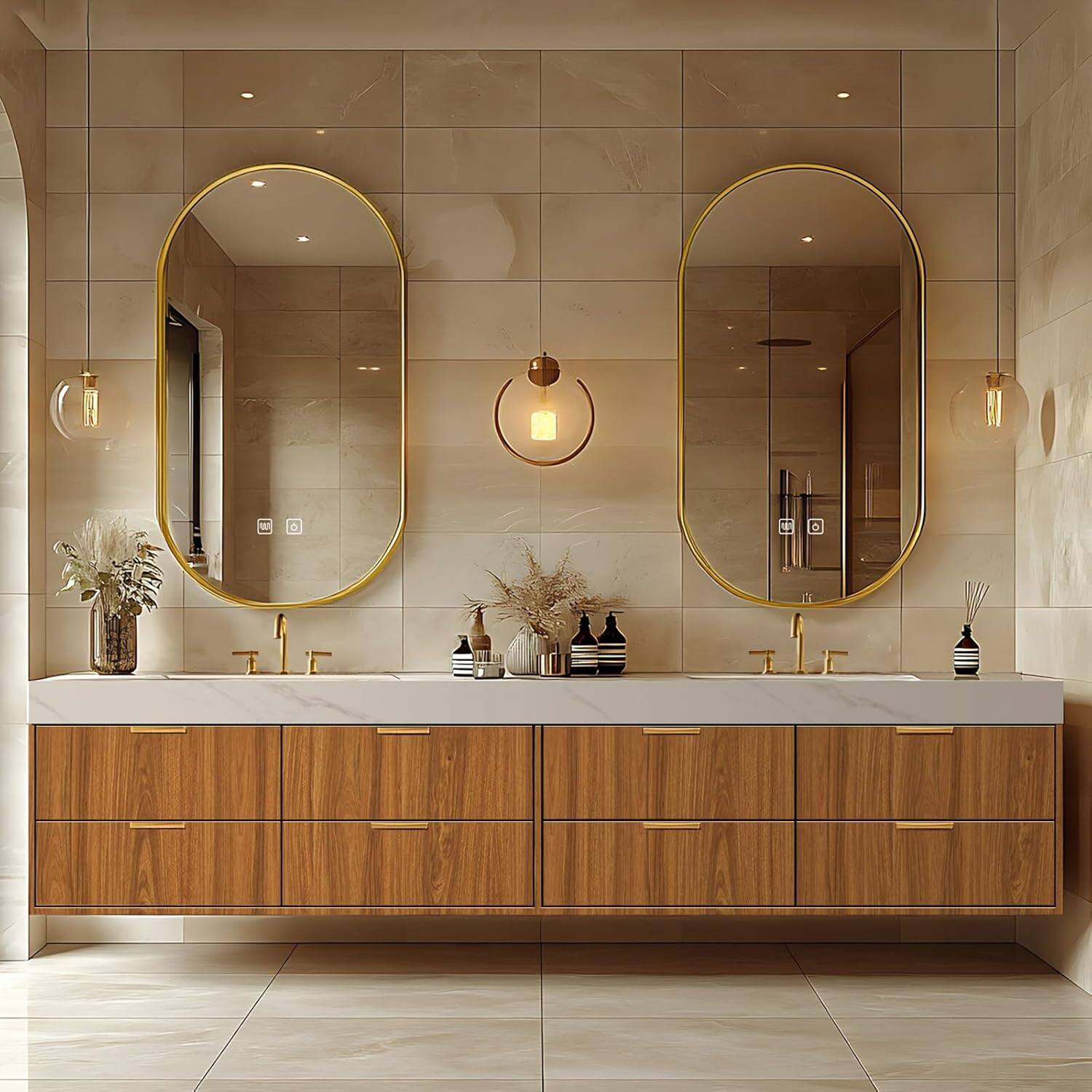
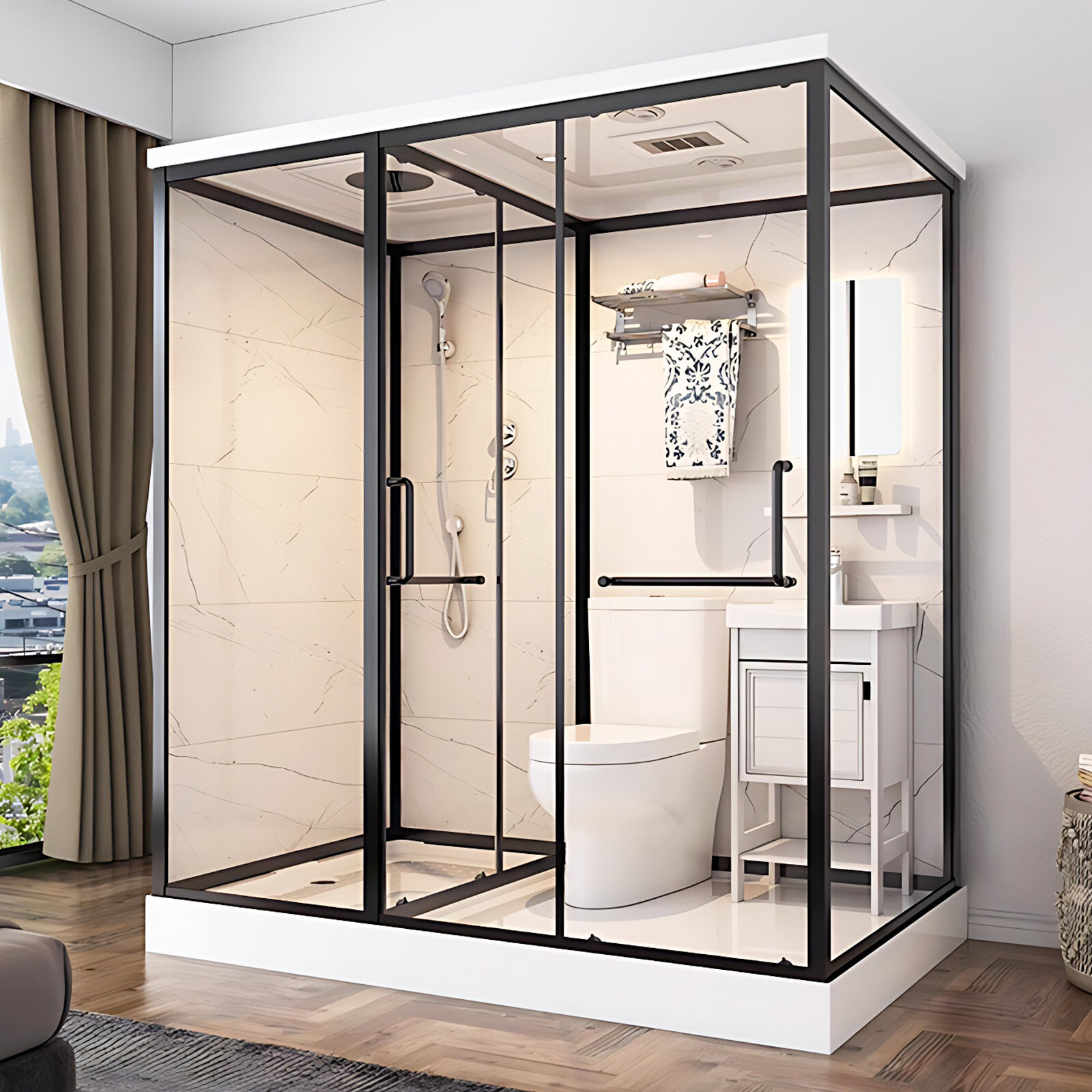


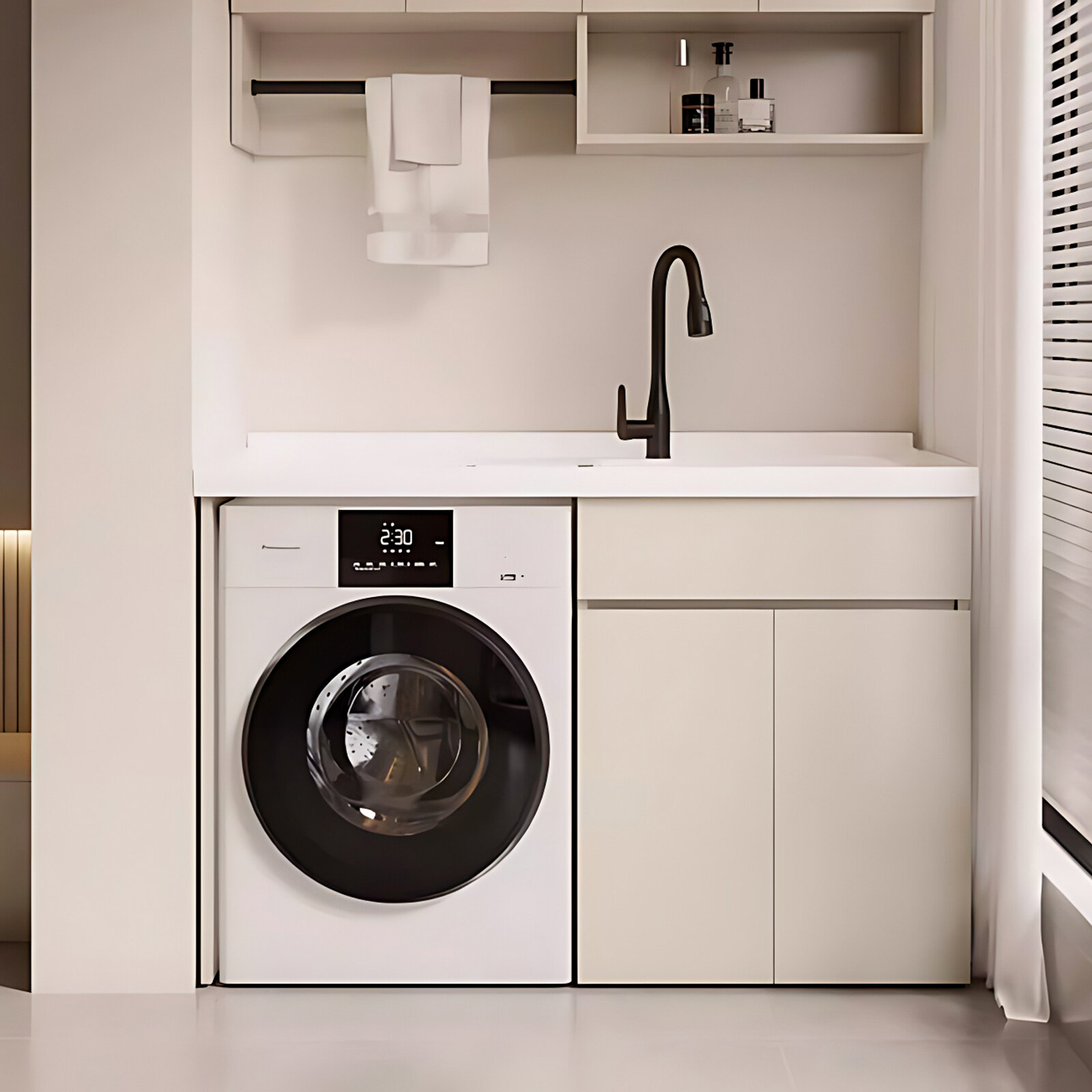


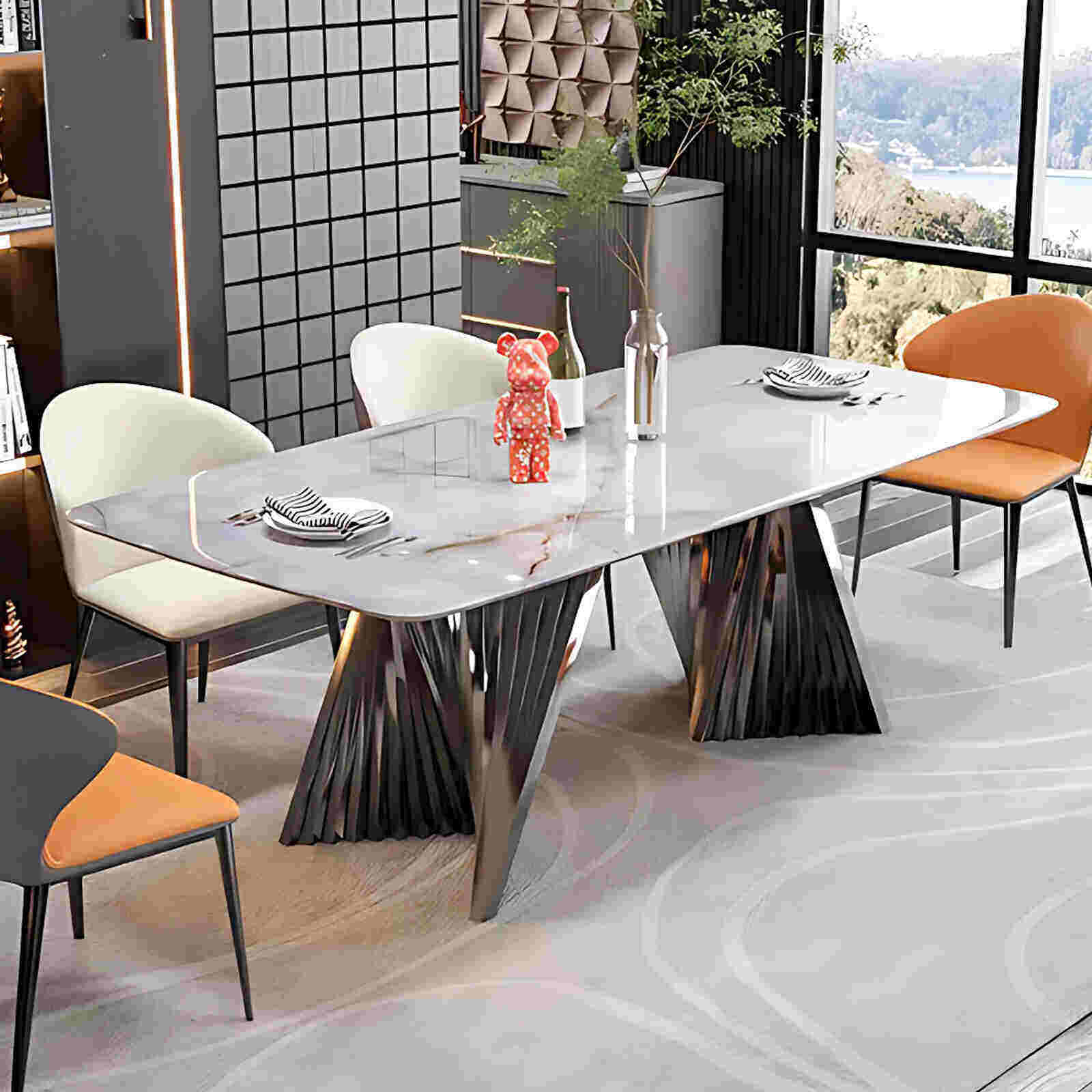
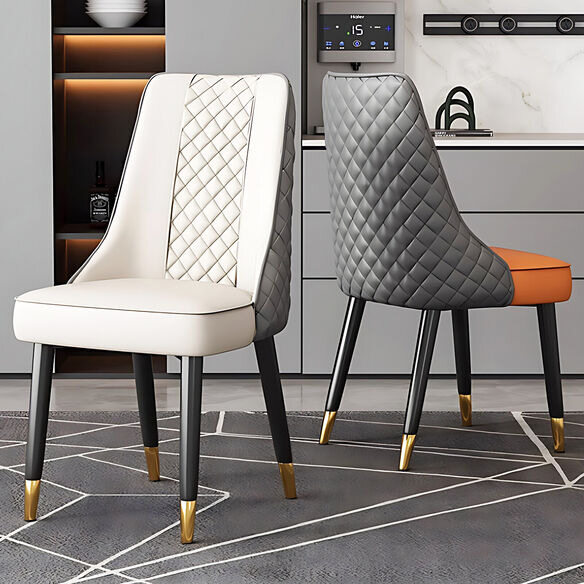
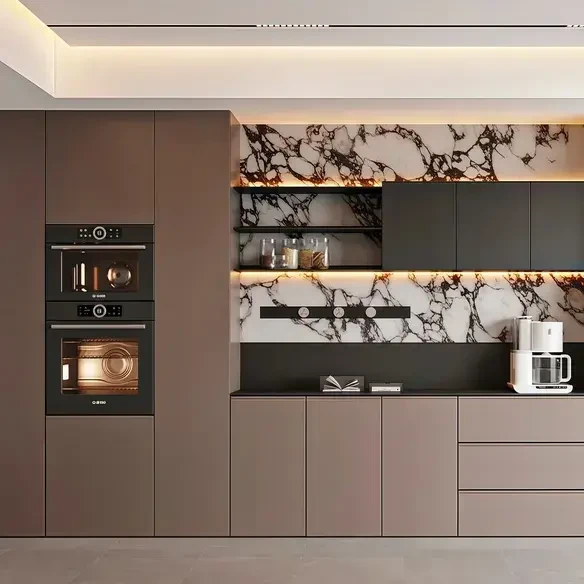















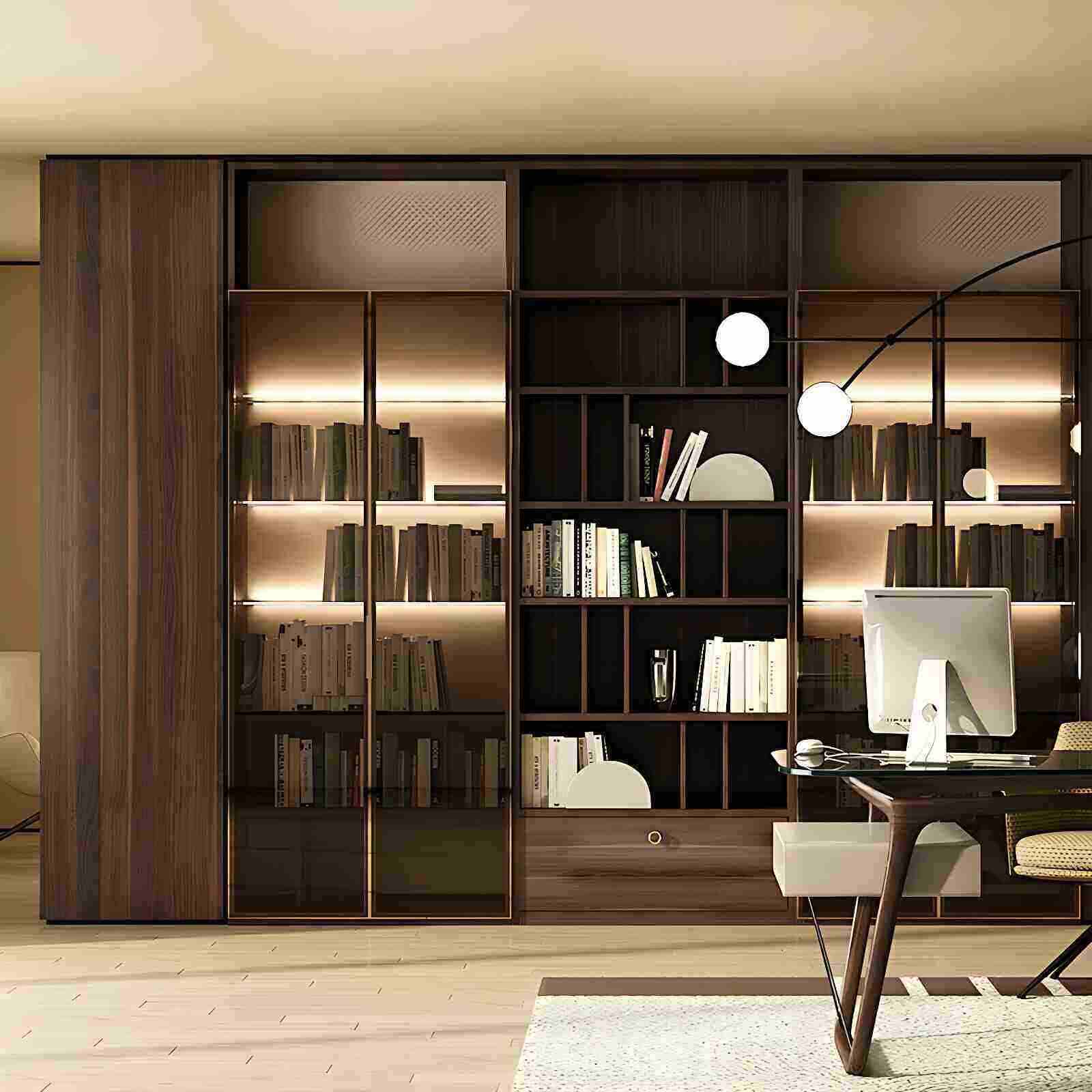

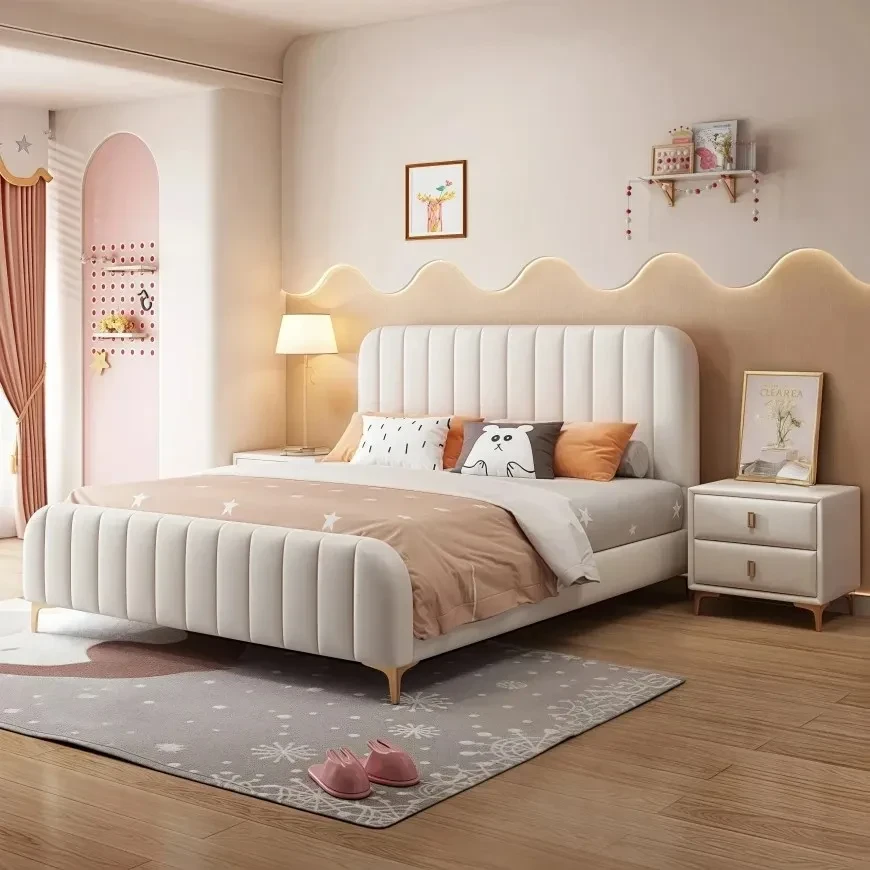
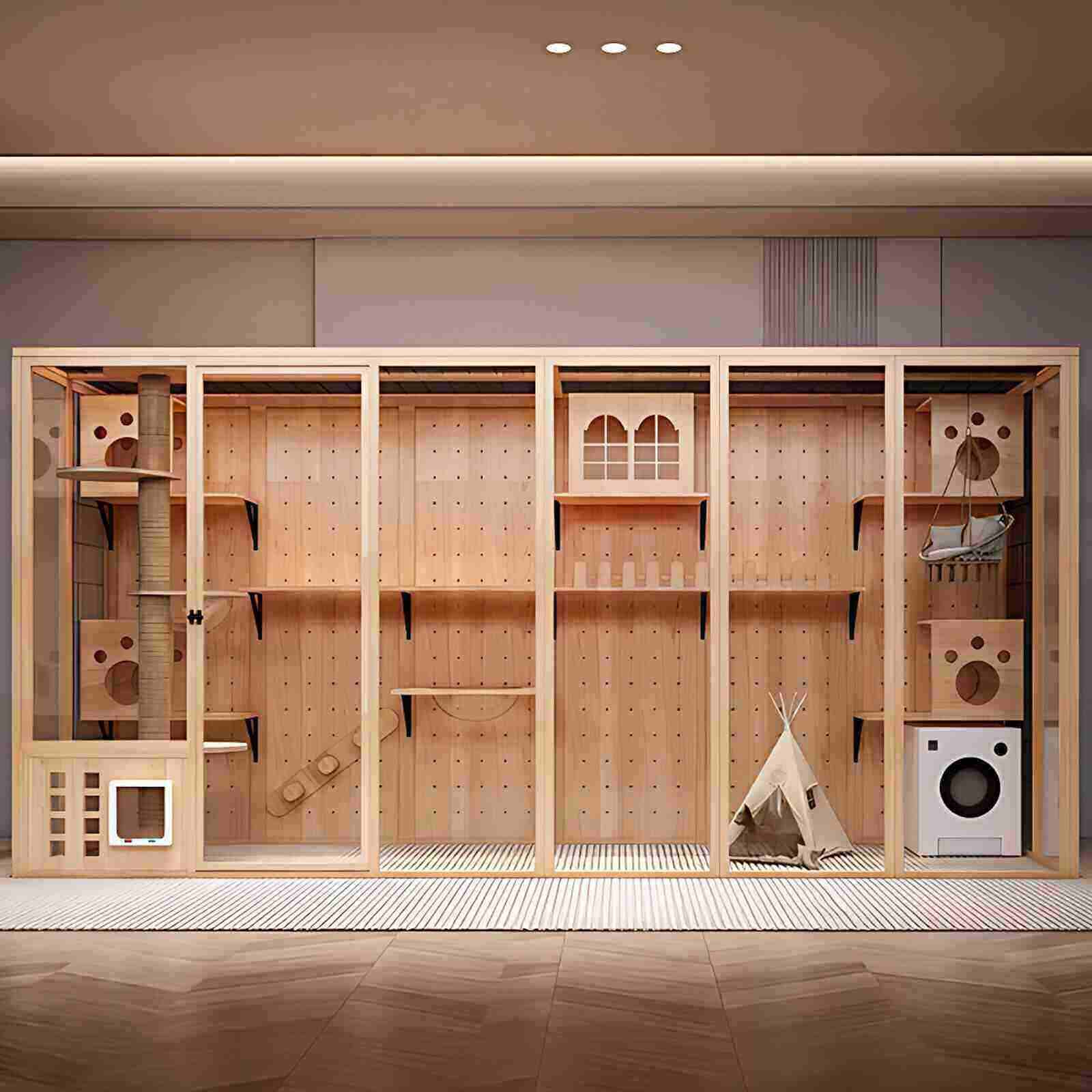

We've compiled five key points to share with you.
Advantages and disadvantages of plywood
The advantages of plywood are: uniform specifications, easy processing, and resistance to deformation.
It can be bonded to other materials, is lightweight, and easy to install, making it suitable for walls and other surfaces during home renovations.
Essential wood products for top finishing and woodworking.
The disadvantage of plywood is that, because the top and bottom layers are plywood with a core of small wood strips pressed together,
Sometimes there are gaps in the middle, which can easily cause the glue to come undone, bulge, or deform after thermal expansion and contraction.
Points to note when selecting plywood
1. Selecting and assembling the machine
Blockboard can be divided into two categories based on its manufacturing process: hand-jointed and machine-jointed. Hand-jointed boards are made by manually inserting wood strips into the core layers. These boards typically have unevenly spaced core strips, large gaps, and are often made from scraps. The surface is uneven, has poor nail-holding power, and is not suitable for sawing. They are generally only used whole in certain home renovation projects, such as as underlayment for solid wood flooring. Machine-jointed boards, on the other hand, have a uniform and neatly arranged core, with a tightly bonded surface layer.
2. Do not use hardwood.
It's best to avoid using hardwoods for the core material. The core material for plywood is often poplar, pine, paulownia, linden, and other hardwoods. Pine and similar wood species used for the core have strong nail-holding power and are less prone to warping; it's best to avoid hardwoods because they don't hold nails well.
3. Pay attention to appearance
If there are signs of glue or putty being applied around the edges of the plywood, it indicates that there are definitely gaps or voids inside. You can also tap the surface of the board with a pointed tool; if the tapping is significantly different, it indicates internal voids. Additionally, check if the surface of the board is flat, free of bumps or unevenness, and whether it is warped or deformed. Good quality plywood is sanded on both sides, feels very smooth to the touch, has straight edges, and the core panels are neatly arranged without gaps.
4. Detect moisture content
The moisture content of plywood should not exceed 12%. High-quality plywood is machine-dried and can meet the moisture content standard, while inferior plywood often does not meet the moisture content standard.
5. Pay attention to formaldehyde content.
Formaldehyde primarily damages the respiratory system.
It has been identified by the World Health Organization as a carcinogen.
It is mainly released from plywood.
When choosing decorative panels, avoid those with a pungent odor.
The stronger the odor, the higher the formaldehyde release, the more severe the pollution, and the greater the harm.