
 USD
USD GBP
GBP
 EUR
EUR
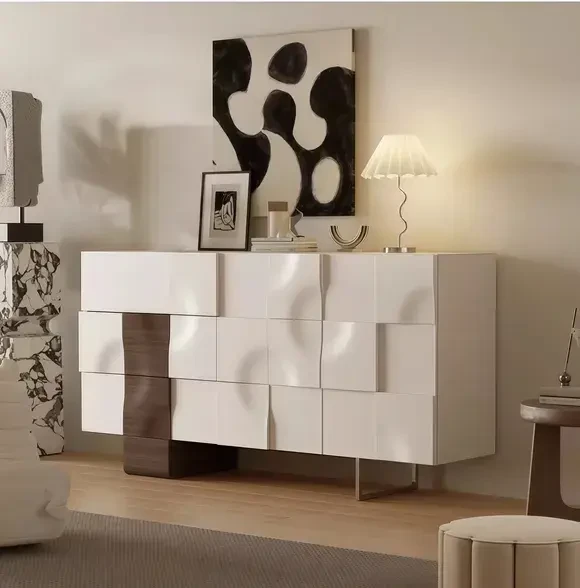
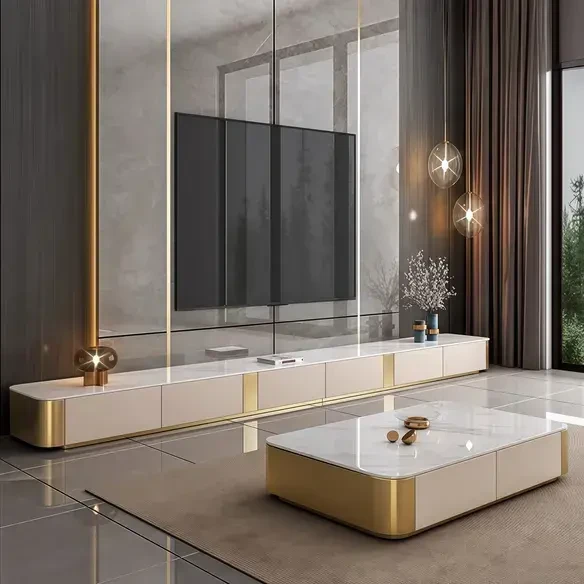
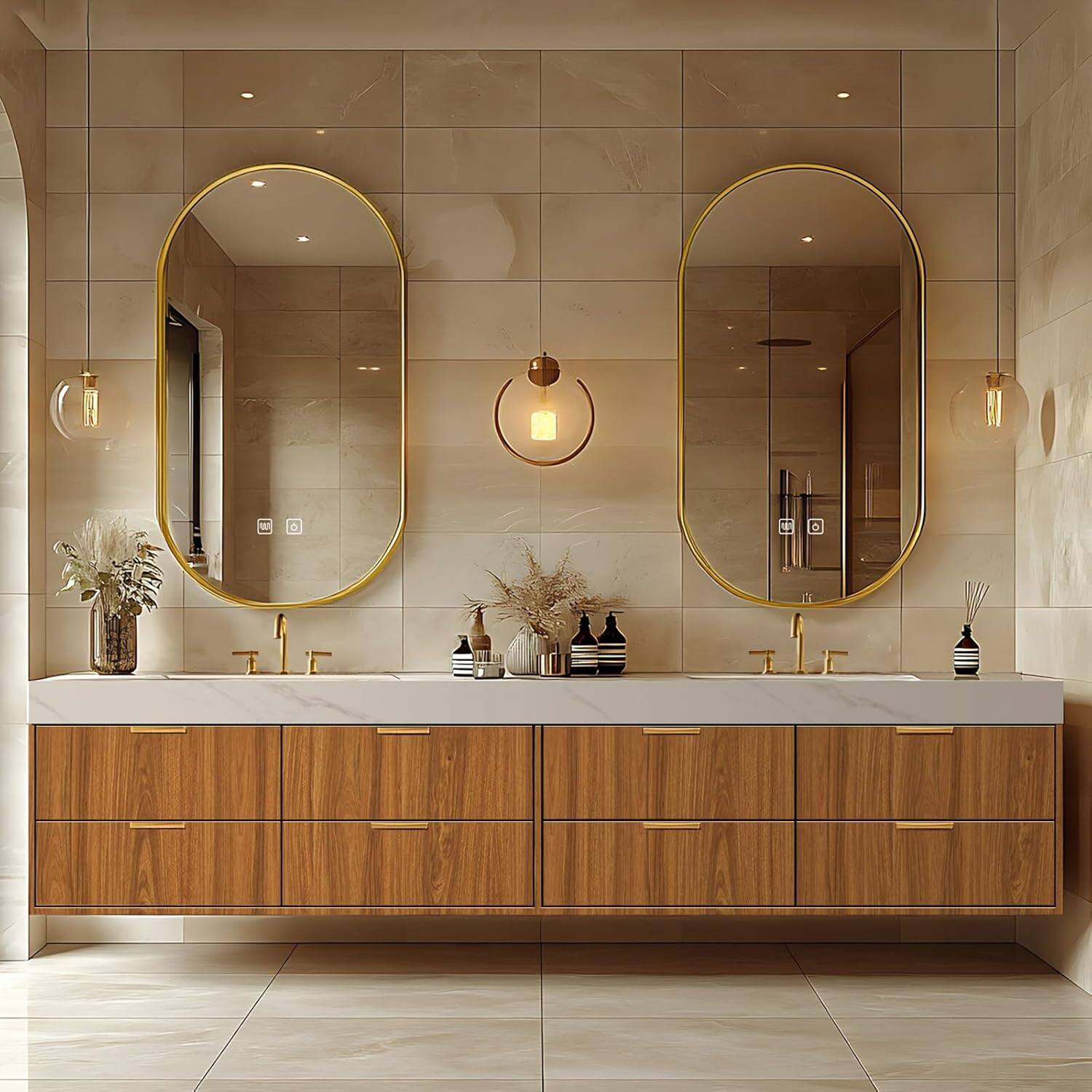
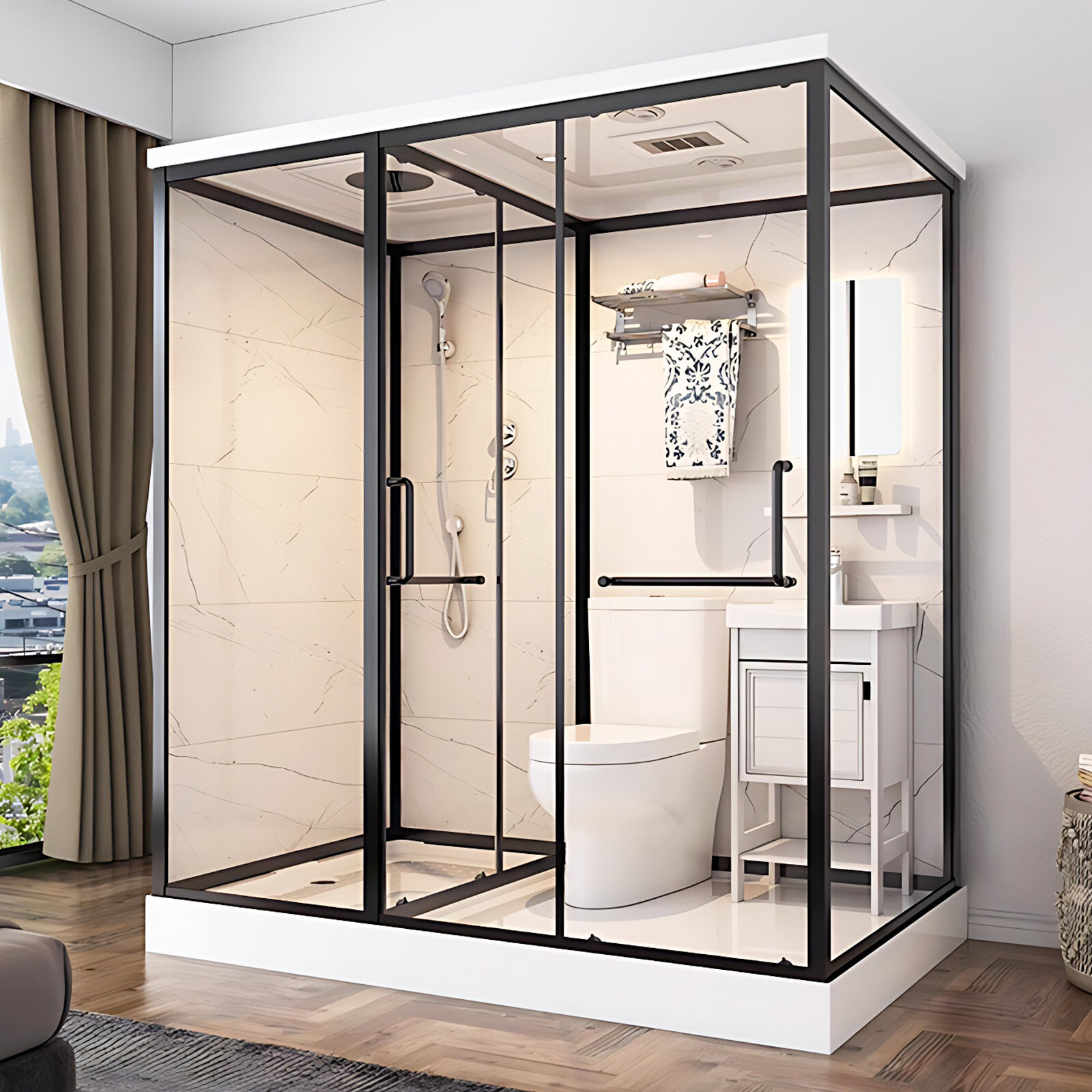
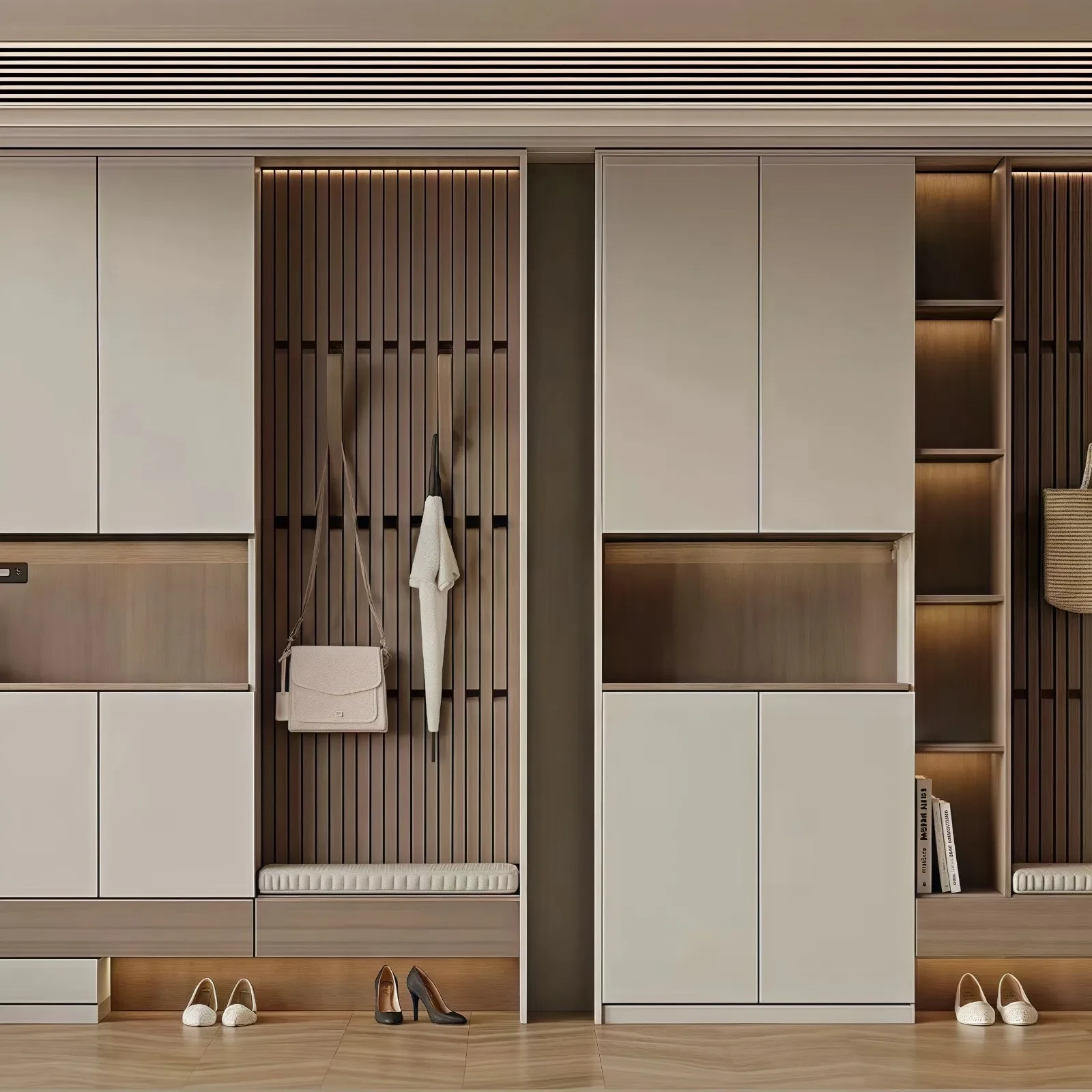
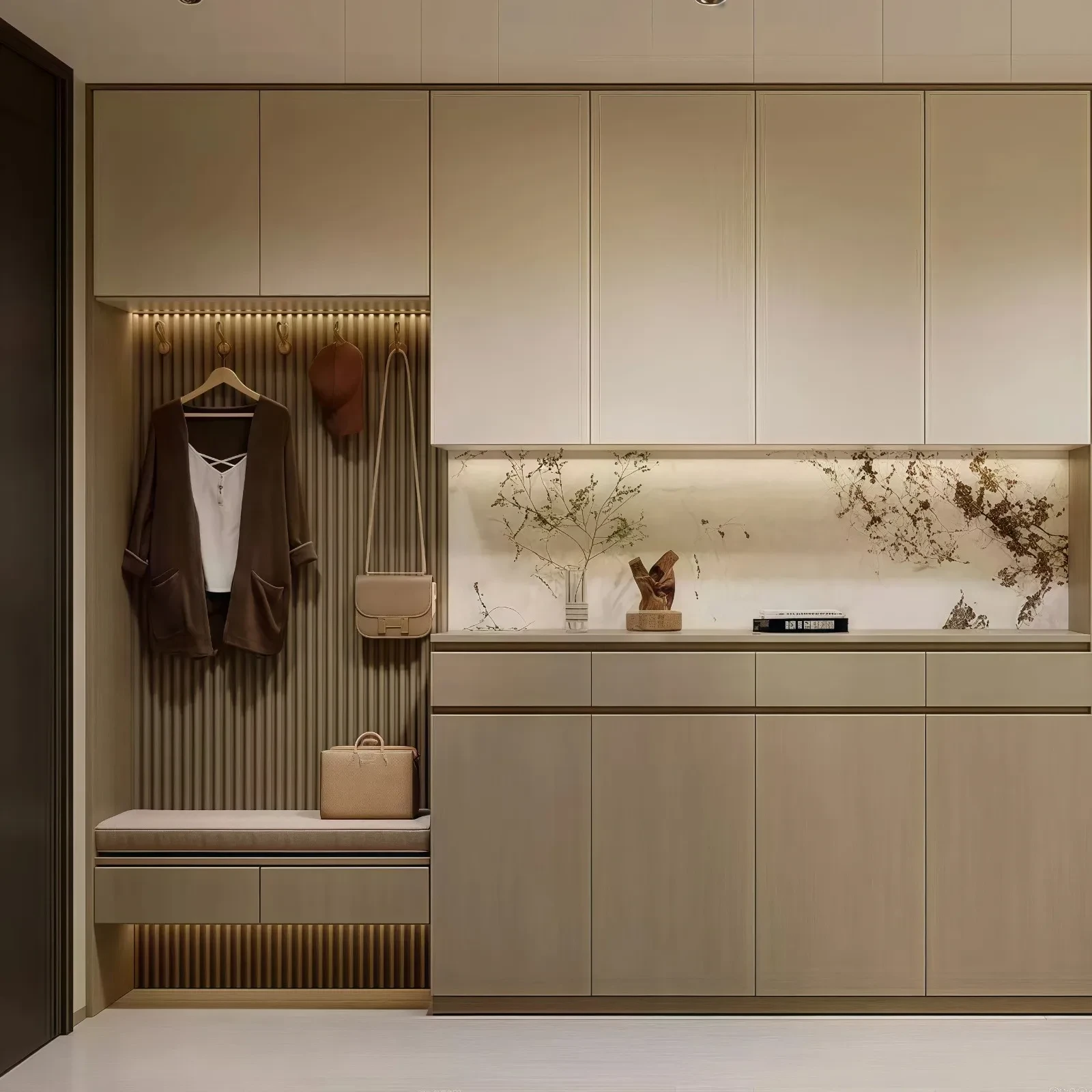
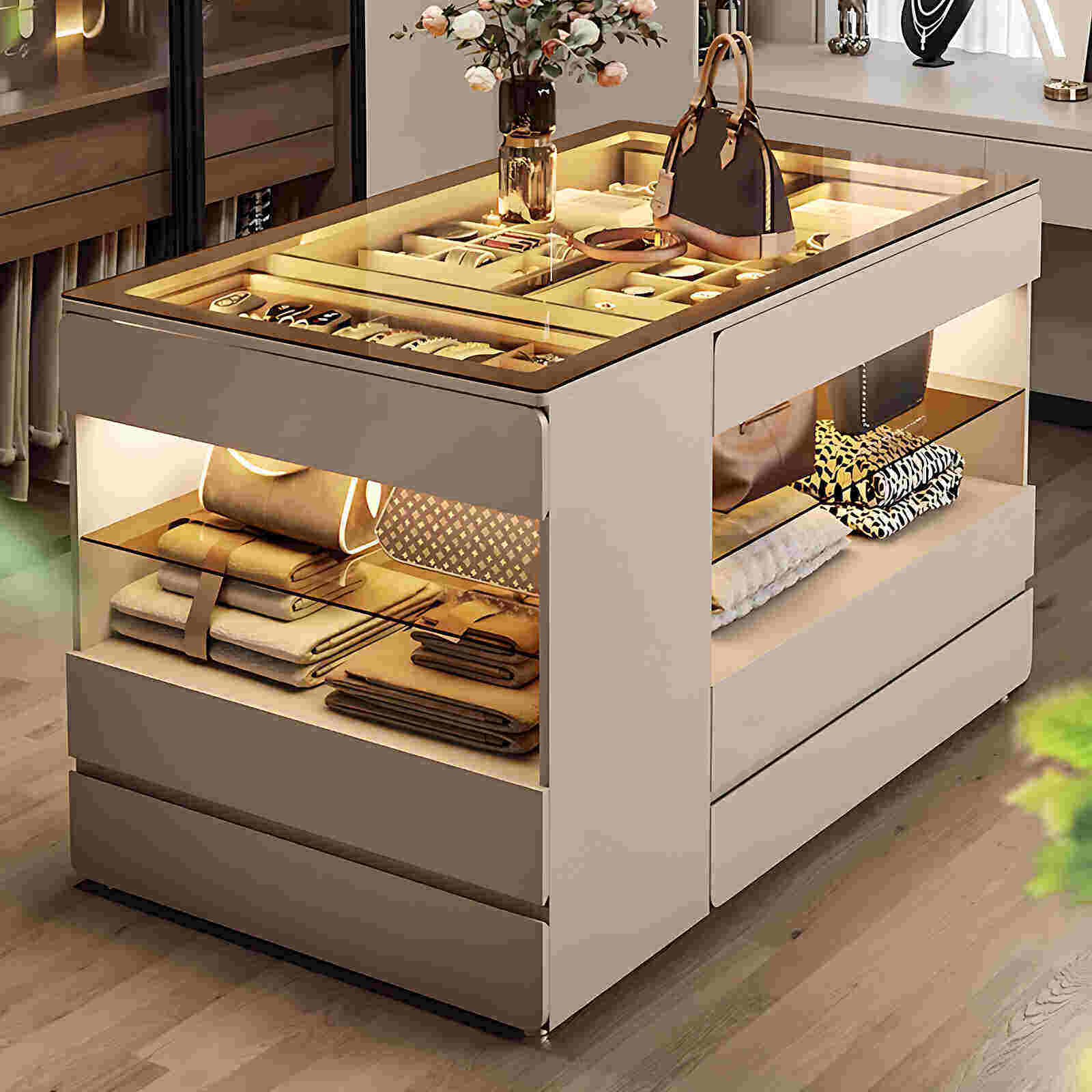
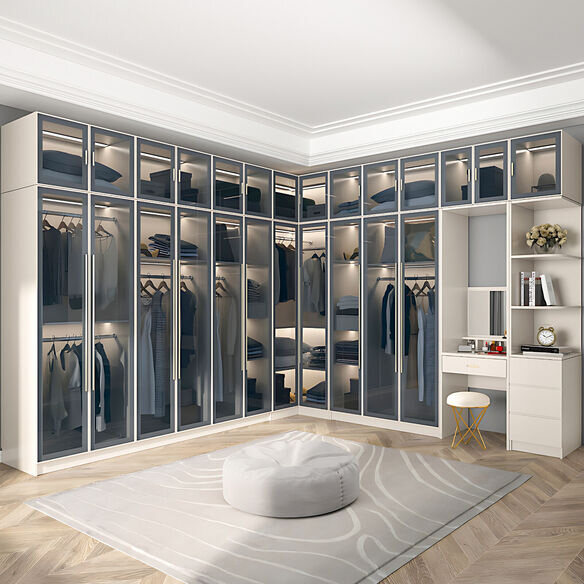
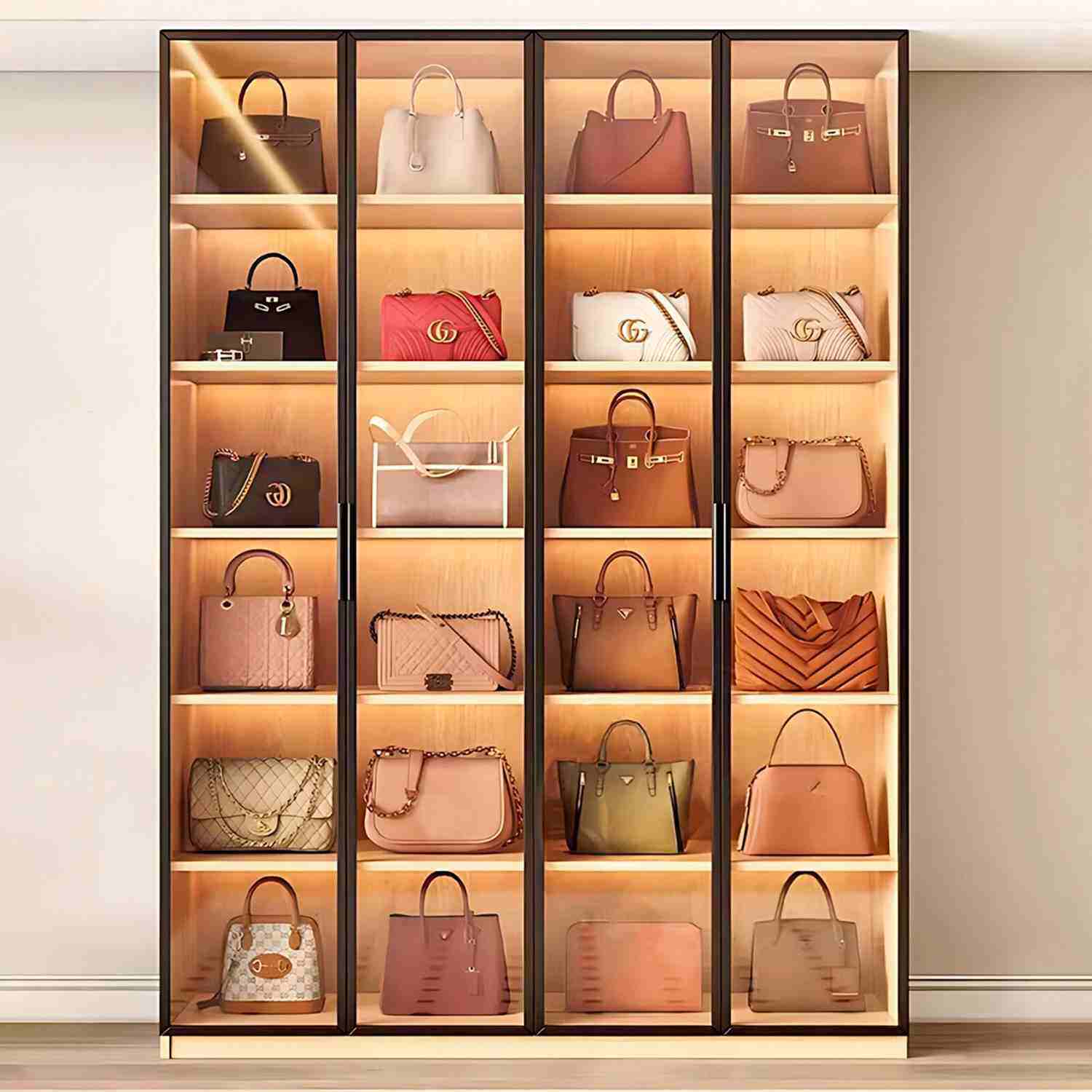
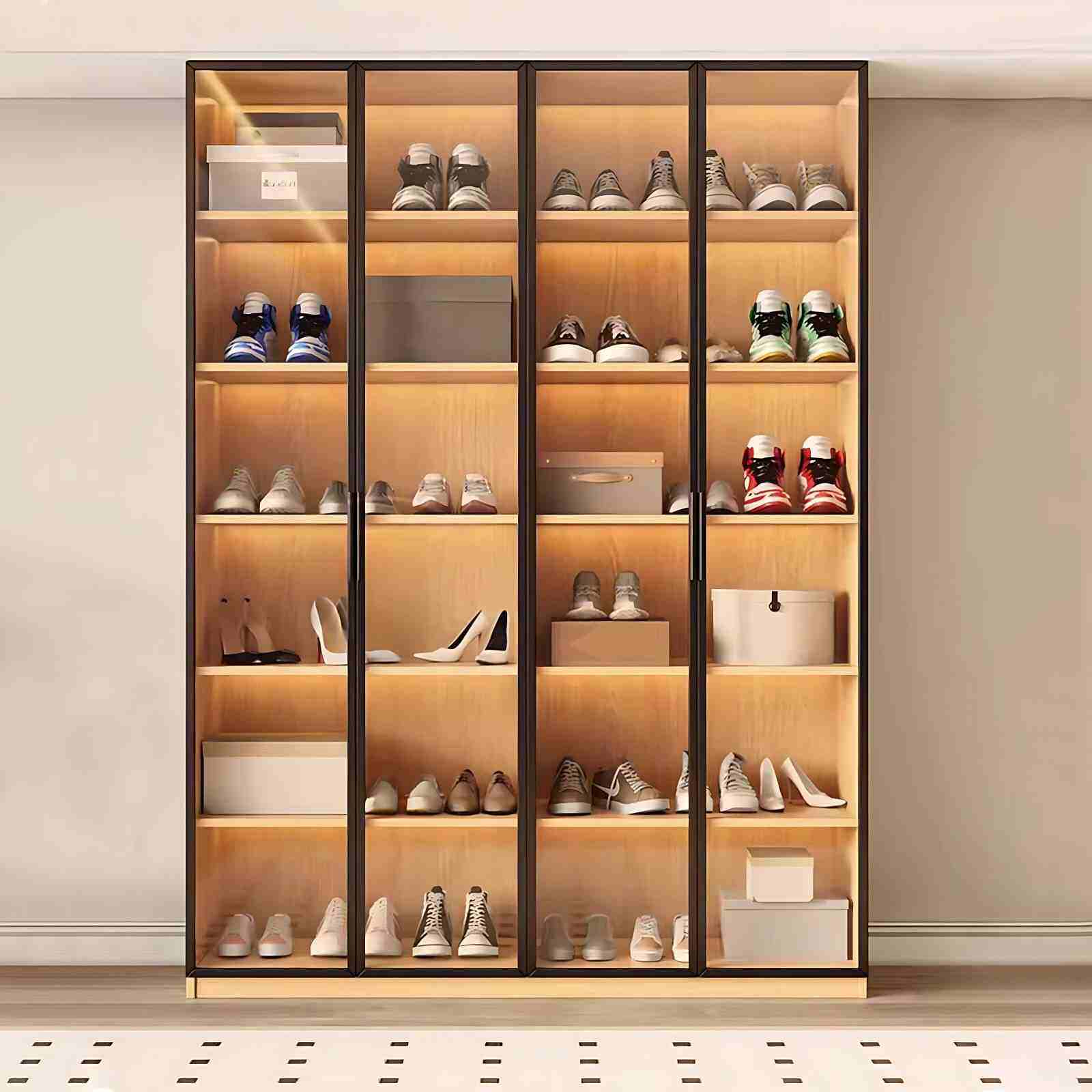
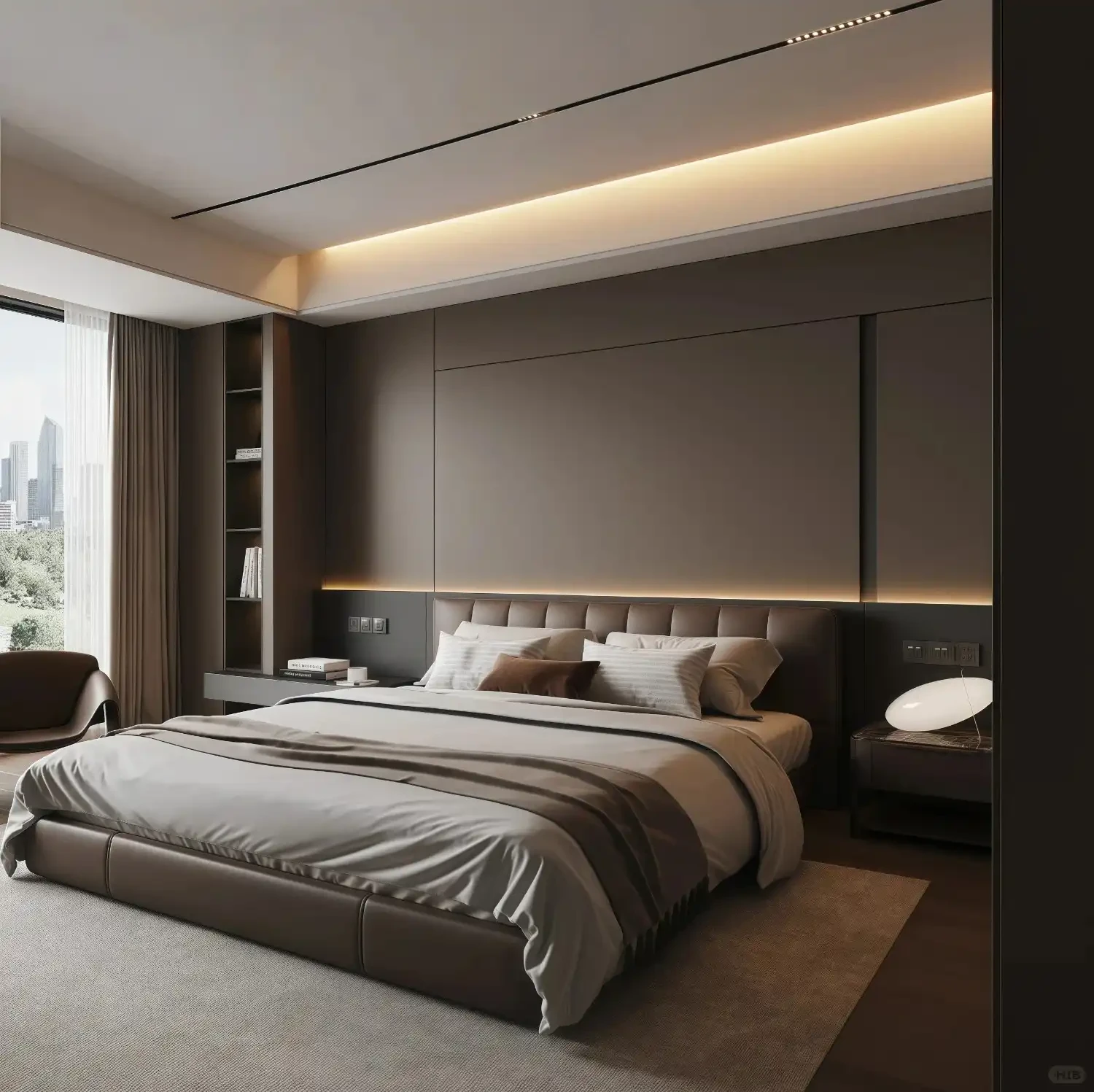
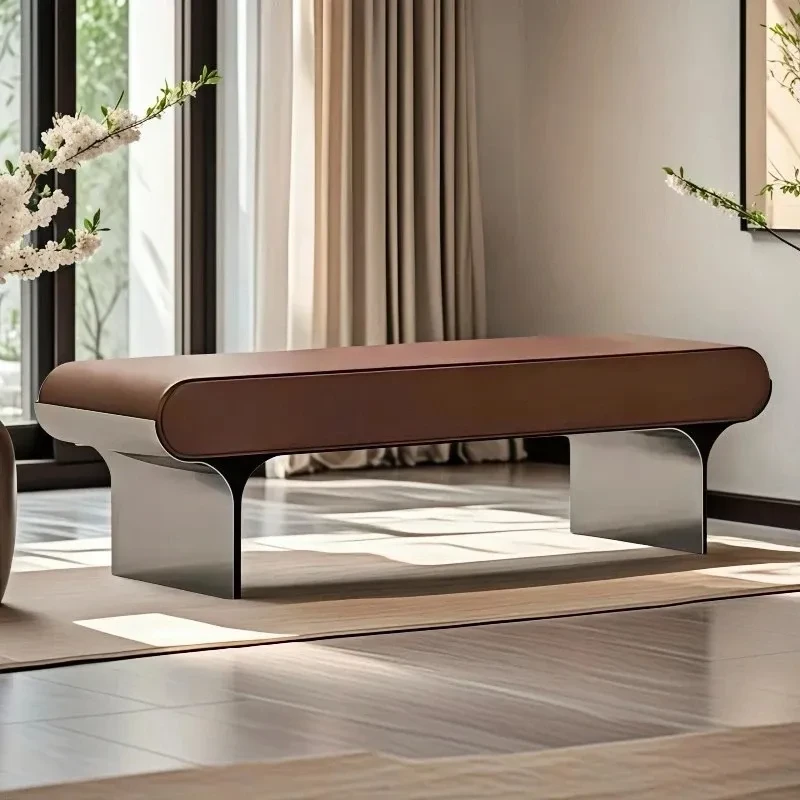

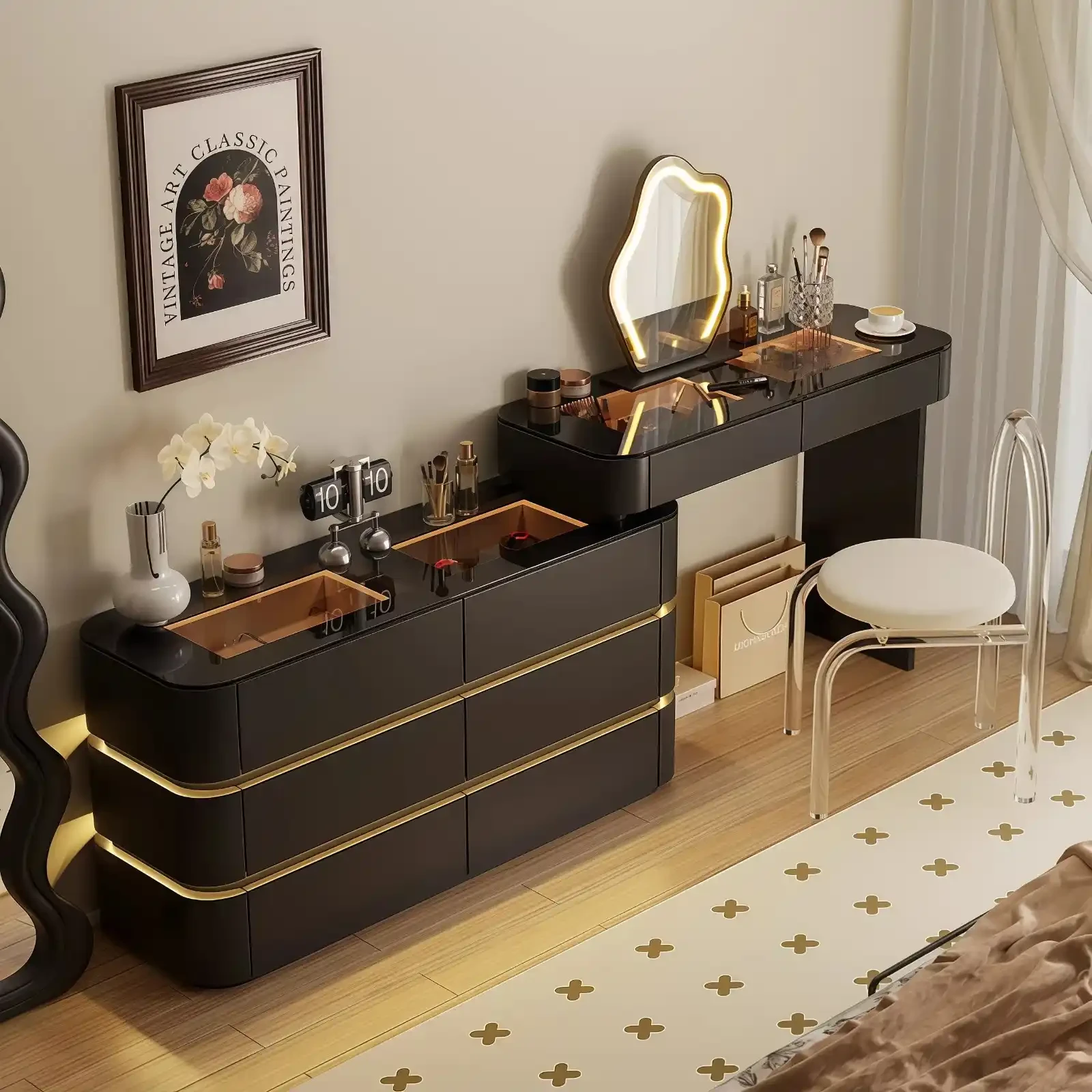
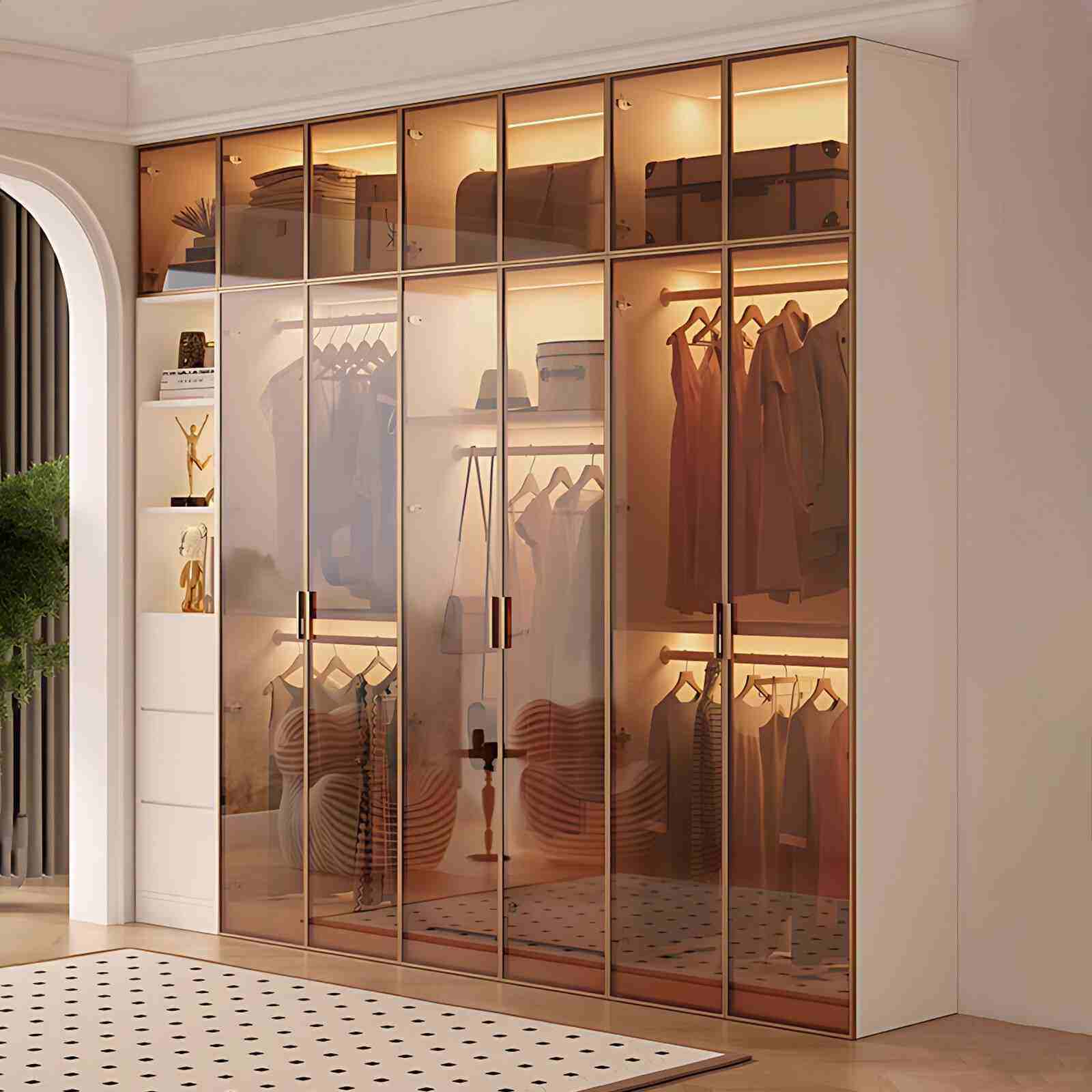
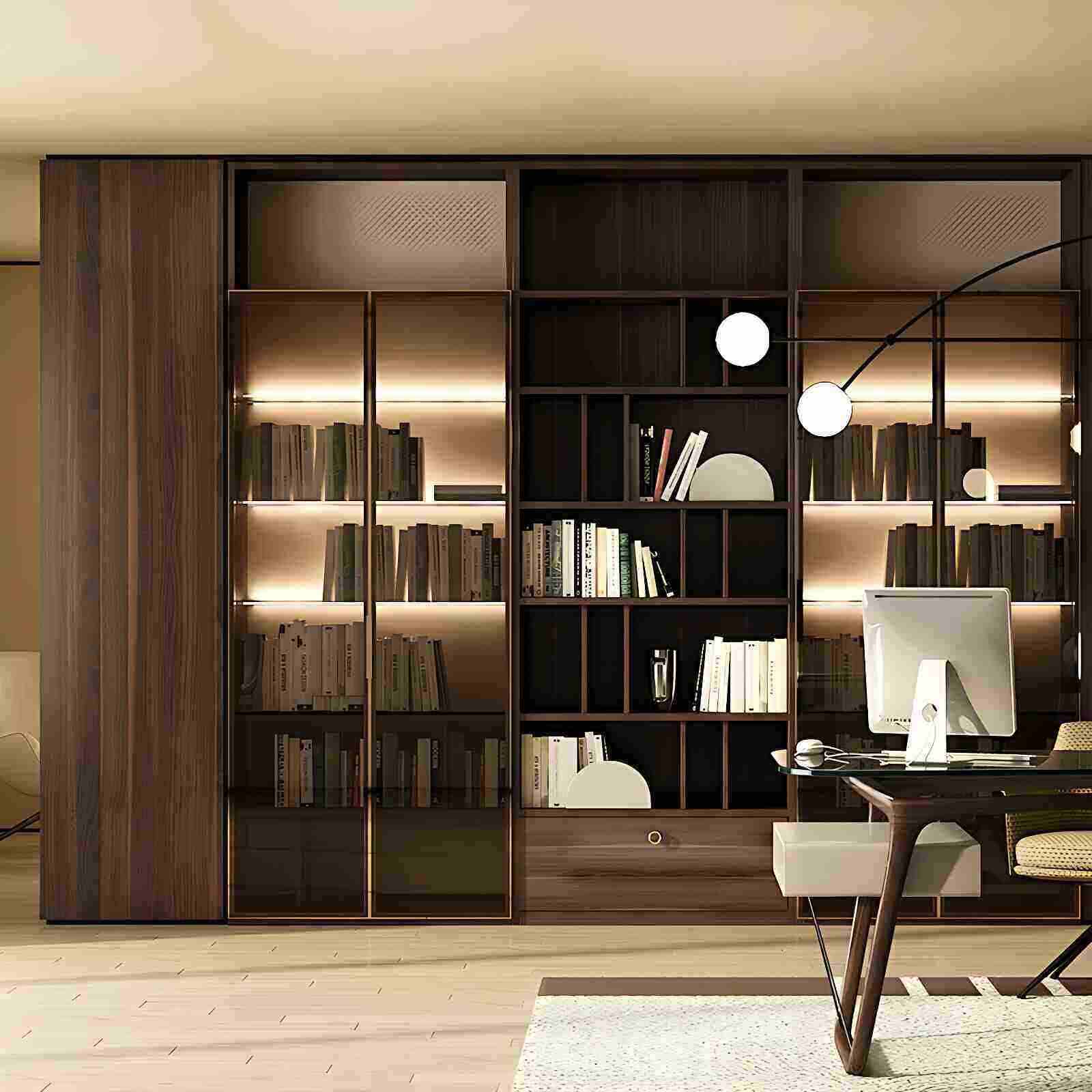
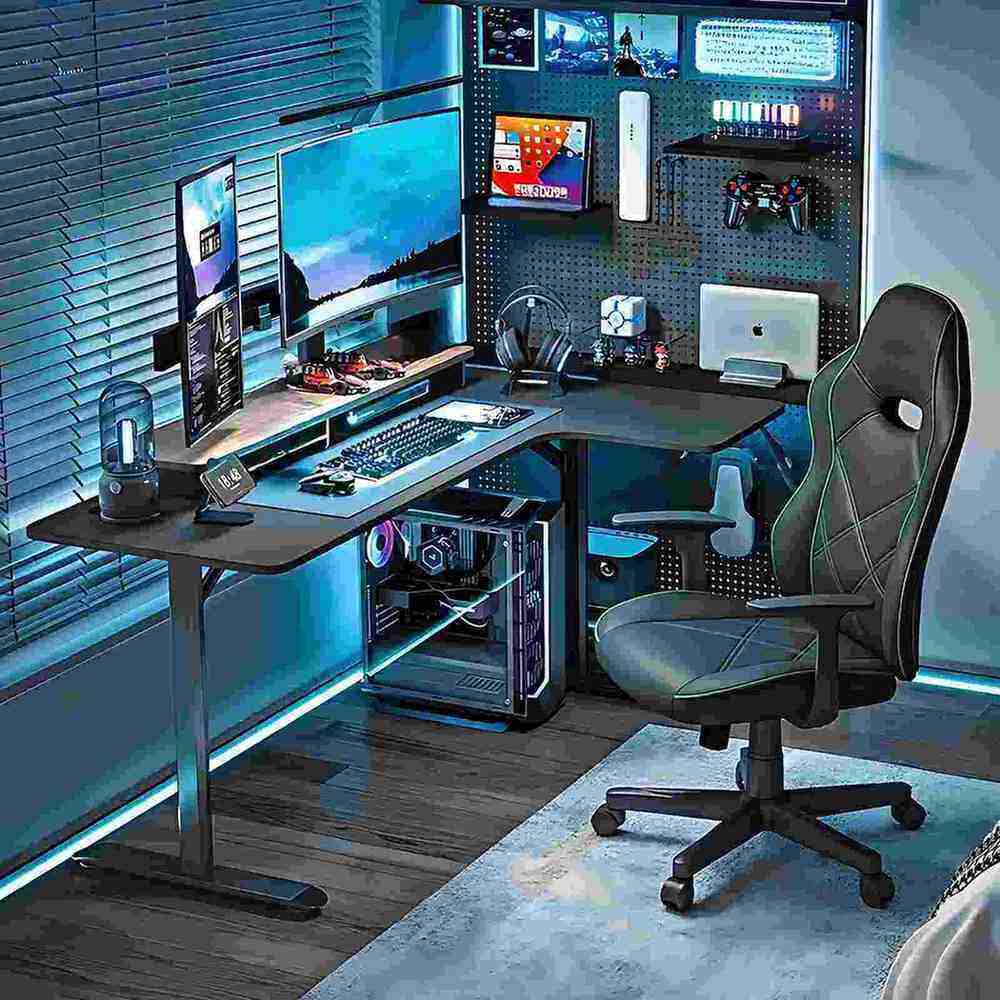
We've always been committed to providing consumers with healthy, environmentally friendly, and high-quality wood-based panels. Today, we'll share some basic knowledge about wood-based panels, hoping it will be helpful to everyone!
"Are boards with neat and smooth edges always good?"
Answer: This statement is incorrect. In fact, consumers should be especially wary of boards that exhibit this characteristic. Edge trimming is a result of machine sawing, and good quality boards generally don't require further processing; the edges are usually very natural. However, boards with quality issues are often hollow or have black cores. Therefore, processors may "deliberately decorate" them by attaching a layer of "good-looking" wood to the trimmed edges and sanding it smooth and neat to mislead consumers. This should not be used as a standard to judge the quality of the board.
"Is heavier board material always better?"
Answer: The weight of a board is determined by its core material. For boards of the same size and thickness, the final weight will definitely differ depending on the core material used. For example, Malacca wood core is relatively lighter, while cedar wood core is heavier.
Some people might ask, why do different brands of boards have different weights even with the same core material? This is because the degree of drying varies. Experienced buyers will definitely check the degree of drying when purchasing boards. Well-dried boards will be lighter, won't have cracks, and will have a smooth surface. If you encounter a board with a light core but a heavy overall weight, be careful; it's very likely due to incomplete drying. (These boards all use a fully kiln-dried process!)
For inexperienced consumers, the safest approach is to purchase boards from reputable building materials markets and buy from well-known brands. (Board purchase and use are both reliable.)
"Is 3A grade the highest grade of board material?"
Beibei's answer: There is no such thing as "3A grade" in the national standard; this terminology is used by individual companies. From an environmental perspective, it's usually represented by E1, E0, or formaldehyde-free grades. From a manufacturing perspective, finger-jointed joints and long strips are good choices. From a brand perspective, of course, it's fantastic!
How many categories of decorative building materials are there? How to choose?
Answer: According to the material, boards are divided into solid wood boards and engineered wood boards. Currently, except for high-end furniture which uses solid wood boards, most furniture uses engineered wood boards. Common engineered wood boards include: blockboard, eco-board, plywood, engineered wood, MDF, particleboard, etc. The choice depends on two factors: actual needs and personal preferences. Among them, eco-board retains the aesthetic effect and is closest to solid wood.
When buying building materials for home renovation, you often hear terms like 3mm, 7mm, 9mm, 12mm, 15mm, and 18mm. Actually, "li" is a unit; 1 li = 1 millimeter, which is the thickness of a sheet of board. The standard dimensions of a board are generally 2440mm in length and 1220mm in width.
3mm board: mainly used as a substrate for veneer panels.
5mm, 7mm, and 9mm plywood: can be used as the base or back panel of furniture.
12mm, 15mm, and 18mm plywood: can be used directly for making furniture, etc.