
 USD
USD GBP
GBP
 EUR
EUR
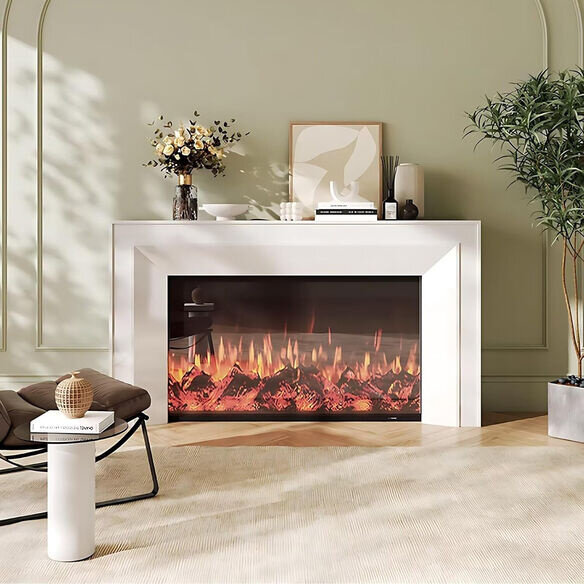
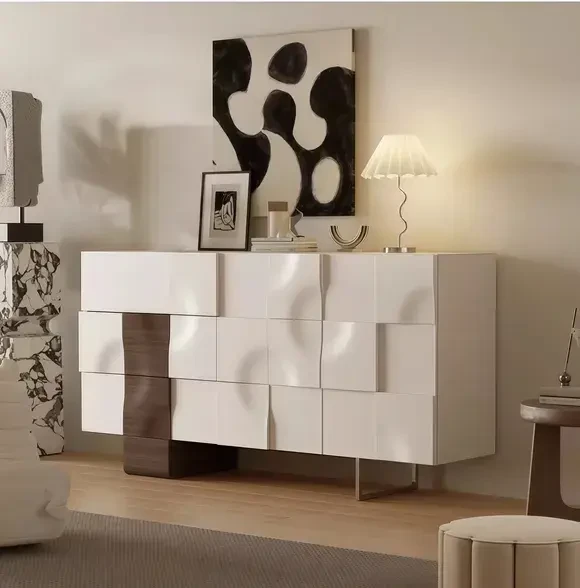
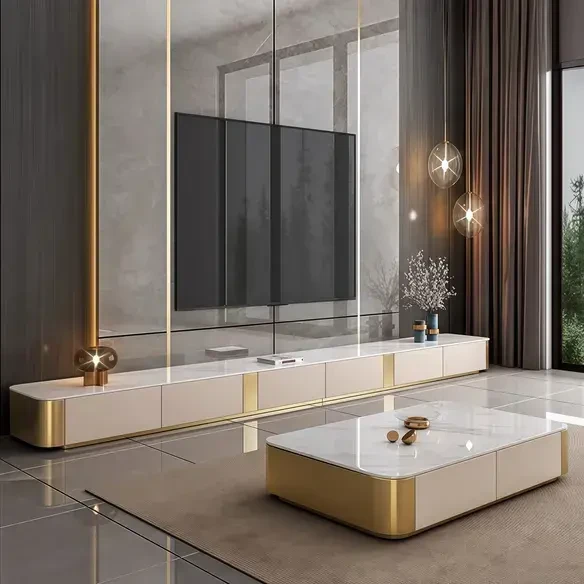
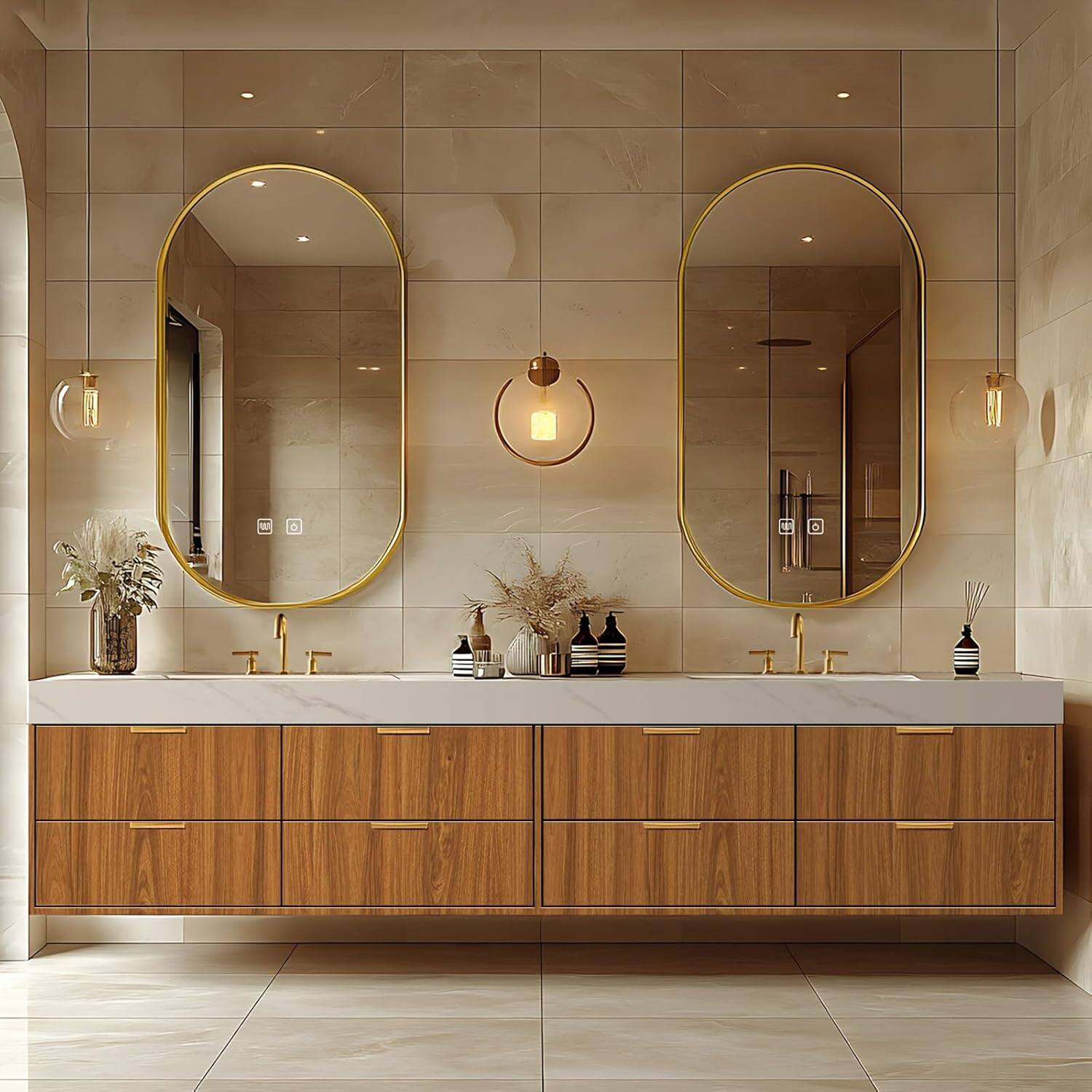
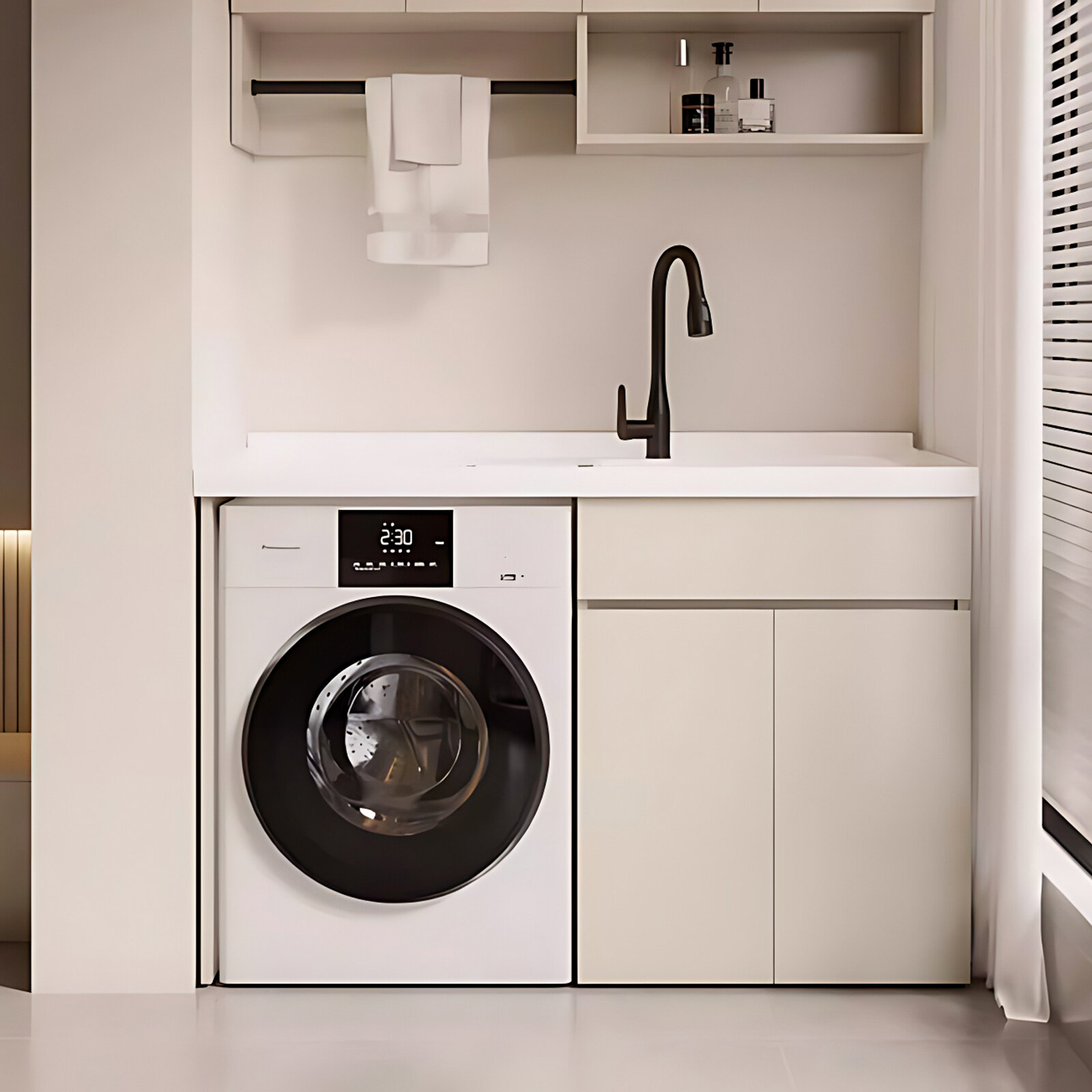
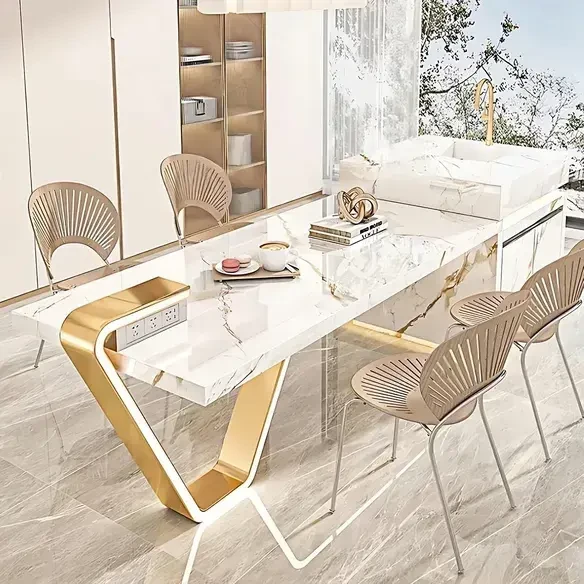
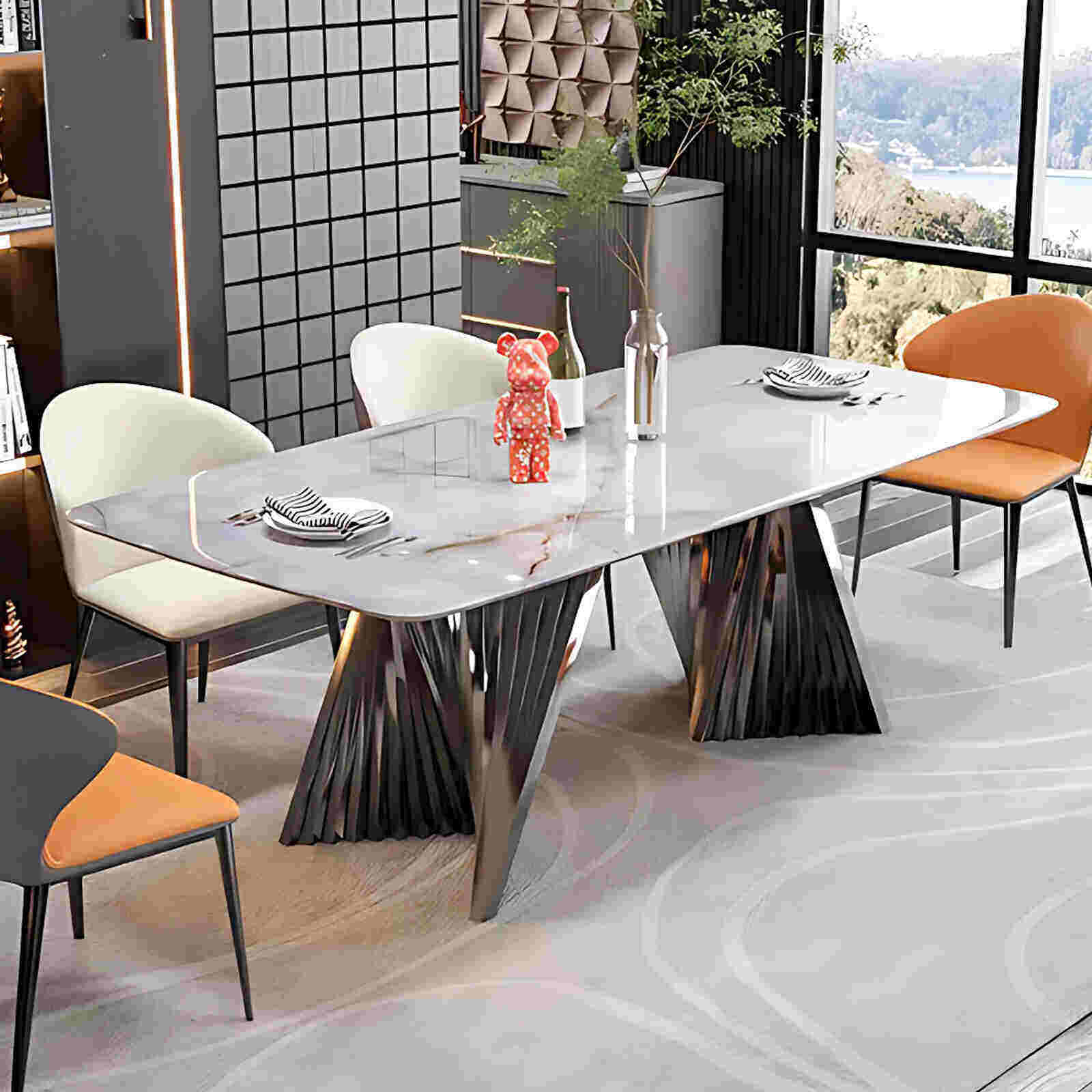
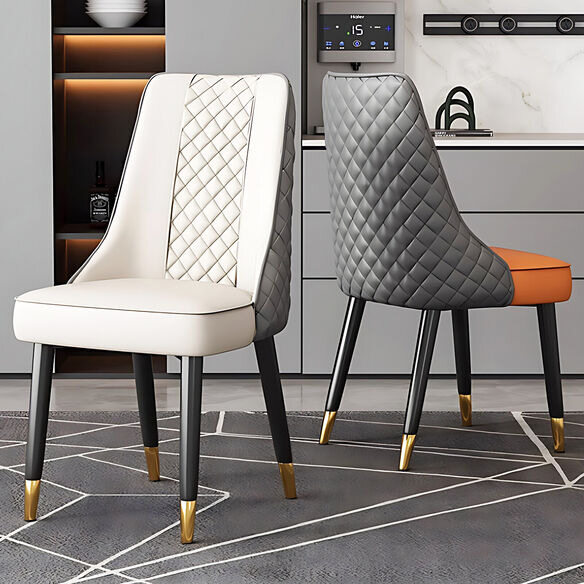
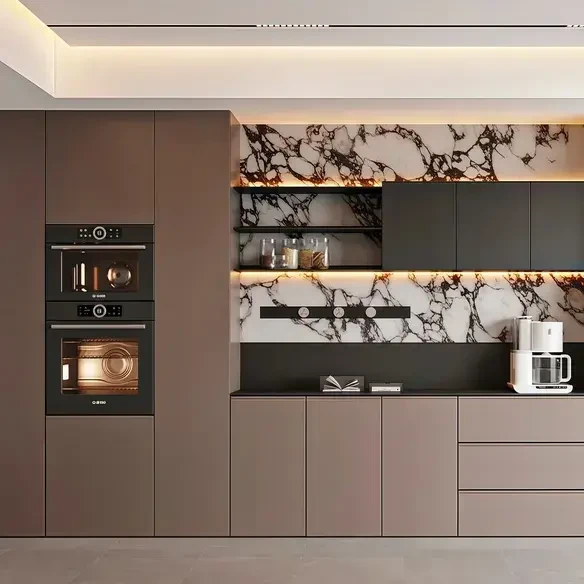
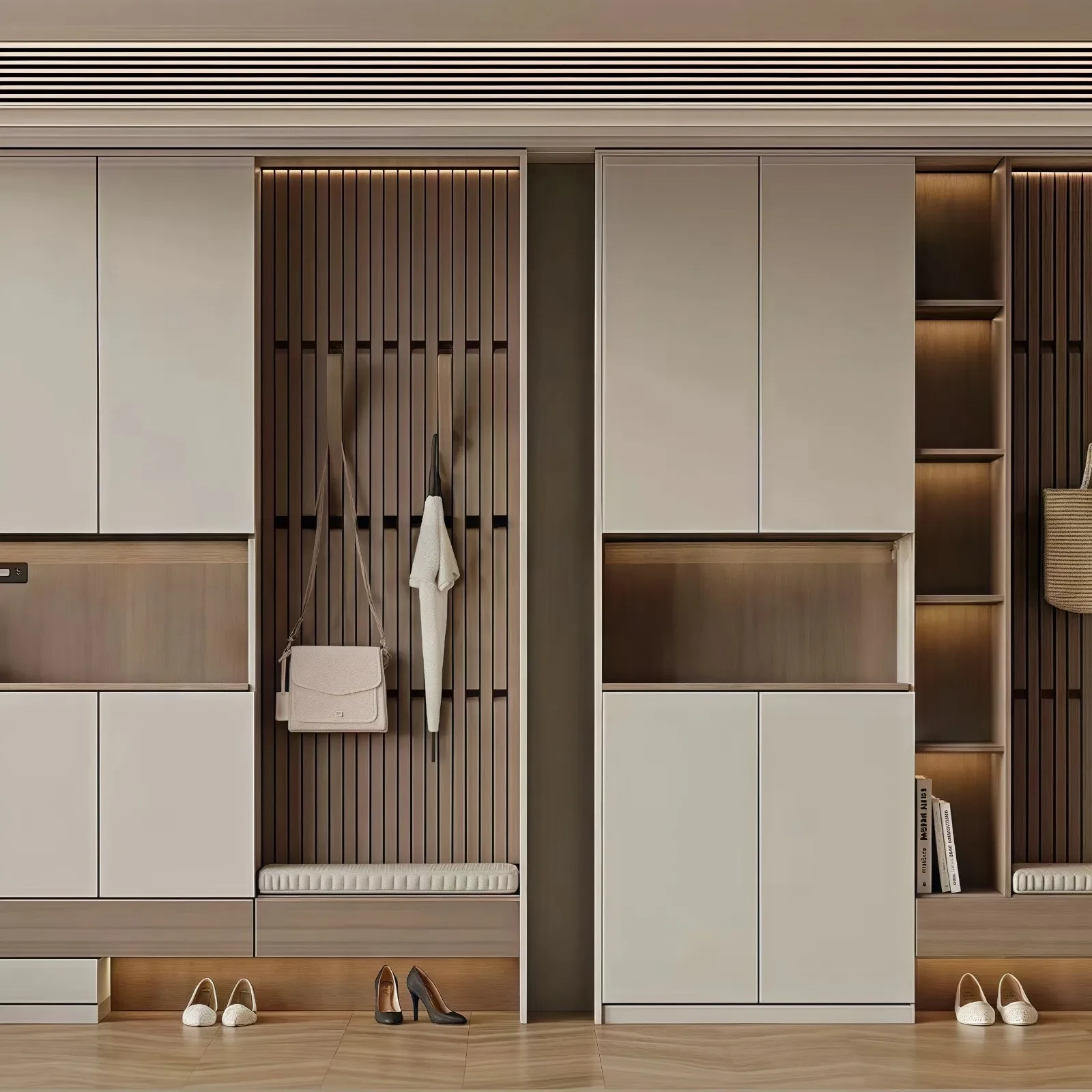
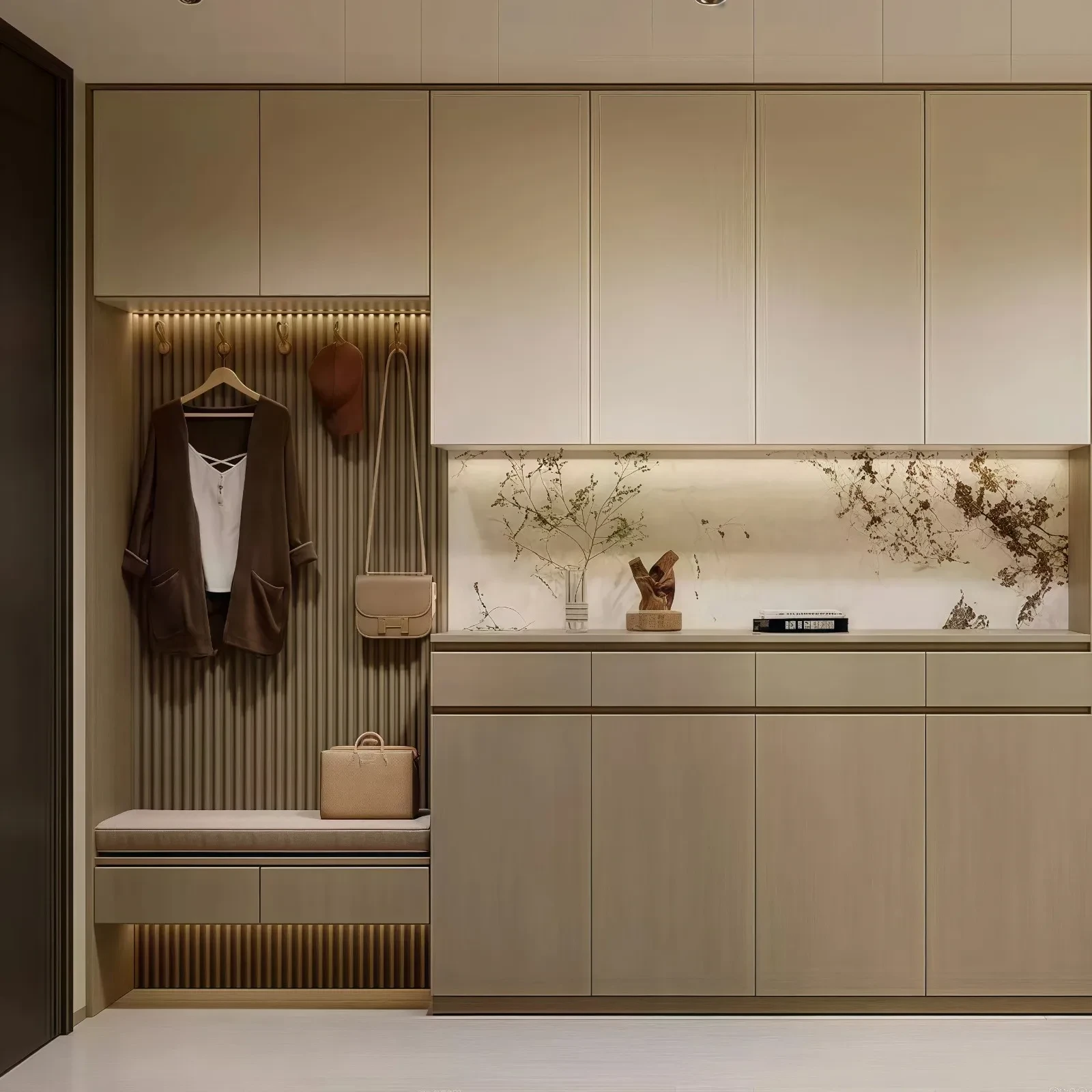
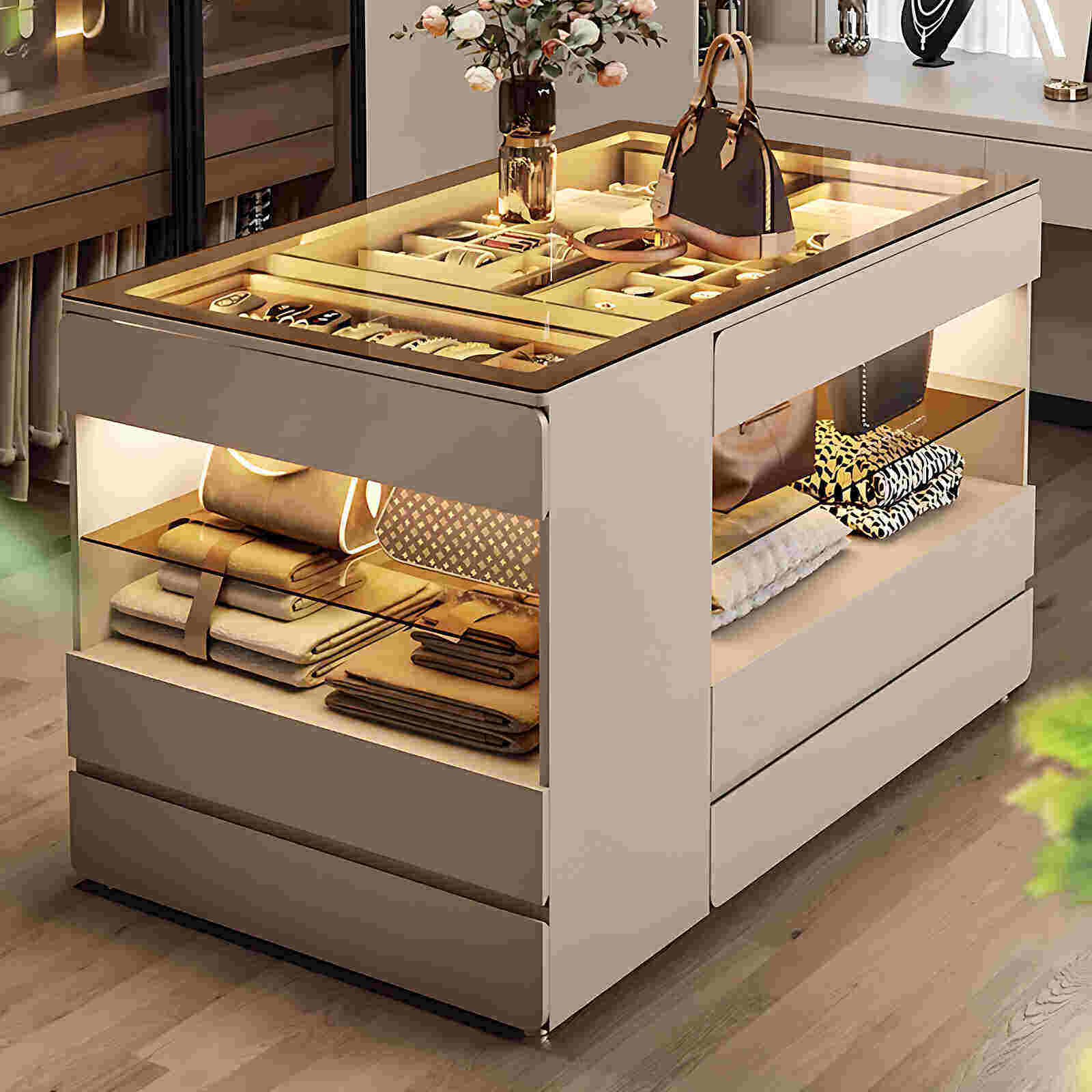
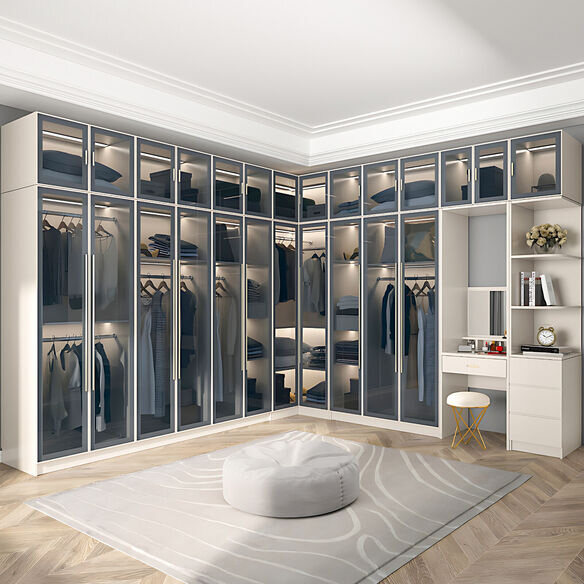
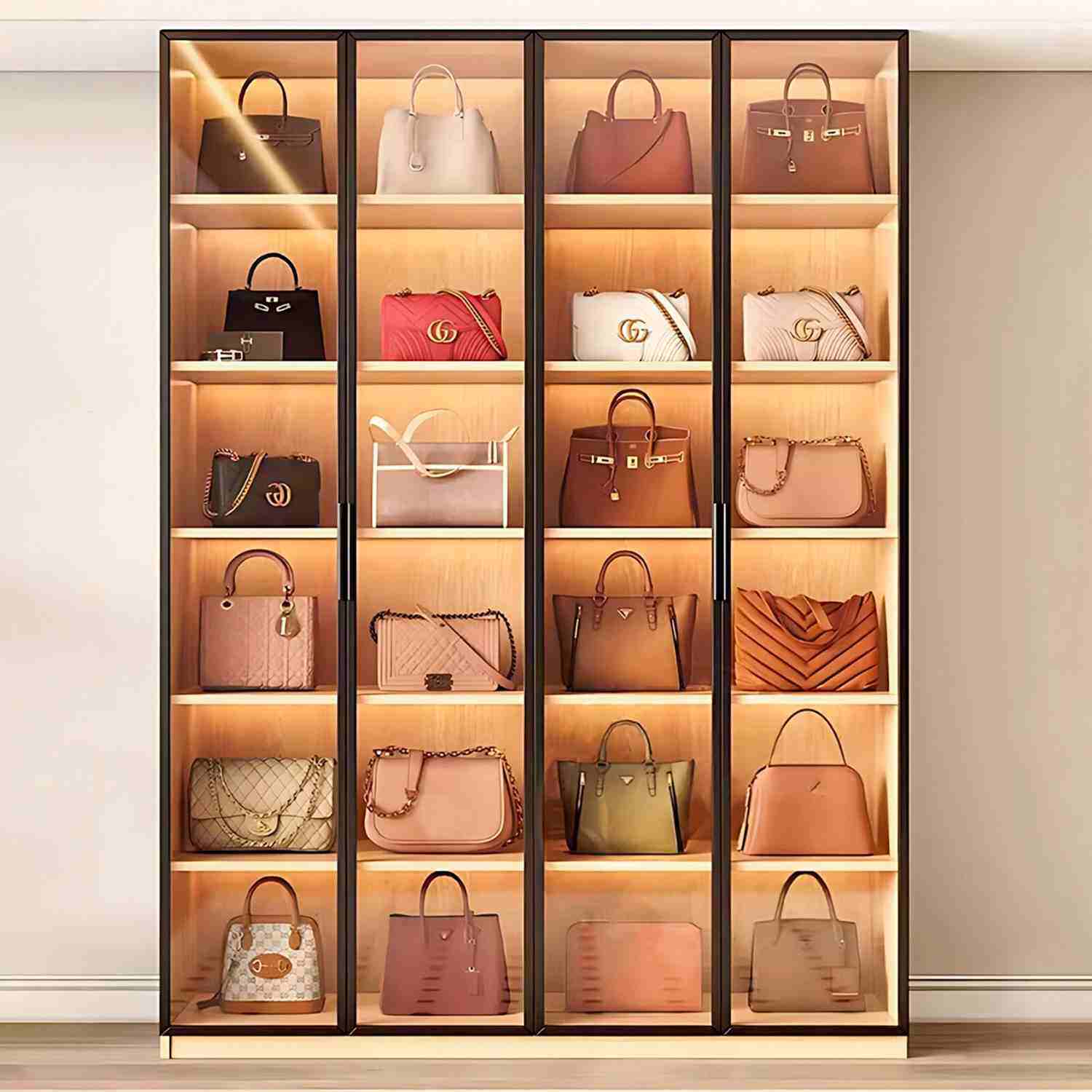
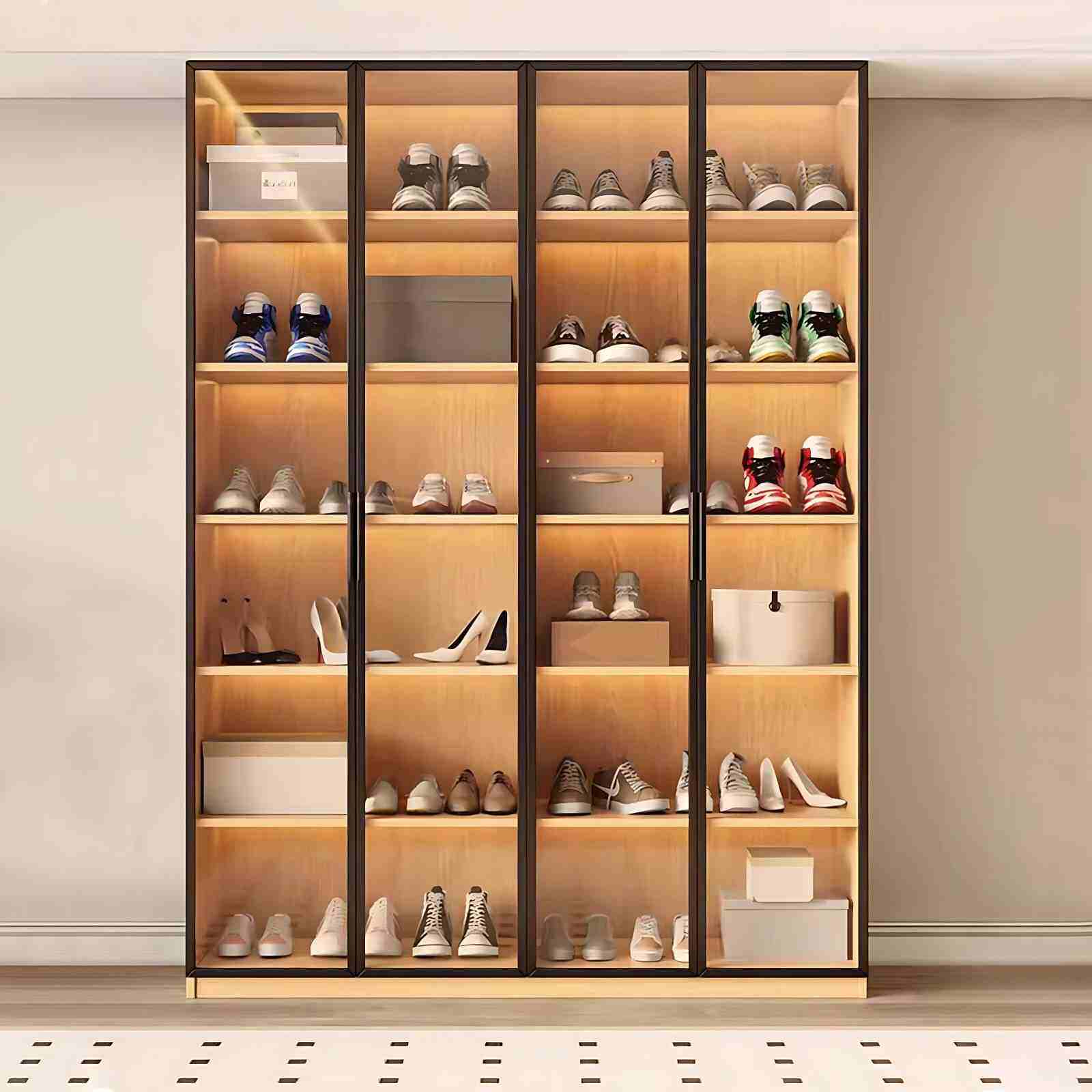
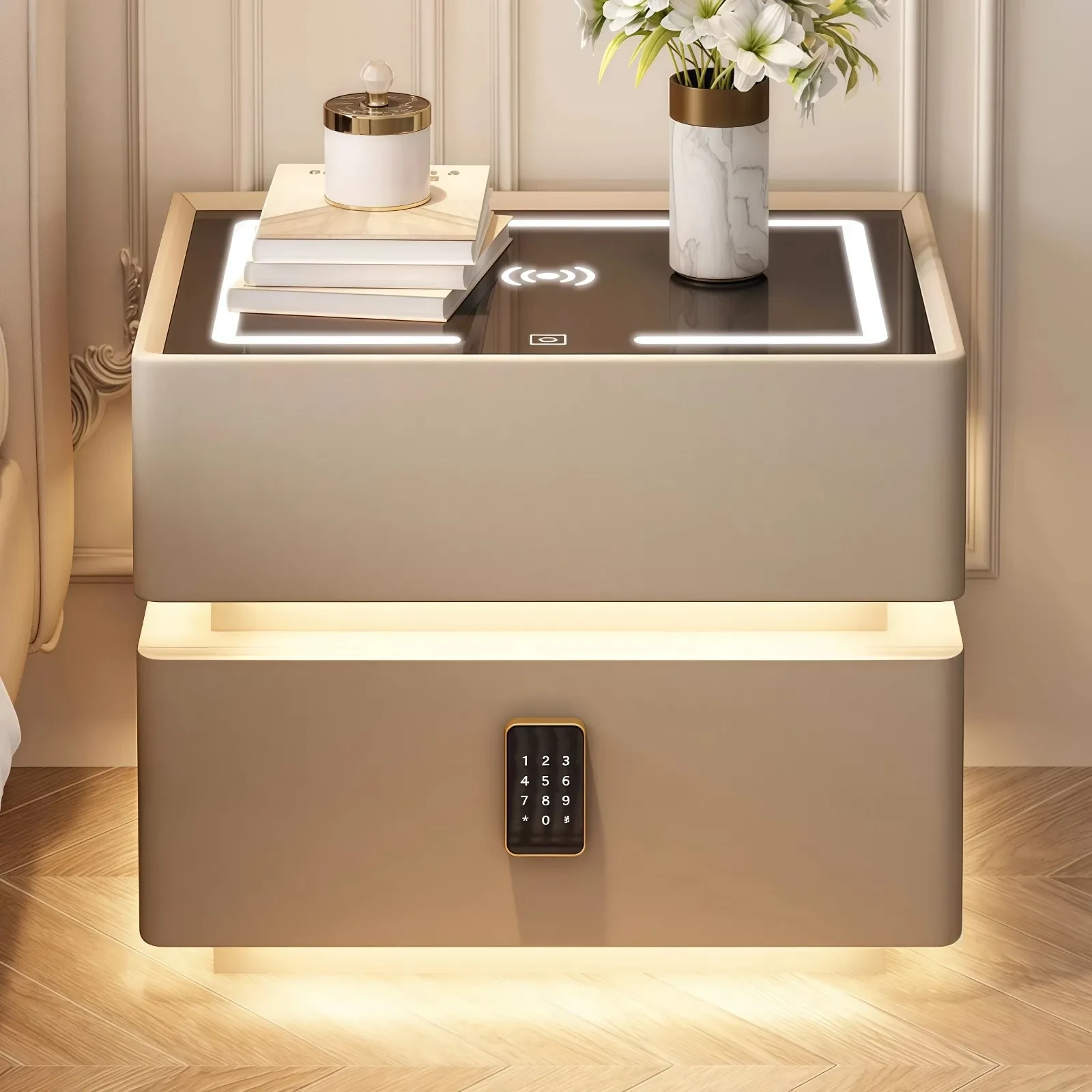
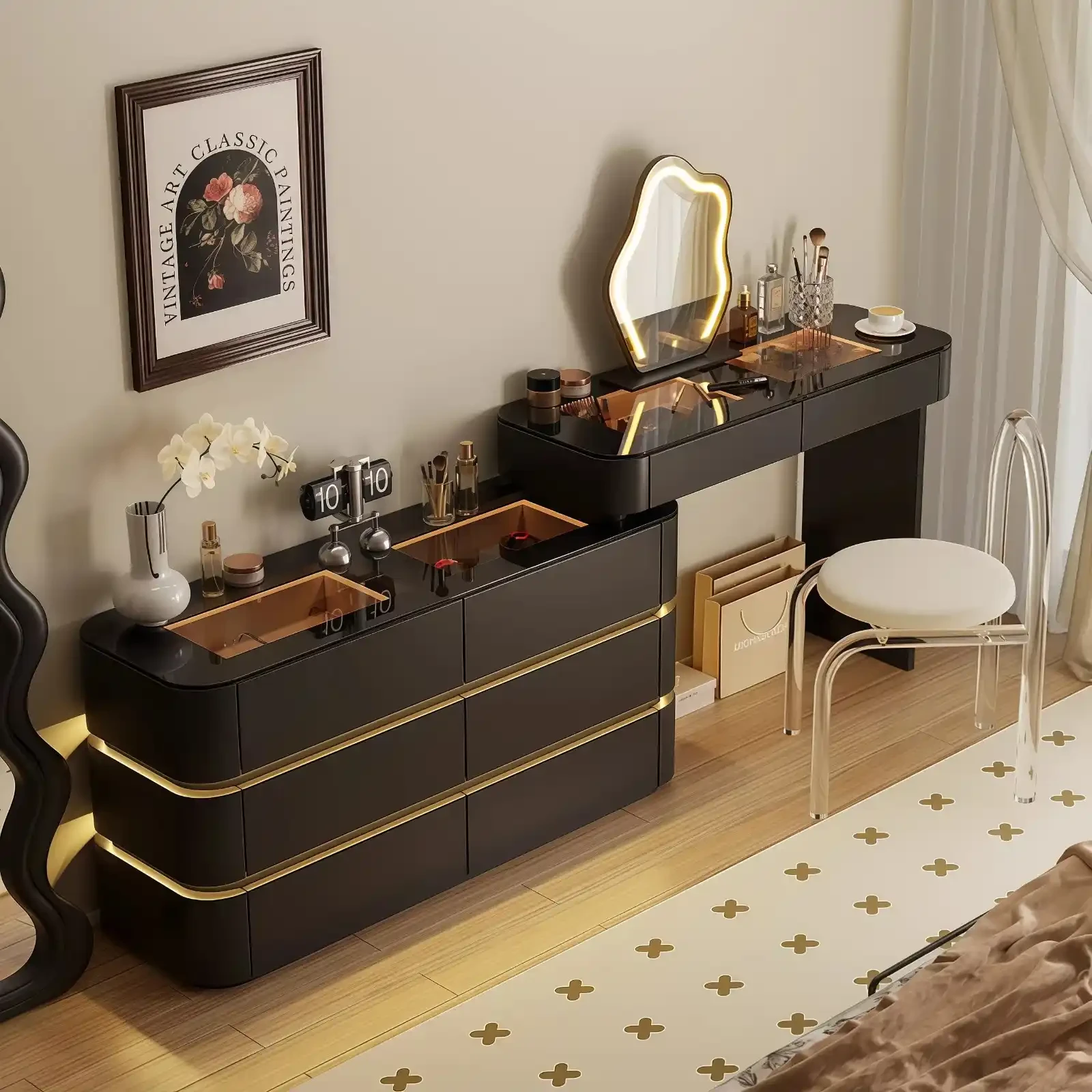
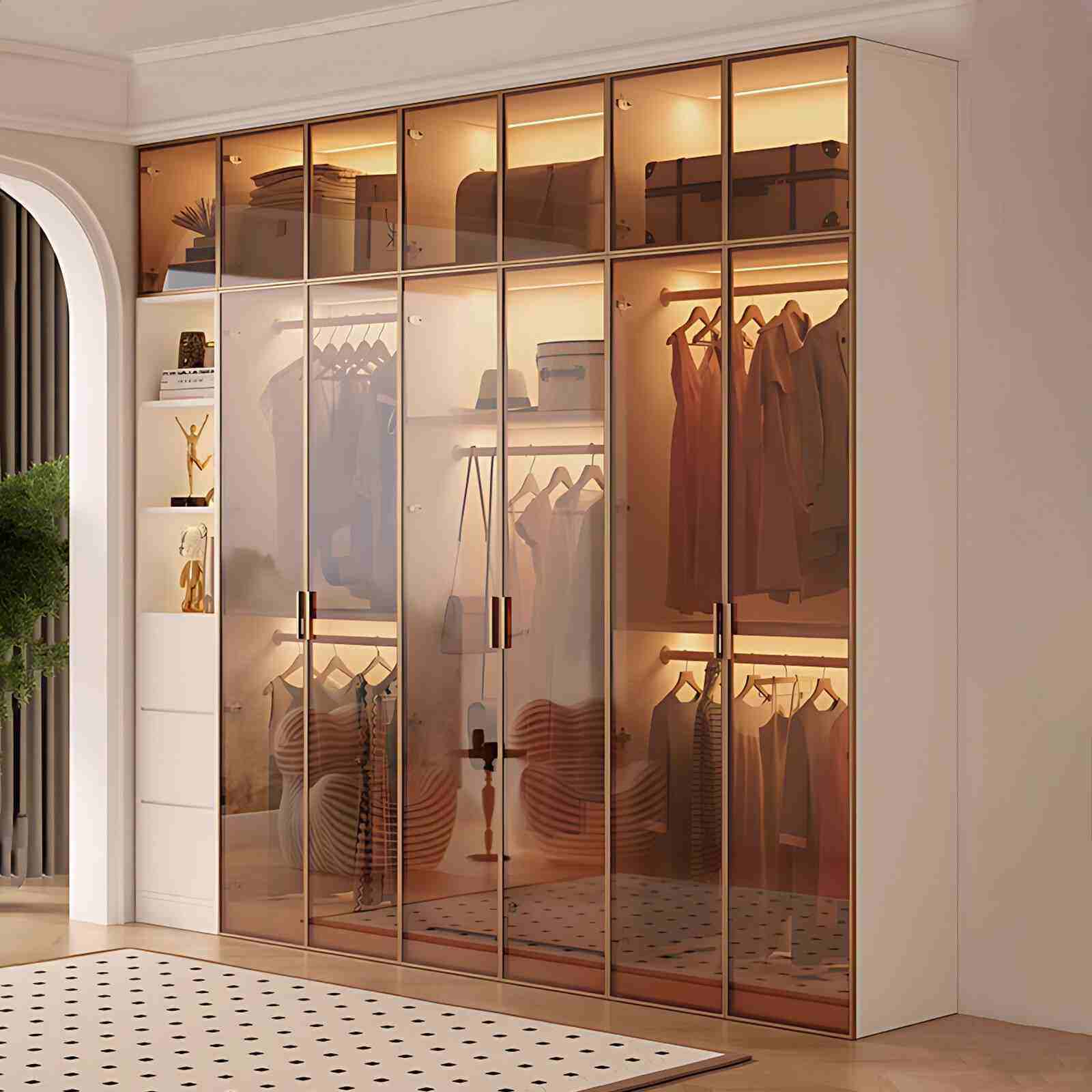
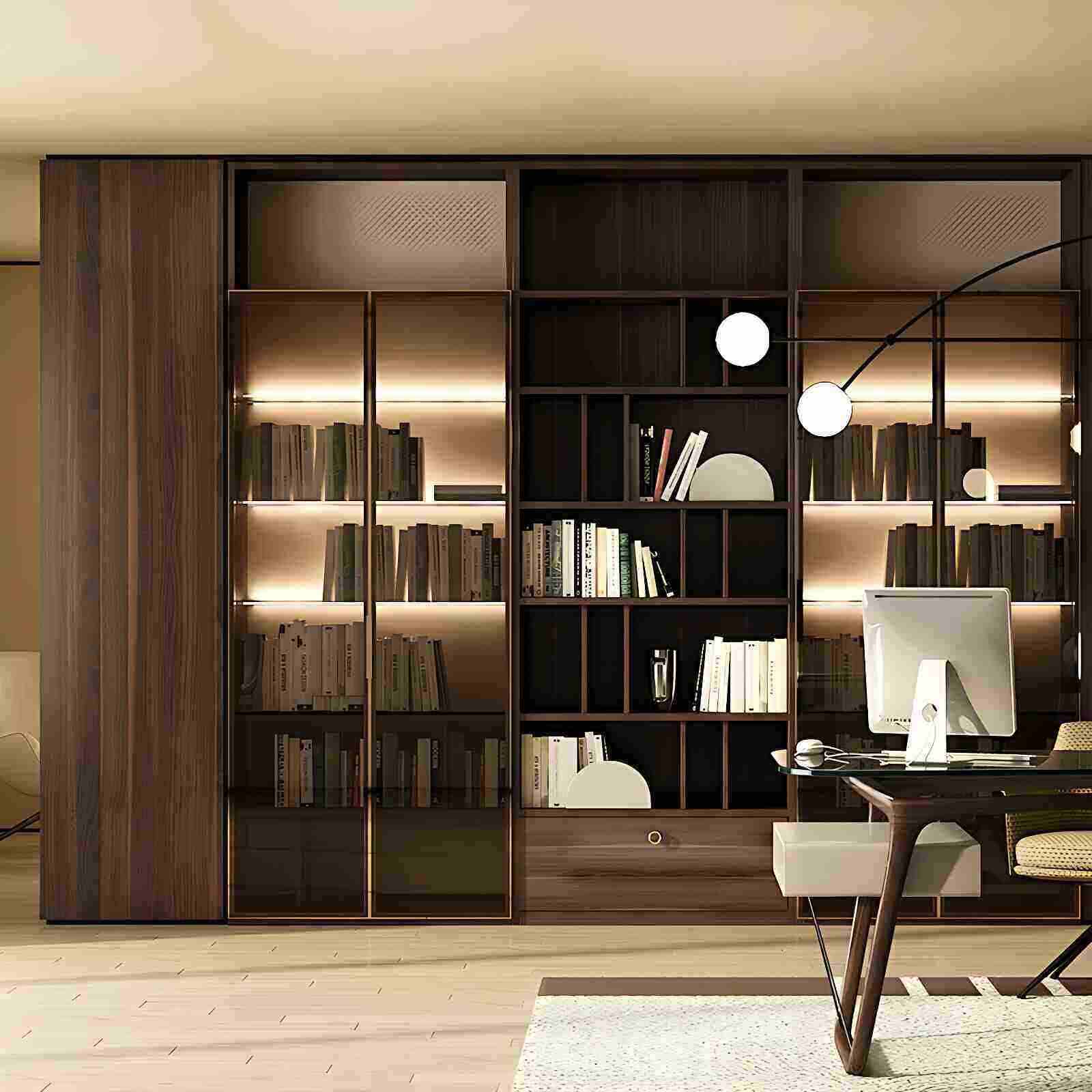
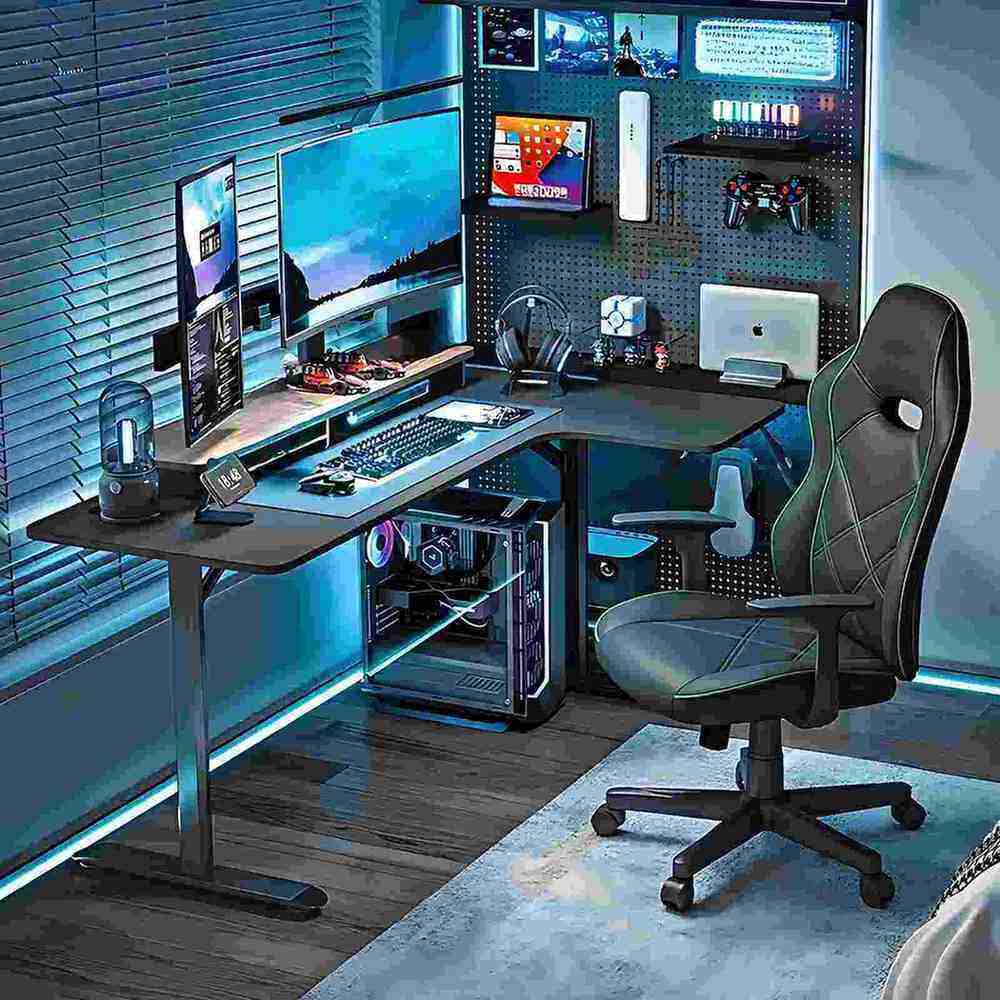
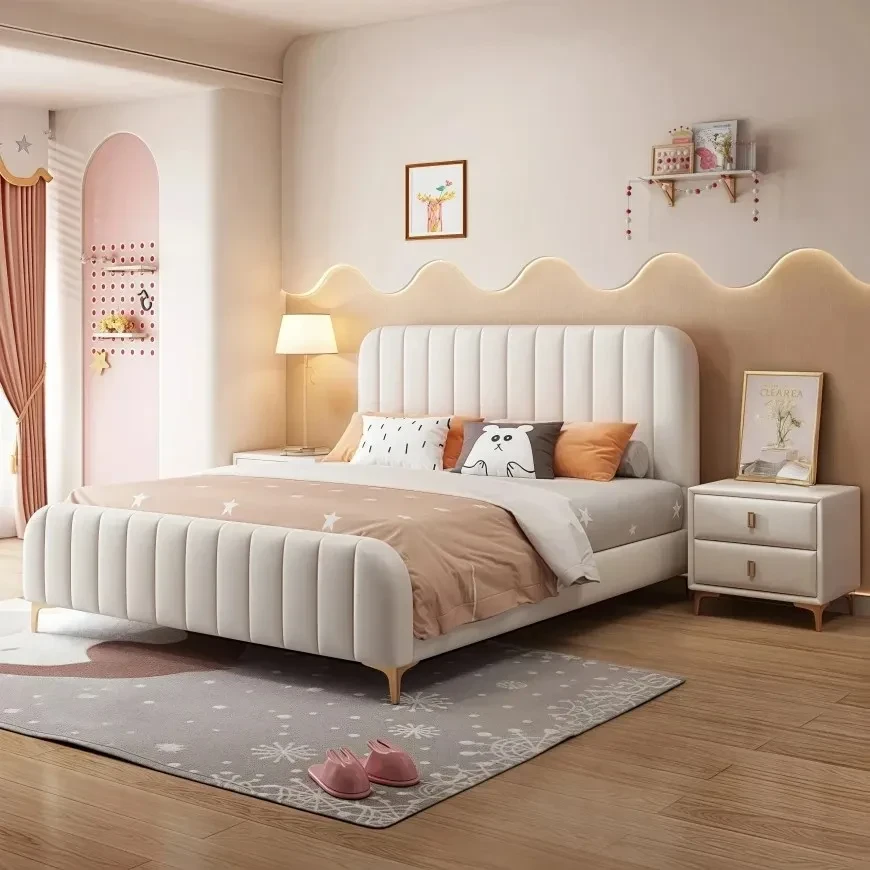
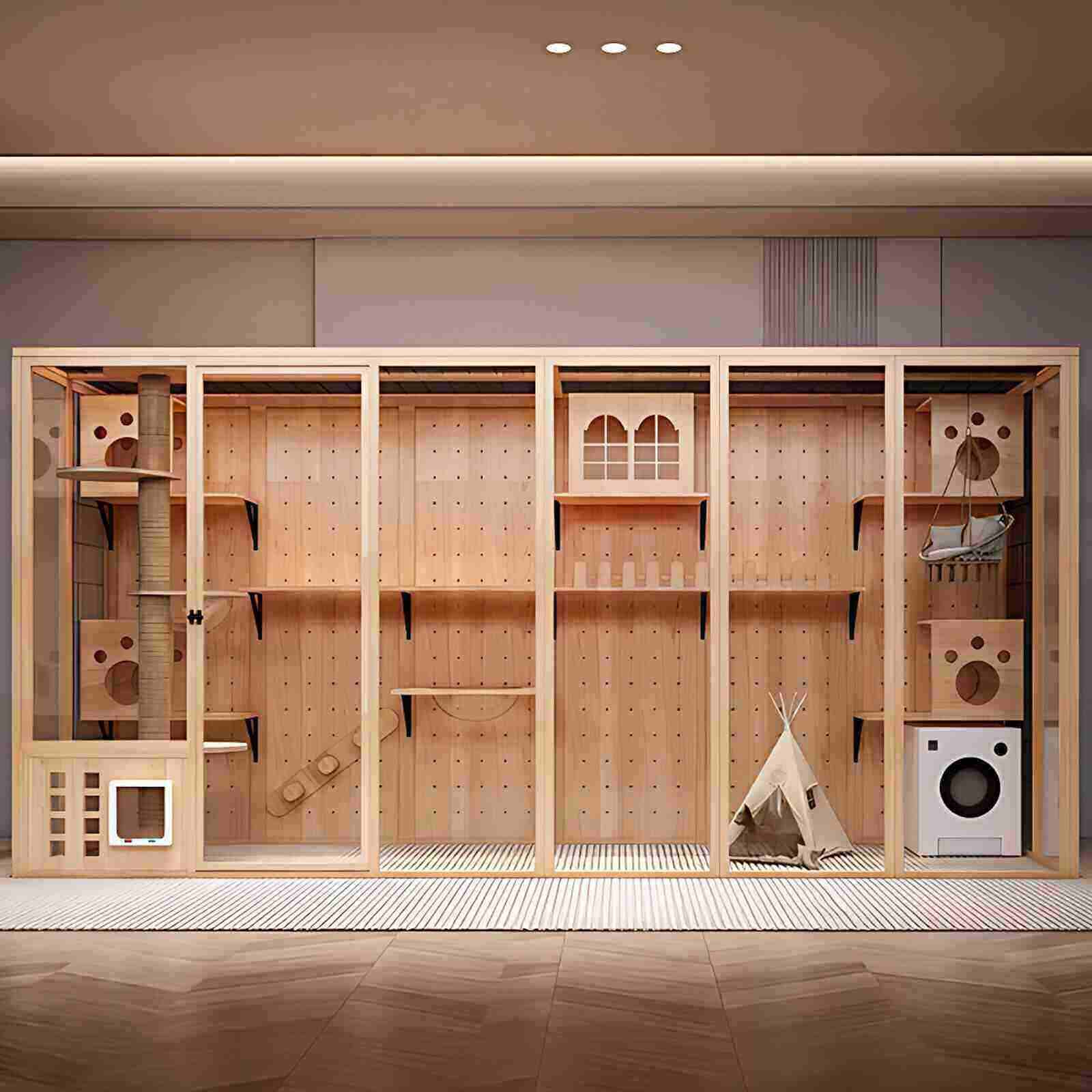
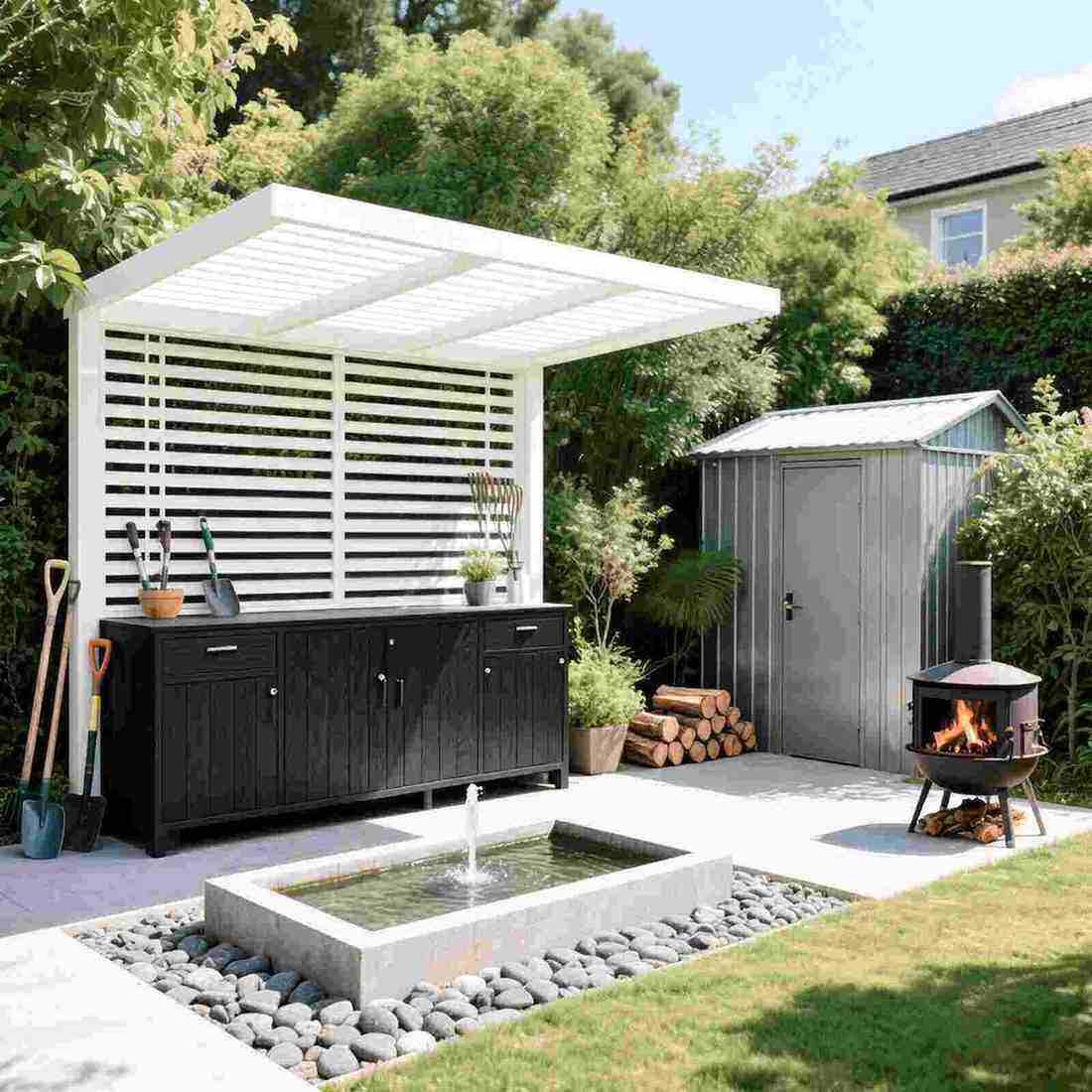
Cabinets include wardrobes, kitchen cabinets, bathroom vanities, TV cabinets, and so on. So, let's first understand what kinds of materials are used.
Classification of boards
For the common types of wood panels, the following are some classifications:
Solid wood boards, blockboard, bamboo plywood, MDF, decorative panels, fine core boards, melamine boards, waterproof boards, gypsum boards, cement boards, painted boards, particleboard, etc.
So what are the differences between these boards? Based on my more than 10 years of experience in the home furnishing industry, I have summarized the characteristics of these boards for you.
Characteristics of different boards
1. Solid wood board
Solid wood boards are sturdy and durable, with natural grain and often possess the unique aroma of natural wood. They have good moisture absorption and breathability, which is beneficial to human health and does not cause environmental pollution, making them a high-quality material for making high-end furniture and decorating homes. Some special materials (such as beech) are also ideal for manufacturing gunstocks and precision instruments. Their most typical characteristic is their environmental friendliness, though this is relative.
2. Blockboard
Also known as blockboard, plywood, or wood core board, it is made of two veneers glued together with a core of spliced wood panels, and belongs to the plywood category. Because blockboard is a special type of plywood, the production process must also adhere to the principle of symmetry to prevent warping and deformation. As a thick board material, blockboard has the attractive appearance and similar strength to ordinary thick plywood, but it is lighter, uses less glue, requires less investment, and gives a solid wood feel, satisfying consumers' desire for solid wood furniture.
3. Bamboo splicing board
It is made of layers of bamboo strips and pieces glued together under pressure. It has mortise and tenon joints on all four sides and anti-slip grooves on the bottom.
4. MDF (Medium-density fiberboard)
The full name is Medium-density fiberboard (MDF), which is made from wood fibers or other plant fibers. The fibers are prepared, synthetic resin is applied, and the mixture is pressed under heat and pressure. This type of board has a smooth and flat surface, fine texture, stable performance, and strong edges, and also has good decorative properties. However, its moisture resistance is relatively poor, and its nail-holding ability is above average; however, if a screw loosens after being tightened, it is difficult to fix it in the same position.
5. Decorative panels
Decorative veneer plywood, also known as decorative veneer plywood, is a surface material used in interior decoration or furniture making. It is made by slicing natural or engineered wood into thin sheets of a certain thickness, adhering them to the surface of plywood, and then hot-pressing them. The material classification of this type of board is quite complex, including stone, ceramic, metal, wood, and more. Different materials have different characteristics, but its most typical features are its strong decorative appeal and direct applicability. It requires minimal processing before use and is also quite aesthetically pleasing.
6. Melamine board
It is commonly referred to as ecological board in the industry. Its base material is mainly particleboard and MDF. Its characteristics are high hardness, wear resistance and good heat resistance.
7. Fine core board
It is made of three or more layers of one-millimeter-thick veneers or thin sheets glued and hot-pressed together. It is currently the most commonly used material for handmade furniture. It has high strength and good bending resistance, and belongs to the plywood category.
8. Particleboard
Particleboard is a type of engineered wood product made by gluing together wood with adhesives under heat and pressure. Due to its uniform structure, it has excellent processing properties and can be processed into large-format boards as needed. However, its high density generally makes furniture made from particleboard relatively heavy. Solid wood particleboard, which is now widely used in furniture making, is also a type of particleboard.
Through the above introduction, you should now have a concrete understanding of various types of boards, allowing you to choose the appropriate board based on the type of cabinet you want to make.