
 USD
USD GBP
GBP
 EUR
EUR


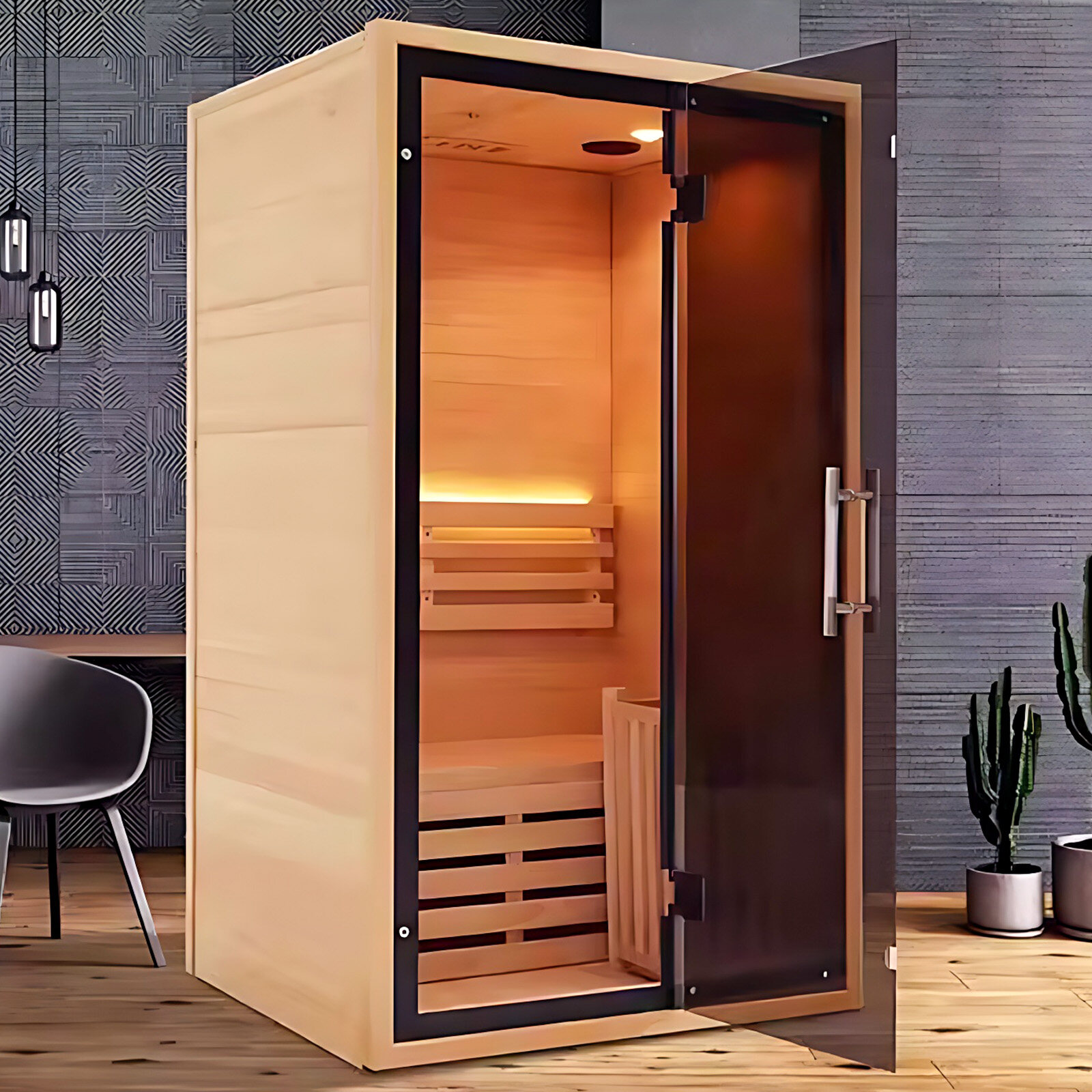










Many wood enthusiasts have likely encountered a type of wood called Finnish pine when browsing timber markets. Judging from the name, most people can guess that Finnish pine is a type of pine wood from Finland. But what exactly is Finnish pine?
Today, I'm going to talk to you about the Finnish pine.
Finnish pine is a type of pine tree grown in plantations in Finland. The main pine species are red pine and spruce.
In other words, "Finnish pine" does not refer to a specific type of pine, but rather to a general term for several types of pine trees mixed together. Because it originates in Finland, it is collectively called Finnish pine.
It is understood that Finland has a cold climate, and pine trees have a long growth cycle, with only 100 days of growth per year, and the growth process is slow.
However, precisely because Finnish pine grows slowly, its material is of very high quality, with fewer moisture balance issues. The tight arrangement of its wood rings ensures stable wood dimensions, and its small knots make it easy to degrease and process. The wood has good stability, making it a high-quality wood for furniture products.
Characteristics of Finnish Pine
1. It has a fine and straight texture, stable material properties, is not easily deformed or cracked, and has strong resistance to decay;
2. It is easy to plane, and the planed surface is smooth and shiny, which can absorb paint and colorants well and is easy to bond;
3. The soft colors, fine texture, and natural grain of Finnish pine are naturally integrated into furniture design, showcasing a simple and primitive beauty.
4. Finnish pine has many advantages and a wide range of uses.
Advantages of Finnish Pine
1. Finnish pine is a coniferous forest species with a very high forest coverage. Therefore, Finnish pine is basically not artificially pruned. When made into furniture products, the branches retain the original natural production traces, which can reflect the true beauty of Finnish pine.
2. Finnish pine has natural color and grain, and furniture made from it has a simple shape and smooth lines, which can well reflect the high quality of the furniture.
In addition, Finnish pine retains the natural color of the wood, highlighting the original and rustic charm of the furniture. Its bright color adds a natural and primitive feel to the home environment.
Disadvantages of Finnish Pine
Finnish pine wood is relatively soft and prone to cracking and warping. If the wood is too humid or too dry, it can cause furniture to warp and crack. Therefore, if you purchase Finnish pine furniture, you must pay attention to its maintenance.