
 USD
USD GBP
GBP
 EUR
EUR
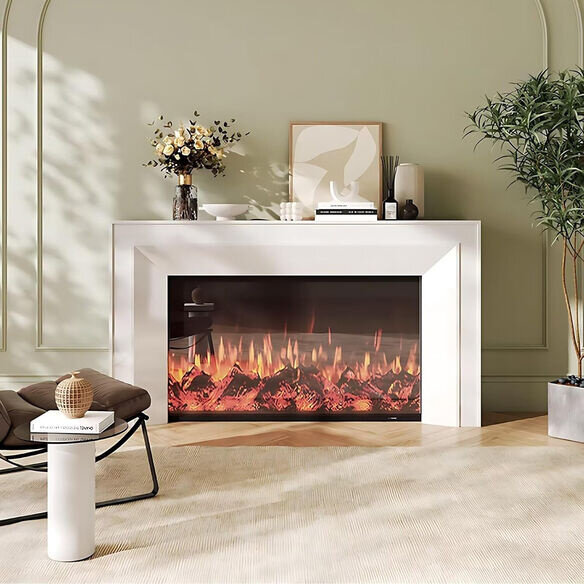


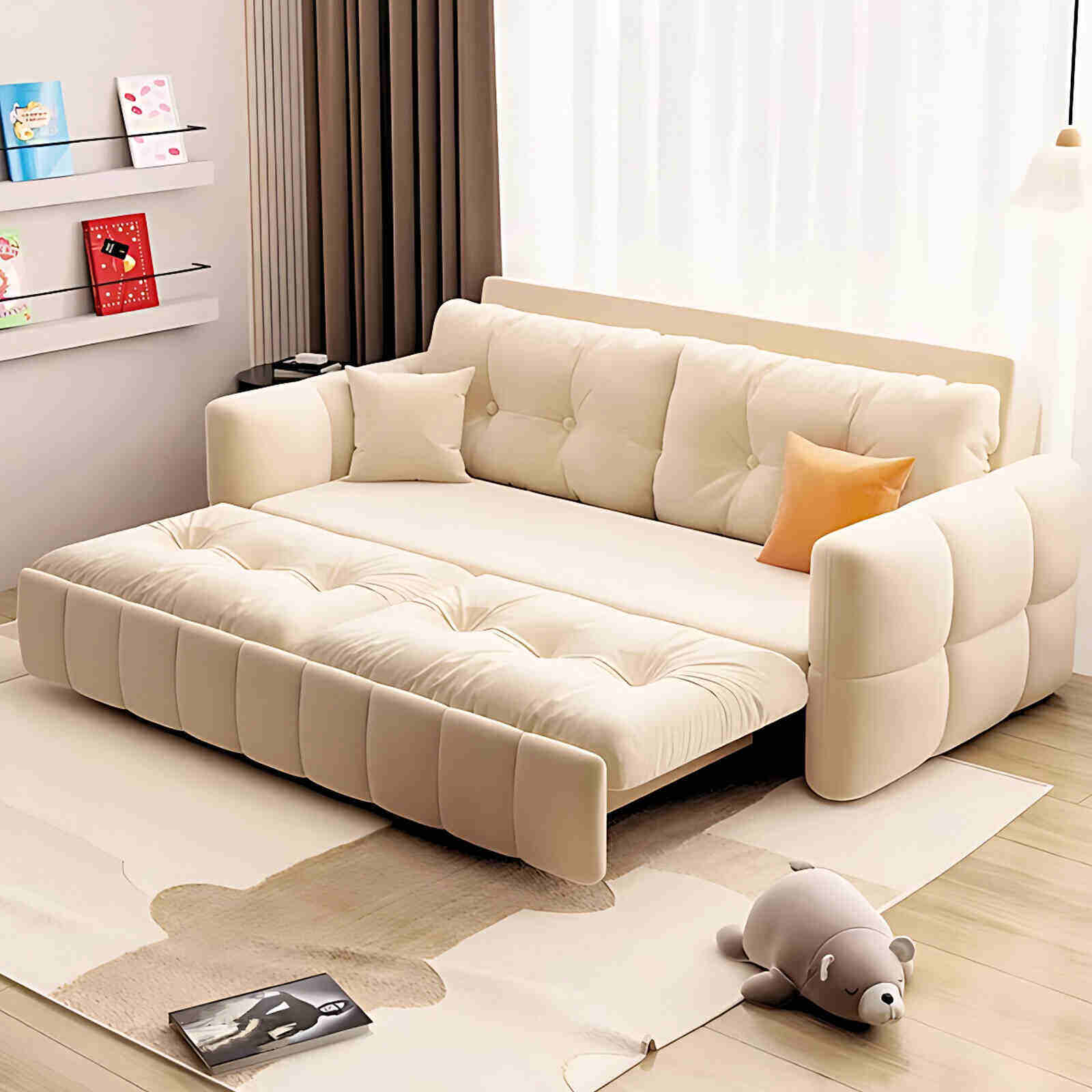
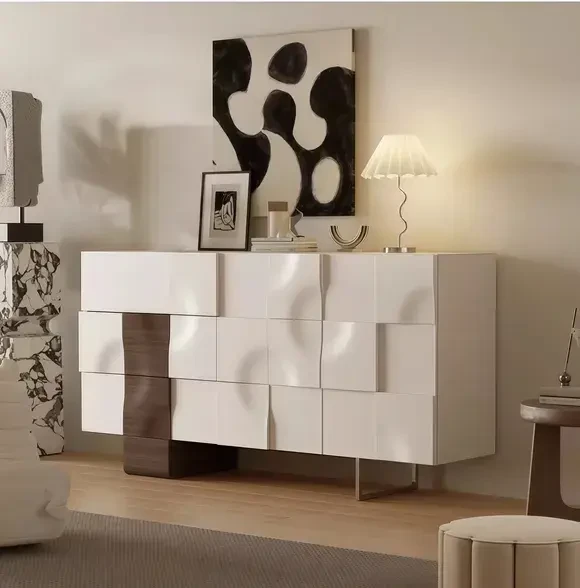

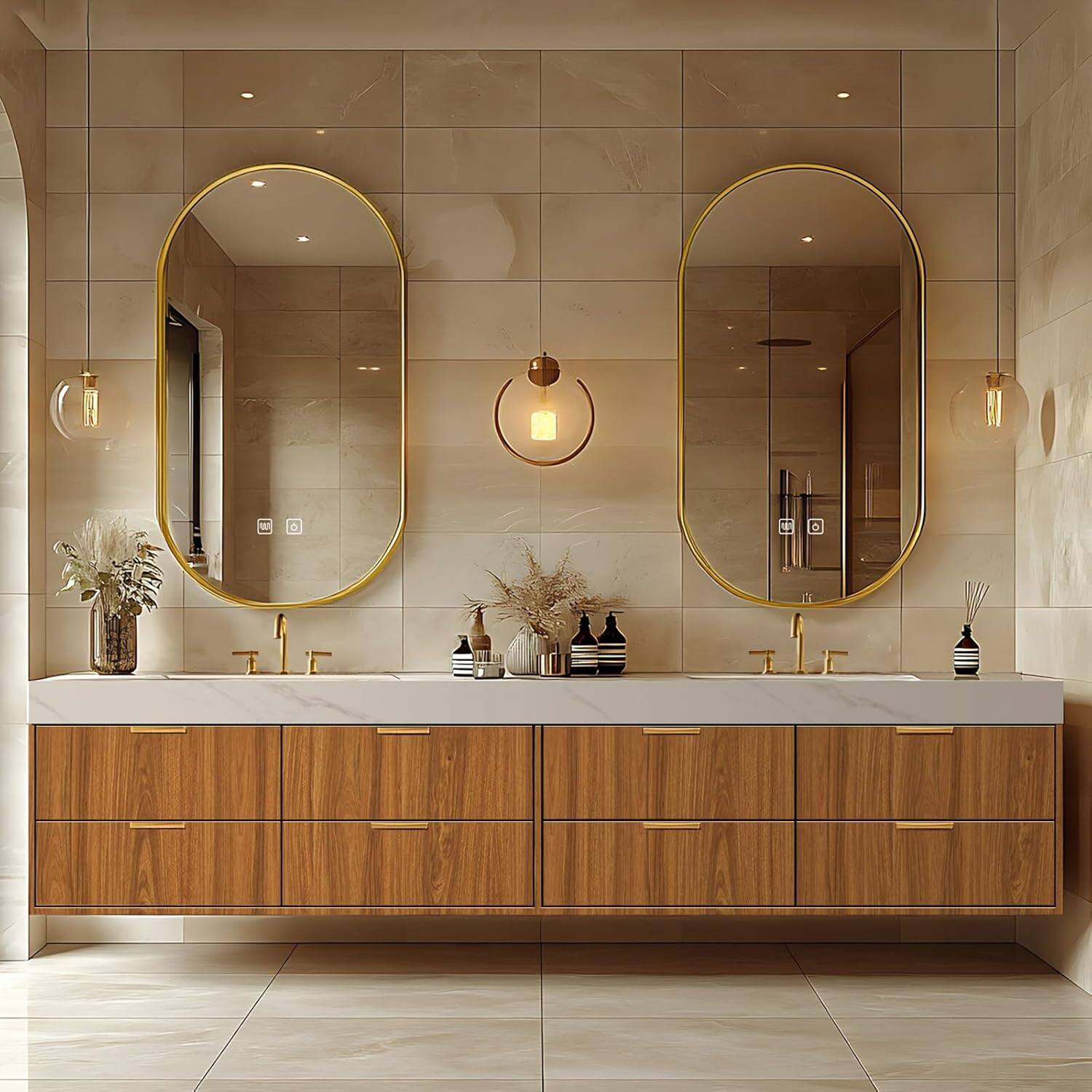
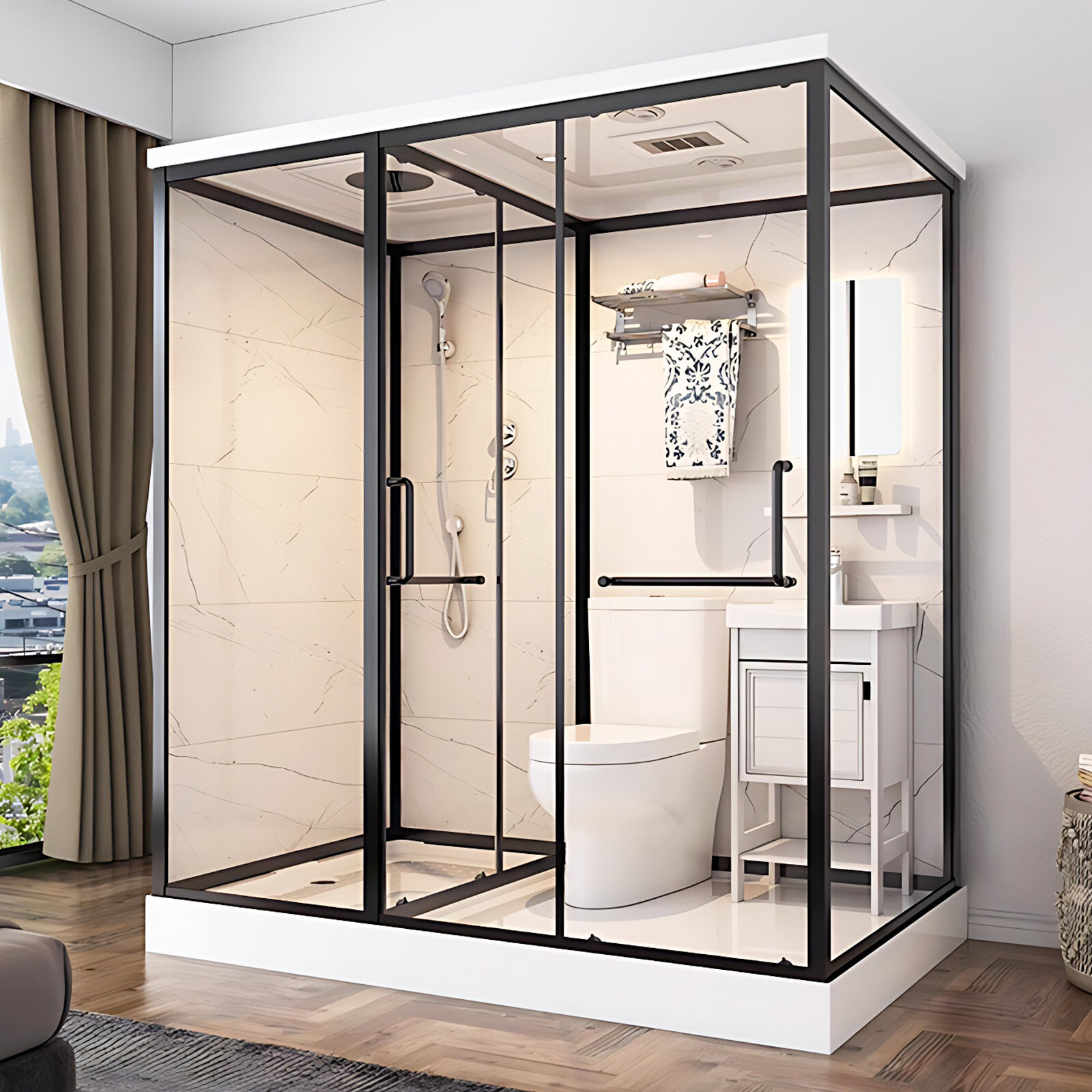
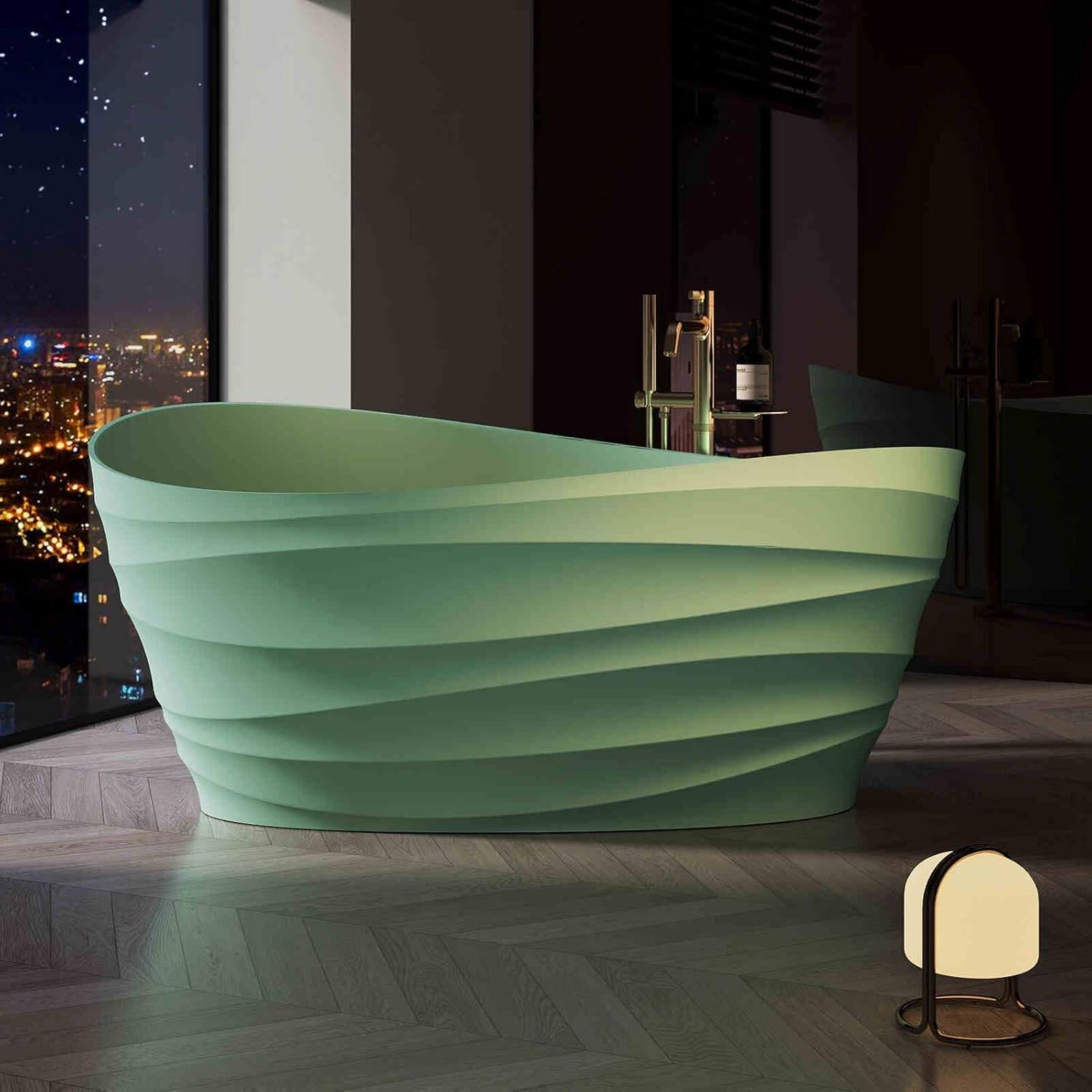
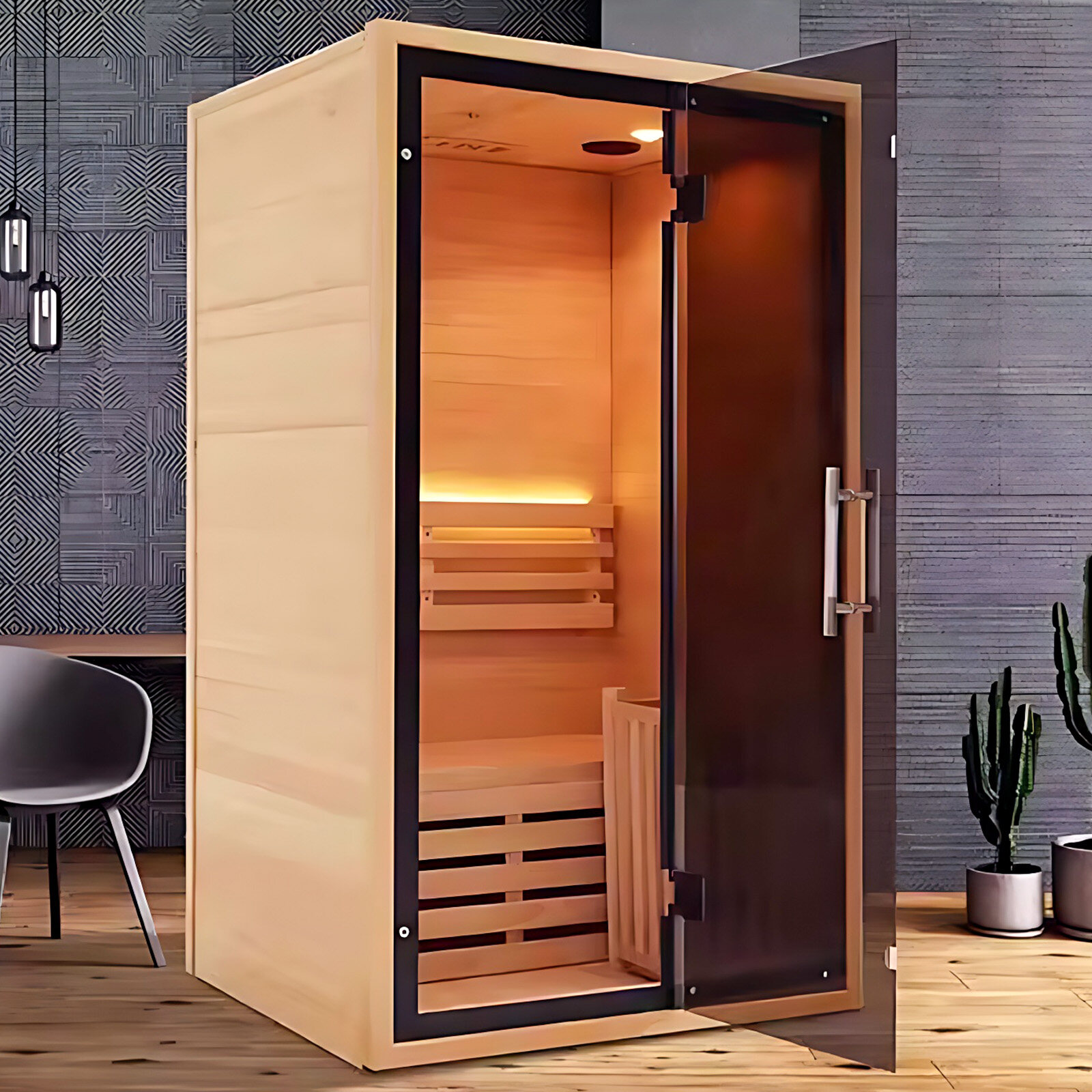
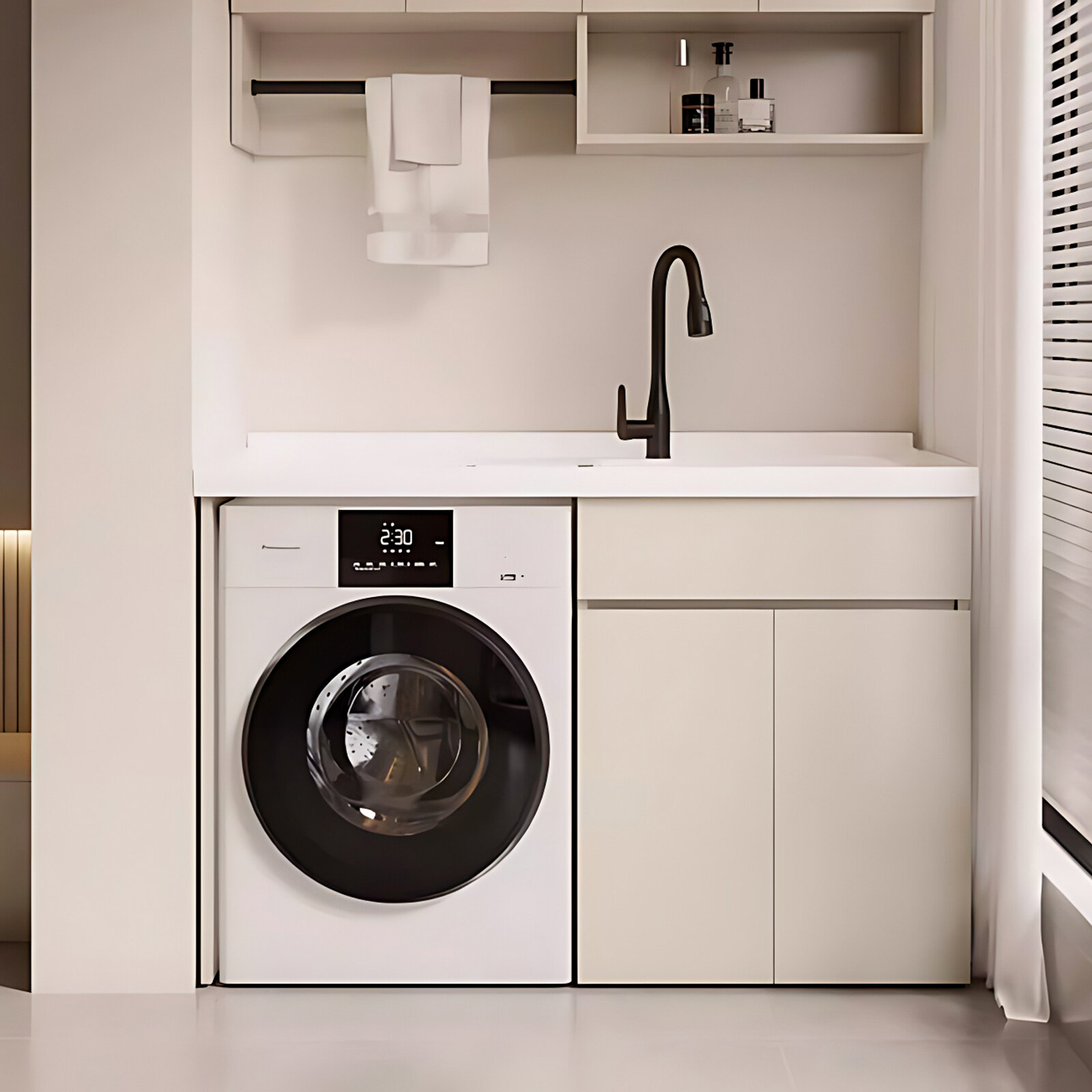

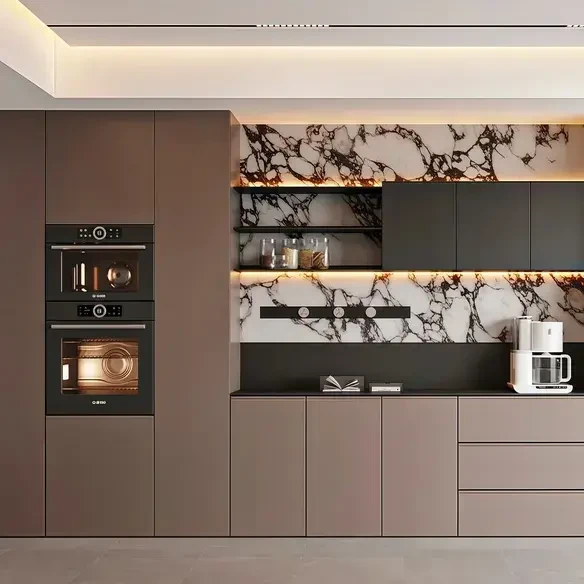
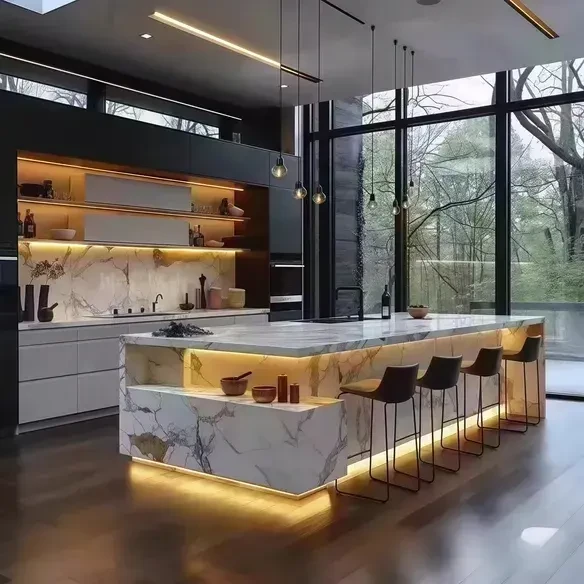
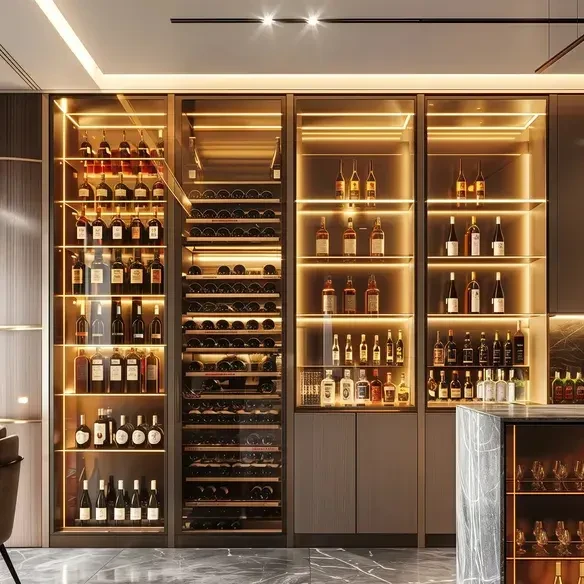

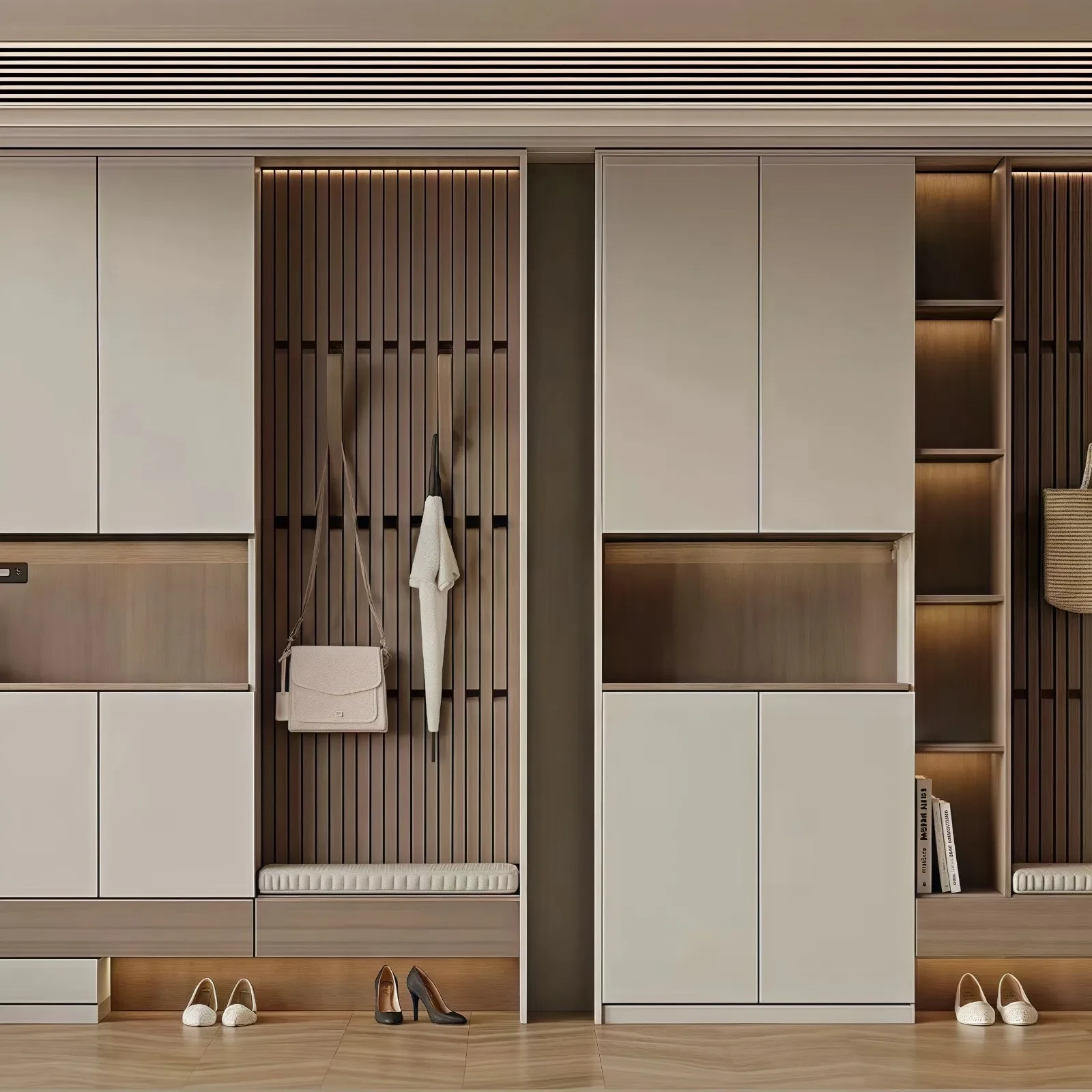
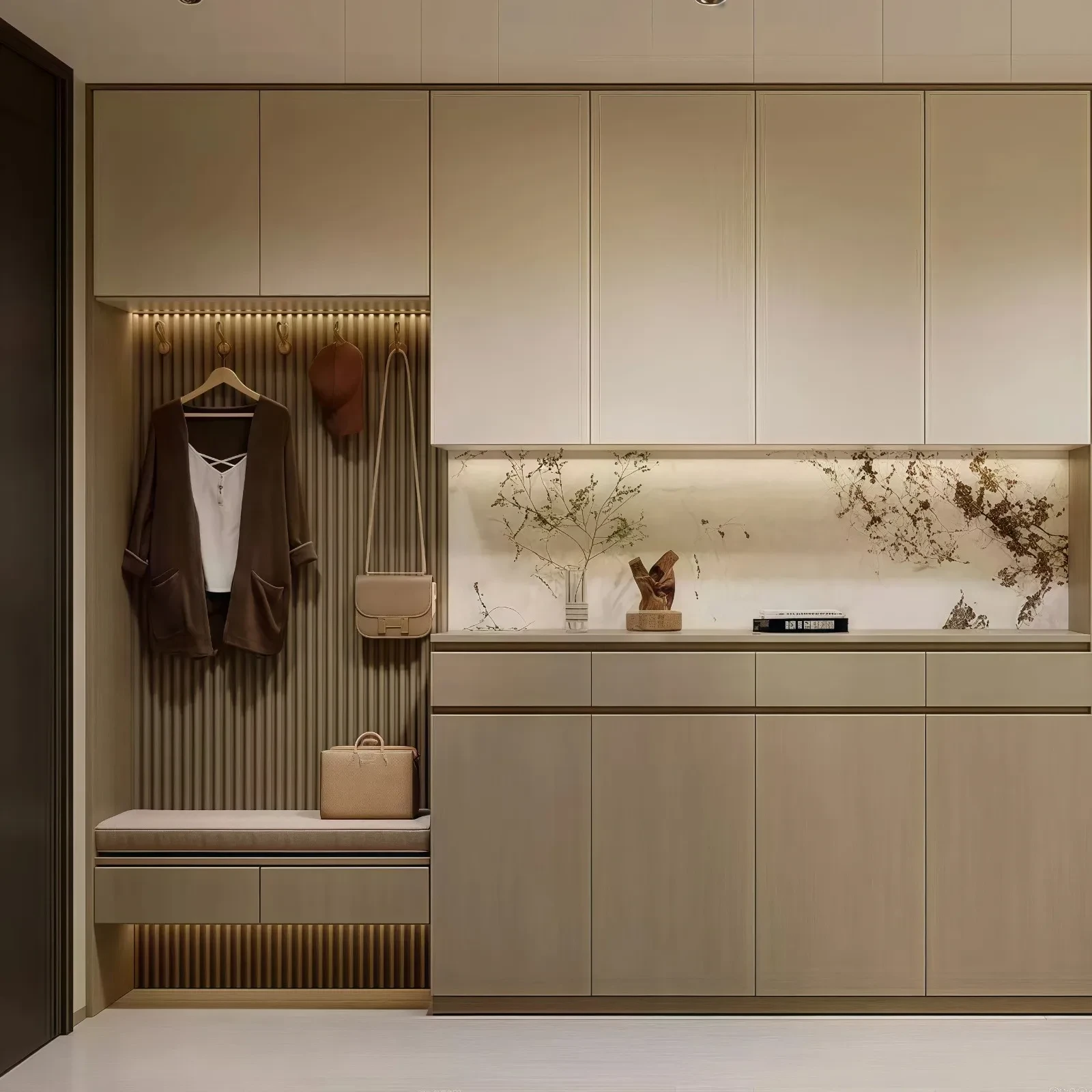


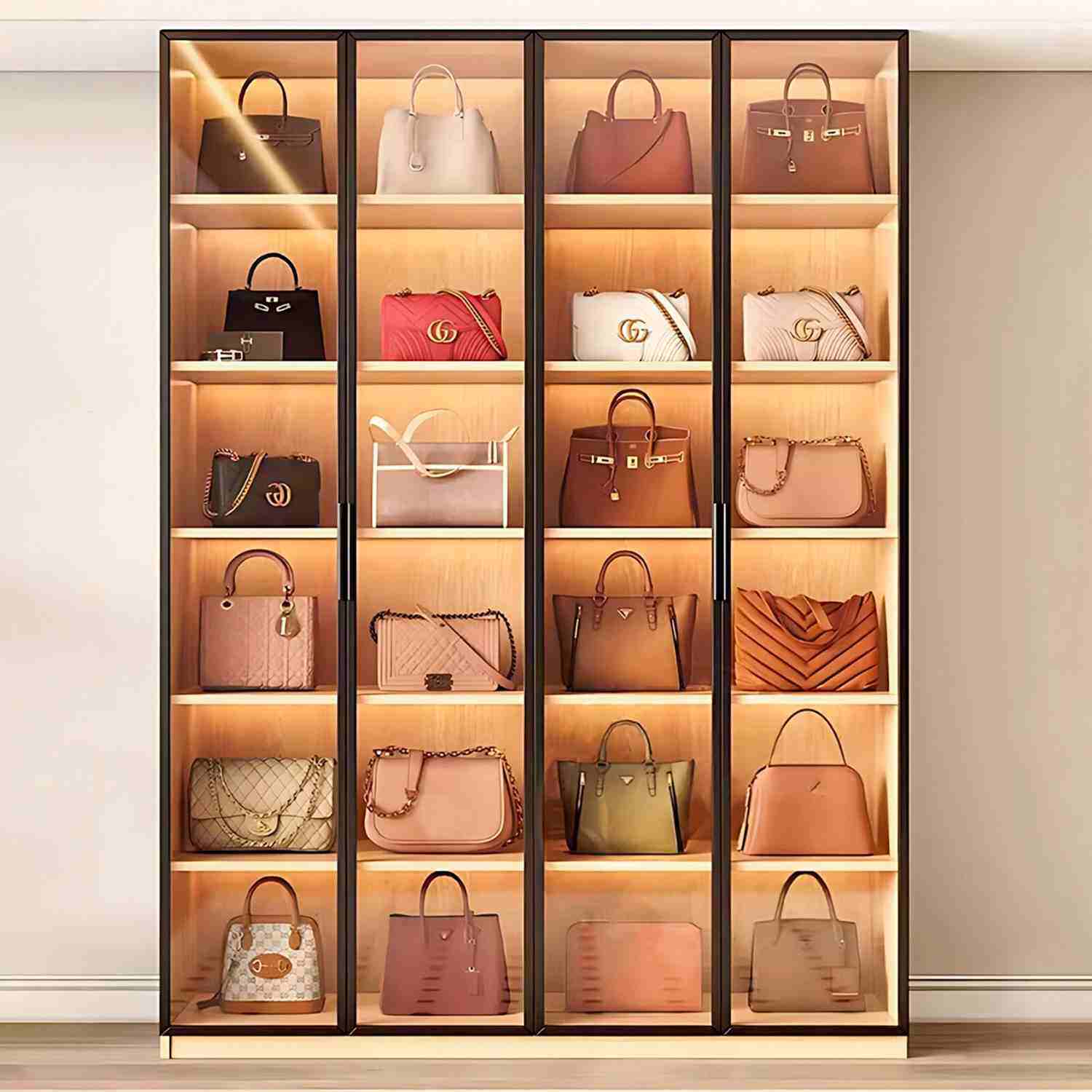


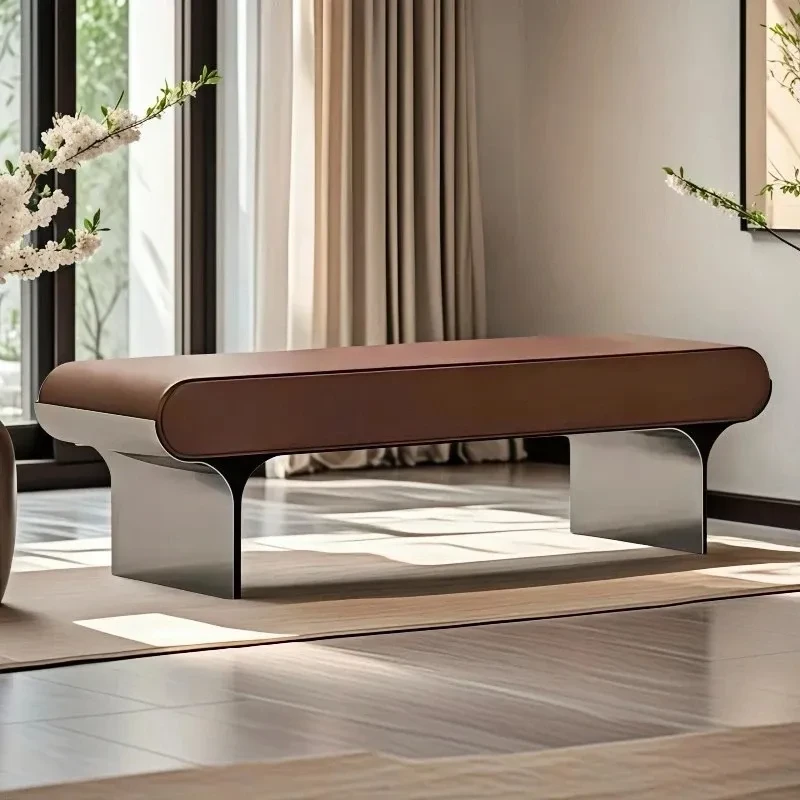
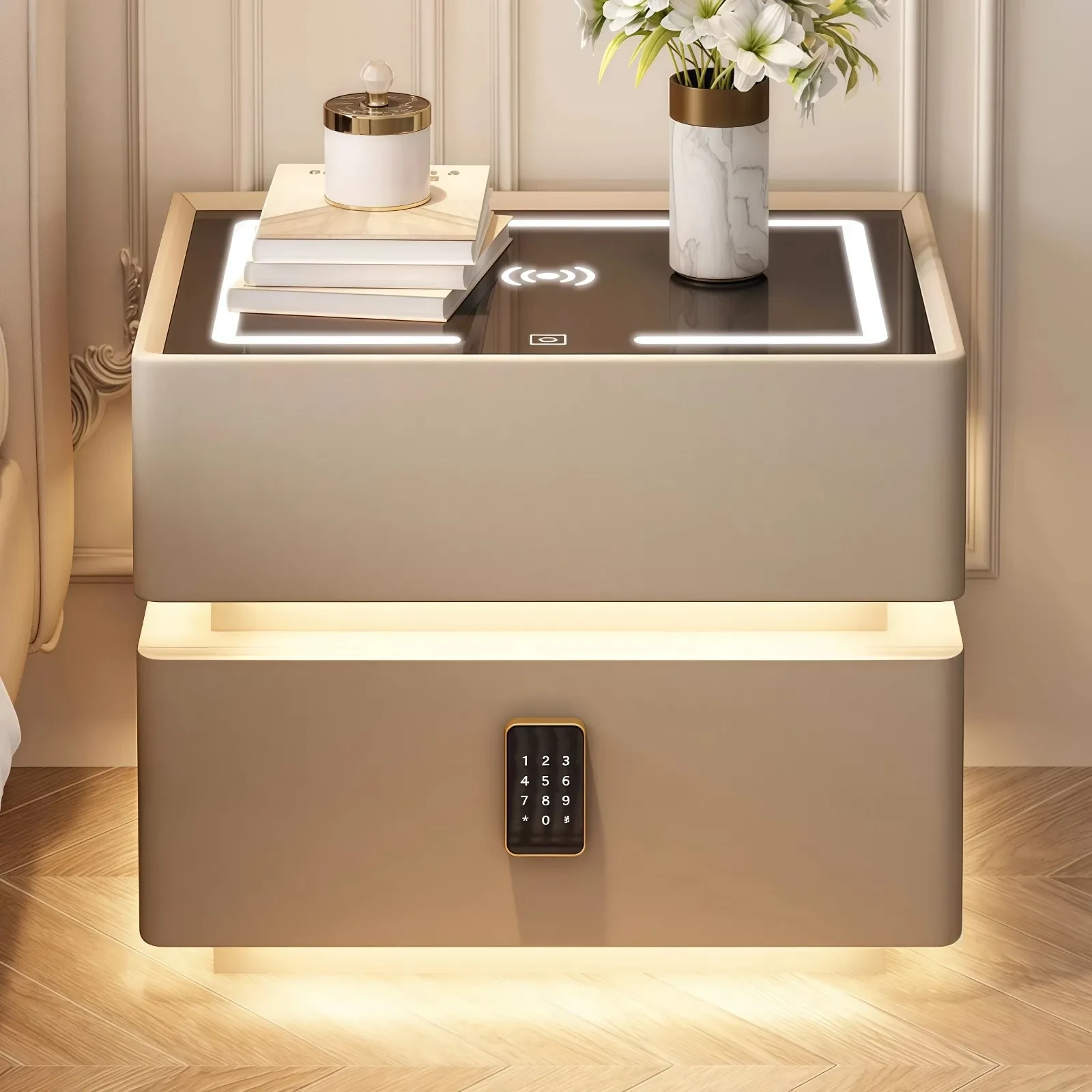




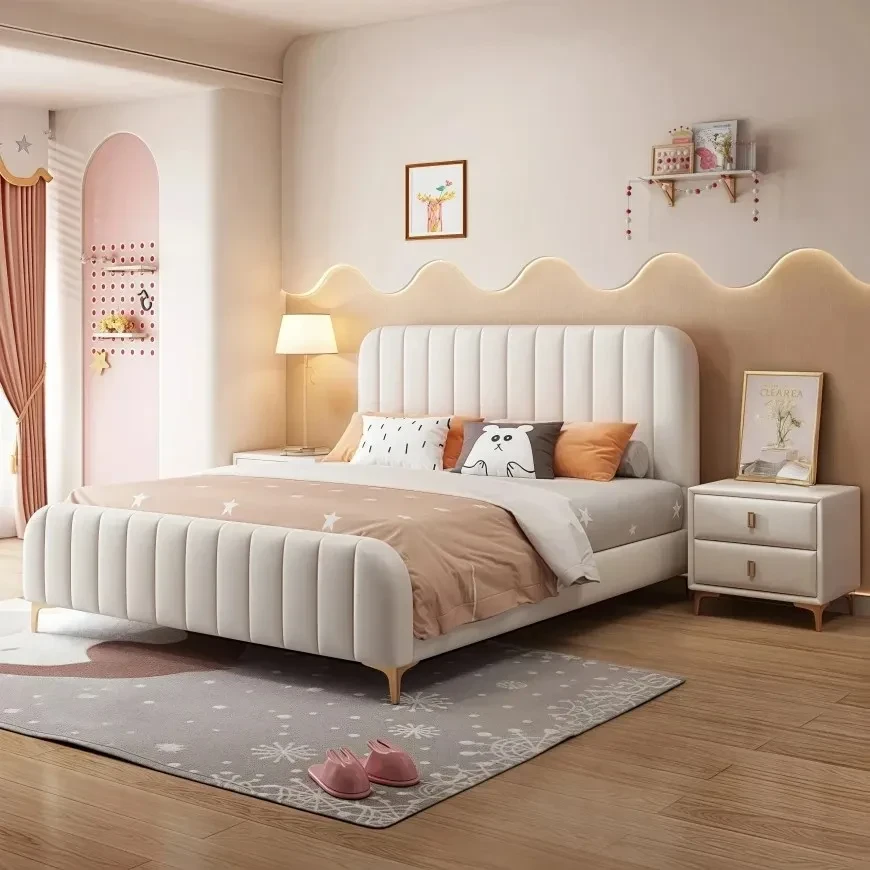
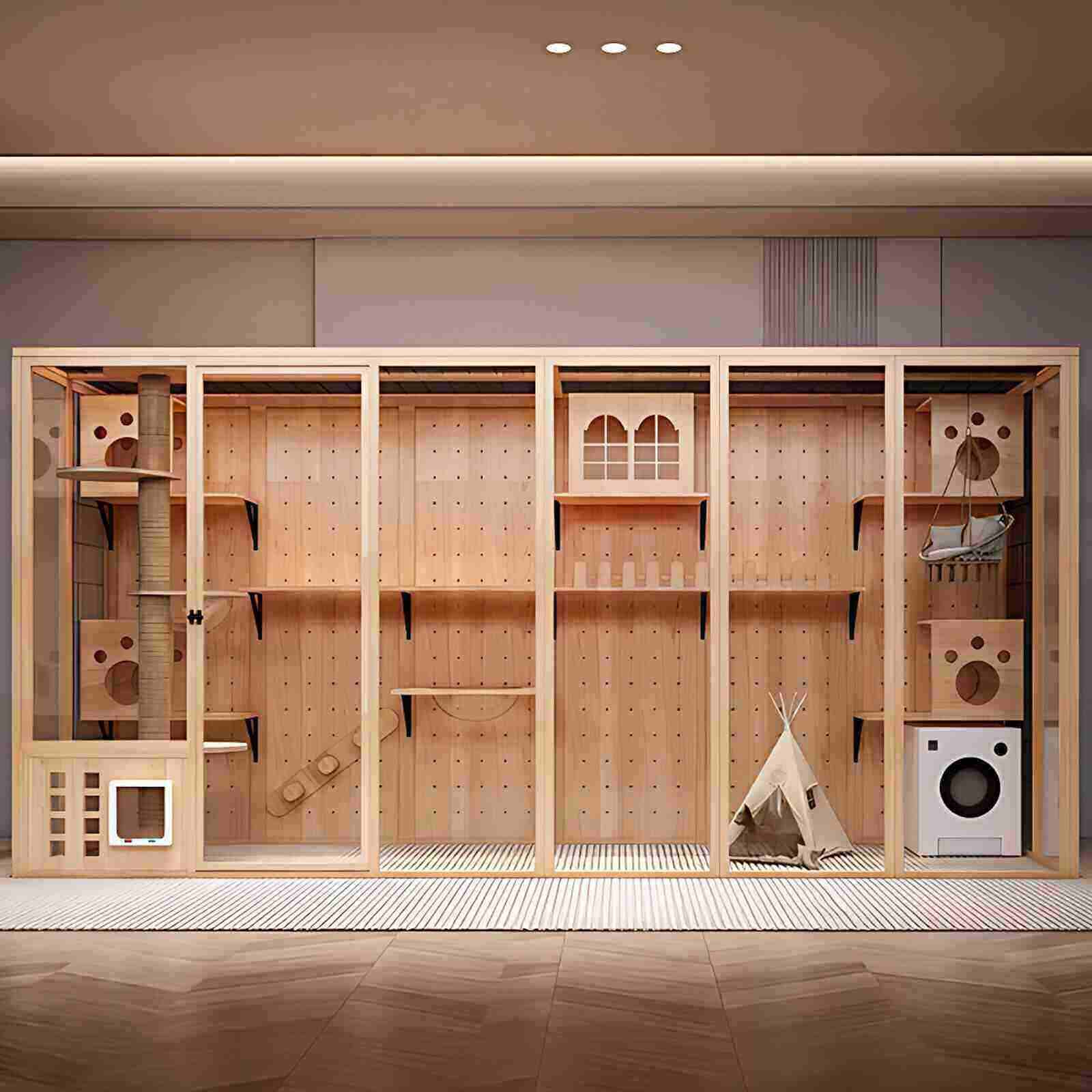
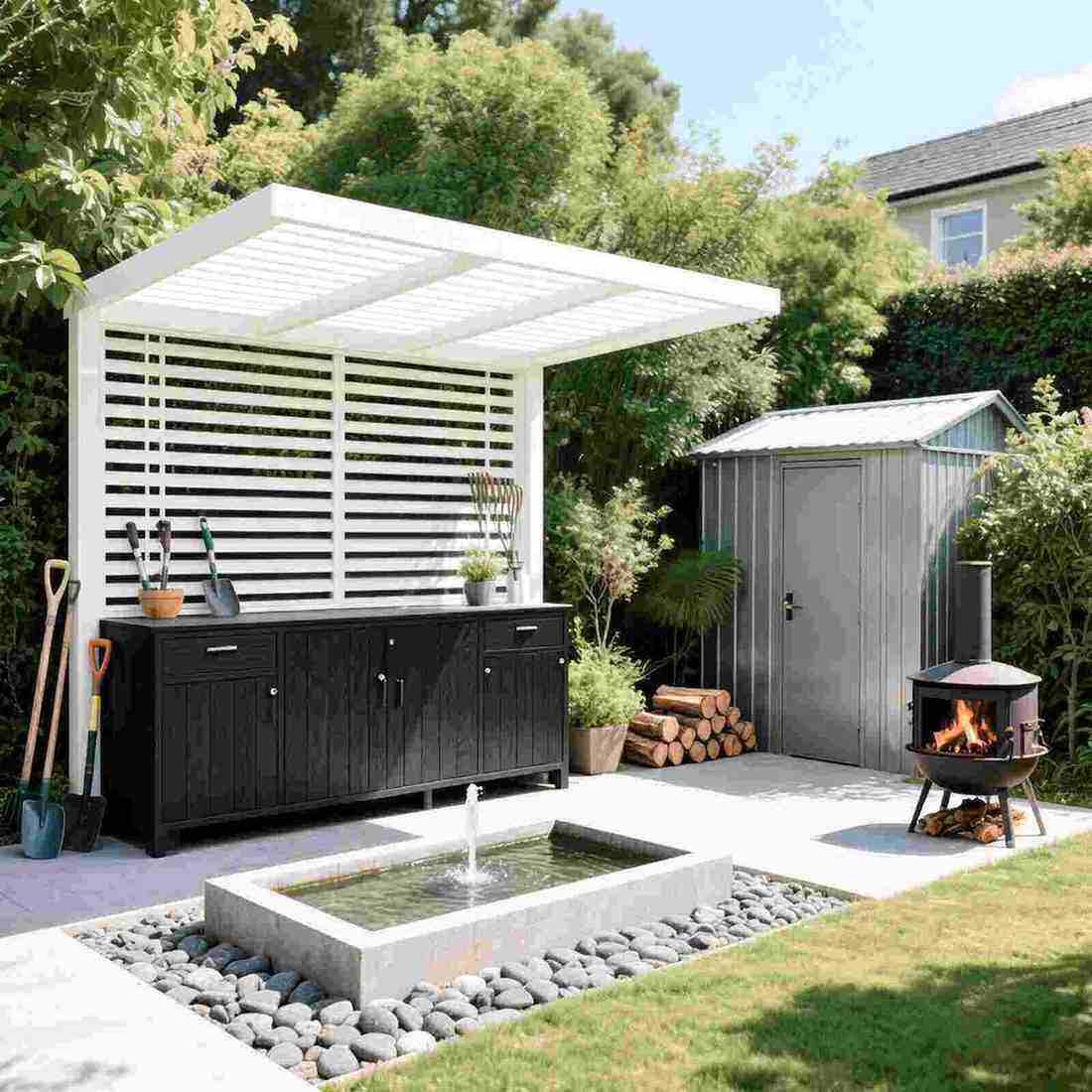
From ancient times to the present, wooden cabinets have always been an essential item in every household. With the development of time, the emergence of a wide variety of high-quality and aesthetically pleasing materials has given traditional cabinets a second life, and cabinets in various styles have gradually become fashionable home furnishing items.
While the high aesthetic appeal of the boards is an advantage, everyone should also pay close attention to their quality. Choosing cabinets made from inferior boards can have far more adverse health effects than you might imagine.
Adhesives are an indispensable part of boards and greatly affect their quality. Therefore, when choosing boards, the quality of the adhesive should be considered first to effectively avoid the pitfalls of inferior boards.
Currently, the most common adhesives used in board manufacturing are urea-formaldehyde resin and MDI resin.
Urea-formaldehyde resin is mainly used in the fields of wood-based panels and interior decoration. It is composed of urea, formaldehyde, and water. Urea and formaldehyde condense into urea-formaldehyde resin under the action of a catalyst, and then form an insoluble final resin adhesive under the action of a curing agent or additives.
Meanwhile, there is another darling of the board industry – MDI adhesive, which is a downstream product of MDI (diphenylmethane diisocyanate) and has a wide range of applications.
Once the boards are made, it's impossible to tell the difference between the two just by looking at the surface. So what exactly is the difference between MDI glue and urea-formaldehyde glue? Let's take a closer look.
First, their compositions differ. Urea-formaldehyde resin is a resin adhesive made from urea and formaldehyde using a catalyst, while MDI adhesive is a polymeric adhesive compound made from isocyanate. MDI adhesive is more environmentally friendly in terms of its composition. Second, their properties differ. Urea-formaldehyde resin forms a colorless adhesive layer after curing, but it releases some free formaldehyde with temperature changes, thus polluting the environment. MDI adhesive, on the other hand, has no added formaldehyde during its preparation, extremely low volatility, and very high environmental performance. In terms of cost, urea-formaldehyde resin is cheaper to produce than MDI adhesive. Furthermore, their applications differ significantly. Urea-formaldehyde resin is mainly used in the wood-based panel and interior decoration industries, while MDI adhesive, in addition to wood-based panels, is used in chemical, light industry, transportation, medical, and aerospace fields. Therefore, MDI adhesive is both environmentally friendly and has a wider range of applications, making it superior to urea-formaldehyde resin.
Creating healthy homes and leading a quality lifestyle. In addition to selecting high-quality wood, we also use safe and environmentally friendly MDI adhesive for bonding the boards. Currently, products using MDI adhesive include solid wood veneer OSB boards, LSB high-performance home furnishing boards, and more. Healthy boards, providing comprehensive care for your home environment.
Friendly reminder: When choosing wood-based panel products, environmental factors must be considered. Inferior wood-based panels can damage health and threaten lives, having a profound impact on families. Only by choosing healthy, environmentally friendly products with no added formaldehyde can you truly ensure a safe and worry-free home environment!