
 USD
USD GBP
GBP
 EUR
EUR









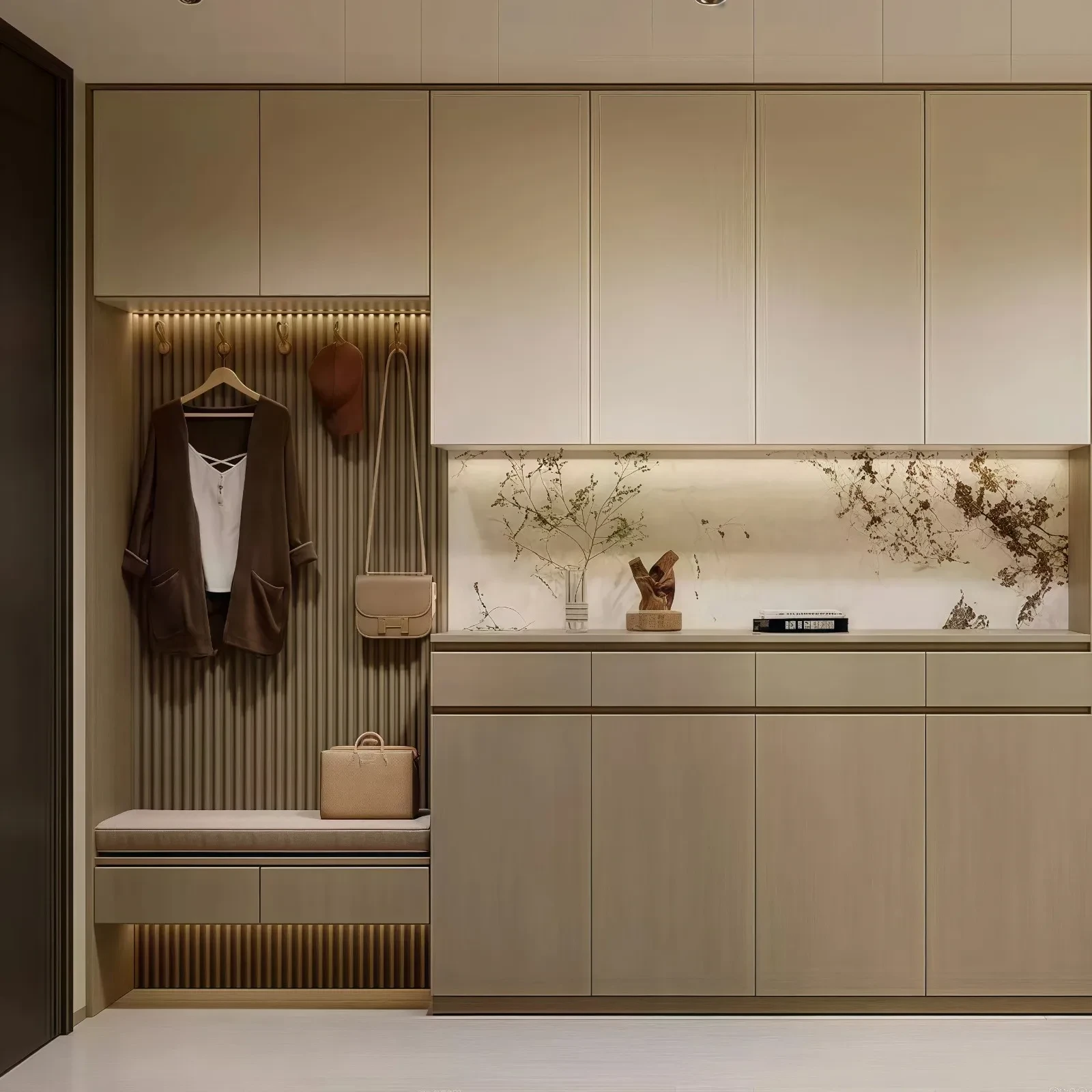
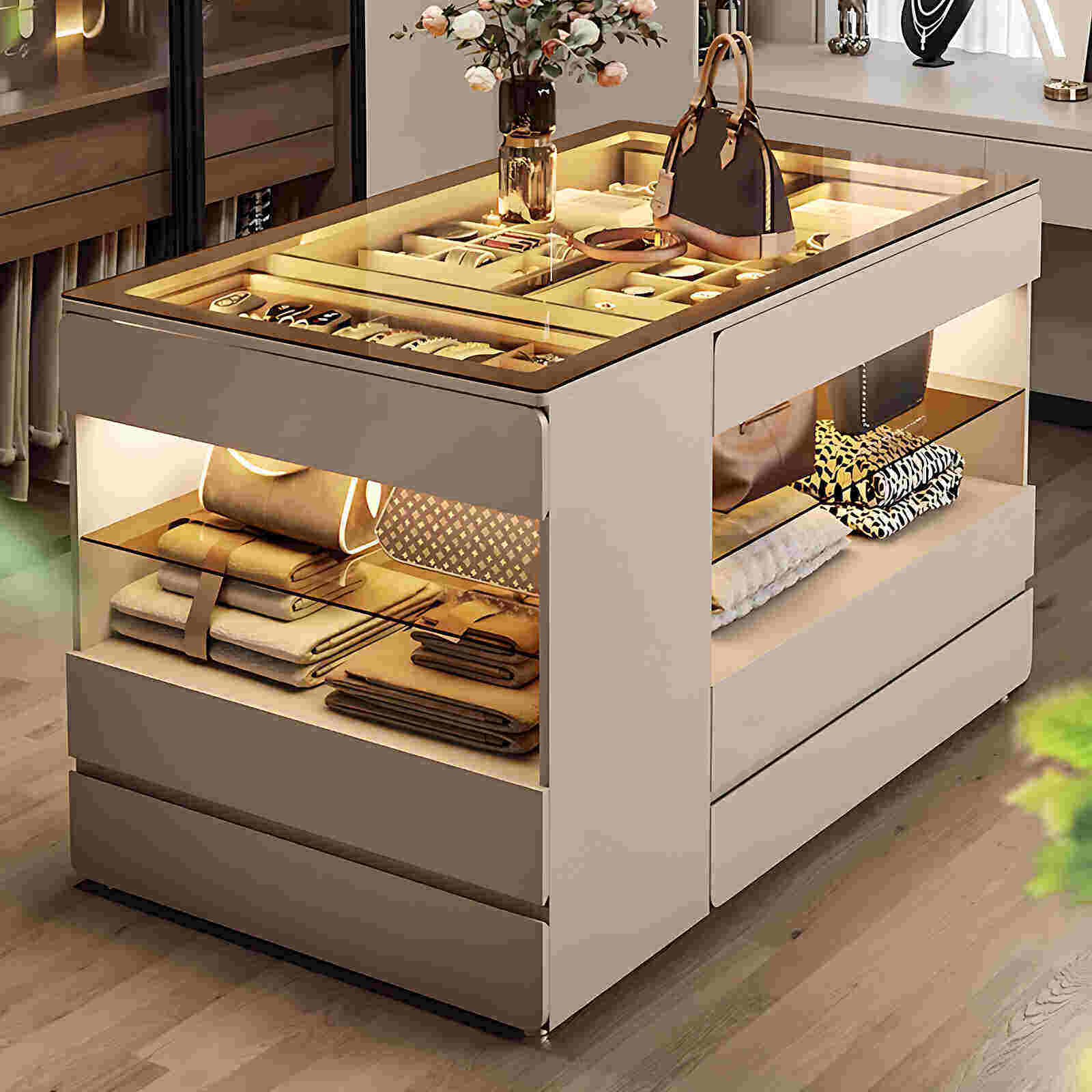
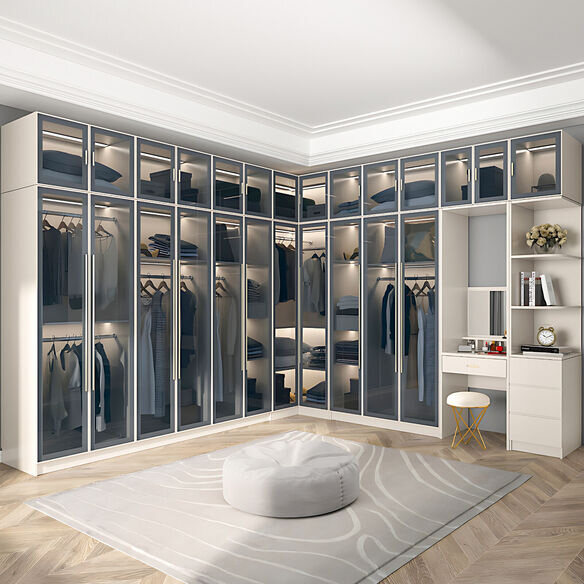
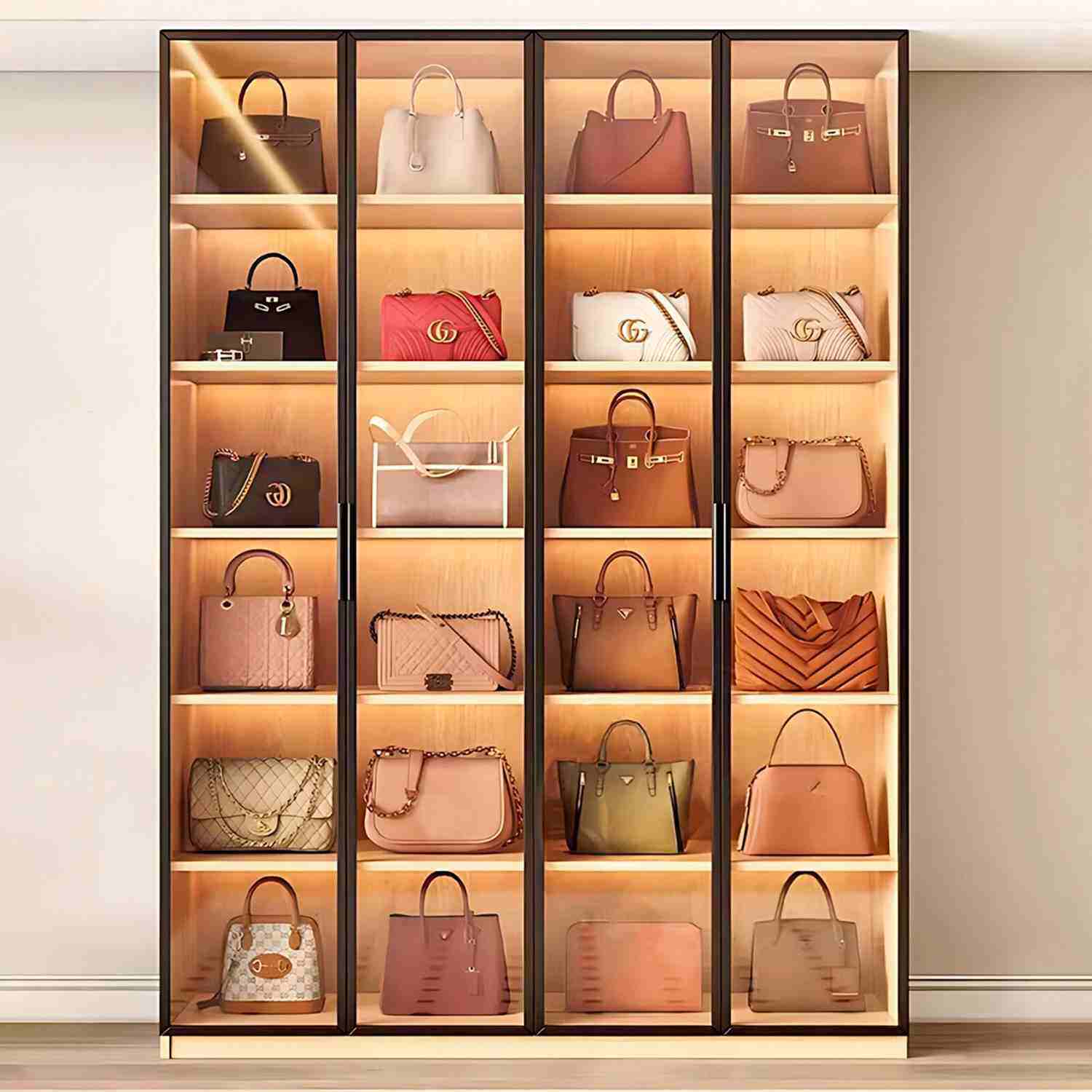





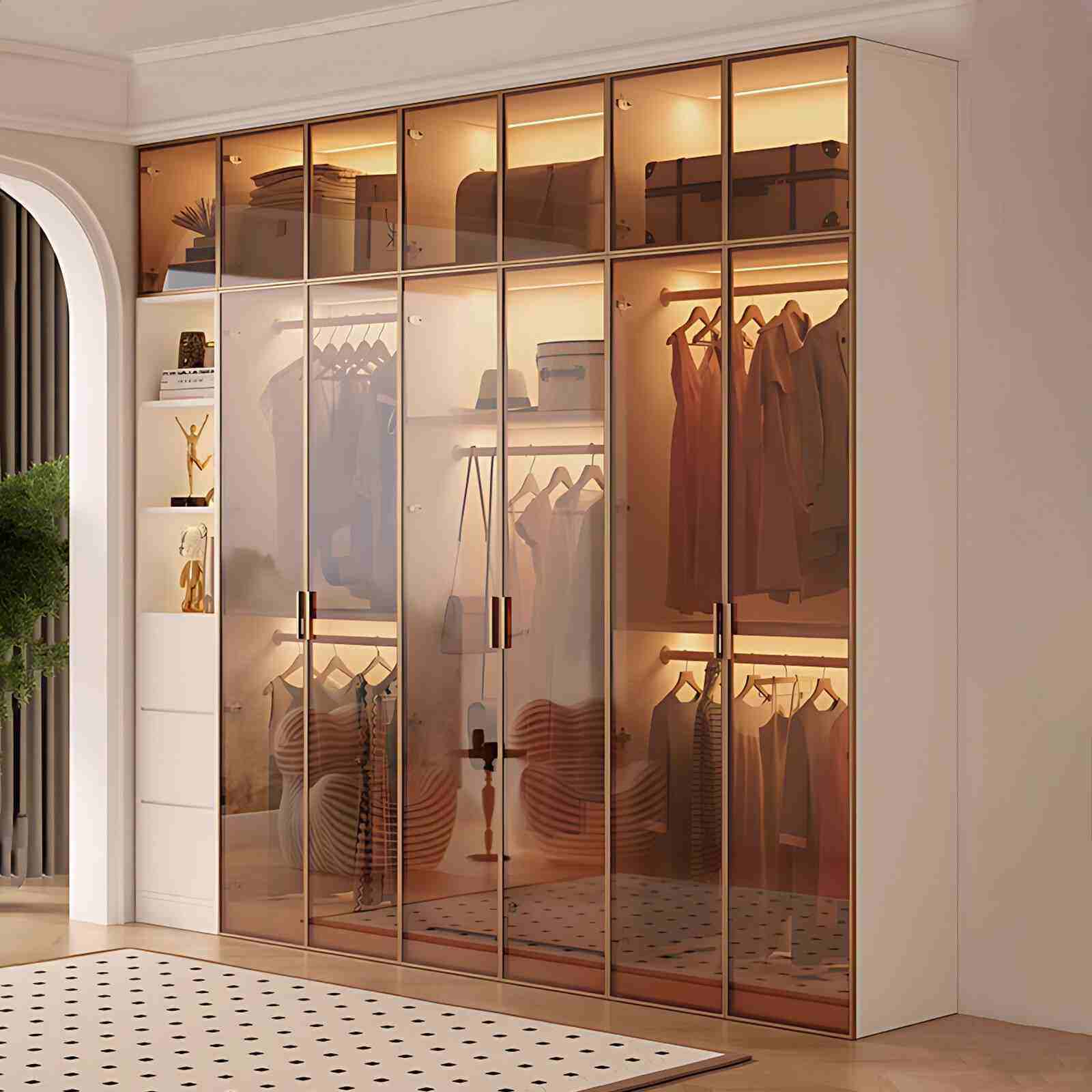
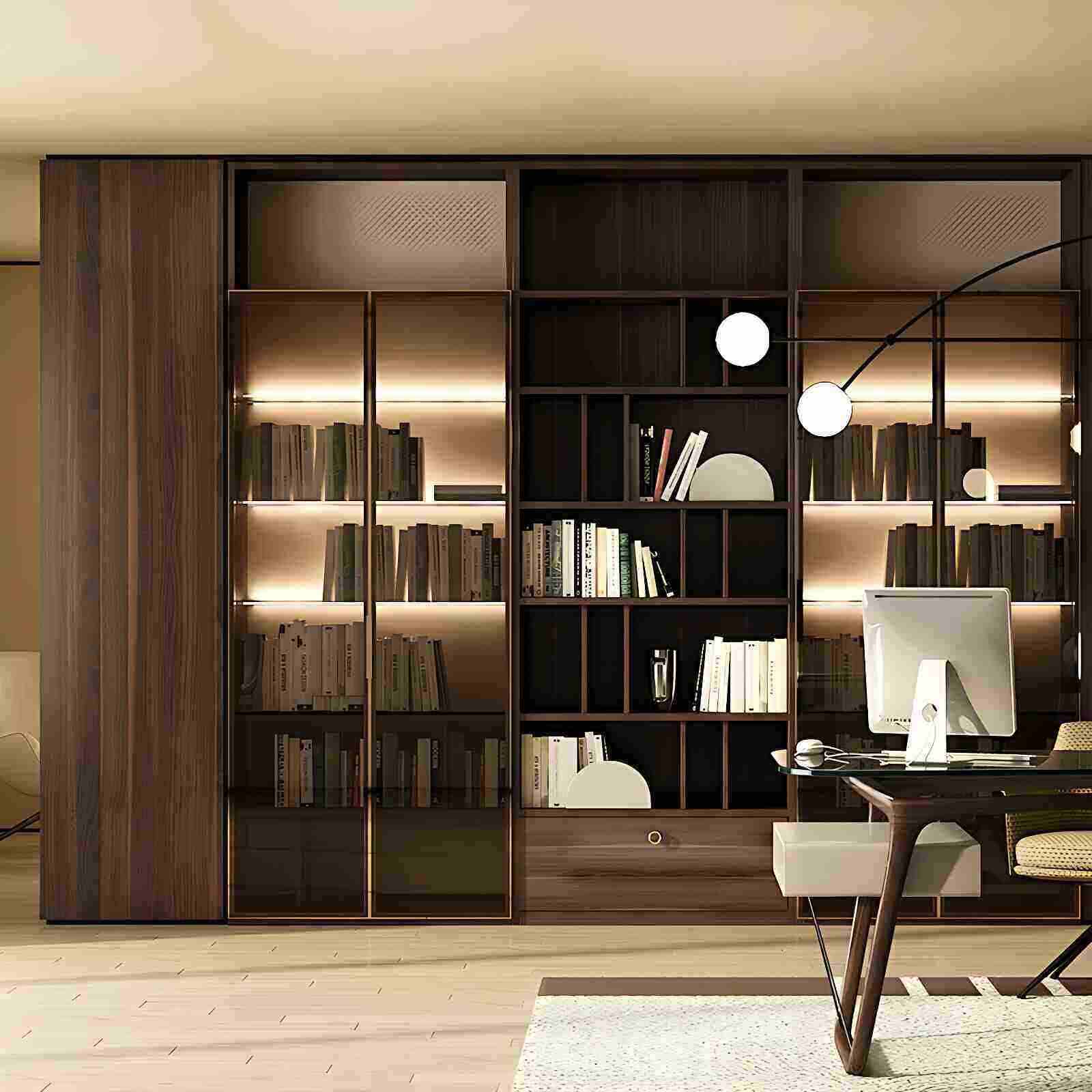

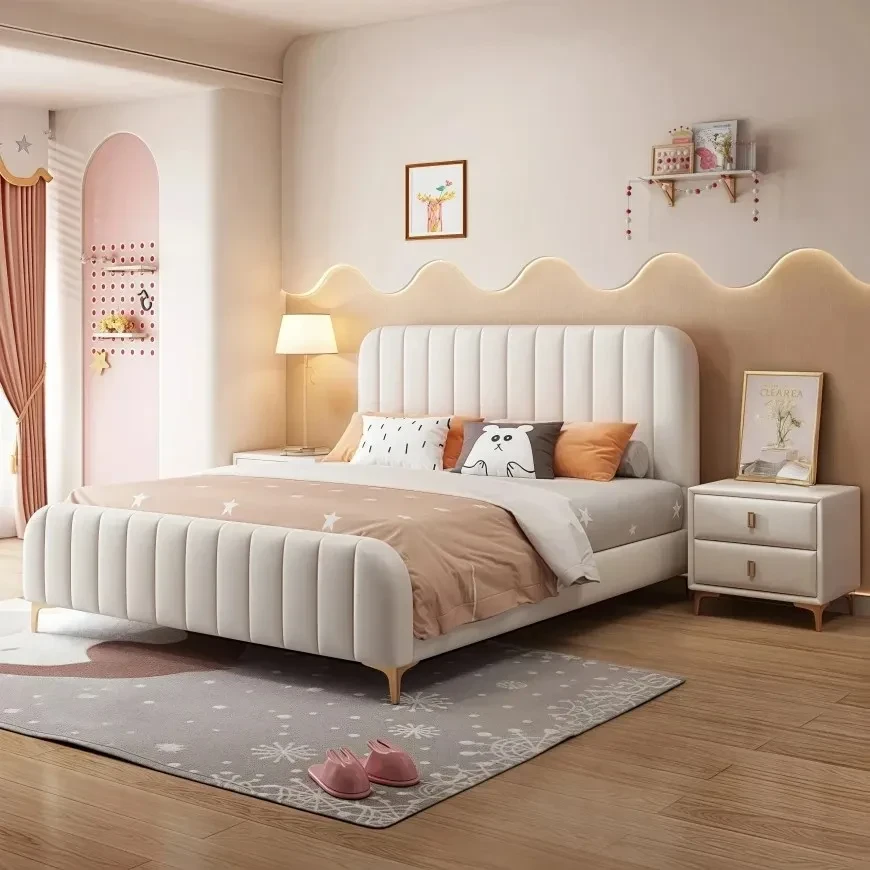
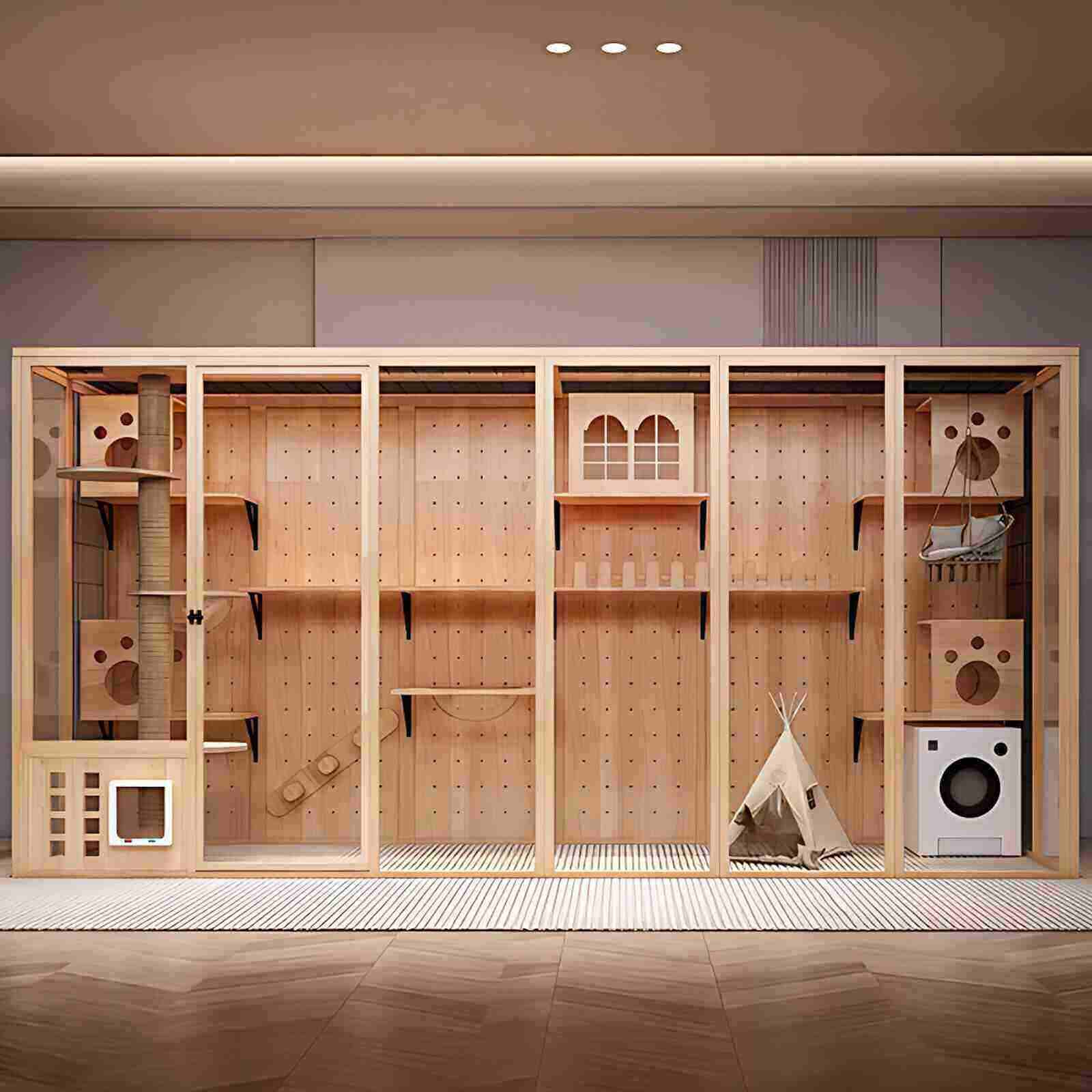
Today, we'll be sharing some basic knowledge about plywood. Learn a little every day, and you'll become an expert in the building materials industry.
Definition of plywood
Blockboard: A type of engineered wood panel made by gluing wood strips along the grain to form a core, with veneer or plywood on both sides.
name
The product is named according to the main tree species of the core and the veneer, as well as the product function. For example, a plywood with a core of cedar and a veneer of ash and insect-proof function is called a cedar core ash insect-proof plywood.
the term
Veneer: Used as the outermost veneer of plywood, consisting of a face panel and a back panel.
Core panel: A panel made of strips of wood arranged along the grain.
Core board (middle board): A veneer with the wood grain direction perpendicular to the length direction of the core wood strips.
Core strip: Solid wood strips that make up the core of the board.
Glued plywood: Plywood whose side joints between core strips are glued together.
Non-adhesive plywood: Plywood in which the side joints between the core strips are not glued together.
Core strip side gap: The gap between two adjacent core strips in the width direction of the core board.
Core strip end face gap: The gap between the end faces of two adjacent core strips along the length of the core board.
Ripples: Regular unevenness defects appearing on the surface of plywood.
Formaldehyde-free plywood: Plywood made with adhesives that do not contain formaldehyde, or plywood with a formaldehyde emission level of less than 0.3 mg/L.
Insect-resistant plywood: Plywood with insect-resistant properties made by veneer treatment or adhesive mixing.
Classification
According to the splicing method of the core board, it can be divided into: glued plywood and unglued plywood.
According to the surface finish, plywood can be divided into: single-sided sanded plywood, double-sided sanded plywood, and unsanded plywood.
According to the number of layers: three-layer plywood, five-layer plywood, and multi-layer plywood;
According to formaldehyde emission levels, plywood is classified as follows: E1 grade plywood, E0 grade plywood, and formaldehyde-free grade plywood.
Based on function: ordinary plywood and insect-proof plywood.
Transportation and storage
During transportation and storage, the products should be stacked flat to prevent soiling, moisture, rain, and sun exposure.
When storing, they should be stacked separately according to formaldehyde emission level, specifications, grade, and production time, and each stack should be marked accordingly.
Application of plywood
1. 120 mm and 150 mm: These are thin boards, generally used for the back panel of cabinets, and the amount used is relatively small.
2. 165 mm and 170 mm: Mainly used for the panels and side panels of beds, cabinets, bookcases, computer desks, and writing desks. They have the widest range of uses and the largest usage.
3. 175 mm, 180 mm: These are thicker and are generally used for making wooden doors, etc.