
 USD
USD GBP
GBP
 EUR
EUR
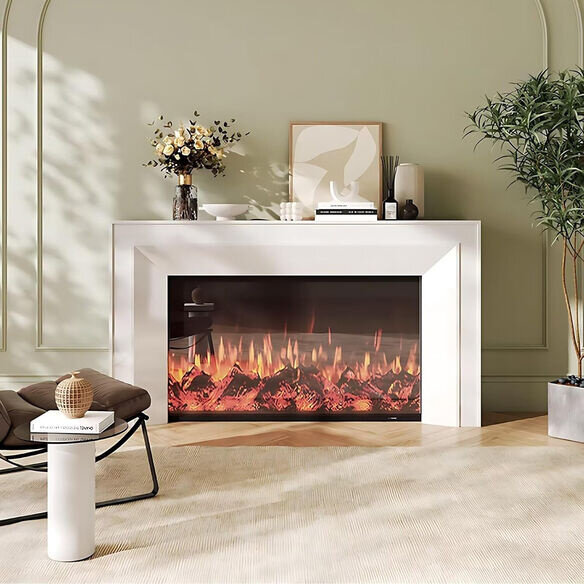


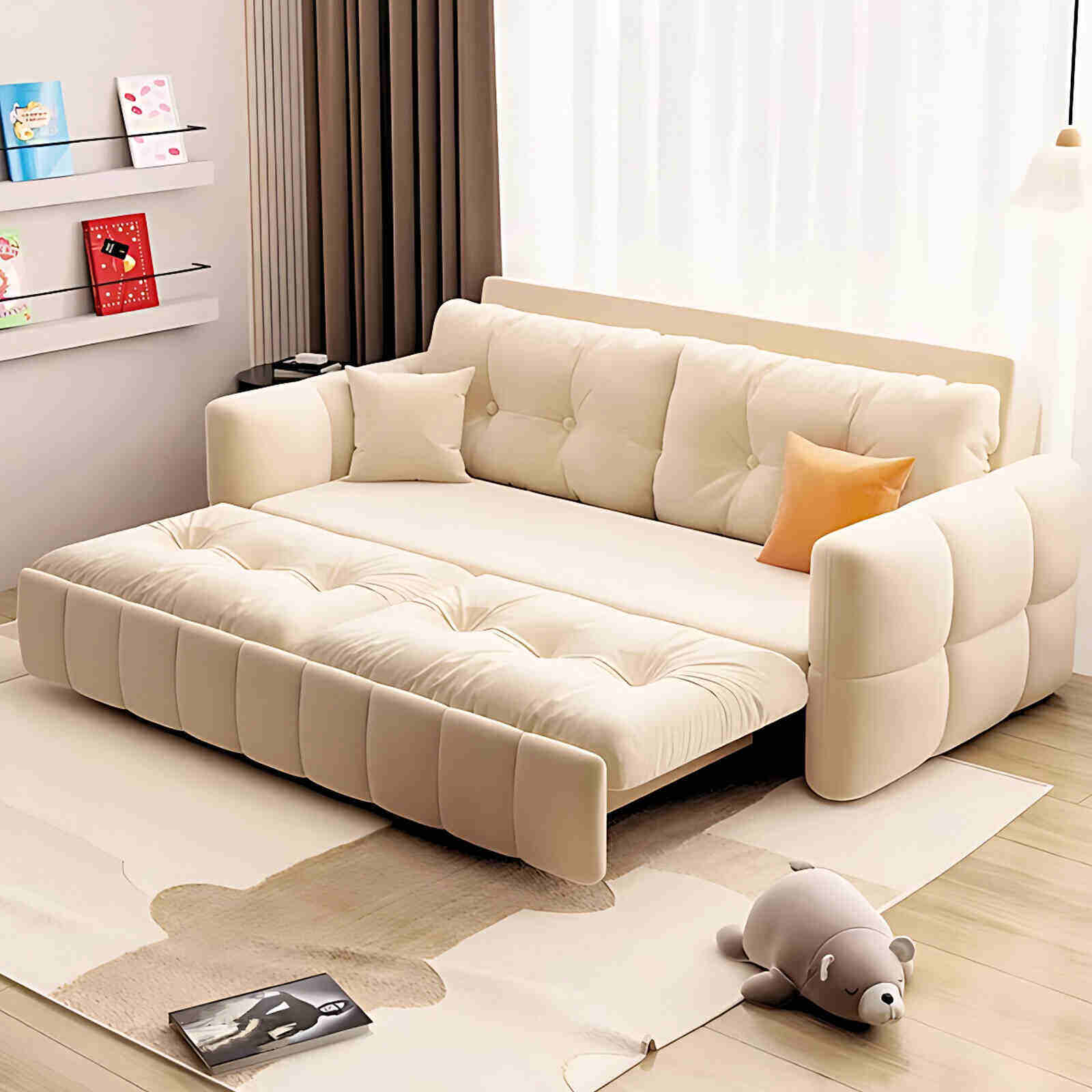
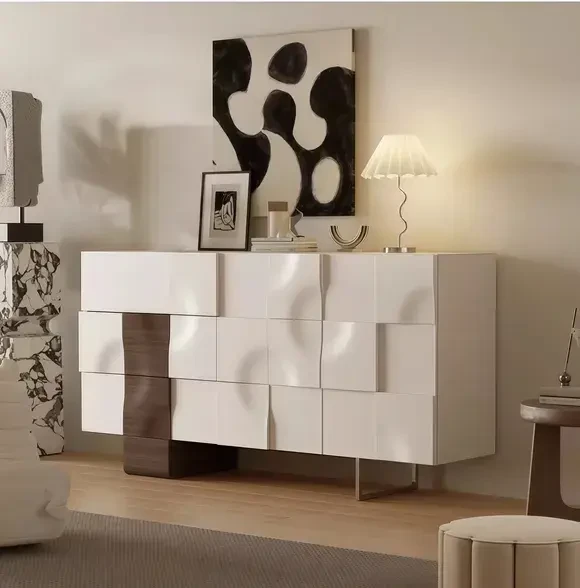








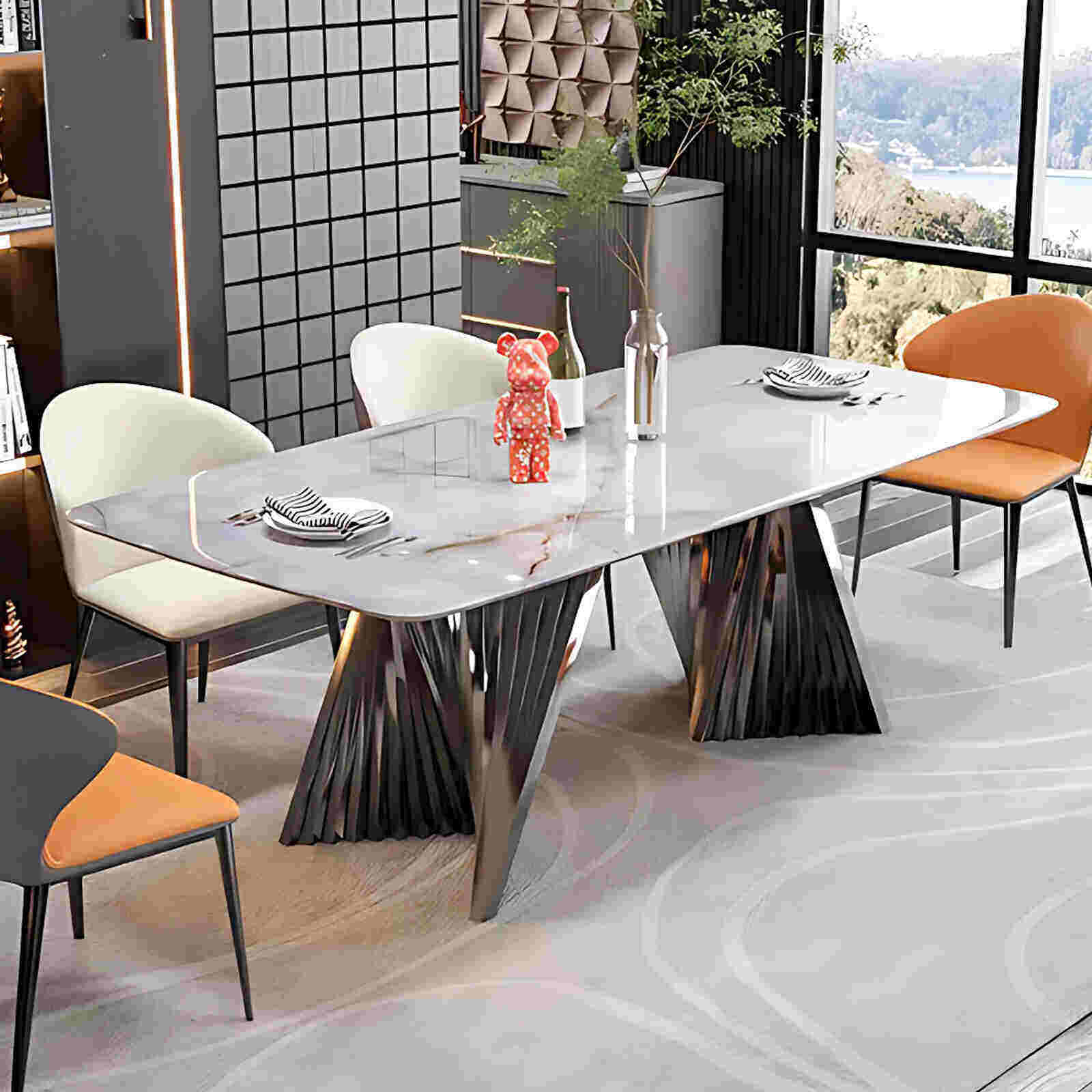
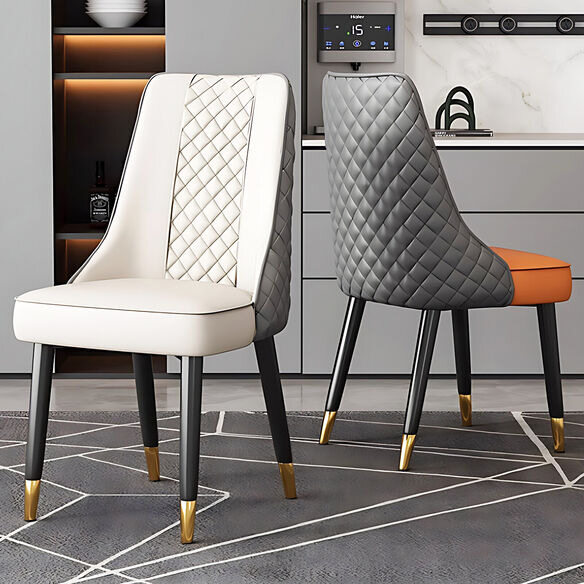
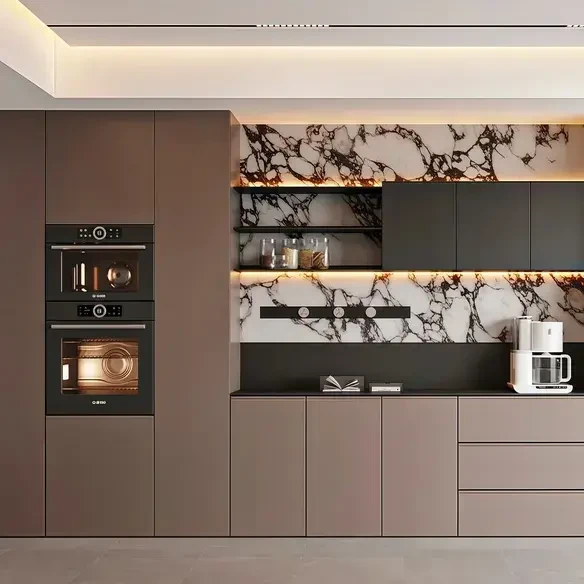

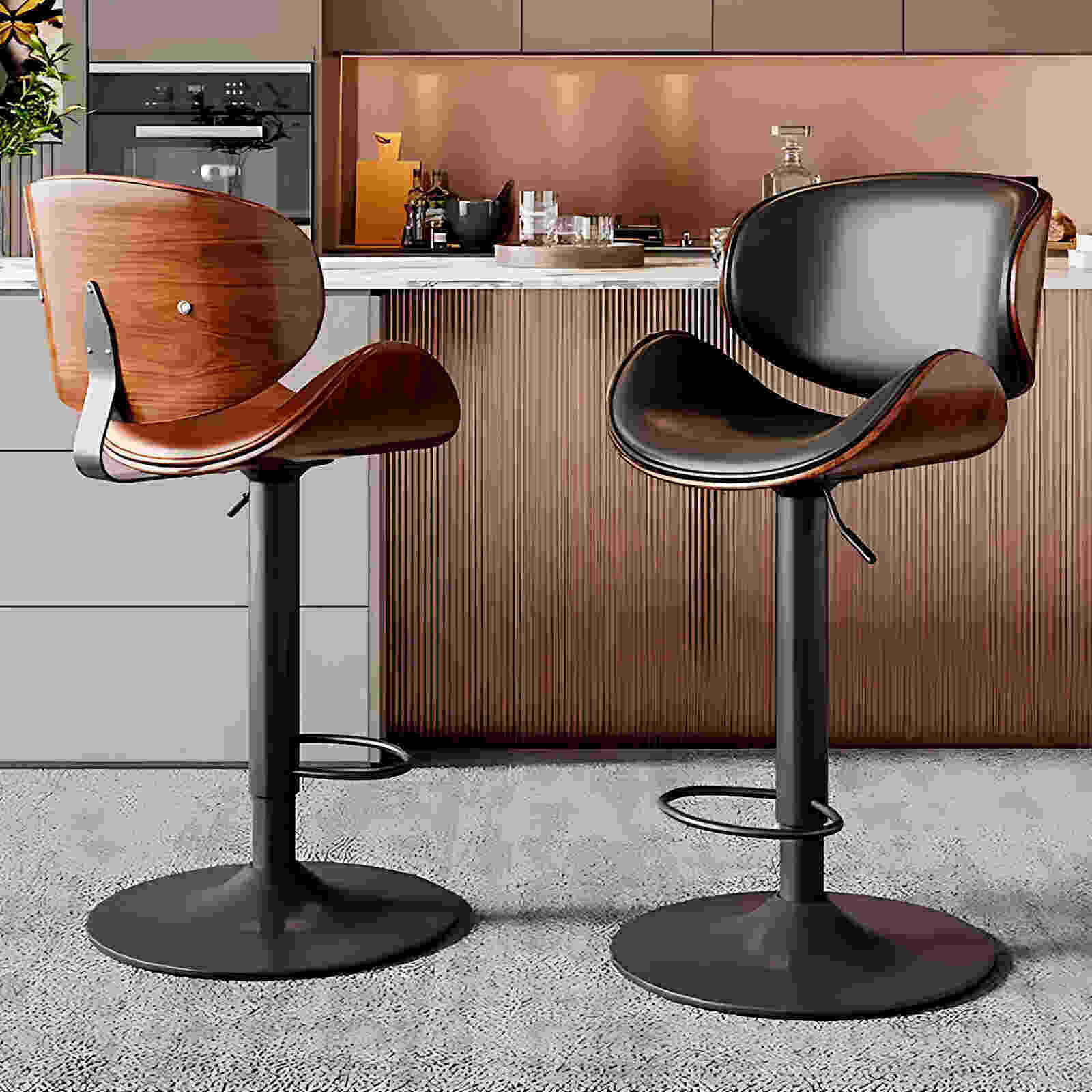






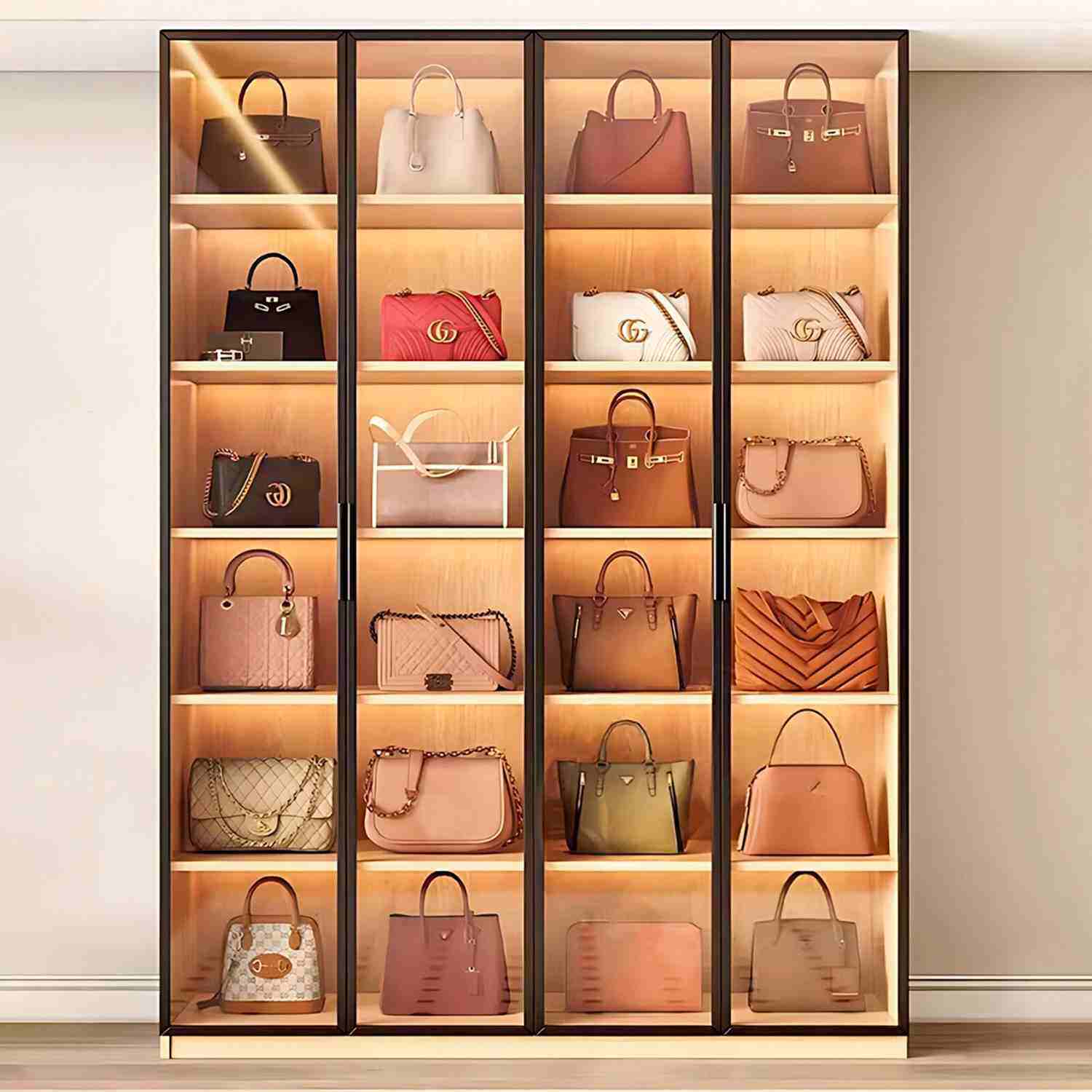
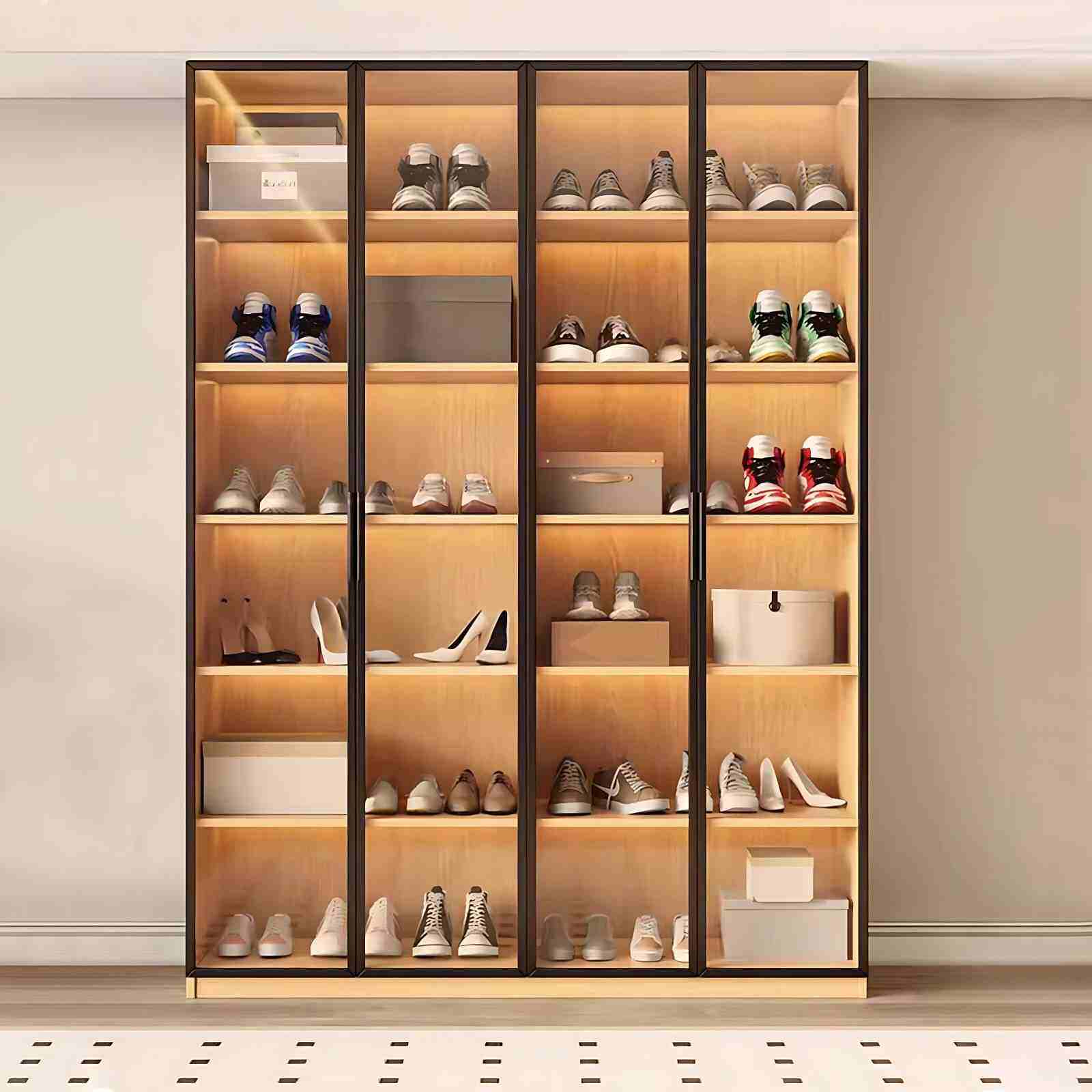
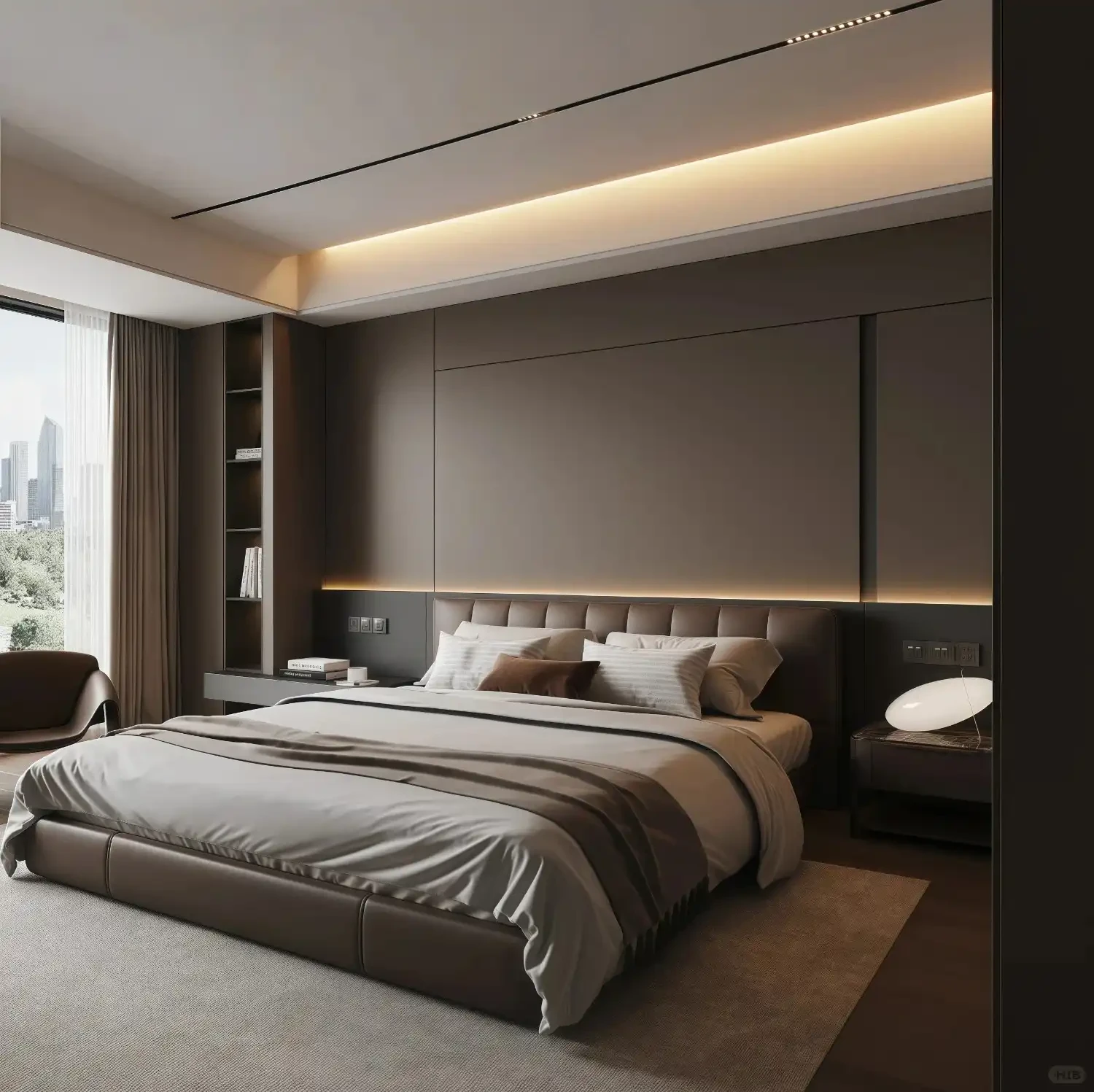
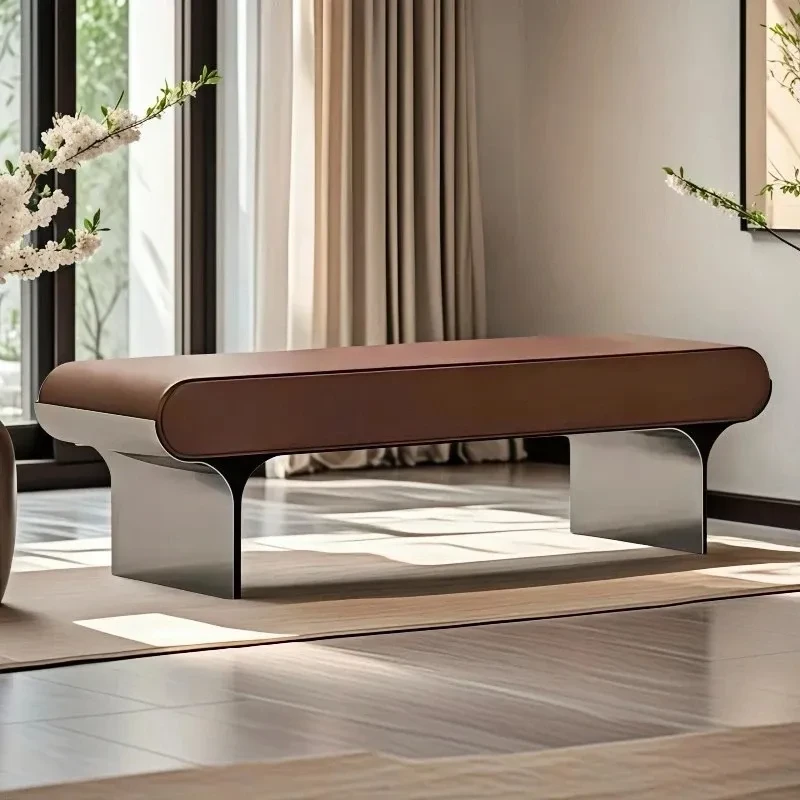

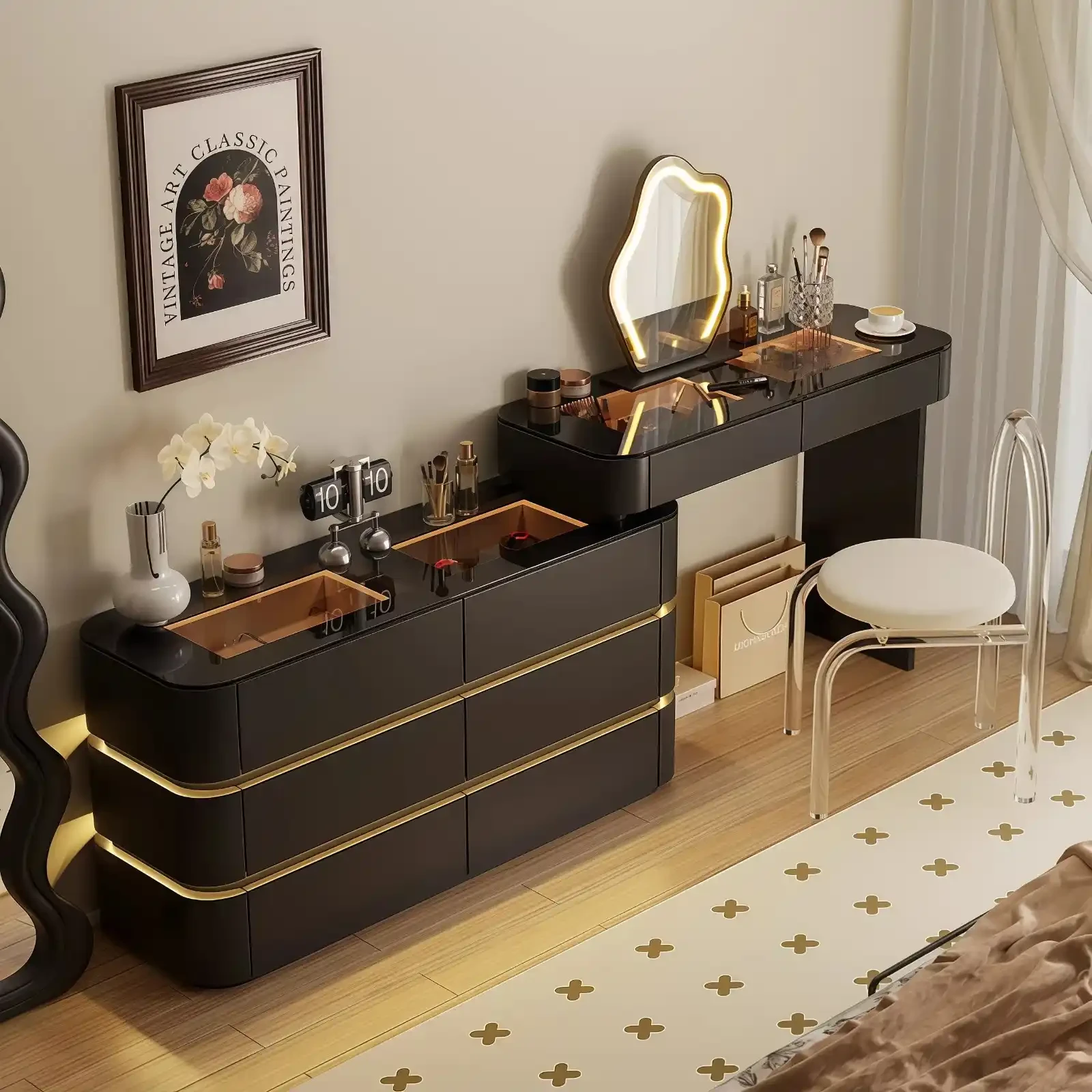
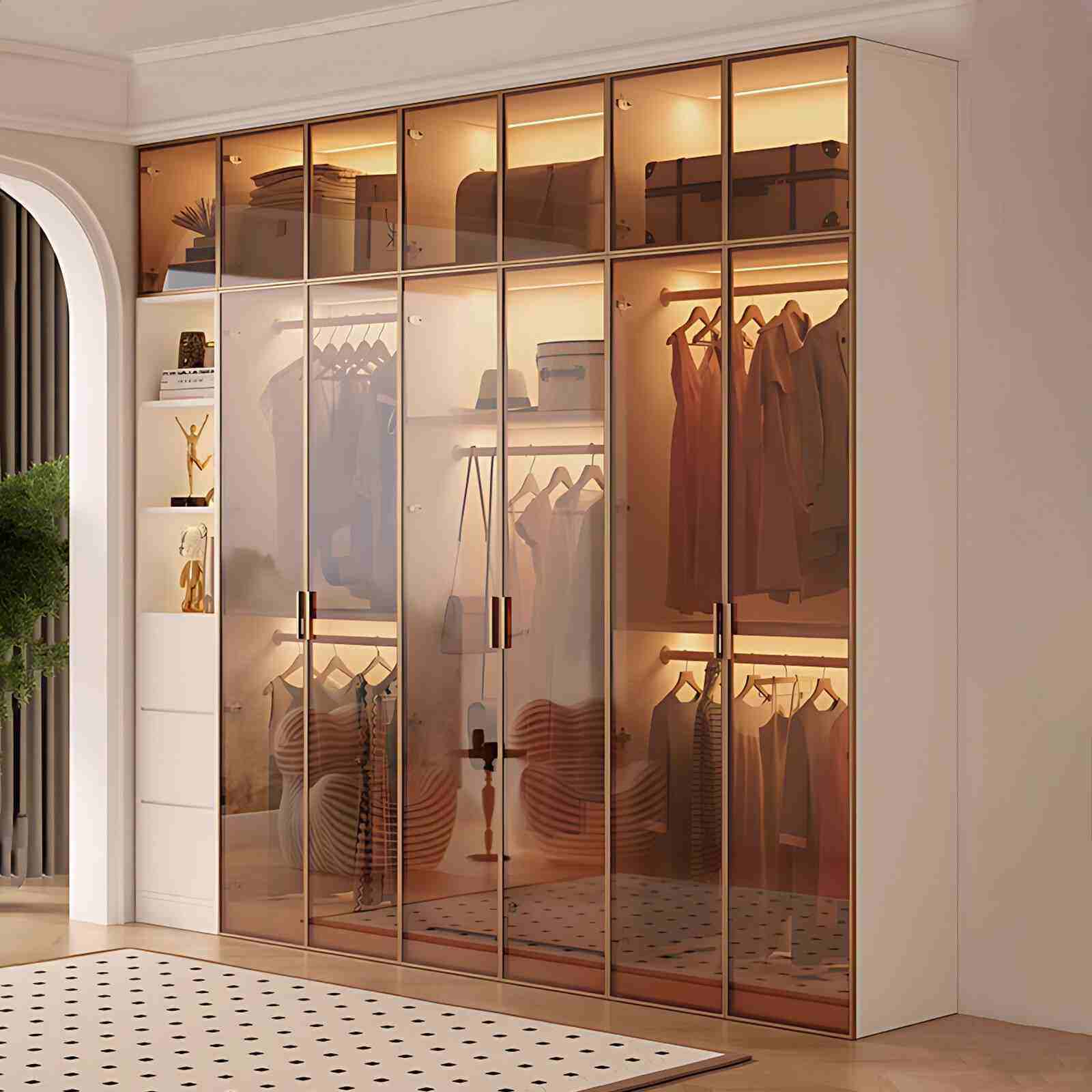
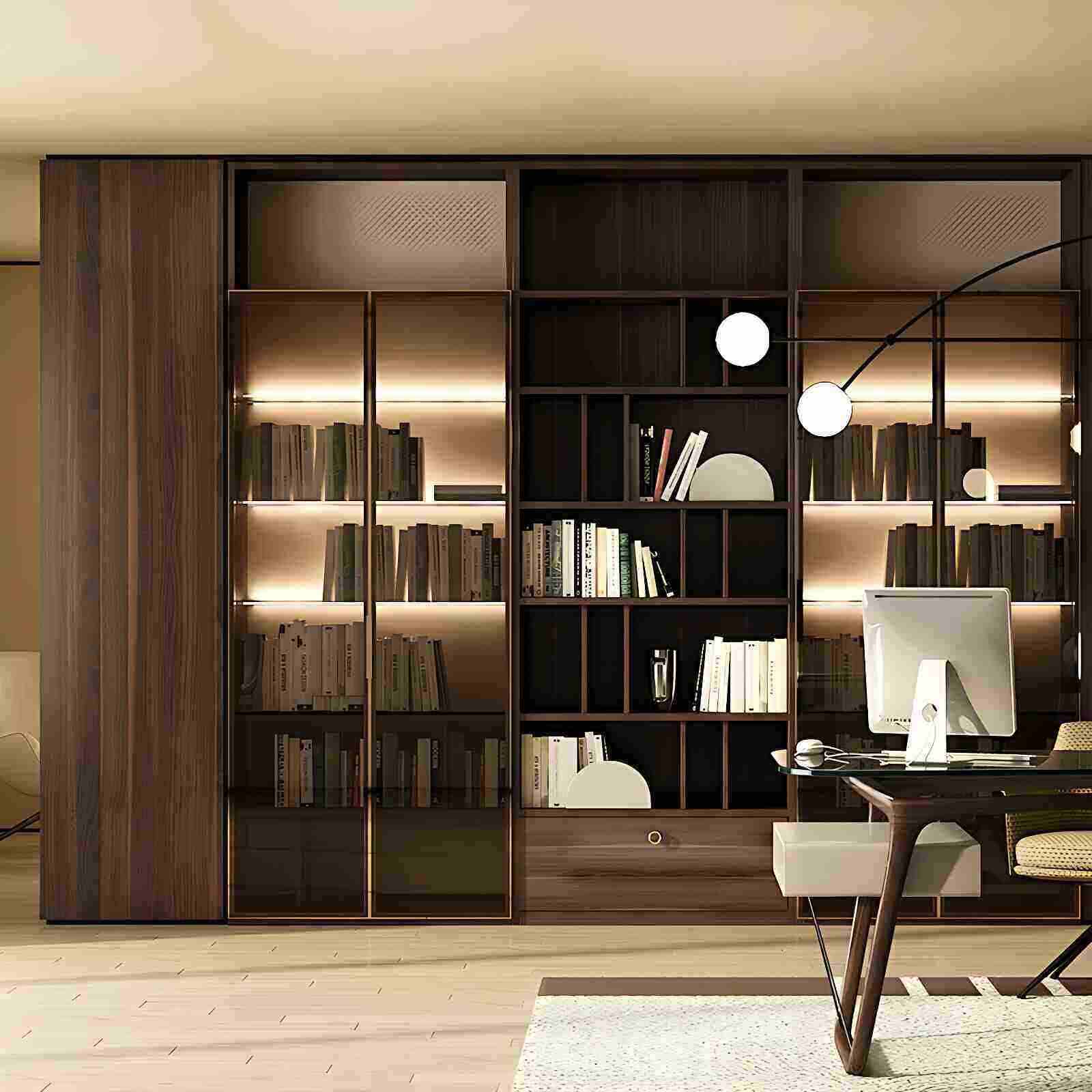

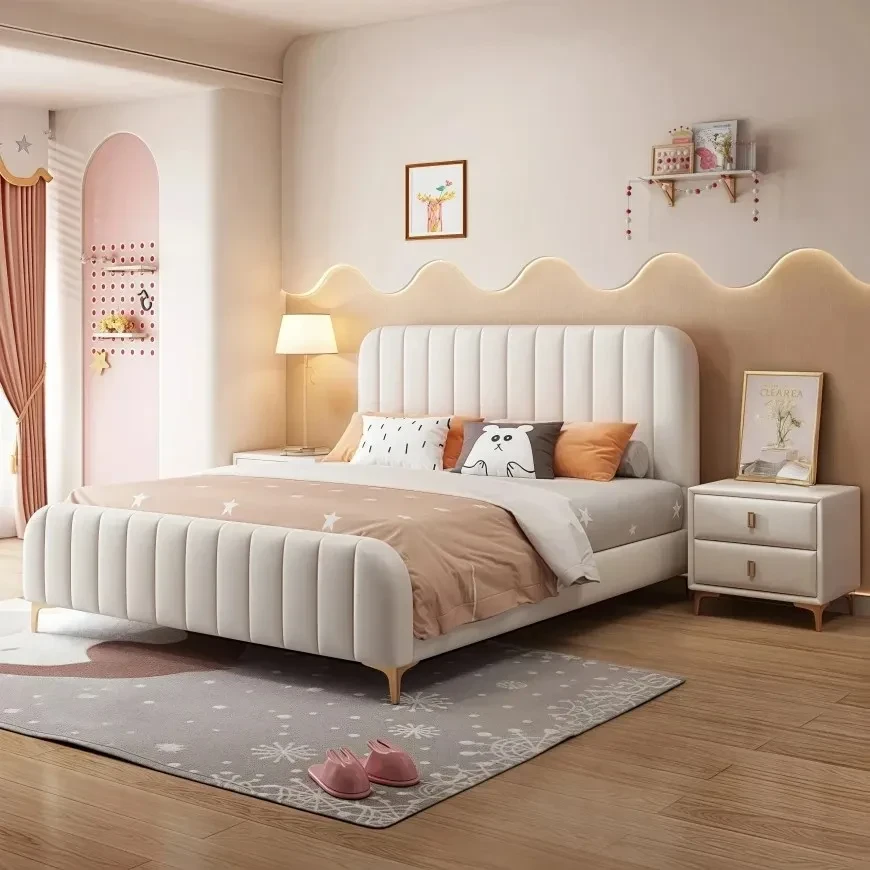
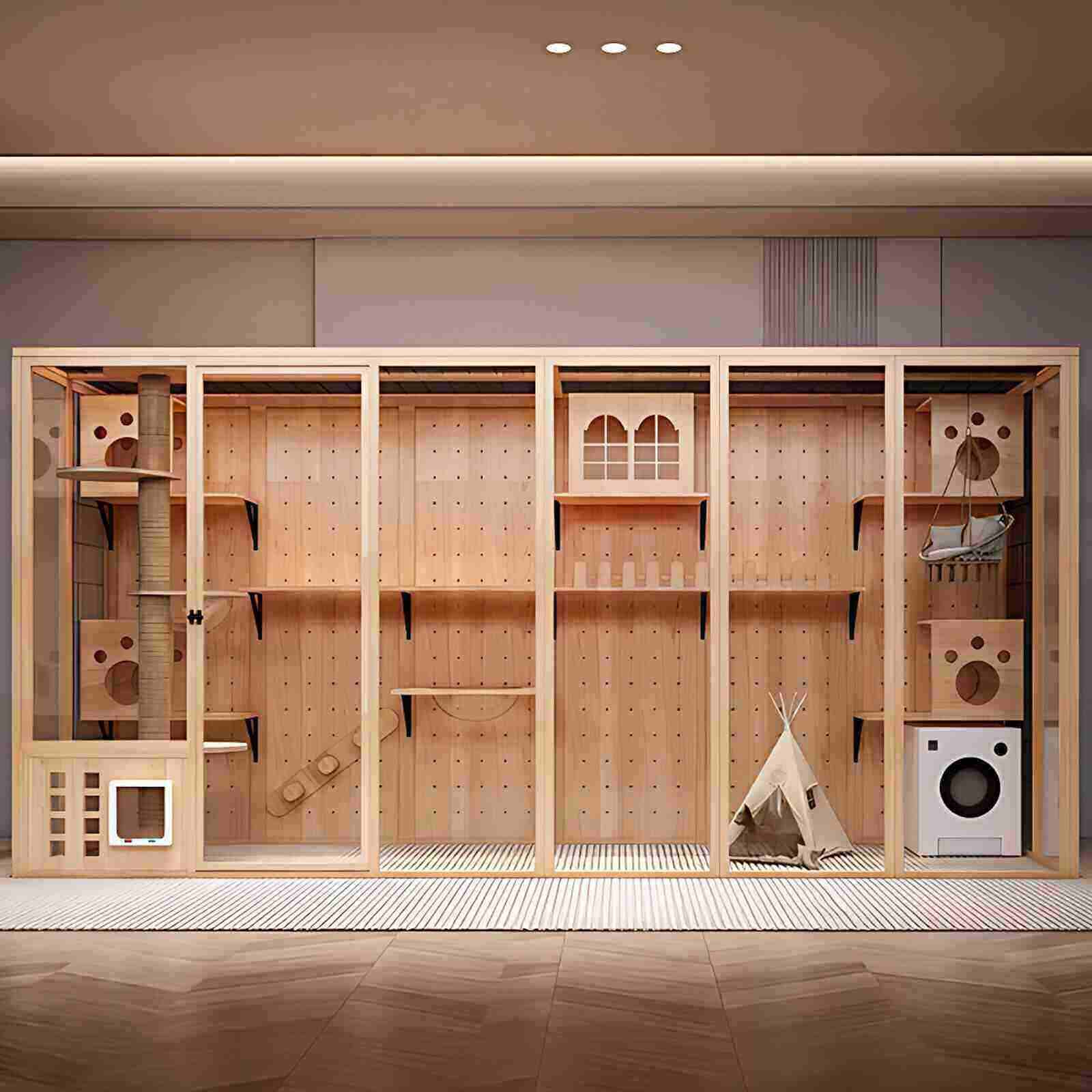
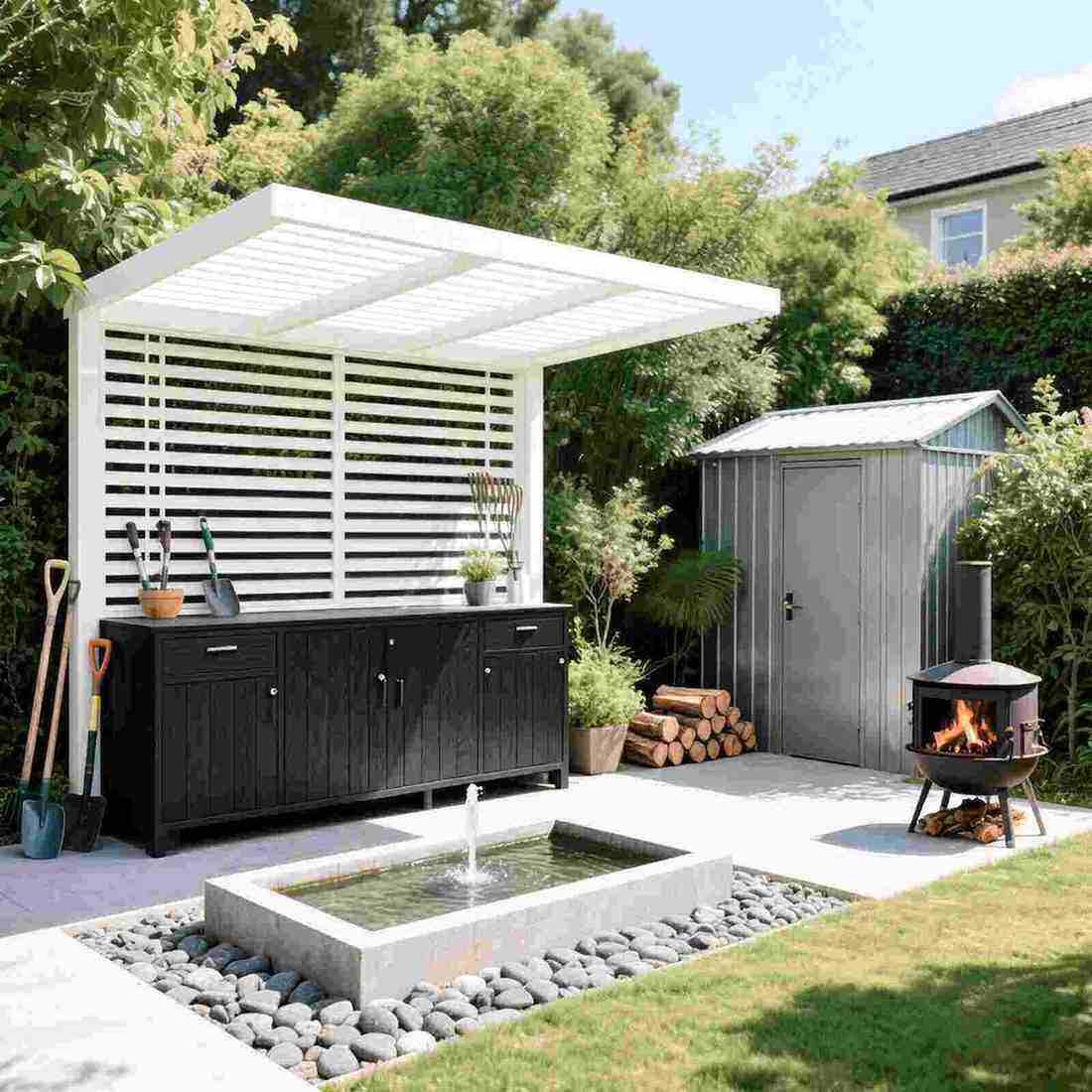
MDF and particleboard are two of the best-selling types of engineered wood products. When choosing engineered wood products, people often hesitate between MDF and particleboard, feeling helpless. Today, we'll compare MDF and particleboard to see their respective advantages and disadvantages, helping you make a better choice.
Highlights and features of MDF
In general, MDF (Medium-density Fiberboard) has a very uniform material composition, with each layer being sturdy. Its surface is smooth and supple to the touch, and it is stable and will not deform. The four edges are tightly bonded, preventing chipping or separation. Furthermore, it has certain environmental benefits, producing no radiation or toxic gases, and boasts excellent breathability. MDF also offers excellent thermal insulation, a long service life, and will not experience loosening or aging. Compared to particleboard, MDF contains finer fibers, resulting in a smooth finish after decoration, without bubbling or delamination. When purchasing MDF, it is crucial to carefully examine its formaldehyde emission level and structural strength. From a formaldehyde emission perspective, MDF is classified into three grades: E1, E2, and E0. If the formaldehyde emission level is below 30mg/100g, it is considered qualified MDF and can be purchased with confidence.
The unique features of particleboard
Particleboard is primarily made of layered wood chips, retaining its original fibrous structure. Its manufacturing process mainly involves air-jet bonding and layering, using very little adhesive, resulting in a more stable board structure and better overall quality. Particleboard is mainly made from branches of trees that are not yet ready for timber, processed mechanically. Therefore, MDF (Medium-density Fiberboard) uses significantly more material than particleboard. Furthermore, because MDF raw materials are finer, a larger amount of adhesive is needed during processing, leading to higher production costs, and consequently, higher finished product prices, overall weight, and formaldehyde content compared to particleboard. In terms of applications, MDF, due to its more uniform internal structure, is widely used to replace wood in decorative moldings and carvings. Particleboard, on the other hand, is favored by international brands and domestic companies in the panel furniture industry due to its strength, good nail-holding power, and low formaldehyde content.
In summary, this is an analysis of the advantages and disadvantages of particleboard and MDF by China Panel Network. You can choose freely according to your actual needs.