
 USD
USD GBP
GBP
 EUR
EUR
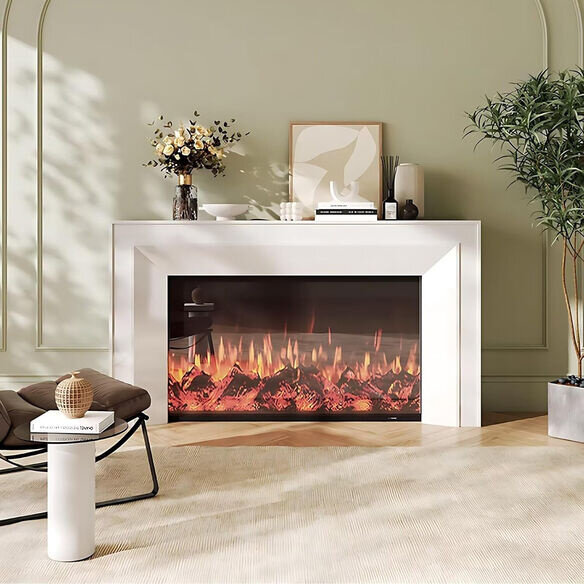


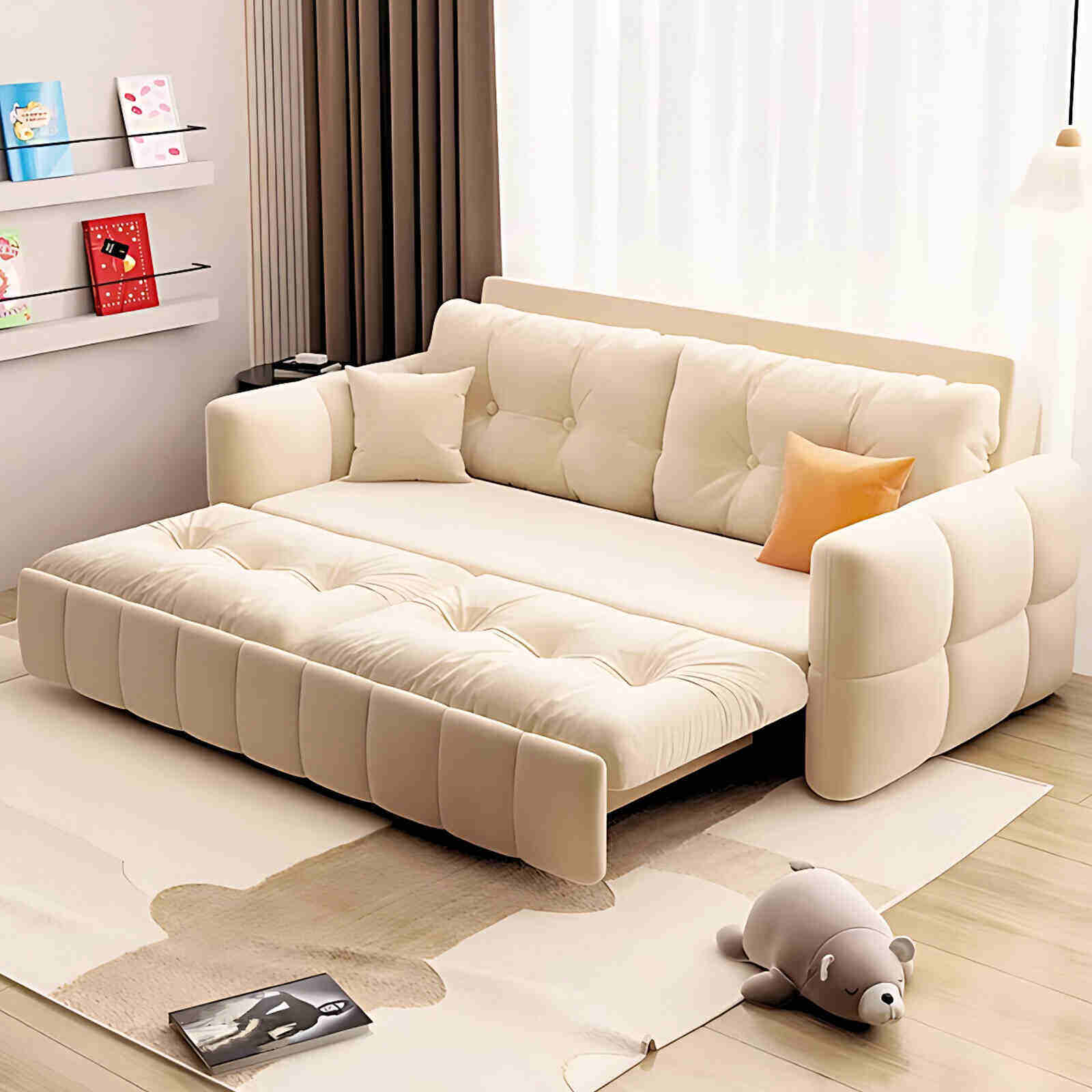
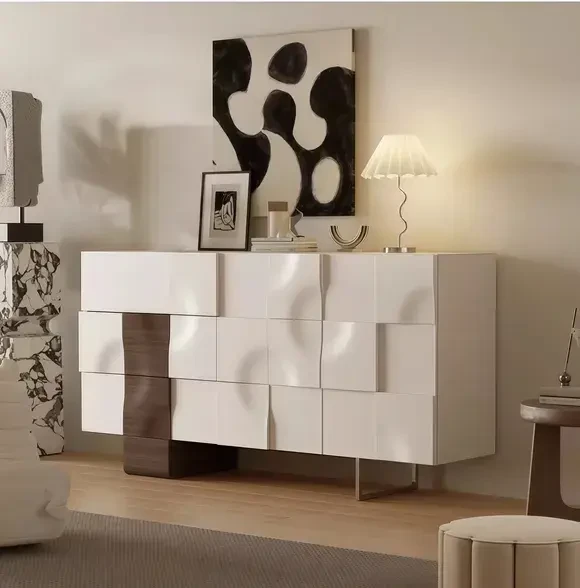


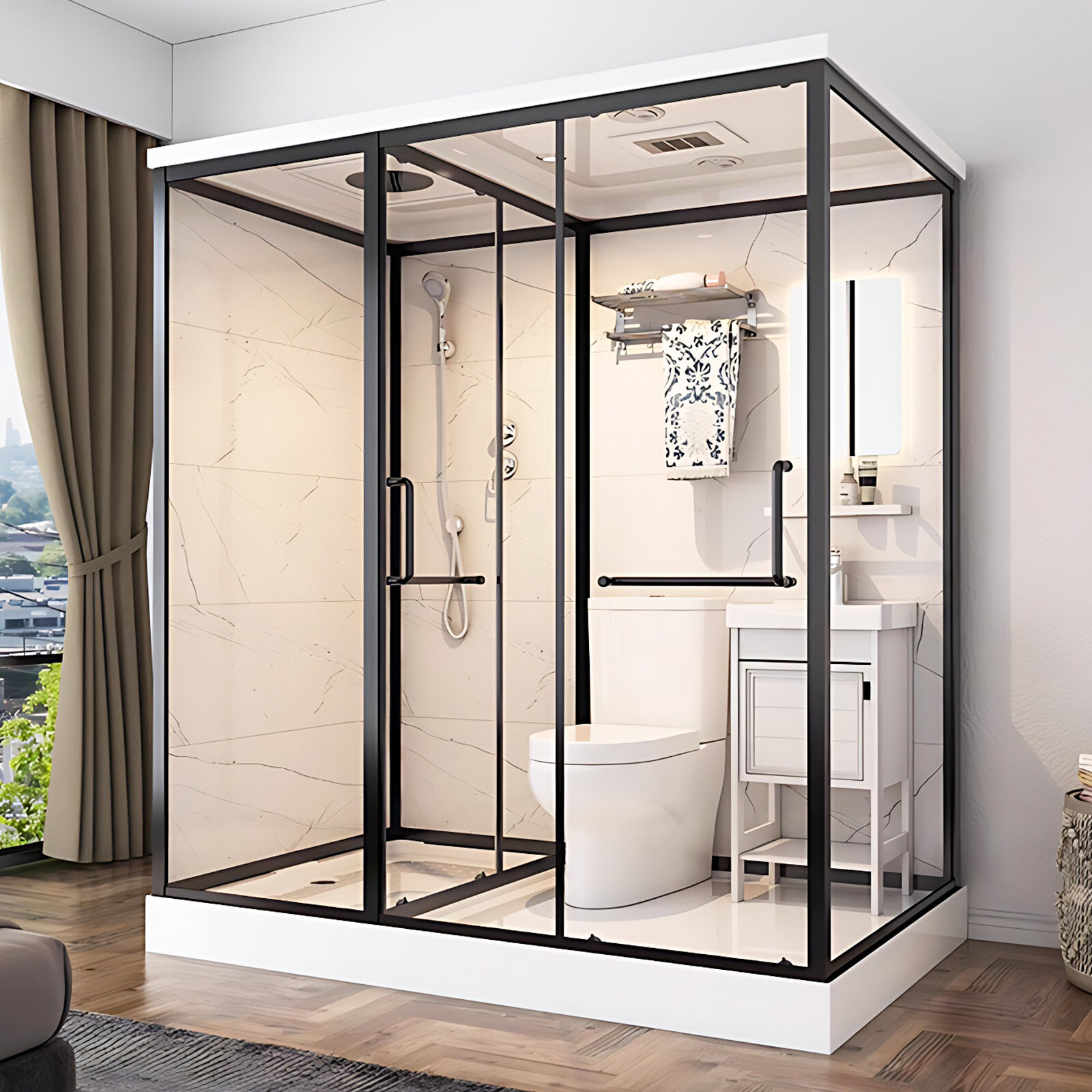

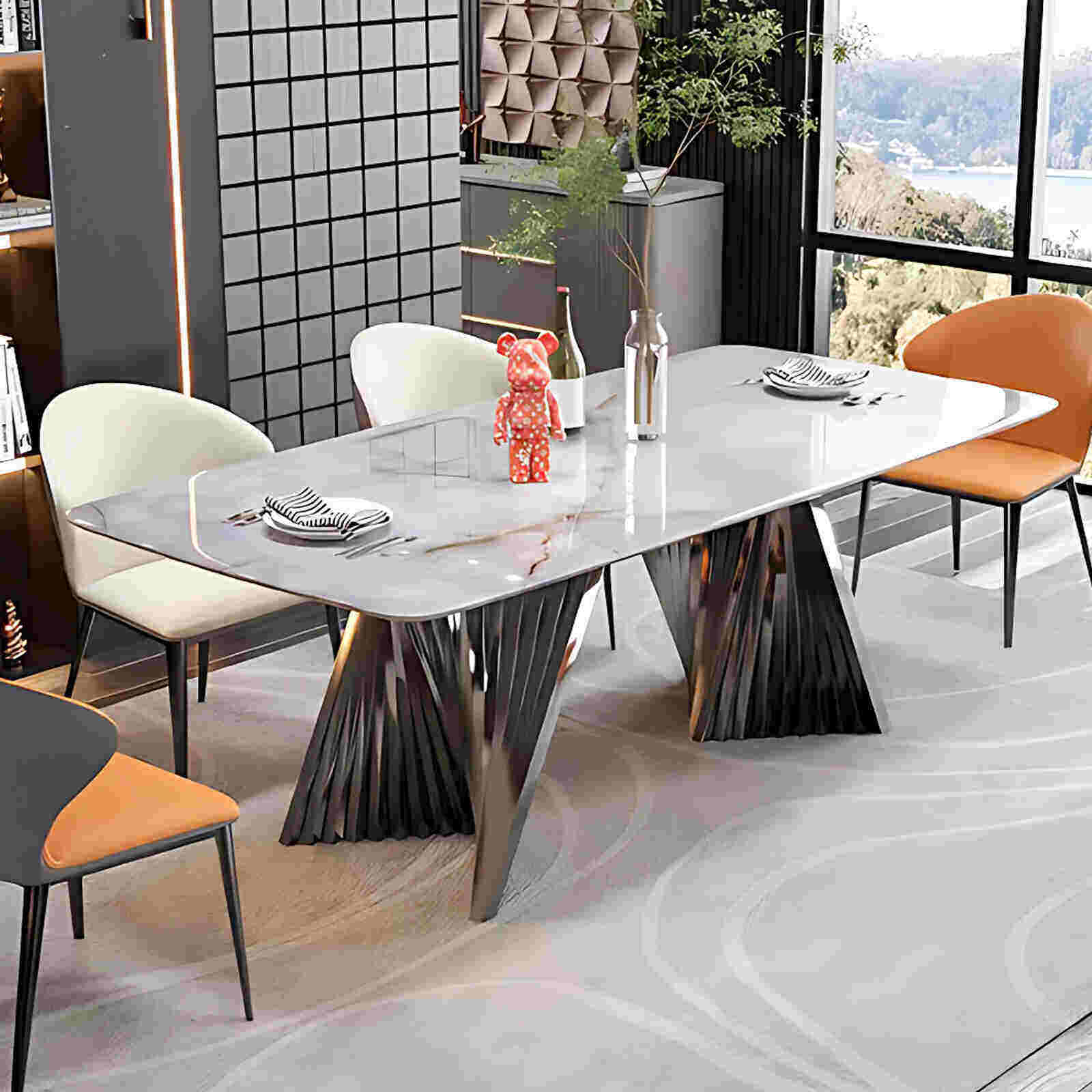
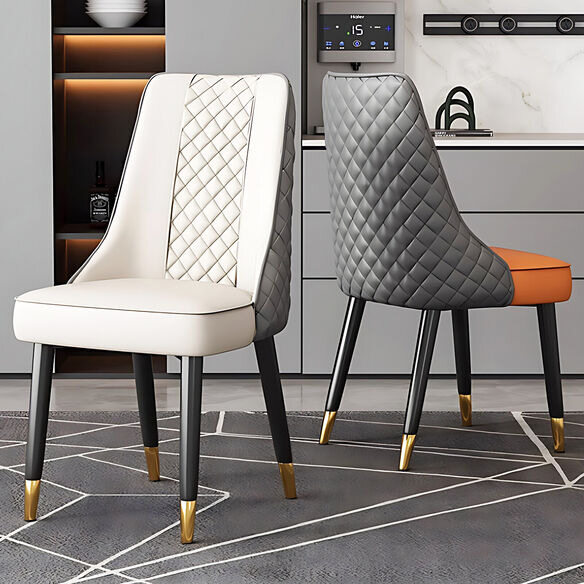
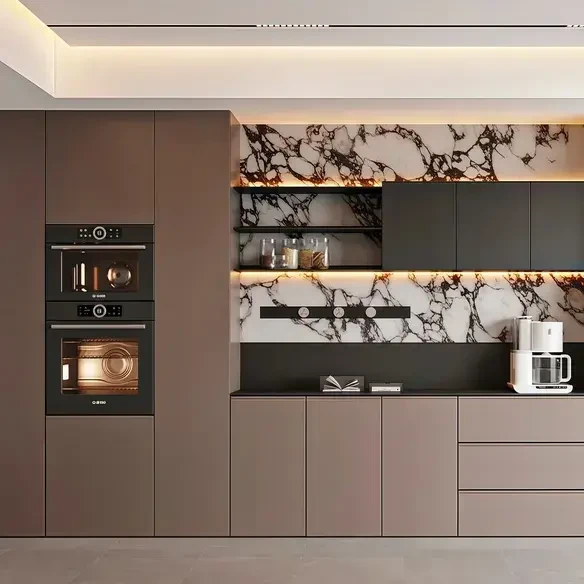


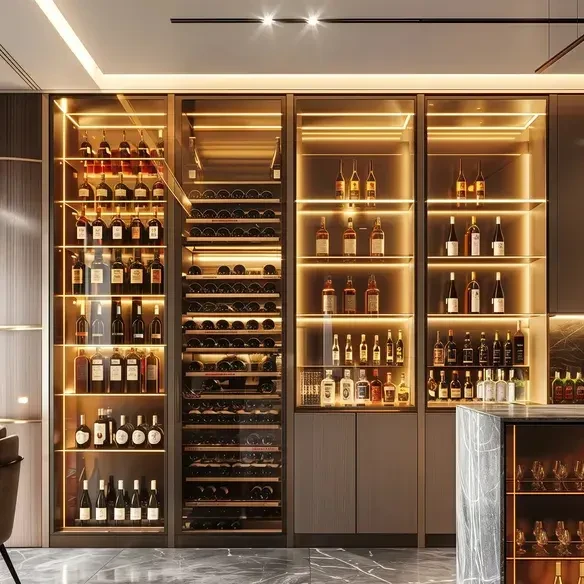

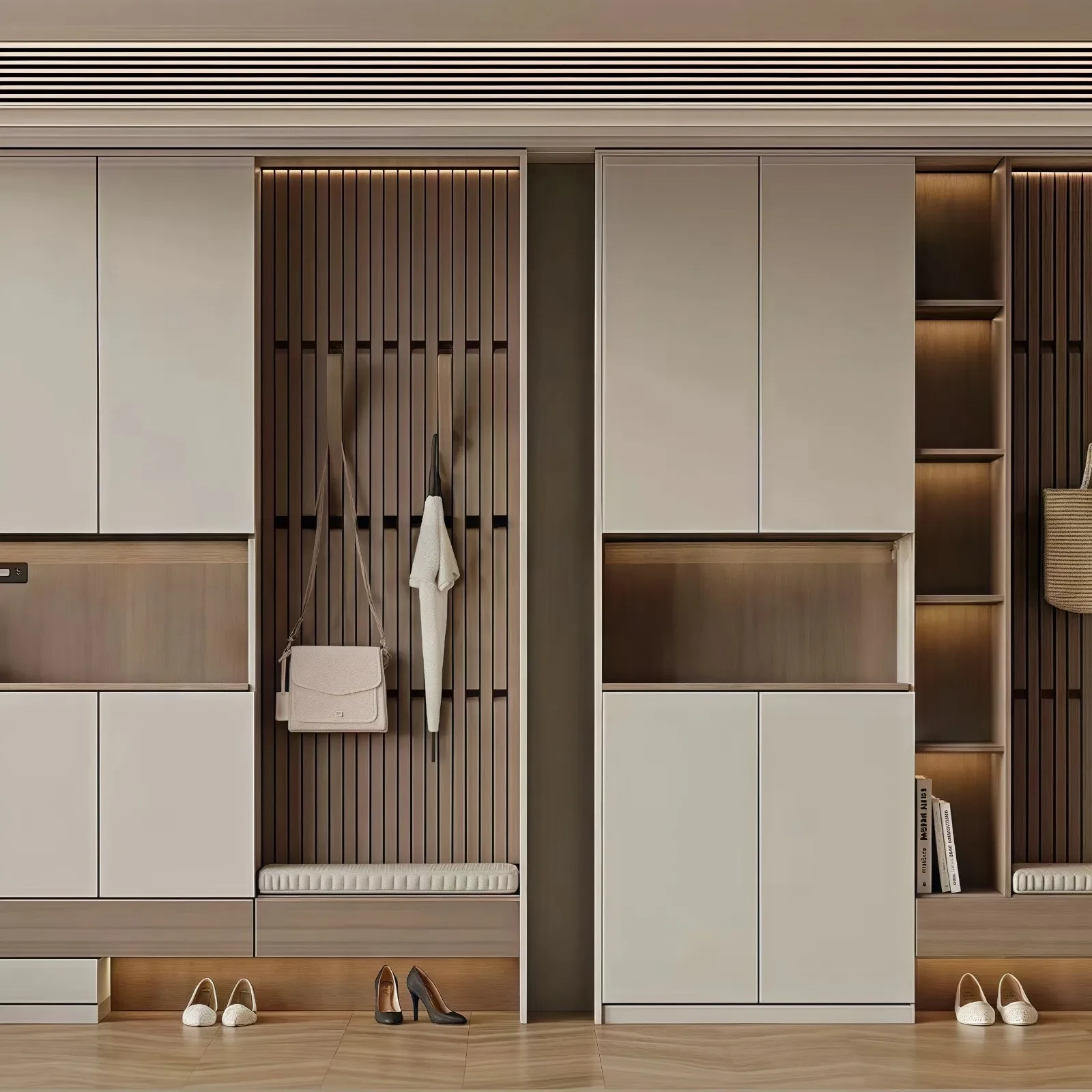
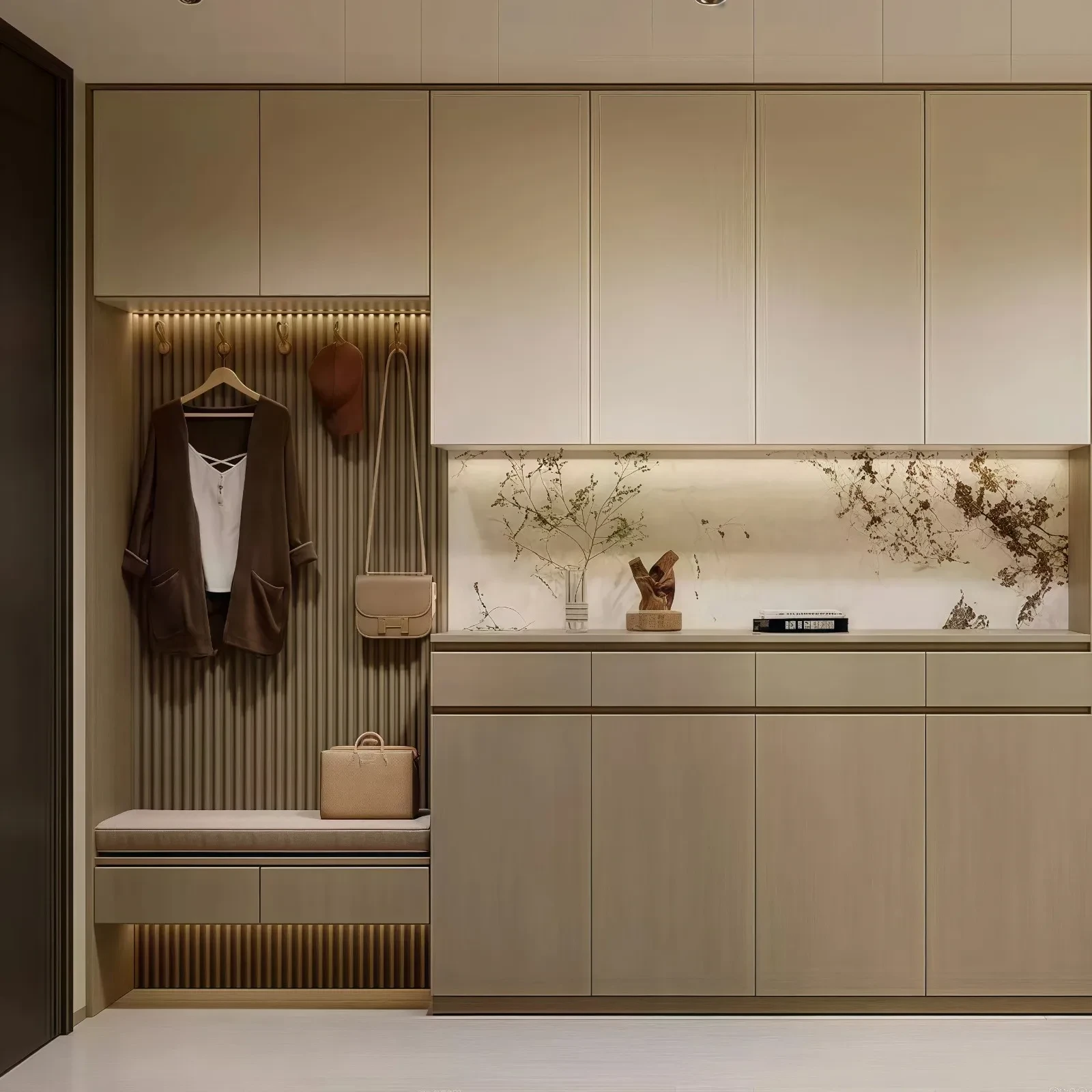

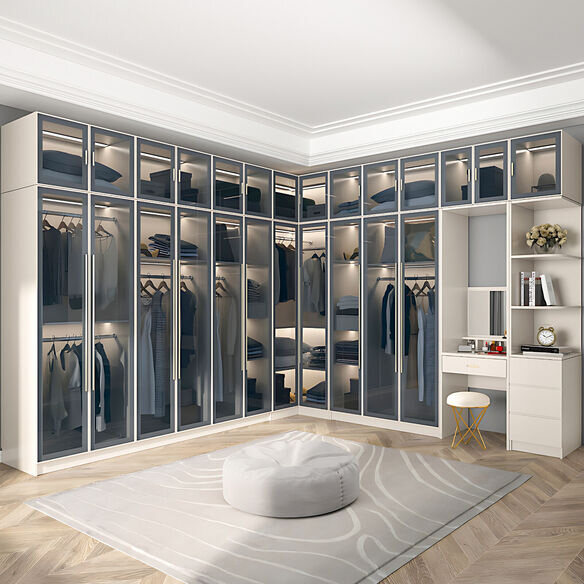
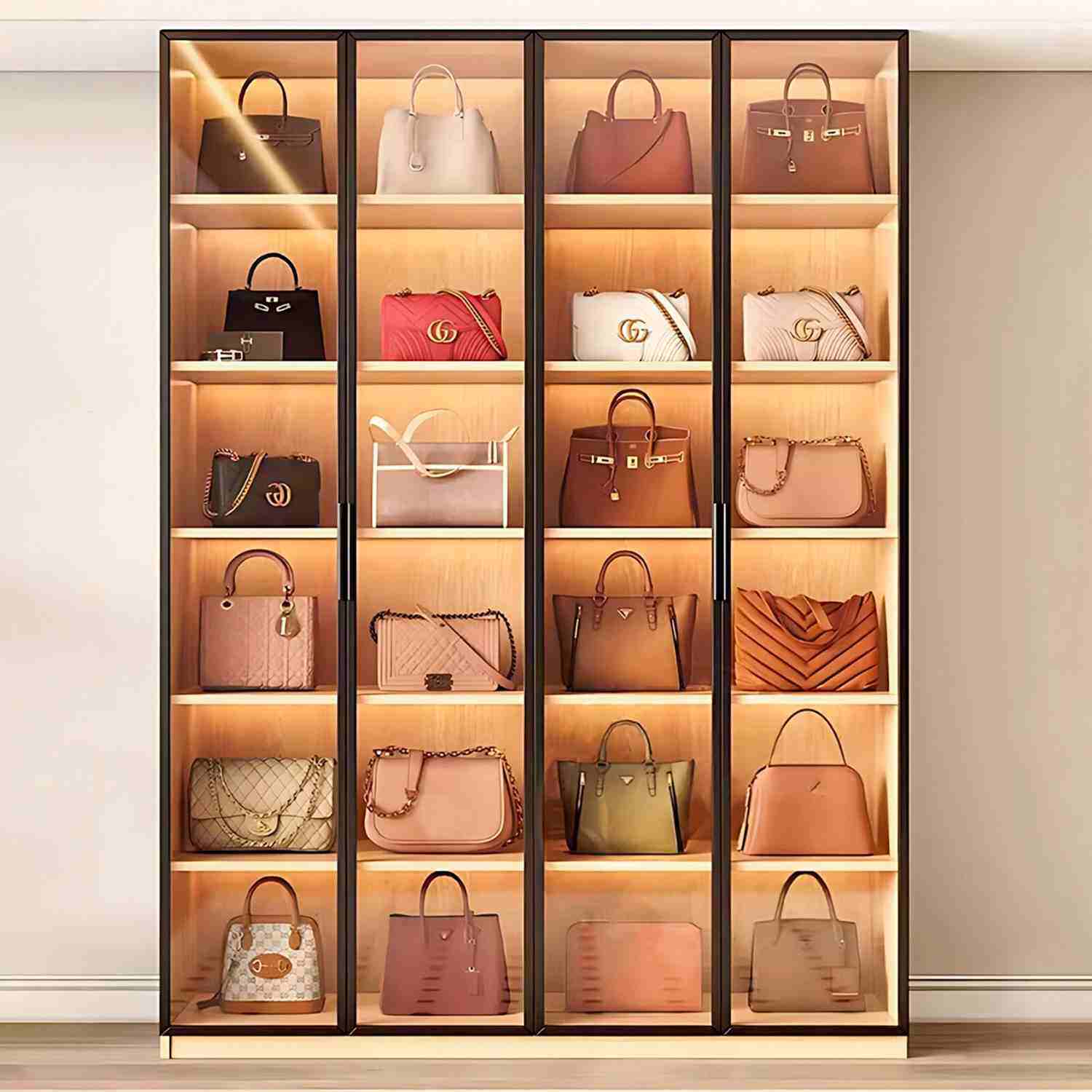
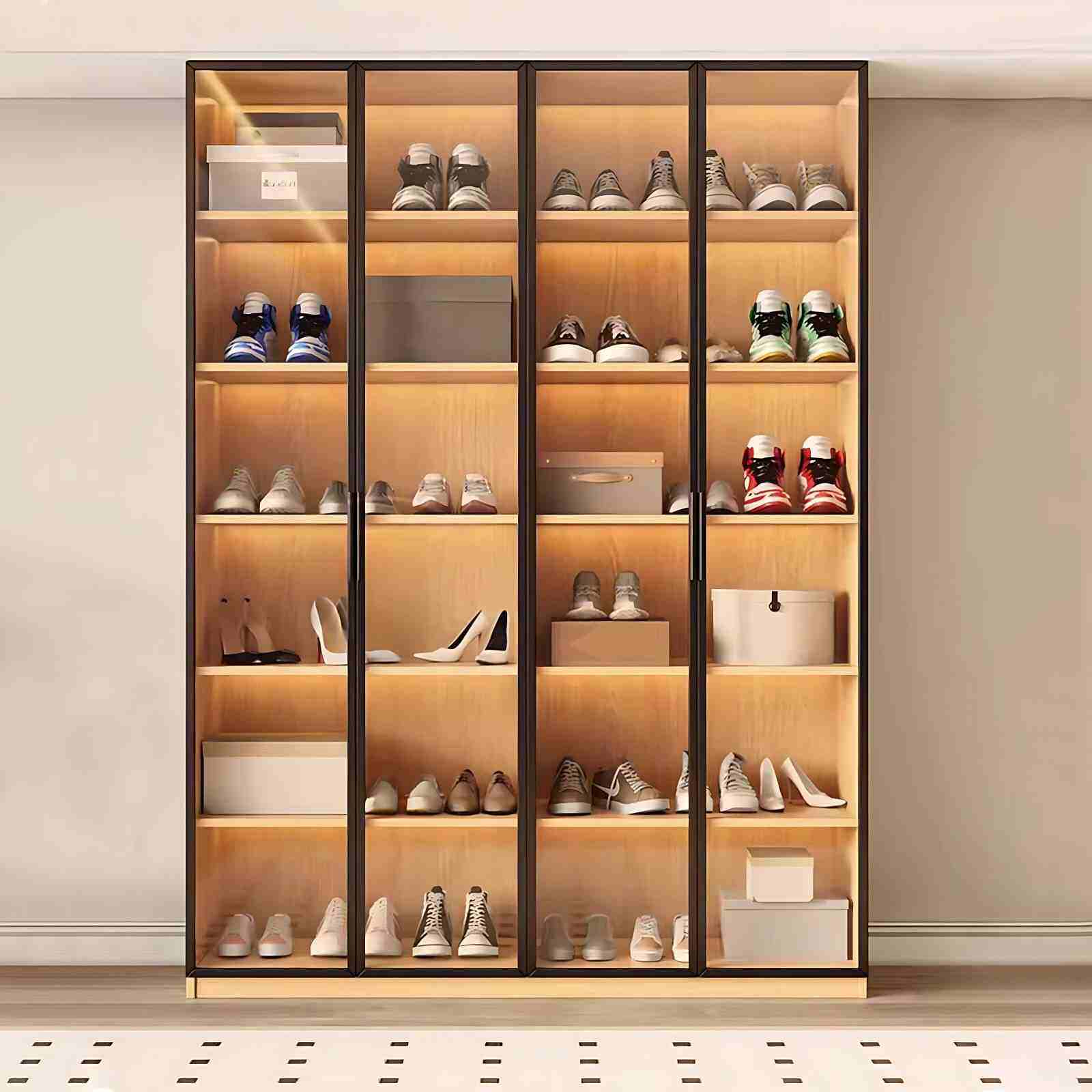
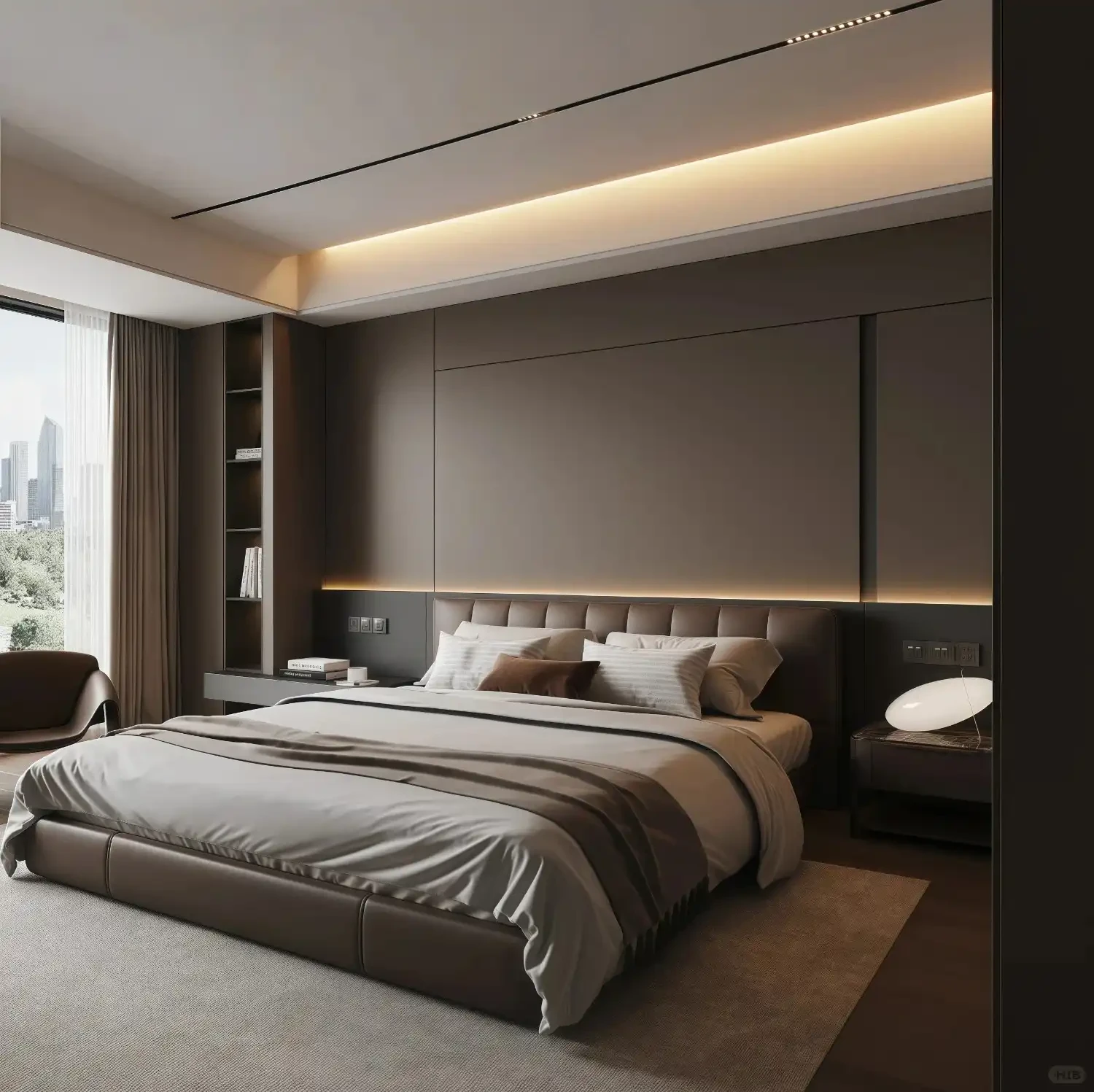
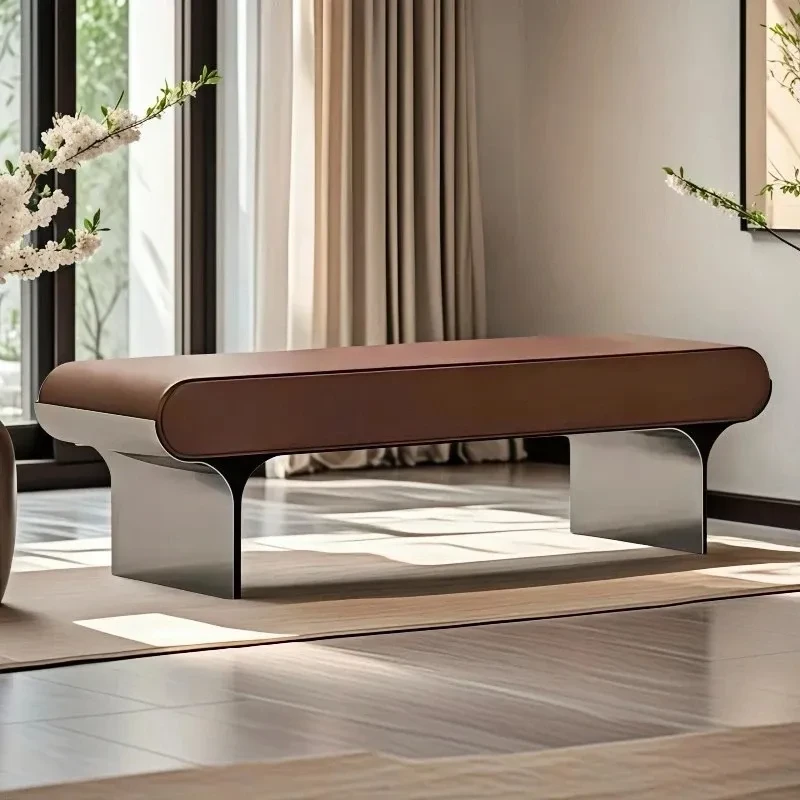


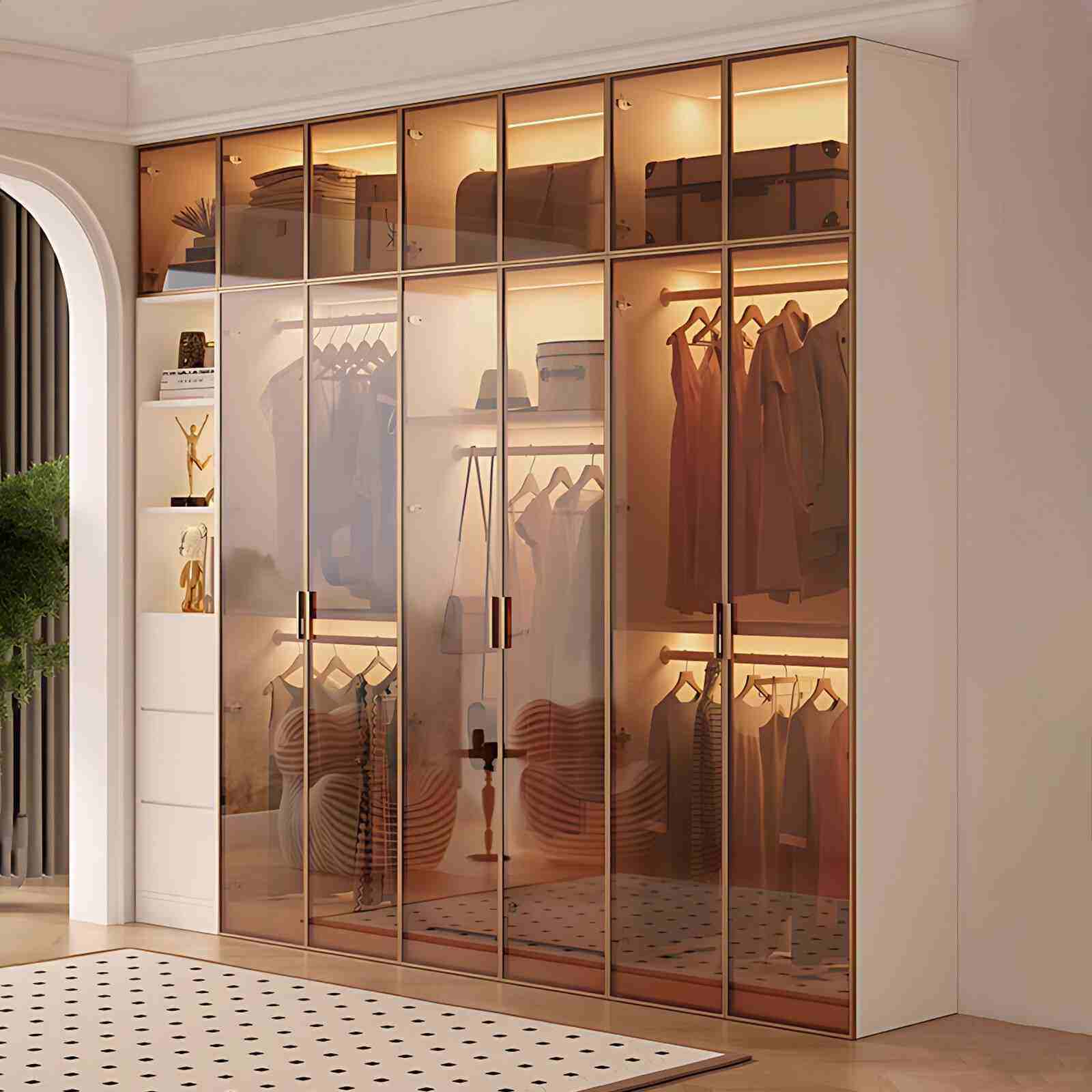
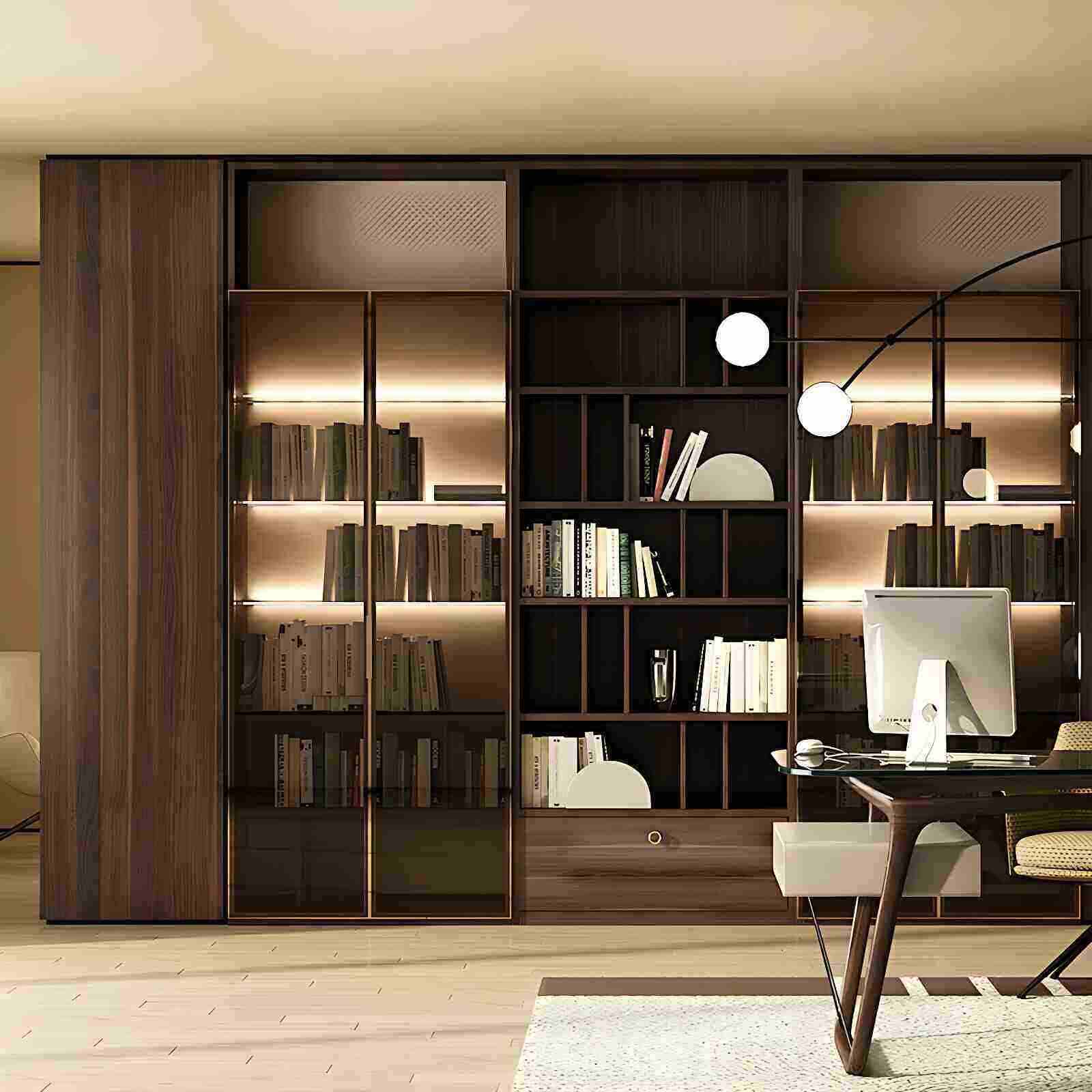

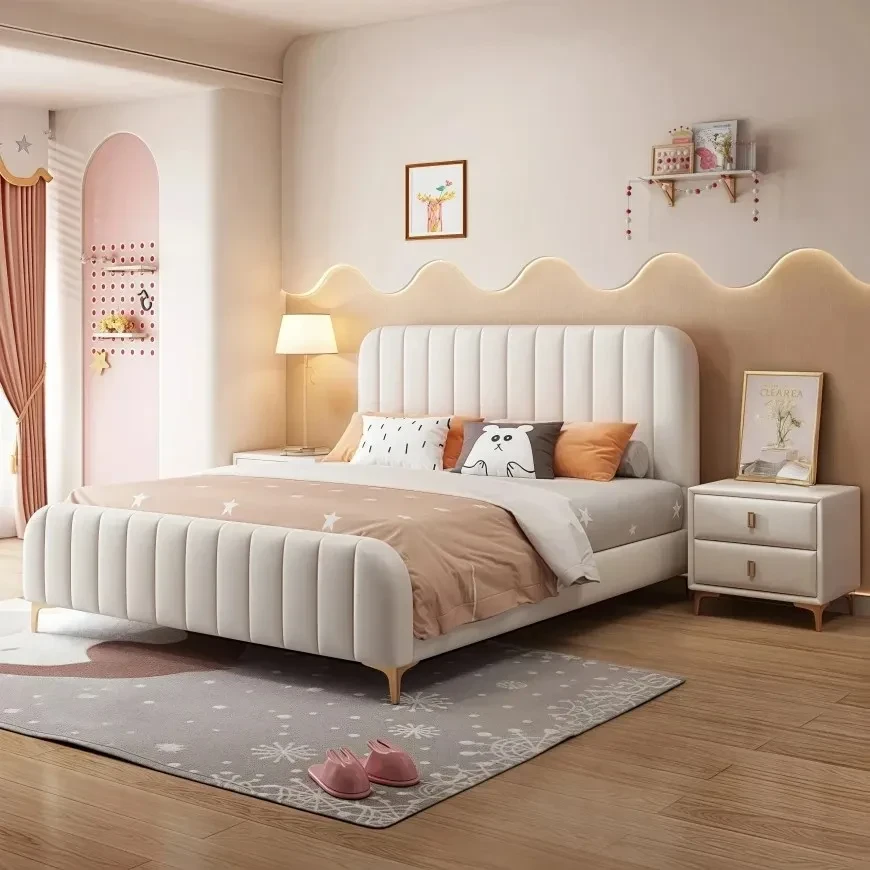
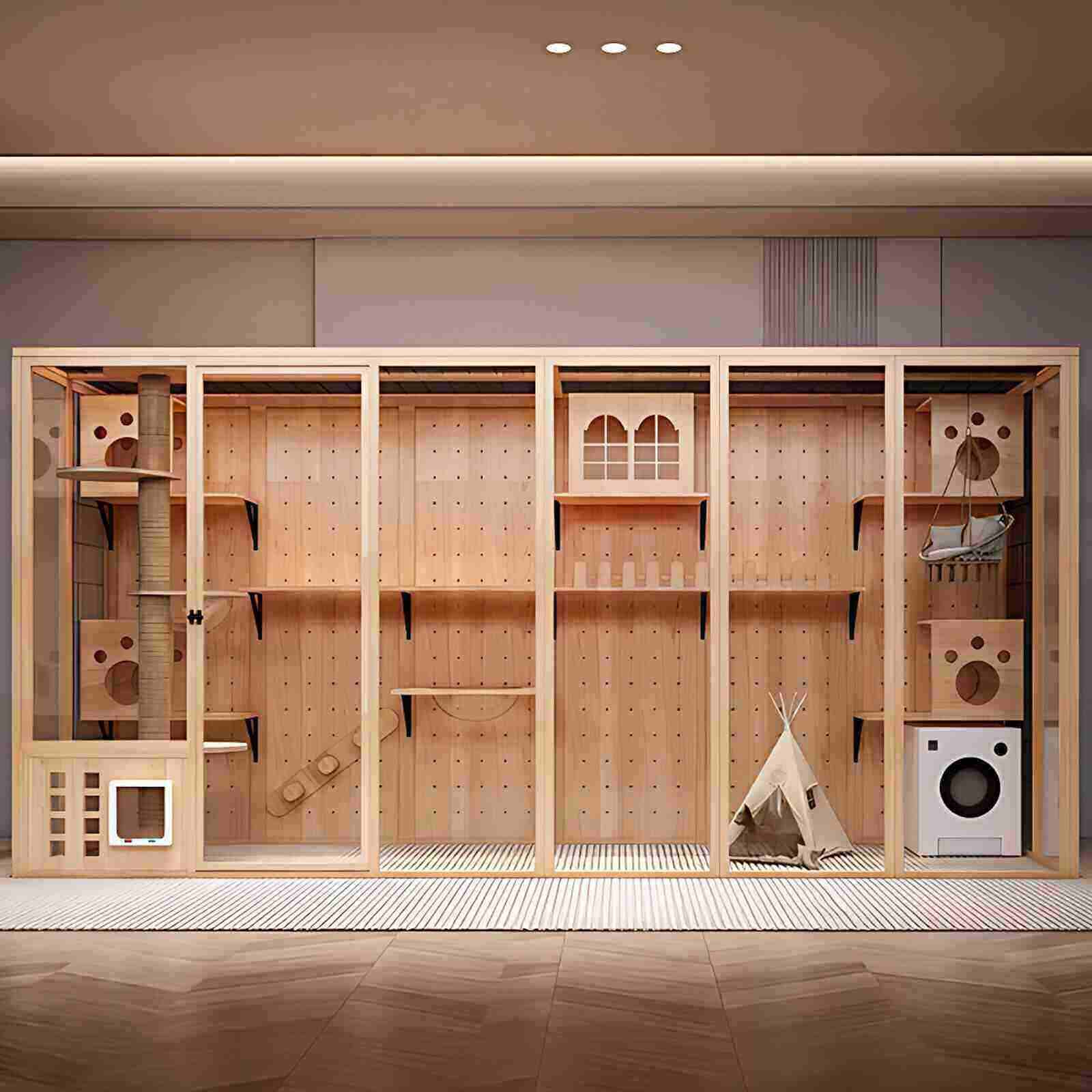

In the booming board industry market, a dazzling array of styles and materials of boards are available, greatly satisfying people's daily home decoration needs. For example, many people know very little about MDF (medium-density fiberboard), and most are not very familiar with its main components. Below, BanCai.com will provide a comprehensive and systematic introduction to MDF to help you fully understand this type of engineered wood product.
Main components and manufacturing methods of MDF
MDF, commonly known as fiberboard, is a type of engineered wood product with a very high market share and is widely used in the decoration industry. Its main raw material is wood fiber or other plant fiber, which is ground and crushed by machine, then separated into fibers, dehydrated and dried, and then mixed with urea-formaldehyde resin or other adhesives. Finally, it is made by hot pressing at high temperature.
Specific classifications of MDF
The term "MDF" (medium-density fiberboard) originates from its varying densities, which can be categorized into high-density, medium-density, and low-density fiberboard. Based on the main raw material, it can be classified as fiber MDF, plywood, particleboard, etc. Common thicknesses include 3mm, 5mm, 9mm, 12mm, 15mm, 18mm, and 25mm.
Advantages and disadvantages of MDF
The biggest advantage of MDF (Medium-density Fiberboard) is its fine texture, making edge sealing simple and quick after cutting, and ensuring excellent sealing without peeling or detachment. In addition, MDF has excellent flexibility, allowing it to be extruded into various shapes as needed, and is frequently used in door panels or back panels. However, MDF also has some significant drawbacks. For example, due to its flexibility, it is not very strong in terms of load-bearing capacity, especially under lateral stress, making it prone to deformation. Furthermore, its environmental performance is relatively poor; ordinary MDF requires a large amount of glue for bonding, which lowers its environmental rating. MDF also has poor moisture resistance; if frequently placed in a humid environment, it is prone to warping and deformation. Besides these issues, MDF has extremely poor sound insulation, with little sound absorption or noise reduction.