
 USD
USD GBP
GBP
 EUR
EUR









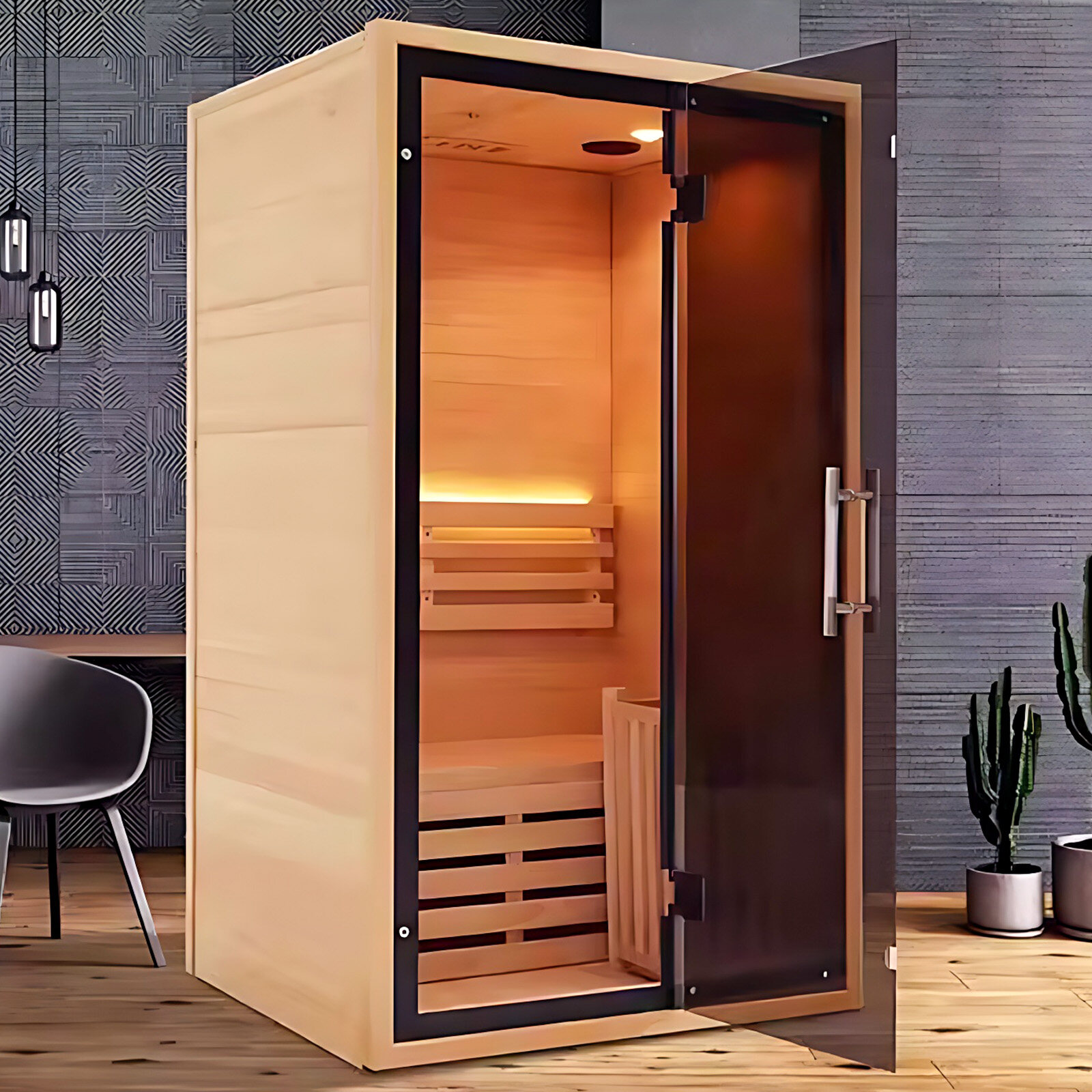


























Wood drying generally refers to the process of reducing the moisture content of wood through evaporation or other means under the influence of heat.
For moisture to be removed from wood, a heat source must be present in its surrounding environment. At a certain temperature, the moisture in the wood is released into the surrounding air through evaporation or boiling, thus drying the wood. When the moisture content of the wood drops to a certain level, we can use it to process and manufacture the products we need.
Internal factors affecting wood drying
Besides external factors such as temperature, humidity, and airflow speed, the main internal factors affecting wood drying are as follows:
Wood species: Different wood species have different structures. The size and number of their pits, as well as the size of the micropores on the pit membrane, vary greatly. Therefore, the ease with which moisture moves along the above-mentioned paths differs. In other words, wood species is the main internal factor affecting the drying speed.
Wood thickness: The conventional wood drying process can be approximated as a one-dimensional heat transfer process along the thickness direction. As the thickness increases, the heat transfer distance becomes longer, the resistance increases, and the drying speed decreases significantly.
Heartwood and sapwood: Broad-leaved trees have more contents in their heartwood cells, while most of the pits in the heartwood of coniferous trees are closed, so heartwood is more difficult to dry than sapwood.
Wood grain direction: Wood rays facilitate moisture conduction, and moisture conduction along the wood axis is faster. Therefore, tangentially cut boards usually dry faster than radially cut boards.
What is the purpose of drying wood?
First, it prevents wood from cracking and warping: When moisture in wood is released into the air, especially when the moisture content is below the wood's fiber saturation point, it causes the wood to shrink. If this shrinkage is uneven, the wood will crack or warp. Drying wood to a degree suitable for its intended use or to meet usage requirements maintains relative dimensional stability and ensures durability.
Secondly, it improves the mechanical strength of wood and enhances its physical properties and processing conditions: when the moisture content of wood is below the fiber saturation point, the physical and mechanical strength of the wood will increase as the moisture content decreases; at the same time, the wood is also easier to saw and plan, reducing damage to woodworking machinery.
Third, it prevents wood from becoming moldy, rotten, and infested with insects: When the moisture content of wood is in the range of 20% to 150%, mold is very likely to grow, causing the wood to become moldy, rotten, and infested with insects. If the moisture content of wood is dried to below 20%, the conditions for mold growth in the wood are destroyed, enhancing the wood's resistance to mold, rot, and insect infestation, and maintaining the original characteristics of the wood.
Fourth, reducing timber weight and improving transport capacity: After drying, the weight of timber can be reduced by 30% to 40%. If timber processing and drying are concentrated in the timber supply area, the transport capacity of timber can be greatly improved.
Is it true that the drier the wood, the better?
When wood is placed in a certain environment, its moisture content will tend to reach an equilibrium value after a sufficiently long period of time, which is called the equilibrium moisture content of that environment. When the moisture content of the wood is higher than the equilibrium moisture content of the environment, the wood will release moisture and shrink; conversely, it will absorb moisture and expand.
For example, the average annual equilibrium moisture content in Guangzhou is 15.1%, while in Beijing it is 11.4%. Wood dried to 11% is suitable for use in Beijing, but in Guangzhou it will absorb moisture, swell, and warp. Therefore, proper wood drying is crucial; drier is not always better. Different regions and different uses require different moisture content levels for wood.