
 USD
USD GBP
GBP
 EUR
EUR
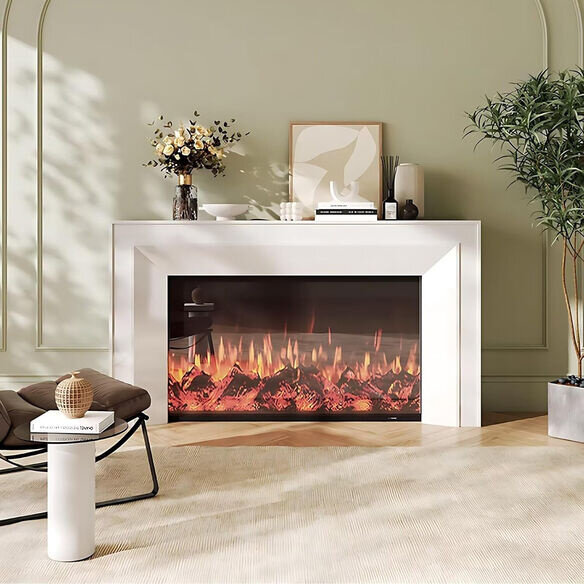


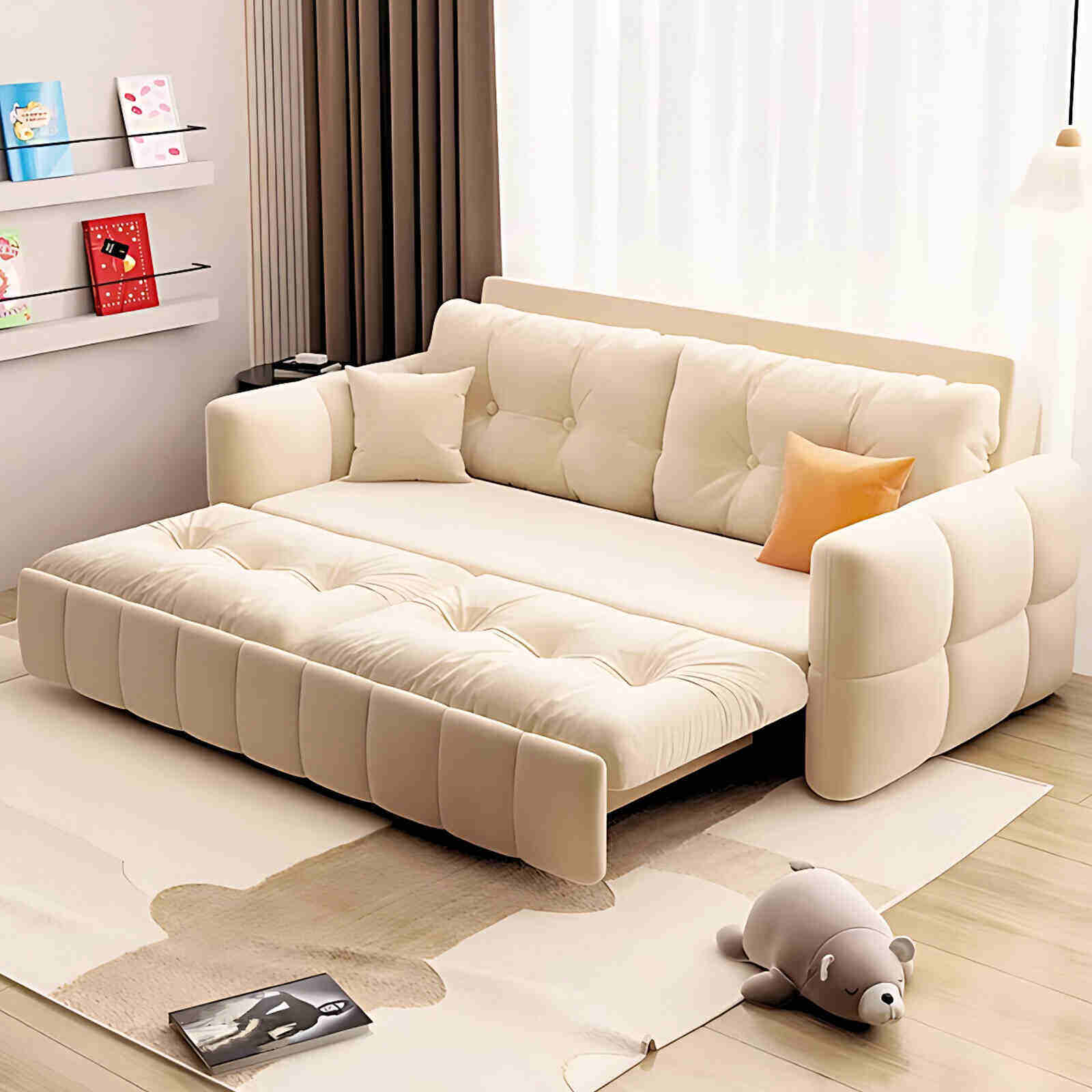
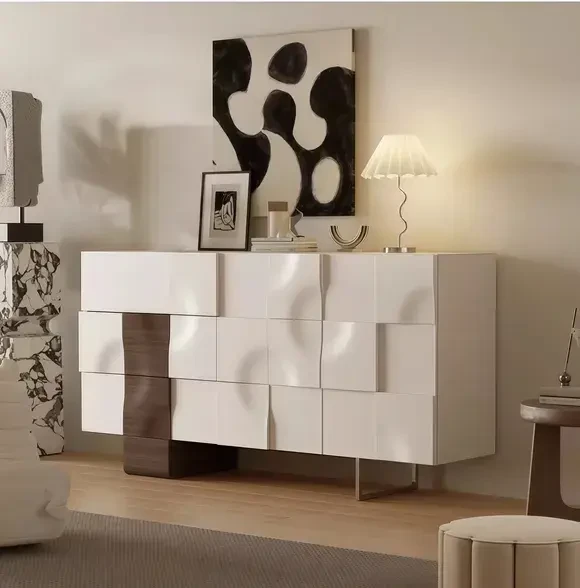

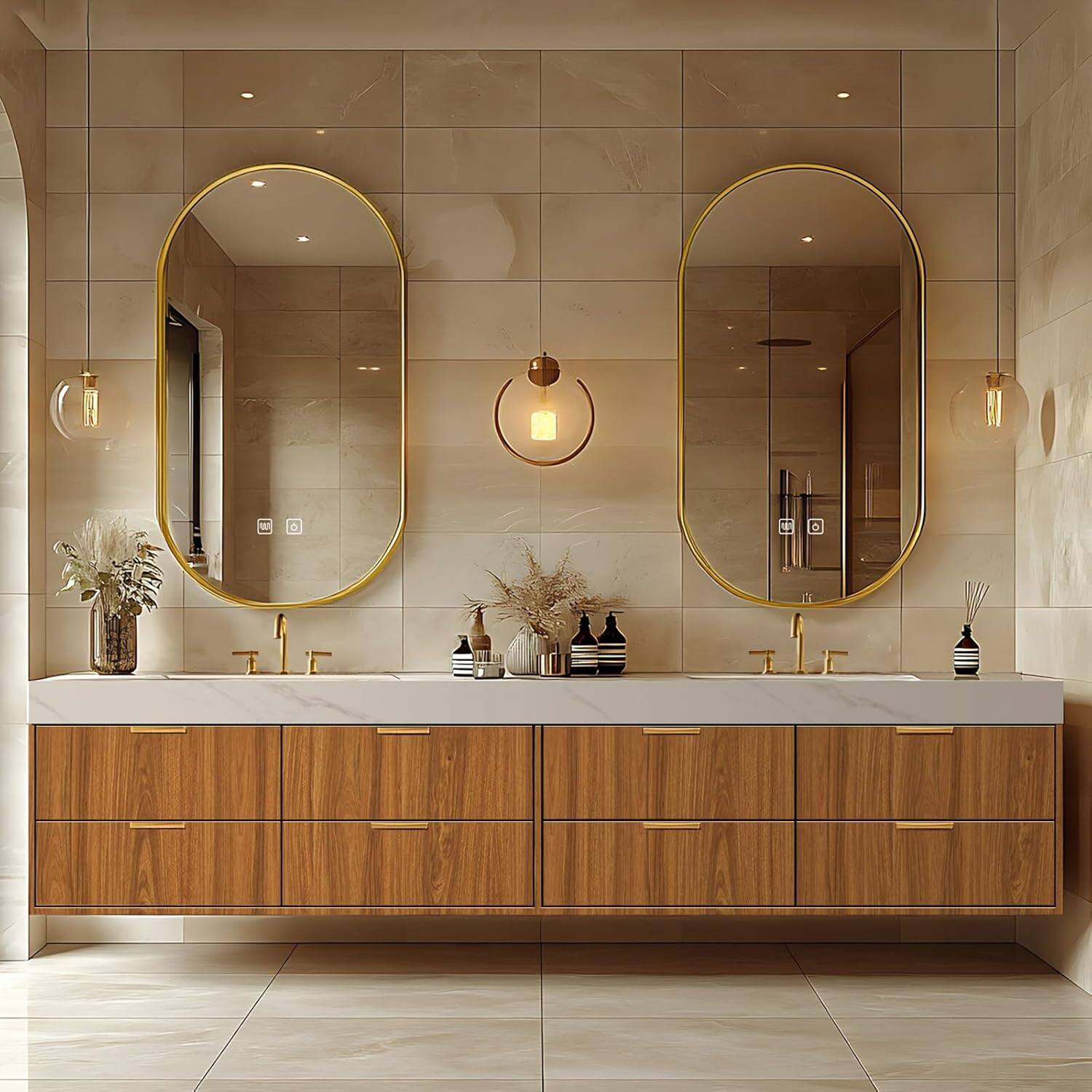
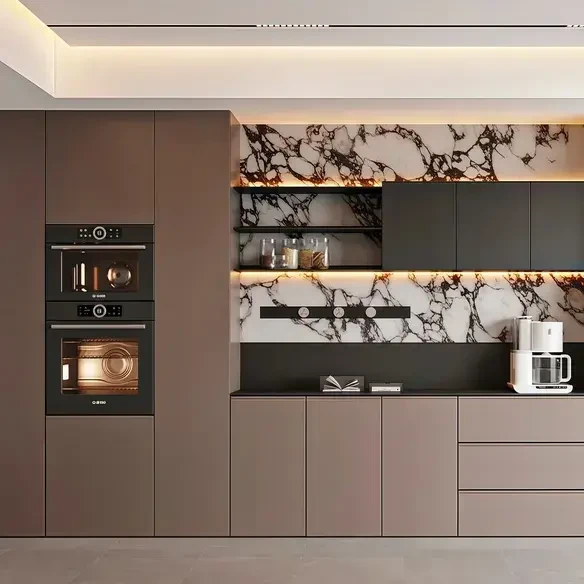
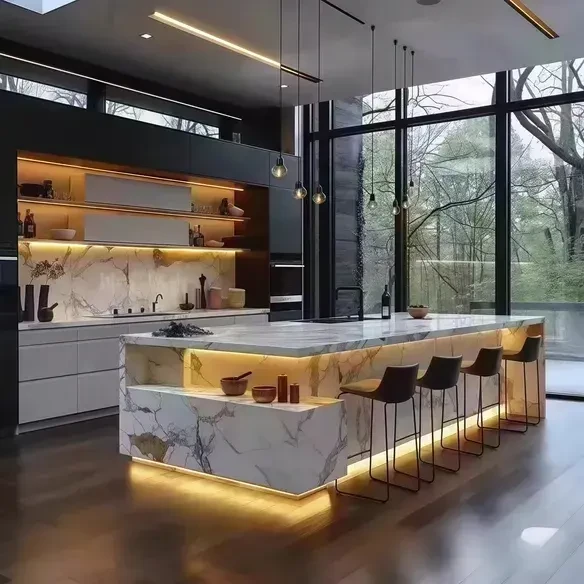
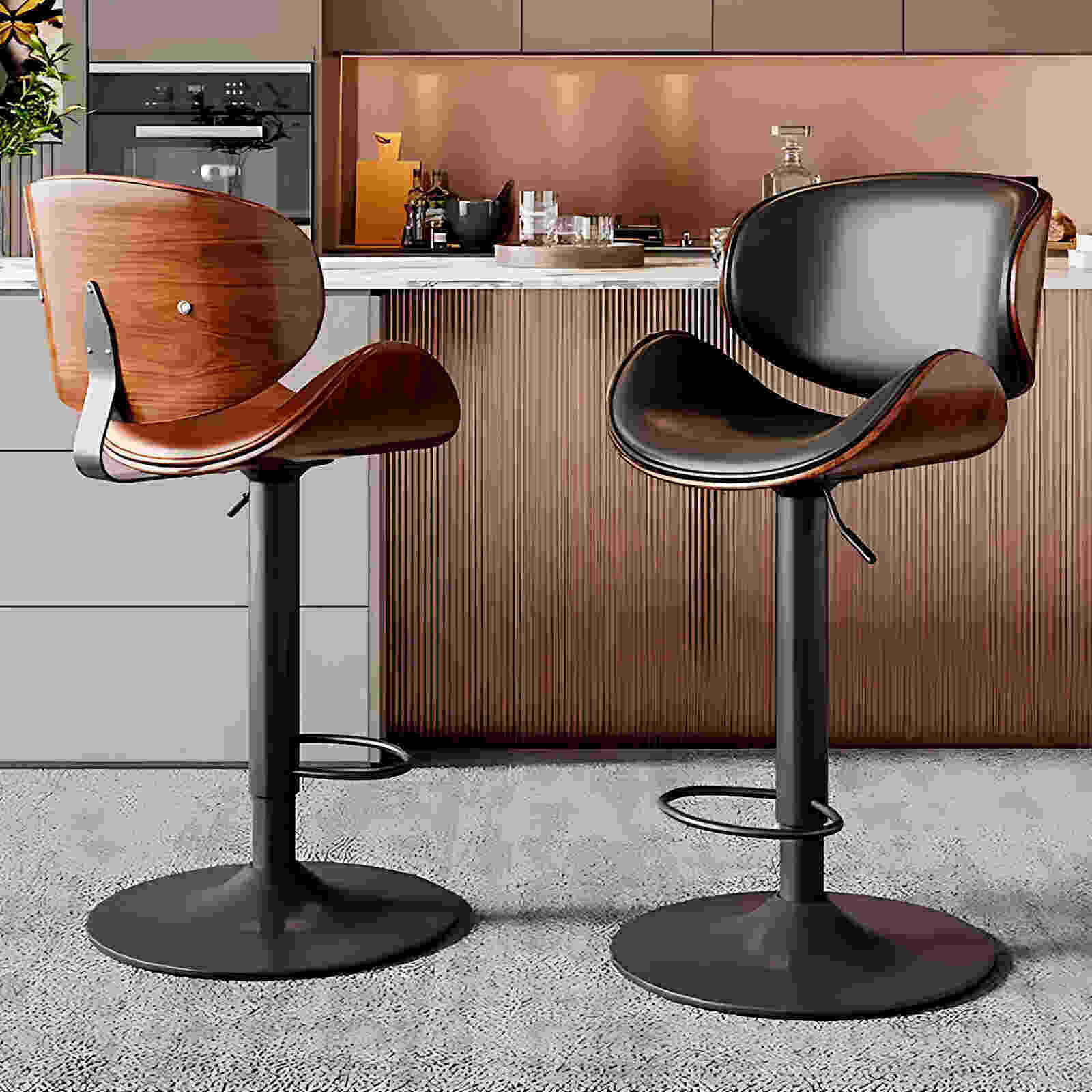



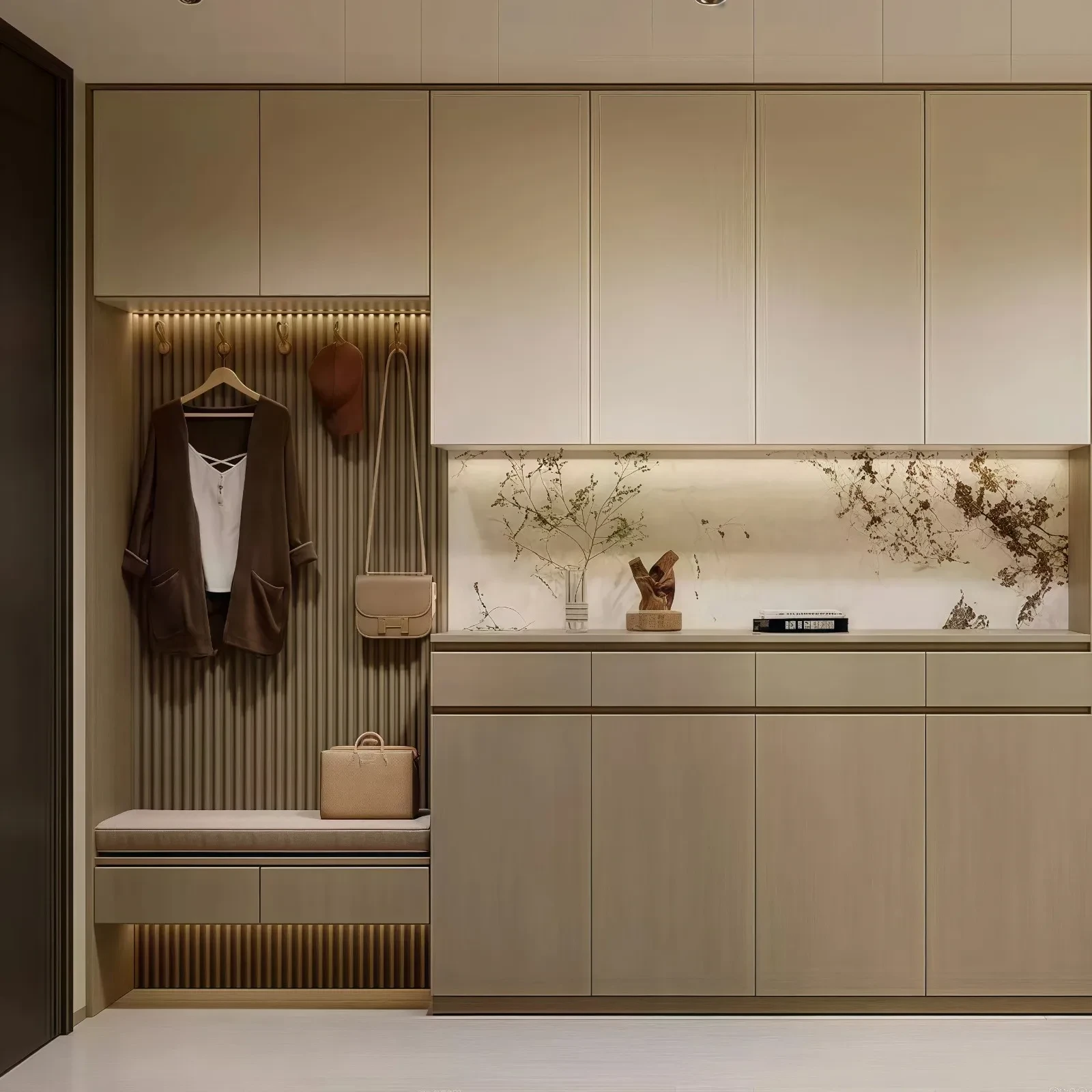



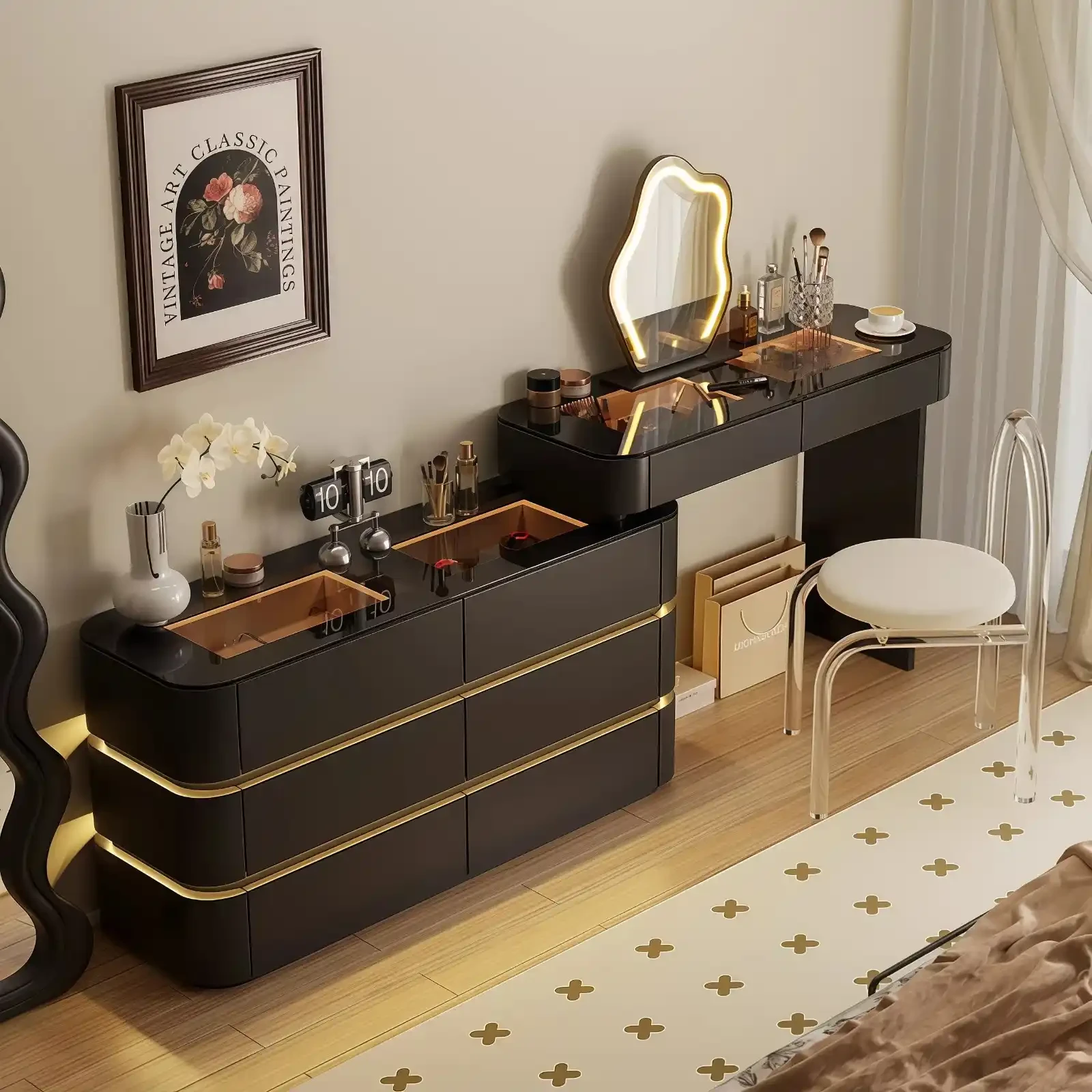

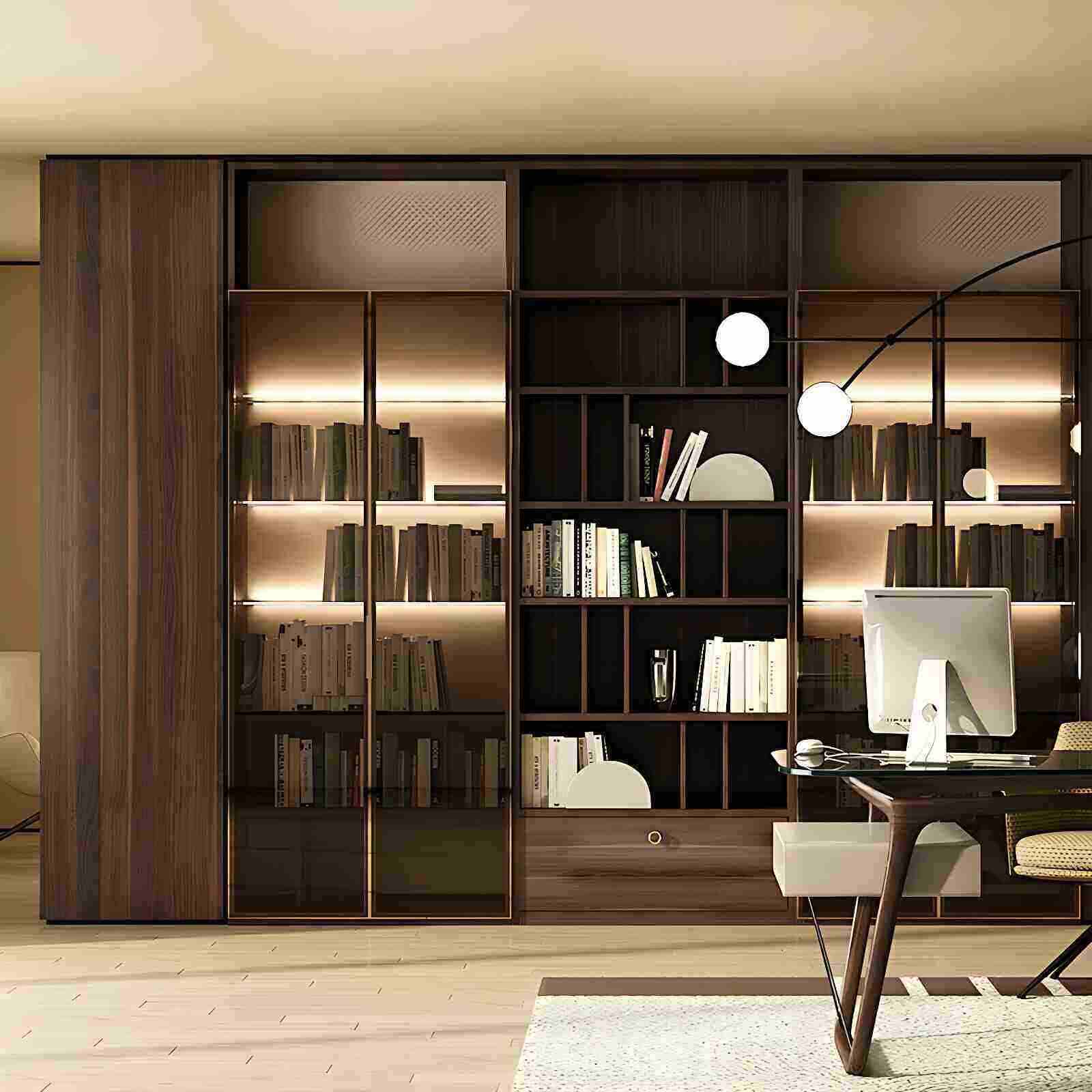
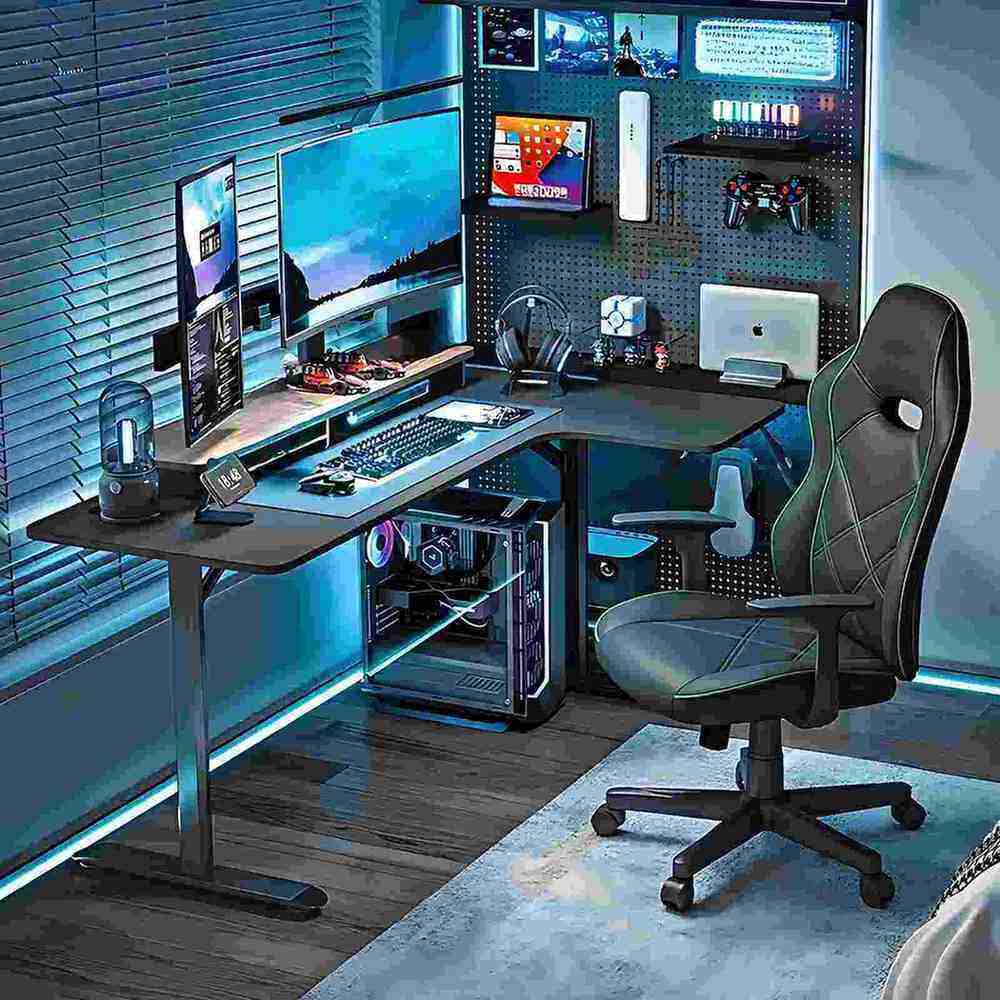
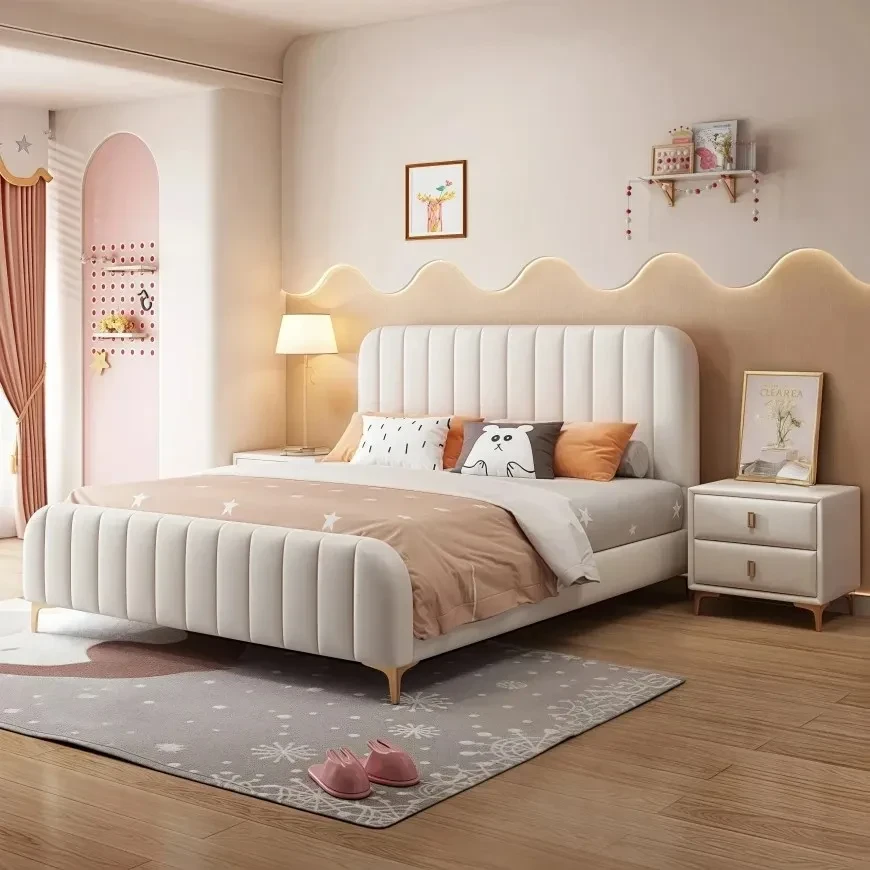
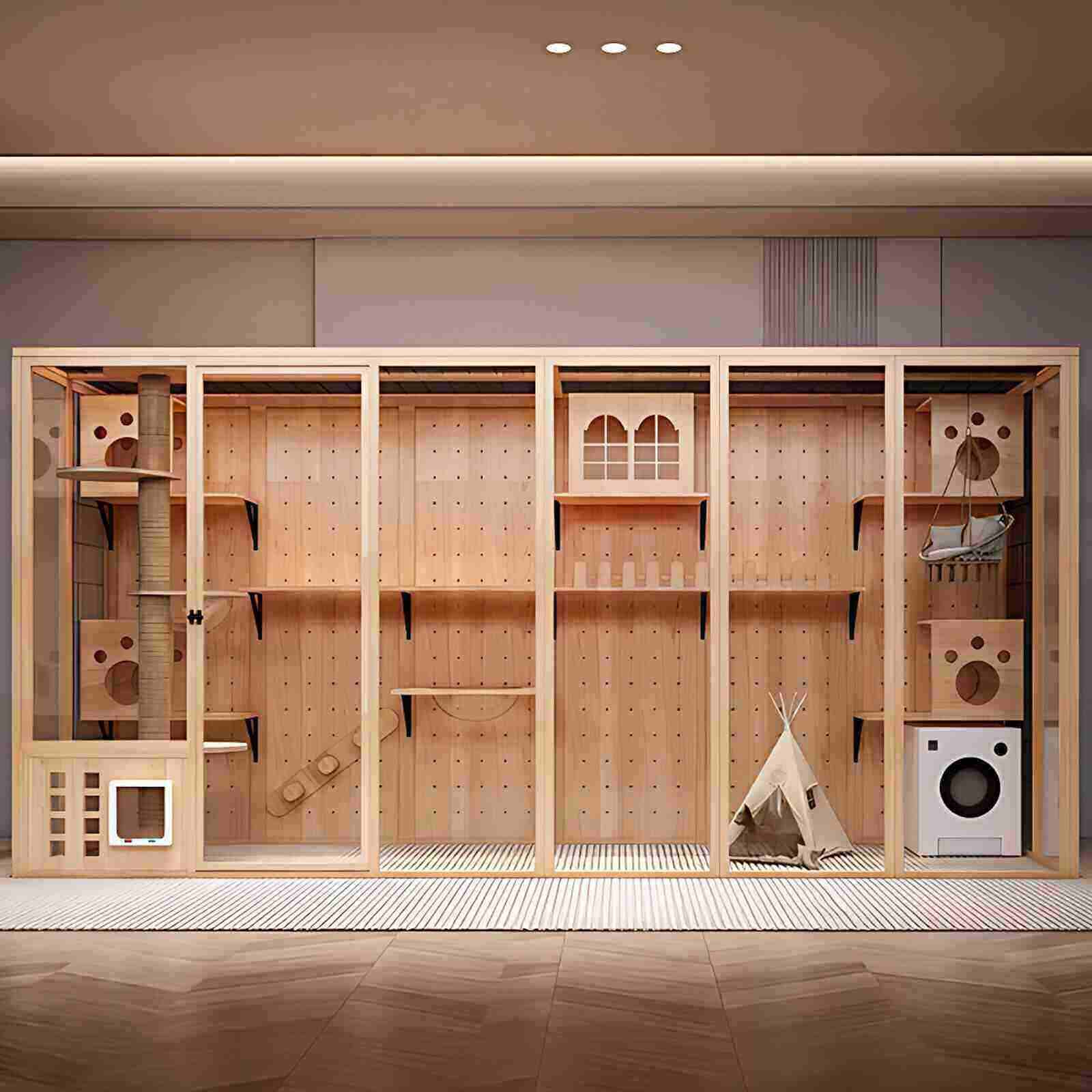
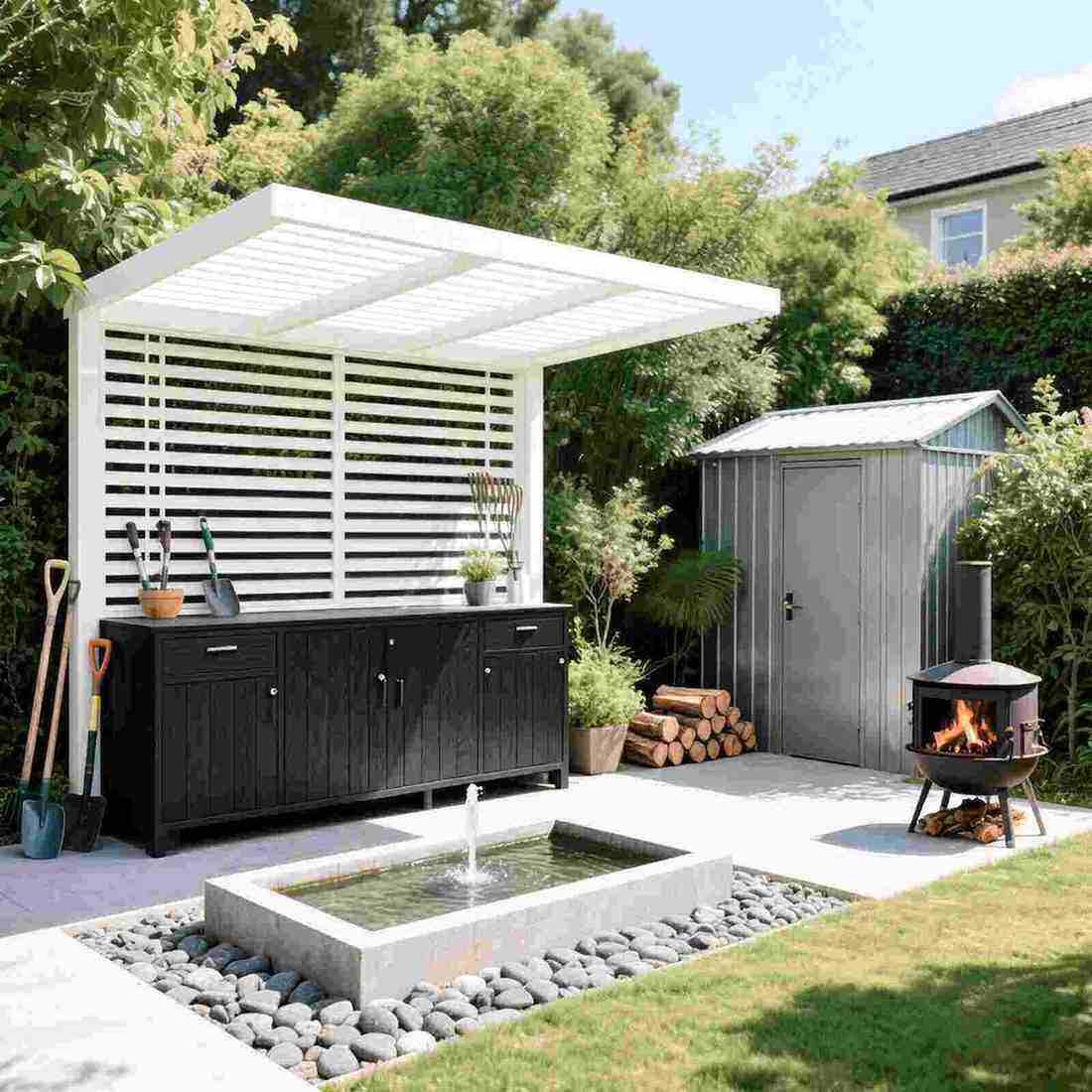
Wood panels are an indispensable material in home decoration, and you're probably familiar with them. Today, we'll introduce finger-jointed boards to broaden your knowledge. Those of you planning to renovate soon should definitely pay close attention!
First, let's explain the construction principle of finger joint boards.
Finger-jointed boards are made of multiple wooden boards joined together, without any additional plywood on top or bottom. Because the vertical boards are joined with a serrated joint, similar to the interlocking of two fingers, they are called finger-jointed boards.
The surface layer of finger-jointed boards is mostly coated with clear varnish, and there is no need to glue the top and bottom plywood. The amount of glue used is small, and the environmental protection effect is excellent. It can easily reach the E0 level. Therefore, furniture made with finger-jointed boards is known for its environmental protection and health.
Of course, not all finger-jointed boards are so excellent. Among finger-jointed boards, the Happy Bear Cedar Finger-Jointed Board stands out. Why is the Happy Bear Cedar Finger-Jointed Board so excellent? It is because it selects cedar wood as the core, which has a natural wood fragrance. The cedar wood alcohol it emits can kill bacteria in the air, inhibit human pathogens, suppress skin inflammation, eliminate human fatigue, and relieve stress, among other advantages.
The cedar solid wood finger-jointed melamine-faced board uses a melamine paper hot-bonding process, which involves applying a layer of melamine-impregnated paper to the original finger-jointed board. This allows the wood to have a variety of decorative patterns. The diverse patterns of melamine paper ensure quality when customizing furniture and also allow for the creation of different styles. Whether you want a Chinese style, a modern minimalist style, or a European style, whatever you can imagine, it can be made.
To distinguish finger-jointed boards, mainly look at the growth rings of the core material. Finger-jointed boards are mostly made of cedar, and the growth rings are more obvious. The larger the growth rings, the longer the tree is old, and the better the material of the finger-jointed board.
Another method is to look at the tooth marks. Finger-jointed boards are usually divided into exposed tooth and concealed tooth types, with concealed tooth finger-jointed boards being the best. This is because exposed tooth finger-jointed boards are more prone to unevenness after painting, and the patterns of concealed tooth are also more aesthetically pleasing.
Finger-jointed boards are widely used in large-scale construction.
Due to its structural characteristics, finger-jointed boards are frequently used as building components, possessing properties similar to wallpaper paste. In the event of a fire, the risk of collapse is minimal, significantly increasing evacuation time. Therefore, finger-jointed boards can be used to create various shapes of load-bearing beams, columns, and frames, and are widely used in buildings such as stadiums, concert halls, factories, warehouses, and bridges.
It is also widely used in home furnishings.
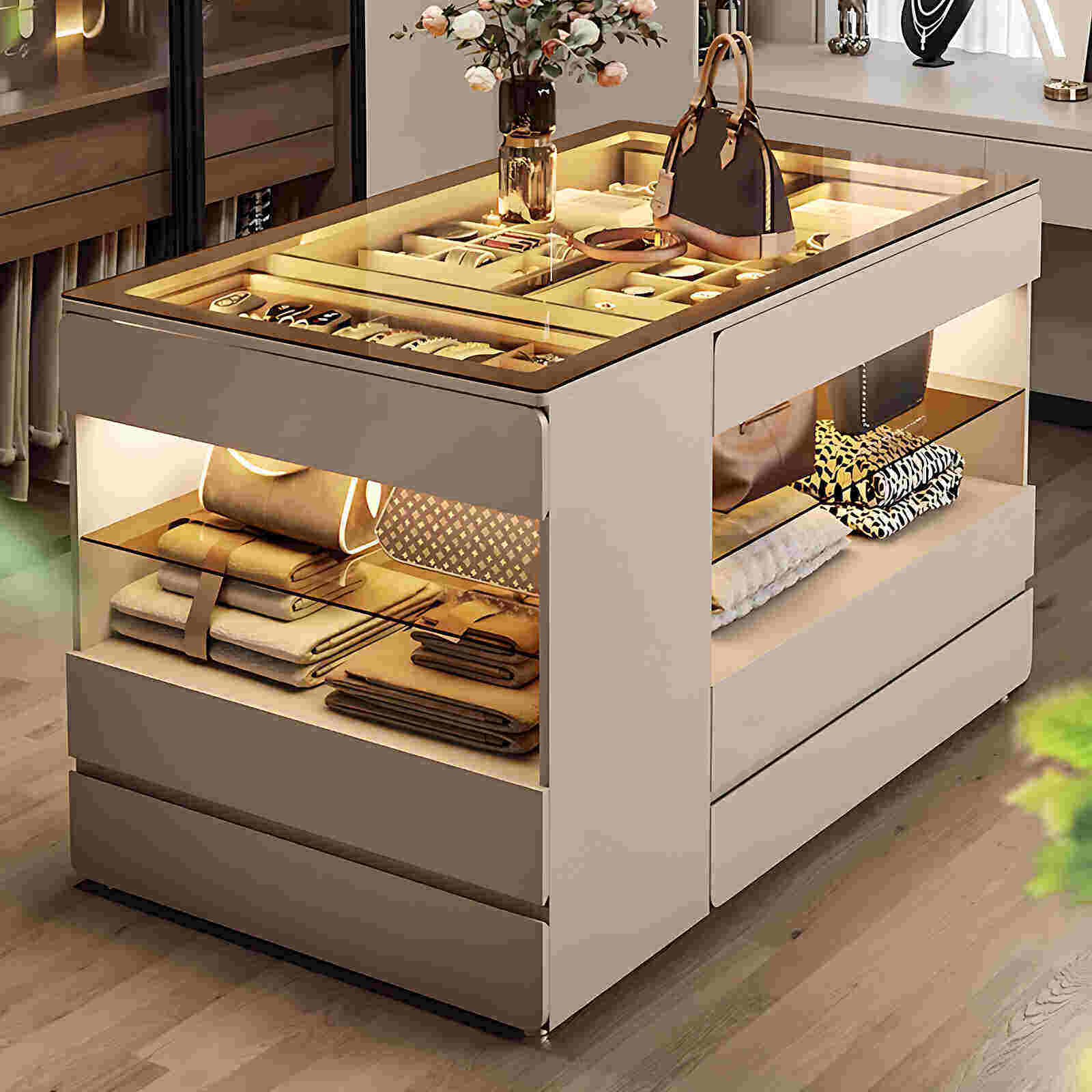
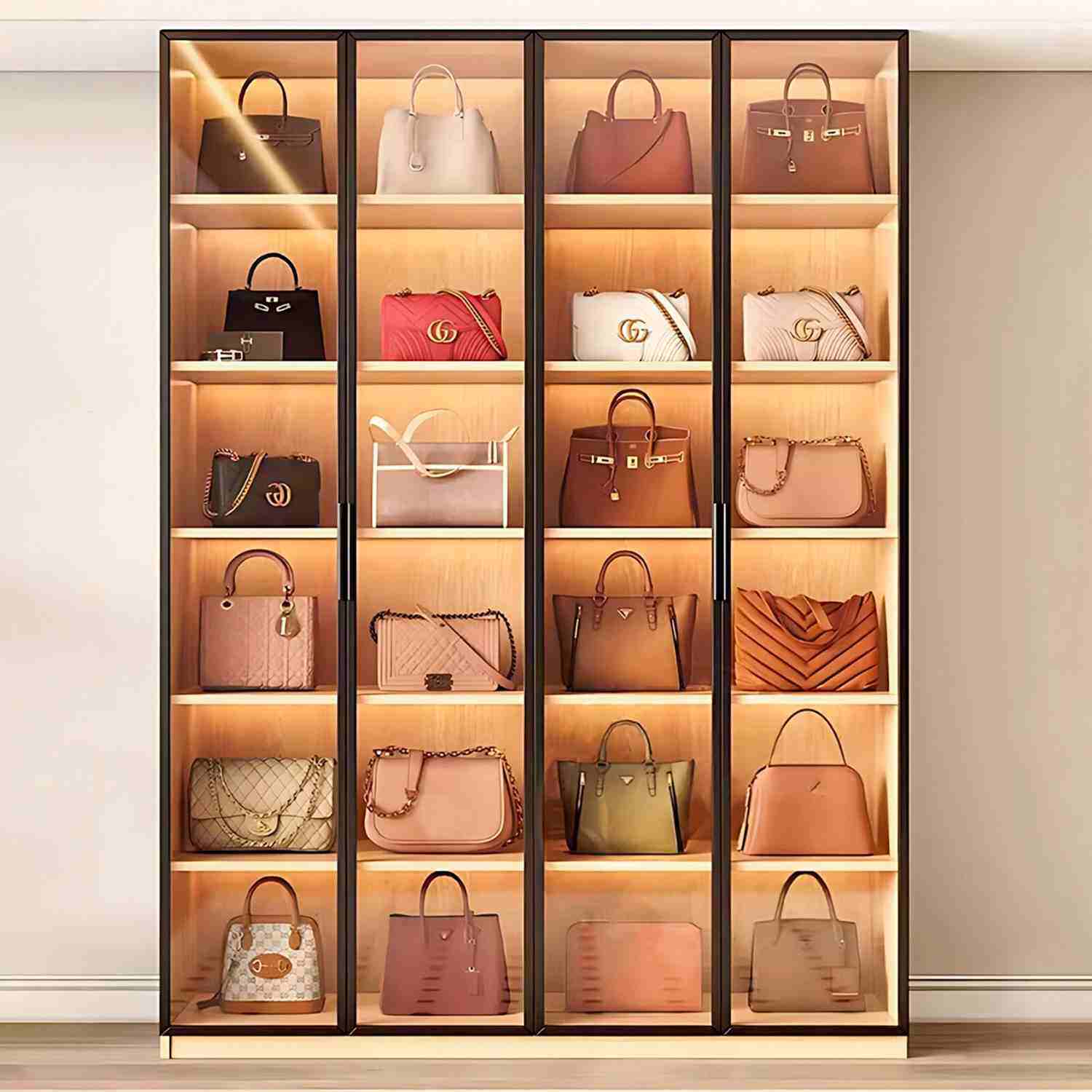
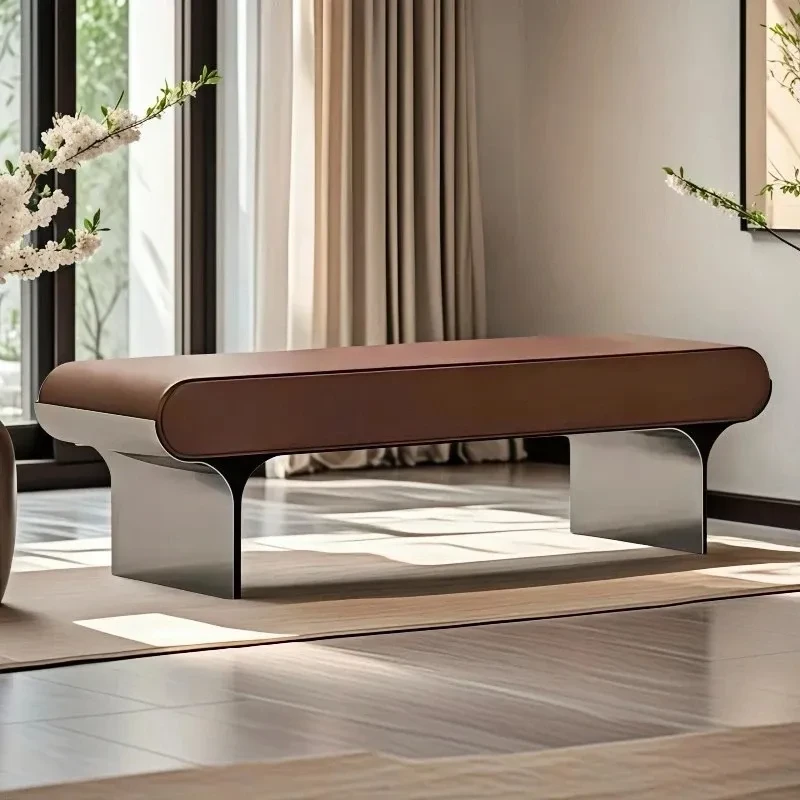
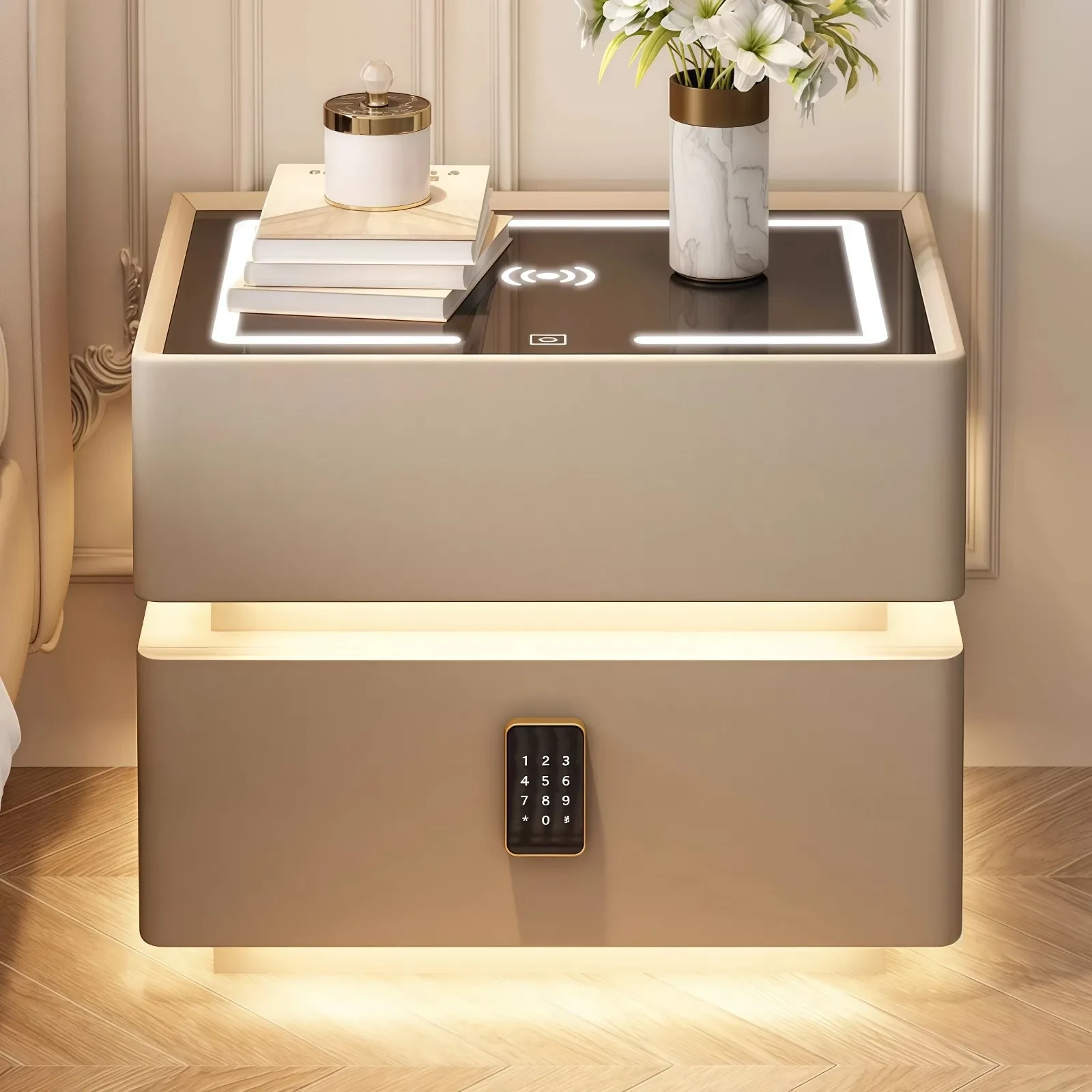
The cutting boards we commonly use in our kitchens are made of finger-jointed boards. For example, the production of panels, doors, and side panels all owes its success to finger-jointed boards. And that's not all; even small items can be made using finger-jointed boards. These include drawer fronts, side panels, small cabinet doors, as well as chair frames, armrests, backrests, and curved parts such as sofas and coffee tables.