
 USD
USD GBP
GBP
 EUR
EUR
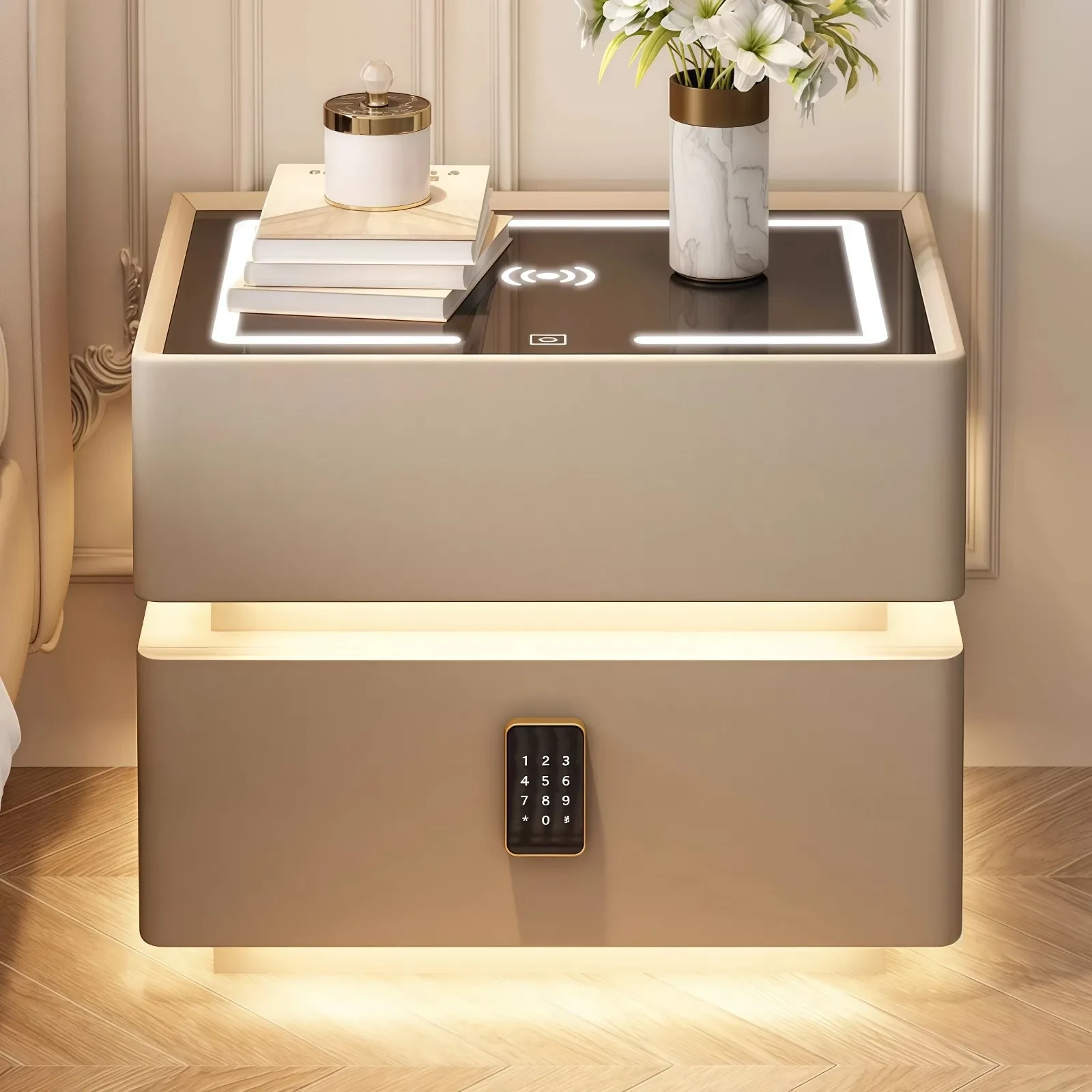
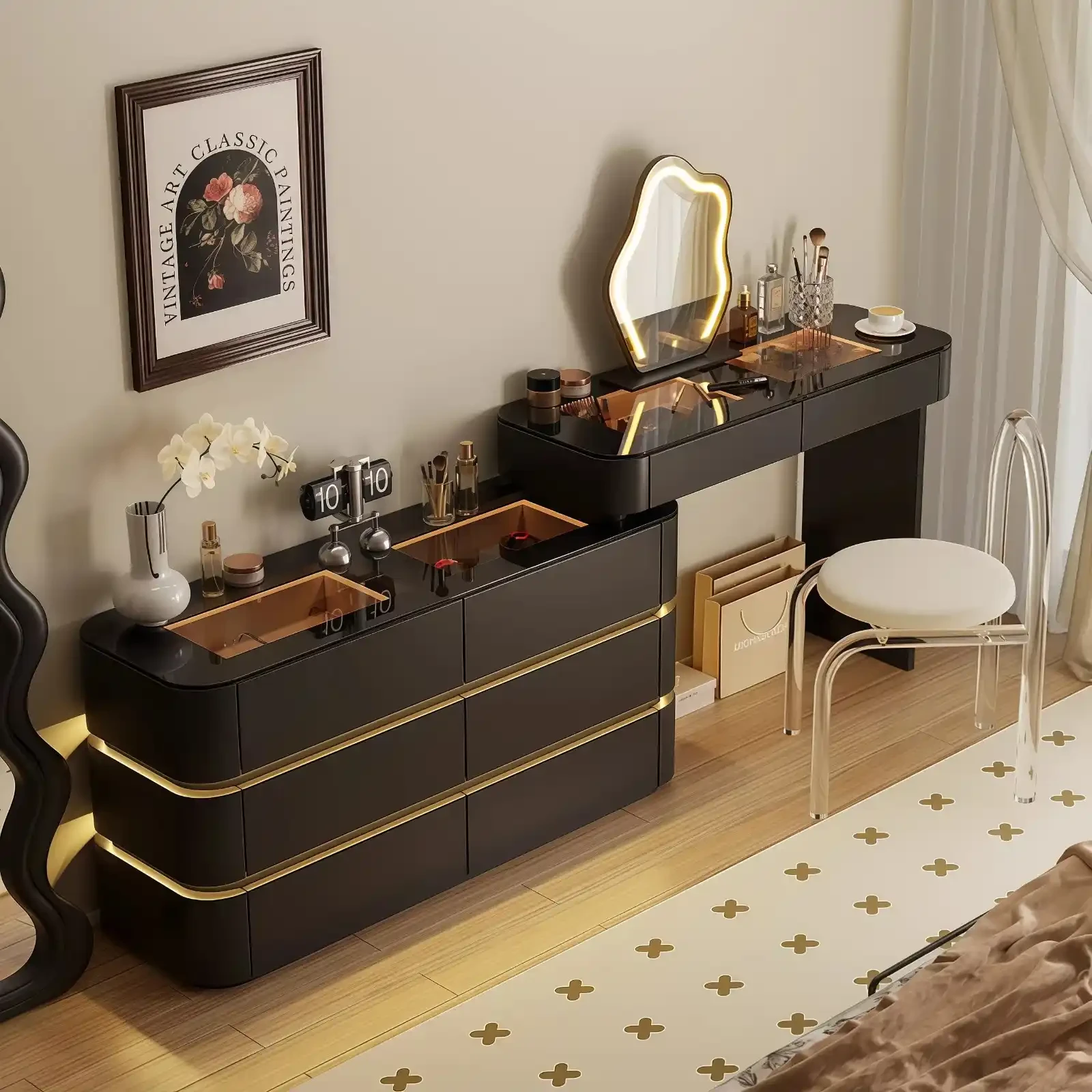
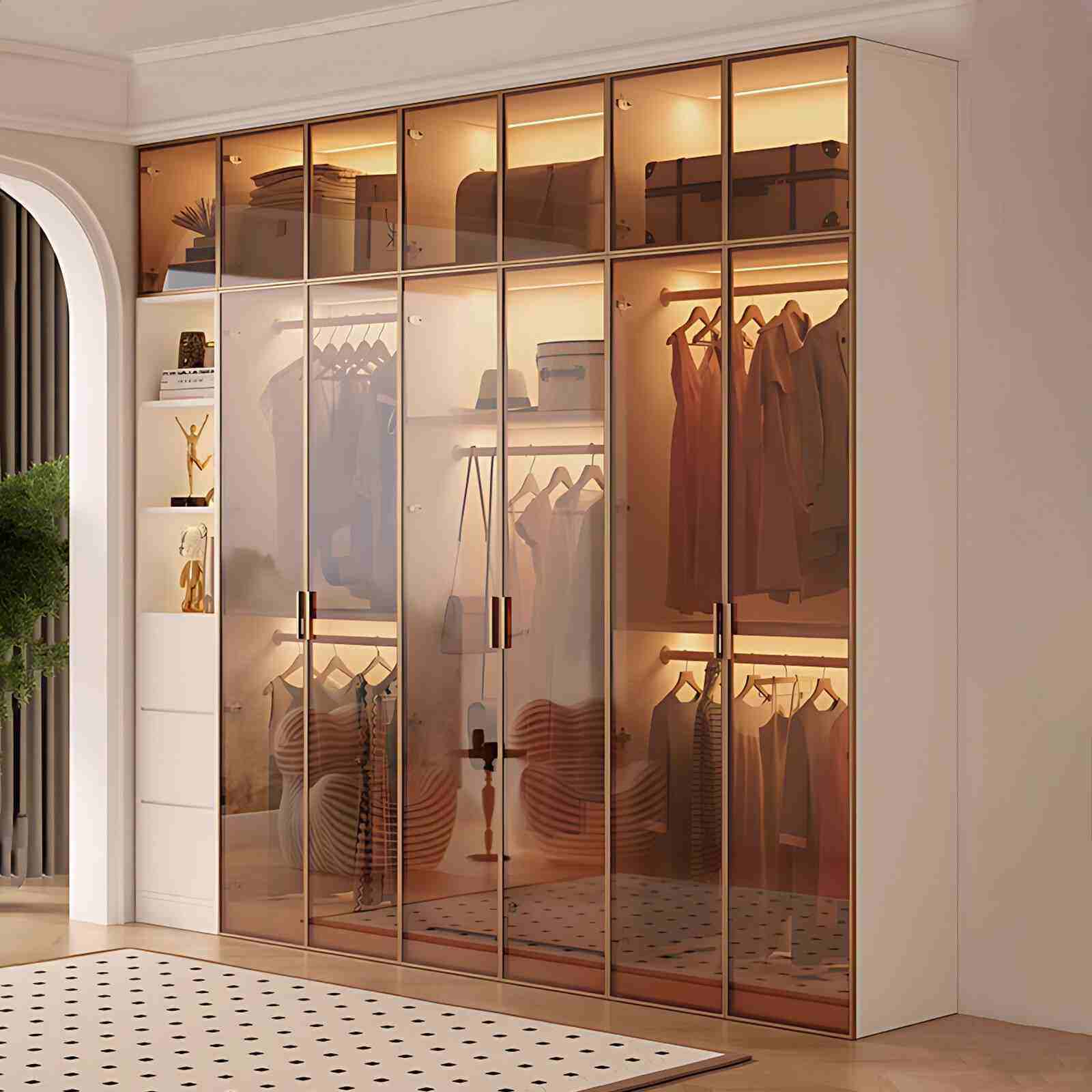
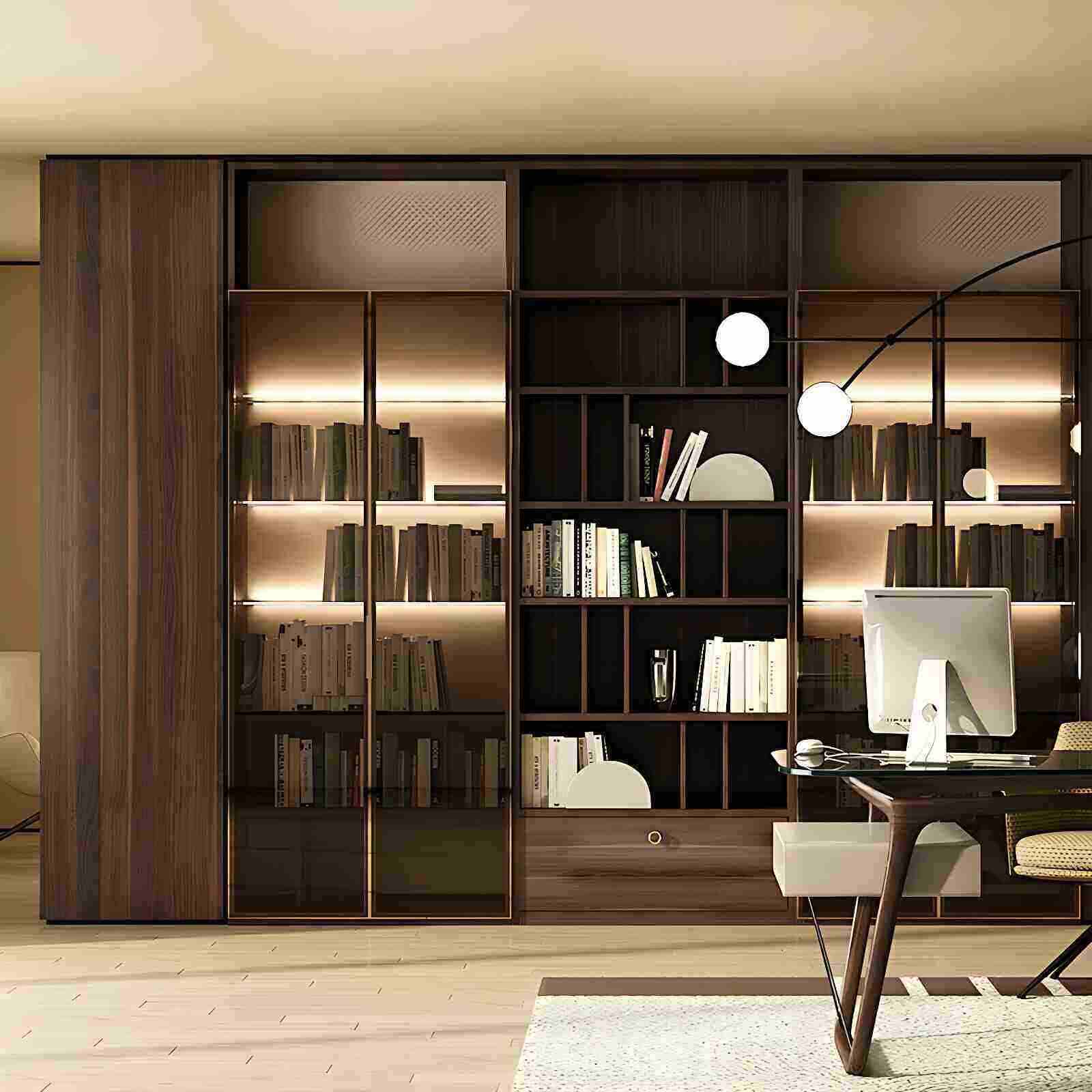
Wood warping and cracking are major defects in wooden furniture. While the causes of wood warping and cracking are complex, they can be summarized into two main points: internal and external factors. External factors are mainly caused by improper construction, which we won't elaborate on today; we'll focus on the internal factors.
The main reason for cracking and warping of wood panels is the moisture content. To achieve equilibrium between the moisture content of the furniture and the moisture content of the air, dry air continuously absorbs moisture from the furniture, thus reaching a balance. During this process, cracking and warping naturally occur.
Once a wooden product is made, its shape and material remain unchanged. At this point, the key factors determining the product's internal quality are primarily its moisture content and drying stress. Therefore, it's crucial to accurately determine the moisture content of the wood. When a wooden product reaches its equilibrium moisture content before use, it is least prone to cracking and warping. This also depends on the region where the product was made.
Appendix: Annual Average Equilibrium Moisture Content of Timber in Major Chinese Cities
The core board and middle board are mainly made of native poplar (also known as "golden fir" in some markets) grown in high-altitude cold forest areas above 45 degrees north latitude. The growth cycle is more than 30 years, with high density, hard material, stronger nail holding power, and uniform moisture content. The core board of the board is dried in a gas kiln for at least 288 hours and then stored for more than 60 days to ensure that the moisture content of the board is uniformly maintained between 12% and 14%. The board has high static bending strength and is one of the products with the lowest deformation rate in the domestic market.
Furthermore, the double-layer board structure (this assembly process has been granted a national patent, patent number: ZL 2015 2 1098787.6) eco-board undergoes five hot-pressing processes, allowing free formaldehyde within the board to fully evaporate, resulting in superior environmental performance. Simultaneously, the internal stress of the board is effectively released, giving it advantages such as high static bending strength, structural stability, and resistance to warping and deformation.
For eco-friendly boards, moisture content also affects their environmental friendliness. Data shows that when the moisture content of engineered wood products gradually increases from 3% to 10%, formaldehyde release will increase to some extent. Our R&D and testing center is the only company in my country's engineered wood product industry capable of testing the weather resistance and thermal cycling performance of boards. We can test the impact of temperature and humidity changes on the boards throughout the entire process, from transportation and storage to customer use, ensuring that the quality of the boards is not affected by seasonal temperatures.
The National Building Materials Quality Supervision and Inspection Center sets the standard requirement for moisture content in its tests of wood-based panels at 6.0%-14.0%. Eco-friendly wood-based panels not only meet this standard, but also, according to authoritative testing, have a formaldehyde emission level of ≤0.3mg/L, which is superior to the national E0 standard (formaldehyde emission level ≤0.5mg/L).