
 USD
USD GBP
GBP
 EUR
EUR






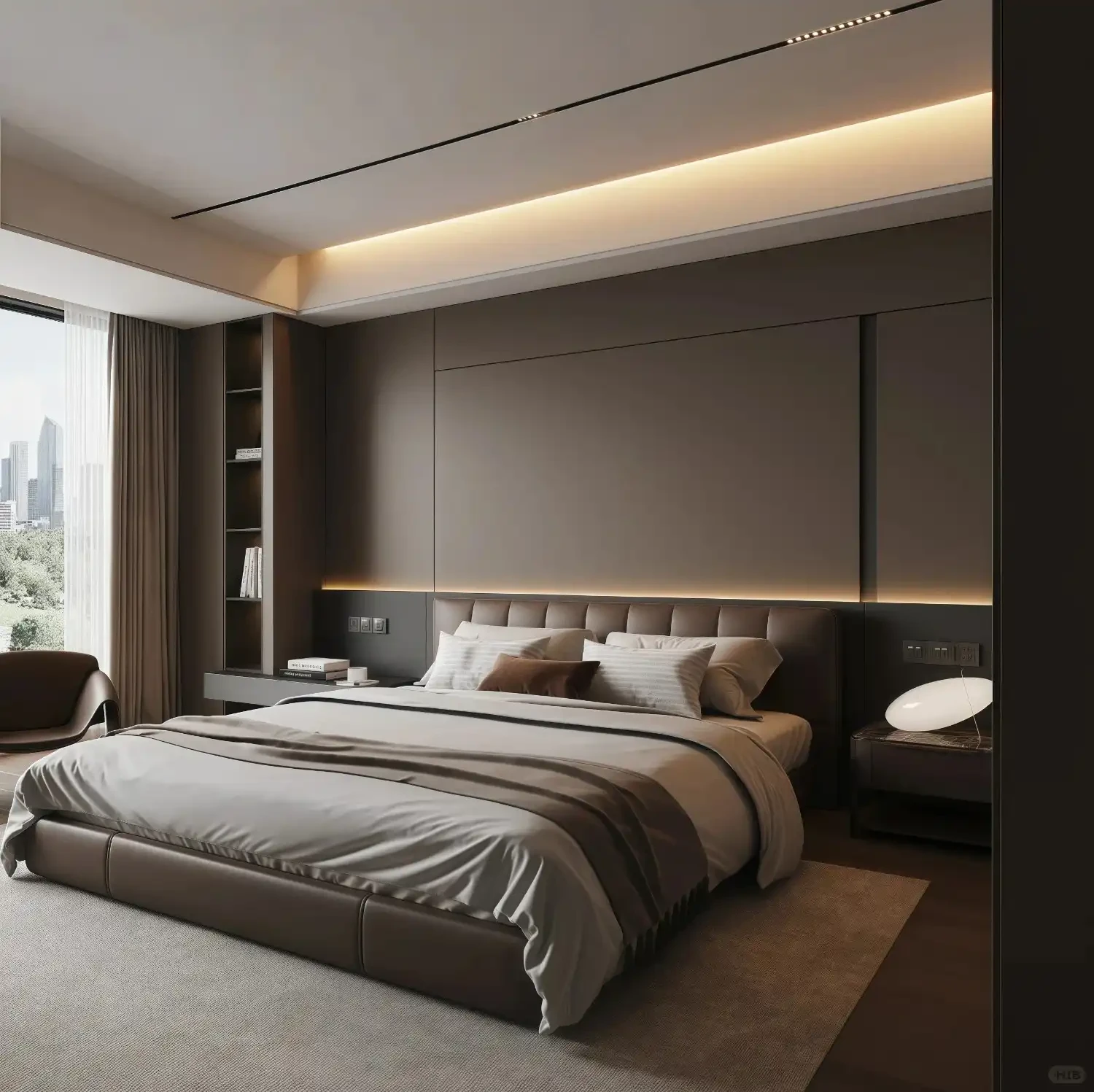
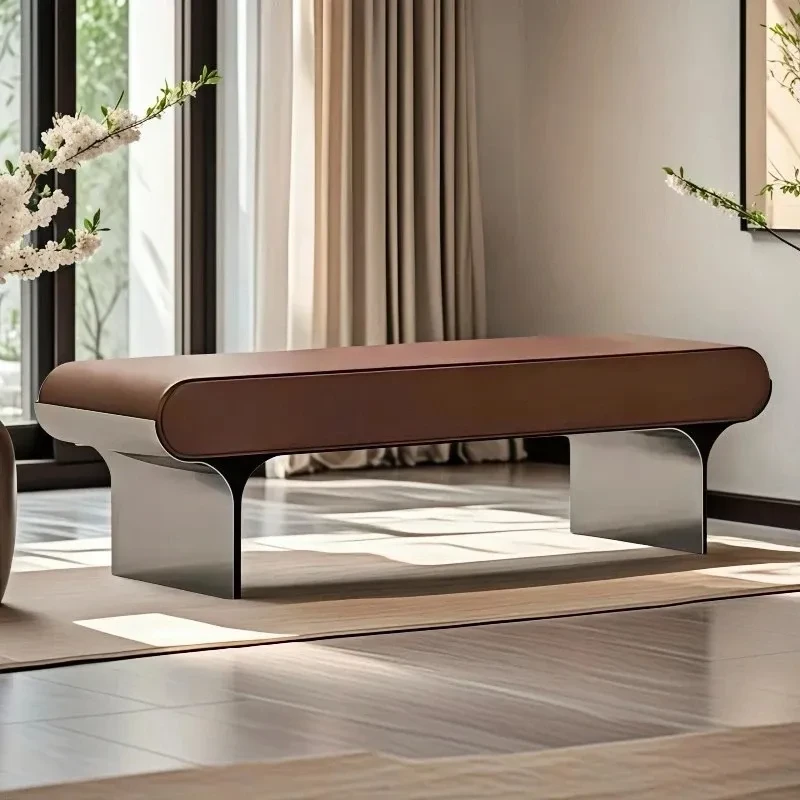


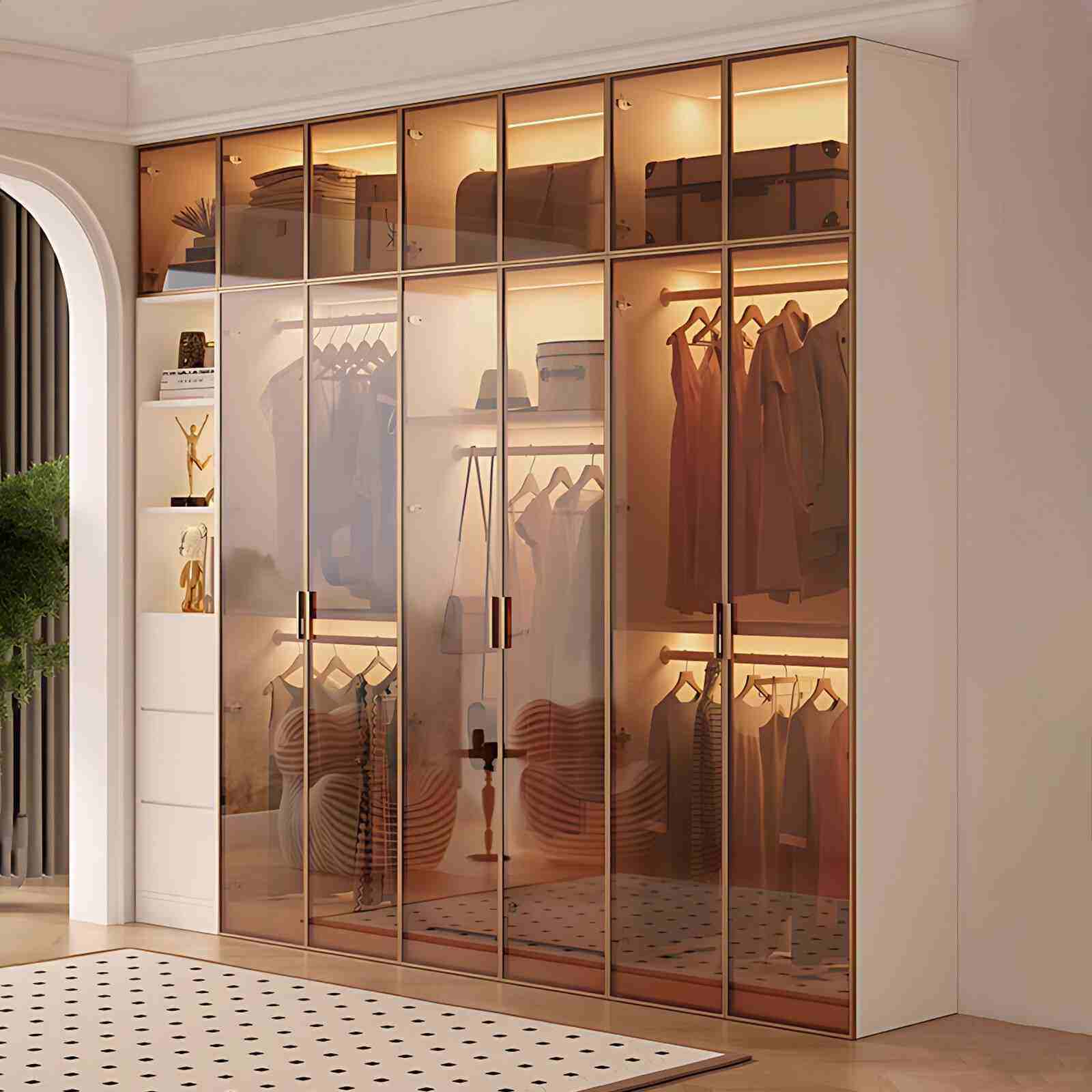
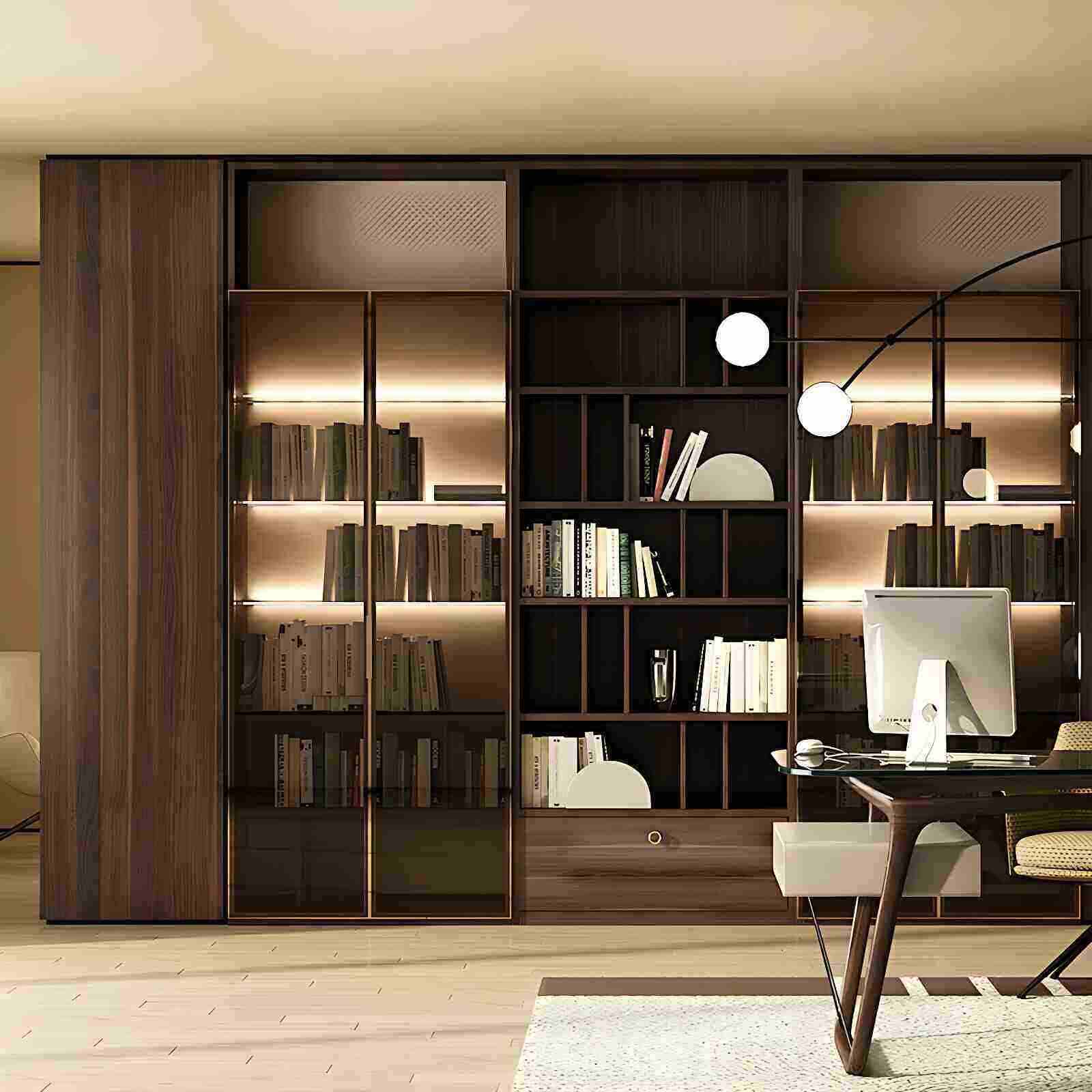

Have you ever had this experience? When you go to a store to choose a door, the salesperson always talks about how great the door is, what materials it's made of, and what the advantages of that material are... If you're knowledgeable about wood, that's fine, but if you encounter someone who doesn't, they'll just think, "Hmm, that must be right, he's absolutely right..." To prevent you from being misled, the editors at Zhongmu.com have compiled a simple and easy-to-understand guide to basic wood knowledge, hoping it will be helpful to you.
I. Key words to consider when choosing wooden doors
1. Density
Density is determined by drying wood to its standard moisture content. It is also related to hardness, strength, and ease of application.
(Wood generally has a moisture content of 60% and is used after drying. In the north, the moisture content is generally 12%, and in the south, it is around 15%.) Experts usually use their faces to measure the moisture content, with an upper limit of 2% error.
2. Durability
The durability of wood, essentially its resistance to decay, is crucial for its suitability for outdoor use. Some types of wood are particularly susceptible to insect infestation (while others are resistant to insects).
3. Pattern
The grain pattern refers to the distinct stripes, growth rings, textures, knots, flaws, and other natural details that form on the surface of the wood, which is equivalent to the macroscopic texture.
4. Texture
Texture describes the direction of wood fibers within a tree. Types include straight grain, interlocking grain, spiral grain, wavy grain, and some types of wood exhibit irregular grain patterns.
5. Texture
The size of the cell pores and rays in wood is important; rougher textures usually have larger cell pores, which need to be filled during surface treatment.
Key words to consider when choosing wooden doors
6. Heartwood
The non-functional wood in the middle of a tree trunk is called heartwood. It is darker in color than sapwood, more durable, and resistant to insects and pests.
7. Sapwood
The outer, relatively softer part of the trunk. When the tree is alive, these tissues transport water, minerals, and store food. The thickness of the sapwood varies considerably among different species.
8. Wood rays
These strip-shaped cells are arranged at a 90-degree angle to the growth rings. They are clearly visible in some woods, such as oak, while they are almost invisible in others.
These strip-shaped cells are arranged at a 90-degree angle to the tree rings.
II. Characteristics of Commonly Used Wood
1. Pine wood
Color: White with yellow wood grain
Features: It has a distinctive pine fragrance, low density, good toughness, long wood fibers, is easy to plan, is rich in resin, and is inexpensive.
Applications: Children's furniture, building materials
2. White wood (Stalactite family)
Color: White with a slight warm yellow tint (related to the application of wood wax oil)
Characteristics: The raw material has a rotten egg smell, interlocking grain, is lightweight and soft, not wear-resistant, but does not crack.
Uses: Used for making plywood, musical instruments, and lightweight furniture; an excellent alternative to aspen and spruce.
Common characteristics of wood
3. Birch (Betulaceae family)
Color: Light color, white with a slight pink tint
Characteristics: Highly elastic, but not wear-resistant; birch is juicy and has good gluing properties. It is prone to warping after ripening, and tables and chairs made entirely of birch are rare; it is a fast-growing tree species.
Uses: Furniture, musical instruments
4. Manchurian ash (Oleaceae family)
Color: White or slightly yellowish, with a strong sheen.
Characteristics: The tangential surface has a water-like ripple pattern, a slightly waxy feel, a coarse texture, high strength, water resistance, slight corrosion resistance, and is a good material for steam bending. It is very similar to white ash and is mostly domestically produced.
Applications: window sills and door frames, furniture, flooring, shipbuilding
5. White ash (Oleaceae family)
Color: Off-white or slightly pink
Features: A "Wang Baoqiang" of woods, balanced and practical, this high-quality wood offers excellent value for money and is produced in large quantities. It has a slightly wild grain and a light-colored base. Furniture made from it has a fresh and natural feel. Tough yet flexible, it is very similar to ash wood and can be easily bent using a steam method. Most of it is imported from North America and Russia.
Applications: Flooring and joinery furniture
Note: Ash and Manchurian ash belong to the same genus but are different species. Their textures differ slightly. Manchurian ash is mostly produced in North America and Russia, while Manchurian ash is mostly produced in Northeast my country. Ash wood is whiter and has better material properties.
6. Rubberwood (Euphorbiaceae family)
Color: White with a slight yellow tint
Features: Good toughness, not easy to crack, easy to maintain, can be carved and dyed, wear-resistant, beautiful texture; it is not easy to dry, contains more sugar, is susceptible to insect infestation, and is easy to bend and deform; some unscrupulous merchants use it to impersonate oak, making furniture with high cost performance, but the difference is still quite large.
Uses: Furniture
rubberwood
7. White oak (Quercus genus, Fagaceae family)
Color: Light Brown
Features: Mountain-shaped wood grain, medium to coarse texture, good quality.
Key identification points: White oak has longer medullary rays than red oak, more distinct grain patterns, and its wood pores are filled with minerals, giving it excellent anti-corrosion and insect-repellent properties, as well as good water resistance.
Uses: Commonly used for making wine barrels, flooring, and shipbuilding.
8. Red oak (Quercus genus, Fagaceae family)
Color: White to light brown, heartwood pink to brown
Characteristics: Mountain-shaped wood grain, relatively less so than white oak.
Key identification points: The wood rays in red oak are smaller than those in white oak. White oak wood rays can exceed 2cm, while those in red oak are around 1cm.
Uses: Furniture
9. African walnut (Meliaceae family)
Color: Narrow, light brown sapwood; heartwood chocolate to purplish-red to black.
Characteristics: It has a glossy sheen and a resinous aroma; the grain is straight or interlocked; it has moderate hardness; and the wood possesses moderate toughness and strength.
Uses: Furniture, gunstocks, musical instruments. Color: White with a slight pinkish tint.
Features: It has short, small ridges and grooves the size of sesame seeds, is very hard, and impact-resistant. The grain is straight and clear, the texture is uniform, the color is soft and lustrous, and it is easily bent under a steaming machine, making it suitable for use as bentwood.