
 USD
USD GBP
GBP
 EUR
EUR




Christmas decorations-balloons, snowflakes, reindeer- every corner is shimmering with neon lights, and a golden "Merry Christmas" hangs on the glass door. The occasional jingle of silver bells fills the air, and of course, there's the indispensable Christmas tree. So, why do we put up Christmas trees for Christmas? And what kind of wood are Christmas trees usually made of?
The origin of the Christmas tree
The modern Christmas tree originated in Germany. Germans celebrate December 24th as the feast day of Adam and Eve, placing a "paradise tree" symbolizing the Garden of Eden in their homes, hanging small cookies representing the Eucharist on it as a symbol of atonement, and lighting candles and balls to symbolize Christ. By the 16th century, the Christmas tower and the "paradise tree" had merged into the Christmas tree, and this custom subsequently spread to countries around the world.
Christmas trees were introduced to China by American missionaries in the 19th and 20th centuries. Initially, they were decorated with colorful paper flowers, but now they are adorned with various Christmas-themed ornaments.
Today, Christmas trees have become the most important decoration for Christmas. In famous cities such as Milan, Italy; Dortmund, Germany; and Trafalgar Square in Oslo, Norway, giant Christmas trees are erected in mid-December.
Types of Christmas Trees
Christmas trees are usually made of natural evergreen coniferous trees or artificial trees that resemble them in appearance.
Christmas trees generally need to meet the following three conditions: they must be coniferous, evergreen, and triangular in shape. Therefore, the most common tree species used as Christmas trees in the world are more than ten species of the genus Abies in the family Pinaceae, including European fir (Abies alba, also known as fir or white fir), Norway spruce (Picea abies), Scots pine, and stone pine.
Pine needles are generally long and narrow, making them easy to prune, but their fragrance is relatively weak. Spruce needles are shorter, making them suitable for hanging decorations and gifts. Fir has a long-lasting fragrance. The Pinaceae and Taxodiaceae families each have their own characteristics. Since the Pinaceae family has more than ten times the number of species as the Taxodiaceae family, Pinaceae plants are often used as Christmas trees.
If you want to make a giant Christmas tree using natural tree species, this would be a good choice- Australian radiata pine.
It is a coniferous, evergreen tree with a triangular shape, and can grow to over 40 meters tall. In addition, it is a star species in the wood-based panel industry.
The Australian Radiata Pine, also known as the New Zealand Pine, is called Radiata pine in English. Because "radiata" means radiation or emission, its Chinese name is translated as "Radiata Pine".
Radiata pine is a high-quality softwood with medium density, uniform structure, average shrinkage, and strong stability. In good condition, the logs are free from decay, heart rot, and insect damage. The wood has good nail-holding power, high permeability, and is extremely easy to dry, cure, and stain. Due to its excellent properties, it is widely used in various fields, which is unmatched by other coniferous species. These applications include: building houses, producing paper products, making utility poles and fences, railway sleepers, handicrafts, and various types of particleboard, veneer, and plywood.
Australian radiata pine + imported formaldehyde-free MDI glue = "0" formaldehyde indoor space
Solid wood veneer OSB board is made from high-quality Australian radiata pine. The pine wood is debarked to remove bark and other easily perishable impurities. It is combined with imported formaldehyde-free MDI glue, so the finished board does not have a pungent odor and has a faint pine scent.
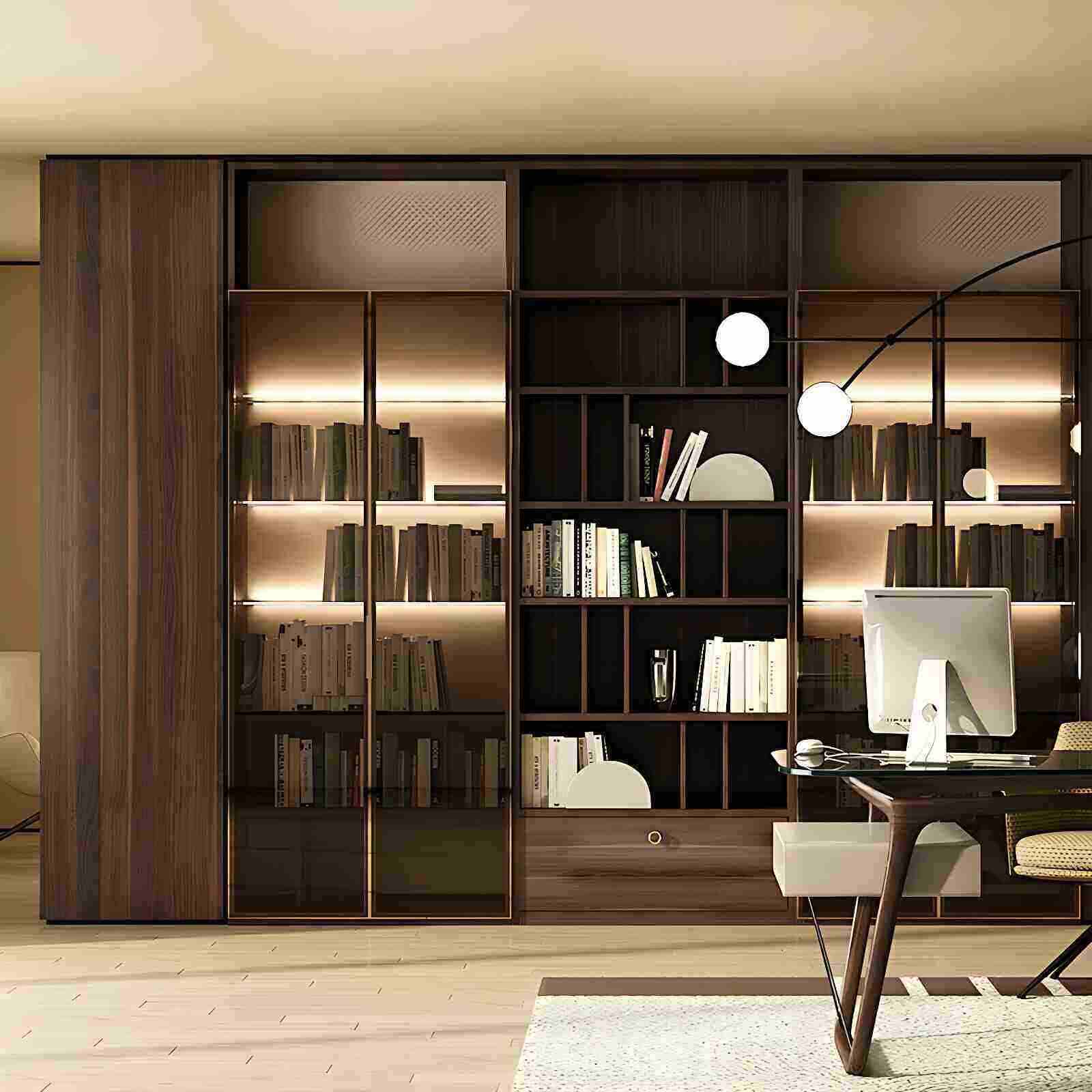
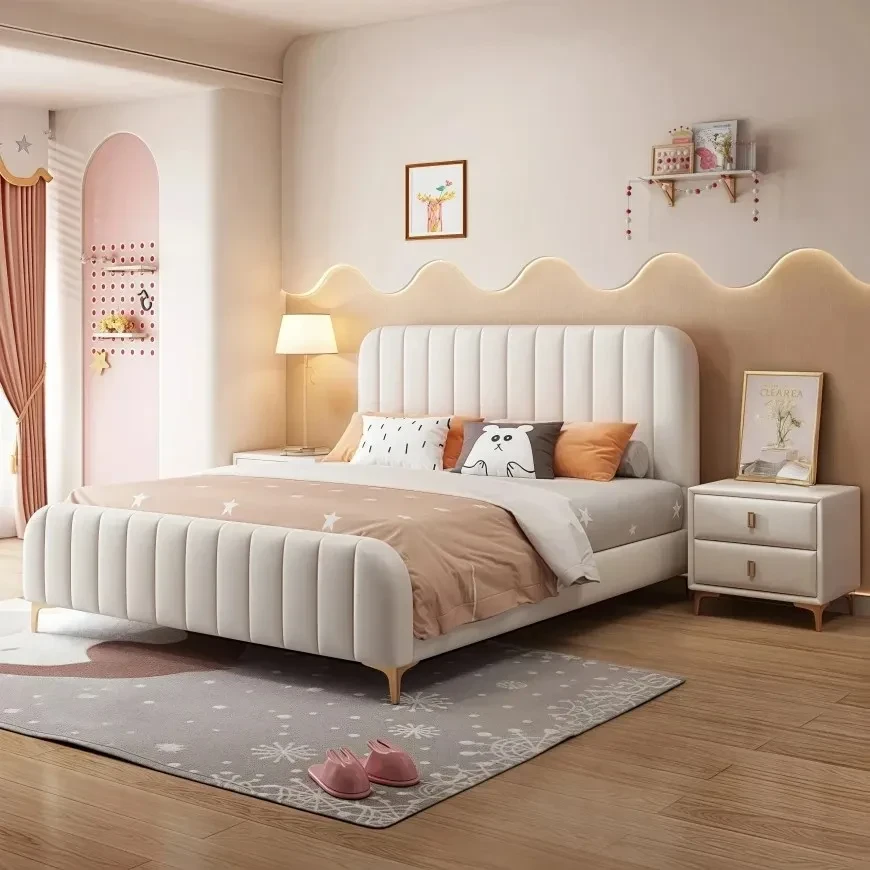
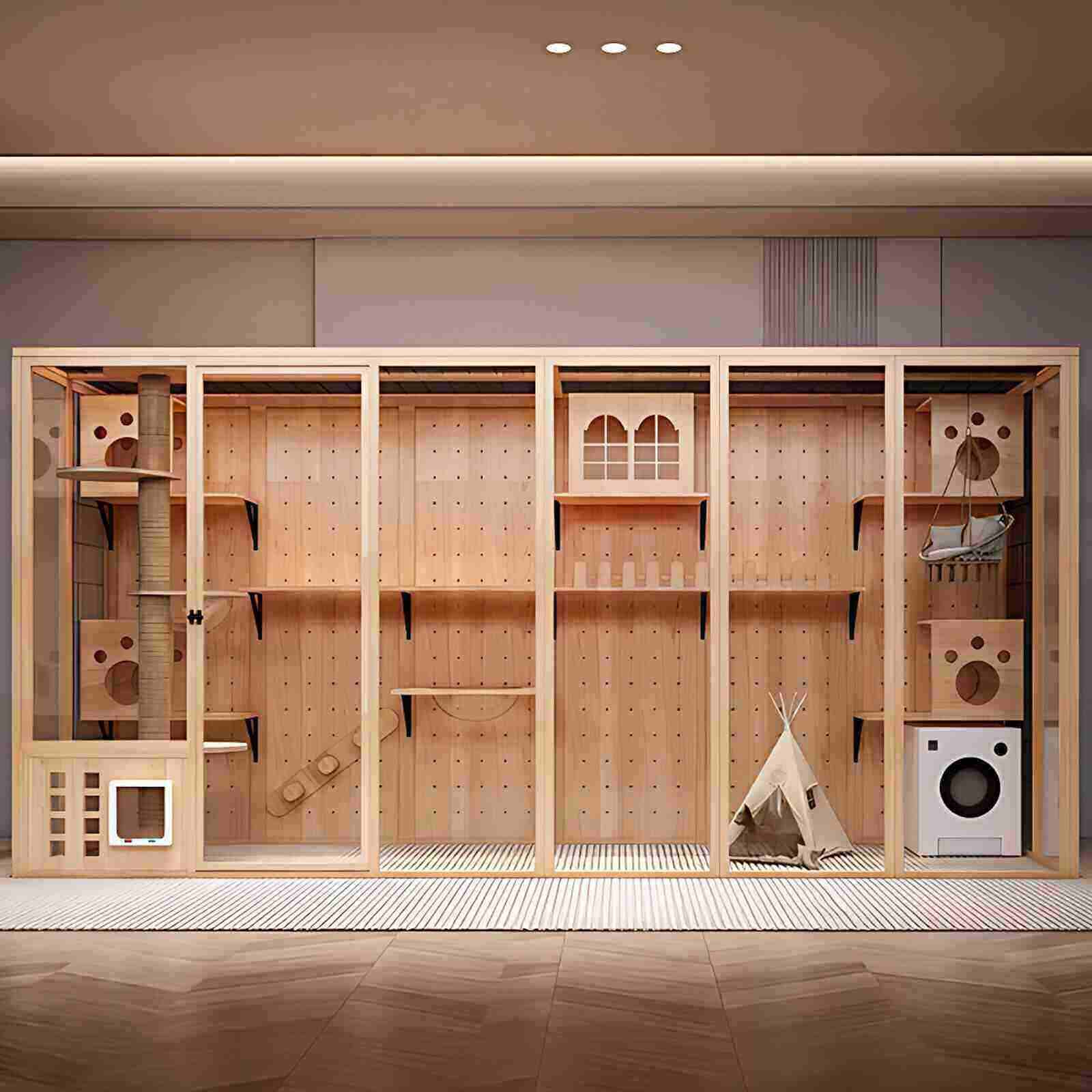
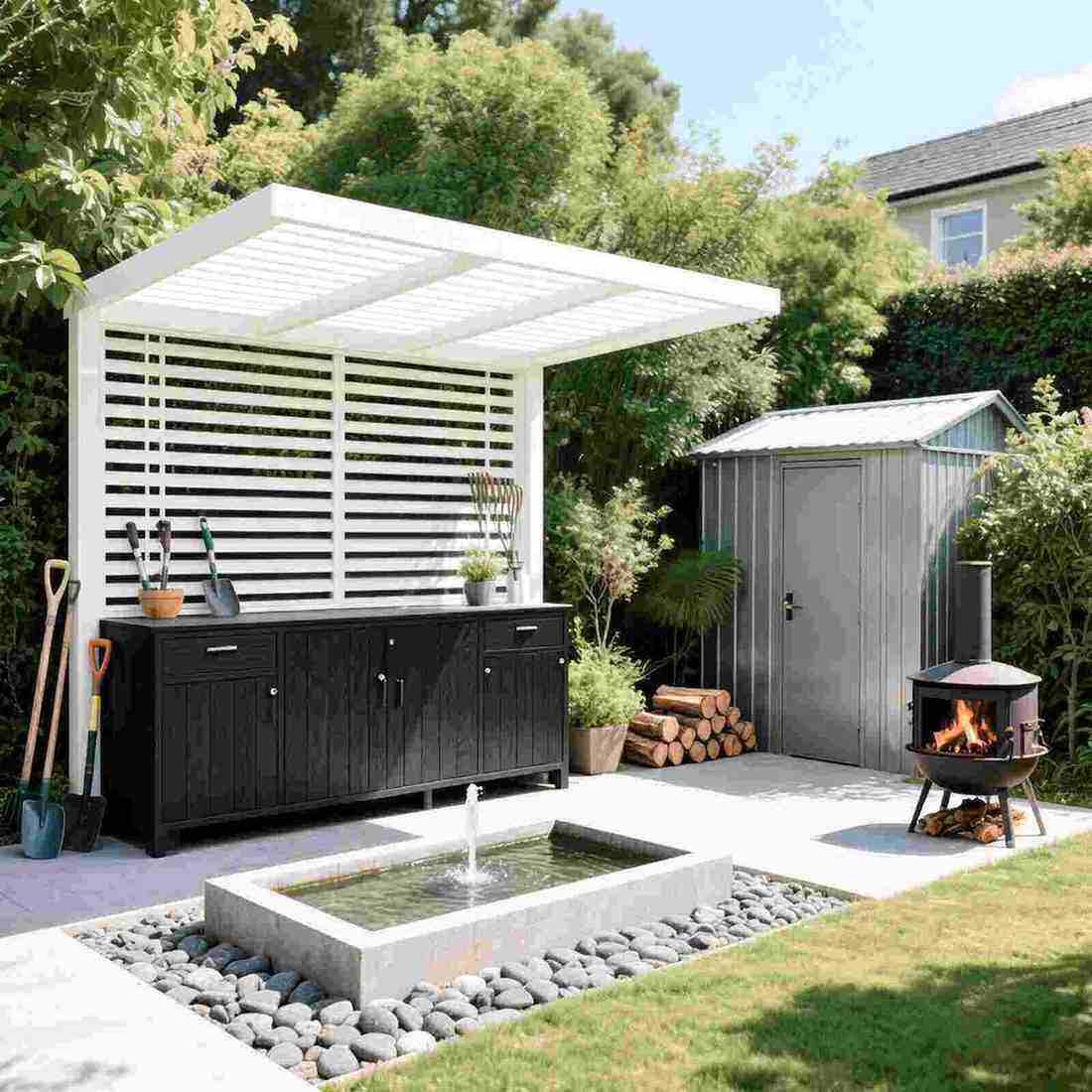
OSB (Organic Strand Board) is made from carefully selected high-quality shavings, processed through dozens of steps including drying, screening, directional laying, and hot pressing. The core layer is arranged horizontally, while the surface layer is arranged vertically. It contains a large amount of long wood fibers, has a low coefficient of expansion, and exhibits excellent shock resistance, impact resistance, and strong nail-holding power. It is widely used in walls, roofs, structural partitions, cabinets, wardrobes, and other furniture.
Australian radiata pine can be used as a Christmas tree or as a healthy building material to create a "zero" formaldehyde home and protect you for life.