
 USD
USD GBP
GBP
 EUR
EUR
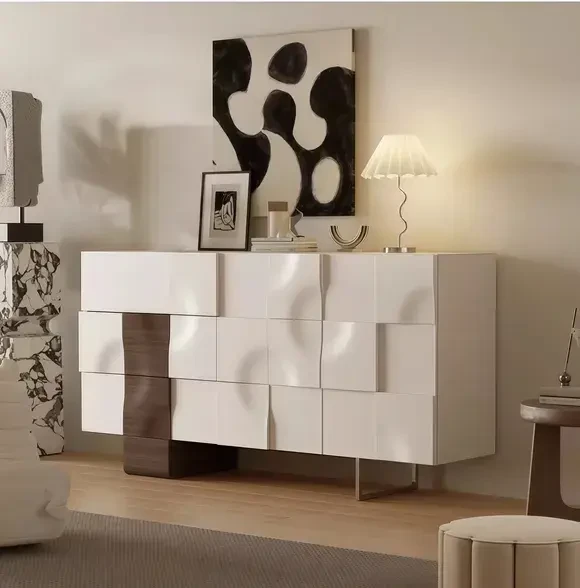
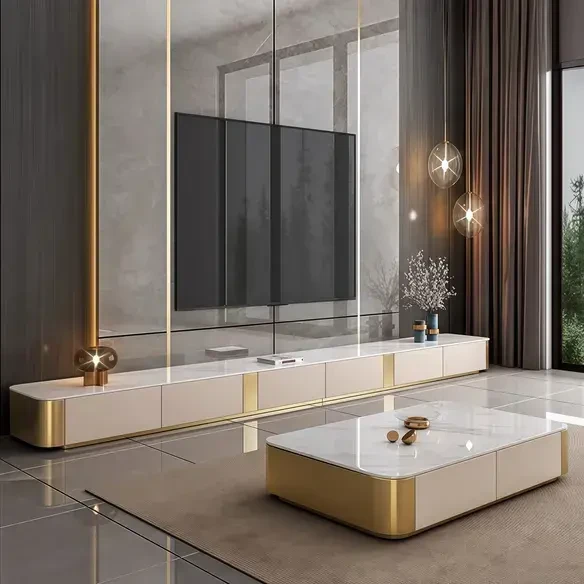
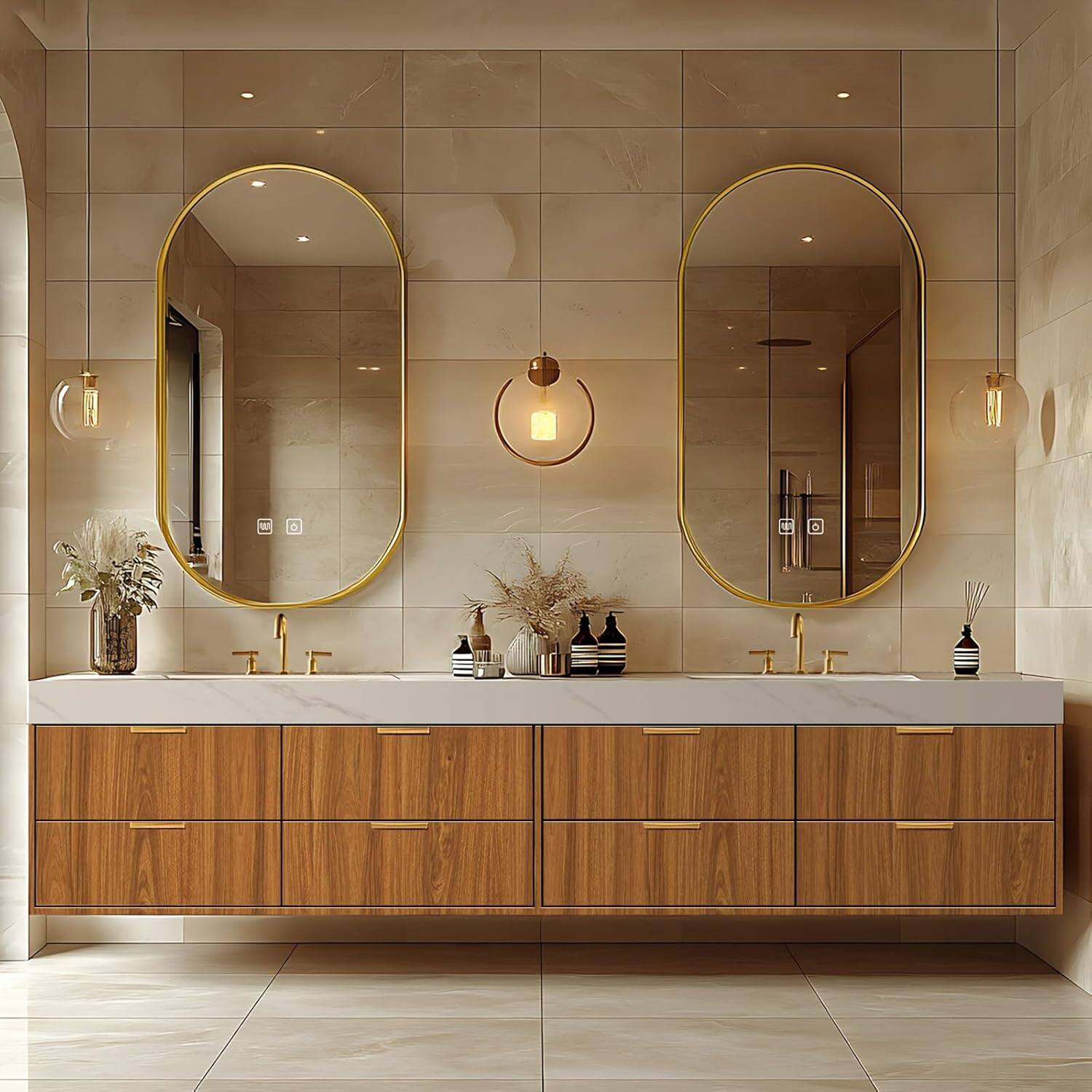
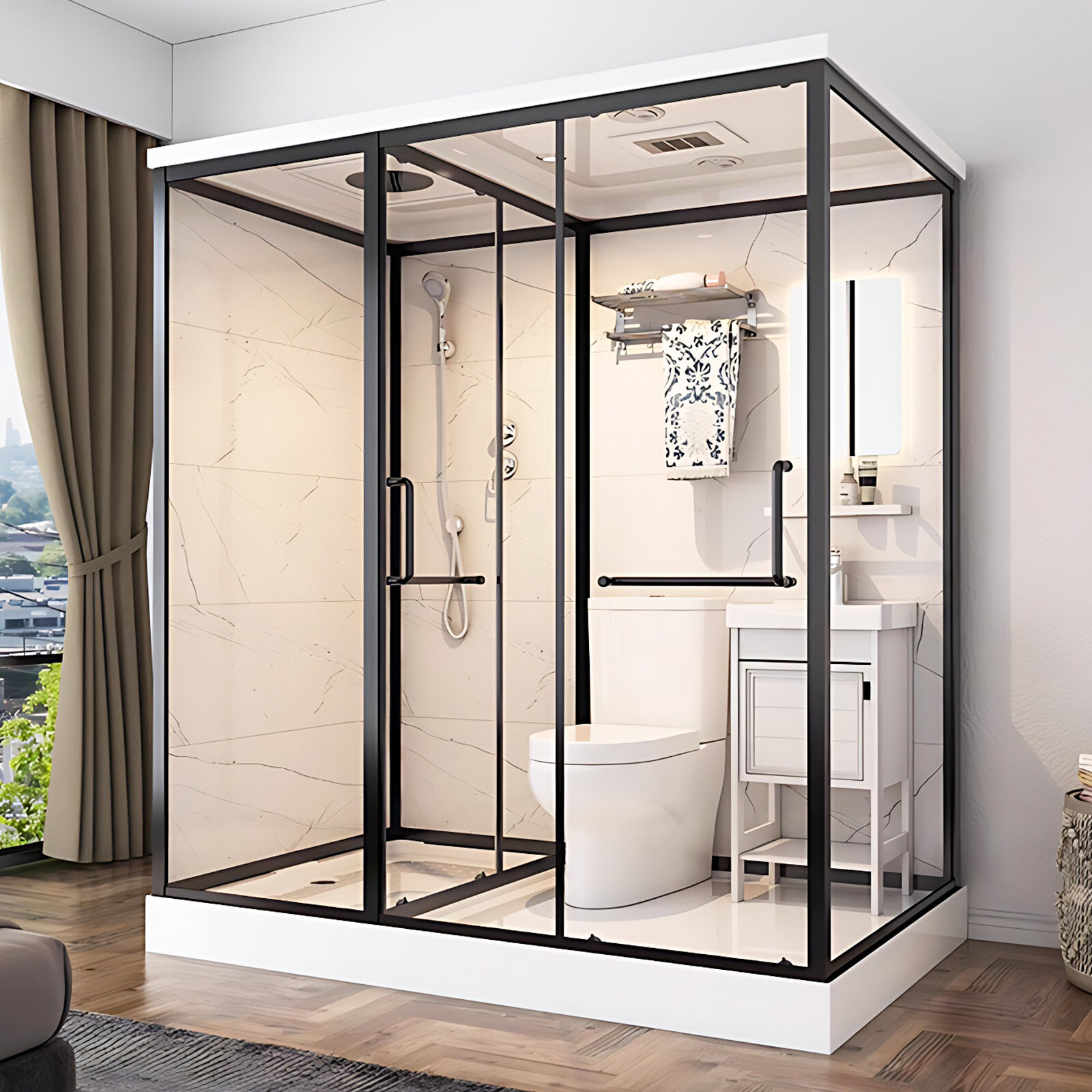
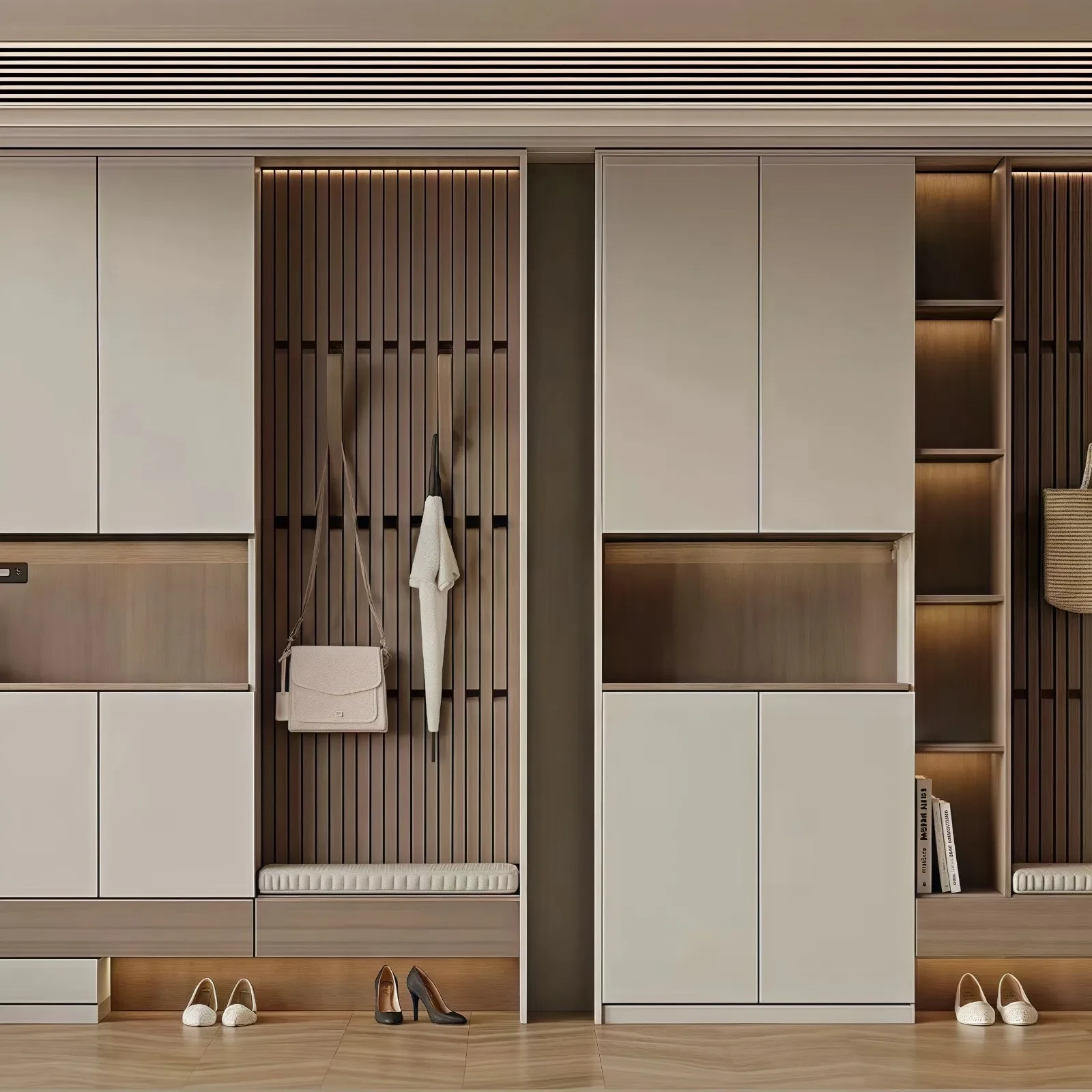
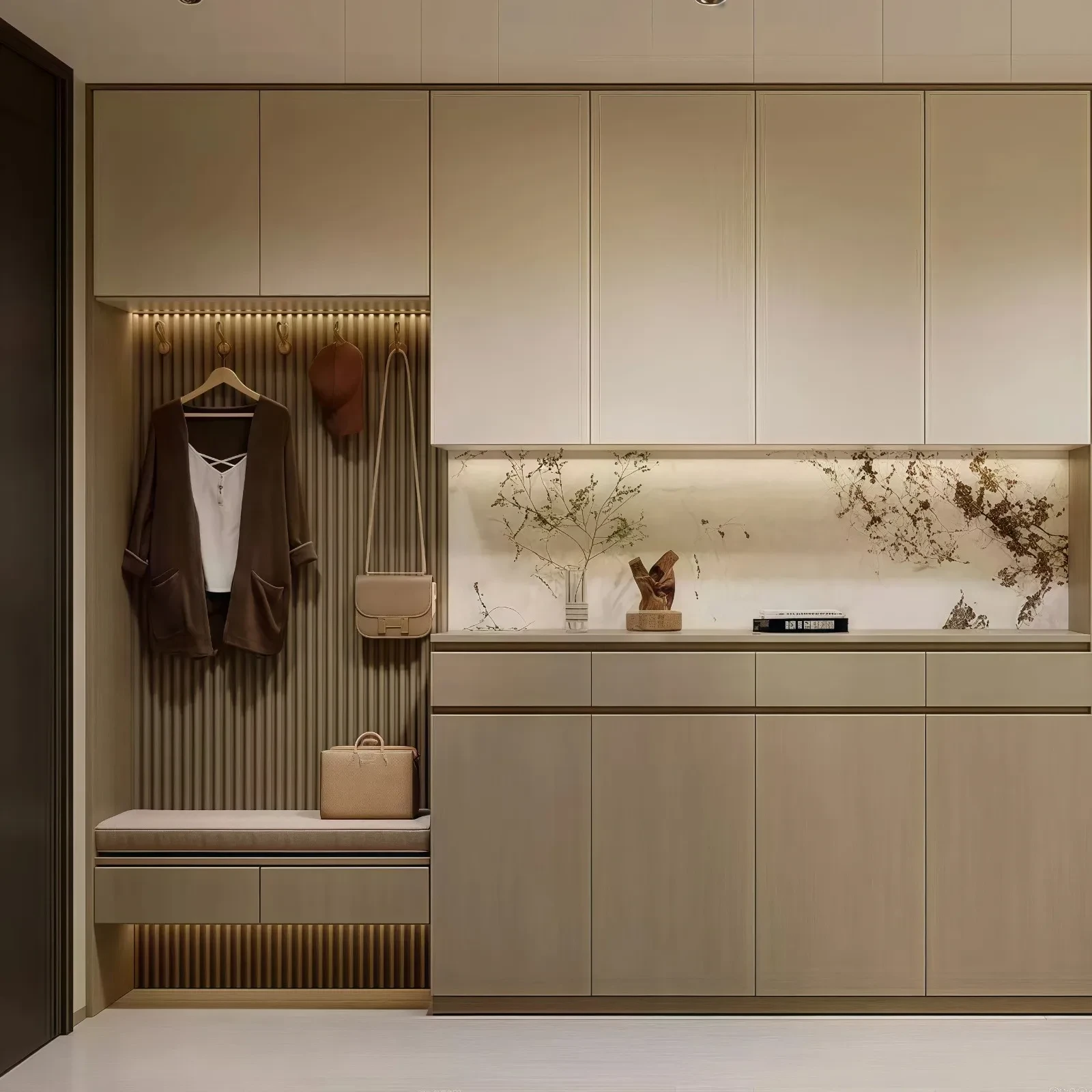
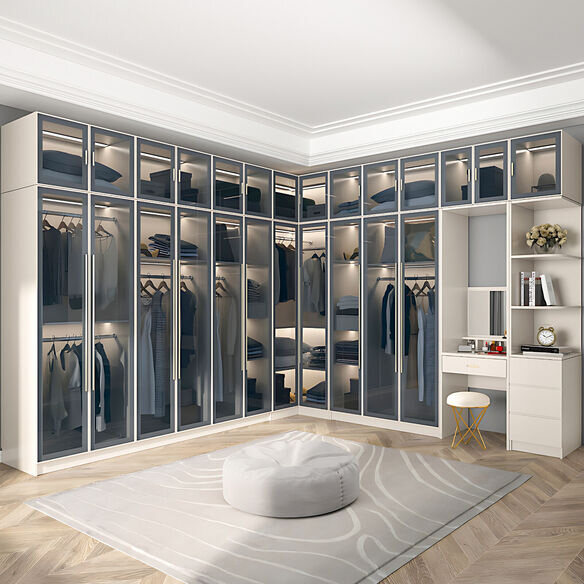
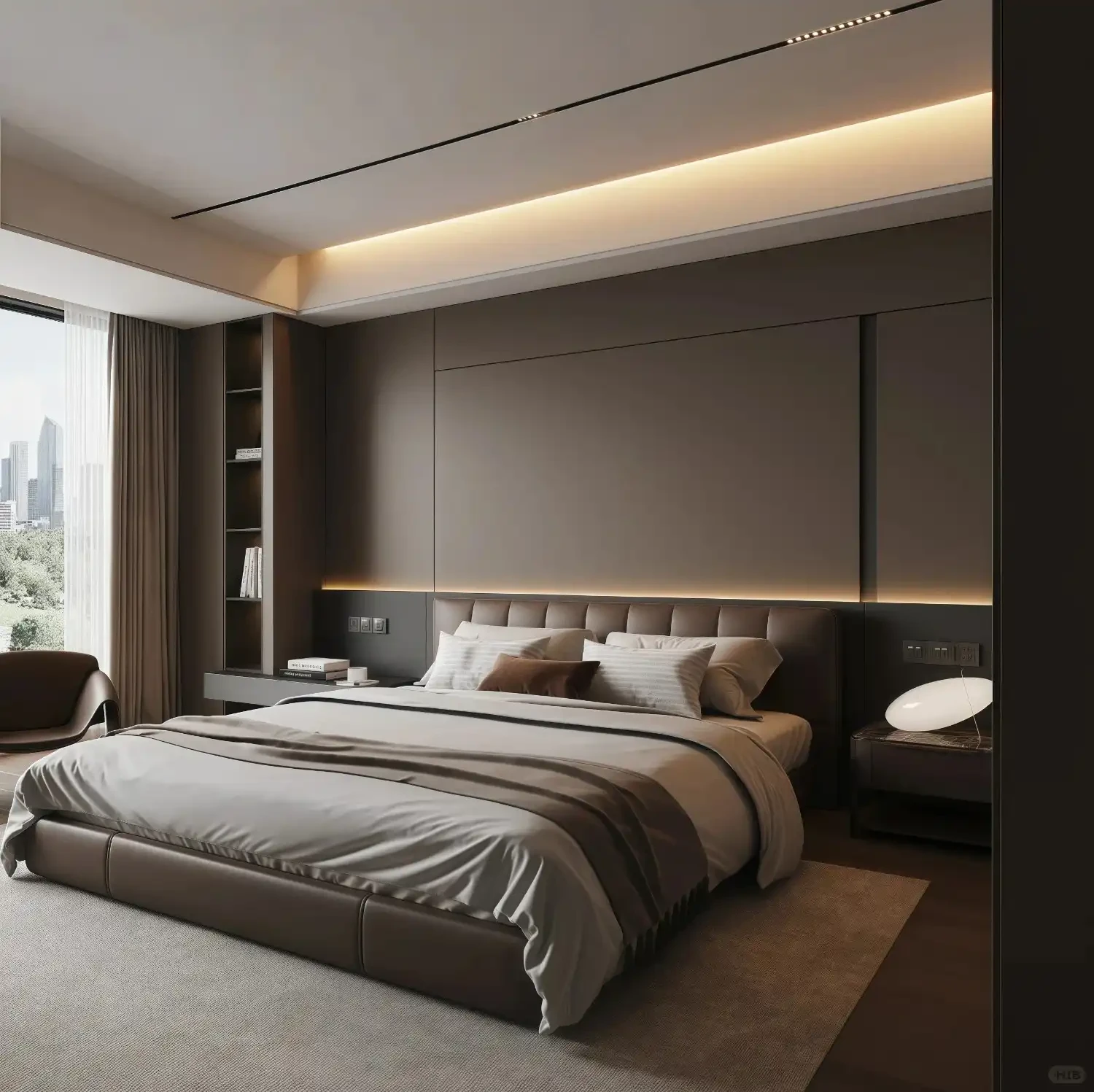
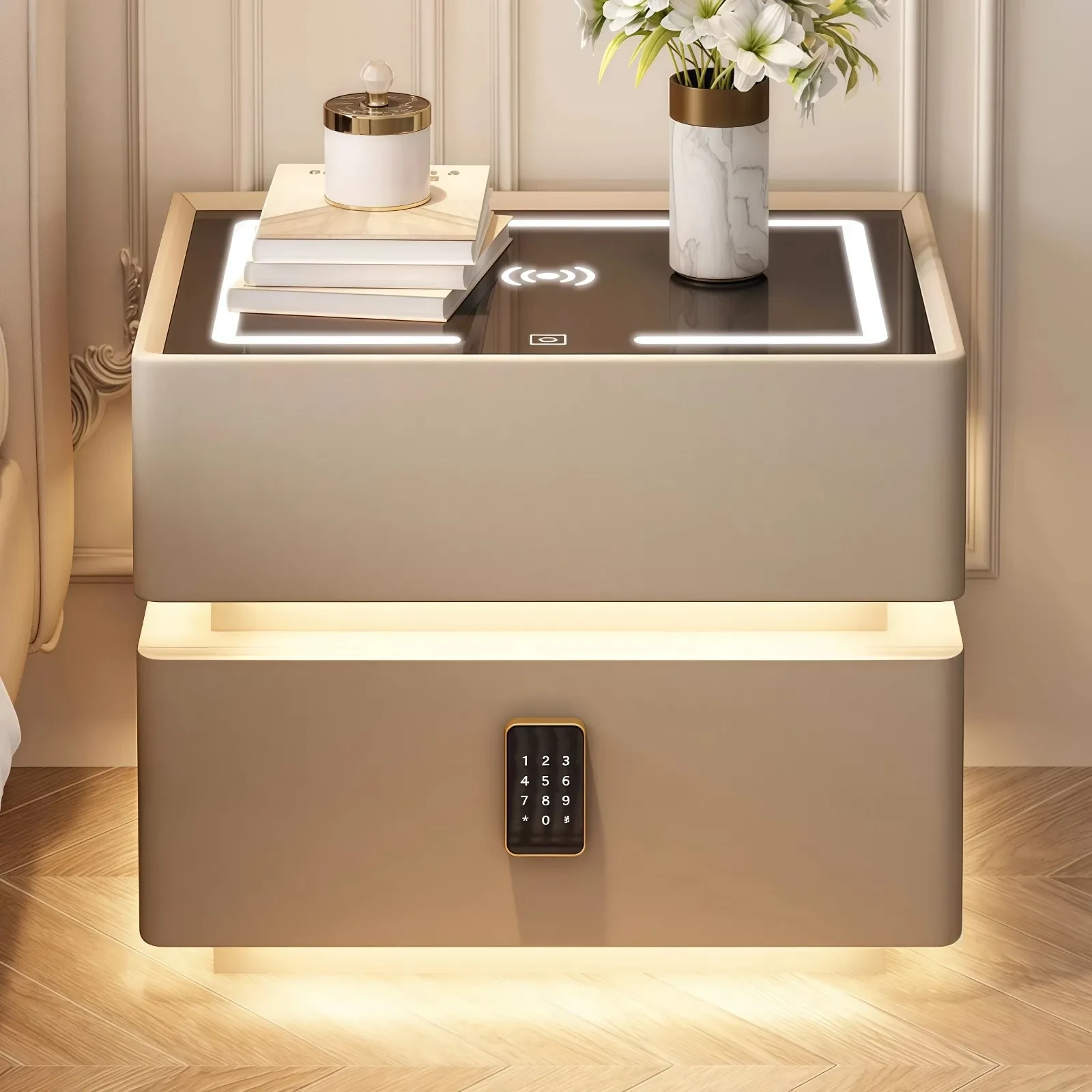
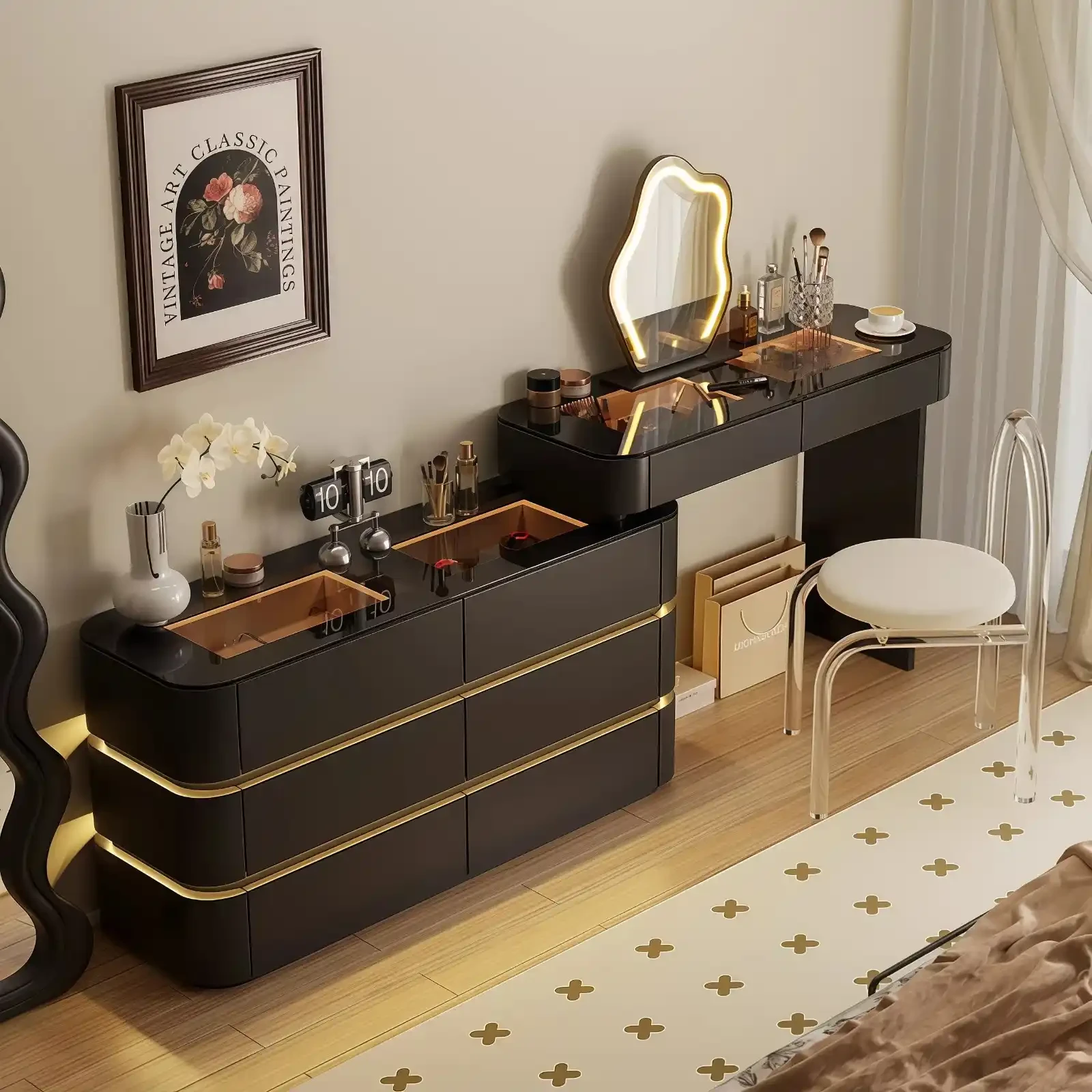
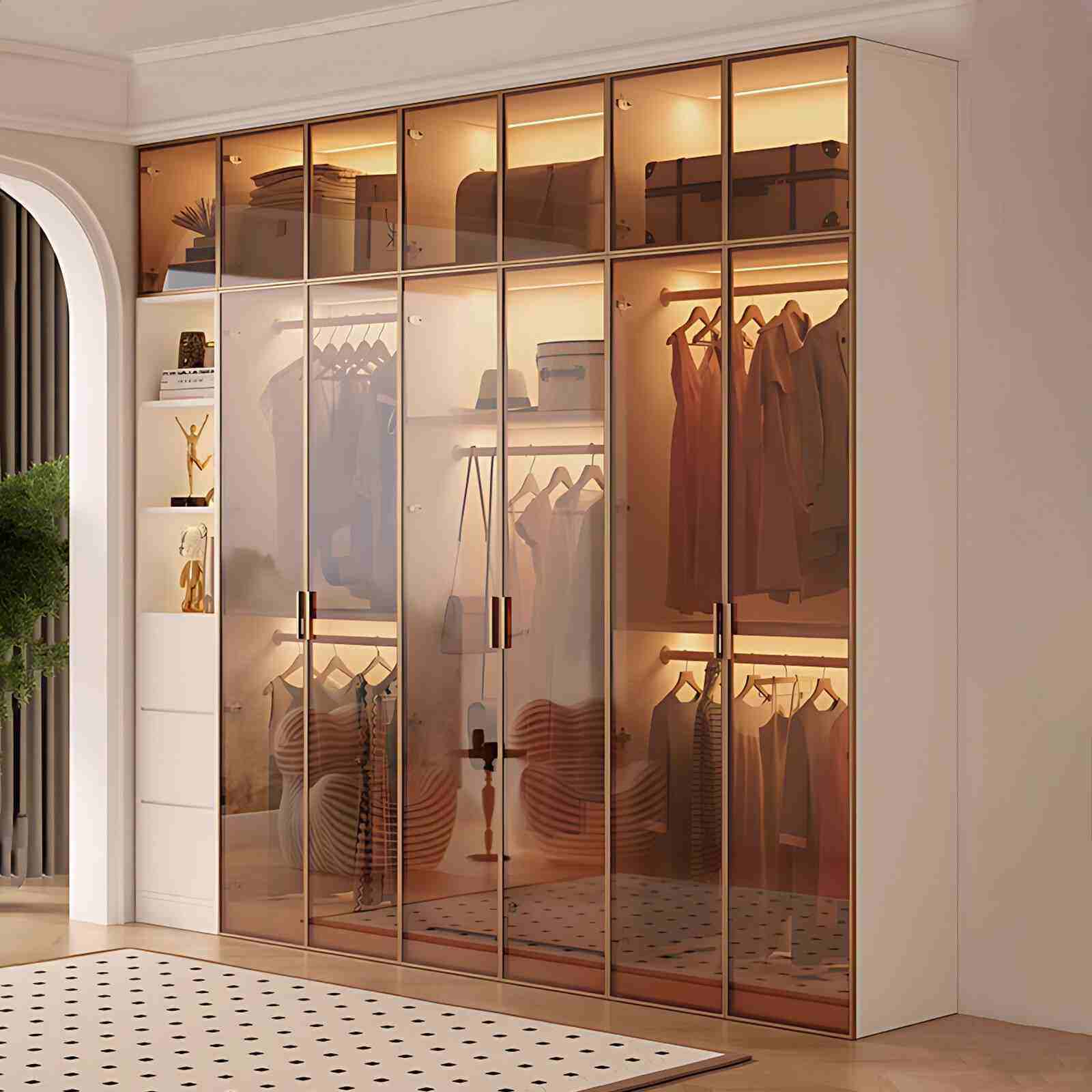
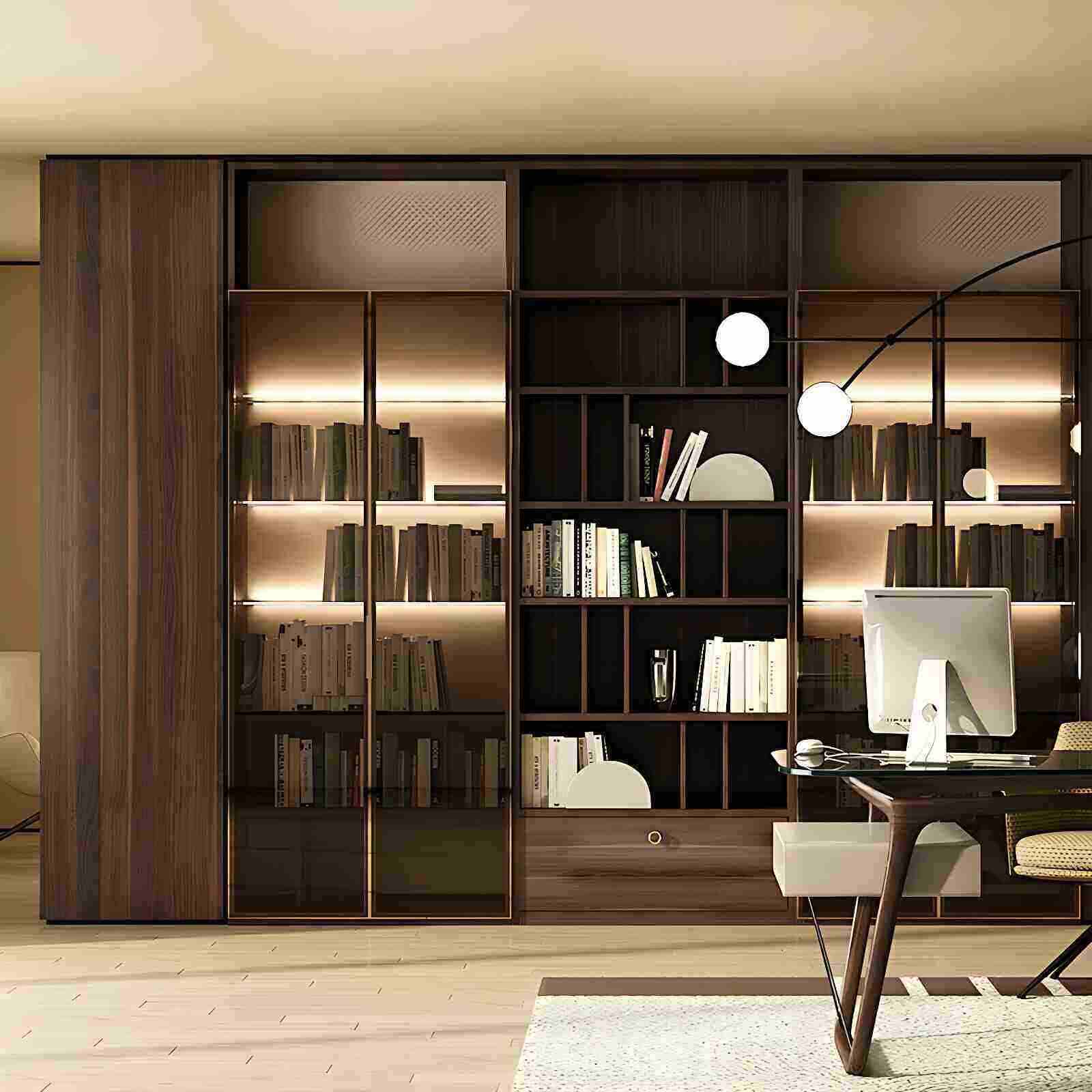
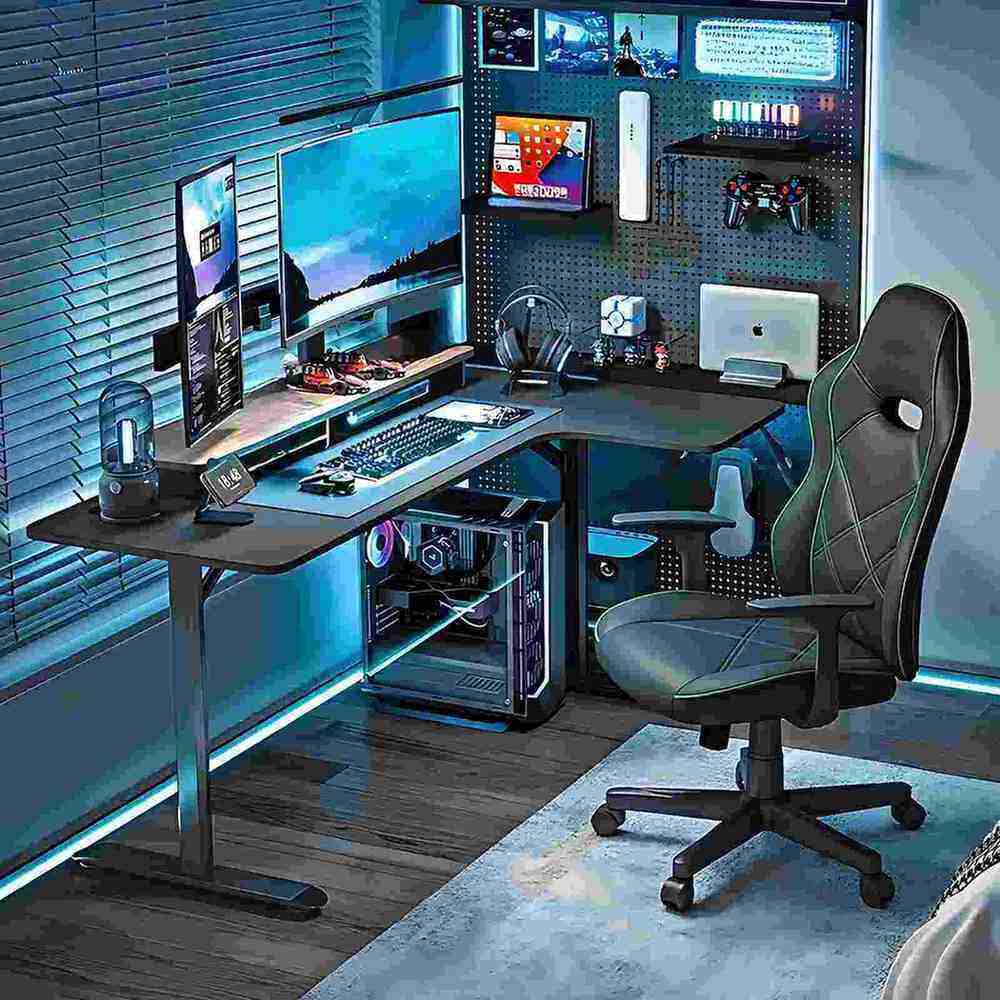
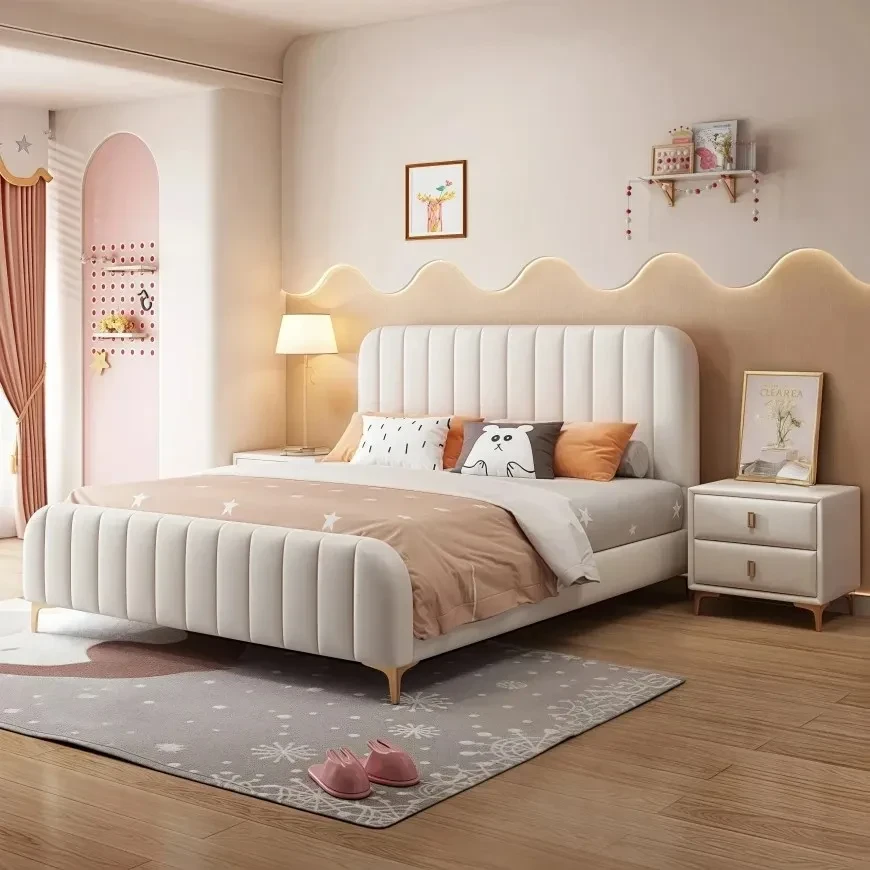
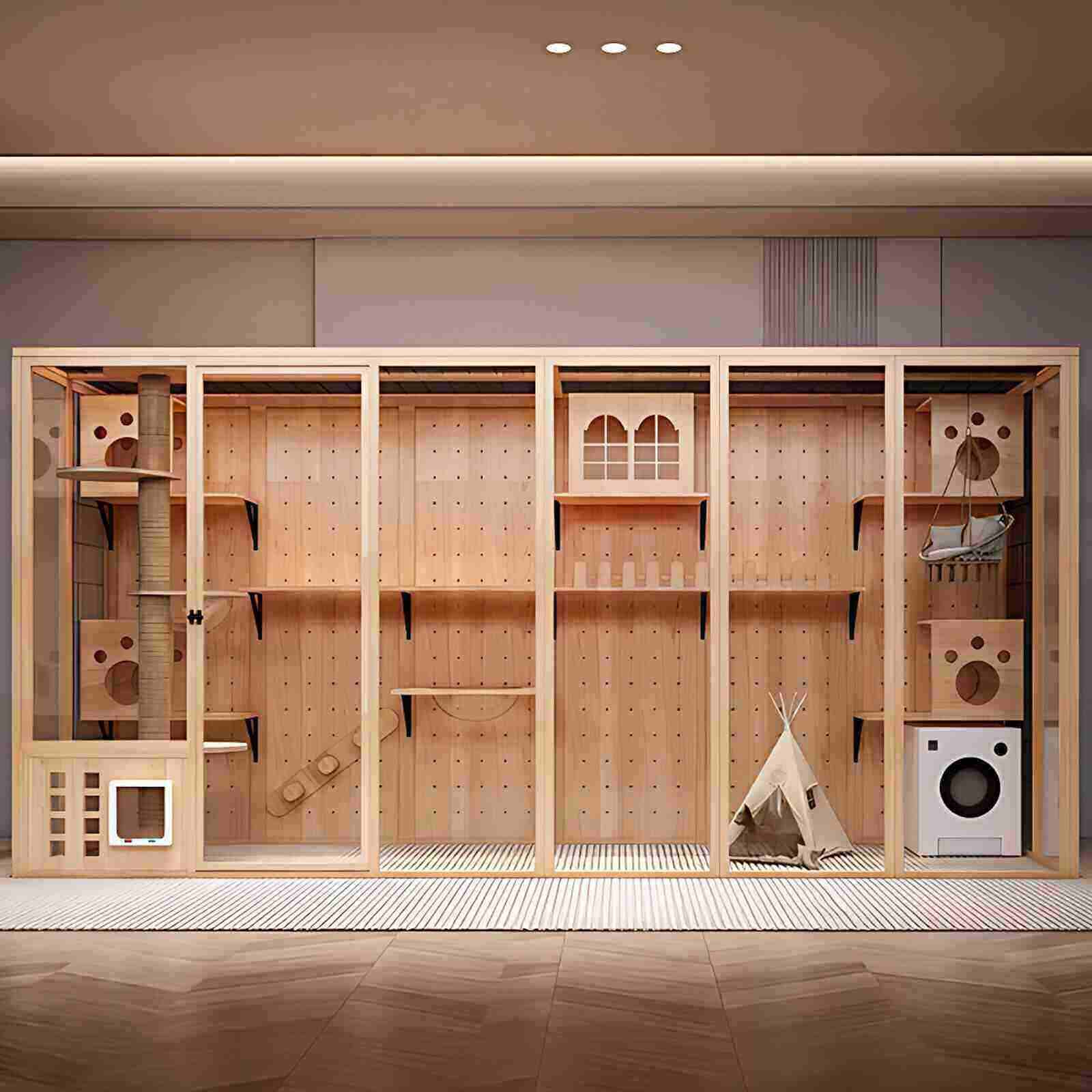
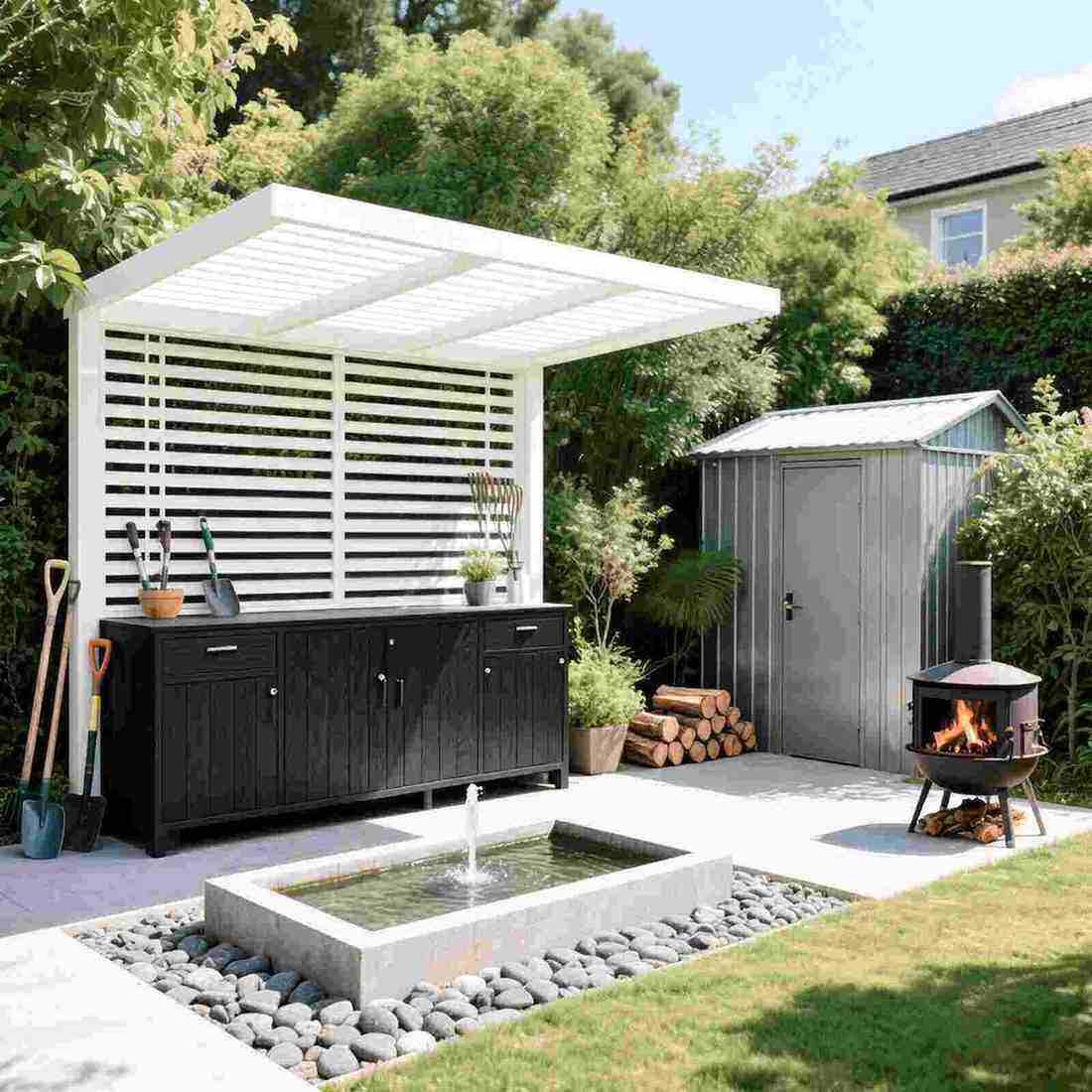
Once you decide to install wood flooring, solid wood flooring, three-layer and multi-layer composite and engineered wood flooring are all options. When choosing, you don't need to worry about the type of wood; just choose the pattern and color you like.
Solid wood flooring
Maintenance ★★★★
Aesthetics ★★★★★
Environmental protection ★★★★★
Recommendation rating: ★★★★★
Its non-slip and soft properties make it suitable for families with elderly people and children, and it can also help regulate humidity.
In addition, many problems with wood flooring are caused by installation; poor installation will waste good materials.
Families using underfloor heating should gradually increase or decrease the temperature when turning it on and off to avoid large or rapid temperature differences that could cause the floor to crack.
When choosing solid wood flooring, it's safer to select one that closely resembles its natural color. Pay attention to defects such as wormholes, rot, color variations, and chipped edges. The likelihood of cracking and paint peeling is low, and it should last for decades without major issues.
During daily use, furniture should not be dragged on the floor, as accidentally dropping heavy objects can cause a small dent in the floor.
There are mops specifically for wood floors. After mopping, pour wax oil onto the mop and mop again. Waxing once a month, or not waxing at all, will not affect the use of the floor. When using underfloor heating, occasionally use a damp mop to add moisture.
Three-layer and multi-layer solid wood
Maintenance ★★★★
Aesthetics ★★★★★
Environmental protection ★★★★
Recommendation rating: ★★★★★
Engineered wood flooring is made by cross-laminated layers of different tree species, with a hardwood surface. This design overcomes the drawbacks of solid wood flooring, such as expansion and contraction due to moisture, and allows for stress cancellation during deformation, greatly reducing the likelihood of warping and cracking. It also retains the natural wood grain and comfortable feel of solid wood flooring, offering the appearance of solid wood while reducing costs and providing better stability.
Compared to three-layer composites, multi-layer boards only require 1-2mm thick veneer, with a common thickness of 13mm-15mm, resulting in higher resource utilization.
It uses less glue, is cheaper than solid wood flooring, and is a natural material that is close to solid wood.
However, if it is a cheap multi-layer solid wood board, the glue will affect its environmental friendliness, especially when the underfloor heating is turned on.
Reinforced composite board
Maintenance ★★★★★
Aesthetics ★★★
Environmental protection ★★★
Recommendation rating: ★★★
The surface of engineered wood flooring consists of a wear-resistant layer (aluminum oxide) and wood grain paper (melamine paper), with high-density fiberboard (HDF) in the middle. HDF is a type of engineered wood product made by grinding wood into powder, adding adhesives, and then subjecting it to high temperature and pressure. The wear-resistant layer is impact and scratch resistant, the wood grain paper is indistinguishable from real wood grain, and the HDF has strong stability.
Laminate flooring is easy to install, but it uses a lot of adhesive. Cheap laminate flooring raises concerns about its environmental friendliness. If manufacturers cut corners and use inferior adhesives, formaldehyde levels can seriously exceed safe limits.
Because it is made by pressing wood chips by hand, and the surface has a very hard, ultra-wear-resistant layer, although it has a wood grain texture when touched, it feels very solid underfoot. It is suitable for installation in kitchens and private bathrooms without showers.
Tips for choosing engineered wood flooring: Look at three things and touch it.
1. Examine the wood grain paper; avoid buying paper with a repeating pattern on the surface, as it may be veneer.
2. Examine the cross-section: For engineered wood flooring with three or more layers, you can see the cross-sections of different layers of wood.
3. Check the test report; the formaldehyde emission level should at least reach E1 grade (≤0.124mg/m³).
4. Touching it, you can tell it's solid wood with a soft texture.
Try to see a sample of the flooring in person to confirm that it is engineered wood. Be careful with veneer flooring! Be careful with the thickness of the boards! Alternatively, choose a more secure option, such as multi-layer or three-layer engineered wood flooring that uses less glue.
Whether it's wood flooring or custom furniture boards, they are major sources of pollution in home decoration. We must be extremely careful when choosing boards based on their environmental friendliness.
Our water-based Ketech plywood, blockboard, eco-board, wood-scented board, and particleboard products use patented third-generation water-based polyurethane formaldehyde-free adhesive. Their environmental performance fully complies with the new national standard ENF-grade formaldehyde-free board and the national green board standard. They also meet the formaldehyde limits of European E0, Japanese F4 star and American CARB, meeting the requirements for export boards. They are the preferred boards for non-toxic whole-house custom furniture.
Image sourced from the internet; please contact us for removal if it infringes on your rights.