
 USD
USD GBP
GBP
 EUR
EUR



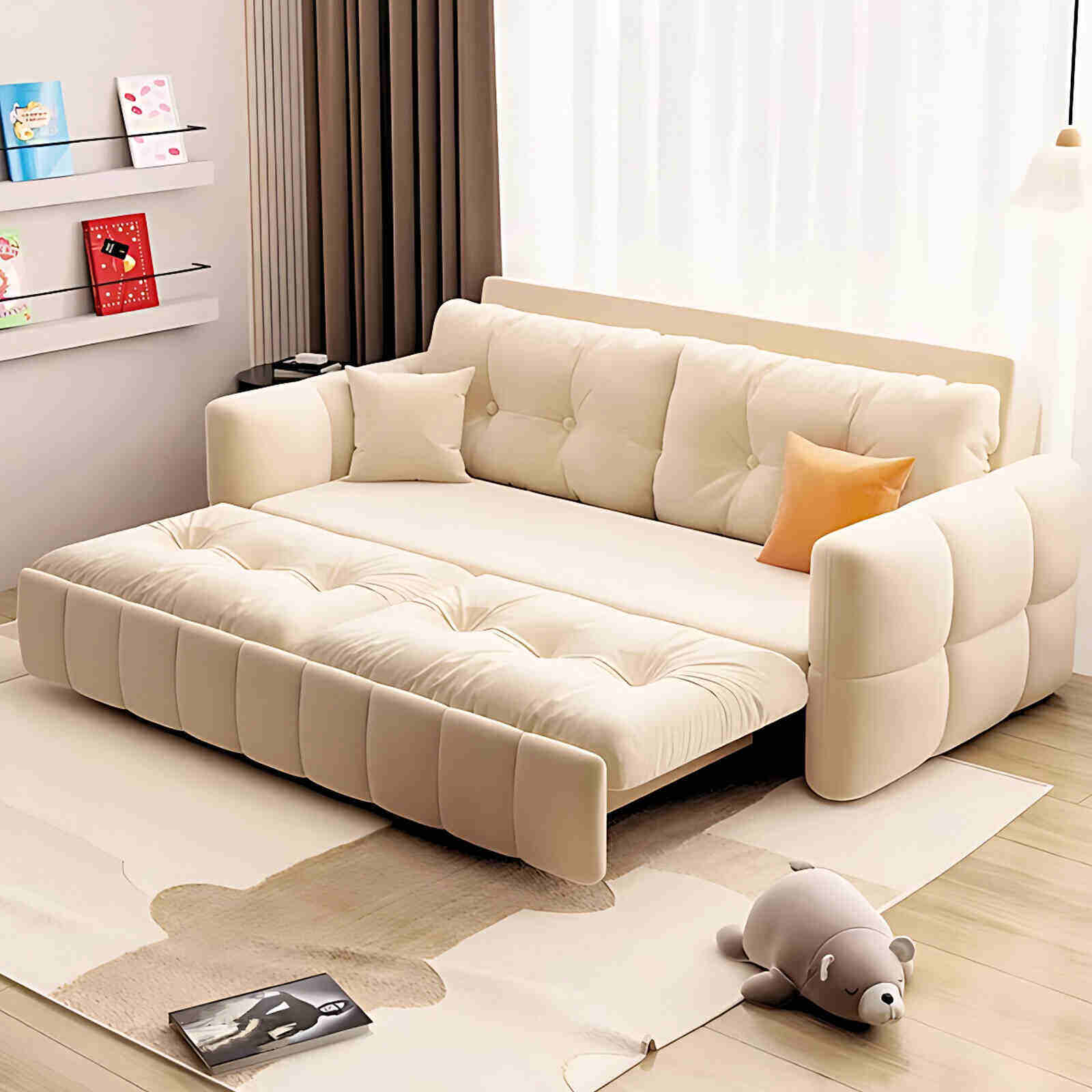


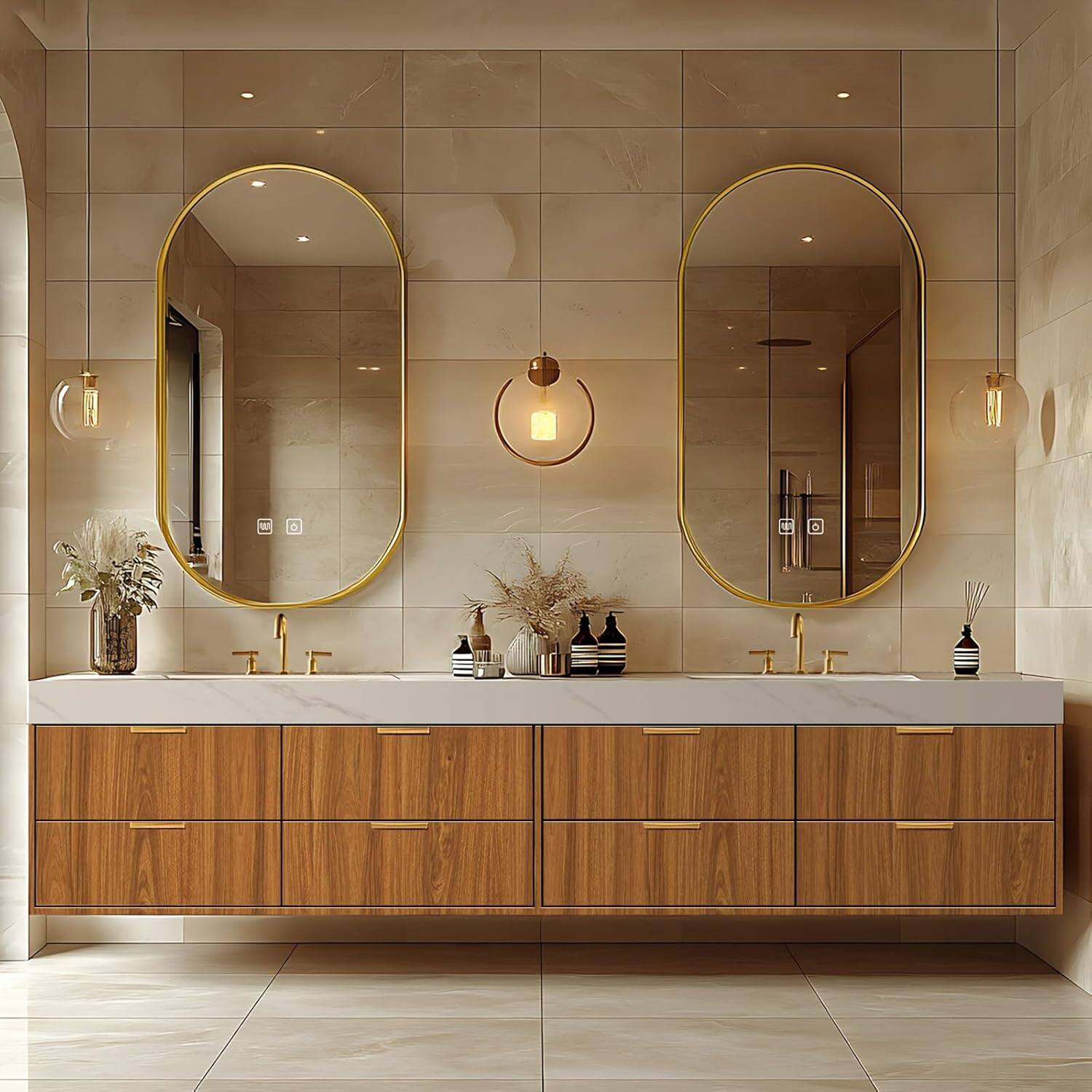





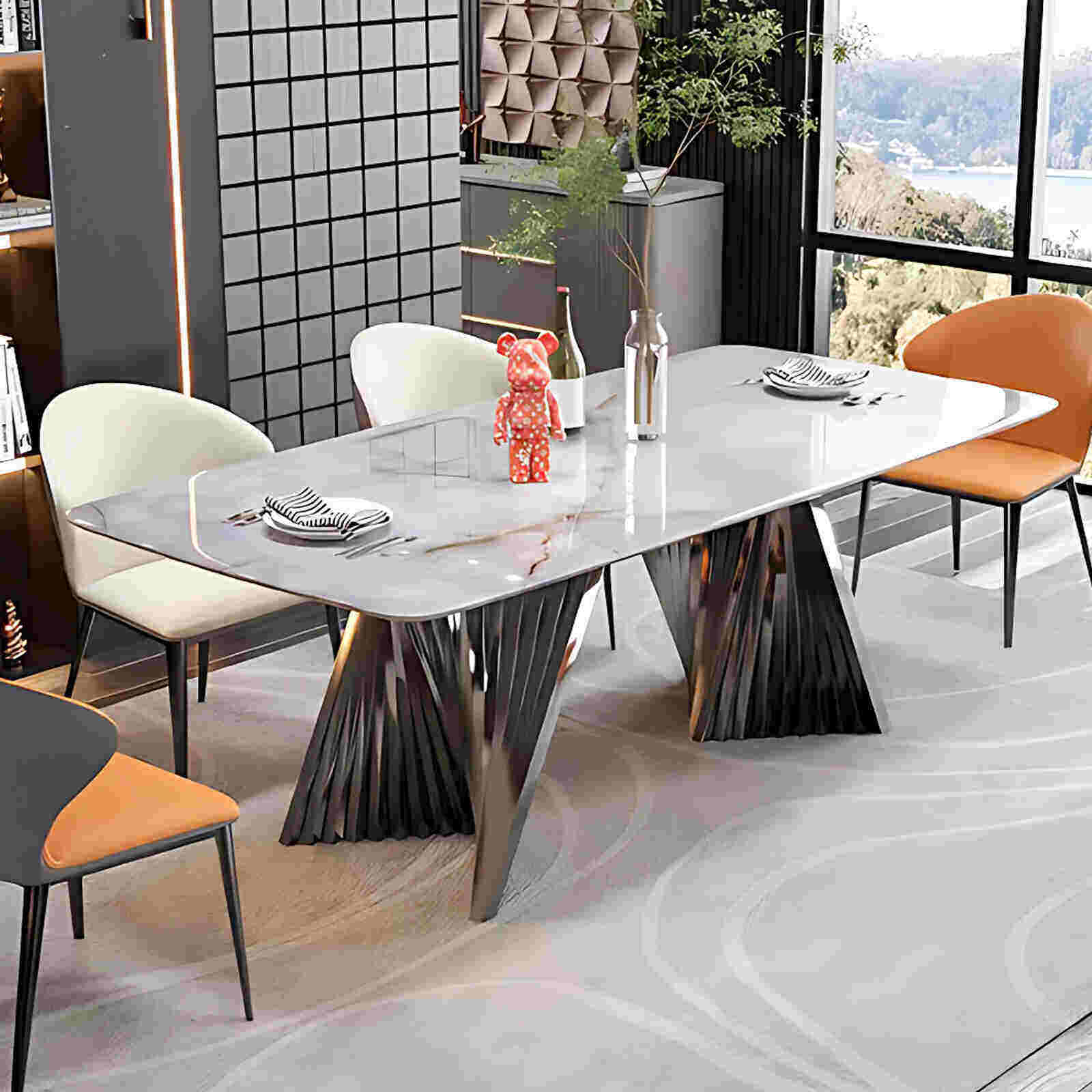
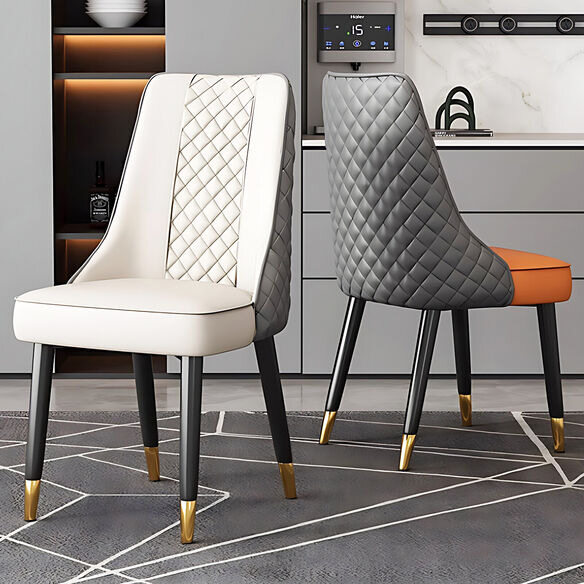

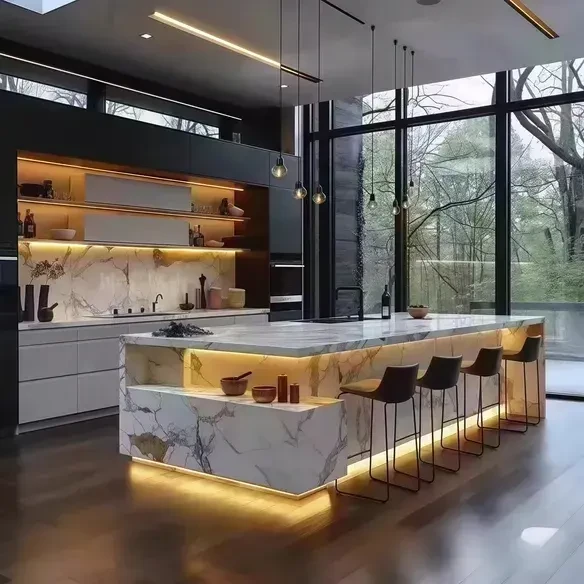
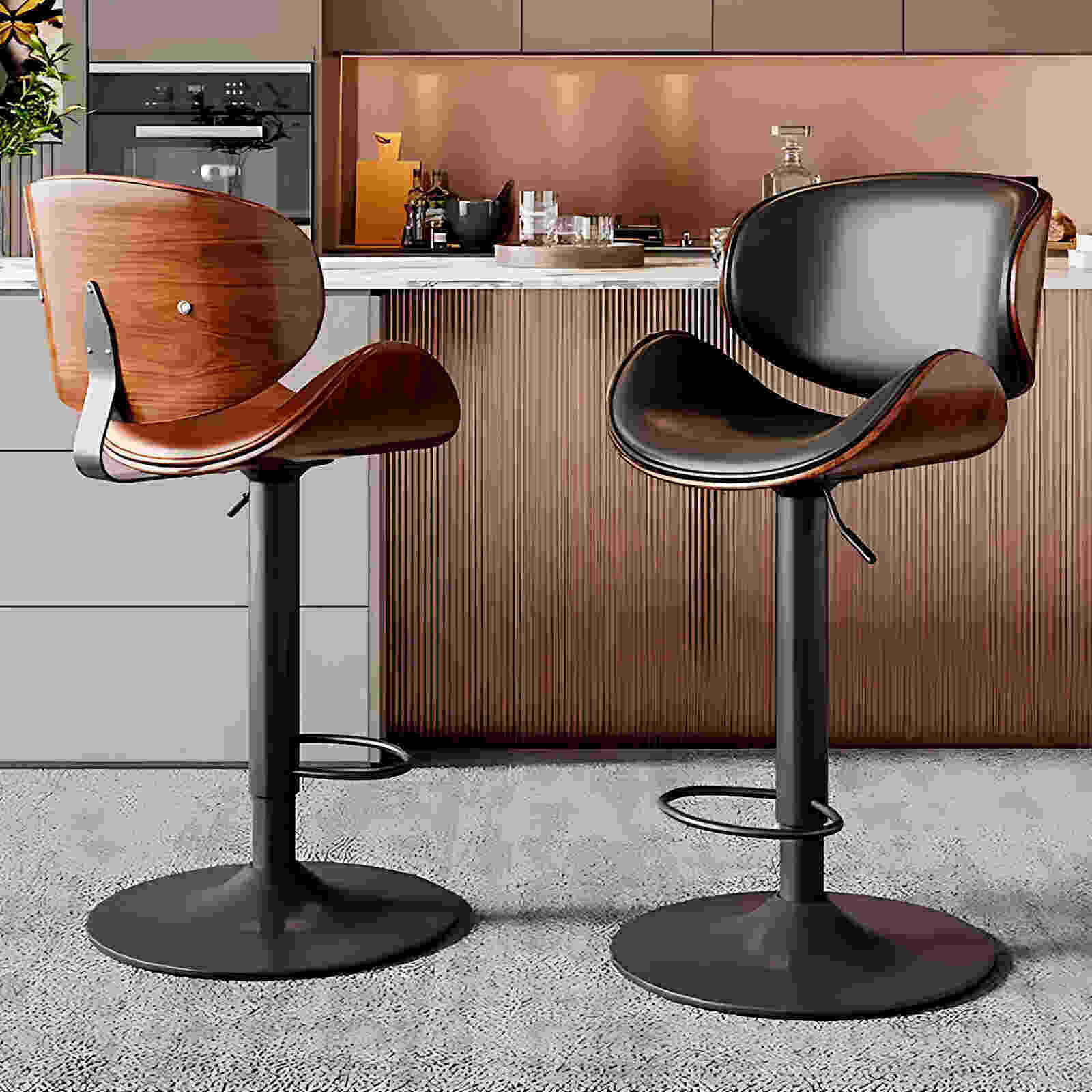



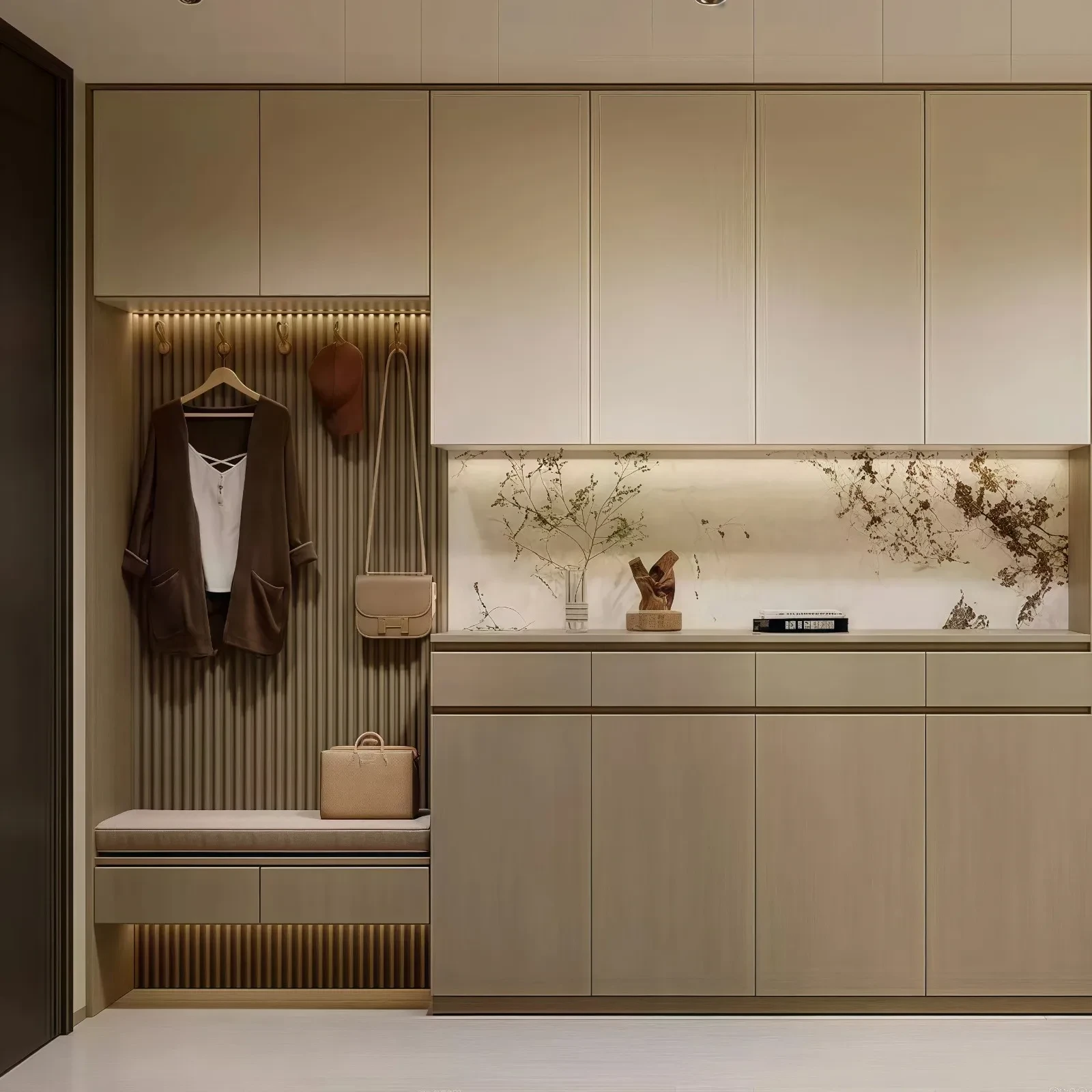









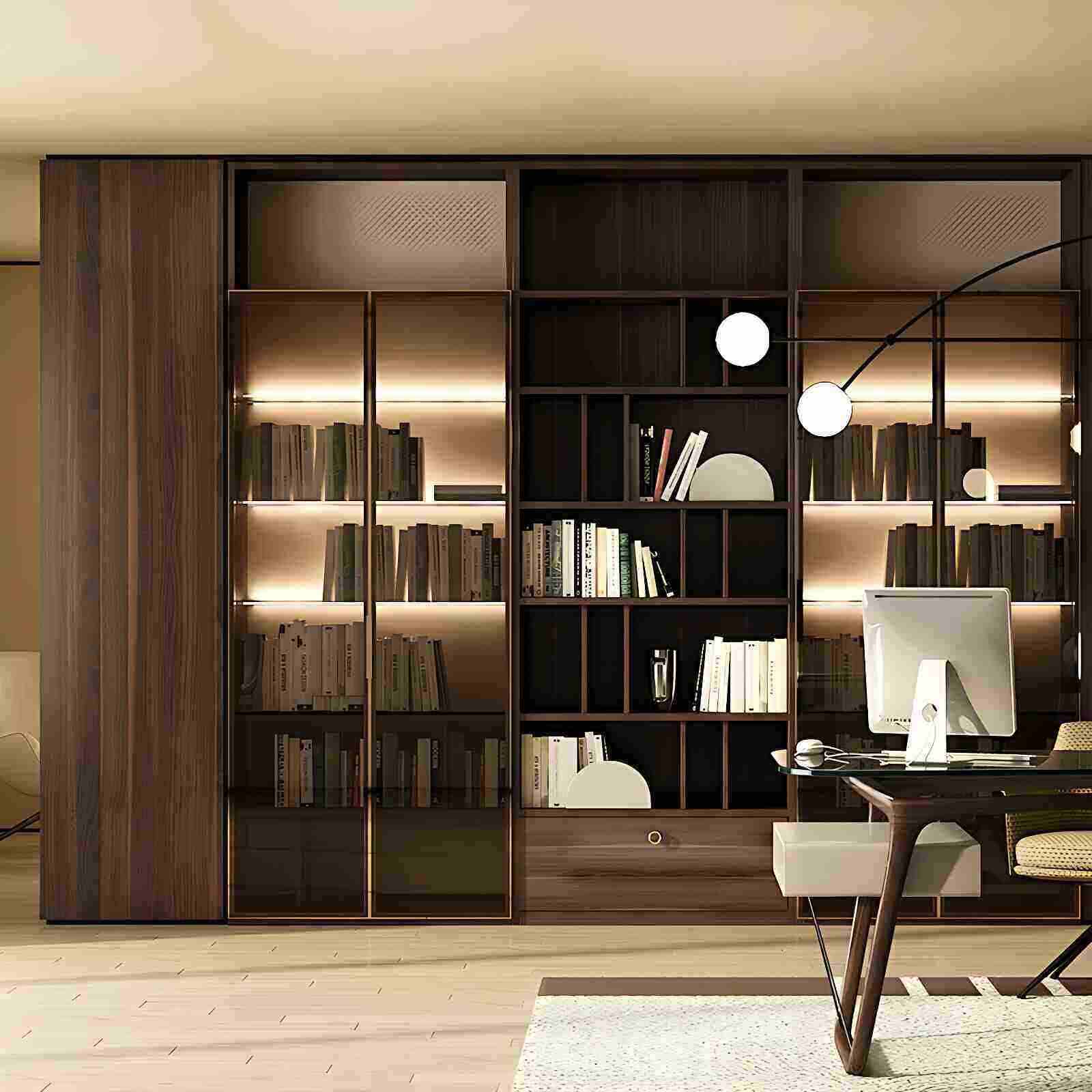




Black walnut is a high-quality type of wood, mainly produced in North America, but also growing in Asia and Europe. Asian black walnut is generally lighter in color. Black walnut is a light blackish-brown with a purplish tinge, and its tangential section displays a beautiful large parabolic grain pattern (mountain grain). Black walnut is relatively expensive; furniture made from it is usually veneered, but high-end furniture is also sometimes made from solid wood.
Physical characteristics: The sapwood of walnut is creamy white, while the heartwood ranges from light brown to dark chocolate, occasionally with purple and darker stripes. The grain is generally straight, sometimes wavy or curly, forming pleasing decorative patterns.
Processing characteristics: Walnut wood is easy to work by hand and machine. It is suitable for nailing, screwing, and gluing. It retains paint and stain well and can be sanded to achieve special final effects. Walnut wood has good dimensional stability and moderate drying properties; it can be steam-dried.
Physical properties: Walnut is a medium-density hardwood with moderate bending and compressive strength, poor toughness, and good hot-pressing ability. It is corrosion-resistant; the heartwood is highly resistant to decay, making it one of the most durable woods even in corrosive environments. The sapwood is easily damaged by powderpost beetles.
Main uses
Black walnut has a wide range of applications in Europe, America, and Asia: it is currently mainly used for furniture, small ornaments, carvings, chests, cabinets, and joinery, and increasingly for flooring production. Additionally, in the early days in the United States, black walnut was primarily used for making gunstocks.
Why do black walnuts change color over time?
Many things can alter the natural color of black walnut wood. For example, some elements typically darken lighter woods and brighten darker woods, so exposure to sunlight over several years will usually make black walnut furniture appear brighter.
While some people apply paint to black walnuts, which keeps them in a darker hue indefinitely, a clear coat or oil is usually used. A clear coat doesn't completely prevent color changes, but with regular maintenance, it can preserve the original grain to the greatest extent possible.
Some timber producers also use steam during the drying process to try to balance the color between the heartwood and sapwood, but this usually results in the material having more gray. Craftsmen generally prefer to avoid using stained raw materials when selecting timber.