
 USD
USD GBP
GBP
 EUR
EUR



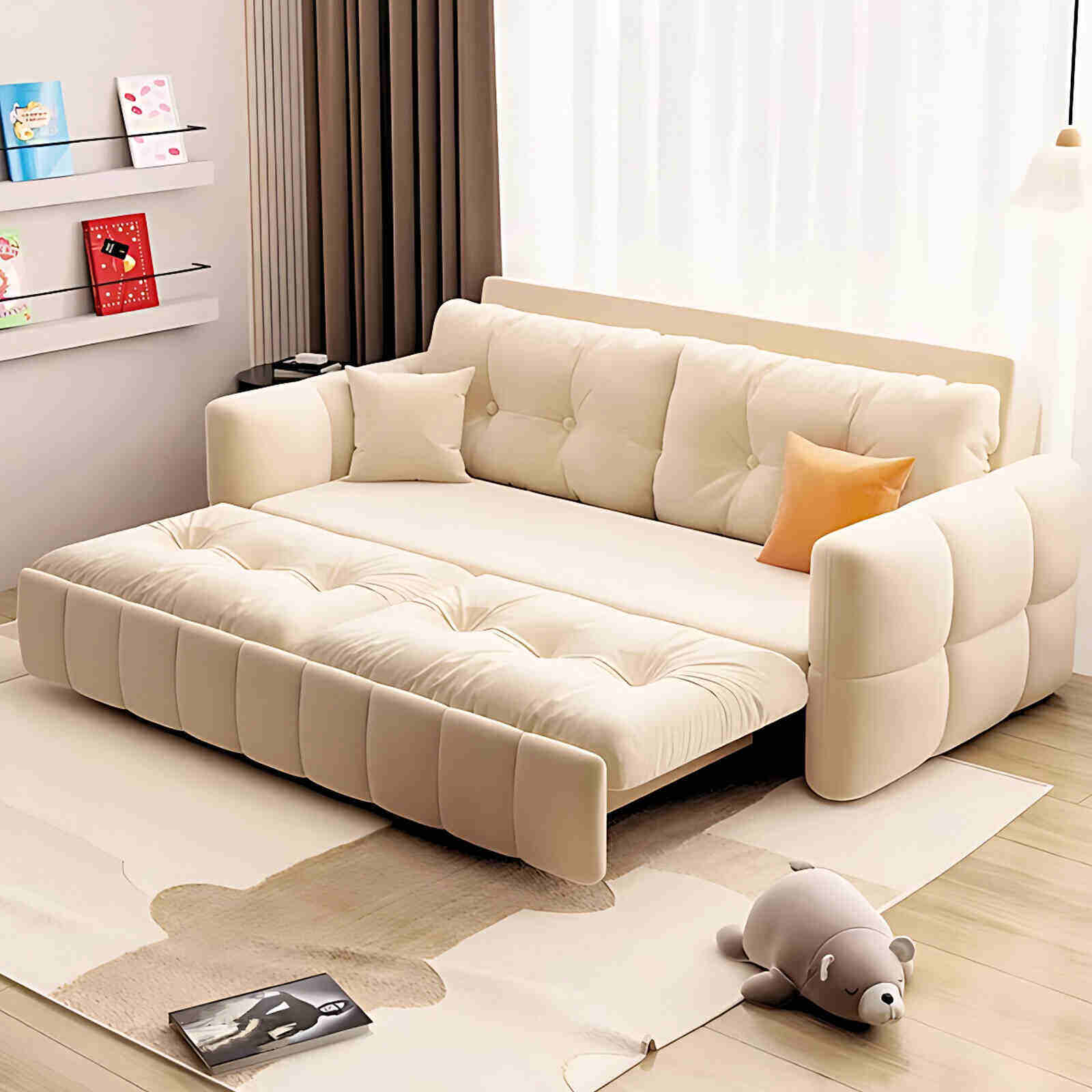









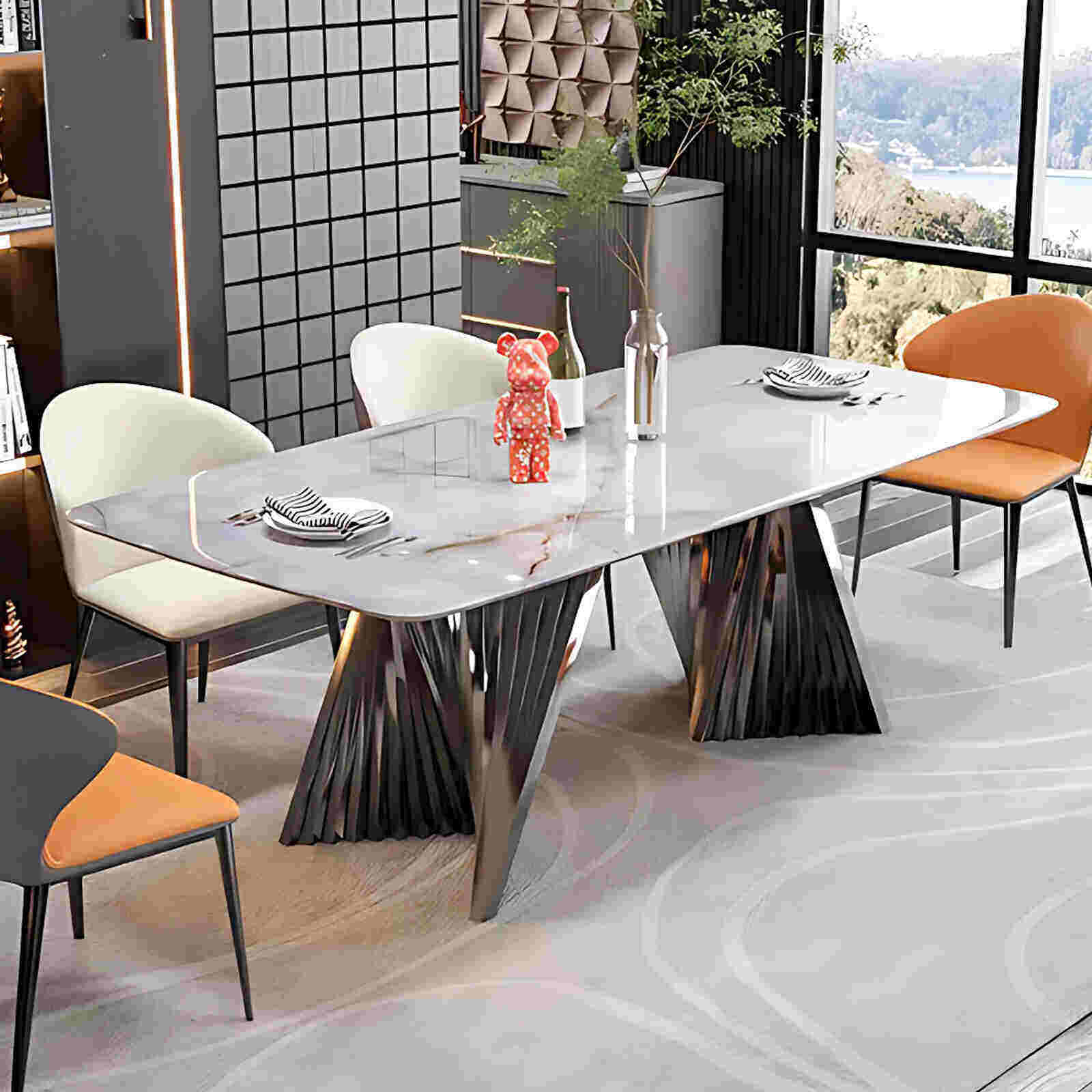






















Since the dawn of humanity, wood has been a "friend" of humankind, accompanying us and playing an indispensable role in the history of human societal development. In our daily lives, whether used for furniture, interior decoration, construction, or even toothpicks and chopsticks, we see wood everywhere. However, most people may not know that besides its use as a tool, wood also has another significant function: health and wellness.
As an ancient and natural green material, wood has always safeguarded the health and development of humankind. Li Kaifu, Dean of the Guangzhou South China Home Furnishing Health Research Institute, Professor and Doctoral Supervisor of South China Agricultural University, has devoted more than 40 years to studying "wood". Based on the principles of cell biology and starting from the life science, he has focused on the smell, texture, structure and characteristics of wood, and profoundly revealed the source of the close relationship between wood and people.
In his article "My Dream of 'Wood Health'", Professor Li points out that forests are humanity's ancestral home, where humans originated and developed. The green environment of forests can, to some extent, reduce the secretion of adrenaline in the human body and lower the excitability of the sympathetic nervous system. It not only makes people feel calm and comfortable but also lowers skin temperature by 1-2 degrees Celsius, reduces pulse rate by 4-8 beats per minute, and enhances auditory and cognitive sensitivity. Furthermore, forest plants, such as fir, pine, eucalyptus, poplar, juniper, and oak, secrete aromatic monoterpenes, sesquiterpenes, and diterpenoid gases that act as bactericides, killing airborne pathogens such as diphtheria, typhoid, tuberculosis, dysentery, and cholera. Studies have shown that in dry, treeless areas, each cubic meter of air contains 4 million pathogens, while in shaded areas only 600,000, and in forests, only a few dozen remain.
In addition, the text elaborates on the perfect properties of wood, such as its ability to improve the human living environment, regulate indoor temperature and humidity, adjust psychological feelings, extend human lifespan, and possess health-preserving, antibacterial, insect-repelling, cell-activating, ultraviolet-absorbing, and fatigue-reducing functions. Taking Dalbergia odorifera as an example, it has effects such as lowering blood pressure and lipids, relaxing muscles and promoting blood circulation, benefiting the brain, deodorizing, and stimulating cells to promote tissue regeneration. Another example is Pterocarpus santalinus, which has effects such as calming the mind, soothing the nerves, relaxing muscles and promoting blood circulation, enhancing immunity, preventing aging, and reducing inflammation and pain. It is evident that wood has significant effects on human health and wellness, making it one of the most perfect and precious gifts bestowed upon humankind by nature through long-term evolution.
So, in what ways does the health and wellness benefit of wood manifest itself? Professor Li stated that the health benefits of wood are mainly reflected in visual, tactile, auditory, olfactory, and regulatory aspects. For example, in terms of vision, wood has beautiful grain and diverse colors. Furthermore, wood's light reflectivity reaches 30-40%, providing just the right amount of stimulation to the human retina. It can absorb harmful ultraviolet rays from sunlight, quickly relieving eye fatigue and leaving one feeling refreshed. In terms of smell, wood's gases are volatile, and the aromas of many woods are refreshing, invigorating, and soothing, preventing restlessness and promoting a pleasant feeling. Therefore, in our daily lives, we can utilize the various characteristics of wood to better serve human health. For example, when purchasing furniture, we can prioritize green and environmentally friendly solid wood furniture and solid wood flooring.
Since the beginning of the 21st century, technological progress has been rapid, and the economy has developed quickly. However, this has also led to increased environmental pollution, including air and water pollution, threatening human health. In this context, a healthy, green, and comfortable lifestyle is receiving increasing attention and pursuit. Therefore, researching the health benefits of wood is of paramount importance. It is believed that with further in-depth research into the health functions of wood, it will make an even greater contribution to human health in the future.
Note: This article only discusses the topic of wood and human health, drawing on Professor Li Kaifu's article "My 'Wood Health Dream'". In the future, based on Professor Li's research on wood, I will explain the health benefits of wood in daily life from several aspects, including visual, tactile, auditory, olfactory, and regulatory aspects. Stay tuned!
This column invites industry experts, scholars, and professionals from the Guangzhou South China Home Health Research Institute, led by Professor Li Kaifu, doctoral supervisor at South China Agricultural University, to conduct research on home health and share their findings with readers. We sincerely invite you to join our team to learn and discuss together and contribute to improving people's health and well-being!
Li Kaifu's Profile:
Expert consultant of the All-China Federation of Industry and Commerce Art Rosewood Furniture Professional Committee, and doctoral supervisor at South China Agricultural University. He has presided over and participated in 25 research projects, winning one National Science and Technology Progress Award (Second Class) and eight Provincial Science and Technology Progress Awards. He has published 18 books and 228 papers. He was awarded the title of Outstanding Young and Middle-aged Expert by the former Ministry of Forestry. He has received the "National Forestry Industry Outstanding Contribution Award - Advanced Individual," the "Cross-Strait Forestry Dedication Award Fund," the Guangdong Furniture Association Special Contribution Award for Education, and the Outstanding Person Award.