
 USD
USD GBP
GBP
 EUR
EUR







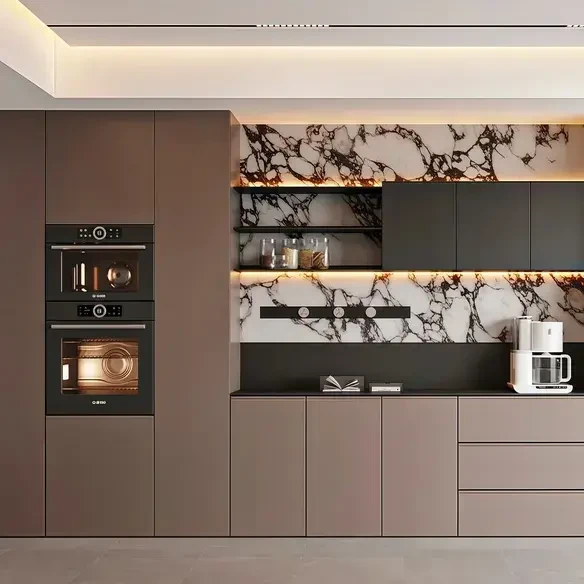




















Engineered wood flooring is popular among consumers due to its superior functionality and affordable price, resulting in strong market demand. However, with numerous brands and models of engineered wood flooring available, how should one choose? Here, we'll outline five key principles for choosing engineered wood flooring to help you make an informed decision.
Principle 1: Pay attention to product name and environmental indicators
There are many product names for engineered wood flooring on the market, making it difficult for consumers to choose. However, the unified standard name stipulated by national standards is "engineered wood flooring." When purchasing, pay attention to the product category and carefully examine the product structure.
Because the production process of engineered wood flooring requires the use of adhesives containing formaldehyde and other harmful substances, if the content of these harmful substances exceeds national standards, it will harm human health. Formaldehyde is a potent carcinogen, especially harmful to pregnant women and children. While flooring is generally classified as E0 or E1 environmentally friendly, all grades release formaldehyde, just in varying amounts. Whether the release is within the standard range is something to pay attention to when purchasing flooring.
Principle Two: Choose flooring from well-known brands
When purchasing engineered wood flooring, choose reputable brands and prioritize products certified by the state, industry, or relevant departments, such as those recognized as national inspection-free products, Chinese well-known trademarks, Chinese environmental protection brands, or green product certifications. Pay particular attention to products with "all-foreign-language packaging," as these may be substandard or of poor quality. Imported flooring should have Chinese labels and import certificates; don't just buy the cheapest option.
Principle 3: Pay attention to the stability and bonding performance of the flooring.
As is well known, stability is a prominent performance characteristic of engineered wood flooring. However, improper moisture content control or unscientific installation methods can also affect the stability of the flooring. Therefore, when purchasing engineered wood flooring, it is necessary to pay attention to the moisture content index and installation method to ensure stability. Engineered wood flooring is made by gluing; the better the gluing performance, the longer the service life and the more durable the flooring will be.
Principle Four: Pay attention to the performance parameters of floor coatings
It's difficult to distinguish good from bad engineered wood flooring by appearance alone. Only by fully understanding the various parameters of the flooring can you truly choose a high-quality product. The main parameters of engineered wood flooring's finish include the adhesion of the finish film, its abrasion resistance, the manufacturing process, and the hardness of the finish film. The more abrasion-resistant the finish, the better the adhesion and the longer the lifespan. For home use, an abrasion resistance rating of 6000 revolutions is generally most suitable, providing both durability and a comfortable feel underfoot.
Principle Five: Always adhere to the principle of "whoever sells, installs".
When purchasing engineered wood flooring, the principle of "whoever sells it installs it" should be followed. Professional installation services will reduce the probability of problems arising during future use. The seller should meet the following conditions for installation: 1. Have a qualified installation team with good experience; 2. Have a professional and well-managed installation team; 3. Have comprehensive installation standards.