
 USD
USD GBP
GBP
 EUR
EUR






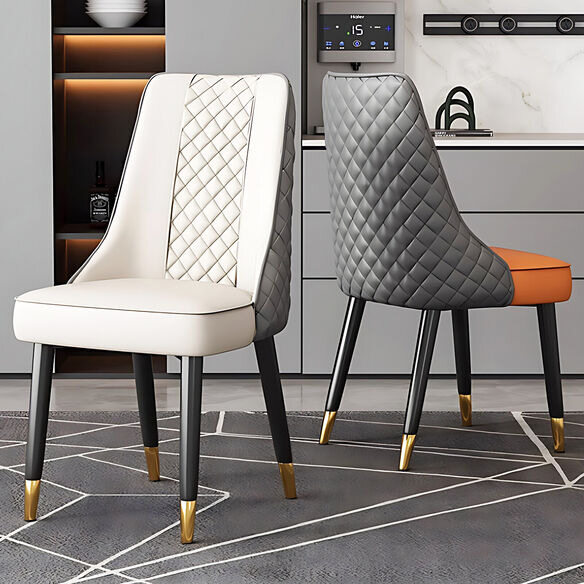


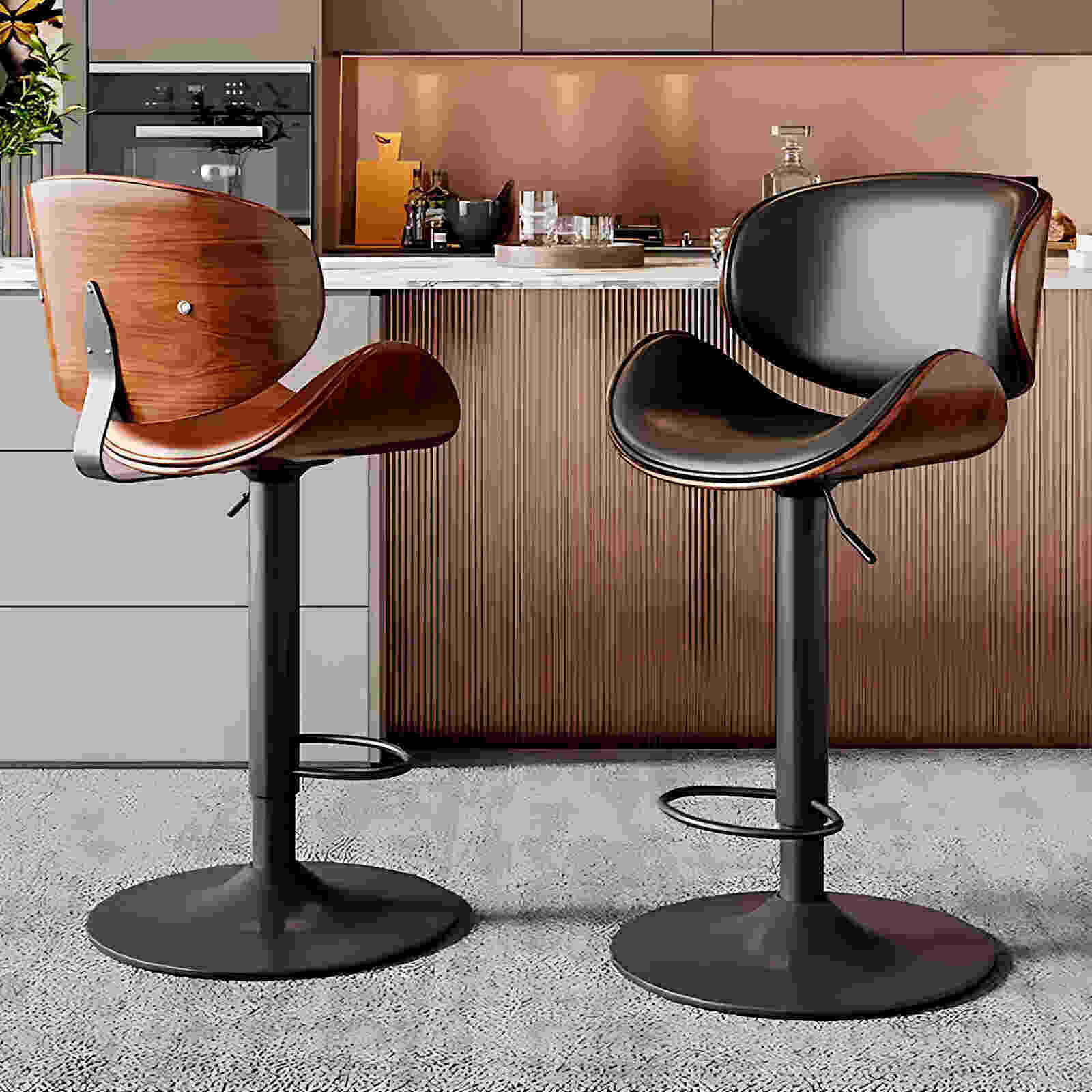






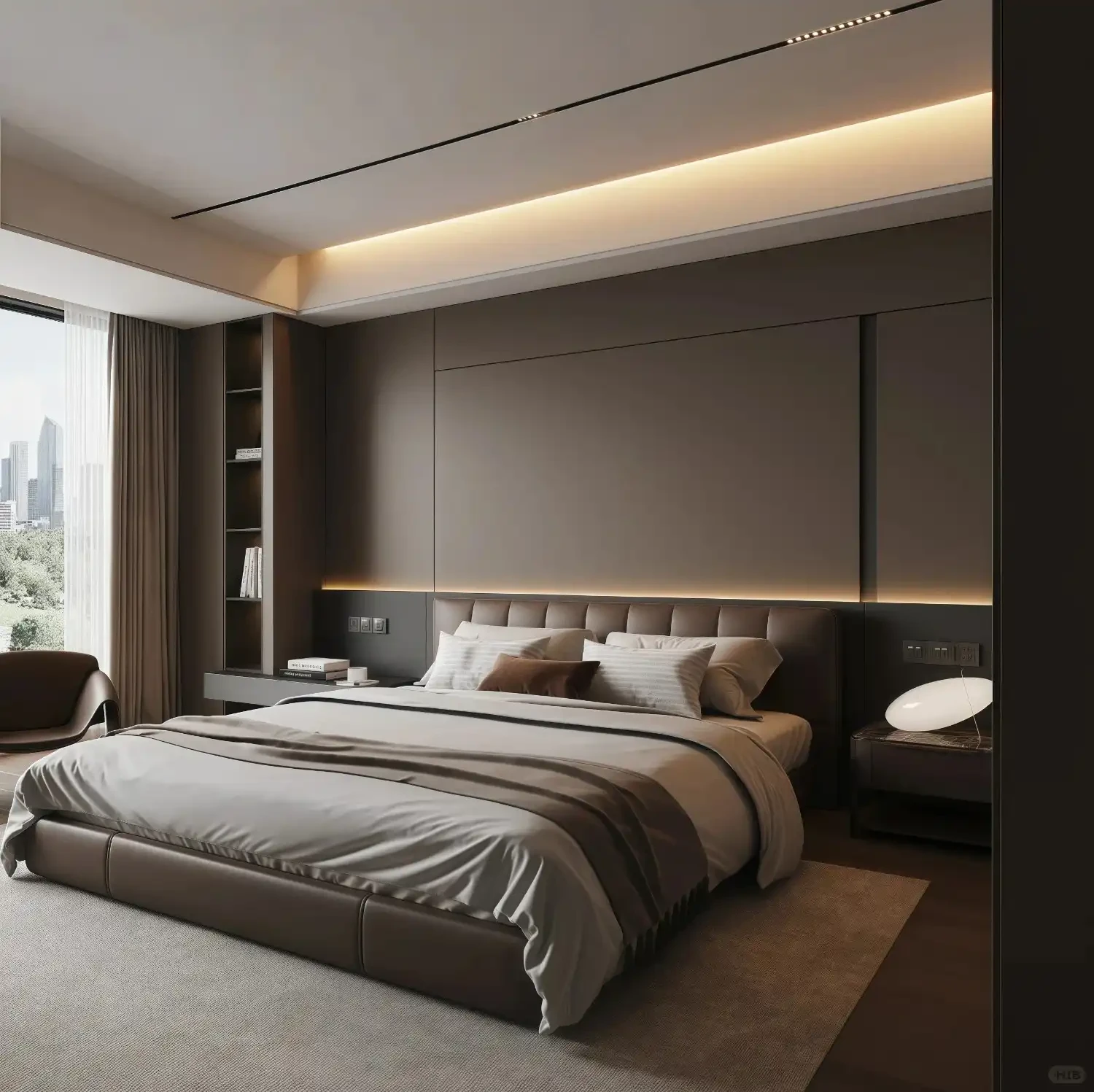
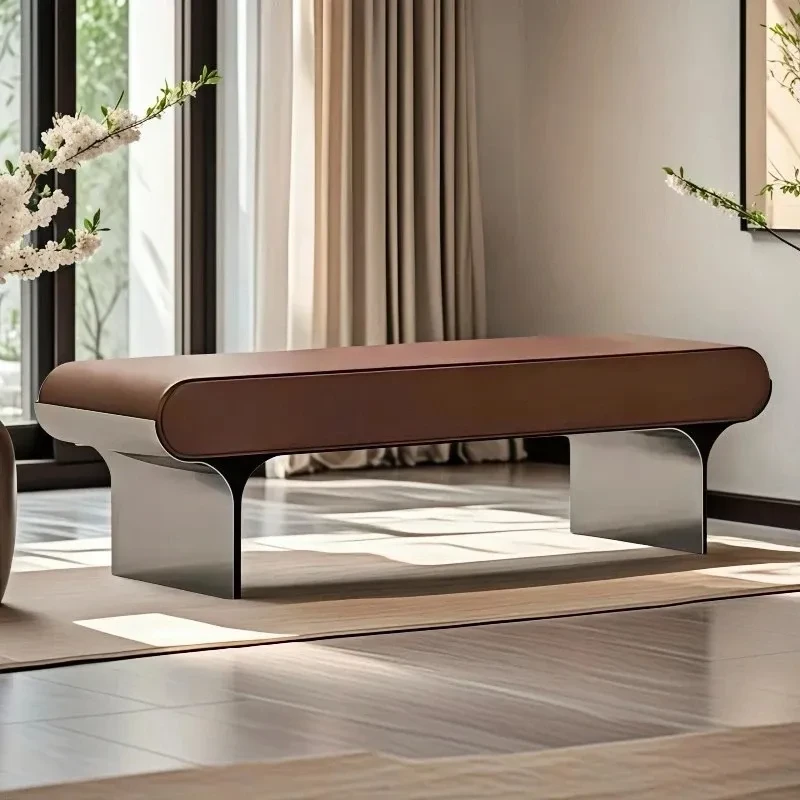

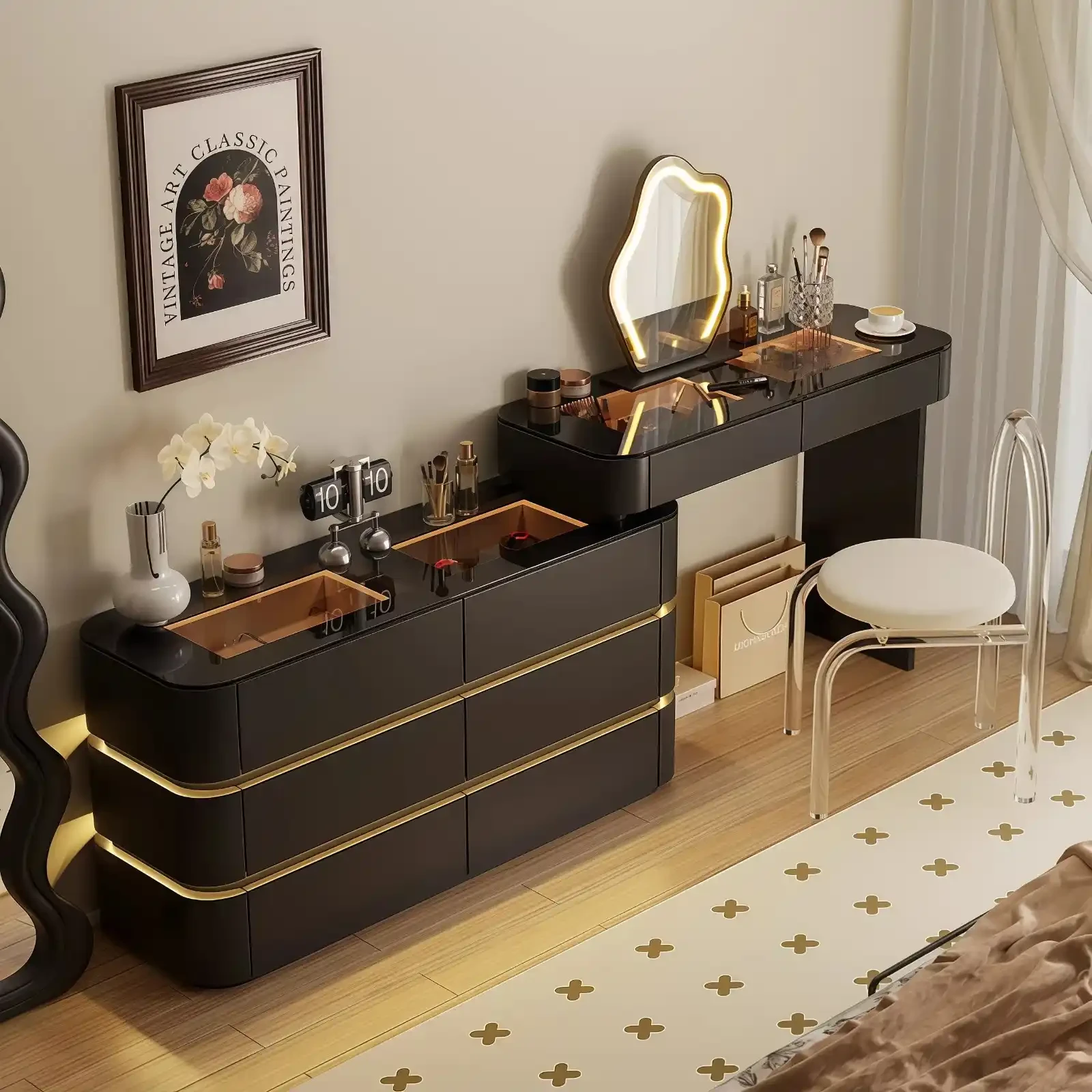

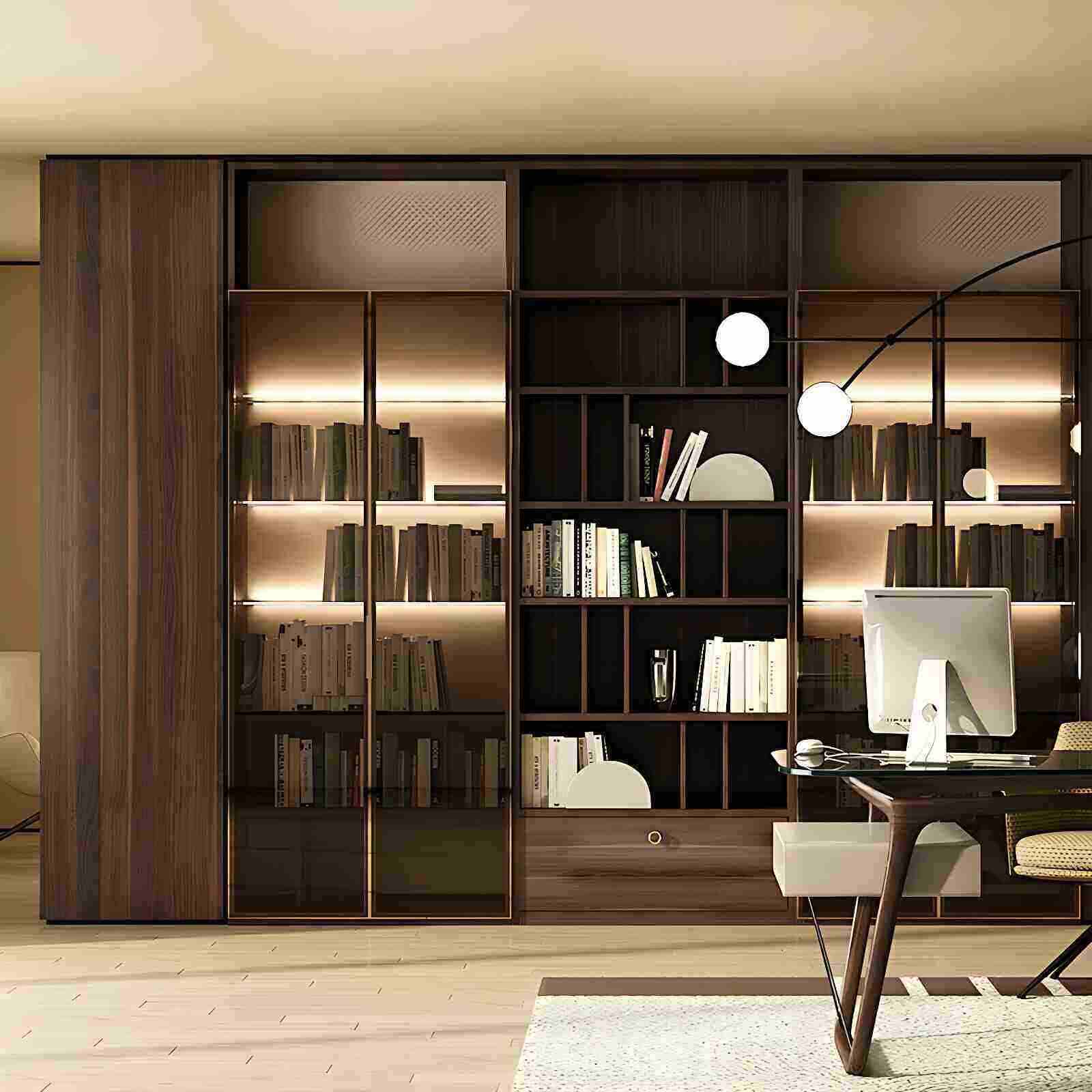


Furniture has a long history and can be categorized into high-end, mid-range, and low-end grades based on the materials used. High-end furniture, especially the more expensive pieces, often uses rosewood. Many people associate rosewood with high prices, and thus, rosewood furniture has become synonymous with luxury.
A deeper understanding of rosewood classifications is crucial before making a purchase.
For some people, their understanding of rosewood is not actually very deep. Many people used to think that rosewood was a single type of tree, but this is incorrect. Now, "rosewood" has become a general term encompassing two genera and five subgenuses, totaling thirty-three species. These species generally grow very slowly, have hard wood, and are generally dark in color, hence the collective name "rosewood."
As early as the Ming Dynasty, people already had a great fondness for rosewood furniture, and the wood used was mostly high-quality wood that was over several hundred years old. After hundreds of years of development, it is now very difficult to find high-quality rosewood, so the price of rosewood furniture has risen accordingly, and it has even become a store of value.
Nowadays, the woods commonly referred to as rosewood, padauk, and chicken wing wood all fall under the category of mahogany. However, the wood itself has different grades, resulting in significant differences in market prices. Now, let an experienced friend share some categories with value retention properties, so that you won't make mistakes when making your purchase.
Rosewood, padauk, and chicken wing wood all fall under the category of mahogany.
1. Huanghuali (Dalbergia odorifera) is a relatively rare species, originally from Hainan Province, China. This tree is now extremely scarce and has become a protected species. Furniture made from Huanghuali is particularly expensive. This tree grows relatively slowly and has a spicy aroma. Upon close inspection, its grain is slanted, and its structure is very fine. Furniture made from it is very durable; some pieces can even last for over a century, making it highly valuable for purchase and collection.
2. Small-leaf sandalwood is a well-known type of rosewood, originating in India. This type of wood is generally small; a diameter of 20 centimeters is quite rare. The wood has a strong fragrance, and its color turns purplish-brown with prolonged indoor exposure, giving it a very antique appearance. Sandalwood is also very heavy and has a dense structure, making it a highly collectible item, and its market price is currently quite high.
3. Rosewood has a relatively uniform color and comes in a variety of hues. Besides the commonly seen reddish-brown, it also comes in light yellow. Upon close inspection, its grain is very distinct, and it displays a noticeable luster. If you smell it carefully, you can also detect a very faint fragrance. Furniture made from this wood is very hard and relatively lightweight.
Rosewood has a relatively uniform color.
The three types of rosewood introduced above are relatively expensive and rare tree species on the market. Furniture made from these rosewoods is not only expensive but also has a certain collectible value, making it very popular.