
 USD
USD GBP
GBP
 EUR
EUR
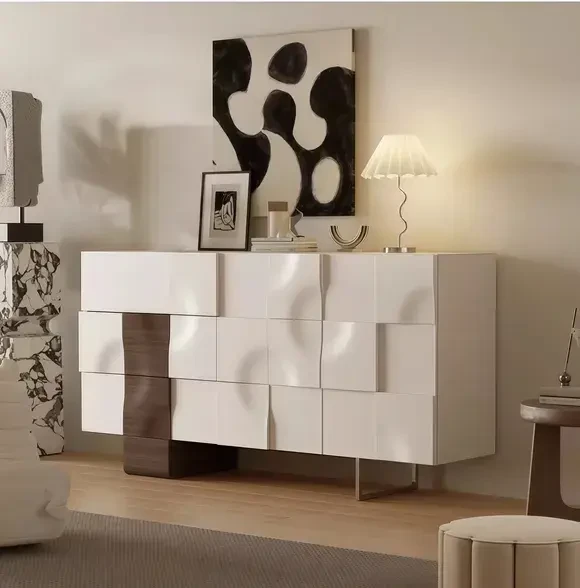
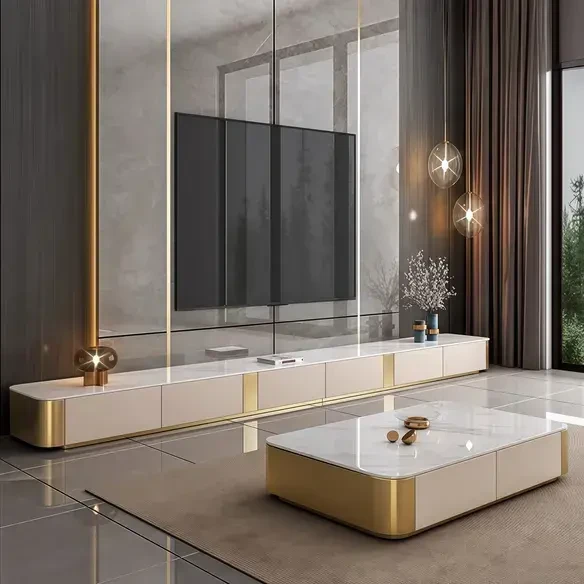
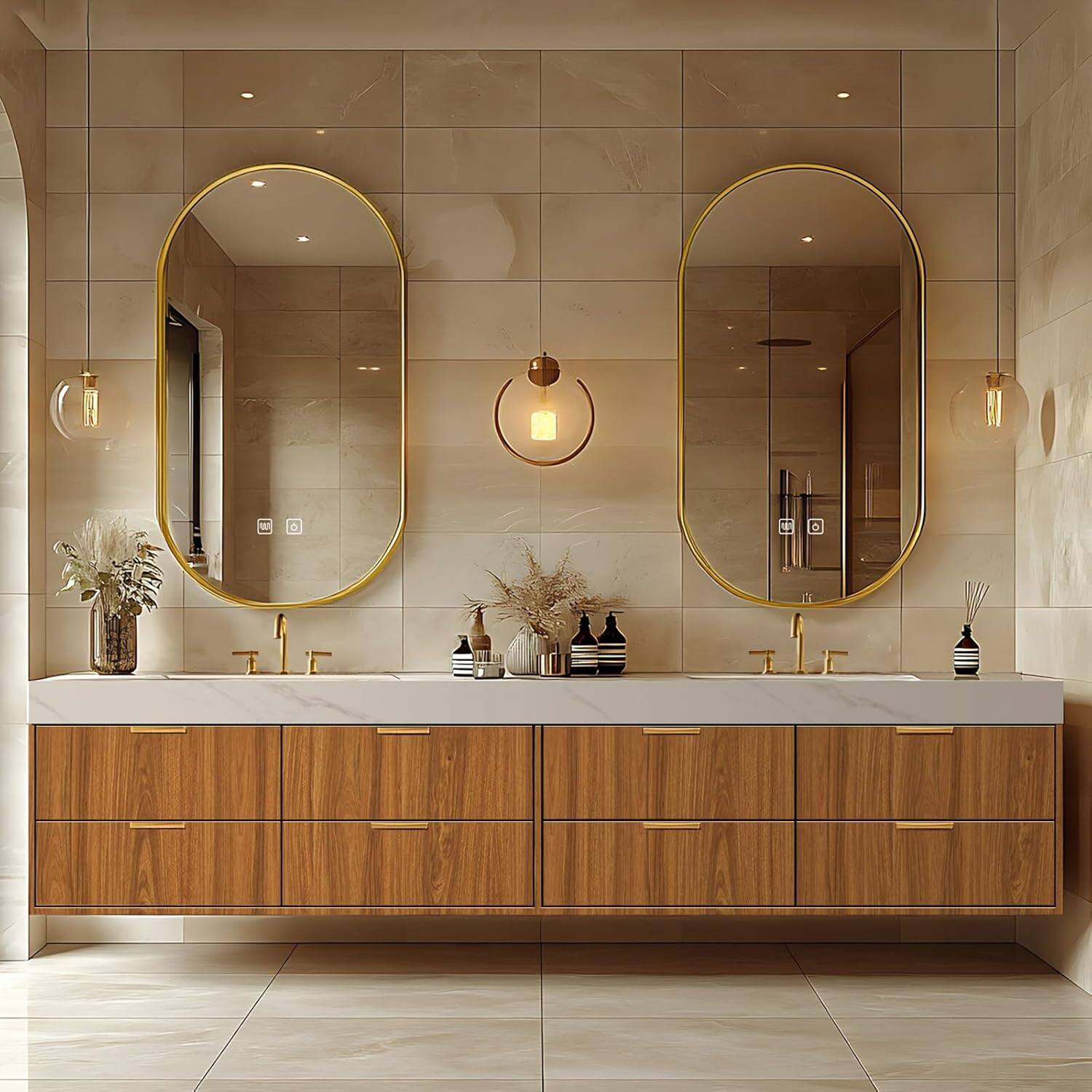
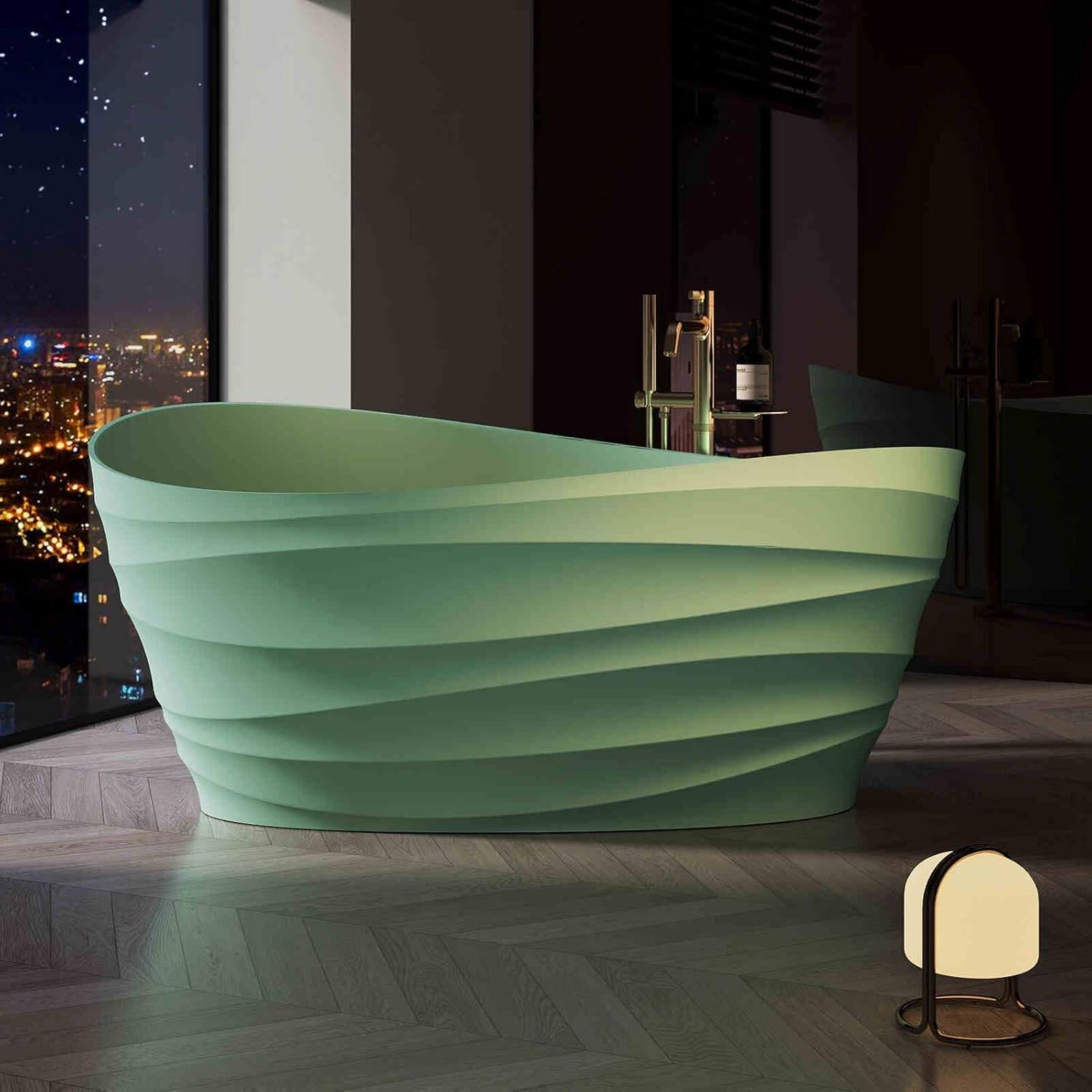
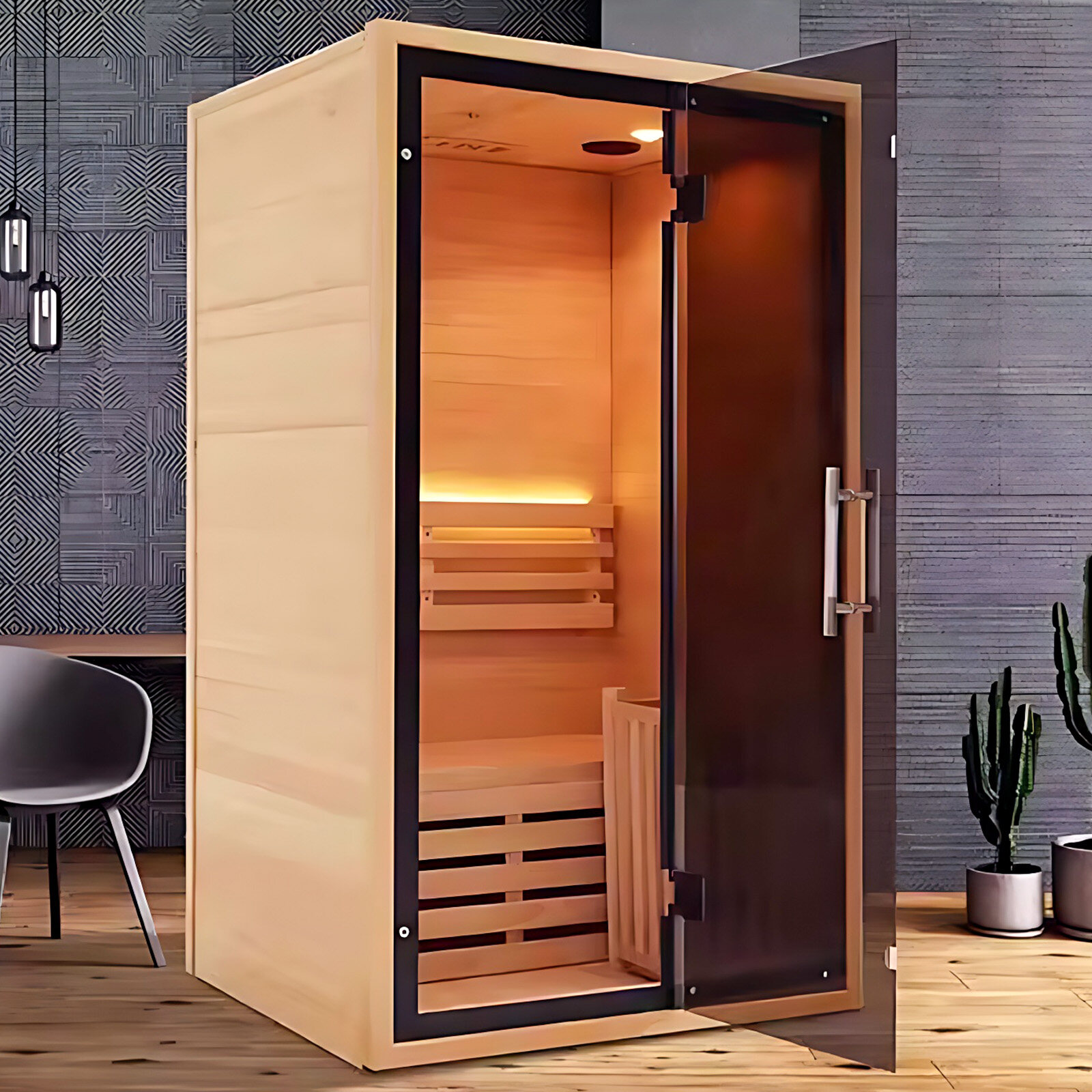
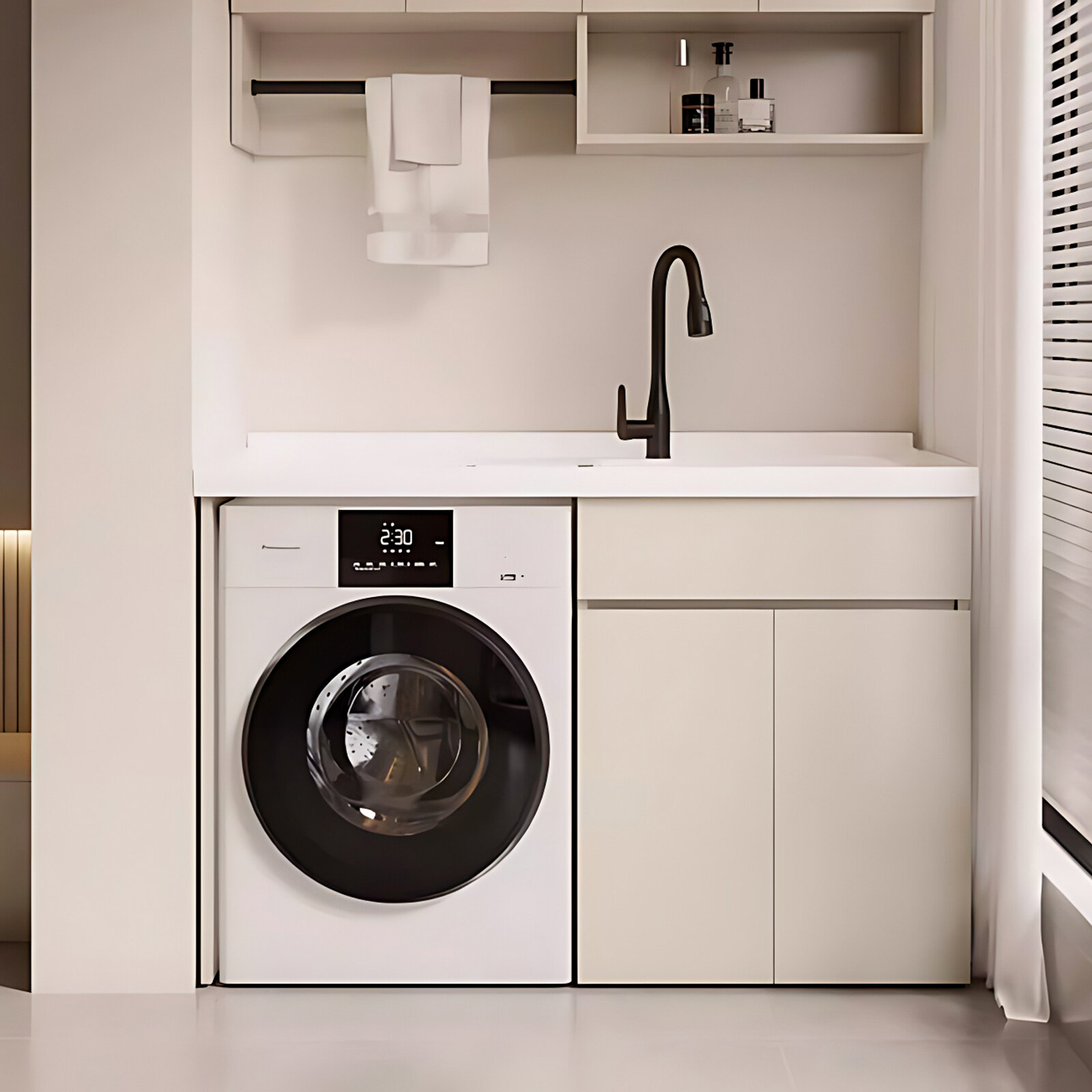
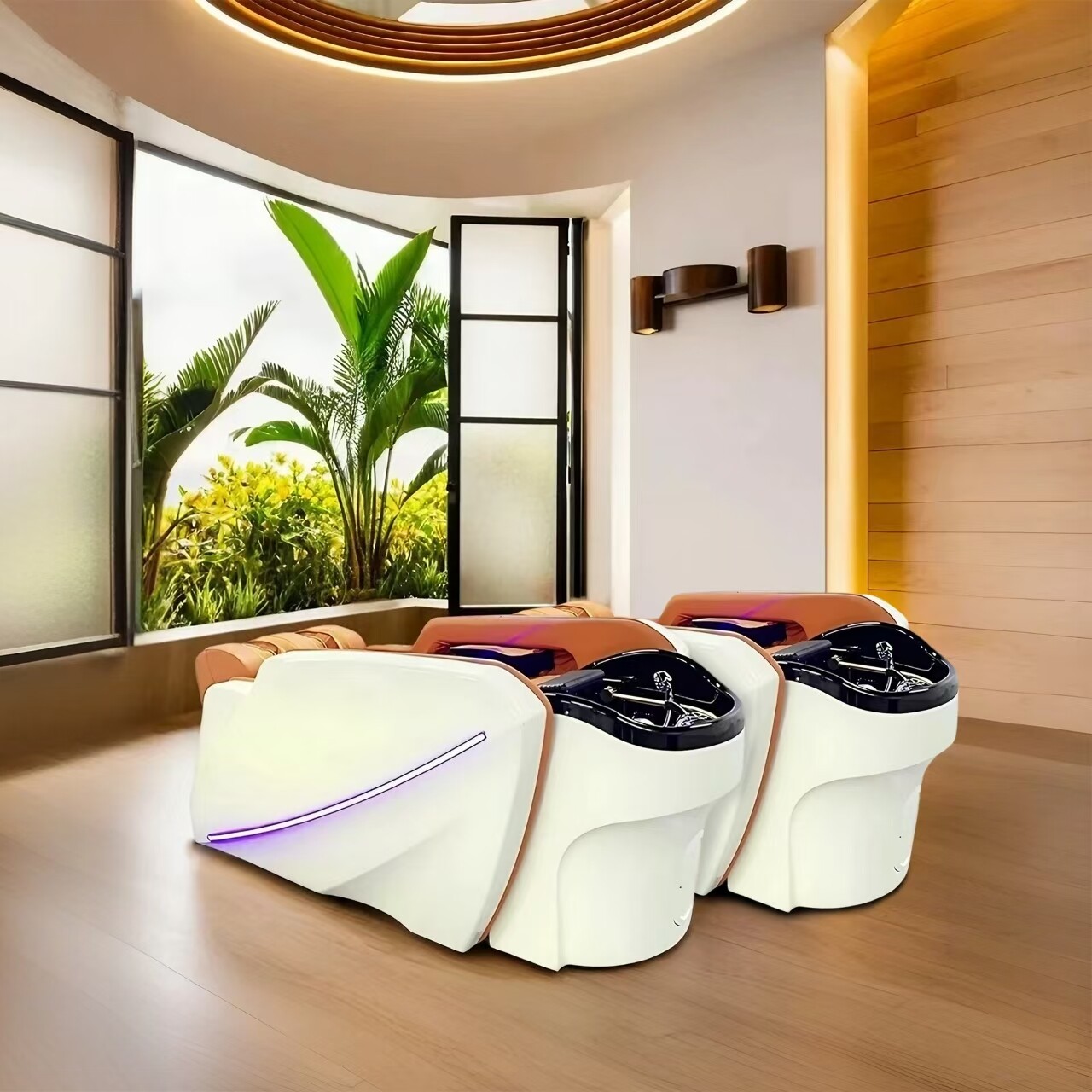
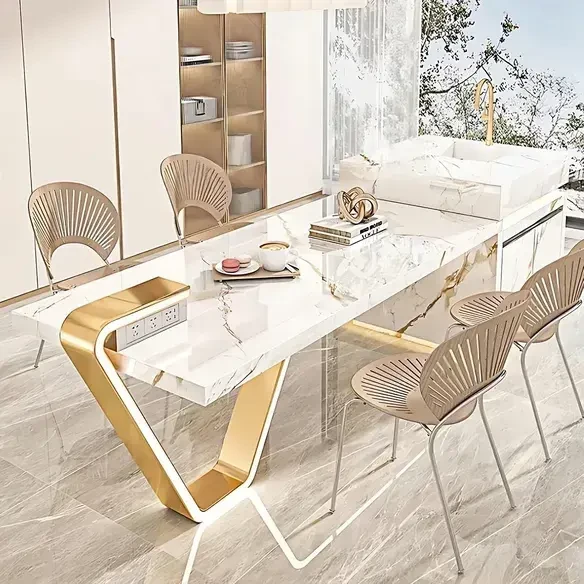
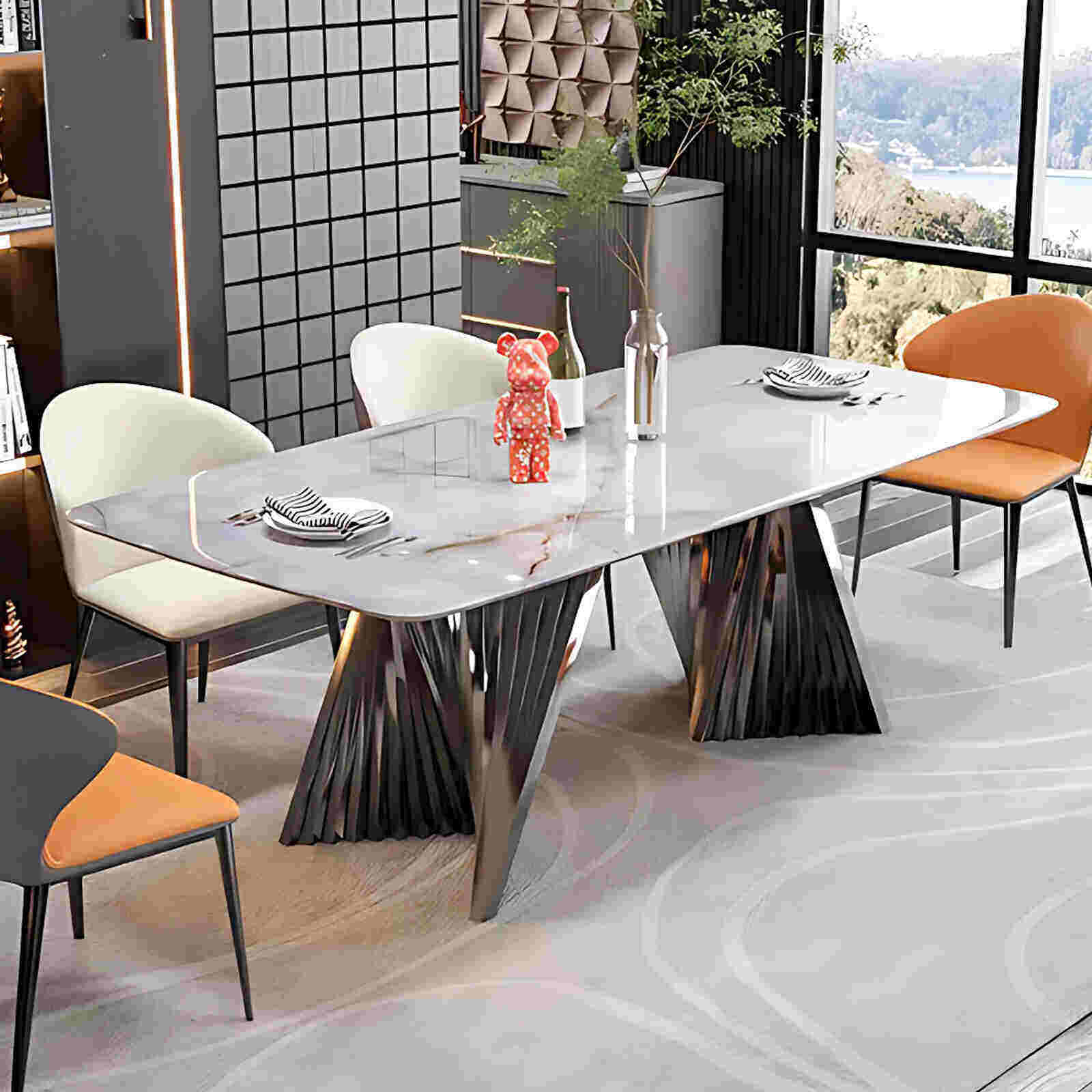
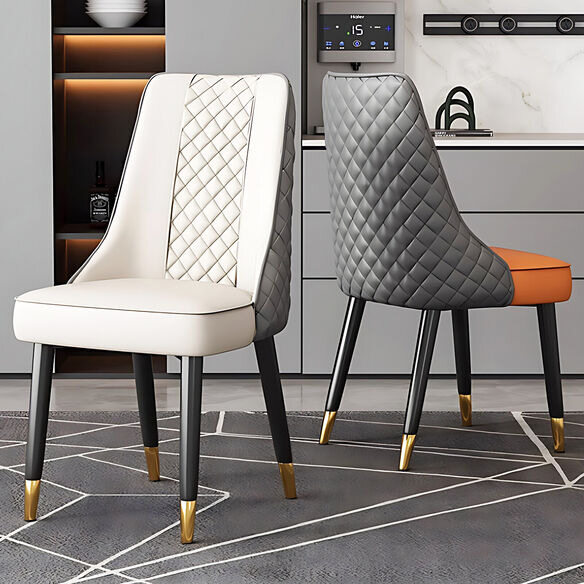
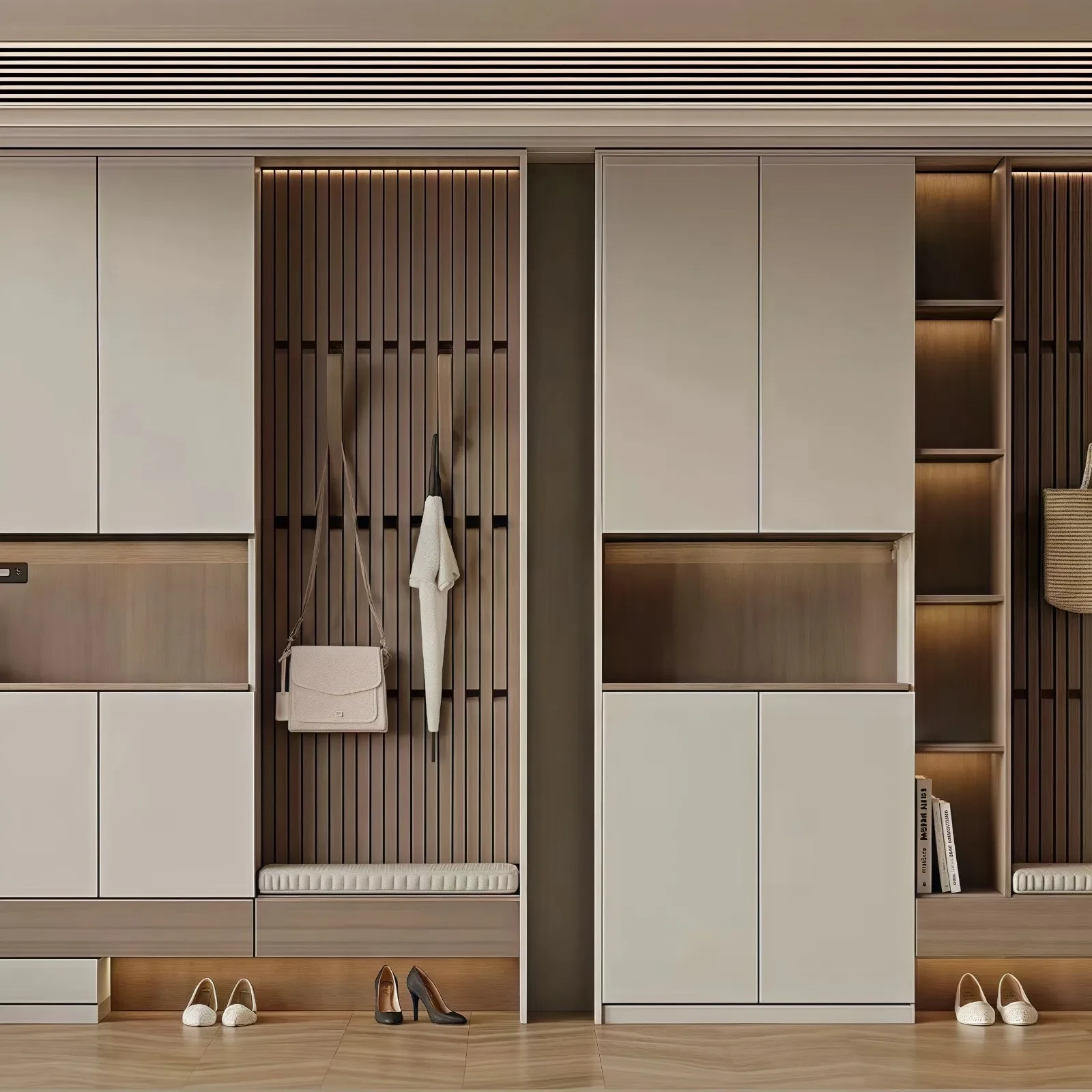
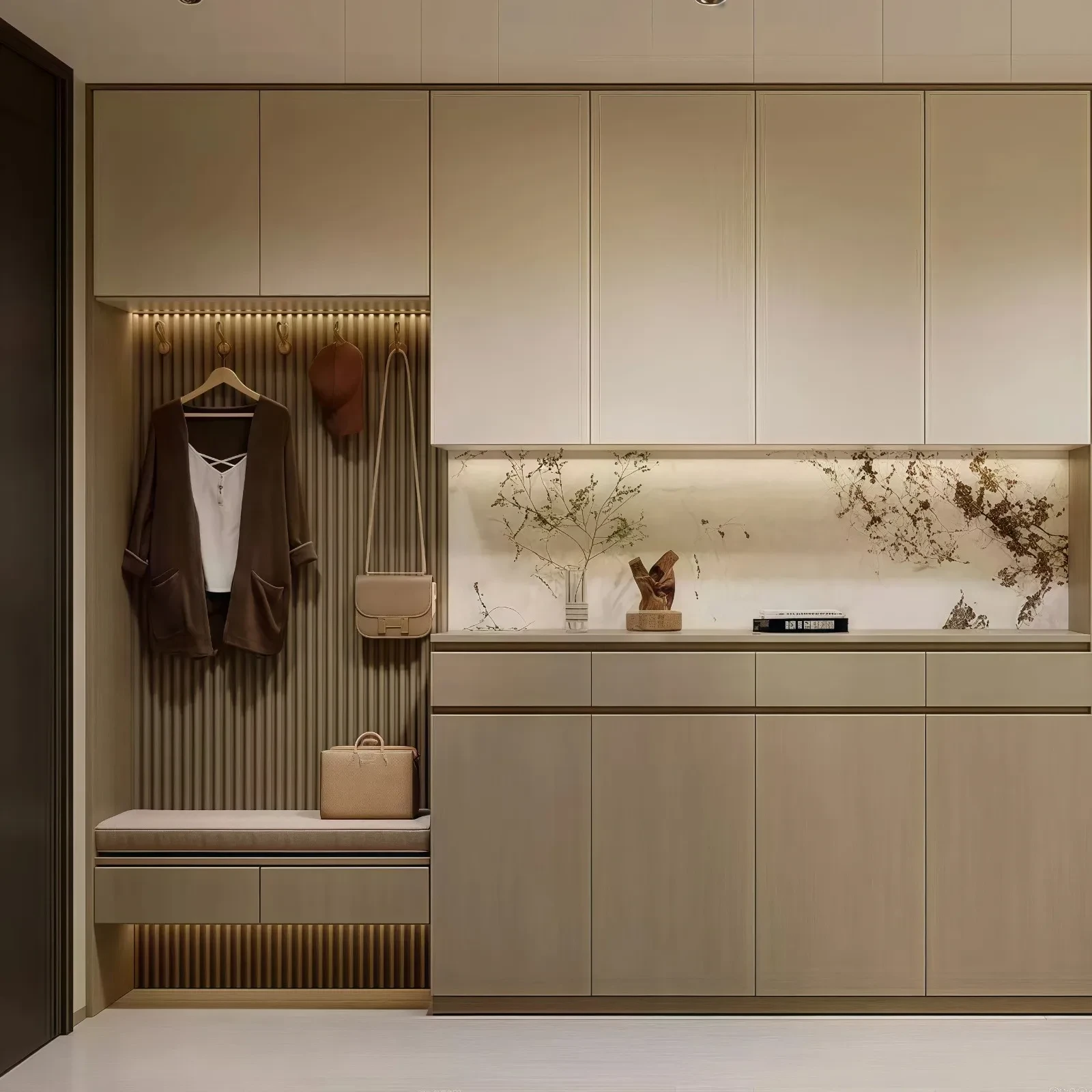
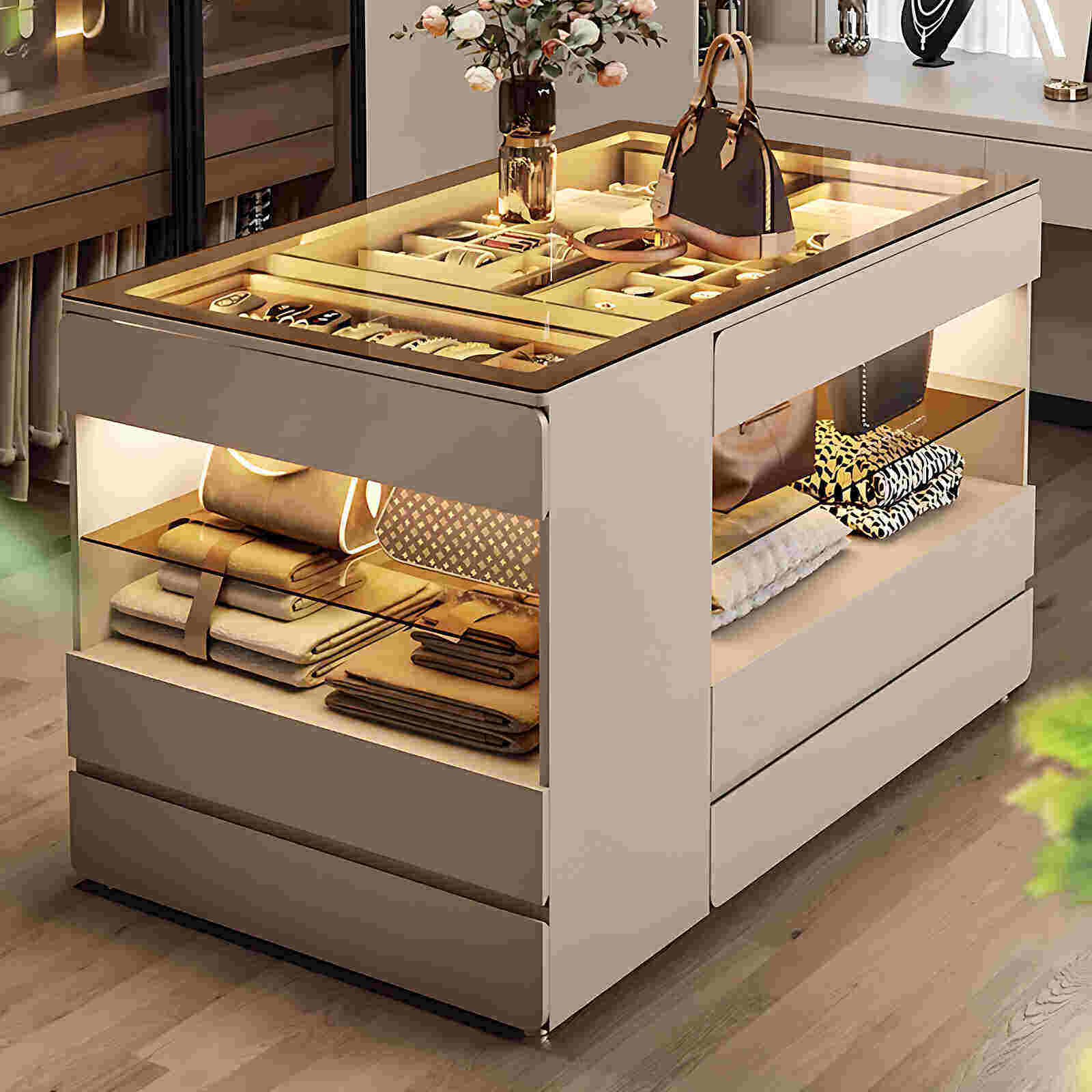
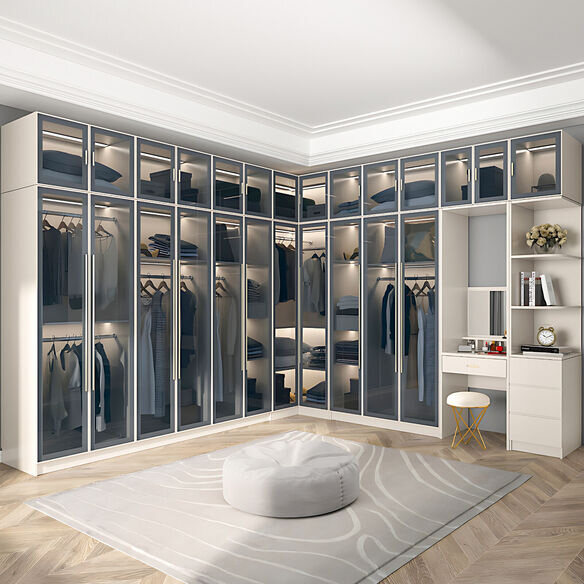
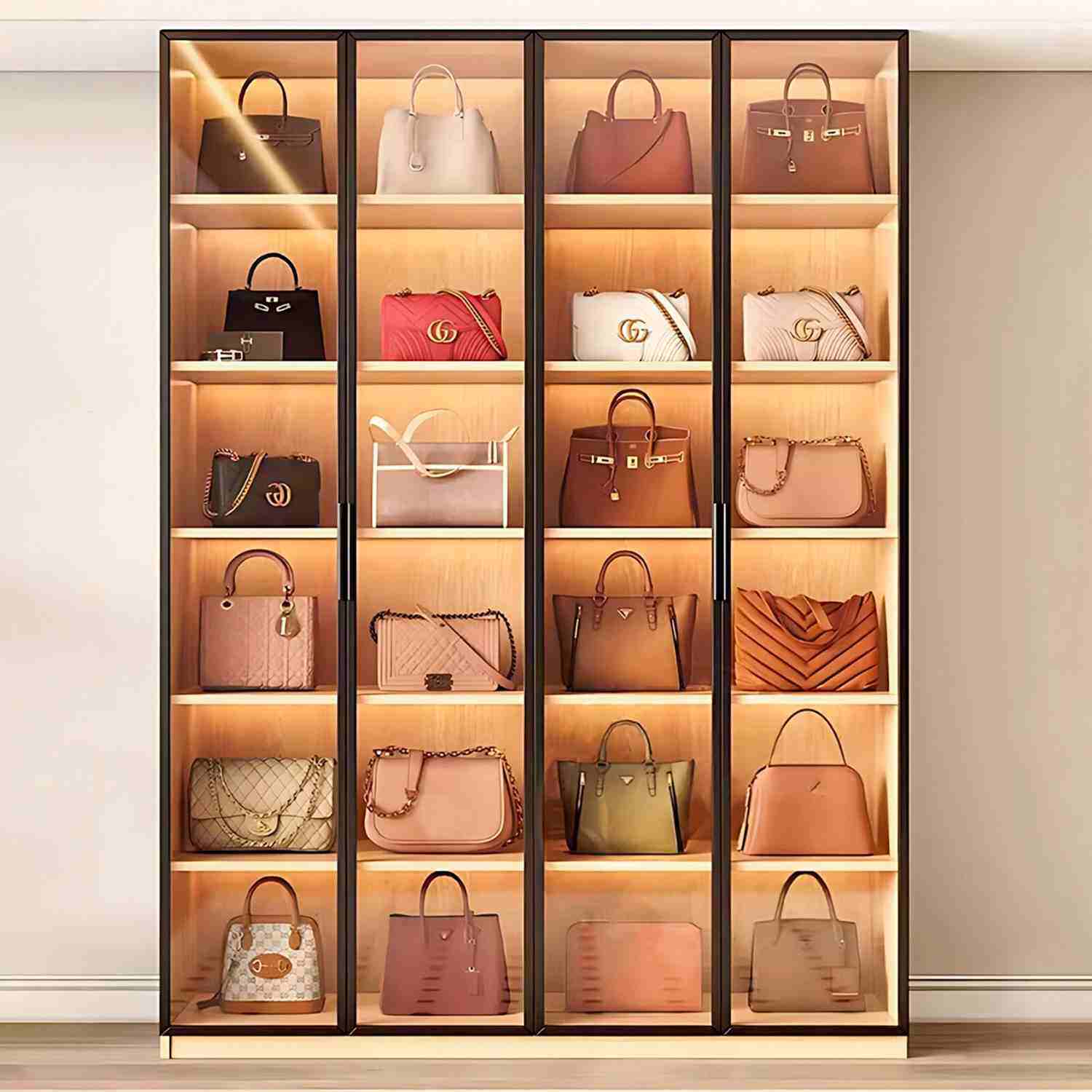
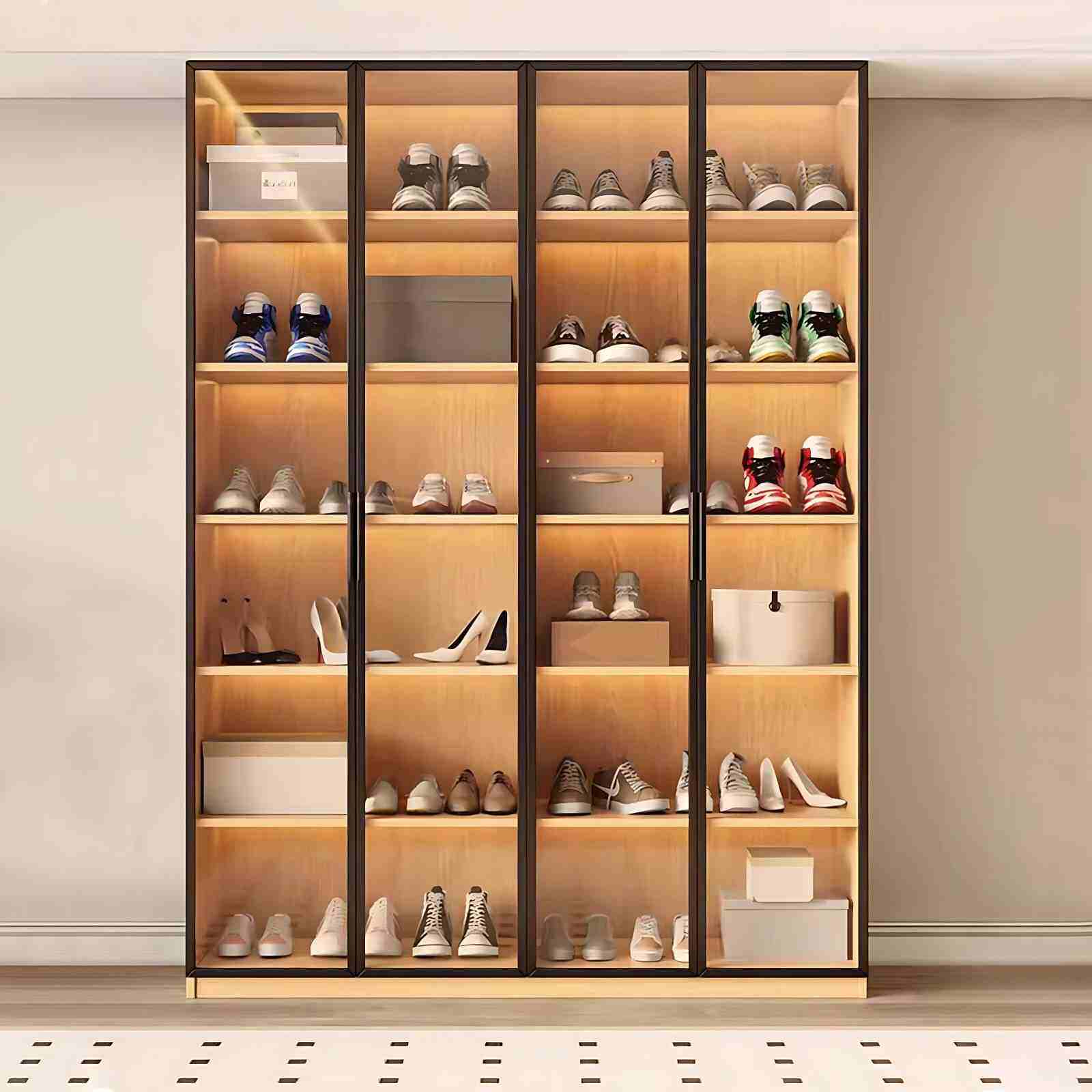
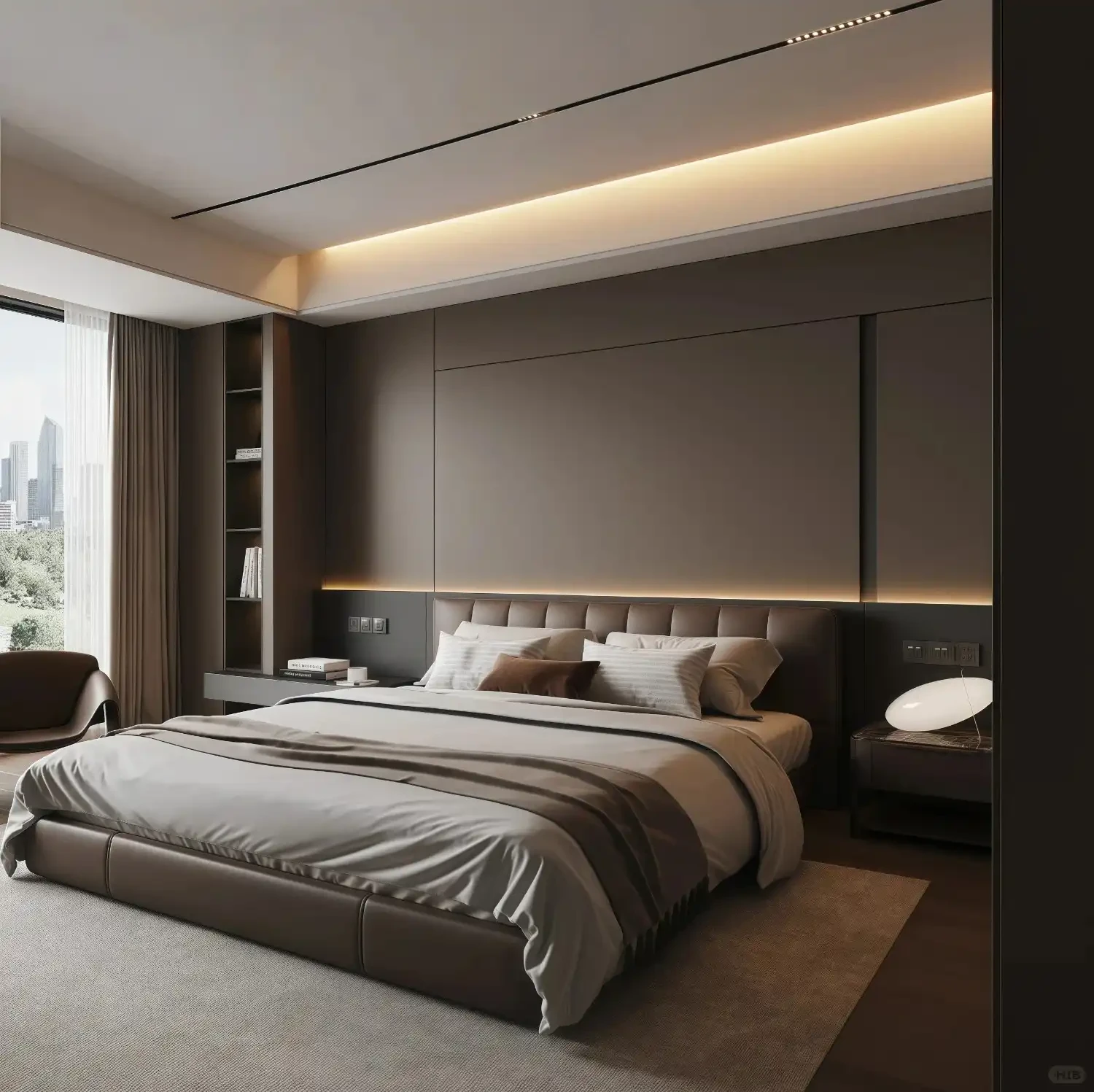
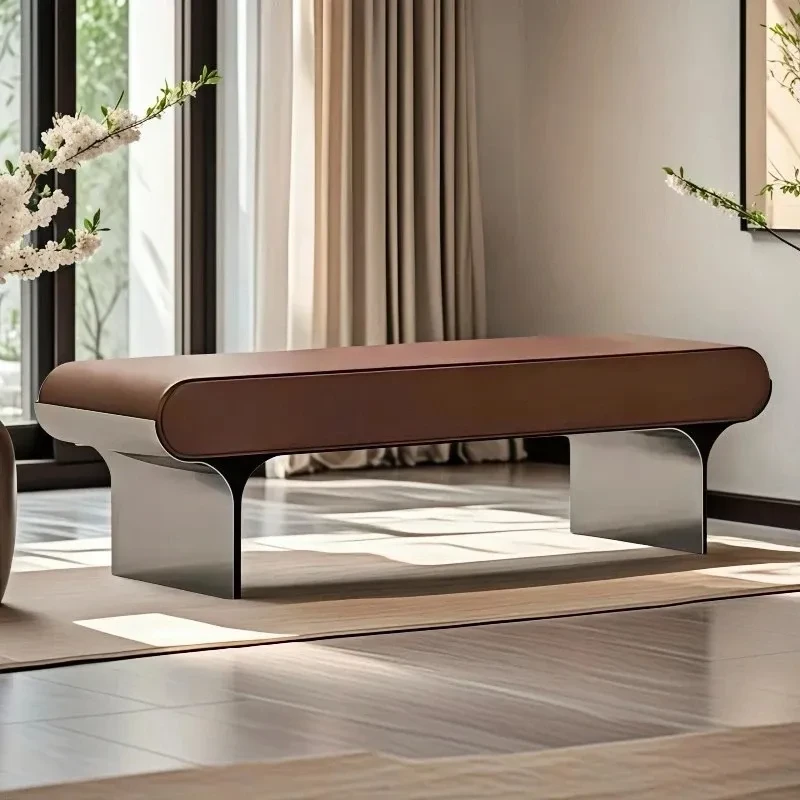
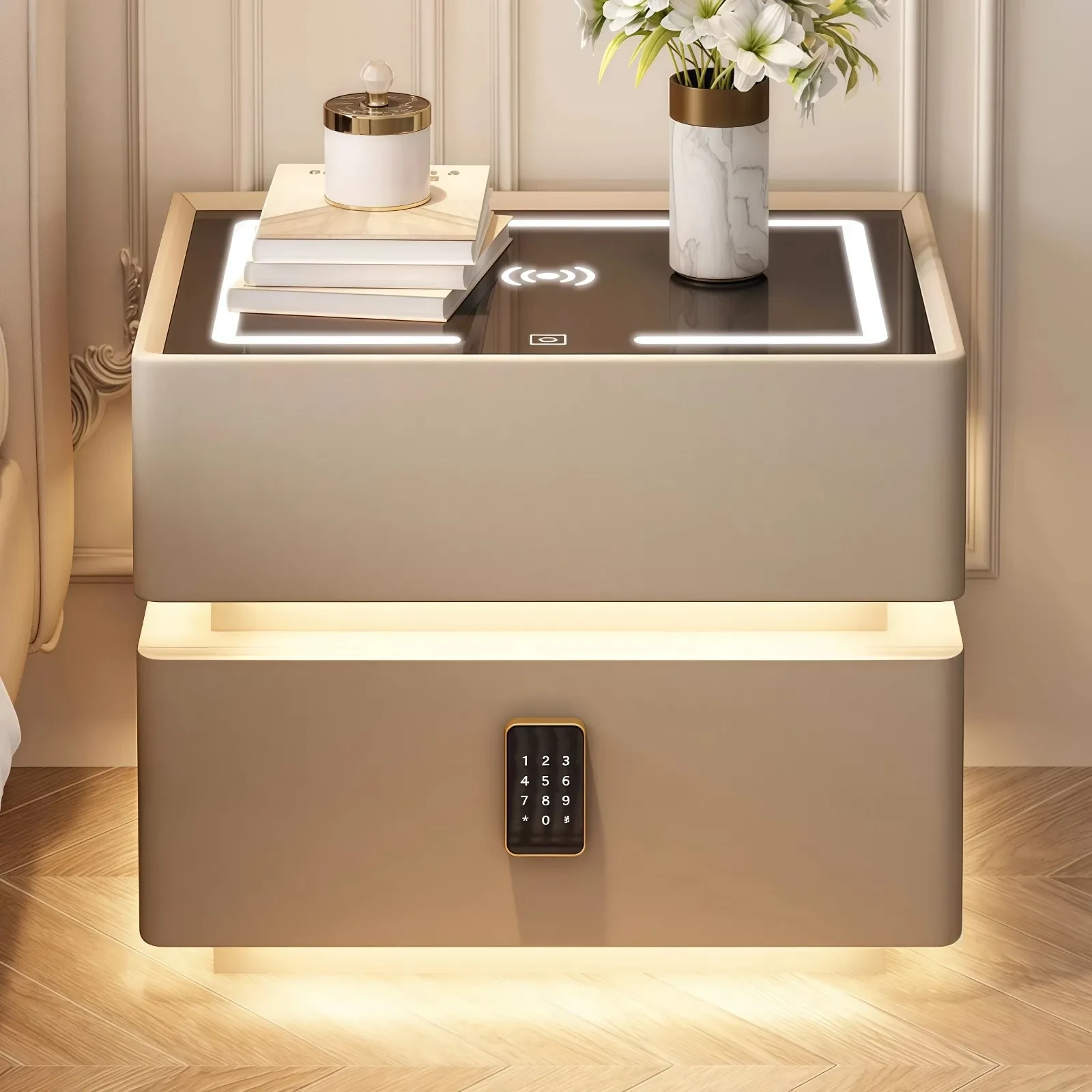
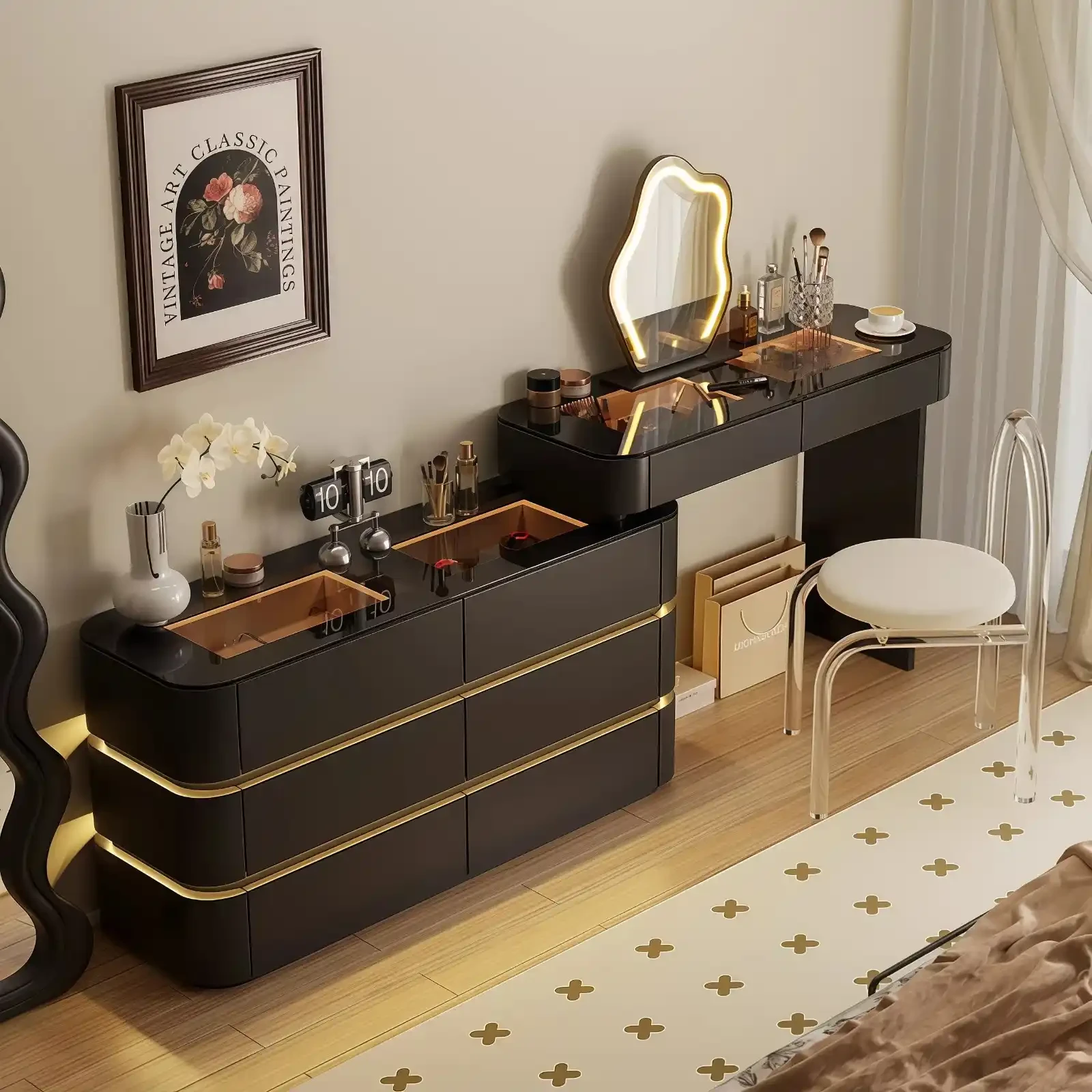
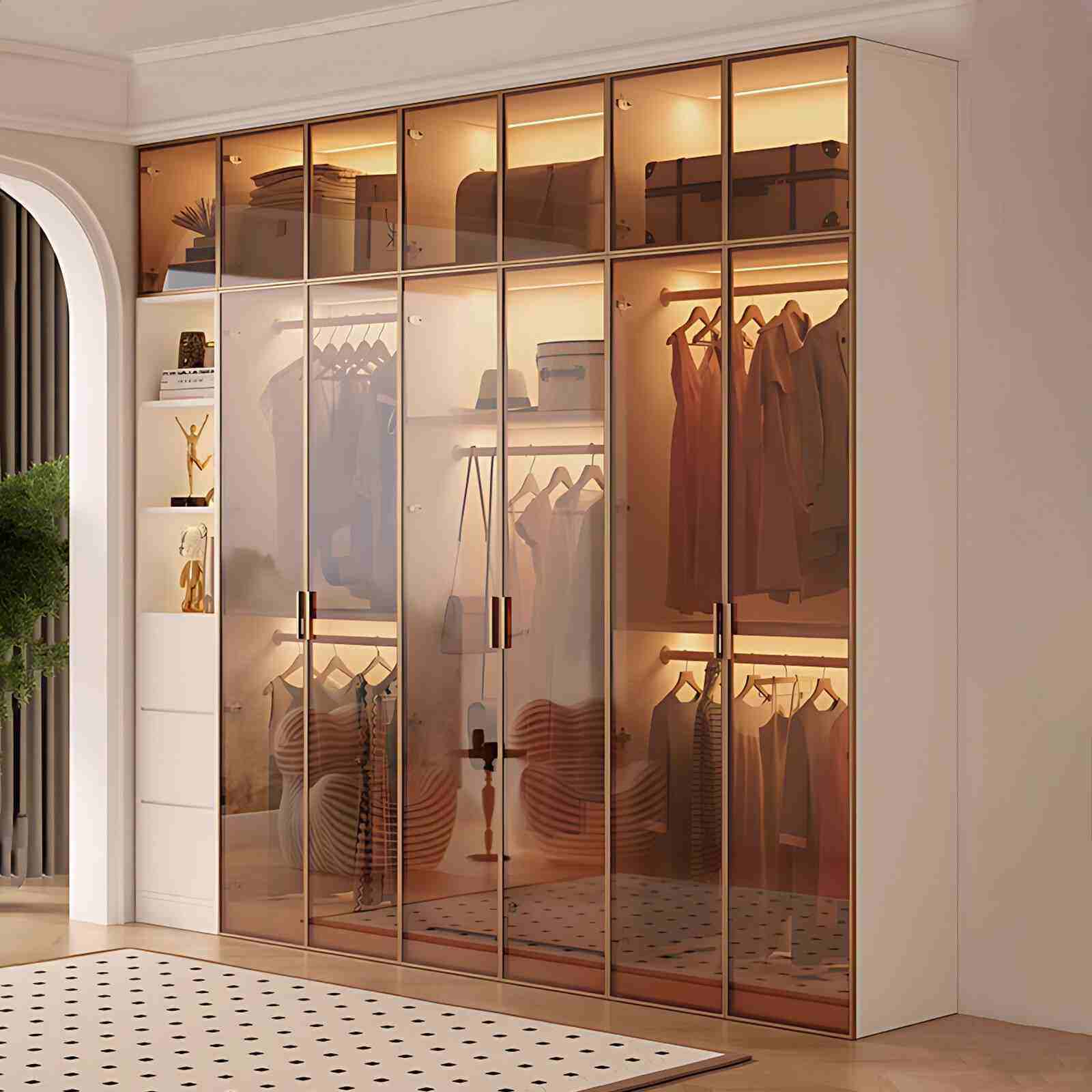
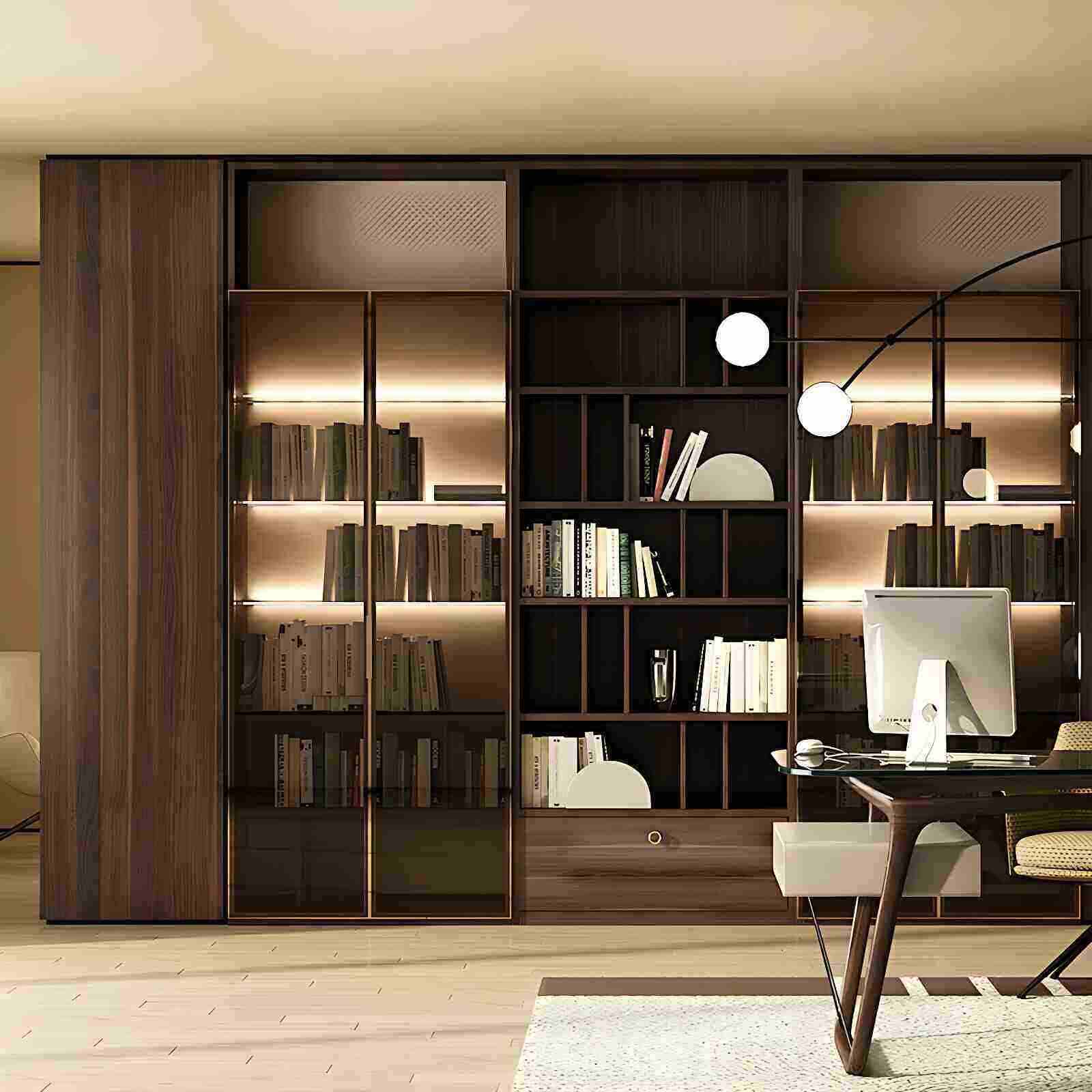
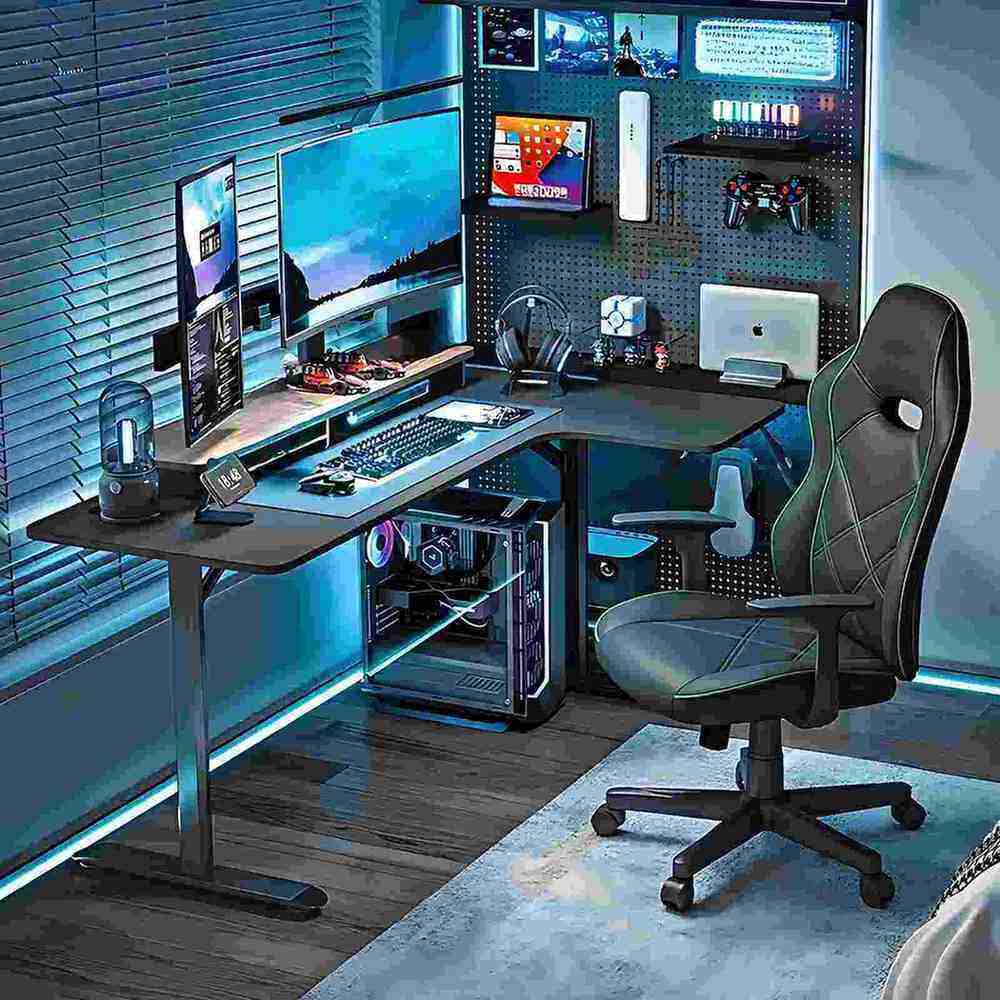
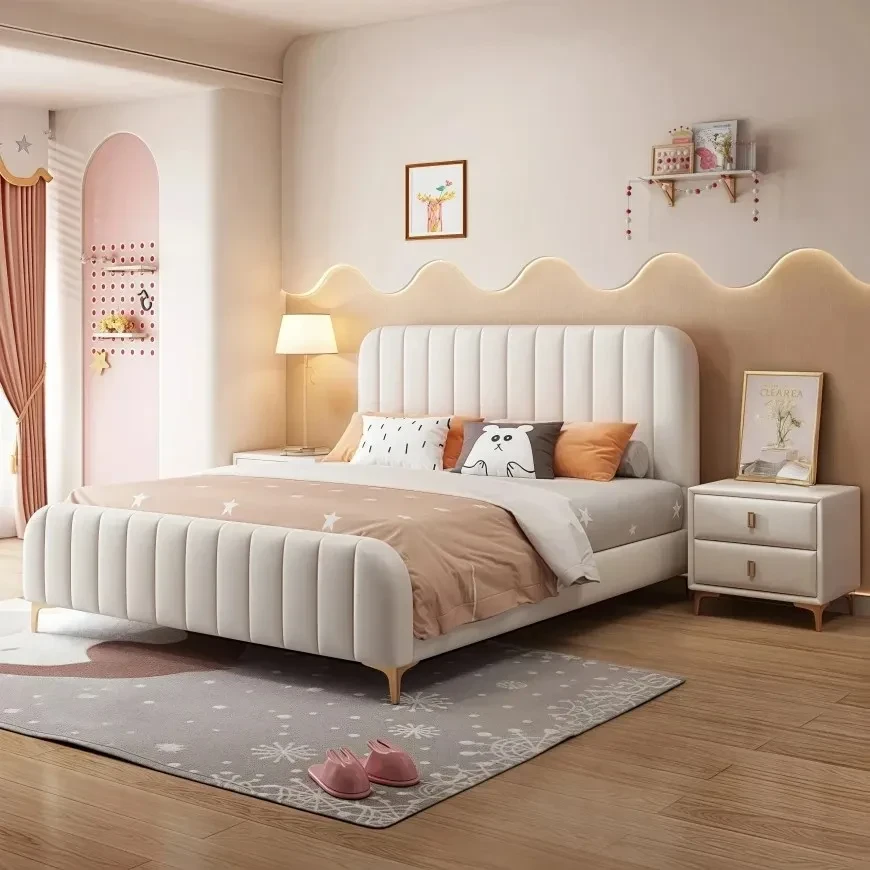
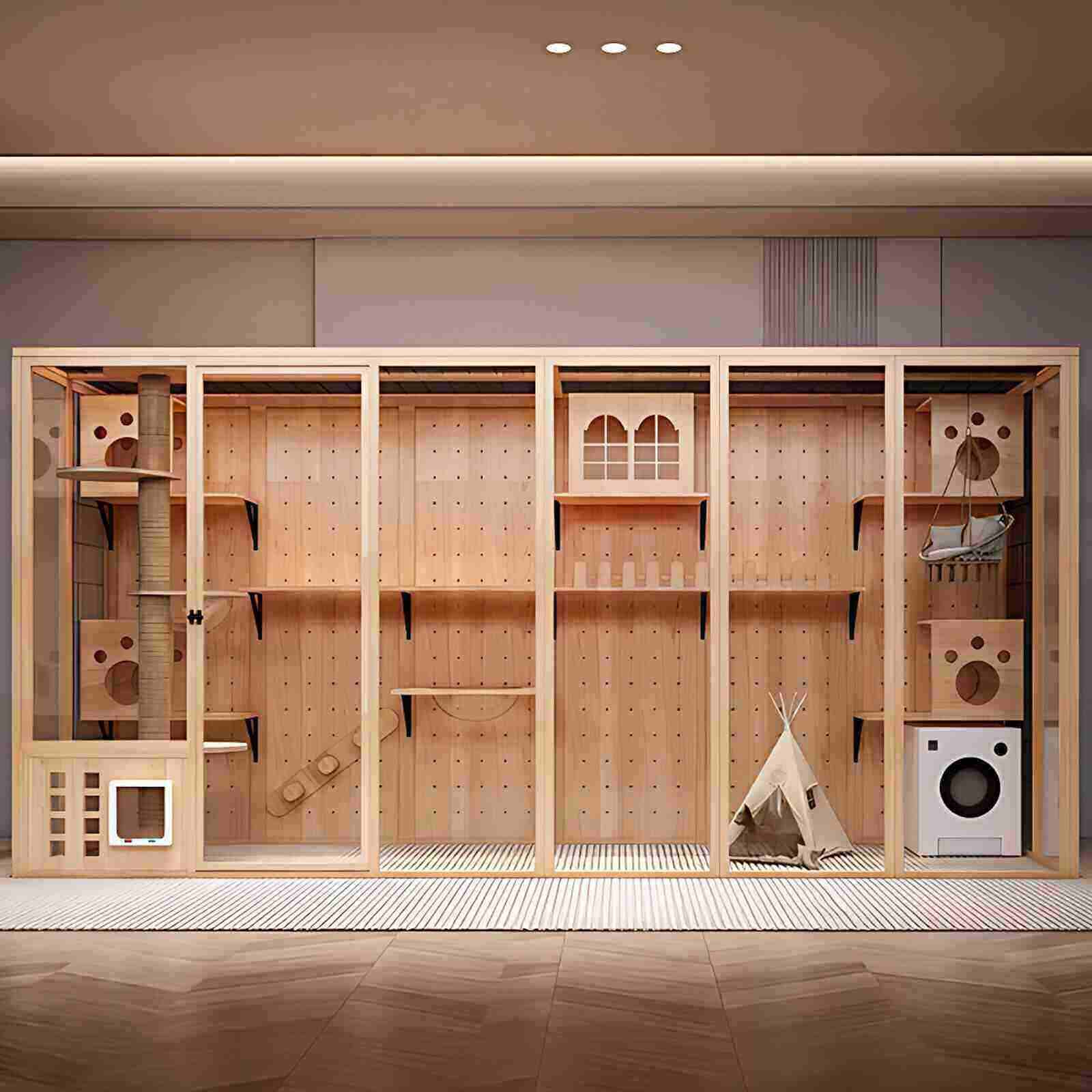
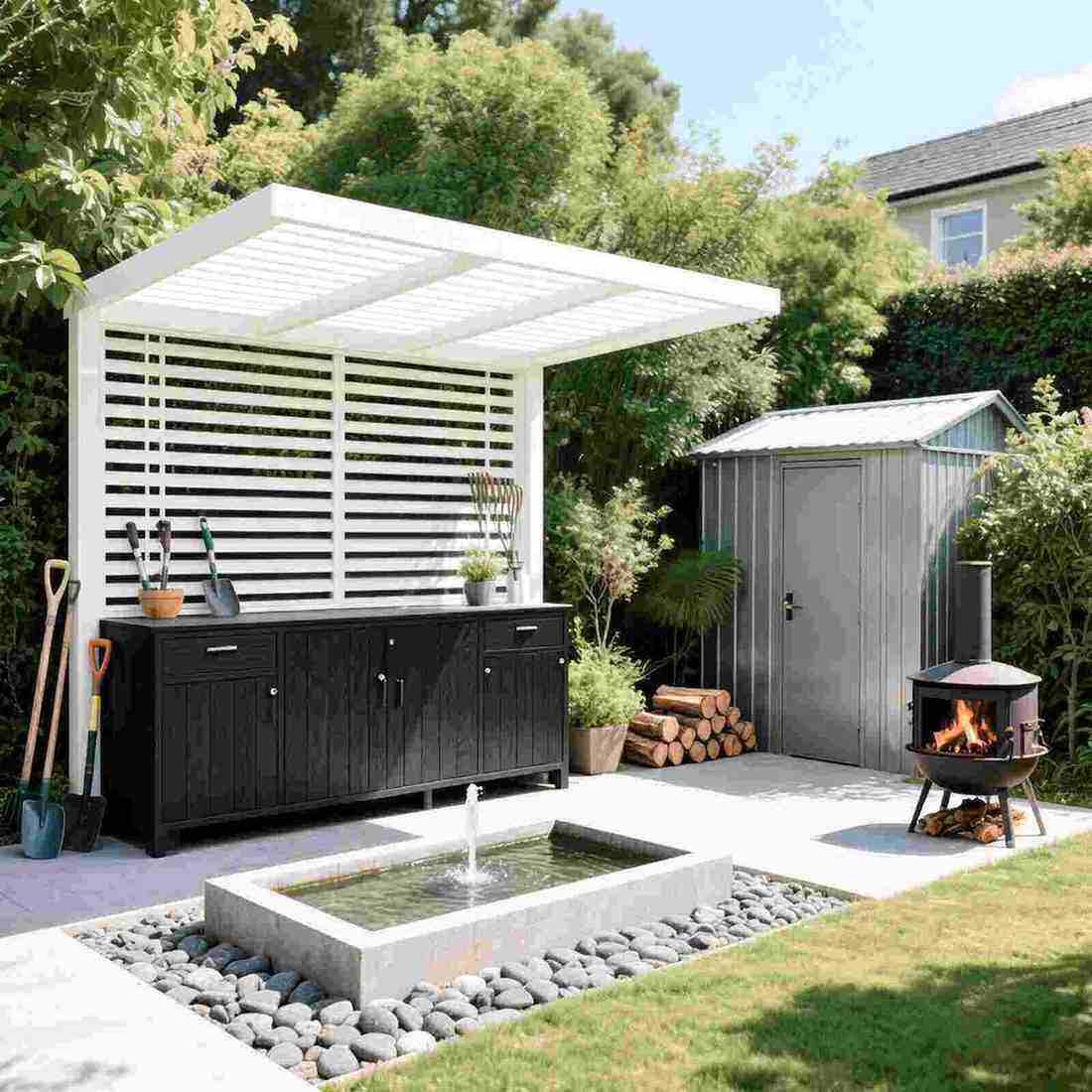
" Extremes meet; when the internal structure of an object is disrupted, symptoms such as deformation and cracking will appear. Since the beginning of winter, the persistently dry and cold weather has dried up every drop of water from the surface of the northern land, much like damaged skin tissue, causing unbearable pain and itching. "
For the most common decorative boards, parameters such as wood species, moisture content, and manufacturing process are limited by harsh weather conditions, resulting in some paint-free board products with multiple decorative styles being criticized for "cracking".
The persistent problem of melamine-faced panels: cracking that is difficult to cure.
Practical experience shows that once the melamine board is manufactured, its shape and material remain unchanged. At this point, the key factors determining the product's intrinsic quality are primarily the wood's moisture content and drying stress. This necessitates that board manufacturers accurately control and balance the moisture content of their melamine board products; otherwise, cracking and deformation are inevitable.
Currently, with fewer and fewer companies focusing on the research and development and manufacturing of wood-based panels, OEM (original equipment manufacturing) has become a common phenomenon in the panel industry. Due to a lack of research on wood in specific environments, some manufacturers lack production standards, and coupled with substandard processes, melamine-faced panels can no longer withstand freezing, and "cracking" has become an incurable problem for the industry.
Breaking Through Barriers: New Crack-Resistant Products Debut
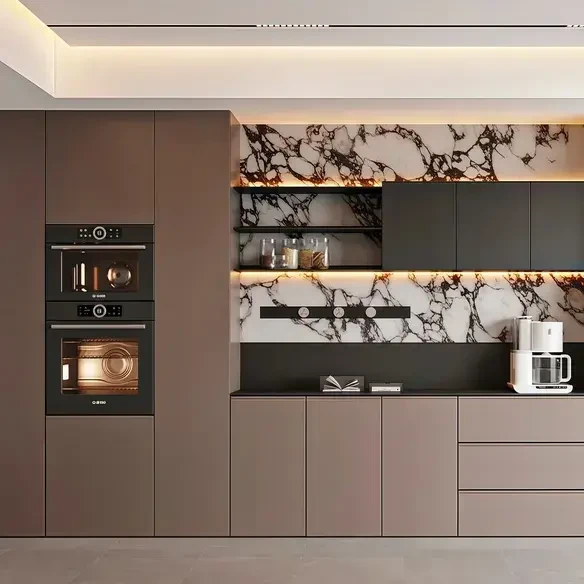
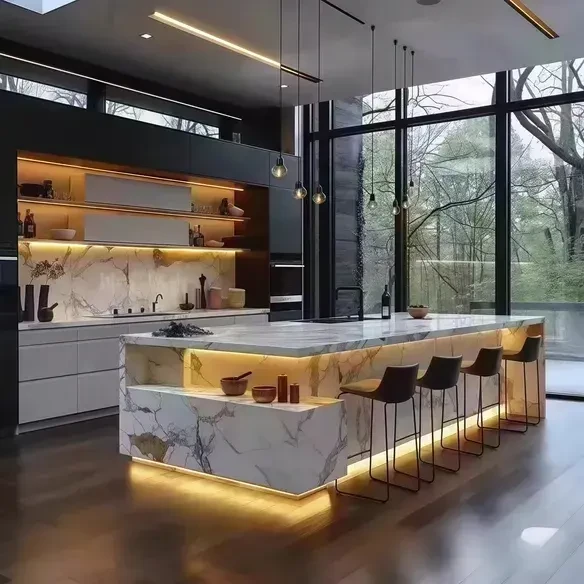
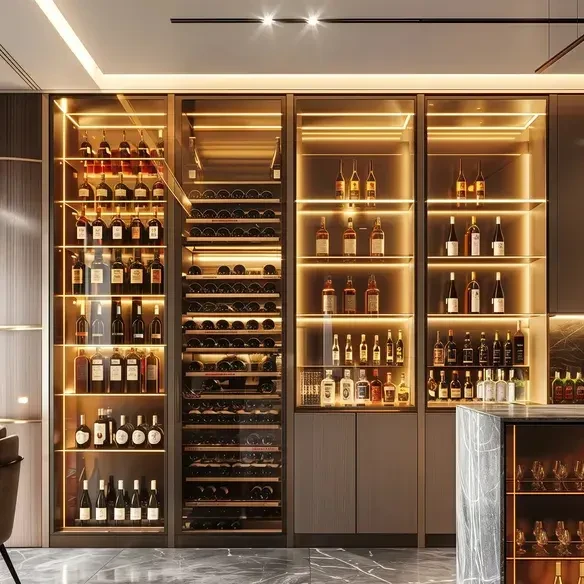
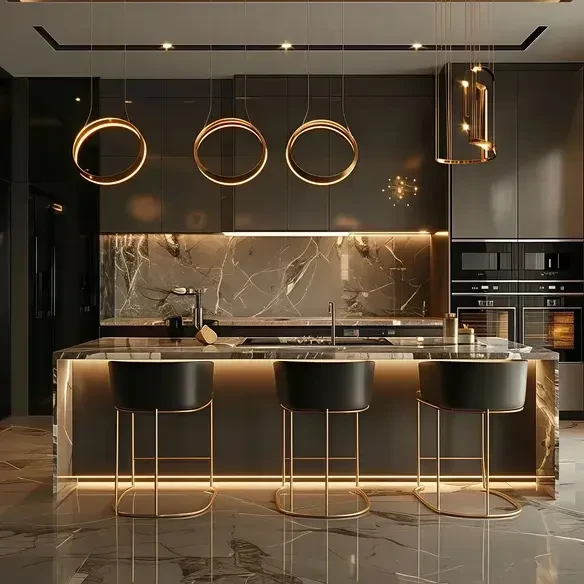
Because melamine-faced boards require no paint, they save significant labor, material, and maintenance costs, and avoid the health hazards associated with paint. Furthermore, their clear surface texture makes them ideal for modern, personalized home decor, and they are widely used in custom wardrobes, cabinets, shoe cabinets, wine cabinets, and other types of furniture.
However, this mainstream product, which occupies half of the decorative board market, has suffered from cracks in some of its finishes due to extremely dry and cold weather, causing considerable hardship for the board industry and the market's after-sales service.
In response to the dry and cold weather in the north, Da Wang Ye has finally developed a new high-tech product for wood panels – crack-resistant paint-free panels, completely breaking through the industry barrier of cracking in paint-free panels.
The company selects high-quality wood as the core material for its new product boards and has created two unique anti-cracking "black technology" processes, namely "SST technology" and "MET technology". After rigorous and scientific scene comparison tests, the company has verified the stronger structure and more stable moisture content of the "crack-resistant paint-free board" to overcome the interference of the changeable and complex weather in the north and better solve the market demand problem.
"SST technology" finish softening treatment
The new crack-resistant paint-free board adopts the principle of "polymer softening treatment," which incorporates a melting process, namely "SST technology," into the surface structural material of the board. During the product manufacturing process at high temperatures, the key components of the surface material are further heated for a long time, causing changes in their combined carbon, thereby altering the molecular structure and properties of the material.
For example, the special formulation and blending of pigments and adhesives used in the surface impregnation of the melamine board, along with the precise processing of multiple process parameters such as high temperature and cold pressing, ensure that it retains greater flexibility even in complex environments.
▲ As soft as skin
"SST technology" chemically decomposes the melamine-faced board material, allowing it to better integrate and adhere with the structural components such as the core board, ultimately forming a unified whole. It regulates the density of the surface material's fibers by controlling the moisture content within the board's interior. This results in a consistent tactile feel under various conditions, as soft and natural as human skin.
"MET technology" moisturizing effect treatment
The crack-resistant, paint-free board also employs a special moisture-retaining treatment technology called "MET technology." The product development team utilizes advanced laboratory equipment to extract antioxidant and natural moisturizing factors from the surface materials and create a water-retaining agent. This agent locks the wood's moisture within the fiber structure of the surface material, providing both anti-drying and moisture-proof protection in dry and cold environments.
▲ Locks in moisture without causing dryness
Just like human skin, wood panels have pores both inside and out, and naturally expand and contract with temperature changes. The moisture content of the wood panel requires very strict control. Crack-resistant paint-free boards undergo three important conditioning and refining processes, including sea transport, storage, and hot and cold treatments, to strictly control the product's moisture content to 8%-12%. This effectively maintains the product's surface texture, making it smooth and non-drying, and thus resistant to wind erosion and freezing temperatures.