
 USD
USD GBP
GBP
 EUR
EUR
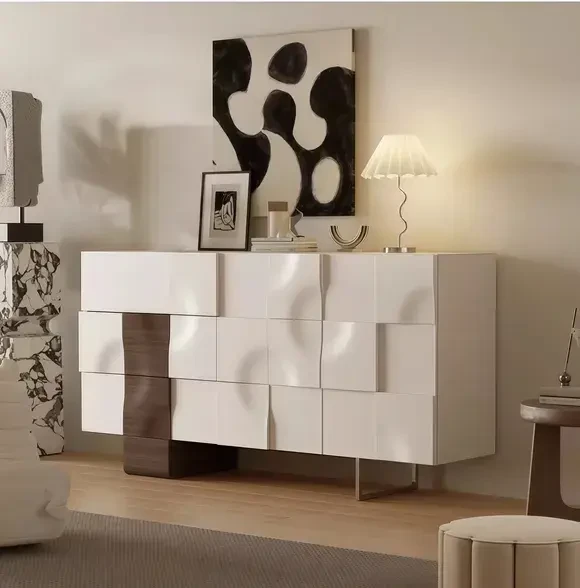
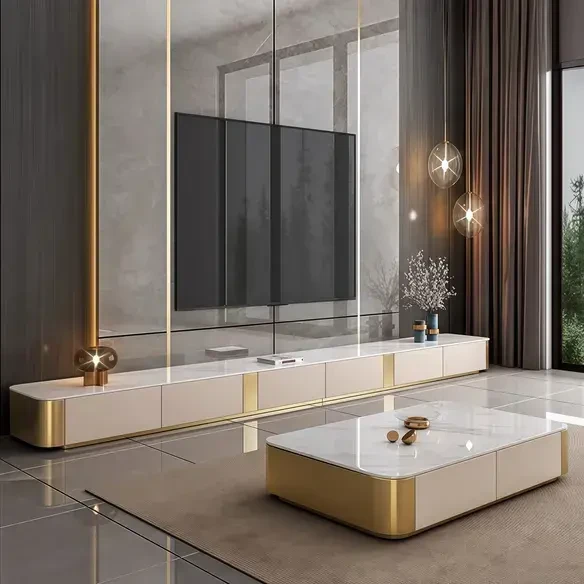
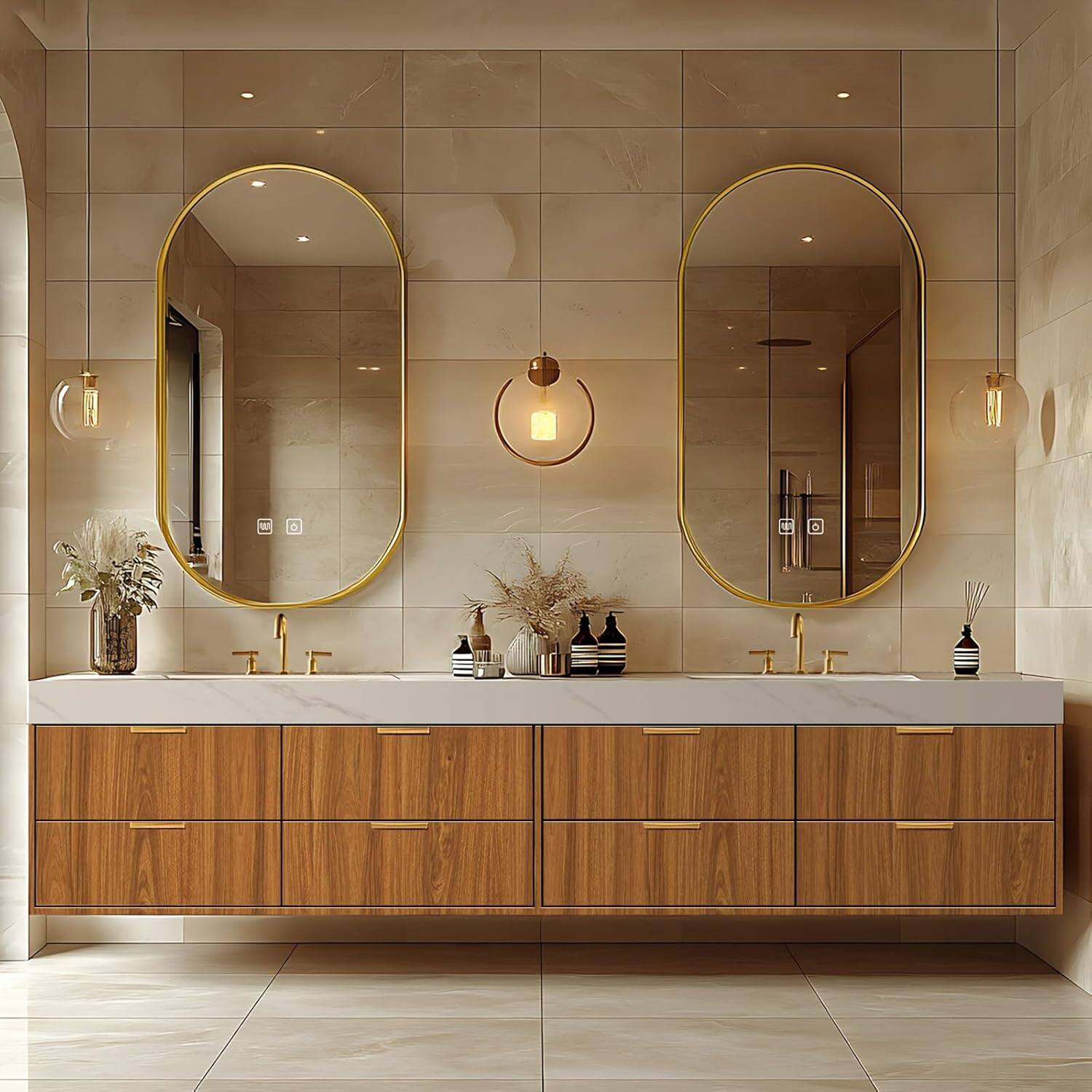
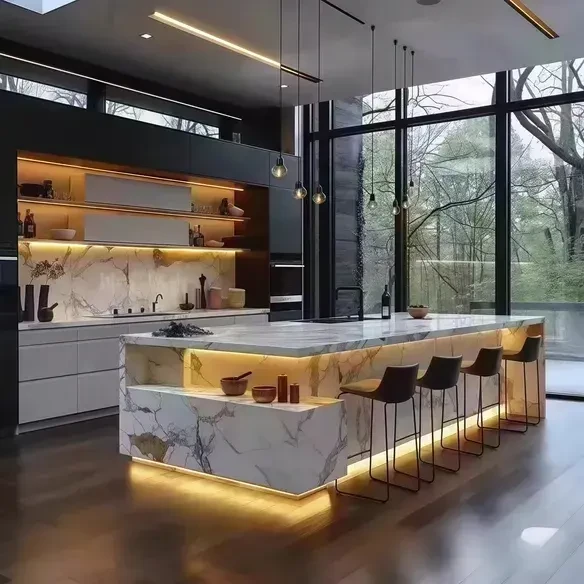
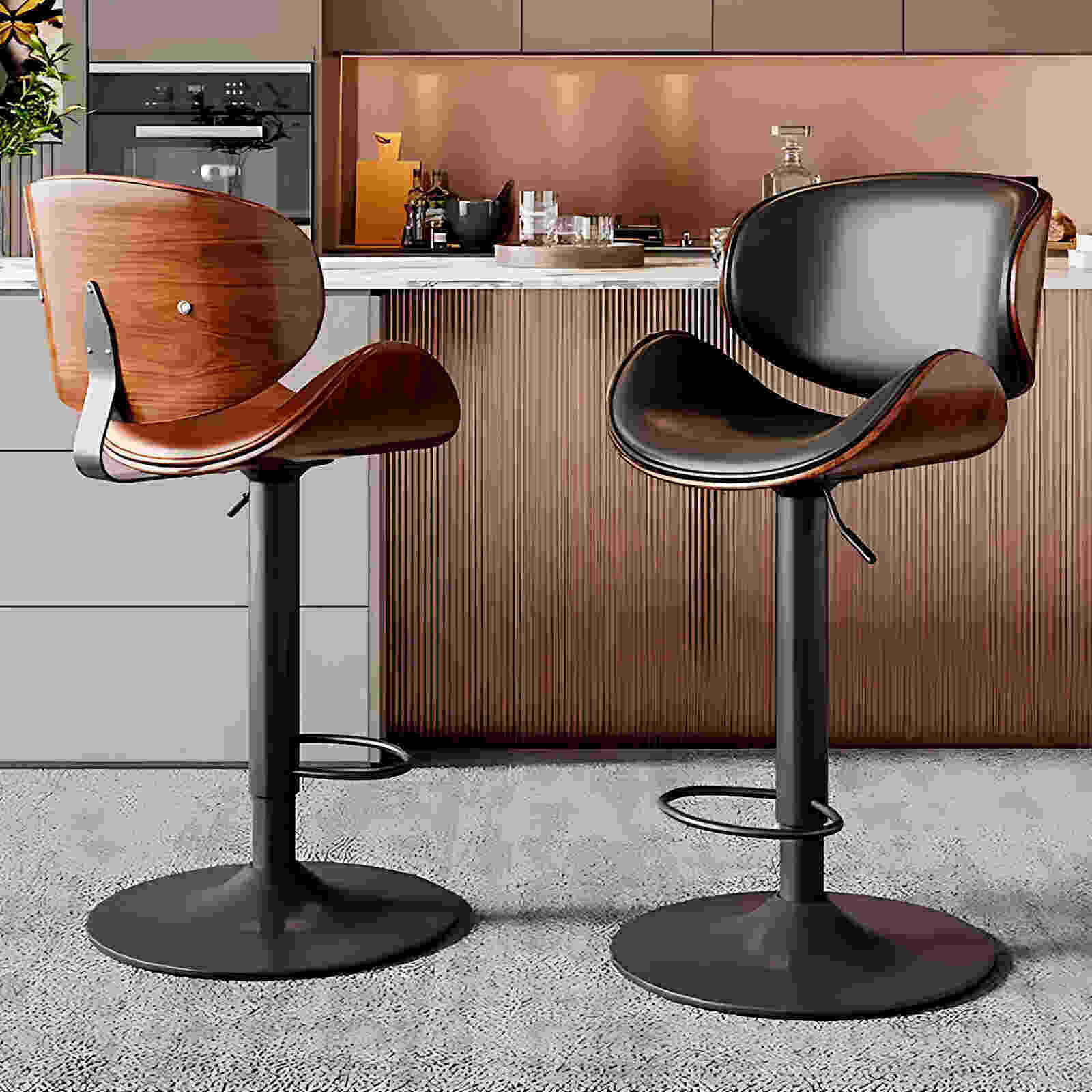
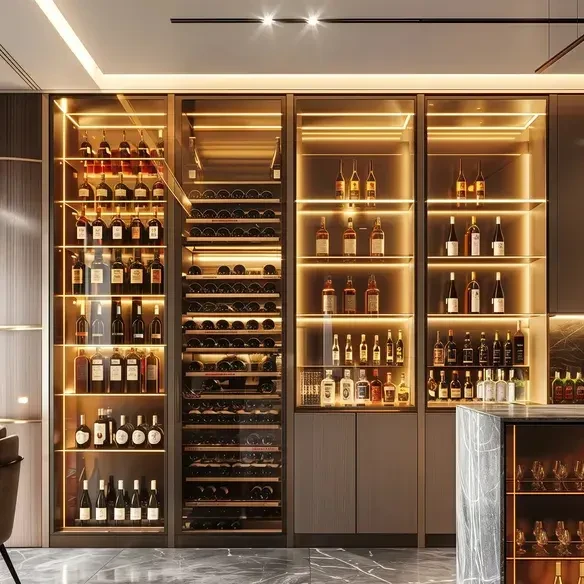
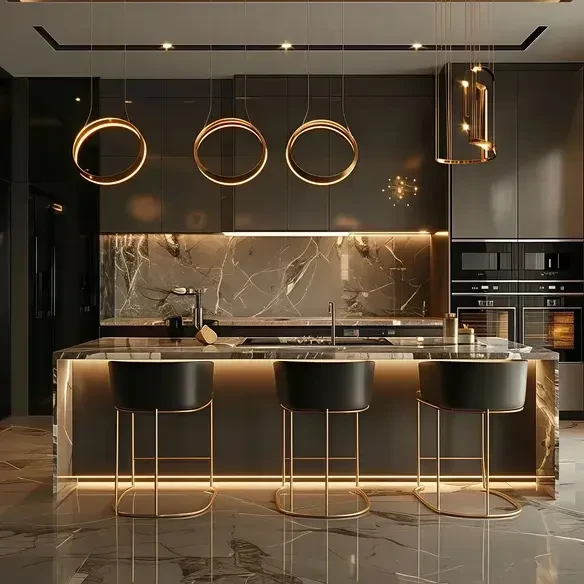
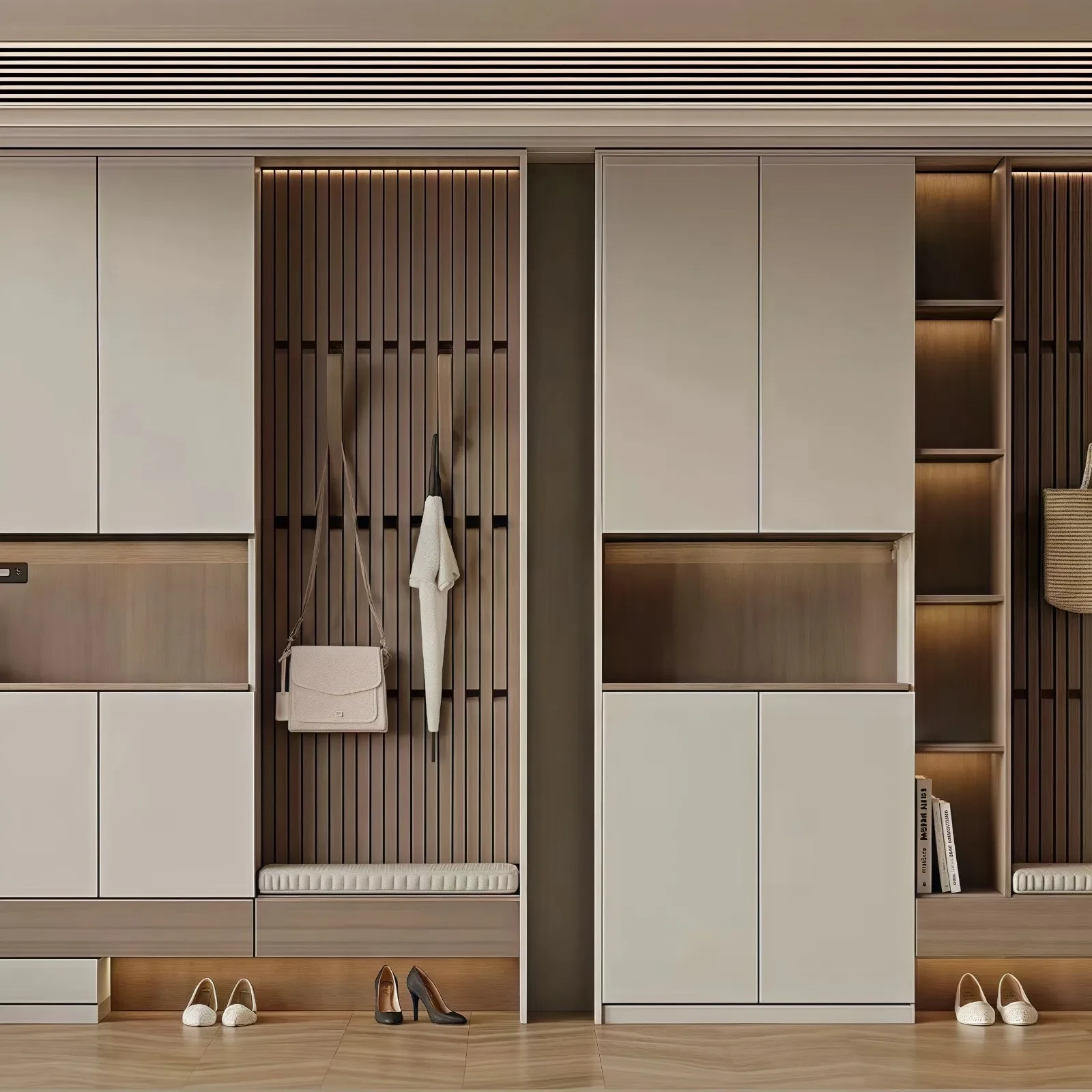
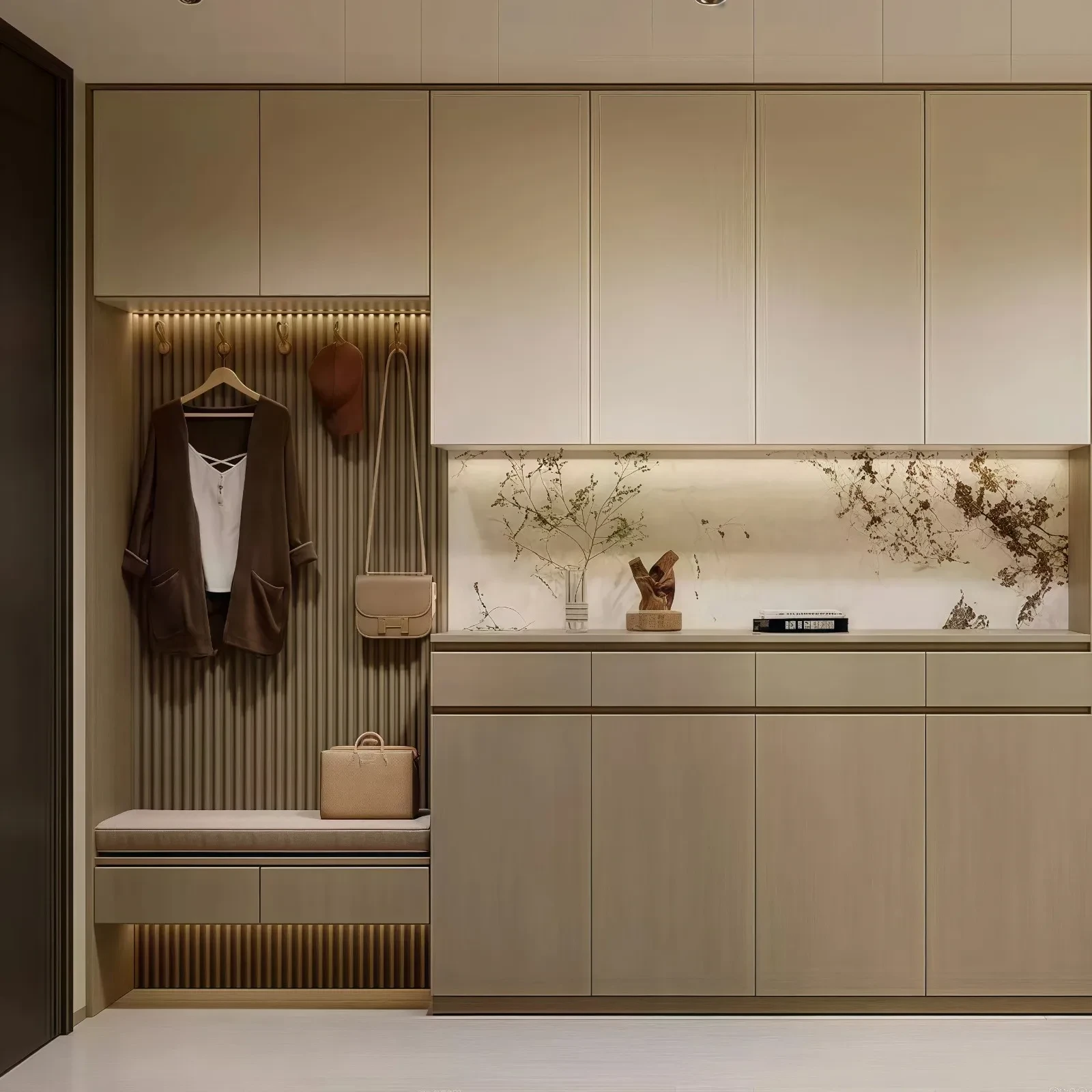
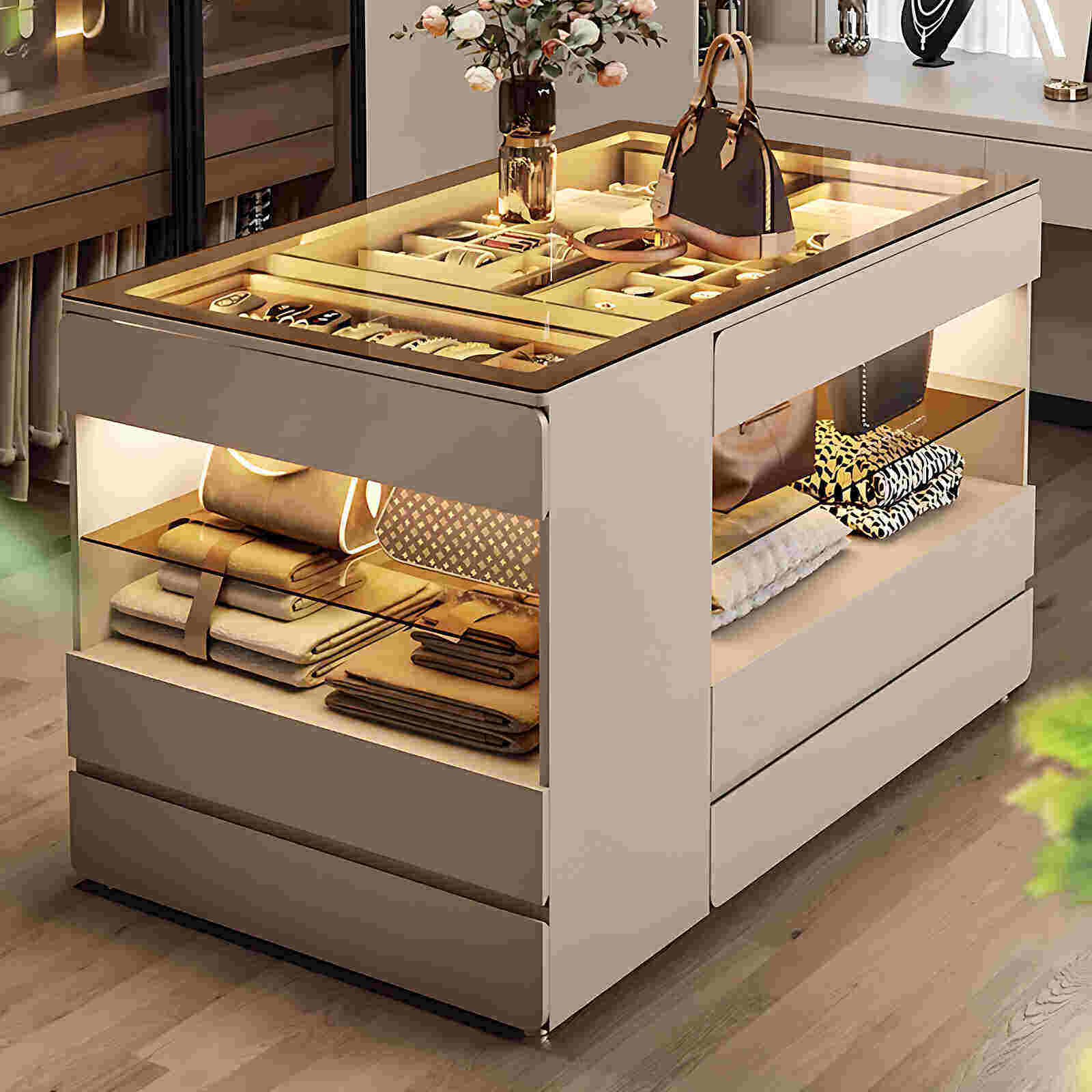
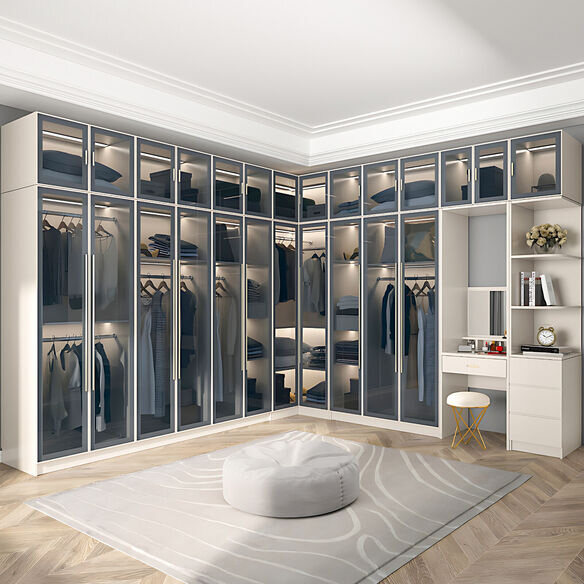
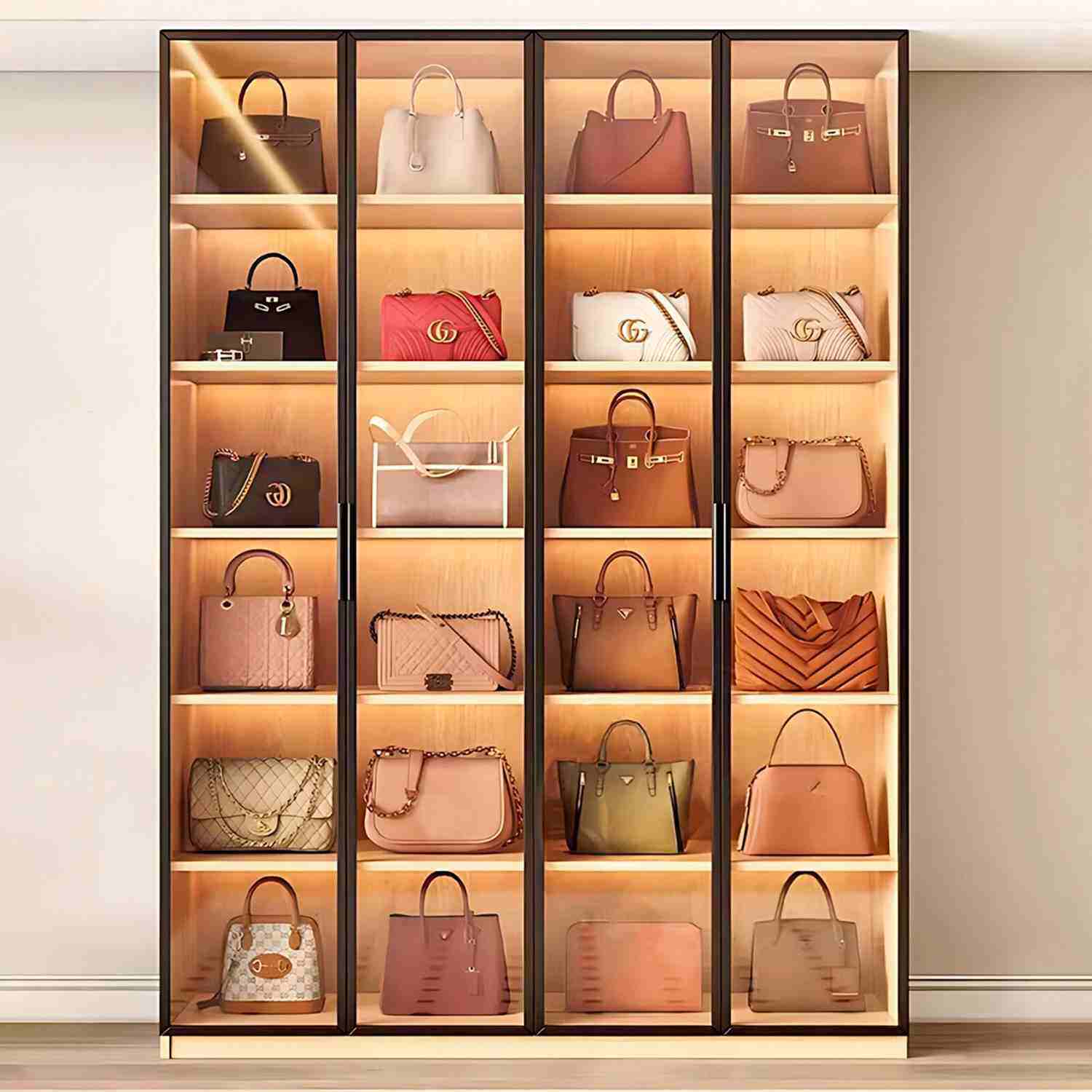
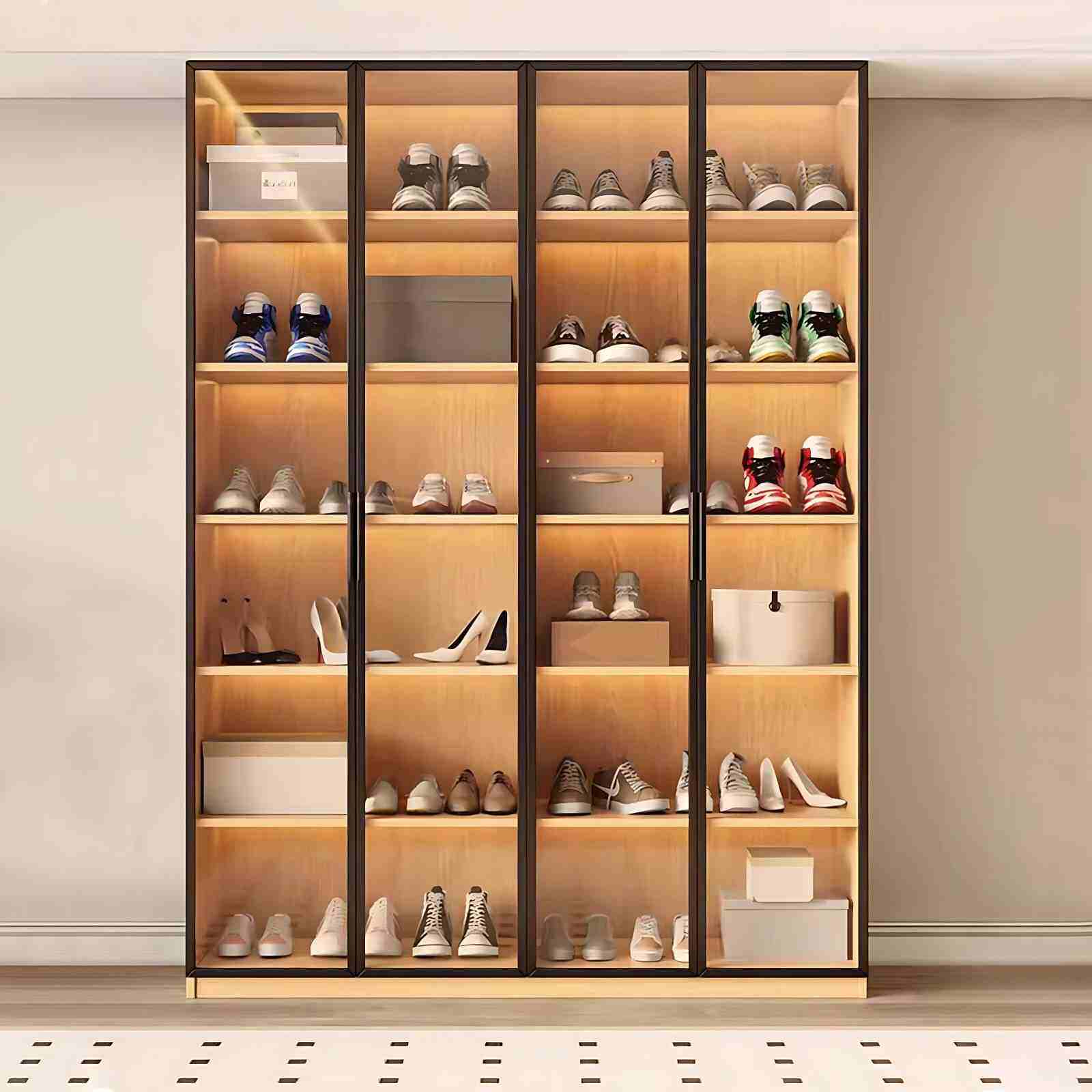
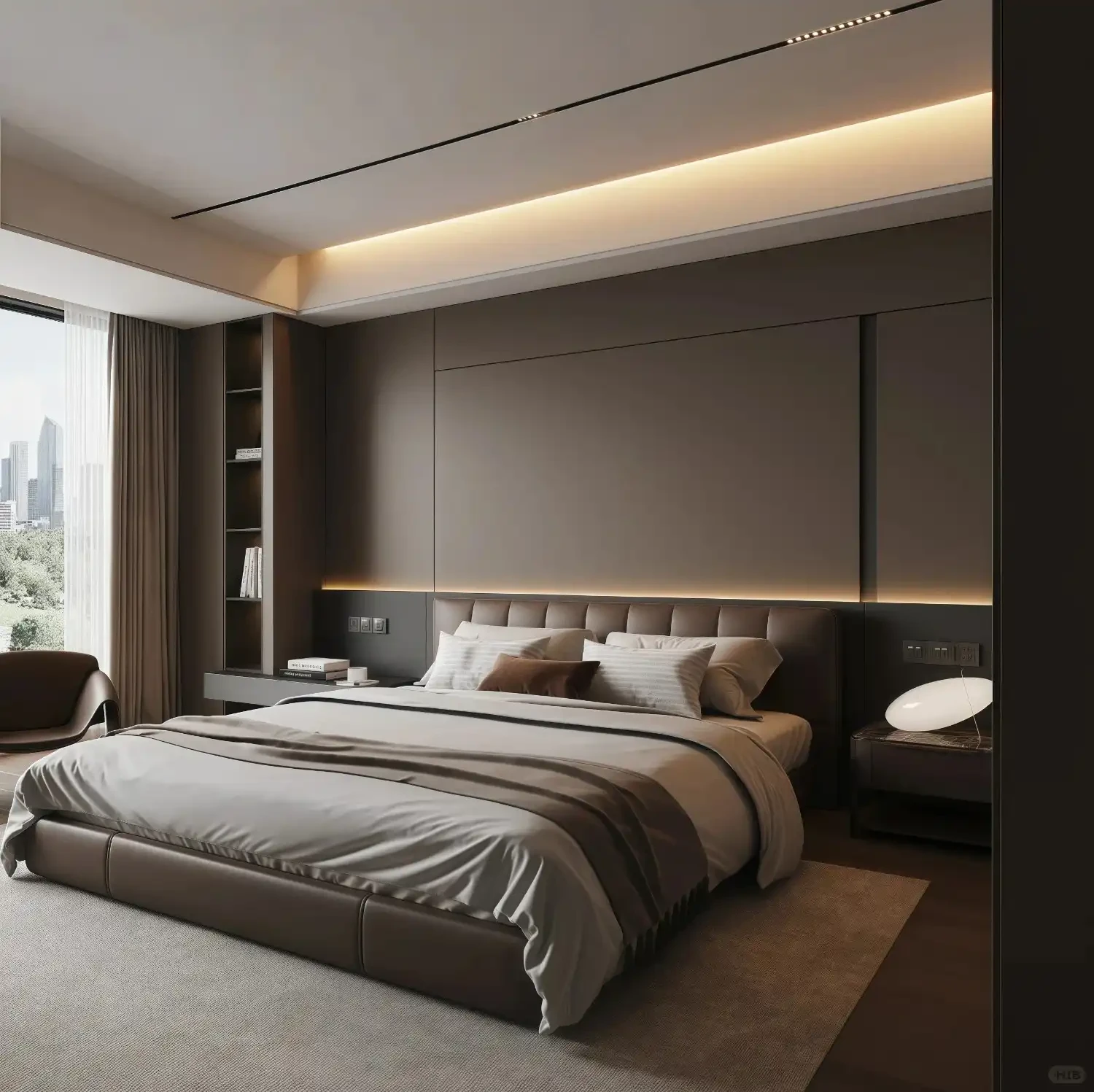
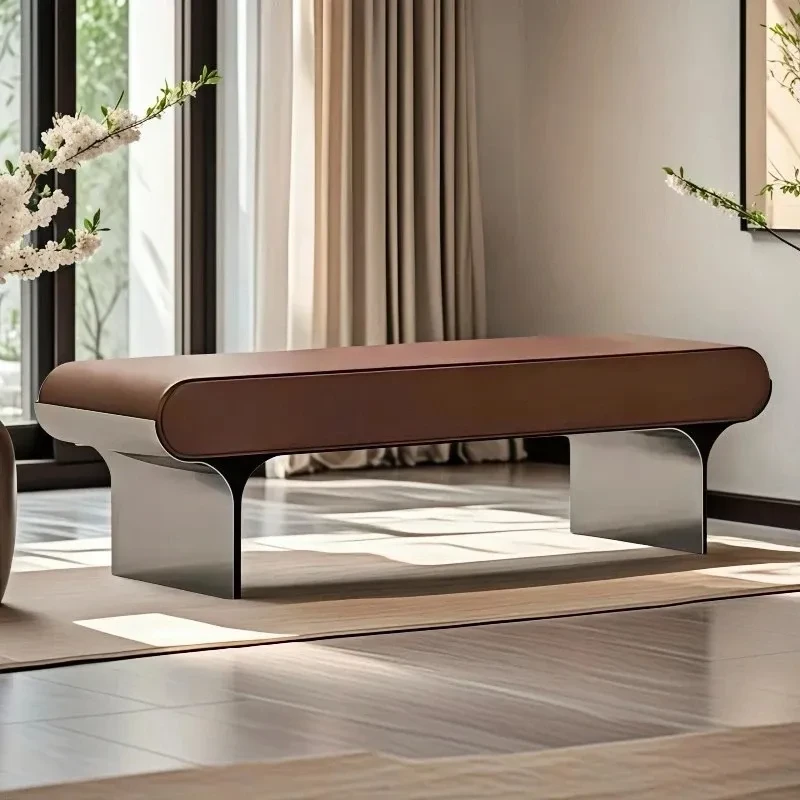
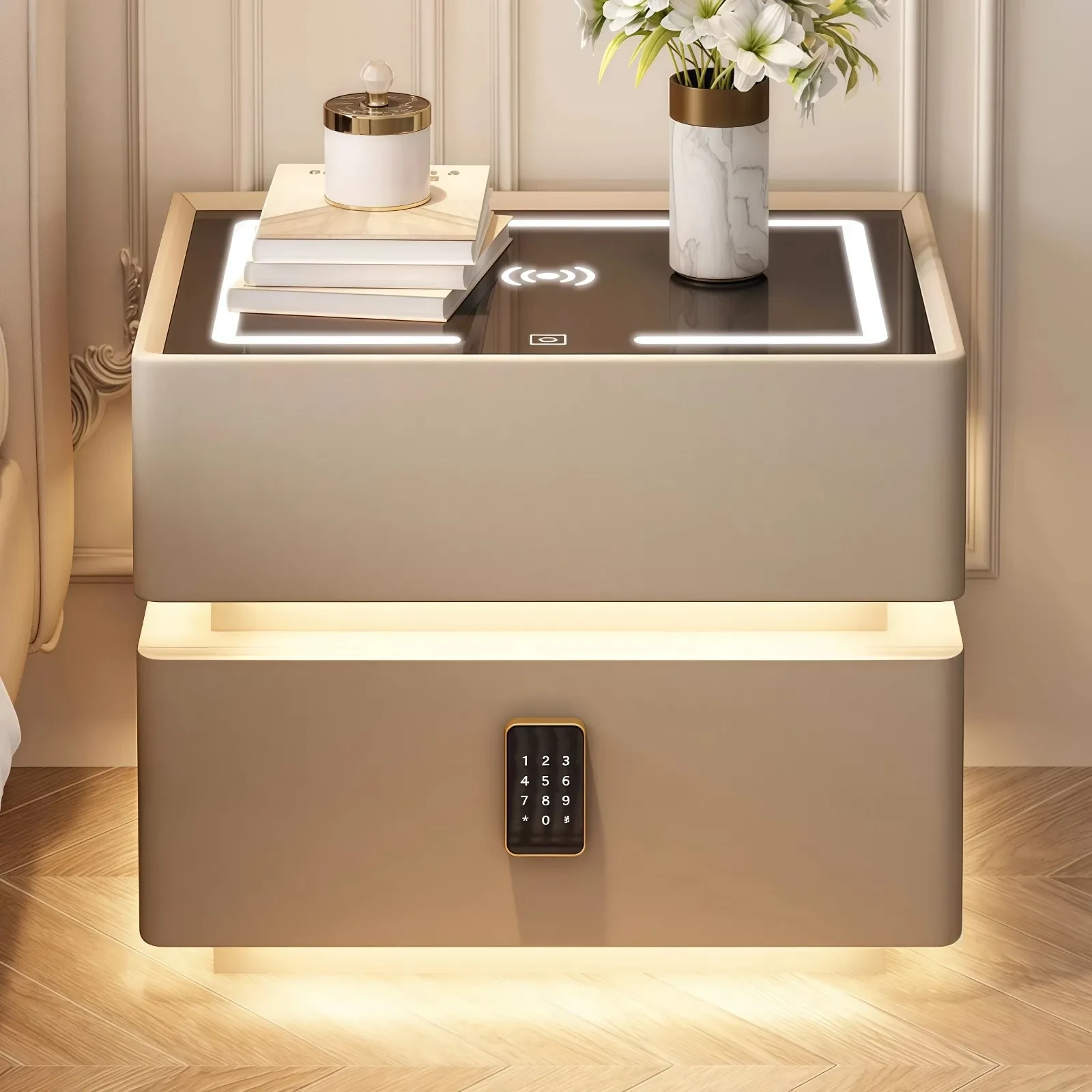
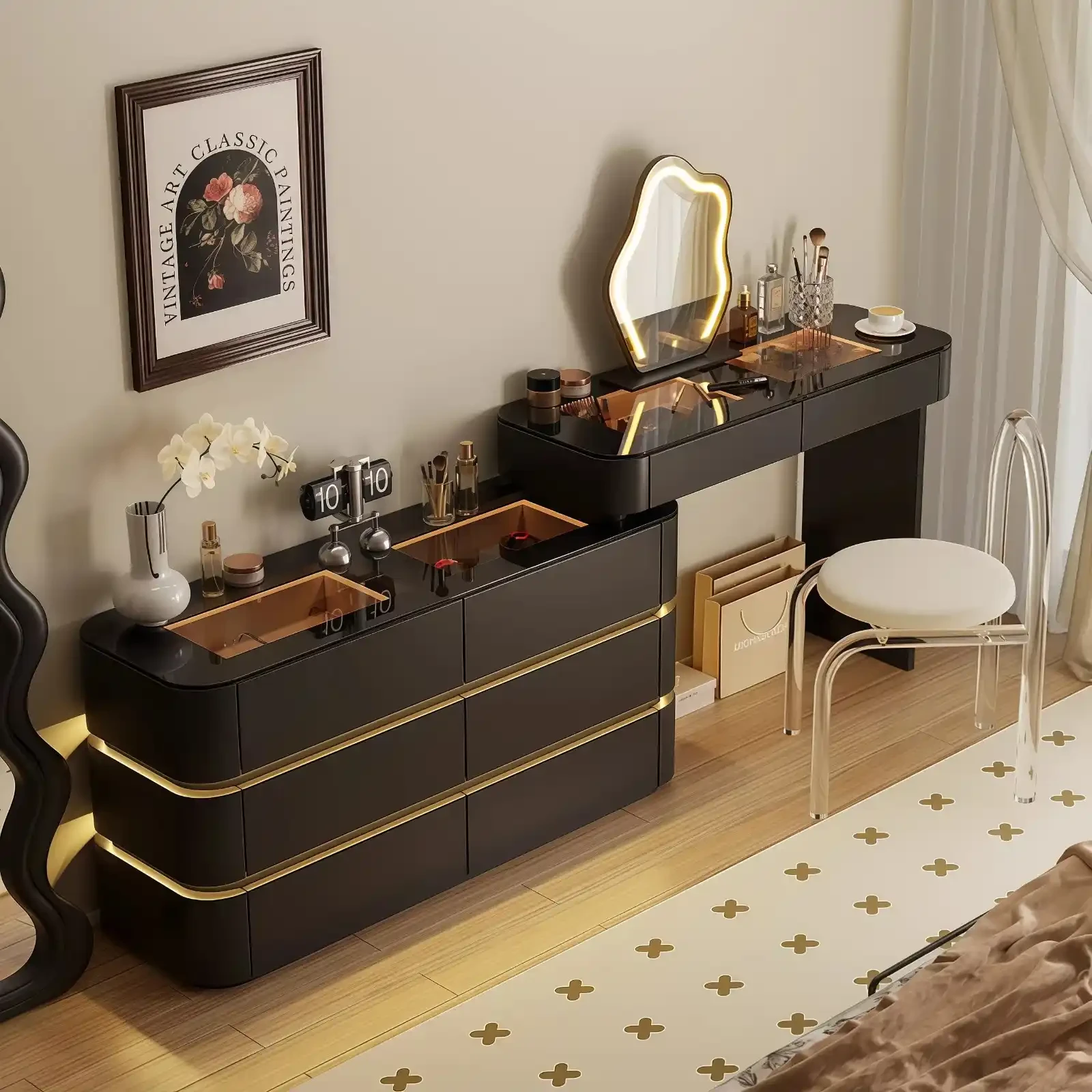
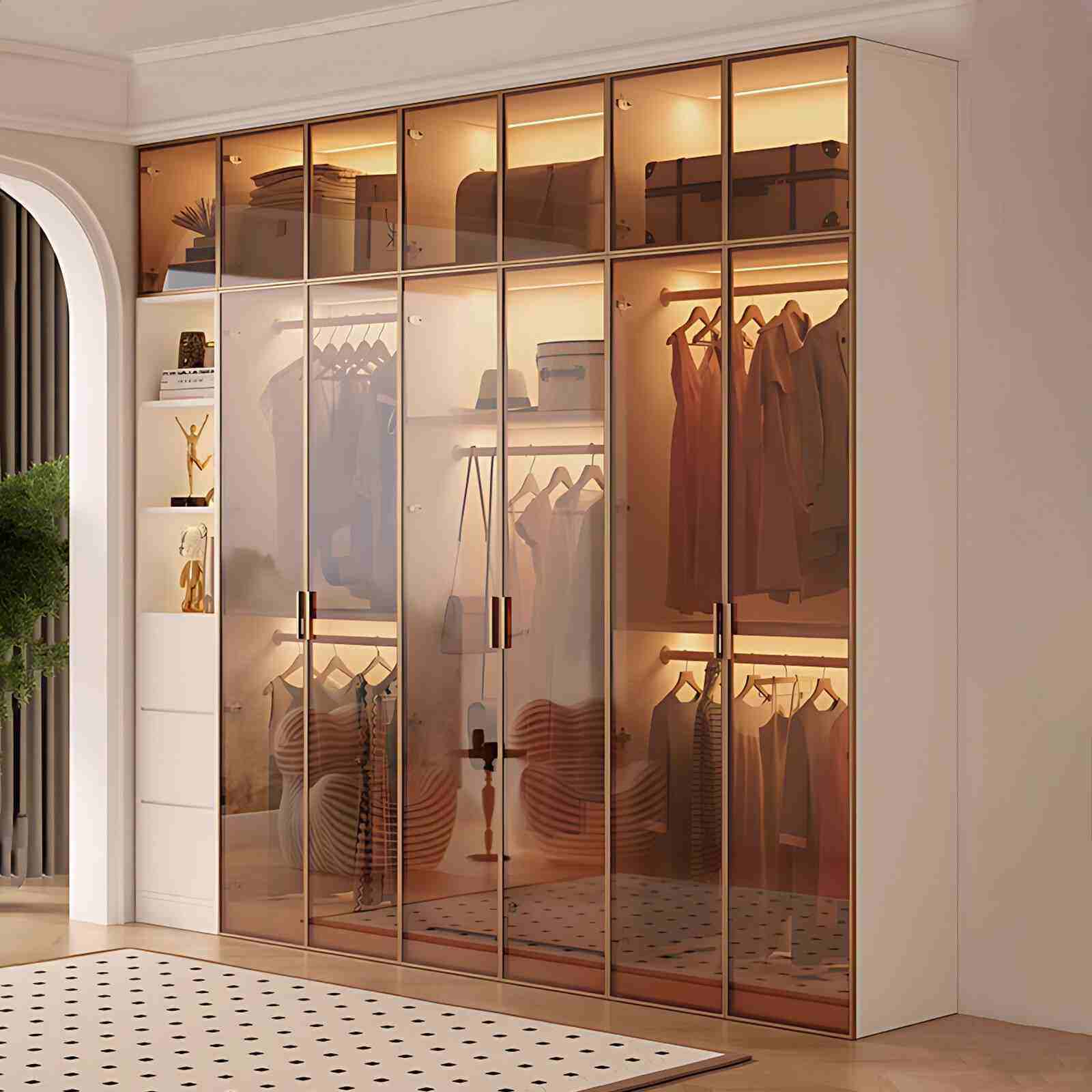
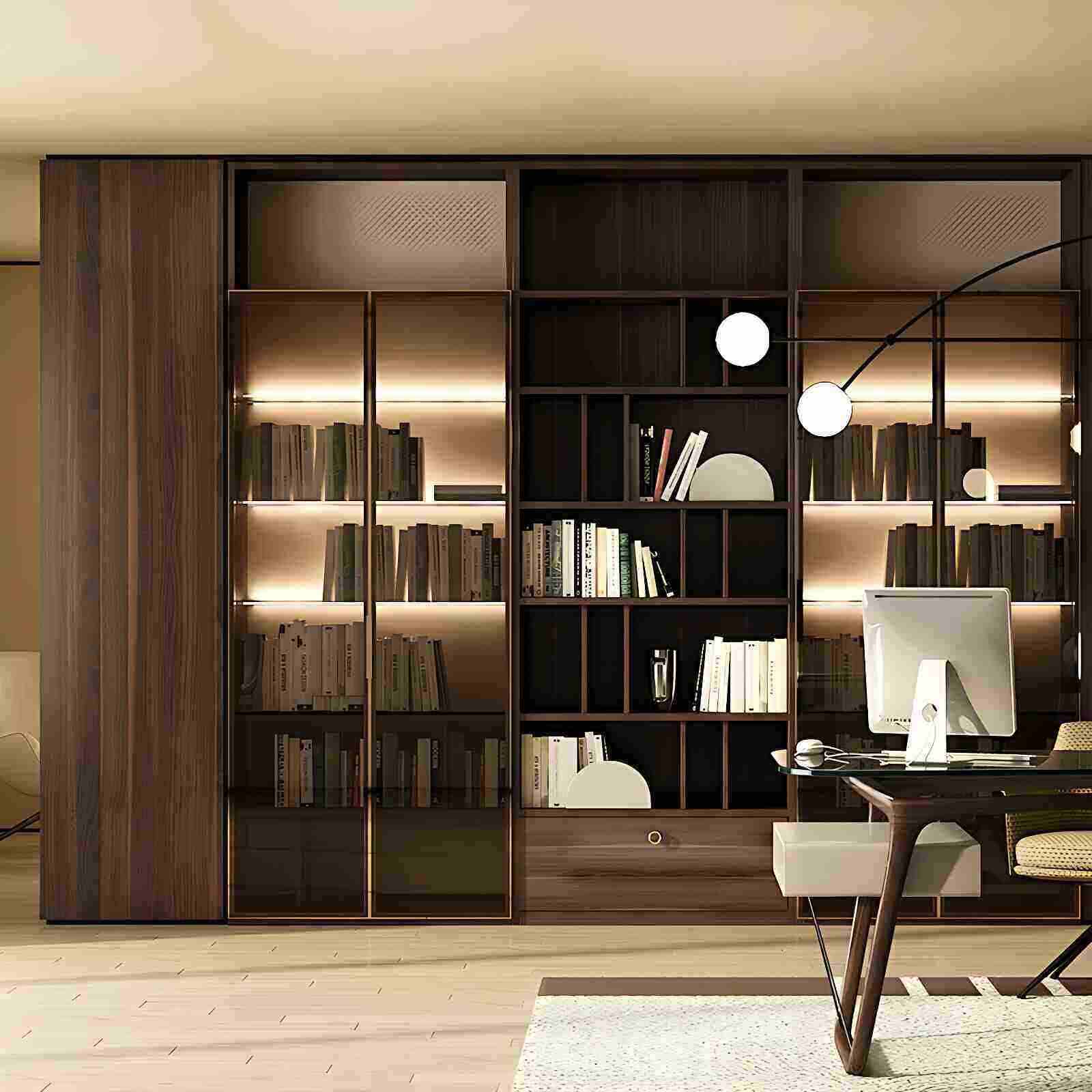
1. **Eucalyptus Plywood:** This type of plywood is almost entirely made from eucalyptus wood, hence the higher price. However, eucalyptus wood is extremely hard, making the product more environmentally friendly and healthier, suitable for home or office furniture. 2. **Poplar-Eucalyptus Plywood:** This type of plywood has a core made from a blend of poplar and eucalyptus wood. Poplar wood is strong and elastic, while eucalyptus wood is also very strong. Therefore, plywood made from this blend can be used for fencing, timber staking, etc.
2. Which company offers better solid wood multilayer boards?First and foremost, you need to understand the quality. Those with high brand recognition and top-notch materials are, in my opinion, a better choice.
Home renovations inevitably involve various cabinets (wardrobes, shoe cabinets, wine cabinets, etc.), which can be custom-made by carpenters or custom factories. Besides fulfilling everyday decorative needs, they also offer ample storage, making them essential for homes of all sizes. Customization options are plentiful, but the high prices of major brands can be overwhelming. However, many other options on the market today utilize multi-layered plywood.
There are many types of boards, and plywood is one of them. This type of board is mainly used for whole-house customization. After being processed in a factory, it can be transformed into cabinets of various styles, making our lives more convenient and colorful. However, there are many brands of plywood, and prices vary greatly. So how should one choose this type of plywood?
First, let's talk about the advantages of plywood. It primarily uses eucalyptus and poplar as the base material, with eucalyptus having the best performance. It's mainly composed of 9 to 11 layers of veneer, cross-laminated together, with the addition of plant-based soybean glue, and then hot-pressed. Therefore, its stability, environmental friendliness, wear and scratch resistance, and other advantages make it popular with custom furniture factories. So, how do you choose plywood?
Inspect the appearance of the board. Check if the surface veneer is flat and tightly adhered, and whether there are any cracks, voids, or color fading on the sides. If the plywood does not have these problems after inspection, then it is safe to choose and purchase it.
Consider the price. Cheap plywood priced below the industry average may have quality issues. The cheaper the plywood, the more carefully the raw materials need to be selected. Cheap plywood on the market is often made from scrap or recycled materials, and its quality is less reliable compared to carefully selected plywood.
Check the reports. Ask the seller about or check the product's quality inspection report. If the test report meets the E0 or E1 level, then you can choose it with confidence, as national testing provides even more assurance.
Consider the material. There are many material options for plywood, including eucalyptus, poplar, and eucalyptus-poplar core plywood, with varying prices. Among them, plywood with eucalyptus core is more stable.
The above content summarizes the key points for choosing a custom furniture factory for home decoration. After understanding multi-layer board brands, it's essential to be clear about the relevant selection criteria. This comprehensive information aims to help those who are currently making or will be making a choice.
3. Furniture multi-layer substrate board? What other names are there?The substrate material of a multilayer board directly affects its quality and lifespan. Problems such as blistering, deformation, and mold growth in multilayer boards are largely caused by the substrate material. Below, we'll take multilayer boards as an example to see what constitutes a good substrate material.
Tree species
Merbau wood is highly sought after due to its long wood fibers, low shrinkage ratio, and superior stability compared to other commonly used substrate species. It is currently the most suitable species for plywood substrates. Ensuring substrate stability depends not only on the quality of the wood species but also on whether it is made from the same species. Substrates from the same species have similar shrinkage ratios and other properties, resulting in consistent shrinkage and expansion rates, thus reducing the likelihood of localized deformation. Peace Tree plywood uses only Merbau as its substrate, guaranteeing its stability.
Processing technology
The base material of our multi-layer boards is all made from logs and processed in our own factory, truly achieving integrated forestry production. Not only does it use the same tree species, but it also employs a base material densification technology. After the logs are sliced, they are stacked longitudinally and transversely, and through hot and cold pressing processes, the 19.5mm base material is pressed into an 18mm base material, while most base materials on the market are pressed from 18.5mm. For the same thickness, it uses more material than ordinary multi-layer boards, has a higher density, and is therefore relatively more stable.
In addition, the Ping An Tree multi-layer board uses environmentally friendly adhesives, which meet the highest global environmental standard F4 star rating (<0.3mg/l) and have no restrictions on the area to be used, making it green and environmentally friendly.
4. I plan to use plywood for my custom-made kitchen cabinets. What type of plywood should I choose? Why?Multi-layer boards, after being covered with melamine veneer, are also known as eco-boards. Multi-layer boards are waterproof, environmentally friendly, and not easily deformed, so they are often chosen. Generally, solid wood multi-layer boards are better because solid wood is of good quality and durable.
The choice of materials for kitchen cabinets should be based on your specific needs.
For example, solid wood boards, stainless steel boards, acrylic glass, fireproof boards, PVC, and melamine boards are all relatively common materials.
Solid wood multilayer boards: Compared to general market engineered wood boards, solid wood multilayer boards have less deformation, higher compressive strength, better quality (smaller holes after sawing, no layer separation), better flatness, and can be produced in different thicknesses from 5-40mm. Multilayer solid wood boards use double-layer engineered wood panels arranged in a winding pattern as the main body, with high-quality solid wood edging or engineered wood as the surface material. They are manufactured through several processes including cold extrusion, pressing, stainless steel polishing, and health maintenance. Because multilayer solid wood boards are not easily deformed and have excellent properties for regulating room temperature and humidity, and the overall solid wood edging material has the natural grain and feel of real wood, they offer greater choice. Therefore, they are highly favored by customers. Multilayer solid wood boards have good structural stability and are not easily deformed. Due to the cross-laminated plywood and ultra-high pressure and high temperature, the deformation defects of solid wood boards are solved from the thermal stress perspective. In the production process, high-quality environmentally friendly adhesives are used to ensure that the formaldehyde emission of the product meets national standards, making it low-carbon and environmentally friendly.
Choose a high-quality adhesive; the adhesive is essential for all types of plywood, in other words, it's a prerequisite. First, observe the edges for obvious layering and whether there are bubbles on the surface. Next, press the plywood by hand to see if you hear a sound. Of course, if there is a sound, it doesn't necessarily mean the adhesive is bad; it could be due to hollow areas or poor-quality plywood material, but it still indicates poor quality. The layers should be clear; the thicker the board, the easier it is to see. For example, 18mm double-layer plywood is made of 11 layers of plywood pressed together. If each layer is made of a single piece of wood, the layers will be very clear, without any overlapping. If the material is poor quality and there are many scraps, the pressure will cause the layers to overlap, resulting in an uneven surface.
Is the thickness within the standard range? Generally speaking, the thickness of good quality boards is within the range of national standards.
There are three types of core materials for multi-layer solid wood boards: meranti core, mixed wood core, and poplar-mixed wood core. Meranti core is the best, and mixed wood core is the worst! Advantages of meranti core: It is easy to process and shape, and construction is lightweight; meranti core has good anti-insect, anti-mold, and anti-corrosion effects, improving the stability of the wood. It is not easily deformed, making it suitable for paneling. So how do you distinguish between meranti core, mixed wood core, and poplar-mixed wood core? Meranti core is darker, while poplar-mixed wood core is whiter. The white portion of meranti core is darker than the white portion of poplar-mixed wood core.
For custom cabinets, if you choose plywood, it is best to choose solid wood plywood; because solid wood plywood has high strength, good moisture resistance, good flatness, and is not easy to deform.
Personally, I think it's better to choose solid wood multi-layer boards; because these boards are more environmentally friendly, highly practical, and very sturdy.
5. Which is better, eucalyptus plywood or mixed hardwood plywood? What are their respective advantages and disadvantages?It's best to use plywood throughout.
Outdoor furniture should definitely be made of preservative-treated wood, as other types are not durable enough to withstand wind and rain. Preservative-treated wood is treated with chemicals, which greatly enhances its durability. Lauan wood is a good second choice due to its high lead content, but it is not as durable as preservative-treated wood.
6. Which company makes the best multilayer board products?Home renovations inevitably involve various cabinets (wardrobes, shoe cabinets, wine cabinets, etc.), which can be custom-made by carpenters or custom factories. Besides fulfilling everyday decorative needs, they also offer ample storage, making them essential for homes of all sizes. Customization options are plentiful, but the high prices of major brands can be overwhelming. However, many other options on the market today utilize multi-layered plywood.
There are many types of boards, and plywood is one of them. This type of board is mainly used for whole-house customization. After being processed in a factory, it can be transformed into cabinets of various styles, making our lives more convenient and colorful. However, there are many brands of plywood, and prices vary greatly. So how should one choose this type of plywood?
First, let's talk about the advantages of plywood. It primarily uses eucalyptus and poplar as the base material, with eucalyptus having the best performance. It's mainly composed of 9 to 11 layers of veneer, cross-laminated together, with the addition of plant-based soybean glue, and then hot-pressed. Therefore, its stability, environmental friendliness, wear and scratch resistance, and other advantages make it popular with custom furniture factories. So, how do you choose plywood?
Check the appearance of the board. See if the surface veneer is flat and tightly adhered, and whether there are any cracks, voids, or color fading on the sides. If the plywood does not have these problems after checking its appearance, then it is safe to choose and purchase it.
Consider the price. Cheap plywood priced below the industry average may have quality issues. The cheaper the plywood, the more carefully the raw materials need to be selected. Cheap plywood on the market is often made from scrap or recycled materials, and its quality is less reliable compared to carefully selected plywood.
Check the reports. Ask the seller about or check the product's quality inspection report. If the test report meets the E0 or E1 level, then you can choose it with confidence, as national testing provides even more assurance.
Consider the material. There are many material options for plywood, including eucalyptus, poplar, and eucalyptus-poplar core plywood, with varying prices. Among them, plywood with eucalyptus core is more stable.
The above content summarizes the key points for choosing a custom furniture factory for home decoration. After understanding multi-layer board brands, it's essential to be clear about the relevant selection criteria. This comprehensive information aims to help those who are currently making or will be making a selection.
1. Kendia:
It is one of the leading wood panel manufacturing and sales enterprises in China in terms of strength, scale, and brand influence. It is also the vice chairman unit of the professional committee of the China Forest Products Industry Association and a participating unit of the National 863 Program during the 11th Five-Year Plan period.
2. North American Maple Solid Wood:
"North American Maple" is the unified parent brand of Sino-Forest International Group of Canada, registered in China for wood products, building materials, and decorative materials.
Sino-Forest (International) Group, headquartered in Canada, is an international company engaged in tree planting, integrated timber operation and processing, services and trade in China. It was one of the earliest foreign companies to develop commercial timber plantations in China and is one of the largest foreign-invested commercial forest operators in China.
3. Xilin:
The core material is made from carefully selected 8-year-old eucalyptus wood from Yunnan. German Henkel glue is used, meeting European E0 and E1 environmental standards. Traditional multi-layer solid wood boards typically have 5 or 9 layers, while Xilin multi-layer solid wood eco-boards can have up to 11 layers. Furthermore, the use of superior eucalyptus wood as the core material, instead of the commonly used poplar or other miscellaneous woods, greatly improves the strength and stability of the board.
4. Der solid wood:
Der International Flooring Co., Ltd. is the vice chairman unit of the Flooring Professional Committee of the China Forest Products Industry Association and a council member of China Quality Miles. Its production base in Wujiang is one of the largest wood flooring production bases in the country, with world-class production lines such as German HOMAG and Dutch Sander. It has a number of key product patent technologies in flooring raw material processing and appearance treatment.
5. Sacred Elephant Solid Wood:
Founded in 1995 and headquartered in Shanghai, Shengxiang Group is China's largest wood flooring company, ranking first in sales of its product category for 13 consecutive years. In 2009, according to new data released by Brand Lab, Shengxiang's brand value increased to 7.815 billion yuan, ranking 90th, maintaining its position as the top brand in the building materials industry for six consecutive years, and entering the list of China's top 100 brands for the first time.