
 USD
USD GBP
GBP
 EUR
EUR
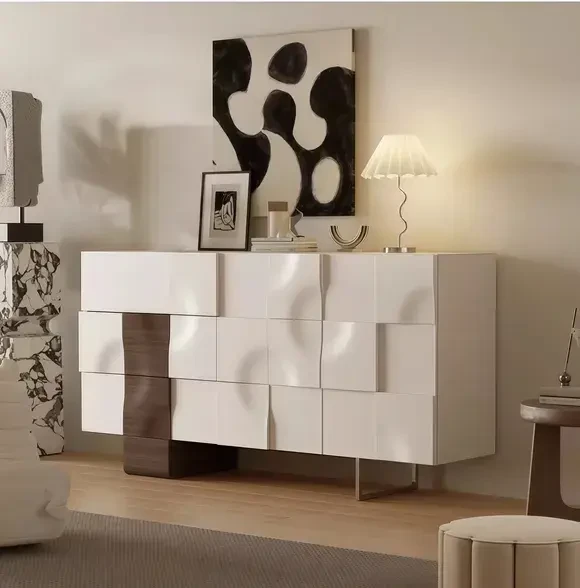
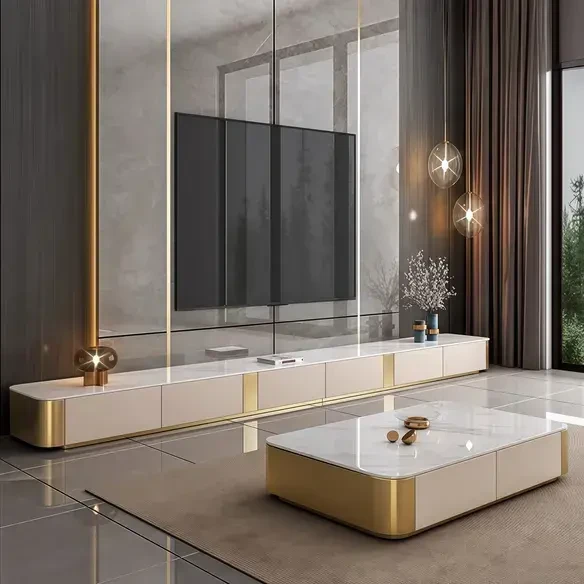
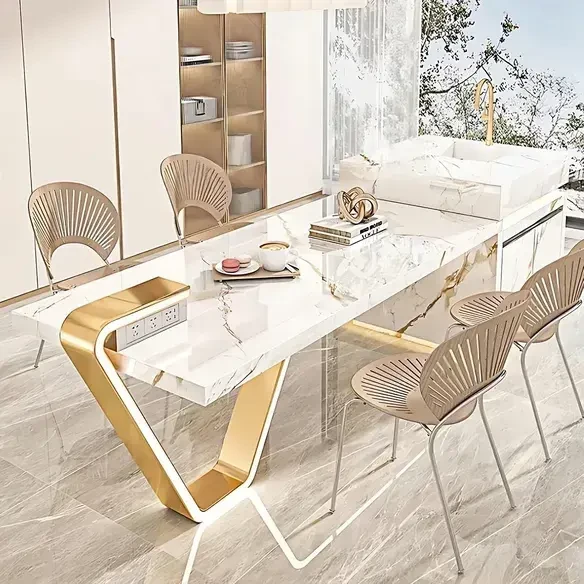
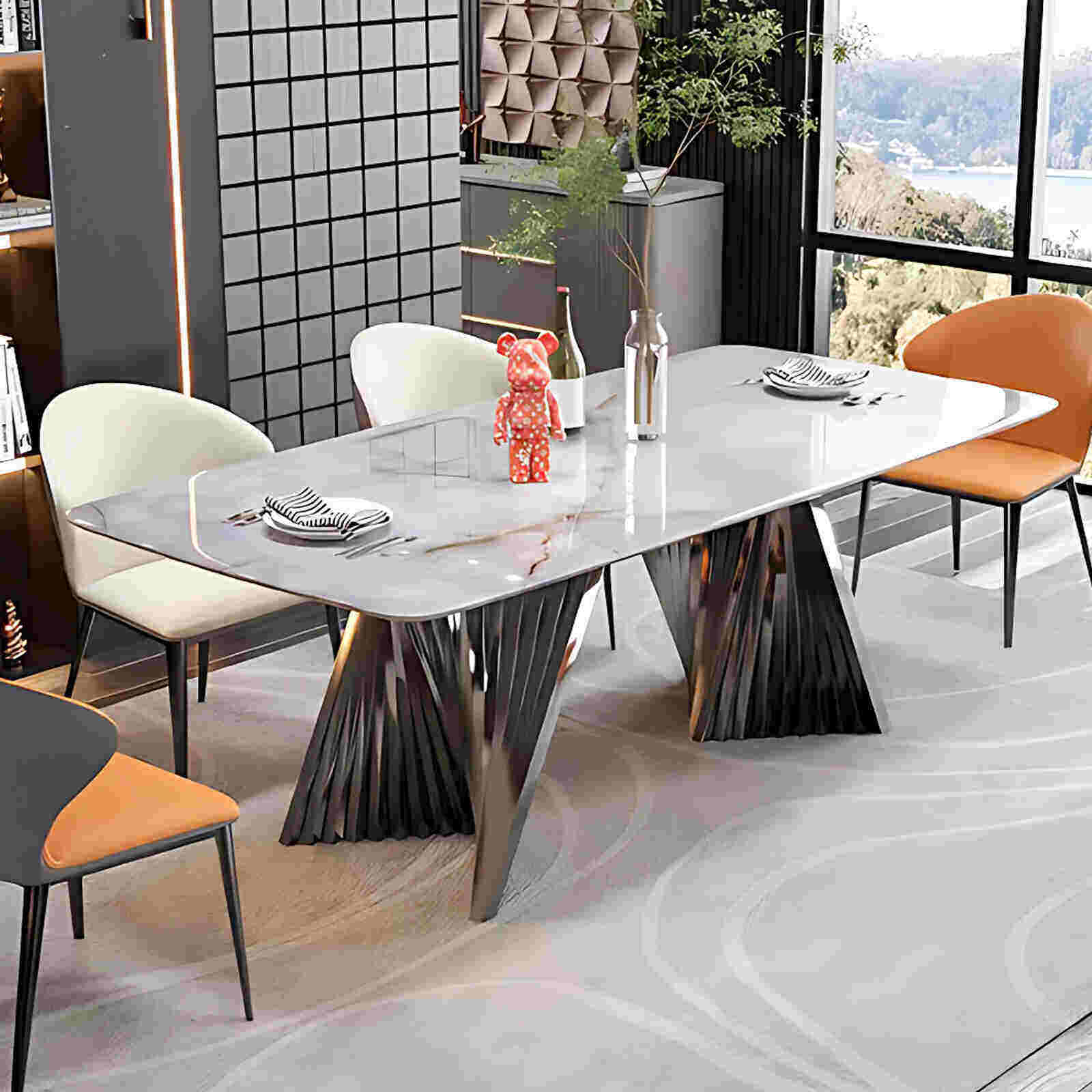
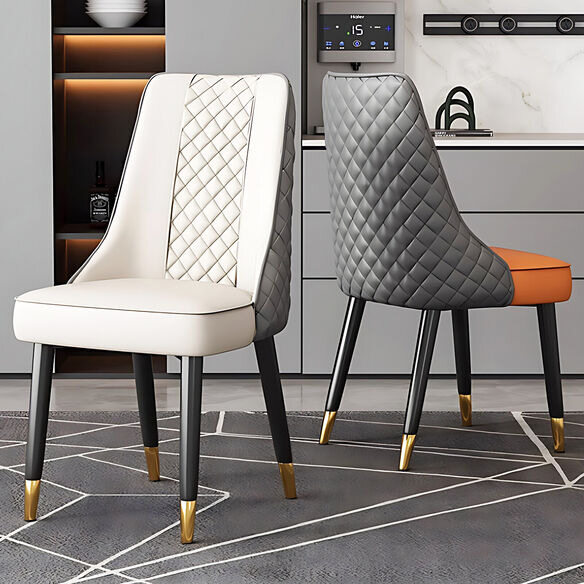
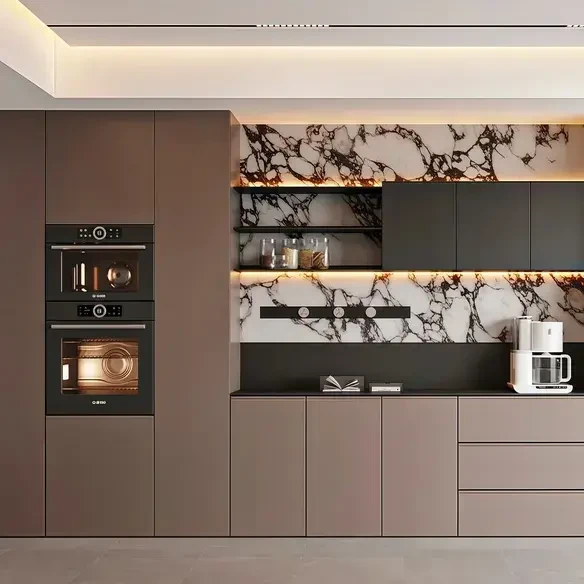
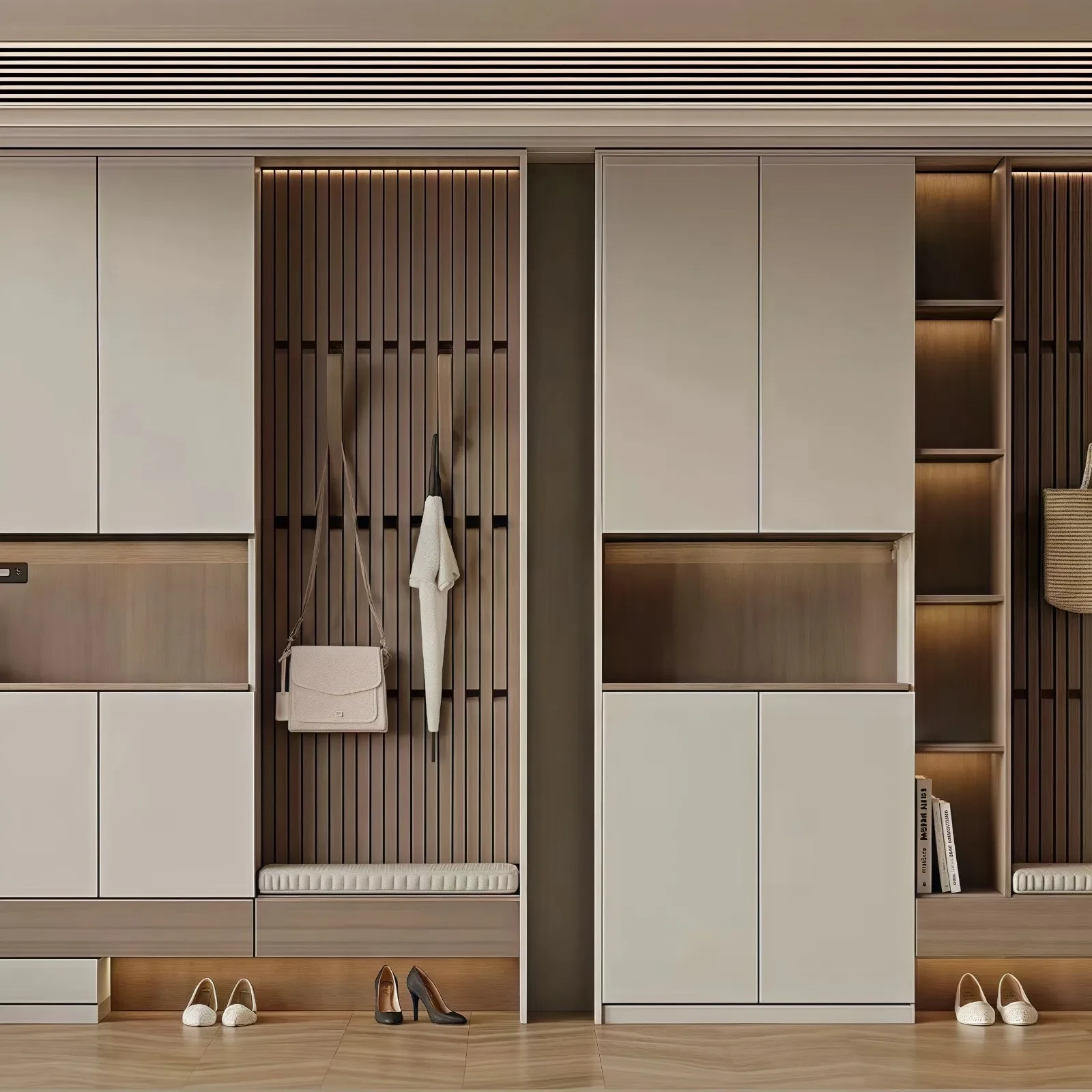
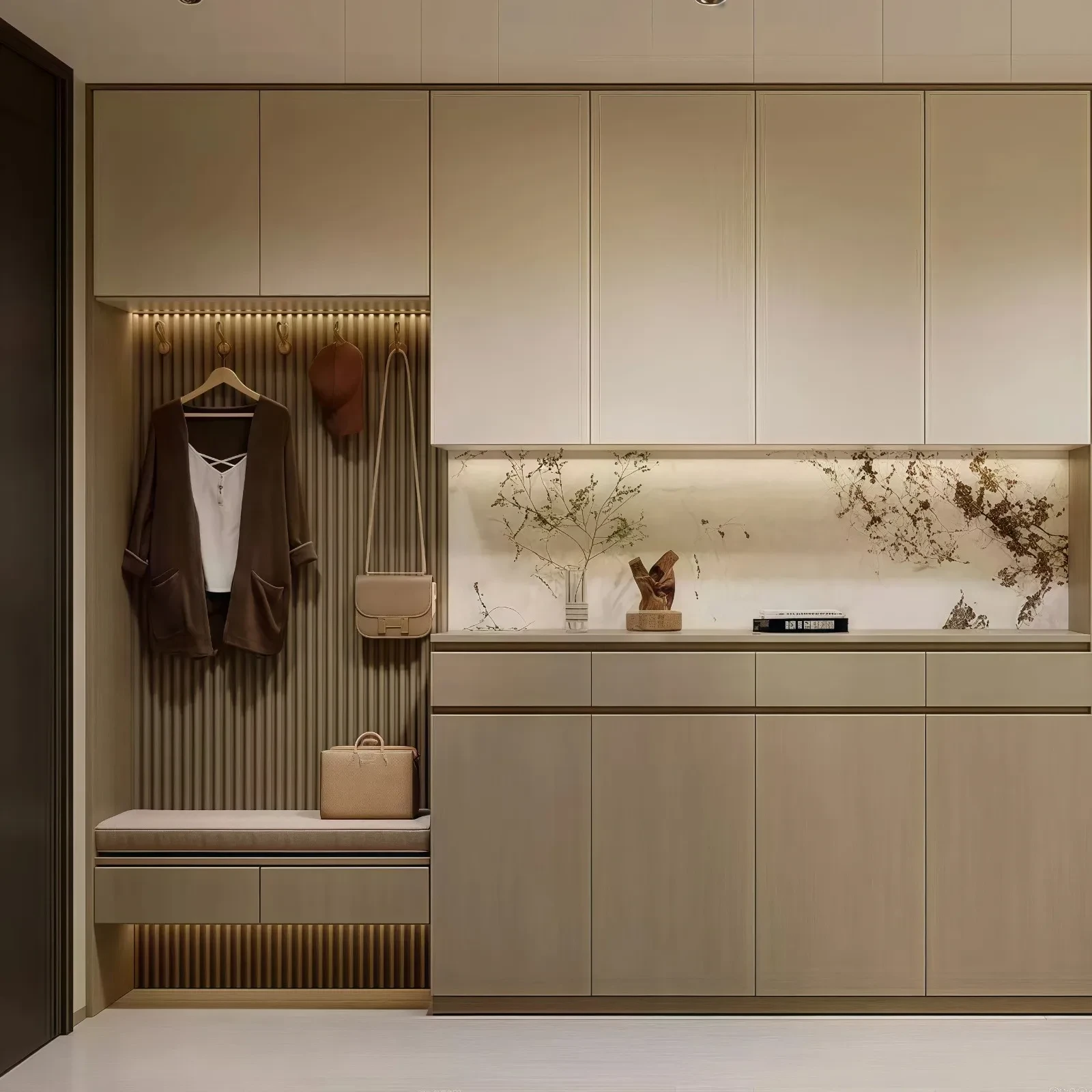
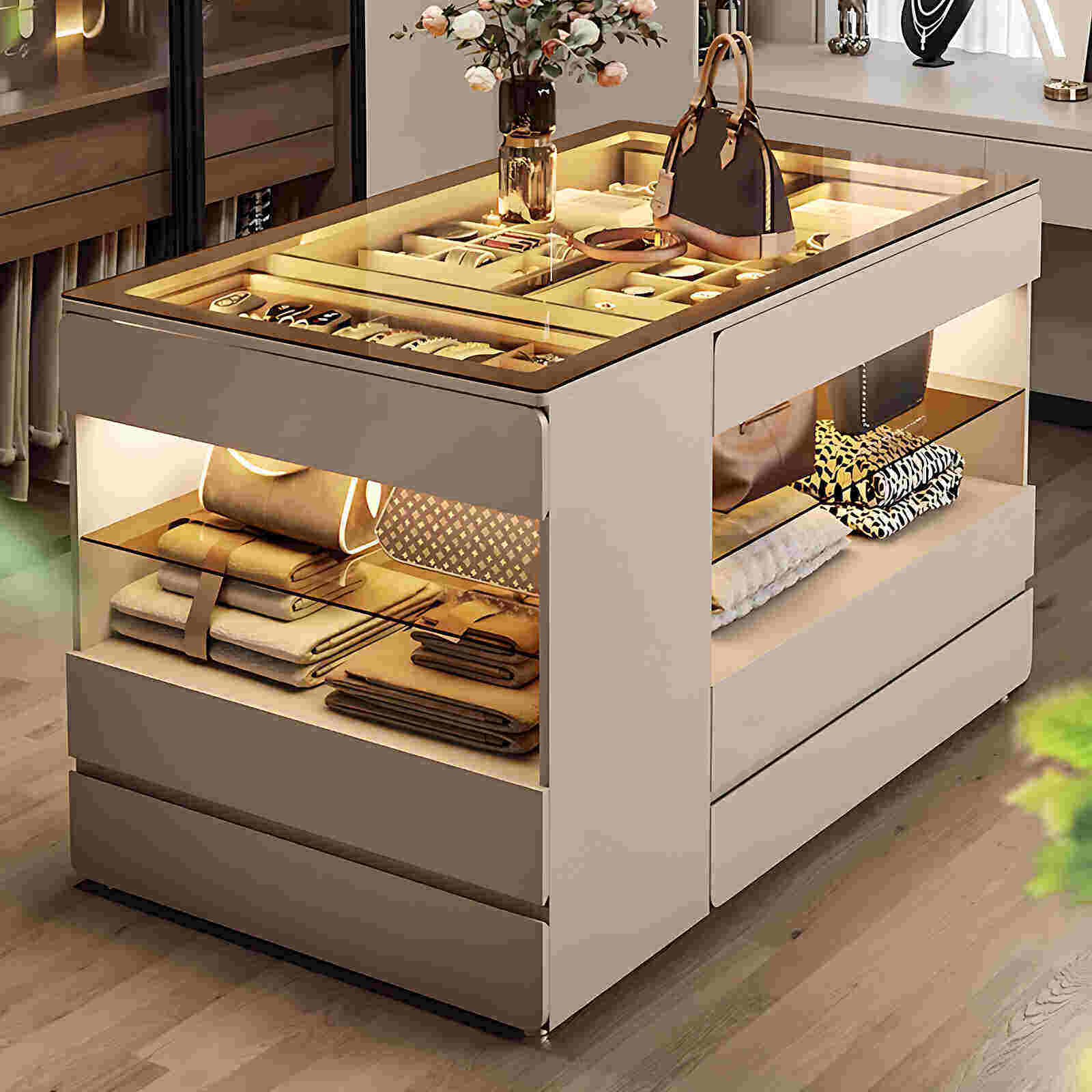
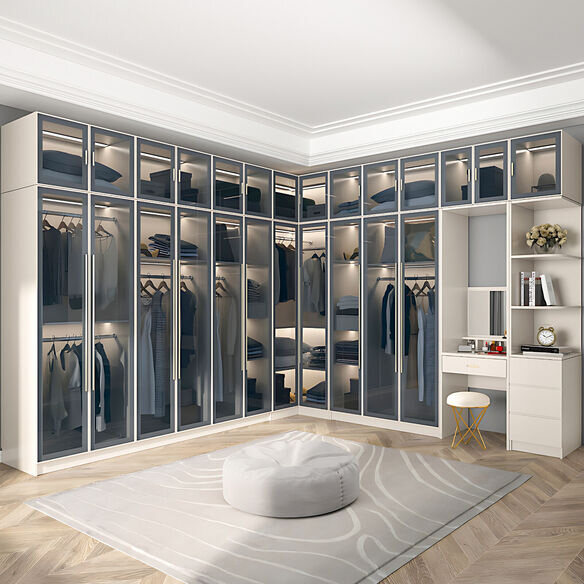
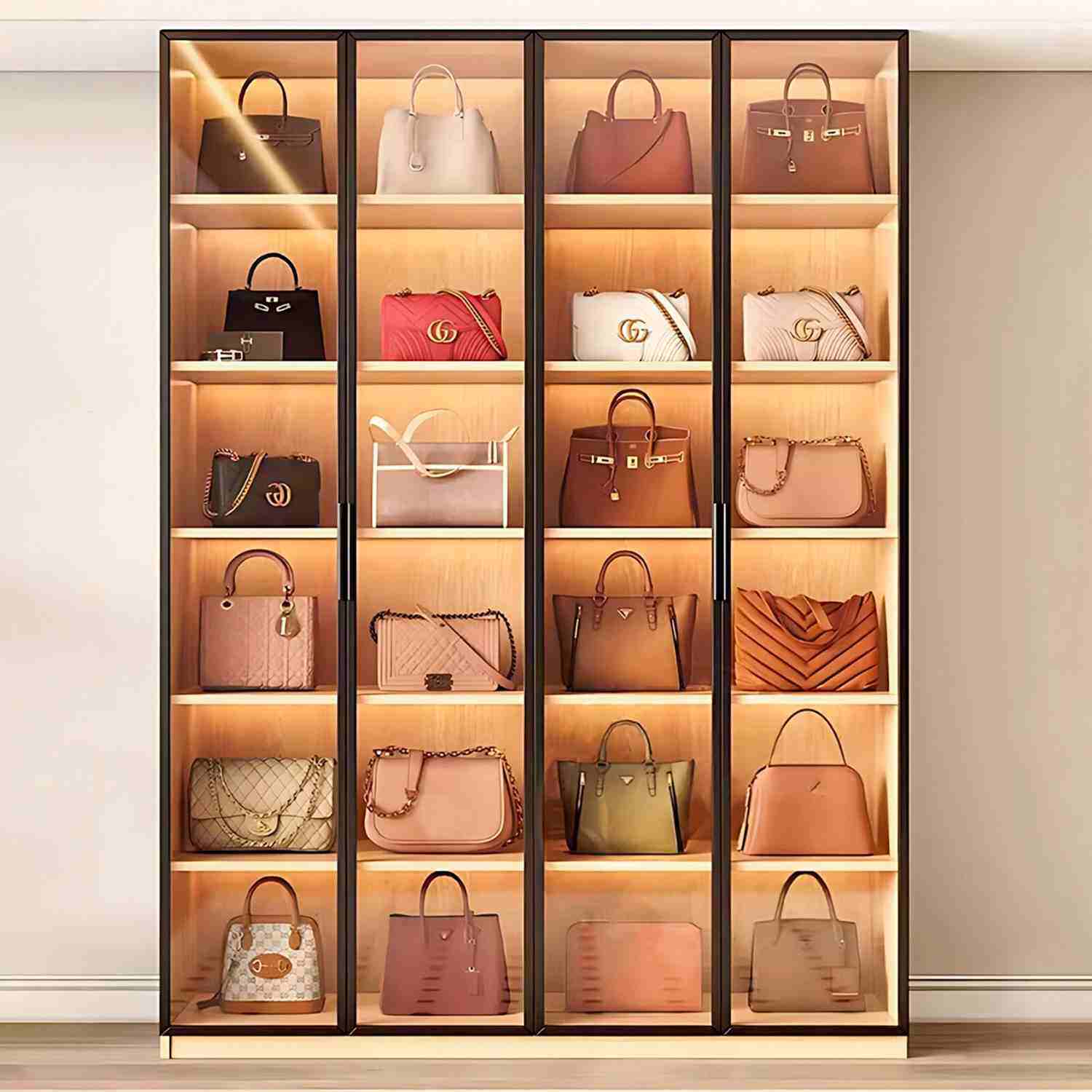
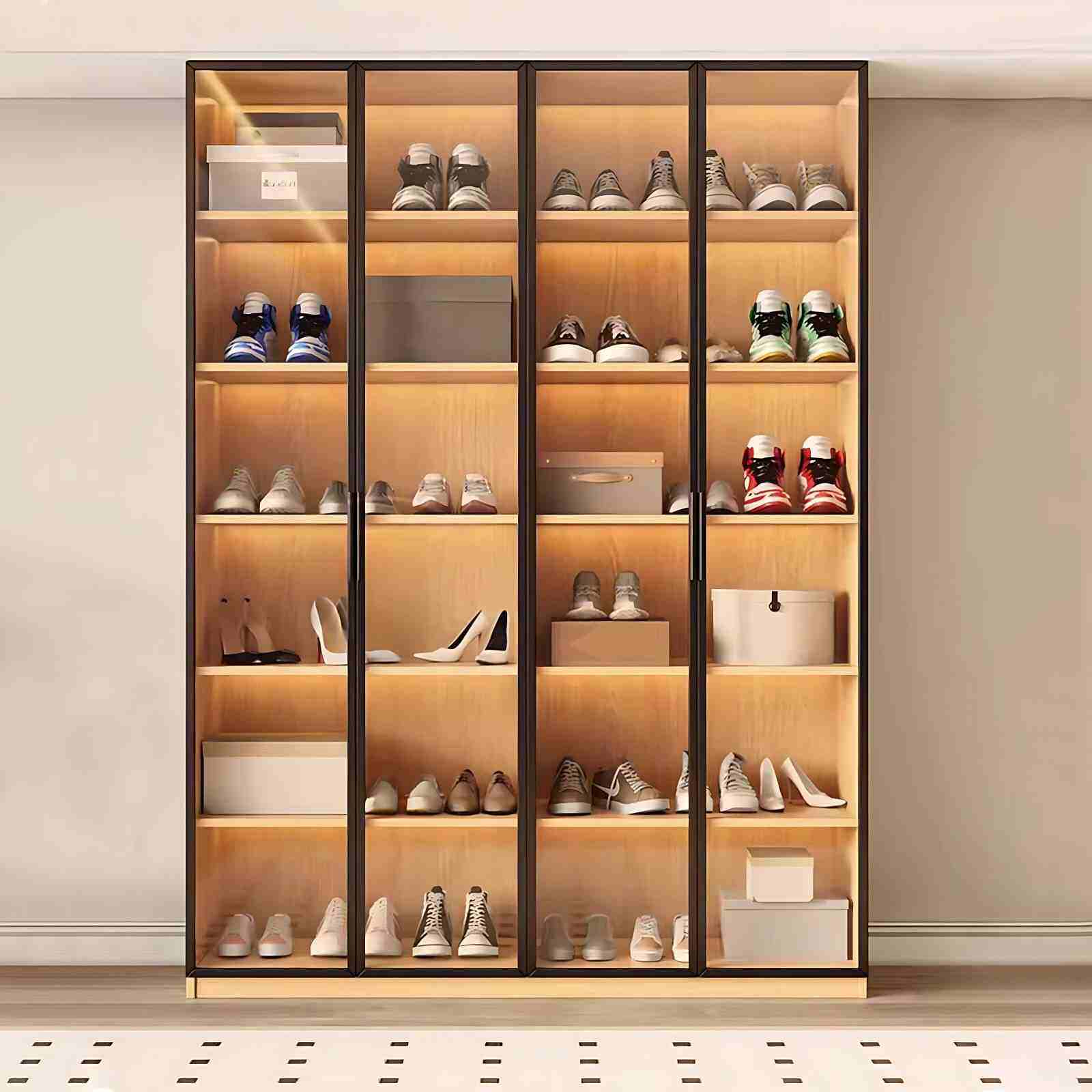
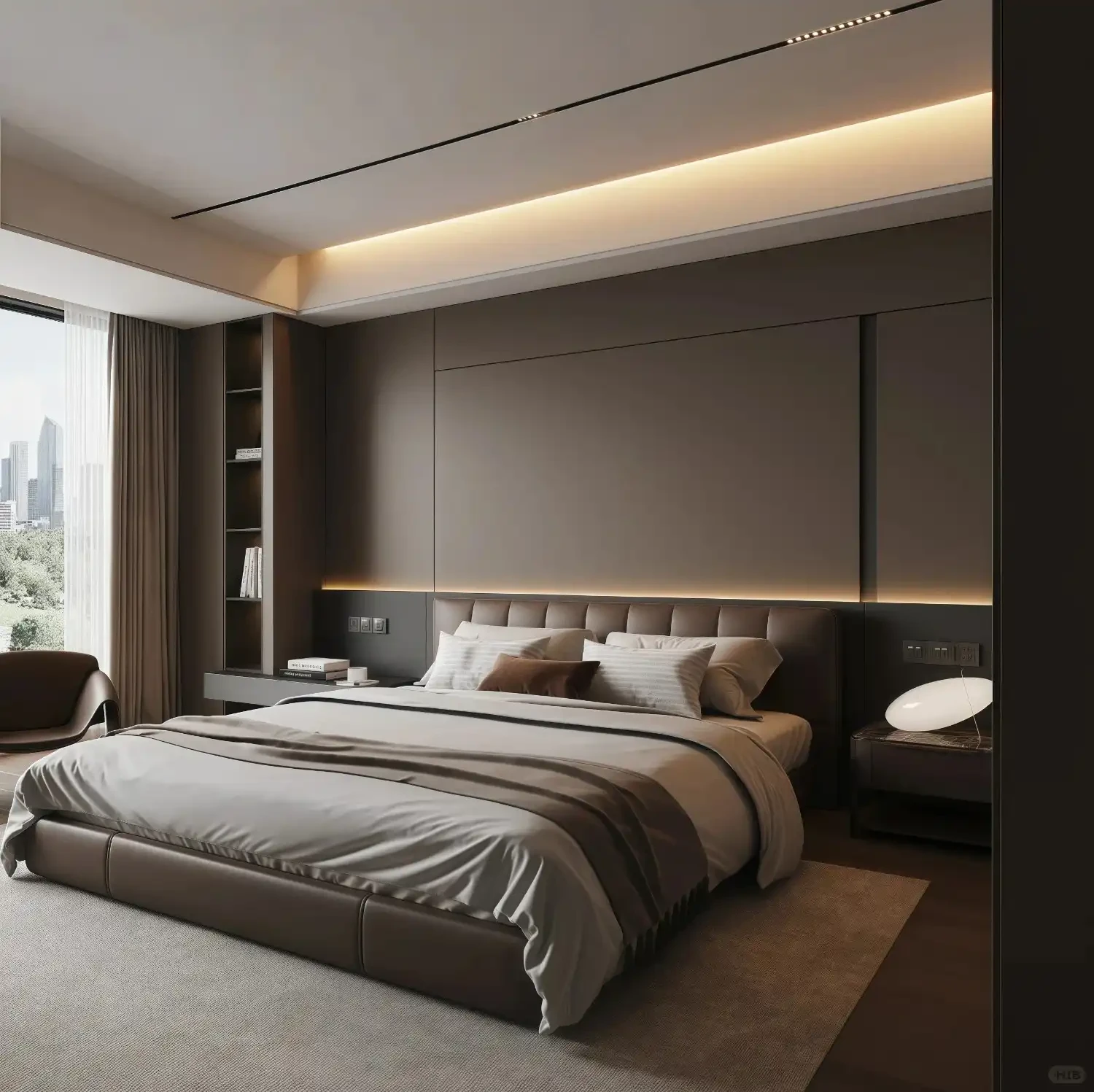
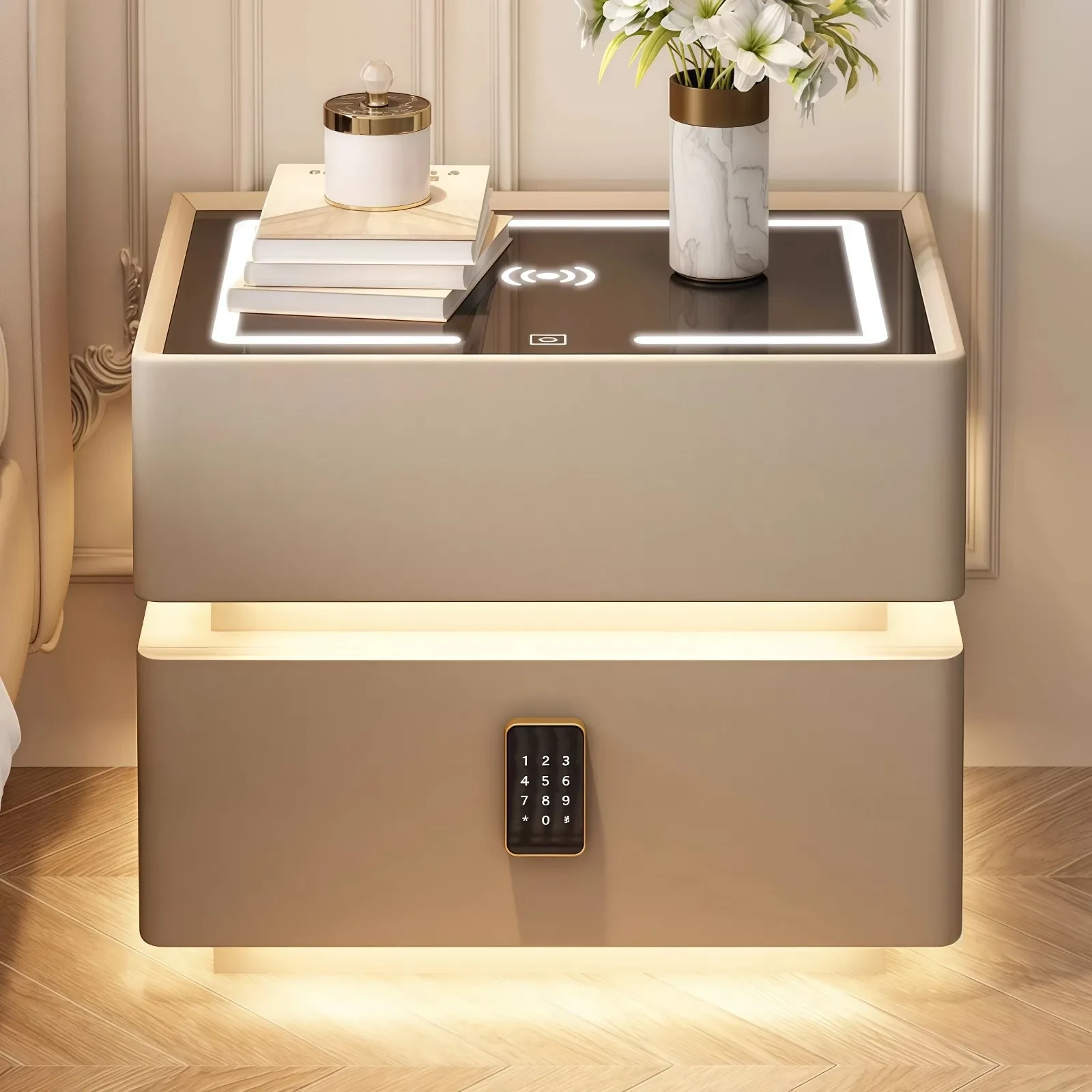
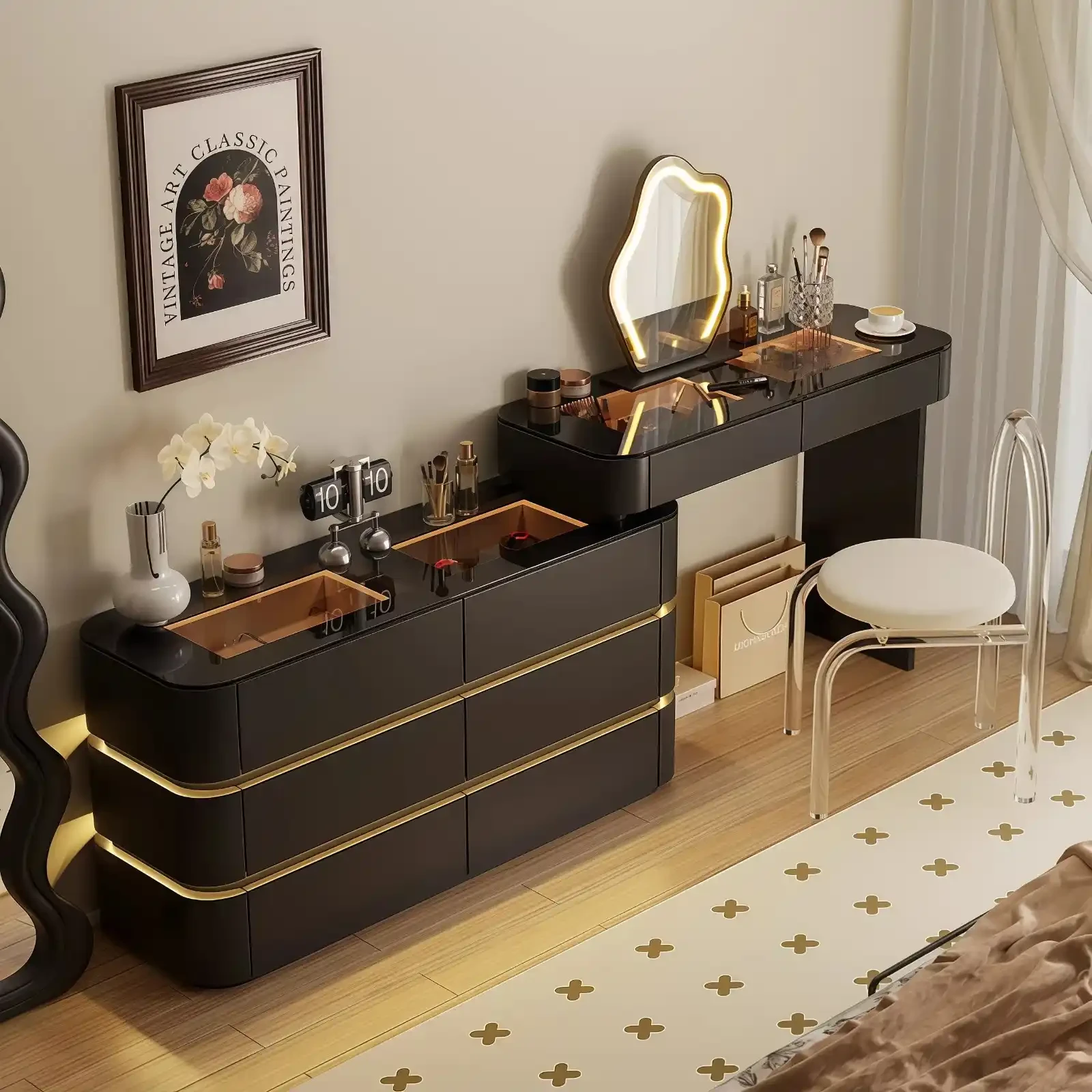
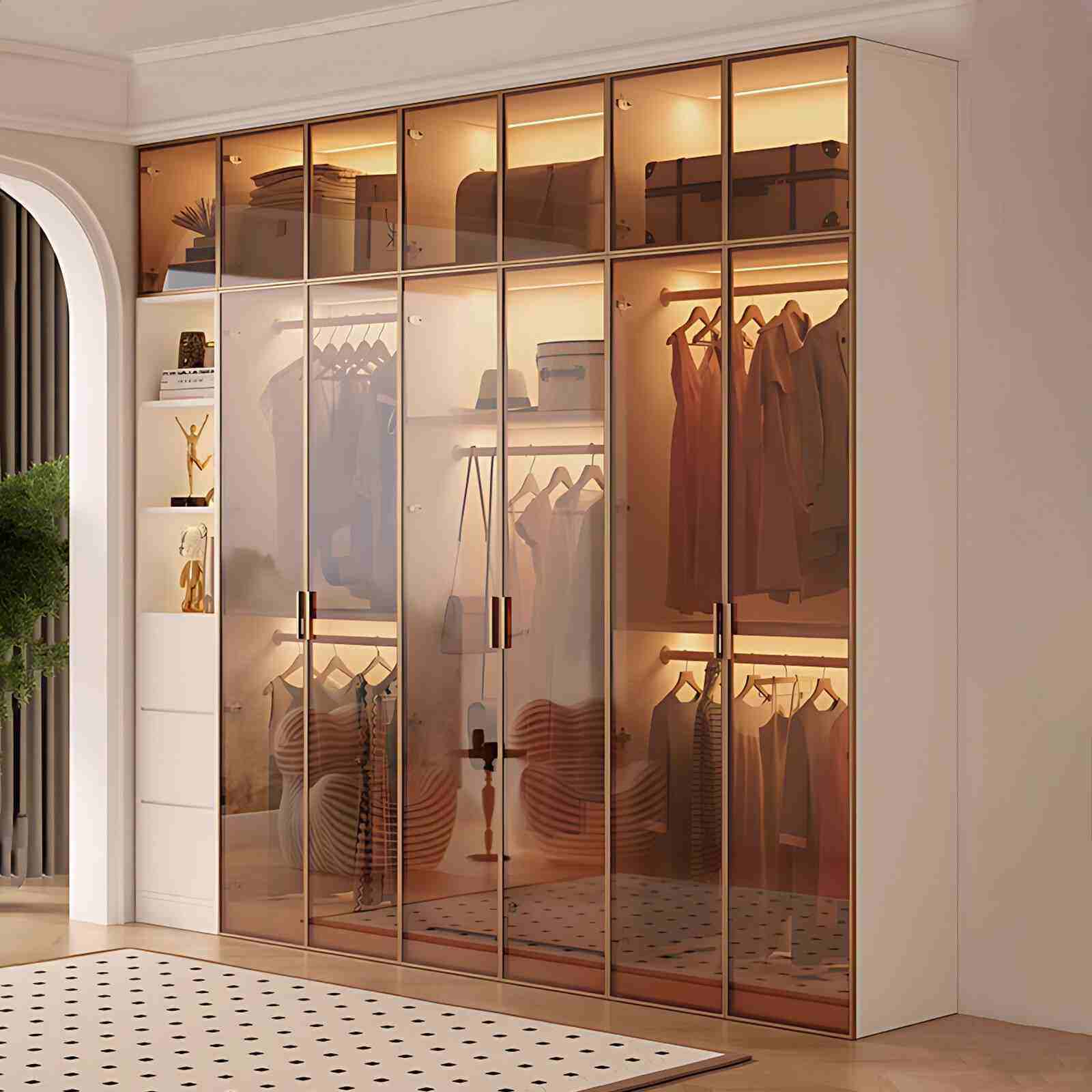
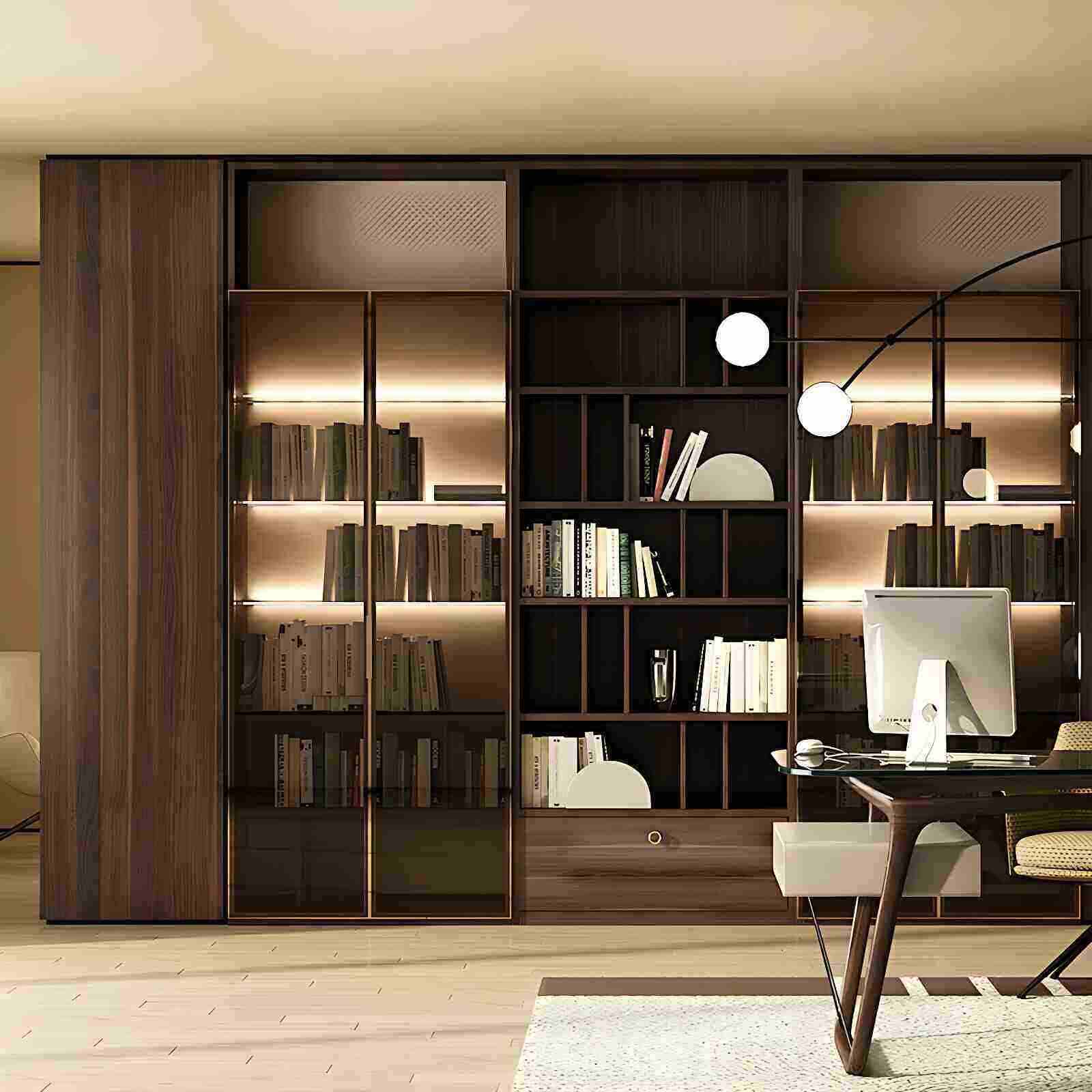
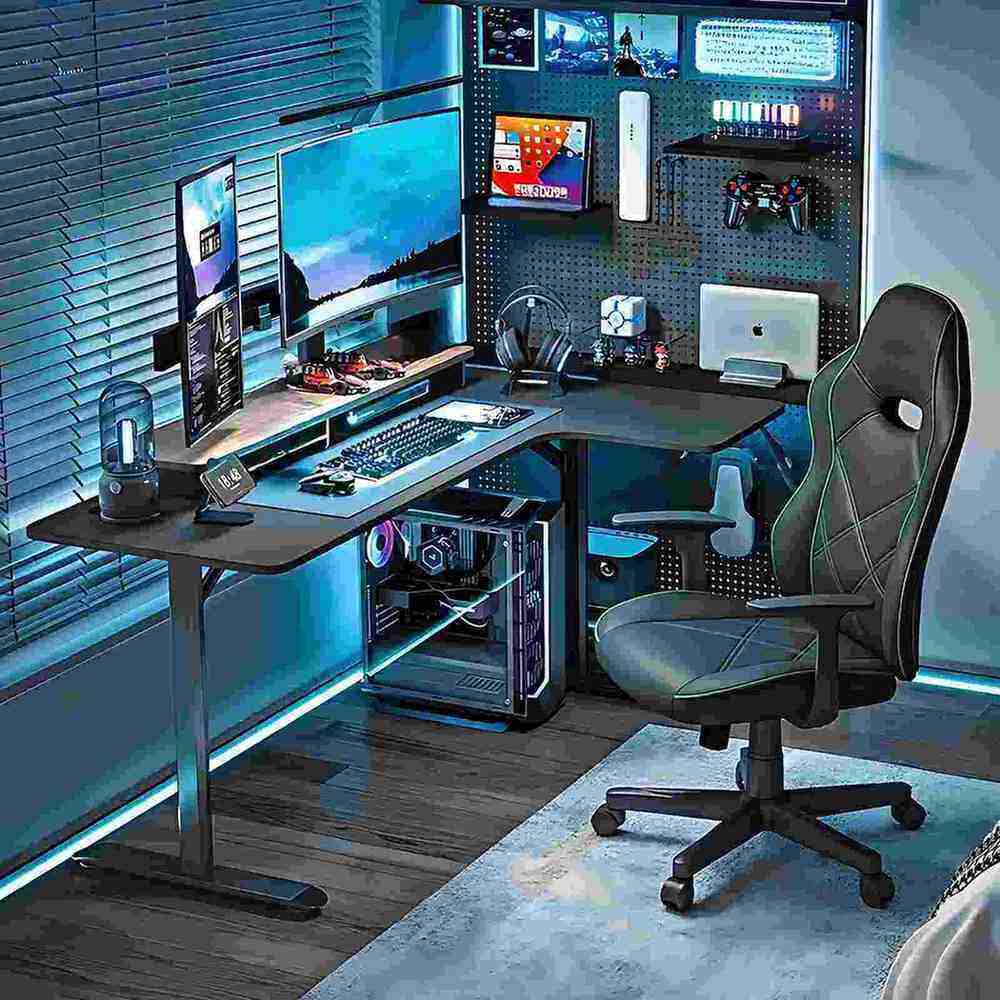
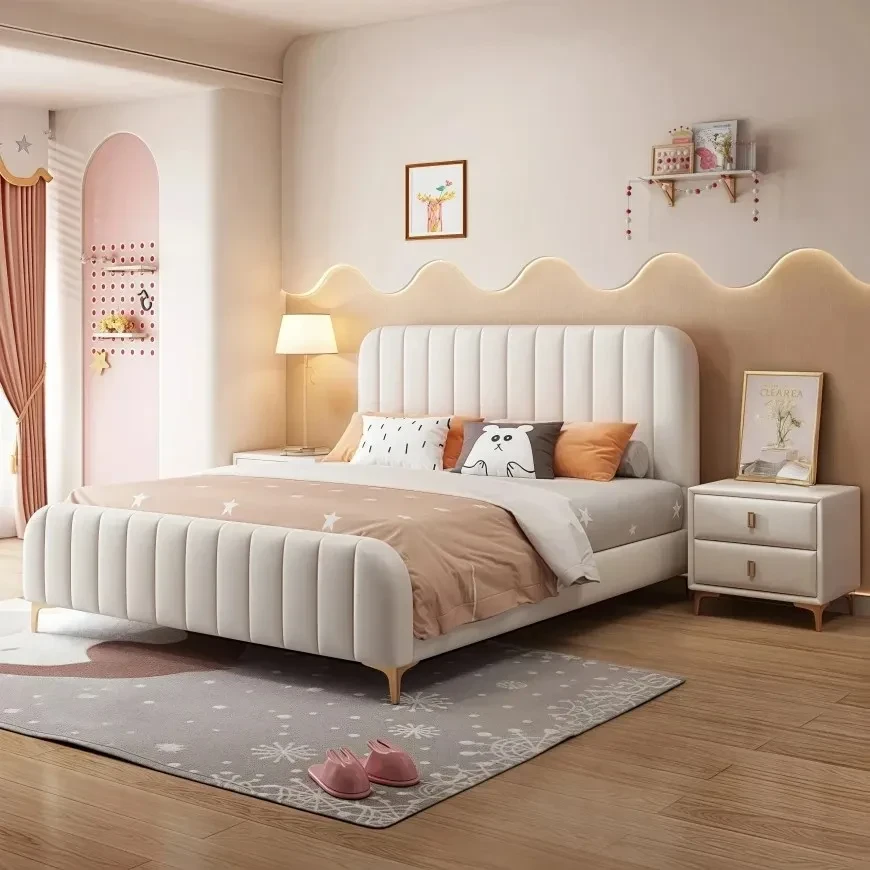
Social lifestyles have undergone significant changes due to economic shifts, and the high demand in the building materials market is one of the industries most benefiting from this change. When decorating their new homes, today's young consumers increasingly value brands and high-quality products, especially in terms of environmental protection and health. Therefore, in the board industry, more consumers are choosing the application of eco-friendly boards, particularly in custom furniture, especially in wardrobe manufacturing. Many people choose eco-friendly boards as the raw material for custom wardrobes. But are eco-friendly boards suitable for making wardrobes? What are the advantages and disadvantages of using them? Don't worry, we'll answer these questions one by one.
Advantages of eco-friendly board wardrobes
Even consumers unfamiliar with the wood-based panel industry know that every type of board has its advantages and disadvantages when used in wardrobe construction. The biggest advantage of wardrobes made from eco-friendly boards is their low formaldehyde content and minimal harmful odor, making them highly sought after by consumers. They also boast excellent moisture resistance, ensuring the quality of clothing is not damaged. Furthermore, the surface of eco-friendly boards is not easily scratched, maintaining the wardrobe's aesthetic appeal. Especially for today's younger consumers, eco-friendly boards offer a wide variety of types and patterns, resulting in very attractive wardrobes, particularly appealing to female consumers. The surface of eco-friendly boards has a natural protective film that withstands high temperatures and corrosion, leaving the surface intact – advantages that natural wood lacks. Therefore, the wood-based panel industry more readily uses eco-friendly boards for wardrobes, cabinets, TV cabinets, shoe cabinets, and office furniture.
Disadvantages of eco-friendly board wardrobes
Although eco-friendly boards are currently very popular in the wood-based panel industry and are sought after by many consumers, their disadvantages as a new material cannot be ignored. As an innovative product in the wood-based panel industry, new things generally lack complete standards, both technically and in terms of quality testing, and require time to mature. In particular, while eco-friendly board furniture has obvious advantages, solid wood furniture, as high-end furniture, holds a much larger market share.