
 USD
USD GBP
GBP
 EUR
EUR
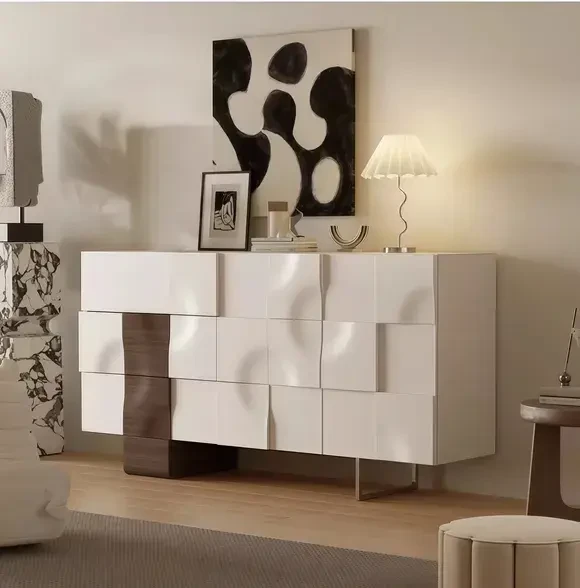
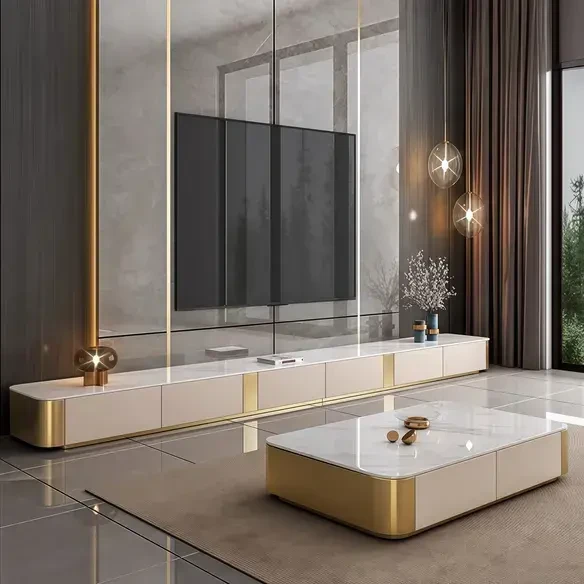
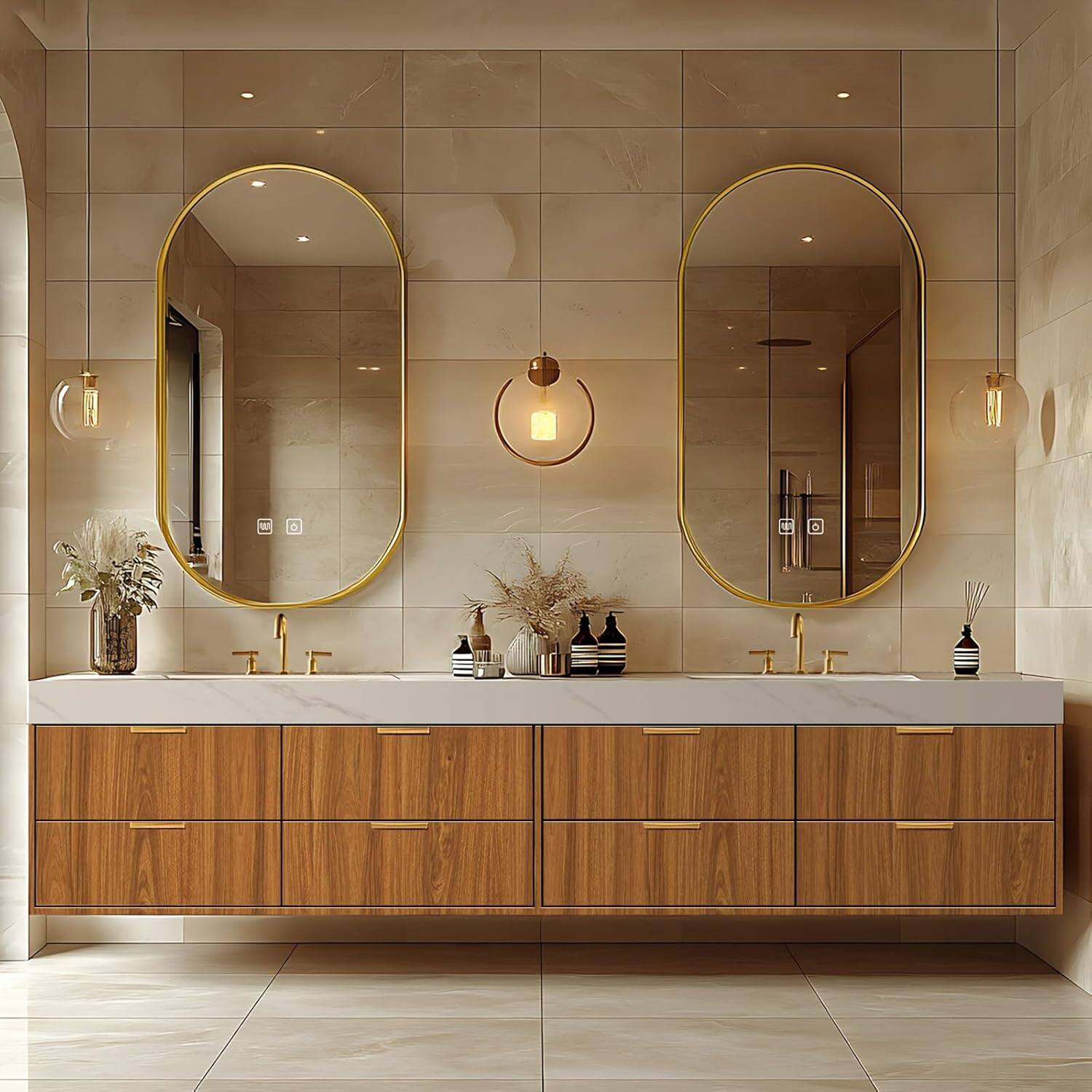
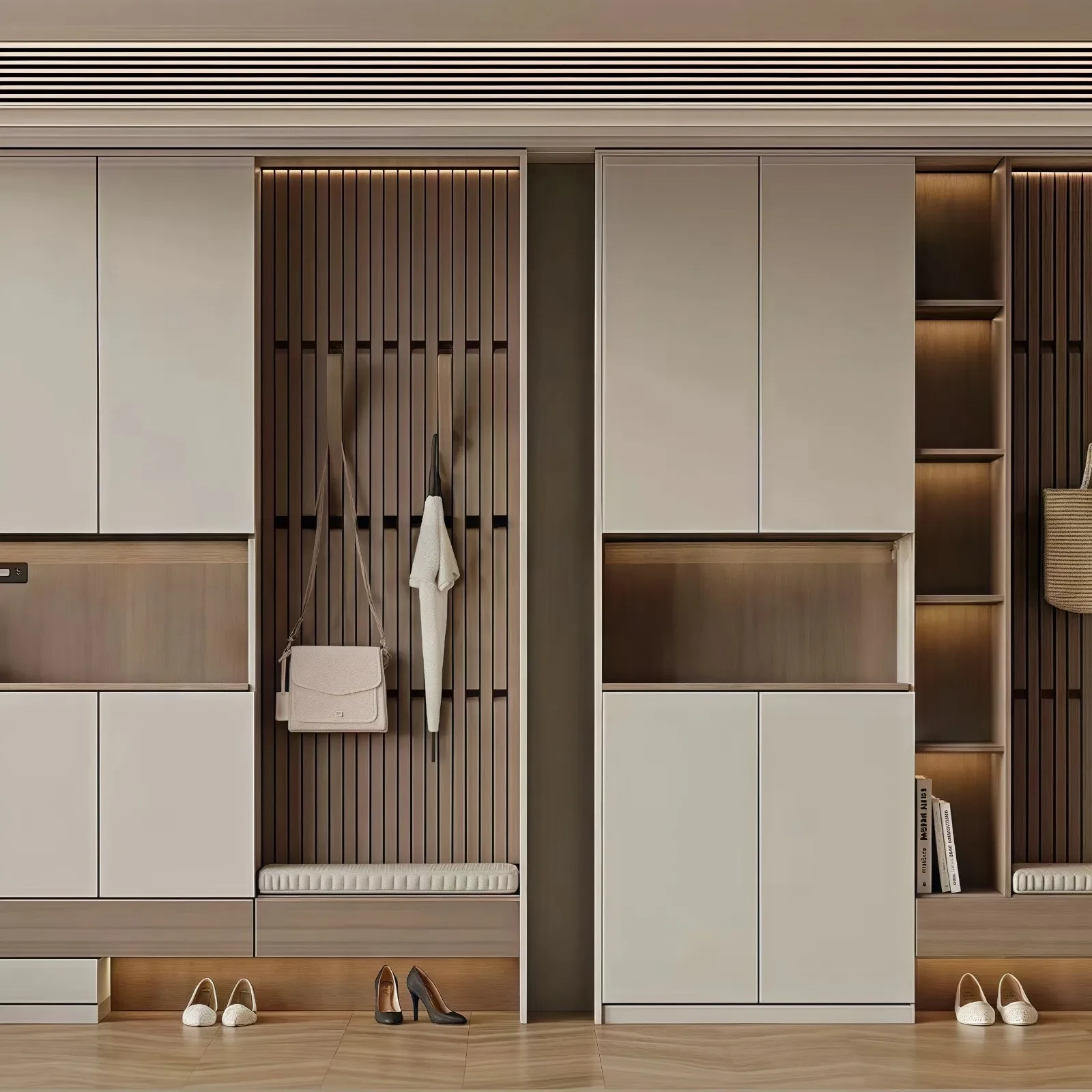
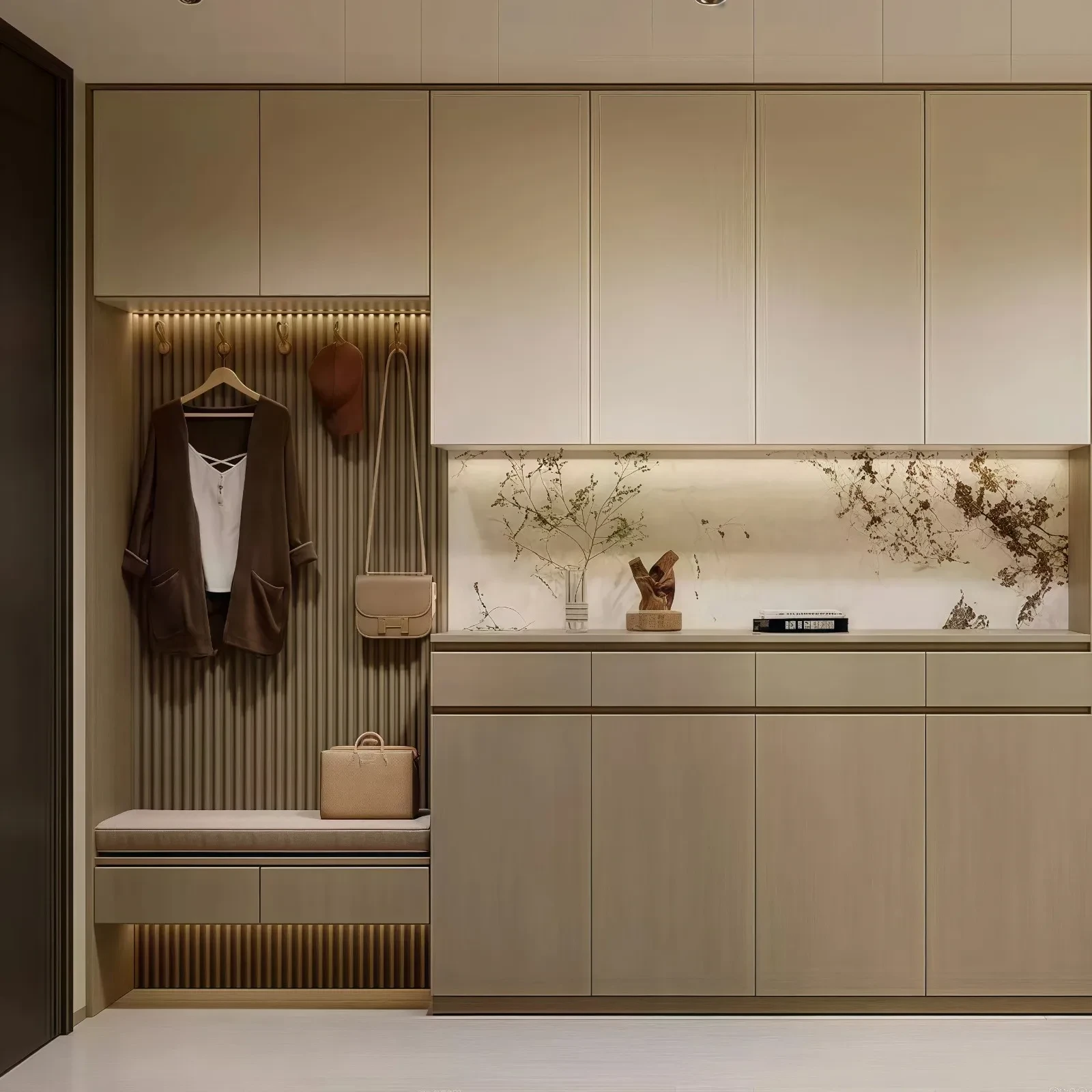
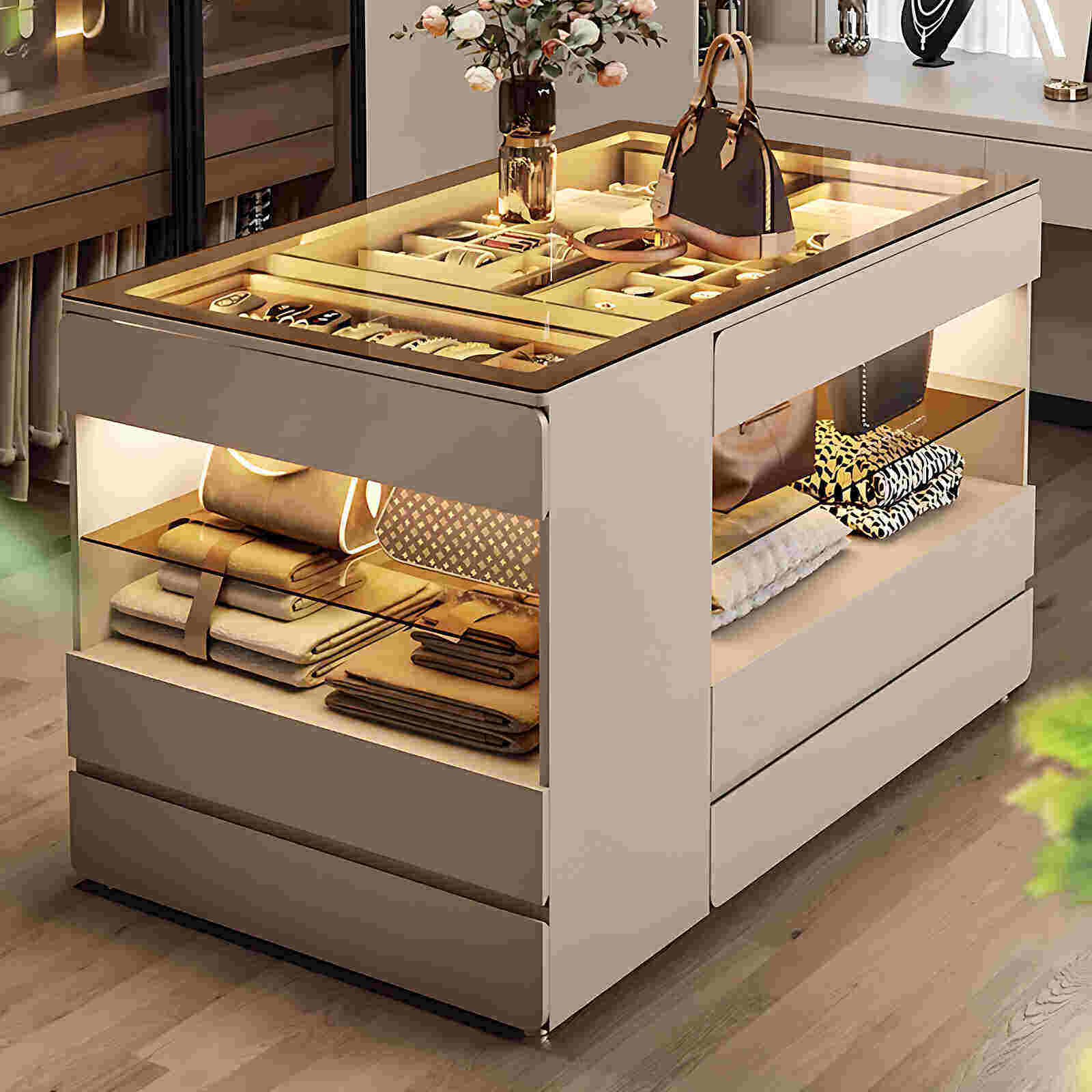
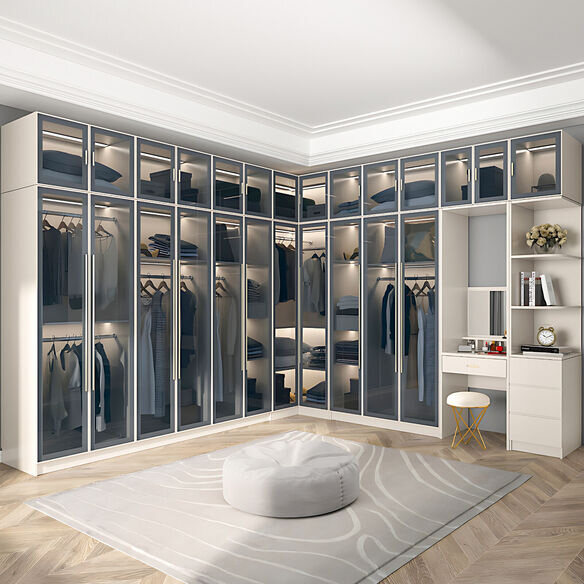
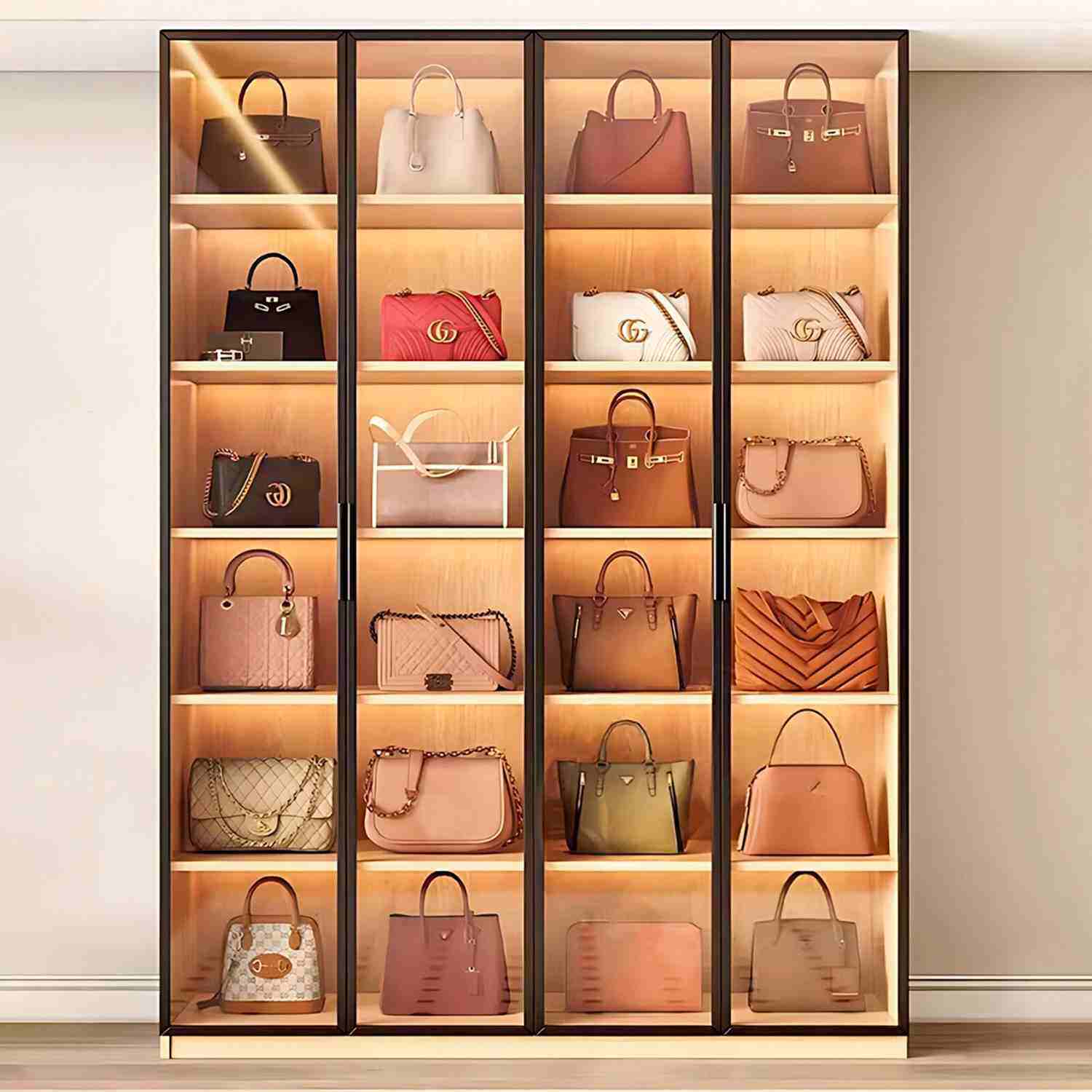
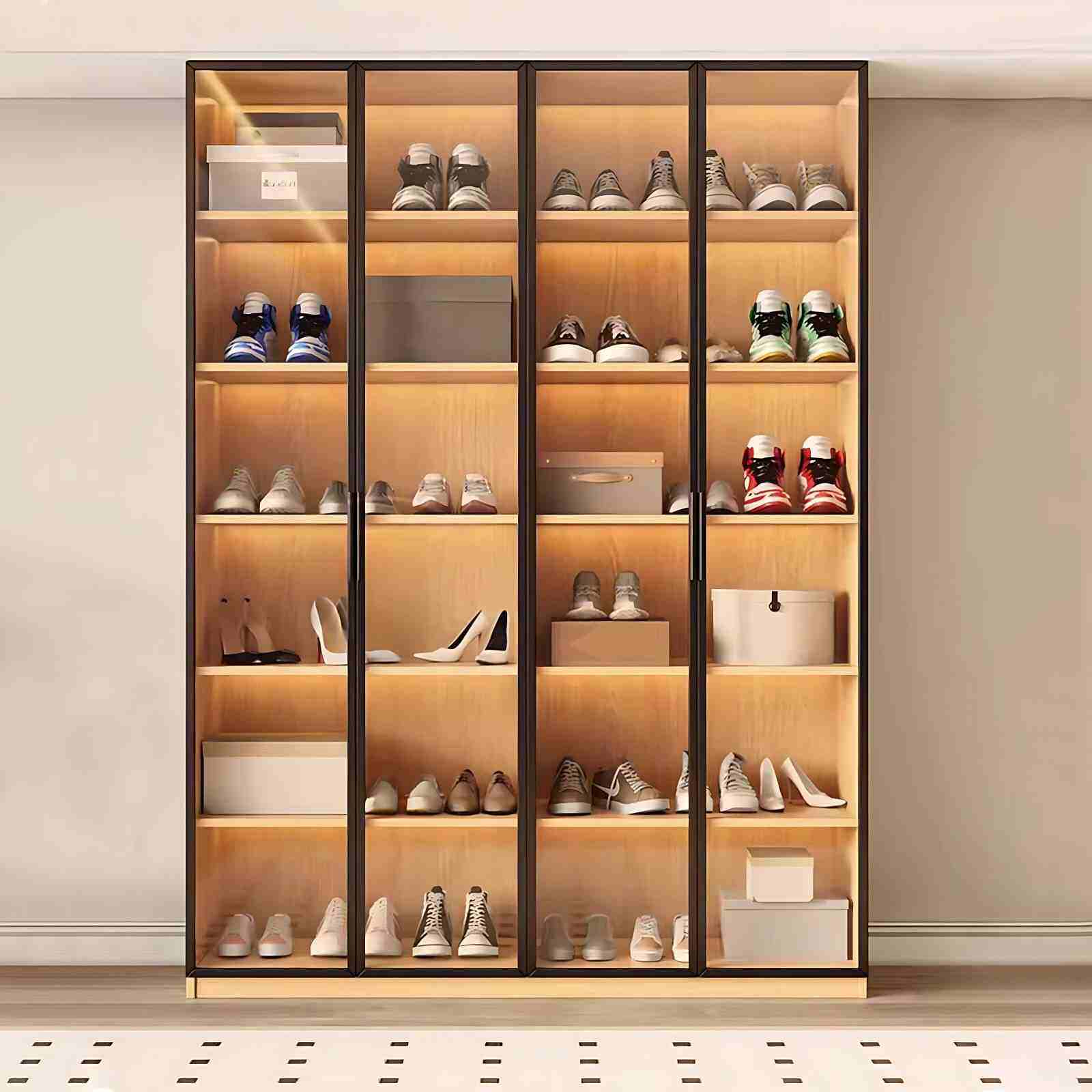
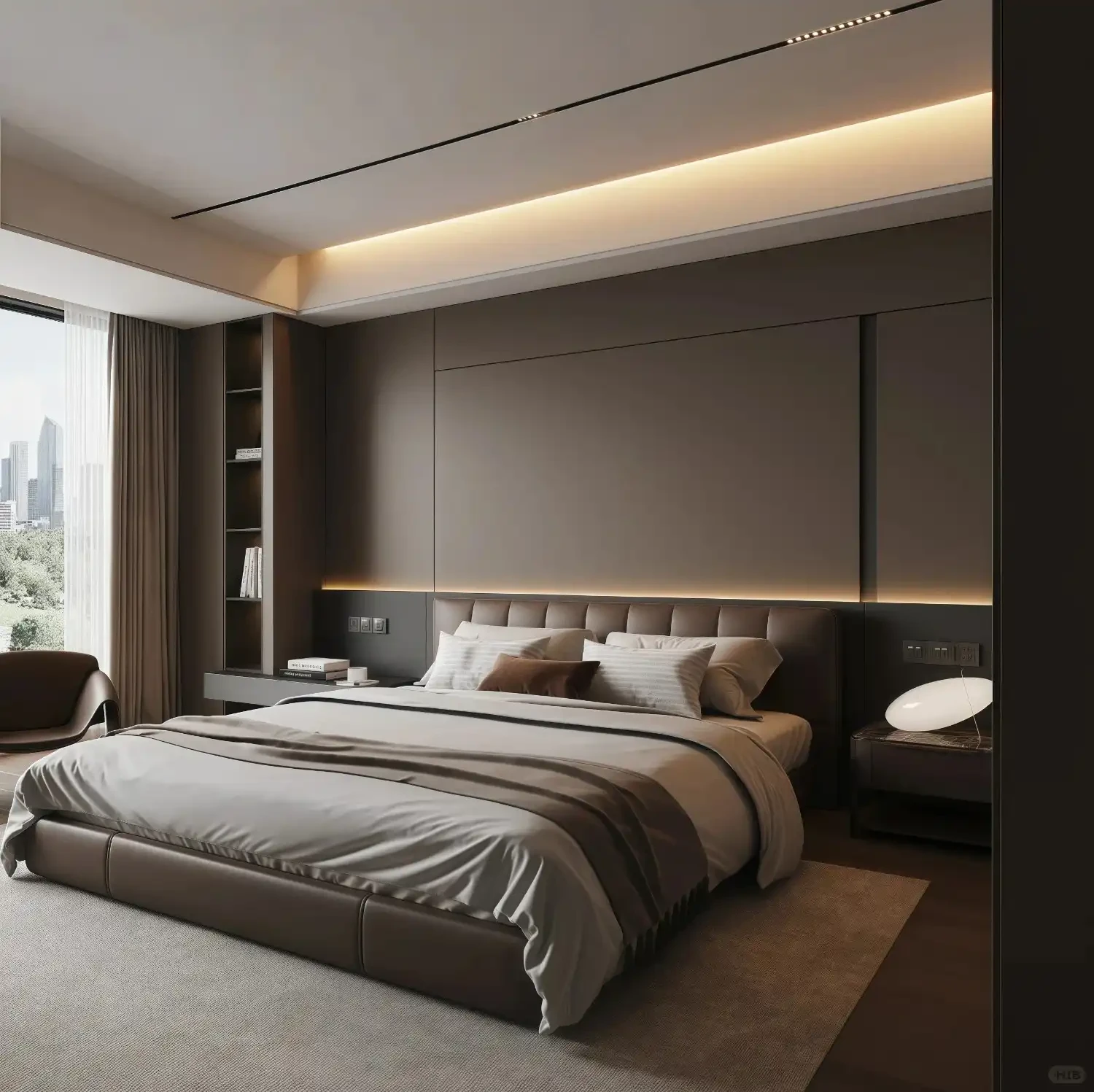
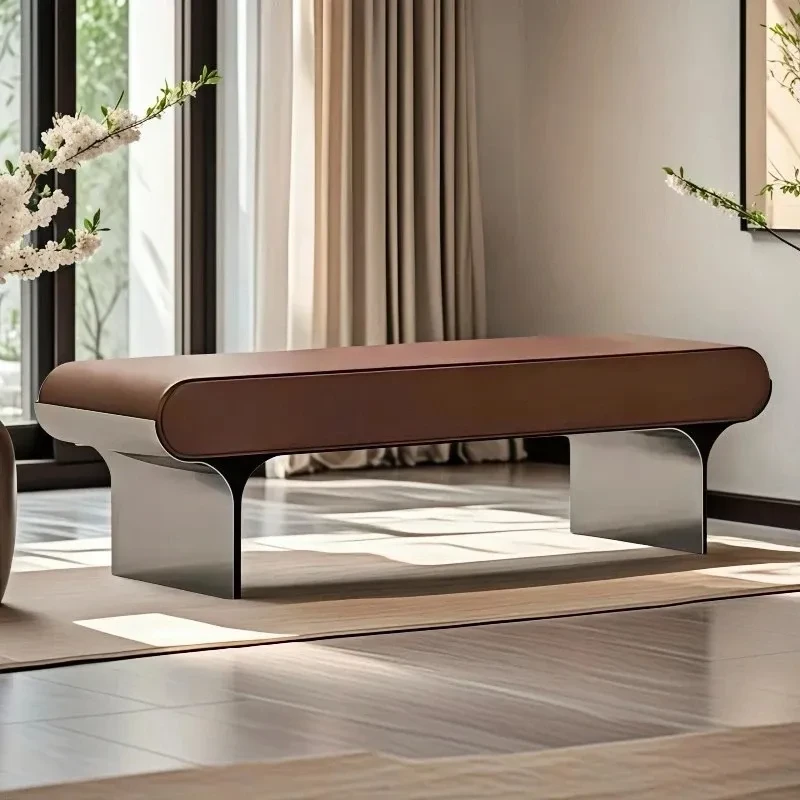


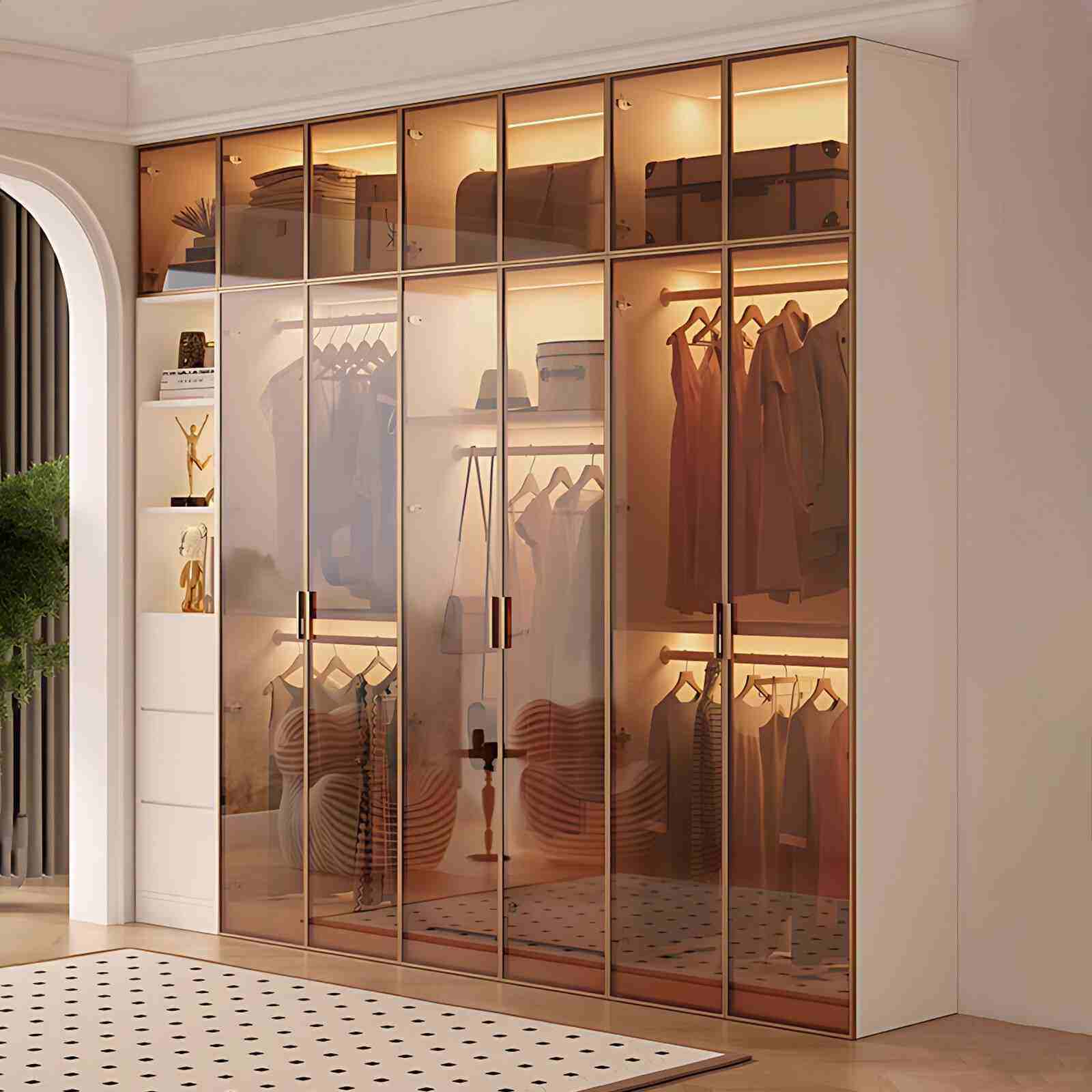
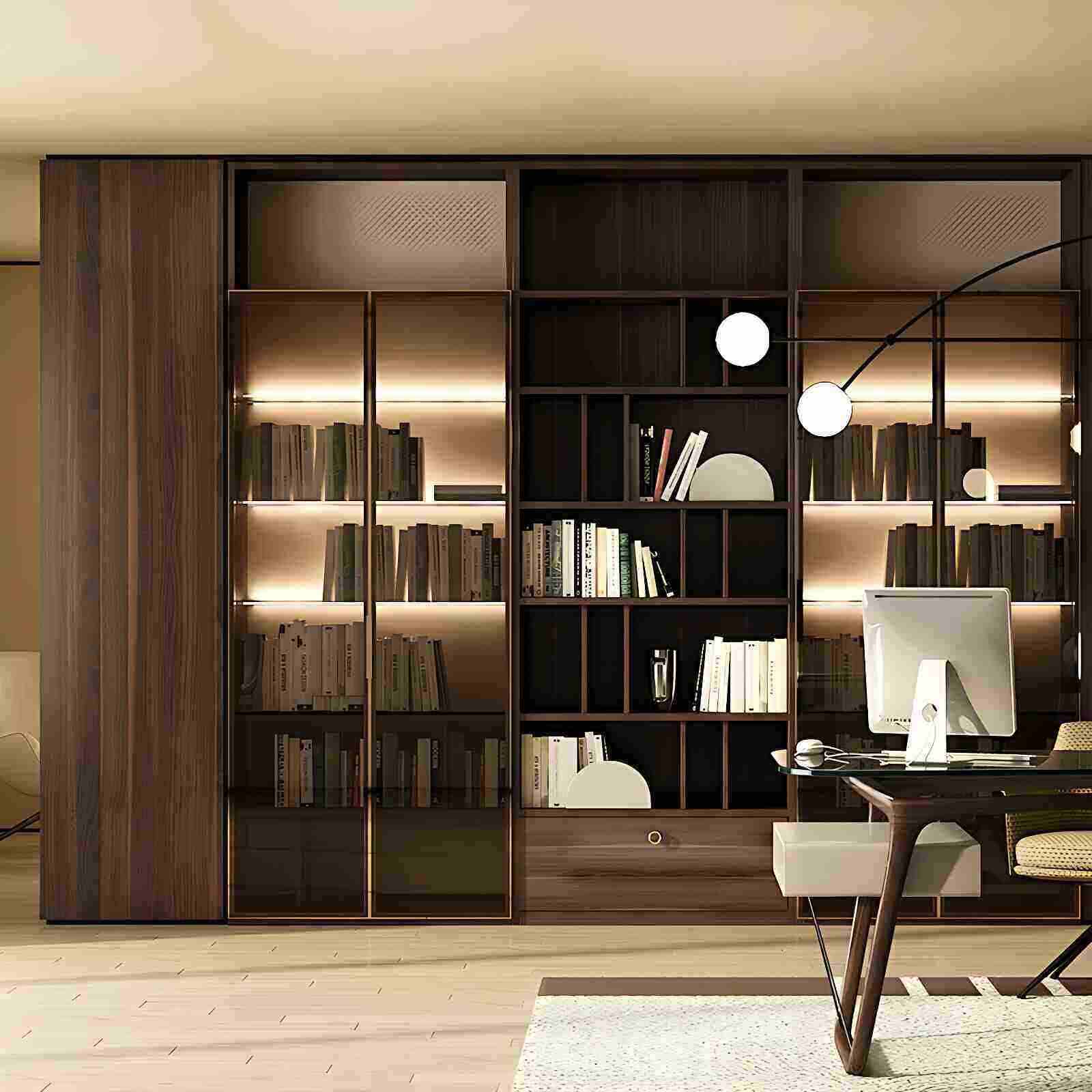
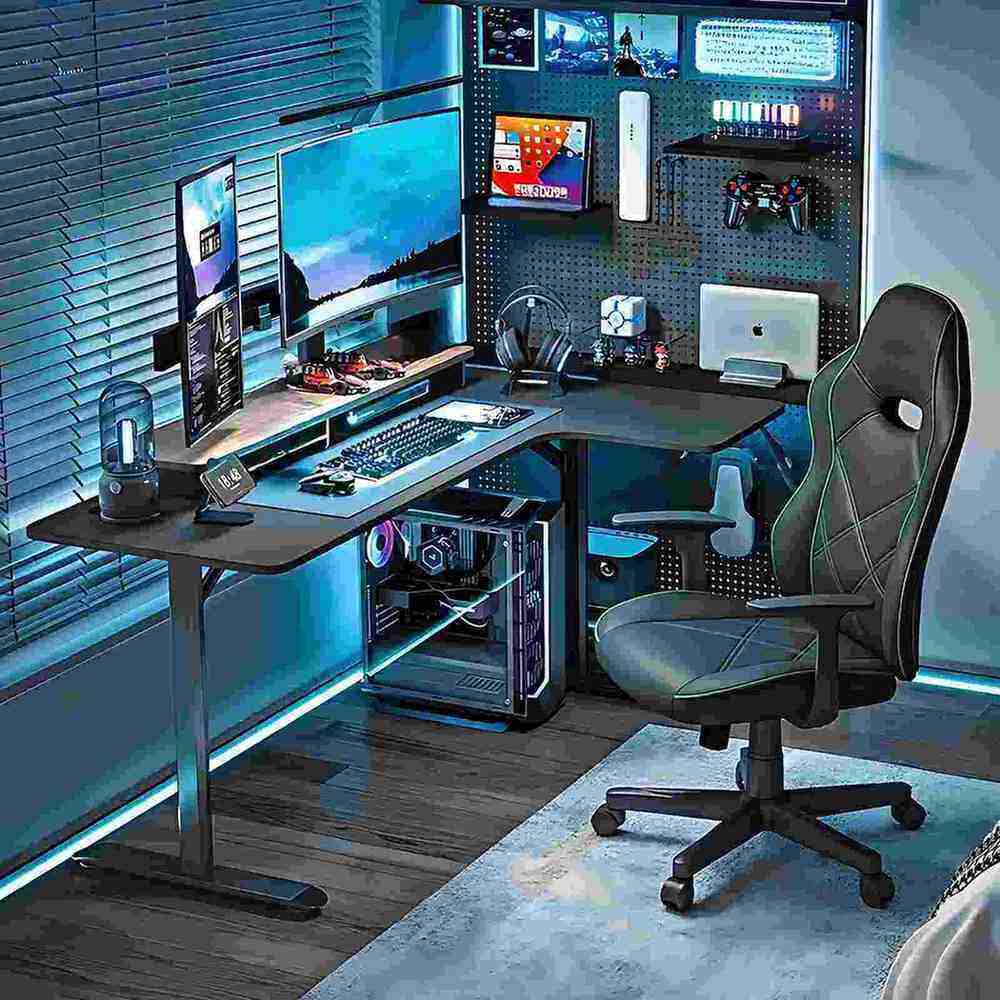
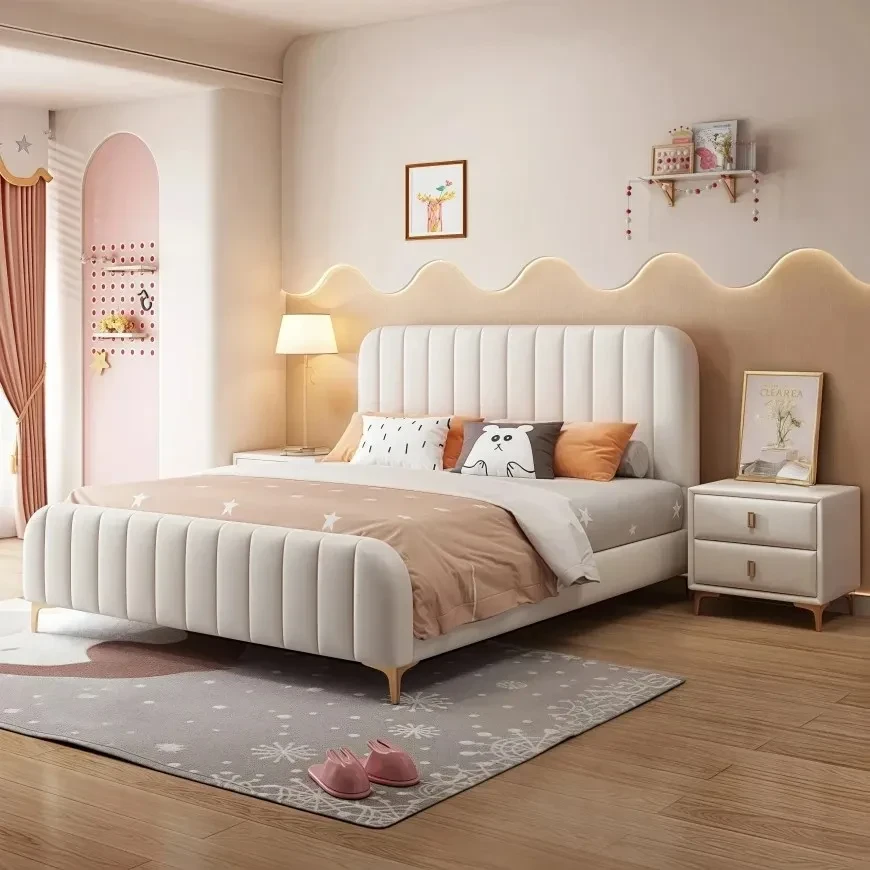
Veneer finishing is a crucial step in the production of panel furniture. It not only improves the wear resistance, heat resistance, water resistance, and corrosion resistance of the substrate surface, but also enhances the material's strength and dimensional stability. However, various problems often arise during the lamination process. Zhoubao has summarized two common issues for you to consider.
01. Bubbling or delamination appearing over large or small areas
In this situation, first peel the veneer material off the substrate surface and observe the adhesion between the veneer material, substrate, and adhesive at the bubbly area. If almost no adhesive remains on the substrate surface, it indicates that the substrate and the adhesive are incompatible. In this case, the adhesive can be replaced, or the substrate surface can be sanded to improve its surface quality and thus enhance the adhesive strength. If the peeled veneer material has many substrate fragments attached, it means that the internal bond strength of the substrate does not meet the strength requirements of the veneer material. The simplest solution is to select a more suitable substrate.
02. Uneven surface appears after finishing.
The main reason for unevenness after finishing is that the thickness deviation of the substrate is too large. This can be reduced by sanding to meet the requirements of the veneer process.
Whether it's wood veneer or decorative paper veneer, some quality problems will arise during the processing. To summarize the two points above, the most important problems encountered in the veneer process are uneven substrate surface and substandard surface quality.
The smoothness and flatness of the substrate surface, the bonding strength of the inner surface, and the uniformity of thickness all affect the quality of the veneer. At the same time, small areas of glue spots, paraffin spots, oil stains, and other impurities on the surface of the substrate can affect the penetration of the adhesive, making it impossible for the substrate and the veneer paper to bond well, which can lead to problems such as delamination and bubbling.
The process of treating the substrate surface is the key to solving the problem of bonding strength.
LSB High-Energy Home Furnishing Board
Ultra-smooth finish, all-around versatile
LSB High-Energy Home Furnishing Board is made from carefully selected high-quality pine wood with few knots and wormholes from regions between 34° and 47° south latitude. After degreasing, the wood is planed into thin, long, and evenly shaped planks, then bonded together with formaldehyde-free MDI glue under high temperature and pressure to form a engineered wood product.
Unlike poplar, which is generally soft and has low strength and hardness, and eucalyptus, which has high internal stress, is prone to cracking, and has a relatively hard texture, pine has straight grain and medium texture; the heartwood is rot-resistant, and the sapwood is easy to process into preservative-resistant materials.
The key point is:
Fully automatic three-stage sanding and one-stage molding
Meets various surface bonding requirements
LSB finished unfinished panels
LSB high-energy home furnishing board is formed in one piece through 65 processes, with uniform density, strength and thickness. It is processed without chipping or burrs and without wasting tools. The fully automatic equipment performs three sanding processes, resulting in an ultra-flat surface comparable to medium and high density fiberboard. It can meet the requirements of various surface laminations such as melamine paper, UV, and PET, and the lamination efficiency is higher.