
 USD
USD GBP
GBP
 EUR
EUR
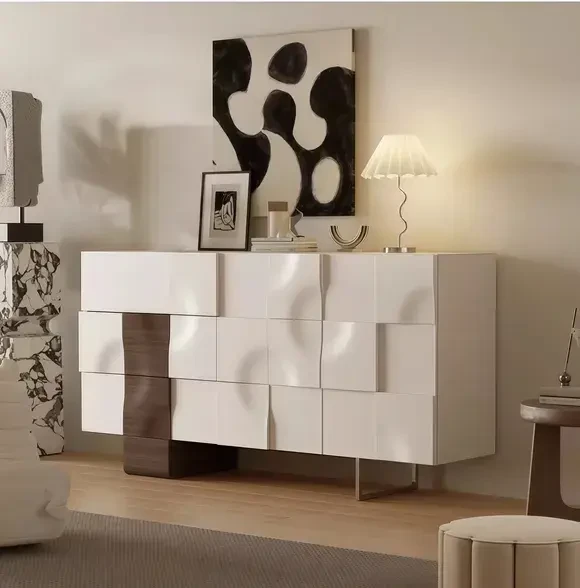
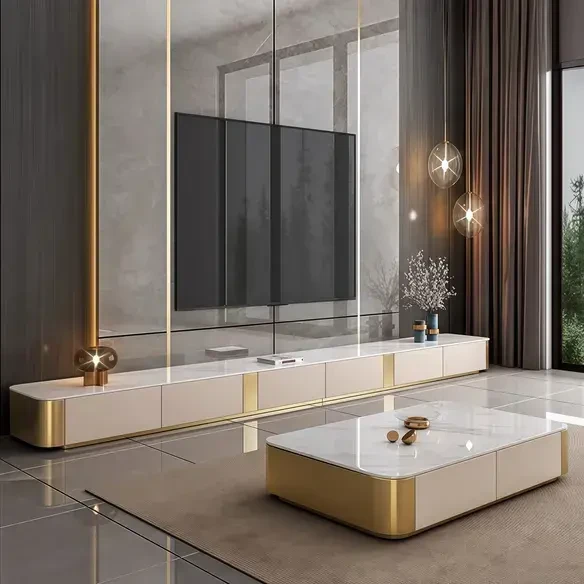
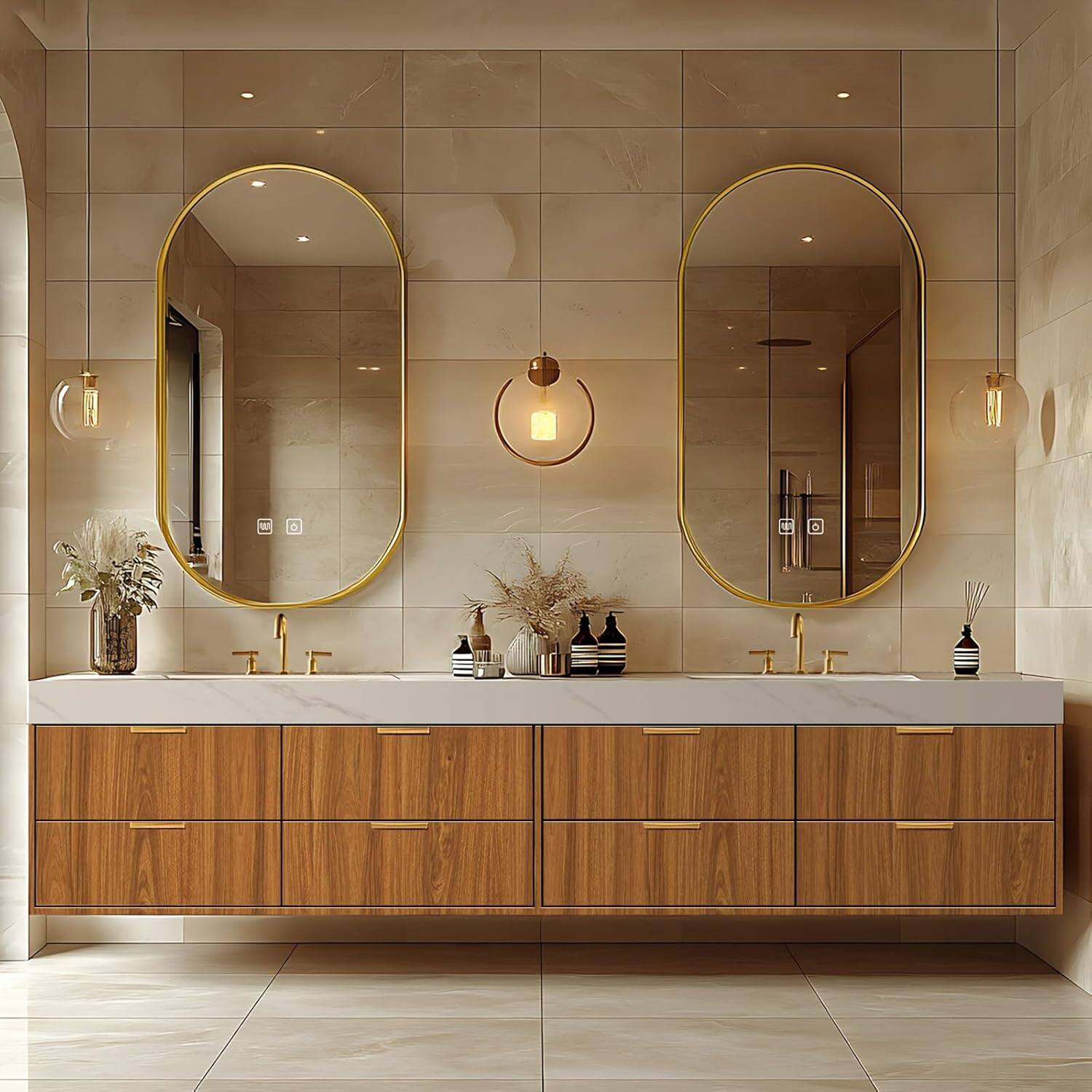
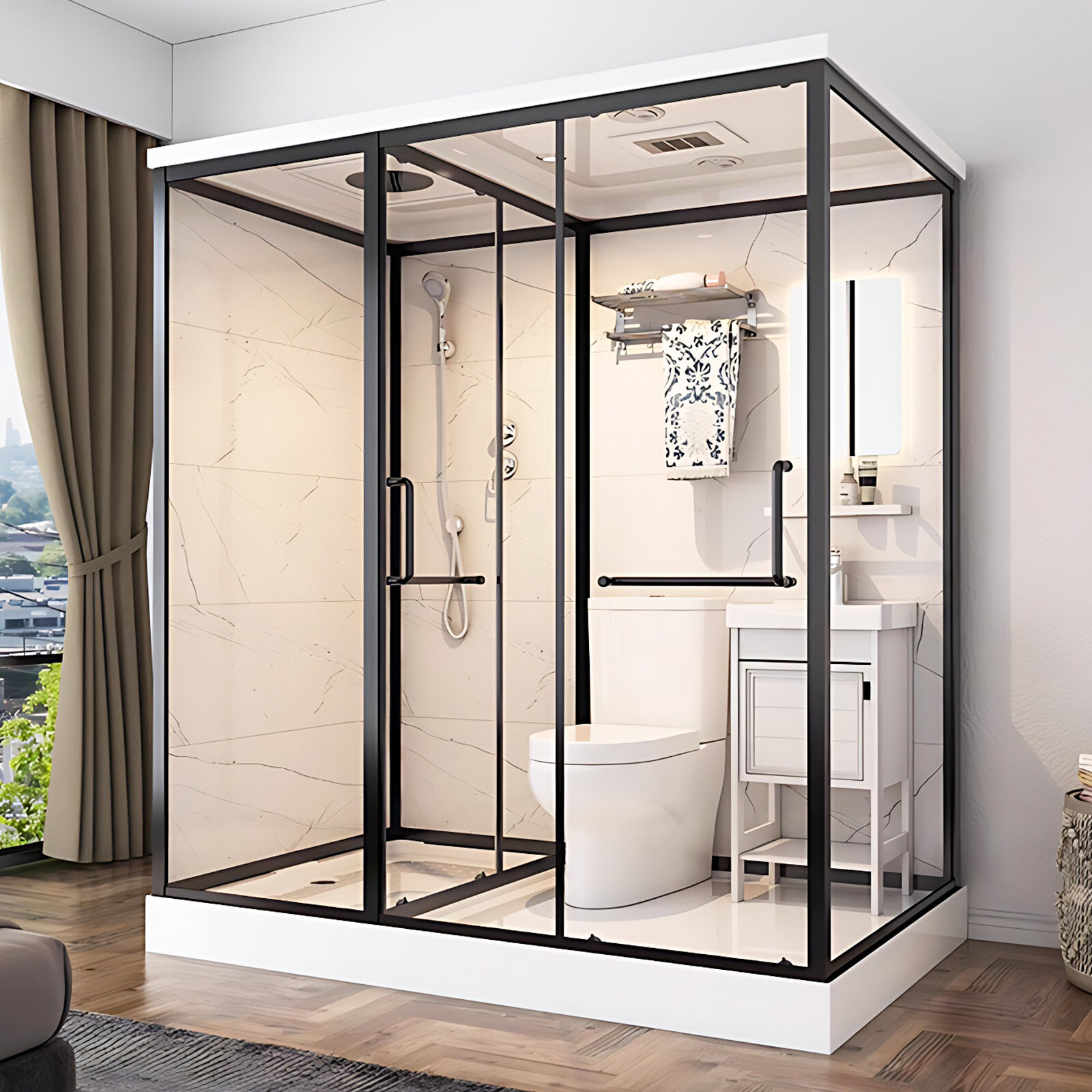
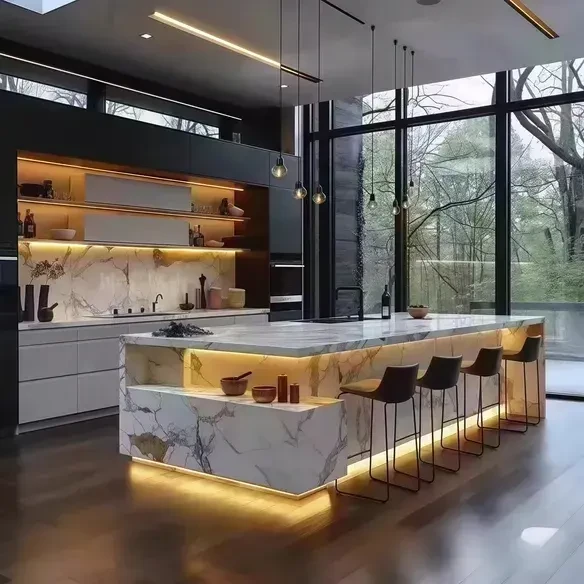
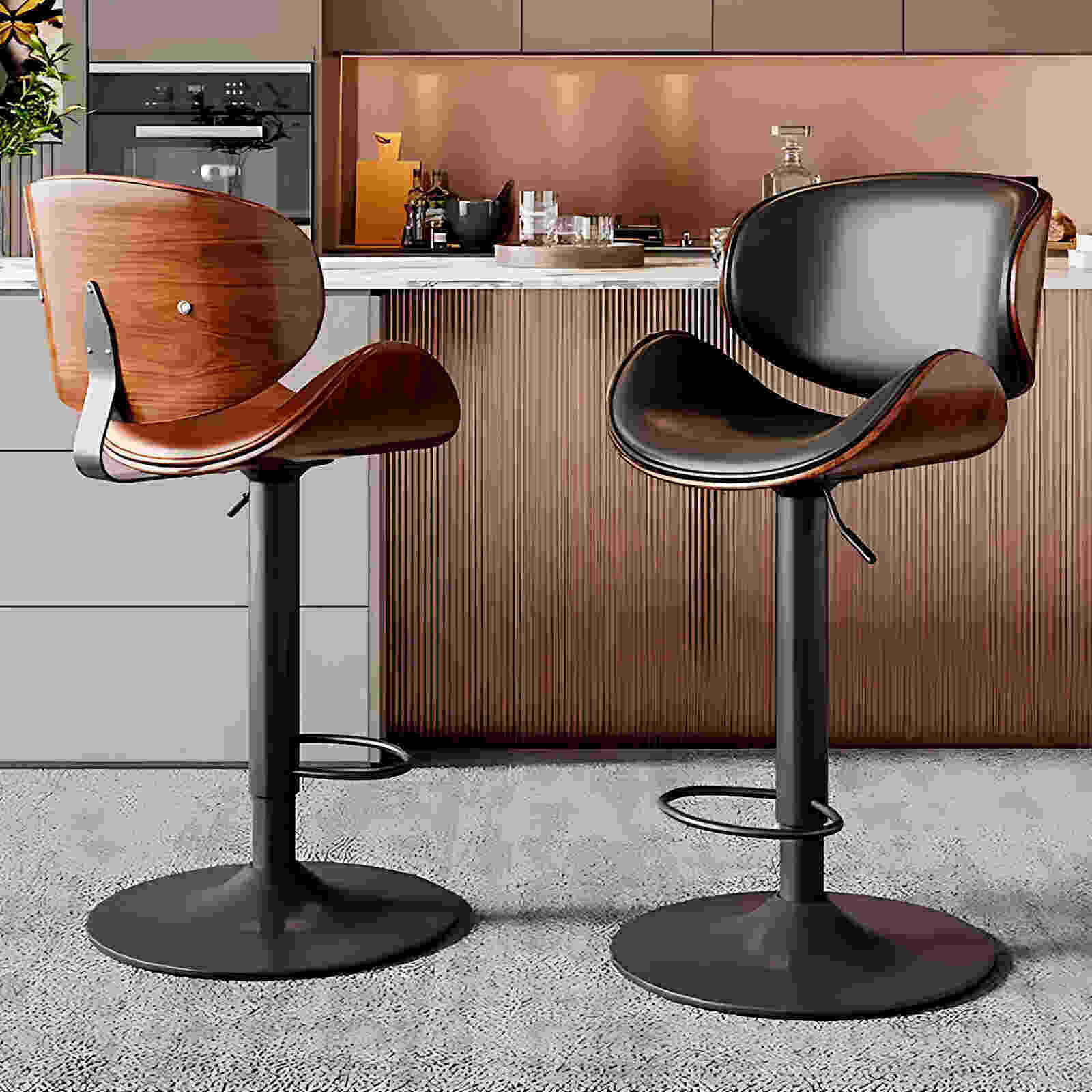
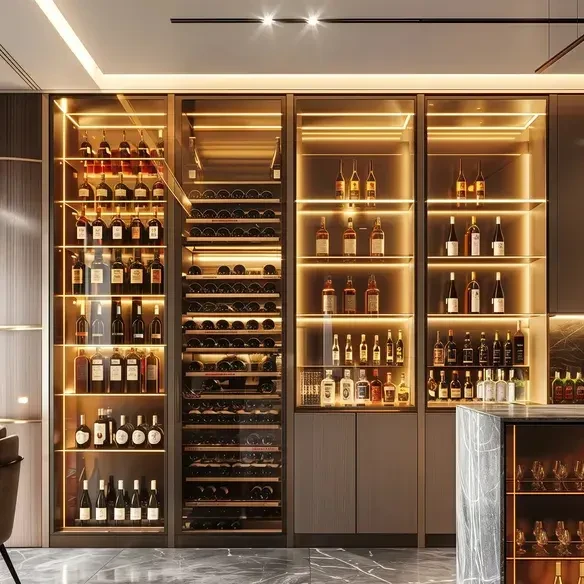
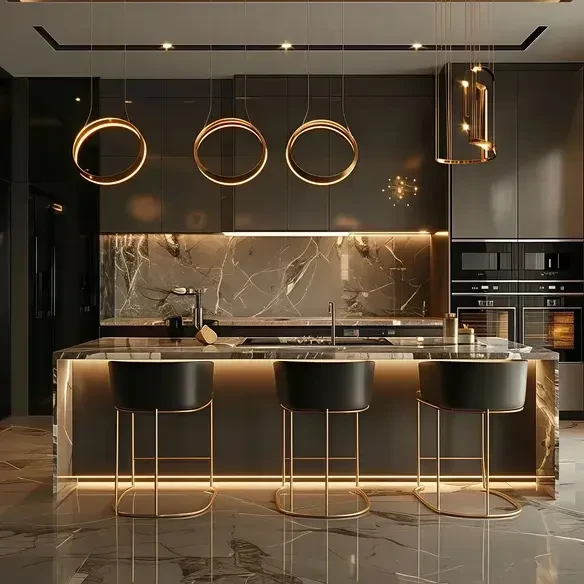
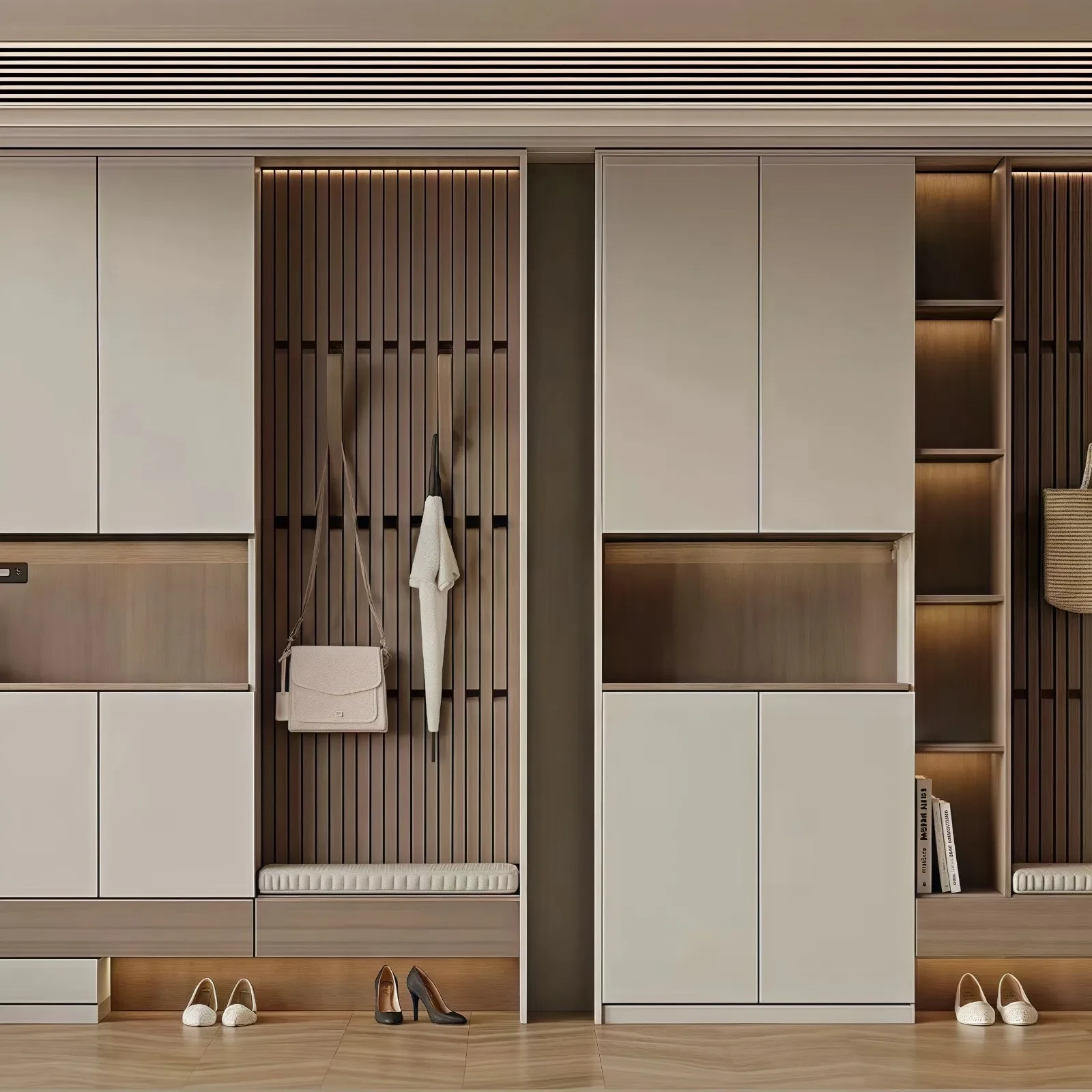
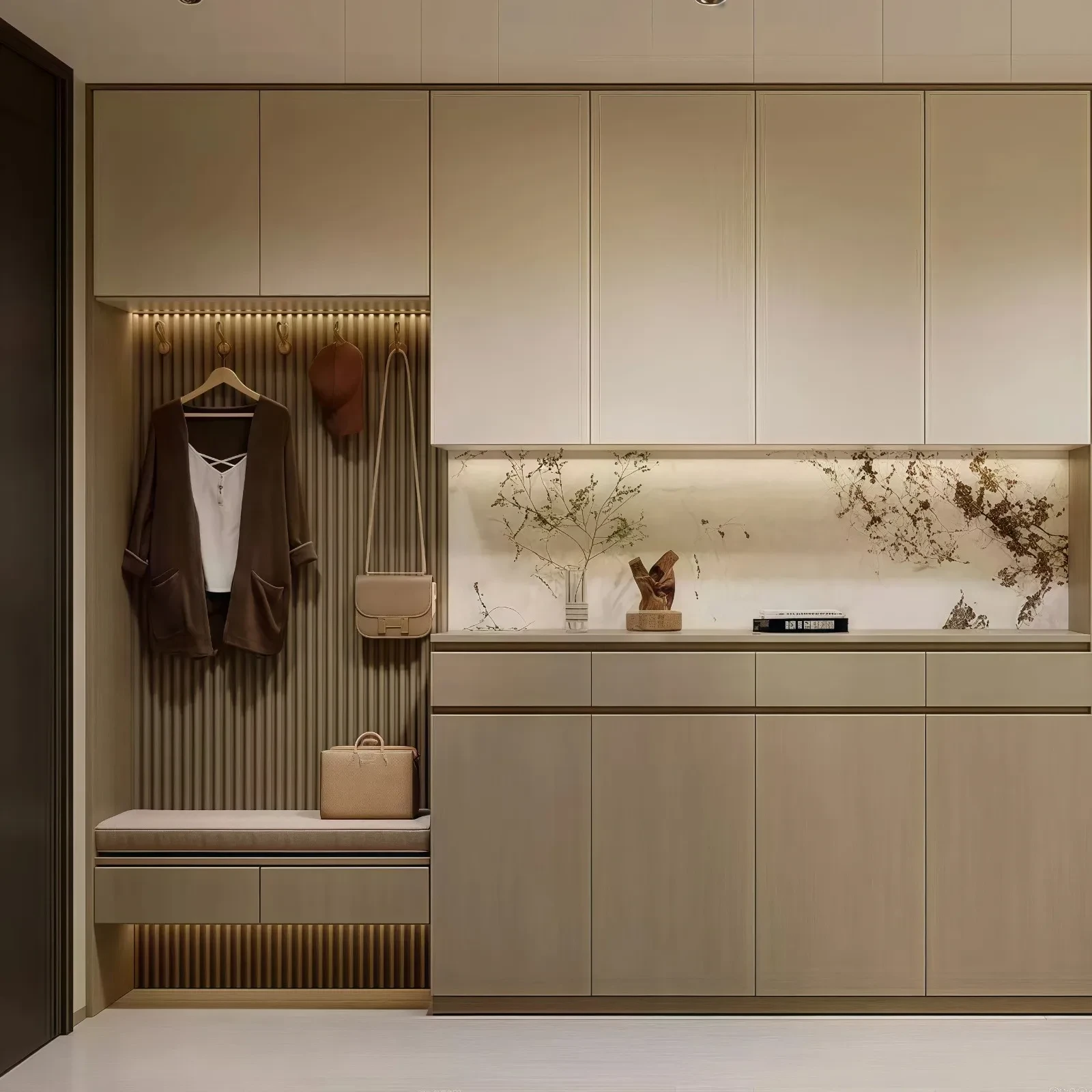
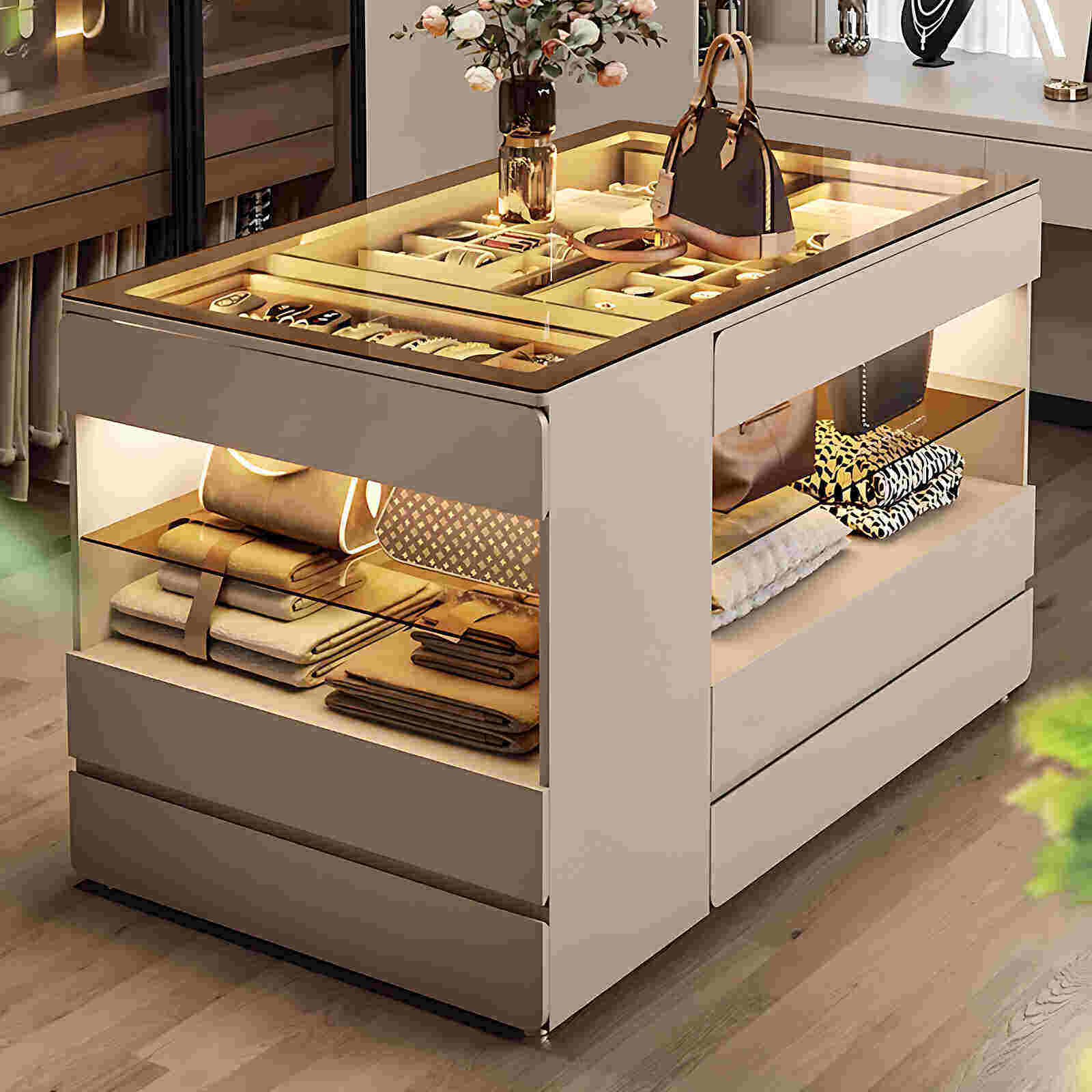
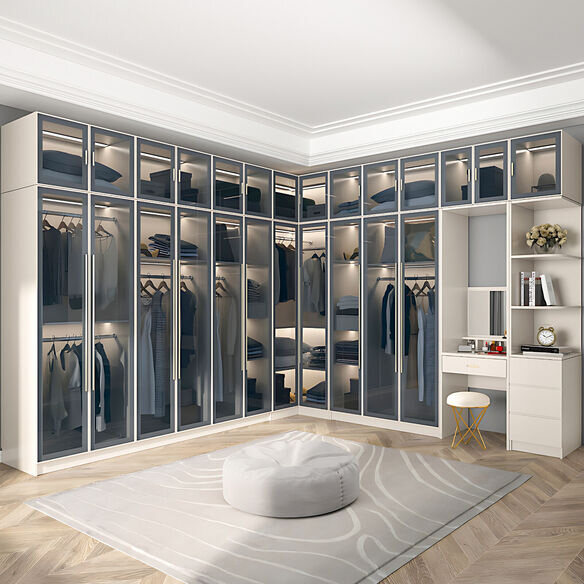
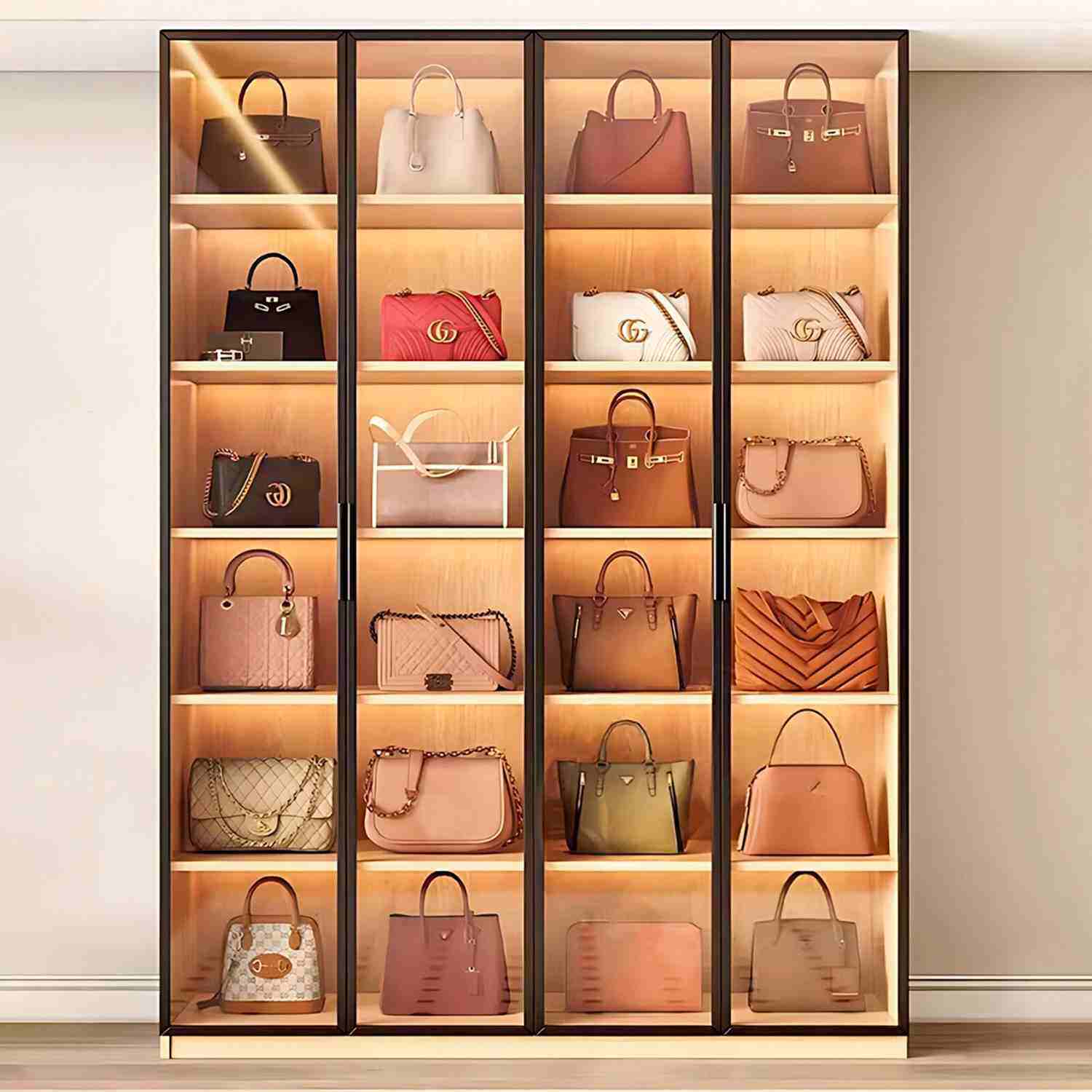
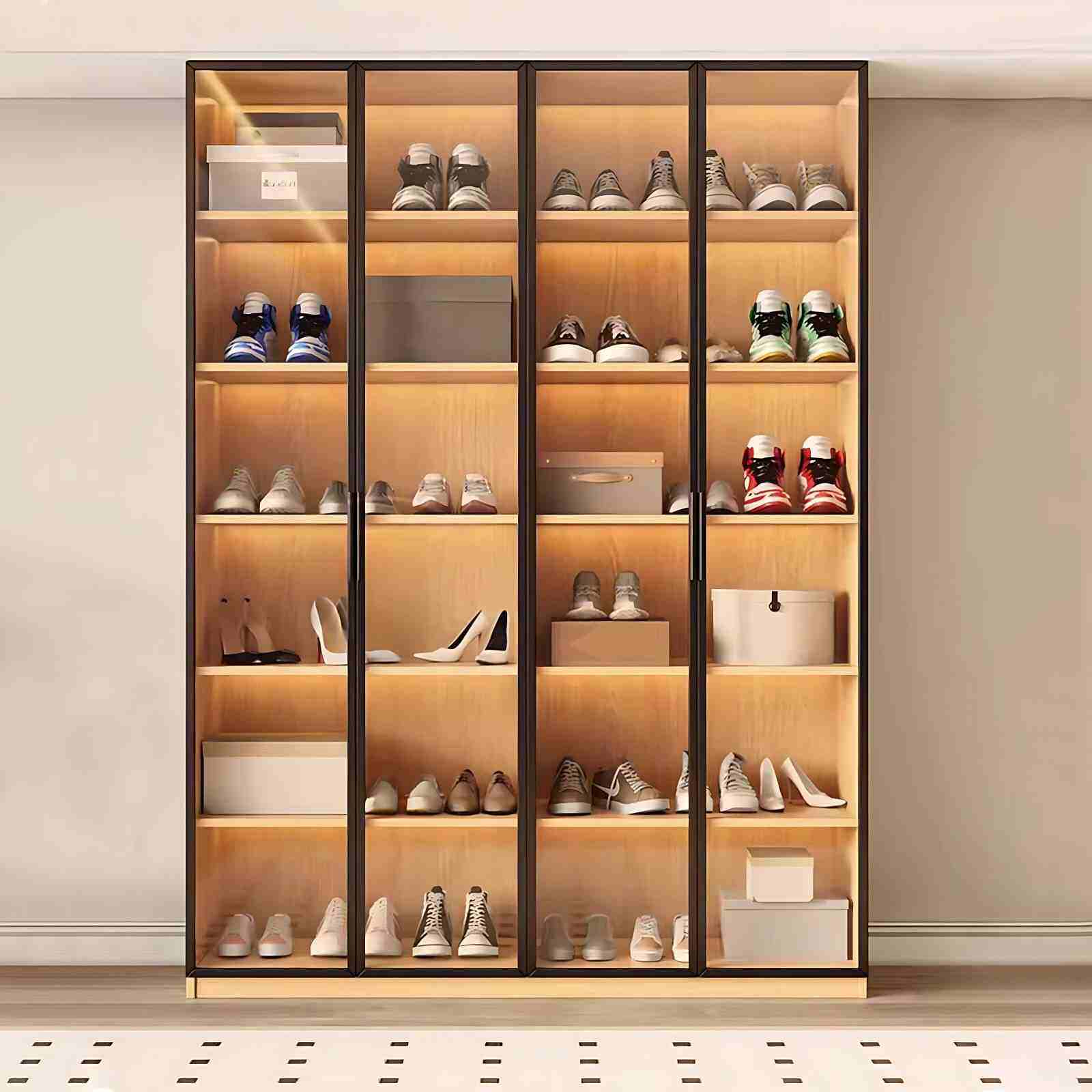
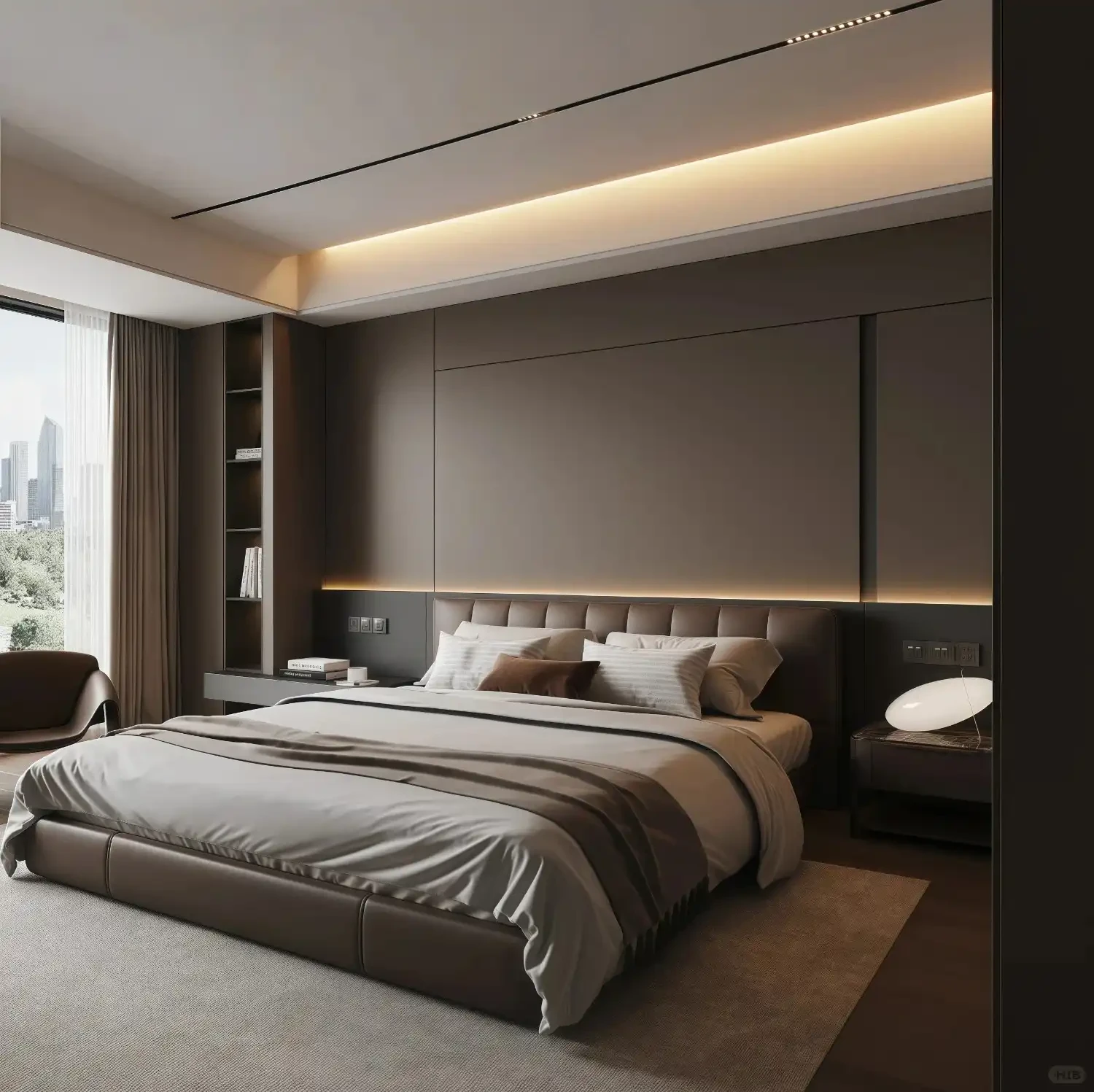
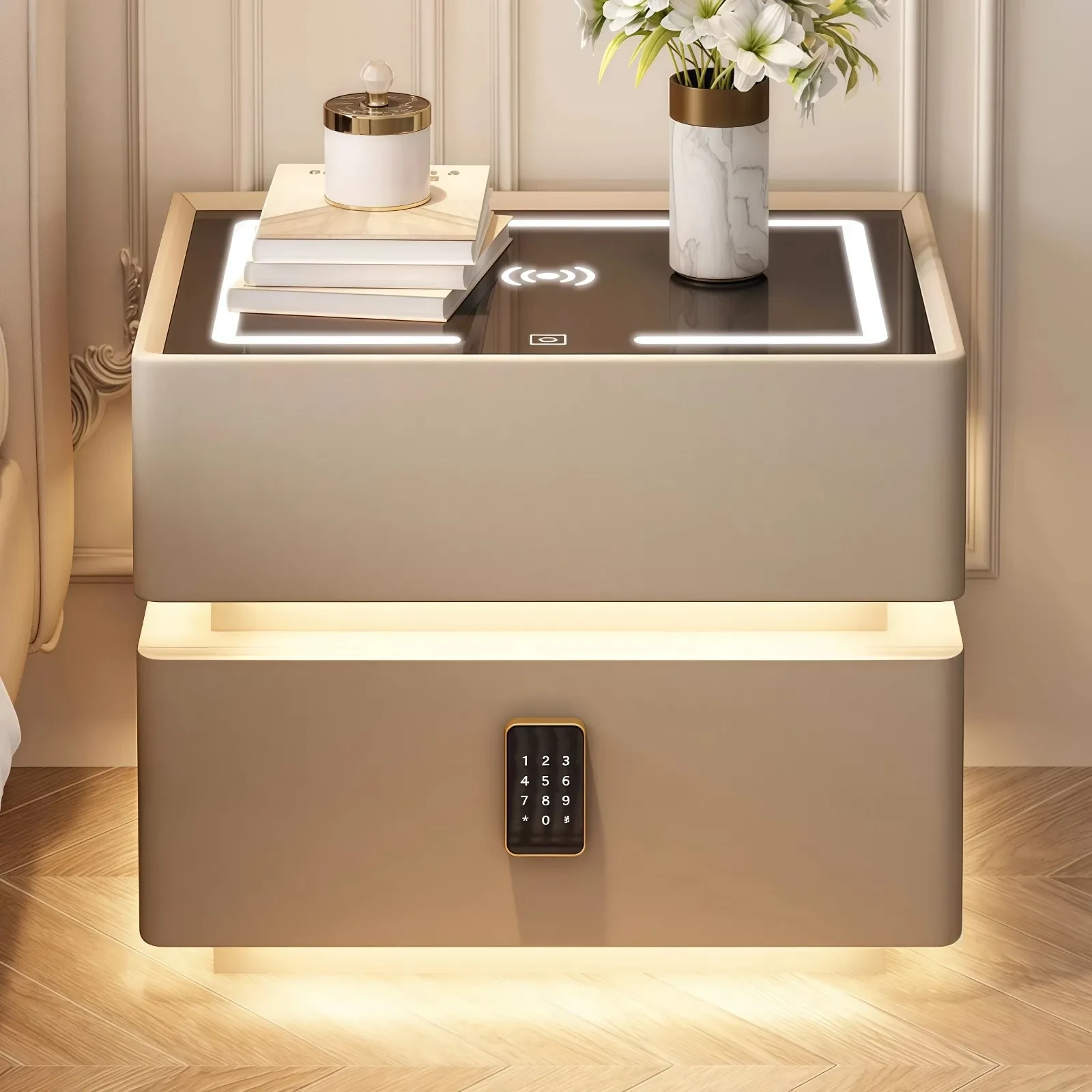
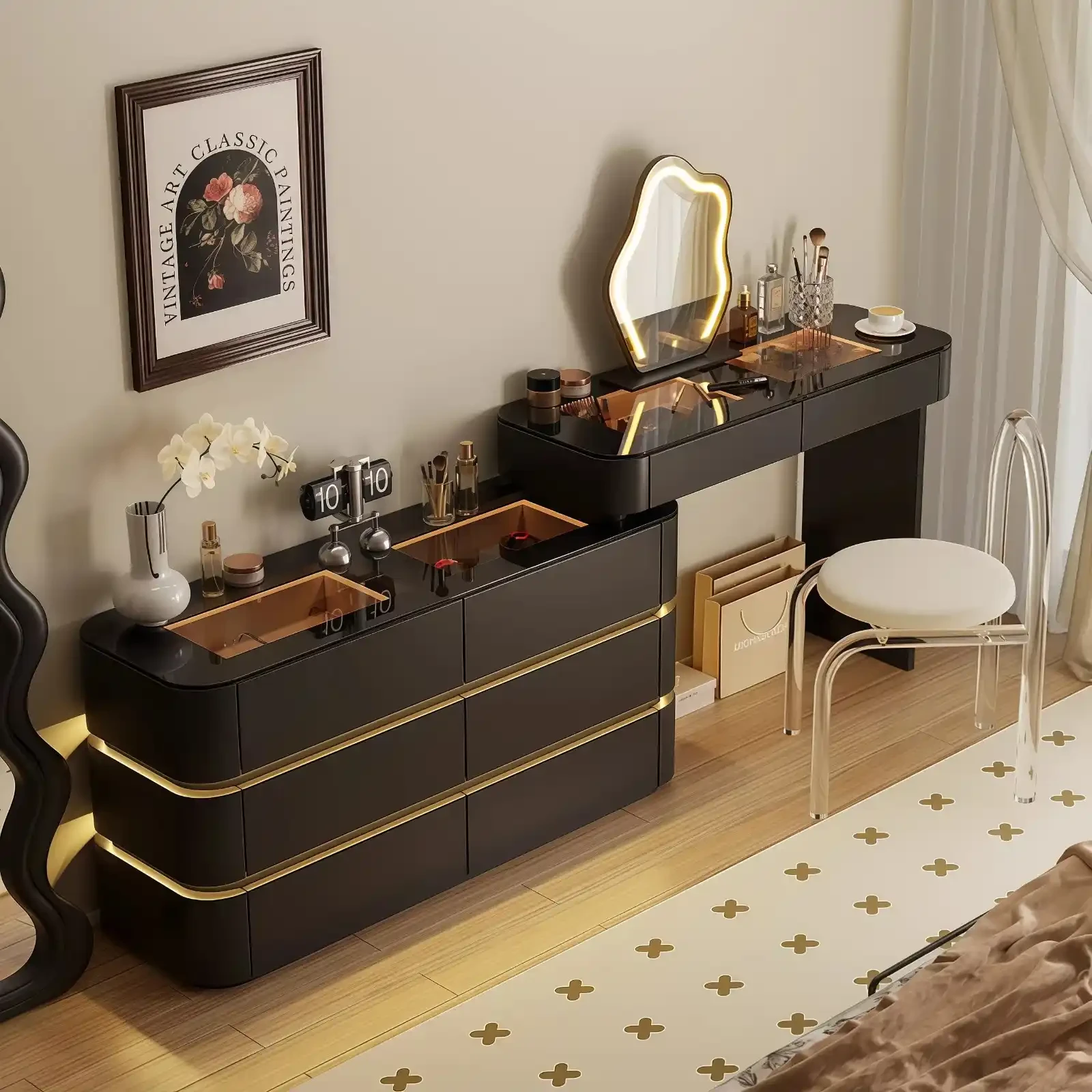
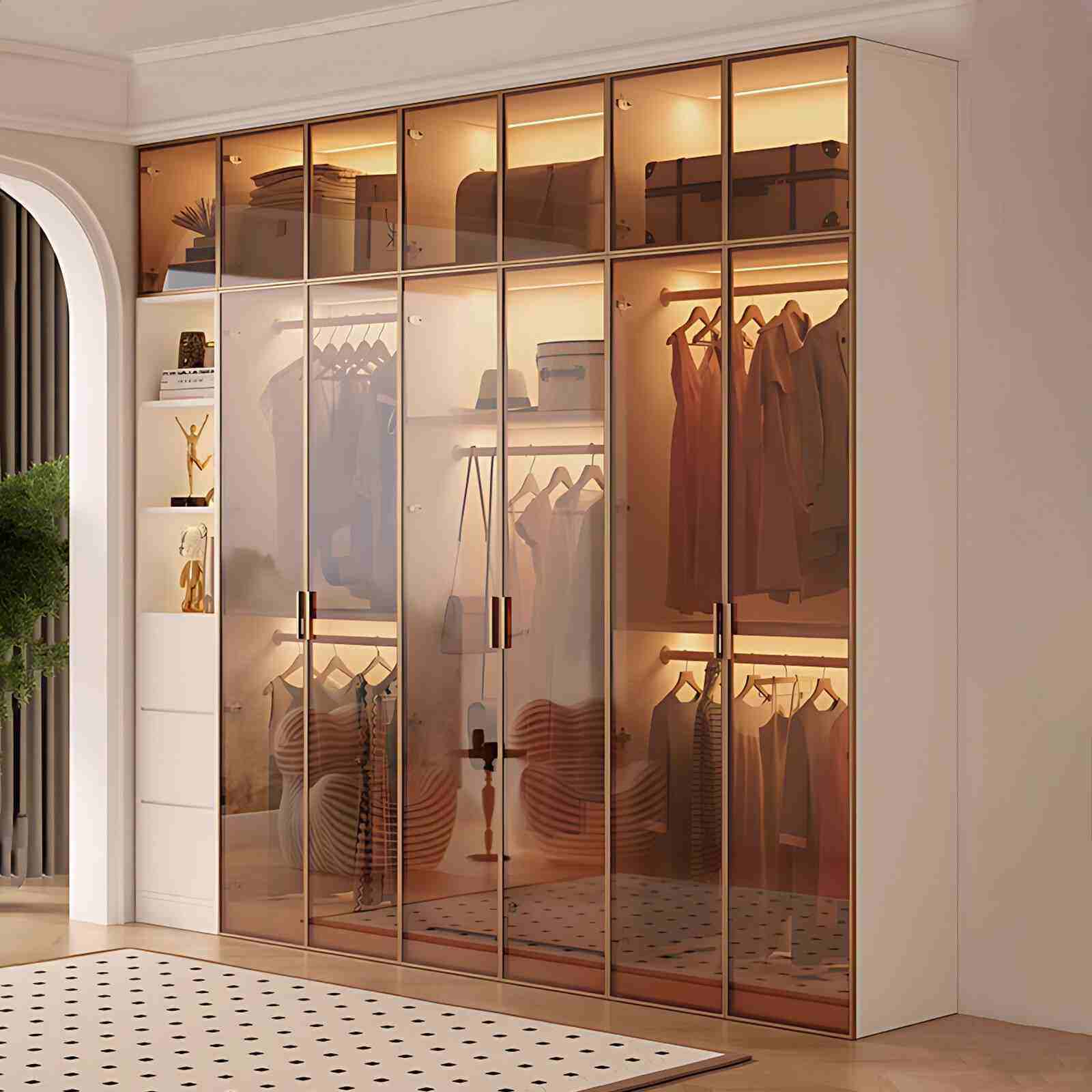
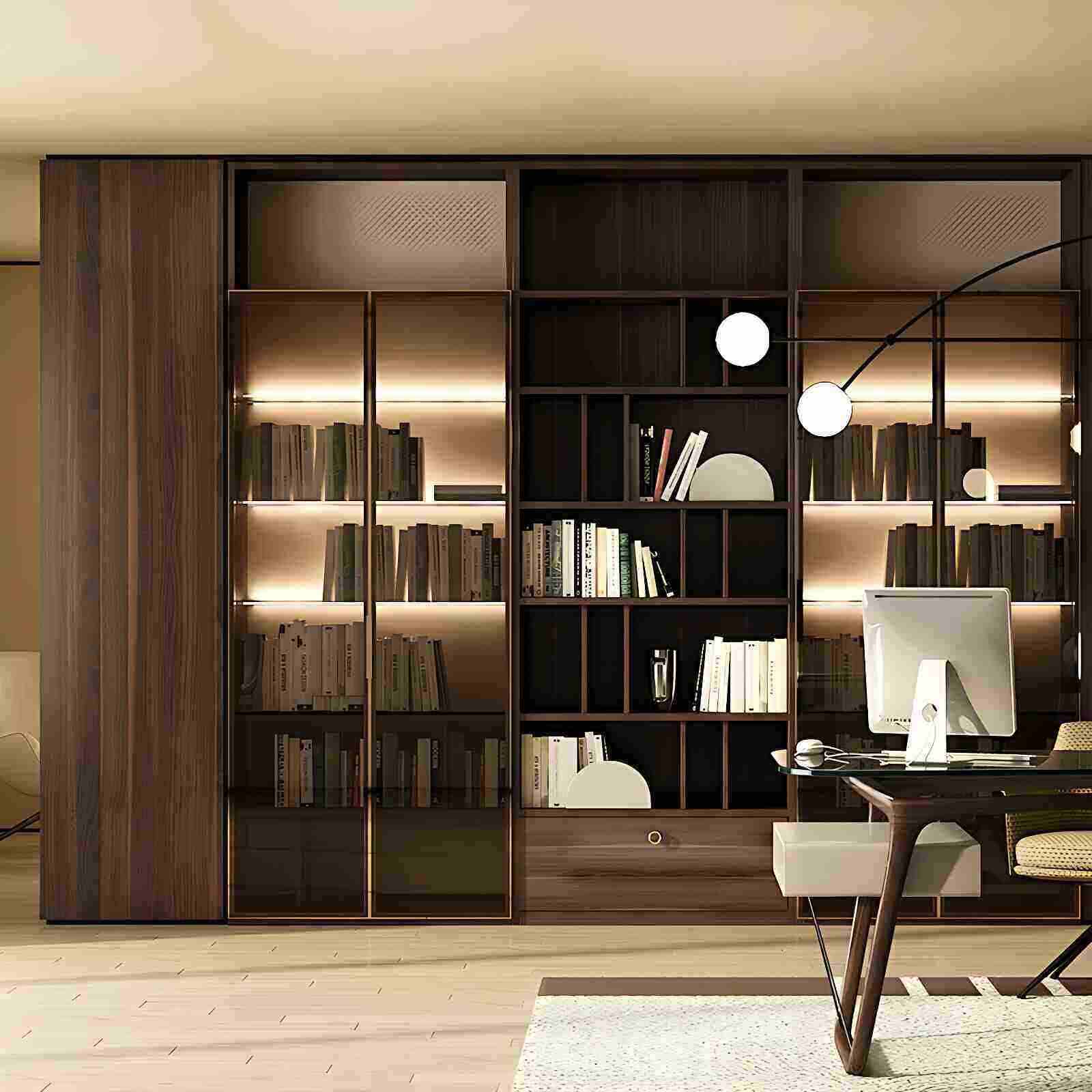
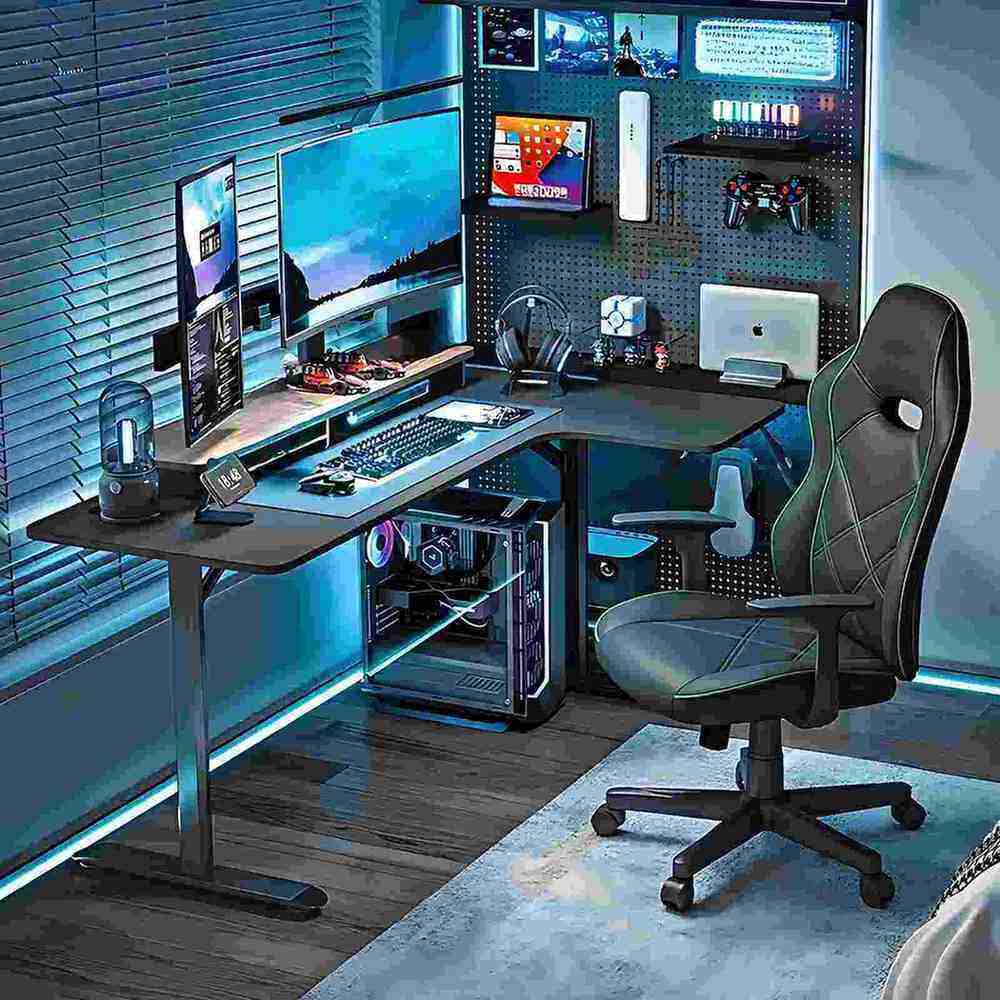
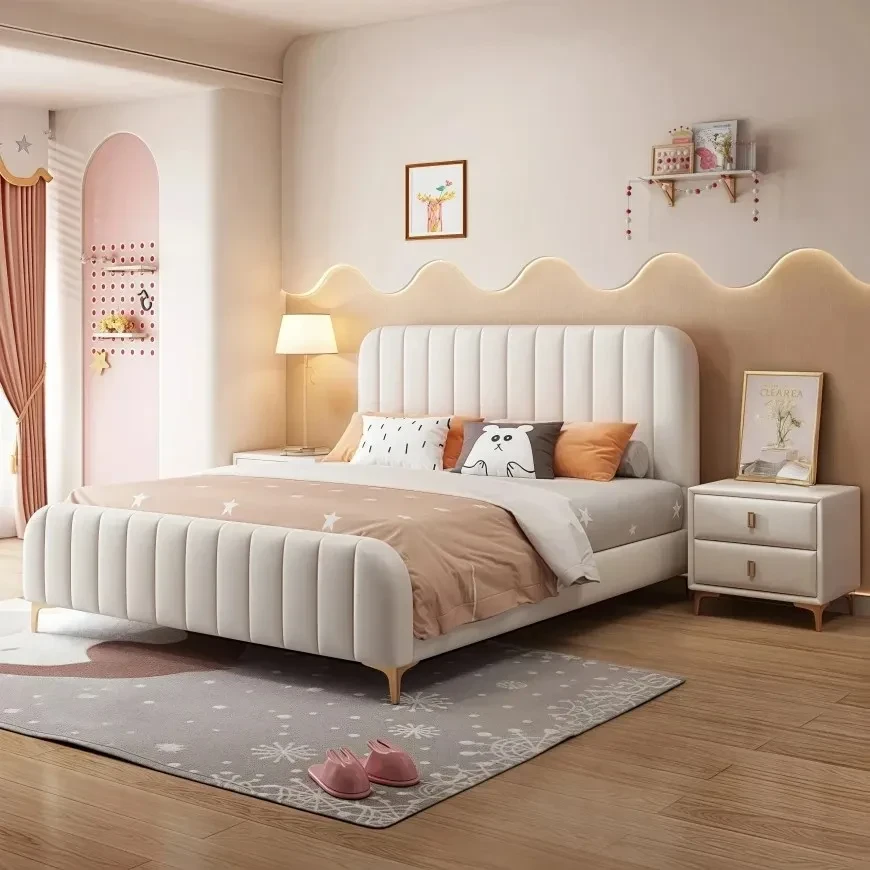
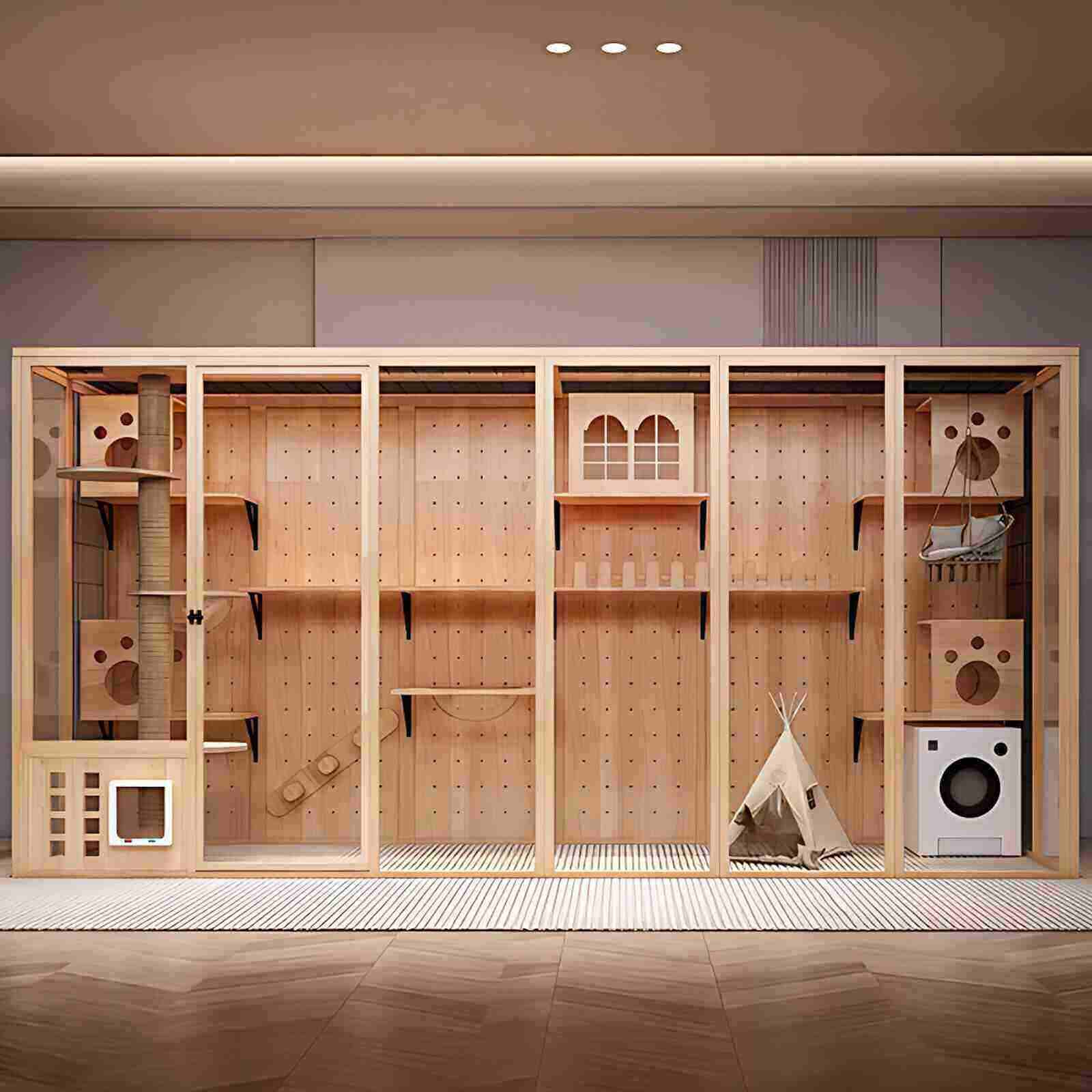
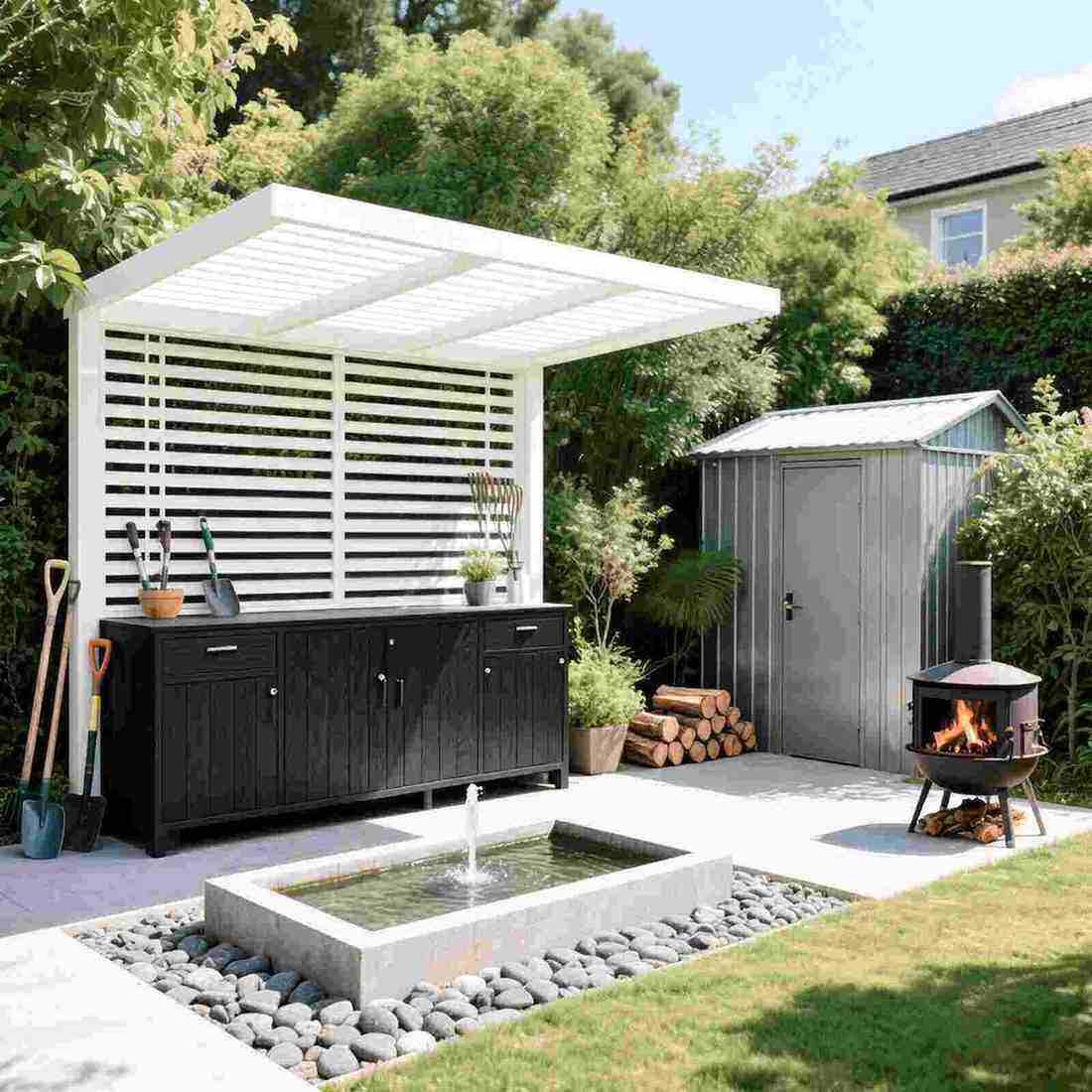
Whether you choose custom-made furniture or hire a carpenter to build cabinets, both involve wood panels. As a primary building material, wood panels play a crucial role in cabinet construction. Good wood panels ensure the durability and environmental friendliness of the cabinets. However, many people encounter headaches when choosing wood panels, such as how to choose when they all look extremely similar? Which type of wood panel is best suited for your home?
Today, let's learn some basic knowledge about the different types of wood-based panels and clear up any misconceptions!
Basic board materials: plywood, multi-layer board, PVC core board, engineered wood panel
Plywood (blockboard)
It's called blockboard because it has a solid wood core. There are five layers in total: a middle board and a face/back board on each side. When buying the board, you can choose different solid wood core materials and thicknesses. The most common core materials are cedar, Malacca wood, poplar, and paulownia. The specific core material varies by region; for example, cedar is often used in southern regions.
Multi-layer board (plywood)
Plywood is one of the most commonly used substrates, made of three or more layers of veneer glued together (usually an odd number of layers). Depending on its thickness, it can be used for custom furniture, baseboards, etc. 2.7/3.0mm: In decoration, it is mainly glued to plywood for finishing processes such as mixed paints. A flat surface and good adhesion are required. 5.0/9.0mm: Can be used as the base or back panel of furniture. 9mm can also be used as the base board for door and window frames, as well as baseboards and some decorative designs. 12/15/18mm: Can be used directly for furniture making, etc.
OSB (Ortho-k Board)
The raw material for sprue is natural logs, large-diameter timber (over 50cm), with a dense texture and shavings 3-8cm in length. The production process uses MDI adhesive with an environmentally friendly ENF rating, and automated mechanized production ensures that the quality of each sprue is essentially consistent.
Integrated board (finger joint board)
Plug-in boards are made of finger-jointed solid wood strips. They use the least amount of glue among all types of engineered wood products and can be used in interior decoration, flooring, wall panels, furniture and the production of wood products. Their applications are very wide.
Currently, basic boards are mostly used for ceilings, partitions, and walls, while eco-friendly boards are the main choice for custom-made cabinets.
Eco-friendly board (paint-free board)
Ecological boards, also known as paint-free boards, are just as the name suggests. They do not require painting, which brings a lot of convenience. In recent years, the patterns of ecological boards have become more and more diverse. In addition to decorative paper, stone patterns, fabric patterns, as well as matte, glossy, and skin-feel special processes have been launched.
Simply put, eco-friendly boards consist of two parts: the base material mentioned above and the surface finish. For example, the commonly known cedar melamine board is a board made of cedar core plywood (base material) and surface paper.
Today, there is a new member in the ecological board industry – the formaldehyde-removing and antibacterial ecological board. This is a special board with added functions of formaldehyde absorption and removal, as well as mildew prevention and antibacterial properties. TBB also has related patents for these functions, which is quite remarkable among its peers and is a great benefit to us consumers.
So, after reading this article, do you have a better understanding of custom-made panels?