
 USD
USD GBP
GBP
 EUR
EUR












I. Technical Overview
This achievement represents a groundbreaking breakthrough in selective physical compression technology. It allows for the selective compression of areas requiring reinforcement, while the remaining portions retain the inherent natural properties of the wood. The position and thickness of the compression layer can be arbitrarily adjusted as needed. Compared to overall compression, the compression rate is reduced by over 70%, the density of the compression layer can reach over 1.0 g/cm³, and the hardness can be increased by more than two times. This significantly improves the quality of low-density wood, resulting in products with advantages such as environmental friendliness, lightweight, and high dimensional stability.
II. Technical Features
III. Economic and Technical Indicators
(1) The compression layer can be formed on the surface or on any layer in the thickness direction of the wood;
(2) The density of the compressed layer reaches more than 0.9 g/cm³, while the other layers are not compressed (the density is close to that of the control).
(3) The thickness of the compression layer can be adjusted arbitrarily;
(4) When the compression layer is located on the surface, the surface density of the compression layer can reach more than 1.8 times that of the reference material, and the hardness can reach more than 2.4 times that of the reference material.
(5) Layered compression technology is a physical modification technology. The modification process is completed under hydrothermal control and there is no chemical pollution.
IV. Product Competitiveness and Market Prospects
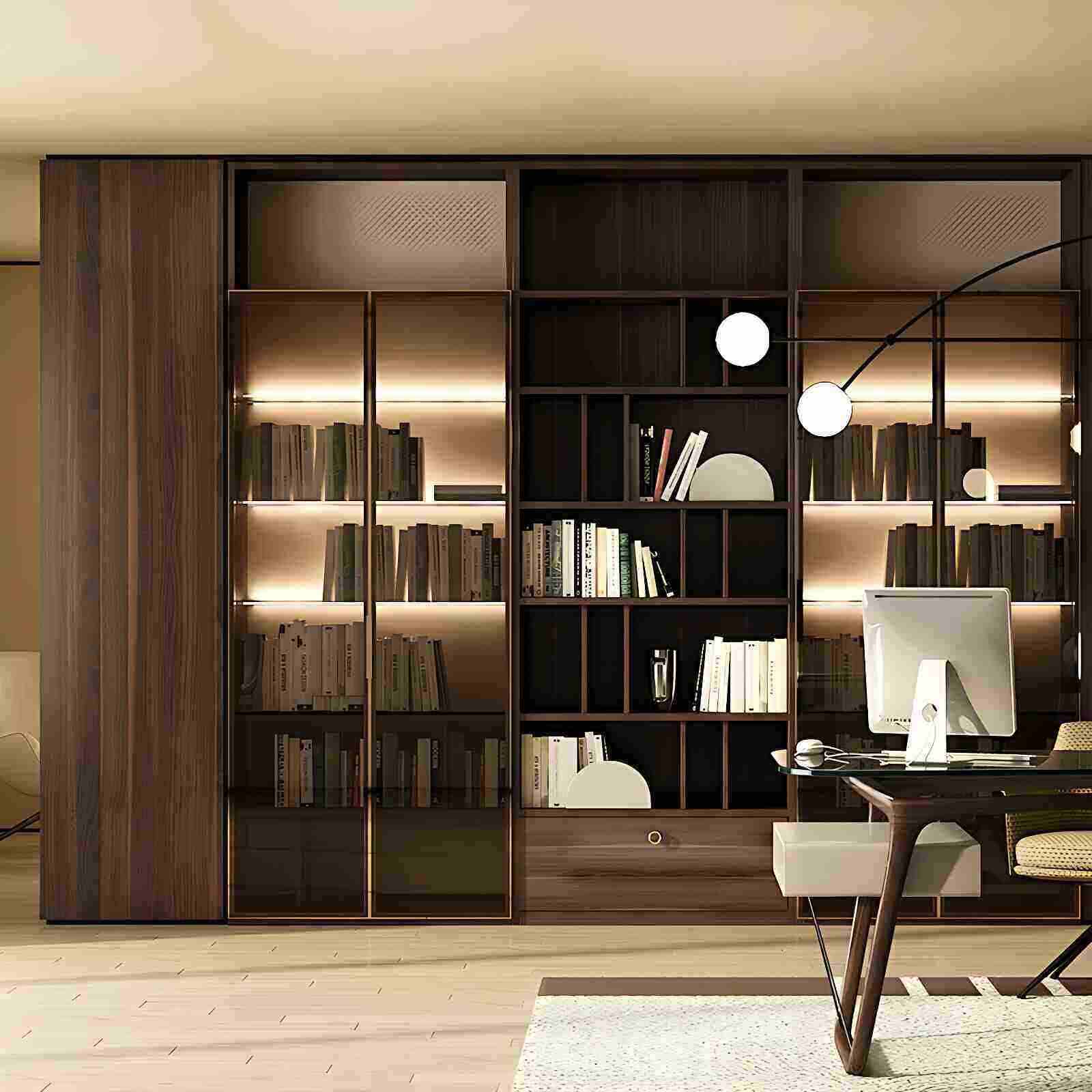
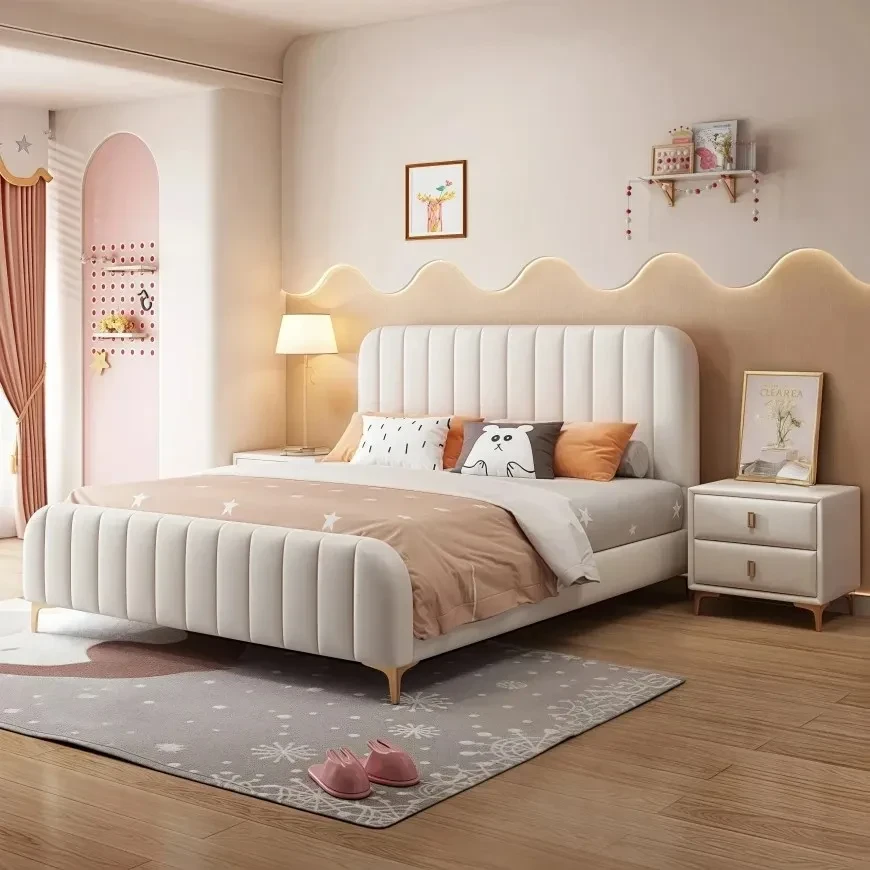
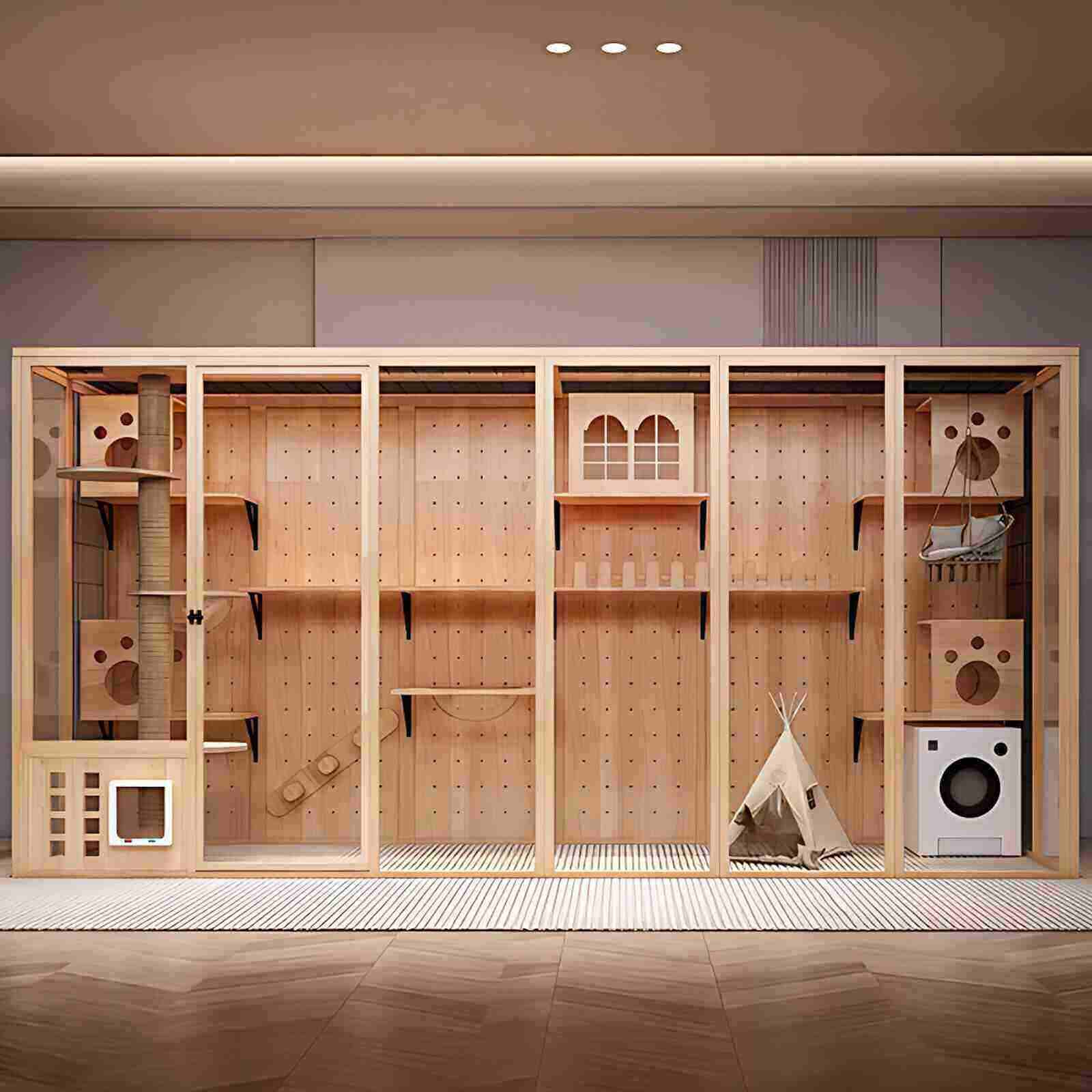
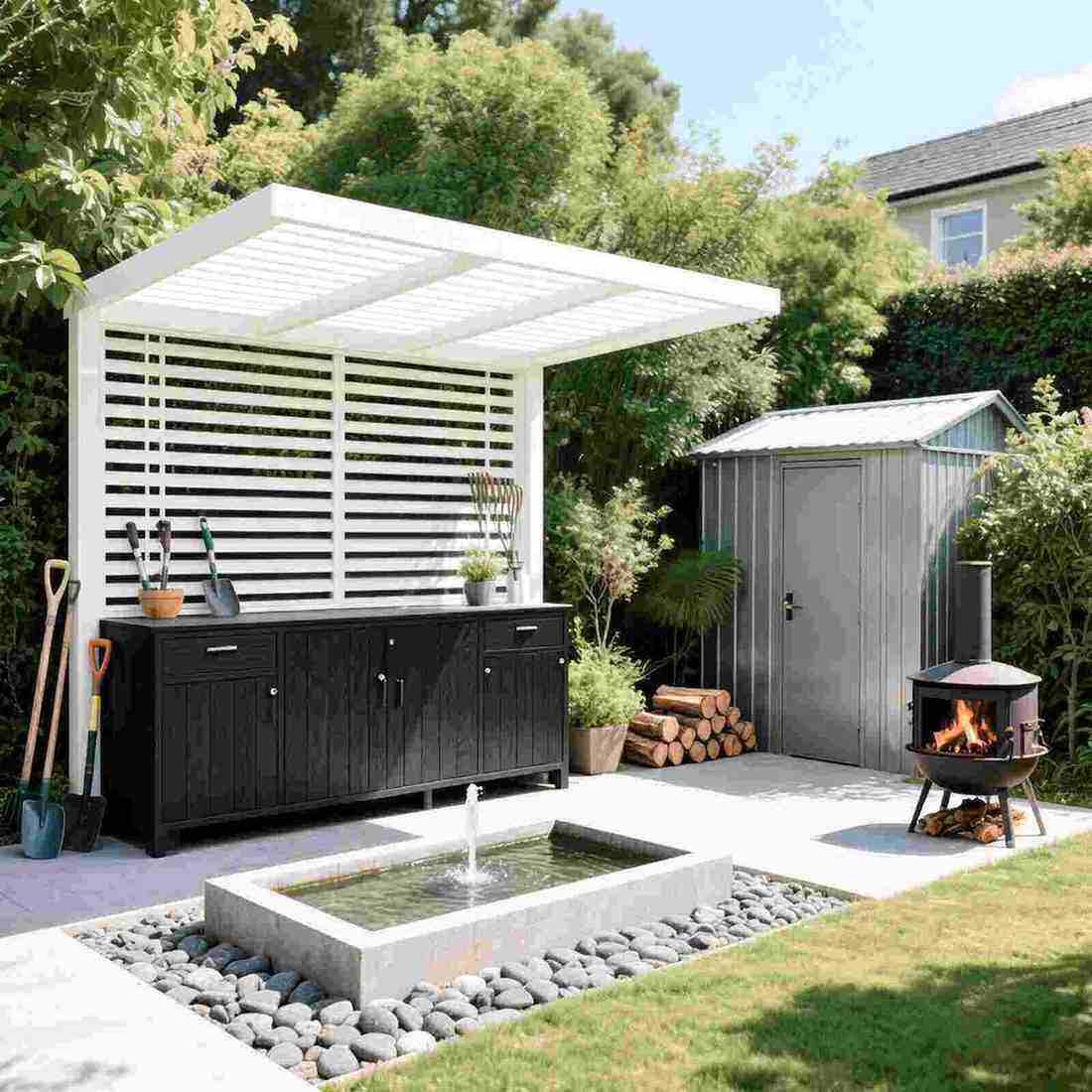
Solid wood layered compression reinforcement technology is applicable to all low-density woods. After modification, it improves the material's performance, giving woods that were originally low in density, soft in texture, and poor in dimensional stability excellent processing and usability. It can be directly used in the manufacturing of high-quality solid wood furniture, flooring, and other wood products. my country has abundant plantation timber resources and a strong market demand for environmentally friendly materials without chemical additives, making this project a promising candidate for widespread market applications.
V. Cooperation Methods and Contact Information
Cooperation methods: technology transfer, technology development, technology services
Contact Person: Teacher Huang
Email address: huangrf@caf.ac.cn