
 USD
USD GBP
GBP
 EUR
EUR
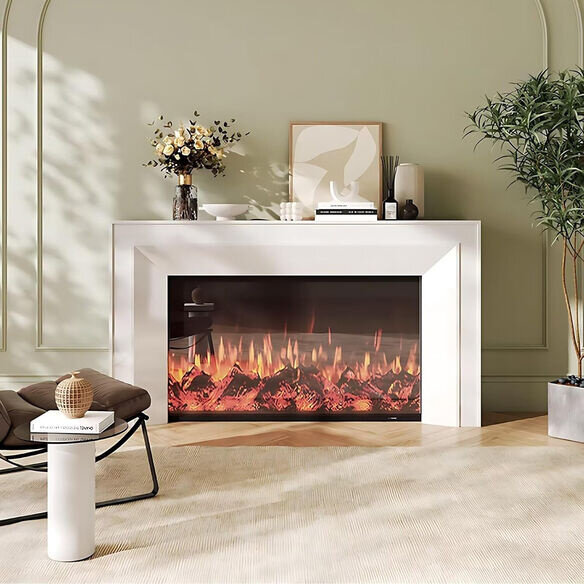
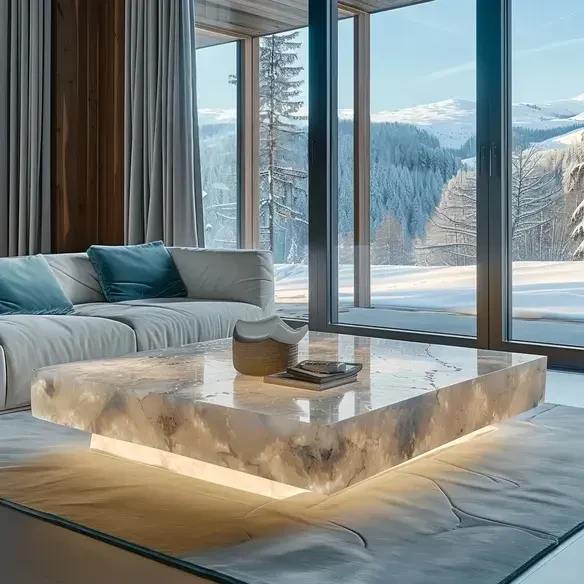
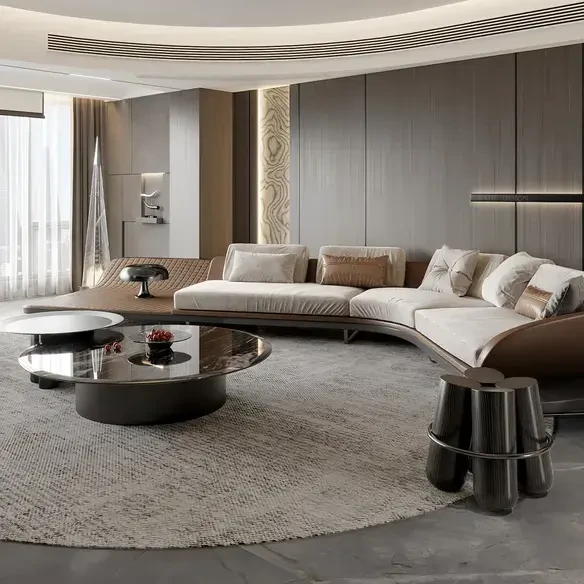
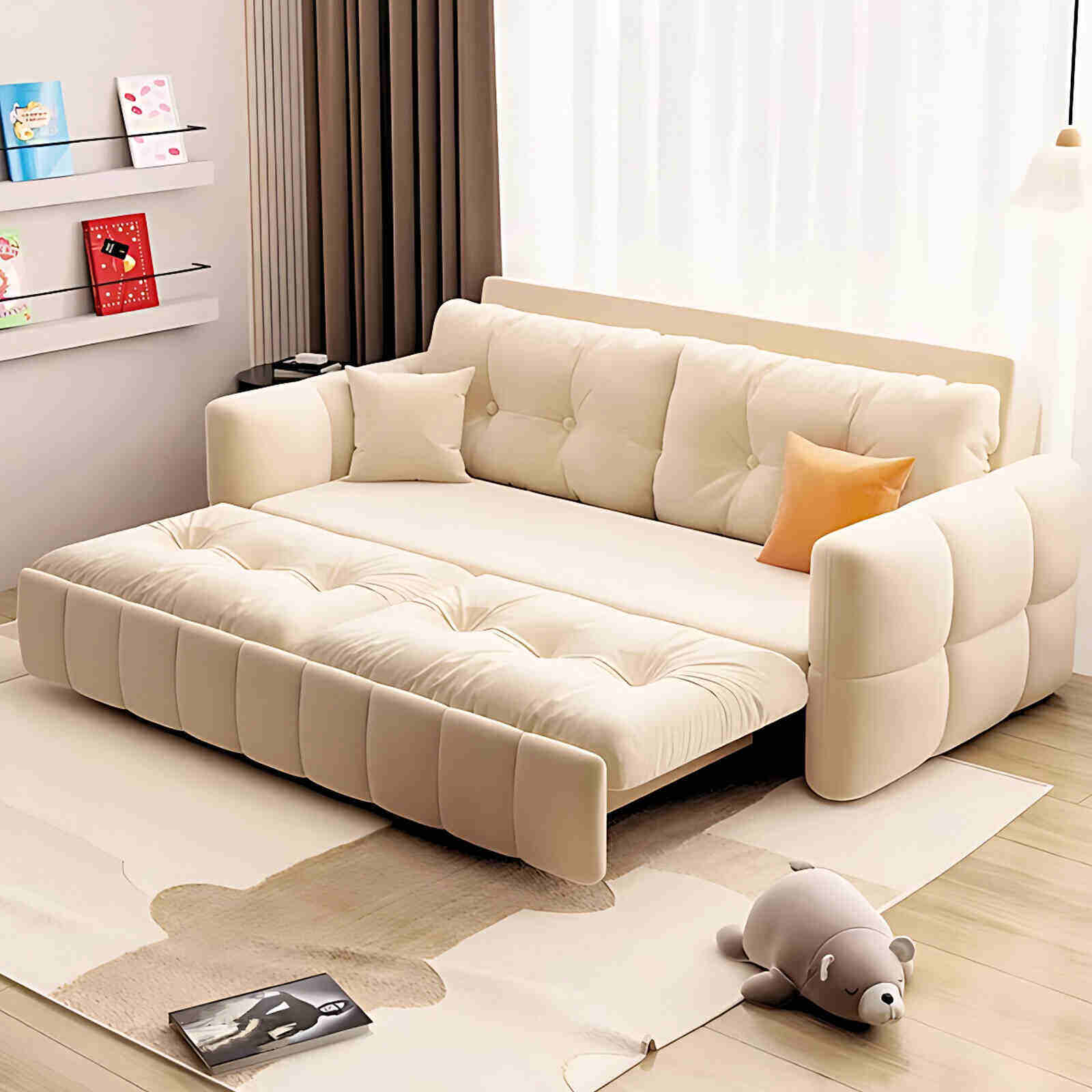
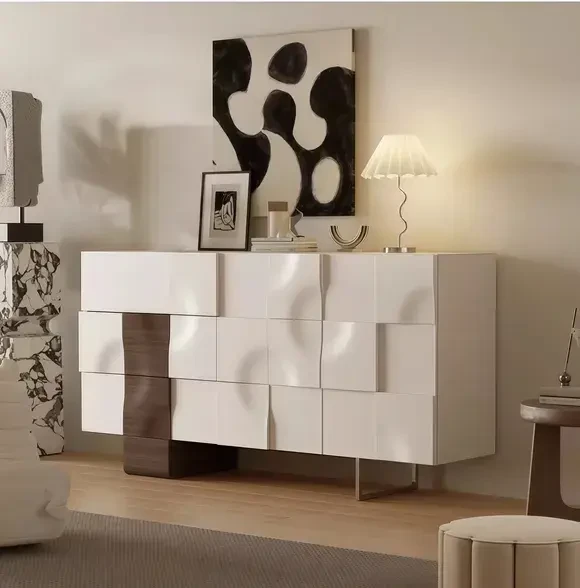
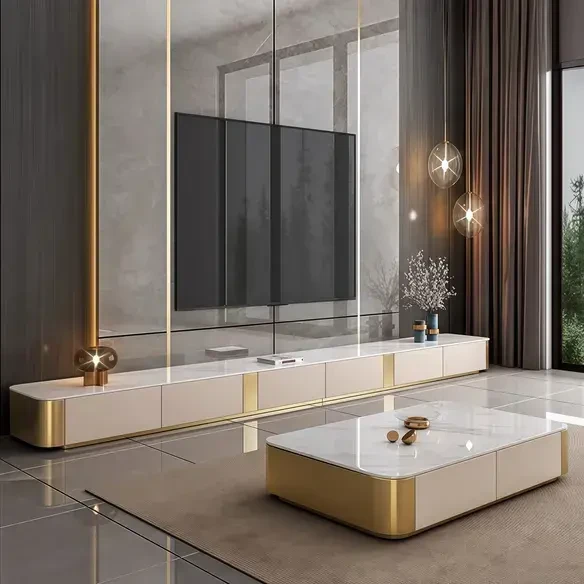
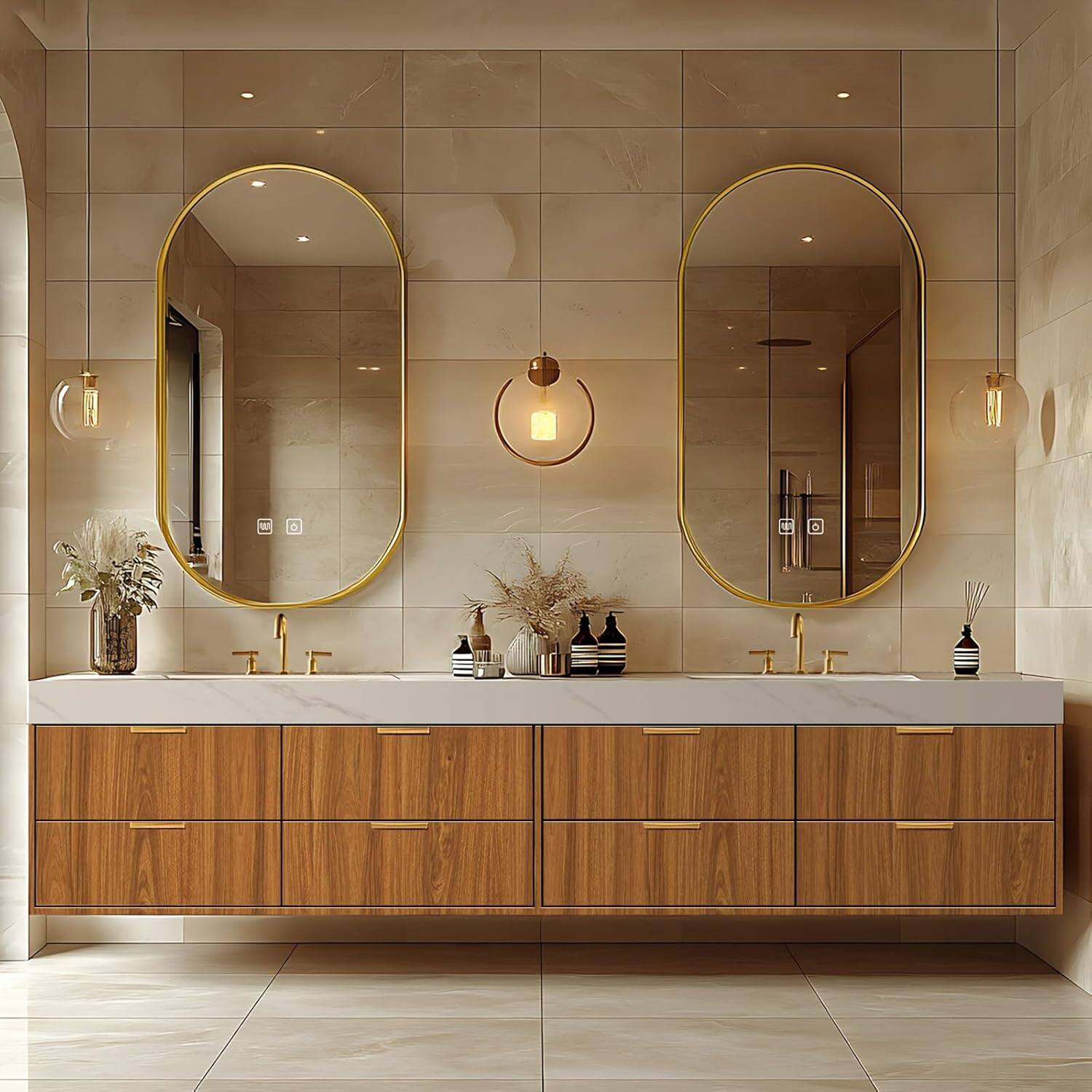
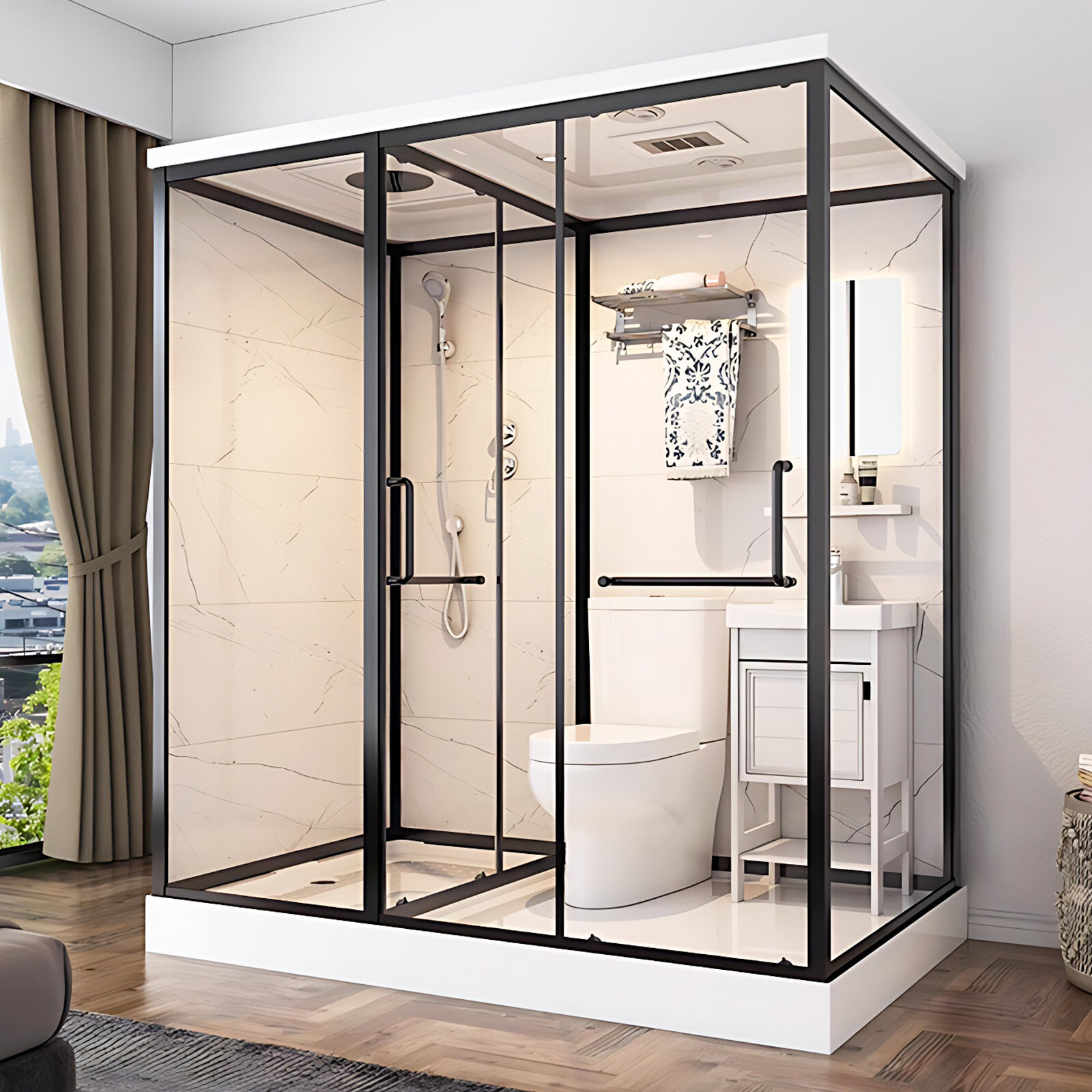
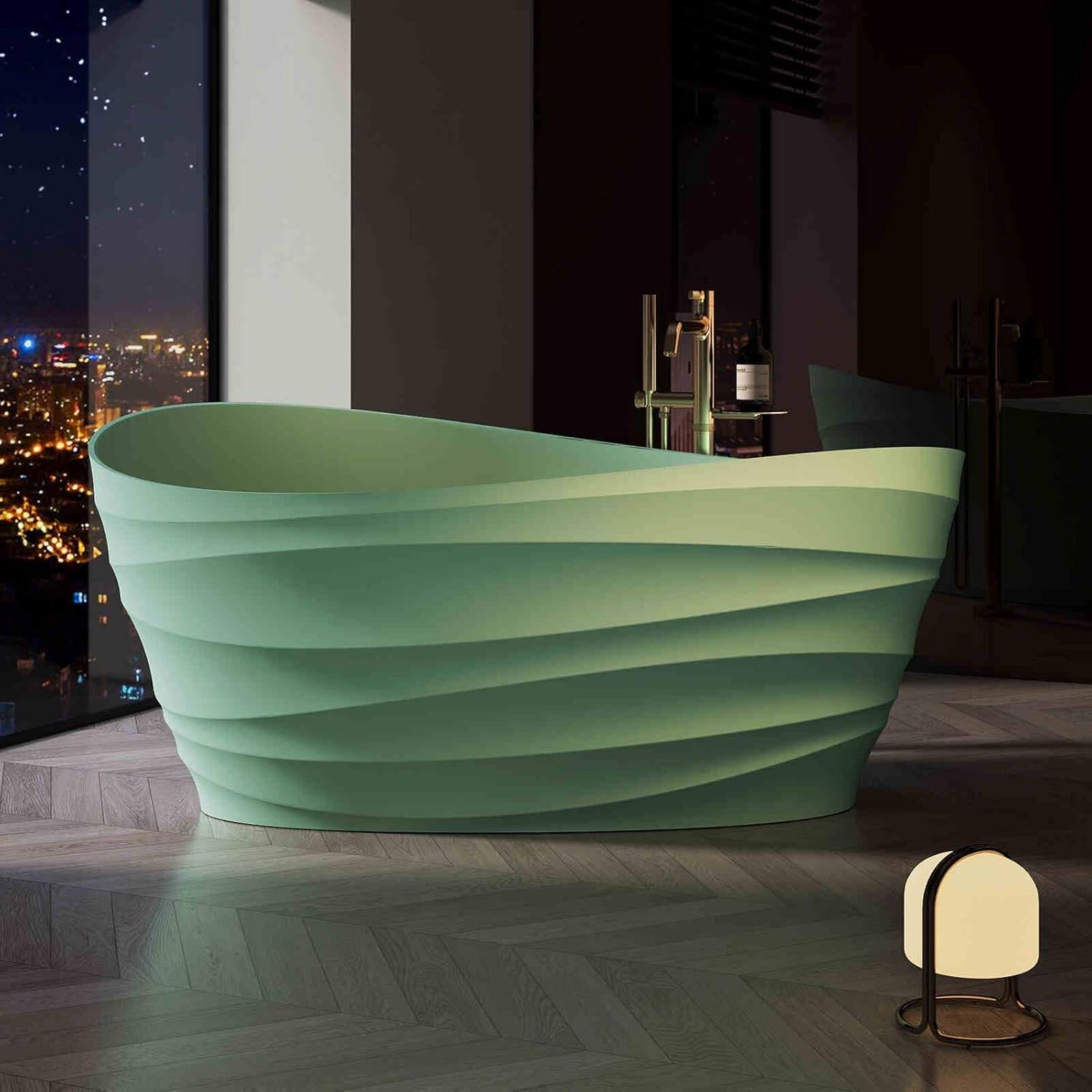
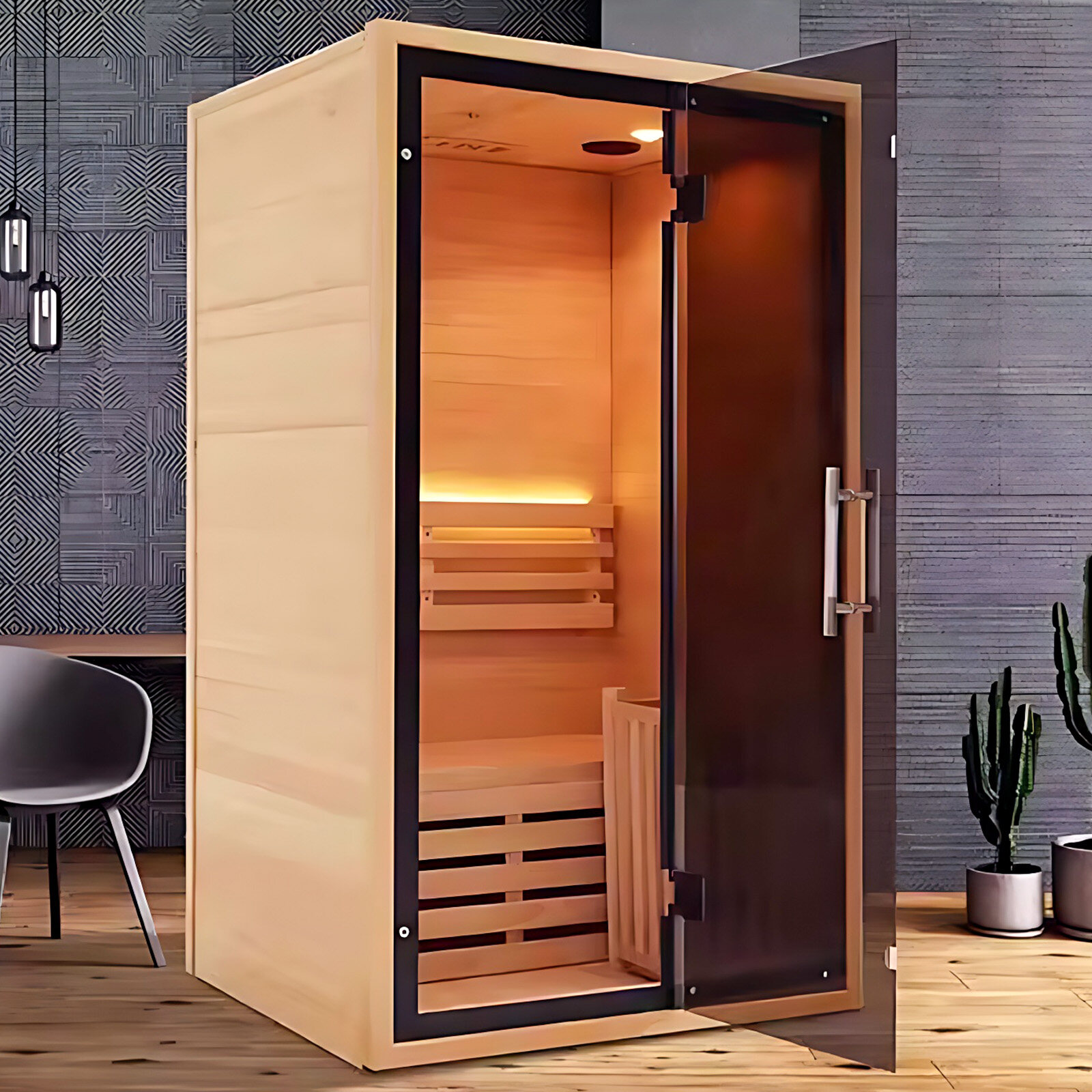
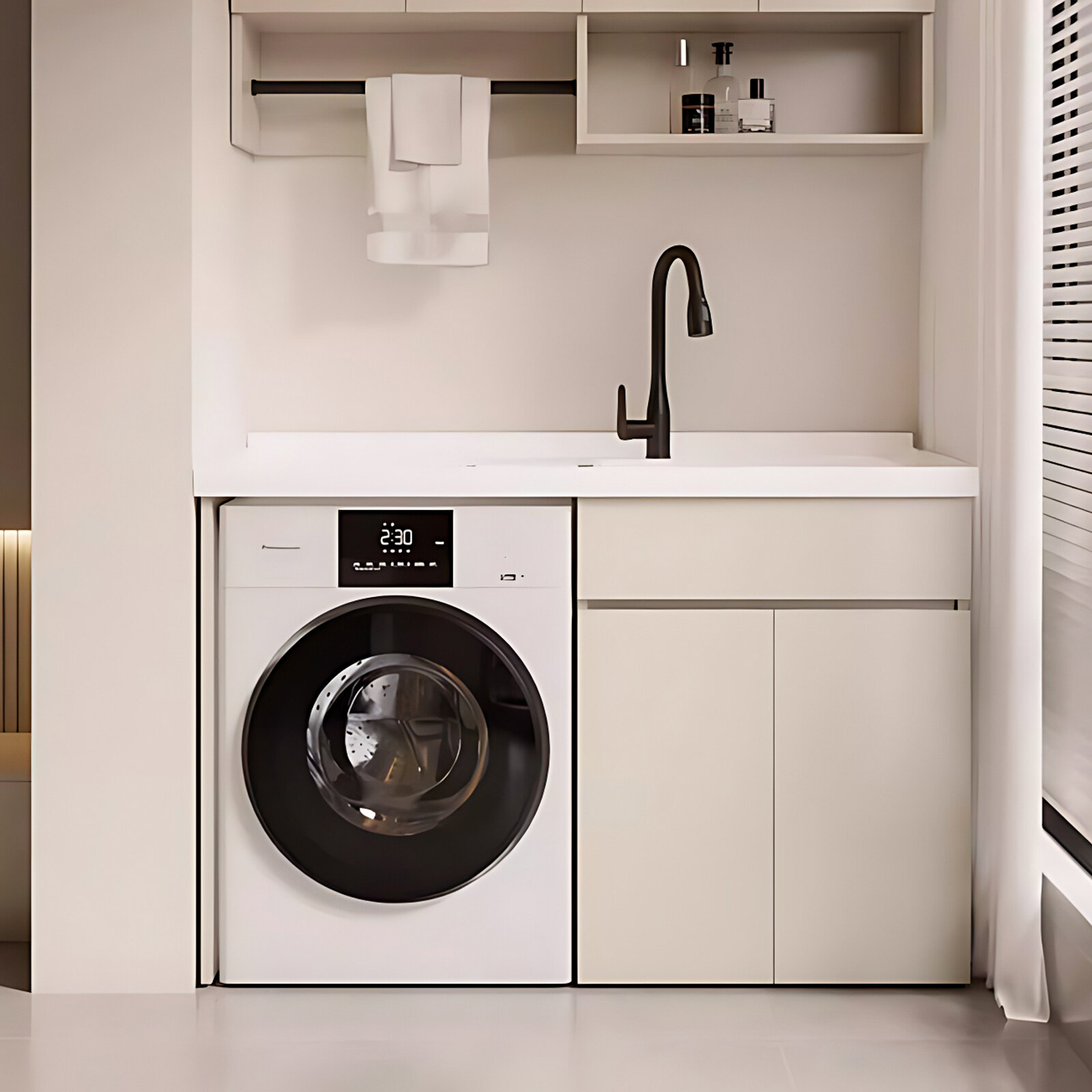
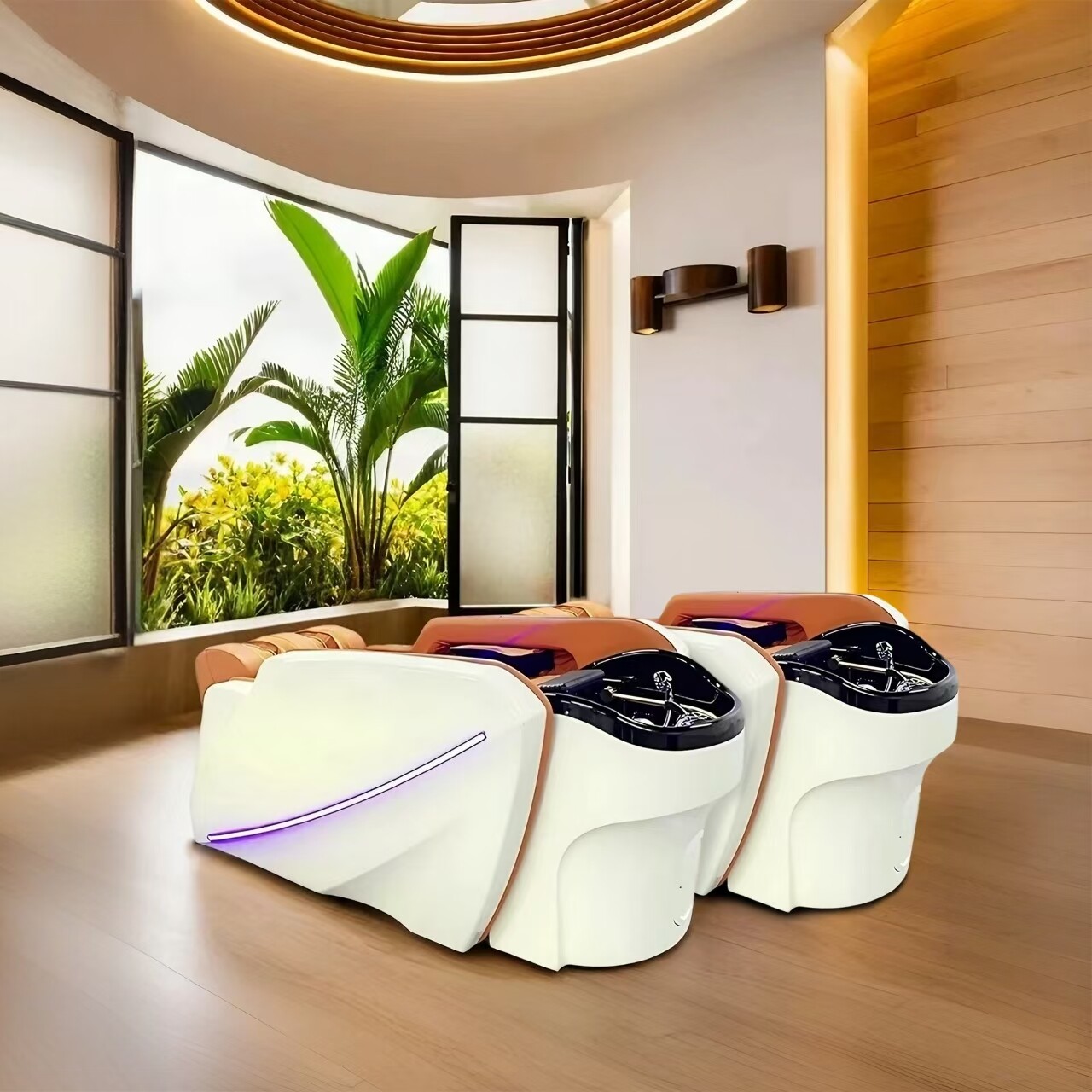
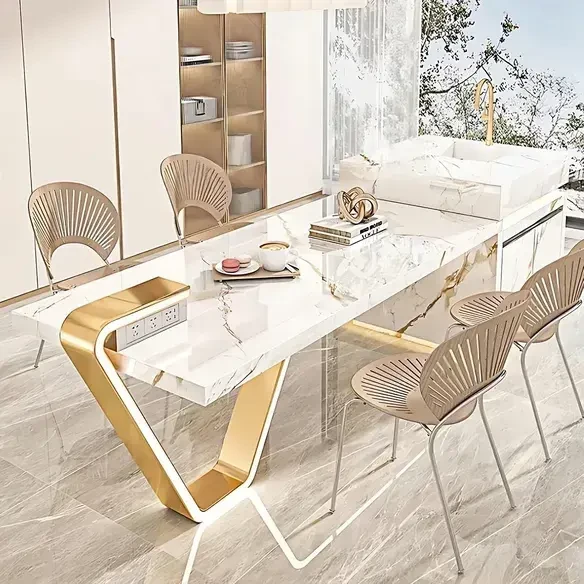
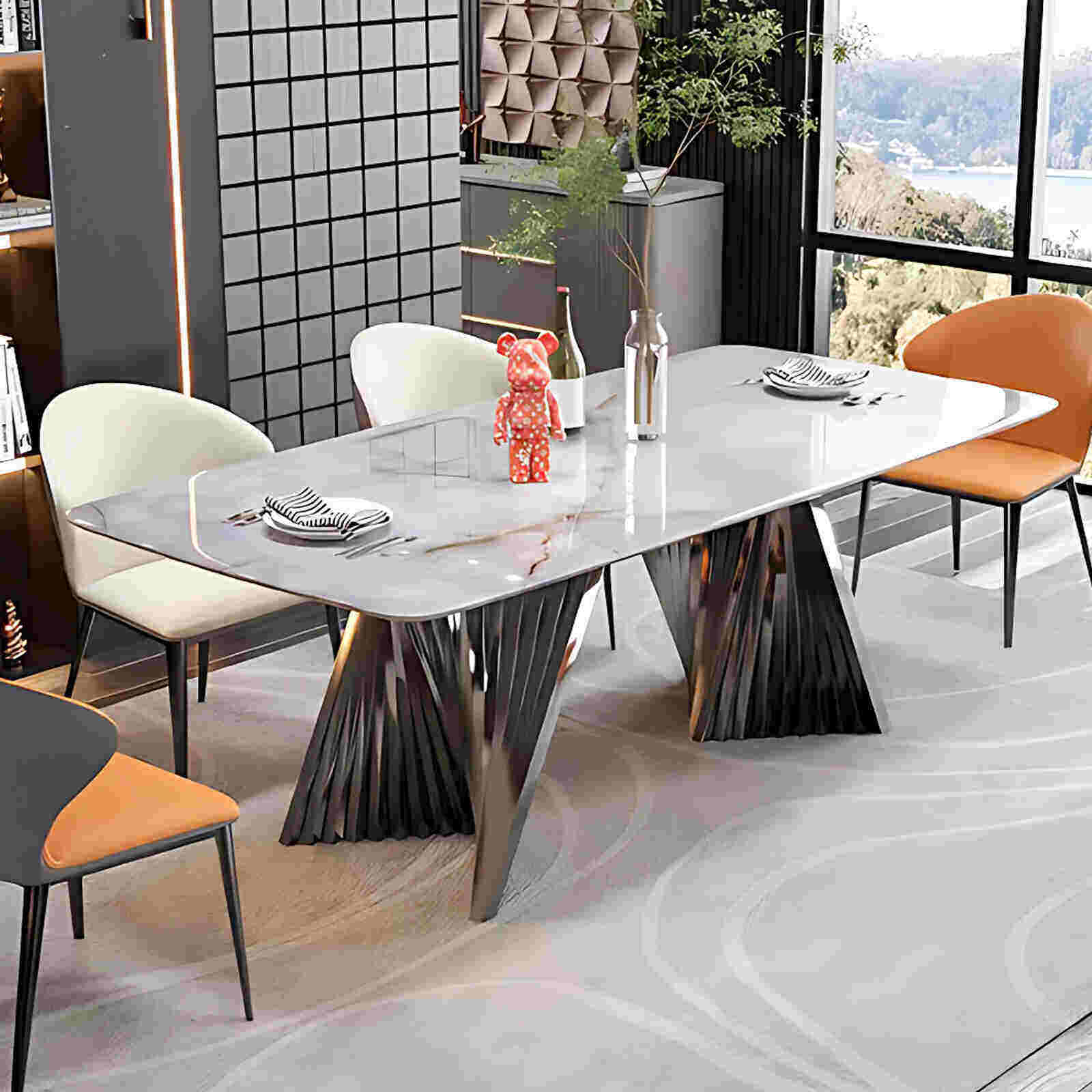
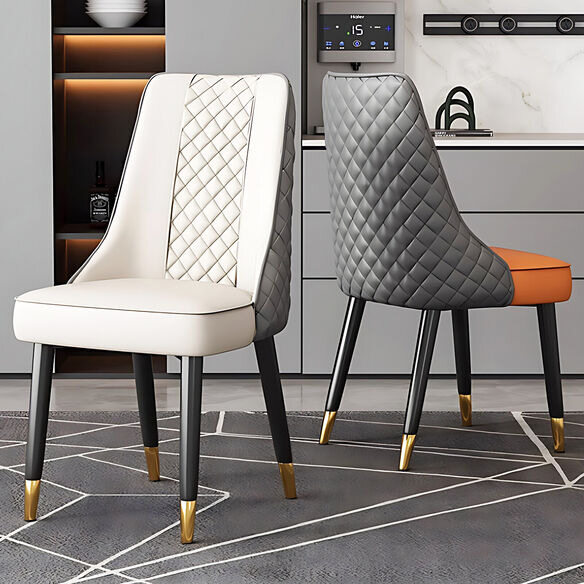
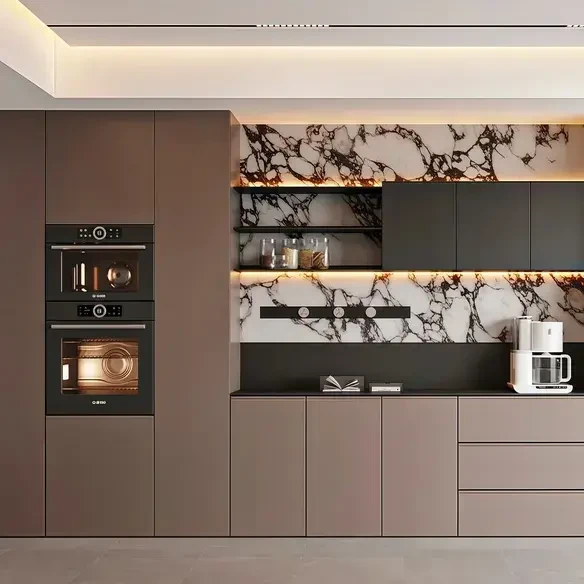
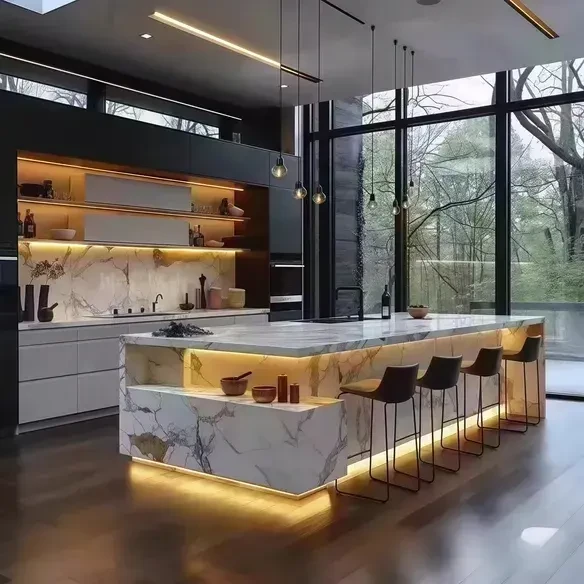
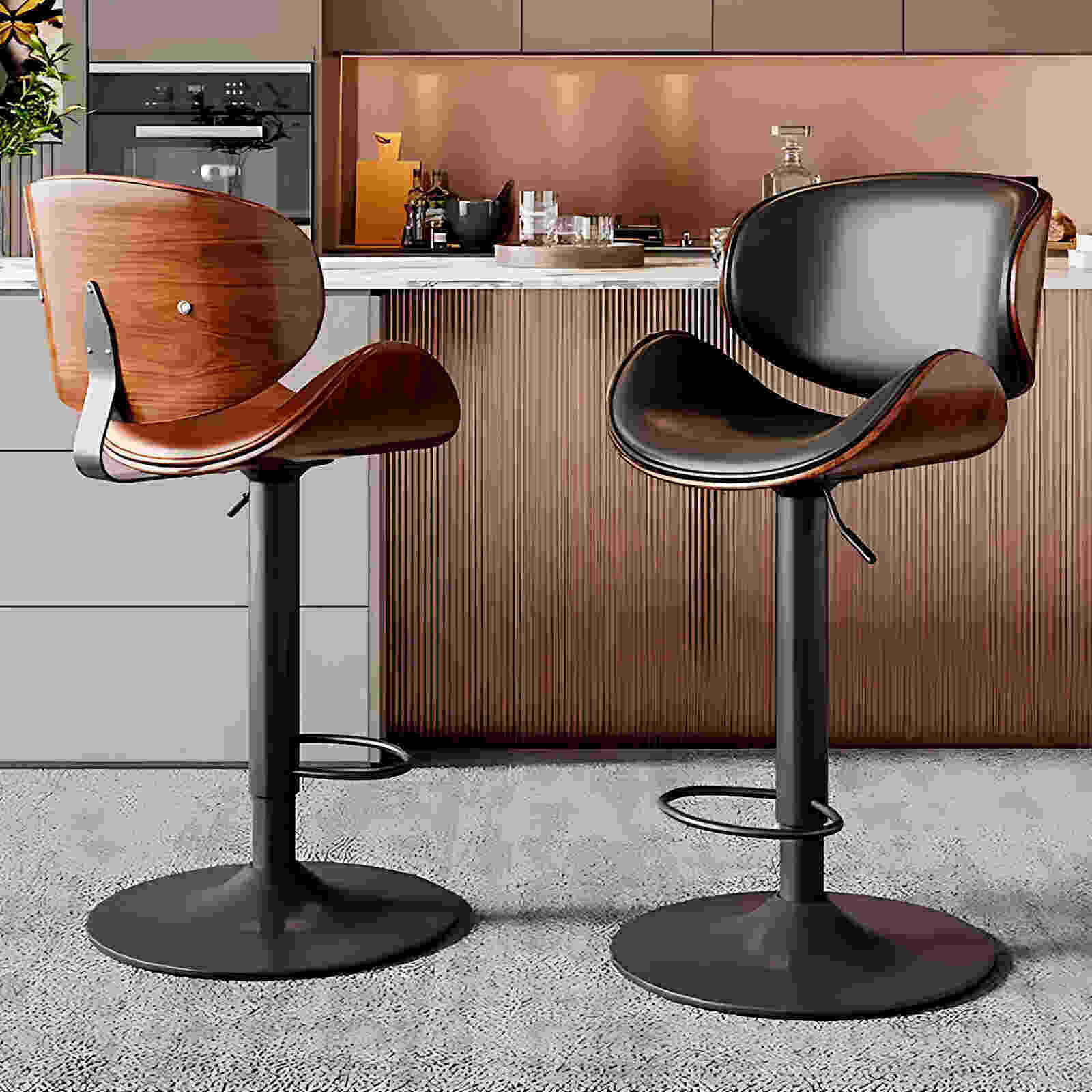
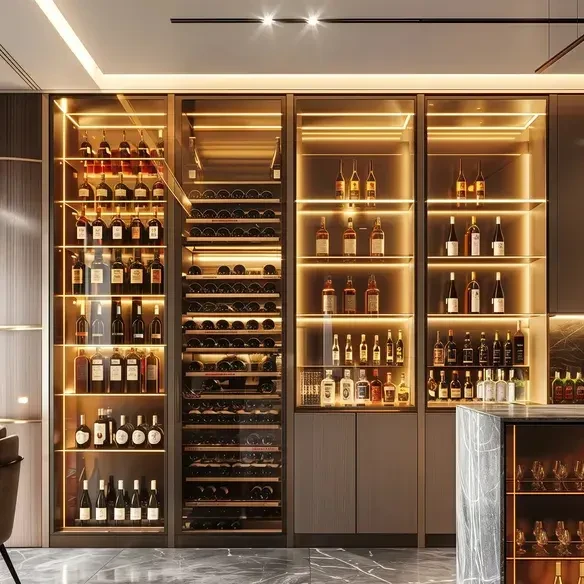
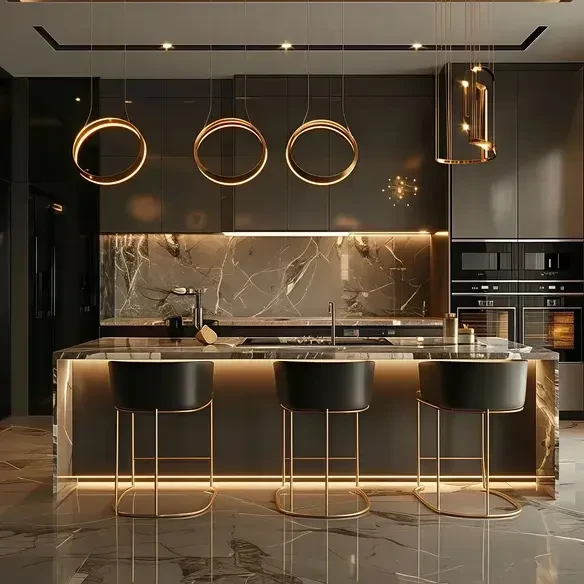
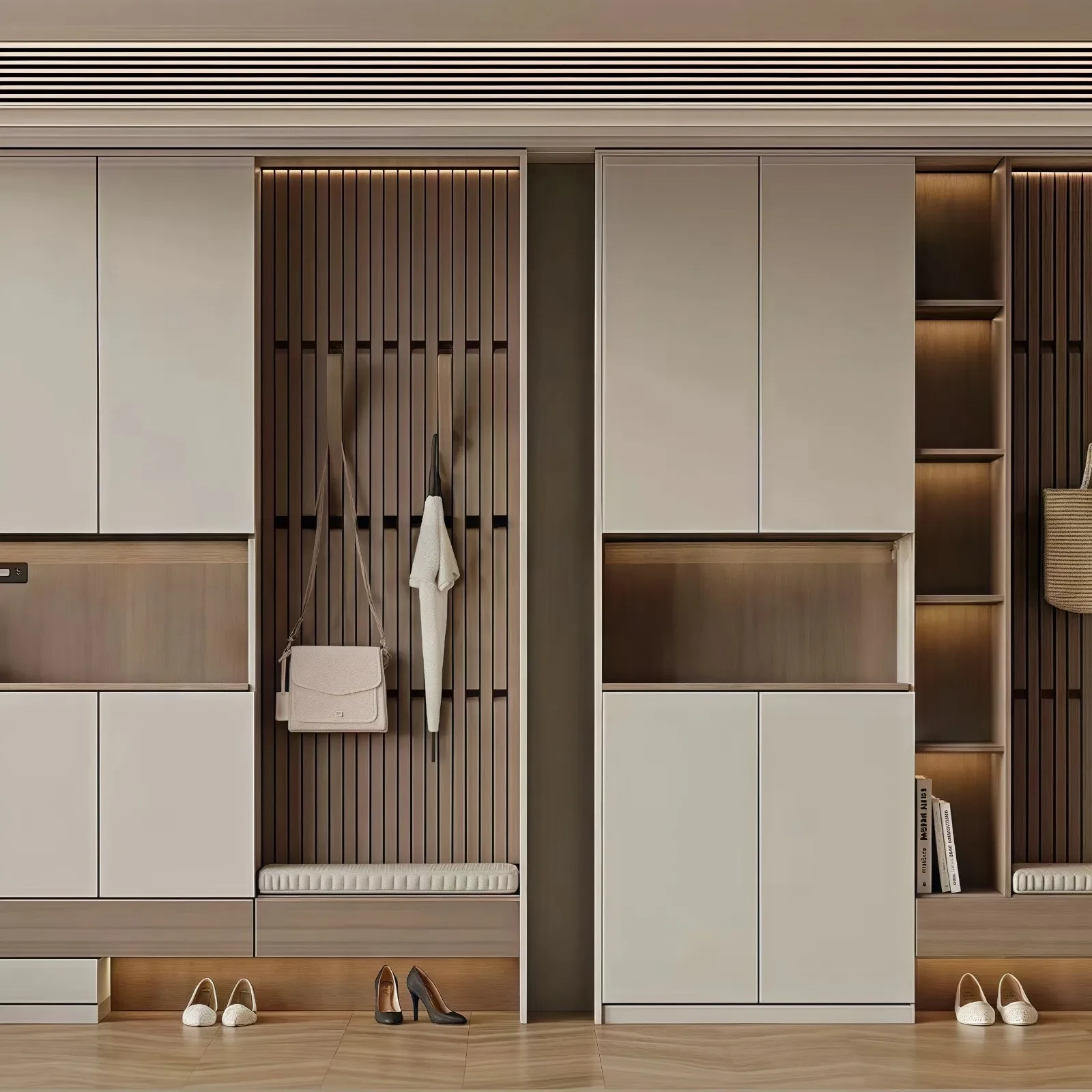
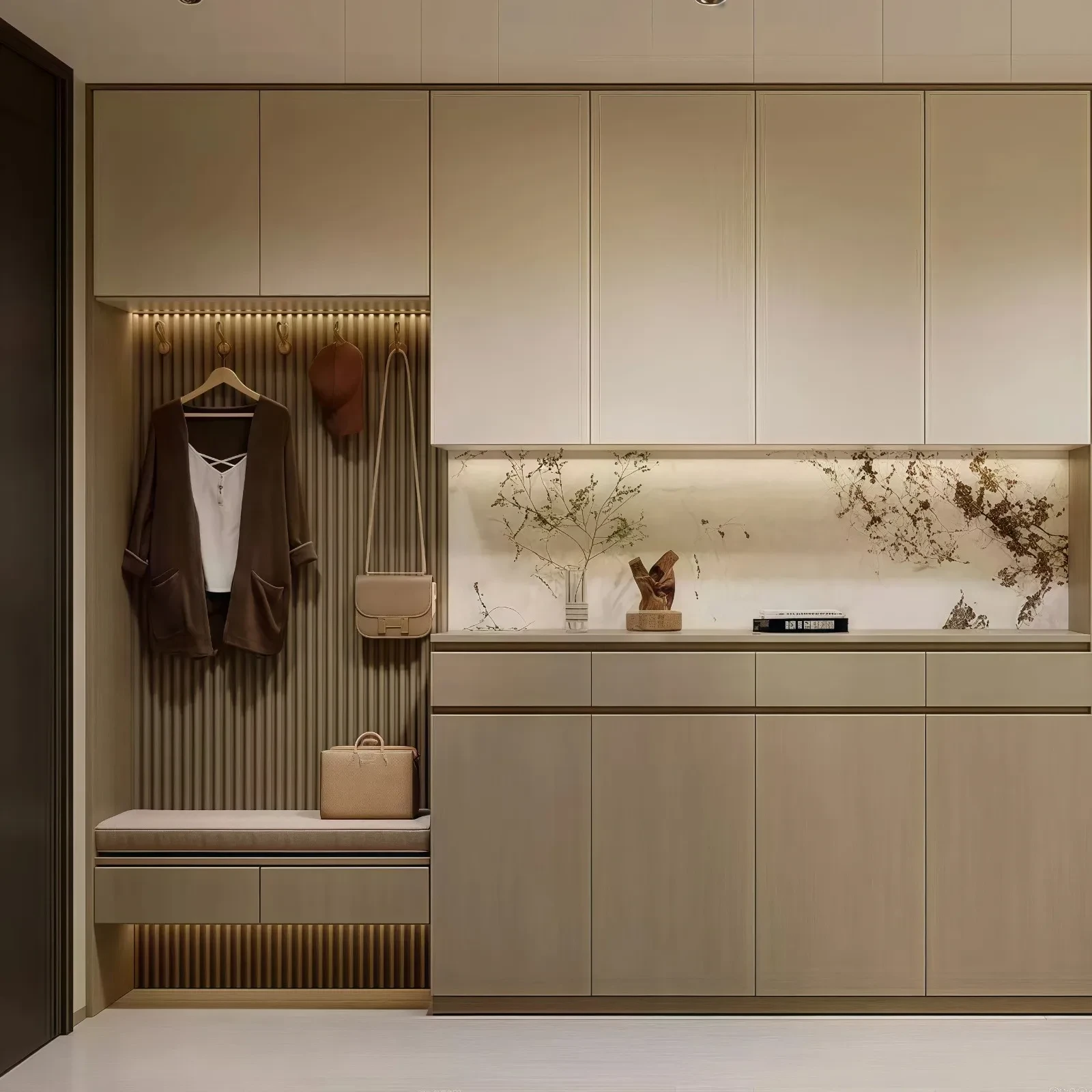
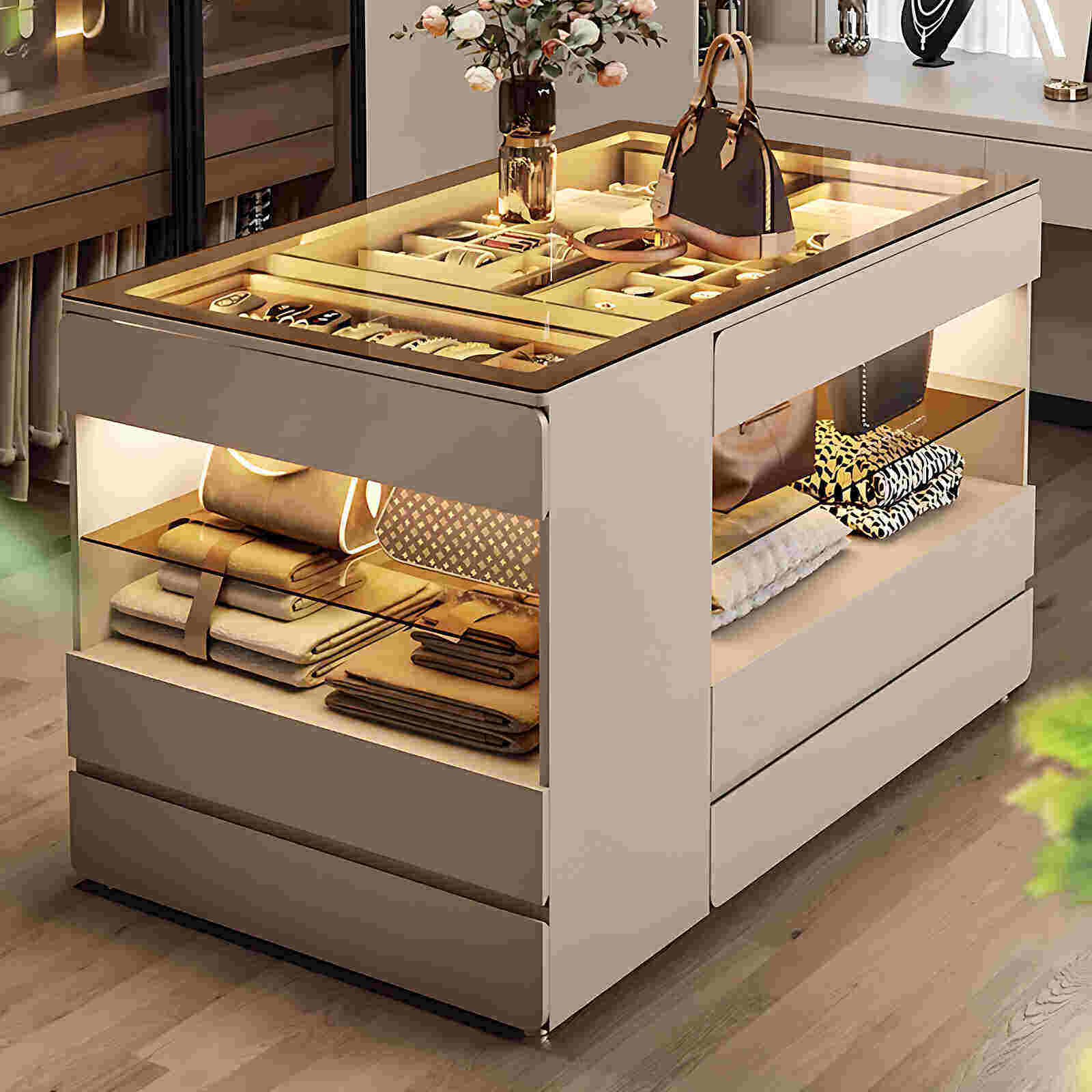
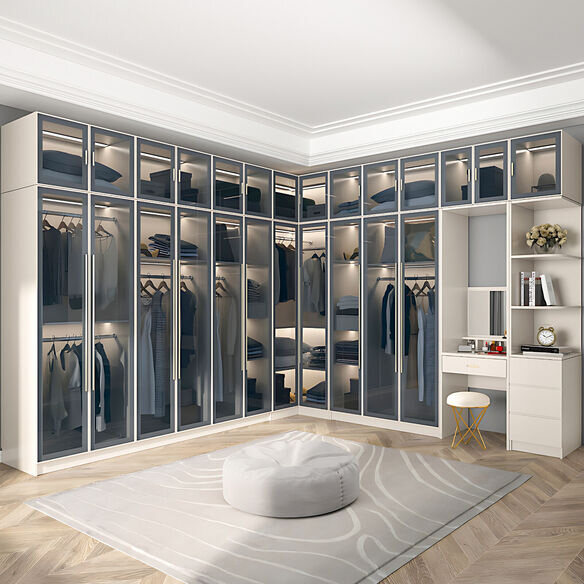
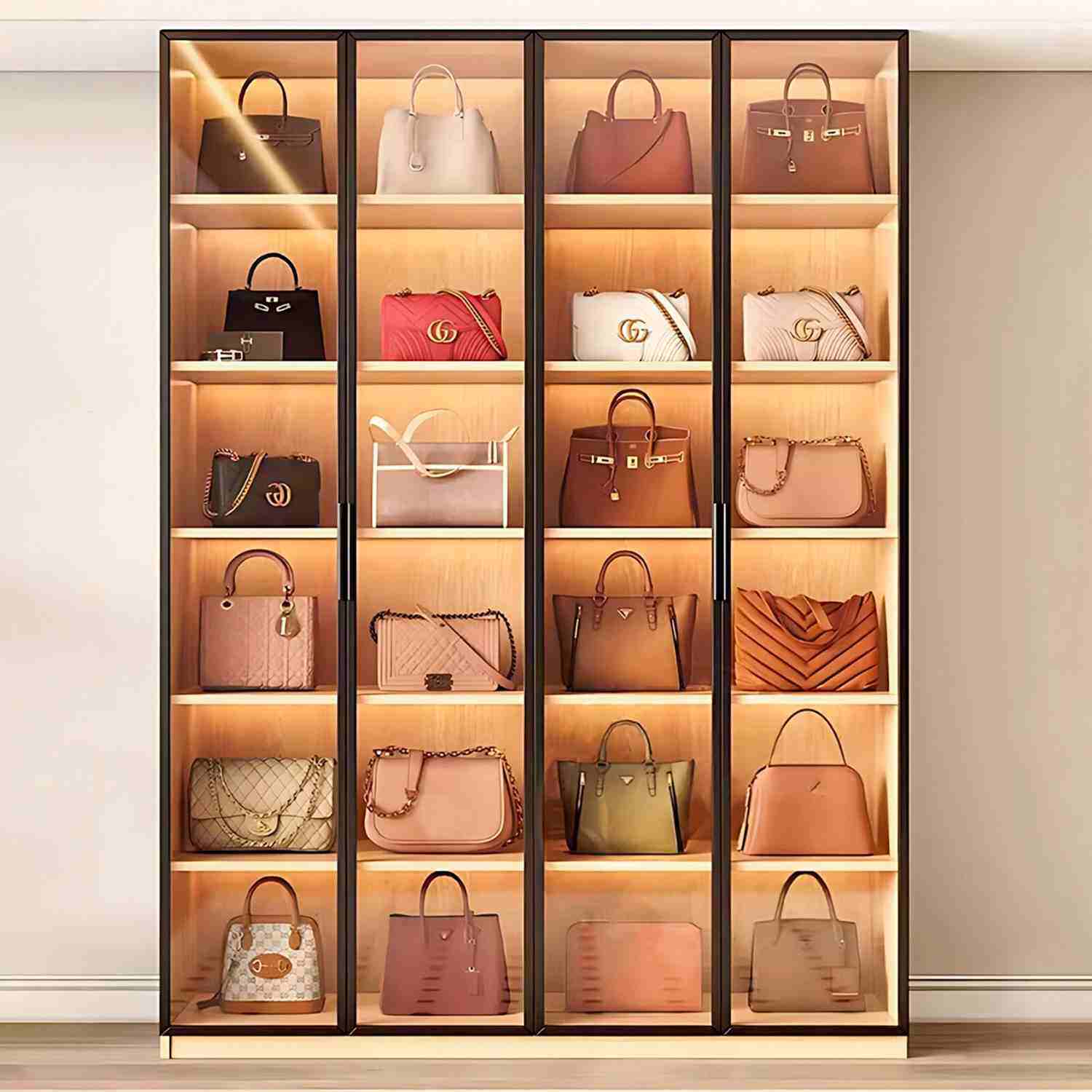
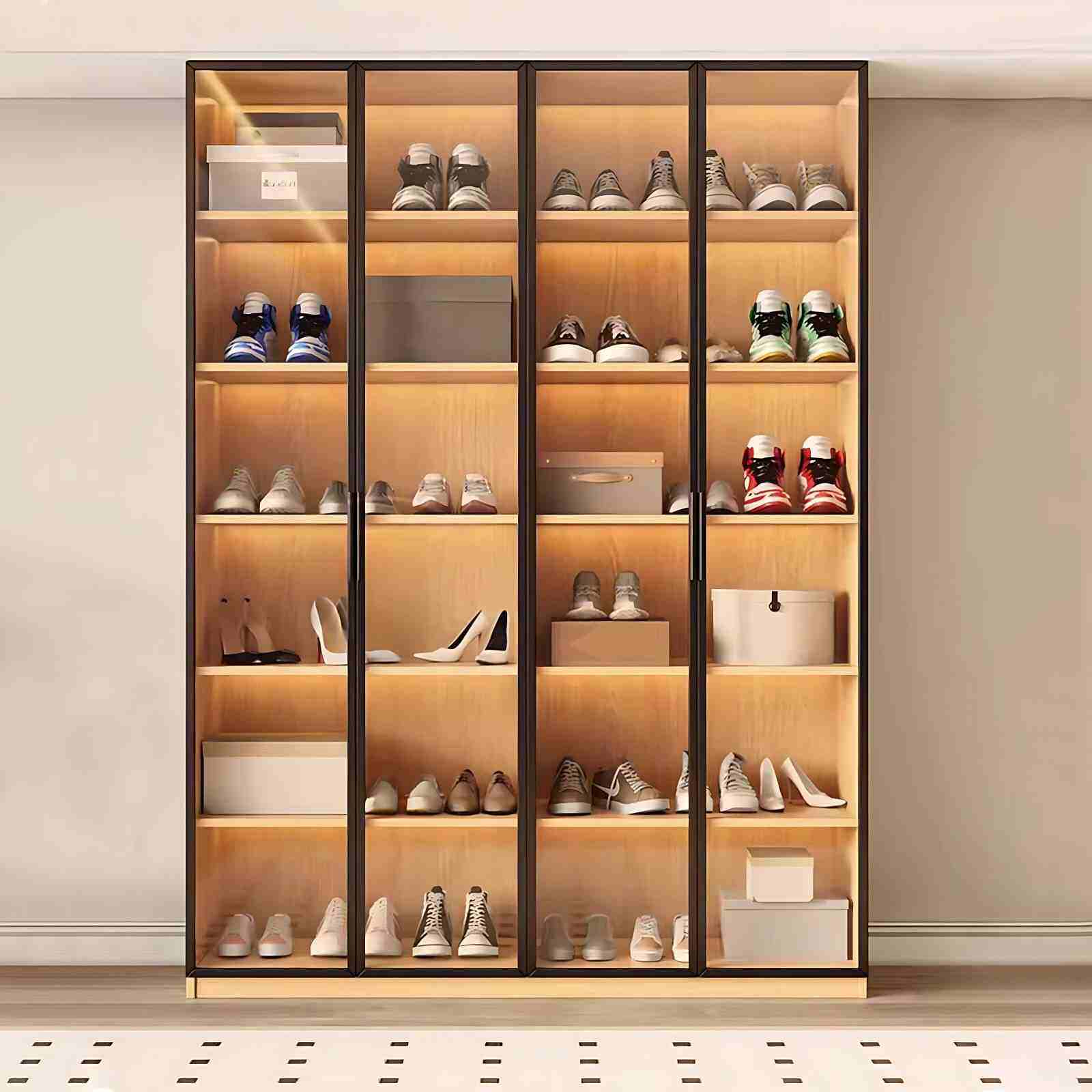
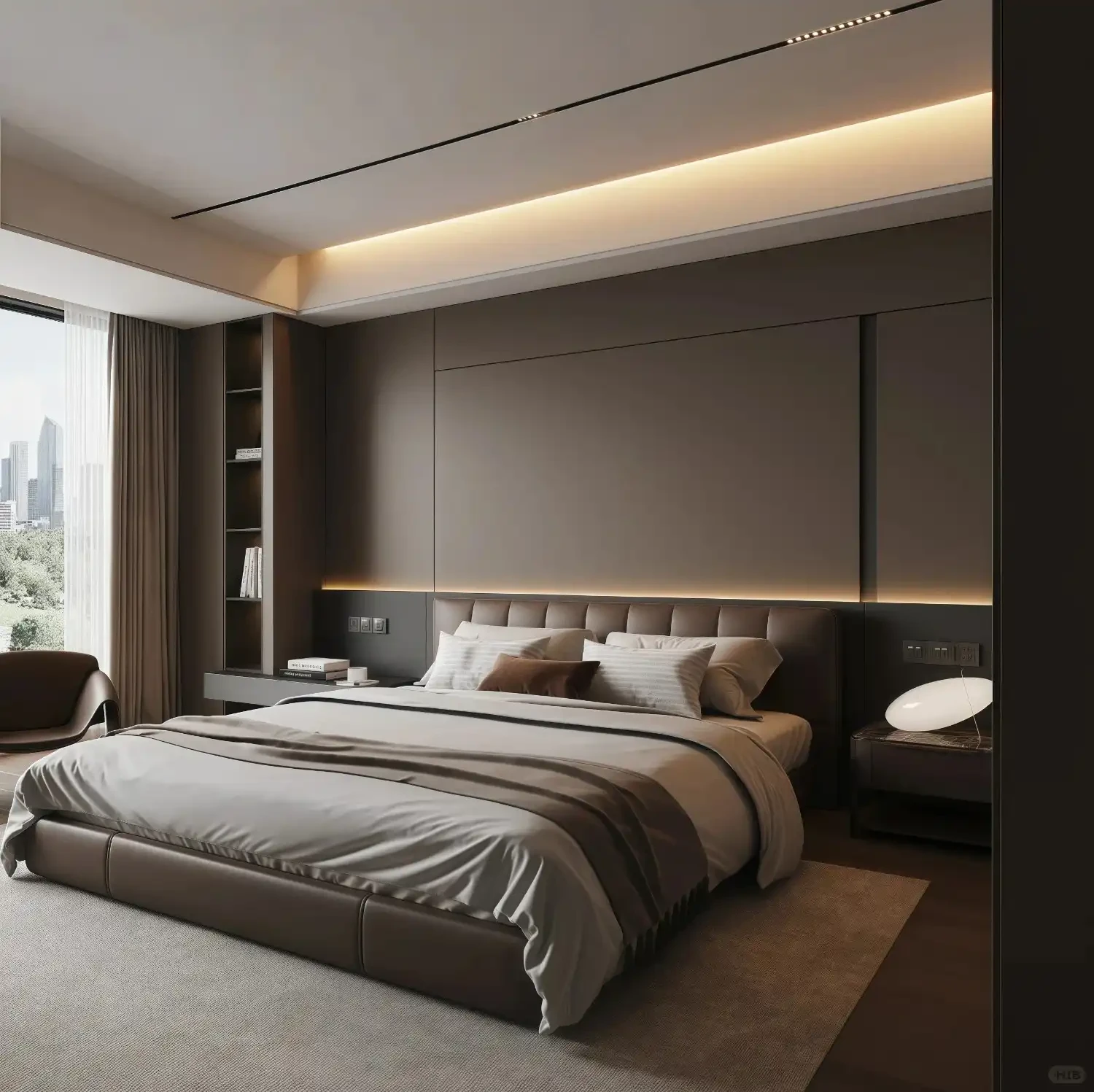
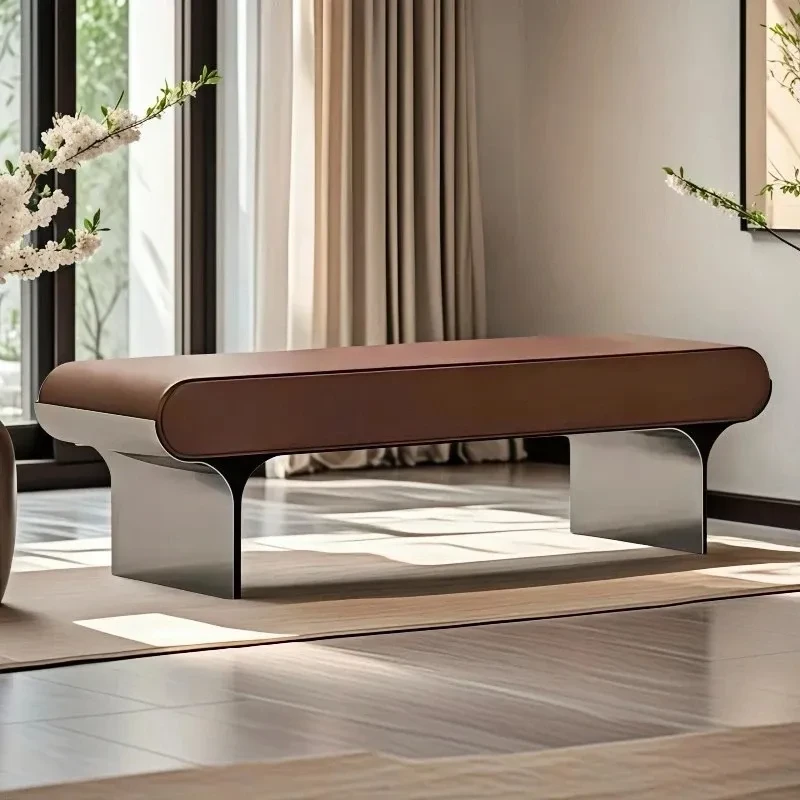
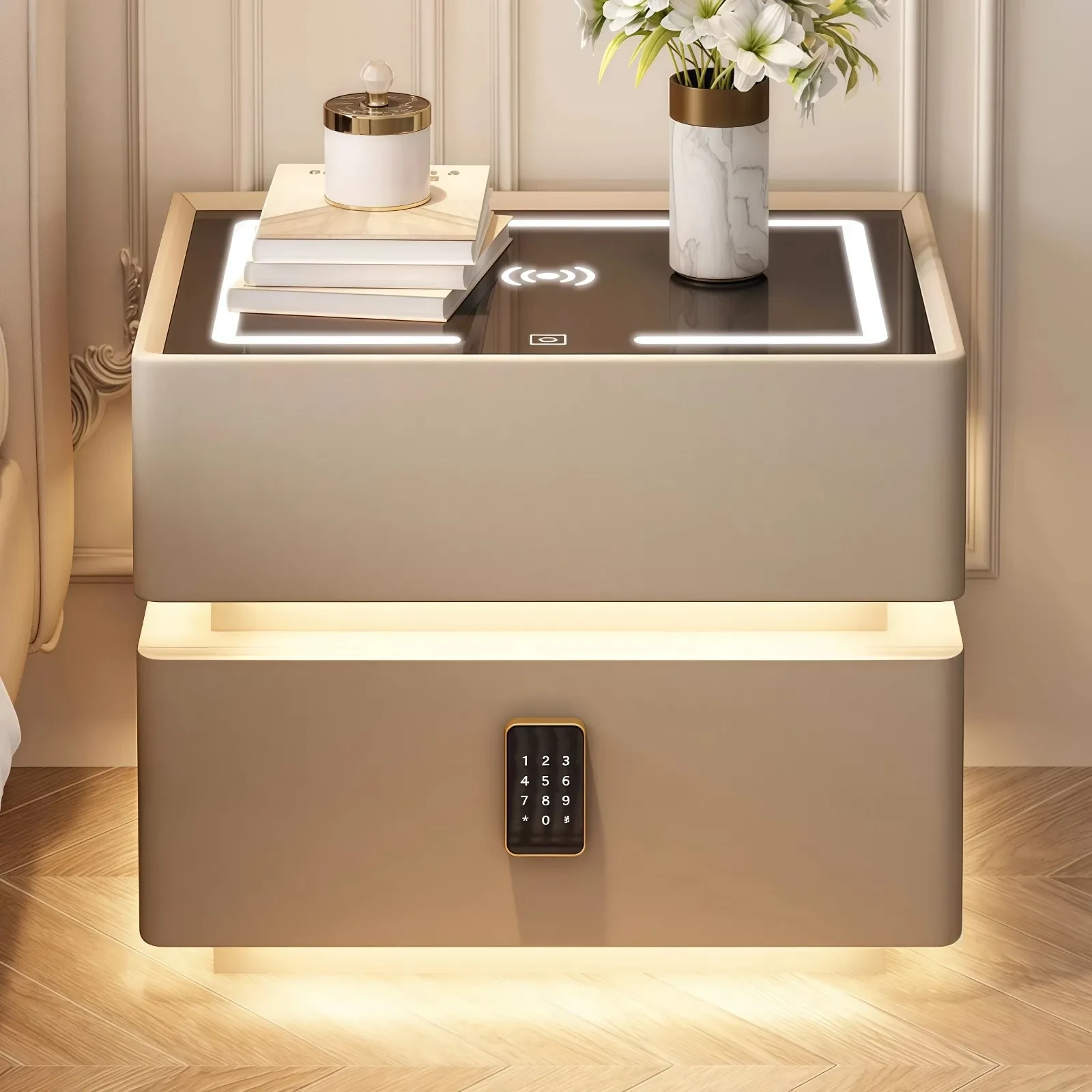
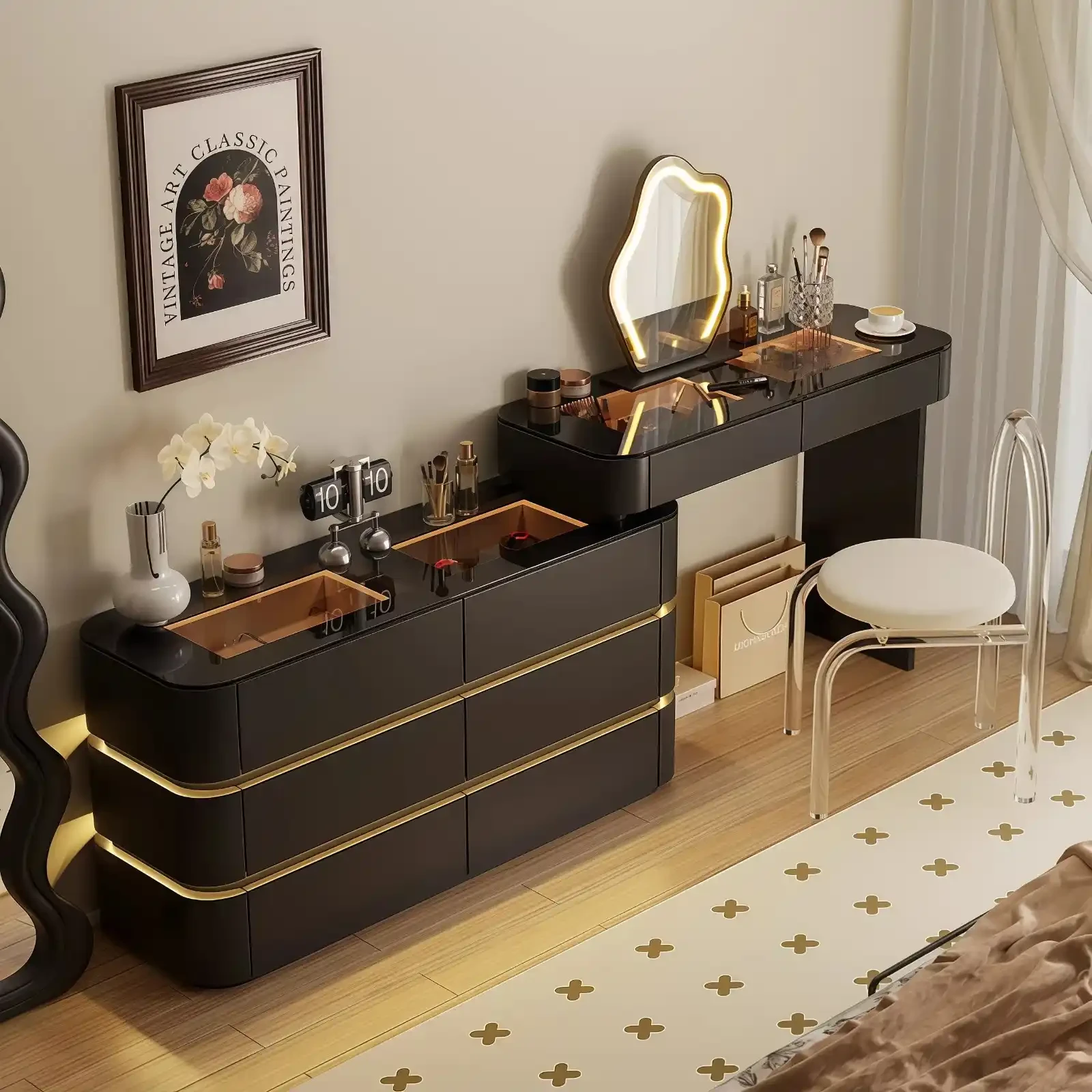
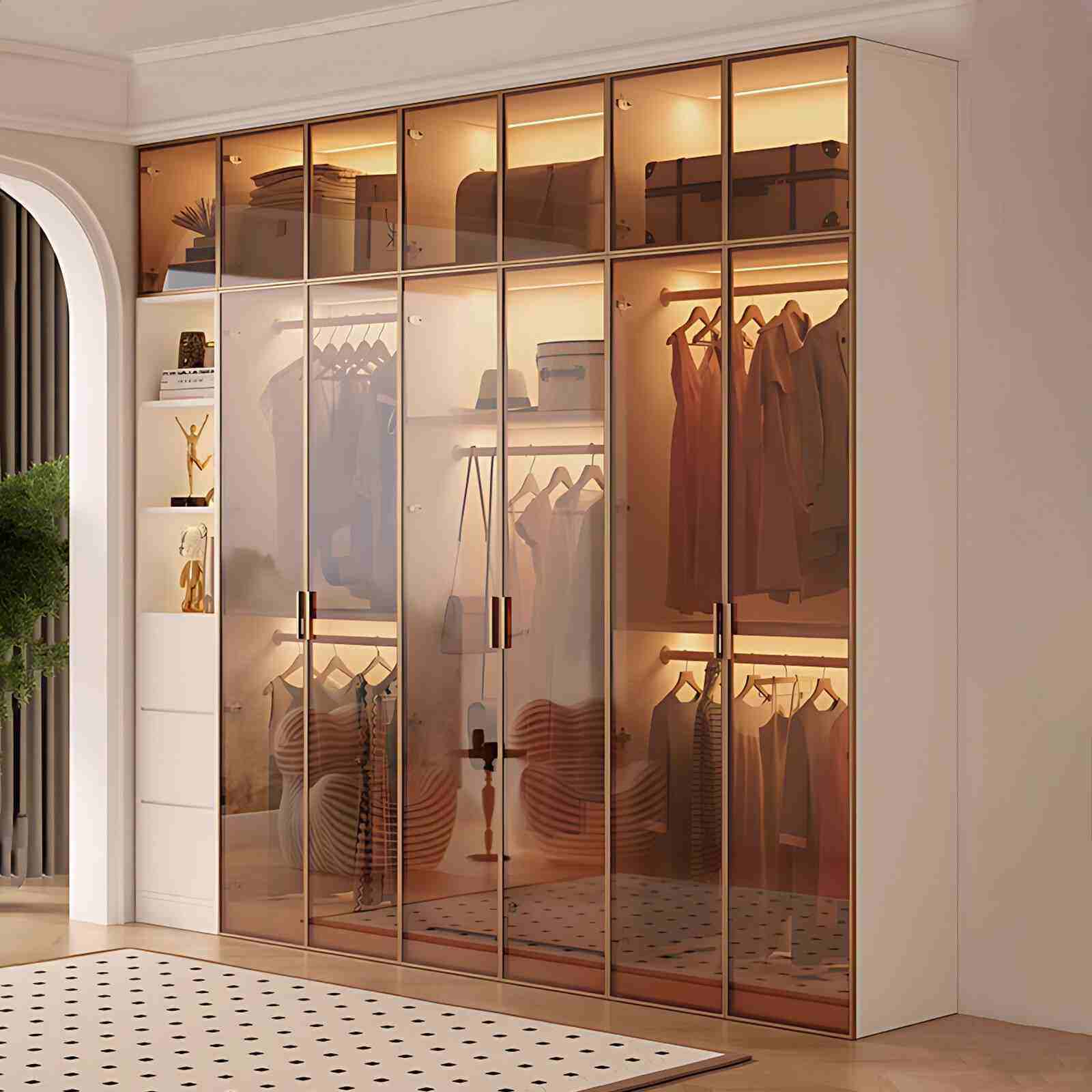
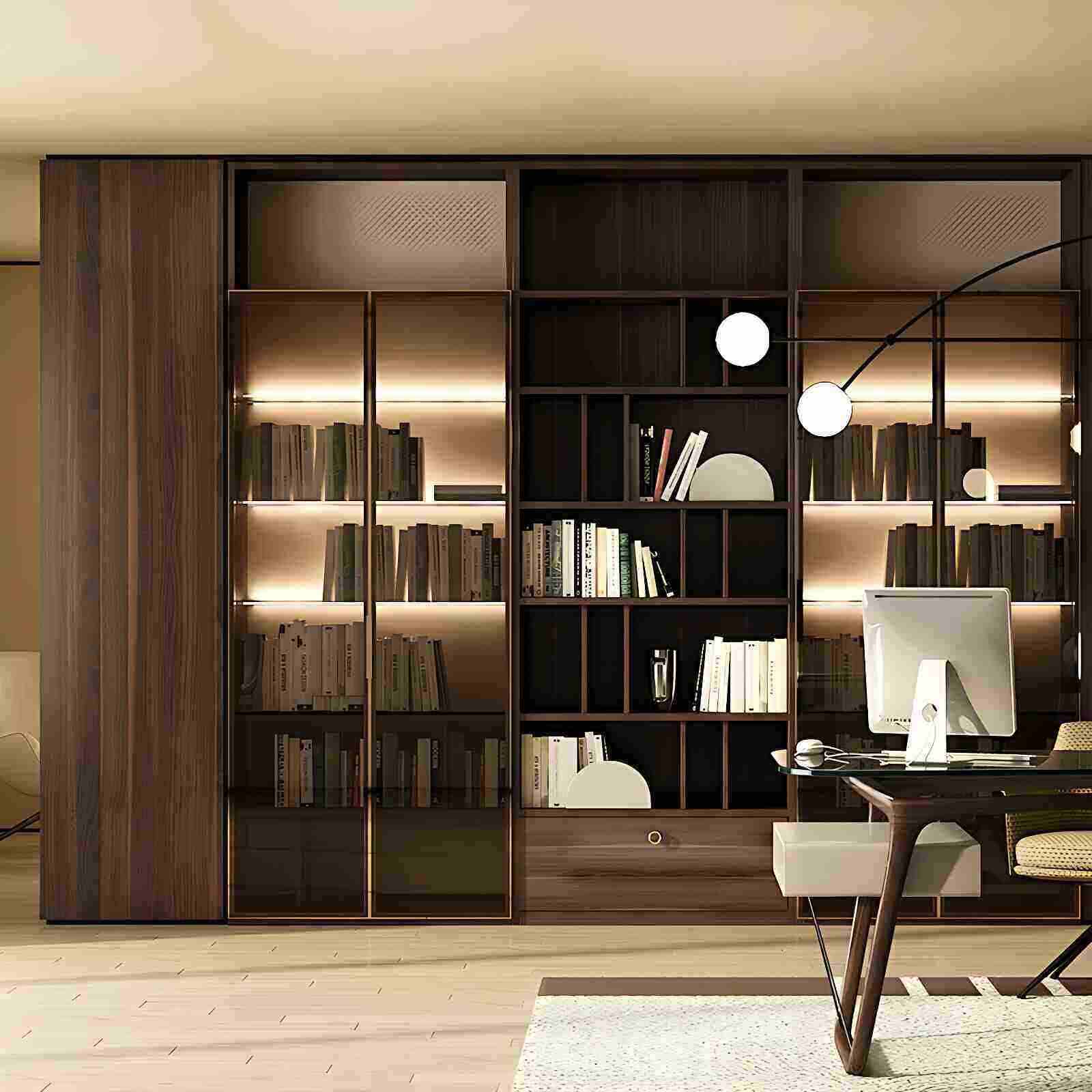
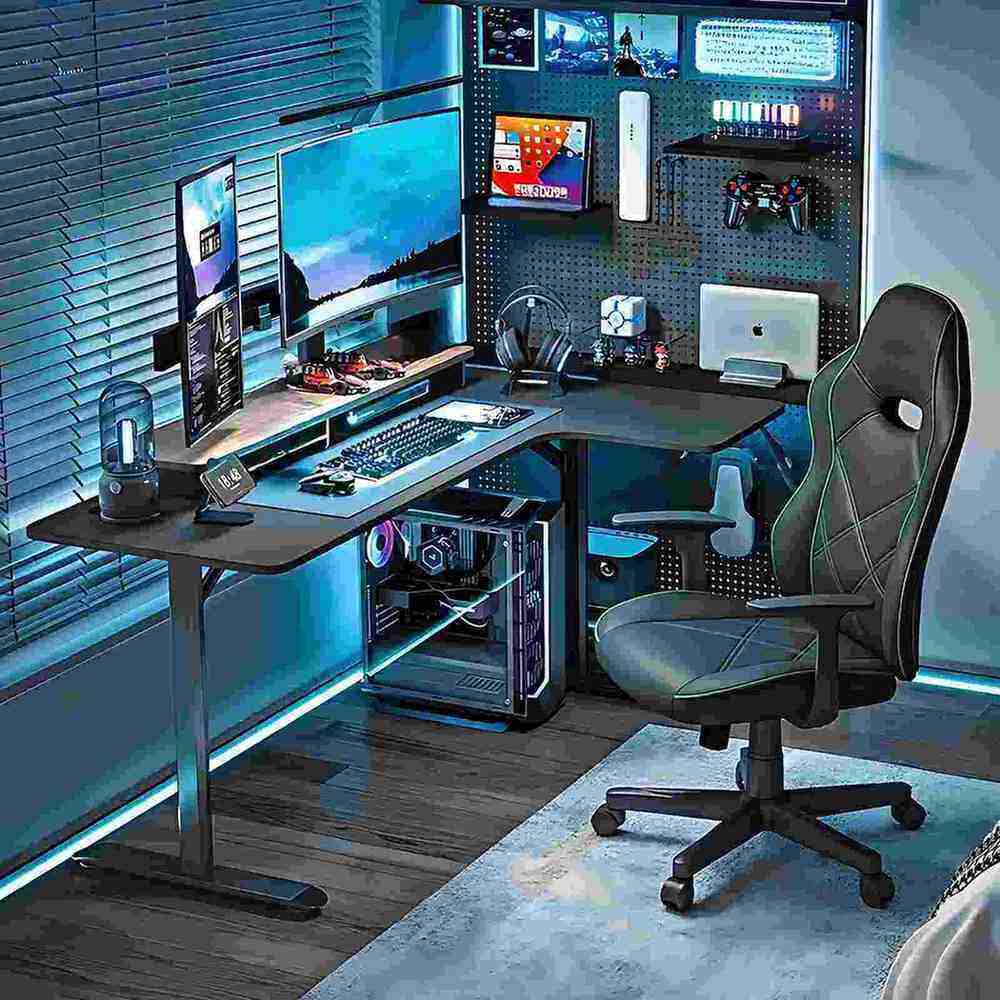
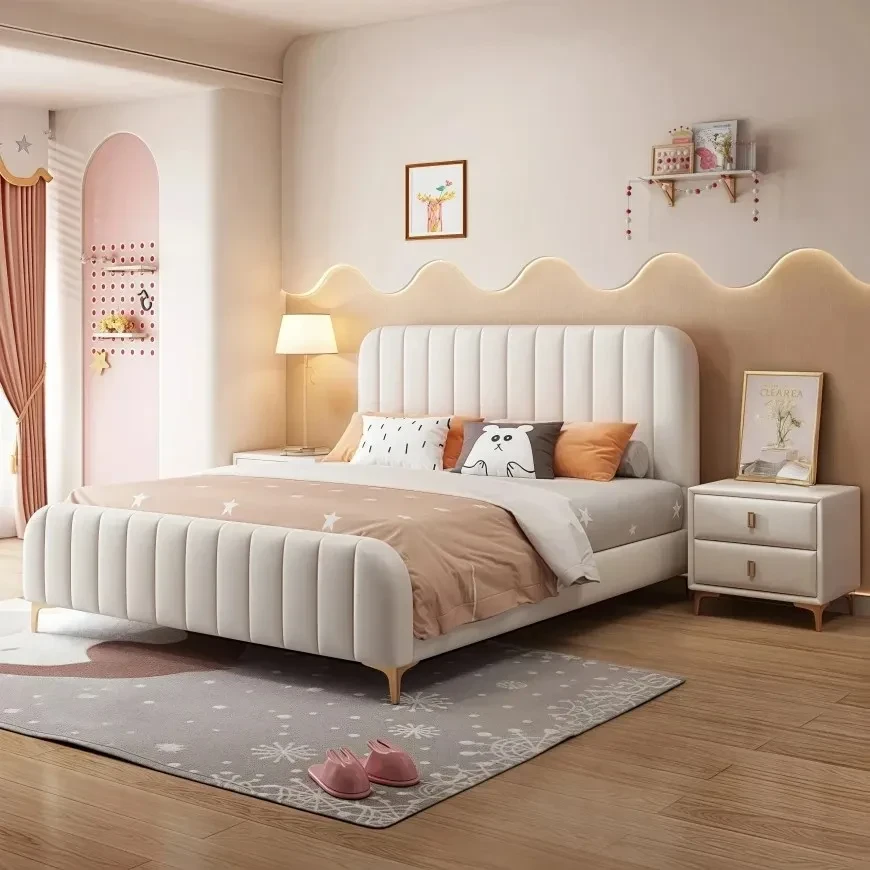
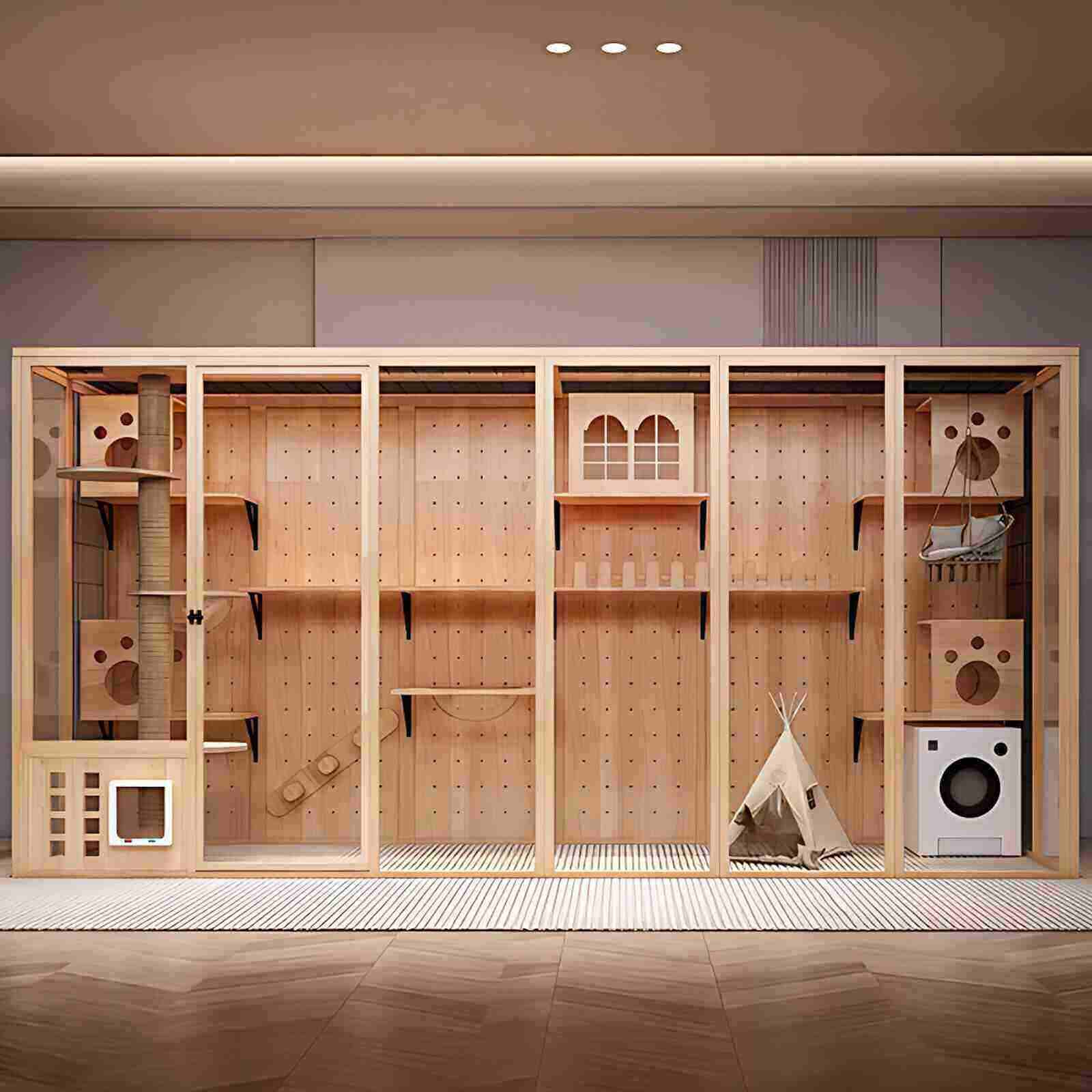
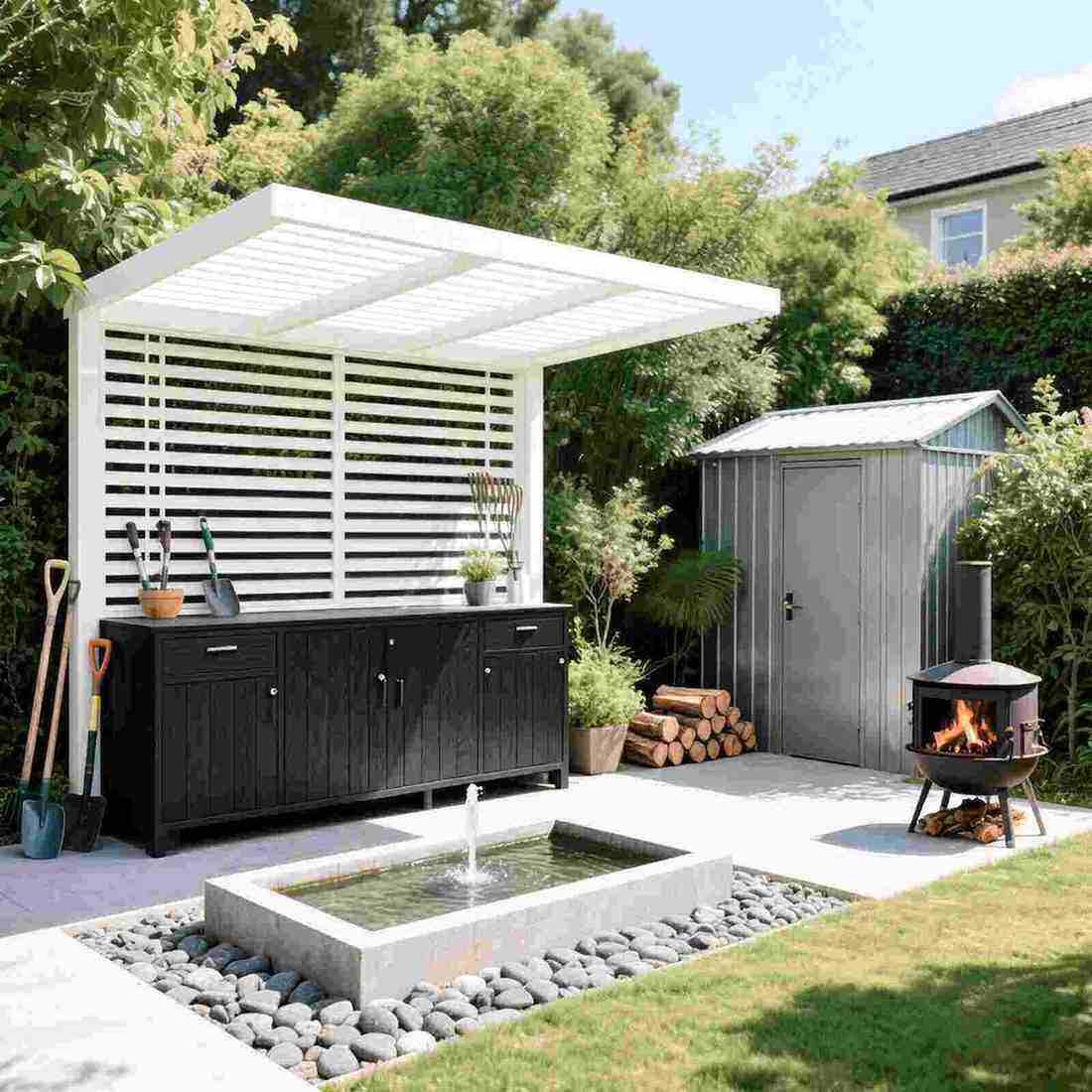
As consumers begin to pay attention to the overall art of home living, people prefer to incorporate more independent creativity and unique features into their home life, creating personalized furniture. At the same time, the requirements for the materials used in custom furniture are becoming increasingly stringent.
There are many types of wood-based panels. Let's learn about eco-friendly panels together with one of China's top ten wood-based panel brands! What are eco-friendly panels?
Eco-board, also known as melamine-impregnated paper-faced engineered wood, uses multi-layer solid wood (plywood) or blockboard (such as Malacca wood, cedar, paulownia wood, poplar wood, etc.) with melamine veneer as the core material. It is mainly used in furniture, cabinets, wardrobes, bathroom cabinets, and other fields.
Advantages: Using plywood as the base material and melamine-impregnated paper as the surface, melamine board has properties such as high temperature resistance, acid and alkali resistance, moisture resistance, and fire resistance compared to traditional paper-covered furniture. The surface is less prone to discoloration and peeling, and it is easy to process into various styles and textures. The product has high added value, saving consumers decoration costs and labor costs.
Disadvantages: The edge banding is prone to chipping, glue marks are more obvious, the construction process requires high skill, and nail holes are easily left on the surface.
Eco-friendly boards are made from processed wood and may contain small amounts of formaldehyde. However, if you choose high-quality boards with an E0 environmental rating, the formaldehyde levels are within safe limits. Another advantage of eco-friendly boards compared to other boards is that they are paint-free. Not needing to paint reduces the emission of toxic and harmful substances from paint, making them more environmentally friendly.
Advantages of using eco-friendly boards for furniture making
Eco-friendly boards are paint-free, wear-resistant, high-temperature resistant, corrosion-resistant, waterproof, moisture-proof, have good nail-holding power, are environmentally friendly, low-carbon, and their surface will not discolor or peel. They possess many superior properties that natural wood cannot match. Furniture made from them does not need to be painted; a protective film naturally forms on the surface, making it wear-resistant, scratch-resistant, acid and alkali resistant, heat-resistant, and stain-resistant. They are both environmentally friendly and aesthetically pleasing.
Disadvantages of using eco-friendly boards for furniture making
While eco-friendly boards can certainly be used to make furniture, they are a new type of material.
1. The price is high, and it may be difficult for ordinary home users to afford this cost;
2. The lack of corresponding technical specifications, after all, is a new thing, and it takes a period of time to develop and improve it, making it difficult to purchase high-quality products;
3. This type of board is advantageous for making outdoor flooring, exterior wall panels, insulation boards and other decorative boards, but its durability is slightly inferior, and it is also slightly inferior in terms of furniture quality.
In a market with a wide variety of core materials, our board products only offer consumers choices with multi-layer solid wood (plywood) and blockboard (such as Malacca wood, cedar, paulownia wood, pine, etc.) as the base material. They have a variety of textures and a full range of colors. E0 environmentally friendly ecological boards provide consumers with more environmental protection and health benefits!