
 USD
USD GBP
GBP
 EUR
EUR
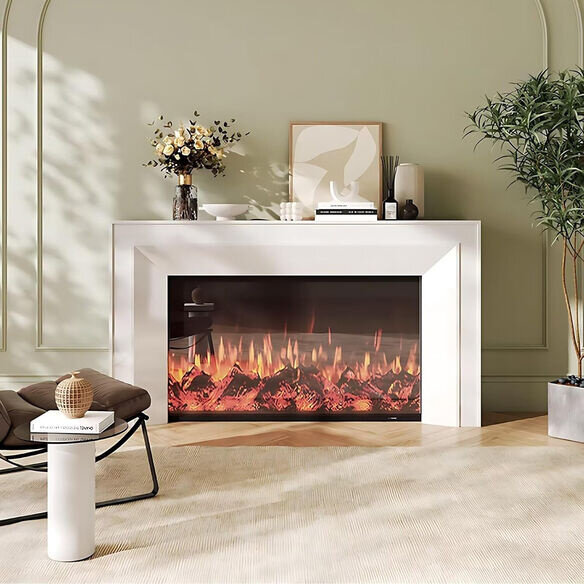

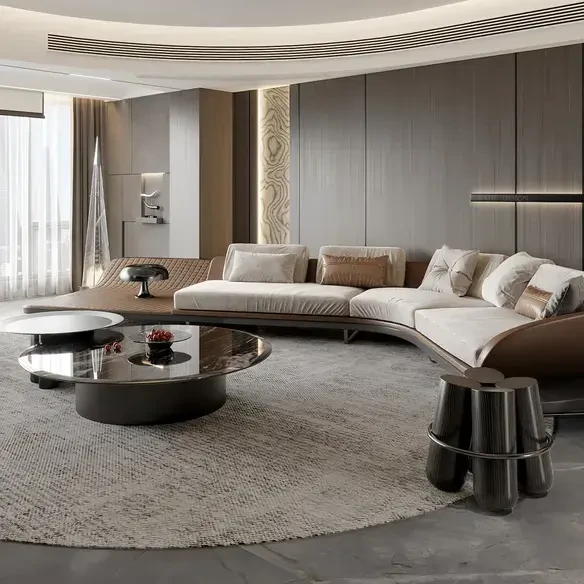
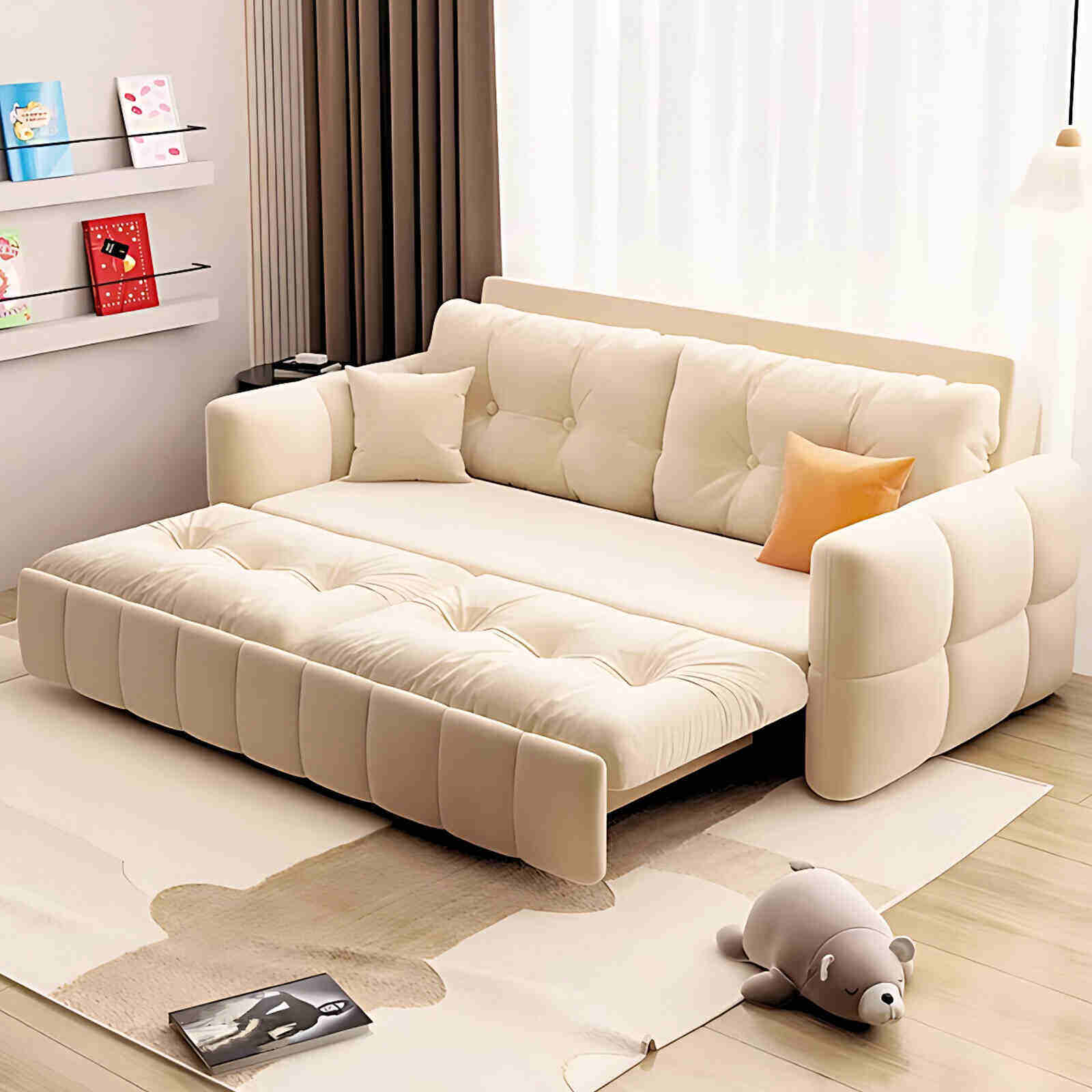
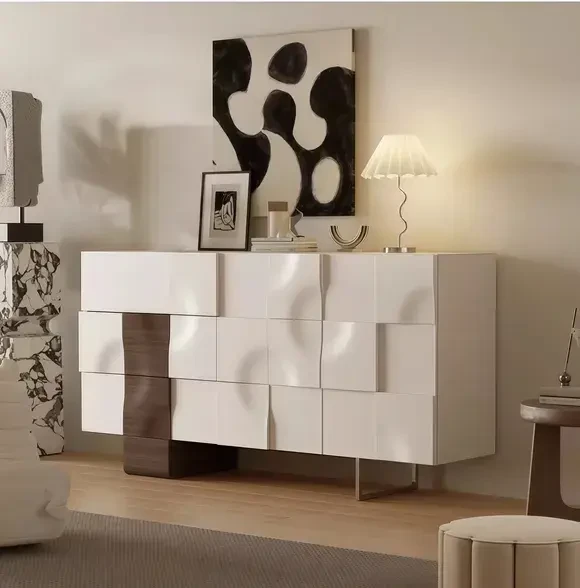







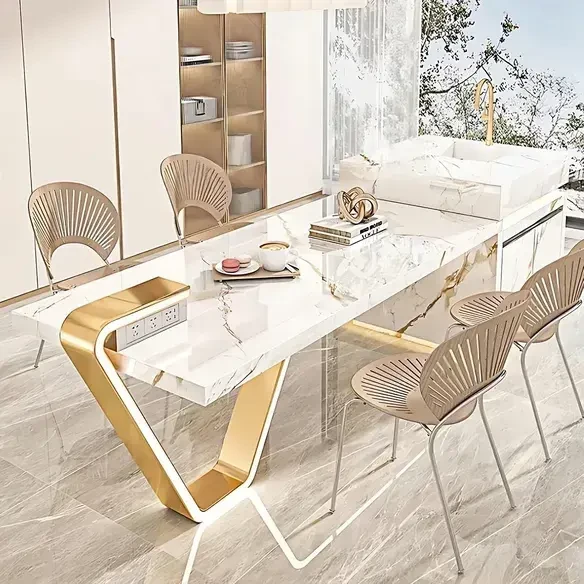
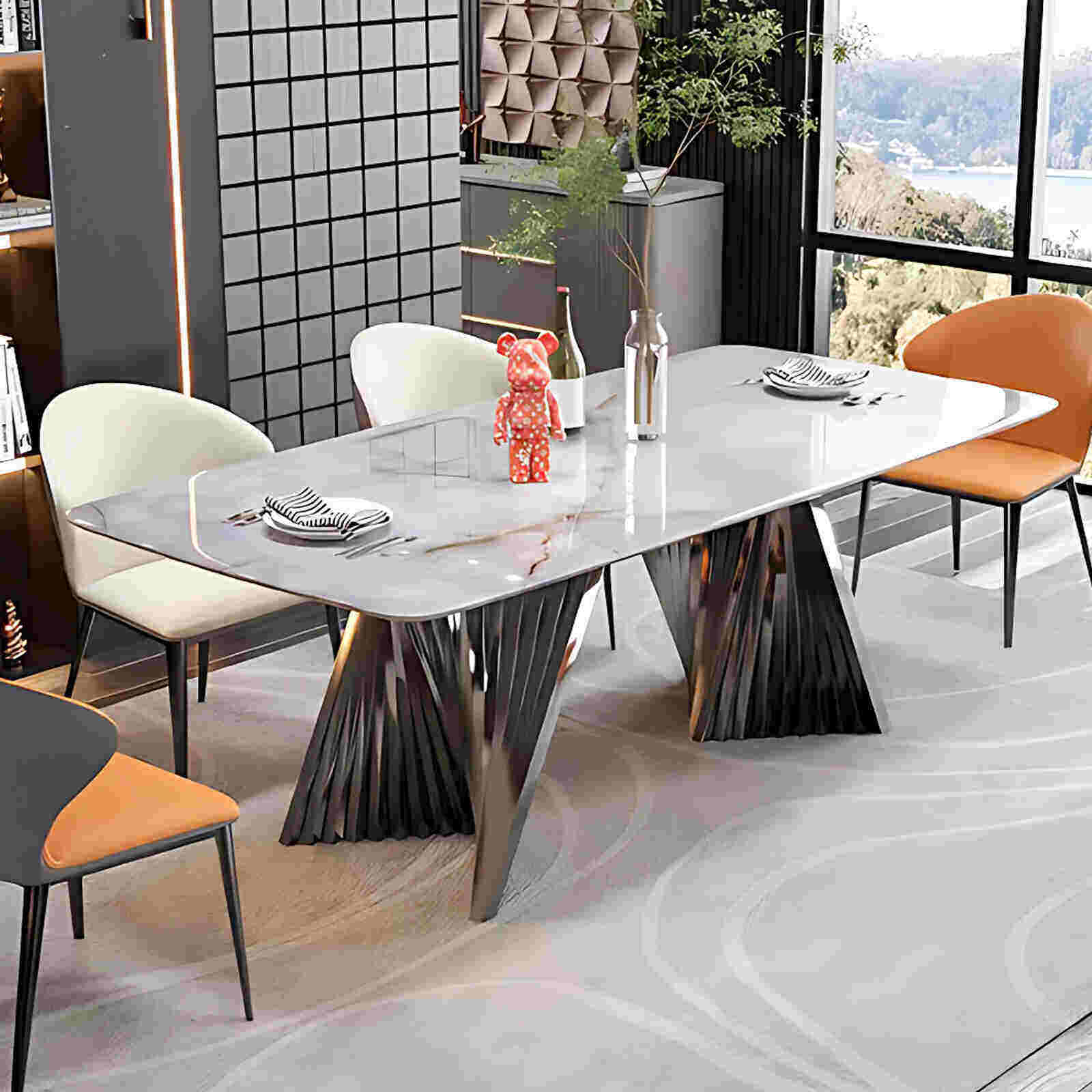
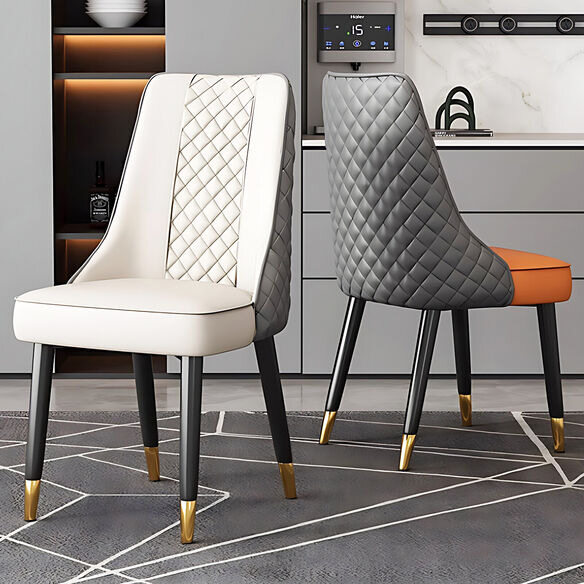
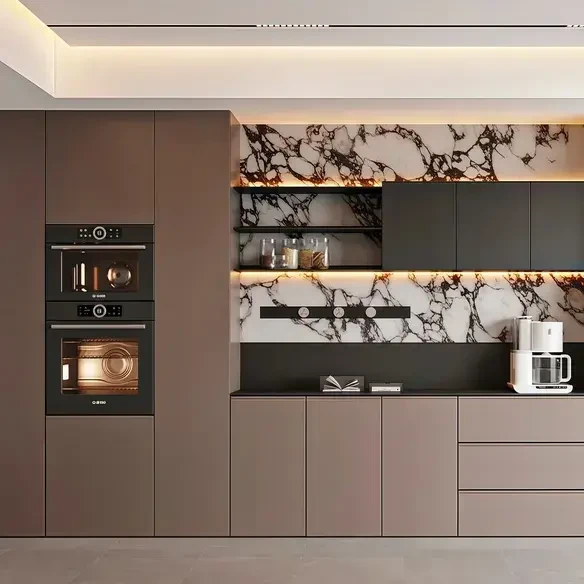
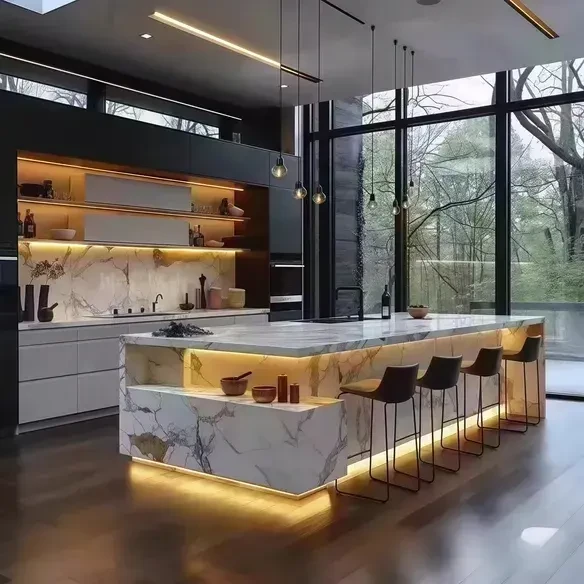
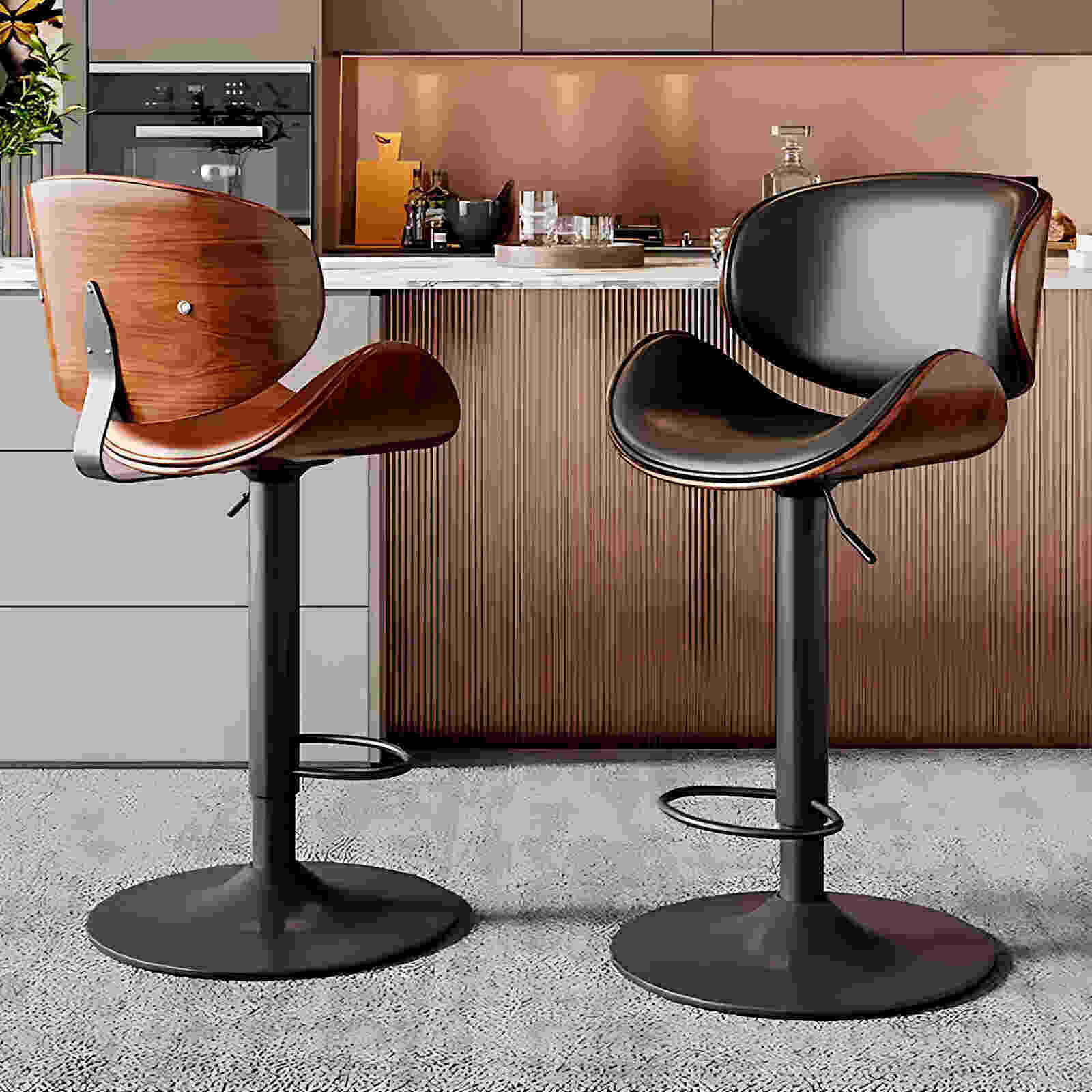
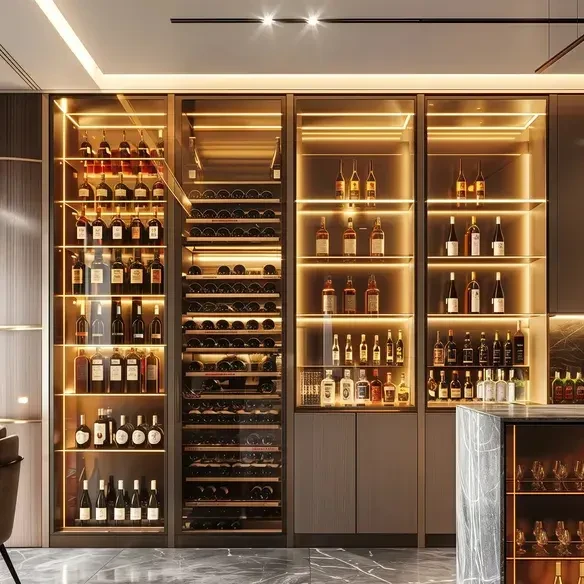

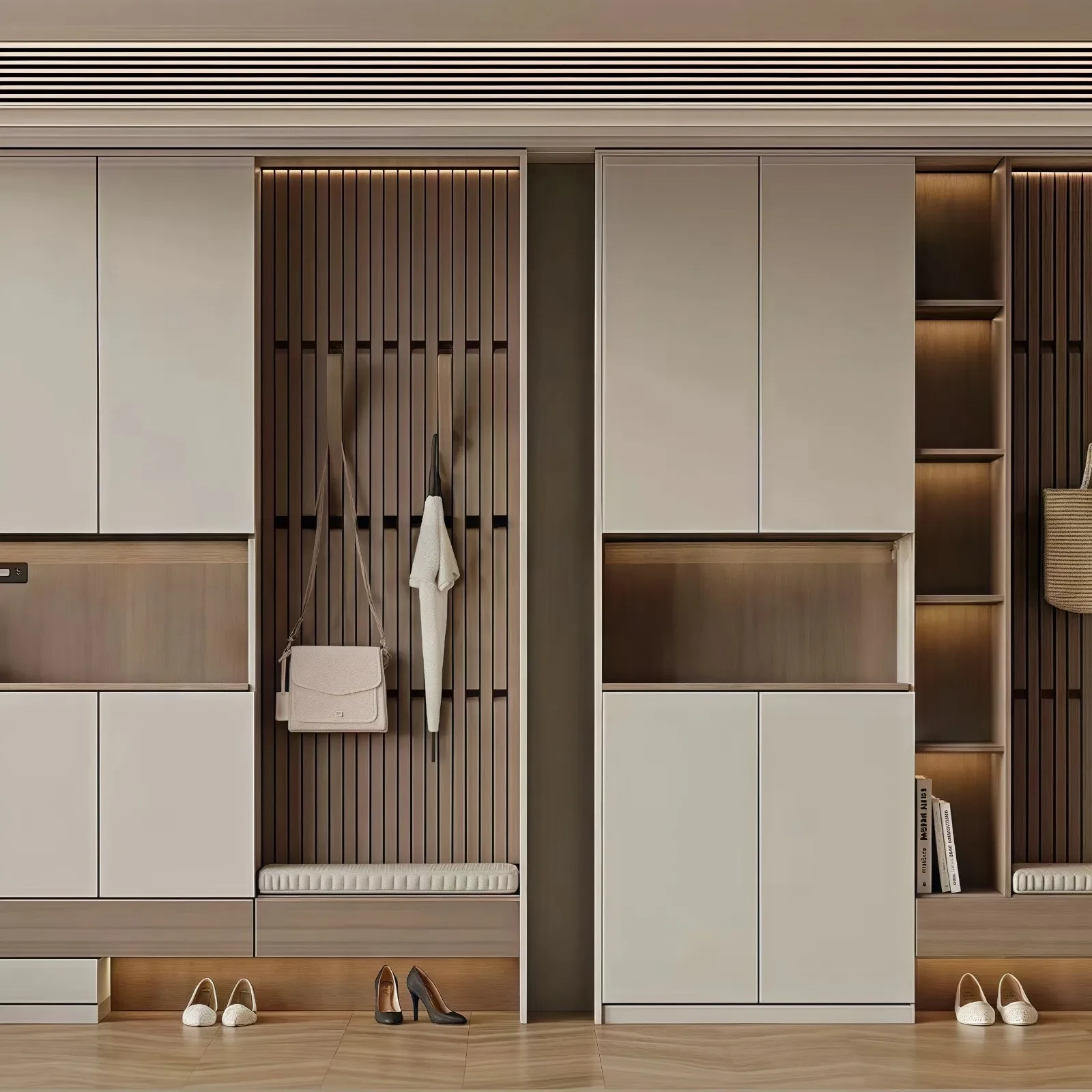
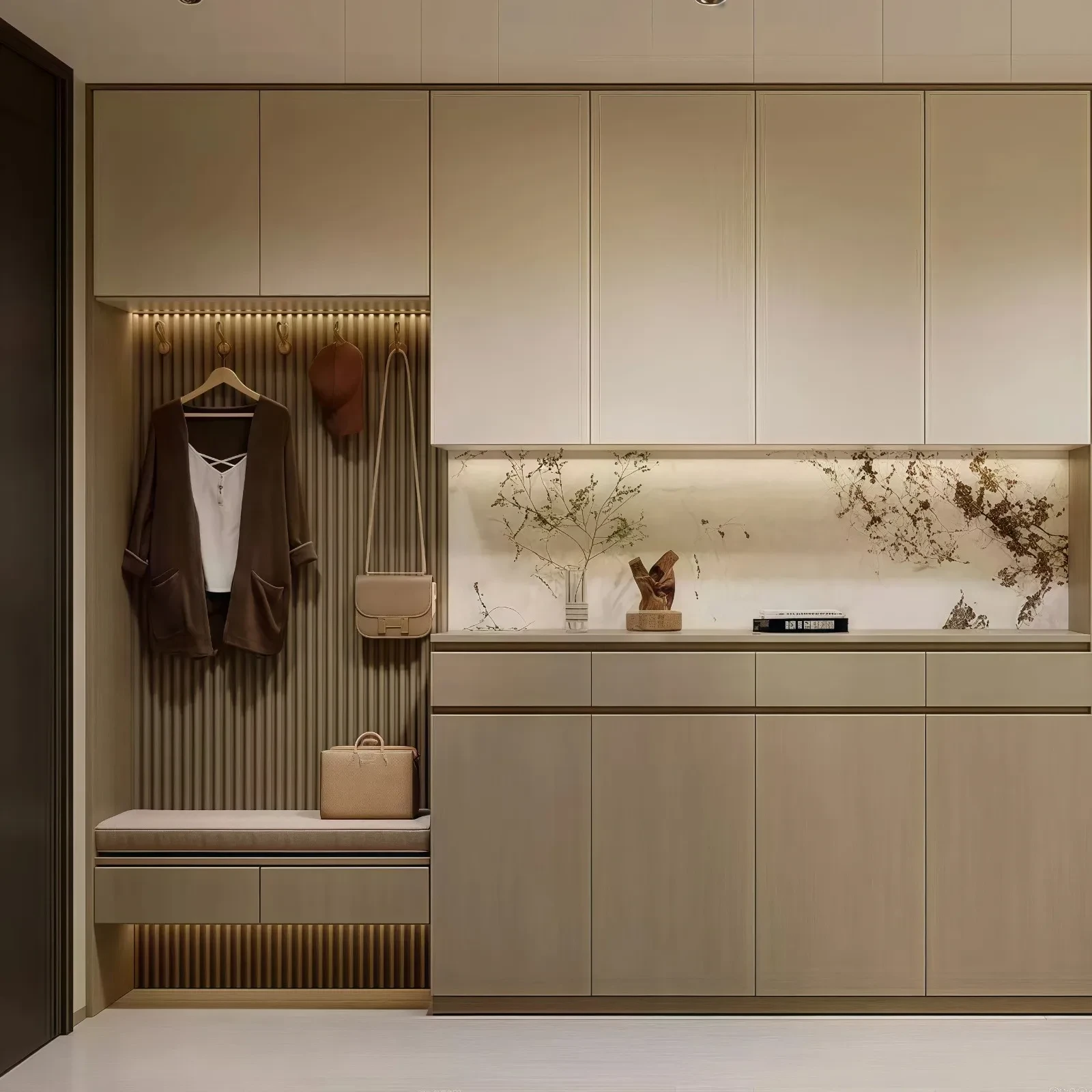
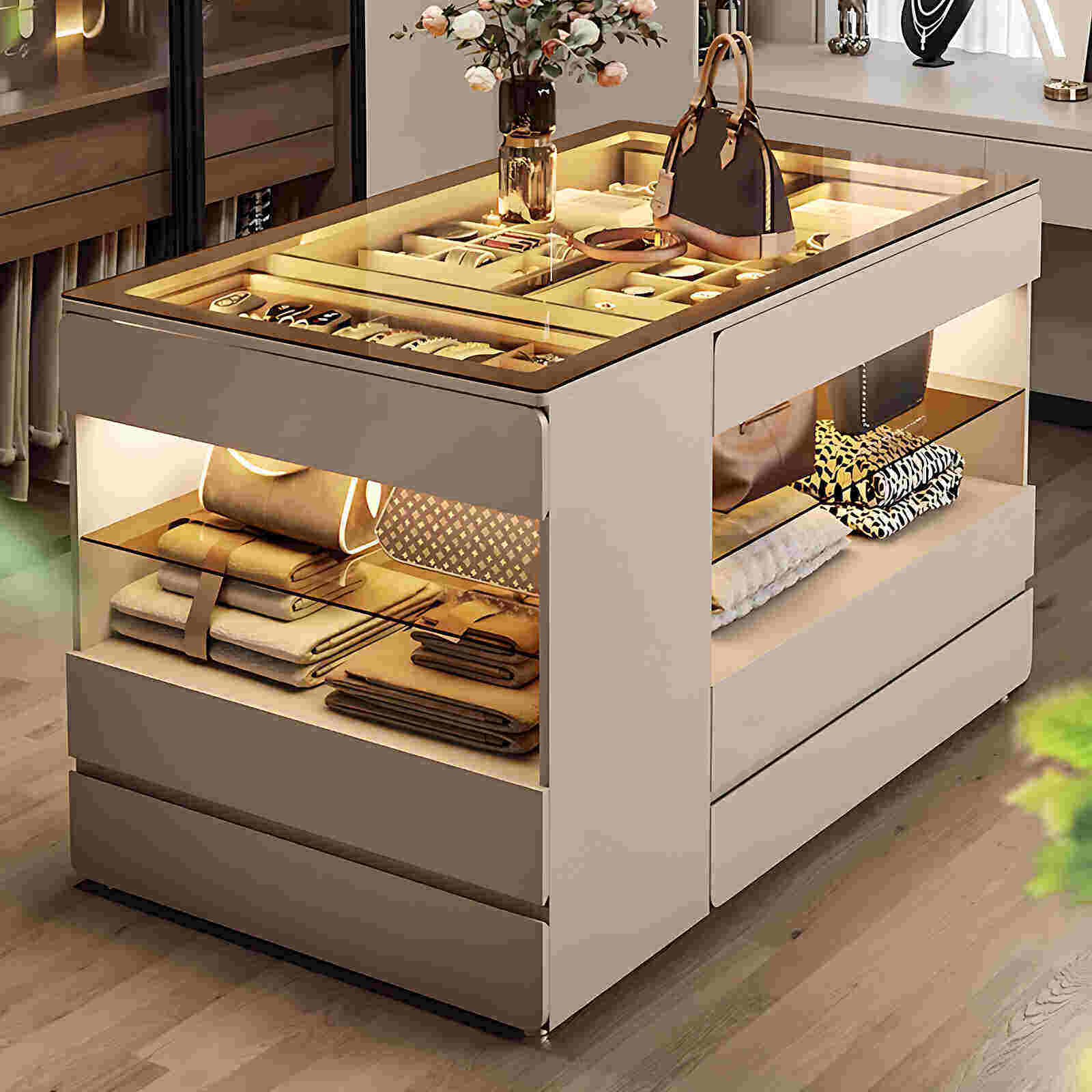
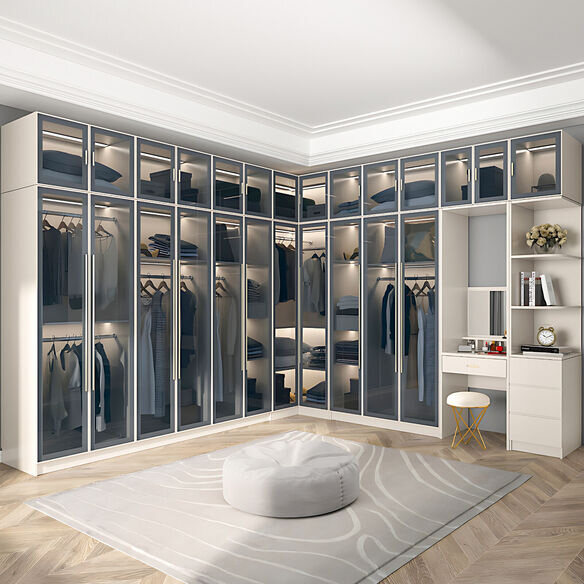
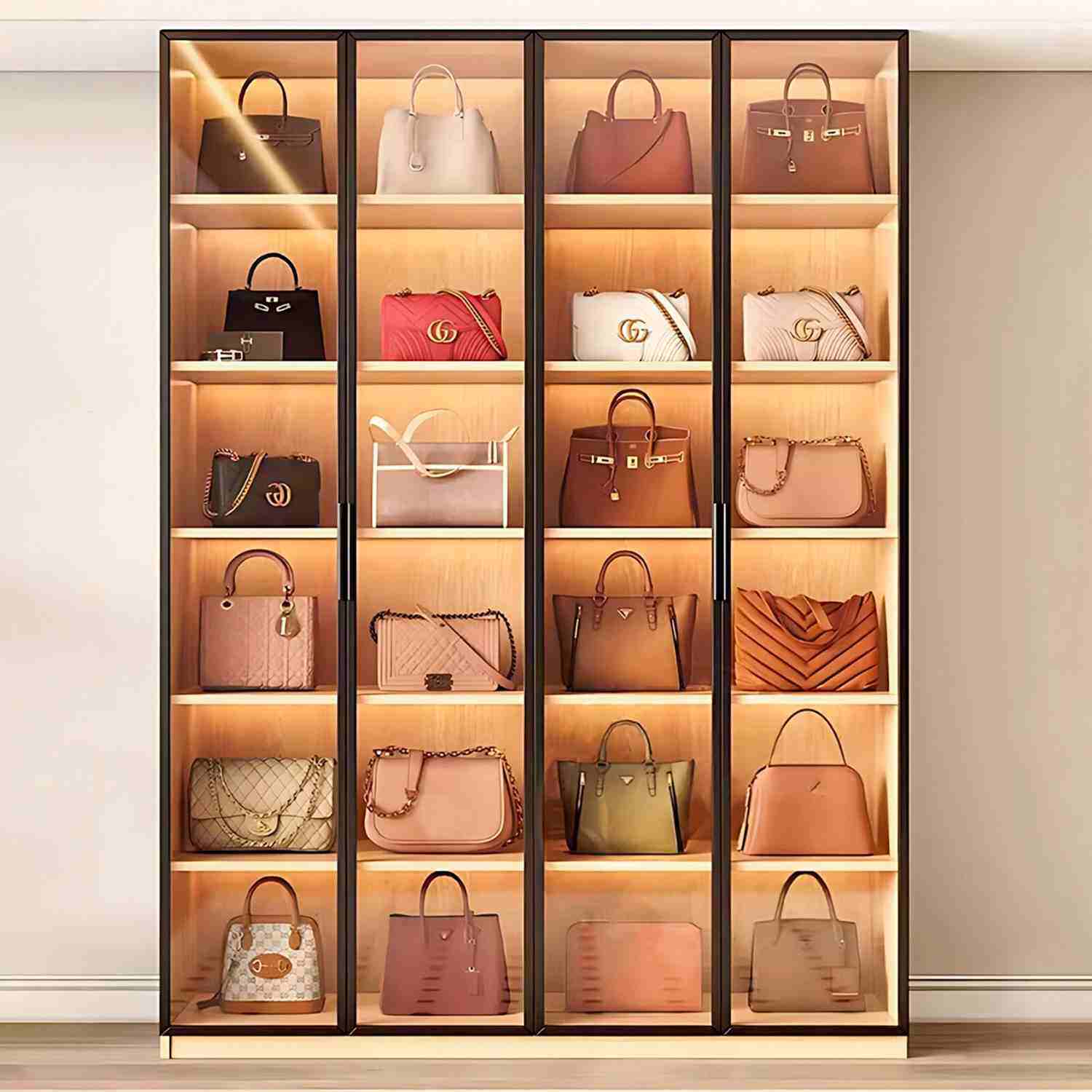
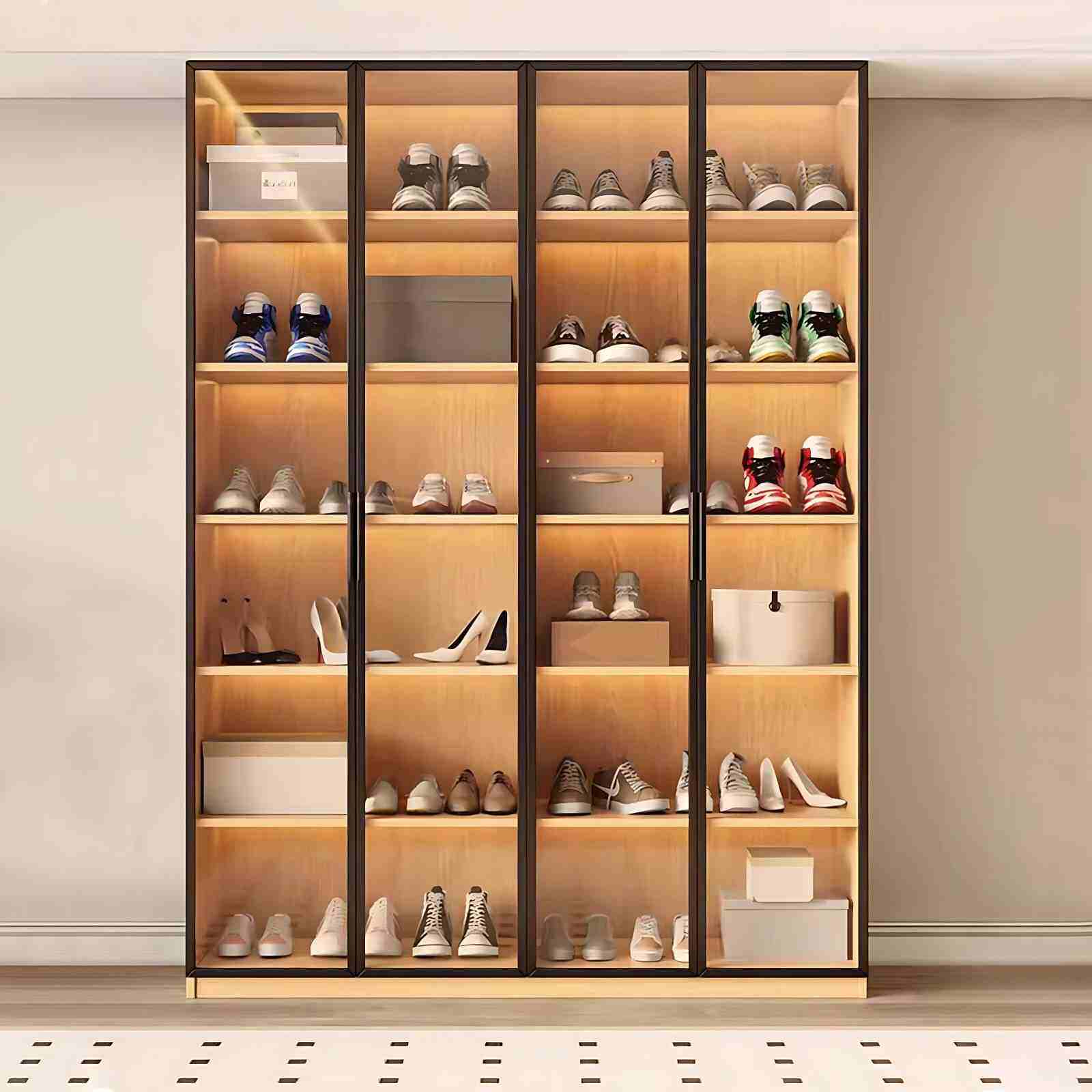
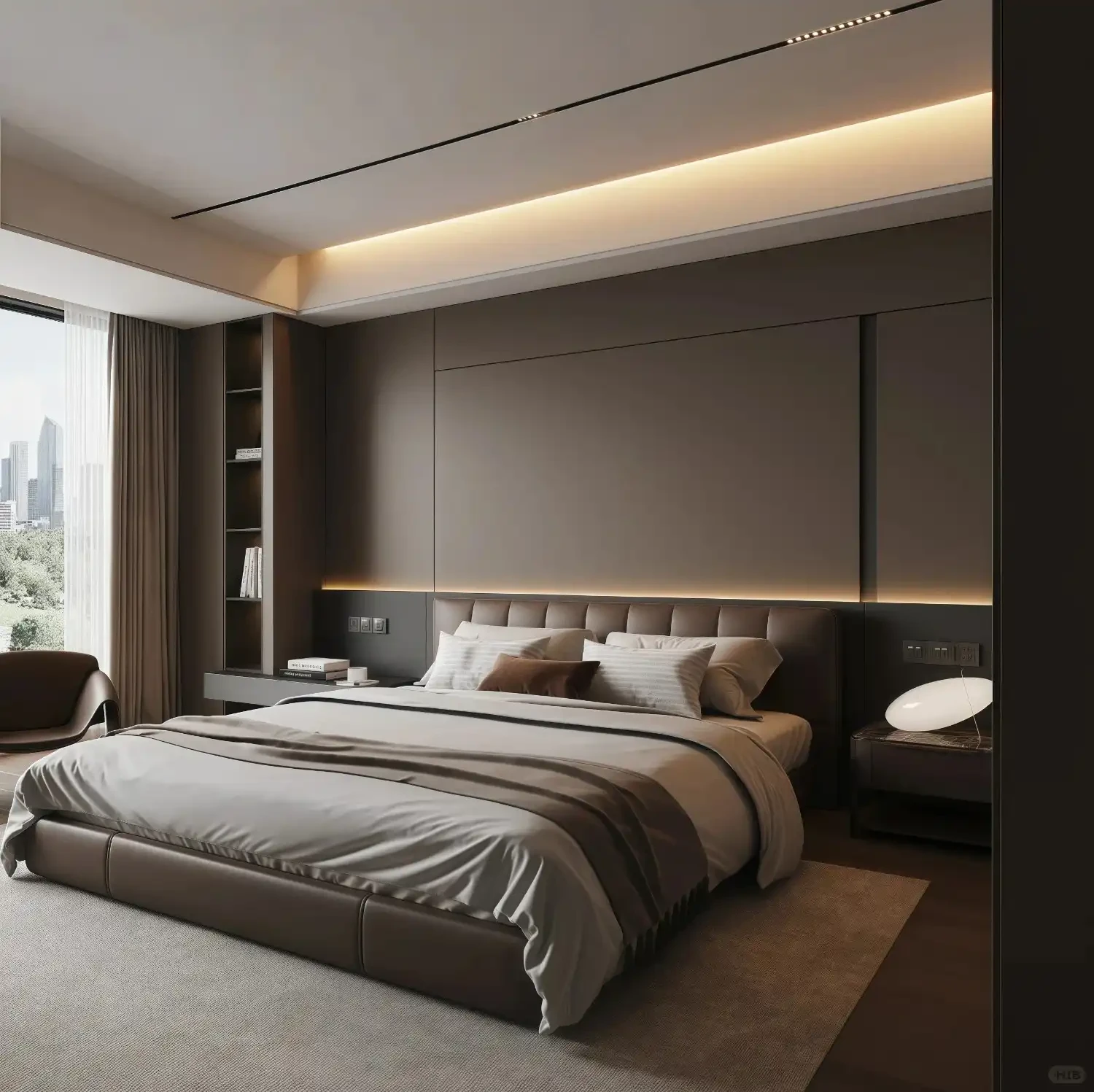
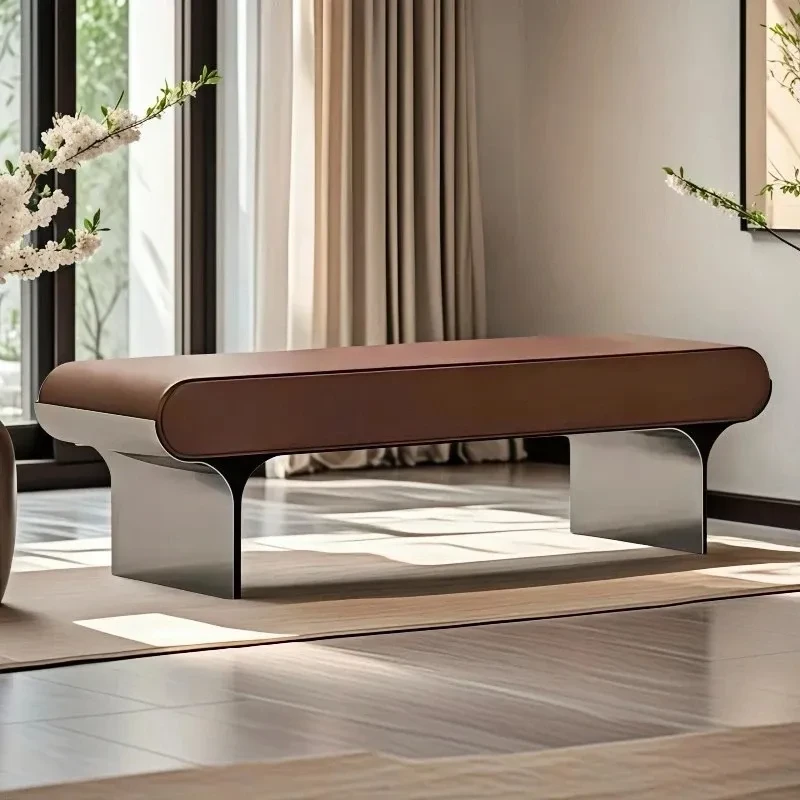

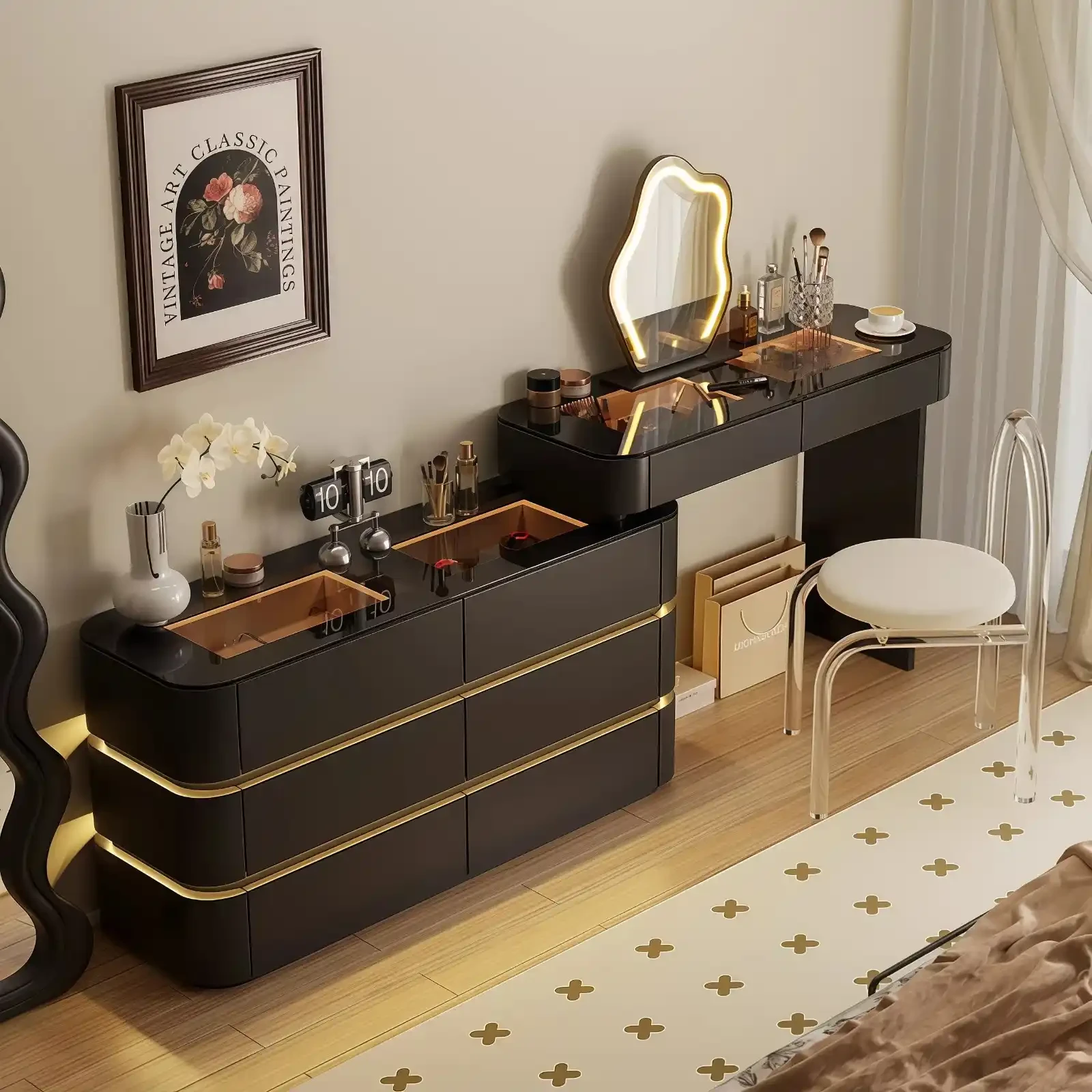
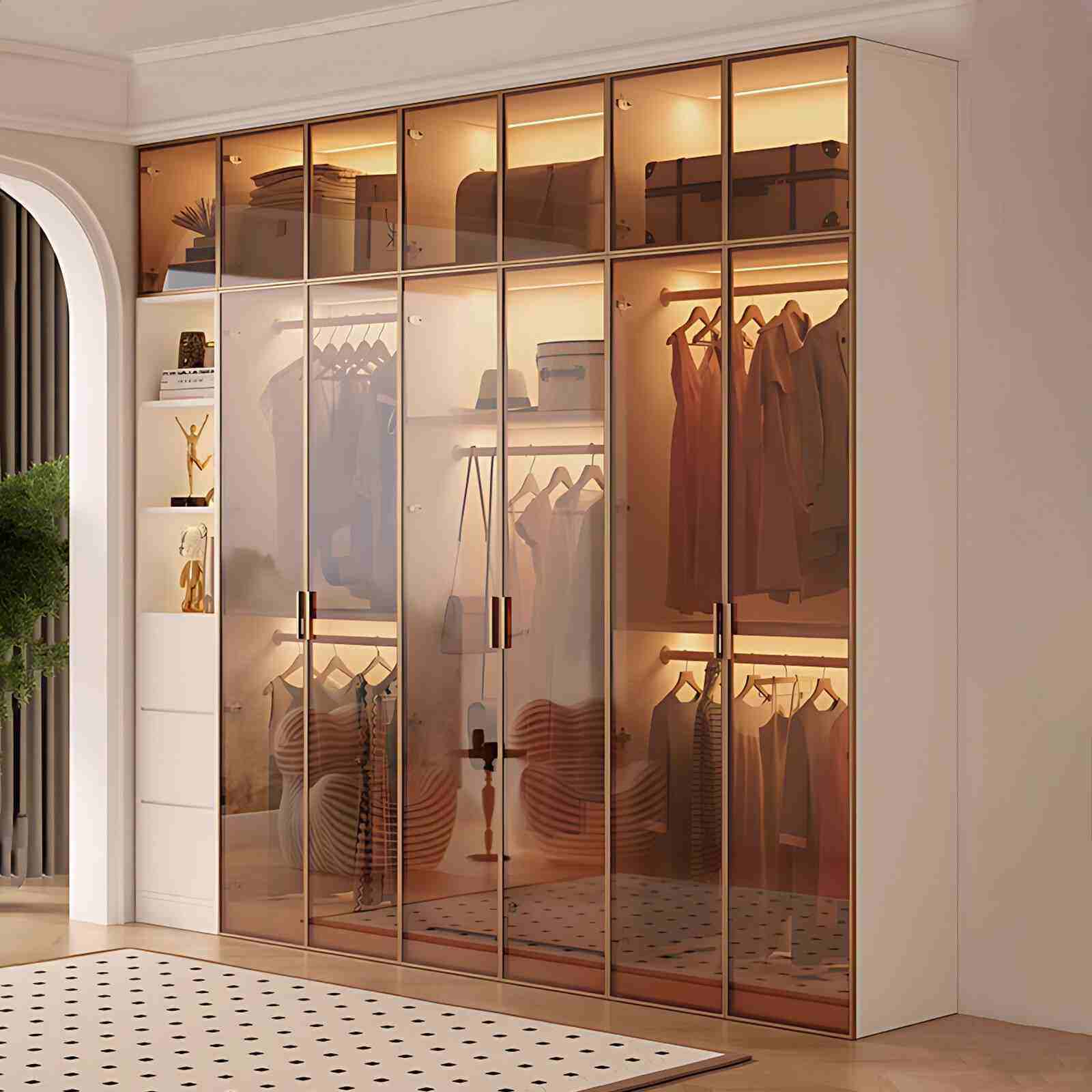
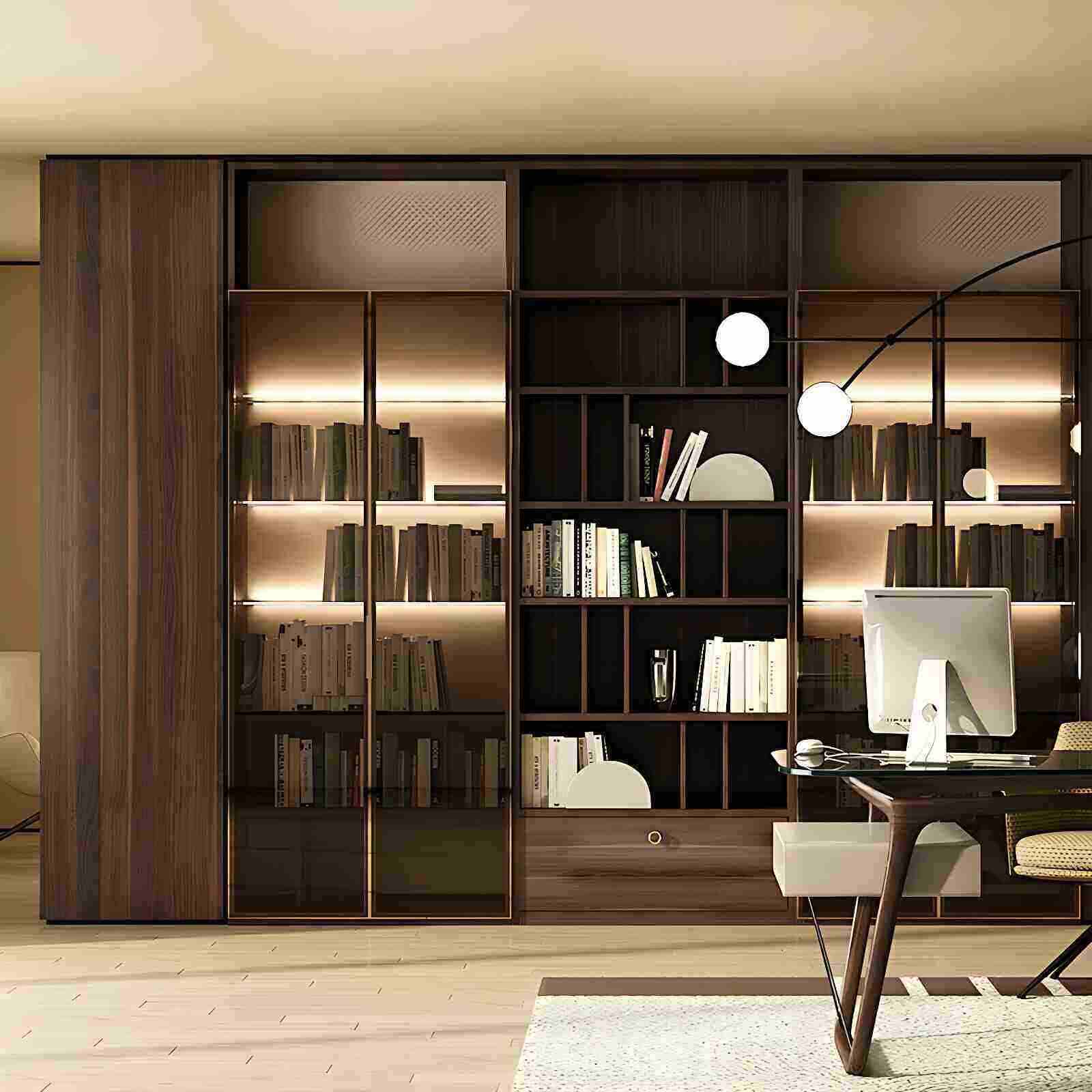

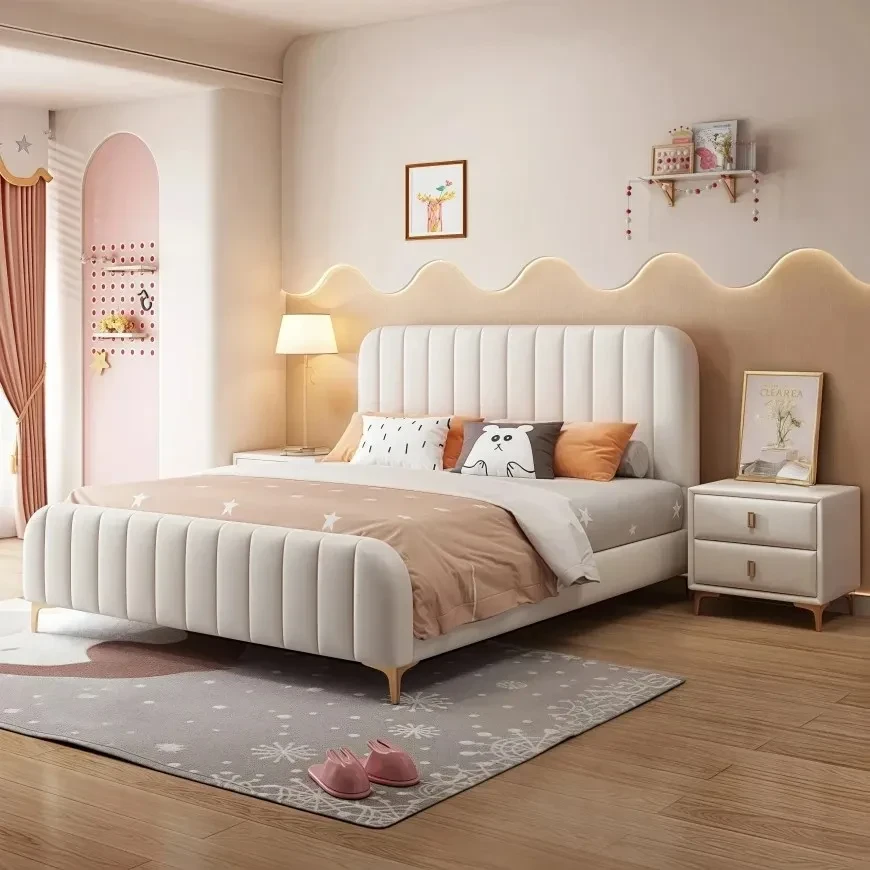
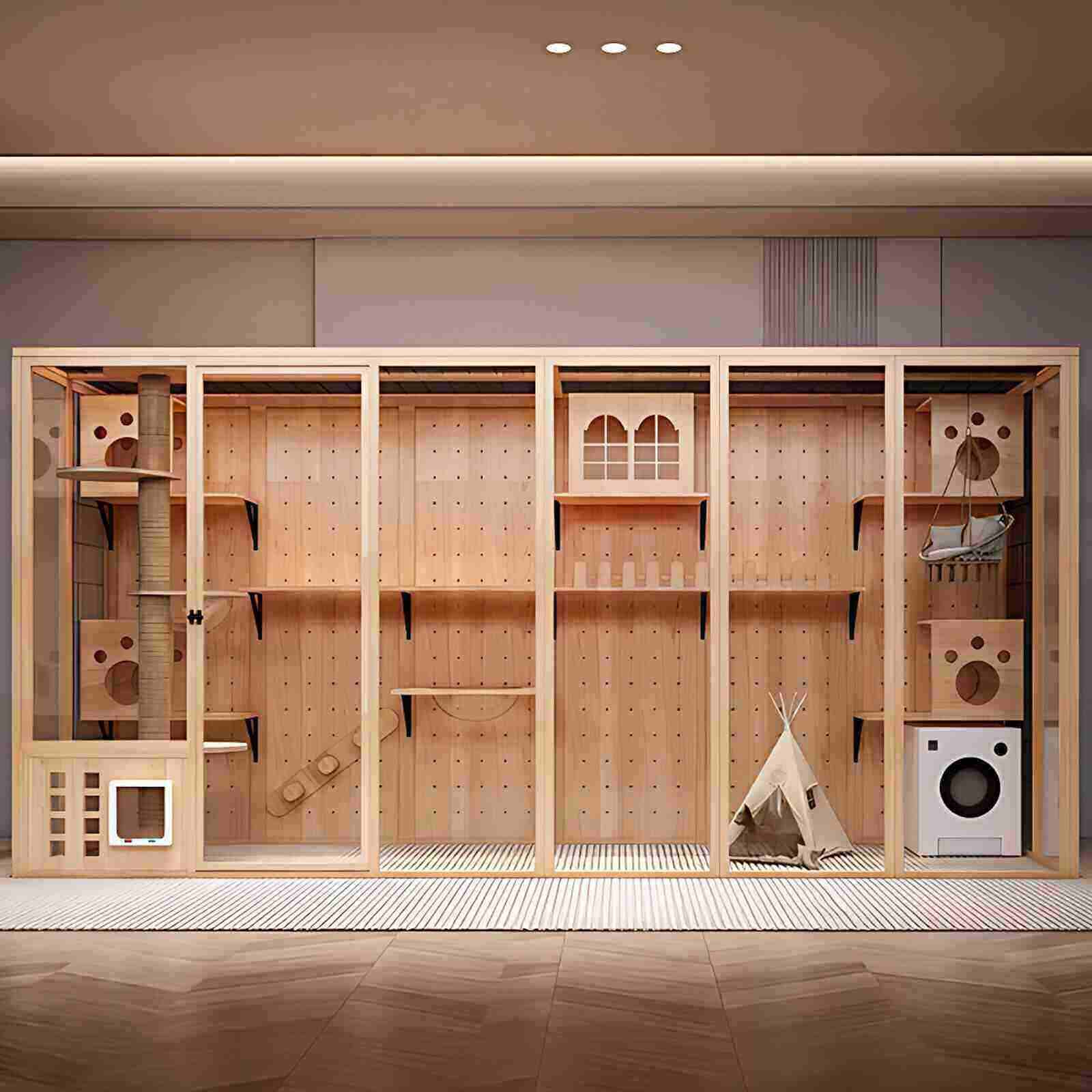
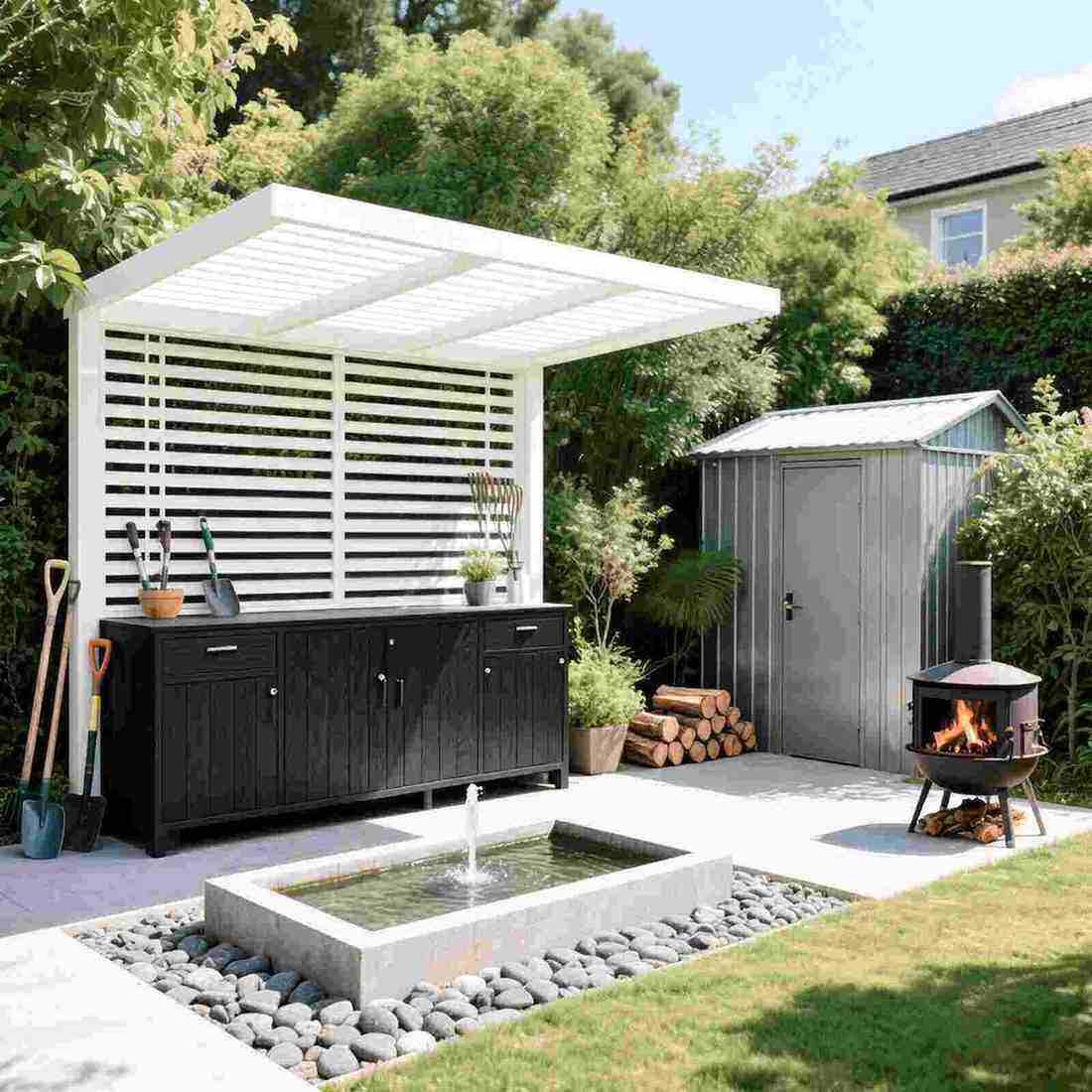
Engineered wood is a new type of decorative material made primarily from veneers of common fast-growing tree species, using processes such as veneer color matching, lamination, and molding. It mimics the grain and color of natural precious tree species, thus retaining the inherent properties of natural wood, including temperature regulation, humidity control, heat insulation, and electrical insulation. Furthermore, it avoids the inherent defects of natural wood, such as knots, wormholes, color variations, and decay, during processing. Modification treatments effectively solve the problems of cracking and deformation common in natural wood. It can be described as "derived from nature, but surpassing nature."
Engineered wood uses timber from economically planted forests to replace natural precious tree species, thus it is an effective protection of rare natural resources and an active practitioner of sustainable development strategies.
Features of engineered wood
Engineered wood is a perfect blend of nature and modern high technology. It is sourced from nature and is essentially still wood. Compared to natural, unprocessed wood, engineered wood has the following five key characteristics:
1. Rich and varied colors;
2. Diverse textures and colors;
3. Minor natural defects in the wood;
4. Large decorative panel size, high utilization rate;
5. Superior mechanical properties.
The Industry Influence of Engineered Wood
In just a few years, the engineered wood company has surpassed its counterparts in Italy, the birthplace of engineered wood, to become a new generation of leading engineered wood enterprises. Its product quality, variety, and production and sales scale are now at a leading level globally.
Over the past decade, more than 1,200 varieties and colors have been launched to the market. Many newly developed products have been widely used in furniture making and hotel interior decoration, prompting competitors to imitate them and making them a trendsetter in the engineered wood industry. Strong R&D capabilities have made engineered wood highly favored in the US market, achieving the top market share and winning the "US Product Innovation Award".
Since 2004, engineered wood has gone global, exporting to over 50 countries worldwide, including Europe, America, and Southeast Asia. Domestically, it has established exclusive sales networks in major furniture production bases such as Guangdong, Shanghai, Beijing, Zhejiang, and Sichuan, and is rapidly expanding into economically developed regions and large and medium-sized cities like Qingdao, Dalian, Xiamen, Wuhan, Chongqing, Zhengzhou, and Xi'an. Each new market opening and store establishment attracts competition from rivals, fueling its continued growth.